




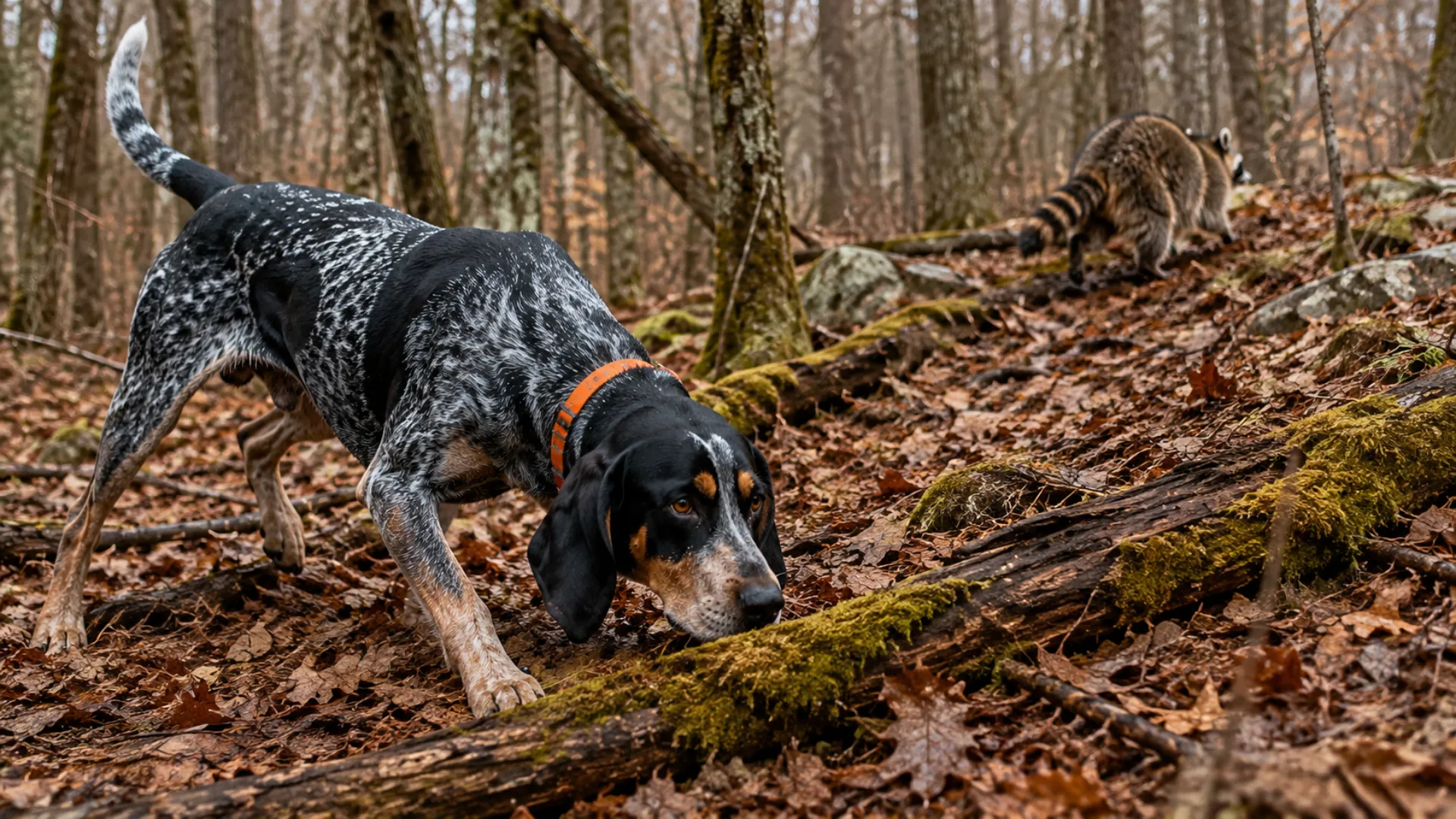
Dogs have assisted people in locating and following animals for centuries. Their extraordinary noses, stamina, concentration, and ability to interpret scent trails made them valuable partners for hunters working across forests, fields, wetlands, and rugged terrain.
Different breeds were developed for different tracking challenges.
Some specialize in following an individual scent over considerable distances, while others were bred to pursue quarry with their voices, locate animals in trees, or combine scent detection with pointing and retrieving abilities.
The tracking dog breeds below represent several remarkable examples of canine tracking talent. Their working histories shaped distinct behaviors and physical abilities, but all require appropriate training, exercise, and responsible handling to channel their strong hunting instincts successfully.
Best Dog Breeds for Locating and Tracking Prey Animals
1. Bloodhound
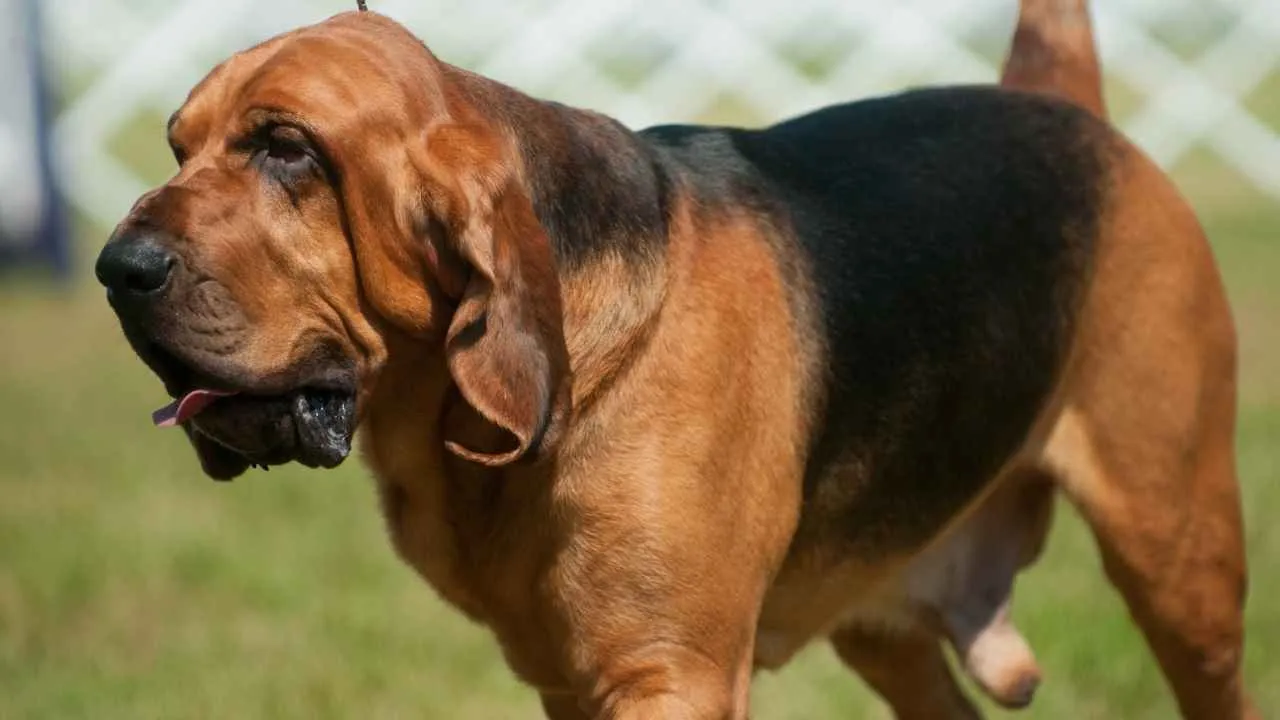
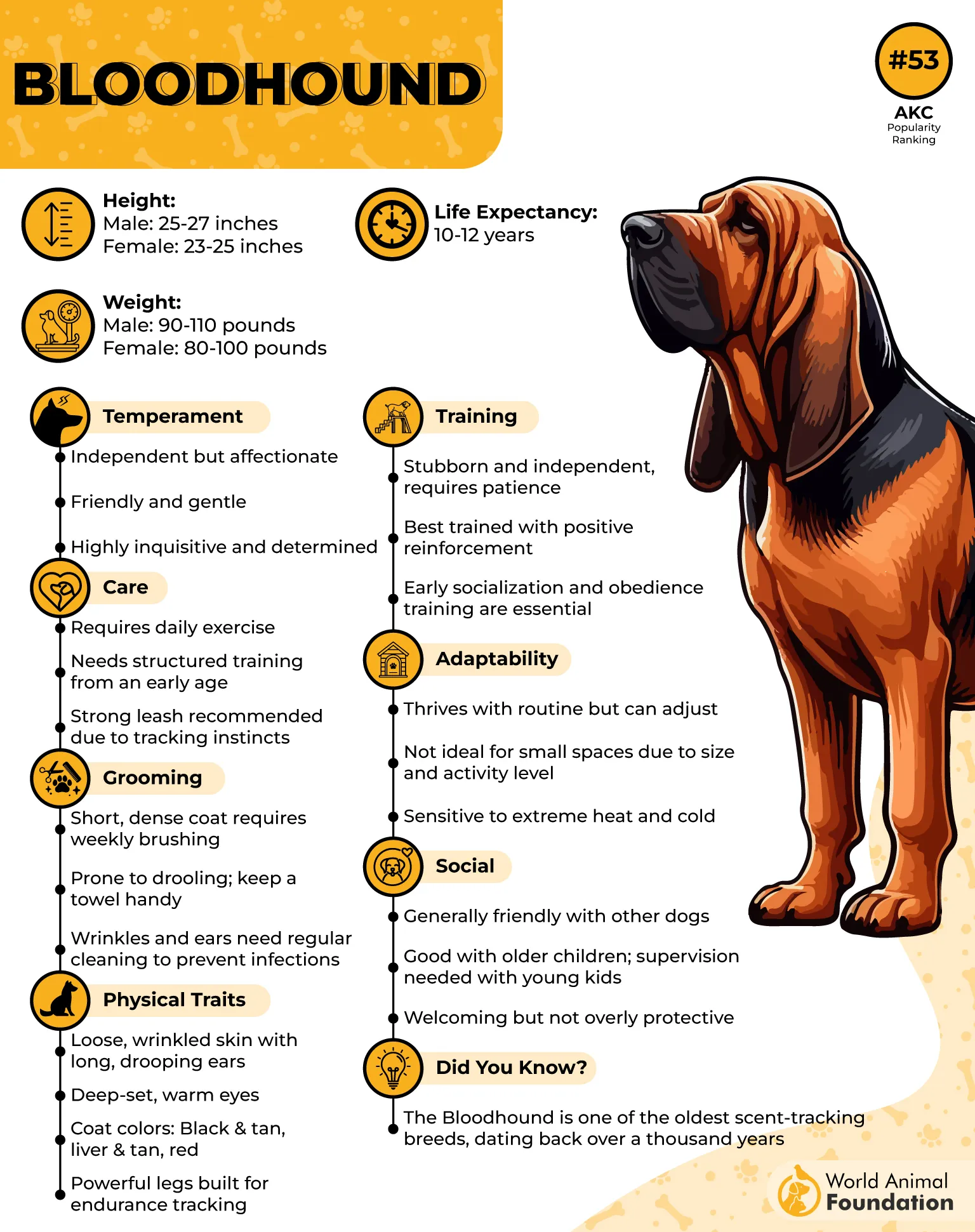
Bloodhounds have an extraordinary reputation for scent work and trace their history to European hounds developed for tracking. Their loose skin, long ears, and powerful noses are among their most recognizable physical characteristics.
Their exceptional olfactory abilities eventually made them useful not only for hunting but also for locating missing people and following human scent trails, as per Royal Kennel Club. Their working ability comes from more than their nose alone; persistence and concentration are equally important.
Focused, Patient, and Determined on a Scent
Bloodhounds are often persistent once they have identified an interesting trail. Their independent tracking style means they may become intensely focused on following a scent rather than paying attention to distractions around them.
Training should build reliable recall and leash manners while allowing appropriate opportunities for scent-based enrichment. Their determination makes secure handling especially important in areas where following a trail could lead them far from home.
An Extraordinary Nose Built for Tracking
A Bloodhound’s most famous ability is its highly developed sense of smell. Its long ears and facial structure are thought to help keep scent particles close to the nose while the dog works.
They can follow trails across complex environments, making them among the most celebrated scent-tracking breeds. Their tracking skills should be developed through structured activities rather than uncontrolled pursuit.
2. Beagle
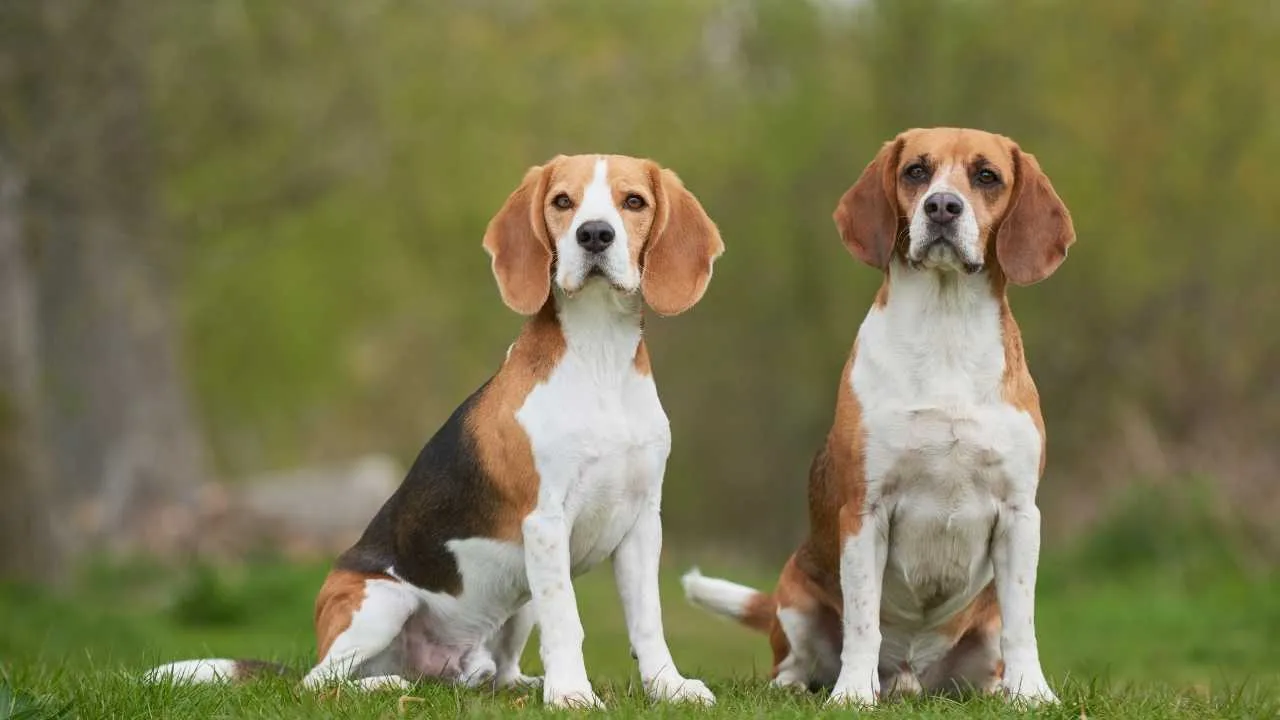
Beagles originated in Britain and were developed as small scent hounds capable of pursuing rabbits and other small game. Their compact size allowed hunters to follow them on foot while their noses kept them connected to the trail.
Their cheerful personalities have helped them become popular companions, but their working instincts remain strong. A Beagle encountering an intriguing scent may become remarkably persistent in investigating it.
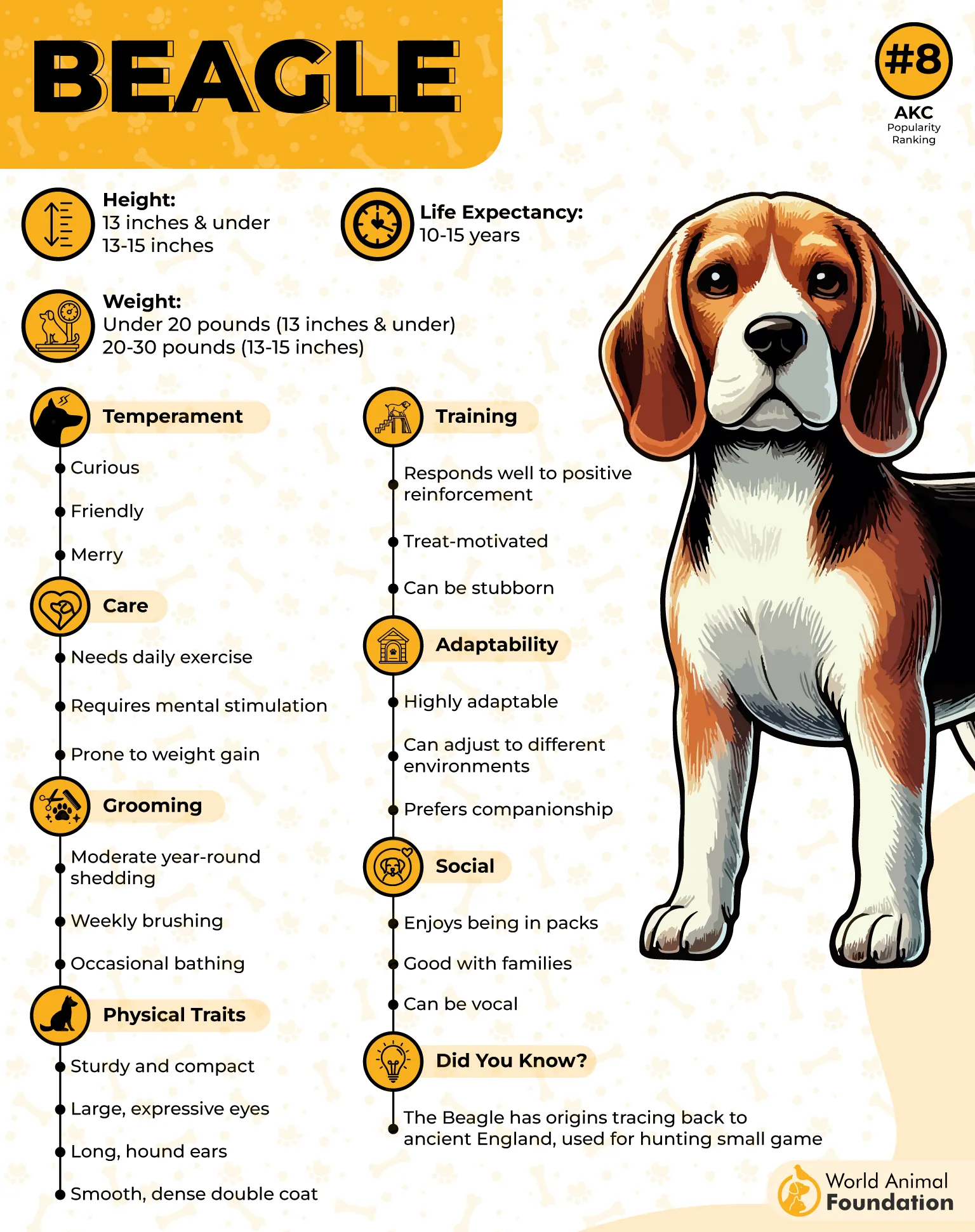
Curious, Energetic, and Easily Captivated by Scents
Beagles are generally sociable and enthusiastic dogs with an intense interest in their surroundings. Their powerful noses can sometimes overpower their attention to their handlers.
Scent games, tracking exercises, puzzle toys, and exploratory walks can provide appropriate mental stimulation, as per WebMD. Reliable recall should be developed carefully because an interesting trail may tempt a Beagle to ignore everything else.
Small Stature With Serious Tracking Ability
Their size may make Beagles appear less imposing than larger hunting hounds, but their scenting ability is highly developed. They can follow trails while working steadily across varied environments.
Their long ears and compact build are characteristic of a classic scent hound. Regular opportunities to use their noses can help satisfy instincts that might otherwise appear as excessive sniffing or wandering.
3. Bluetick Coonhound
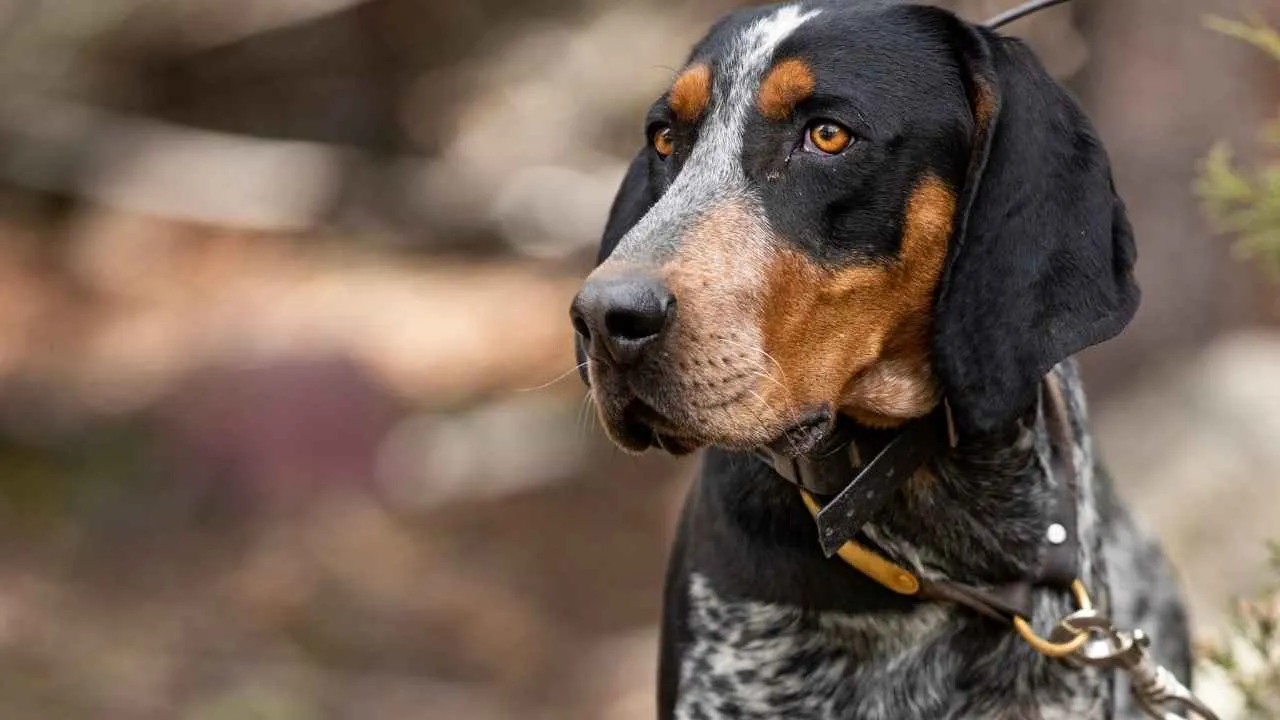
The Bluetick Coonhound developed in the United States from hound lines used for tracking and pursuing game. Its distinctive blue-speckled coat makes it easy to recognize, while its powerful nose reflects its hunting heritage.
This muscular breed became particularly associated with raccoon hunting. Its ability to follow a scent trail and communicate with its handler through its distinctive voice made it valuable in wooded environments.
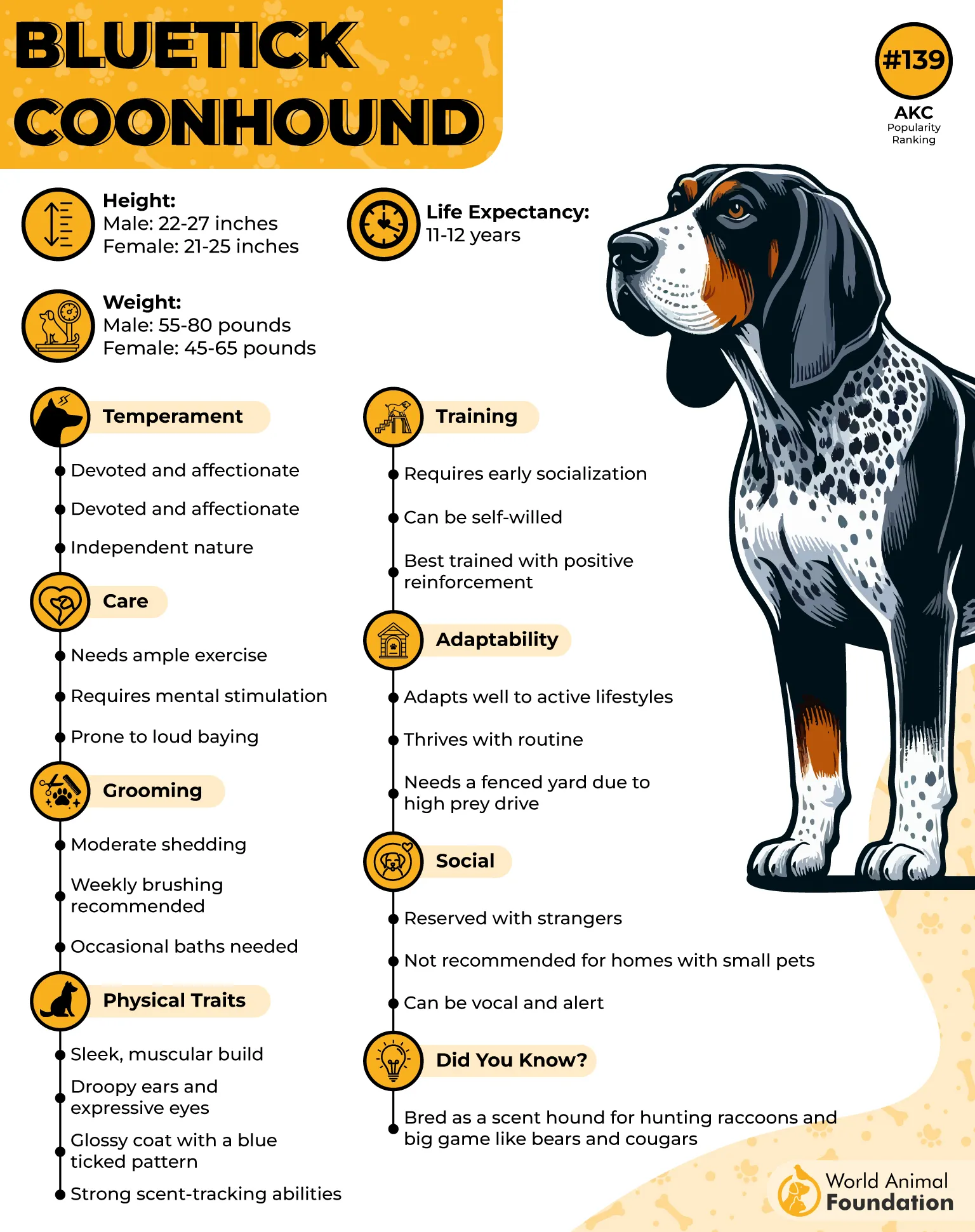
Determined Workers With Plenty of Stamina
Bluetick Coonhounds tend to be energetic and persistent when they have a scent to follow. They often enjoy having a job that allows them to use their natural abilities.
Owners should combine exercise with obedience work and scent-based enrichment. Because these dogs can become absorbed in tracking, secure fencing and dependable handling are particularly important.
Skilled at Following Trails Through Difficult Terrain
The Bluetick’s scenting ability allows it to work through wooded landscapes and follow trails that may be difficult for people to detect. Its endurance helps it continue searching after other dogs might become tired.
Its characteristic vocalization can also serve as a communication tool during a hunt. Training should help owners manage that instinct, particularly in neighborhoods where frequent baying could disturb others.
4. Black And Tan Coonhound
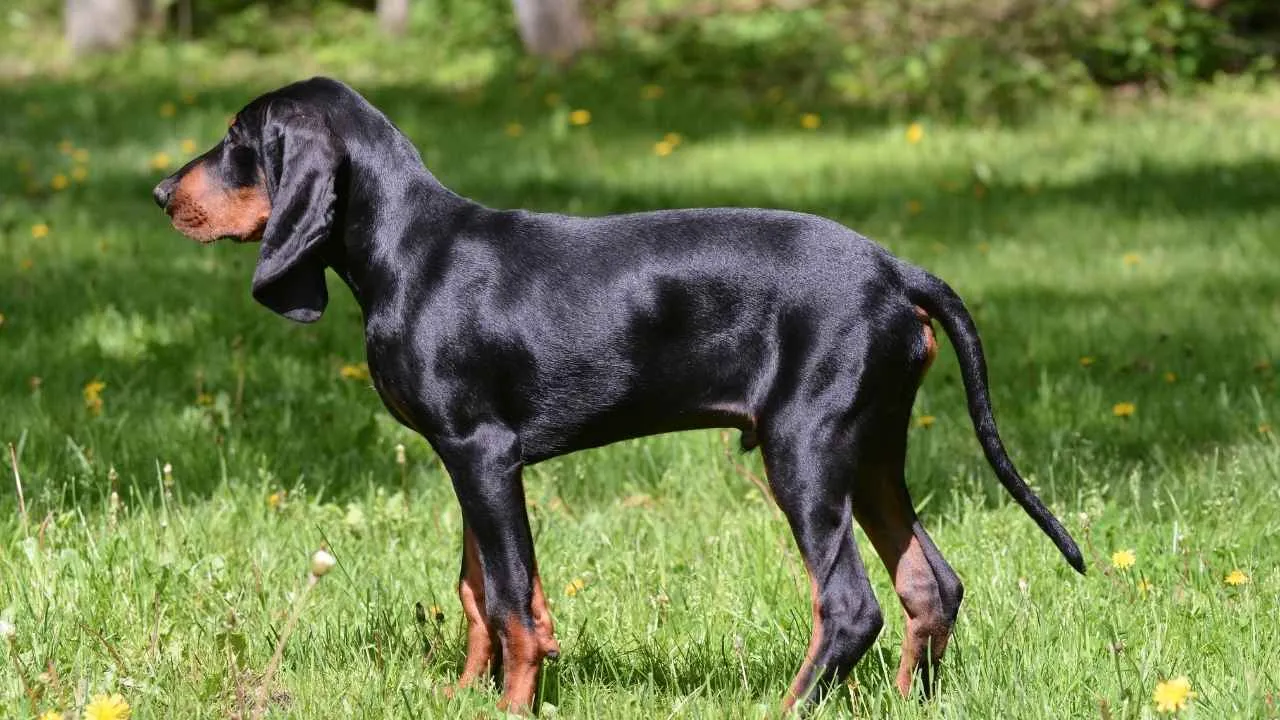
The Black and Tan Coonhound was developed in the United States from hound ancestry associated with tracking game. Its black-and-tan coat, long ears, and strong build reflect its traditional role as a working scent hound, as per Purina.
The breed became especially known for following raccoon trails, although it could also be used to pursue larger quarry. Its combination of scenting ability, endurance, and persistence made it a capable hunting partner.
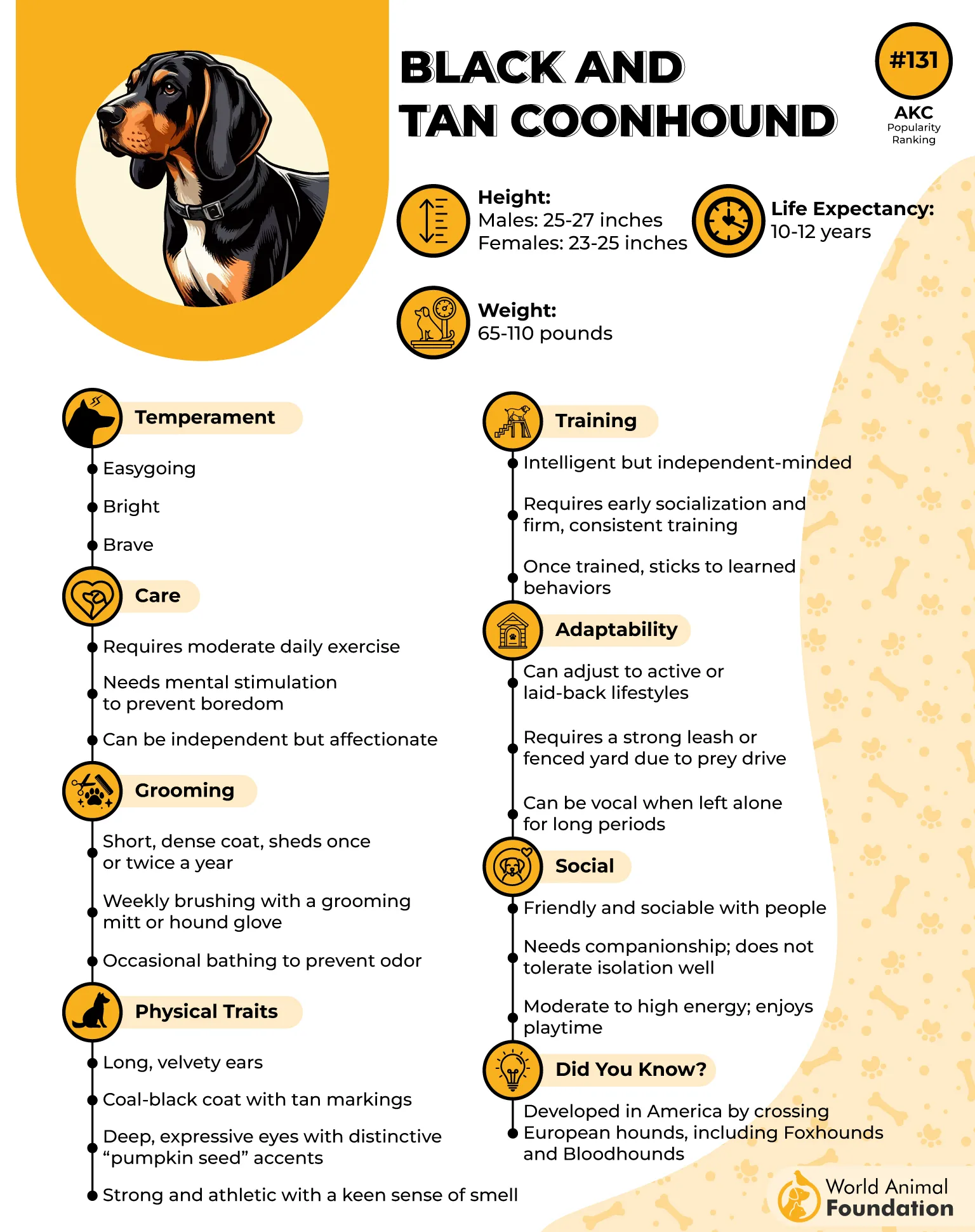
Persistent, Easygoing, and Ready to Explore
Black and Tan Coonhounds are often energetic outdoors but can be comparatively relaxed when their exercise needs are met. They generally enjoy exploring new environments and investigating scents.
Their independent streak can make training somewhat different from working with highly handler-focused breeds. Positive reinforcement, patience, and consistent boundaries can encourage reliable responses without suppressing their natural curiosity.
A Long-Distance Scent Specialist
Their powerful noses allow them to follow trails over considerable distances. They can work through wooded and uneven landscapes while maintaining contact with a scent.
Their distinctive bay can help hunters locate them when they are working out of sight. At home, owners may need to teach appropriate vocal behavior because the same instinct that is useful in the field can become noisy in residential settings.
5. American Foxhound
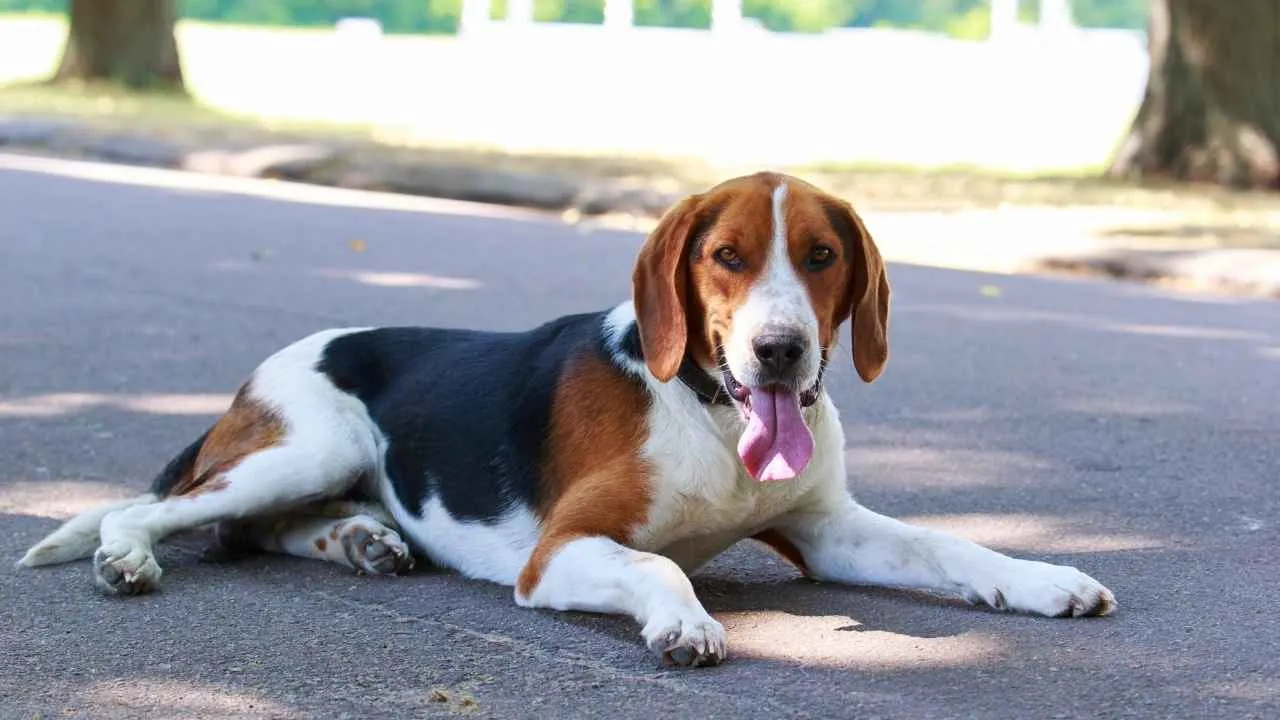
American Foxhounds developed in the United States from European foxhound lines and were refined for hunting in the country’s varied terrain, as per the AKC. Their long legs, athletic bodies, and endurance helped them cover considerable distances while following a scent.
The breed became strongly associated with fox hunting and was valued for its ability to work alongside other hounds. Its physical design reflects a history in which stamina could be just as important as scenting ability.
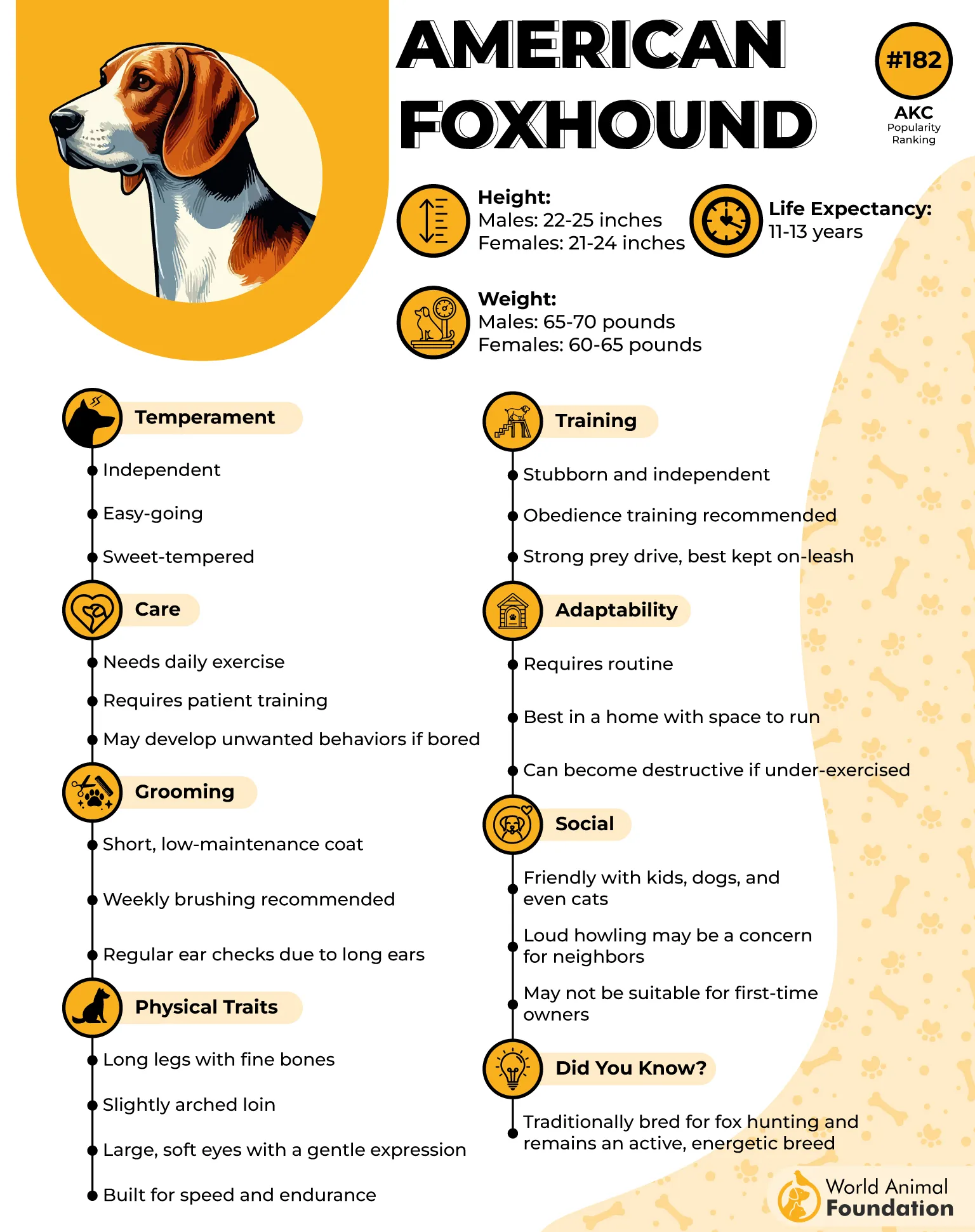
Sociable, Athletic, and Built for Endurance
American Foxhounds are generally active dogs that enjoy movement and companionship. Their history of working in packs contributed to their social nature and ability to cooperate with other dogs.
They need substantial exercise to remain content. Long walks, hiking, controlled running, and structured scent activities can provide useful outlets for their energy while supporting good behavior at home.
A Nose Designed for Following Long Trails
American Foxhounds can maintain a scent trail across extensive distances, using their noses while steadily moving through the landscape. Their endurance allows them to continue working over prolonged periods.
Their tracking instinct means owners should be cautious about allowing them off-leash in unsecured locations. A fascinating scent can encourage a Foxhound to travel much farther than its owner expects.
6. Harrier
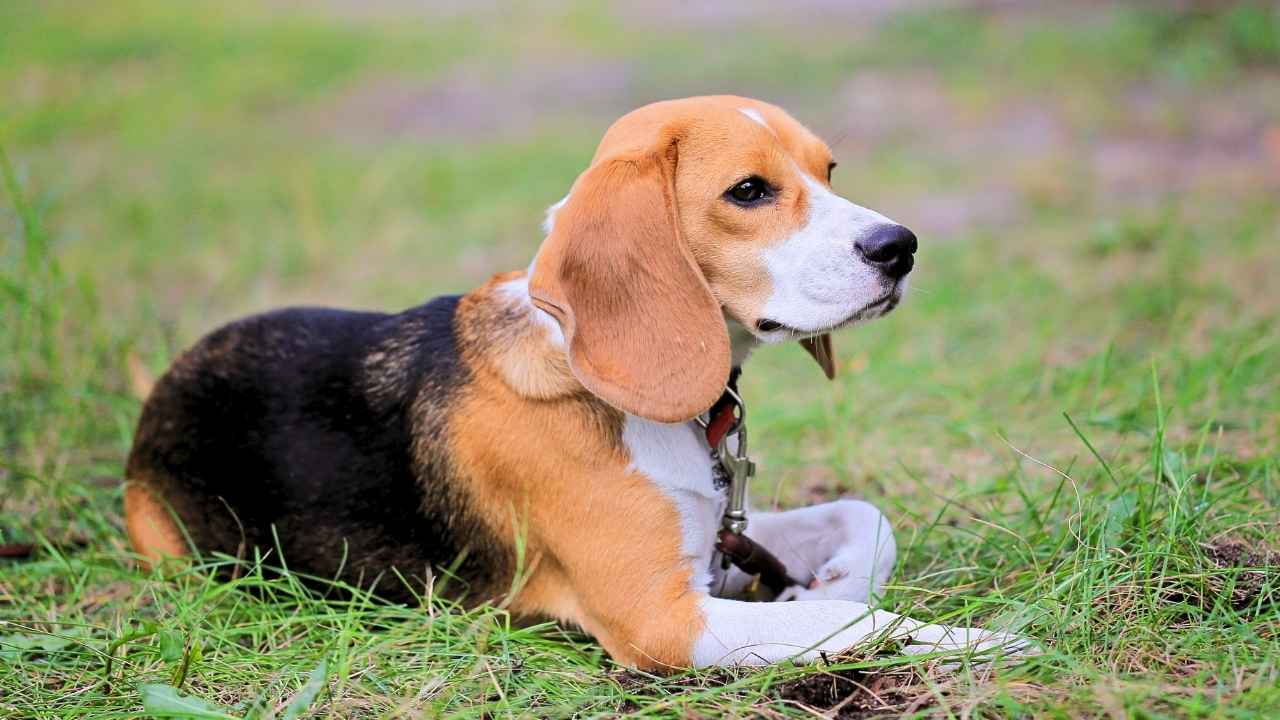
The Harrier is a British scent hound traditionally associated with hunting hare. Its development focused on creating a dog capable of following quarry across the countryside while working effectively with hunters and other hounds.
Although its precise origins are complex, the breed has long been recognized as a medium-sized dog or hunting hound. Its combination of endurance and scenting ability gives it a distinctive place among traditional British working breeds.
Friendly, Active, and Comfortable Working With Others
Harriers tend to be energetic and sociable dogs. Their pack-oriented background can make them comfortable around other animals, while their deer hunting heritage gives them a strong desire to explore.
They generally need regular exercise and mental stimulation. Structured walks, scent games, obedience training, and opportunities for controlled exploration can help satisfy their instincts.
A Medium-Sized Hound With a Powerful Nose
Harriers can track hare and other quarry by following scent trails across open countryside. Their stamina allows them to maintain a steady pace rather than relying only on short bursts of speed.
Their determination when following a trail means owners should prioritize secure environments and reliable recall training. Their natural tracking ability is best developed through controlled scent activities.
7. German Shorthaired Pointer
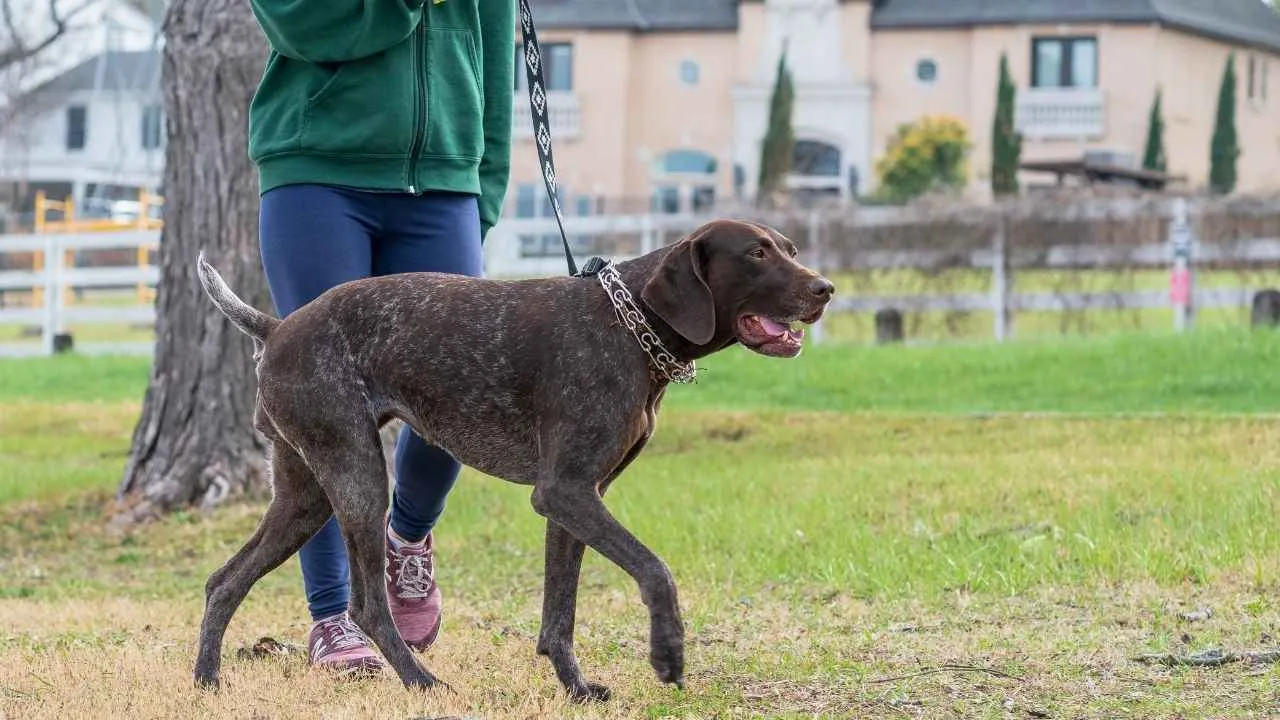
German Shorthaired Pointers were developed in Germany as versatile hunting dogs capable of locating, pointing, and retrieving game. Breeders sought a dog that could perform across different terrains and handle several aspects of the hunt.
Their athletic bodies, keen senses, intelligence, and willingness to cooperate made them highly adaptable sporting and hunting companions. Unlike specialized scent hounds, they combine tracking and scent detection with other field skills.
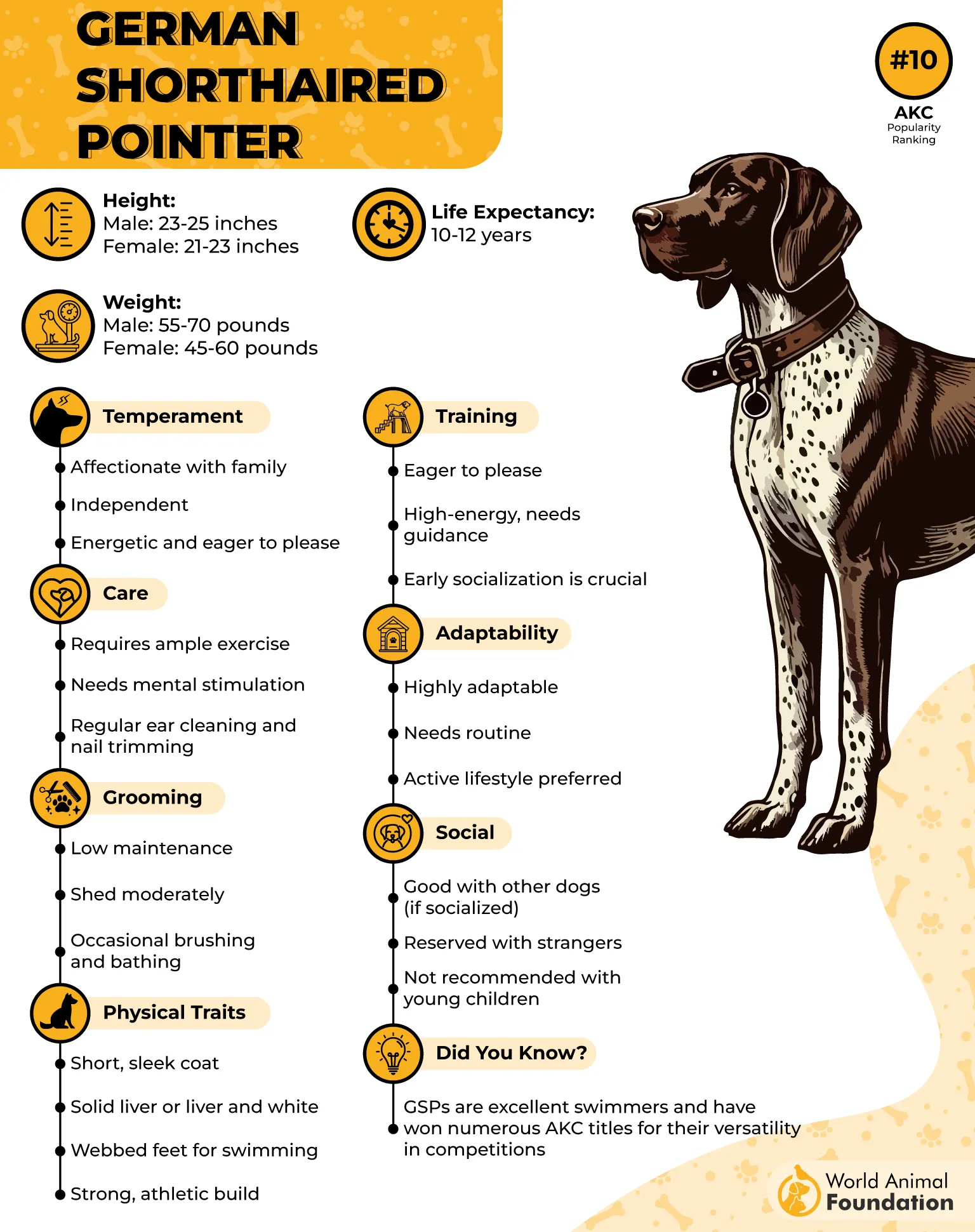
Intelligent, Energetic, and Eager to Work
German Shorthaired Pointers are typically highly active dogs that enjoy having something meaningful to do. They often respond well to training and can become excellent partners when their energy is directed into constructive activities.
Daily exercise should be substantial, with opportunities for running, retrieving, swimming, scent work, and obedience practice. Without sufficient stimulation, their energy can become difficult to manage.
A Versatile Nose for Finding Game
Their scenting abilities allow them to locate game and communicate its presence through pointing behavior. This combination of detection and controlled posture distinguishes them from breeds primarily selected for following a trail.
Their versatility makes them useful in different hunting environments and sporting activities. Structured training can help develop these abilities while ensuring the dog remains responsive to its handler.
Conclusion
Bloodhounds, Beagles, Bluetick Coonhounds, Black and Tan Coonhounds, American Foxhounds, Harriers, and German Shorthaired Pointers demonstrate the remarkable diversity of canine tracking abilities. Each sporting breed was shaped by different hunting requirements, from following individual scent trails to locating and pointing out game.
Their extraordinary noses are only part of what makes them effective. Stamina, concentration, persistence, cooperation, vocal communication, and instinctive behaviors all contribute to their working abilities.
For modern owners, these instincts can be redirected into scent games, tracking sports, detection activities, obedience exercises, and other forms of enrichment. Providing safe opportunities to use their natural talents can help these intelligent hunting dogs remain physically satisfied and mentally engaged while keeping their powerful prey-tracking instincts under responsible control.
