




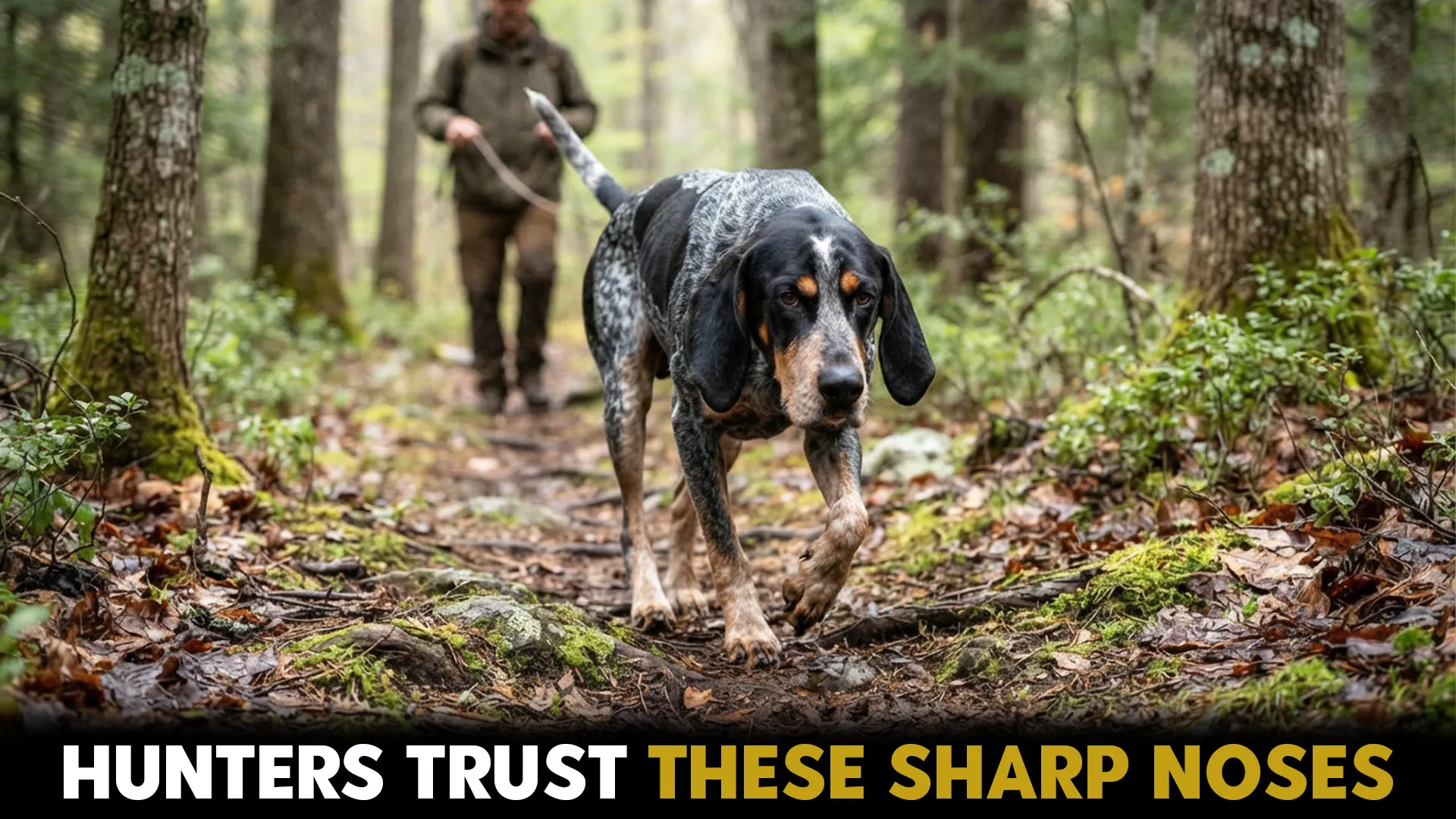
If you’re heading into the field, a good hunting dog can be more than a loyal companion. It can be your most reliable partner.
With sharp senses, athletic builds, and strong instincts, these dogs have long helped people locate, follow, flush, and retrieve game.
Tracking ability is especially valuable when game is difficult to spot or has moved through challenging terrain.
A capable hunting dog can use its powerful nose, focus, stamina, and determination to follow scents and stay on the trail while working closely with its handler.
In this article, we’ll look at some ideal choices for hunters who want dependable tracking skills and a partner that can keep up in the field.
Best Dog Breeds Choices for Hunters Seeking Tracking Skills
1. German Shorthaired Pointer
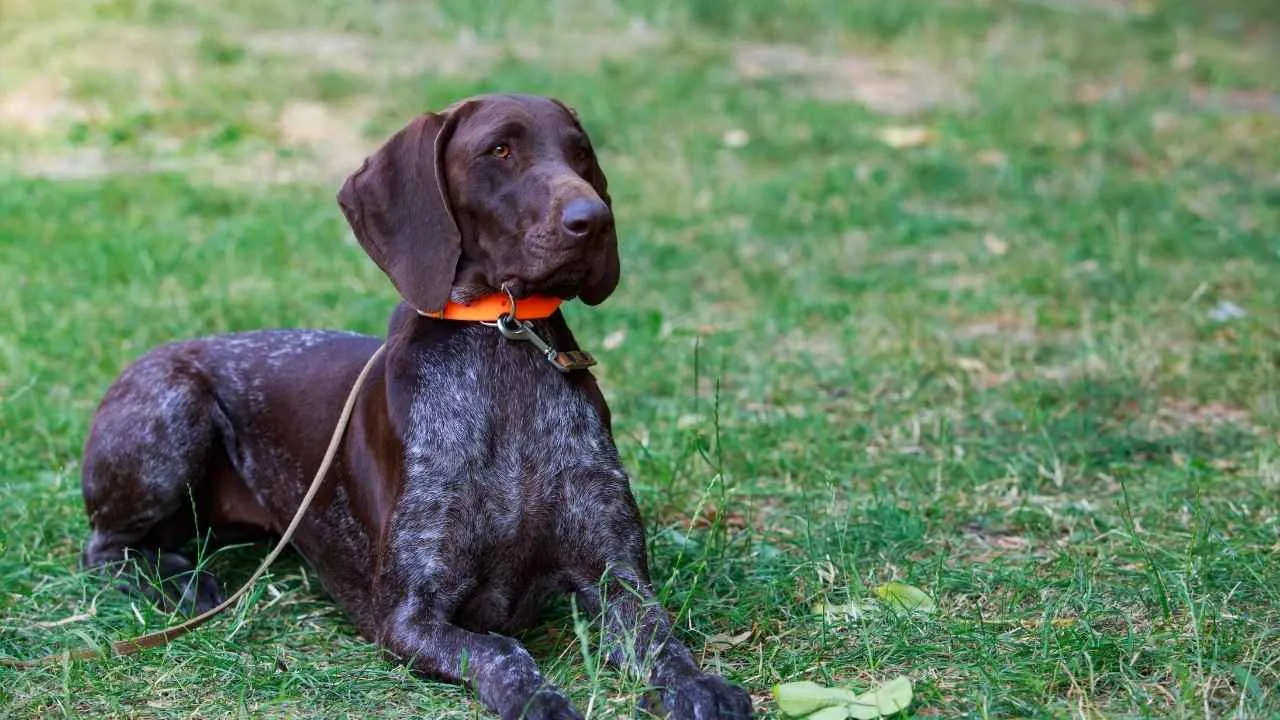
German Shorthaired Pointers are versatile sporting dogs known for their speed, agility, and endurance. They are popular bird dogs, trained to find and retrieve game birds.
Unlike many other bird dogs, they point by stopping and standing with their nose directed toward the scent, as mentioned by PetMD. They then wait for the hunter’s signal before flushing the bird.
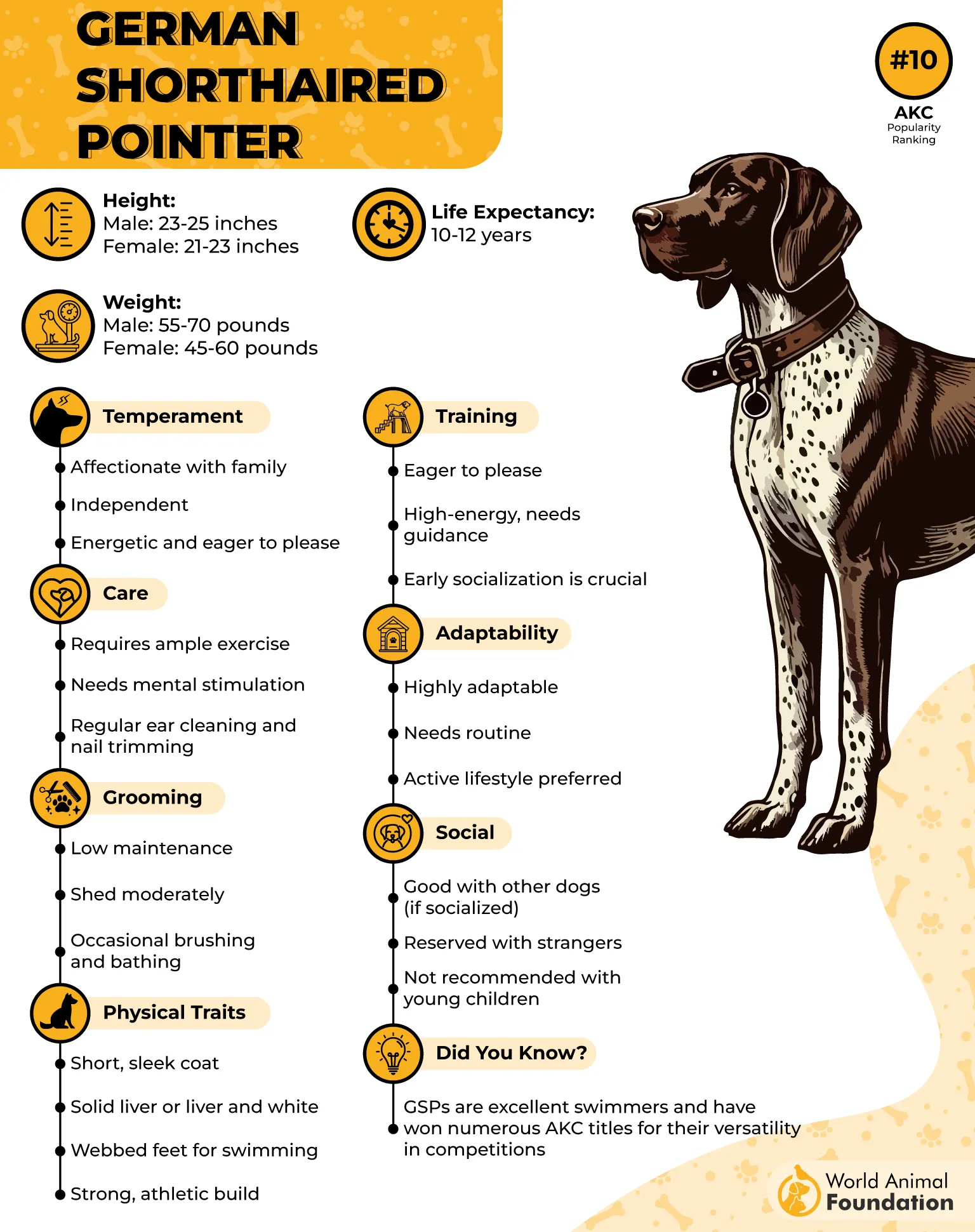
Tracking and Hunting Skills
German Shorthaired Pointers are active and versatile hunters that enjoy spending long days in the field. They can explore brush, track game, and scout in wide circles.
Their intelligence, stamina, and strong hunting instincts make them hardworking partners. However, they can sometimes be distracted by the call of the wild. Their hunting drive also means some caution is needed around small pets.
Life at Home
German Shorthaired Pointers are playful, loyal, and generally good with children and other dogs.
They need plenty of physical activity and mental stimulation, so they suit active families who enjoy outdoor time. Their short coats are fairly low-maintenance and shed moderately.
2. English Pointer
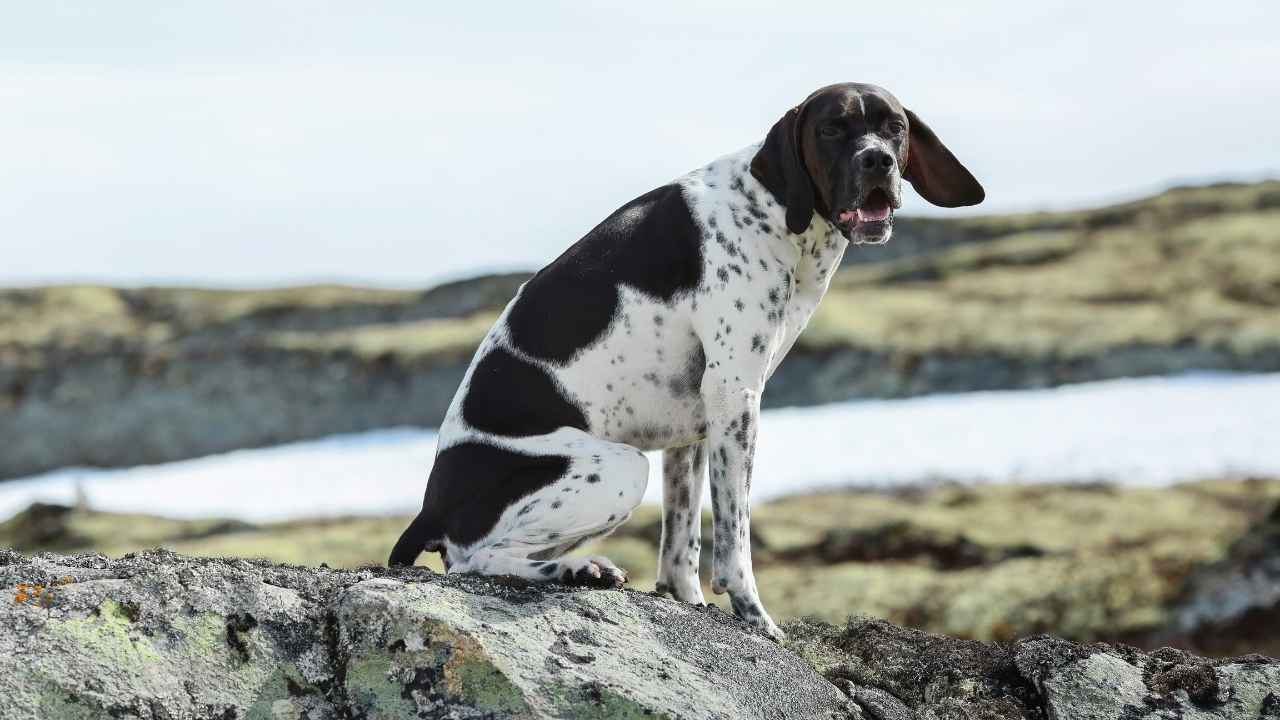
English Pointers are agile, fast, and enduring bird dogs with strong hunting instincts. They are trained to find game and signal its location rather than immediately flushing it out.
When they pick up a scent, they stop, stand still, raise their nose toward the game, and wait for the hunter’s signal. This natural pointing ability can appear even in very young dogs.
Tracking and Hunting Skills
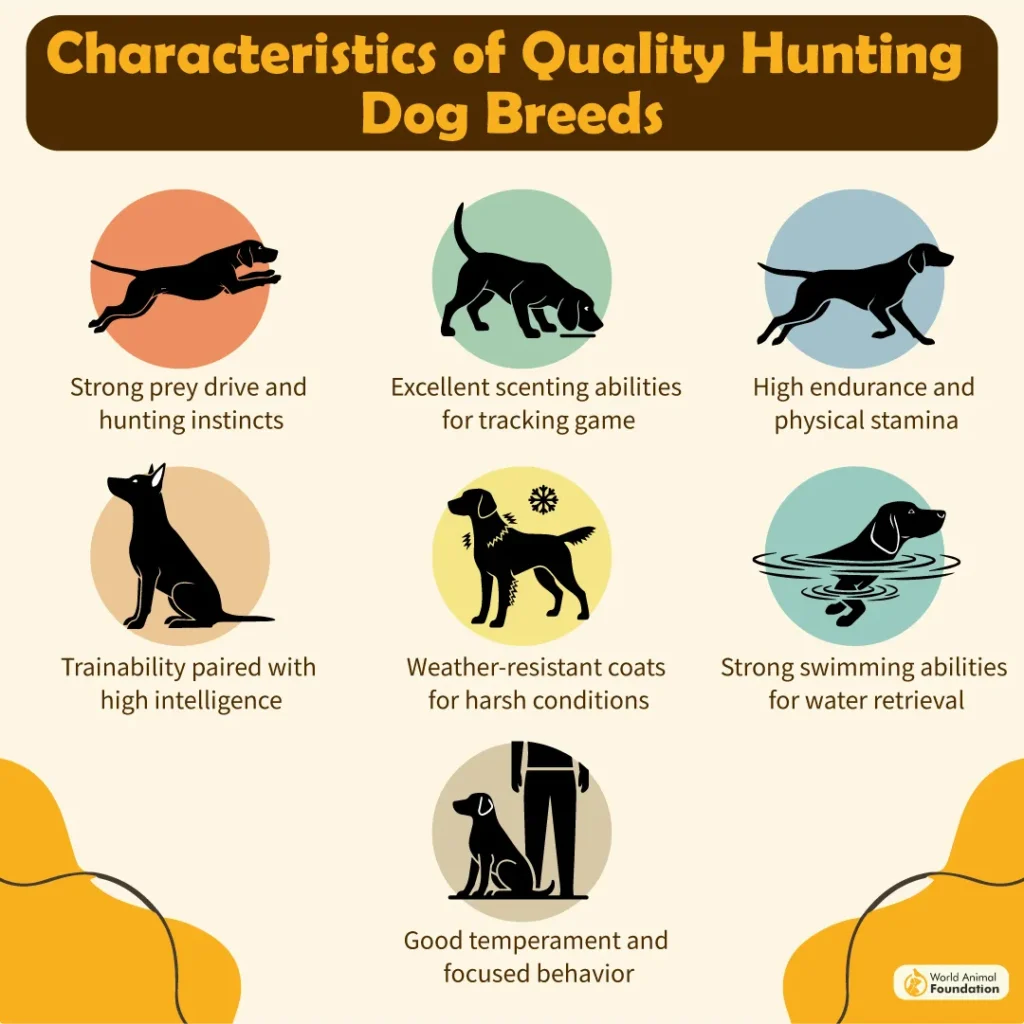
Pointers are energetic working dogs that thrive on outdoor activity. Their slender, powerful build allows them to move through fields and forests with speed and endurance.
They were developed as dependable hunting partners, particularly for finding game birds such as pheasants. Their strong instincts and ability to hold a steady point make them useful choices for hunters seeking dogs that can locate hidden game.
Life at Home
Pointers can be independent and strong-willed, especially those from working lines. These dogs may be too active for some households.
Show-line Pointers can be calmer and often do well with children and other animals. They are loyal, affectionate, and social with their families.
3. English Springer Spaniel
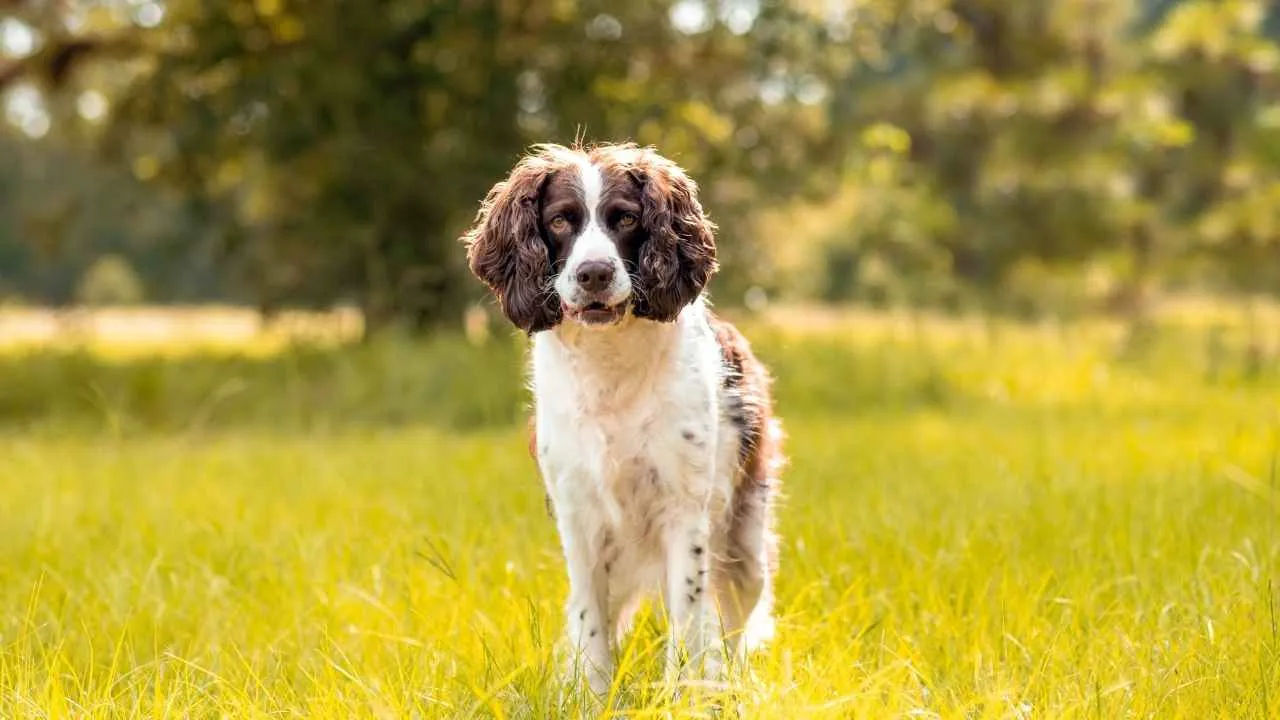
English Springer Spaniels are friendly, lively, and eager to please. They were bred as working hunting dogs and have a natural desire to find, carry, and retrieve objects.
Orvis says their name comes from their historic role of “springing” game by flushing birds into the open for hunters. They are also known for their cheerful nature and close bond with people.
Tracking and Hunting Skills
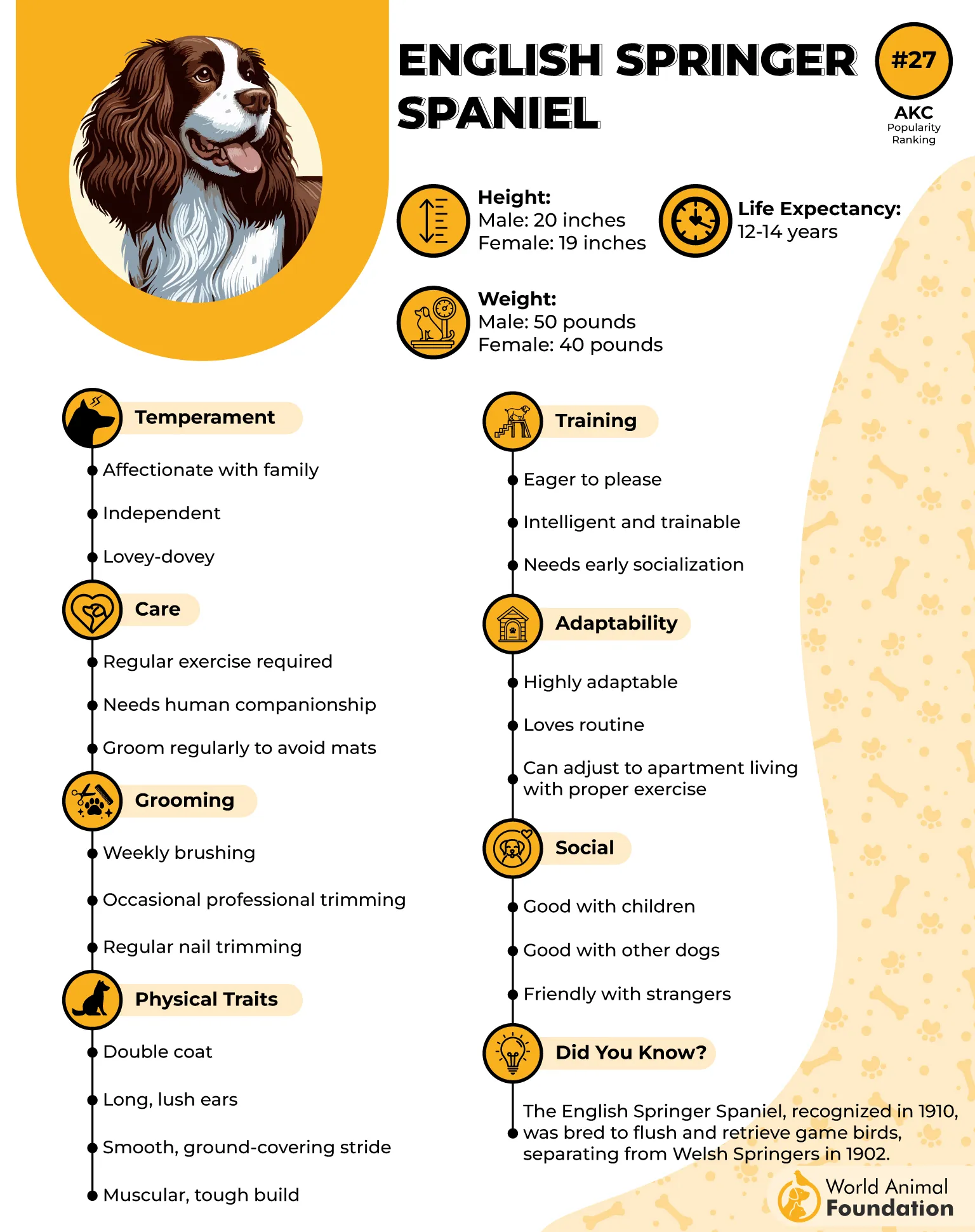
English Springer Spaniels are close-working hunting partners with plenty of energy and a strong desire to work. They have been used for centuries to flush small game and birds.
Their retrieving instinct also makes them useful in the field. They are intelligent and reasonably easy to train, especially when they have a job to do.
Life at Home
English Springer Spaniels can make reliable companions for active outdoor families. They enjoy spending time with people and generally have a friendly, outgoing nature. Working types tend to be more active, while show varieties can be calmer.
They need regular exercise, training, and plenty of activity to stay happy. Their medium-length, weather-resistant coats benefit from brushing once or twice a week.
4. Bluetick Coonhound
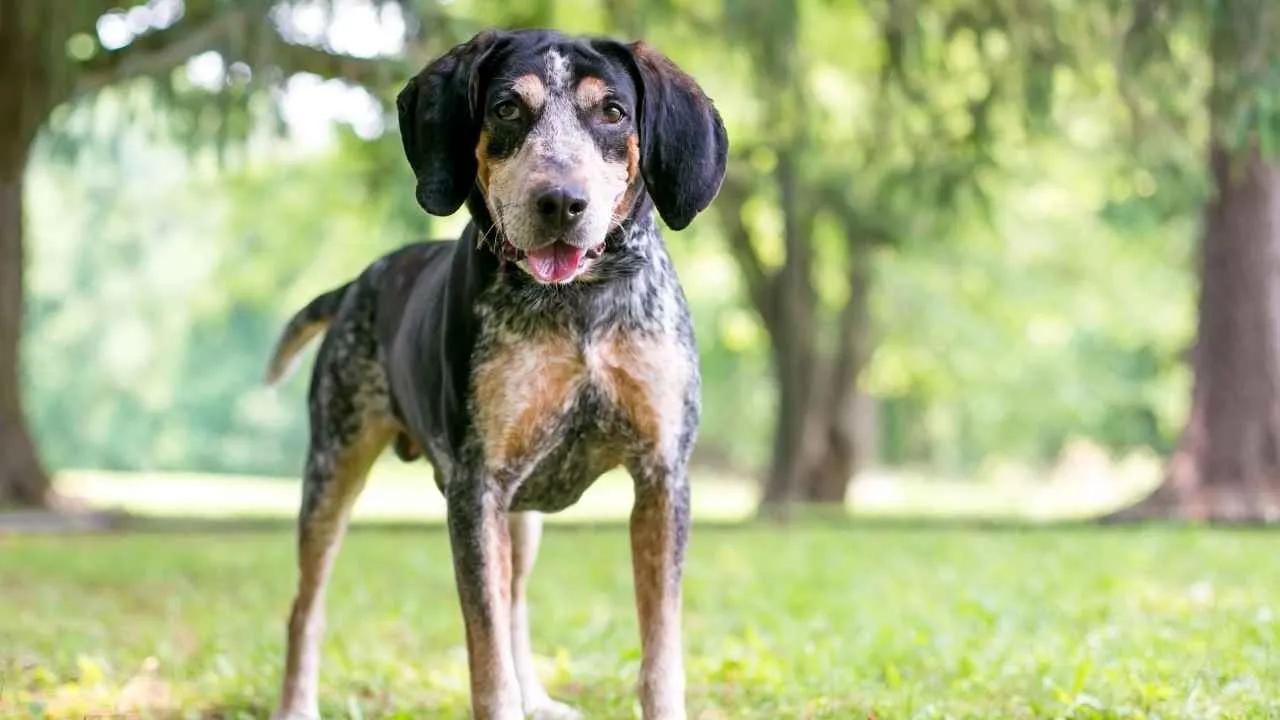
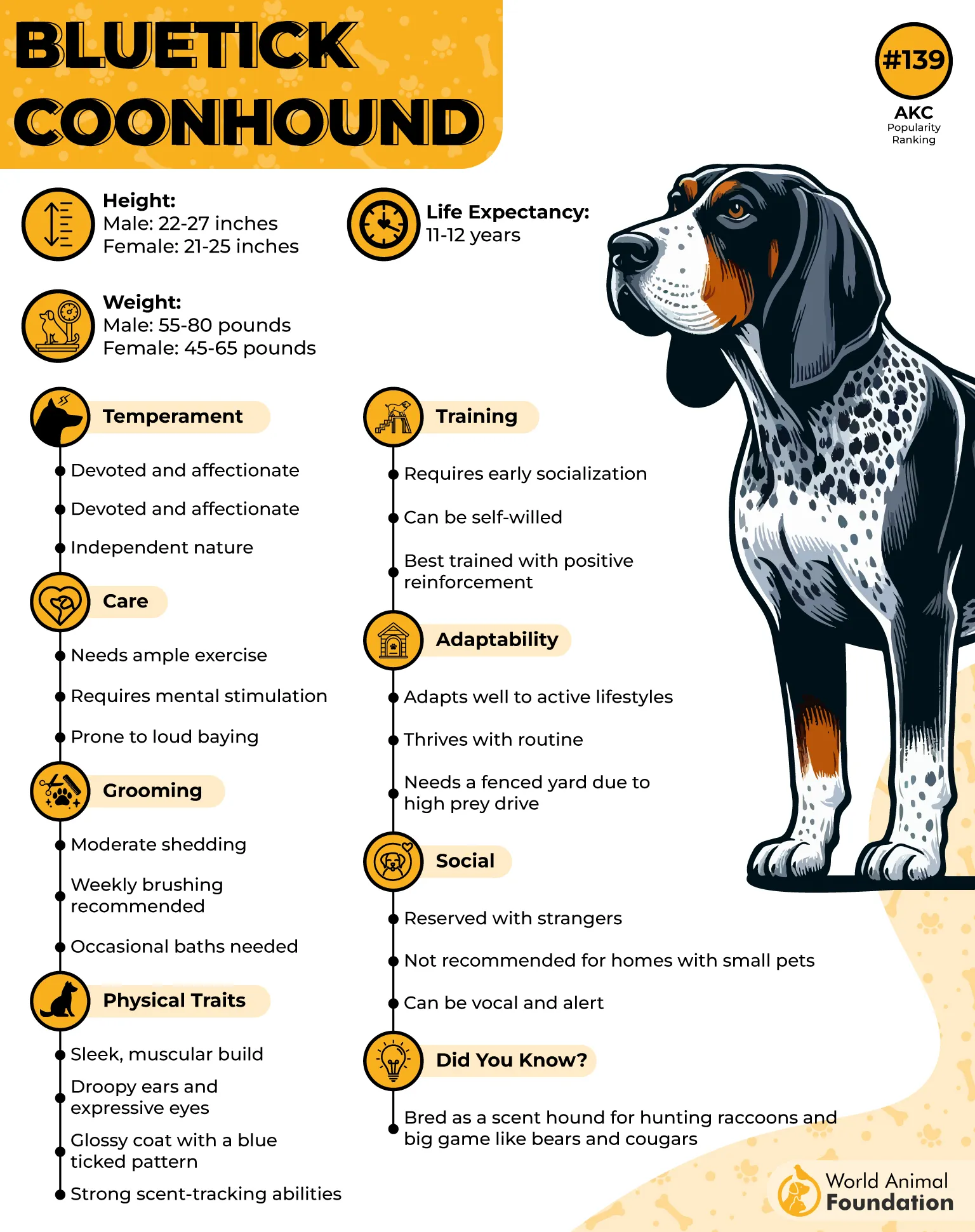
Bluetick Coonhounds are athletic scent hounds with an excellent nose and strong tracking instincts. They were developed as hunting companions and are especially skilled at following scents over long distances.
Their ancestors included French staghounds given to George Washington by Marquis de Lafayette. Early Blueticks tracked raccoons as well as larger game such as bears, wild boars, and cougars.
Tracking and Hunting Skills
Bluetick Coonhounds were built to follow their noses while covering large areas. They are excellent trackers and are skilled at treeing raccoons and other small animals.
Their endurance and intelligence help them stay focused during long hunts. They also use a loud, deep baying sound while hunting. This helps hunters follow their progress, although it can be challenging in a home setting.
Life at Home
Bluetick Coonhounds are friendly, loyal, and affectionate dogs that can do well with children and other pets. However, they need plenty of daily exercise and mental stimulation.
Their strong urge to follow scents means outdoor activities should be done on a leash or in a secure fenced area. Their short, glossy coats are low-maintenance and need only occasional bathing and grooming.
5. Black and Tan Coonhound
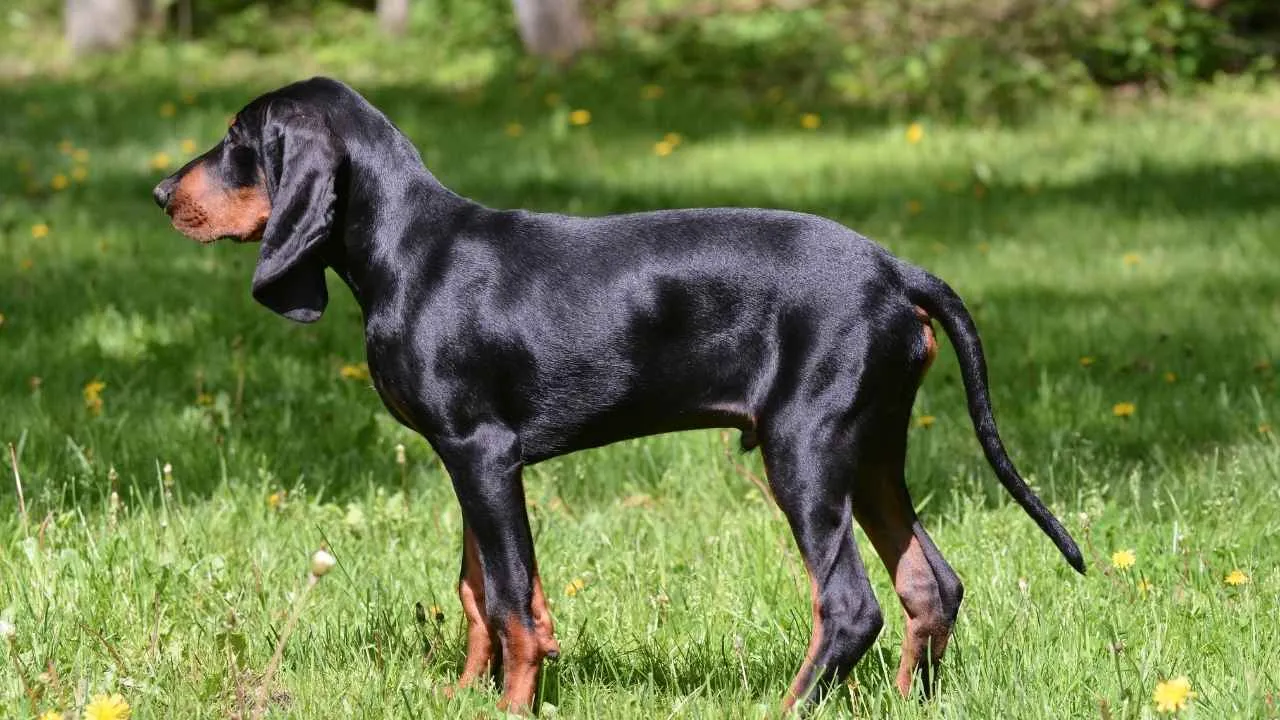
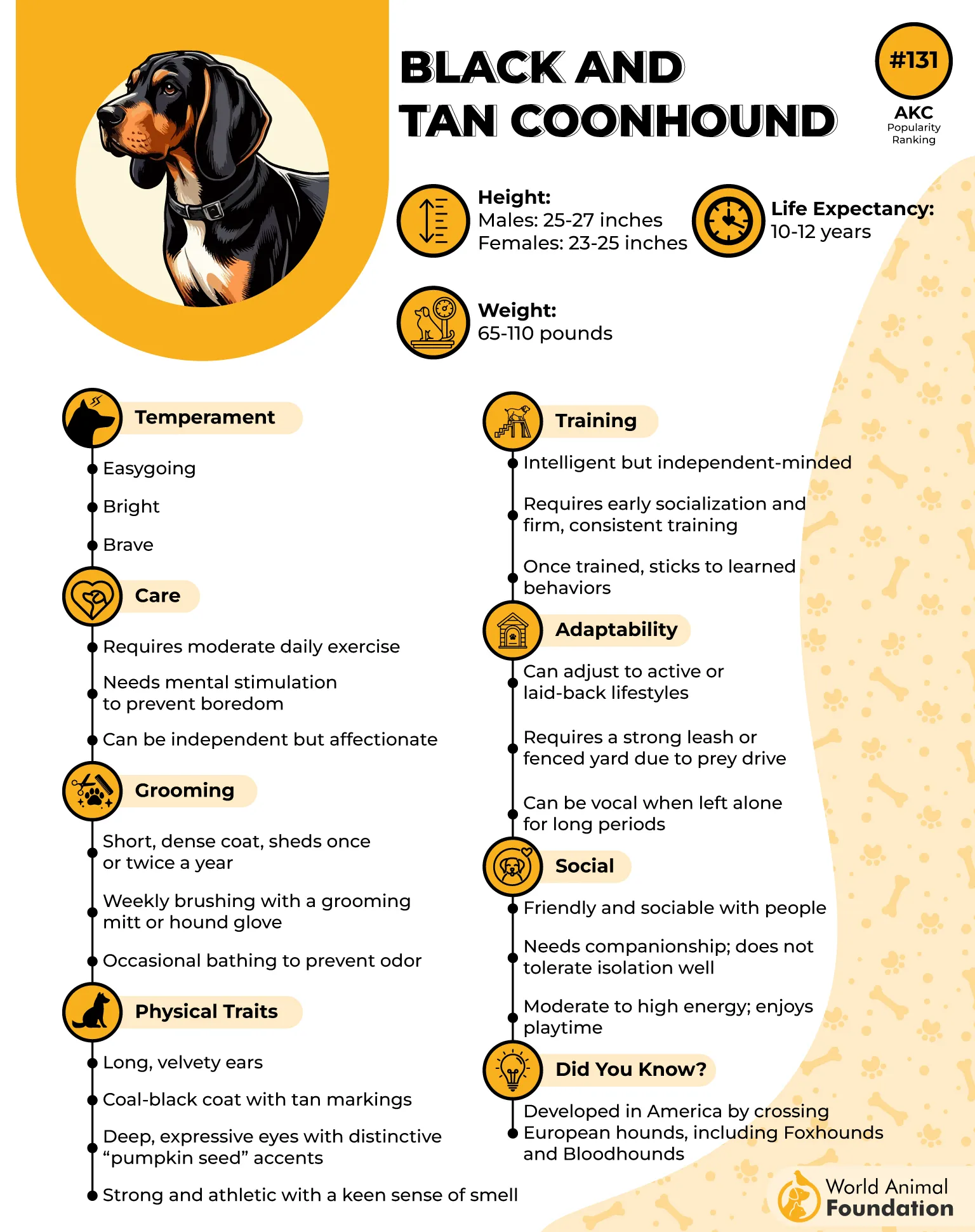
Black and Tan Coonhounds are scent hounds with an exceptional sense of smell and a strong drive to follow trails.
They were developed from Bloodhounds and Black and Tan Virginia Foxhounds and were originally used to hunt bears and raccoons in the southeastern U.S. They trail with their noses close to the ground and can follow scents over long distances.
Tracking and Hunting Skills
These hounds are especially skilled at tracking opossums and raccoons and are still used as hunting dogs today. They are intelligent, responsive, and passionate about their work, but their independent nature can make training more challenging.
They can be headstrong and need a positive relationship with an owner who knows how to motivate them. Their loud howling and baying are also part of their natural hunting style.
Life at Home
Black and Tan Coonhounds can be calm and laid-back indoors, despite their strong working instincts outdoors. They are generally friendly, loyal, and affectionate, although some can be reserved around strangers.
Early training and socialization are important. They have plenty of energy and need an active lifestyle, but they also enjoy relaxing with their families once their needs are met.
6. Plott Hound
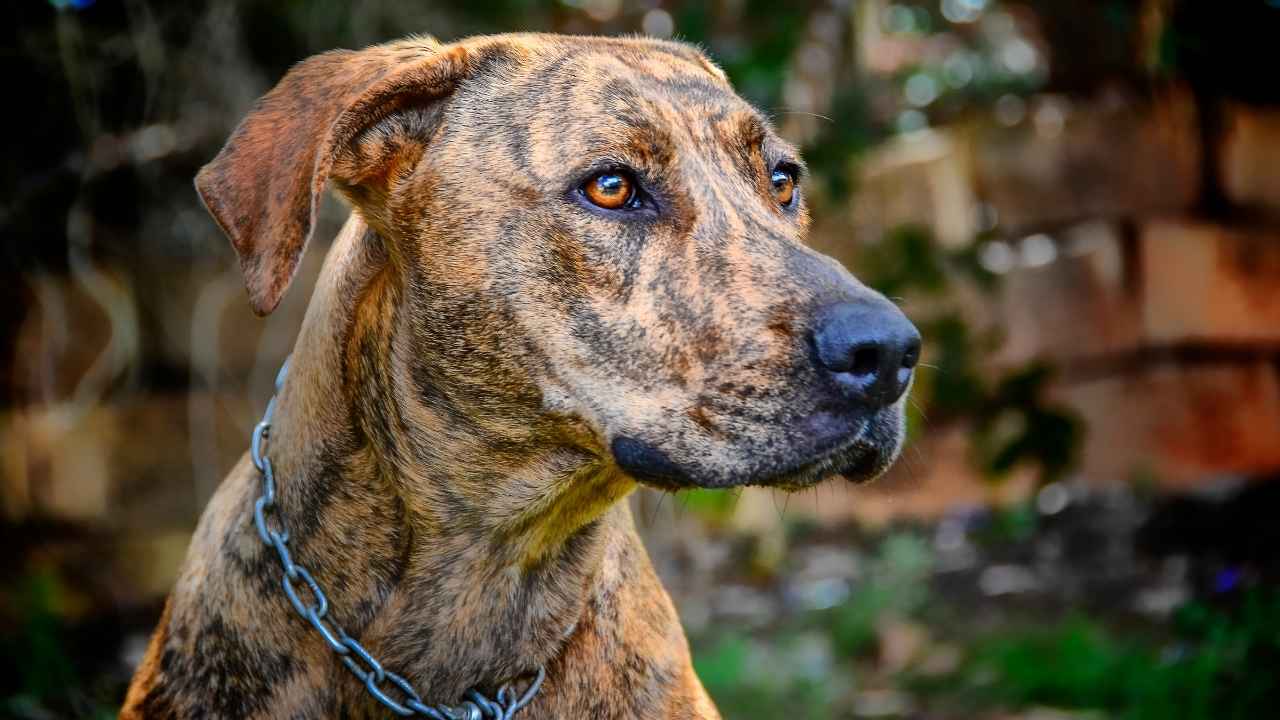
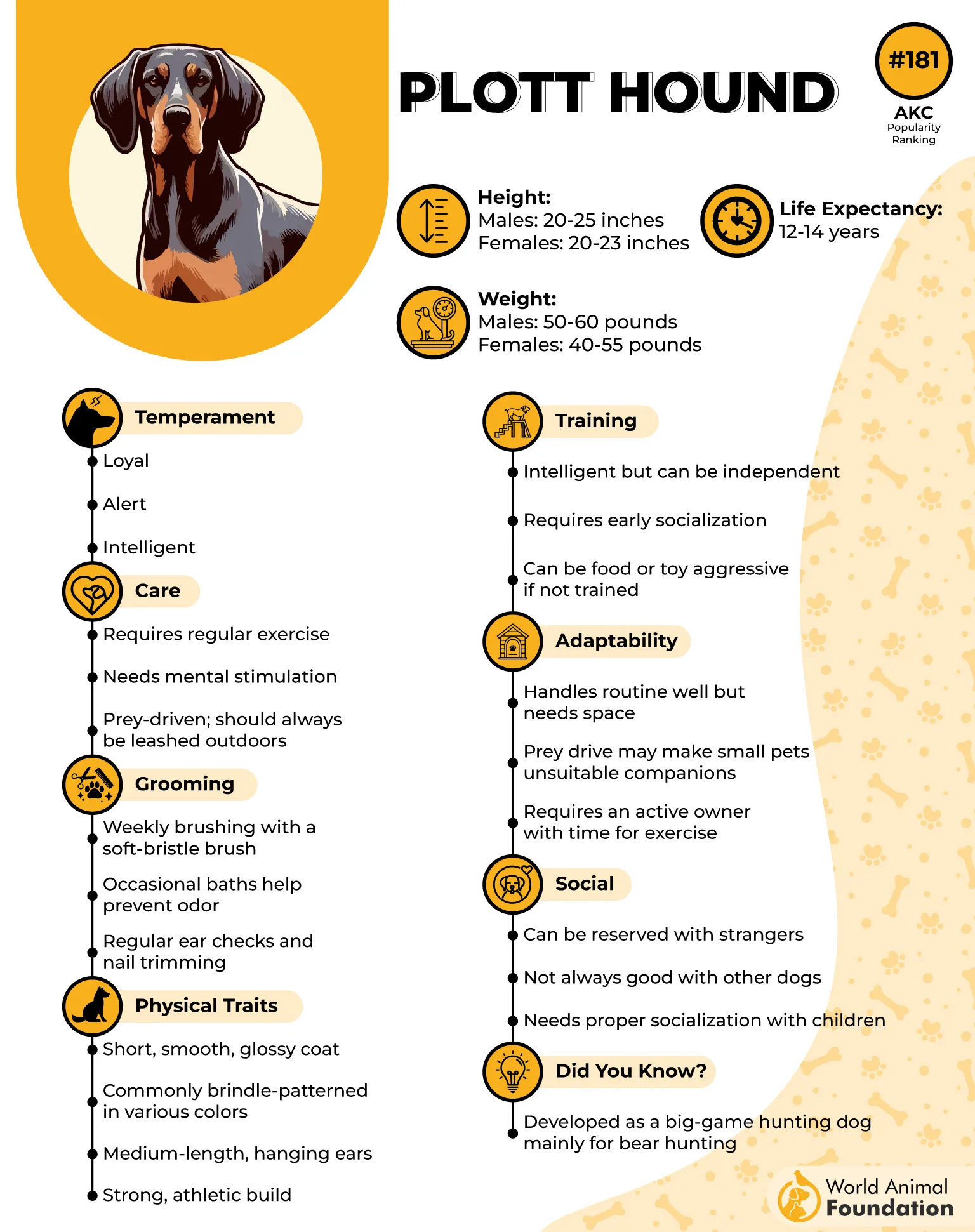
Plott Hounds are confident, courageous scent hounds with a strong history of hunting large game. They originated in North Carolina and trace their name to Johannes Plott, a German gamekeeper who brought Hanoverian Scenthounds to the U.S.
His family continued breeding their own strain, which became known as Plott’s hounds. Today, the breed is known for its brindle coat, muscular build, speed, and fearless nature.
Tracking and Hunting Skills
Plott Hounds were bred to hunt large game such as wild boars and bears. They are clever, tenacious, and determined trackers that may work with their noses to the ground or follow game up a tree.
Their speed, stamina, and perseverance make them capable hunting partners. They are also known for their distinctive voices while tracking.
Life at Home
Despite their serious hunting nature, Plott Hounds can be loyal and affectionate family companions. They enjoy human and canine company and are eager to please.
These active dogs thrive on activities such as hiking, swimming, and long walks where they can explore interesting scents.
7. Treeing Walker Coonhound
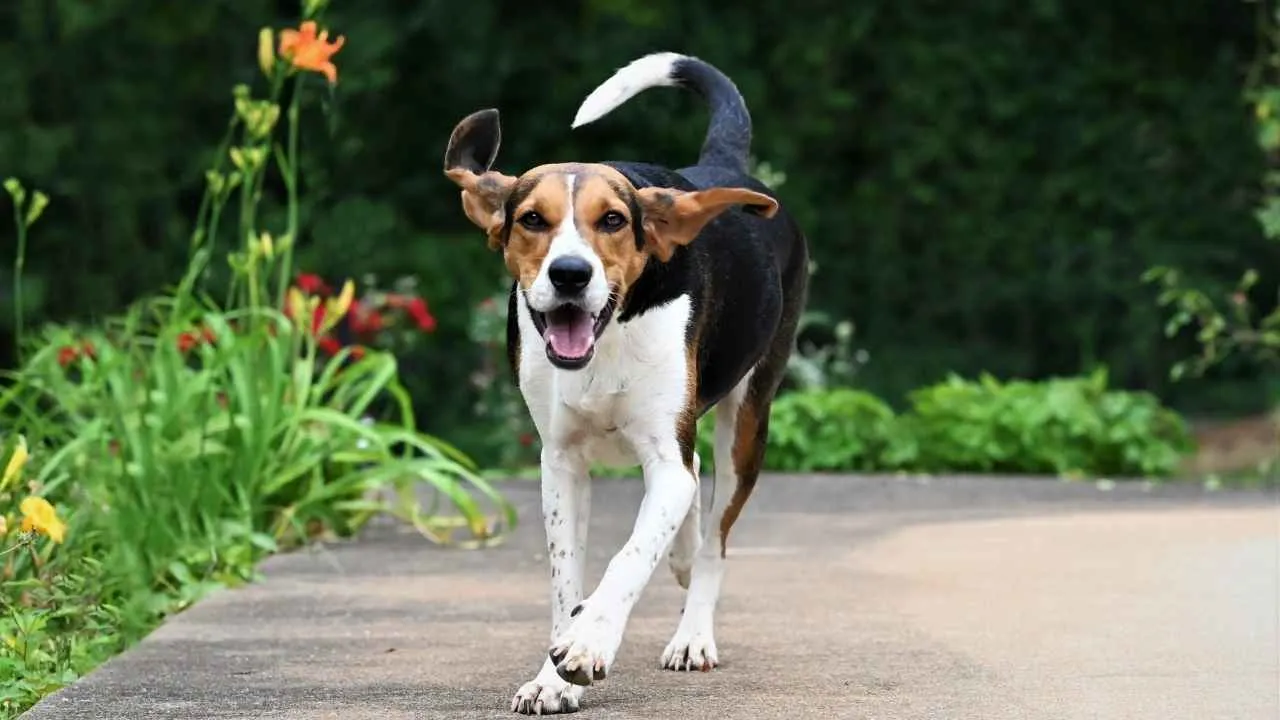
Treeing Walker Coonhounds are energetic scent hounds with excellent noses, speed, and endurance. They were developed from English Foxhounds brought to America by Thomas Walker in the 1700s, according to VCA.
Their main job was to track woodland game, especially raccoons, and chase it up a tree. Once the animal is treed, they use their loud, distinctive bark to alert the hunter.
Tracking and Hunting Skills
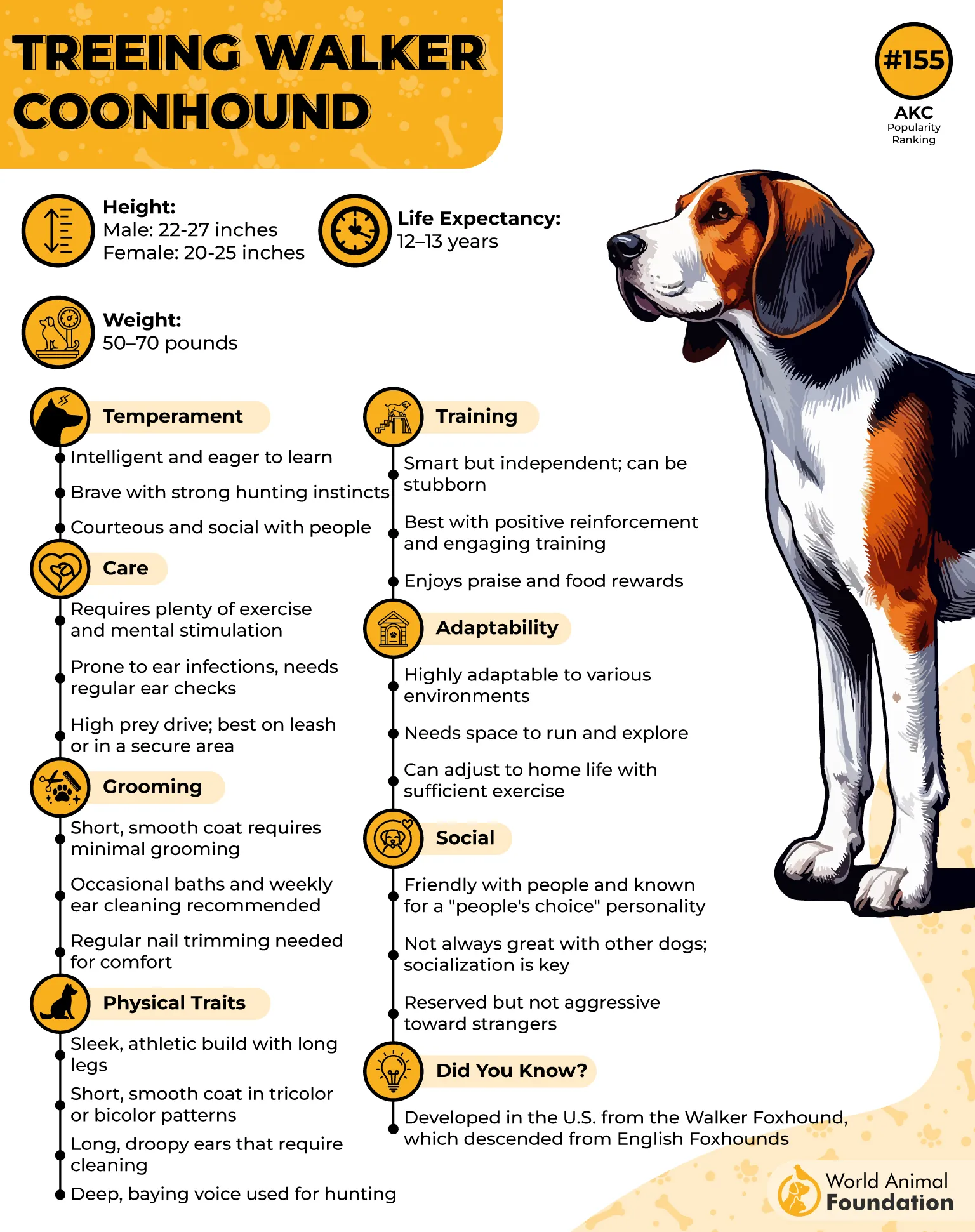
These Coonhounds are highly driven and focused when working. They can track raccoons, gray foxes, black bears, bobcats, and other game through the forest.
Their sharp scenting ability allows them to follow trails over long distances. They are intelligent and trainable but can also be strong-willed because they were bred to work independently.
Life at Home
At home, Treeing Walker Coonhounds can be affectionate, playful, and relaxed once their exercise needs are met. They are generally good with children, strangers, and other dogs when properly socialized.
Their energy and strong hunting instincts make them better suited to experienced owners who can provide regular activity and training.
Conclusion
Choosing the right hunting dog comes down to more than a strong nose. The breeds covered here bring different tracking abilities, hunting styles, energy levels, and temperaments.
Some are focused on birds, while others excel at following scents over long distances or tracking larger game.
Before choosing a companion, consider the type of hunting you do, the training you can provide, and how much daily activity the dog needs.
A well-matched hunting dog can become more than a skilled tracker. It can be a trusted partner in the field and a loyal companion at home.
