




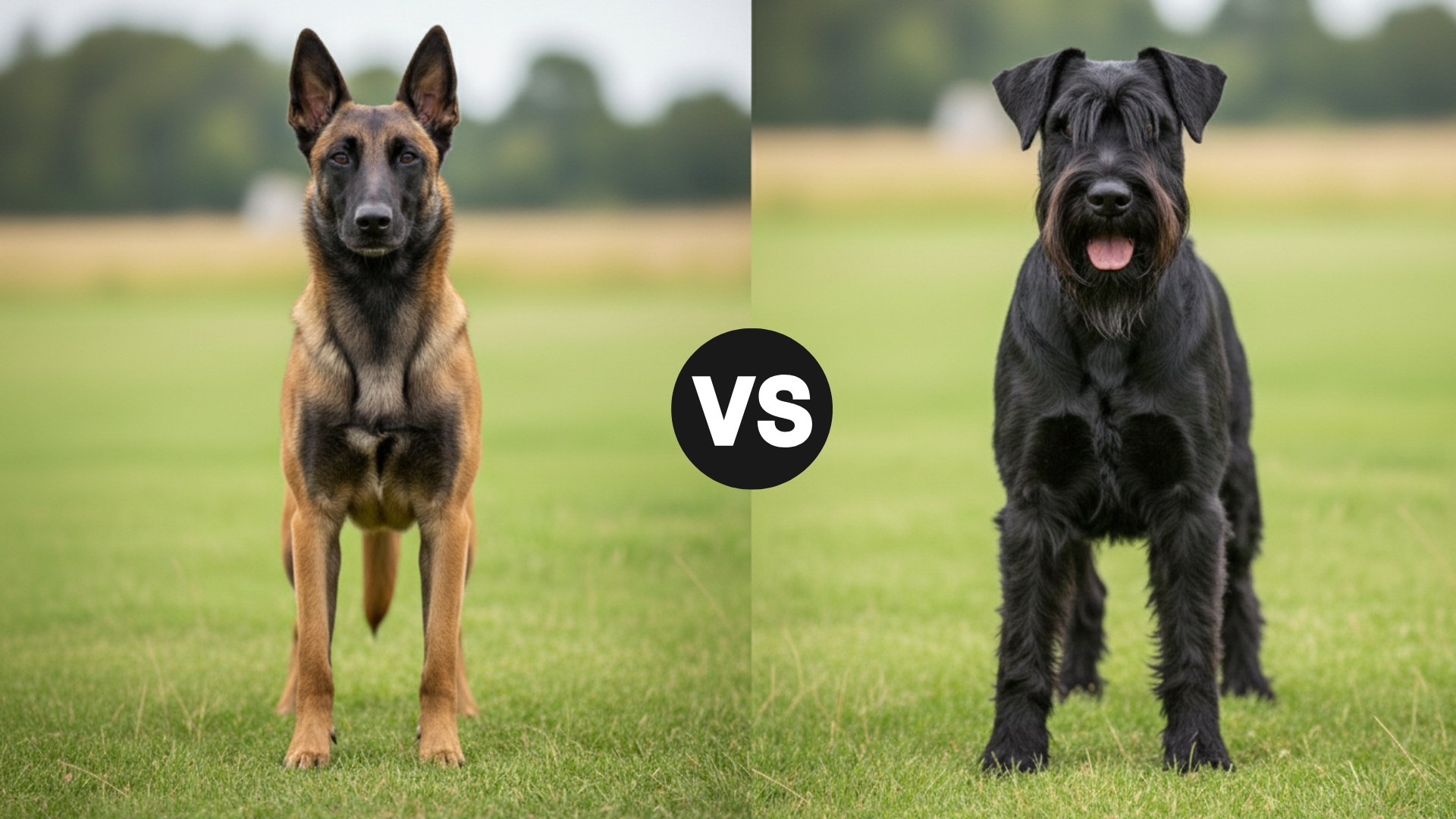
When it comes to choosing a big, smart, and powerful dog, the Belgian Malinois and the Giant Schnauzer are two breeds that often catch people’s attention. Both are tall, muscular, and alert, but don’t be fooled—these dogs have very different personalities and needs.
The Belgian Malinois is famous for its intelligence, high energy, and workaholic nature, often thriving in police, military, and protection roles.
The Giant Schnauzer, on the other hand, is equally strong and protective but tends to combine that power with a calmer, steadier temperament, making it a loyal and devoted family companion.
Choosing between these two powerhouse breeds comes down to understanding their temperament, activity level, training needs, and day-to-day care. In this guide, we’ll break down all the essential differences you need to know to decide which breed is the perfect fit for your lifestyle.
Key Takeaways
Discover how Belgian Malinois and Giant Schnauzers differ in energy, size, and personality to find the perfect fit for your lifestyle.
Learn which breed thrives as a family companion versus a natural guard dog.
Get the inside scoop on training, exercise, and mental stimulation needs for these powerhouse dogs
See which breed’s coat and grooming routine fits your routine—Malinois or Giant Schnauzer.
Belgian Malinois vs Giant Schnauzer: Essential Differences to Know
Origins & Purpose
Belgian Malinois
The Belgian Malinois was first bred near the city of Malines (Mechelen) in Belgium in the late 19th century, as mentioned by PetMD. Farmers developed them from local shepherd dogs to help on small farms.
These dogs were versatile—they herded sheep, goats, and cattle, guarded property, pulled carts, and even watched over geese and ducks. Unlike many herding dogs, Malinois often lived inside the home but stayed highly alert, understanding boundaries without fences.
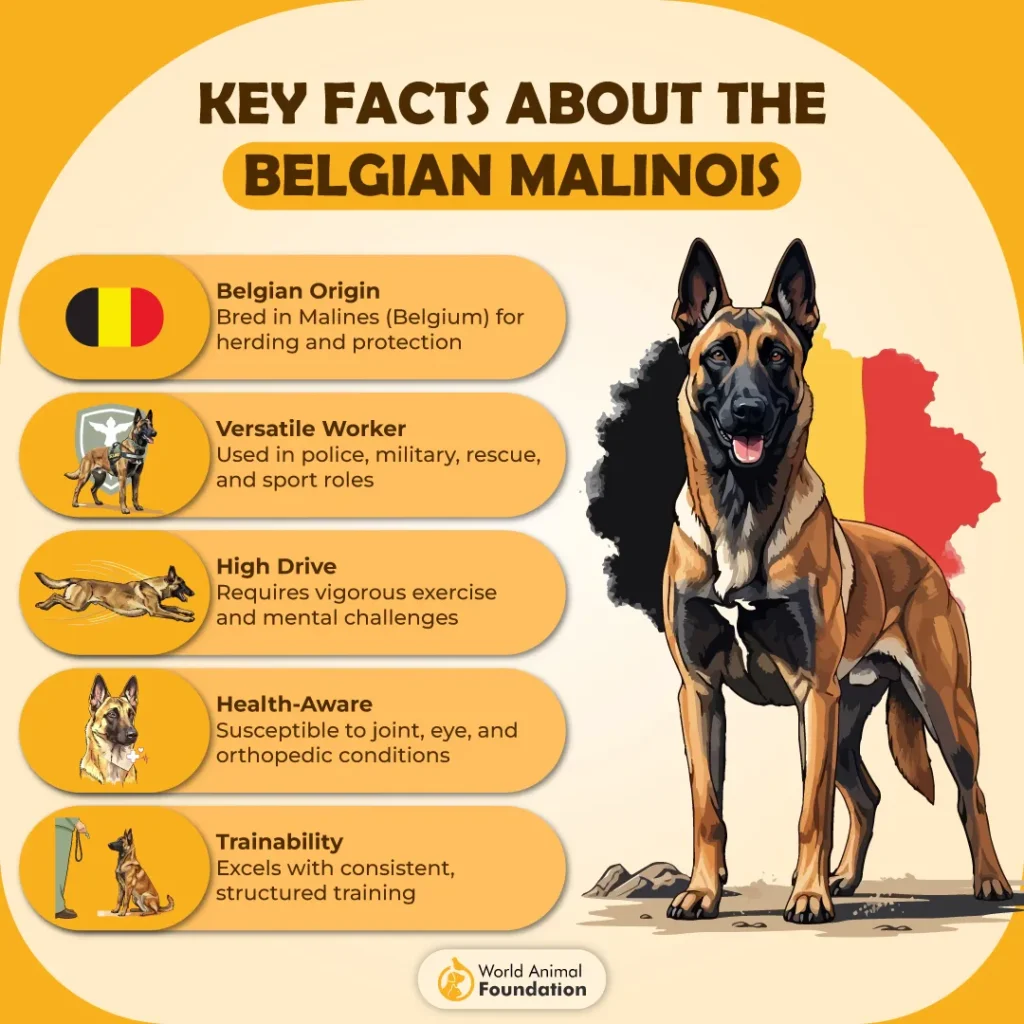
Over time, their intelligence, energy, and drive made them perfect for police, military, search-and-rescue, and detection work around the world.
Today, Belgian Malinois do best in homes where they have a “job” to do, whether it’s agility, obedience, tracking, or other activities that challenge their mind and body. Without enough stimulation, they can become bored or restless.
Giant Schnauzer
The Giant Schnauzer is the largest of the three Schnauzer breeds and comes from Germany. It was originally bred from the “bear Schnauzer” of Munich and crossed with black Great Danes to add size, strength, and protective instincts, as mentioned by Britannica.
These dogs were farm workers—they helped drive cattle, guarded property, and performed many tasks that required both power and intelligence.
Giant Schnauzers are alert, independent, and highly aware of their surroundings. They are strong and loyal, making them excellent working dogs and devoted family protectors.
A real-life example is Bayou, a Giant Schnauzer who, during the 2021 AKC National Championship, noticed a baby in distress—even while competing in the ring—showing just how instinctively protective the breed can be.
Size & Physical Build
Both the Belgian Malinois and the Giant Schnauzer are large, powerful dogs, but their builds and appearances give each breed a distinct presence. Knowing their size and body type can help you decide which breed fits your home and lifestyle.
Belgian Malinois
The Belgian Malinois is a tall, lean, and athletic herding dog built for speed and endurance.
Height: Males stand 24–26 inches, while females are slightly shorter at 22–24 inches.
Weight: Males typically weigh 60–80 pounds, and females 40–60 pounds.
Body Shape: Males have an overall body length of roughly 34–40 inches, with a standing height of 28.5–33 inches. Their bodies are elegant but muscular, designed for agility and hard work.
Coat & Appearance: Their short, dense coat ranges from fawn to mahogany, often with a black mask and black-tipped ears. The slick, waterproof coat is easy to maintain, requiring weekly brushing, with daily brushing during shedding seasons.
Life Expectancy: Belgian Malinois live an average of 14–16 years.
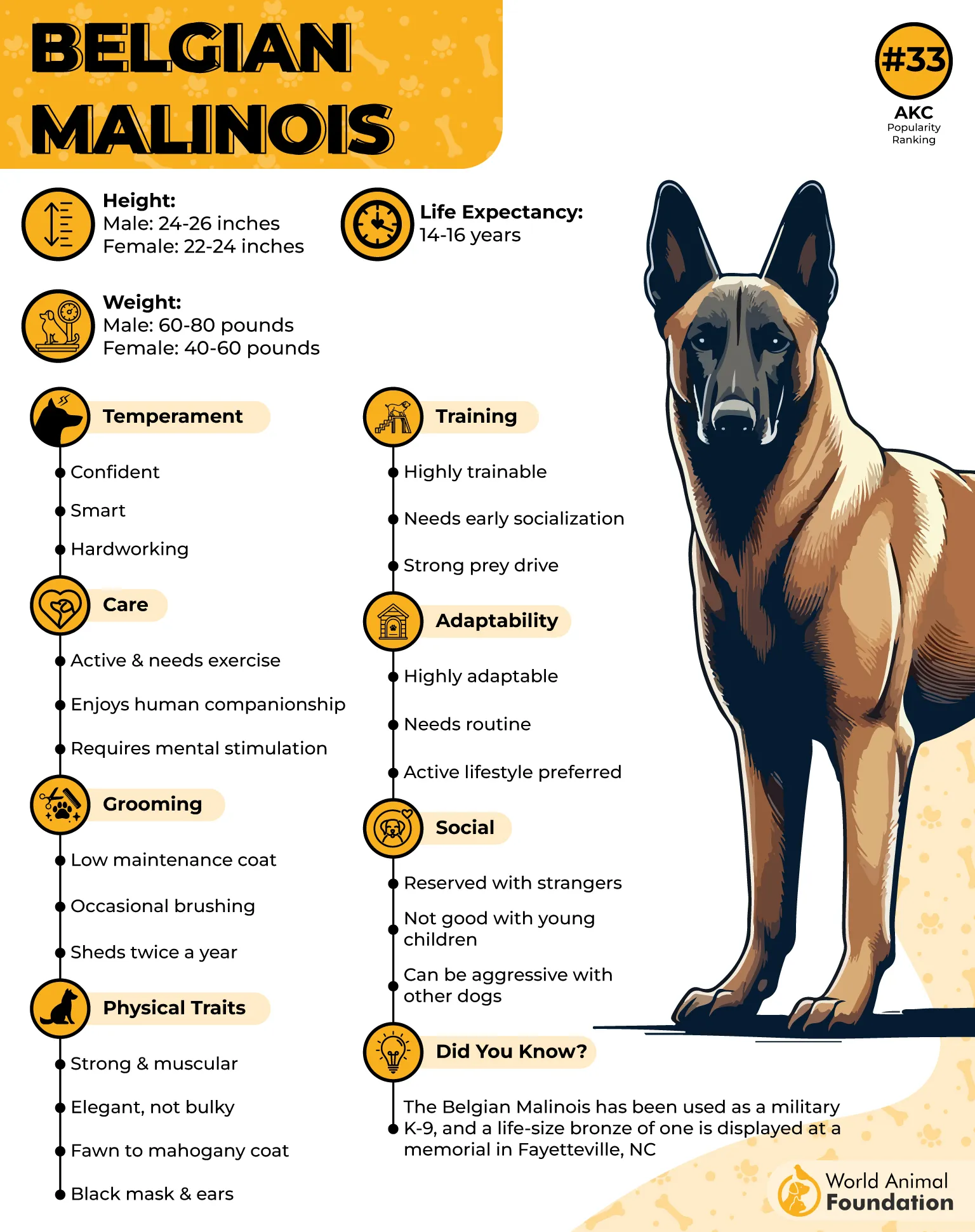
The Malinois’ alert expression, perked ears, and powerful stance make them appear ready for action at all times. While they may resemble a German Shepherd, they are a distinct breed with their own unique features.
Giant Schnauzer
The Giant Schnauzer is the largest of the Schnauzer family, exuding strength and determination in every move.
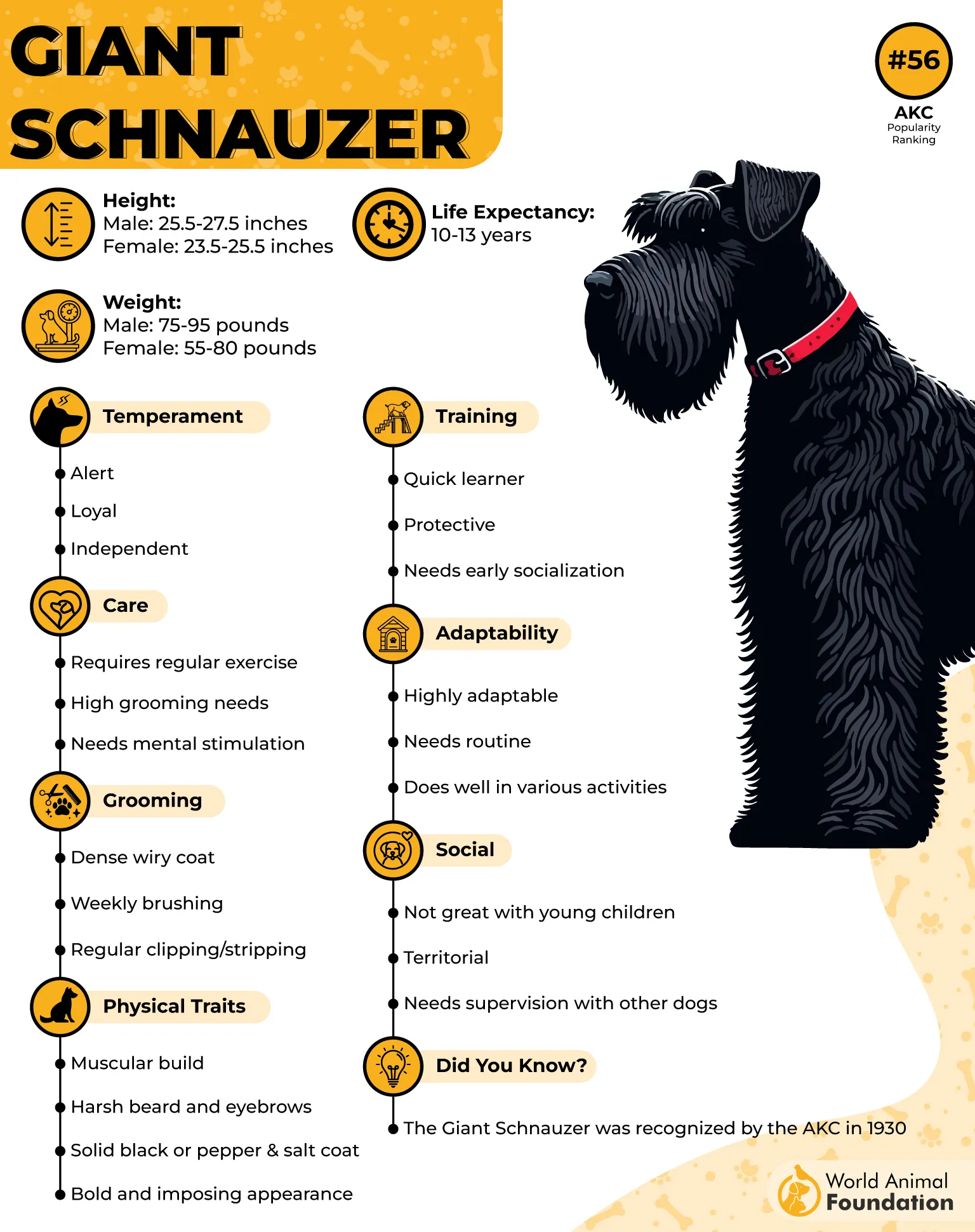
Height: Males stand 25.5–27.5 inches tall, while females are 23.5–25.5 inches.
Weight: Males weigh 75–95 pounds, and females 55–80 pounds.
Body Shape: Giant Schnauzers have nearly square proportions, with compact, muscular bodies and medium-sized chests. Their heads are rectangular, with strong muzzles and high-set, V-shaped ears.
Appearance: Their dense, wiry coat gives them a rugged, protective look. The breed was developed as a scaled-up version of the Standard Schnauzer for driving cattle and guarding property.
Life Expectancy: Giant Schnauzers typically live 12–15 years.
Their substantial size and muscular build make Giant Schnauzers impressive, but prospective owners should ensure they have enough space and resources to accommodate such a powerful dog.
Temperament & Personality
Belgian Malinois
The Belgian Malinois is one of the most intelligent and hard-working dog breeds in the world.
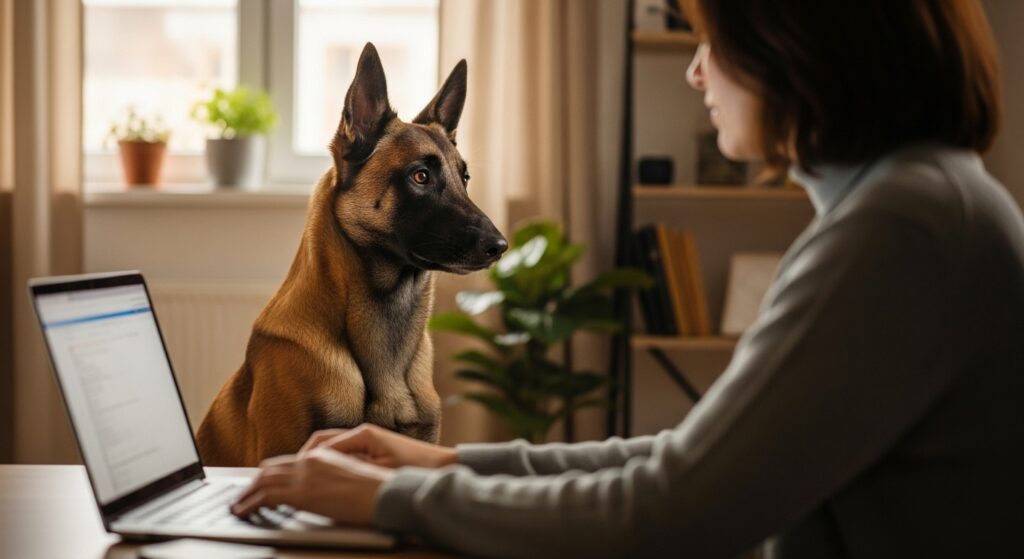
Temperament Traits: Intelligent, determined, loyal, and highly active.
Energy & Drive: Malinois thrive when they have a job to do—whether herding, agility, tracking, search and rescue, or obedience work. They need more than 40 minutes of daily exercise and mental stimulation, preferably with their owner by their side.
Family Compatibility: They form unbreakable bonds with their humans and crave constant interaction. While they can live in homes with children, early training and socialization are essential. Supervised play is a must because their alertness and high prey drive can make them chase moving objects, pets, or even toddlers.
Personality Snapshot: Quick to respond to cues, incredibly loyal, and always ready for action. Their sharp intelligence makes them a joy to train, but their energy and drive demand an experienced and dedicated owner.
Giant Schnauzer
The Giant Schnauzer is a commanding yet affectionate dog with a strong sense of duty and family loyalty.
Temperament Traits: Composed, courageous, alert, playful, and deeply loyal to their family.
Energy & Exercise Needs: Giant Schnauzers are high-energy dogs that require daily walks, playtime, and opportunities to run. Without enough activity, they can invent their own “games,” like chasing toys, digging, or rearranging their yard!
Family Compatibility: They enjoy being with their people and must live indoors, but they also benefit from a fenced yard for safe outdoor play. They are naturally protective and can be wary of strangers, making them excellent guard dogs.
Personality Snapshot: Intelligent, athletic, affectionate, and vigilant. Their strong instincts and watchful nature combine with playfulness, making them a loyal and reliable companion.
Exercise & Energy Levels
Belgian Malinois
Belgian Malinois are extremely energetic dogs that require constant mental and physical stimulation. They need at least one to two hours of vigorous exercise every day, which can include brisk walks, running, hiking, or playing fetch.
This breed thrives when their brain is challenged just as much as their body, so activities like agility, rally, obedience, flyball, dock diving, and lure coursing are excellent outlets for their drive and intelligence.
Without enough exercise and engagement, a Malinois can quickly become bored and destructive. Common problem behaviors include chewing furniture, digging in the yard, or obsessively chasing moving objects.
Their strong herding instinct also means they may chase cars, bikes, or anything that moves, so a secure, tall fence or leash is essential for safety. Because of their intense energy and work-focused nature, they are not ideal for apartment living or for owners who cannot commit to extensive daily activity.
Giant Schnauzer
Giant Schnauzers are also high-energy dogs, but their energy is paired with strength and a commanding presence. Adults typically need 60 to 90 minutes of exercise daily, though up to two hours of combined physical and mental activity is ideal.
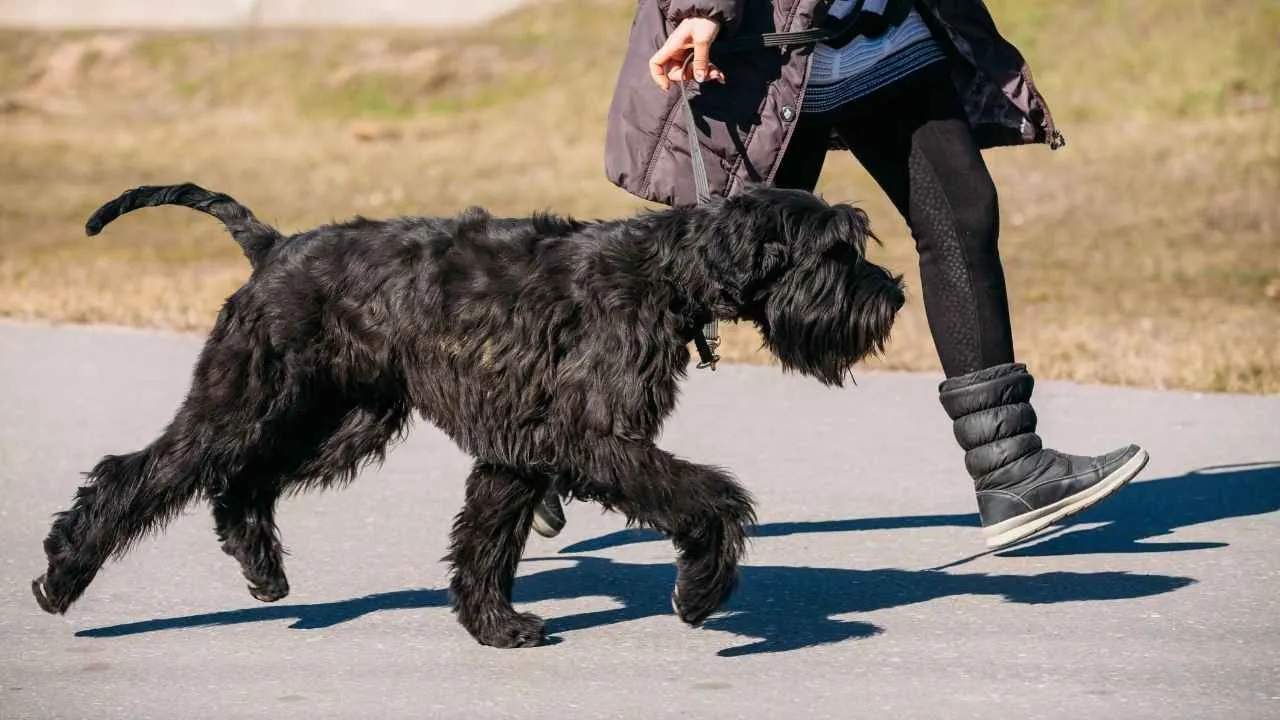
They enjoy brisk walks, jogging, interactive play, obedience training, agility, tracking, and even herding. Keeping their routine varied helps prevent boredom and keeps them mentally sharp.
Puppies require more controlled and gentle exercise to protect their developing bones and joints. A helpful guideline is about five minutes of exercise per month of age, up to twice daily, gradually increasing as they grow.
Most Giant Schnauzers reach full adult exercise capacity between 18 and 24 months. When under-exercised, they may create their own entertainment—digging holes, running through the house, or becoming overly rowdy.
Training & Intelligence
Belgian Malinois
Belgian Malinois are among the most intelligent and hard-working breeds in the world.
Trainability: Extremely trainable, eager to please, and quick to learn, especially with positive reinforcement techniques.
Early Socialization: Puppies should be exposed early to different people, animals, and environments. Training should include obedience, manners, and controlled interactions with children to ensure safety.
Challenges: High energy and strong prey instincts can lead to behavioral issues if not properly managed. Without structured training and sufficient physical and mental stimulation, Malinois may chew, dig, or become destructive.
Working Instincts: Their intelligence and drive make them ideal for jobs such as police work, military operations, search and rescue, agility, obedience, and tracking. A Belgian Malinois thrives when it has a “job” or goal to focus on.
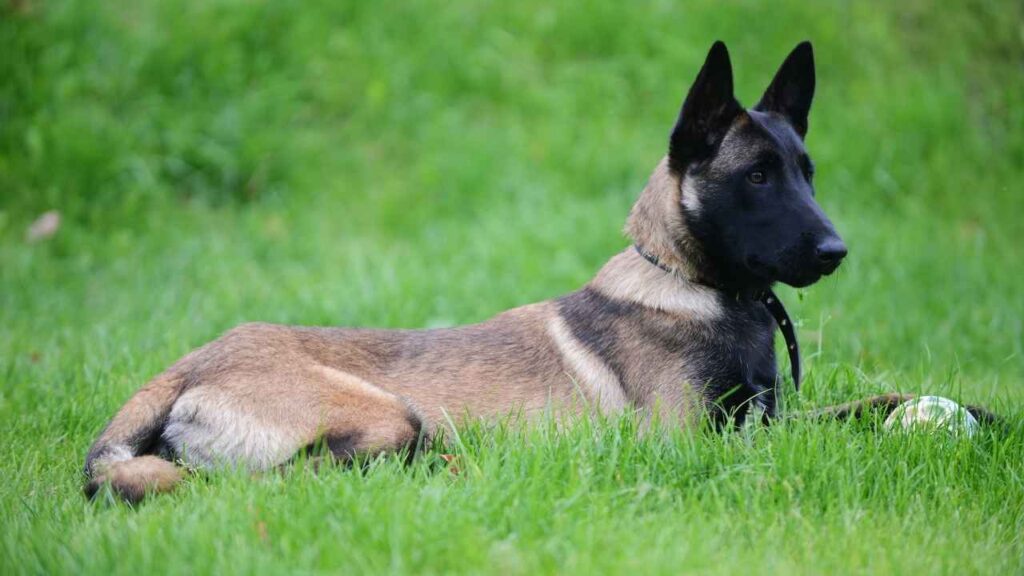
These dogs respond best to consistent, patient training and benefit greatly from interactive activities that challenge both their mind and body.
Giant Schnauzer
Giant Schnauzers are strong, intelligent, and highly versatile, but they come with an independent streak.
Trainability: With consistent guidance, positive reinforcement, and clear expectations, Giant Schnauzers excel at learning complex commands and understanding nuanced situations.
Early Socialization: Starting training and socialization in puppyhood is critical. This includes exposing them to different people, other pets, and controlled situations to develop confidence and good manners.
Mental & Physical Stimulation: These dogs require regular exercise, structured activities, and mental challenges to prevent boredom. Under-stimulated Giants may bark, howl, or engage in destructive behavior.
Guarding & Protection: Their intelligence helps them make split-second decisions, which is essential for a breed with natural guarding instincts.
Giant Schnauzers reward owners who are patient, consistent, and able to provide both structure and mental enrichment. Their intelligence makes them quick learners, but they need guidance to channel their energy productively.
Coat Maintenance
Belgian Malinois
The Belgian Malinois sports a short, straight, weather-resistant double coat with a dense undercoat.
Coat Type & Color: Short, smooth hair in shades of fawn, mahogany, red, or sable, often with a black mask on the face and darker ears and chest. Some may have small white markings on the chest or toes.
Grooming Routine: Brushing once a week is usually sufficient to remove loose hair and distribute natural oils. During the heavy shedding seasons in spring and fall, daily brushing is recommended.
Bathing & Care: Baths are needed only when the dog gets dirty, as frequent washing can dry out their skin. Regular ear checks, nail trims (about once a month), and teeth brushing are also important for overall health.
Special Notes: Their waterproof coat makes them hardy for outdoor activity, and their grooming needs are relatively simple, making the Malinois a good choice for owners who prefer a lower-maintenance dog.
Giant Schnauzer
The Giant Schnauzer has a dense, wiry double coat that requires consistent care to maintain its iconic look.
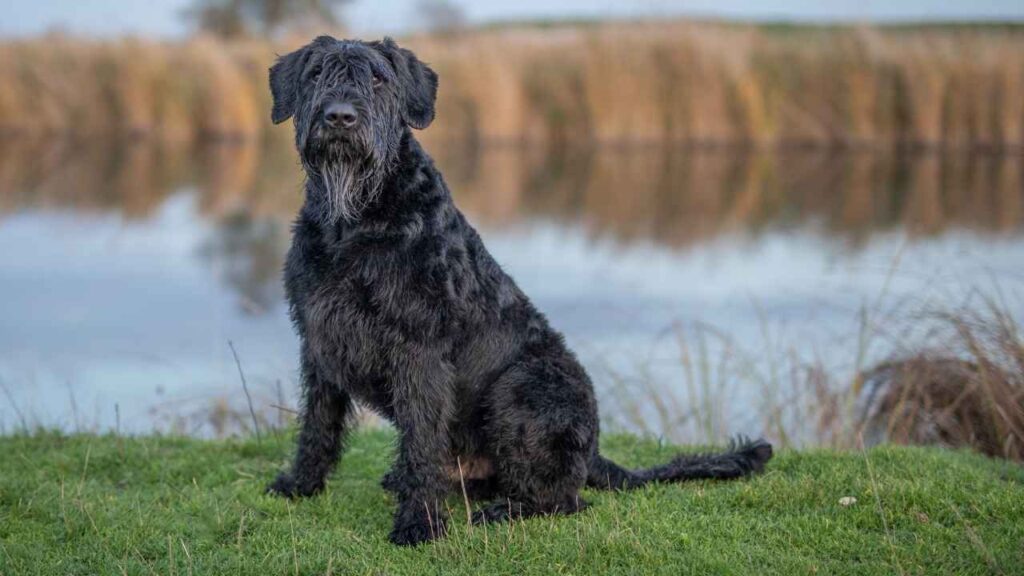
Coat Type: Hard, wiry, and weather-resistant, designed to protect them during work.
Grooming Routine: Brushing 2–3 times a week is essential to prevent matting. Many owners opt for professional grooming every 4–6 weeks to maintain the classic Schnauzer appearance, including their rectangular head, arched eyebrows, and full beard.
Hand-Stripping vs Clipping: The coat grows best when hand-stripped to encourage the correct texture and guard hair. Clipping is possible, but it can soften the coat and dull the color.
Special Notes: Their wiry coat is striking but labor-intensive, making the Giant Schnauzer a breed for owners willing to invest in regular grooming to keep them healthy and looking sharp.
If you want a lower-maintenance coat, the Belgian Malinois is ideal. The Giant Schnauzer, with its wiry coat and distinct appearance, demands more grooming commitment but rewards you with a classic, striking look that is instantly recognizable.
Health & Lifespan
Belgian Malinois
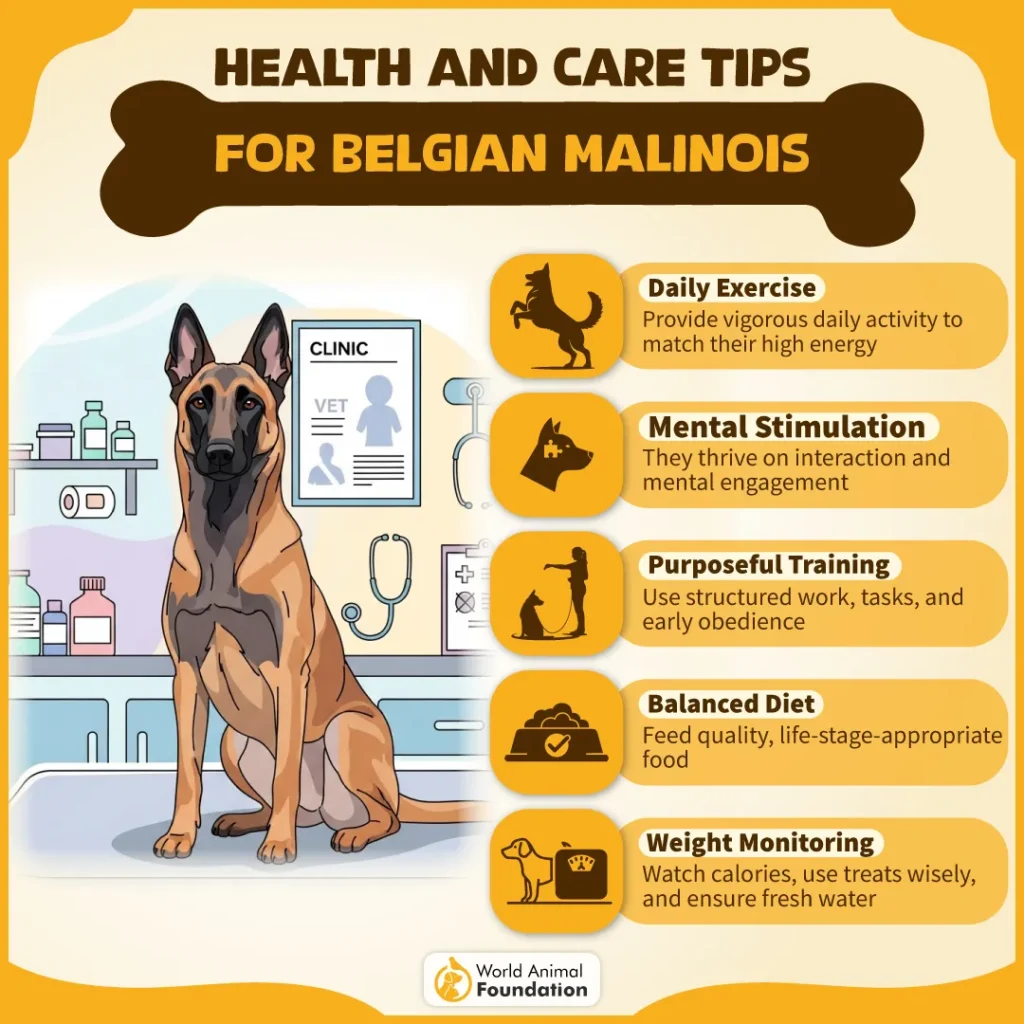
The Belgian Malinois typically lives 12–14 years, though many can reach 14–16 years with excellent care. Compared to many large breeds, they tend to have relatively few serious health concerns—especially when responsibly bred.
Common Health Concerns:
Hip dysplasia (can cause joint pain and mobility issues)
Progressive retinal atrophy (PRA), which may lead to vision loss
How to Support a Long Life:
Maintain a healthy weight to reduce joint stress
Provide high-quality nutrition
Keep up with routine veterinary checkups
Ensure regular exercise and mental stimulation
Giant Schnauzer
The Giant Schnauzer generally has a lifespan of 12–15 years. Overall, they are considered a healthy breed, but they do have some genetic predispositions that responsible owners should monitor.
Health Considerations:
Certain inherited conditions (breed-related risks vary)
Potential joint issues common in large breeds
Other genetic concerns that your veterinarian may screen for
Supporting Their Health:
Regular vet visits and preventative care
Balanced diet and weight management
Consistent exercise
Monitoring for unusual symptoms
Suitability as Family Pets vs Guard Dogs
The Belgian Malinois and the Giant Schnauzer are both natural protectors, meaning they often serve as family companions and guard dogs at the same time. Neither breed is overly social with strangers—they are loyal, alert, and instinctively territorial.
The Belgian Malinois is widely used in police and military roles due to its sharp intelligence and intense protective drive. They form incredibly strong bonds with their families and are always watchful.
AKC mentions that even actress Eva Mendes has spoken about how her Malinois helped her feel safe during a difficult period in her life. However, their intensity and energy mean they need experienced owners and active households to truly thrive.
The Giant Schnauzer is equally devoted and sees guarding the home as a top priority. Bold and confident, they can be affectionate and playful with their family while remaining reserved with strangers.
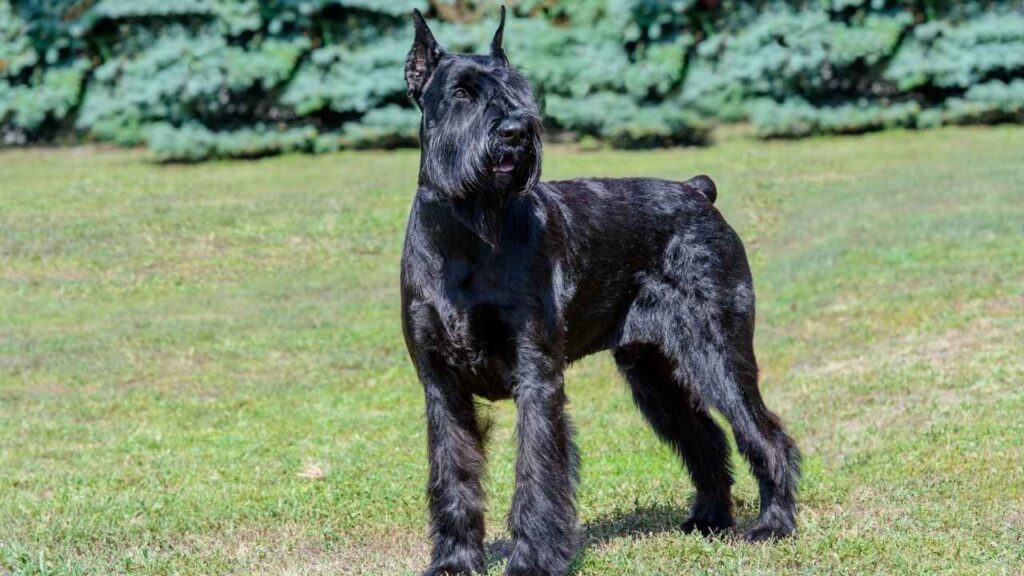
With proper training, they can distinguish between welcome guests and real threats, but their size and strong personality mean they require consistent leadership.
Conclusion
Choosing between the Belgian Malinois and the Giant Schnauzer ultimately comes down to lifestyle and experience. Both breeds are intelligent, powerful, and deeply loyal—but they’re not casual pets.
The Malinois brings unmatched intensity, drive, and work ethic, while the Giant Schnauzer offers a bold, commanding presence paired with strong devotion to family. Each requires serious training, daily exercise, and confident leadership to truly thrive.
If you’re considering either breed, take an honest look at your time, activity level, and commitment to structured training. These dogs give everything to their owners—but they expect just as much in return.
Visit reputable breeders or rescue organizations, ask questions, and spend time with the breed before deciding. The right match won’t just fit your home—it will transform it.
