




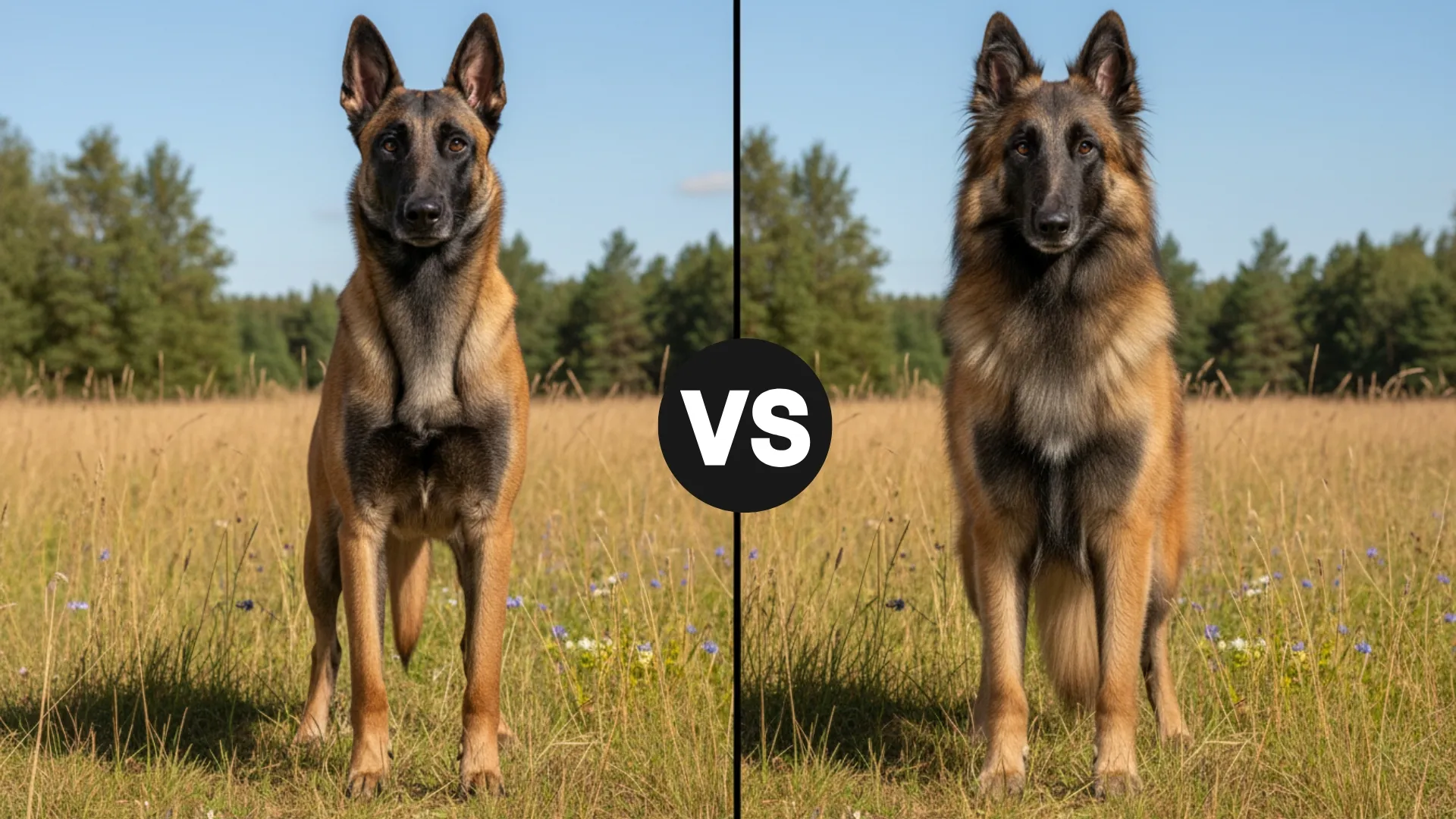
At first glance, Belgian Malinois and Belgian Tervuren can seem closely related, and that can make choosing between them surprisingly difficult. Both are intelligent, athletic, and striking dogs with strong working roots, but they are not the same when it comes to daily life, personality, grooming, and owner expectations.
A dog that looks perfect on paper may feel like the wrong fit once real routines, energy levels, and training needs come into play.
If you are trying to decide which breed suits your home, this comparison will help you look beyond appearance and focus on what truly matters. From exercise demands to coat care and temperament, the right choice depends on your lifestyle, experience, and long-term commitment.
These seven points will help you evaluate Belgian Malinois vs. Belgian Tervuren so you can choose a dog that fits your life, not just your wish list.
Points to Consider When Evaluating Belgian Malinois vs. Belgian Tervuren Dog Breeds
Belgian Malinois vs. Belgian Tervuren
The Belgian Malinois and Belgian Tervuren share the same Belgian roots, so it is easy to see why people confuse these two breeds at first glance. Both are active, intelligent, protective dogs with strong herding backgrounds, and both can form a close bond with the family they live with.
Still, there are important differences that matter in real life, especially when you are choosing a breed that fits your home, routine, and experience level.
Among the clearest differences are size, coat, and everyday adaptability. The Belgian Malinois is slightly larger overall and has a short coat, while the Belgian Tervuren has a longer coat and often feels like the more flexible option when there is no demanding working environment in place.
Both dogs are protective and alert, but the way that protection shows up can vary depending on temperament, training, socialization, and how active the household is.
When comparing these two breeds, it helps to look beyond appearance and focus on purpose, energy, grooming, and family life. That makes the differences much easier to understand.
Origins & Purpose
The Belgian Malinois originated in Belgium in 1891, while the Belgian Tervuren also came from Belgium and was established in 1895. These two breeds are part of the Belgians known as continental shepherds, and their shared history explains why they have so many similar characteristics.
Both were developed as herding dogs, which is why they are so alert, intelligent, and ready to stay engaged with the people around them.
That original purpose still shapes how these dogs behave today. Herding is more than a background detail. It influences their energy levels, intelligence, responsiveness, and need for direction.

These are not dogs that are content with very little to do. They tend to do best when life includes activity, structure, and regular interaction with their people.
The Belgian Malinois is more strongly connected with demanding working roles, while the Belgian Tervuren is often described as a little more adaptable when there is no formal job built into the routine. That difference can matter a lot for pets living in active homes.
Size & Physical Build
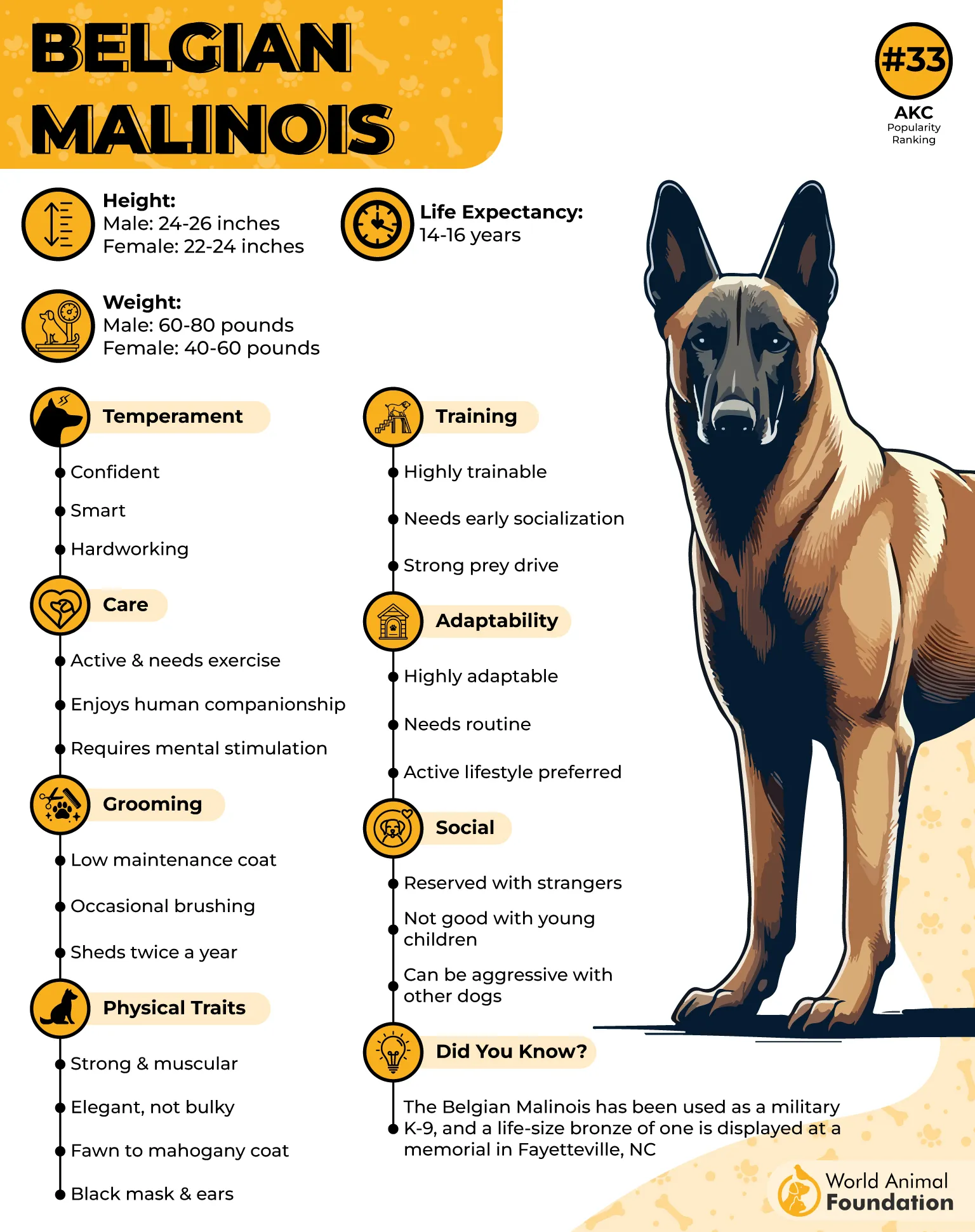
The Belgian Malinois and Belgian Tervuren look very similar, so size alone does not always make identification easy. The Belgian Malinois generally stands 22 to 27 inches tall and weighs 65 to 80 pounds. The Belgian Tervuren usually stands 21 to 26 inches and weighs 60 to 75 pounds.
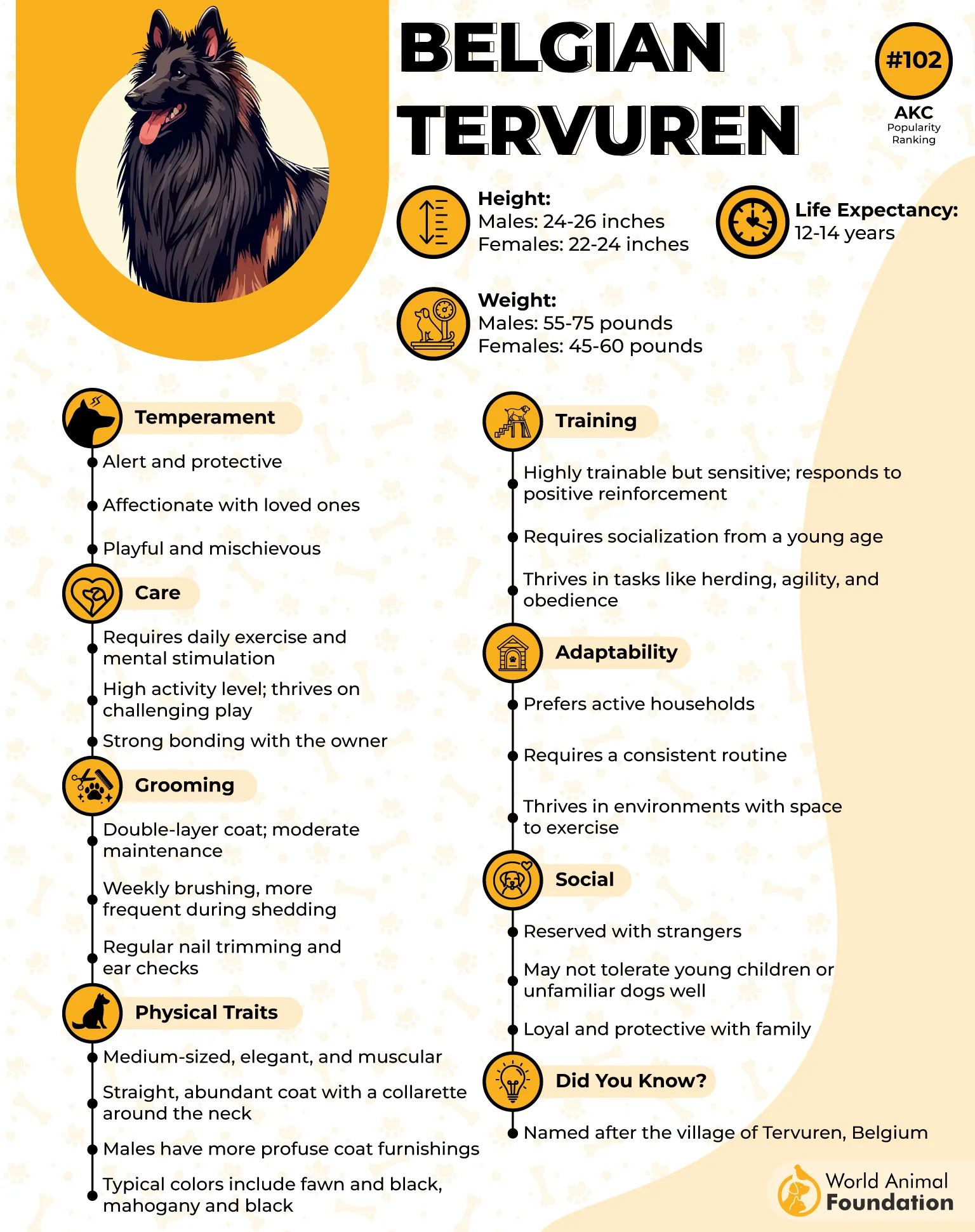
Those ranges overlap quite a bit, but the Malinois is larger overall in both height and weight. In build, both breeds share a very similar outline. Each breed has erect triangular ears, a fluffy tail, and a body shape that follows the breed standard for a square dog.
They should look well-balanced, well-muscled, and alert, with a proud carriage that reflects their working background. The resemblance between the two breeds is strong enough that many people find it difficult to tell them apart based on shape alone.
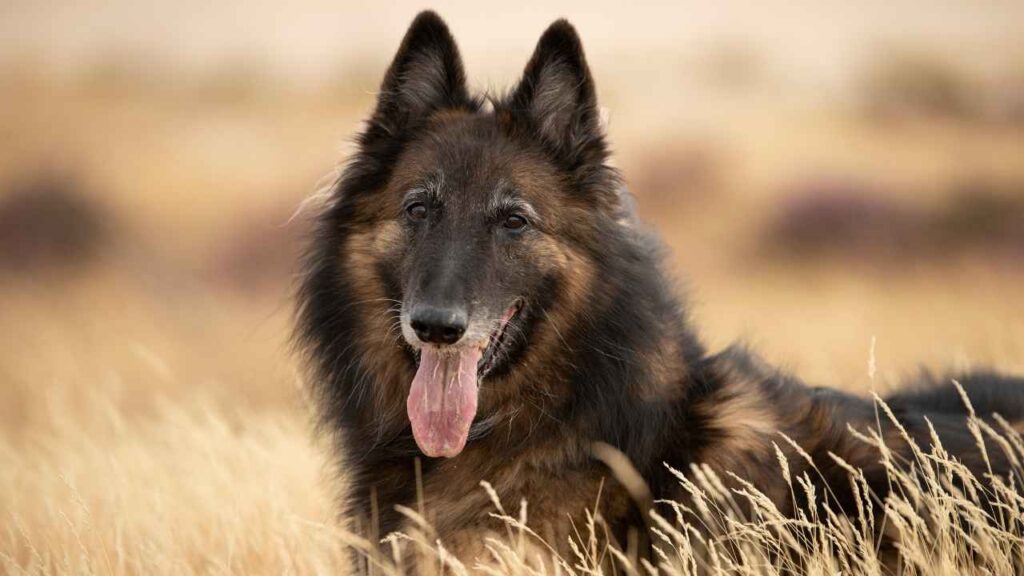
The coat is often the easiest clue. The Belgian Malinois has a short coat that is coarse, while the Belgian Tervuren has a longer coat that is silky.
Both the tervuren and the malinois often have similarly colored coats and may show a black mask, but the longer coat gives the tervuren a fuller overall appearance.
Temperament & Personality
The Belgian Tervuren is described as obedient, protective, and independent, with a strong herding instinct that can influence daily behavior.
That instinct may show up in ways owners notice quickly, especially around sheep, smaller animals, or children, since the breed may try to keep movement under control by nipping at heels. This can create challenges in some homes, even though the breed is also affectionate and devoted to its own people.
The Belgian Malinois is also deeply protective, but it is usually more intense in the way it approaches life. It is eager to please, likes to stay close to its owner, and does very well in serious working settings.
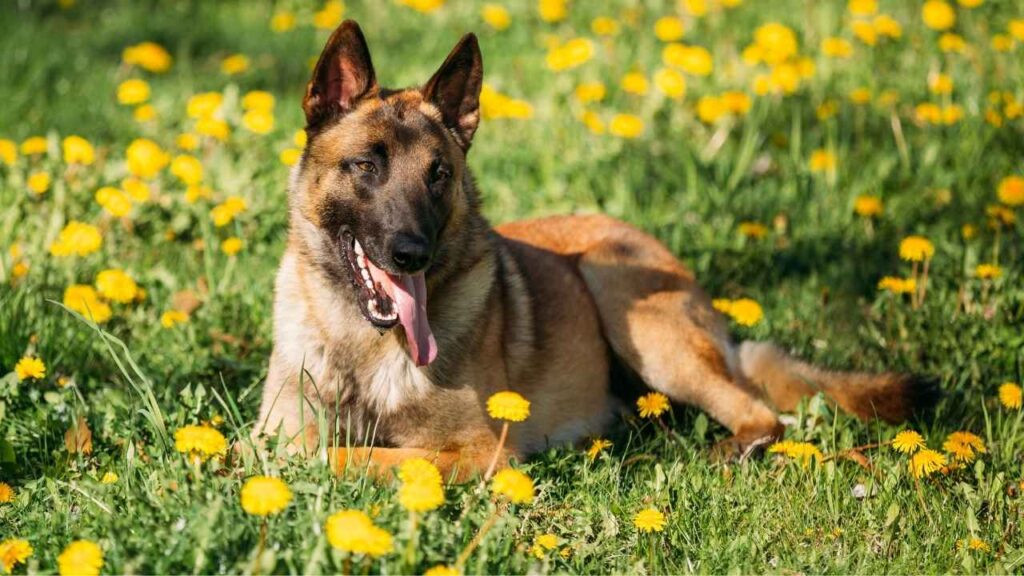
At the same time, that protectiveness can become difficult without the right training, socialization, and a handler who understands the breed. Around strangers, the Malinois is typically wary rather than casual or easygoing.
For both breeds, correct temperament depends on early socialization and steady guidance. These dogs can be sweet, confident, and alert, but they are not effortless pets.
Without consistent socialization and clear direction, behavioral issues can develop, especially in active, sensitive, and highly intelligent dogs that are always ready to respond to what is happening around them.
Exercise & Energy Levels
Exercise is one of the biggest differences between these two breeds in practical terms, though both have high needs. The Belgian Malinois has high to very high energy levels and requires high to very high exercise.
According to Orvis, the Belgian Tervuren also has high energy and needs a high amount of exercise, but the overall intensity is usually a bit less extreme than what many Malinois require.
That means both breeds need much more than a quick walk and a little indoor play. They need regular exercise, physical exercise, and physical activity that matches their active lifestyle. If those needs are not met, daily life can become difficult.
The Belgian Tervuren may become bored and destructive, while the Belgian Malinois may become especially hard to manage because of its high energy levels and sharp working focus.
This is why these dogs are better suited to people who enjoy an active routine. Ample exercise is not optional for either breed.
The Belgian Malinois tends to demand more intensity, while the Belgian Tervuren may be a little easier to live with if you can still provide a busy, structured, and highly active life.
Training & Intelligence
Both breeds are known for intelligence, but training them well still takes commitment. The Belgian Tervuren is intelligent and eager to please, which can make training feel more manageable for the right owner, as per AKC.
Even so, its herding instinct can make some lessons harder, especially when teaching the dog to stay calm around smaller children, animals, or fast movement in the home.
The Belgian Malinois is also highly intelligent and very responsive, but it usually needs a more experienced handler. This is one reason the breed is often connected with police work and other advanced jobs.
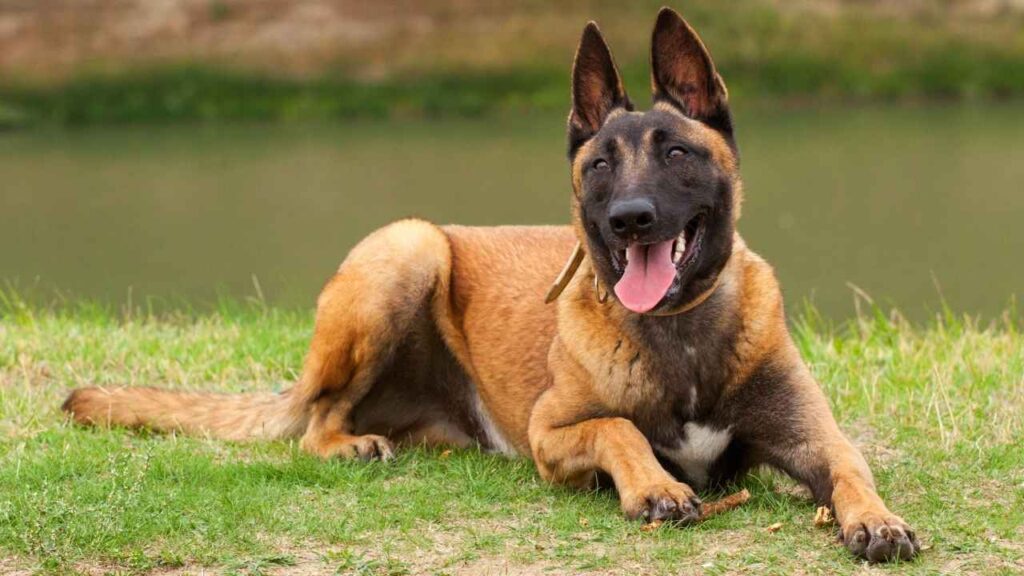
The Malinois can excel in obedience, agility, and dog sports, yet that same ability means owners need structure, consistency, and clear goals from the start. A working Malinois without direction can become difficult very quickly.
Positive reinforcement techniques and consistent training matter for both breeds. These dogs do not do well with a casual approach. They need socialization, purpose, and a steady training plan that matches their intelligence and drive.
For the right owner, that can be rewarding. For the wrong owner, it can feel overwhelming, especially with young dogs or a puppy that is already showing strong instincts early in life.
Health & Lifespan
The Belgian Malinois and Belgian Tervuren are both considered healthy overall, but there are still some important health differences to keep in mind. The Belgian Tervuren has an average lifespan of 11 to 15 years, while the Belgian Malinois usually lives 12 to 16 years.
That gives the Malinois a slightly longer average life, even though the size difference between the two breeds is small. The Belgian Tervuren may be prone to hypothyroidism, allergies, elbow dysplasia, and hip dysplasia.
According to PetMD, the Belgian Malinois may be prone to hip and elbow dysplasia as well as eye problems.
In either breed, good health can be influenced by breeding, activity level, and the care the dog receives throughout life. A healthy, active dog from strong lines has a better chance of enjoying a long and stable life.
This is where breeders and rescues both matter. Reputable breeders who provide a full health history from both parents can help reduce risk, and expert advice is valuable when choosing a pup or adult dog.
Whether the dog is male or female, careful selection and responsible care can make a meaningful difference over many years.
Belgian Malinois vs. Belgian Tervuren Suitability as Family Pets Vs Guard Dogs
When looking at family life versus guarding ability, the Belgian Tervuren is often the more balanced option for the right active family. It is described as affectionate and possessive with loved ones, watchful with strangers, and protective without being overly aggressive.
That combination can make it a strong fit for experienced homes that want a devoted family member with natural awareness and steady loyalty.
The Belgian Malinois is also affectionate with its own people and naturally protective, but its intensity is on another level. Its speed, drive, and strong working focus often make it less forgiving in an average home.
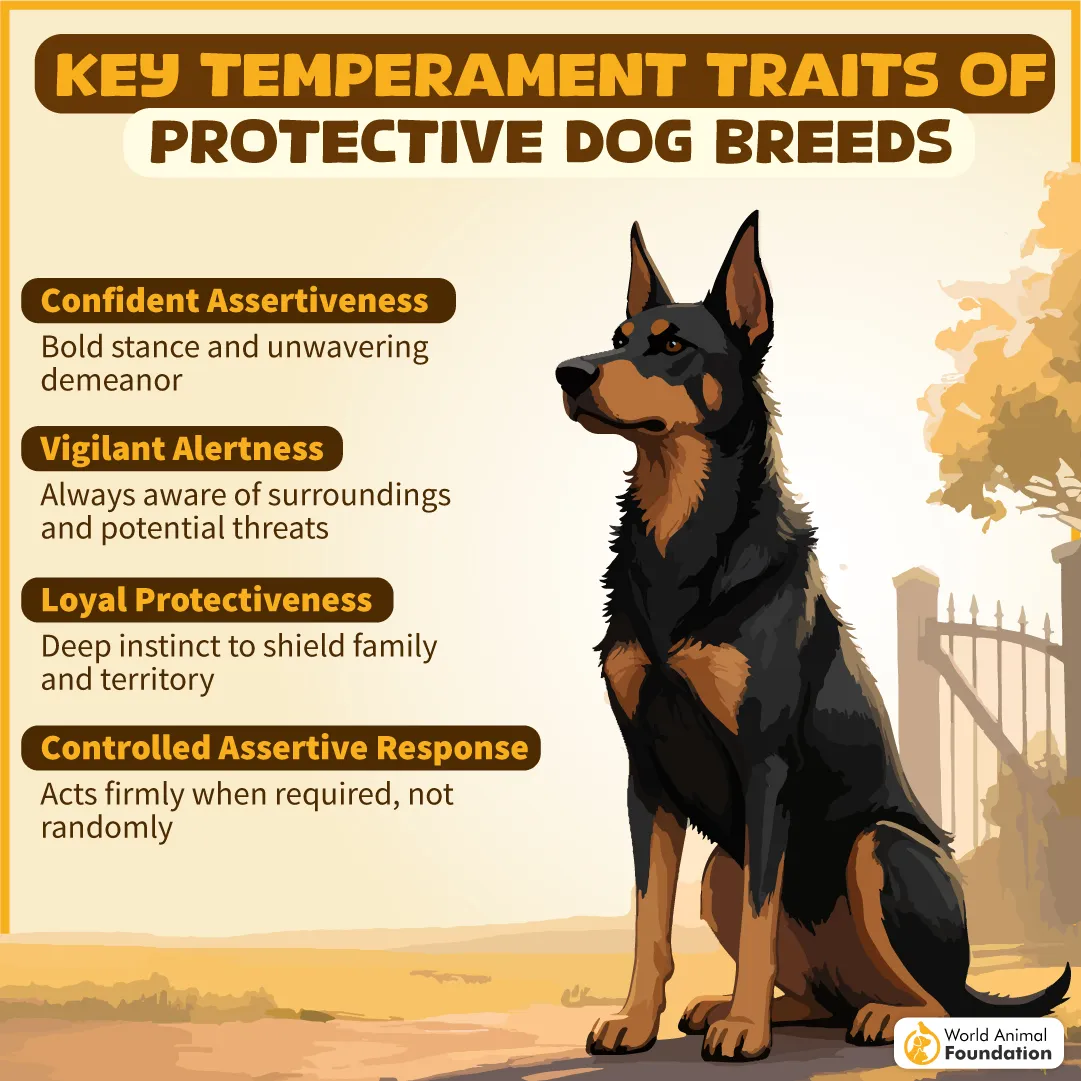
In many cases, that makes the Belgian Malinois a better fit for highly experienced handlers who can provide advanced training, structure, and daily purposeful activity rather than a more casual family setting.
The Belgian Tervuren may suit active homes that want a protective companion and devoted pets, while the Belgian Malinois is usually better suited to people prepared for a more specialized role built around discipline, activity, and a serious understanding of the breed.
Conclusion
The Belgian Malinois and Belgian Tervuren may look closely related, but the differences between them are important when choosing the right breed for your life. The Belgian Malinois is slightly larger, has a short coat, and usually brings a more intense working style.
The Belgian Tervuren has a longer coat and may be the more balanced choice for an experienced, active family. Both dogs are intelligent, alert, and protective, and both need serious exercise, training, and socialization to thrive.
Neither breed is a simple pet for a low-effort home. For owners who understand their needs and can provide structure, both can be loyal companions. The best choice depends on your routine, your experience, and whether you want a highly driven working dog or a more adaptable but still very active guardian.
