




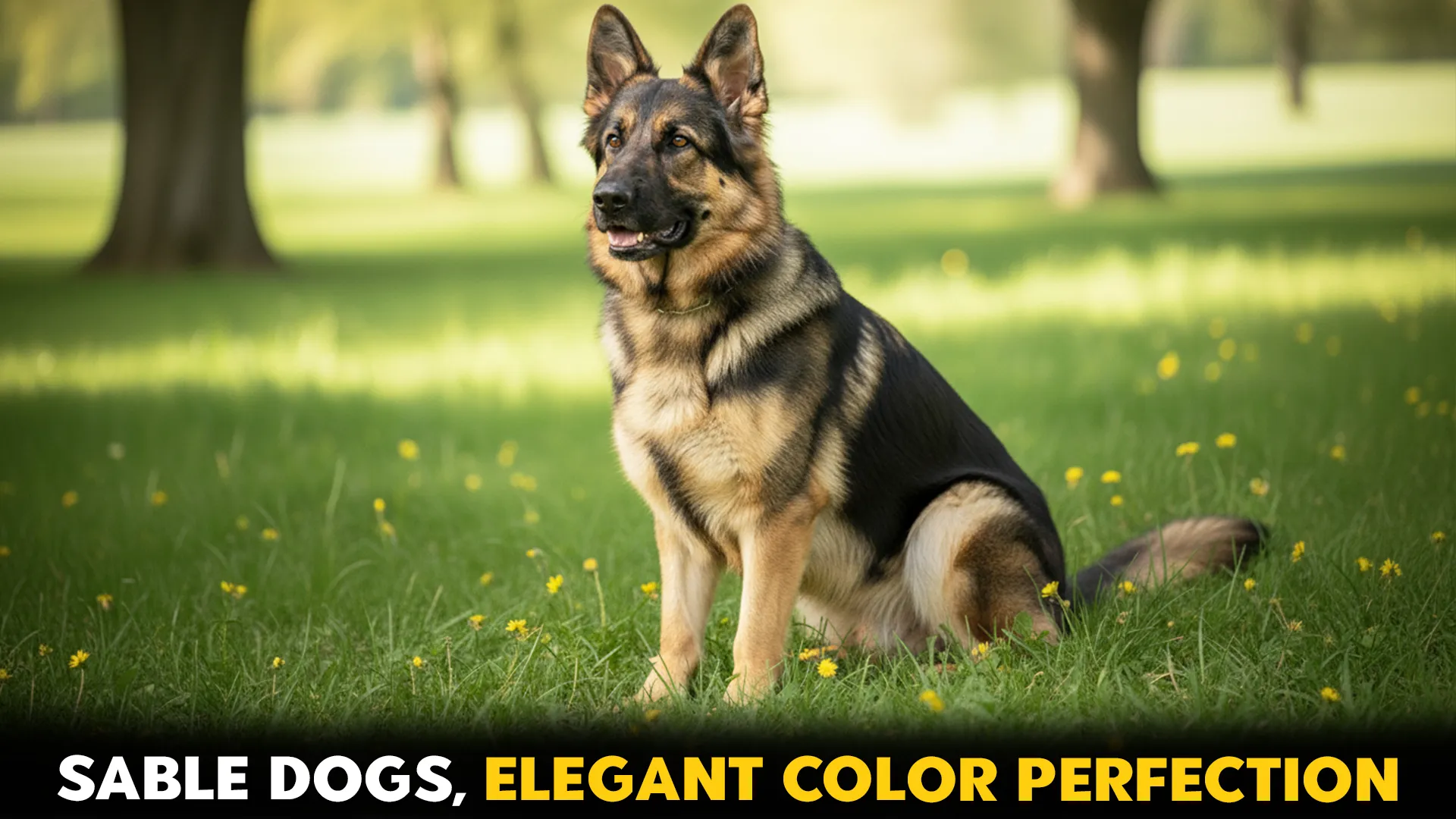
Sable isn’t just a color; it’s a genetic pattern often referred to as the sable gene. It adds depth, richness, and a sense of movement to a dog’s coat, giving many breeds a distinctive and dynamic appearance. Unlike solid-colored coats, sable hairs are multi-toned, typically featuring a lighter base such as tan, gold, or cream, with darker black or brown-tipped ends.
This layered pigmentation creates a striking visual effect that can shift depending on lighting, coat length, and seasonal shedding. As a result, sable-coated dogs often appear to change slightly in tone and texture throughout the year.
What makes sable especially fascinating is how differently it can express itself across breeds. In some dogs, it appears bold and clearly defined, while in others it shows as subtle shading or faint tipping. The intensity and visibility of the pattern can vary depending on factors such as coat density, length, and texture.
Sable is particularly common in herding and working breeds, where natural camouflage and coat variation may have historically complemented outdoor roles.
The seven dog breeds below showcase the sable coat in unique ways, highlighting how this pattern interacts with breed structure, purpose, and appearance.
Beautiful Dog Breeds with Sable Coat Variations
1. German Shepherd
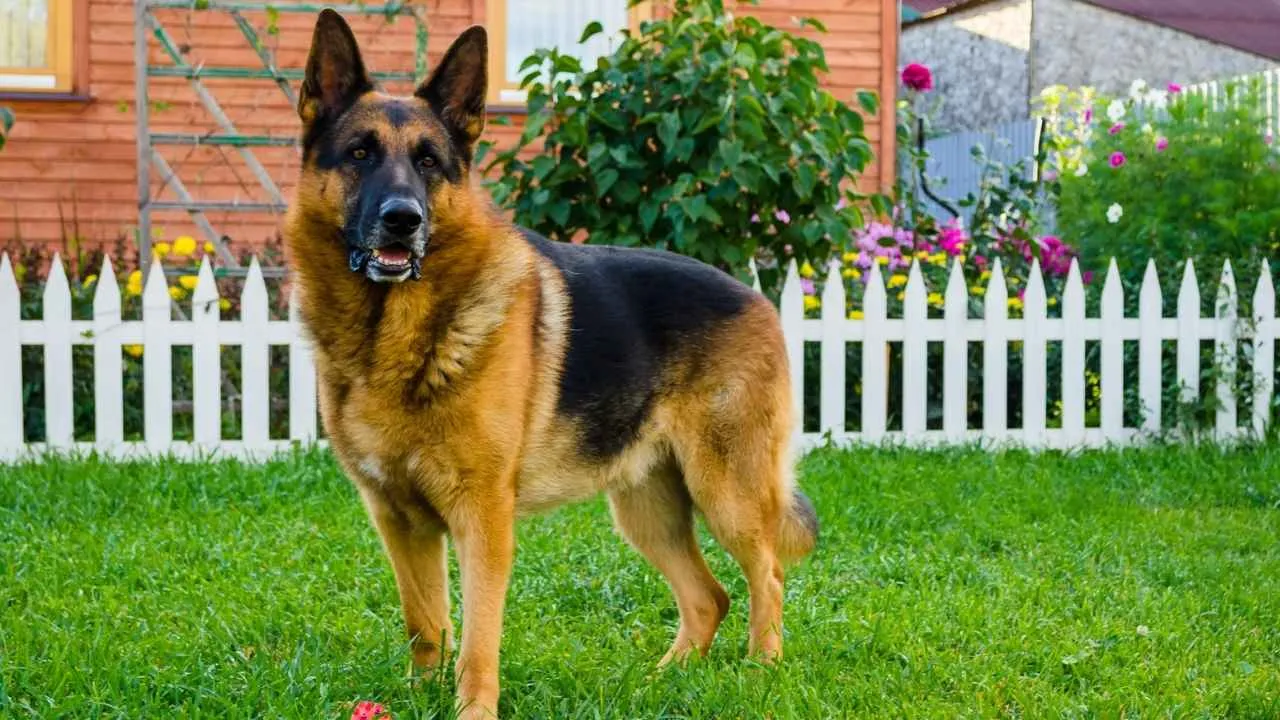
The agouti pattern in the German Shepherd is one of the most striking expressions of sable coloring and is often referred to as “agouti sable.” This coat closely resembles the coloration seen in wild canines, giving the dog a naturally rugged, wolf-like appearance.
One of the most interesting aspects of this pattern is that it continues to develop over time. As the dog matures, the coat may change in intensity and tone, with darker tipping becoming more pronounced or, in some areas, blending into a lighter base. This gradual evolution gives agouti Shepherds a unique, ever-changing appearance throughout their growth.
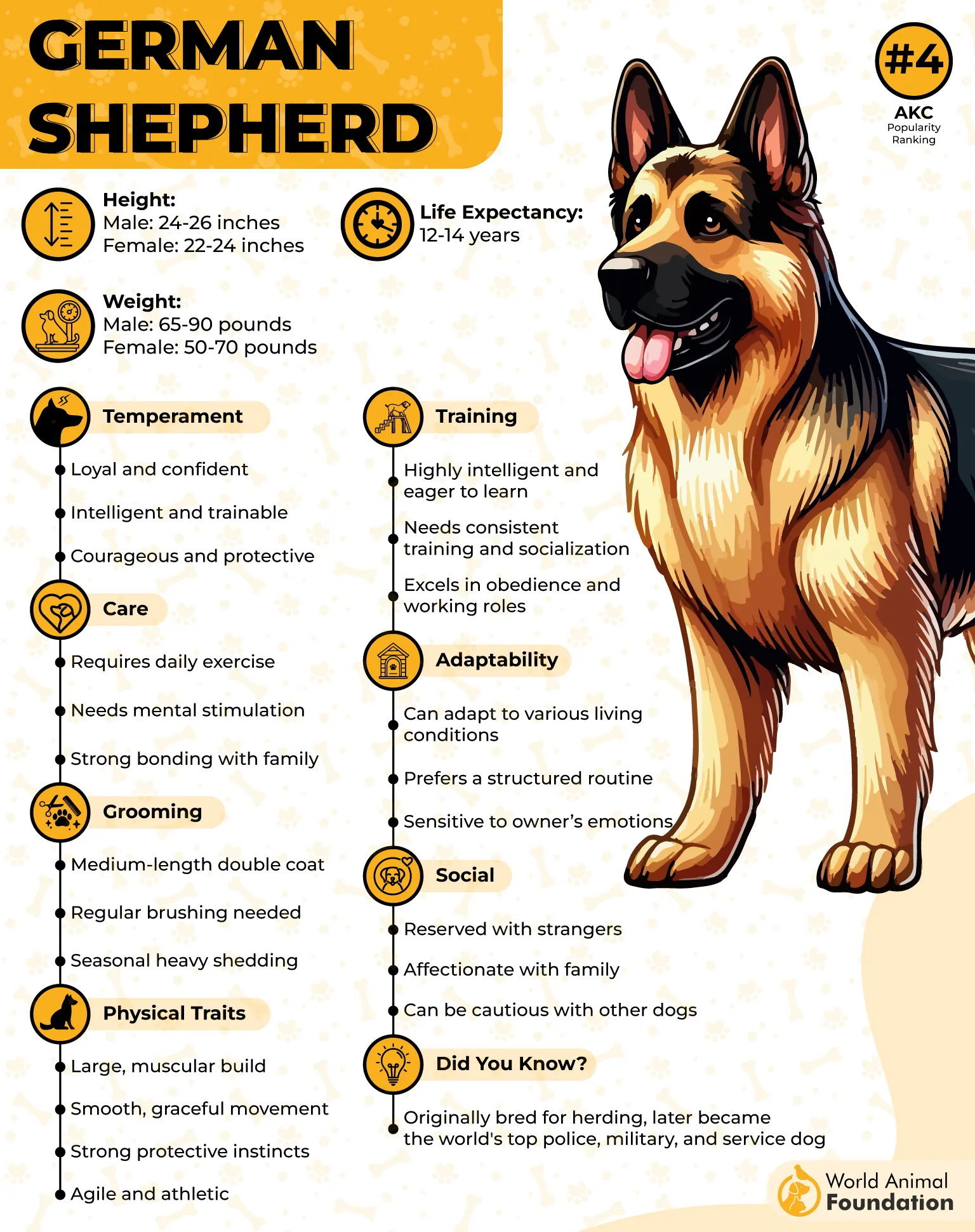
Agouti sable German Shepherds are characterized by several key coat features:
Individual hairs containing multiple pigment bands, typically with a lighter base and darker or black-tipped ends
A coat that continues to evolve between puppyhood and adulthood
Clear distinction between dense guard hairs and a softer undercoat
A thick double coat that enhances depth, shading, and texture
A natural camouflage effect, especially suited for outdoor environments
Compared to the traditional black-and-tan pattern, agouti sable Shepherds often appear more layered and textured. Rather than large, solid blocks of color, the pigmentation is distributed along individual hairs, creating a more blended and dynamic look.
According to Britannica, this coloration is closely associated with early working-line German Shepherds, where function and resilience were prioritized over purely aesthetic traits.
2. Shetland Sheepdog
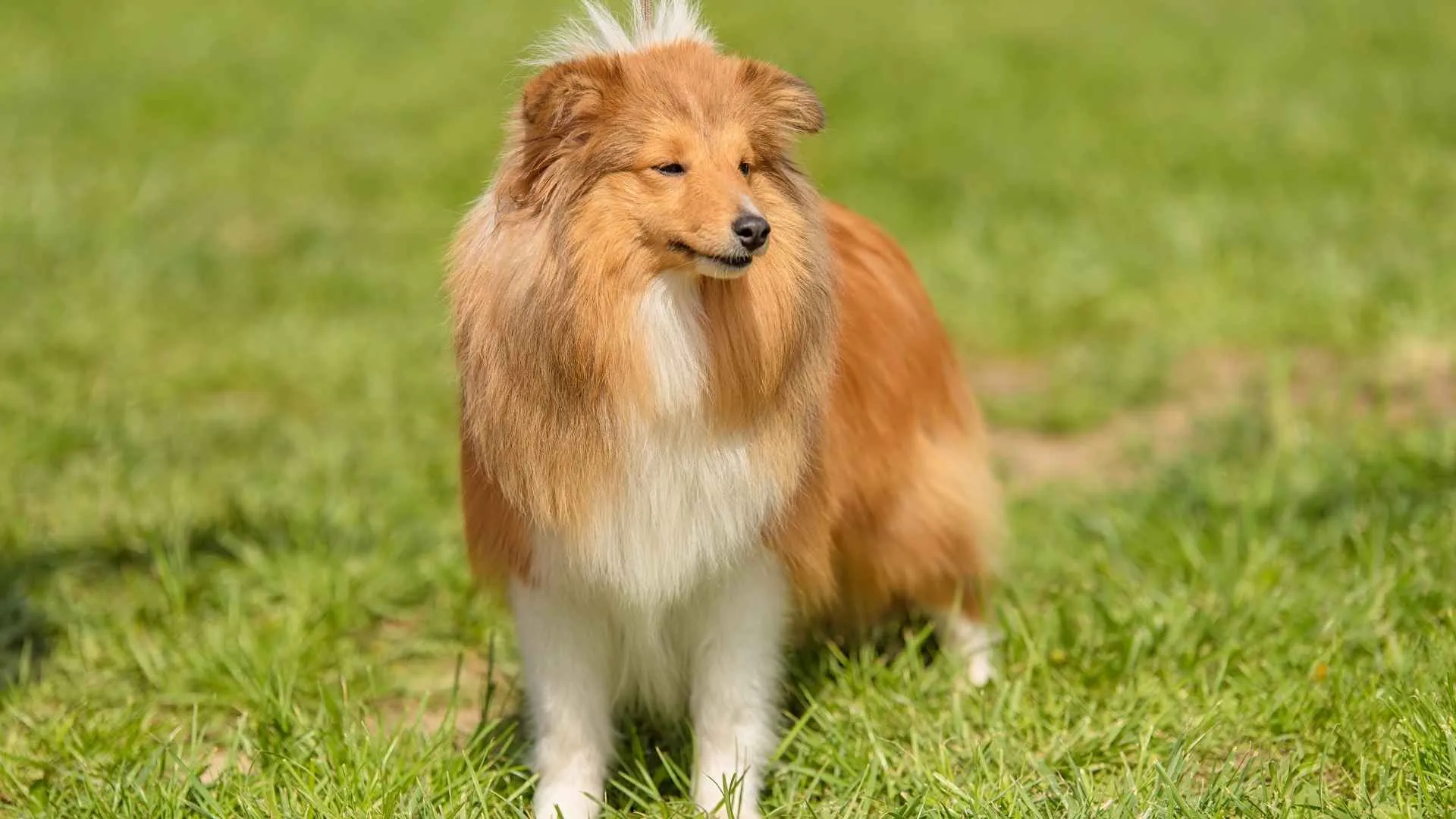
This long-haired breed showcases a refined and sophisticated expression of the sable pattern. It is often combined with white markings and tan points, creating a striking contrast that enhances the overall coat definition.
Because of its long, flowing coat, sable appears as soft gradients rather than sharp color divisions. The result is a naturally blended, almost painterly effect that gives the dog a gentle, camouflaged appearance.
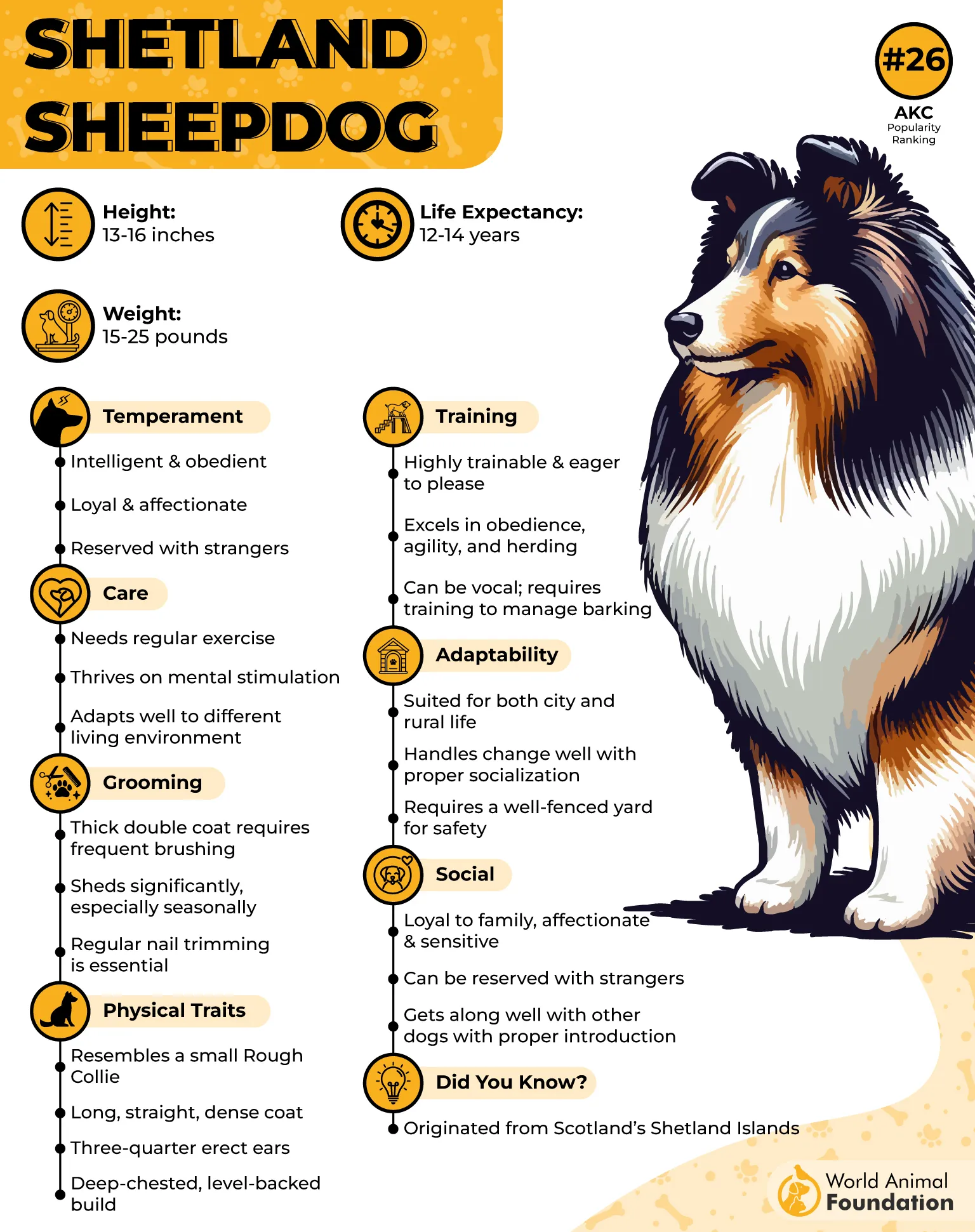
They are especially recognized by:
A broad spectrum of sable shades, ranging from pale gold to deep mahogany
Smooth, diffused color transitions enhanced by feathering in the coat
A prominent white ruff and chest that create a strong visual contrast
Darker tipping concentrated along the back and upper coat
Seasonal coat changes that add extra layering and depth
Sable plays a defining role in the overall expression of the breed, particularly in areas like the face and mane where lighter and darker tones meet most visibly.
3. Collie
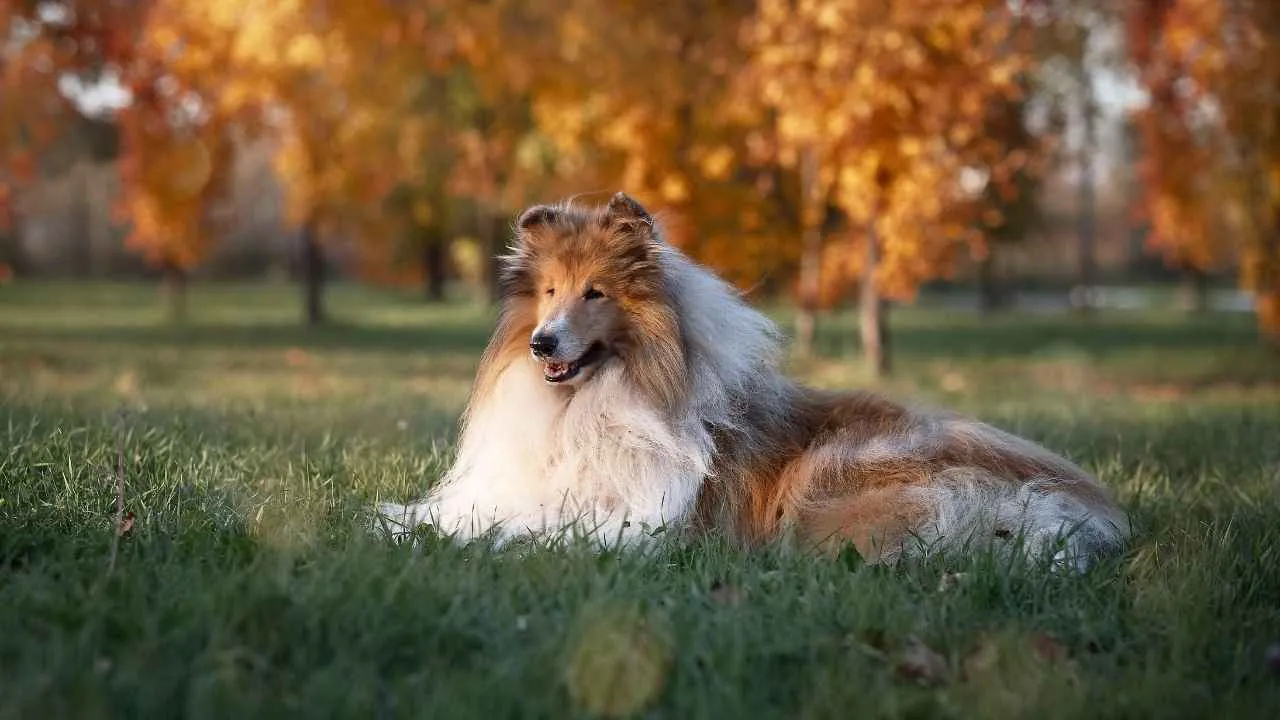
One of the most recognizable sable-coated breeds is the Collie, especially in the classic sable-and-white pattern.
In Collies, the sable coloration tends to be more uniform and evenly distributed across the body, giving the coat a smooth, polished appearance. This balanced blending of tones creates an elegant and cohesive look that is highly characteristic of the breed.
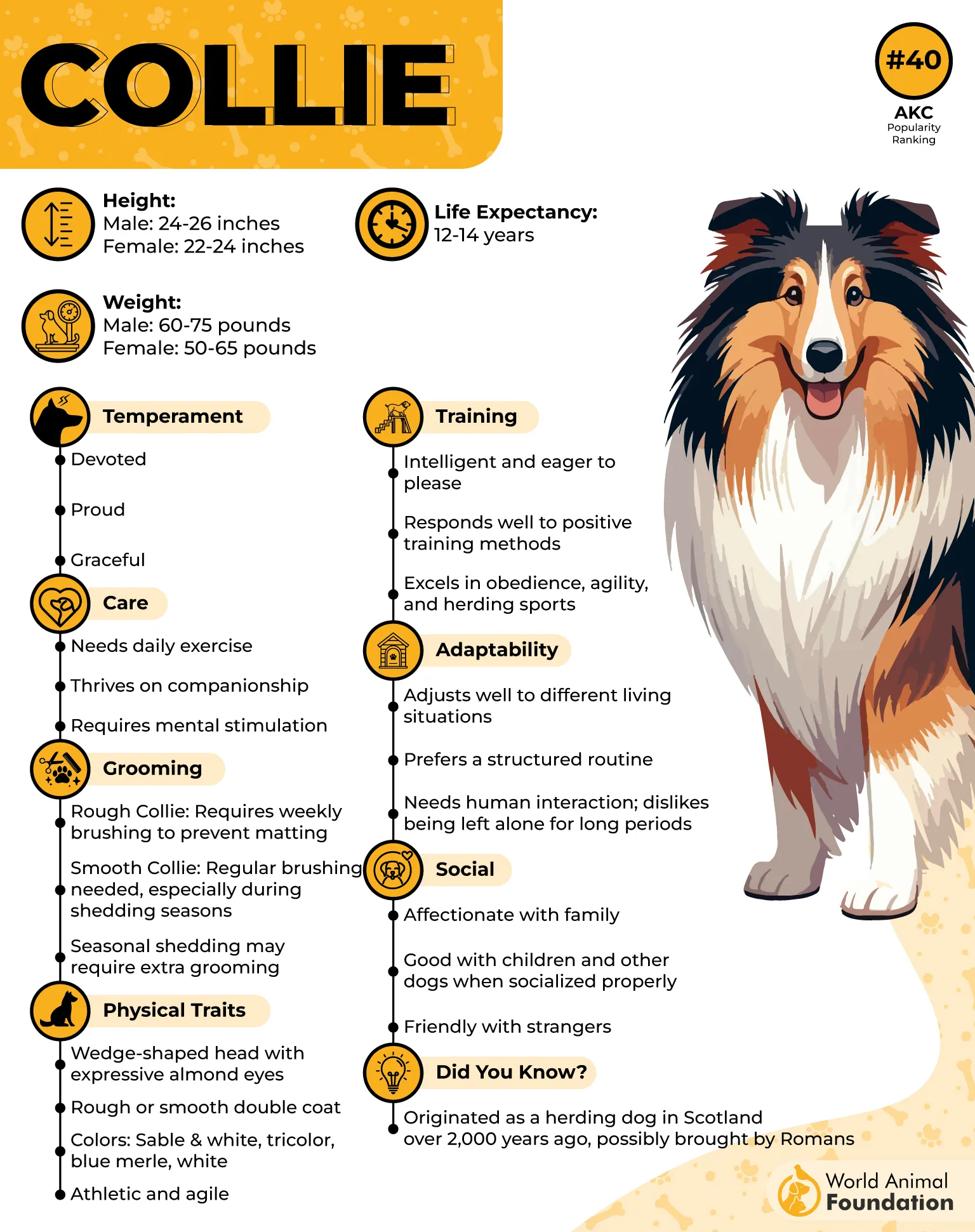
They are most famously known for:
A soft black tipping over a warm golden base
Even distribution of color across the body
An outer coat that blends and unifies the layered shades
A thick mane that enhances the depth and richness of sable
Minimal patchiness, resulting in a clean, refined appearance
In Collies, sable is often more restrained and refined, with dark tipping that enhances the coat’s definition without overpowering the lighter base color.
4. Belgian Malinois
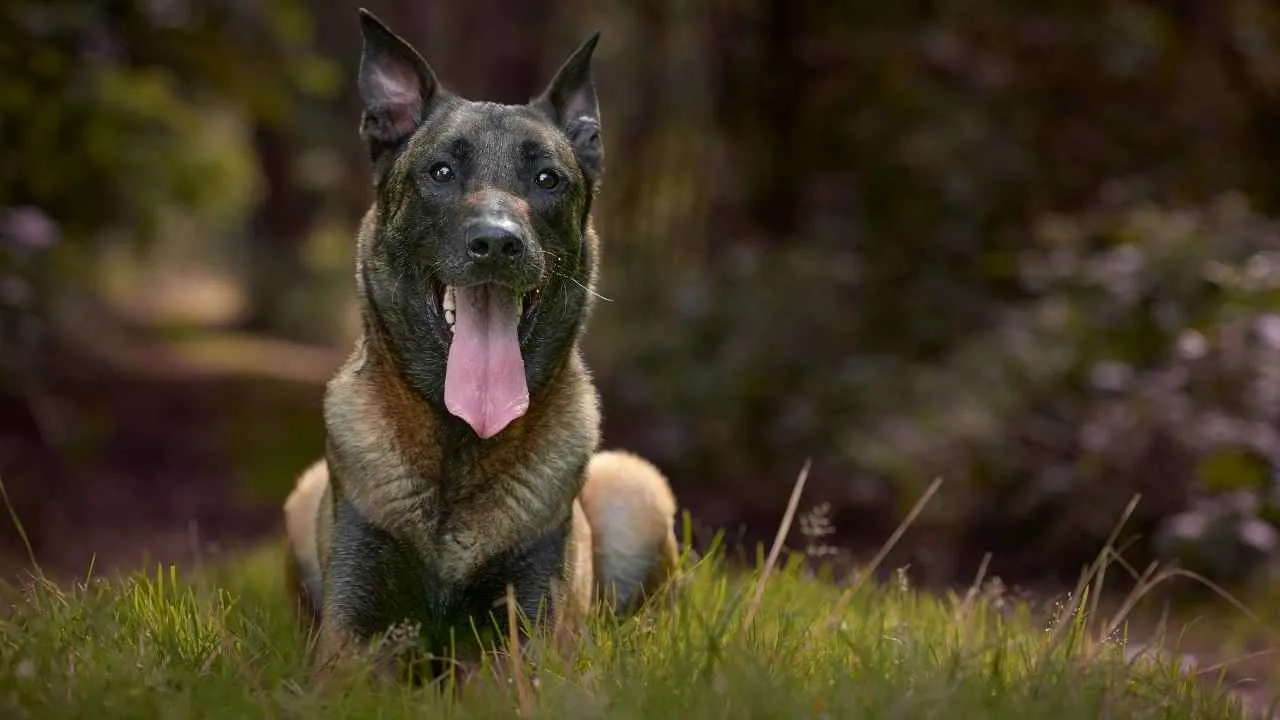
Belgian Malinois sable is one of the most practical and purpose-driven expressions of this coat pattern. It is typically seen on a fawn or tan base with a black overlay, giving the dog a sharp, functional, and highly recognizable appearance.
With their short, close-lying coat, the sable pattern appears more defined and less blended compared to longer-coated breeds. This makes the tipping and shading more visible, especially under different lighting conditions.
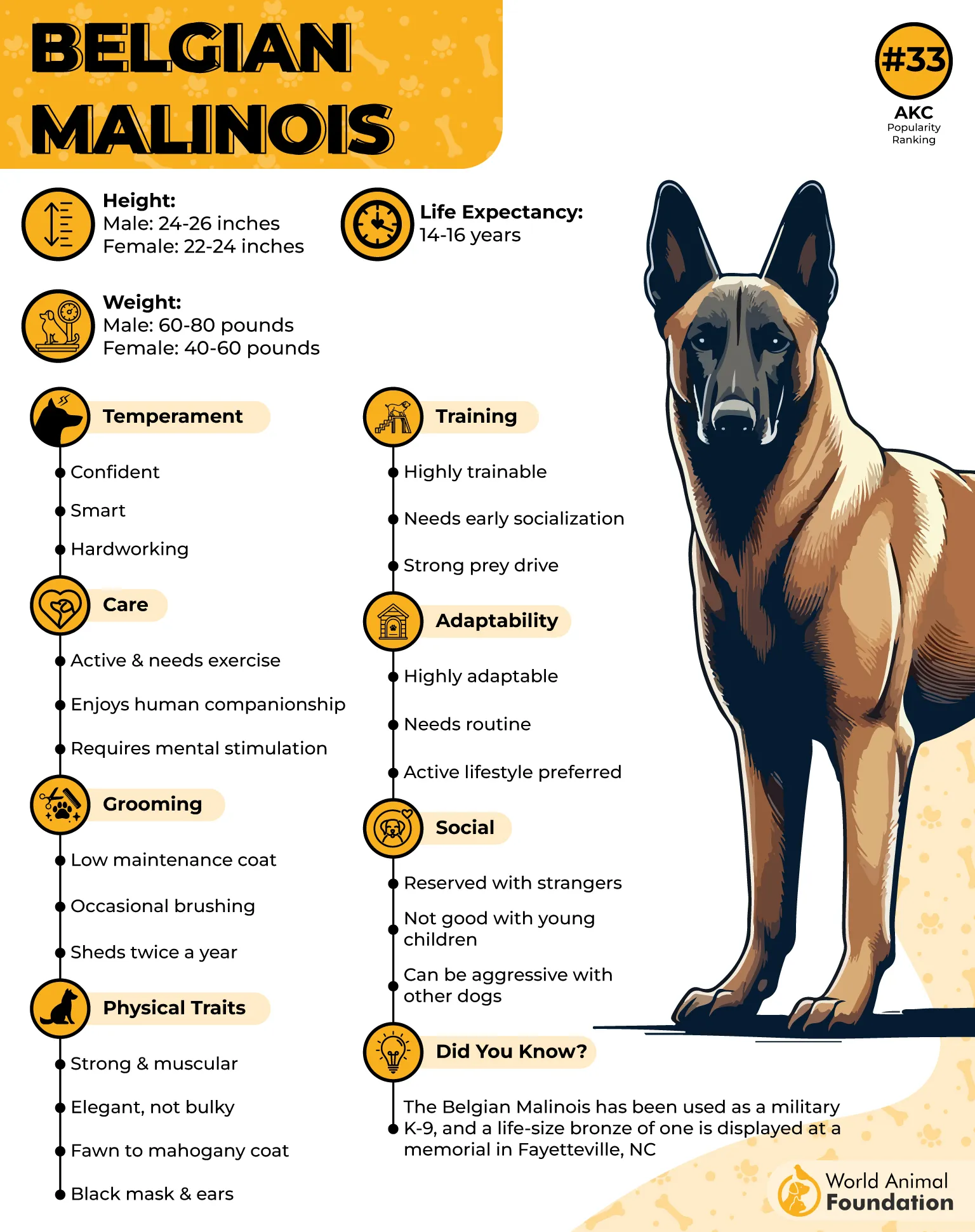
They are especially known for:
Close-fitting, banded hairs with distinct black tipping
A strong black facial mask that contrasts with the sable body and ears
Even coat distribution without feathering or heavy layering
Subtle shifts in tone depending on lighting and movement
A clean, athletic coloration associated with working roles
In the Belgian Malinois, sable is less about ornamentation and more about function. The pattern contributes to a streamlined, low-profile look that suits an active outdoor and working lifestyle.
Purina states that these working breeds can be conditioned to have a coating that is of good quality. A low-quality diet may diminish the quality of pigment contrast.
5. Pomeranian
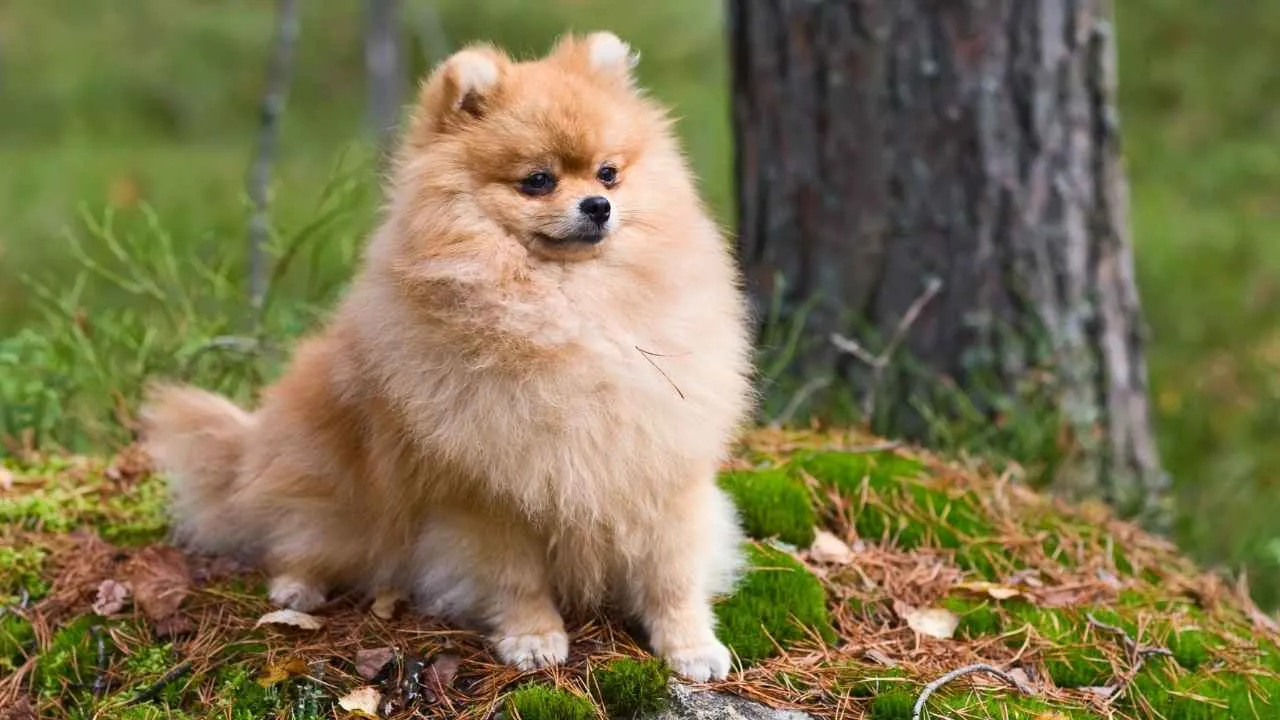
The Pomeranian is perhaps one of the most visually striking examples of pale cream sable, largely due to its dense, fluffy double coat.
In this breed, sable is amplified by volume. Dark tipping appears primarily on the outer guard hairs, while the soft, lighter undercoat creates a bright foundation that enhances contrast and depth.
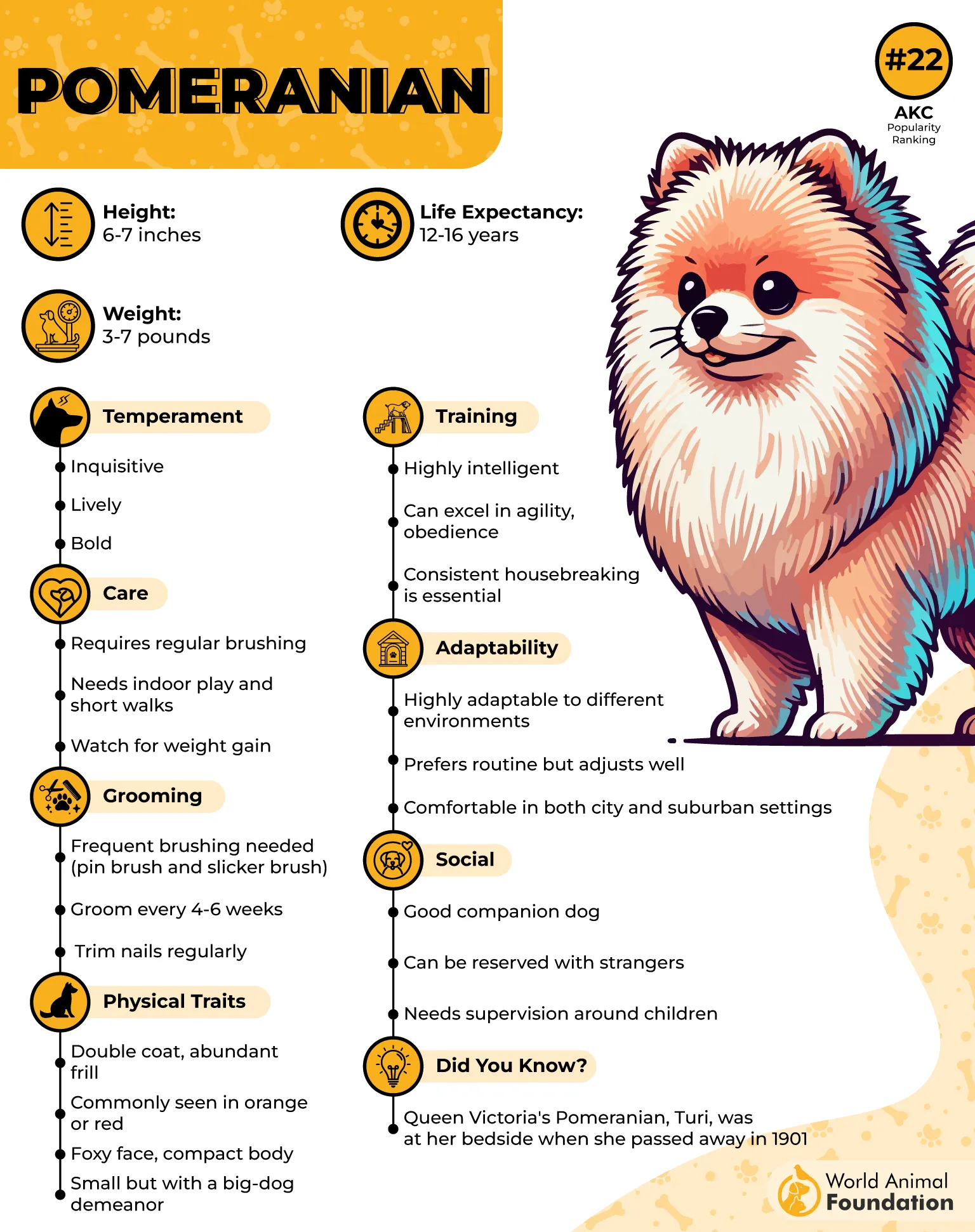
These small dogs are especially known for:
Rich dark tipping over a light, fluffy undercoat
Variations such as orange sable and wolf sable, particularly around the neck and head
A dense coat structure that intensifies the perception of color depth
Noticeable changes in appearance depending on grooming and coat fluffing
There is a strong contrast between the soft undercoat and the longer, darker guard hairs, which gives the coat a highly dimensional look.
Because of this coat structure, a Pomeranian’s sable pattern can appear lighter or darker depending on grooming, shedding, and how the fur is styled. This makes the coloration especially dynamic and ever-changing.
6. Cardigan Welsh Corgi
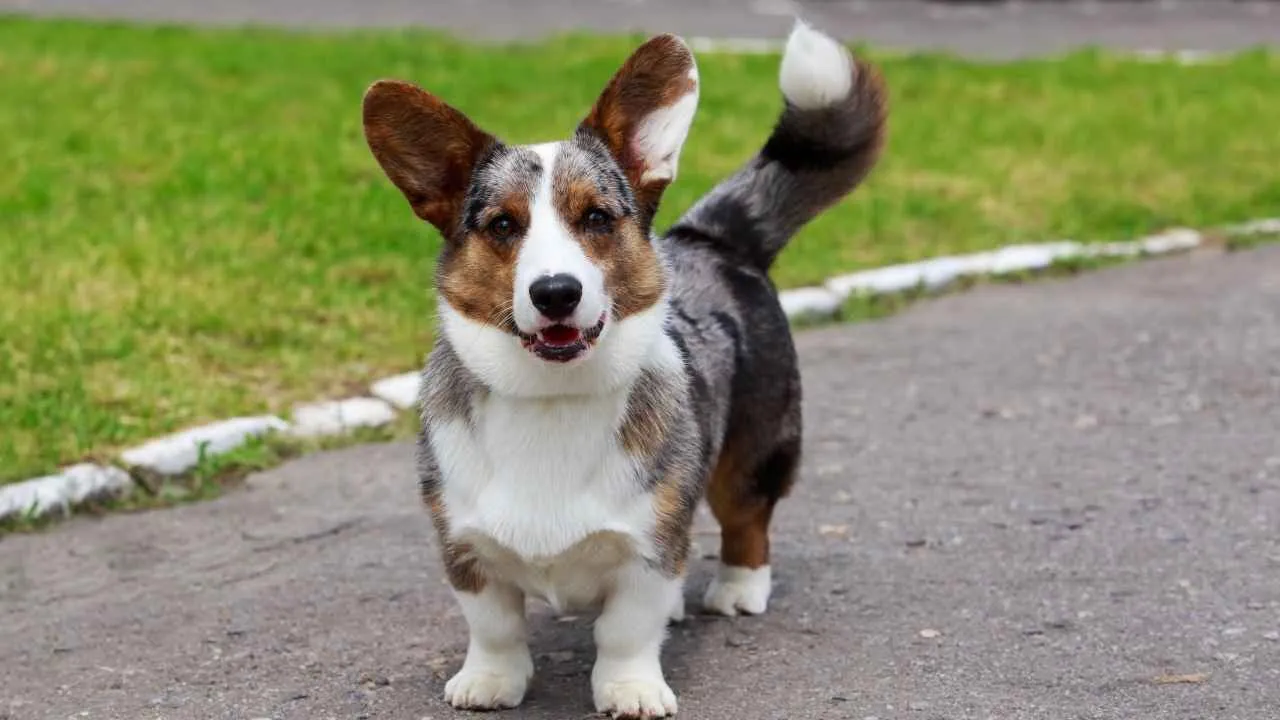
The Cardigan Welsh Corgi displays sable in a balanced and understated way, often combined with other markings such as brindle or white patches that enhance its overall pattern complexity.
With a medium-length coat, sable in this breed tends to appear more blended rather than bold, allowing the base colors and shading to merge smoothly. This creates a natural, well-integrated look across the body.
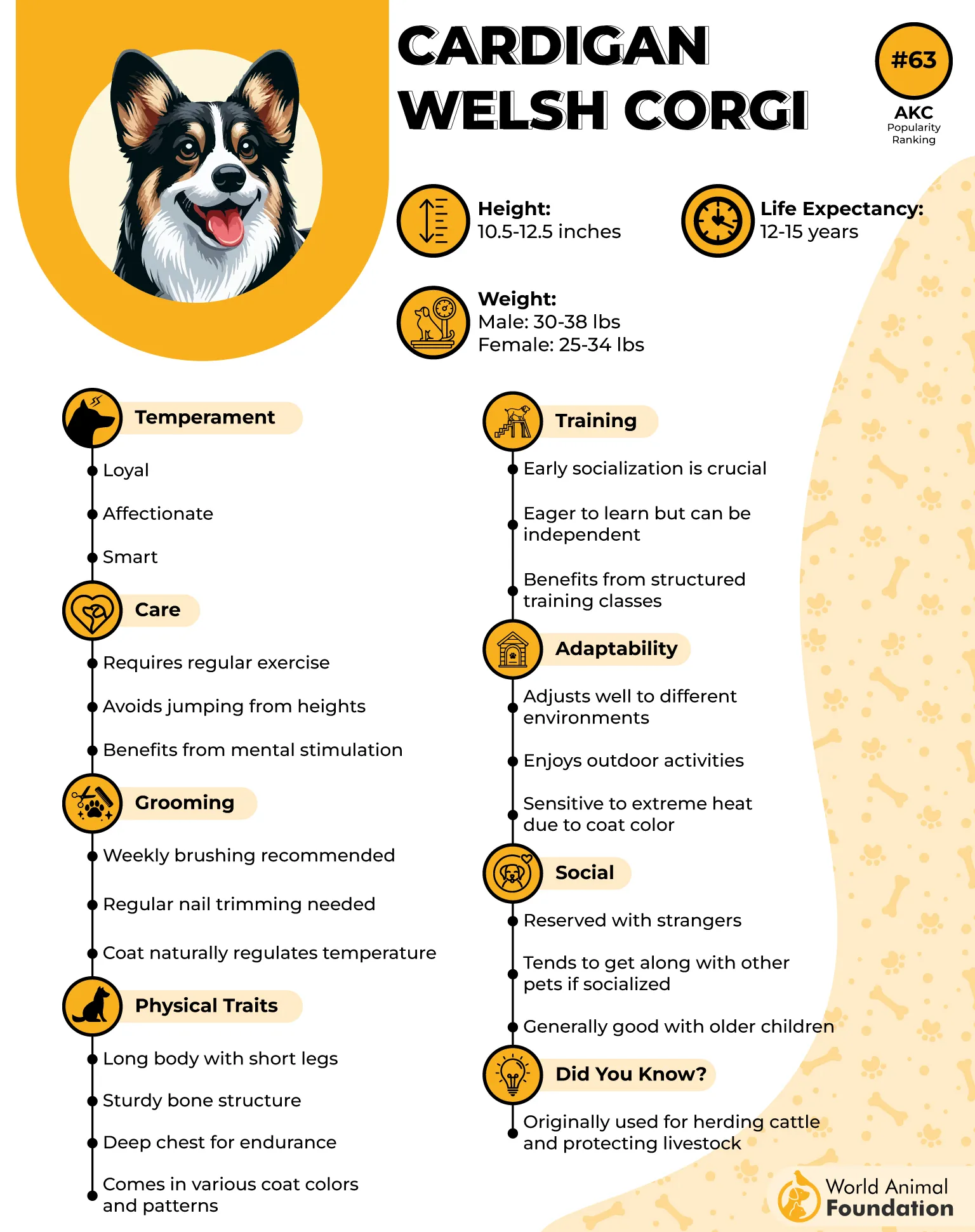
They are especially known for:
A subtle sable overlay, often more noticeable along the back
Even coat density with balanced color distribution
Soft blending of light and dark tones throughout the body
Well-pigmented facial markings that enhance contrast and expression
A controlled, natural appearance without heavy pattern dominance
In the Cardigan Welsh Corgi, sable works in harmony with the breed’s structure rather than overpowering it, contributing to a clean, grounded, and naturally elegant look, as Orvis points out.
7. Dachshund
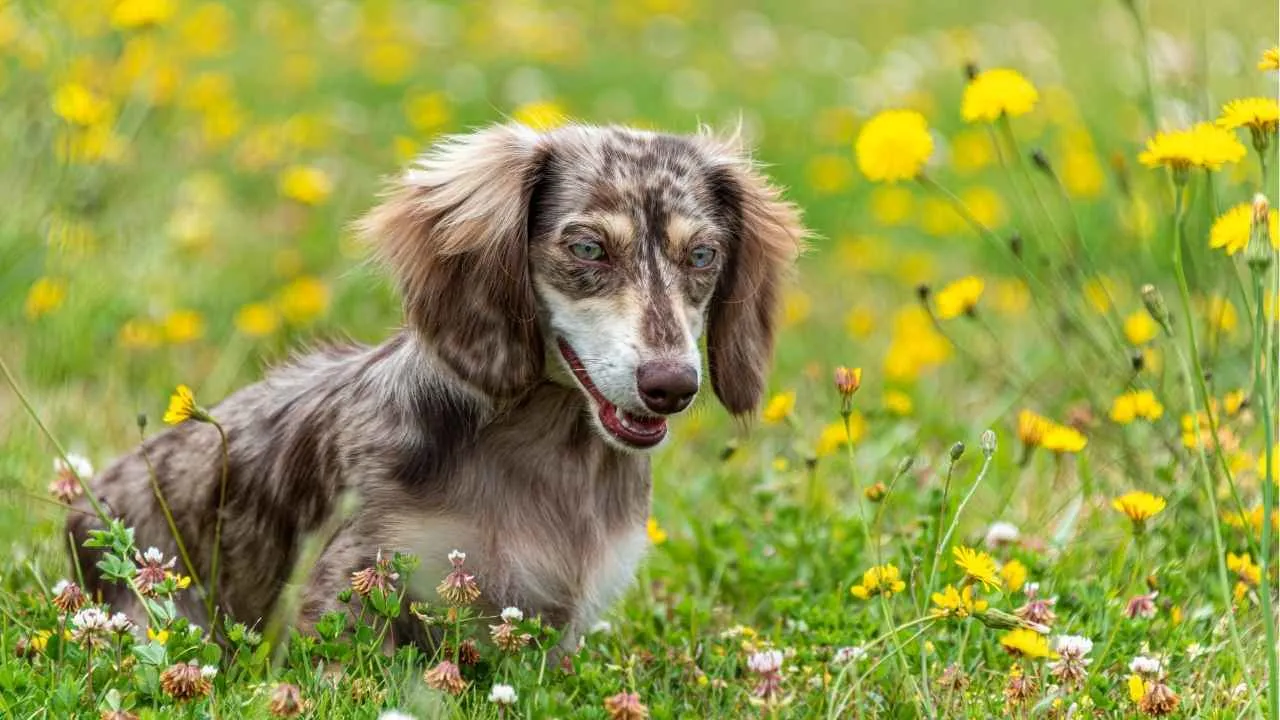
Sable is one of the most versatile coat patterns in the Dachshund, a breed that comes in multiple coat types, including smooth, long-haired, and wire-haired varieties.
Across these coat types, sable expression can vary significantly, ranging from subtle shading to more pronounced tipping, depending on coat texture and length.
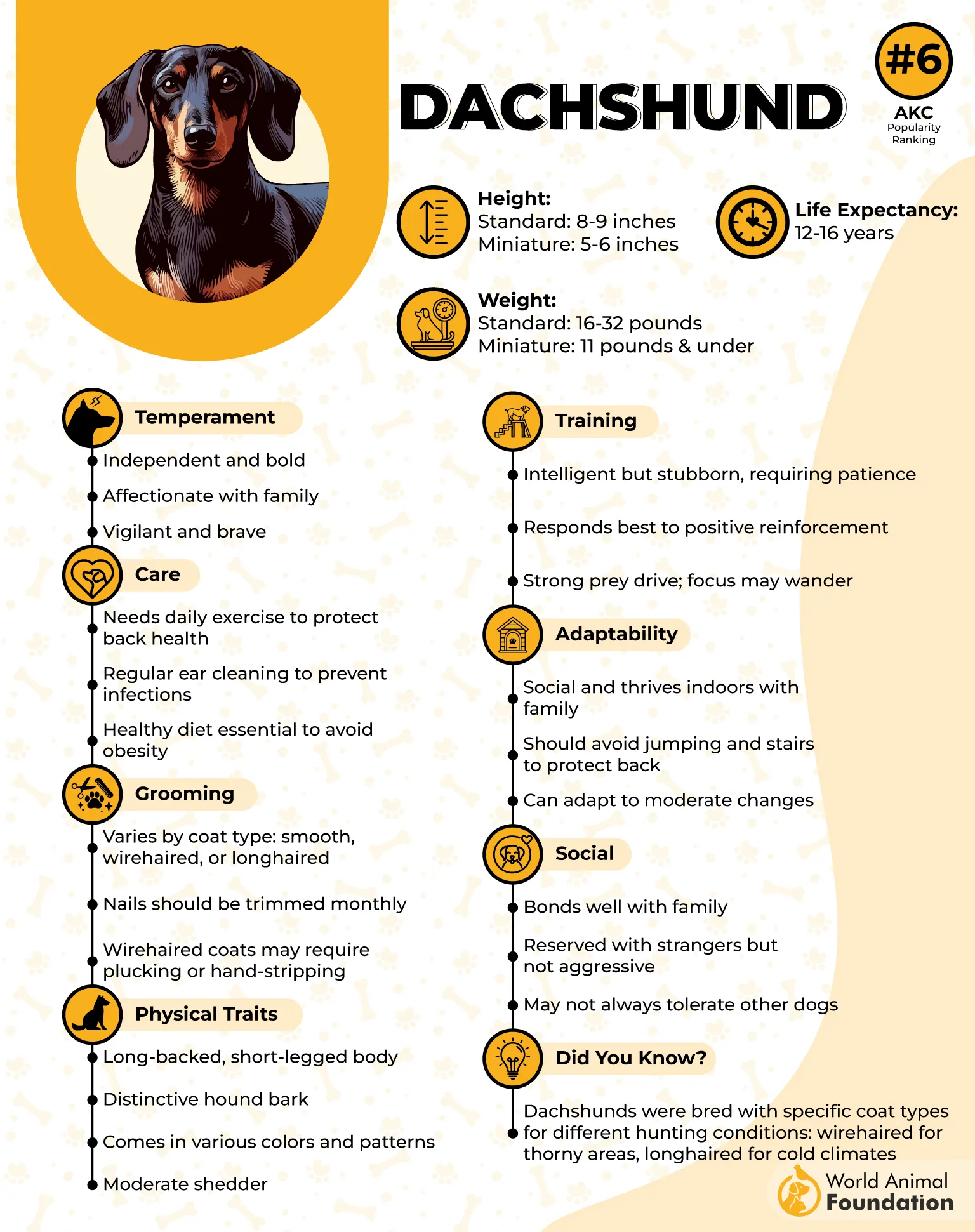
They are particularly known for:
Dark tipping over a lighter base coat
More pronounced sable expression in long-haired Dachshunds
A soft, shadowed effect in smooth-coated varieties
Stronger contrast and texture variation in wire-haired coats
Differences in intensity influenced by coat density and type
In long-haired Dachshunds, sable appears layered and flowing, enhancing the coat’s elegance and movement. In smooth-coated individuals, it tends to present as a more refined, even shading effect that closely follows the body’s contours.
Conclusion
The sable coat variations demonstrate the interaction of genetic factors and the structure of the coat and purpose of the breed in forming various visual effects. The only thing remarkable about sable is that there is no uniformity with it.
Dogs have it on in their own way, being affected by both nature and nurture. So go ahead and get the dog that has a coat that mesmerizes you the most!
