




If your ideal adventure buddy is a dog that’s confident, loyal, and always ready to explore, giant breeds are worth considering. While their size is the first thing people notice, many are surprisingly calm, intelligent, and independent.
With proper training and socialization, they can confidently join you on hikes, long walks, and other solo adventures.
Living with a giant dog does come with extra responsibilities. They need more space, eat more food, and usually cost more to care for than smaller breeds.
Since they grow quickly and become very strong, early training is essential. Fortunately, many giant dogs are eager to learn and build strong, trusting bonds with their owners.
In this article, we’ll introduce some of the best giant dog breeds that are perfect for solo adventures. These gentle giants have the qualities that make them reliable companions both on and off the trail.
Key Takeaways
- Discover 9 giant dog breeds built for loyalty, confidence, and outdoor adventures.
- Meet independent companions like Great Pyrenees, Irish Wolfhounds, and Tibetan Mastiffs.
- Explore powerful guardians including Caucasian Shepherds, Central Asian Shepherds, and Black Russian Terriers.
- Find the perfect giant adventure partner for your lifestyle and experience level.
Autonomous Giant Dog Breeds Perfect for Solo Adventures
1. Great Pyrenees
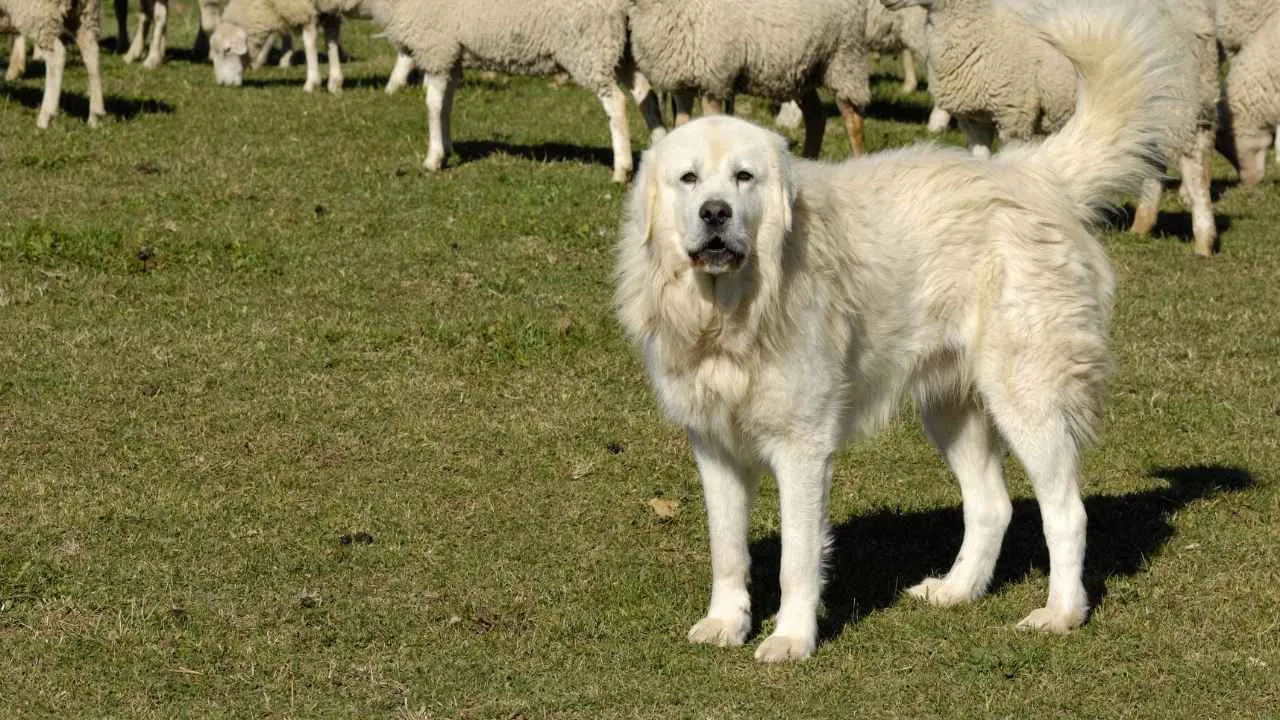
The Great Pyrenees is a calm, confident giant that was originally bred to guard livestock in the rugged Pyrenees Mountains between France and Spain. For centuries, these dogs worked on their own, protecting flocks from wolves and other predators with very little human guidance.
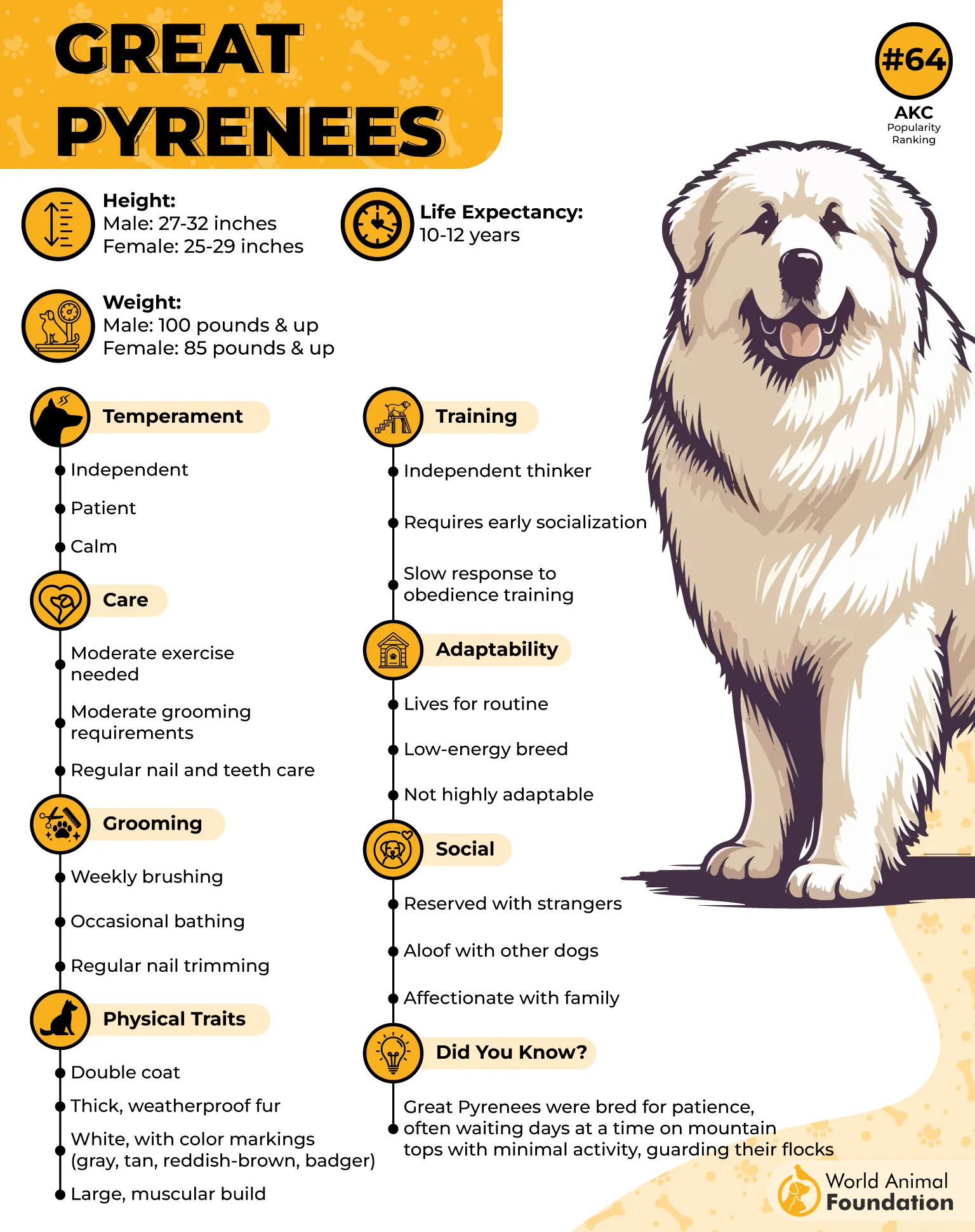
That independent background makes them one of the most autonomous giant breeds, while their gentle and devoted nature also makes them wonderful family companions.
Why They’re Great for Solo Adventures
- Naturally independent and comfortable making decisions on their own.
- Calm, patient, and confident in unfamiliar environments.
- Protective without being overly reactive.
- Enjoy long walks, hiking, and exploring at a steady pace.
Despite their independent streak, Great Pyrenees form deep bonds with their families and take their role as guardians seriously. According to Chewy, they are affectionate, gentle with children, and usually get along well with other pets when properly socialized.
They aren’t highly energetic, but they do need regular exercise and plenty of space to roam. Their thick double coat requires consistent brushing due to heavy shedding, especially during seasonal coat changes.
Early training and socialization are important, as these intelligent dogs can be stubborn and prefer thinking for themselves rather than blindly following commands.
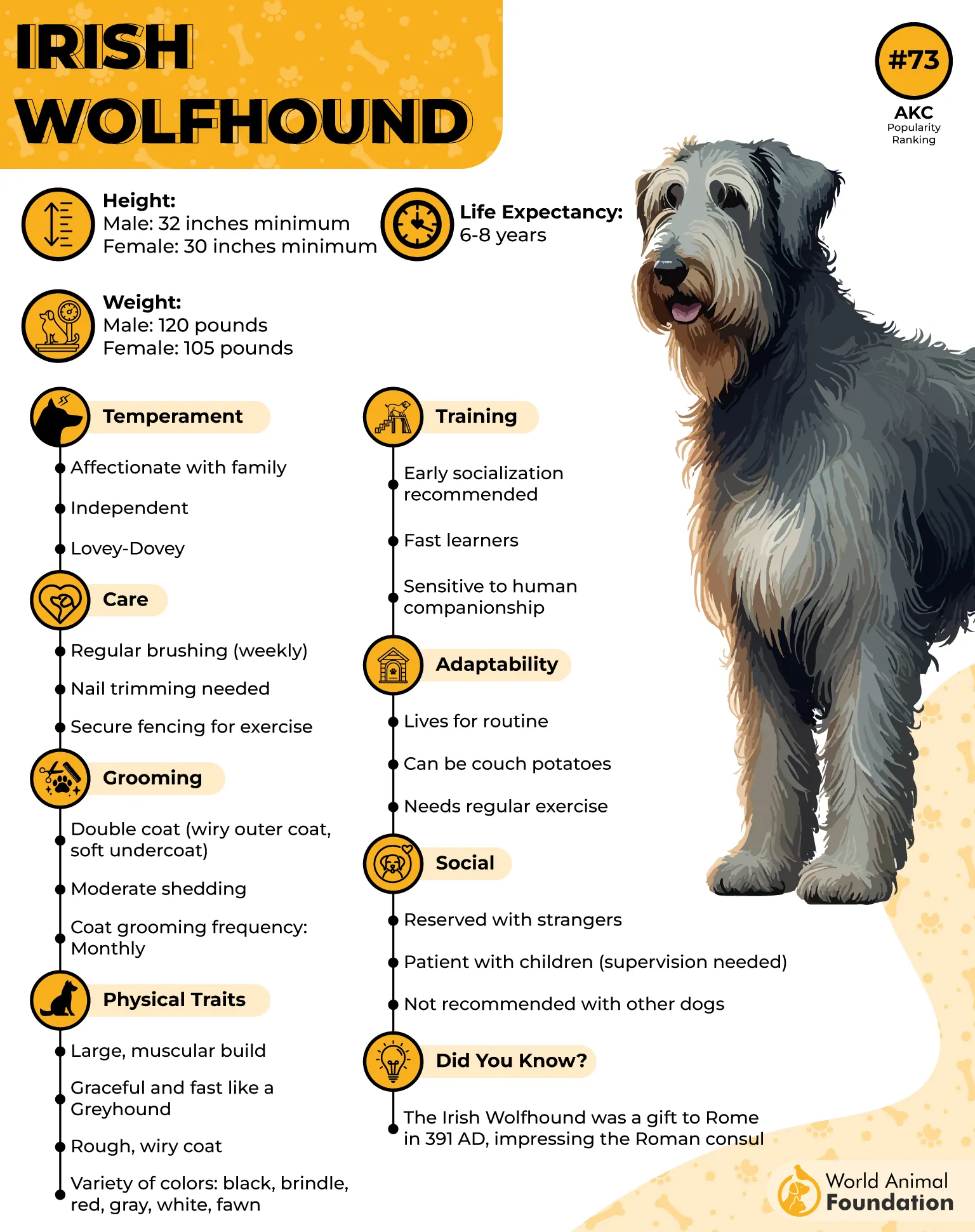
2. Irish Wolfhound
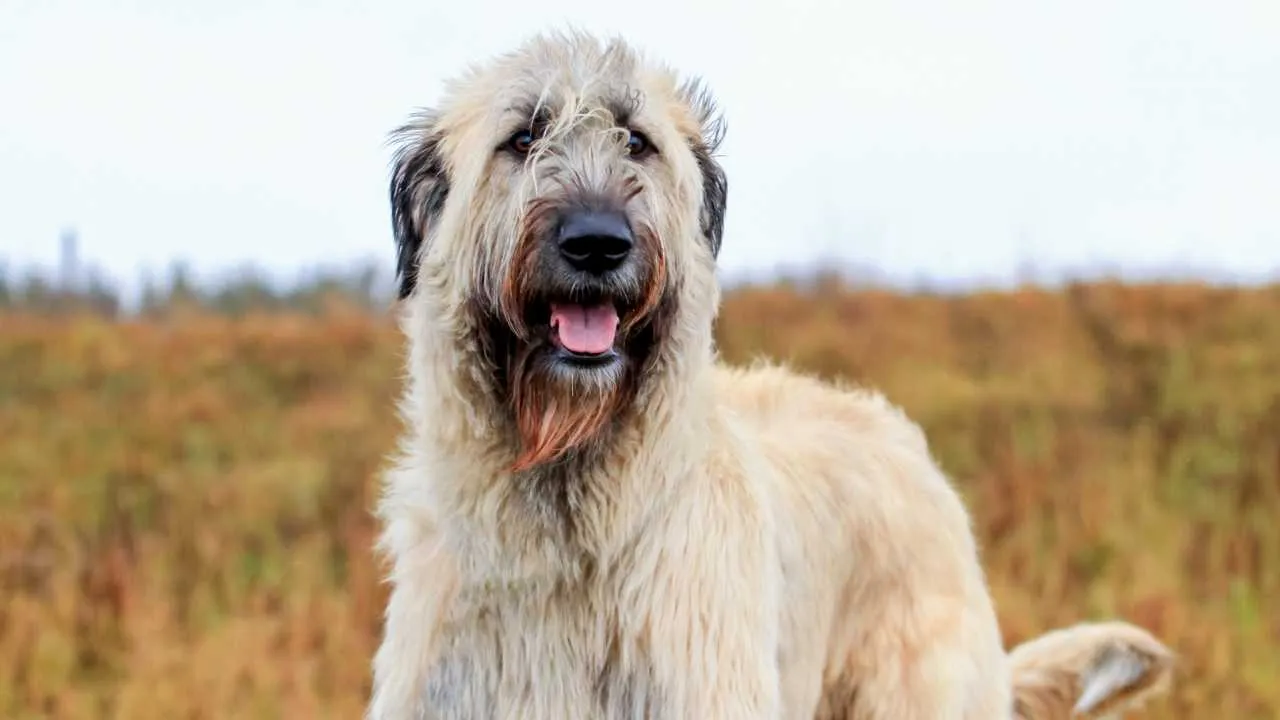
Known as the tallest dog breed in the world, Irish Wolfhounds were originally bred to hunt wolves and protect people and livestock. Their history dates back to ancient Ireland, where they often worked with little human direction.
That independent nature, combined with their calm temperament and impressive endurance, makes them well-suited for owners who enjoy peaceful solo adventures.
Why They’re Great for Solo Adventures
- Independent thinkers with a calm and steady nature.
- Strong endurance for long walks and outdoor activities.
- Quiet and rarely barks without a reason.
- Loyal companions that enjoy staying close to their owners.
Despite their giant size, Irish Wolfhounds are gentle, affectionate, and patient with children. They usually get along well with other dogs when socialized early, but their strong prey drive means they should stay on a leash or inside a securely fenced area around small animals.
Their wiry coat is fairly low maintenance and only needs weekly brushing, while regular exercise helps keep them healthy and prevents weight gain. Early training, socialization, and plenty of companionship are important, as they can develop separation anxiety if left alone for long periods.
Their short lifespan and higher risk of health issues are important considerations, but their loyal, easygoing personality makes them unforgettable adventure partners.
3. Tibetan Mastiff
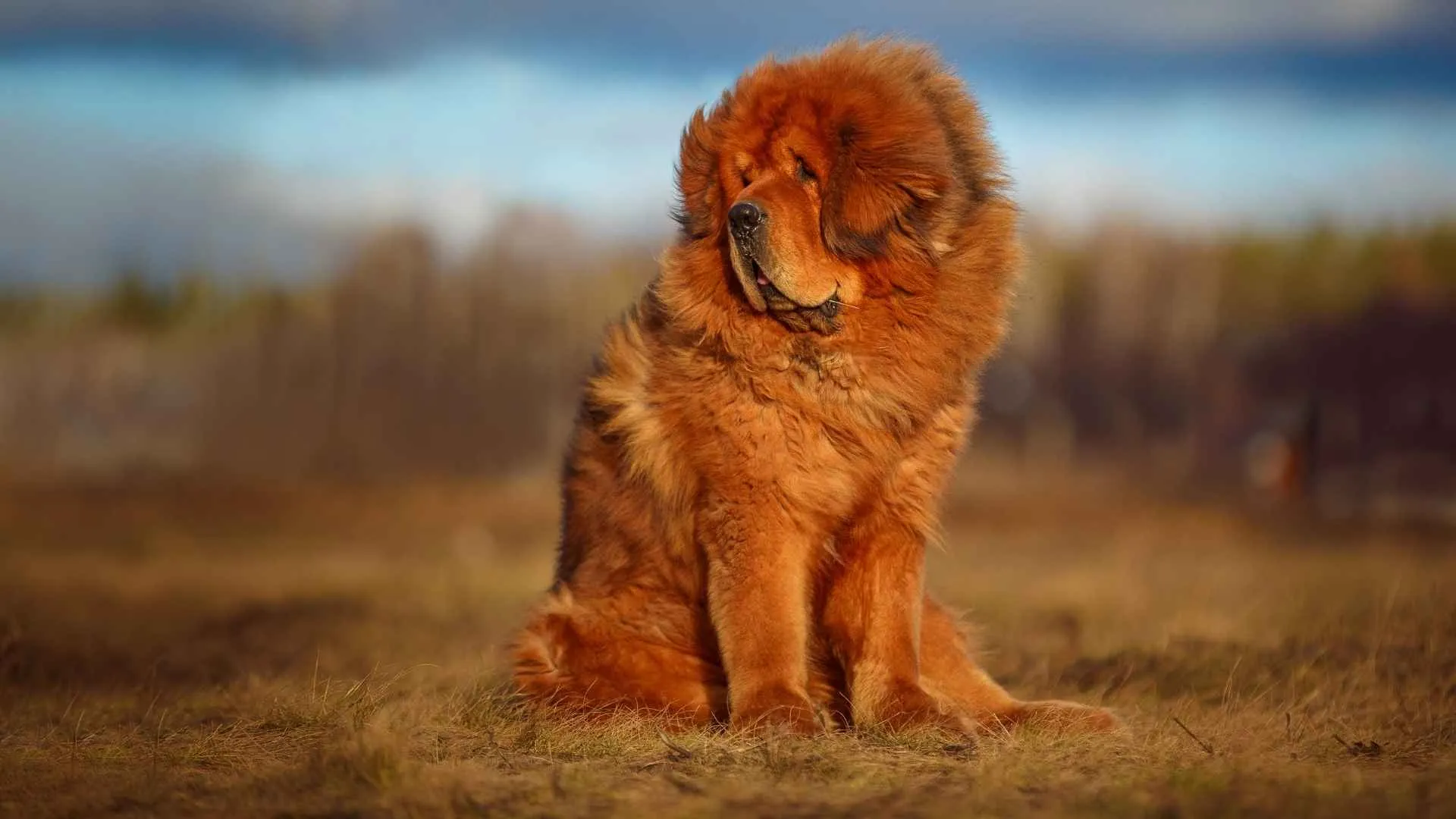
The Tibetan Mastiff is an ancient guardian breed that developed in the remote Himalayan region, where it protected homes, livestock, and monasteries with little human supervision. Bred to think and act independently, these powerful dogs are naturally watchful, fearless, and self-reliant.
Why They’re Great for Solo Adventures
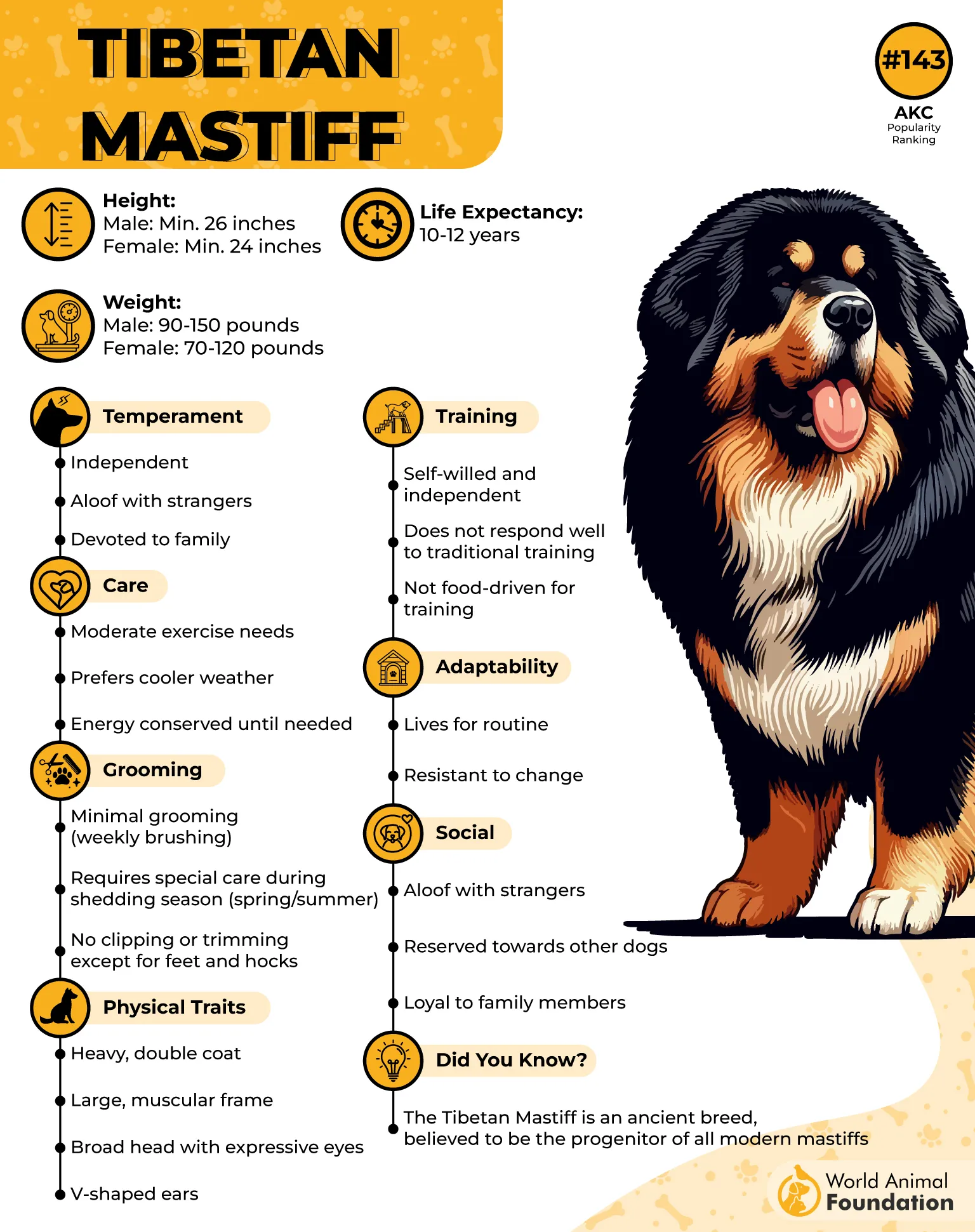
- Highly independent and comfortable making their own decisions.
- Loyal and naturally protective of their owners.
- Enjoy patrolling, exploring, and spending time outdoors.
- Calm and confident, especially in cooler climates.
Tibetan Mastiffs are deeply devoted to their families but tend to be reserved with strangers, making early socialization essential. They are intelligent but stubborn and often prefer following their instincts over commands, so patient, consistent training is important.
These giant dogs need a securely fenced yard, moderate daily exercise, and should always stay on a leash because of their territorial nature. Their thick double coat requires regular brushing, and they thrive in cold weather, as they can overheat in warm climates.
While they can stay home alone for several hours, they do best with plenty of space, mental stimulation, and a job that keeps their natural guardian instincts engaged.
4. Caucasian Shepherd
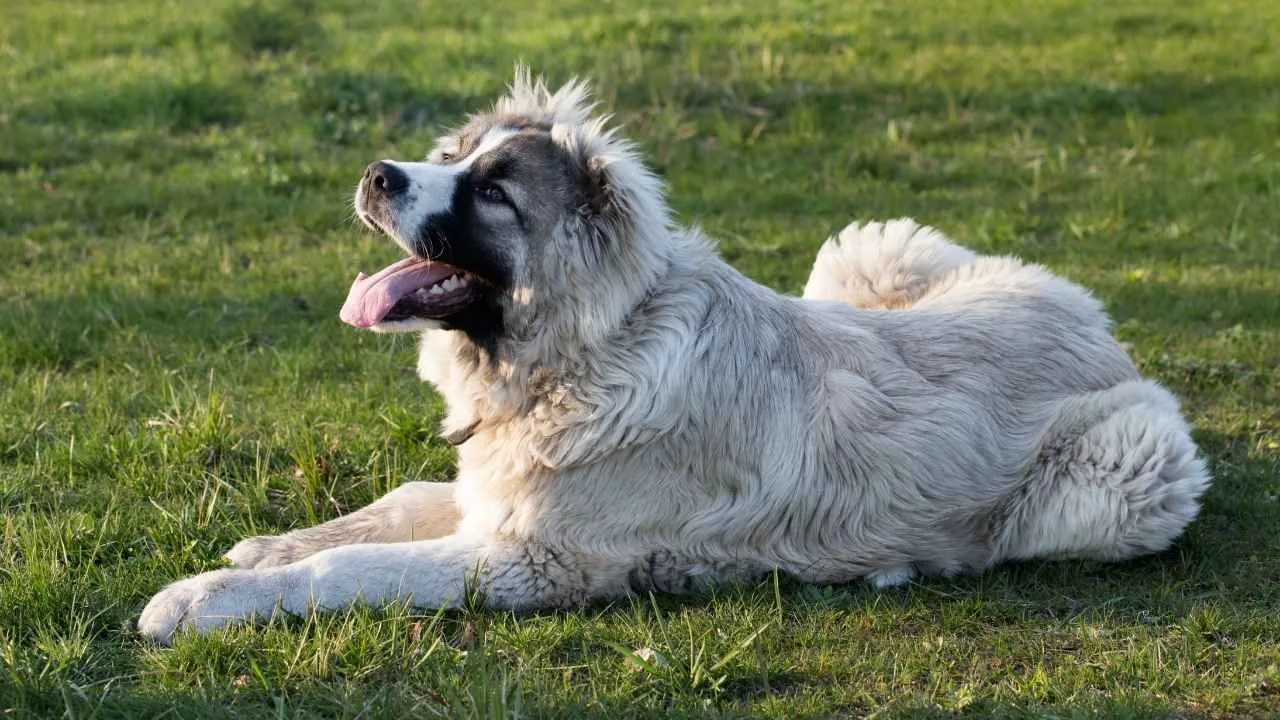
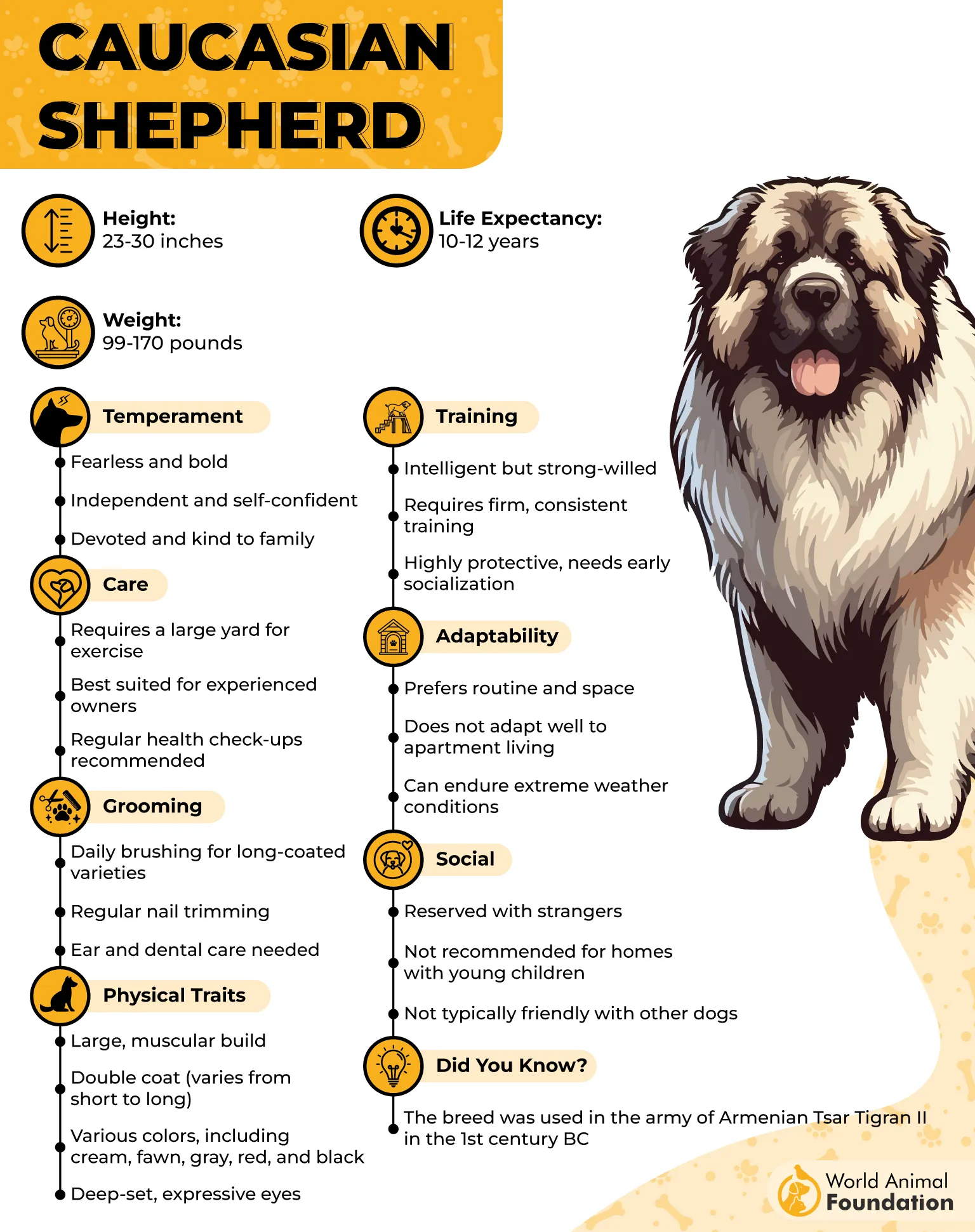
Originally developed in the rugged Caucasus Mountains, Caucasian Shepherds spent centuries protecting livestock and property from wolves, bears, and intruders.
Their history as fearless guardians shaped them into powerful, independent dogs that can confidently make decisions without constant direction. For experienced owners, they are dependable companions with the confidence to handle challenging outdoor environments.
Why They’re Great for Solo Adventures
- Naturally independent and highly self-reliant.
- Brave, confident, and always alert.
- Excellent endurance for long walks and hikes.
- Deeply loyal and protective of their owners.
PetMD mentions Caucasian Shepherds form strong bonds with their families but are naturally suspicious of strangers, making early socialization and consistent training essential. They are intelligent yet stubborn, so positive reinforcement and experienced handling work best.
These giant dogs need plenty of space, a securely fenced yard, and regular exercise to stay physically and mentally satisfied. Their thick double coat sheds heavily and requires frequent brushing, especially during seasonal shedding.
While not the right choice for first-time owners or apartment living, their loyalty, courage, and independent nature make them excellent partners for experienced adventurers.
5. Central Asian Shepherd
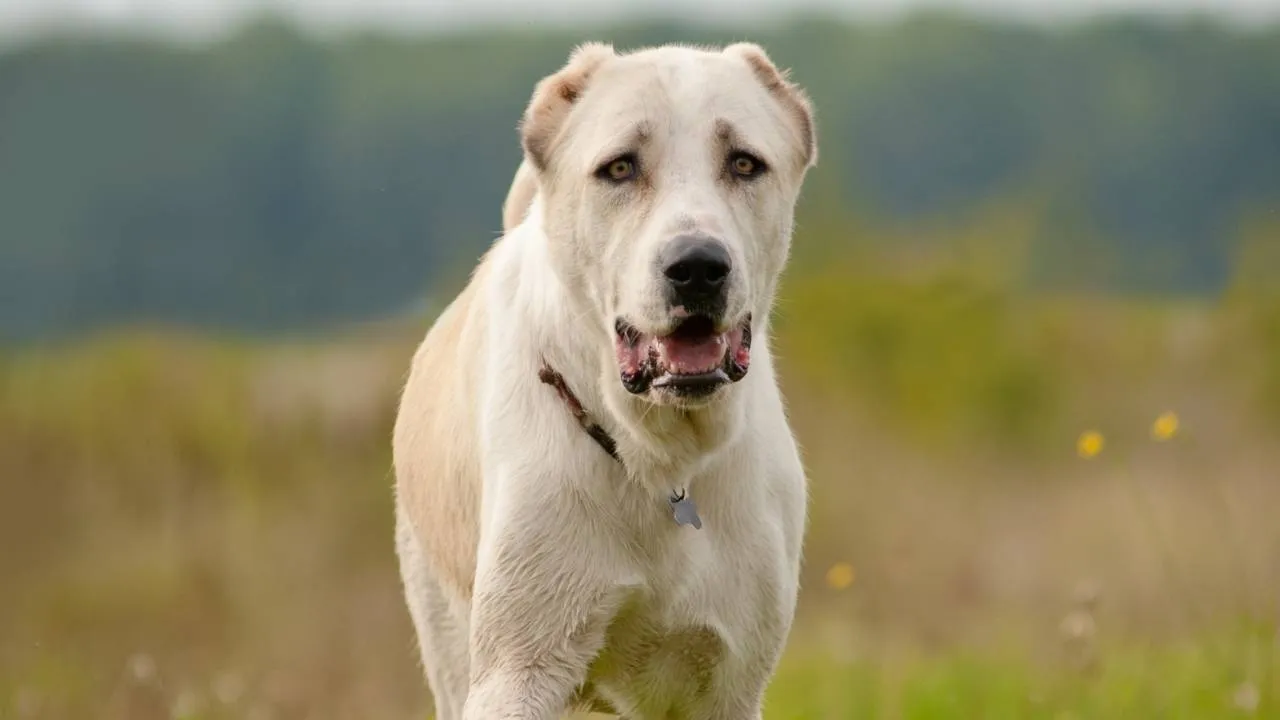
The Central Asian Shepherd Dog is one of the world’s oldest guardian breeds, developed naturally over thousands of years across Central Asia. Bred to protect livestock and families from predators in harsh landscapes, these powerful dogs learned to work with little human guidance.
Their fearless attitude, sharp instincts, and remarkable endurance make them one of the most autonomous giant breeds.
Why They’re Great for Solo Adventures
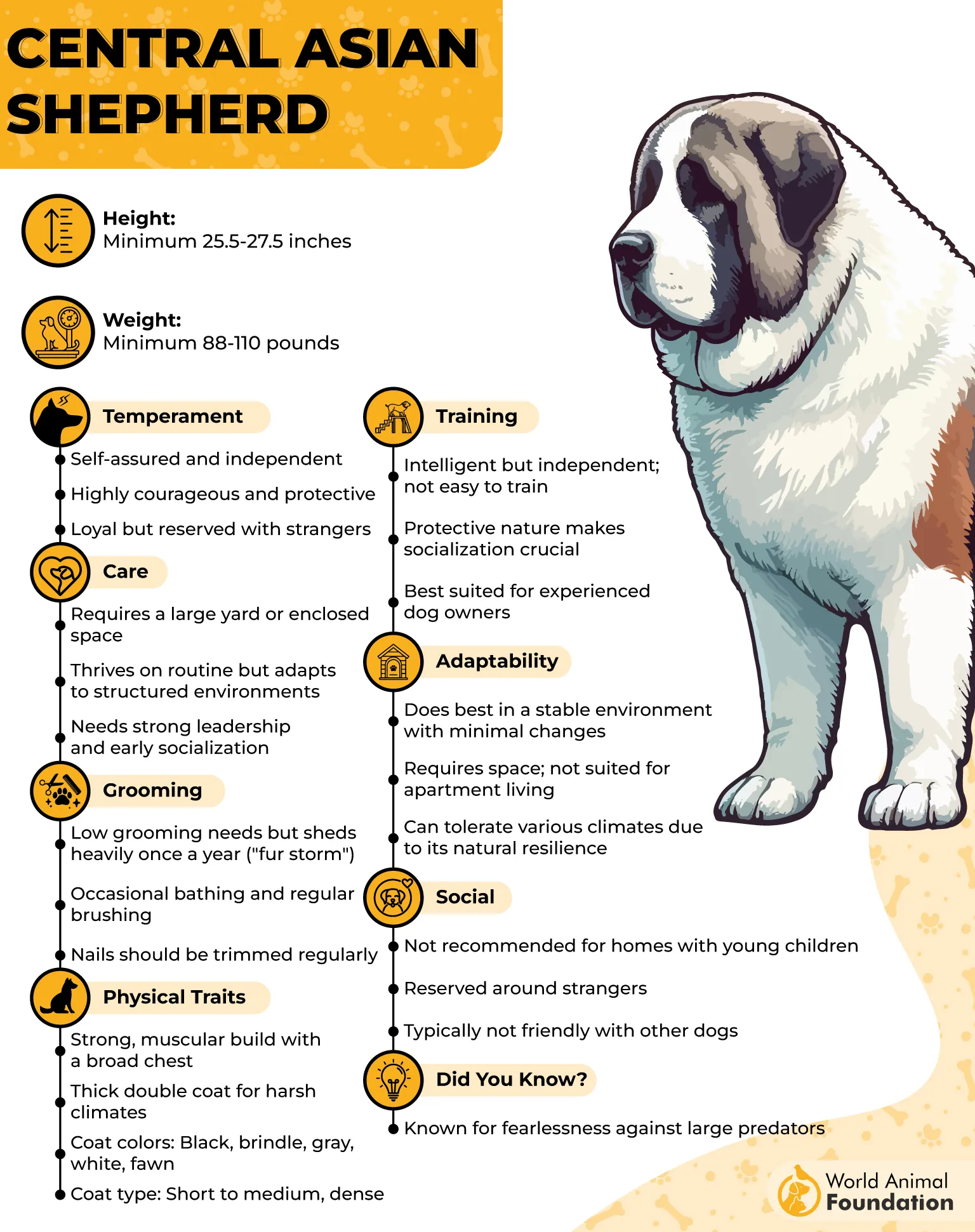
- Naturally independent and confident decision-makers.
- Strong endurance for long walks and outdoor exploration.
- Loyal companions that stay close without being clingy.
- Brave and highly adaptable in different environments.
Central Asian Shepherd Dogs are devoted to their families but naturally cautious around strangers, making early socialization and lifelong training essential. They are intelligent, strong-willed, and best suited to experienced owners who understand independent working breeds.
These dogs need daily exercise, plenty of room to roam, and a securely fenced yard to satisfy their guardian instincts. Their thick double coat is easy to maintain for most of the year, though seasonal shedding requires extra brushing.
While they aren’t ideal for apartment living or first-time owners, their confidence, loyalty, and self-reliant nature make them dependable companions for experienced outdoor enthusiasts.
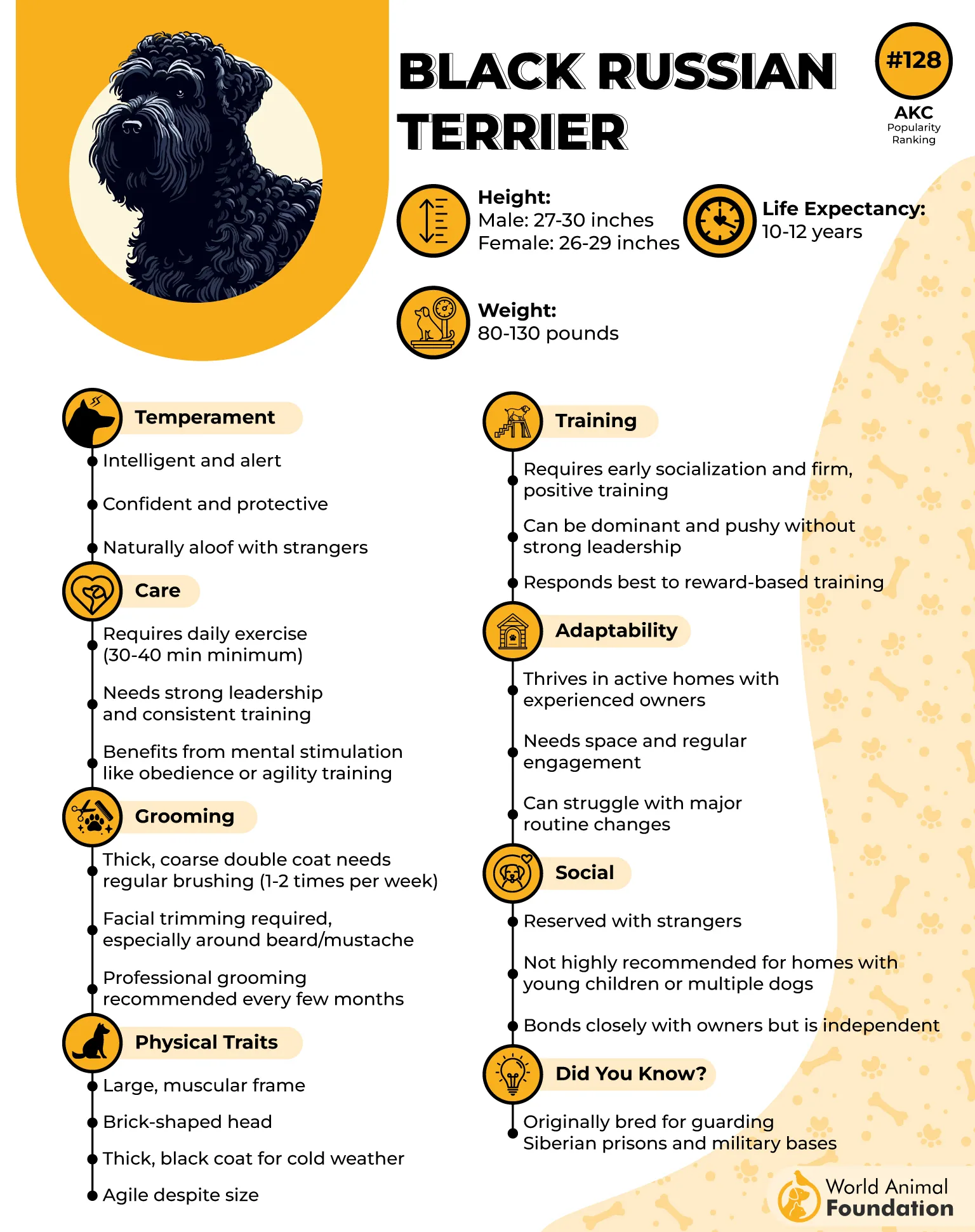
6. Black Russian Terrier
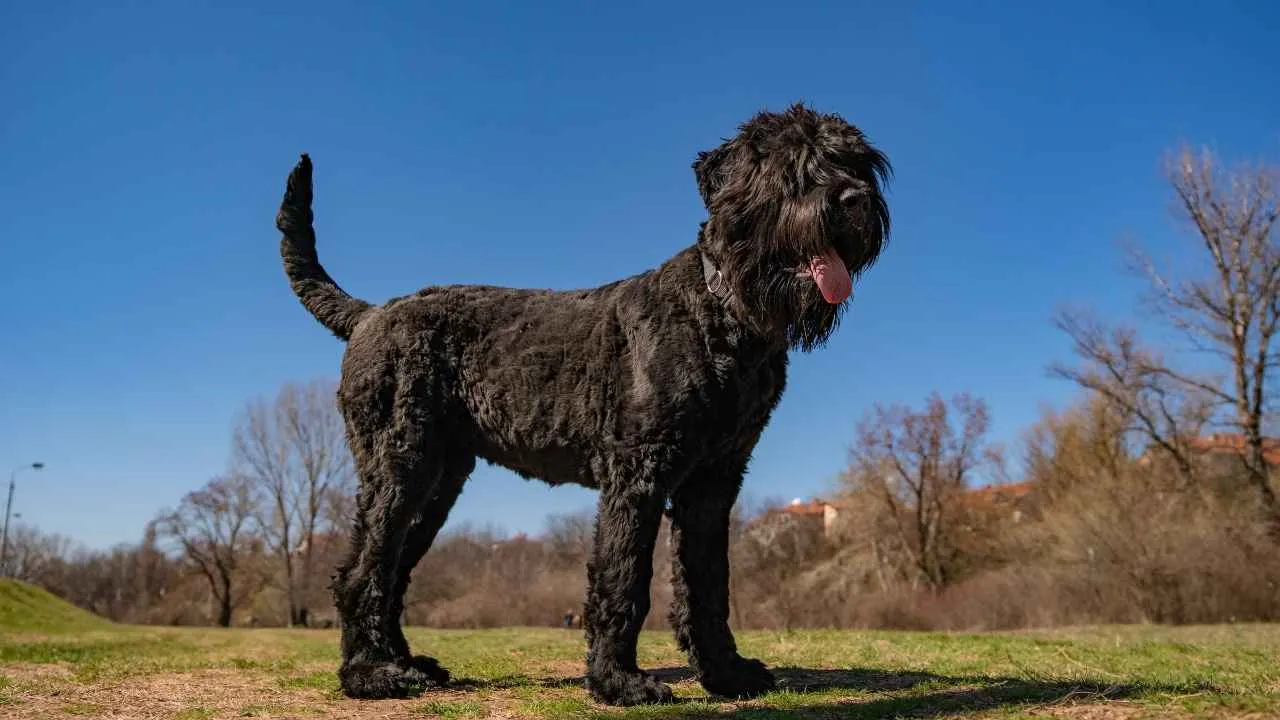
Originally developed in the Soviet Union during the late 1940s and 1950s, the Black Russian Terrier was bred as a versatile military and working dog capable of guarding, patrolling, and performing demanding tasks.
Created by crossing several powerful breeds, including the Rottweiler, Giant Schnauzer, Airedale Terrier, and Newfoundland, this large dog is known for its confidence, loyalty, and exceptional work ethic.
Why They’re Great for Solo Adventures
- Intelligent and highly trainable with excellent problem-solving skills.
- Confident and dependable in a variety of outdoor environments.
- Strong endurance for long walks, hiking, and active adventures.
- Loyal companions that stay close and form deep bonds with their owners.
Black Russian Terriers are calm, courageous, and deeply devoted to their families, though they can be reserved around strangers without proper socialization. Early training and consistent positive reinforcement are essential to channel their protective instincts and intelligence.
They enjoy daily exercise, mentally stimulating activities, and having a job to do, making them happiest with active, experienced owners. Their dense double coat requires regular brushing to prevent matting, but they shed less than many other large breeds.
While their size, grooming needs, and independent nature make them less suitable for first-time owners, the Black Russian Terrier is a reliable, affectionate, and capable companion for those seeking a loyal working partner.
7. Kuvasz
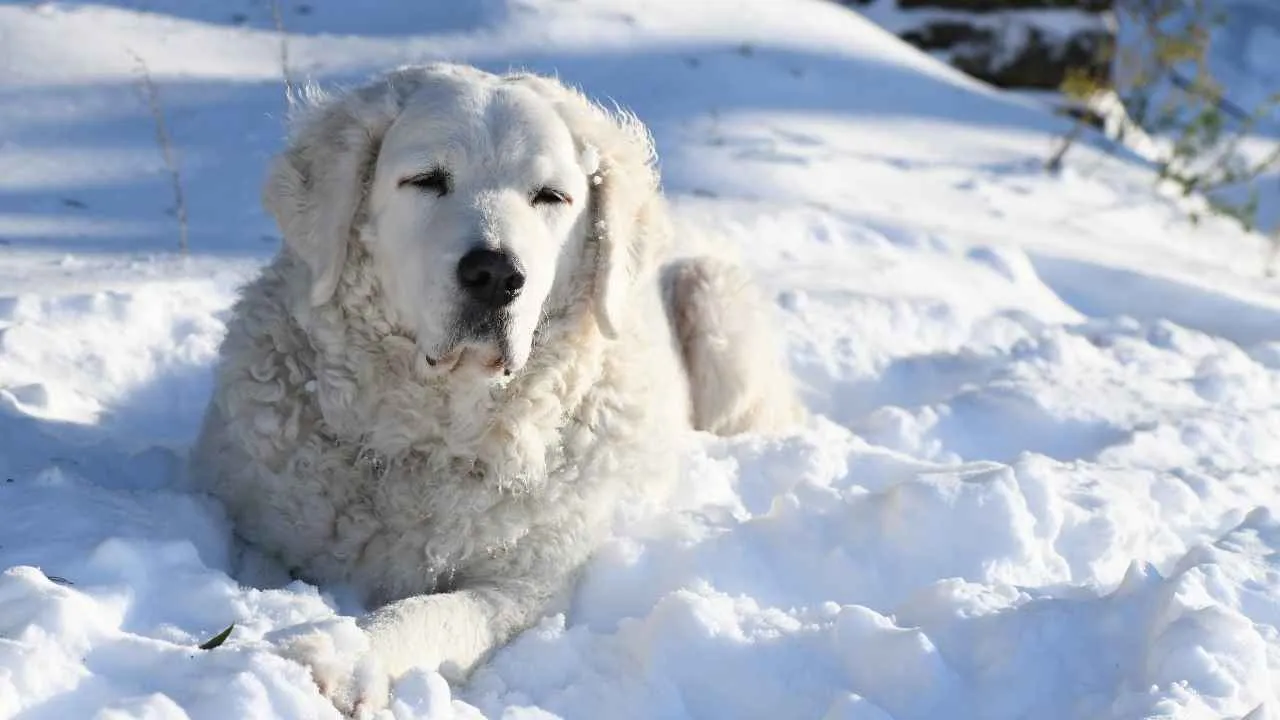
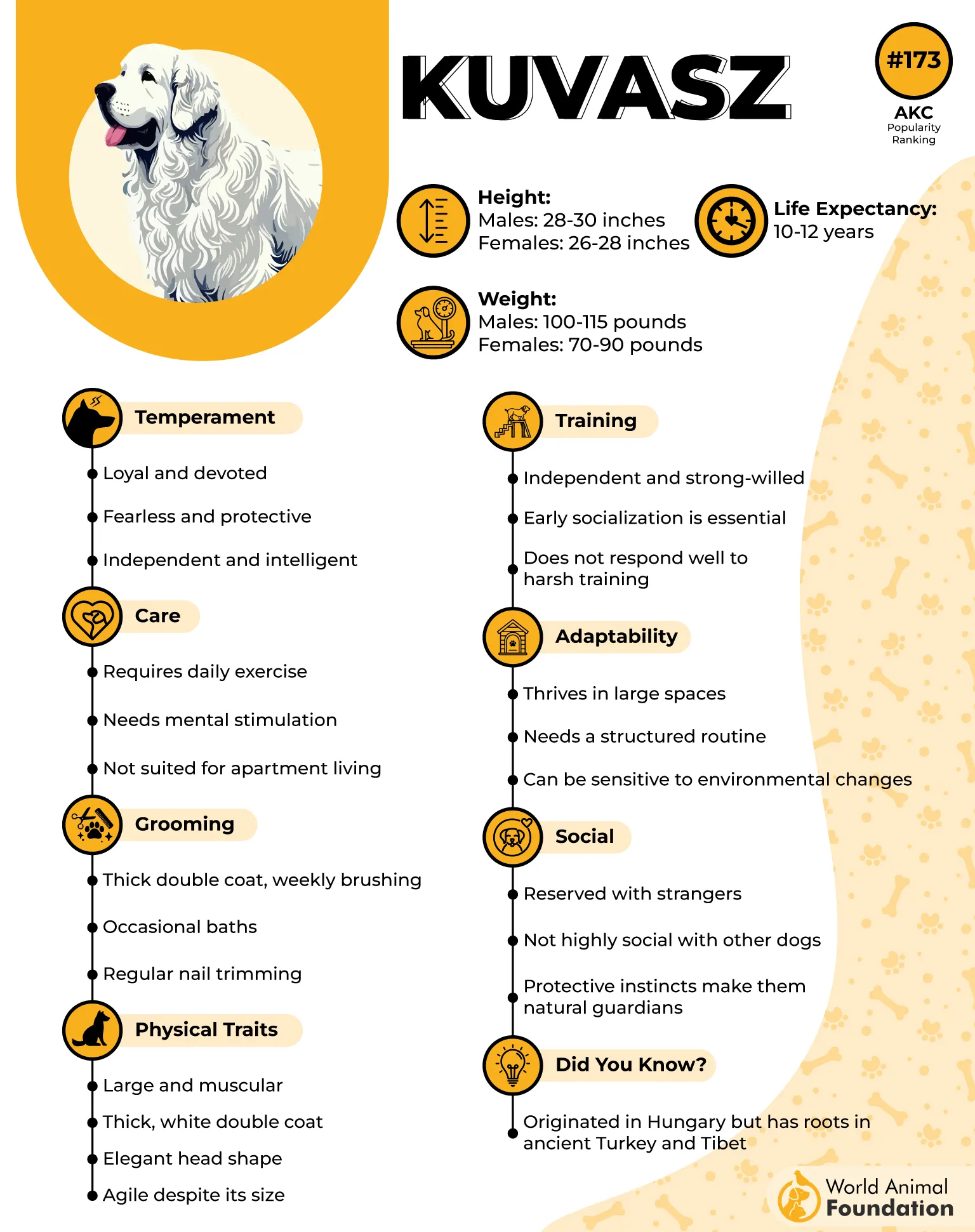
The Kuvasz is an ancient Hungarian livestock guardian bred for centuries to protect flocks and families with courage, intelligence, and unwavering loyalty.
Known for its striking white coat and powerful yet elegant build, this fearless working dog combines natural independence with a deep devotion to its family, making it both a dependable guardian and a faithful companion.
Why They’re Great for Solo Adventures
- Naturally alert and confident in unfamiliar surroundings.
- Strong endurance for long walks, hikes, and outdoor activities.
- An independent thinker who can confidently navigate changing environments.
- Deeply loyal without being overly demanding of constant attention.
Kuvasz dogs are affectionate with their families but naturally reserved around strangers, making early socialization and consistent positive training essential. Their strong guardian instincts and independent nature mean they are best suited to experienced owners who can provide structure and leadership.
They thrive in homes with large, securely fenced yards where they have space to roam and a purpose to fulfill. Their thick white double coat requires regular brushing, especially during seasonal shedding, but is otherwise relatively low maintenance.
8. Scottish Deerhound
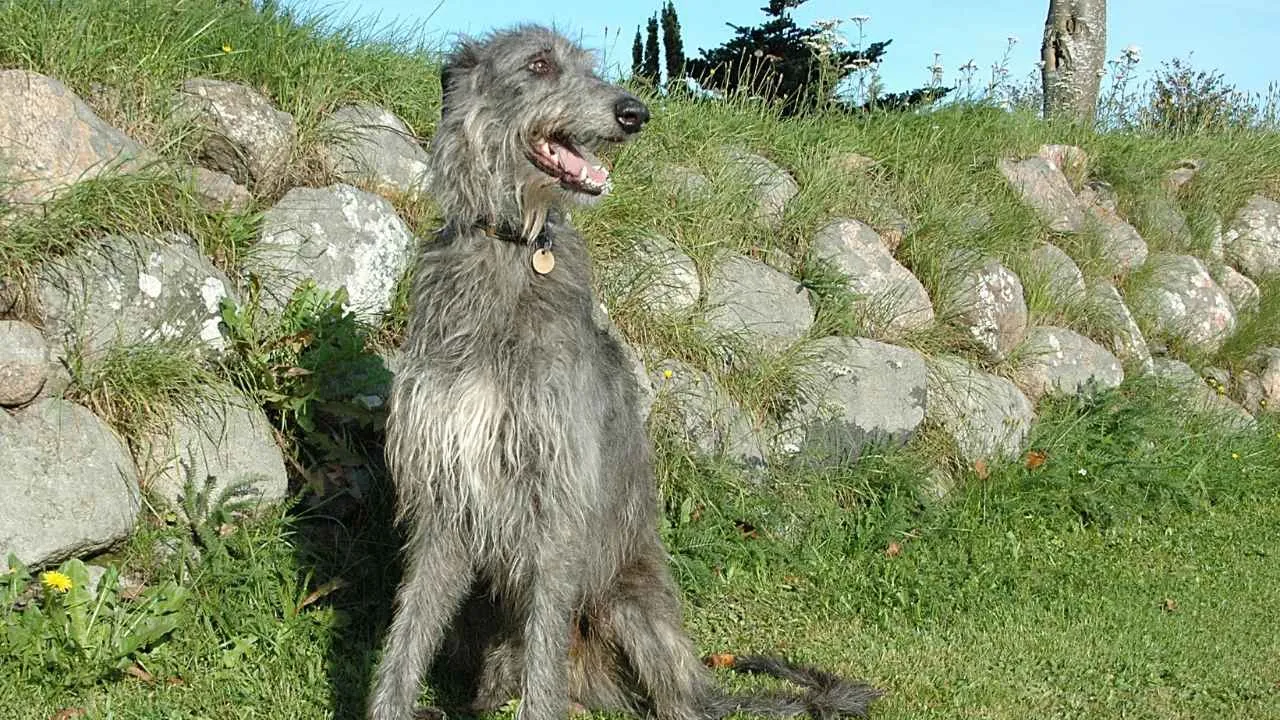
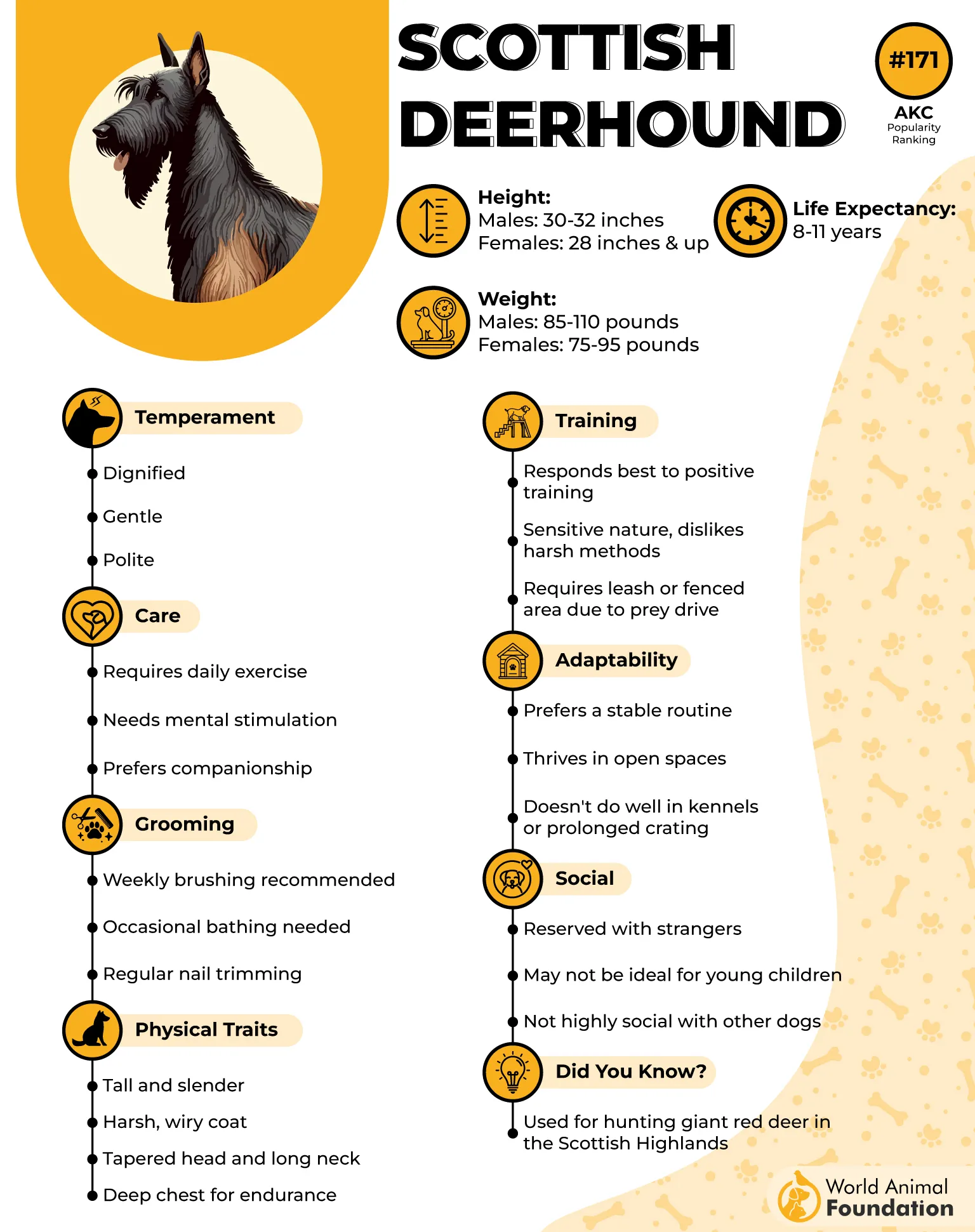
The Scottish Deerhound is an ancient sighthound from Scotland, originally bred to chase and hunt red deer across the rugged Highlands. Known as the “Royal Dog of Scotland,” this big dog combines remarkable speed and endurance with a calm, affectionate nature.
Despite their athletic history, Scottish Deerhounds are gentle companions that enjoy relaxing at home just as much as stretching their long legs outdoors.
Why They’re Great for Solo Adventures
- Excellent endurance for long walks, hikes, and outdoor exploration.
- Calm, independent nature makes them easygoing travel companions.
- Agile and athletic with impressive speed when given space to run.
- Quiet, gentle temperament that forms deep bonds with their owners.
Scottish Deerhounds are affectionate, loyal, and exceptionally gentle with their families, though they tend to be reserved rather than overly social with strangers. Their independent sighthound nature means training requires patience, consistency, and positive reinforcement rather than harsh corrections.
They need at least 30 minutes of vigorous exercise twice a day and, ideally, access to a large, securely fenced area where they can safely run, as their strong prey drive makes off-leash walks risky.
Their wiry double coat is relatively low maintenance, requiring only weekly brushing and occasional trimming. Their size, exercise needs, and prey instincts make them better suited to experienced owners with ample space.
9. Anatolian Shepherd Dog
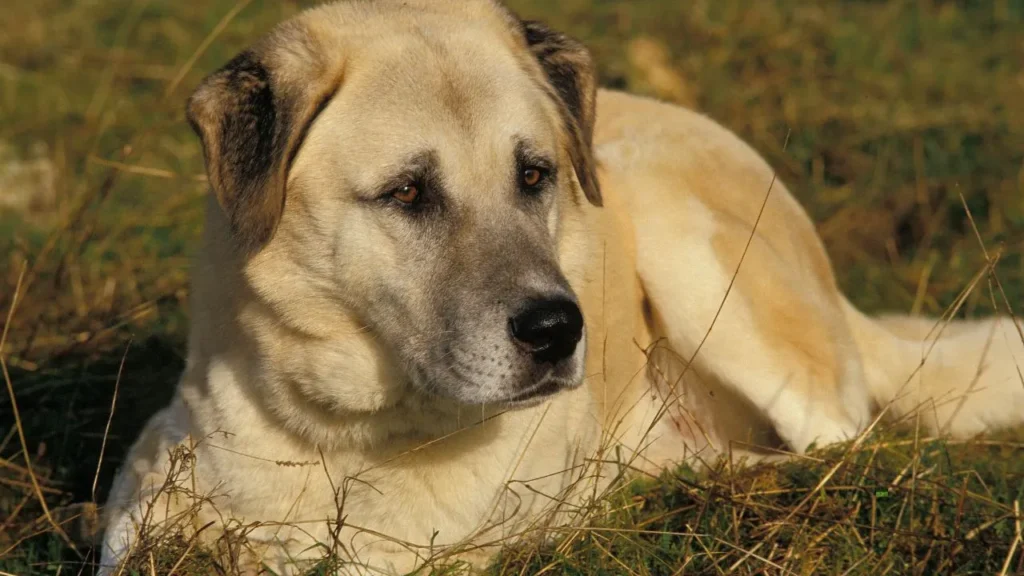
The Anatolian Shepherd Dog is one of the world’s oldest livestock guardian breeds, with roots stretching back thousands of years to the rugged landscapes of Turkey.
Bred to protect flocks from predators with little human guidance, these powerful dogs developed exceptional independence, intelligence, and unwavering courage.
Their natural guarding instincts and calm confidence have also made them valuable working dogs in conservation efforts, including protecting endangered cheetahs in Namibia.
Why They’re Great for Solo Adventures
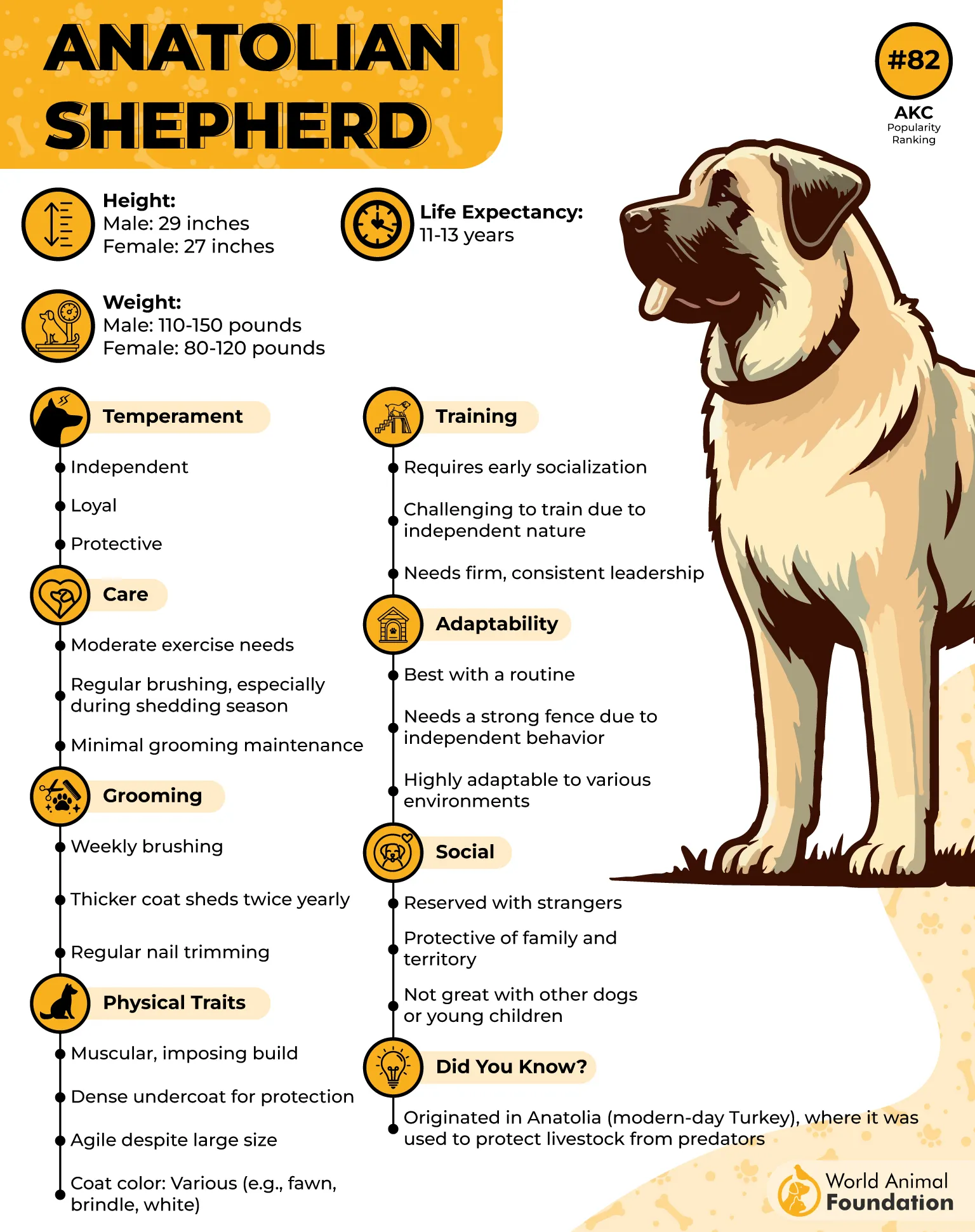
- Naturally independent and capable of making confident decisions.
- Calm, steady temperament with excellent endurance for long outdoor excursions.
- Loyal and protective without being overly demanding of attention.
- Highly adaptable to rural environments and challenging terrain.
Anatolian Shepherds are deeply devoted to their families but naturally reserved around strangers, making early socialization and consistent training essential. Their independent mindset can make training more challenging, so they are best suited to experienced owners who understand guardian breeds.
While they don’t require intense daily exercise, they thrive with regular walks, secure outdoor space, and meaningful activities that satisfy their protective instincts. Their thick double coat is relatively low-maintenance, requiring weekly brushing and extra grooming during seasonal shedding.
Although they aren’t ideal for apartment living or first-time dog owners, their intelligence, loyalty, and self-reliant nature make them dependable companions for experienced adventurers who appreciate a calm, confident canine partner.
Conclusion
The ideal dog can turn every outdoor adventure into a more rewarding experience. These breeds bring loyalty, confidence, endurance, and independence, making them excellent companions for active owners who enjoy exploring and spending time outdoors.
Before choosing your next adventure partner, consider their training, exercise, and care needs. With the right match and proper commitment, you’ll have a devoted companion ready to share countless journeys with you.
