




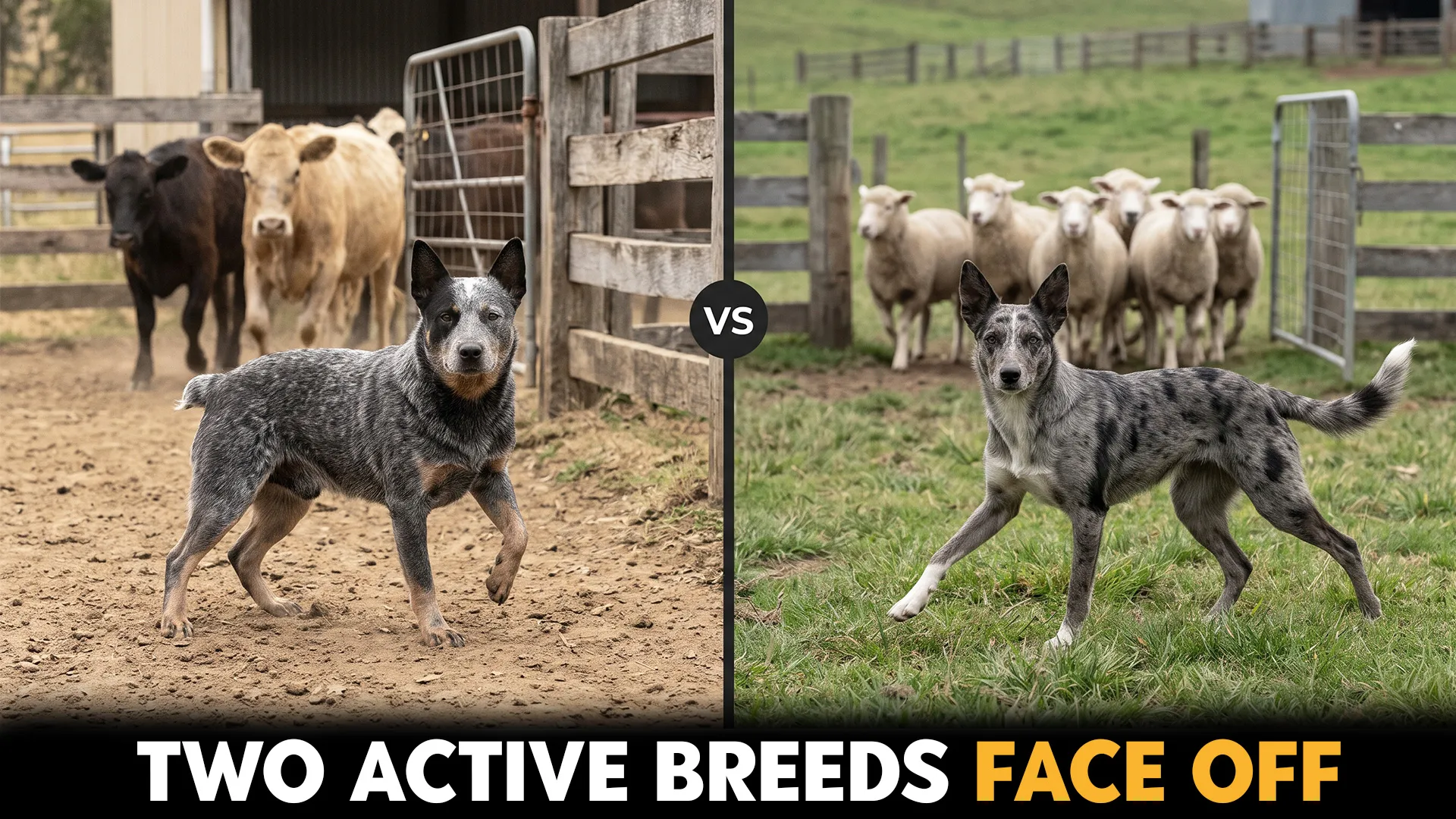
Two of Australia’s toughest working breeds, one impossible decision. The Australian Stumpy Tail Cattle Dog and the Koolie both grew up on the same unforgiving stations, herding livestock across country that breaks lesser dogs. Neither one was bred for comfort.
Yet mention either breed outside Australia, and most people draw a blank, or worse, assume they’re just another Australian Cattle Dog variant. They’re not. Each carries its own bloodline, its own working style, and its own set of demands on an owner.
Confusing the two is an easy mistake to make and an expensive one to live with. A dog built for yard work and tight cattle control is a different animal entirely from the one built for wide open paddocks and nonstop herding drive.
This breakdown settles the confusion properly. Size, temperament, training style, coat care, health, and the family versus guard question, all covered head to head.
By the end, the better fit for your home won’t be a guess.
Australian Stumpy Tail Cattle Dog vs. Koolie: Key Working Differences
Origins & Purpose
The Australian Stumpy Tail Cattle Dog came first. Long before the Australian Cattle Dog or the Kelpie existed, outback graziers needed a dog tough enough to grip and drive cattle across huge, unforgiving distances. Breeders crossed British droving dogs with the naturally bobtailed Smithfield, producing a square, hard-working dog admitted to the ANKC Working Group in 1998.
The American Kennel Club notes that the Stumpy is not an Australian Cattle Dog with a docked tail. It’s a naturally bobtailed breed in its own right, built with plenty of leg length for all-day cattle work.
The Koolie took a different route to the same paddocks. Settlers brought British herding Collies into Australia in the early 1800s, and farmers bred purely for working ability rather than looks or paperwork.
Stud records were never properly kept, so the breed still has no ANKC recognition, though the Koolie Club of Australia has promoted it since 2000. For puppies today, that means buyers lean on working pedigree and breeder reputation rather than a fixed standard.
Size & Physical Build
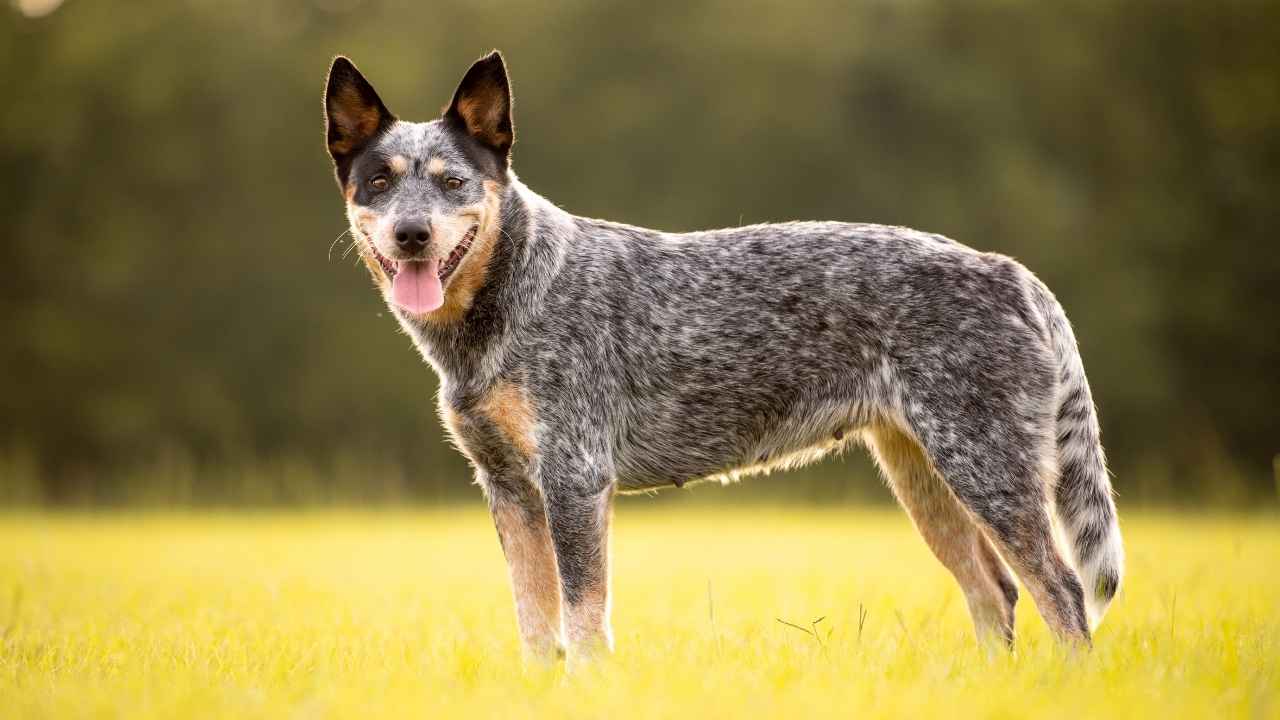
Which breed actually stands taller? The Koolie, more often than not. Stumpies run 18-20 inches at the withers for males and 17-19 inches for females, weighing roughly 35-50 pounds of dense, square muscle.

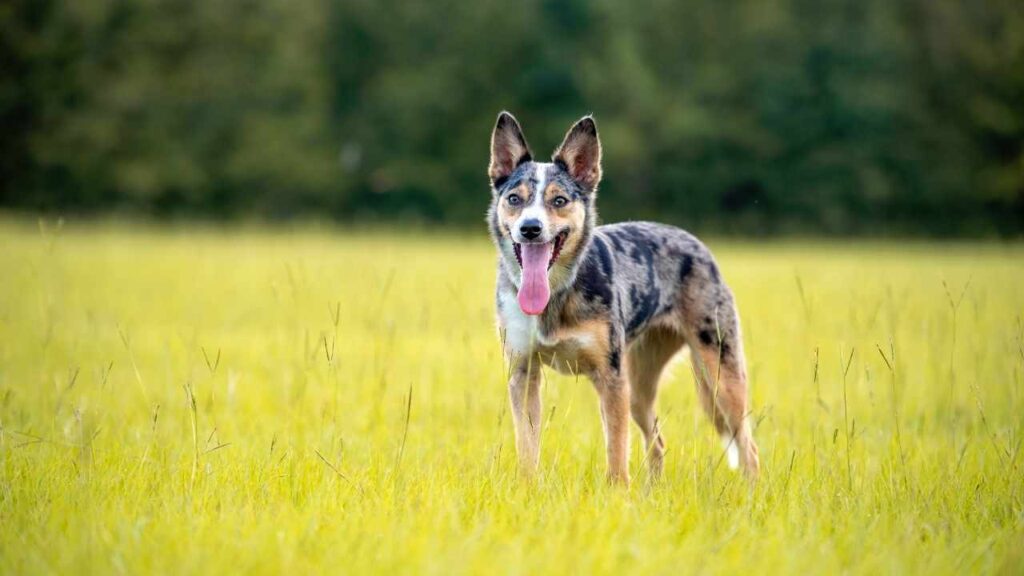
Koolies range wider, from about 15-23 inches at the withers and 33-53 pounds, since the breed was shaped by function across sheep country and cattle country rather than a fixed show standard. A Koolie bred for sheep work often finishes smaller and quicker than 1 bred for cattle.
Build tells the same story from a different angle. The Stumpy carries a compact, square frame with a short, dense coat and that famous natural tail capped at 3.94 inches, never longer.
The Koolie carries a rangier, more athletic frame built for covering ground fast, with ears that can be pricked, semi-dropped, or fully dropped depending on the line. Neither breed was built for a show ring; both were built for a long day’s work.
Temperament & Personality
1998 is the year the Stumpy finally earned ANKC Working Group recognition, yet the personality behind that recognition hadn’t changed in a century. This is a watchful dog, suspicious of strangers, that bonds hard to its family and stays loyal for life.
Left alone too long, a bored Stumpy gets creative, digging holes, pulling washing off the line, or simply deciding it’s now in charge. Clubs describe the breed as a thinking dog that will take the top spot in the pack if an owner doesn’t hold it.
The Koolie runs a calmer emotional engine most of the time. Breed guides describe the temperament as patient, dedicated, and willing rather than pushy, though new owners sometimes mistake a quiet Koolie for a shy, timid dog.
That read is usually wrong. Give a Koolie a steady, supportive handler and the personality that shows up is confident, biddable, and fiercely loyal to its people.
Exercise & Energy Levels
Both breeds need serious daily output; that’s where the similarity ends. The Stumpy brings intense, task-focused energy, the kind that wants a specific job rather than aimless running, and will self-entertain with destructive habits if that job never shows up.
A securely fenced yard and structured daily work or sport usually keep a Stumpy stable. This isn’t a breed built for a short lead walk routine.
The Koolie’s energy runs hotter and wider. Breed guides consistently describe exercise needs as very high, noting a walk around the block doesn’t count as real exercise for this breed; it needs hard physical activity plus a mental task layered on top.
Without acreage or serious daily work, a Koolie invents its own job, often herding children, cars, or the family cat. Owners planning on a lot of open space tend to report the smoothest results with this breed.
Training & Intelligence
Which breed picks things up faster? Honestly, both learn quickly; the real difference sits in how each one handles correction. A Stumpy treats training as a leadership test, and inconsistent handling gets noticed and exploited fast.
Clubs that work with the breed stress that obedience training is essential, not optional, since an untrained Stumpy tends to fill the leadership gap itself. Firm, fair, early structure solves this quickly.
A Koolie is eager and genuinely easy to motivate, though eager doesn’t automatically mean easy. Handlers who understand herding breeds get the best results, since a Koolie reads body language constantly and responds better to calm clarity than repetition.
Positive reinforcement, short sessions, and real jobs such as agility, obedience, or flyball tend to produce the sharpest Koolies. Pair either breed with an inconsistent owner and the training gap widens fast; pair either with a confident handler, and both become genuinely obedient working partners.
Coat Maintenance
10 centimetres is the maximum natural tail length allowed on a Stumpy, and the coat needs almost as little attention as that tail does. The breed carries a short, dense double coat that sheds normally rather than dramatically, with minimal grooming required overall.
Stumpy brushing: Weekly brushing is enough to manage loose hair in most climates.
Stumpy shedding: The coat blows out lightly around 2 times a year during seasonal changes, not heavily.
Koolie coat type: Koolies can carry short, medium, or occasionally long coats, since the breed was never bred to a fixed look.
Koolie brushing: Weekly brushing suits the short and medium coated lines, rising to several sessions a week for the longer coated dogs.
Neither breed needs professional grooming on a regular basis, which keeps upkeep low for working owners who’d rather spend a lot of time training than trimming.
Health & Lifespan
The Stumpy is the longer-lived breed on paper. Royal Canin puts average life expectancy at 14 to 15 years, and breed clubs describe the Stumpy as a relatively healthy, robust dog overall.

Common concerns: Hip and elbow issues are the main screening priorities breeders test for.
General health: Most lines stay robust with routine veterinary care and steady weight management.
The Koolie’s lifespan is commonly cited at 12 to 15 years, with some individual dogs living noticeably longer. Overall health runs hardy; the real risk sits specifically in coat genetics.
Merle risk: Breeding 2 merle-coated parents together raises the risk of deafness and vision defects in puppies.
Drug sensitivity: Some lines carry the MDR1 gene mutation linked to adverse reactions to certain parasite medications.
Responsible breeders on both sides now screen routinely, and asking for test results before buying either breed is simply good practice.
Suitability as Family Pets vs. Guard Dogs
Want a watchful property dog that also settles into family life? The Stumpy fits that role naturally, alert and reserved toward strangers without tipping into true aggression, which makes it a credible deterrent and a genuine companion at once.
Families with older children, a secured yard, and an experienced handler tend to get the best of both worlds from this breed. Younger children paired with an untrained Stumpy is a riskier combination, since herding instinct can turn into nipping under excitement.
The Koolie leans harder toward working partner than guard dog. The nature is watchful, and the breed makes a capable watchdog, but the drive underneath is built for livestock, sport, and constant mental engagement rather than perimeter duty.
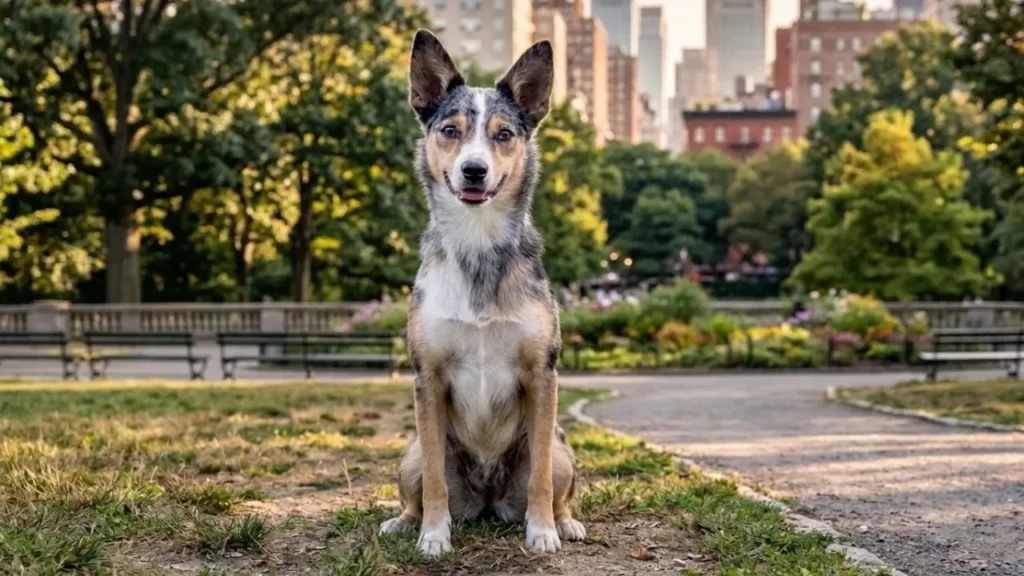
Active families willing to give a Koolie a real job, structured training, and a lot of daily output get a devoted, biddable companion. Anyone hunting for a dog that mostly naps on the porch should look elsewhere entirely; neither breed here was built for that life.
Conclusion
Neither breed wins this one outright; the right pick just depends on the job in front of you. Want a watchful property guardian that still curls up by the fire at night? The Stumpy earns its place.
Need a tireless working partner with the drive to match 1000 acres and a flock that never stops moving? That’s Koolie territory, no contest.
Either way, these two Australian breeds reward owners who show up daily with structure, exercise, and real purpose. Give that, and the loyalty comes back tenfold.
