




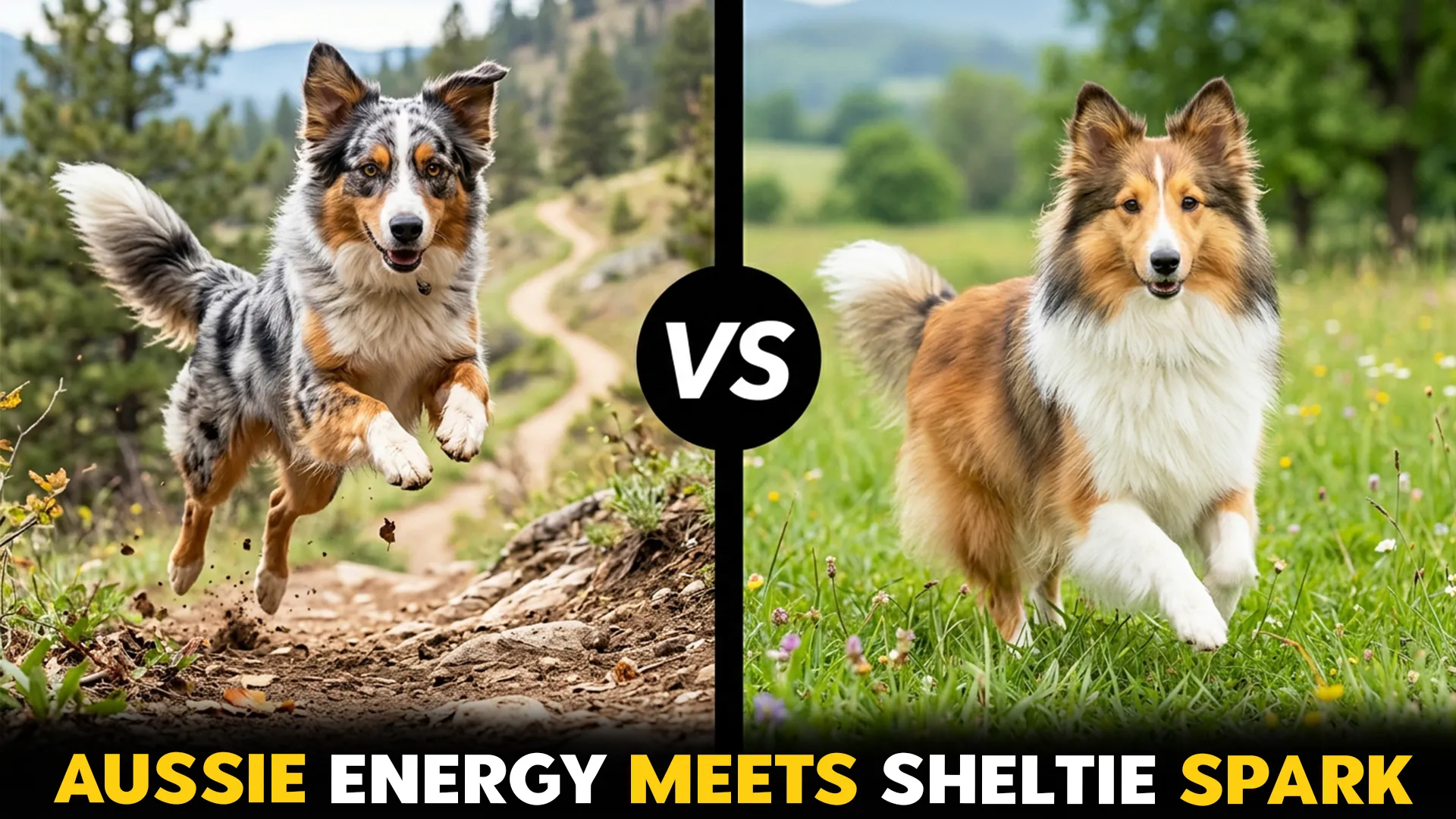
Bringing home a new companion is exciting, but choosing between two intelligent herding dogs can feel overwhelming. A lot of families end up comparing the Australian Shepherd and Shetland Sheepdog because both seem loving, sharp, and ready to jump into everyday life.
Even though these two breeds come from a working background, their energy, exercise requirements, and little daily habits can feel… different in a way you notice quickly. When you understand those gaps, it helps families choose a companion that slides into the routine, not one that causes weird problems later.
Both the Australian Shepherd and the Shetland Sheepdog were developed to work closely with people. Their steady human bond is one reason these breeds often shine in canine sports, obedience work, and all kinds of family moments. And still, even with that shared purpose, how they spend their energy throughout the day is strangely different.
Australian Shepherd vs. Shetland Sheepdog: Energy Level Difference
Origin and purpose
The Australian Shepherd is one of the most confusingly named dogs in the canine world. Still, according to Britannica, this hardworking companion was developed in the western United States during the late 1800s, even if the ” Australian” part sounds misleading. Ranchers appreciated Aussie for their skill at herding livestock across large stretches of land while staying attentive, steady, and dependable.
An Aussie is, in a sense, built for motion. Those long days spent moving sheep and cattle helped shape a companion that really wants physical stimulation as well as mental drive. Nowadays, Aussies still love having a role, whether that’s learning new tricks, doing agility competitions, or tagging along for outdoor adventures.
The Shetland Sheepdog comes from the Shetland Islands, where farmers relied on smaller herding dogs to manage sheep, ponies, and poultry.
Size and build
Size kinda matters a lot when you’re trying to compare the Australian Shepherd vs. Shetland Sheepdog energy level difference, because their bodies aren’t the same at all.
The Australian Shepherd usually stands around 18 to 23 inches in height, and it may weigh roughly 40 to 65 pounds. This athletic build gives this loyal companion the endurance needed for regular exercise, long walks, and those pretty intense physical activities.
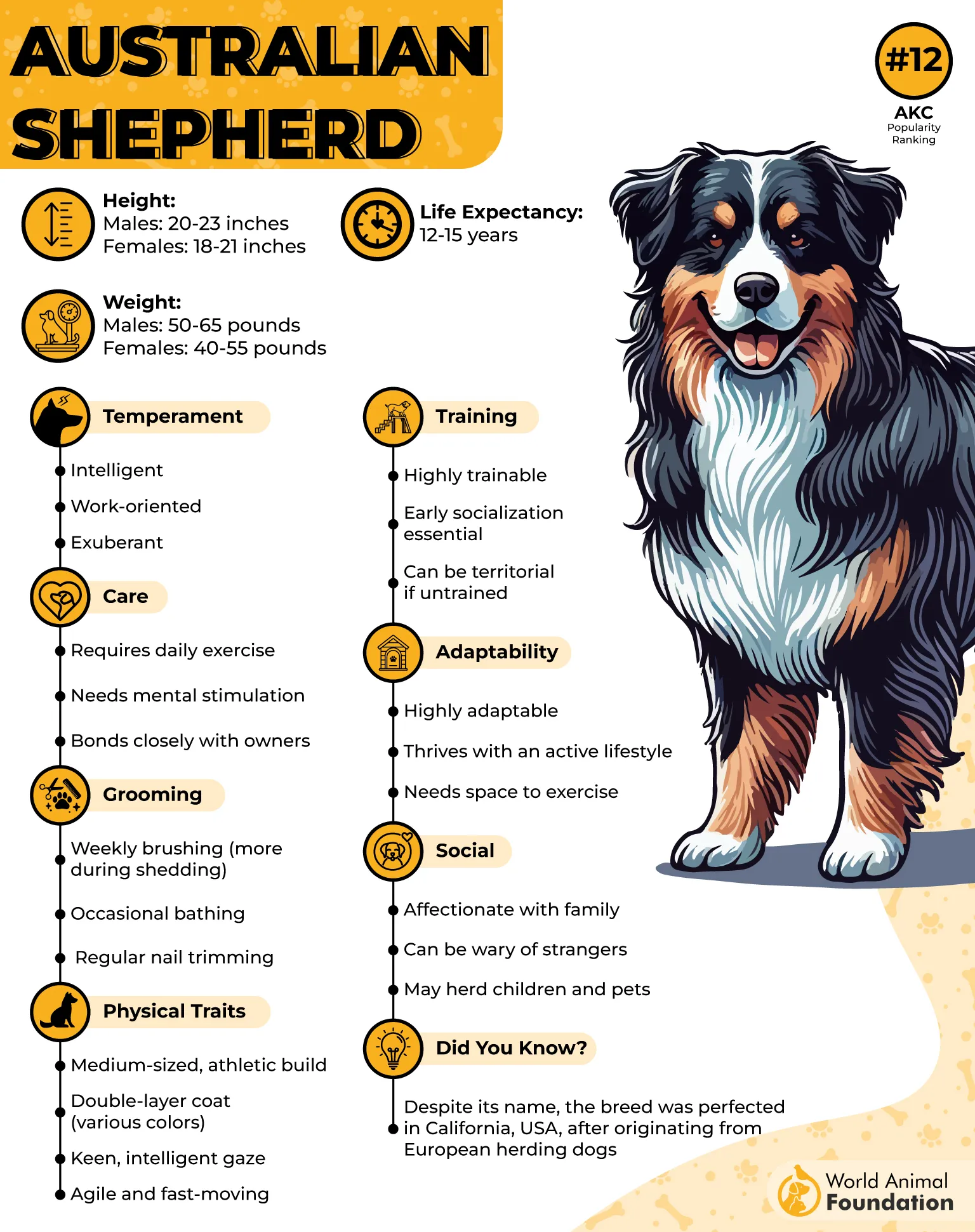
The Shetland Sheepdog is a lot smaller in comparison. PetMD notes that most Shelties stand about 13 to 16 inches tall and typically weigh in the ballpark of 15 to 25 pounds. Because the frame is lighter, movement can feel quick, smooth, and extra agile.
Coat and Grooming Needs
Their coat is often one of the first things people notice, especially with these herding dogs that look so expressive.
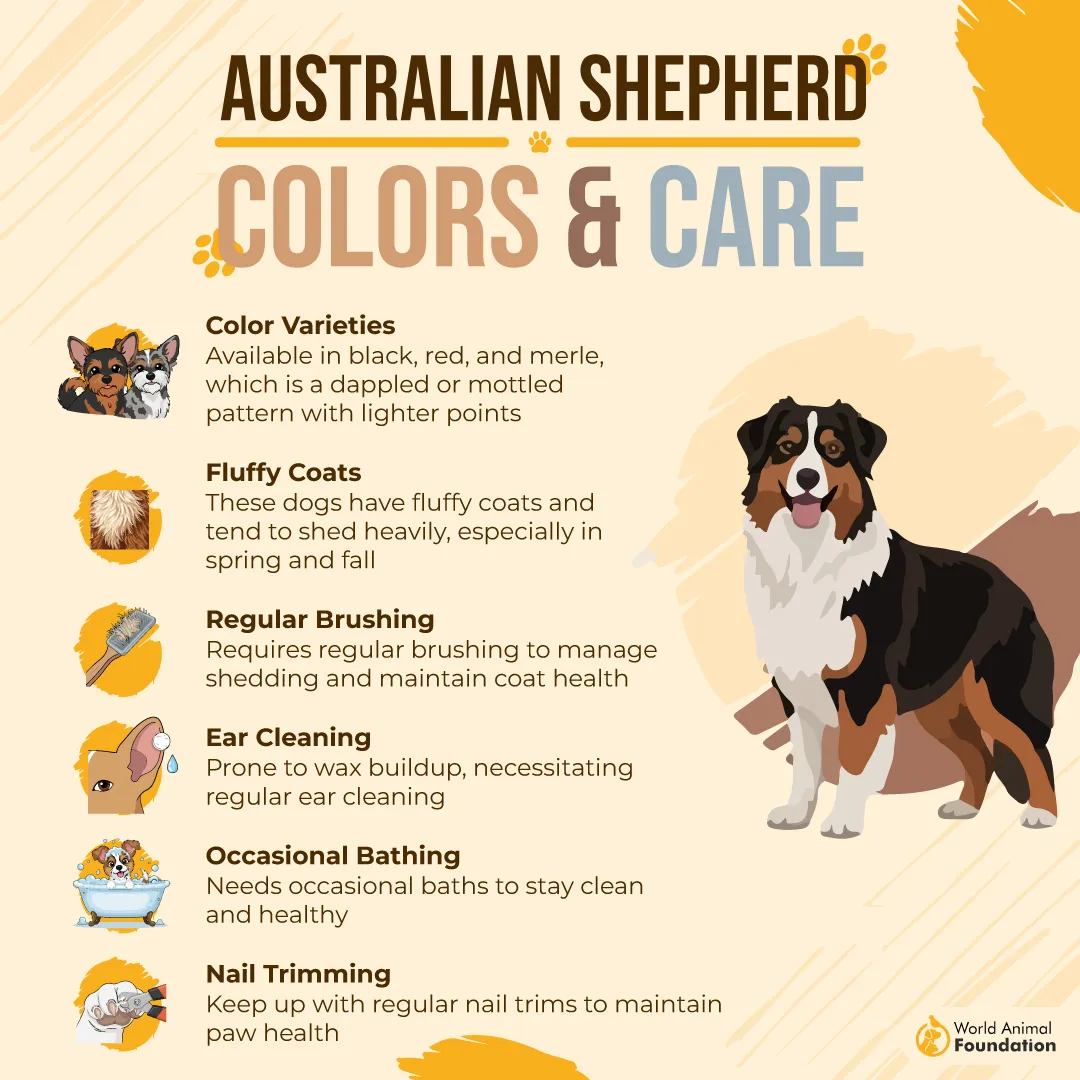
The Australian Shepherd has a weather-proof double coat. The colors can be really striking, like blue merle, red merle, black, and red. You might also see white patches and tan points, which can form unusual patterns and pretty much grab attention wherever the Aussie goes.
Active, athletic, clever, and kinda eager to hang around the family life, they really thrive when there is physical movement, mental thinking, and some daily jobs that actually matter. Not just “sit there” kind of stuff, more like keep me involved. Agile, watchful, warmhearted, and very bonded to family members, they enjoy picking up new tasks, and they do best in homes that bring mental engagement, not boredom.
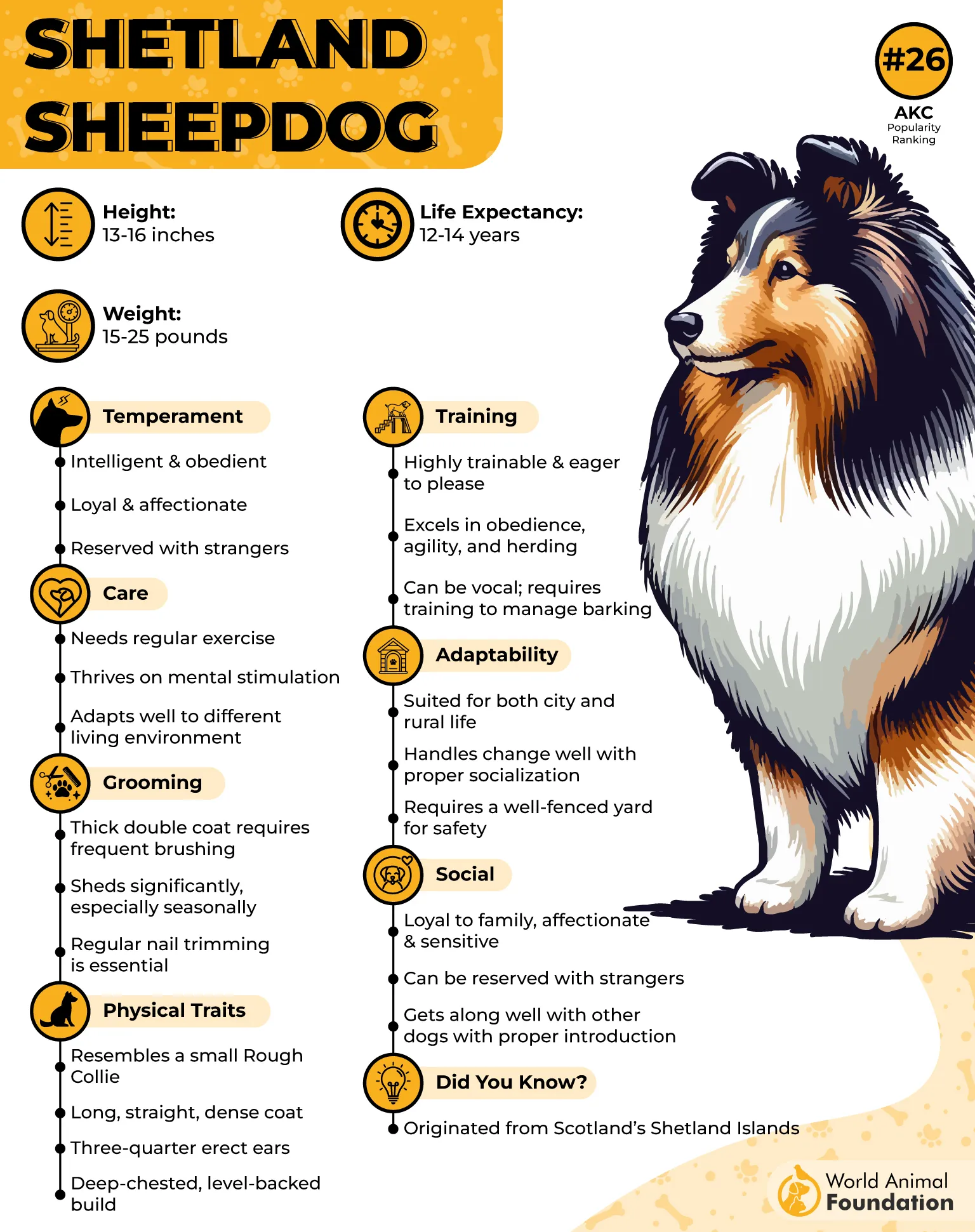
The Shetland Sheepdog has a luxurious double coat consisting of a harsh, weather-resistant outer coat and a soft, dense undercoat. While its beautiful coat enhances the breed’s elegant appearance, it requires regular maintenance to prevent tangles and matting.
Thorough brushing two to three times a week helps remove loose hair and keeps the coat in good condition, while more frequent grooming may be needed during seasonal shedding periods. Routine care should also include nail trimming, ear cleaning, and dental hygiene to ensure the dog remains healthy and comfortable.
Temperament and Personality
An Australian Shepherd usually meets life with energy. This dog likes to be included in everyday household activities, and they rarely want to miss what is going on around them.
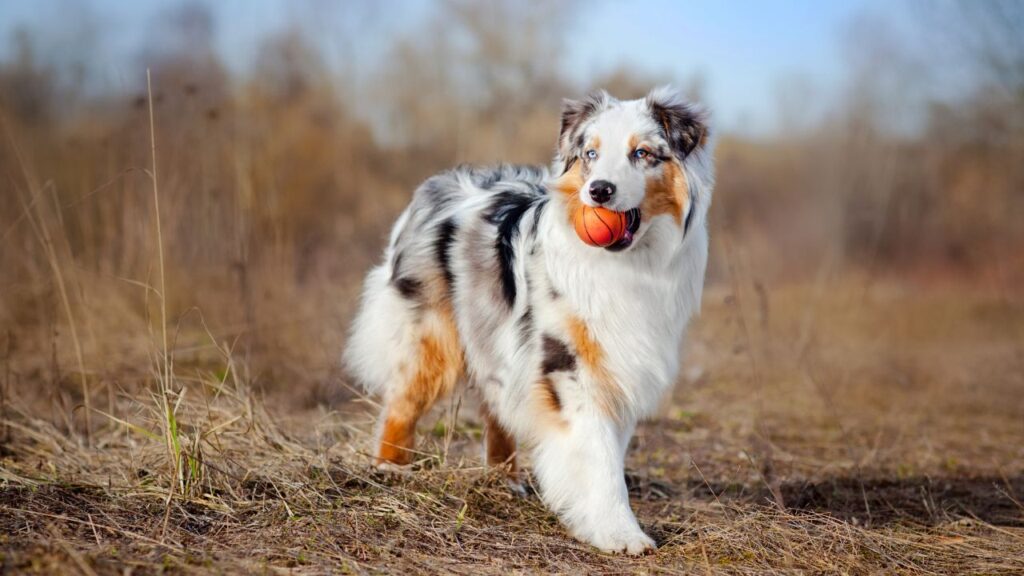
Purina notes that Aussies have strong working instincts, and they stay devoted to their owners. Early socialization helps form a more rounded dog, one that feels at ease with strangers, kids, other animals, and new situations, too.
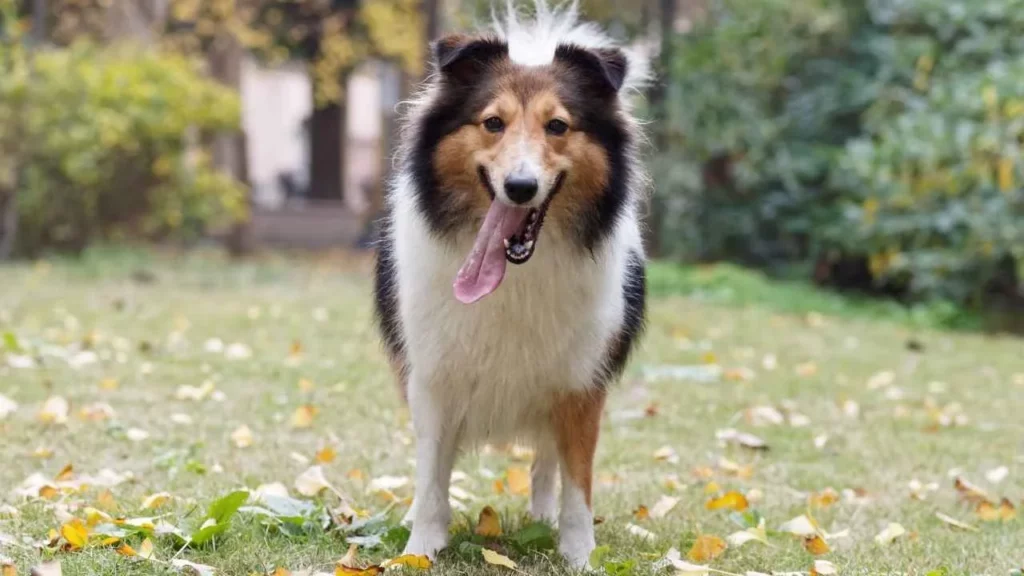
Many Shetland Sheepdogs tend to assess a situation before reacting, a thoughtful trait that contributes to their effectiveness as watchdogs. They are naturally alert and rarely overlook unfamiliar sounds or unexpected activity around the home.
Intelligent, eager, and deeply devoted to their families, Shelties form strong bonds with their owners. While affectionate with those they know and trust, they often remain reserved and cautious around strangers.
Intelligence & Trainability
Both companions are usually among the most intelligent herding dogs, but the way they learn is kind of a bit different in practice. You can see it pretty fast once you start working with them, or even just watching how they react to new stuff.
The Australian Shepherd learns quickly and seems to like figuring things out. Training sessions can feel more like a game because an Aussie is eager to please, and also loves discovering new challenges. That readiness to learn makes the whole process better for active families, less frustration, and more momentum.
The Shetland Sheepdog is pretty sharp as well when it comes to intelligence. A Sheltie tends to watch the small details, and it often picks up commands after only a few repetitions, which is frankly surprising if you’ve trained other breeds before.
Energy Levels & Activity needs
The biggest difference between these two dogs shows up in their daily requirements. Like, really, how much do they “need” to move around?
When people talk about the Australian Shepherd vs. Shetland Sheepdog energy level difference, both companions fall into the high energy group. But the push behind that energy can feel different. Not dramatic always, but still noticeable.
A Sheltie also likes staying active, but the energy often feels a bit more controllable. Regular exercise is still important, sure, but many Shelties tend to calm down more easily once their movement needs have been handled.
Energy intensity and Stamina
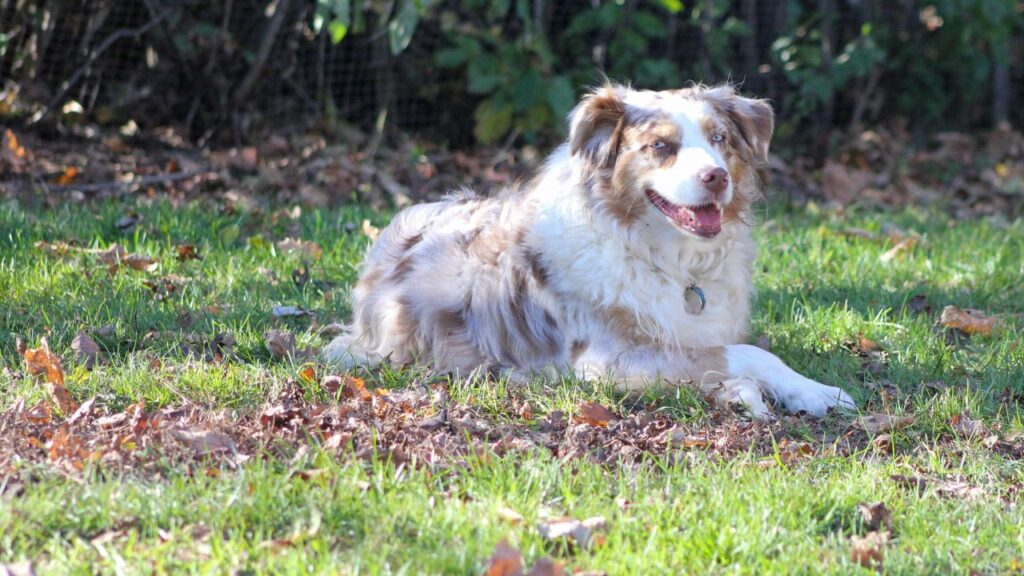
An Australian Shepherd was originally developed to work for long periods. That history still comes through in behavior today. A lot of Aussies are basically prepared for action from morning until evening.
Whether it’s yard time, exploring trails on a leash, or joining canine sports, this companion usually keeps going with solid endurance. Physical and mental stimulation should really work together. A long walk can burn off energy, but many Aussies still want something additional afterward.
The Shetland Sheepdog really enjoys moving around, but the overall intensity can feel a bit more moderate, y’know. A Sheltie is into walks, games, training sessions, and outside adventures, but quite a lot of them are also fine with settling down near family members once the exercise is done.
Mental Stimulation Needs
For both dogs, mental stimulation matters just as much as physical movement. An Australian Shepherd tends to do best when there are puzzles, learning chances, and purposeful assignments. Aussies often love those kinds of challenges that nudge them toward problem-solving and self-managed tasks.
When they don’t get enough mental work, frustration can show up pretty fast. Some boredom can turn into unwanted behaviors, especially when the home stays pretty calm and low activity is the norm.
The Shetland Sheepdog likes “using the brain.” Teaching tricks, practicing obedience cues, and joining in interactive games can help satisfy that natural curiosity.
Work Drive And Activity Focus
An Aussie often gets into life with a strong sense of purpose, like, yeah, this is my thing. This companion tends to really prefer having a job to do and usually goes looking for activities that give them direction. Even when the plan is kinda simple, they still want to feel involved.
Whether helping around a farm, joining agility events, or learning advanced commands, an Aussie usually feels most satisfied when they’re actively engaged in something that actually matters. Not just busy, but meaning-busy.
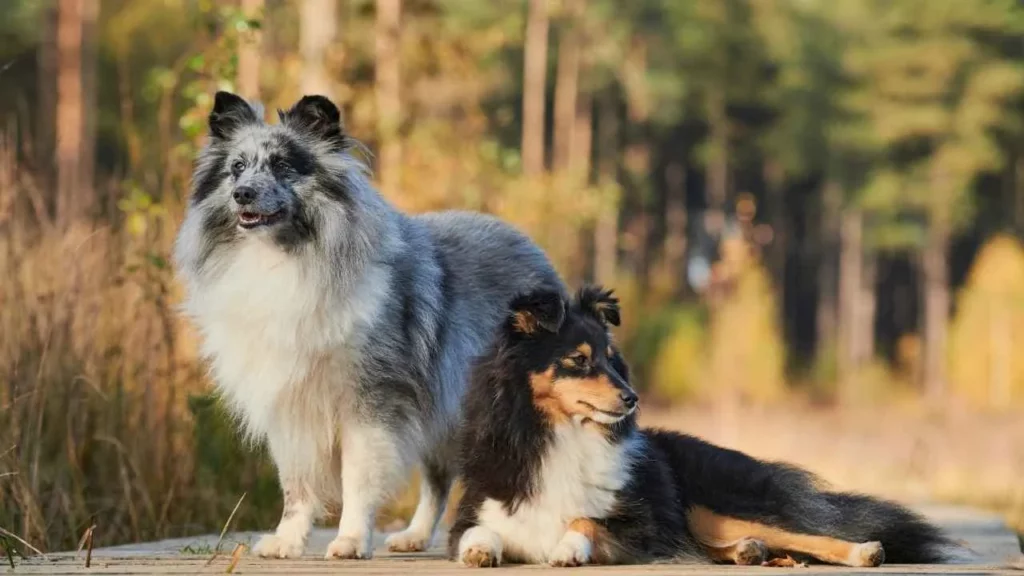
The Shelties also enjoy working, though they can show it in a different way. They focus on monitoring the surroundings, responding to cues, and staying close to family moments. It’s almost like they are doing a silent “check and connect” all the time, not the same as running at full speed all the time.
Herding Instincts & Behavior
Both dogs come from lines that are deeply herd-focused, so those instincts don’t just disappear. An Australian Shepherd might try to herd kids, cats, or other pets by gently steering them around the house or yard.
With early socialization and consistent training, they learn where the boundaries are and that the goal is positive behavior, not chaos. Because the drive is strong, many Aussies do better with structured activities that let natural abilities show up.
The Shetland Sheepdog also has herding tendencies that are pretty noticeable. A Sheltie may bark when something unusual occurs, or try to organize movement among family members and other animals, as if they’re quietly keeping the layout sorted.
Best Lifestyle Fit
Picking between these two companions depends a lot on what you expect from daily life. An Australian Shepherd usually works out best if the owner is pretty active, like they really like outdoor wandering, day-to-day movement, and a consistent plan for training. This companion tends to enjoy a bit of space to maneuver around, and it tends to do well in homes that keep an energetic pattern, not just once in a while.
People who spend weekends hiking, jogging, or finding new spots to explore might discover that an Aussie becomes a great sidekick fast.
For households with kids, other animals, and a dependable daily flow, a Sheltie can turn into a loyal companion that stays engaged without constantly pushing for “action” every hour.
Conclusion
Picking between an Australian Shepherd and a Shetland Sheepdog isn’t about saying one companion is better than the other. It’s more about matching the dog’s personality and energy to how your everyday life actually plays out.
An Aussie often really lights up in highly active homes, where both physical effort and mental stimulation are built into the day. A Sheltie also brings plenty of intelligence and spirit, but it usually lands on a slightly softer balance between busy times and calm schedules.
