




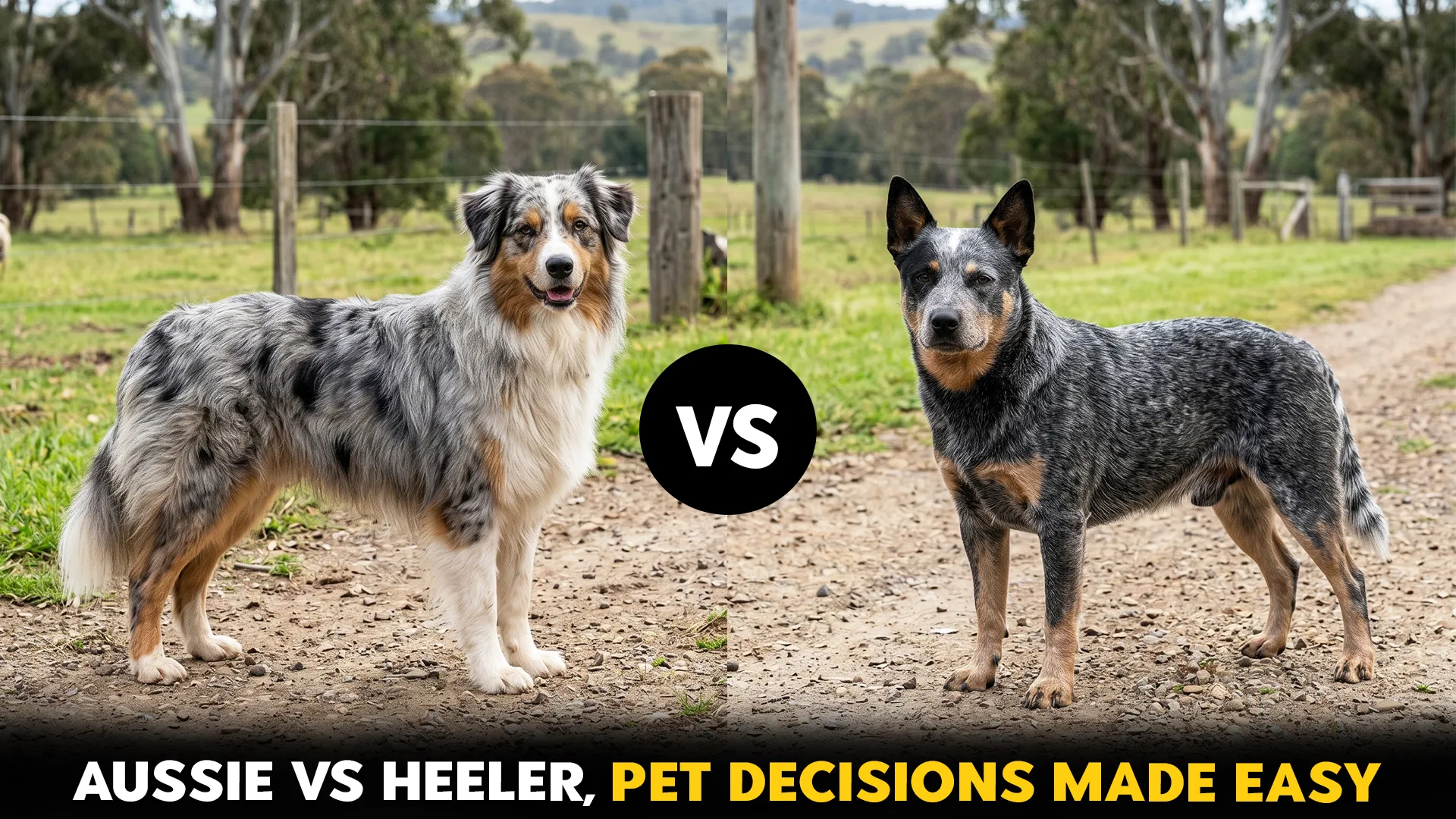
Choosing between a Blue Heeler (also known as the Australian Cattle Dog) and an Australian Shepherd isn’t as straightforward as it might first appear. Both breeds are intelligent, strong, and deeply loyal, but they are far from being the same type of dog.
While they share herding origins and similarly high energy levels, their personalities, care requirements, and working styles differ in ways that can significantly impact your daily routine and lifestyle. Like many herding breeds, they may look alike in terms of drive and intelligence, but their behavior in a home environment can be quite distinct.
In this guide, we’ll break down the key differences between Blue Heelers and Australian Shepherds to help you understand which breed is better suited to your household, activity level, and long-term expectations.
Australian Shepherd vs. Blue Heeler: Key Differences Explained
While both the Australian Shepherd and the Blue Heeler are elite herding breeds, they differ significantly in their approach to work and family life. The “Aussie” is known for its agility and versatile, people-pleasing nature, whereas the Blue Heeler is a more compact, tenacious power-house built for rugged endurance and independent problem-solving.
Origins & History
Although the Australian Shepherd carries the name “Australian,” it was actually developed in the United States. Farmers bred these dogs to work as highly efficient cattle and sheep herders across large open lands. They descend from European herding dogs, selectively developed for intelligence, agility, and quick decision-making in demanding farm environments.
On the other hand, the Australian Cattle Dog originates from Australia. It was created through crossbreeding native dingoes with imported herding dogs to produce a breed capable of managing large herds over long distances in harsh and unpredictable conditions. Known for its toughness, endurance, and resilience, the Blue Heeler is built for sustained physical work in rugged environments.
According to the American Kennel Club, Aussies were specifically developed for high-endurance herding tasks, requiring intelligence, stamina, and strong working instincts. Beyond their herding abilities, both the Australian Shepherd and Blue Heeler also serve effectively as watchdogs due to their alertness and protective nature, making them suitable for owners seeking both working ability and home security.
Size & Physical Build
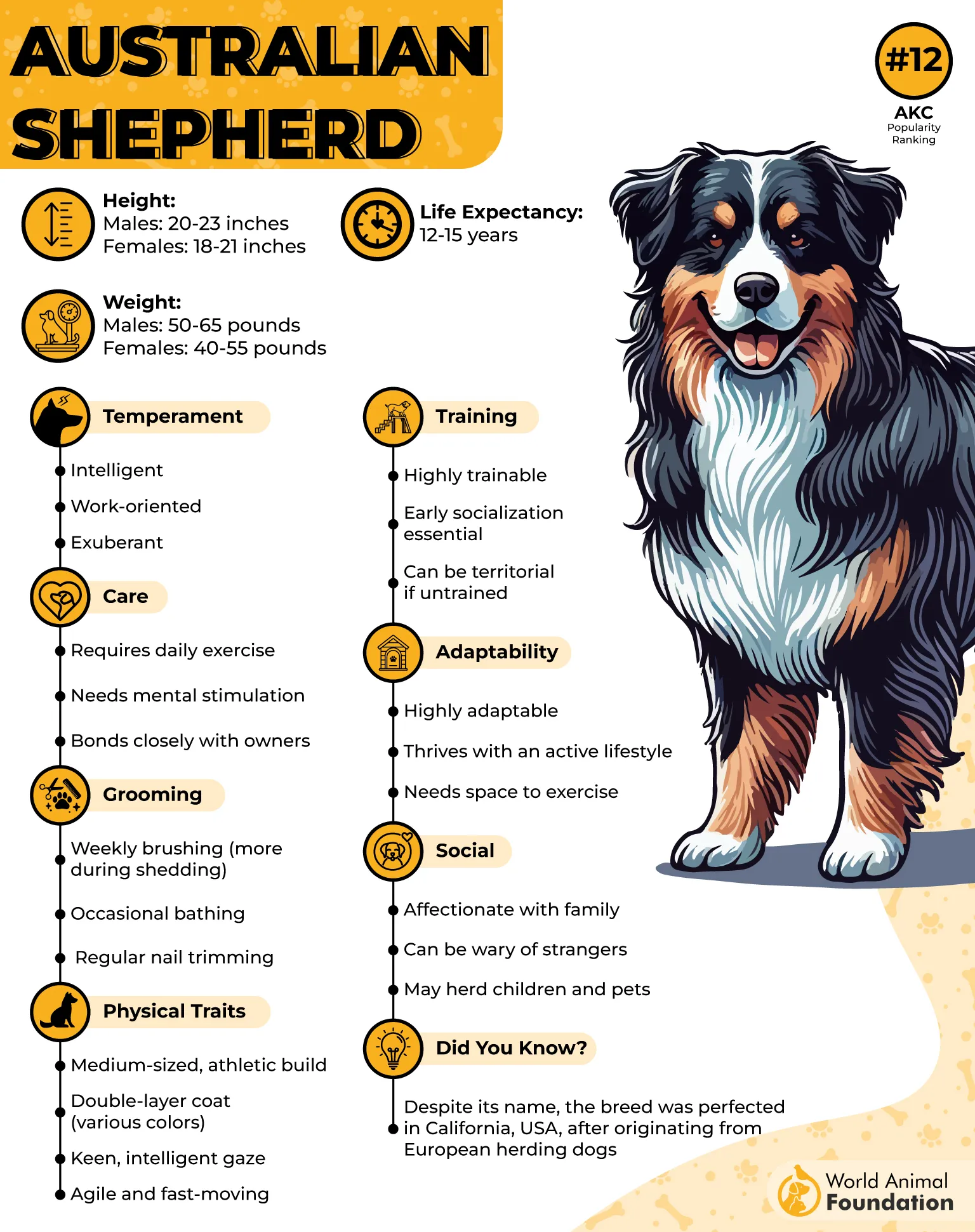
The Australian Shepherd is a medium-sized dog with a well-balanced, athletic build. It typically weighs around 40–65 pounds and has a slightly longer body frame. This breed is designed for agility, quick movement, and responsive herding work across open terrain, giving it a light yet powerful presence.
In contrast, the Australian Cattle Dog is generally smaller and leaner, weighing about 35–50 pounds. It has a more compact, muscular, and sturdy build. Unlike the Australian Shepherd’s focus on fluid agility, the Blue Heeler is built for endurance, toughness, and long-lasting physical work in harsh conditions.
Key Difference:
Australian Shepherd – Slightly taller, more agile, and built for fast, fluid movement
Blue Heeler – Smaller, stronger, and more rugged, designed for endurance and durability
Coat Type & Maintenance
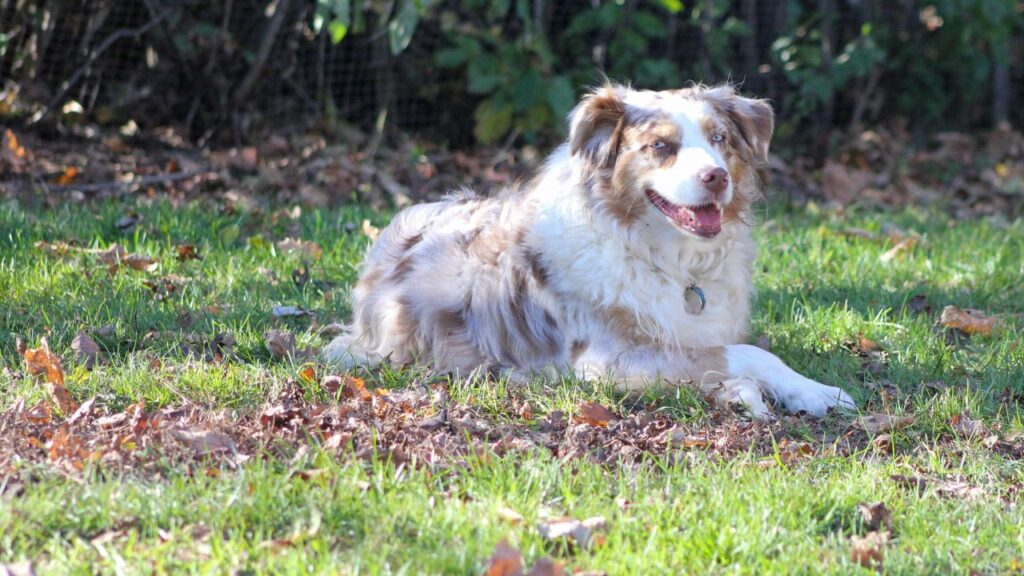
The Australian Shepherd has a medium-length, dense double coat that can be either straight or slightly wavy. This coat sheds throughout the year, with heavier shedding during seasonal changes, which means it requires regular maintenance. To keep the coat healthy and prevent matting or skin issues, brushing about 2–3 times per week is typically recommended.
In contrast, the Australian Cattle Dog has a short, close, and dense coat, which is significantly easier to maintain. According to Purina, this breed does shed, but grooming needs are relatively minimal compared to double-coated breeds. A weekly brushing is usually enough to keep the coat clean and healthy.
Because of this difference, the Blue Heeler is often preferred by owners who want lower grooming demands, while the Australian Shepherd requires more consistent coat care to stay in good condition.
In terms of appearance, Australian Shepherds commonly come in colors such as blue merle, red merle, black, and red. Blue Heelers, on the other hand, are typically seen in blue variations with black or tan markings, or blue mixed with white patterns.
Temperament & Personality
The Australian Shepherd is generally outgoing, sociable, and eager to please. These dogs tend to form strong attachments with their families and, when properly socialized, are usually friendly toward children, other dogs, and household pets. Their cooperative and people-oriented nature often makes them easier to integrate into active family environments.
In contrast, the Australian Cattle Dog is more independent and self-reliant. As a herding breed, it often displays a more reserved or cautious attitude toward strangers and can sometimes appear aloof or even defensive in unfamiliar situations. However, it is extremely loyal to its owner, even if it expresses that loyalty in a less openly affectionate way.

Key Personality Traits:
Australian Shepherd – Outgoing, active, social, people-focused
Blue Heeler – Guarding, attentive, independent, self-reliant
Because of their more adaptable and socially flexible temperament, Australian Shepherds are often easier to manage in family settings, especially where frequent interaction with guests, children, or other pets is expected.
Trainability & Intelligence
Both the Australian Shepherd and the Australian Cattle Dog are considered among the most intelligent dog breeds in the world. Although both belong to the herding group due to their strong working history with cattle, they differ noticeably in their learning styles and training needs. Because of their high intelligence and energy levels, both breeds benefit greatly from structured training and participation in dog sports and mentally engaging activities.
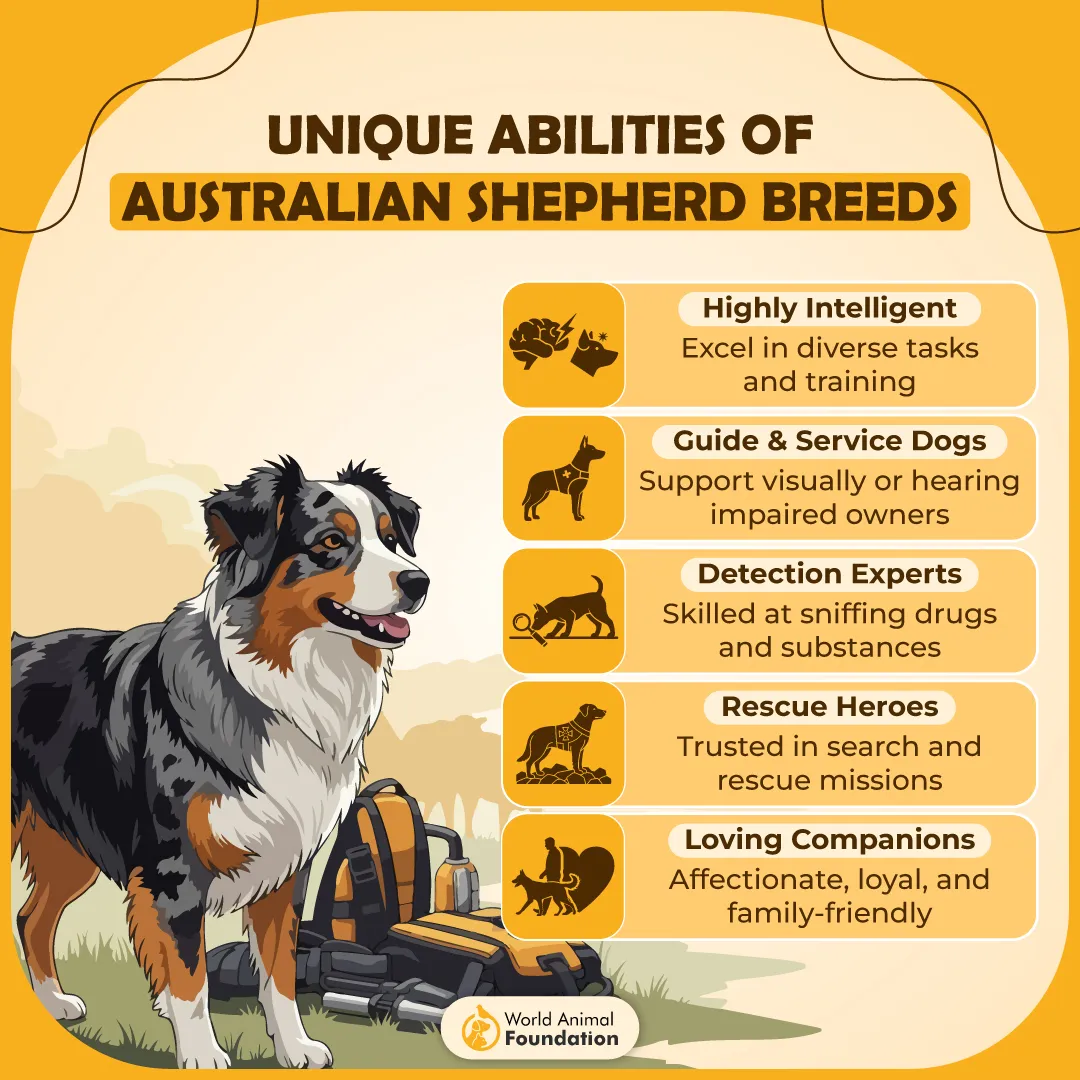
Australian Shepherds tend to respond very well to positive reinforcement training. They are eager to learn, quick to pick up new commands, and generally enjoy working closely with their owners. This makes them highly trainable even for first-time dog owners, provided there is consistency, patience, and enough physical and mental engagement to match their high energy.
Blue Heelers, on the other hand, are equally intelligent but more independent and strong-willed. According to VCA Animal Hospitals, early socialization and obedience training are especially important for this breed. They require a confident and experienced handler who can establish clear leadership from an early stage.
Both breeds excel in obedience and performance-based training, but they require constant mental stimulation to prevent boredom-related behaviors. With their strong work drive and boundless energy, they thrive in canine sports and structured tasks that challenge both their minds and bodies.
Energy Levels & Activity Needs
It is at this point that both of these highly energetic breeds require serious consideration from potential owners.
The Australian Shepherd typically needs around 1–2 hours of daily exercise, including walks, play sessions, and mentally challenging activities to satisfy its strong herding instincts. This breed excels in agility, obedience training, and various dog sports, all of which help keep it physically fit and mentally engaged.
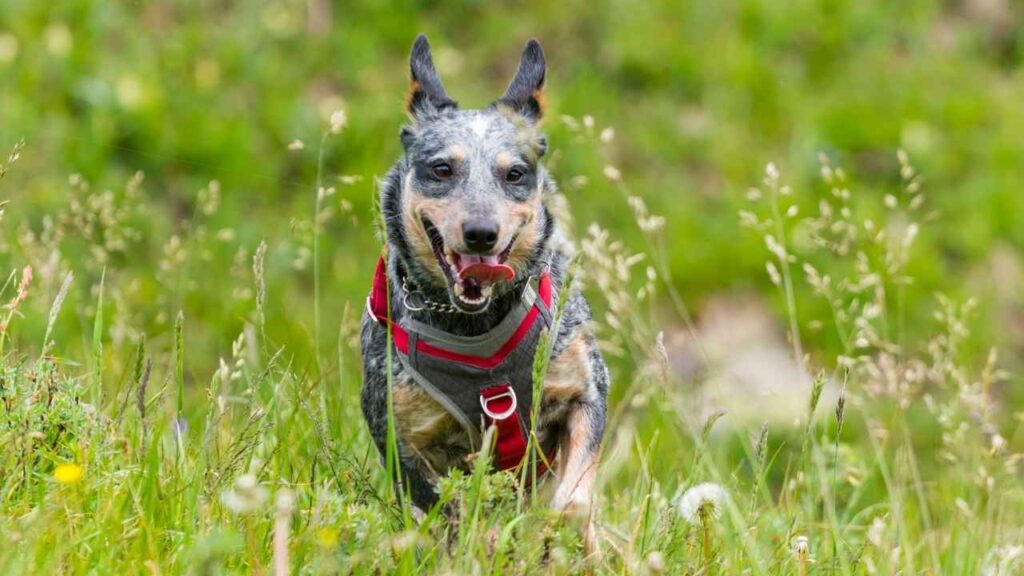
The Australian Cattle Dog, on the other hand, demands even more consistent physical and mental stimulation due to its intense working background. Bred for endurance and continuous herding work, it thrives when given a job to do. Without adequate activity and engagement, it may develop destructive behaviors or other behavioral issues stemming from boredom and excess energy.
Quick Comparison:
Australian Shepherd – Active, needs regular structured exercise and mental stimulation
Blue Heeler – Extremely high energy, requires intense physical work and constant mental engagement
For individuals with a sedentary lifestyle, neither of these breeds is an ideal match, as both require active owners who can meet their demanding exercise and stimulation needs.
Working Style & Behavior
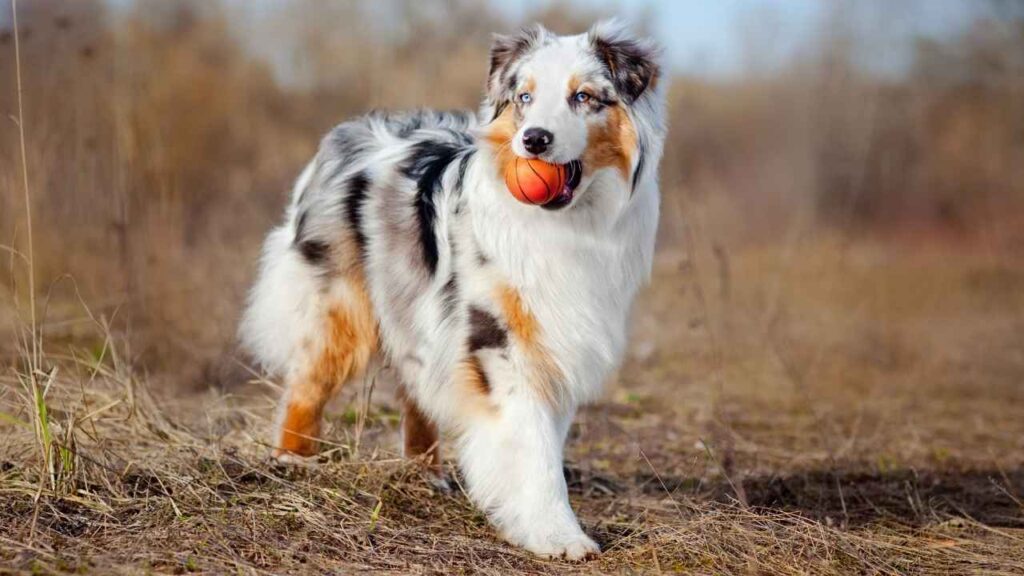
The Australian Shepherd is primarily a gathering-style herding dog. It works by moving around livestock, circling them, and guiding their direction using body control and focused eye contact. This “gathering” behavior allows it to bring animals together and manage their movement in a controlled, organized way.
In contrast, the Australian Cattle Dog is a driving-type herding dog. It was developed to move cattle forward by pushing from behind, often using heel-nipping as a method of control. This instinct is deeply rooted in the breed’s working history and is part of how it efficiently drives livestock over long distances.
However, this natural heel-nipping behavior can sometimes carry over into everyday life if not properly managed, which may lead to unwanted nipping at people, especially children or other pets. For this reason, Blue Heelers often benefit from early behavioral training and clear boundaries to help redirect this instinct appropriately.
Vital Differences:
Australian Shepherd – Guides and gathers livestock through circling and control
Blue Heeler – Drives livestock forward using pressure and heel-nipping
Because of this fundamental difference in herding style, the Australian Cattle Dog requires careful training to manage its instinctive nipping behavior, ensuring it is appropriately controlled in a home environment.
Lifespan & Health Tendencies
The Australian Shepherd typically has a lifespan of around 12–15 years. Common health concerns in the breed include hip dysplasia, eye disorders, and epilepsy. Regular veterinary check-ups and responsible breeding practices can help reduce the likelihood and severity of these conditions.
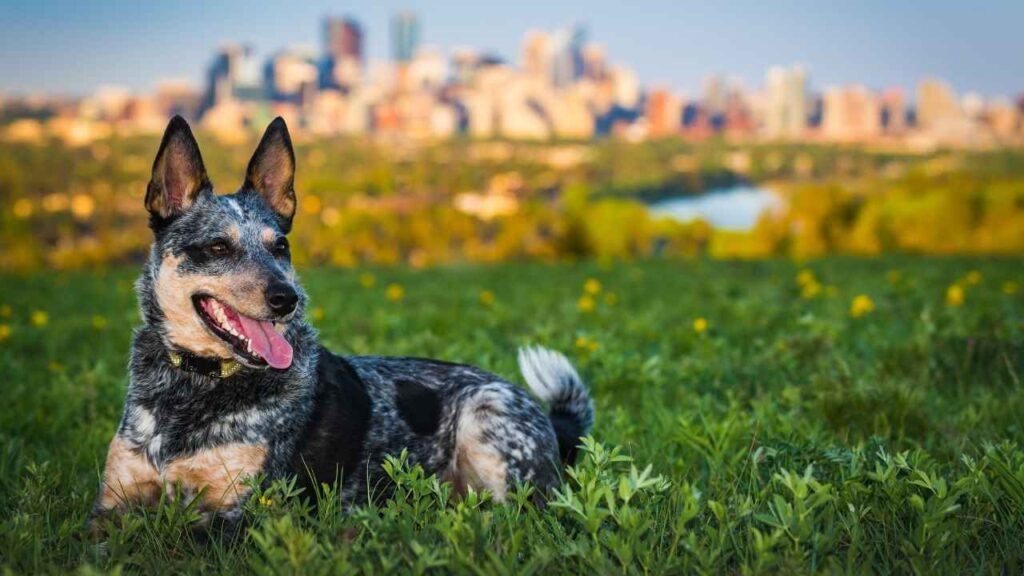
The Australian Cattle Dog generally lives slightly longer, with an average lifespan of about 13–16 years. While this breed is known for its overall toughness and resilience, it can still be prone to conditions such as deafness, hip dysplasia, and elbow problems. Like many purebred dogs, genetic screening and routine veterinary care play an important role in maintaining long-term health.
Both breeds carry certain hereditary risks, but many of these can be better managed through responsible breeding, early screening, and consistent veterinary attention throughout their lives.
Lifestyle Suitability: Best Fit
Choose an Australian Shepherd when:
You want a family-friendly, social companion
You enjoy dog sports, training, and structured activities
You can commit time to grooming and coat maintenance
You are looking for an affectionate, people-oriented dog
Choose a Blue Heeler when:
You live an active or working lifestyle
You want a highly alert, protective, and faithful dog
You prefer minimal grooming requirements
You have experience handling strong-willed or tough working breeds
Both breeds are best suited to homes with adequate space and an active routine. Apartment living can be challenging unless the owner is highly committed to providing daily exercise, mental stimulation, and structured activity.
Conclusion
At first glance, these two dogs may seem quite similar, but the differences between them are significant and can greatly influence which breed is the right fit for you.
The Australian Shepherd is generally more social, versatile, and family-friendly. In contrast, the Australian Cattle Dog is tougher, more independent, and best suited for experienced owners or working environments.
Ultimately, the right choice depends on your lifestyle, activity level, and experience with dogs. Both breeds can be excellent companions when matched with the right owner and environment.
If you’re looking for a friendly, trainable, and people-oriented dog, the Australian Shepherd is likely a better fit. However, if you need a hardworking, resilient, and highly independent partner with unmatched endurance, the Blue Heeler is the breed to consider.
