




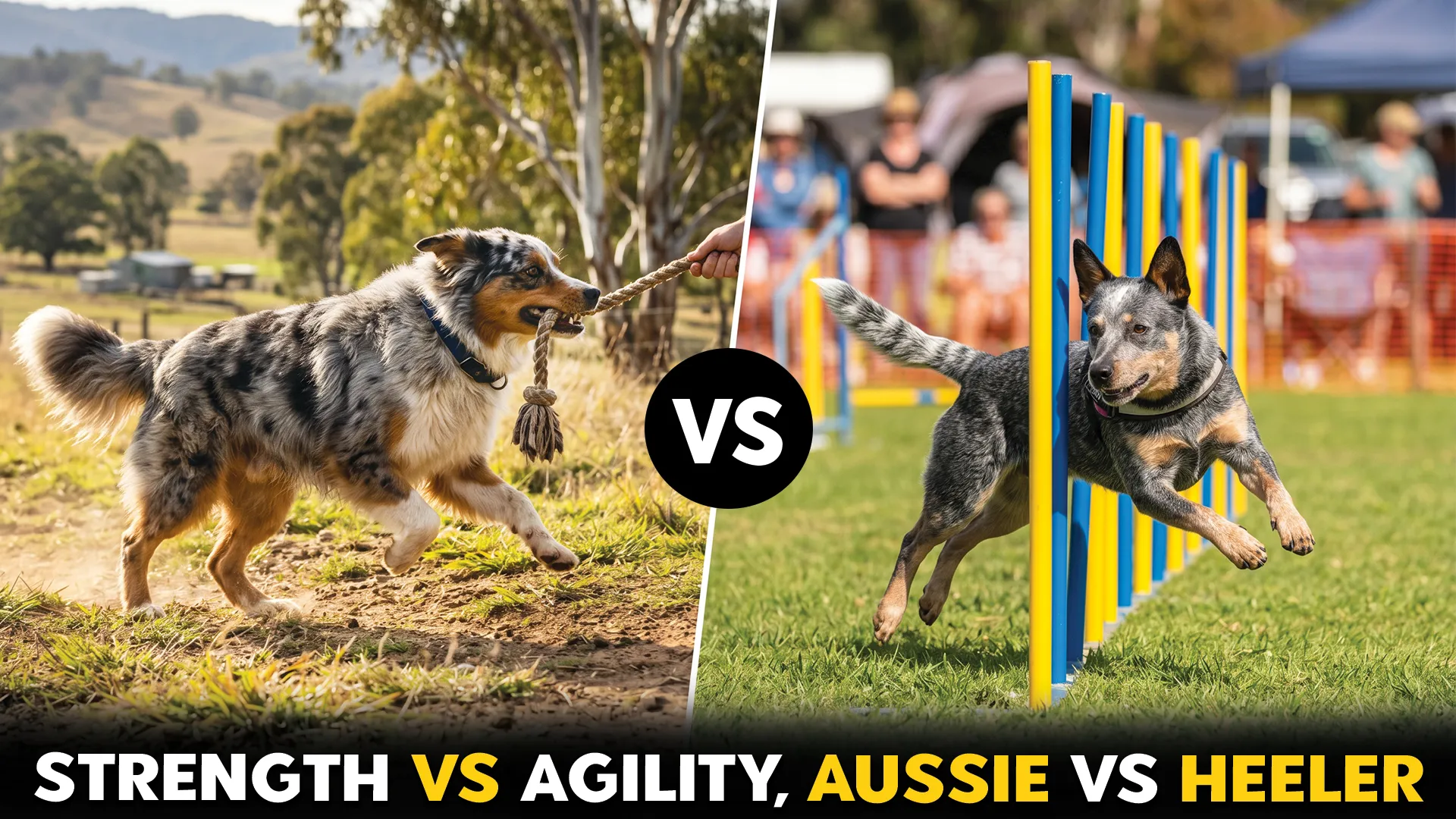
When it comes to working dogs, few match the energy and drive of the Australian Shepherd and the Blue Heeler.
Both of these medium breeds were built for herding, problem-solving, and staying active, but they shine in different ways. The Australian Shepherd is known for its quick movements and athletic grace, while the Blue Heeler brings toughness, focus, and working power to the field.
For pet owners, this often raises an interesting question: which matters more, strength or agility?
Understanding how these traits show up in each breed can help you choose the right companion for your lifestyle, whether you want a high-speed partner for activities or a resilient dog ready for demanding tasks.
Australian Shepherd vs. Blue Heeler: Strength vs. Agility
Origins & Purpose
The Australian Shepherd and Blue Heeler share herding roots but developed in very different environments.
The Australian Shepherd was developed and refined in the United States as a versatile ranch dog, closely tied to livestock work and cowboy culture. It was bred for adaptability, intelligence, and working closely with handlers.

As per PetMD, the Blue Heeler, also known as the Australian Cattle Dog or the Dingo Blue Merle Collie, was developed in Australia to herd cattle across harsh terrain. Its lineage includes the dingo, contributing to its resilience and toughness.
Both breeds were designed to herd, but the Aussie focuses on precision and responsiveness, while the Heeler emphasizes endurance and control.
Physical Size & Build
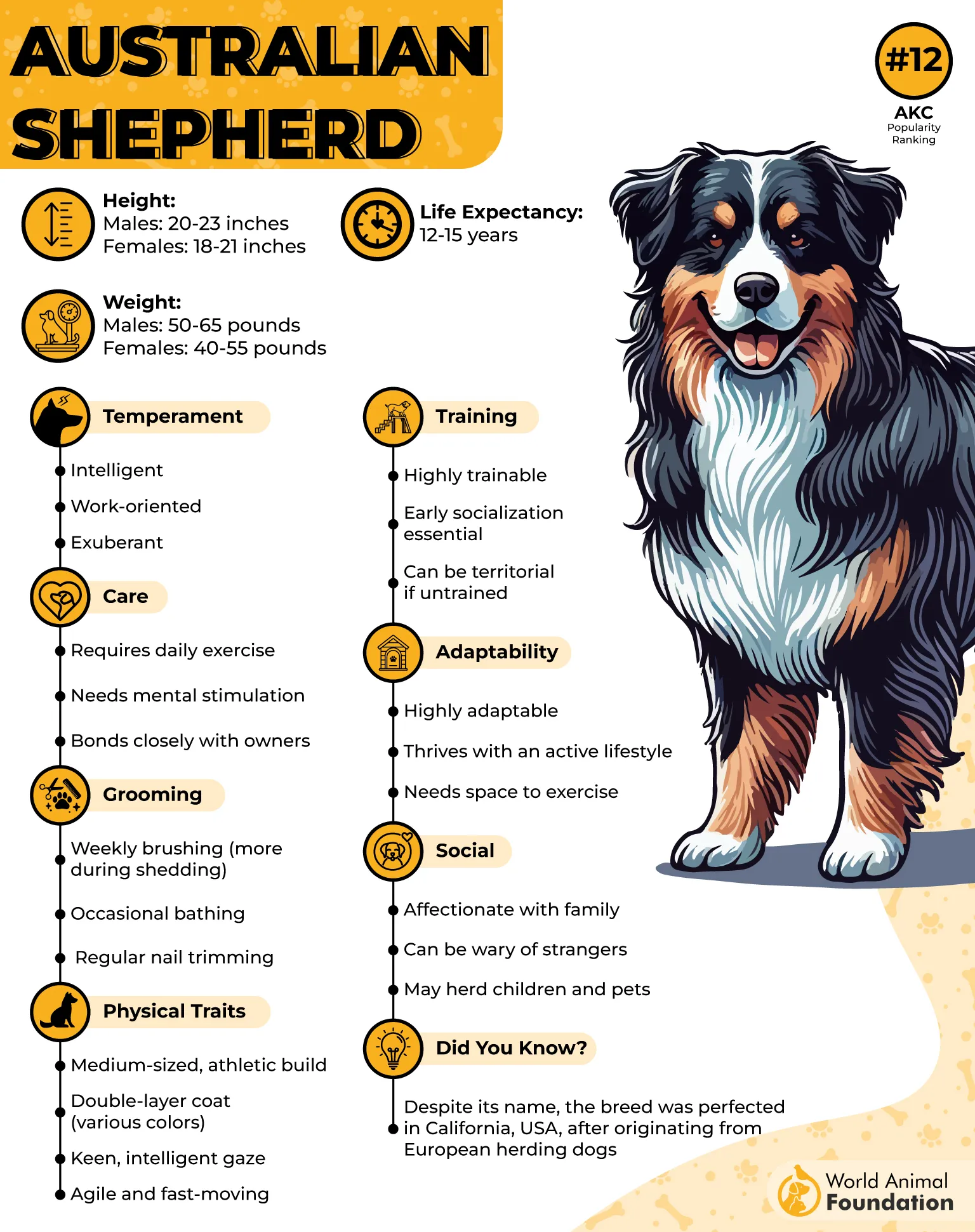
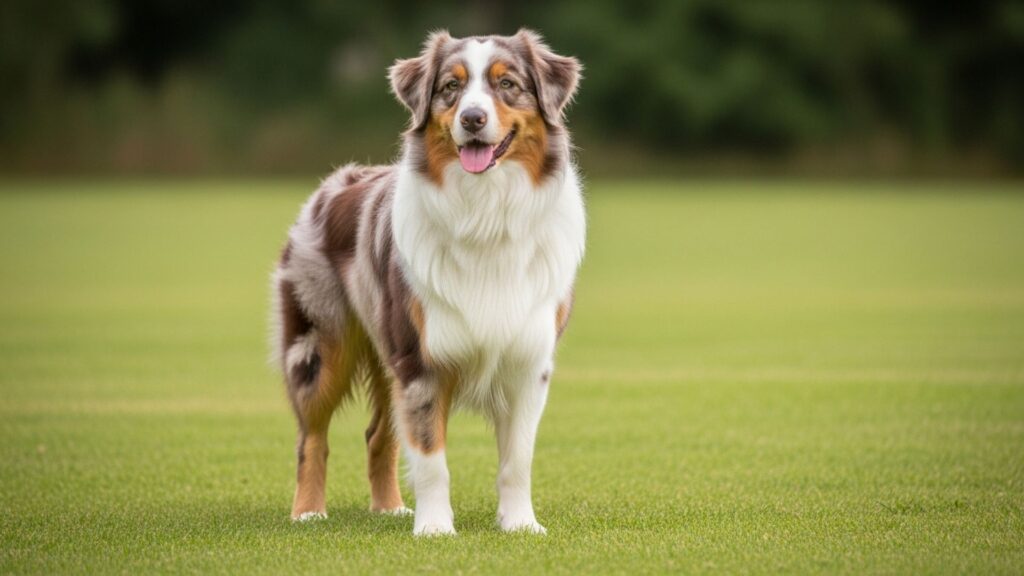
According to the AKC standards, Australian Shepherds stand 20–23 inches for males and 18–21 inches for females, weighing 50–65 pounds and 40–55 pounds respectively, and they may come in blue merle and red merle coat colors with white markings.
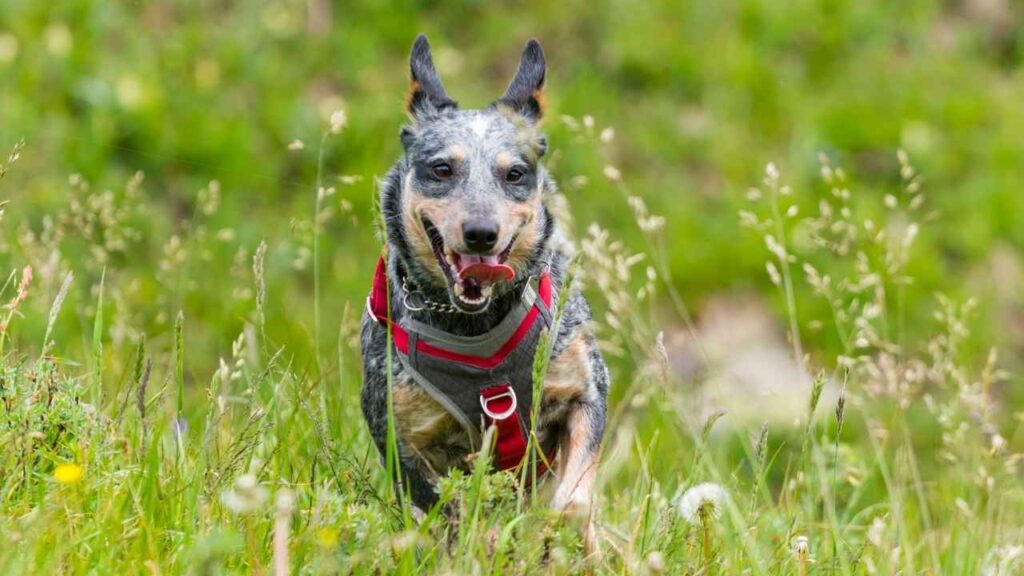
Blue Heelers are slightly more compact, measuring 18–20 inches for males and 17–19 inches for females, with a weight range of 35–50 pounds.
This difference shapes their working style. The Australian Shepherd has a lean, agile frame suited for quick movement and directional changes. The Blue Heeler is stockier and muscular, built for strength, stamina, and sustained physical effort in demanding conditions.
Pricing & Availability

Australian Shepherds are widely available in the United States due to their popularity as both working dogs and family pets. Prices typically range from $500 to $2,000 for well-bred puppies, depending on breeder reputation, lineage, and coat pattern.
Blue Heelers are also available through breeders and rescues, though they may be slightly less common in urban areas. Their price generally falls between $500 and $2,500, with most puppies from reputable breeders costing around $800 to $1,500.
Both breeds are frequently found in rescue organizations, where adoption fees are significantly lower, offering a more affordable option for prospective owners.
Temperament & Personality
Australian Shepherds are known for being friendly, loyal, and people-focused. They tend to bond closely with their families and are often more open to strangers once properly introduced, as noted by Purina.
Blue Heelers are equally loyal but more reserved and protective. They often form a strong attachment to one primary owner and can be cautious around unfamiliar people.
While both breeds are intelligent and devoted, the Aussie leans toward social engagement and cooperation, whereas the Heeler displays independence and a more guarded, watchful personality.
Energy Levels & Exercise Needs
Both are highly energetic breeds that require high levels of daily activity, but their energy is expressed differently. Australian Shepherds need consistent physical and mental stimulation, including structured exercise and tasks that challenge their intelligence.
Blue Heelers have intense stamina and are built for long periods of physical work. They thrive with extended exercise such as running, cattle herding, or active play sessions.

Without adequate activity, both breeds may develop destructive behaviors. The key difference lies in endurance versus versatility, with Heelers excelling in sustained effort and Aussies thriving in varied, fast-paced activities.
Working Style & Purpose
The Australian Shepherd works closely with handlers, relying on responsiveness and quick directional changes to manage livestock. Due to its strong herding instincts, it excels in tasks that require agility, coordination, and constant communication with its owner.

The Blue Heeler takes a more forceful approach, using controlled nipping to move cattle and maintain authority over livestock. This method requires courage and physical toughness.
In practice, the Aussie represents agility and precision, while the Heeler embodies strength and persistence. Both are highly effective but suited to different herding conditions and management styles.
Trainability & Behavior
Australian Shepherds are highly trainable and eager to please, responding quickly to positive reinforcement and structured training. Their intelligence allows them to learn complex commands and excel in obedience training and agility work.
Blue Heelers are also intelligent but more independent. They can be strong-willed and require consistent, firm training combined with positive reinforcement methods.
While both breeds learn quickly, the Aussie is typically easier for first-time owners, whereas the Heeler may challenge inexperienced handlers due to its assertive nature and problem-solving tendencies.
Grooming Needs & Shedding
Australian Shepherds have a medium-length double coat that requires regular brushing, typically weekly, with more frequent grooming during shedding seasons.
Blue Heelers have a short, dense double coat that is easier to maintain, requiring occasional brushing and minimal bathing unless heavily soiled.
Shedding occurs in both breeds, though the Aussie’s longer coat demands more consistent upkeep. Overall, the Heeler is lower maintenance, while the Aussie requires more time for grooming to keep its coat healthy.
Health & Lifespan
Australian Shepherds generally live 12–15 years and may be prone to conditions such as hip dysplasia, eye disorders, and certain genetic issues.
Blue Heelers have a similar lifespan, often ranging from 12–16 years, and are considered a hardy breed with fewer common health concerns, though issues like deafness and hip dysplasia can occur.
Both breeds benefit from responsible breeding, regular veterinary care, and active lifestyles to maintain long-term health and mobility.
Australian Shepherd vs. Blue Heeler: Which Dog Is Right for You?
Choosing between these high-energy dog breeds depends on your lifestyle and expectations. The Australian Shepherd suits owners looking for an interactive, agile companion that thrives on training, dog sports, and close involvement.
The Blue Heeler is better suited for experienced owners who can provide structure, leadership, and demanding physical activity. Its strength, independence, and endurance require commitment and space.
Both breeds excel in active homes, but the decision ultimately comes down to whether you prefer agility training and responsiveness or toughness and resilience in your working partner.
Conclusion
The Australian Shepherd and Blue Heeler are both exceptional herding dogs with strong work ethic, but they excel in different ways. The Aussie stands out for agility, responsiveness, and close teamwork, making it ideal for active owners who enjoy training and dog sports.
The Blue Heeler brings strength, endurance, and determination, better suited for demanding tasks and experienced handlers. Both require regular exercise, structure, and mental stimulation to thrive. These breeds excel at canine sports, and their unwavering loyalty makes them excellent companions for households with other dogs and animals.
Choosing between these two breeds is less about which breed is better and more about which matches your lifestyle.
If you want speed and versatility, the Australian Shepherd fits well. If you prefer toughness and resilience, the Blue Heeler is the stronger choice.
