




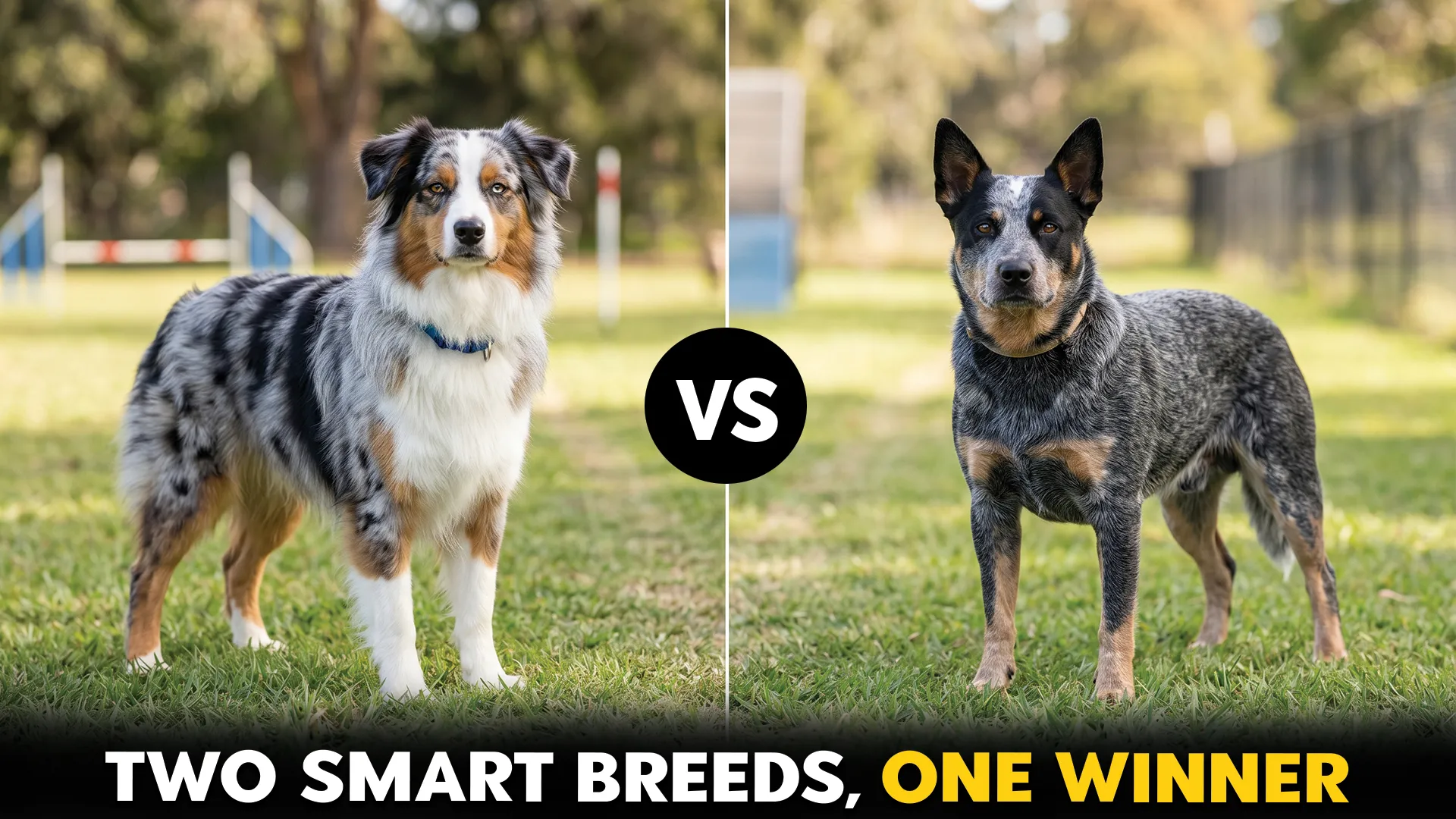
When comparing the Australian Shepherd vs. the Blue Heeler (Australian Cattle Dog), high intelligence is one of the most defining traits of both breeds, yet it appears in distinctly different forms shaped by their herding backgrounds.
The Australian Shepherd is widely admired for its highly trainable nature, strong focus on human direction, and exceptional performance in obedience, agility, and complex task learning.
It tends to work closely with handlers, quickly picking up cues and thriving in structured training environments.
In contrast, the Blue Heeler, also known as the Australian Cattle Dog or Queensland Heeler, demonstrates a more independent and instinct-driven intelligence.
Bred to manage cattle across harsh Australian terrain, it is known for problem-solving ability, persistence, and the tendency to make decisions on its own while working.
Blue Heeler is an alert and high-energy dog, and often strong-willed, requiring mental and physical challenges to stay balanced.
While both dog breeds are highly capable working breeds, the Australian Shepherd reflects cooperative intelligence, whereas the Blue Heeler represents resilient, self-reliant working intelligence, making their comparison especially interesting for dog enthusiasts.
Australian Shepherd vs. Blue Heeler: Intelligence Comparison
When it comes to raw brainpower, both the Australian Shepherd and the Blue Heeler are elite herders with legendary work ethics. This comparison explores how their unique brands of intelligence differ, from the Aussie’s quick-learning versatility to the Heeler’s relentless problem-solving skills.
Genetic Intelligence & Herding Instinct Origins
Australian Shepherds are highly intelligent medium-sized herding dog breeds developed in the United States, despite their misleading name, from European herding stock, including Basque shepherd dogs.
Their genetic intelligence is strongly linked to selective breeding for close human cooperation, fast learning, and precision in managing livestock through visual control and responsive obedience.
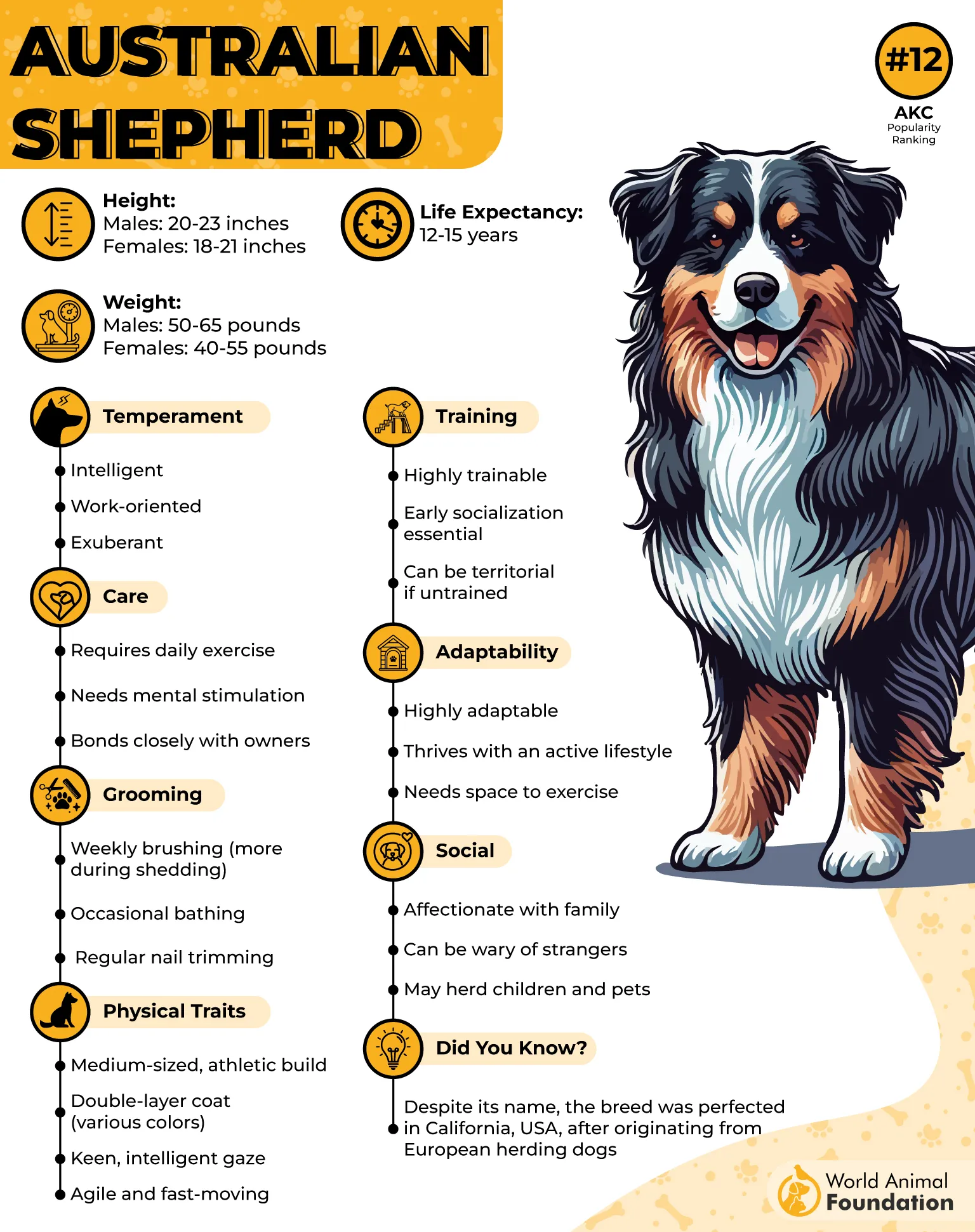
They are known for anticipating handler commands and adapting quickly to complex herding and agility tasks.
In contrast, the Australian Cattle Dog or Blue Heeler was developed in Australia through crossbreeding of herding breeds with the native dingo to create a rugged, independent worker suited for long-distance cattle driving in harsh terrain.
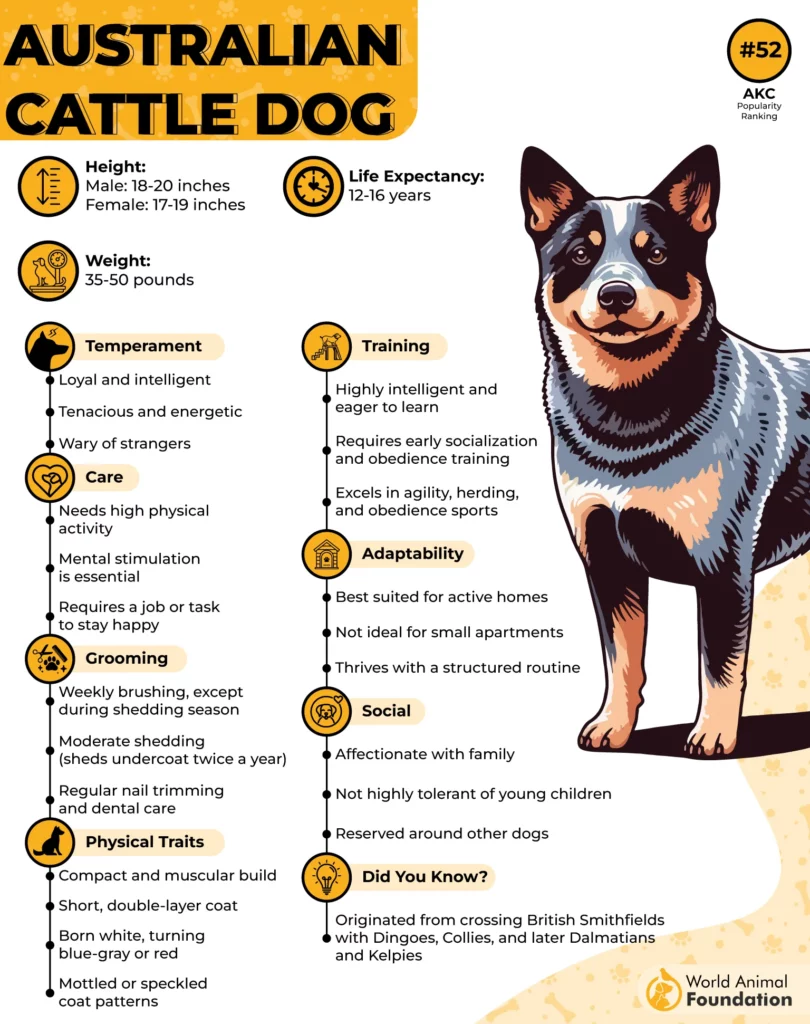
Its intelligence is instinct-driven, emphasizing endurance, problem-solving, and autonomous decision-making while herding, as mentioned by PetMD.
The breed’s characteristic heel-nipping behavior reflects its functional role in controlling cattle movement efficiently.
Both breeds share strong herding instincts and high cognitive ability, but the Australian Shepherd relies more on cooperative, handler-focused intelligence, while the Blue Heeler demonstrates self-reliant, survival-oriented working intelligence shaped by demanding environmental conditions today.
Problem-Solving Intelligence
Australian Shepherds and Blue Heelers both exhibit strong problem-solving intelligence shaped by their working-dog heritage and demanding herding responsibilities on farms and ranches.
Australian Shepherds are quick learners capable of rapidly understanding new commands and complex task sequences, making them highly responsive to human guidance and structured training environments, as mentioned by Britannica.
Their intelligence is reflected in their capacity to analyze situations, anticipate livestock movement, and choose efficient solutions while maintaining close cooperation with handlers.
This makes them especially effective in agility, obedience, and advanced training exercises where cooperation and precision are essential.
In contrast, Blue Heelers or Australian Cattle Dogs demonstrate a more independent form of problem solving, relying on instinct, endurance, and situational judgment when controlling livestock across challenging terrain.

Their intelligence allows them to assess movement patterns and act decisively even without direct instruction, reflecting their strong survival-oriented working background.
While Australian Shepherds excel in cooperative learning, Blue Heelers often require a consistent training structure as they can show stubbornness and independent decision-making tendencies.
Both breeds benefit from early socialization and positive reinforcement training methods, which help channel their intelligence into well-balanced behavior and reliable working performance. Their shared intelligence makes them versatile working companions in different environments.
Trainability Intelligence
When comparing the Australian Shepherd and Blue Heeler in terms of trainability and intelligence, both breeds are highly capable yet require different handling approaches due to their working-dog backgrounds.
Australian Shepherds are known for their strong desire to please and their quick responsiveness to human direction, which makes them highly trainable when provided with consistent guidance and structured routines.
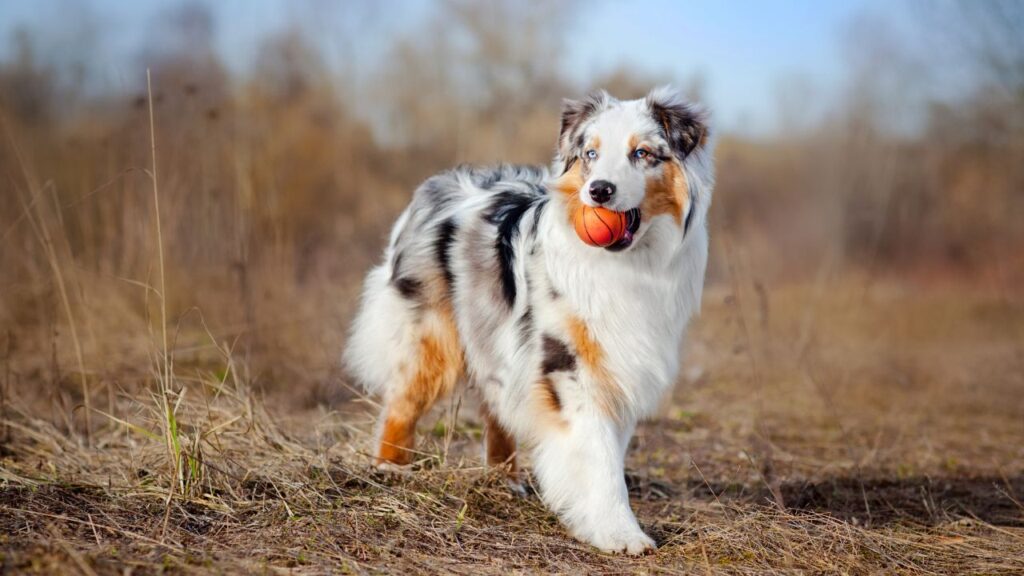
However, their high energy and strong attachment to family mean they require early socialization and continuous mental stimulation, as a lack of engagement can lead to boredom-related behaviors such as destructiveness or overprotectiveness.
Similarly, Australian Cattle Dogs, or Blue Heelers, are extremely intelligent and eager to work, but they are more independent in nature and often display a stubborn streak.
Their trainability is closely tied to having a clear purpose, as they thrive when given tasks such as herding, obedience work, or agility training. Without sufficient activity, they can become restless and develop unwanted behaviors.
Both breeds benefit greatly from early obedience training and ongoing engagement. Their intelligence makes them fast learners, but their high energy levels demand committed owners who can provide structure, consistency, and regular physical and mental challenges.
Working Intelligence
When comparing the Australian Shepherd with the Blue Heeler in terms of working ability, both breeds demonstrate strong working intelligence shaped by their long history as livestock herders, though their behavior in work settings differs significantly.
Australian Shepherds are highly loyal and intelligent dogs that rely on close cooperation with their handlers. Their working intelligence is expressed through their ability to follow commands quickly, adapt to changing herding situations, and maintain strong focus on tasks.
While generally friendly, some individuals may be reserved with strangers, and early socialization is important to ensure balanced behavior.
Their natural herding instincts can lead them to gently control the movement of children or small animals, requiring redirection in daily interactions.
Australian Cattle Dogs show a more intense and independent form of working intelligence. Bred for endurance and cattle control, they are highly alert, protective, and naturally suspicious of unfamiliar people.
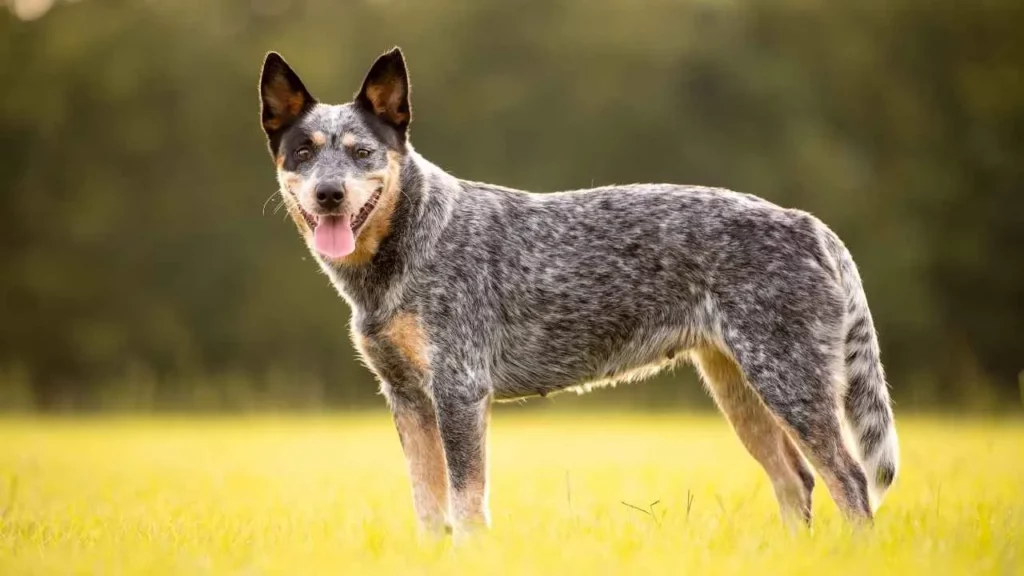
They bond deeply with their owners but can be wary or reactive if they perceive a threat. Their intelligence is strongly task-oriented, making them unsuitable for inactive lifestyles as they require constant physical and mental engagement.
They may display nipping or “mouthy” herding behavior, which is instinctual. Both breeds are highly capable workers, but differ in cooperation versus independence in their intelligence expression.
Adaptive Intelligence
In the Australian Shepherd vs Blue Heeler adaptive intelligence comparison, both breeds showcase impressive adaptive intelligence, allowing them to adjust quickly to new tasks, environments, and challenges.
Australian Shepherds are highly perceptive and capable of learning from experience, which enables them to anticipate handler expectations and adapt their behavior during herding, sport, or work activities.
However, their sharp intelligence can also lead them to outthink inexperienced owners if they are not given consistent structure and mental engagement, making proper training essential.
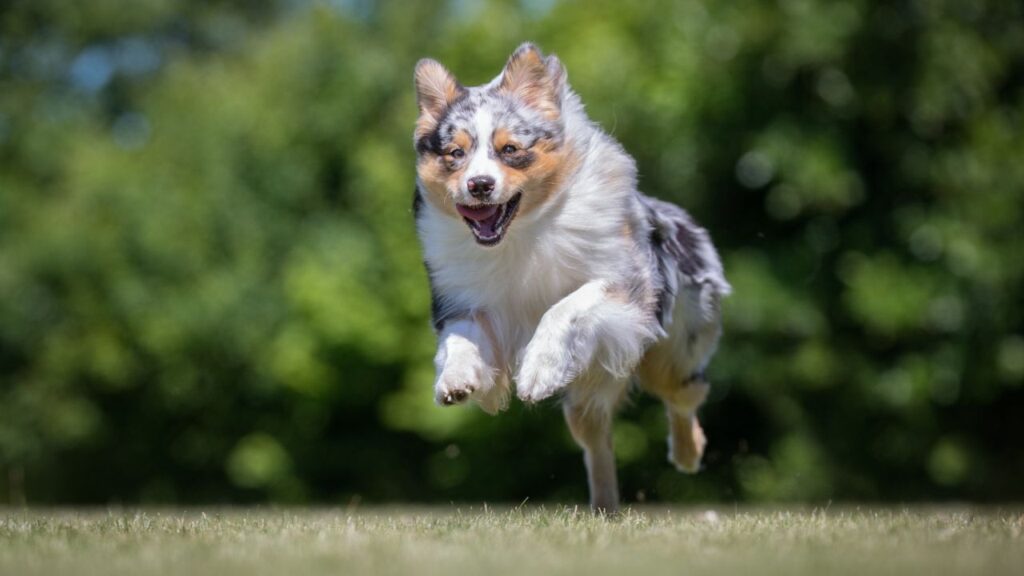
Their adaptability makes them excellent companions for active work or sport-focused households where mental stimulation is continuous.
Australian Cattle Dogs, or Blue Heelers, display an equally strong but more instinct-driven adaptive intelligence, as noted by the AKC.
Developed partly from the resilient Australian Dingo lineage, they are capable of adjusting to harsh environments and unpredictable livestock behavior with minimal guidance.
Their alertness, endurance, and problem-solving ability allow them to persist in demanding conditions, but they require regular work or structured activity to prevent boredom and mischief.
Highly loyal and observant, they are quick to respond to changing situations, making them reliable working partners.
Both breeds adapt exceptionally well, but the Shepherd relies more on learned cooperation while the Heeler depends on instinctive resilience and independence.
Social Intelligence & Human Responsiveness
In the Blue Heeler vs Australian Shepherd intelligence comparison, both herding breeds demonstrate strong social intelligence, though they interact with humans in notably different ways.
Australian Shepherds are highly people-oriented dogs that form deep emotional bonds with their families. Their intelligence is reflected in their strong responsiveness to human cues, making them quick learners in obedience and household routines.
However, their loyalty can also lead to territorial behavior and overprotectiveness if not properly socialized from an early age.
Without sufficient companionship or structured activity, they may develop anxiety or destructive habits, which highlights the importance of consistent engagement and training.
Australian Cattle Dogs, or Blue Heelers, also bond closely with their owners but tend to be more reserved and cautious in social situations.
Their intelligence shows in their ability to read human behavior and respond appropriately during working tasks, especially in herding environments.
They require ongoing training and purposeful activity such as obedience work, herding, or agility to maintain balanced behavior. Because they are highly energetic and task-driven, a lack of stimulation can lead to restlessness and undesirable behaviors.
Both breeds are socially intelligent, but Australian Shepherds are more emotionally expressive, while Blue Heelers are more reserved and task-focused in their human responsiveness.
Mental Stimulation Needs
When comparing the Australian Shepherd to the Blue Heeler in terms of mental stimulation, both breeds stand out for their intense need for mental stimulation, a direct result of their development as high-performance working dogs.
Australian Shepherds are athletic and highly energetic breeds, requiring not only physical exercise but also consistent mental challenges to stay balanced.
They thrive when given structured activities such as obedience training, agility sports, herding tasks, or interactive work that engages both their mind and body.
Daily exercise is essential, and they perform best when they have a purpose-driven routine, such as accompanying their owners on hikes, runs, or participating in canine competitions.
Without sufficient stimulation, they may become restless or develop unwanted behaviors due to boredom.
Australian Cattle Dogs, or Blue Heelers, have an equally strong or even higher demand for mental engagement due to their independent and task-focused intelligence.
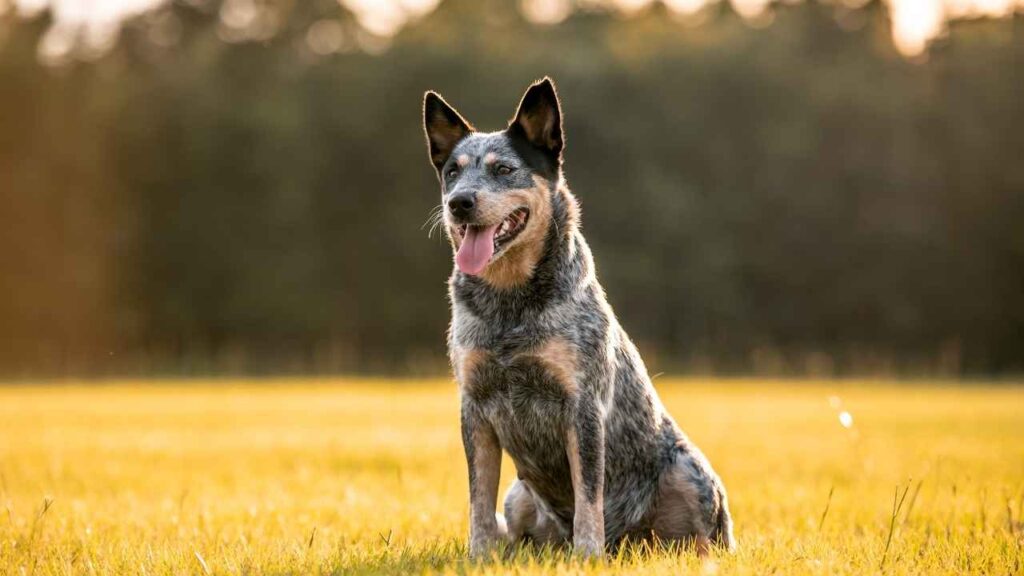
Bred to work tirelessly on farms, they require ongoing activity that simulates real work, such as herding, agility, or obedience exercises. Simply walking or casual play is not enough for this breed, as they need structured tasks to remain satisfied.
Both breeds rely heavily on consistent mental and physical stimulation, but the Aussie Shepherd prefers guided teamwork, while the Blue Heeler thrives on challenging, job-like responsibilities that test endurance and problem-solving ability.
Overall Intelligence Comparison
When evaluating the Australian Shepherd and Australian Heeler intelligence comparison, both breeds consistently rank among the most capable working dogs, yet their intelligence is expressed through different behavioral and cognitive strengths.
The Australian Shepherd is widely recognized for its high trainability, strong responsiveness to human direction, and exceptional ability to learn complex commands quickly.
It excels in environments that require cooperation, precision, and structured communication with handlers, making it a top performer in obedience, agility, and advanced training activities.
On the other hand, the Blue Heeler, or Australian Cattle Dog, demonstrates a more independent and instinct-driven intelligence shaped by its demanding history of herding cattle across rugged terrain.
It is known for problem-solving ability, endurance, and the capacity to make quick decisions without constant human guidance. This makes it highly effective in real-world working conditions but also more challenging for inexperienced owners.
Conclusion
Both dogs showcase exceptional intelligence, but they differ in how they apply it in real-life situations.
One demonstrates a highly cooperative learning style, excelling in structured training, quick command response, and close human coordination, making it ideal for activities that require precision and teamwork.
The other reflects a more independent, instinct-driven intelligence, capable of solving problems, making decisions under pressure, and adapting to challenging environments with minimal guidance.
Together, they highlight two powerful forms of canine cognition—one shaped by partnership with humans and the other by self-reliance and survival-based decision-making in demanding working conditions.
