




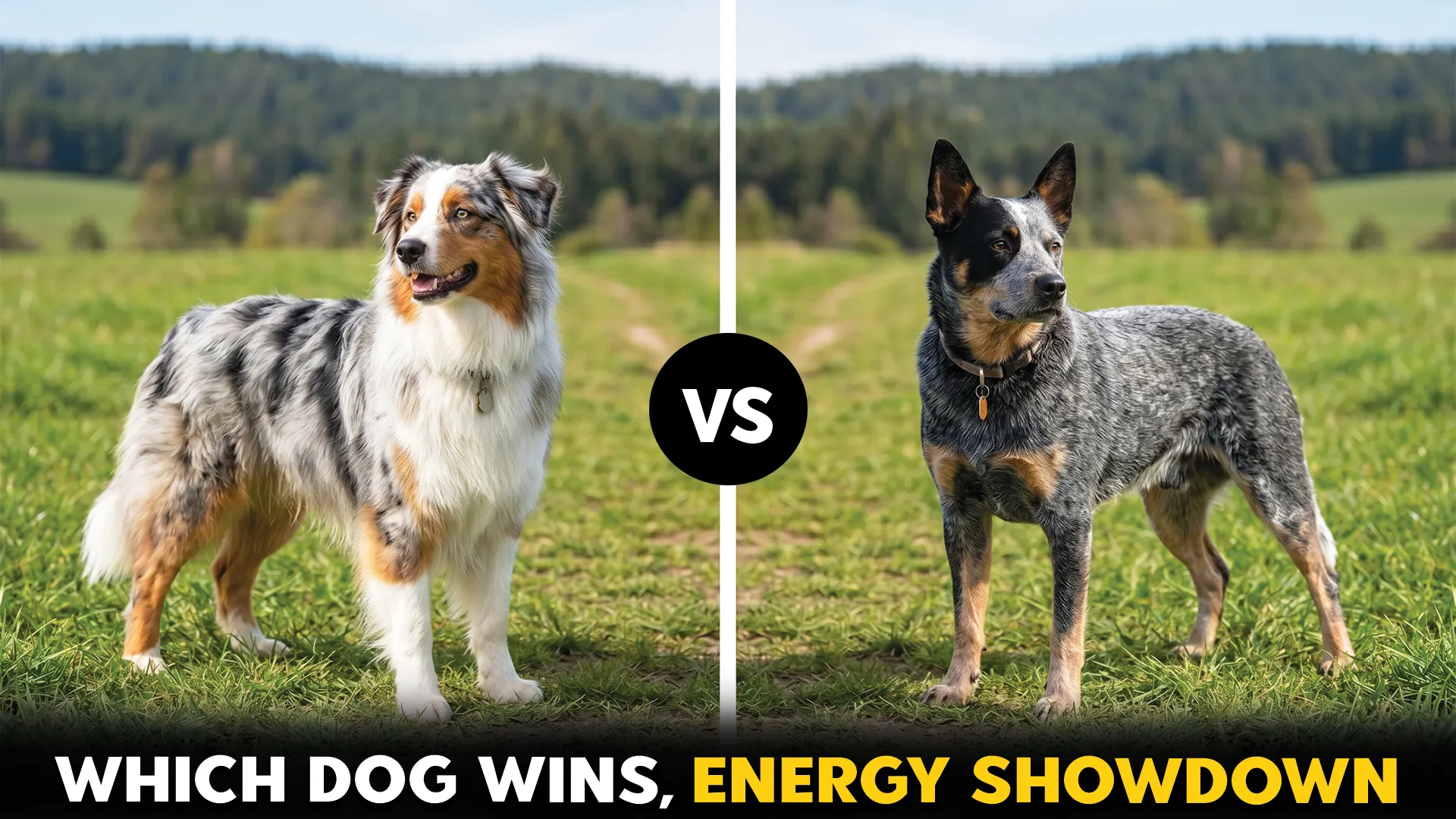
At first glance, these two dogs might seem almost interchangeable—both are smart, athletic, and built for work—but once you live with them, you quickly realize they’re very different in how they use their energy.
One tends to be a constant “go, go, go” type that thrives on nonstop stimulation, while the other is intense but more task-focused, meaning it saves its energy for when there’s a job to do.
Both were originally bred as herding dogs, designed to handle long hours in tough outdoor conditions without getting tired or distracted. That’s why they’re known for their strong work ethic and high stamina.
So, when it comes to energy levels, the real question isn’t just “which one has more,” but rather “how do they express it?” One tends to channel energy into constant activity and play, while the other is more intense, driven, and laser-focused during work or exercise.
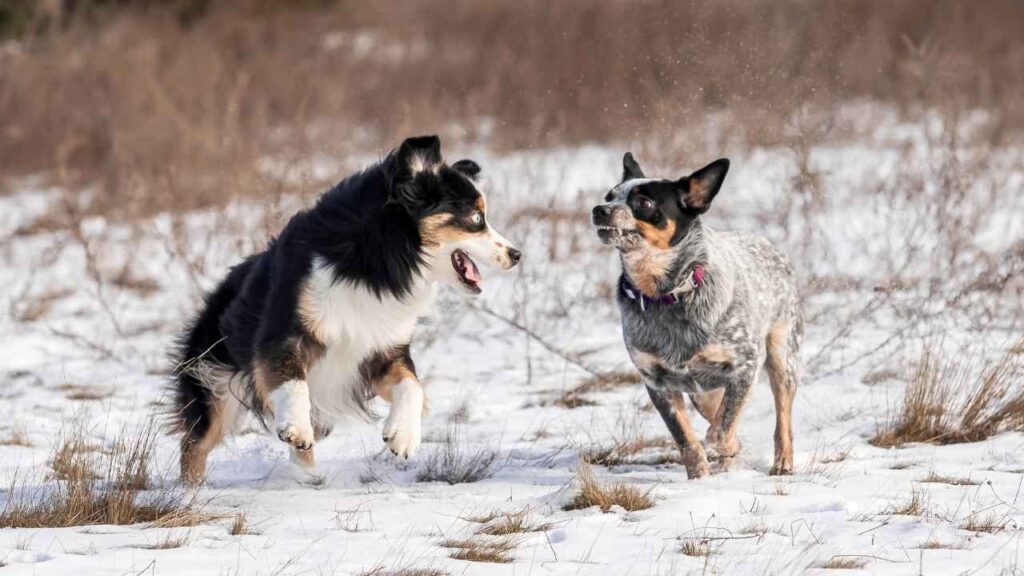
Let’s take a look at a side-by-side comparison of two of the most energetic breeds: the Australian Shepherd and the Australian Cattle Dog.
Australian Shepherd vs. Australian Cattle Dog: Which Dog Has More Energy?
Origins & Purpose
Australian Shepherd
Despite its name, the Australian Shepherd was developed in the United States, mainly in the western ranching regions during the 1800s, according to Britannica.
It traces back to herding dog breeds brought by Basque shepherds, many of whom passed through Australia before arriving in America—this is where the “Australian” reference likely comes from.
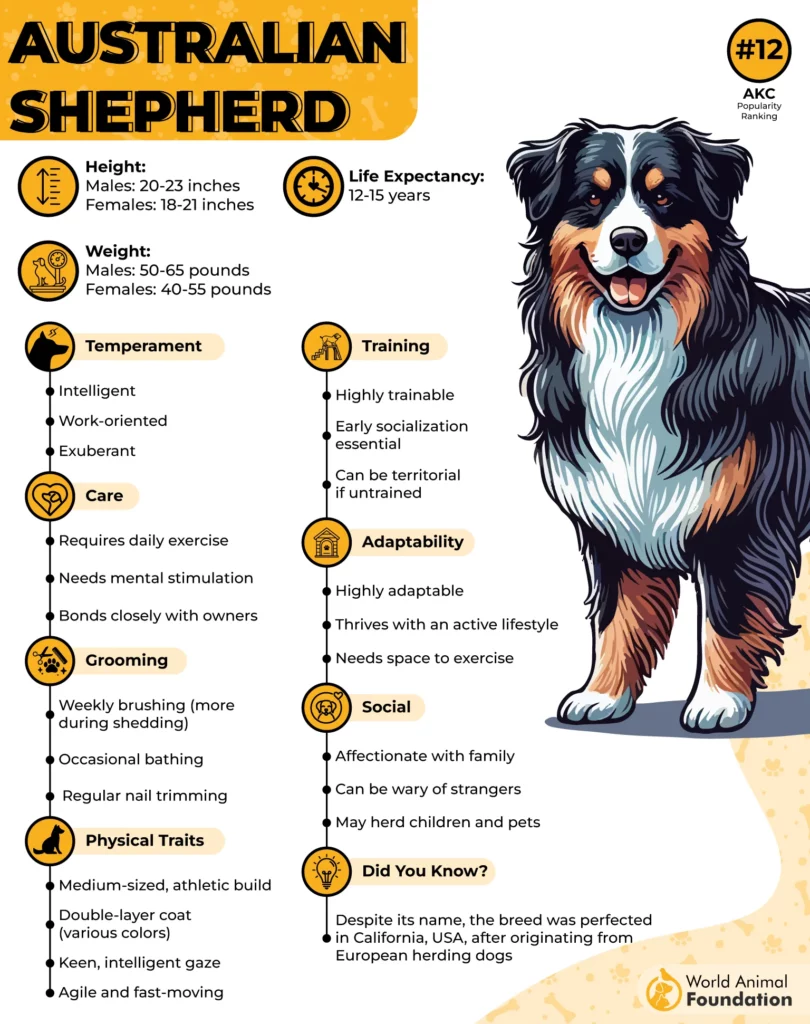
Ranchers refined the breed for intelligence, versatility, and strong herding ability, making it an all-purpose farm and ranch dog capable of handling sheep and adapting to different tasks.
Built for constant activity, the breed was shaped to work closely with humans, responding quickly to commands while also making independent decisions in the field.
Today, this same background explains why it excels in high-energy dog sports like agility and obedience, where focus, speed, and endurance are essential.
Australian Cattle Dog
The Australian Cattle Dog is a true Australian breed, developed in the 19th century to meet the demands of Australia’s expanding cattle industry.
Early breeders crossed Dingo-type dogs with Collies, Dalmatians, and Kelpies to create a tough, resilient working dog capable of herding cattle across long distances in harsh, open terrain. The goal was a dog with stamina, intelligence, and the courage to control stubborn livestock without giving up.
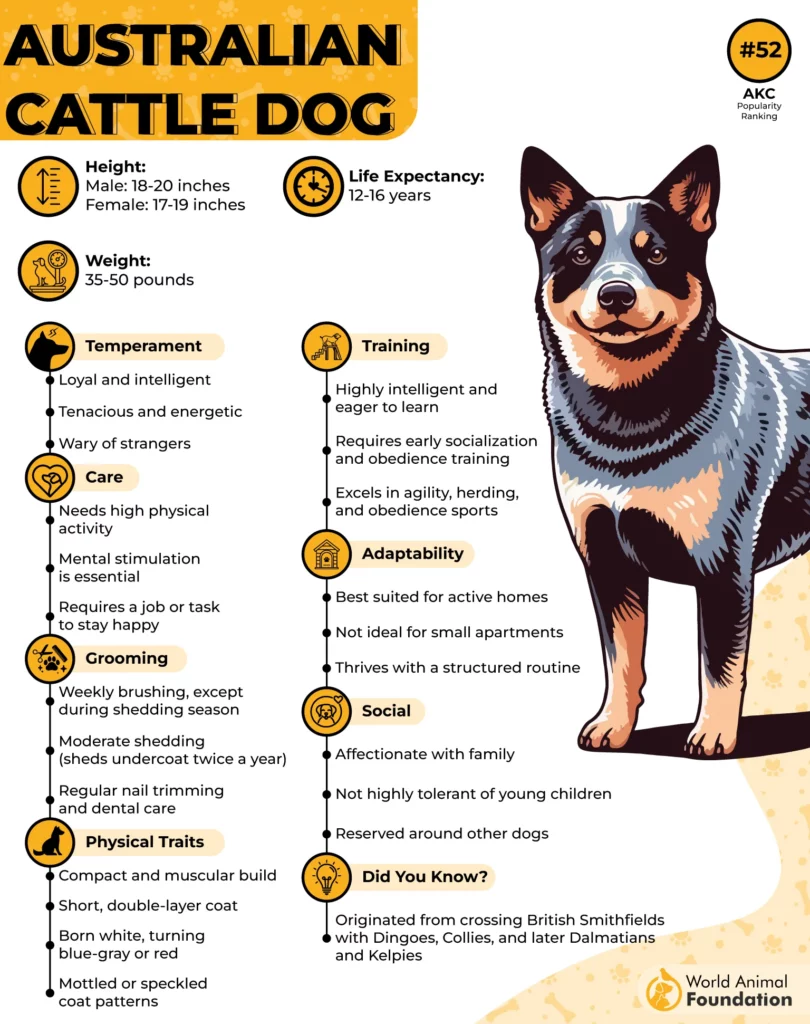
This selective breeding produced a compact but powerful working dog with intense drive and strong instincts. Known for its determination and problem-solving ability, it became indispensable to Australian cattle ranchers.
Even today, its working heritage shows in its extremely high energy levels, need for purpose, and strong focus when given a job to do.
Size & Build
Australian Shepherd
The Australian Shepherd is also a medium-sized, athletic dog, but it tends to be taller and slightly leaner in build compared to the cattle dog.
Males usually stand 20–23 inches tall and weigh between 50–65 pounds, while females range from 18–21 inches in height and 40–55 pounds in weight. This gives them a more elongated, balanced frame that supports speed, agility, and constant movement.
Aussies are lean yet strong, with a straight back, deep chest, and well-proportioned body designed for flexibility and quick direction changes.
The Australian Shepherd’s coat is medium-length and thicker than the cattle dog’s, often seen in striking merle patterns, solid colors, or combinations with white markings. This combination of structure and coat type makes them highly adaptable to both ranch work and performance sports.
Australian Cattle Dog
The Australian Cattle Dog, also known as the Blue Heeler or Red Heeler, is a compact, muscular, and sturdy breed built for endurance and hard work. Males typically stand around 18–20 inches, while females are slightly smaller at 17–19 inches.
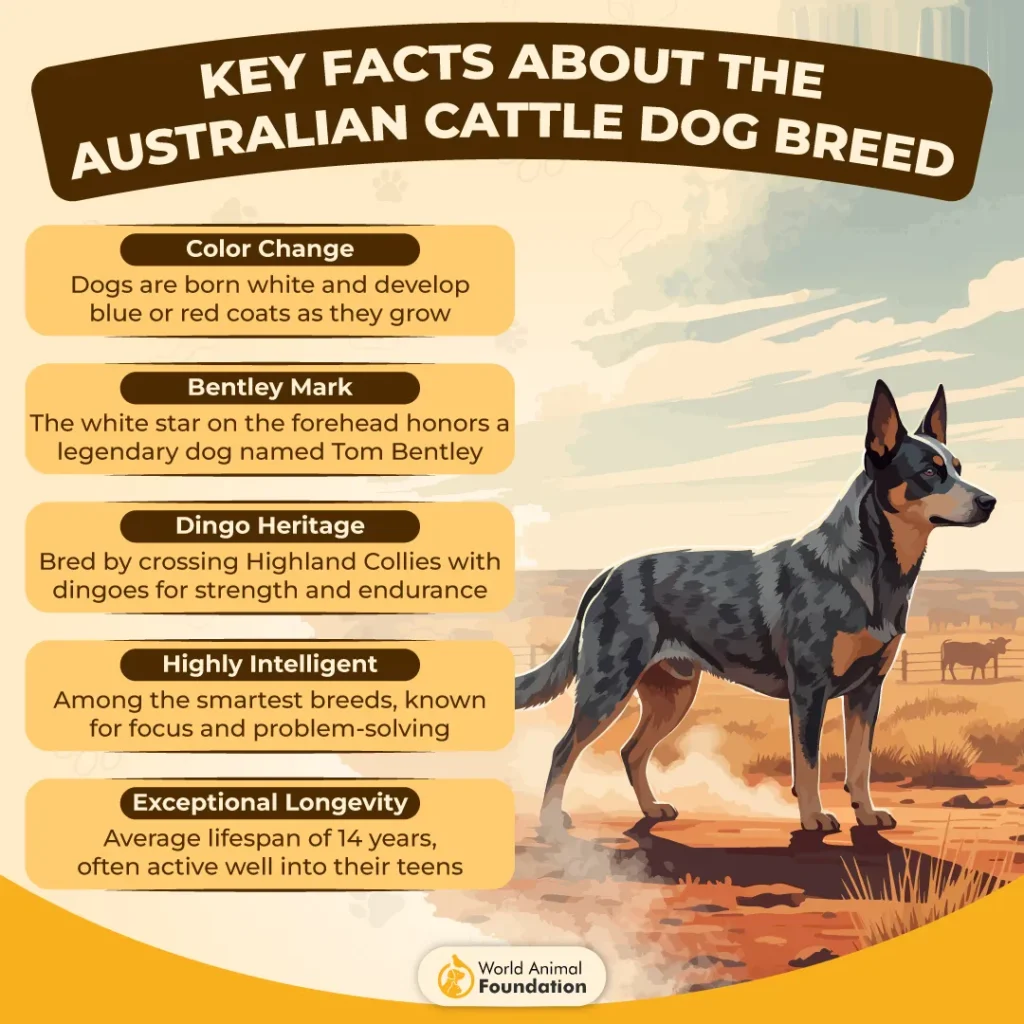
In terms of weight, healthy adults usually range between 35 and 50 pounds, giving them a solid but agile frame. Their body is slightly longer than it is tall, with strong legs and a powerful stance designed for long hours of herding cattle over rough terrain.
Despite their medium size, they are incredibly tough and built like endurance athletes. Their short double coat—seen in blue or red speckled patterns—adds protection without weighing them down, making them well-suited for hot, open landscapes and demanding physical work.
Pricing & Availability
Australian Shepherd
Australian Shepherds are widely available and often slightly more expensive due to their popularity, versatility, and demand. From reputable breeders, puppies typically cost around $500–$2,000, while those from championship or high-quality working lines can reach up to $2,500.
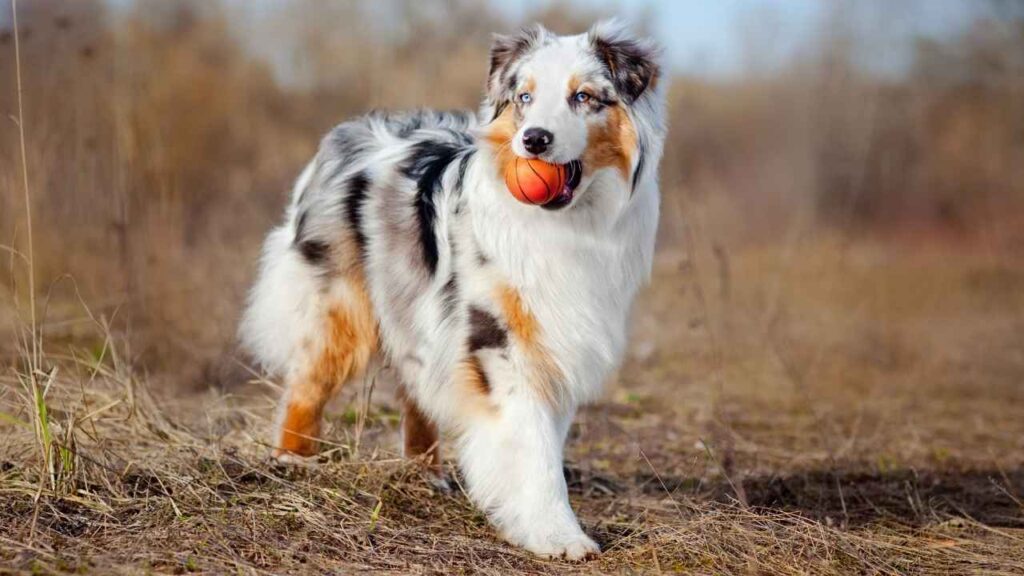
The final price often depends on factors like breeder reputation, location, pedigree, and even coat color patterns. Adoption is also a popular and more affordable route, with rescue organizations usually charging around $300.
Many Aussies and Aussie mixes are found in shelters, and breed-specific rescues actively help place them in homes that can handle their high energy and need for mental stimulation.
Australian Cattle Dog
Australian Cattle Dogs are generally more affordable but still vary in price depending on breeder quality, location, and bloodline. On average, a puppy costs between $500–$1,200, though prices can sometimes drop to around $275 or rise as high as $2,500 for well-bred or champion-line dogs.
In regions like the Northeast and West, prices are usually higher, while the South and Midwest tend to be more budget-friendly. Reputable breeders may also include early vaccinations and basic health checks in the price.
Along with buying from breeders, adoption is a very common option since many of these dogs end up in shelters or breed-specific rescues where they are rehomed at much lower costs.
Temperament & Personality Style
Australian Shepherd
The Australian Shepherd is intelligent, affectionate, and highly people-oriented, often forming a strong bond with its family. Many Aussies are friendly, though some may take time to warm up to strangers before becoming comfortable.
They are extremely active dogs that need constant mental and physical engagement to stay balanced. Because of their strong herding instincts, they may try to herd children or moving objects if not trained properly. They are also known for being sensitive and closely attached to their owners.
Highly intelligent and loyal dog
Friendly but sometimes reserved with strangers
Very energetic and mentally active breed
Prone to herding behaviors without training
Australian Cattle Dog
The Australian Cattle Dog is highly intelligent, alert, and naturally protective, with a strong instinct to guard its family and territory. It bonds very closely with its owner but can be wary around strangers, as mentioned by the American Kennel Club.
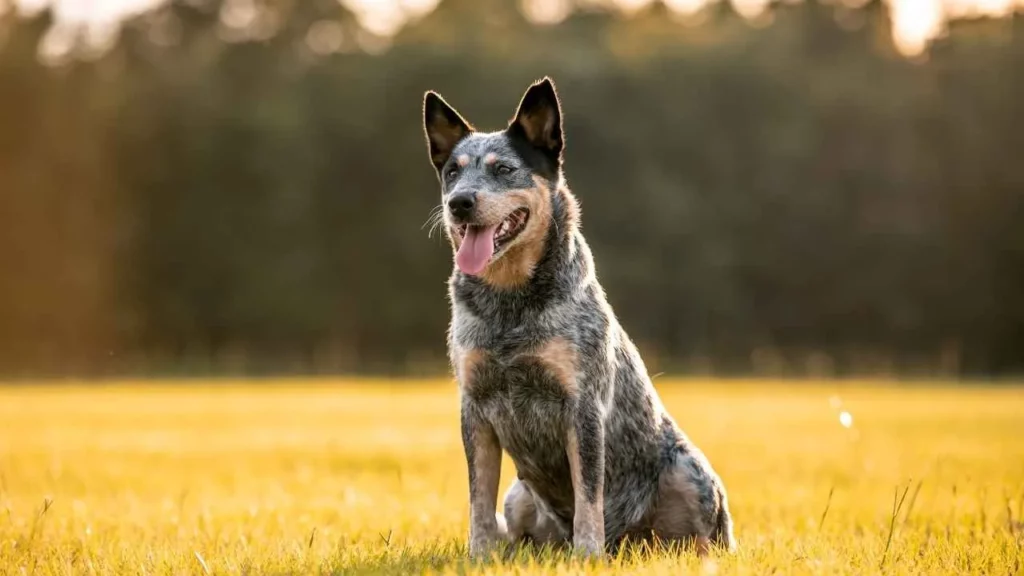
This breed is fearless and can become assertive if it feels threatened, reflecting its strong working-dog roots. It is extremely energetic and needs both mental and physical stimulation every day. Without a clear purpose, it can become restless or develop unwanted behaviors.
Extremely loyal and protective of family
Wary of strangers but not overly aggressive by nature
Highly energetic and work-driven personality
Intelligent but can be stubborn and independent
Exercise Needs & Energy Level
Australian Shepherd
The Australian Shepherd is an extremely high-energy dog that rarely slows down, even as an adult. It requires daily physical exercise along with strong mental stimulation to stay balanced and happy.
Long walks, runs, hikes, and interactive play are essential, but simply tiring them out physically is not enough—they also need a “job” to keep their mind engaged.
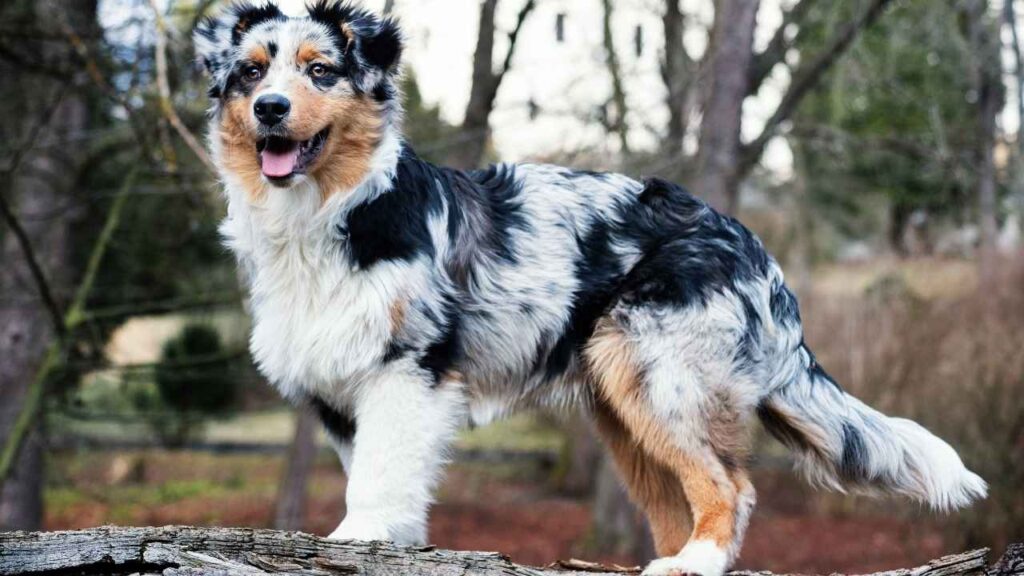
Without proper outlets, their energy can quickly turn into destructive behaviors like chewing, digging, or restlessness. This breed thrives in active homes where training and activity are part of daily life.
Needs intense daily exercise (runs, hikes, play sessions)
Requires mental stimulation along with physical activity
Excels in dog sports like agility, obedience, and herding
Can develop destructive habits without proper activity
Australian Cattle Dog
The Australian Cattle Dog is a powerhouse of stamina, strength, and endurance, built for long hours of demanding physical work. It requires a very high level of daily exercise, including running, agility training, fetch, or any structured activity that keeps it engaged.
This breed is not suited for a sedentary lifestyle or small living spaces, as it needs room to move and work. It also forms strong bonds with its owner and prefers staying active alongside them rather than being left idle.
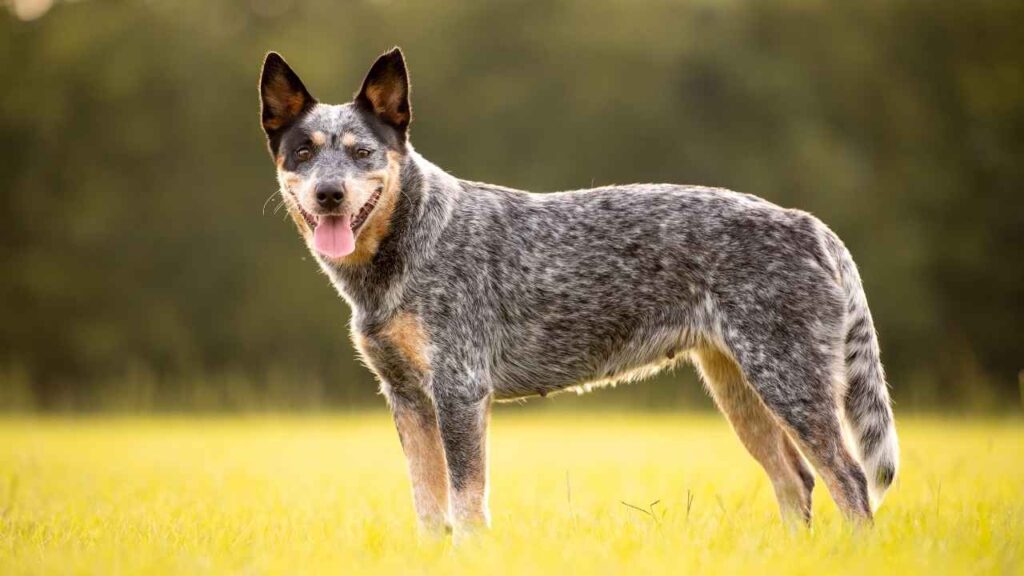
Without enough exercise or purpose, it can become frustrated or try to create its own “job,” often by herding people or animals.
Extremely high stamina and working-drive energy
Needs long, intense exercise sessions daily
Not suitable for inactive or apartment lifestyles
May develop herding or destructive behaviors if bored
Trainability & Obedience
Australian Shepherd
Australian Shepherds are highly intelligent, eager to learn, and very responsive to training, especially when positive reinforcement is used. Because of their strong working background, they enjoy structured training and quickly pick up new commands and routines.
However, their energy and intelligence also mean they need early socialization and consistent obedience training from a young age.
Without proper guidance, their boredom can turn into destructive behavior or overprotectiveness toward their family. Mental stimulation is just as important as physical exercise for this breed’s development.
Australian Cattle Dog
PetMD mentions that the Australian Cattle Dog is extremely intelligent and highly trainable, but it also has a strong, independent, and sometimes stubborn personality.
It thrives when given structure, clear leadership, and a firm but gentle training approach based on positive reinforcement. Early socialization is essential to manage its natural nipping and herding instincts, especially around children and other animals.
This energetic dog breed does best when training is ongoing and combined with real work or challenging activities, as it is happiest when mentally engaged and given a purpose. Without consistent training and stimulation, it can become bored and develop unwanted or destructive behaviors.
Grooming Needs & Shedding
Australian Shepherd
The Australian Shepherd has a medium-length, double-layer, water-resistant coat that comes in colors like blue merle, red merle, black, and red, often with striking patterns and blue or brown eyes. Because of this dense coat and their active outdoor lifestyle, they require regular grooming to stay clean and healthy.
Weekly brushing is essential to keep their coat free from tangles and to monitor skin health, while more frequent grooming may be needed during shedding seasons when loose undercoat hair increases significantly.
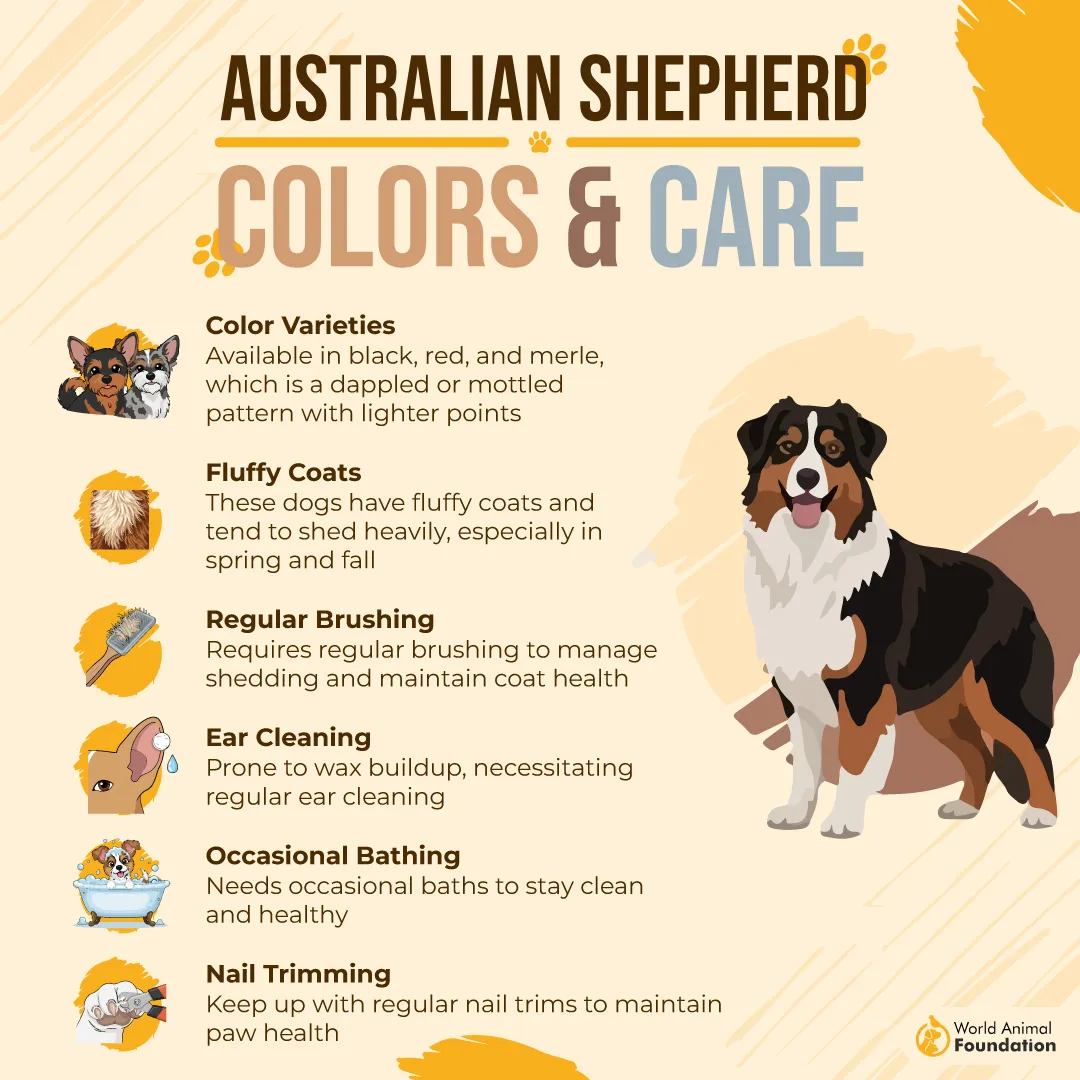
Shedding is moderate to heavy, especially during seasonal coat changes, so an undercoat rake or deshedding tool is often helpful. Bathing is needed occasionally, but more often if they spend a lot of time outdoors.
Their double coat should never be shaved, as it helps regulate body temperature in both heat and cold. Routine care should also include ear cleaning, nail trimming, and daily dental hygiene to prevent common health issues.
Australian Cattle Dog
Australian Cattle Dogs have a short, dense double coat that is smooth, weather-resistant, and low-maintenance compared to many other working breeds. Their coat comes in blue or red speckled patterns, and puppies are typically born white before developing their adult coloring within a few weeks.
They do not require heavy grooming, making them relatively easy to maintain for active owners. A quick weekly brushing is usually enough to keep their coat healthy and clean, along with occasional baths when needed.
Despite their easy-care coat, they do shed moderately throughout the year and heavily during seasonal coat blows, when more frequent brushing is required. Their skin is generally low-maintenance due to the protective double coat, but regular checks are still important.
Routine care also includes ear cleaning, nail trimming, and basic eye monitoring, especially since they are highly active working dogs often exposed to outdoor environments.
Herding & Work Drive
Australian Shepherd
The Australian Shepherd has a very strong herding instinct combined with a high work drive, which makes it happiest when it has a task or purpose. It was specifically bred to work closely with ranchers, so it naturally tries to stay engaged, follow direction, and manage movement in its environment.
This can include herding livestock, but also extending to children, other pets, or even moving objects if not properly guided. Because of this, early training and redirection are important to channel its instincts positively.
This breed thrives on mental stimulation as much as physical activity and often excels in structured tasks and dog sports. Without an outlet for its working energy, it can become frustrated or overly focused on controlling its surroundings.
Australian Cattle Dog
The Australian Cattle Dog has one of the strongest and most intense herding drives of any working breed, developed specifically for controlling cattle over long distances in harsh conditions.
It is known for its fearless, determined nature and ability to handle stubborn livestock without giving up. Unlike many breeds, it works with a high level of independence, making decisions on its own while still responding to its handler’s direction.
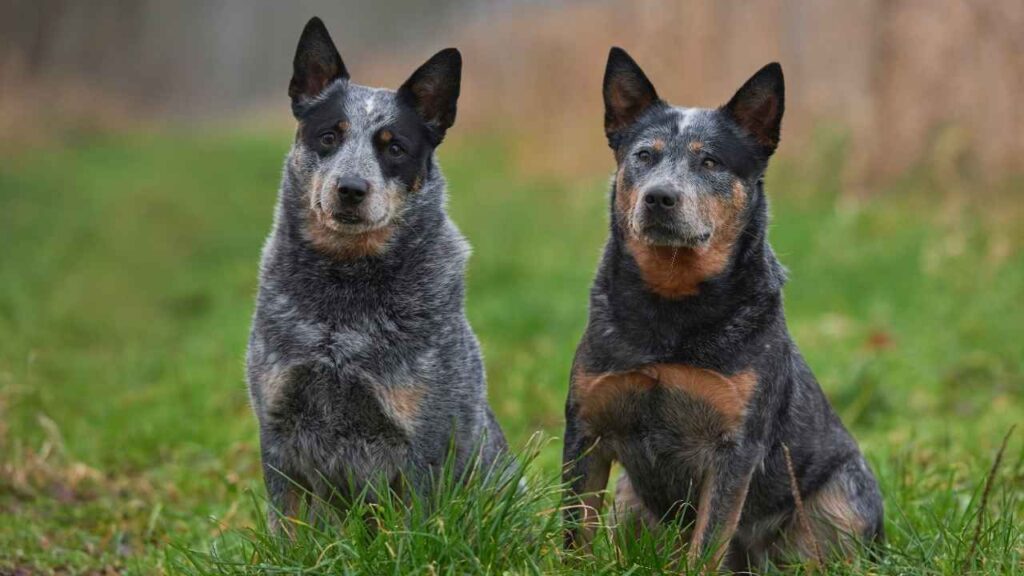
Its work drive is constant and deeply ingrained, meaning it is always alert and ready for action. This breed does not simply enjoy work—it needs it to stay mentally balanced.
Without a job or structured activity, it may redirect its energy into herding people, animals, or objects at home. When given proper work or training, however, it becomes an extremely focused, efficient, and highly dependable working dog.
Health & Lifespan
Australian Shepherd
Australian Shepherds are generally healthy dogs, but they are prone to several inherited genetic conditions that owners should be aware of.
Many of these issues affect the joints, eyes, nervous system, or hearing, which is why responsible breeding and early health screening are extremely important for this breed.
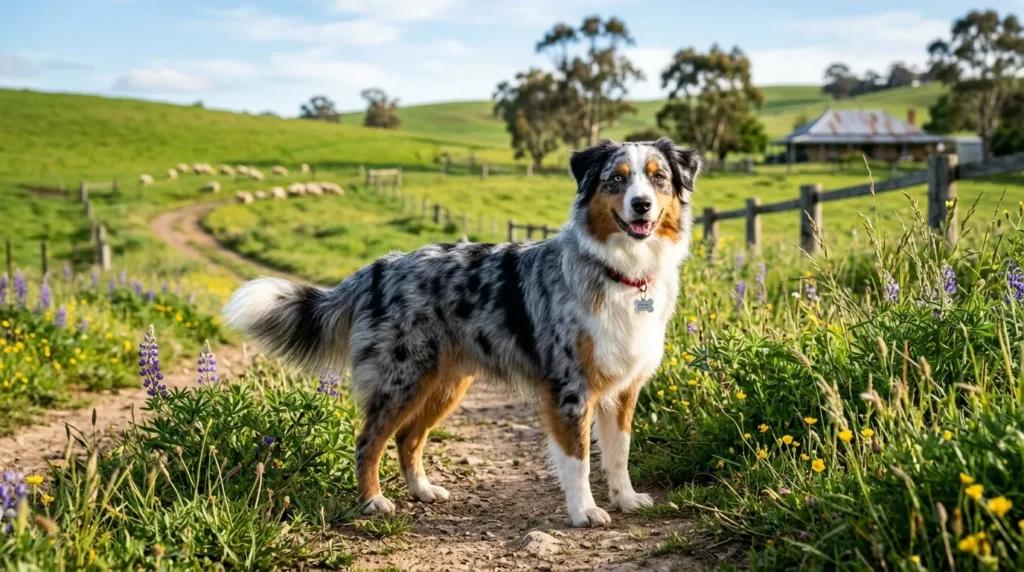
With proper care, regular veterinary checkups, and a healthy lifestyle, most Aussies continue to live active and happy lives. Their average lifespan is around 12–15 years.
Some of the common health issues include:
Hip Dysplasia
Elbow Dysplasia
Progressive Retinal Atrophy (PRA)
Collie Eye Anomaly
Hereditary Cataracts
Iris Coloboma
Epilepsy
Multidrug Resistance Mutation (MDR1)
Deafness
Lymphosarcoma
Australian Cattle Dog
The Australian Cattle Dog is considered a hardy, long-lived breed with fewer major health concerns than many other purebred dogs. However, they can still develop certain inherited conditions, particularly involving the hips, eyes, and hearing.
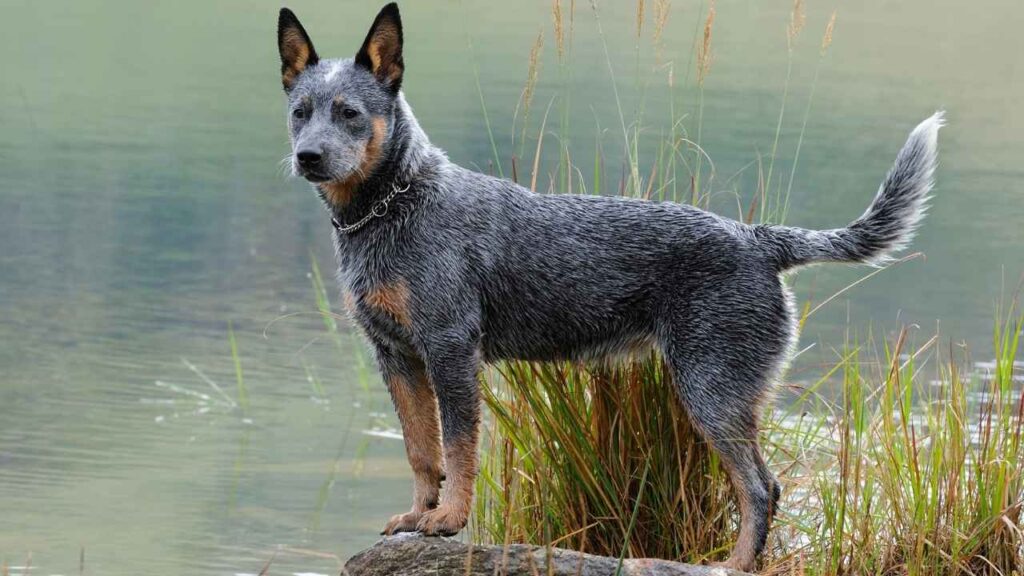
Early screening and preventive veterinary care can help detect and manage these problems effectively. With proper nutrition, exercise, and care, Australian Cattle Dogs often enjoy a lifespan of around 13–15 years.
Some of the common health issues include:
Hip Dysplasia
Progressive Retinal Atrophy (PRA)
Deafness
Orthopedic Issues
Heart Conditions
Eye Defects
Which One Should You Choose?
Both the Australian Shepherd and the Australian Cattle Dog are highly intelligent, energetic working breeds, but the right choice depends on your lifestyle, experience, and activity level.
While both require daily exercise and mental stimulation, they differ in how they interact with people, approach work, and handle training.
Choose the Australian Shepherd if you want:
A highly social and people-oriented companion
A dog that enjoys tricks, sports, and constant interaction
A versatile breed that adapts well to different activities
A loyal “shadow dog” that stays closely involved with family life
Choose the Australian Cattle Dog if you want:
A tougher, more independent working dog
An intense breed with strong focus and work drive
A highly loyal protector that bonds deeply with one person
A dog suited for experienced owners and structured lifestyles
In simple terms, the Australian Shepherd is more outgoing, adaptable, and eager to stay involved in everyday life, while the Australian Cattle Dog is more serious, determined, and driven by work.
Choosing between them comes down to whether you prefer an energetic all-round companion or a focused, no-nonsense worker that thrives on having a job to do.
Conclusion
Both the Australian Shepherd and the Australian Cattle Dog are outstanding working breeds built for energy, intelligence, and purpose.
While the Aussie is more people-focused, adaptable, and eager to please in a variety of activities, the Cattle Dog is tougher, more independent, and intensely driven by work. No matter which one you compare, both demand an active lifestyle, proper training, and mental engagement to truly thrive.
If you’re considering one of these dogs, the key is honesty about your own routine and commitment level. These are not casual pets—they’re partners that need time, structure, and involvement every day.
Choose the one that matches your energy, not just your preference, and you’ll end up with a loyal companion that makes life a lot more active and a lot more rewarding.
