




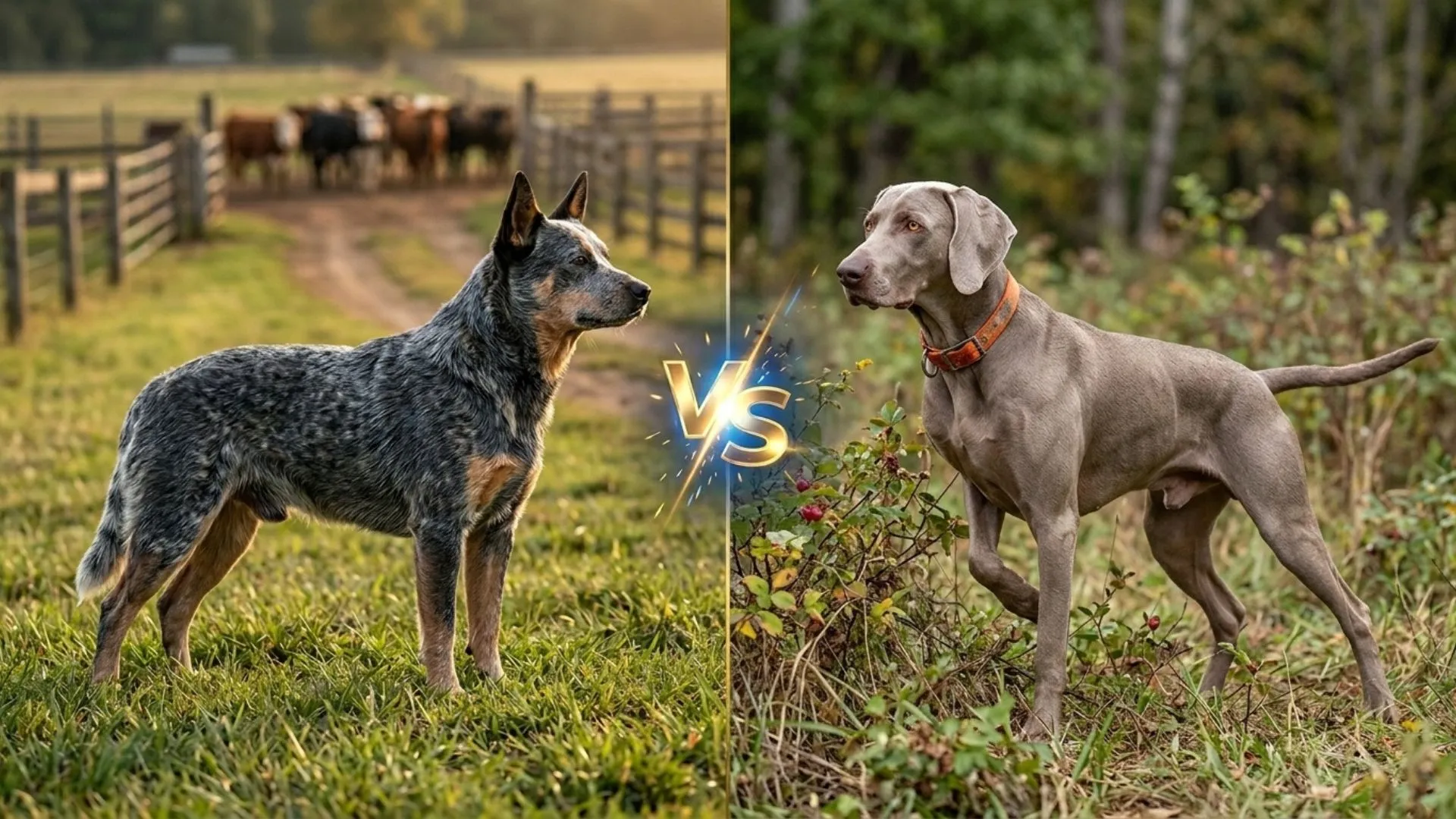
The Australian Cattle Dog and the Weimaraner are both athletic, intelligent breeds known for their stamina and striking appearance. At first glance, they may seem similar, as both are energetic working dogs that thrive on regular exercise and an active lifestyle.
However, they differ significantly in their personalities, instincts, and the type of home they are best suited for.
If you’re deciding between these two breeds, it’s important to look beyond their appearance. Understanding their unique traits can help you choose the companion that best matches your lifestyle.
This guide compares the Australian Cattle Dog and the Weimaraner in terms of their history, appearance, grooming needs, intelligence, energy levels, health, working abilities, and family compatibility to help you make an informed decision.
Australian Cattle Dog vs. Weimaraner: Key Differences that May Surprise You
At first glance, the Australian Cattle Dog and the Weimaraner might seem like they’d make similar companions: both energetic, intelligent, and bred for serious work. But dig a little deeper, and you’ll find their personalities, needs, and quirks couldn’t be more different.
Origins, History & Working Purpose
Although both are working breeds, the Australian Cattle Dog and the Weimaraner were developed for very different jobs.
The Australian Cattle Dog was developed in Australia during the 1800s to help ranchers move cattle across long distances and rugged terrain in harsh weather conditions.
Early breeders crossed British herding dogs with native Dingoes and other breeds to create a tough, intelligent, and resilient working dog capable of handling stubborn livestock. Because cattle often resisted moving, these dogs developed the habit of nipping at their heels before quickly darting away, earning them the nickname “Heelers.”
The Weimaraner, on the other hand, was developed in Germany by noble families seeking a versatile hunting companion. Originally bred to track, point, chase, and retrieve large game such as deer and wild boar, the breed later adapted to hunting birds and smaller game as hunting practices evolved.
Even today, the Weimaraner is admired for its exceptional scenting ability, athleticism, and strong hunting instincts.
Size, Build & Physical Appearance
The Australian Cattle Dog and the Weimaraner have noticeably different builds, reflecting the jobs they were originally bred to perform.
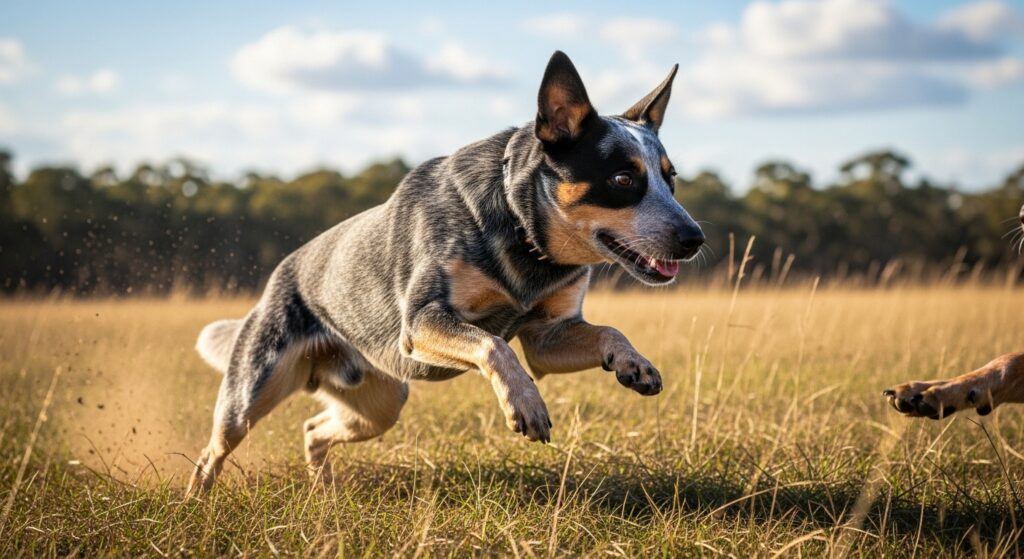
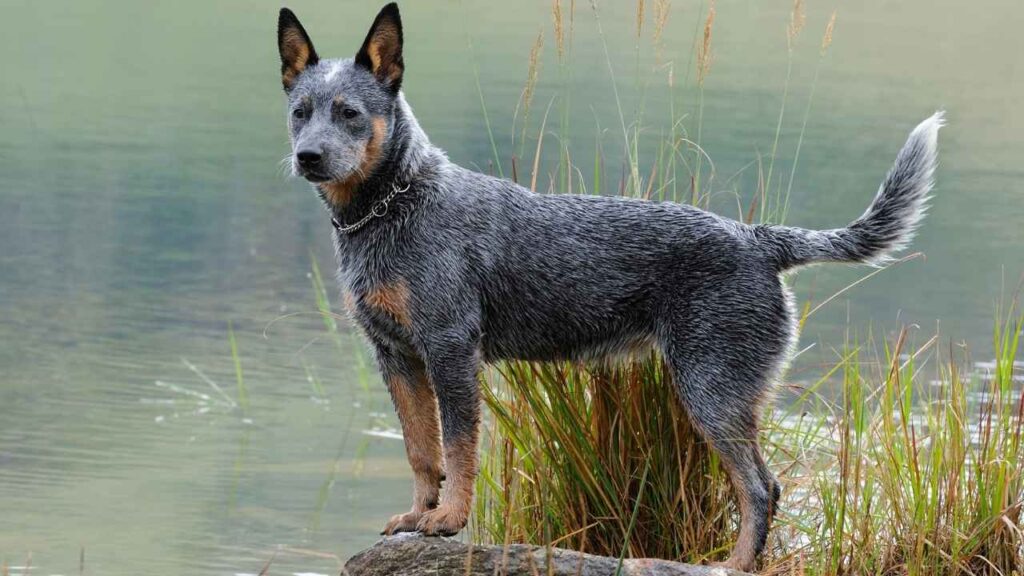
According to Orvis, the Australian Cattle Dog stands about 17 to 20 inches tall and weighs between 35 and 50 pounds. Despite its relatively compact size, it is muscular, agile, and built for efficiency. Its strong, balanced frame allows it to turn quickly while working livestock.
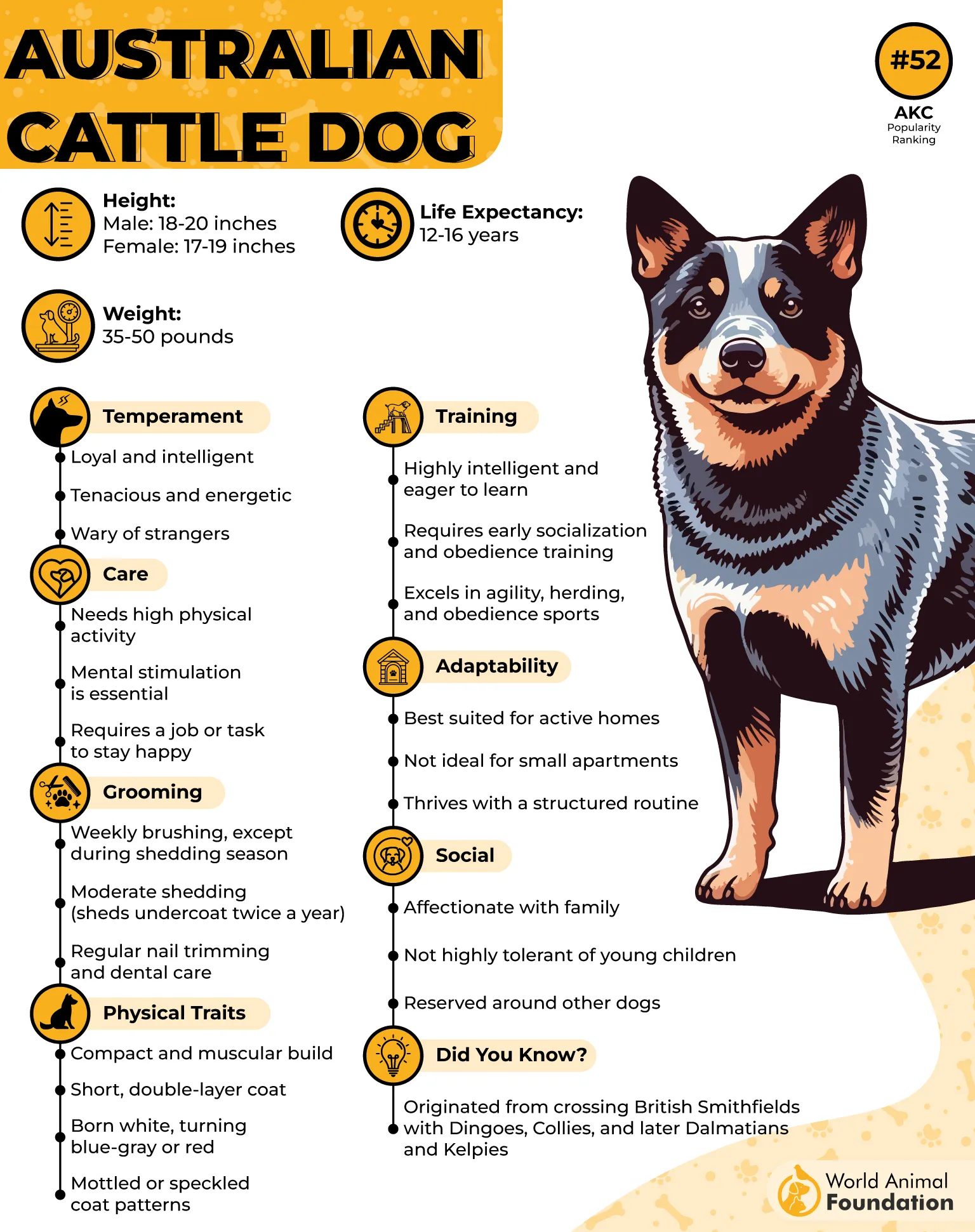
One of the breed’s most distinctive features is its speckled coat, which comes in either blue or red, giving rise to the familiar nicknames “Blue Heeler” and “Red Heeler.”
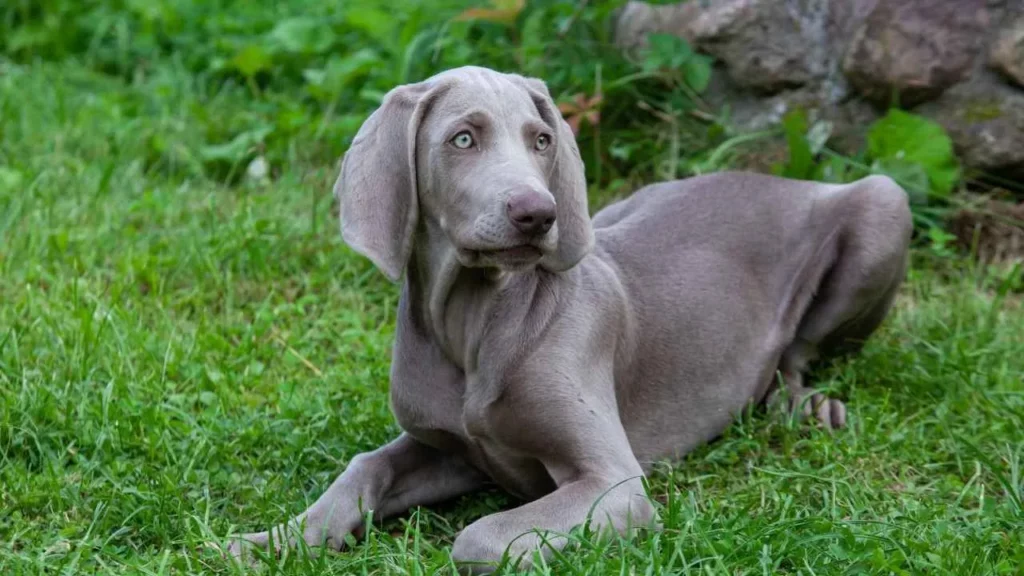
The Weimaraner is considerably larger, standing 23 to 27 inches at the shoulder and weighing between 55 and 90 pounds. It has a lean, athletic build designed for speed and endurance in the field. Its most recognizable feature is its sleek silver-gray coat, paired with striking amber, gray, or blue-gray eyes.
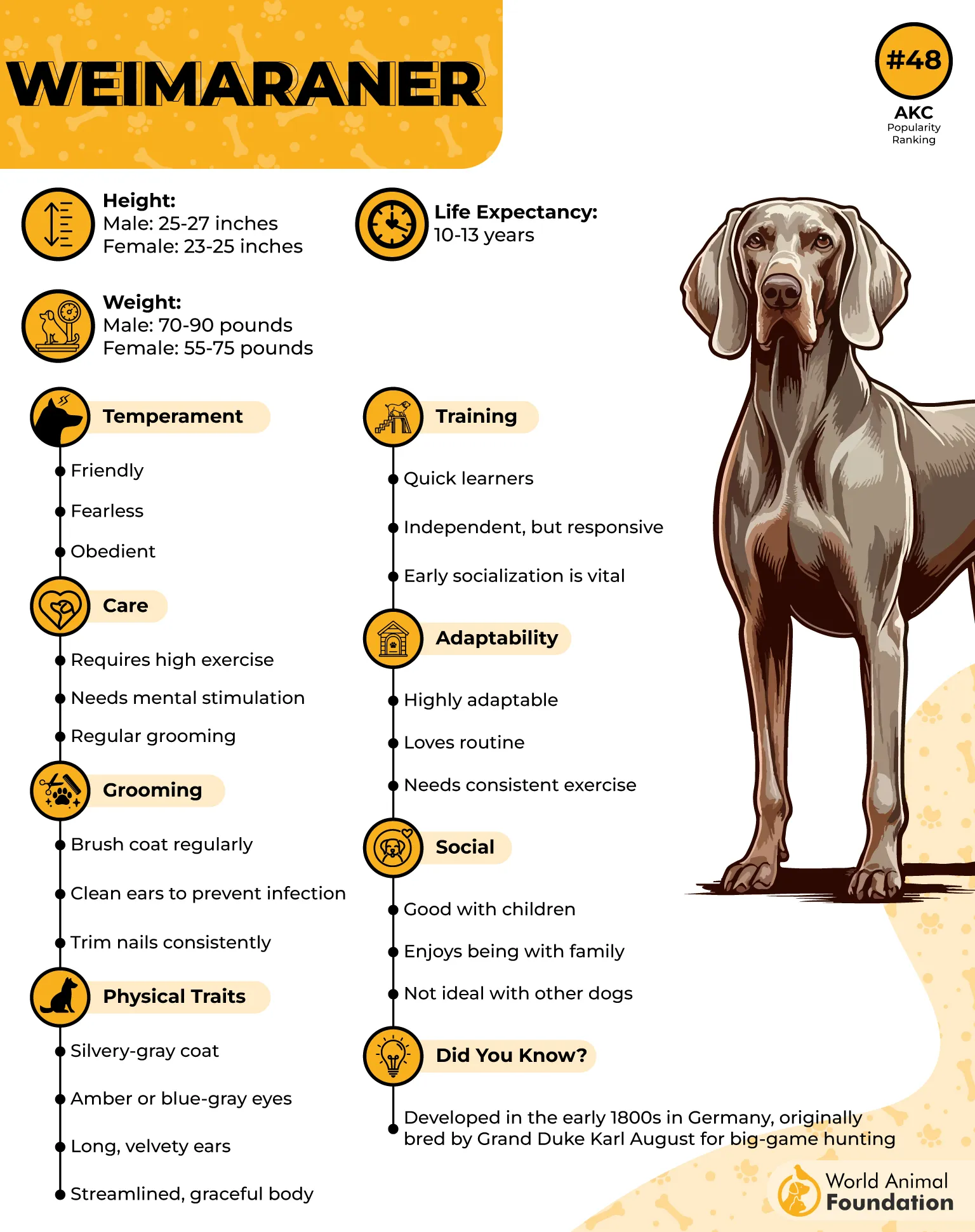
Unlike the Australian Cattle Dog, the Weimaraner has a short, smooth single coat, a feature that has earned it the famous nickname “The Gray Ghost.”
Coat Type & Grooming Requirements
Both breeds are relatively low-maintenance when it comes to grooming, although their coat types require slightly different care.
The Australian Cattle Dog has a weather-resistant double coat that was developed to withstand Australia’s harsh climate. Weekly brushing is usually enough to remove loose hair and keep the coat in good condition.
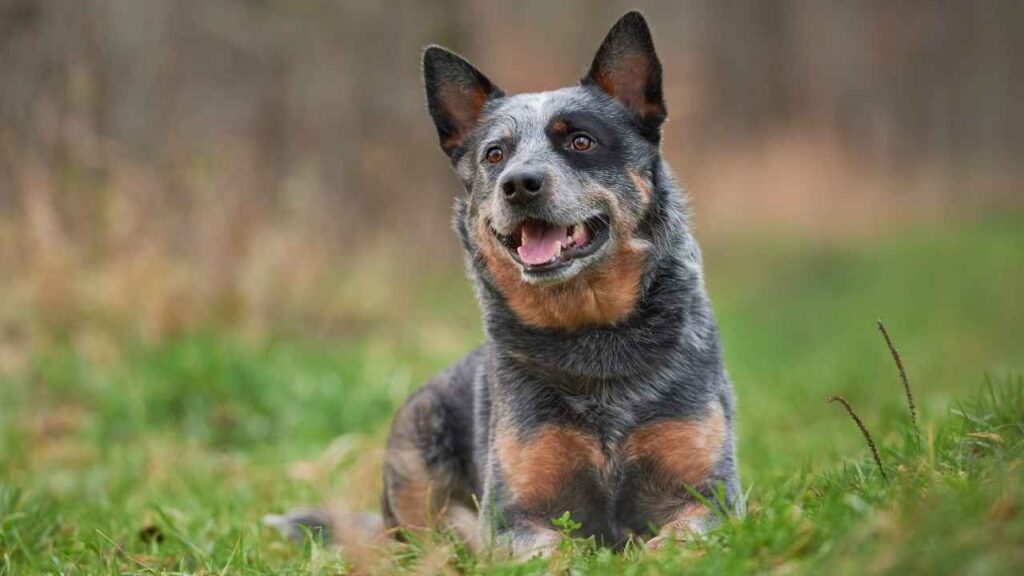
During seasonal shedding periods, however, more frequent brushing helps manage the extra hair. These dogs don’t need frequent baths, as their coats naturally repel dirt, but an occasional bath is recommended if they become especially muddy.
The Weimaraner has a short, smooth single coat that is easy to maintain. Occasional brushing with a rubber grooming mitt or a soft-bristle brush helps remove loose hair and keeps the coat looking sleek and healthy. Although Weimaraners shed less than many double-coated breeds, they still benefit from regular ear cleaning, nail trimming, and dental care as part of their grooming routine.
Overall, both breeds are considered fairly easy to groom. The Weimaraner’s short single coat generally requires slightly less brushing, while the Australian Cattle Dog’s double coat needs a bit more attention during seasonal shedding.
Temperament, Personality & Behaviour
The biggest differences between these two breeds become clear when you look at their personalities.
Australian Cattle Dogs are exceptionally loyal and form strong bonds with their families. They are naturally alert and often reserved around strangers, always paying close attention to what’s happening around them.
Their strong herding instincts remain deeply rooted, and some may try to herd children, other pets, or even adults by circling, nudging, or occasionally nipping at heels during play if they are not properly trained and socialized.
This breed thrives when it has a job to do. Regular mental stimulation, training, and purposeful activities help keep an Australian Cattle Dog happy, confident, and well-behaved.
Weimaraners, in contrast, are much more people-oriented. Often called “Velcro dogs,” they love staying close to their families and generally dislike being left alone for long periods. Unlike the more reserved Australian Cattle Dog, Weimaraners are typically friendly with familiar people and enjoy taking part in every aspect of family life, as the AKC reports.
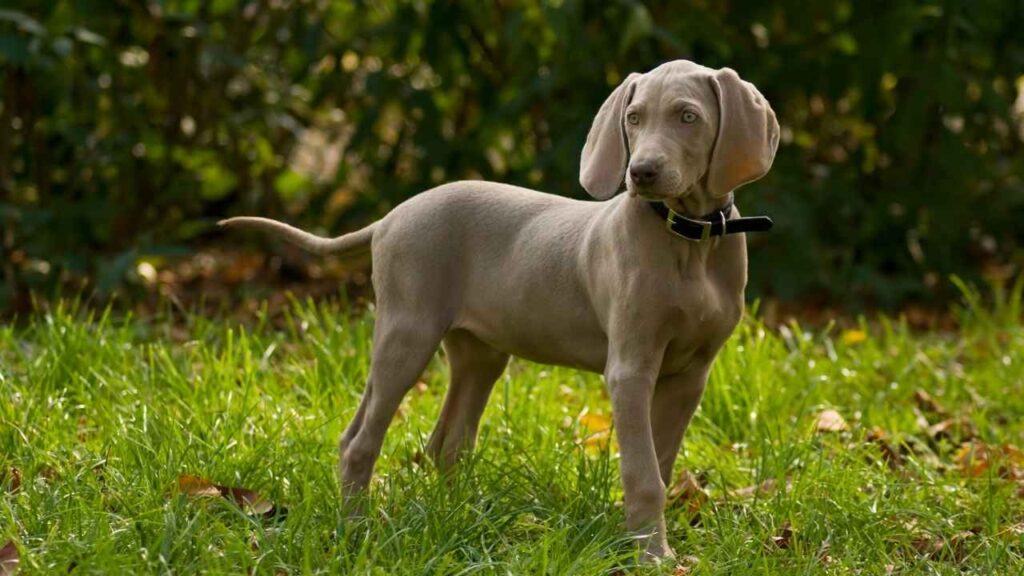
While both breeds are deeply loyal, they express that loyalty in different ways. The Australian Cattle Dog is an independent thinker that values having a purpose, whereas the Weimaraner is happiest simply being close to its favorite people.
Intelligence, Trainability & Responsiveness
Both breeds rank among the most intelligent working dogs, but they use their intelligence in different ways.
Also known as the Blue Heeler or Queensland Heeler, the Australian Cattle Dog is an exceptional problem-solver. It responds well to training but is also capable of assessing situations and making decisions on its own. This independent nature can sometimes be mistaken for stubbornness, especially by inexperienced owners.
With consistent leadership and positive training, Australian Cattle Dogs excel in obedience, agility, herding trials, scent work, and advanced trick training. They thrive when given challenging tasks that keep both their minds and bodies engaged.
Weimaraners are equally intelligent but tend to be more cooperative during training. They enjoy working closely with their owners and respond best to positive reinforcement. Thanks to their hunting background, they are attentive to their handlers and eager to participate in training sessions.
That said, their curiosity and enthusiasm can occasionally become distractions if training isn’t consistent. Overall, the Australian Cattle Dog is the more independent thinker, while the Weimaraner prefers close teamwork with its owner. Both breeds are highly trainable and quick to learn when given proper guidance.
Energy Levels, Exercise Needs & Work Drive
Neither of these breeds is suited to a sedentary lifestyle. Both need plenty of daily exercise and mental stimulation to stay healthy and well-behaved.
According to the Royal Kennel Club, the Australian Cattle Dog, also known as the Red Heeler or Blue Heeler, is renowned for its remarkable endurance. Bred to move cattle across long distances over rugged terrain, this breed still possesses incredible stamina today.
A simple daily walk isn’t enough. Australian Cattle Dogs also need mentally stimulating activities such as puzzle toys, obedience training, scent games, or dog sports to keep them happy and engaged.
Weimaraners are just as energetic, but they channel their energy differently. They love running, hiking, swimming, retrieving, and spending time outdoors with their owners. Many make excellent jogging companions thanks to their endurance and athleticism.
Unlike the more independent Australian Cattle Dog, the Weimaraner generally prefers exercising alongside its family rather than entertaining itself. It thrives on shared activities and enjoys being included in outdoor adventures.
Both breeds typically need at least one to two hours of purposeful physical activity each day, along with regular mental challenges, to remain content and well-balanced.
General Health, Longevity & Durability
Both breeds are generally healthy, but each has a few inherited health conditions that prospective owners should be aware of.
The Australian Cattle Dog is a hardy breed with an average lifespan of 12 to 16 years. Responsible breeders typically screen for conditions such as hip dysplasia, progressive retinal atrophy (PRA), and hereditary deafness. Thanks to its history as a hardworking farm dog, the breed is known for its resilience and overall robust health.
The Weimaraner has an average lifespan of 10 to 13 years. Common health concerns include hip dysplasia, gastric dilatation-volvulus (bloat), hypothyroidism, and certain inherited eye conditions. PetMD mentions that because of the breed’s deep chest, owners should be familiar with the signs of bloat, as it is a medical emergency that requires immediate veterinary attention.
With regular veterinary checkups, a balanced diet, appropriate exercise, and responsible breeding practices, both the Australian Cattle Dog and the Weimaraner can enjoy long, healthy, and active lives.
Herding Instincts, Hunting Drive & Working Roles
The biggest difference between these two breeds lies in the instincts they were bred to perform.
The Australian Cattle Dog is a natural herding dog. Its job was to control the movement of livestock, maintain order, and react quickly to changing situations. Those strong herding instincts are still present today, even in family pets.
Australian Cattle Dogs excel in herding trials, obedience, agility, dock diving, and a variety of advanced dog sports. Their confidence, resilience, and work ethic also make them dependable farm dogs.
The Weimaraner, by contrast, was developed as a hunting dog with a strong prey drive and exceptional scenting ability. For centuries, it has been valued for tracking, pointing, and retrieving game. Today, the breed continues to excel in hunting, field trials, scent work, and outdoor sporting activities that allow it to use its athleticism and keen nose.
In simple terms, the Australian Cattle Dog specializes in controlling movement, while the Weimaraner excels at tracking scent and locating game. Understanding these natural instincts is an important step in choosing the breed that best fits your lifestyle and interests.
Family Suitability & Ideal Owner Type
The right breed ultimately depends on your lifestyle and what you’re looking for in a companion.
Australian Cattle Dogs are best suited to experienced owners who enjoy training, outdoor activities, and providing their dogs with regular mental challenges. They thrive in homes where they have a job to do and plenty of space to stay active. While they are deeply loyal to their families, they can be reserved around strangers and may not always tolerate rough handling from young children.
Weimaraners are an excellent choice for active families who can include their dog in everyday activities. They dislike being left alone for long periods and are happiest in homes where they receive plenty of companionship. Their affectionate, people-oriented nature helps them form especially strong bonds with their families.
Although both breeds can adapt to apartment living, they are only likely to do well if they receive ample daily exercise and mental stimulation. In most cases, they are better suited to homes with a secure yard and owners who can provide the active lifestyle they need to thrive.
Conclusion
Both the Australian Cattle Dog and the Weimaraner are intelligent, athletic working breeds, but they were developed for different purposes and excel in different roles.
There isn’t a single “better” breed; the right choice depends on your experience, lifestyle, and what you want in a canine companion.
If you’re looking for a resilient, independent dog that thrives on having a job and enjoys mentally challenging work, the Australian Cattle Dog is an excellent choice. If you prefer an intelligent, affectionate, and people-oriented companion that loves sharing an active lifestyle with its family, the Weimaraner may be the better fit.
By understanding each breed’s unique strengths, temperament, and care requirements, you can choose the companion that’s best suited to your home and enjoy a rewarding partnership for years to come.
