




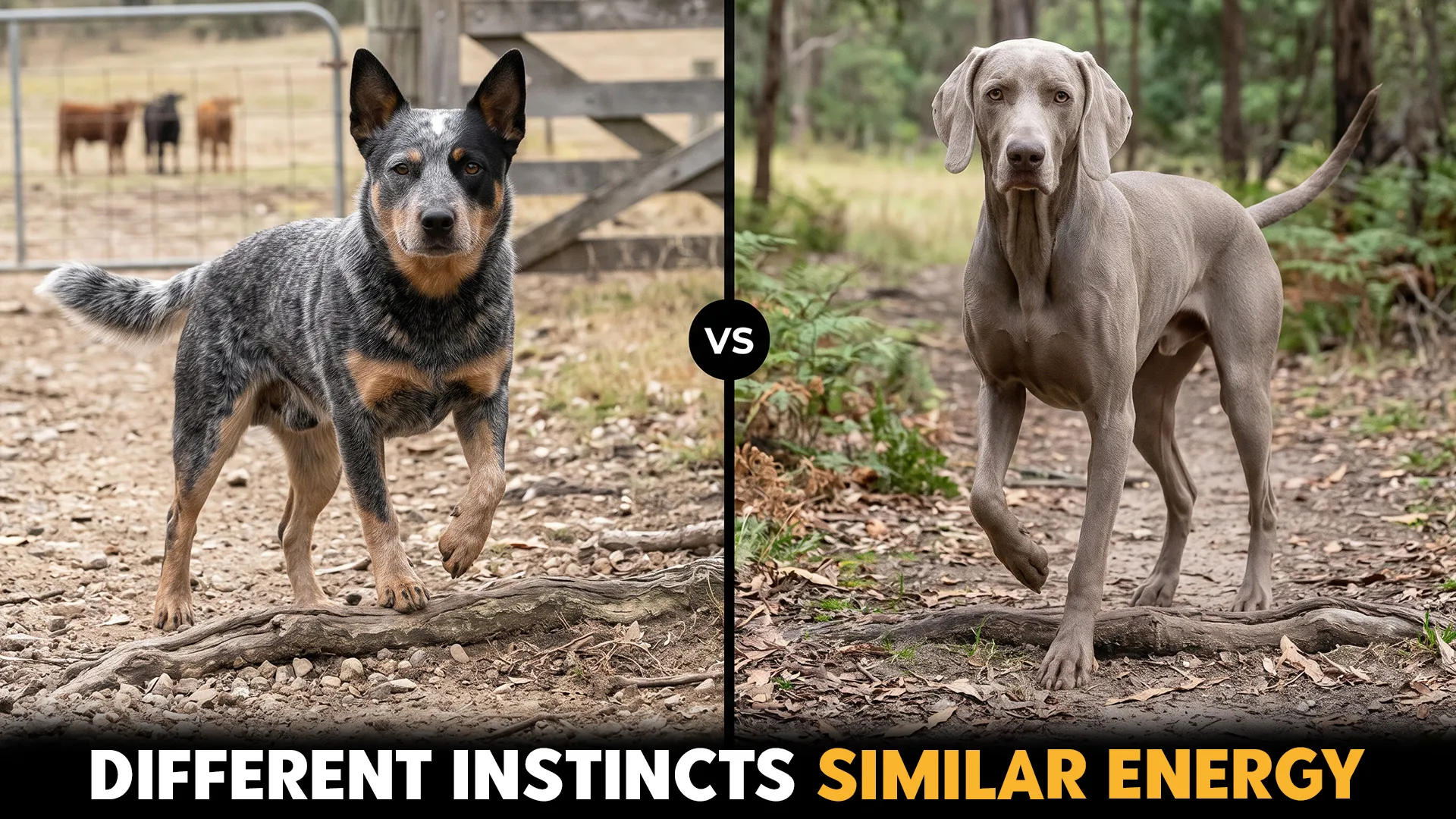
Selecting between two energetic dogs can become difficult when both seem capable of keeping up with an active lifestyle. One was bred to control cattle across Australian farms, while the other helped hunters locate and retrieve game.
Their working backgrounds explain why both need regular activity, firm guidance, and opportunities to use their natural abilities. However, their needs can look quite different once daily life enters the picture. One tends to be watchful, independent, and persistent, with a strong instinct to control livestock.
The other is known for its athletic build, close attachment to family, and enthusiasm for outdoor adventures. Their short coats also make grooming relatively straightforward, although both still shed. The real challenge comes down to matching their personalities, exercise requirements, and training needs with your household.
This comparison examines their size, temperament, health, grooming, and everyday care to help you decide which dog better suits your lifestyle.
Key Takeaways
One dog was bred to control cattle across Australian farms, while the other was developed to hunt large game in Germany. Their working past explains a lot about the way they behave today.
The Australian Cattle Dog is watchful, independent, and persistent, while the Weimaraner tends to stay close to its family and eagerly join outdoor activities.
Both need around two hours of daily exercise, yet their training needs, prey drive, and behavior around children can make a real difference to family life.
There’s also a noticeable gap in their size and lifespan, so read on to see which of these athletic breeds makes more sense for your home.
Australian Cattle Dog vs. Weimaraner: Key Similarities and Differences
1. Breed Origins & Functional Background
From Australian Ranches to Reliable Herding
Australian Cattle Dogs were bred during the 19th century to help ranchers manage expanding cattle operations across Australia’s grasslands. English dogs were crossed with native Australian dingoes, producing a strong, resilient worker capable of handling the country’s harsh climate.
The breed gained American Kennel Club registration in May 1980 and became eligible for shows later that year. It was initially placed in the Working Group before moving to the Herding Group in 1983, reflecting its specialized livestock-working role.
From German Hunting Grounds to Sporting Fame
Weimaraners originated in 19th-century Germany, where nobles sought an exceptional sporting dog for hunting large game. Breeders used French and German hunting dogs, potentially including Bloodhounds, to develop a capable hunter with tracking skills and the stamina to pursue animals such as bears and wolves.
The breed later became known for pointing and retrieving game birds, earning official recognition in Germany in 1897. Weimaraners arrived in the United States in 1938 and received American Kennel Club recognition in 1943. Their popularity grew further through public figures and photographer William Wegman’s distinctive portraits of his dogs, as mentioned by PBS.
2. Physical Characteristics & Body Structure
Compact, Muscular, and Ready for Action
Australian Cattle Dogs typically stand 17 to 20 inches tall and weigh around 31 to 51 pounds, with males generally larger and heavier than females. Their compact, muscular frames, broad chests, and sturdy legs give them a balanced, athletic appearance without excessive bulk.
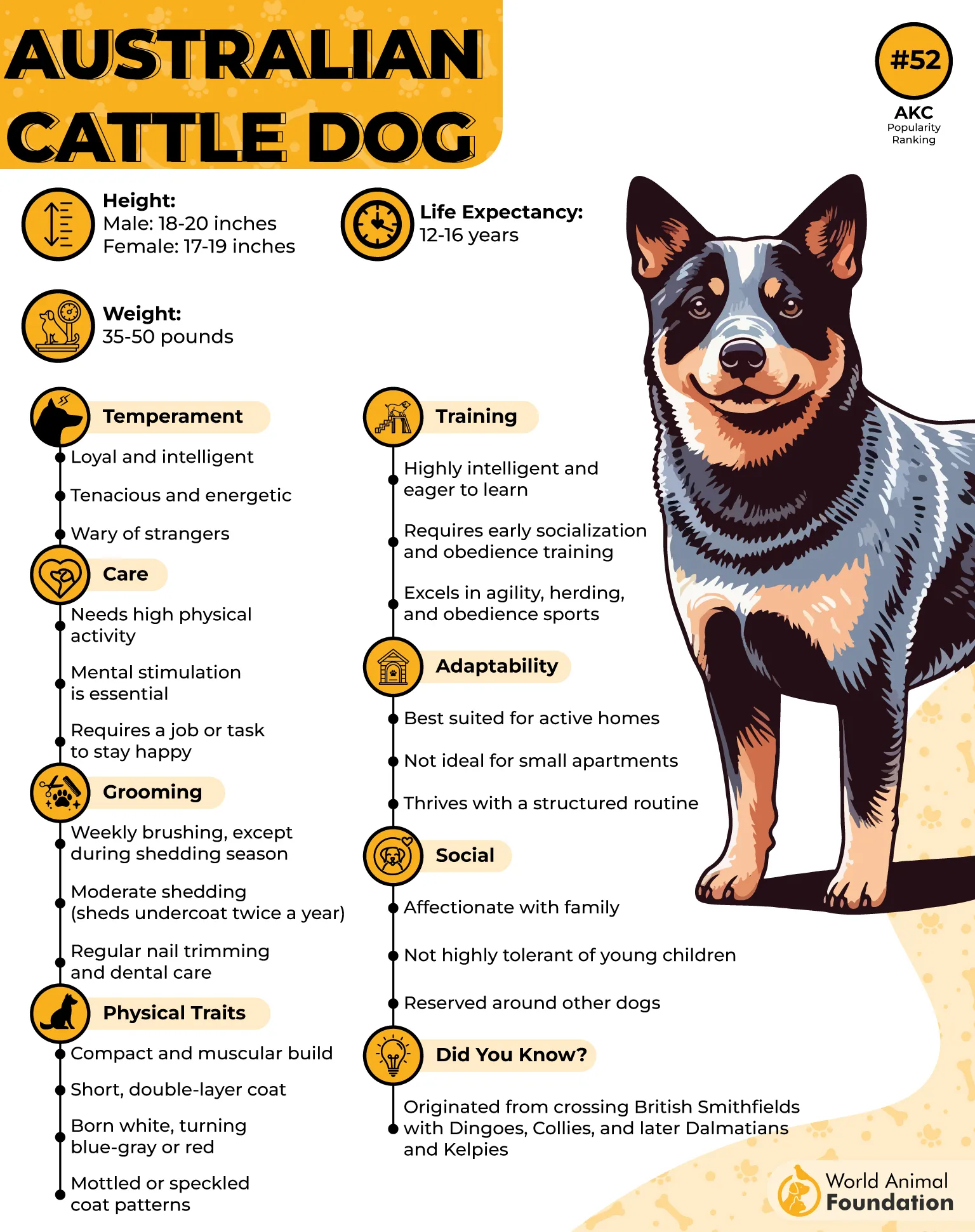
Males often have broader heads, thicker necks, and more pronounced musculature, while females tend to have a slightly lighter, more refined build. Both retain the same characteristic coat and sturdy proportions, giving them a streamlined shape suited to quick, controlled movement.
Taller, Heavier, and Elegantly Built
Weimaraners have a noticeably larger frame, with males typically standing 24 to 27 inches tall and females around 22 to 26 inches. Their long legs, deep chests, and muscular bodies create a taller, more elongated silhouette, combining strength with an elegant outline.
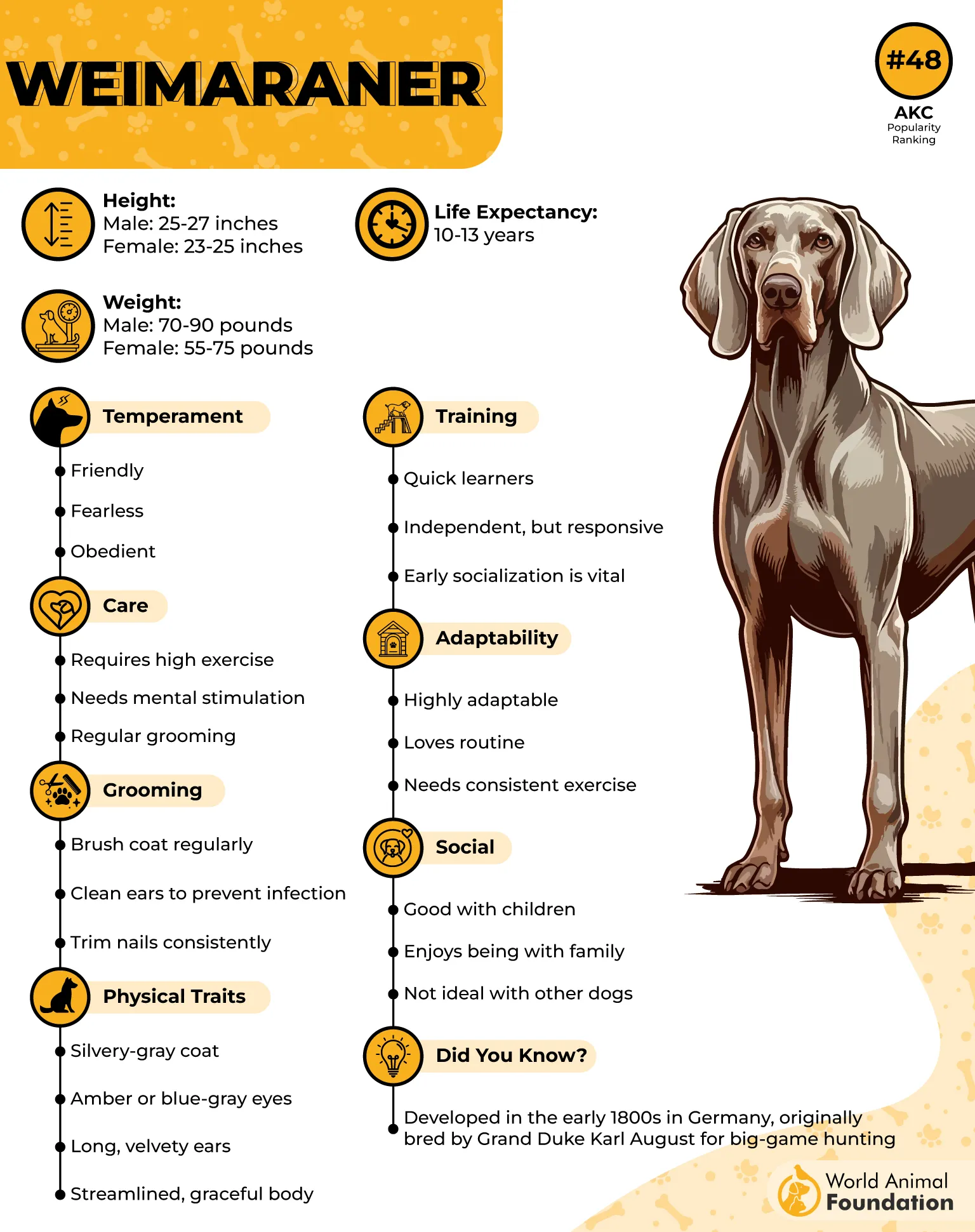
Males generally weigh 66 to 88 pounds, while females usually weigh 55 to 77 pounds. Males tend to have broader chests, heavier bone, and more substantial heads, whereas females often appear finer-boned, with a narrower chest and more defined waist.
3. Temperament & Behavior
Independent Minds and Herding Instincts
Australian Cattle Dogs are sharp, energetic, and comfortable making decisions independently, especially when working. That confidence can make them stubborn during training, so consistent guidance and plenty of mental and physical activity help keep their nipping, excessive barking, and other unwanted behaviors under control.
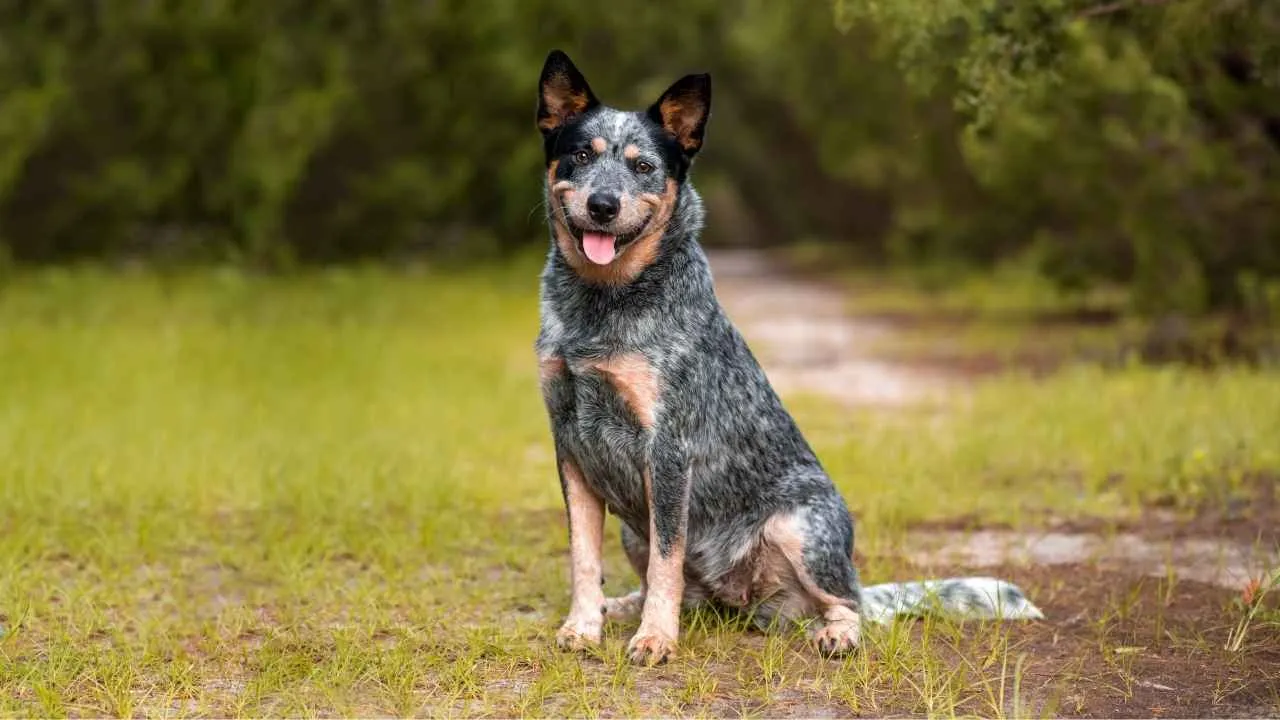
According to Orvis, their strong herding instinct can make life tricky with young children and unfamiliar pets. They may try to control running children by barking or nipping at their heels, while other dogs and cats need careful early introductions to be accepted as part of the household.
Affectionate Companions With Hunting Instincts
Weimaraners are friendly, loyal, and alert, with a bold personality that benefits from early training and regular activity. Without enough mental stimulation, their energy and intelligence can lead to boredom and destructive behavior, while their natural hunting drive may prompt them to chase small animals, as noted by the AKC.
Their outgoing nature can make them good family companions, including in homes with children, although their size and enthusiasm may accidentally knock over younger kids. Early socialization can help them get along with other dogs, but interactions with cats and smaller pets need extra care because their prey drive can be difficult to manage.
4. Activity Requirements & Energy Levels
Energy That Needs a Real Outlet
Australian Cattle Dogs need around two hours of daily exercise, and a quick game of fetch rarely satisfies their athletic drive. Long walks, hikes, running, and energetic backyard games give them more meaningful ways to burn off energy, especially when you actively join in.
Their speed and agility make them exciting companions for runners and outdoor enthusiasts, but physical activity alone is not enough. Interactive toys, tracking games, and nose work also challenge their sharp minds, helping keep boredom from turning into unwanted behavior.
Always Ready for the Next Adventure
Weimaraners generally need one to two hours of exercise every day, making them a strong match for people who enjoy an active routine. Swimming, hiking, running, and games of fetch offer plenty of ways to keep them moving, while a mostly sedentary lifestyle may leave them restless.

Their intelligence adds another layer to their daily needs, so mental challenges deserve a place alongside physical exercise. Interactive toys, agility trials, and flyball can keep them engaged, giving these energetic dogs both a physical workout and something interesting to figure out.
5. Trainability, Intelligence & Learning Ability
Smart, Independent, and Ready to Learn
Australian Cattle Dogs are highly intelligent and learn new skills quickly, although their independent streak can make patience and consistency especially important. Starting with basic cues around eight weeks old, using praise, treats, and toys, helps establish good habits while building trust between dog and owner.
Once they master the basics, agility, flyball, and other challenging activities can keep their minds engaged. Puppy obedience classes also provide opportunities for socialization, while older dogs can learn new skills through consistent, reward-based training.
Quick Learners With Plenty of Energy
Weimaraners are intelligent dogs that often enjoy training when they have a clear goal and rewarding motivation. Positive reinforcement with treats, praise, and favorite toys can help them learn commands, while early obedience lessons establish useful habits such as coming when called and walking calmly on a leash.
Their lively puppy behavior and quick minds can make repetitive sessions boring, so keeping lessons engaging is important. Regular training, meeting other dogs and people, and exploring unfamiliar places help them learn how to behave in different situations while keeping their curiosity occupied.
6. Coat Maintenance & Grooming Needs
Seasonal Shedding and Simple Coat Care
Australian Cattle Dogs have a low-maintenance coat for most of the year, but twice-yearly seasonal shedding brings extra work. A weekly brushing with a bristle or slicker brush helps keep their coat shiny, while a rake brush used twice a week can remove loose undercoat during heavier shedding periods.

A monthly bath is generally enough to keep their coat clean, unless muddy outdoor adventures call for an earlier wash. The main thing to prepare for is the seasonal coat blow, when loose undercoat comes away in noticeable clumps, and brushing becomes more important.
A Sleek Coat With Little Fuss
Weimaraners are easier to groom thanks to their short, sleek coats and relatively light shedding. A quick weekly brushing with a rubber curry comb helps remove loose hairs and maintain their smooth appearance, although you may notice more fur around the house during spring and fall.
Bathing once a month at most is usually sufficient, unless your dog gets particularly dirty. Compared with the Australian Cattle Dog, the Weimaraner generally needs less attention during shedding season, making its coat care routine fairly straightforward.
7. Average Lifespan & Longevity
More Years With the Right Care
Australian Cattle Dogs typically live 12 to 16 years, giving you a potentially long stretch of companionship. Choosing a responsible breeder who screens for deafness, hip dysplasia, and progressive retinal atrophy (PRA) can help reduce the risk of inherited health problems.
Regular care matters as your dog ages, too. Check the ears for wax buildup or foreign material and brush the teeth consistently. Routine veterinary visits and recommended hip, elbow, eye, hearing, and genetic tests can help identify concerns before they become harder to manage.
Staying Healthy Through the Years
Weimaraners generally live 10 to 13 years. Their active lifestyle can mean more cuts, scrapes, sprains, and strains, while their habit of chewing objects can lead to mouth injuries or dangerous swallowing incidents. Keep an eye on what your dog chews and contact your veterinarian if you suspect they have swallowed something harmful.
One particularly serious concern is gastric torsion, also called stomach twisting or GDV, which is a life-threatening emergency. Ask your vet about warning signs and seek immediate care if you suspect it. Regular checkups, along with recommended hip, heart, eye, thyroid, and genetic screenings, can also help you stay ahead of potential health issues.
8. Suitability for Family Life vs. Guard Duties
A Loyal Partner for an Active Household
Australian Cattle Dogs can make devoted family companions, especially in homes where people enjoy staying active and involving their dog in daily routines. Their protective instincts can help them stay alert around the house, but early socialization matters if they are to feel comfortable around visitors and other dogs.
A Different Kind of Household Companion
Weimaraners are often a better match for families who want an affectionate, people-focused dog and can include it in everyday activities. They may alert you to unfamiliar activity, but if serious guarding is your priority, their companionship and alertness should not be mistaken for the same role as a dedicated guard dog.

Which One Makes More Sense for You?
If you want a dog with stronger natural guarding instincts and the drive to stay busy, the Australian Cattle Dog may suit your household better. If you would rather have an affectionate companion who can join you on outdoor adventures, the Weimaraner is worth considering. Either way, think honestly about the time, exercise, training, and family interaction you can provide before choosing.
Conclusion
Both dogs bring athletic ability, intelligence, and plenty of energy to an active home, yet their differences matter when planning everyday life. Knowing how much exercise each dog needs helps keep them fit, while regular training gives their instincts a useful direction.
Their responses to children, other pets, and unfamiliar people also deserve careful thought, especially during early socialization. Grooming is relatively manageable, but health care and long-term commitment remain important parts of ownership.
Before deciding, consider whether you prefer a more independent dog or one that seeks close companionship. Both can become loyal companions when their needs match your routine and experience.
