




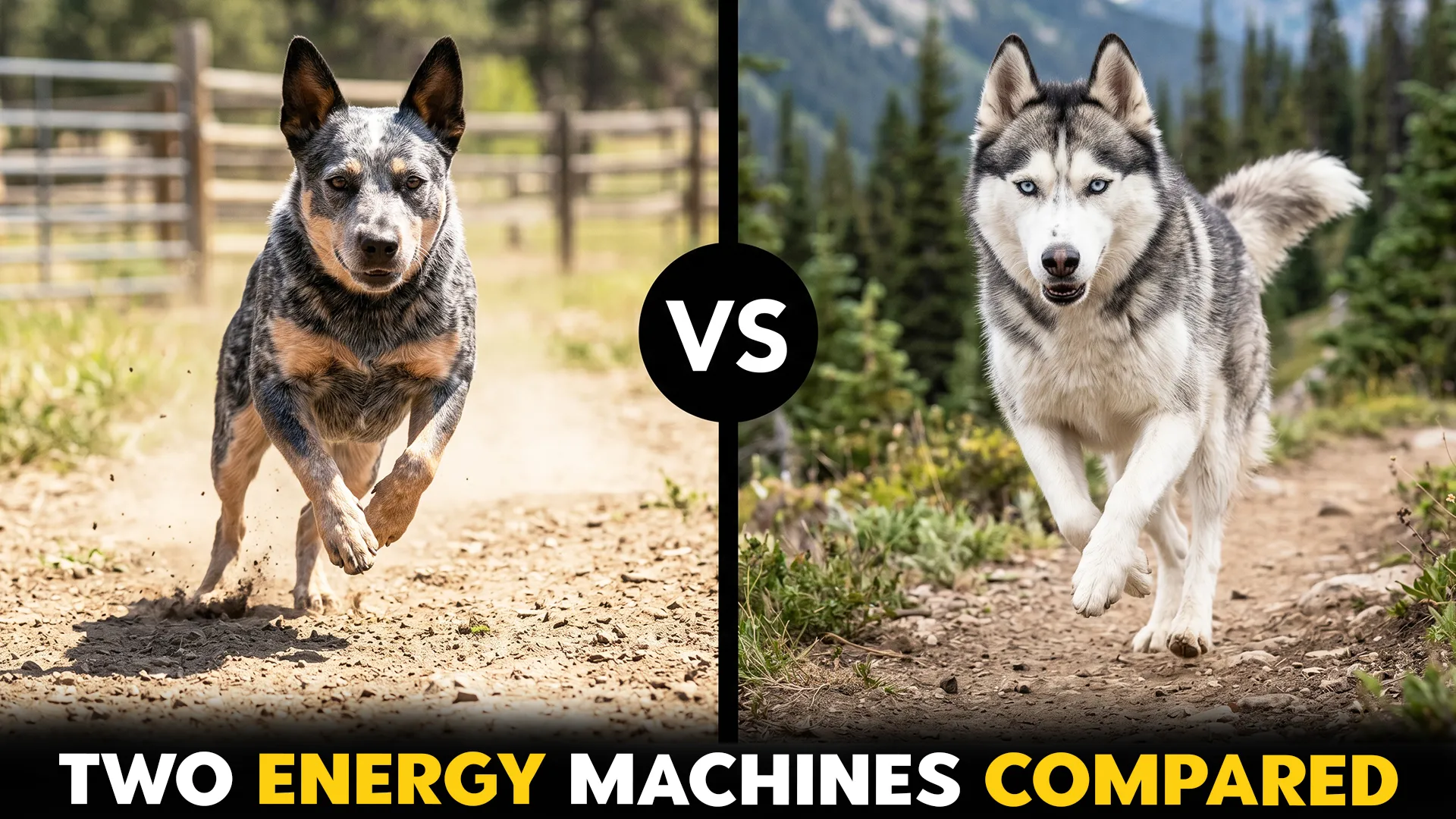
At first glance, both of these working dogs seem built for the same kind of lifestyle. They are athletic, intelligent, energetic, and constantly ready for activity.
That similarity often makes people assume they behave almost identically, but real ownership tells a very different story. One handles structure and tasks with intense focus, while the other prefers freedom, movement, and constant exploration. The difference becomes noticeable the moment daily routines begin.
Exercise expectations shift, training styles change, and even small household habits start revolving around how each dog uses its energy. Many owners are surprised by which one feels easier to manage over time because physical activity is only part of the equation. Mental endurance, recovery, responsiveness, and adaptability matter just as much.
The sections ahead explore where their energy truly goes and which lifestyle each one naturally supports best.
Key Takeaways
Two powerful working breeds, both full of stamina, yet their energy leads them in completely different directions once they are part of a home.
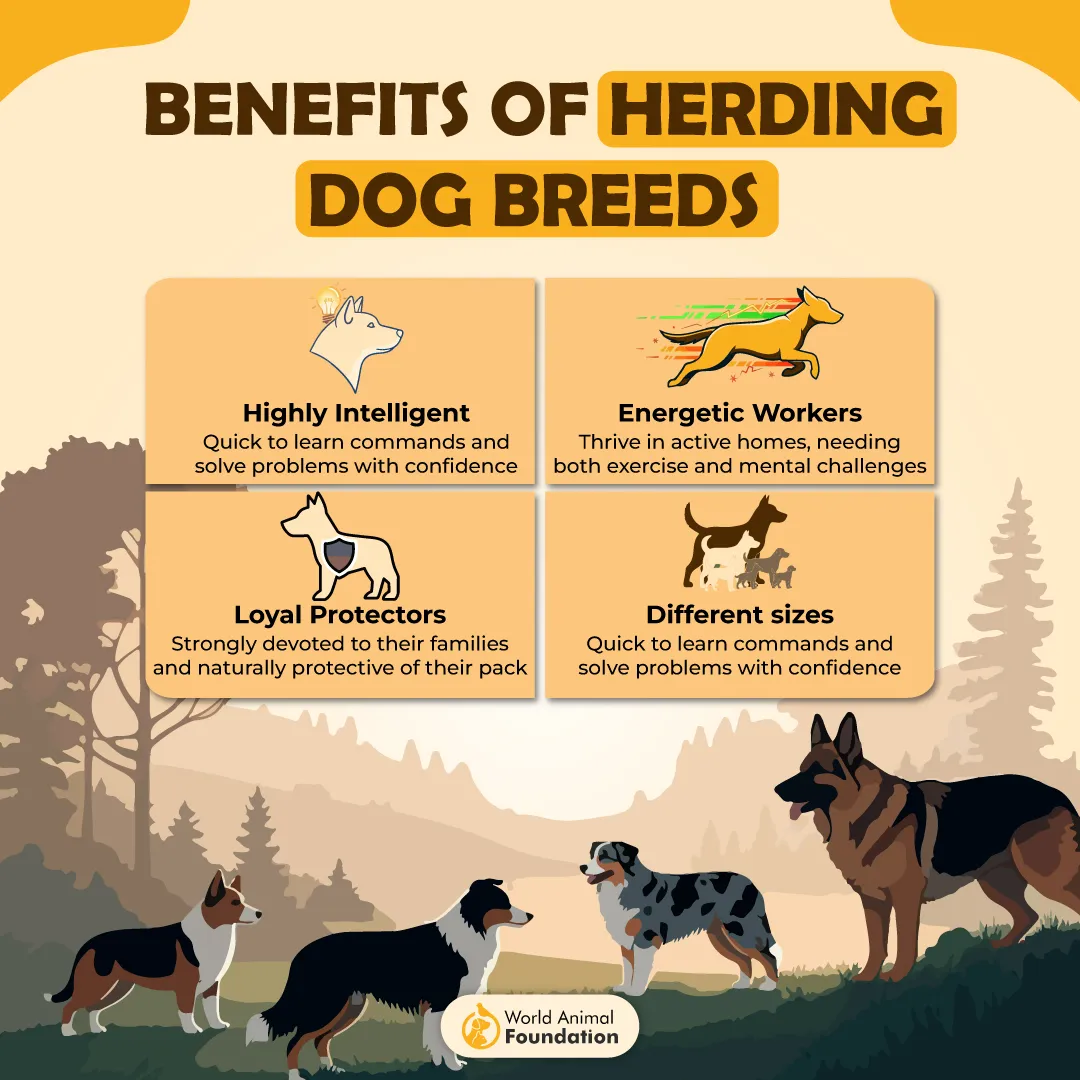
The Australian Cattle Dog carries a herding mindset that stays alert and task-driven, while the Siberian Husky moves with a restless need for space and long activity.
Their differences become more obvious in daily routines, where one responds to structure, and the other thrives when given room to roam.
Keep reading to see which of these energetic breeds truly fits your kind of lifestyle once real life gets in the way of expectations.
Australian Cattle Dog vs. Siberian Husky: Energy and Performance Compared
Breed Origins & Functional Background
Australian Cattle Dog Ranch Roots
Australian Cattle Dogs took shape during the 1800s as ranchers searched for a tougher herding dog capable of handling massive cattle stations and Australia’s punishing climate, as ACDCA reports.
Imported English dogs were later crossed with native dingoes, creating a resilient worker built for endurance, pressure control, and nonstop movement across open grasslands.
That practical working role stayed central to the breed long after its ranching beginnings. The American Kennel Club officially accepted the Australian Cattle Dog in 1980, first placing it in the Working Group before transferring it into the Herding Group just a few years later.
Siberian Husky Sled Heritage
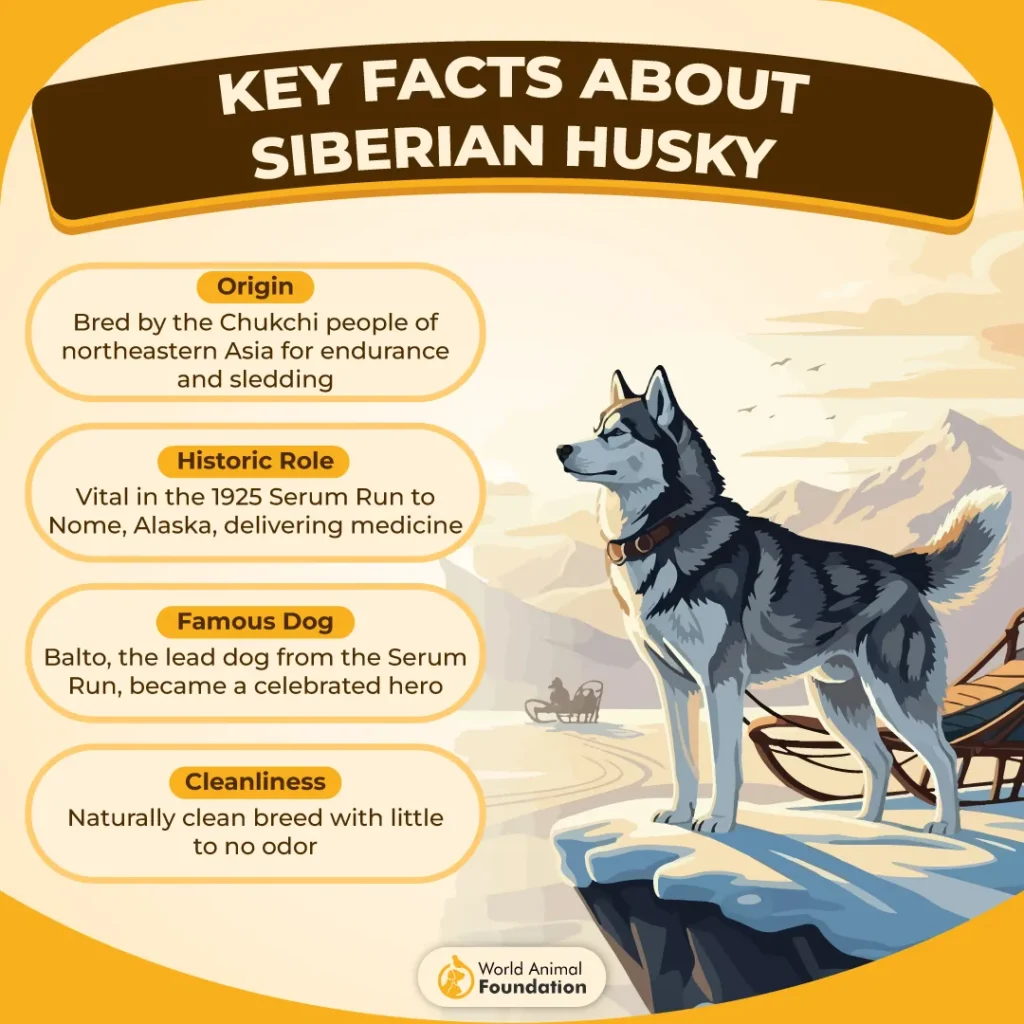
Siberian Huskies first worked beside the Chukchi people of Northeast Asia, who relied on them for pulling sleds efficiently across frozen terrain over long distances.
Their Spitz-family genetics supported that purpose through stamina, cold resistance, and the ability to travel steadily in harsh weather conditions.
The breed later gained major recognition in Alaska during the early 1900s, especially after sled teams transported lifesaving antitoxins during the Nome diphtheria outbreak. That journey inspired the famous Iditarod race and the 1925 Balto statue in New York’s Central Park, while AKC recognition followed in 1930.
Physical Characteristics & Body Structure
Australian Cattle Dog Muscle Build
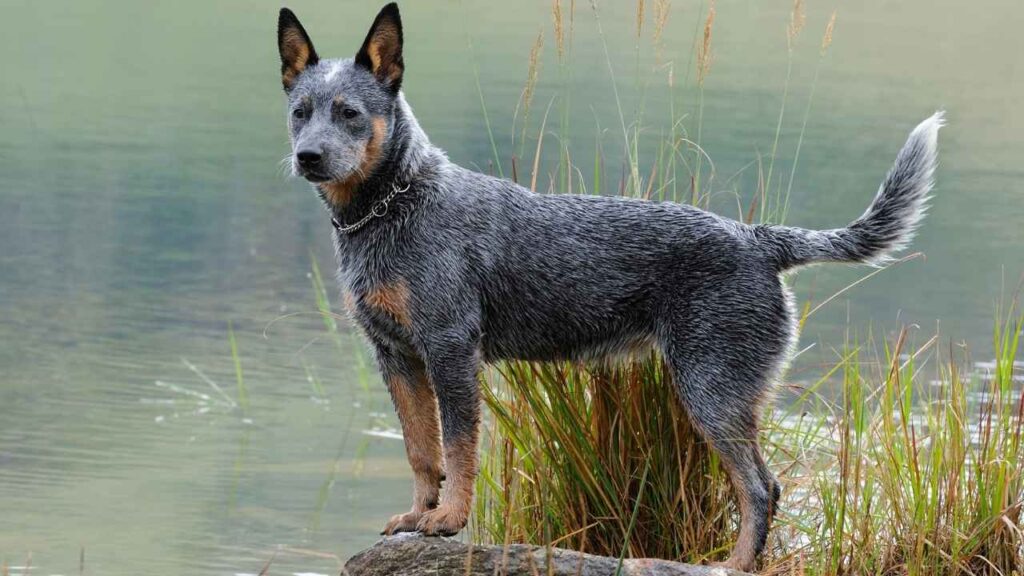
Australian Cattle Dogs stand between 17 and 20 inches tall and usually weigh around 35 to 50 pounds, but their solid structure makes them feel tougher than their size suggests. The body stays compact, muscular, and tightly balanced for sharp movement, fast reactions, and long hours of demanding work.
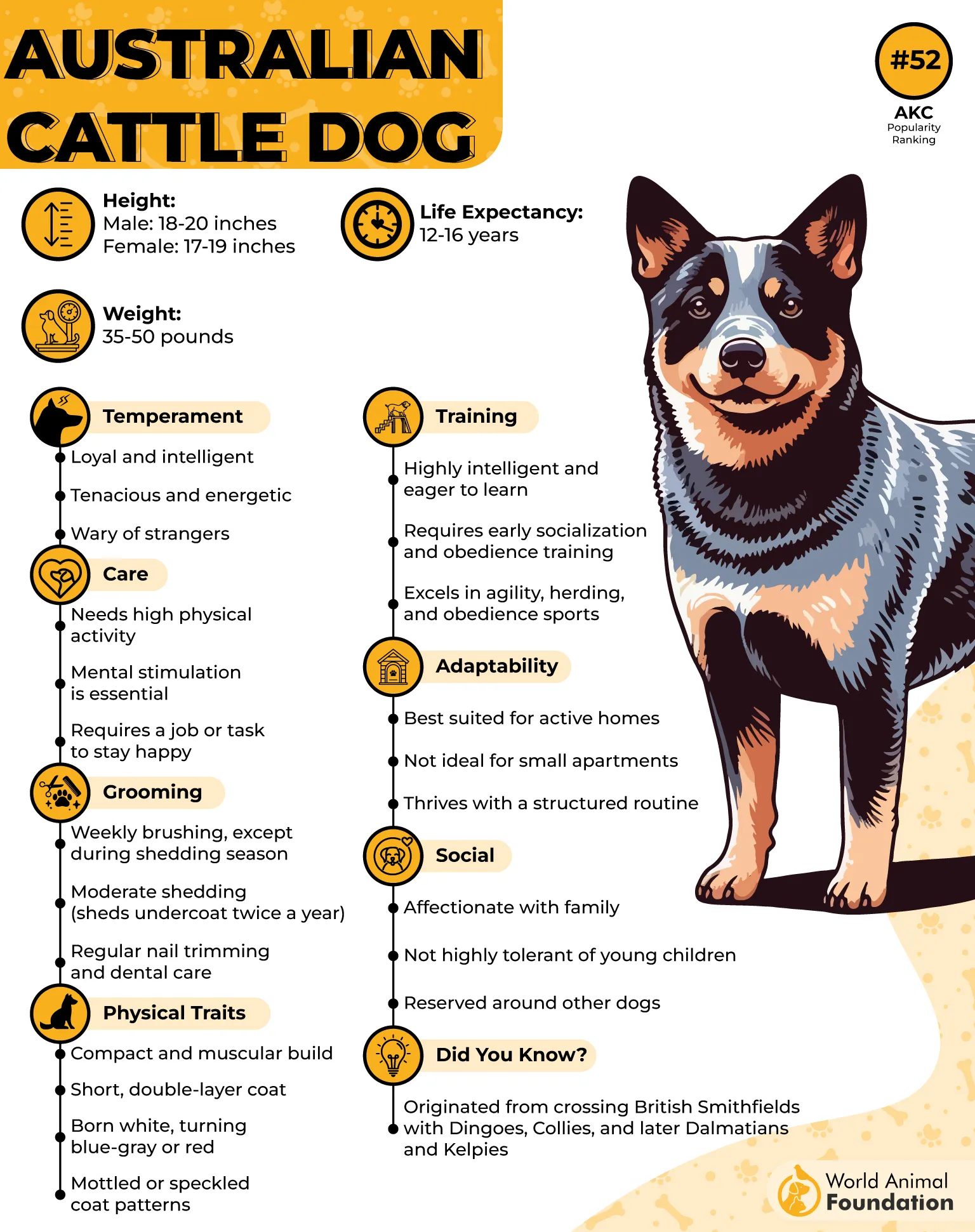
Their broad skull narrows into a strong jaw, while the dark oval eyes constantly reflect alertness and quick decision-making. Everything in the breed’s structure supports stamina and agility, especially during rapid turns and close-control herding situations.
Siberian Husky Athletic Frame
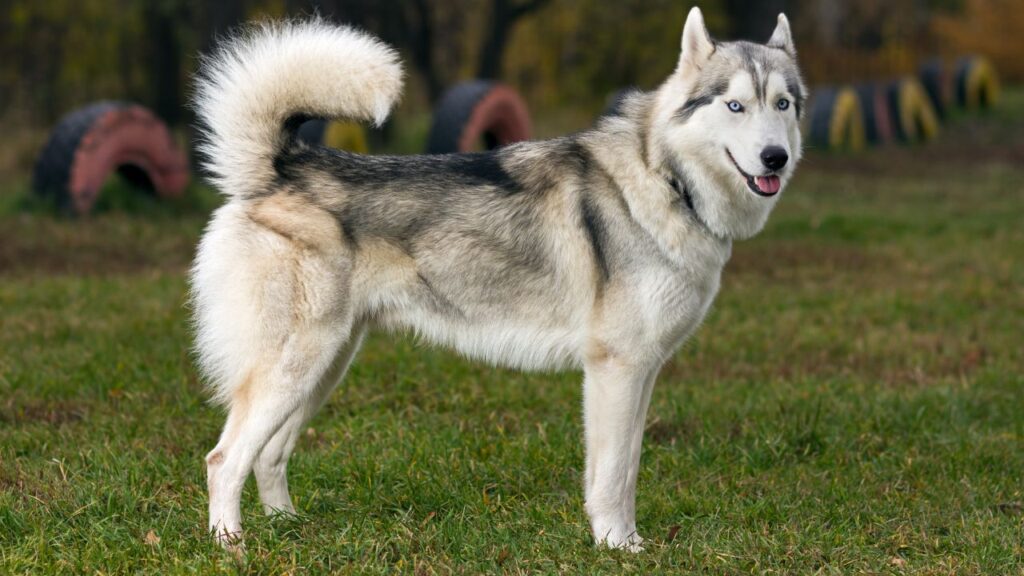
Siberian Huskies stand slightly taller, with males reaching up to 23.5 inches while maintaining a lighter and more streamlined body shape overall. Even with their thick coat and endurance-focused build, the breed moves with surprising smoothness and effortless rhythm.
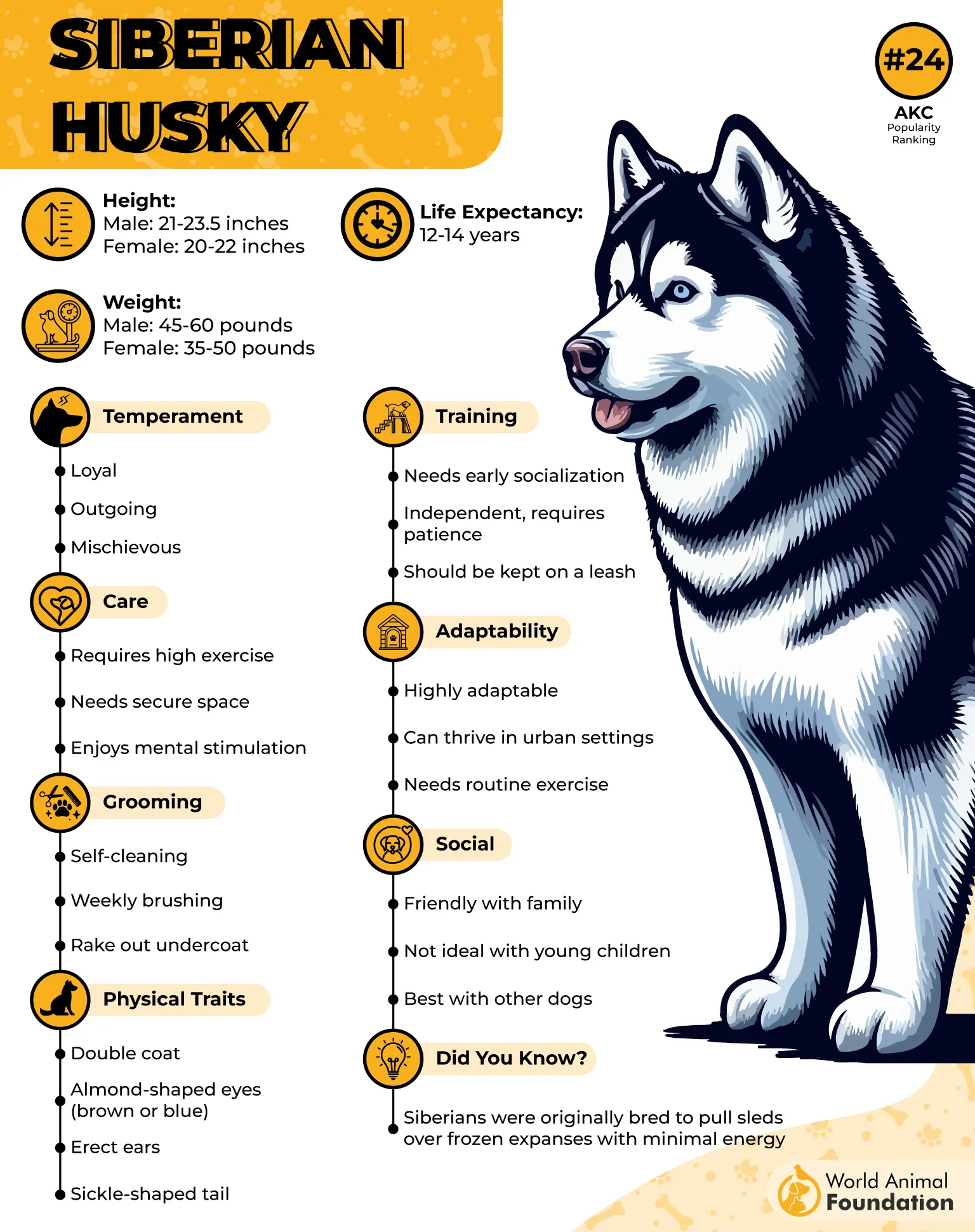
The almond-shaped eyes, sometimes brown, blue, or one of each, add to the Husky’s sharp but playful expression. As per the AKC, their nimble-footed movement and balanced frame were shaped for covering long, frozen distances efficiently rather than handling compact, forceful livestock work.
Temperament & Behavioral Profile
Australian Cattle Dog Personality
Australian Cattle Dogs build extremely close attachments to their people and usually stay alert to everything happening around the home. Their intelligence and protective instincts make them observant companions, though they often stay cautious around strangers until trust is earned naturally.
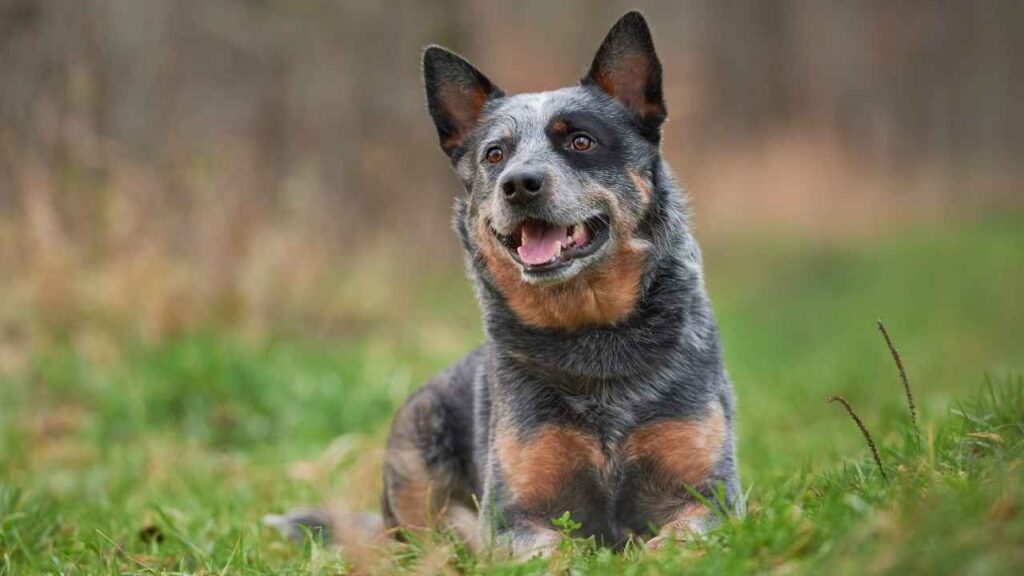
That intense working mindset also explains why the breed can become “mouthy” during play or excitement, especially without early structure and socialization, as PetMD describes.
With proper guidance, that nipping behavior can be redirected into controlled interaction, making them better suited for experienced dog owners who understand firm but steady training.
Siberian Husky Social Nature
Siberian Huskies bring a louder and far more expressive personality into daily life, often communicating through howling, vocal sounds, and constant interaction. This friendly dog usually gets along well with other dogs and can fit nicely into active homes where movement and activity happen throughout the day.
Their energy level can quickly become overwhelming when they stay bored or under-stimulated for long periods. Huskies are intelligent escape artists that may dig, chew, or roam freely if ignored, which is why supervision around small children and secure outdoor space matter far more with this breed.
Activity Requirements & Energy Levels
Australian Cattle Dog Energy Output
Australian Cattle Dogs operate on a high daily output level, usually needing around 90 to 120 minutes of structured activity spread across physical work and mental engagement. Their energy feels focused rather than random, so they do best when exercise includes both movement and problem-solving tasks.
This breed responds strongly to intense, fast-paced work such as agility courses, frisbee sessions, fetch drills, and herding-style farm tasks. They also handle longer daily runs or jogging routines well, but they struggle in confined environments where activity is limited or repetitive.
Siberian Husky Endurance Drive
Siberian Huskies require about 1 to 2 hours of regular daily exercise, with a strong focus on endurance-based movement rather than short bursts of activity. Their working background makes them more comfortable in long-distance running, hiking, and pulling activities that maintain a steady rhythm.
They perform best when given outlets like sledding-style work, agility training, rally exercises, fetch, or extended running sessions. Without enough physical challenge, their energy tends to build up quickly, so they naturally fit into active outdoor lifestyles where movement is a regular part of the day.
Trainability, Intelligence & Learning Ability
Australian Cattle Dog Learning Drive
Australian Cattle Dogs process instructions quickly and tend to learn by actively figuring things out rather than just repeating patterns. Their strong problem-solving mindset makes them highly trainable, especially when tasks feel structured and mentally engaging.
Early socialization helps refine their natural tendency toward nipping during high-energy moments, while steady obedience training keeps their behavior balanced in daily life. They respond best when training stays consistent, firm in expectation, yet calm in delivery rather than forceful.
Their working instincts make them especially suited for physically demanding tasks where thinking and action work together. Agility work, fetch variations, and livestock-related duties often bring out their sharpest focus, turning training into a job they genuinely stay engaged with.
Siberian Husky Training Approach
Siberian Huskies need early training from puppyhood since their independent thinking can easily turn into stubborn habits if left unchecked. Basic commands, leash discipline, and control over vocal behavior become important early lessons in shaping their routine.
Consistency matters more than intensity with this breed, since they are quick learners but not always quick followers. Short training sessions supported with positive reinforcement and timed rewards usually keep their attention better than long, repetitive drills.
Coat Maintenance & Grooming Needs
Australian Cattle Dog Grooming Routine
Australian Cattle Dogs stay fairly low-maintenance when it comes to everyday grooming, with basic care like occasional bathing, monthly nail trimming, regular ear cleaning, and consistent dental brushing being enough to keep them in good condition. Their overall coat doesn’t demand constant attention, which suits their working-dog structure.
The double-layer coat does change its behavior during shedding seasons, especially in spring when the winter undercoat loosens heavily. At that stage, frequent brushing becomes important, often with an undercoat rake or comb to manage loose hair before it spreads through the home.
Siberian Husky Coat Care
Siberian Huskies have a dense double coat designed for freezing climates, with a soft insulating undercoat and a thicker, slightly coarse outer layer that protects against harsh weather conditions. This structure allows them to stay comfortable in cold environments while making hot weather more challenging.
Shedding stays moderate for most of the year but shifts sharply during a short “blowing coat” phase that can last around three weeks, filling spaces with loose fur. Regular brushing once or twice a week helps manage it, along with tools like a Furminator during heavy shedding, plus routine nail care and light dental maintenance.
Average Lifespan & Longevity
Australian Cattle Dog Longevity Profile
Australian Cattle Dogs typically live around 12 to 16 years, and their long working life reflects the same durability seen in their physical structure and mindset. That longevity often depends on responsible breeding practices that screen for inherited issues rather than relying on chance alone.
Health monitoring plays a key role in maintaining their working ability over time, especially with conditions like deafness, hip dysplasia, and eye-related disorders such as progressive retinal atrophy. Regular checks for ears, vision, and dental health also help maintain overall stability as the dog ages.
Siberian Husky Lifespan Pattern
Siberian Huskies generally live between 12 and 14 years and are known for staying active well into their senior stage when kept in good condition. Their history as long-distance sled dogs contributes to a naturally efficient body type that manages energy and weight effectively.
Although they are considered a relatively healthy breed, issues like hip dysplasia, eye conditions, cancer, and a few neurologic disorders can appear in some lines. A balanced diet and maintained weight play a noticeable role in keeping Huskies energetic and extending their overall quality of life.
Australian Cattle Dog vs. Siberian Husky: Suitability for Family Life vs Guard Duties
If you’re looking at these two for home life, the difference shows up pretty quickly in daily behavior. The Australian Cattle Dog is the type that stays tuned into everything around it, often acting like it has a job even inside the house, which naturally makes it more suitable if you want a dog that leans toward guarding and alertness. It doesn’t switch off easily and tends to stay mentally “on duty” around its people.
The Siberian Husky feels much lighter in comparison. It’s social, friendly with strangers, and far more interested in interaction and movement than keeping watch over the house. That makes it a poor guard dog, but a fun and easygoing family companion if you’re not expecting protective behavior.
Honestly, if someone wants security vibes at home, the Cattle Dog makes more sense, but if the goal is a relaxed, friendly presence that doesn’t take guarding seriously at all, the Husky is the easier fit.
Conclusion
Many owners begin this comparison expecting a simple answer based on exercise levels, only to discover that temperament plays a larger role. One channels its effort into focus, problem-solving, and purposeful activity through mental stimulation. The other expresses its drive through exploration, endurance, and a constant desire to keep moving, often paired with a wolf-like appearance.
Neither approach is better, only different. Their personalities shape everything from training routines to household habits and outdoor adventures. Both are highly intelligent and form strong bonds with family members. The strongest choice is usually the one that fits your lifestyle rather than the one that seems most impressive on paper.
