




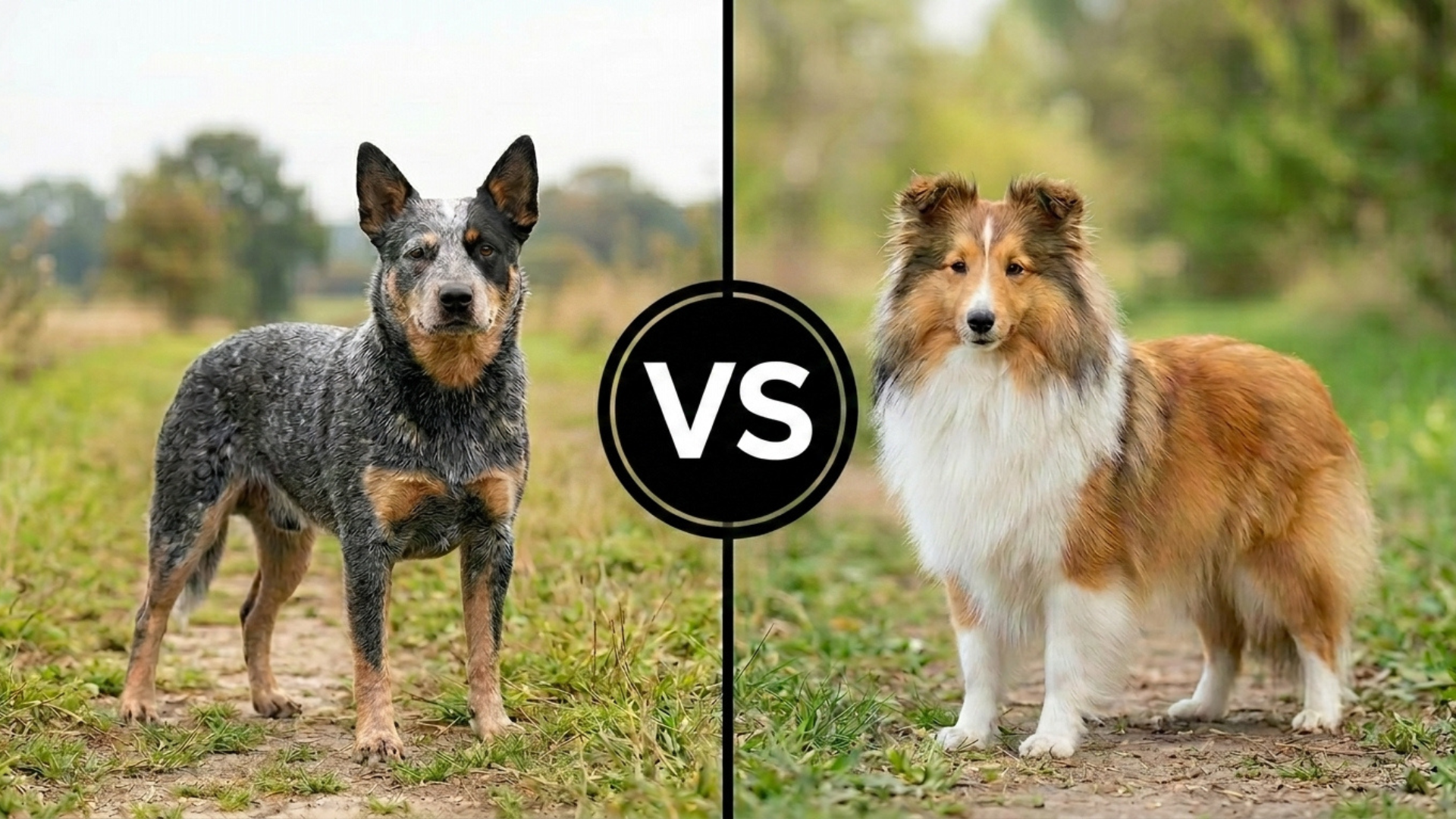
When choosing between the Australian Cattle Dog and the Shetland Sheepdog, it is important to carefully evaluate all factors. Both breeds are highly intelligent, hardworking, and deeply loyal, which can make the decision more challenging than expected.
Although they share herding backgrounds, these two breeds differ significantly in energy levels, temperament, grooming needs, and lifestyle compatibility. The Australian Cattle Dog is known for being tough, intense, and highly driven, while the Shetland Sheepdog is more sensitive, adaptable, and gentle in nature.
Understanding these differences is essential before selecting the breed that best fits your household.
Whether you are looking for a calm, family-friendly herding companion or a highly trainable and active working dog, comparing these traits will help you decide which breed is the right match for your lifestyle.
Australian Cattle Dog vs. Shetland Sheepdog: How to Choose the Right Dog
Choosing between the intense, high-drive Australian Cattle Dog and the gentle, family-focused Shetland Sheepdog comes down to matching your household’s daily activity level.
This direct comparison evaluates their contrasting exercise demands, training styles, and grooming needs to help you confidently select the right herding companion for your lifestyle.
Origins, Purpose & Background
Australian Cattle Dog
The Australian Cattle Dog was developed in 19th-century Australia to work cattle across vast ranches and challenging terrain. It was created by crossing Collies, Dingoes, and other working breeds to produce a highly resilient and durable herding dog.
Bred for stamina, toughness, and independence, the Australian Cattle Dog continues to be widely valued for its ability to work livestock in demanding outdoor conditions. This strong working background has also contributed to its high drive and energetic nature, which often carries into modern family environments.
Shetland Sheepdog
The Shetland Sheepdog, commonly known as the Sheltie, originates from the Shetland Islands of Scotland. Unlike larger herding breeds, Shelties were primarily used to herd and guard smaller livestock such as sheep and poultry rather than cattle.
Their smaller size helped them survive and work efficiently in the harsh island environment, where resources were limited. Over time, they also became popular companion dogs due to their gentle nature and adaptability.
Today, Shetland Sheepdogs are widely recognized for their intelligence, trainability, and herding ability. According to the American Kennel Club, they are highly responsive working dogs that also excel as affectionate family companions.
Size, Build & Physical Differences
Australian Cattle Dog
Australian Cattle Dogs are muscular, compact, and built for strength and endurance. They typically stand around 17 to 20 inches tall and weigh between 35 and 50 pounds.
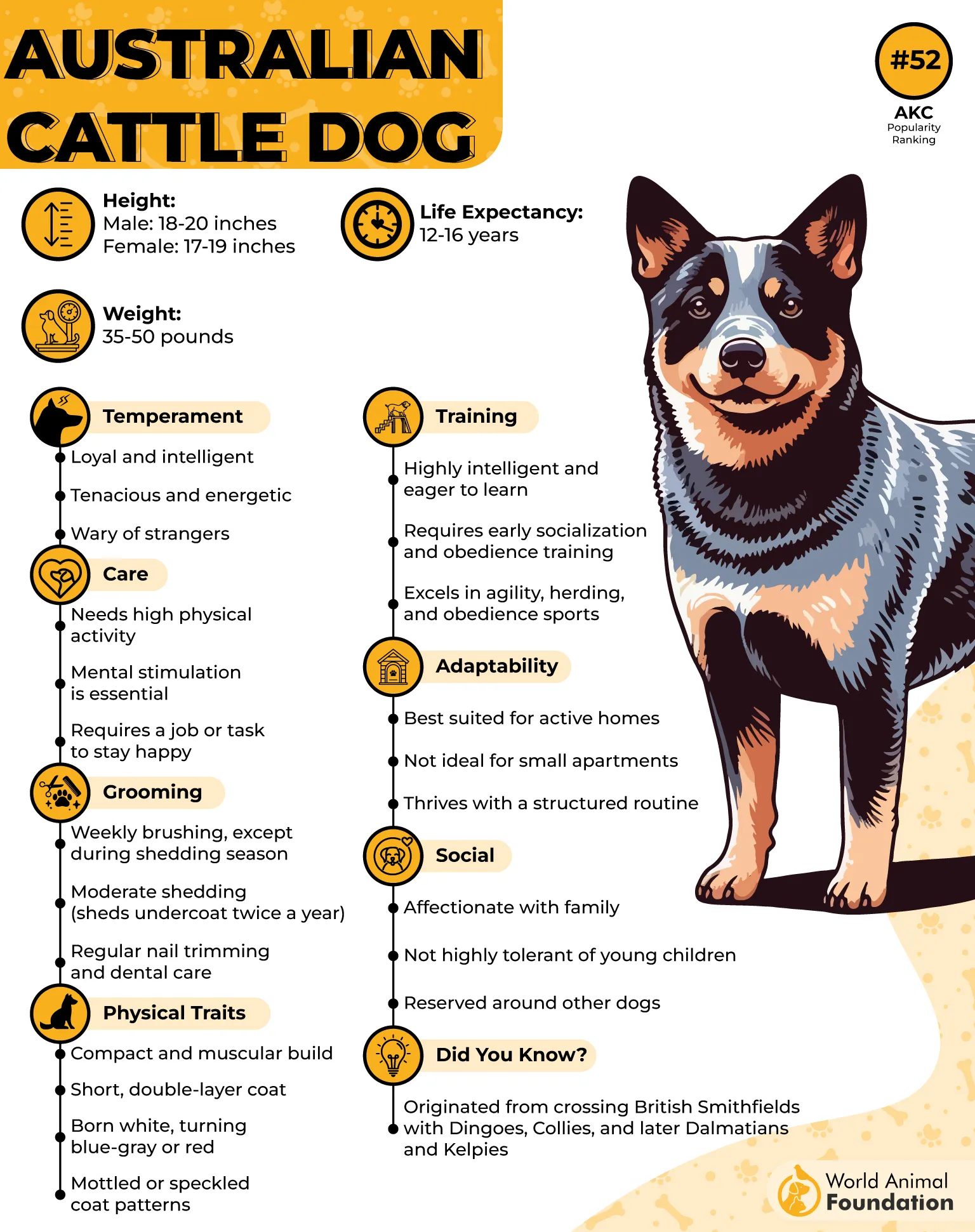
Their body structure clearly reflects their working purpose—they are strong, fast, and capable of navigating rough terrain for long periods without tiring. Every aspect of their build supports their role as a hardworking herding and driving dog.
Shetland Sheepdog
Shetland Sheepdogs are smaller and more refined in appearance. They usually stand between 13 and 16 inches tall and weigh around 15 to 25 pounds.
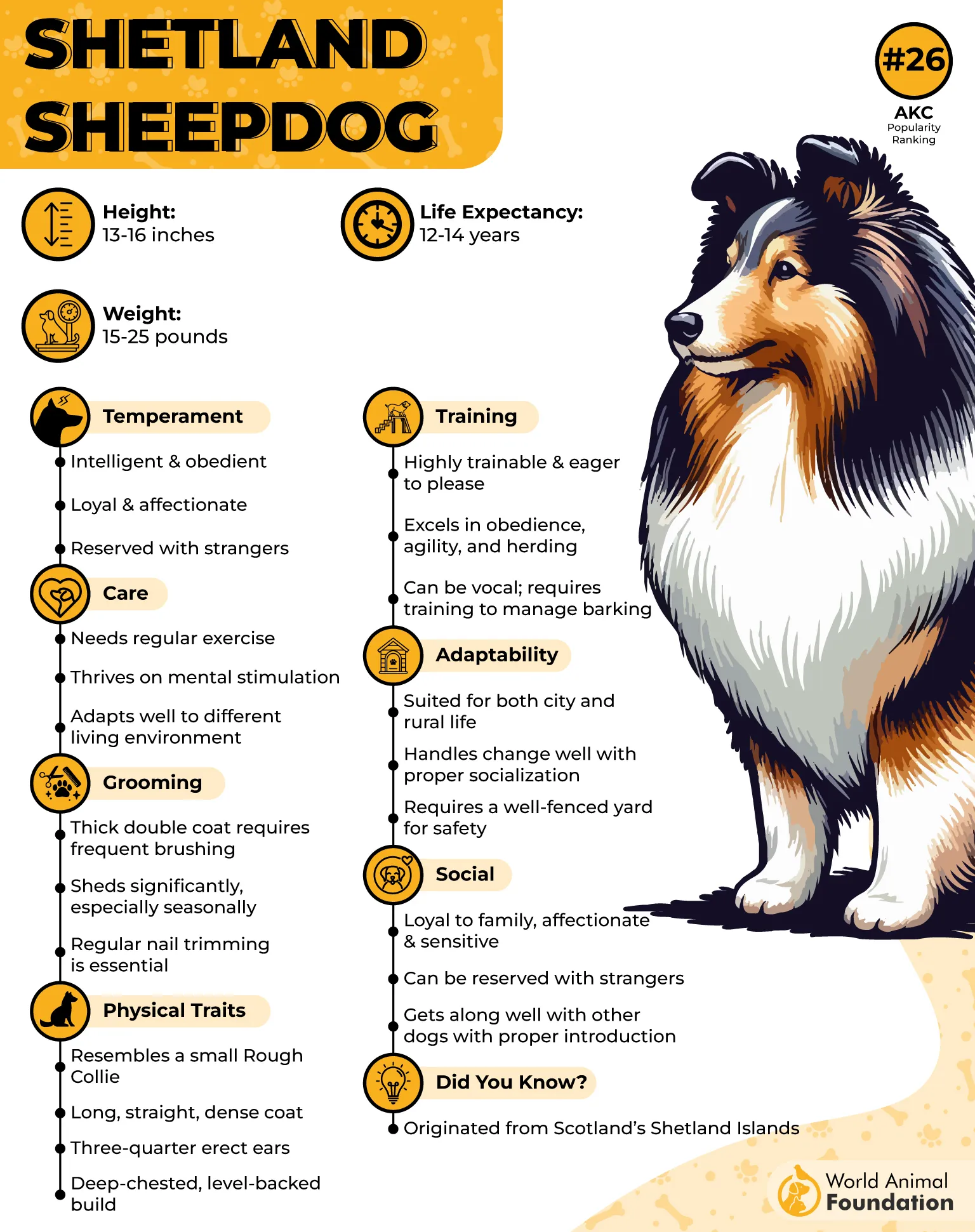
The Sheltie is an elegant, long-muzzled, and feathered dog that closely resembles a miniature Rough Collie. Compared to the stockier Australian Cattle Dog, they have a more graceful and delicate build.
The differences between these two breeds become especially clear when comparing their strength, structure, and overall intensity.
Coat Type & Overall Maintenance
Australian Cattle Dog
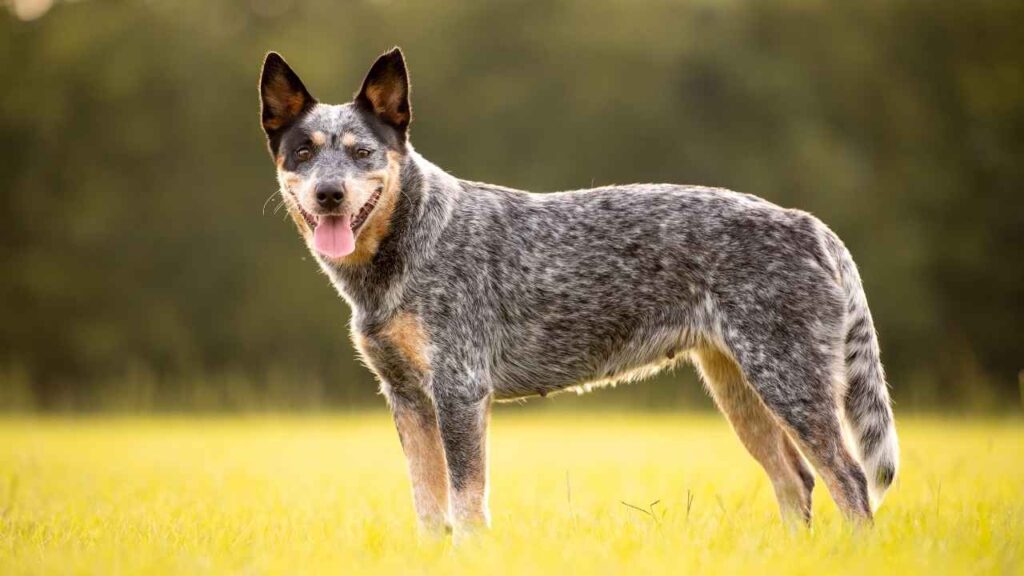
The Australian Cattle Dog has a short, dense double coat that is relatively easy to maintain. Its coat is naturally resistant to dirt and weather, making it well-suited for outdoor work and active environments.
A weekly brushing is usually enough to control shedding, although more frequent grooming may be needed during seasonal “coat blowouts.” Overall, Australian Cattle Dogs are considered a low-maintenance breed when it comes to grooming, especially compared to longer-coated herding dogs like the Shetland Sheepdog.
Shetland Sheepdog
The Shetland Sheepdog has a long, thick double coat that requires significantly more grooming. It sheds heavily and can easily develop mats and tangles if not brushed regularly.
Owners typically need to groom Shelties several times a week, with extra attention needed around the feathering on the neck, legs, and tail. According to Purina, regular grooming is essential to maintain coat health and manage seasonal shedding.
Temperament & Personality Differences
Australian Cattle Dogs
Australian Cattle Dogs are highly intelligent, loyal, and naturally protective. They often form extremely strong bonds with one or two key individuals and can be cautious or reserved around strangers.
This breed is self-confident, independent, and sometimes strong-willed, which reflects its history as a demanding working dog. Rather than being typical lap dogs, Australian Cattle Dogs show affection through loyalty, attentiveness, and a strong willingness to work alongside their owners.
Shetland Sheepdog
Shetland Sheepdogs are more emotionally sensitive and people-oriented. They are affectionate, gentle, and generally eager to please their families.
Shelties may be initially shy around new people, but they are not typically aggressive or reactive. With time and trust, they become warm, devoted companions.
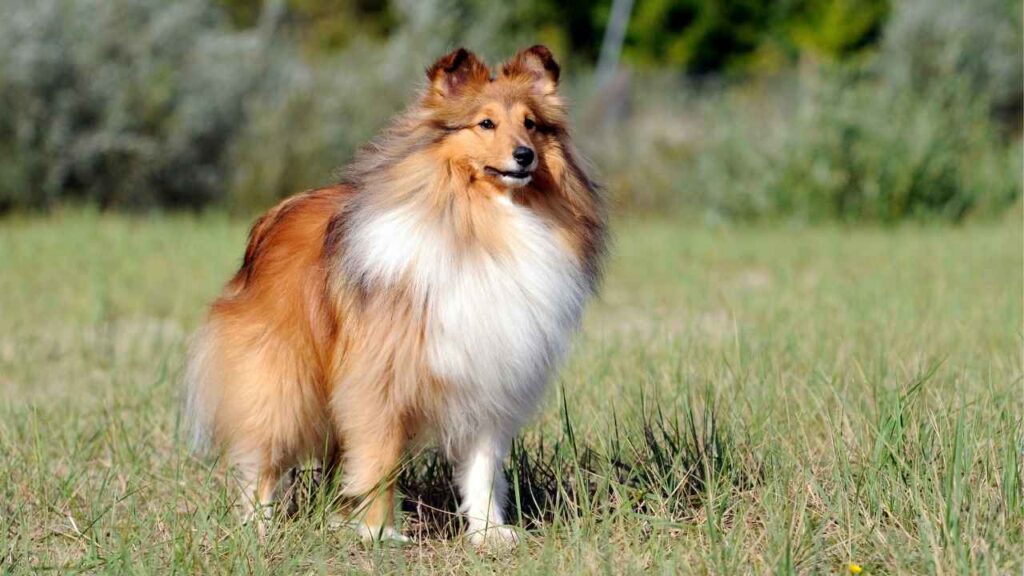
They are often more openly affectionate and cuddly than many other breeds, making them a strong choice for families looking for a loving, expressive, and emotionally responsive companion.
Intelligence, Trainability & Responsiveness
Australian Cattle Dog
According to PetMD, Australian Cattle Dogs enjoy spending time indoors with their owners but are best suited to environments where they are given meaningful tasks and mental challenges. They excel at activities that require decision-making, persistence, and focus.
However, their high intelligence can become a challenge for inexperienced owners, as the breed may quickly become bored without proper mental stimulation and regular physical exercise, including daily walks and structured activity.
Australian Cattle Dogs respond best to confident, consistent training that provides clear structure, purpose, and boundaries.
Shetland Sheepdog
Shetland Sheepdogs are known for being eager and cooperative companions. They are highly intelligent and typically very willing to work with their owners during training sessions.
Due to their responsiveness and sensitivity to human communication, Shelties excel in obedience, agility, trick training, and various dog sports.
They are widely regarded as one of the most intelligent and trainable dog breeds, making them highly suitable for structured training and interactive activities.
Energy Levels, Activity Needs & Work Drive
Australian Cattle Dog
Australian Cattle Dogs are highly energetic, active working dogs that thrive in demanding environments. They are an excellent match for active owners, as they require both mental and physical stimulation on a daily basis to stay balanced and healthy.
Ideal activities for this breed include long walks, obedience training, agility work, herding games, and any form of outdoor exercise that engages both mind and body.
Without proper stimulation, Australian Cattle Dogs can become restless and may develop undesirable behaviors such as destructiveness, hyperactivity, or irritability.
Shetland Sheepdog
Shetland Sheepdogs are also energetic but are generally easier to manage in a home environment compared to many high-drive working breeds.
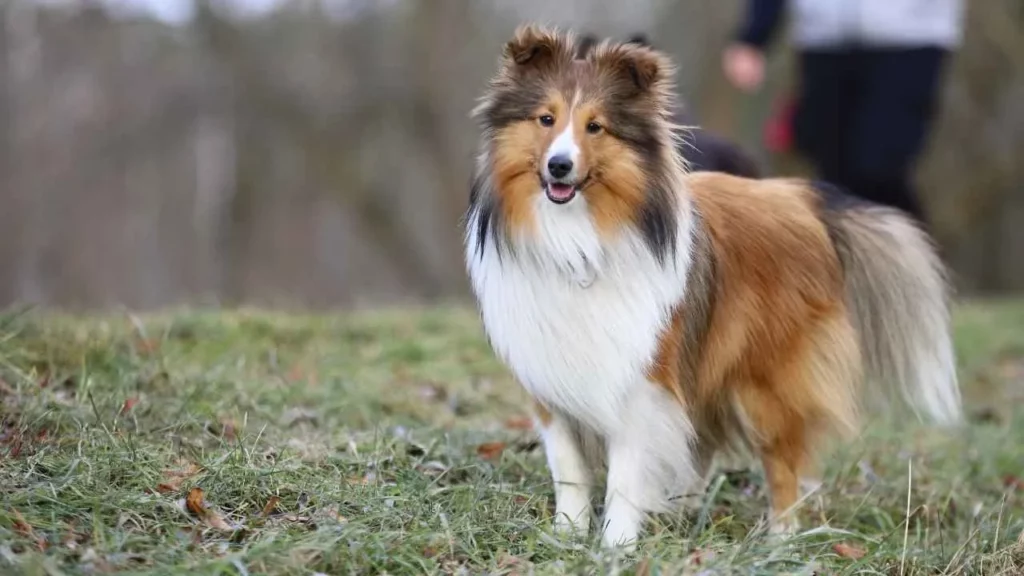
While the Australian Cattle Dog is often better suited as an adventure companion for very active individuals, the Sheltie can be a more balanced and adaptable choice for owners looking for a manageable yet intelligent and responsive pet.
Health, Durability & Lifespan Expectations
Australian Cattle Dog
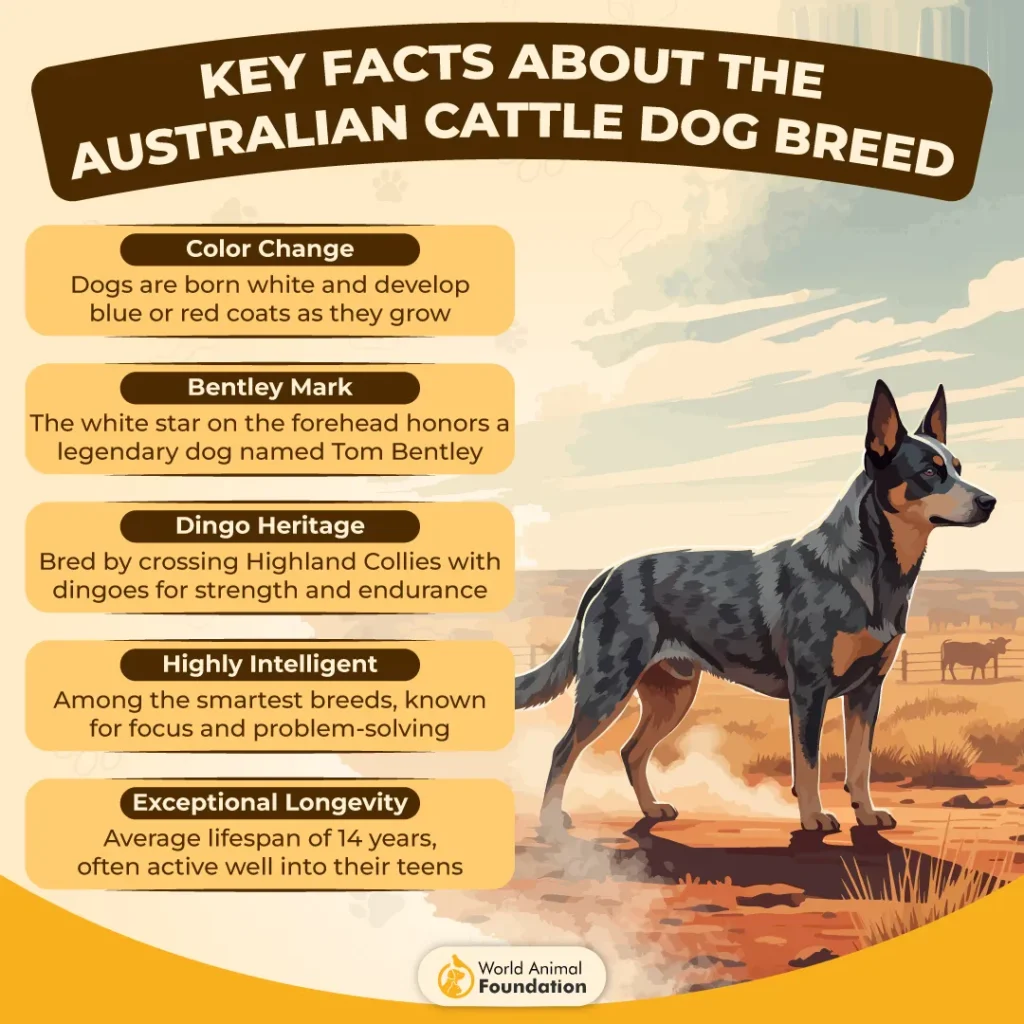
Australian Cattle Dogs are generally durable, long-lived dogs. With proper care, they typically live between 12 and 16 years.
However, the breed can be predisposed to certain health conditions, including hip dysplasia, progressive retinal atrophy, and congenital deafness. Despite these risks, they are naturally strong, muscular, and often remain physically active well into their senior years.
Shetland Sheepdog
Shetland Sheepdogs also enjoy relatively long lifespans, typically around 12 to 14 years. They may be prone to health issues such as hyperthyroidism, eye disorders, hip dysplasia, and dermatomyositis.
While both breeds require routine veterinary care, proper nutrition, and responsible breeding practices, Australian Cattle Dogs are often considered more physically rugged due to their working background and endurance.
Herding Instincts & Behavior Tendencies
Australian Cattle Dog
Australian Cattle Dogs have strong herding instincts and may attempt to herd children, other animals, bicycles, or even moving objects by nipping at heels. This behavior reflects their history as cattle herders and highlights the need for proper training and management from an early age.
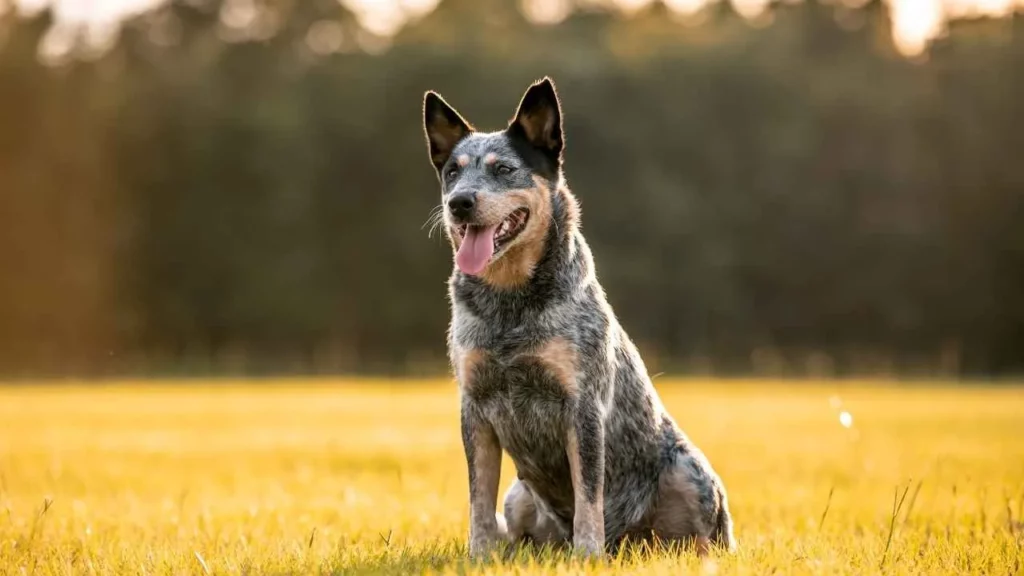
Without early socialization, they can become overly protective, territorial, or resistant to unfamiliar situations, making structured guidance especially important.
Shetland Sheepdog
Shetland Sheepdogs also have strong herding instincts, but they are more likely to display them through circling, barking, or gently guiding movement rather than nipping.
They are well known for being vocal dogs, often barking when excited, alert, or trying to manage their surroundings.
For both breeds, structured training and early socialization are essential to ensure balanced behavior and well-adjusted temperaments.
Suitability for Families & Living Environments
Australian Cattle Dog
Australian Cattle Dogs are best suited to active lifestyles and experienced owners who can provide ample space and consistent mental and physical stimulation. They thrive in environments where they are given regular tasks, structured exercise, and purposeful activity.
This breed is not an ideal choice for individuals seeking a calm or low-energy companion, as they require engagement and activity to remain balanced and well-behaved.
Shetland Sheepdog
Shetland Sheepdogs are generally well-suited to family life, provided they receive regular exercise and daily interaction. They can adapt to smaller living spaces as long as their physical and emotional needs are met.

They are known for being affectionate and can make excellent family pets, especially in households with older children who understand how to interact gently with dogs.
Shelties are sensitive by nature and respond best to calm, positive home environments. According to Britannica, they are intelligent, loyal, and highly adaptable companion dogs.
Conclusion
Both the Australian Cattle Dog and the Shetland Sheepdog are outstanding herding breeds, but they differ greatly in energy level, temperament, and lifestyle needs.
Ultimately, the right choice depends on your energy level, training experience, living environment, and the type of relationship you want with your dog. The Australian Cattle Dog is best suited for highly active, experienced owners who can meet its physical and mental demands, while the Shetland Sheepdog is often a better fit for families seeking a more gentle, adaptable, and emotionally responsive companion.
When matched with the right owner and lifestyle, both breeds become deeply loyal, intelligent, and rewarding companions.
