




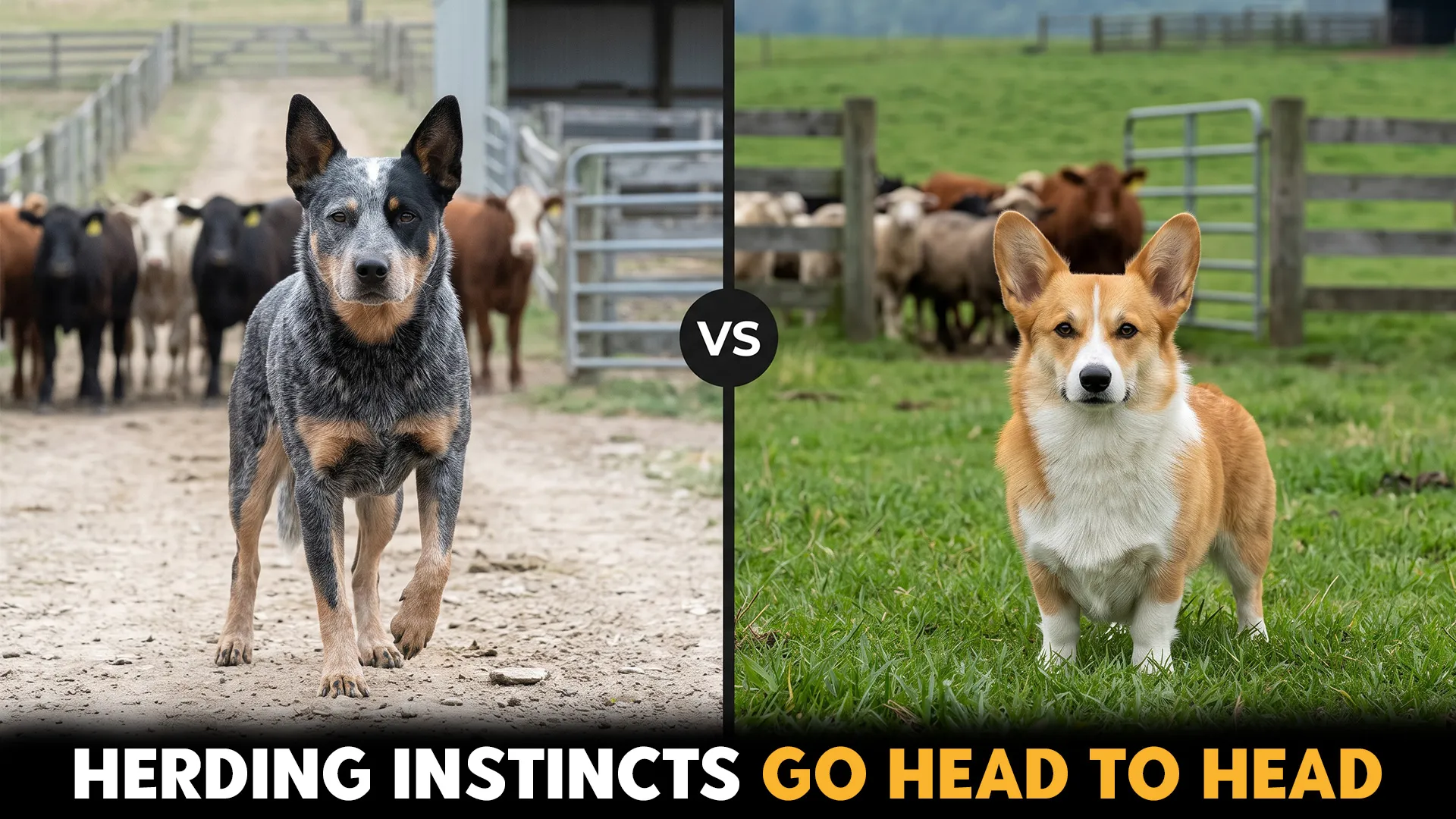
Two short-legged icons built their reputations worlds apart. The Pembroke Welsh Corgi worked Welsh hillsides while the Australian Cattle Dog tamed outback ranches, and both still move like they are clocking into a shift.
Ask a vet which breed has more grit and the answer shifts depending on who they met last. One camp swears by the Corgi’s cheeky confidence, the other by the Cattle Dog’s relentless stamina.
Both breeds hide serious working instinct under an irresistibly cute exterior, and both will outsmart a distracted owner within days. Where they split hard is temperament, energy ceiling, and the kind of household each one actually thrives in.
The Corgi plays compact comedian with sharp guarding tendencies packed into a low frame. The Cattle Dog plays tireless specialist, treating a quiet afternoon like a personal insult.
What follows is a full side-by-side breakdown covering size, price, personality, training, grooming, drive, and health, built for anyone weighing 2 of the smartest herding breeds working today.
Australian Cattle Dog vs. Pembroke Welsh Corgi
Origins & Purpose
The Australian Cattle Dog was built for a job most breeds could not survive. Ranchers in 19th-century Australia needed a dog tough enough to drive semi-wild cattle across harsh terrain for days at a stretch. So breeders crossed working collies with the native Dingo and produced a heeler with inherited skills baked into its genes from its earliest days.
According to Orvis, the breed earned official American Kennel Club recognition in 1980, decades after it had already proven itself as one of Australia’s great cattle herders. That late arrival explains why the Cattle Dog, nicknamed the Blue Heeler, still feels like a working specialist rather than a show ring project.
The Pembroke Welsh Corgi tells a gentler but equally practical story. Dogs resembling the modern Corgi worked Pembrokeshire farms in Wales from around the 10th century, droving cattle and guarding the homestead at knee height.
The Pembroke is 1 of 2 Welsh corgi breeds and is often confused with its longer-bodied cousin, the Cardigan Welsh Corgi, though the 2 split into separate breeds in 1934. Both corgis herded by nipping heels, a trick their low stature made almost unavoidable.
Size & Build
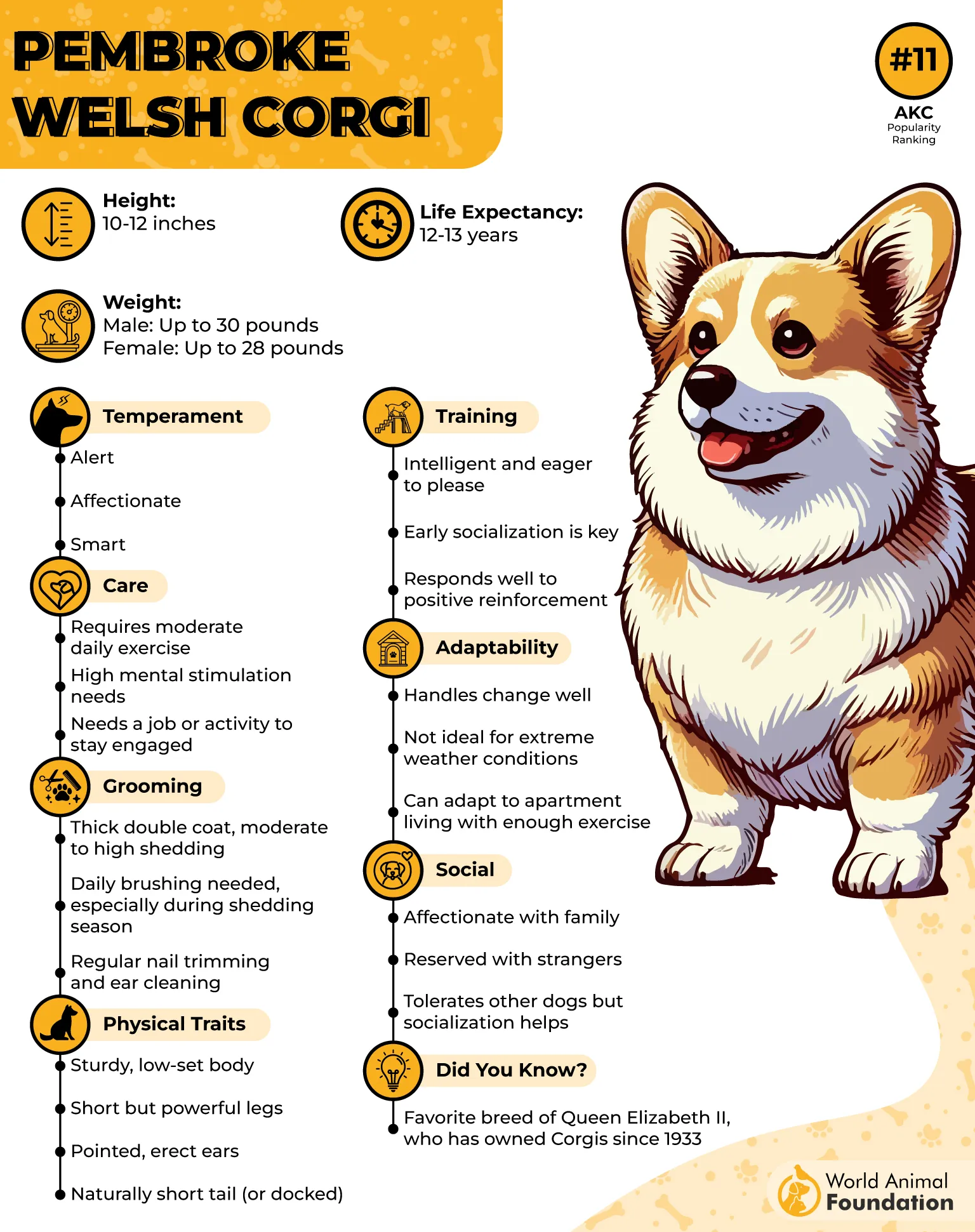
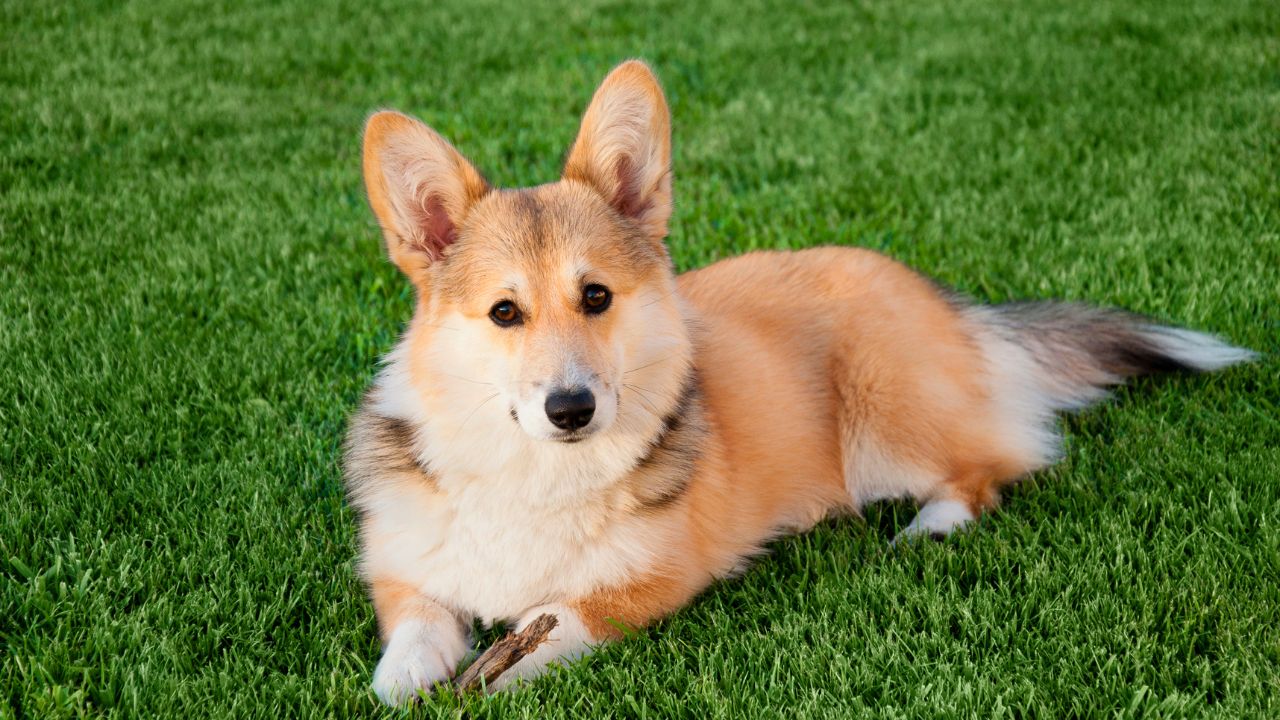
30 lbs of muscle packed into a 12-inch-tall frame sounds impossible until someone actually picks up a Pembroke Welsh Corgi. The breed is deceptively heavy for its height, built low and long with a barrel chest that fools people expecting a lap dog.
According to the AKC breed standard, the Corgi stands 10 to 12 inches tall and weighs up to 30 lbs for males and 28 lbs for females, with a life expectancy of 12 to 13 years.
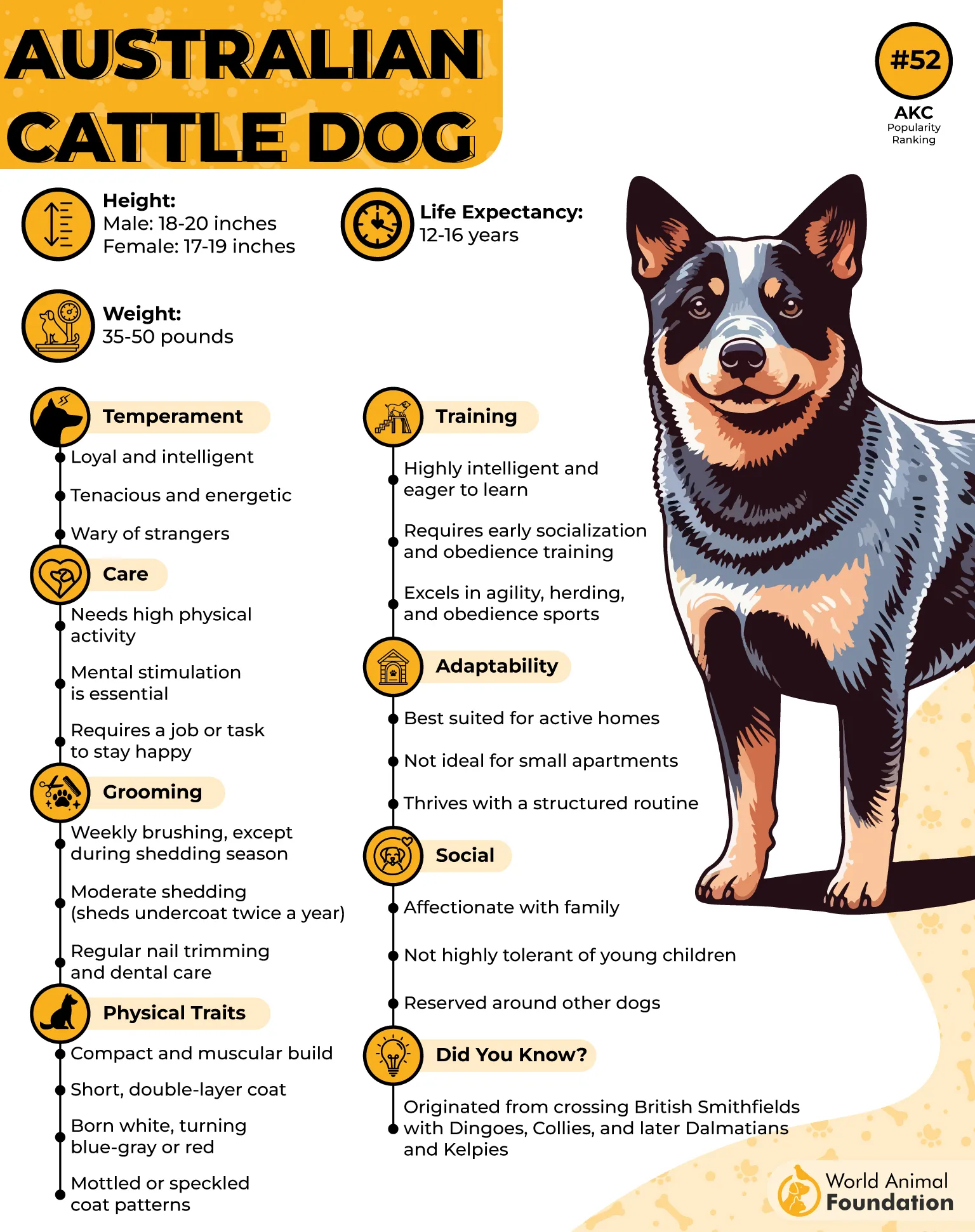
The Australian Cattle Dog measures taller at 17 to 20 inches and weighs 35 to 50 lbs, with a typical lifespan of 12 to 15 years.
The size gap changes how each breed moves. The Corgi’s short legs and long back were engineered to duck under a kicking cow, while the Cattle Dog’s taller, leaner build keeps pace with cattle at a trot for hours.
Both fall under the Herding Group, and both qualify as a medium breed by temperament even though the Corgi reads smaller on paper. Neither carries anywhere near as little substance as its silhouette suggests.
Pricing & Availability
What does it actually cost to bring 1 of these herders home? Purchase price for puppies varies wildly by breeder, region and pedigree, but ongoing upkeep is where the real planning should start. Food, insurance, grooming supplies, and routine vet care make up most of that number for both breeds.
Australian Cattle Dog (Blue or Red Heeler) typically costs between $100 and $350 to adopt from a rescue or shelter, and $500 to $2,500 when purchased from a breeder.
Pembroke Welsh Corgi puppy from a reputable breeder typically costs between $1,200 and $3,000, though show-quality or champion-lineage dogs can exceed $4,000. Adopting a Corgi from a rescue or shelter usually costs between $200 and $500.
Availability tends to decide price more than pedigree does. A breed as popular as the Corgi commands a premium simply through demand, while the Cattle Dog’s niche appeal keeps prices steadier but the search longer.
Temperament & Personality Style
The Australian Cattle Dog does not do small talk. According to PDSA, it bonds hard with its chosen family, stays wary of strangers, and expects a job description rather than idle affection.
That loyalty comes with an edge and real guarding tendencies. Many owners describe a Cattle Dog as protective to the point of suspicion, quick to question new visitors until it decides they belong.
The Pembroke Welsh Corgi flips the script entirely, leading with charm instead of suspicion. Pawlicy Advisor reports that Pembrokes are friendly, devoted, and fun-loving far more often than wary.
They stay noticeably friendlier toward strangers and still carry a big dog mentality inside an adorably small body, barking at anything unfamiliar and occasionally nipping at running children out of pure herding reflex. Early socialization improves sociability in both breeds fast.
Exercise Needs & Energy Levels
20 minutes sounds generous for a dog this driven, yet that marks the low end of what a Pembroke Welsh Corgi actually needs. Hill’s Pet puts daily exercise needs at 20 to 40 minutes, which looks modest next to the breed’s reputation among dog specialists for relentless energy.
That number is easy to underestimate. A bored Corgi left under-exercised turns destructive fast, so most owners stretch that window with fetch, agility, or a proper off-leash run.
The Australian Cattle Dog operates on an entirely different scale. Minimum daily exercise runs over 2 hours, and a simple walk around the block barely registers as activity for a breed engineered to trot behind cattle all day.
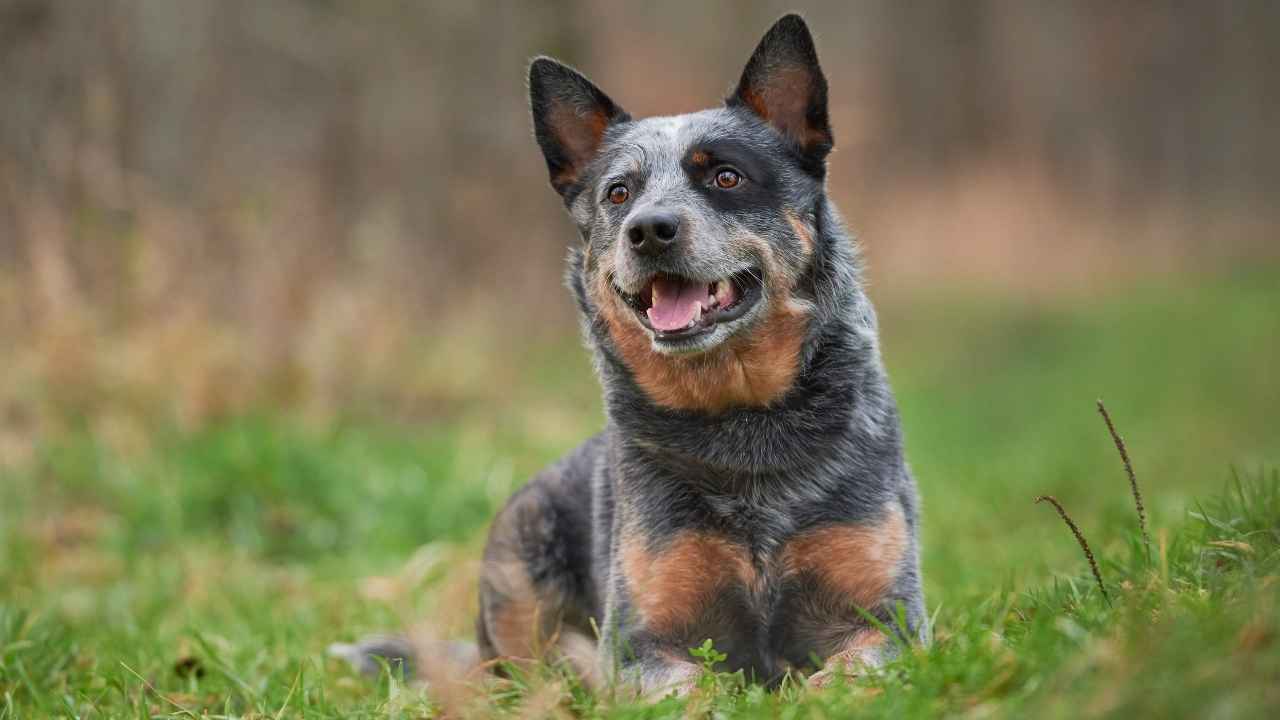
Skip that exercise, and the Cattle Dog turns loud, destructive, and genuinely difficult to live with. This remains 1 of the highest energy breeds in the Herding Group, and veterinarians flag it as a common reason the breed ends up rehomed.
Trainability & Obedience
Which breed actually listens better? The answer depends on how each dog is motivated, not on raw canine intelligence, since both breeds rank among the sharpest working dogs alive.
The Australian Cattle Dog is relentlessly smart and famously independent-minded, which makes training feel like a negotiation rather than a command. It learns fast but questions instructions it sees no purpose in, so handlers need confidence and consistency from day 1.
Working lines excel at obedience, agility, and other dog sports once that trust is built. A bored or undertrained Cattle Dog, however, will invent its own rules.
The Pembroke Welsh Corgi trains with noticeably less friction for most owners. It is eager to please, food-motivated almost to a fault, and quick to pick up commands within just a few repetitions.
The catch is stubbornness dressed up as cleverness. A Corgi that has already mastered a trick may simply decide performing it again is beneath current interest levels.
Grooming Needs & Shedding
Both breeds carry thick double coats, and both will test the limits of a vacuum cleaner. The Pembroke Welsh Corgi is the heavier shedder of the 2 by a wide margin.
PetMD recommends regular brushing once or twice weekly year-round, stepping up to daily sessions during the breed’s 2 major coat blows each year. Skipping that routine turns a tidy home into a fur-covered one within days.
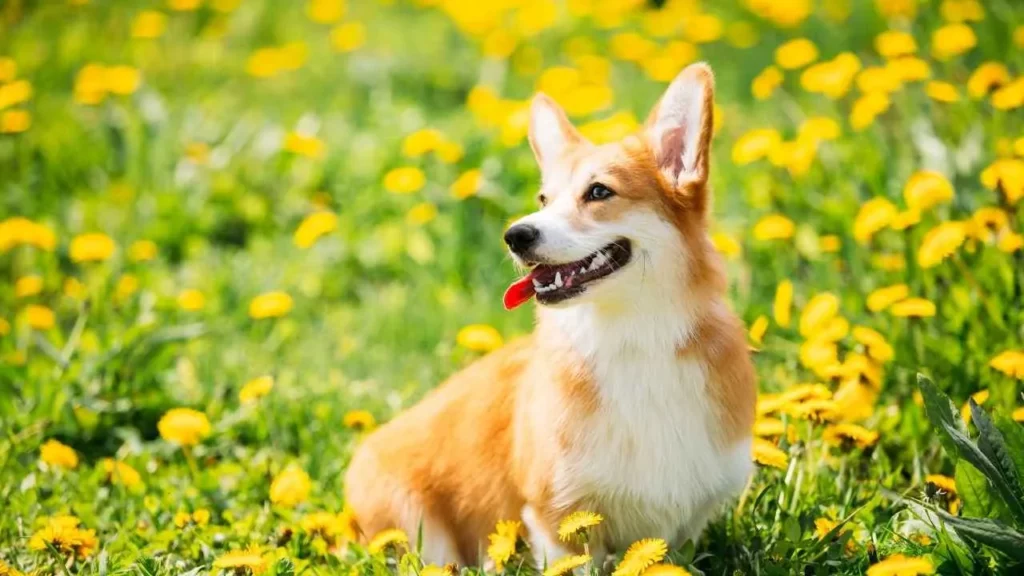
Pembroke Welsh Corgi: Brush 1 to 2 times weekly, daily during spring and autumn coat blows.
Australian Cattle Dog: Weekly brushing is usually enough, with the same coat blow occurring twice yearly.
Both breeds: Bathing is rarely needed beyond once a month unless the dog gets genuinely dirty.
The Australian Cattle Dog wins on day-to-day grooming ease. Its short, weatherproof coat sheds moderately year-round and only demands serious attention during those 2 seasonal blowouts.
Neither breed needs a professional groomer on a regular basis. Consistent brushing at home handles both just fine.
Herding & Work Drive
ZERO hesitation. That is roughly how long it takes either breed to start herding anything that moves, including children, joggers, and the family cat.
The Australian Cattle Dog represents herding drive at its most extreme. Bred to move semi-wild cattle across harsh terrain for days, it nips at heels, ducks kicks, and keeps working long after most dogs would quit.
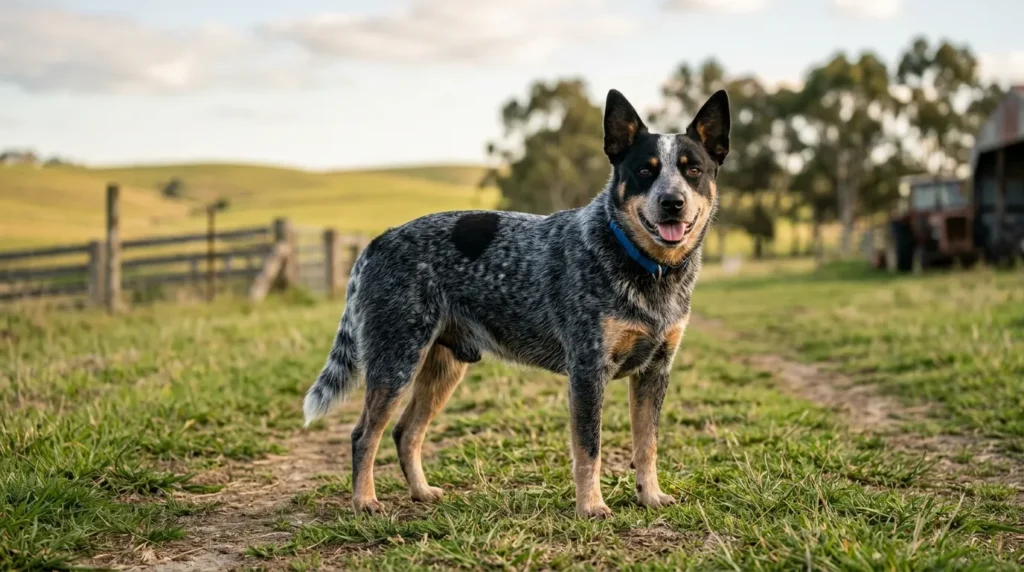
That intensity does not switch off indoors. Cattle Dogs channel unused herding instinct into nipping, chasing, and barking unless given an actual outlet like flyball, herding trials, or structured play.
The Pembroke Welsh Corgi herds with the same instinct but a gentler bite inhibition and a lower physical ceiling. Its low stature was originally an advantage, letting it dart under a kicking cow while nipping heels to quickly chase cattle into line on Welsh homesteads.
Both breeds remain brilliant herders by instinct even generations removed from actual cattle herders’ fields. A fenced yard, a flirt pole, or a herding ball often satisfies that drive almost as well as real livestock once did.
Health & Lifespan
How long should either breed realistically live? The Pembroke Welsh Corgi typically reaches 12 to 13 years, a figure that holds steady across most veterinary sources and reflects a generally hardy breed.
That longevity comes with a few breed-specific concerns worth vet-reviewed advice. Hip dysplasia, degenerative myelopathy, progressive retinal atrophy and Von Willebrand disease all appear on the breed’s known watch list, alongside a heart condition called patent ductus arteriosus in some puppies.
Pembroke Welsh Corgi: Hip dysplasia, degenerative myelopathy, progressive retinal atrophy and Von Willebrand disease.
Australian Cattle Dog: Deafness, hip and elbow dysplasia, progressive retinal atrophy and primary lens luxation.
Both breeds: Routine health testing of breeding parents meaningfully lowers risk across every condition listed.
The Australian Cattle Dog edges ahead on raw lifespan. A typical range of 12 to 15 years, among the longer lifespans for a medium breed this active.
Inherited deafness and dysplasia remain the breed’s main watch points, especially in dogs carrying heavy white or merle patterning. Early screening catches most of it before it becomes a real problem.
Australian Cattle Dog vs. Pembroke Welsh Corgi: Which Herding Breed Fits Your Lifestyle?
Neither breed suits a sedentary household, full stop. Both are working dogs first and family companions second, and both will manufacture chaos if that working brain goes unused.
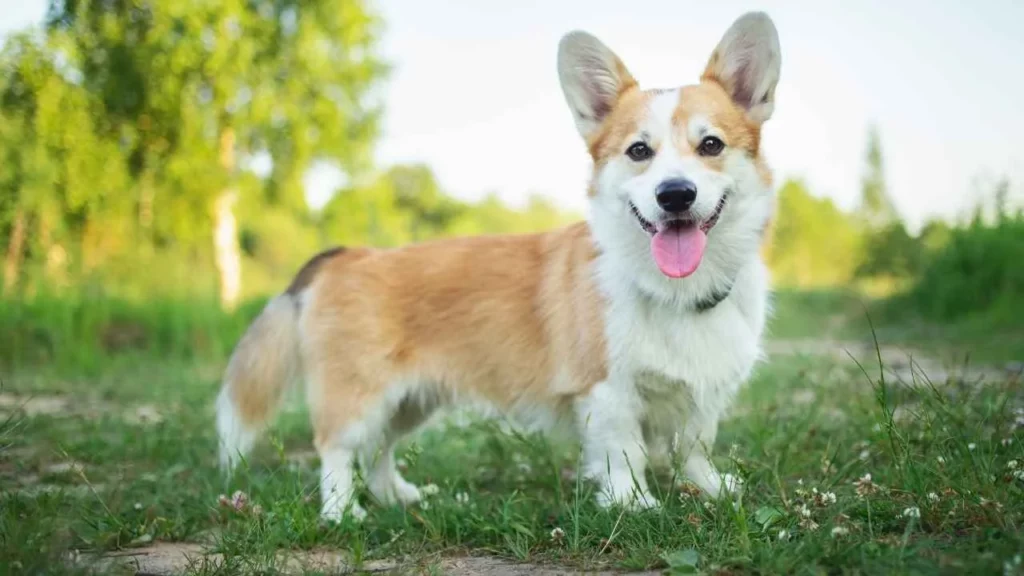
Choose the Pembroke Welsh Corgi for a home with moderate daily exercise capacity, a sense of humor, and tolerance for a surprisingly loud small dog. It fits apartments and houses alike as long as the walks happen.
Choose the Australian Cattle Dog for an active household with yard space, experience handling independent dogs, and genuine hours to spend on structured activity. Ranches, farms and serious hikers suit this breed best.
First-time owners usually find more success with the Corgi’s gentler learning curve. Experienced handlers looking for a true working partner often gravitate toward the Cattle Dog instead as a wonderful companion for the right pace of life.
Either way, both deliver serious intelligence, fierce loyalty, and genuine companionship for people who love dogs willing to meet their needs. The honest comparison comes down to energy ceiling and household pace, not which breed is objectively better.
Conclusion
The Pembroke Welsh Corgi and the Australian Cattle Dog prove that herding breeds come in wildly different packages. One charms its way through the day on short legs and big confidence, while the other grinds through relentless work with a taller, leaner frame built for endurance.
Both remain brilliant herders, whip-smart human companions and loyal guardians once their needs are actually met. The real decision point is energy capacity, not affection, since both breeds love their people with equal intensity.
Match the breed to the household’s actual pace rather than its charm, and either dog repays that honesty with years of genuine companionship.
