




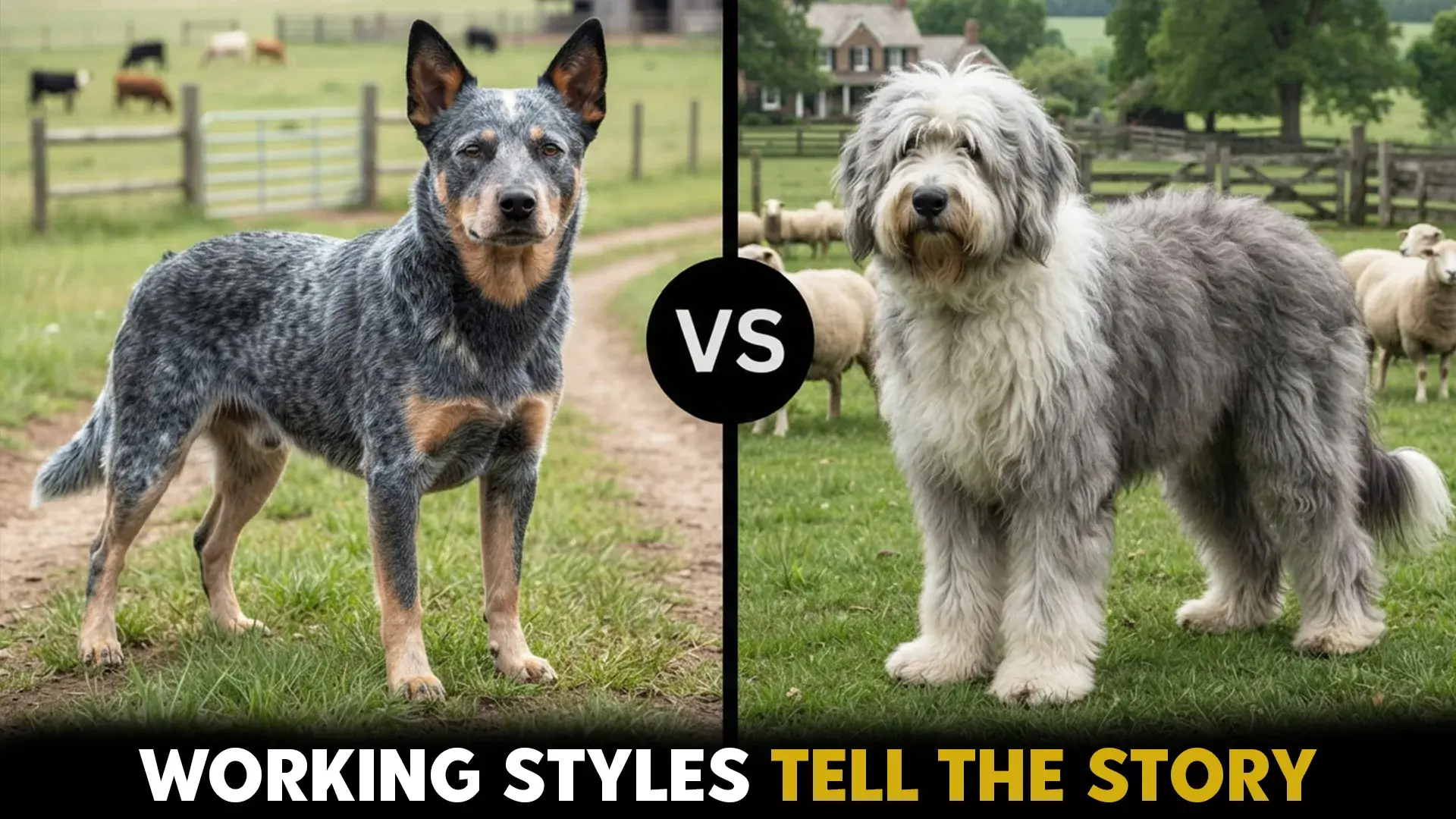
When choosing a dog for your home, there’s a lot more to consider than just looks. Every breed has its own character, heritage, and needs that shape how it fits into your life. A dog that’s perfect for one family might not suit another at all.
The comparison between the Australian Cattle Dog and the Old English Sheepdog is especially interesting because both are hardworking herding breeds. They were originally bred to help farmers, but the jobs they did, and the personalities that came with them, couldn’t be more different.
One is small, energetic, and always ready for action. The other is big, easygoing, and known for its shaggy coat and friendly nature.
This guide covers what you need to know about both breeds, including their history, grooming needs, and personalities.
Australian Cattle Dog vs. Old English Sheepdog: Facts to Know About
Let’s compare the Australian Cattle Dog and Old English Sheepdog and get to know them better.
Origins, Background & Purpose
Both breeds belong to the herding dog group, but they hail from different countries and were bred to solve very different farming challenges.
Australian Cattle Dog
According to Purina, the Australian Cattle Dog dates back to the 19th century, when Australian cattlemen needed a strong, intelligent dog capable of moving cattle across harsh terrain and long distances. Traditional herding breeds struggled with Australia’s tough climate, so breeders crossed several dogs, including the Smithfield, Collies, and Dingoes, to create something tougher and more resilient.
Australian Cattle Dogs aren’t big barkers, but they’re famous for their natural “heeling” instinct, which is where their nicknames Red Heeler and Blue Heeler come from. To this day, they still work on farms and ranches around the world, and they also shine in canine sports and obedience competitions.
Old English Sheepdog
Despite the name, the Old English Sheepdog wasn’t originally bred just for sheep. Farmers in southwestern England developed the breed as an all-purpose livestock dog, responsible for herding cattle and sheep to local markets. Their thick double coat kept them warm, dry, and protected during long hours out in the rain and wind.
Their calm temperament and physical strength let them move livestock steadily without stressing the animals. As the story goes, their tails were often docked because working dogs were exempt from certain taxes, which is where their nickname “Bobtail” comes from.
Size, Weight & Physical Appearance
At first glance, you’d think these two breeds have almost nothing in common.
Australian Cattle Dog
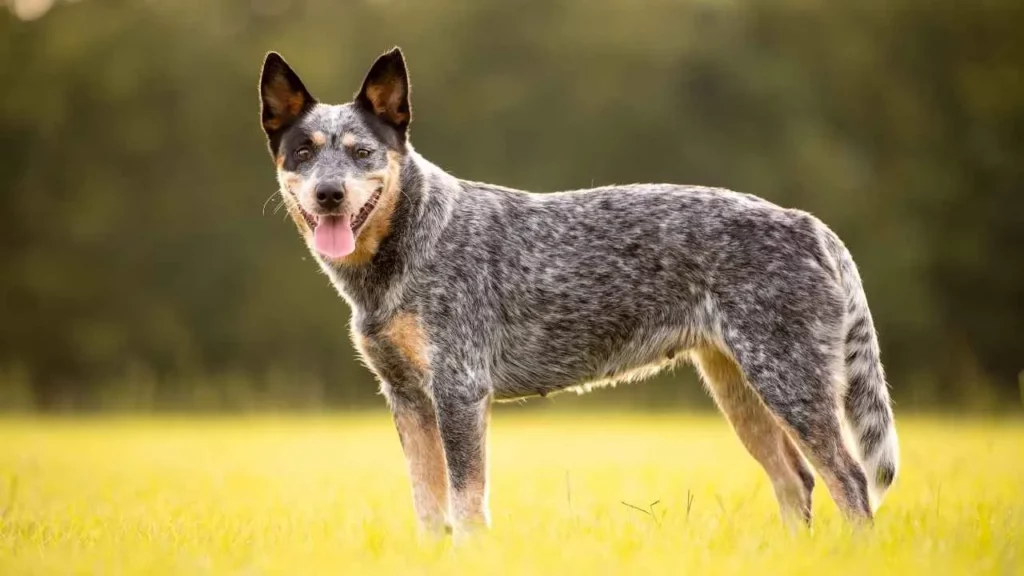
The Australian Cattle Dog is compact and muscular, built for endurance rather than size. Most adults stand 17 to 20 inches tall and weigh between 35 and 50 pounds. Their athletic build lets them make quick turns, clear high jumps, and cover long distances without tiring, which makes them a great fit for an active lifestyle.
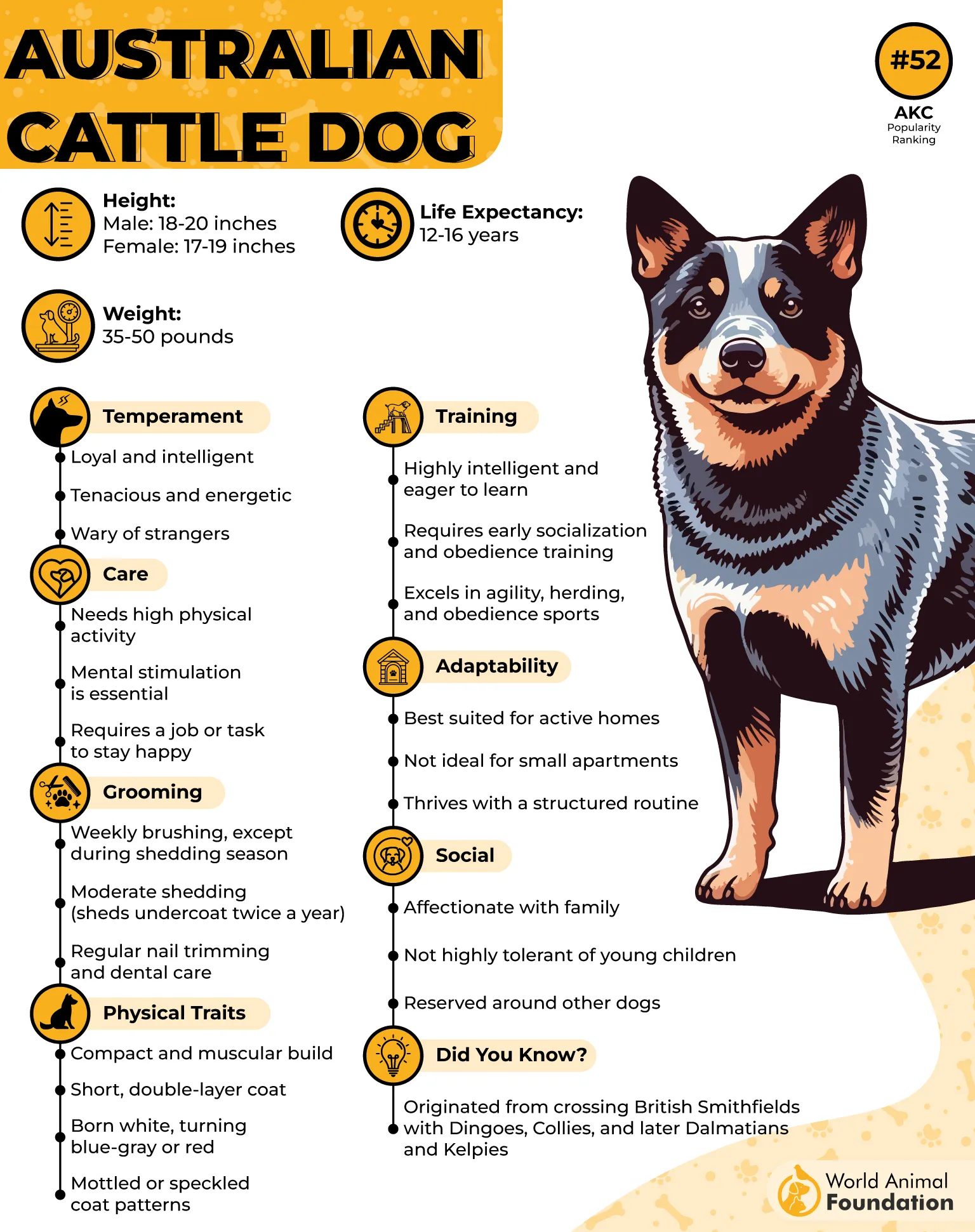
One of the most distinctive things about this breed is its coat color. Puppies are born almost entirely white, then gradually develop into blue or red speckled coats as they grow, a fascinating transformation to watch unfold. Their alert ears, focused eyes, and balanced build all reflect their working history.
Old English Sheepdog
According to the Old English Sheepdog Club, these are considerably larger dogs. Adults typically stand 21 to 24 inches or taller and weigh anywhere from 60 to 100 pounds, depending on sex and build.
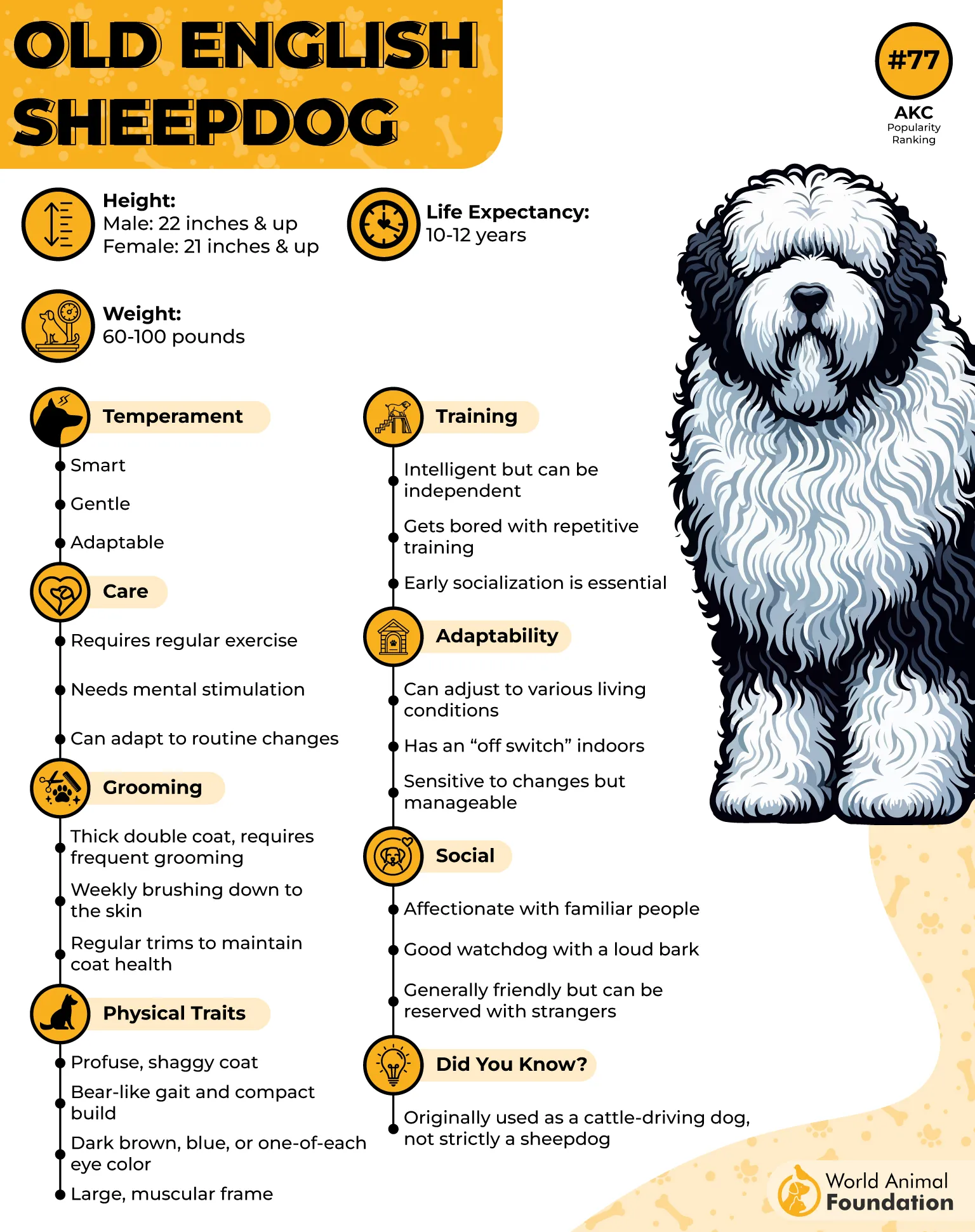
They’re not built for an athletic look. Instead, they’re sturdy and square, with a thick, soft, fluffy coat that hides much of the muscle underneath. Their large head and distinctive rolling, bear-like gait make them instantly recognizable, along with the long hair that famously flops over their eyes.
Don’t let the cuddly appearance fool you, though. Underneath all that fur, the Old English Sheepdog is a genuinely strong, capable working dog.
Coat Types, Grooming and Maintenance
Coat care is where these two breeds really part ways.
Australian Cattle Dog
The Australian Cattle Dog has a short, dense, weatherproof double coat built for outdoor work. The outer layer is waterproof, while the thick undercoat provides insulation in changing weather. Upkeep is fairly simple: regular brushing removes loose fur and helps spread natural oils through the coat.
The breed does “blow its coat” twice a year, shedding heavily during seasonal changes. During these periods, daily brushing helps clear out the dead undercoat and keeps loose hair from taking over your house.
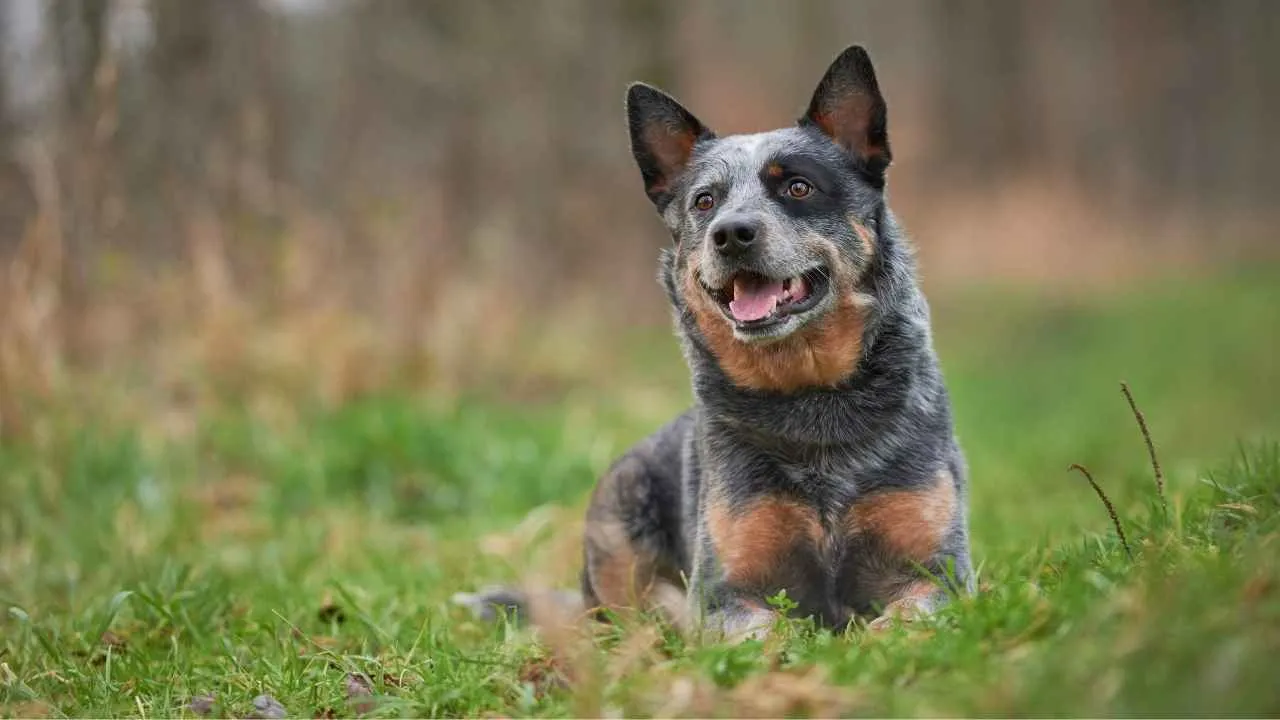
They don’t need frequent baths since their coat resists dirt naturally, and over-bathing can actually strip away the oils their skin needs. Beyond that, routine nail trims, ear cleaning, and dental care round out their grooming needs.
Old English Sheepdog
The American Kennel Club calls it the archetypal shaggy dog, and its grooming routine is one of the most demanding of any herding breed.
Its long, thick double coat picks up dirt, leaves, and debris on just about every outdoor outing. Skip regular brushing, and the coat can quickly mat, especially in sensitive spots like behind the ears, under the legs, around the tail, and beneath the collar.
Most owners give their Old English Sheepdog a full brush-out two to three times a week, and many opt for professional grooming every six to eight weeks as well. Bath time is its own project too, since the thick coat soaks up water and can take hours to fully dry.
Bottom line: if you’re hoping for a low-maintenance coat, the Old English Sheepdog isn’t it.
Temperament, Personality and Behavior
When it comes to how these breeds connect with people and their environment, the Australian Cattle Dog vs Old English Sheepdog comparison gets really interesting. Both breeds are deeply loyal; they just show it in completely different ways.
Australian Cattle Dog
Australian Cattle Dogs are famously loyal and tend to bond especially closely with one particular person. They love having a “job” to do and rarely sit still for long, always alert and on the lookout for something to occupy them.
This breed has strong protective instincts and can be a bit reserved around strangers, so early socialization matters. It helps them grow into confident, well-mannered dogs rather than wary ones.
Because they were bred to drive cattle by nipping at their heels, some Australian Cattle Dogs will try to “herd” kids, joggers, or other pets. Consistent training from a young age goes a long way toward redirecting that instinct into something more appropriate.
Old English Sheepdog
The Old English Sheepdog couldn’t be more different in temperament. This breed is gentle, patient, and affectionate, and usually happiest right in the middle of family life.
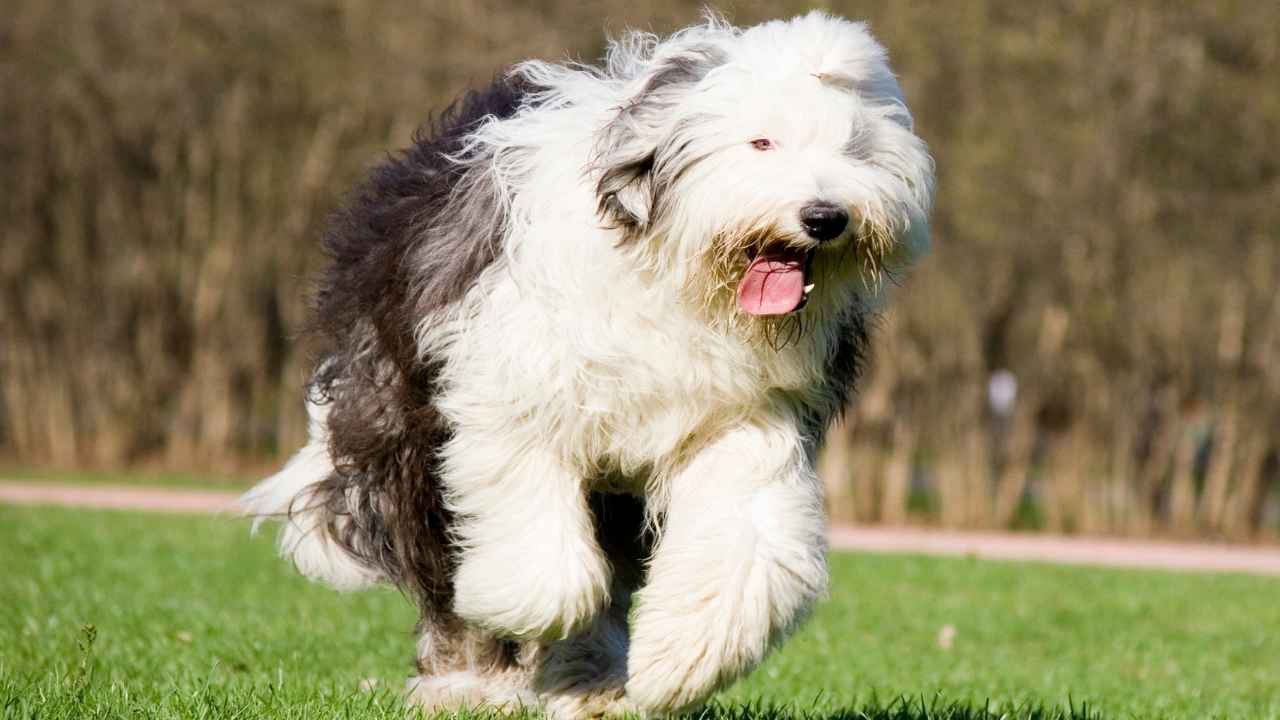
With proper socialization, they tend to get along well with kids and other pets. They’re confident without being suspicious, and they’re more likely to greet a visitor with curiosity than caution.
Despite their size, they’re playful and genuinely funny, often nicknamed “gentle clowns” for their goofy expressions and antics. They still carry some herding instinct, but it shows up as gentle guiding rather than chasing. Calm, easygoing, and great with mental and physical stimulation, they make wonderful companions for families who like spending time together.
Intelligence, Trainability and Responsiveness
Both breeds are smart, but they learn in noticeably different ways.
Australian Cattle Dog
Few breeds can match the Australian Cattle Dog when it comes to problem-solving. They pick up routines and patterns fast, and often seem to know what their owner’s about to do before it happens.
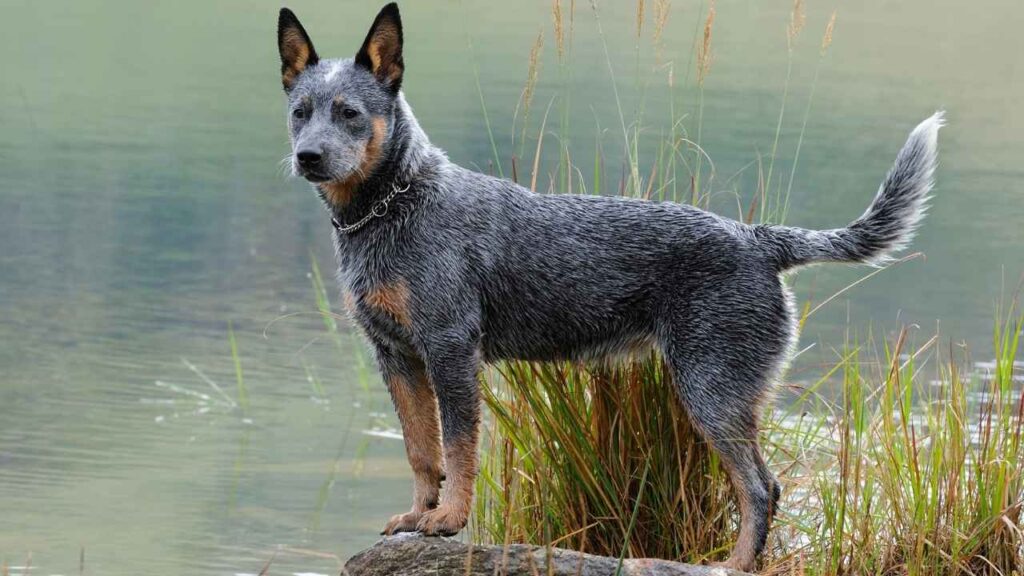
That intelligence makes training rewarding, but it also means repetitive lessons get boring for them quickly. They tend to thrive with advanced obedience, agility, scent work, rally, and interactive games that let them think for themselves.
Old English Sheepdog
This breed learns quickly too, just not quite at the same pace as the Australian Cattle Dog. As puppies, they can be playful and a little stubborn, so owners need to bring some patience to the table.
Training works best in short, positive, upbeat sessions. Praise, treats, and encouragement go a lot further than harsh correction with this breed. Once trained, they turn into dependable dogs who genuinely enjoy obedience classes, therapy work, and family outings.
Energy Levels, Activity Needs and Work Drive
Both breeds started out as farm workers, but their exercise needs today look very different.
Australian Cattle Dog
This is one of the most energetic breeds out there, and a quick walk around the block just won’t cut it. They need at least 1 to 2 hours of physical activity daily, plus mental stimulation through puzzle toys, obedience work, scent games, or agility.
Without enough to do, boredom can turn into destructive habits like excessive barking, chewing, or digging. That’s why they’re best suited to people who spend a lot of time outdoors, like runners, hikers, farmers, and active families.
Old English Sheepdog
Think of this breed as athletic with a side of clownish energy. They enjoy staying active, but not to an extreme degree. According to the Royal Kennel Club, daily walks, some backyard play, and a few interactive games are usually enough to keep them satisfied. They love outdoor time, but they’re just as happy winding down with the family afterward.
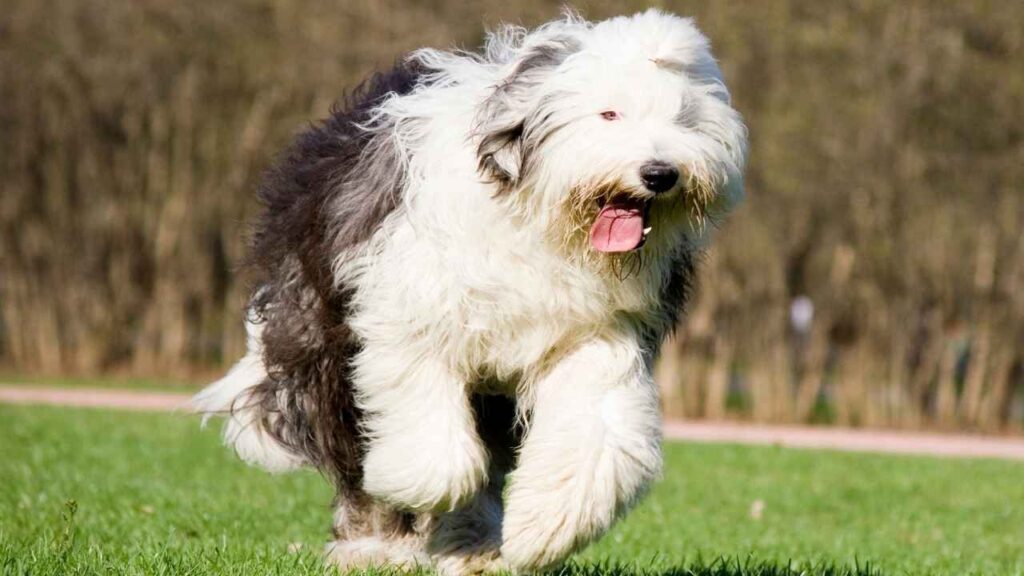
Their thick coat also makes them better suited to cooler weather than summer heat, so during warmer months, exercise is best scheduled for the cooler morning or evening hours. Overall, the Old English Sheepdog is a more moderate choice, a great fit for families who want an active dog without the nonstop energy demands.
Health, Average Lifespans and Durability
Every breed comes with its own set of health considerations, and knowing them ahead of time helps owners provide the right care throughout a dog’s life.
Australian Cattle Dog
According to Hill’s Pet Nutrition, these dogs are well-suited to a range of climates and known for being exceptionally hardy and long-lived. Their typical lifespan runs 12 to 16 years, with some living even longer.
Common health concerns include hip dysplasia, progressive retinal atrophy, and inherited deafness. Responsible breeders screen for these conditions to reduce the chances of passing them on. Regular exercise and a healthy weight also go a long way toward protecting their joints.
Old English Sheepdog
The Old English Sheepdog typically lives 10 to 12 years. Given their size, they’re prone to hip dysplasia and other joint issues. Other health concerns to watch for include eye disease, an underactive thyroid, and bloat (gastric dilation-volvulus), which is a genuine medical emergency requiring immediate care.
Their thick coat can also hide skin problems under matted fur, so regular checks for irritation, parasites, or infection are important.
Across both breeds, regular vet visits, quality nutrition, and responsible breeding practices make a real difference in long-term health.
Working, Primal and Field Performance
Even today, both breeds’ working roots show up clearly in how they act.
Australian Cattle Dog
Known as exceptional working dogs, they’re natural problem-solvers with a strong instinct for managing livestock and adapting quickly to new situations. They tend to excel at dog sports, herding trials, agility, search and rescue, scent work, and advanced obedience. Determined and focused, they can work for long stretches without losing concentration.
Old English Sheepdog
The Old English Sheepdog was originally bred to cover long distances on foot, and many still excel in herding events, obedience, and therapy work today. They’re patient by nature, which also makes them great family companions and emotional support dogs.
They may not have the speed or intensity of the Australian Cattle Dog, but they’ve always been strong, good-natured dogs, the kind of steady temperament that made them excellent farm companions for generations.
Lifestyle Fit and Adaptability
The Australian Cattle Dog is best suited to an experienced owner who loves the outdoors and has the time and energy to keep up with regular training and exercise. A home with a big yard, or a genuinely active lifestyle, is where this breed really thrives.
If you’re after a gentle, loving family dog breed that’s just as happy playing as it is lounging around, the Old English Sheepdog is likely the better fit. Yes, grooming takes real time and effort, but most owners will tell you it’s worth it for the personality and calm nature you get in return.
Conclusion
There’s no real “winner” when it comes to these two breeds; it really comes down to what fits your life best. Before you decide, think honestly about how much time, space, exercise, and grooming you can realistically commit to. Getting the match right isn’t just good for you; it sets your future pet up for a happier life too.
