




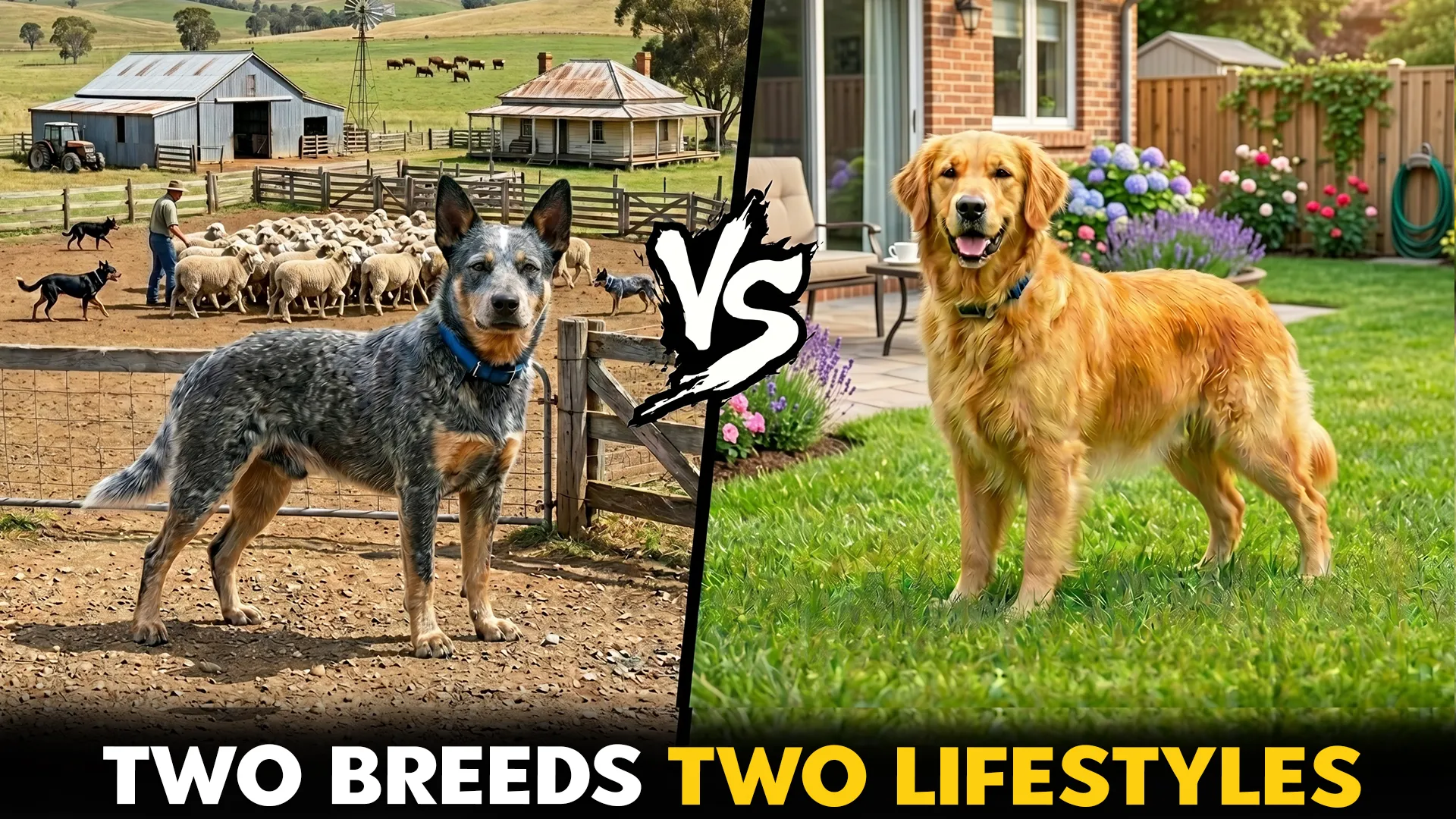
Australian Cattle Dogs and Golden Retrievers are both intelligent, loyal breeds, but they are built for very different lifestyles. The Australian Cattle Dog is a compact, hardworking herding breed known for its stamina, independence, and strong drive.
The Golden Retriever, on the other hand, is a larger sporting breed loved for its gentle nature, friendliness, and easygoing personality.
One of the biggest differences between these breeds is temperament. Australian Cattle Dogs are often more reserved, alert, and protective, especially around strangers, while Golden Retrievers are usually more social, affectionate, and eager to meet new people.
Their care needs also differ. Australian Cattle Dogs usually need intense daily exercise, mental challenges, and firm training to stay happy, while Golden Retrievers need regular activity but are generally more adaptable family companions.
Let’s take a look at a clear picture of the key differences between these two breeds.
Key Takeaways
Golden Retrievers are friendlier and usually easier for first-time owners.
Australian Cattle Dogs are more intense and need experienced, active owners.
Goldens need more grooming because of their thick, heavy-shedding coats.
Cattle Dogs often live longer and have stronger guarding instincts.
Australian Cattle Dog vs. Golden Retriever: Key Differences You Should Know
Size and Strength
Australian Cattle Dog
Australian Cattle Dogs are medium-sized working dogs with compact, muscular bodies. They are built for stamina, speed, and agility rather than bulk. Their strong herding background means they are quick on their feet and can be surprisingly powerful for their size.
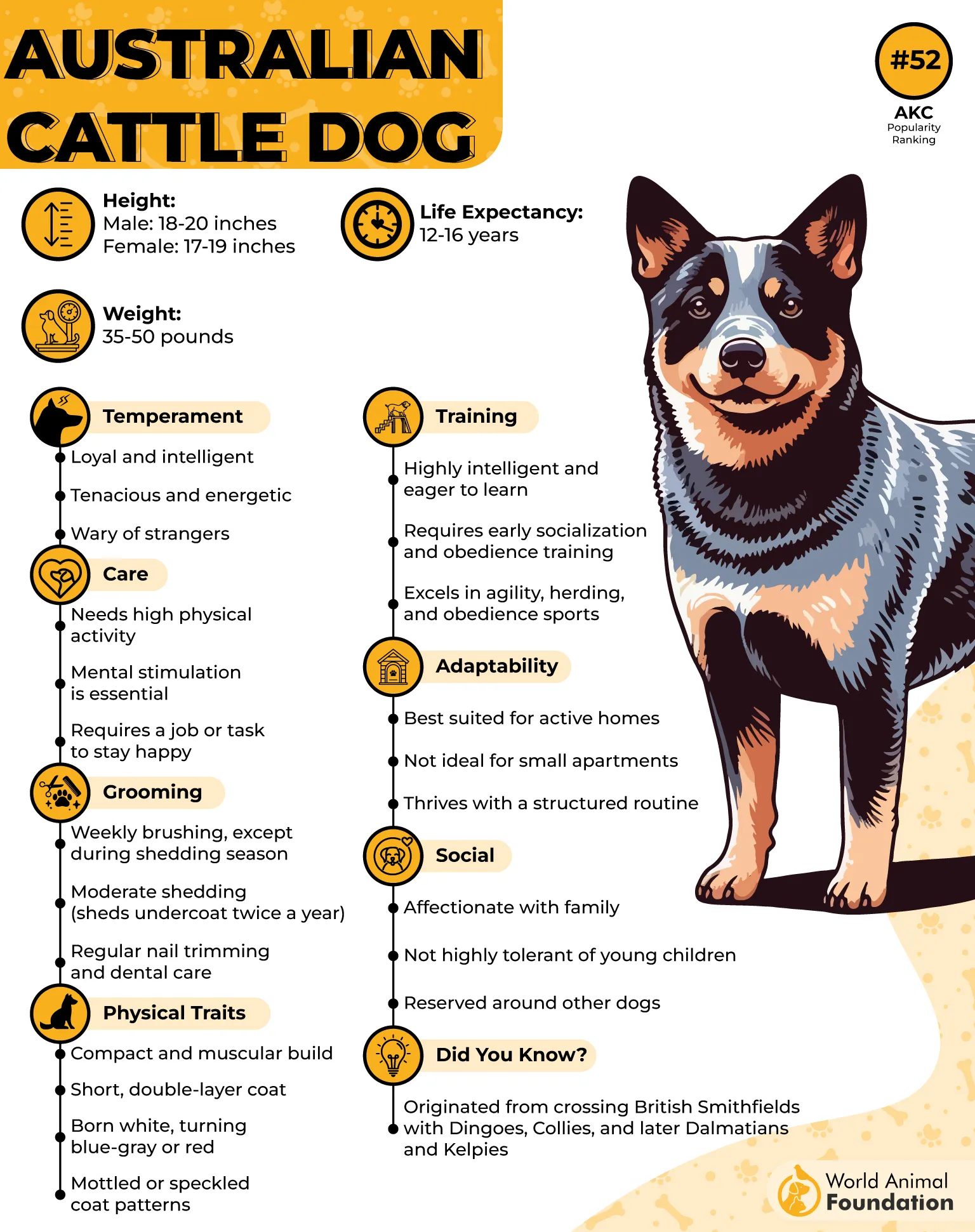
Height: About 17–20 inches tall
Weight: Around 35–50 pounds
Build: Compact, muscular, agile, and strong
Best known for: Endurance, quick movement, and herding power
Because they are smaller than Golden Retrievers, Australian Cattle Dogs may be easier for some owners to manage physically. However, their intensity, speed, and determination can still make them challenging on a leash without proper training.
Golden Retriever
Golden Retrievers are larger sporting dogs with a broad head, deep chest, and strong, muscular frame. They were bred to retrieve game, so they have the strength and stamina to run, swim, and carry objects over distance.
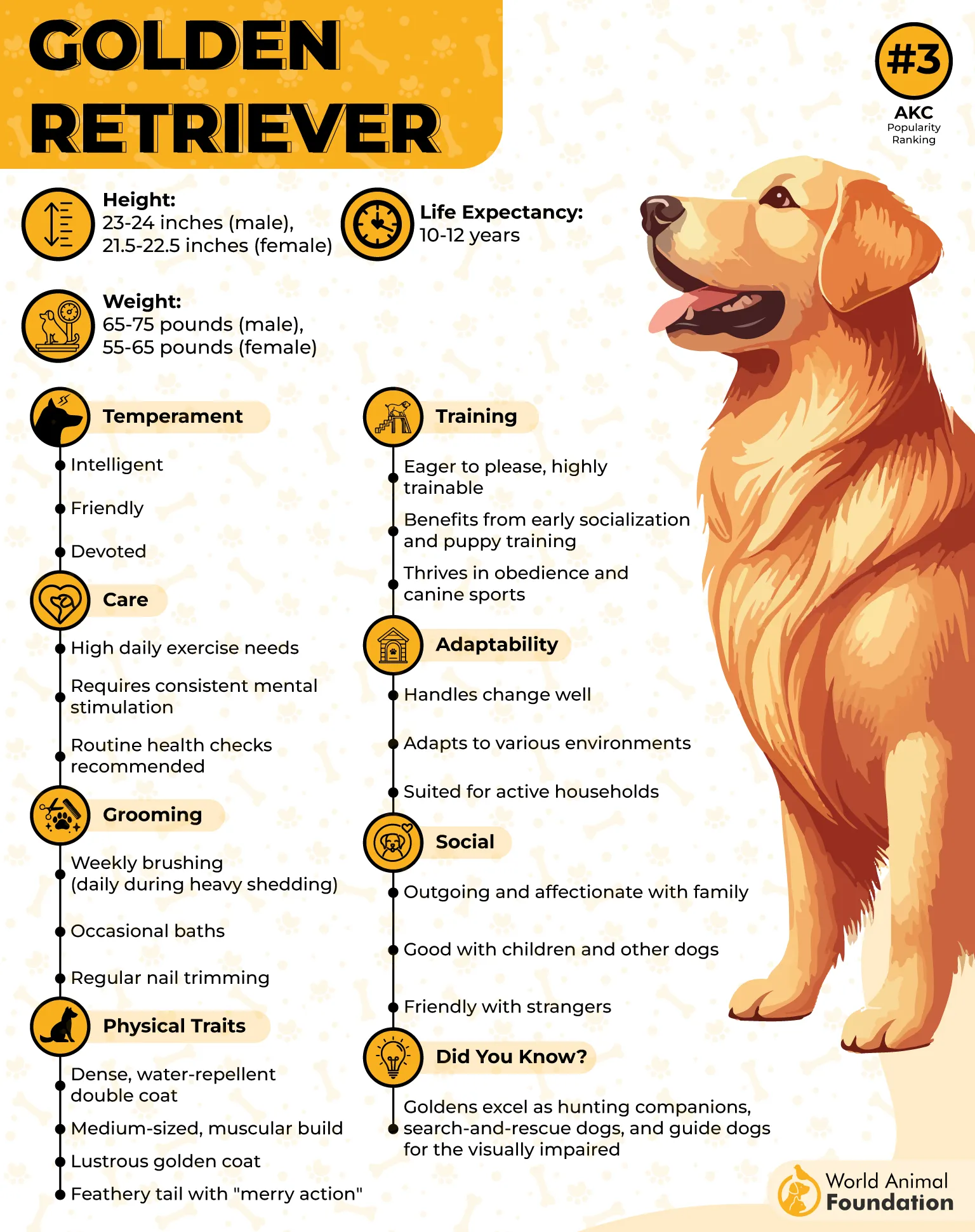
Height: About 21.5–24 inches tall
Weight: Around 55–75 pounds
Build: Larger, sturdy, athletic, and powerful
Best known for: Strength, swimming ability, and retrieving
Their extra weight can make them harder to lift, restrain, or control if they pull on the leash. That said, Golden Retrievers are often easier to manage behaviorally because they are usually eager to please and respond well to training.
Temperament and Personality
Australian Cattle Dog
Australian Cattle Dogs are hardworking, loyal, and highly alert. Because they were bred to herd livestock, they often have a strong instinct to chase, control movement, and stay focused on a task. This can make them excellent working or sport dogs, but it can also make them challenging for relaxed households.
WebMD mentions that they are often deeply bonded to their families but may be reserved with strangers. With early socialization, they can live well with children, cats, and other dogs, but their herding instincts may show up as chasing, circling, or nipping at moving pets or kids.
Very loyal and people-focused with their family
Highly intelligent, active, and task-driven
Can be cautious or reserved around strangers
May try to herd children, pets, bikes, or cars
Needs structure, training, and mental stimulation
Golden Retriever
Golden Retrievers are known for their sweet, friendly, and affectionate nature. They usually enjoy attention, meeting new people, and being part of family life. Compared with Australian Cattle Dogs, Goldens are generally more accepting of strangers and easier for first-time dog owners to manage.

Goldens are also intelligent and energetic, but they tend to be more eager to please. This makes training easier, especially when positive reinforcement is used. They still need daily exercise and mental enrichment, but they are usually less intense than Cattle Dogs.
Friendly, affectionate, and gentle
Usually good with children, pets, and strangers
Eager to please and often easy to train
Playful, social, and attention-loving
Can become mouthy, bored, or destructive without supervision
Health and Lifespan
Australian Cattle Dog
Australian Cattle Dogs are known for their toughness, stamina, and overall durability. A healthy Australian Cattle Dog can often live around 12–16 years, and some may reach 15 years or more with proper care. However, like all breeds, they can be prone to certain inherited or structural health problems.
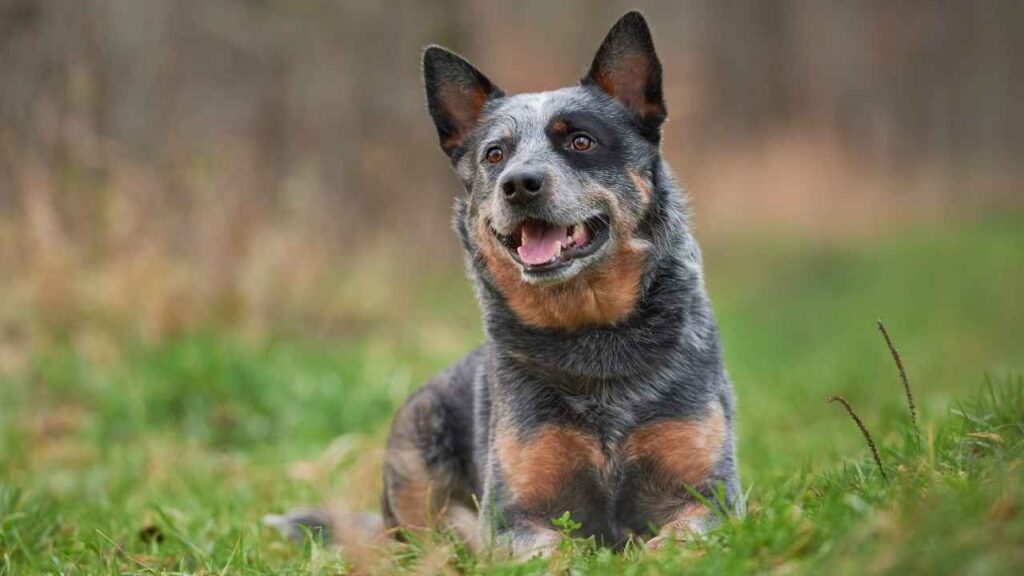
Common health concerns may include:
Progressive retinal atrophy (PRA)
Primary lens luxation (PLL)
Deafness
Elbow and hip dysplasia
Luxating patellas
Urolithiasis, or urinary stones
Skin issues, including dermatitis
Portosystemic shunt
Because some conditions can be inherited, responsible breeding and health testing are important. DNA testing, eye exams, hip and elbow evaluations, and BAER hearing tests can help detect or reduce the risk of certain problems.
Golden Retriever Health
Golden Retrievers usually have a shorter lifespan than Australian Cattle Dogs, with an average life expectancy of 10–12 years. They are active, affectionate dogs, but their larger size and heavier build can put pressure on their joints, especially if they become overweight.
Goldens also need regular grooming because of their thick double coat. Their coat can mat behind the ears and around the hind legs, and heavy shedding is common. Keeping their skin, ears, and coat clean can help prevent discomfort and irritation.
Golden Retrievers benefit from:
Regular vet checkups
Daily exercise
A healthy, age-appropriate diet
Weight control
Ear and skin care
Consistent grooming
Mental stimulation through training, fetch, swimming, or walks
Training and Exercise
Australian Cattle Dog
Australian Cattle Dogs need firm, consistent training and plenty of daily exercise to stay happy and well-behaved. Because they were bred to herd livestock, they are intelligent, alert, and highly driven, which means they do best with owners who can give them structure and a clear job to do.
Long walks, running, hiking, fetch, agility, obedience training, and puzzle games can all help burn off their energy. Without enough physical and mental stimulation, an Australian Cattle Dog may become bored and develop unwanted behaviors such as chewing, digging, chasing, or excessive barking.
Golden Retriever
Golden Retrievers are also intelligent and active, but they are highly trainable because they are eager to please, as mentioned by the American Kennel Club. They respond especially well to positive reinforcement, praise, treats, and play-based training.
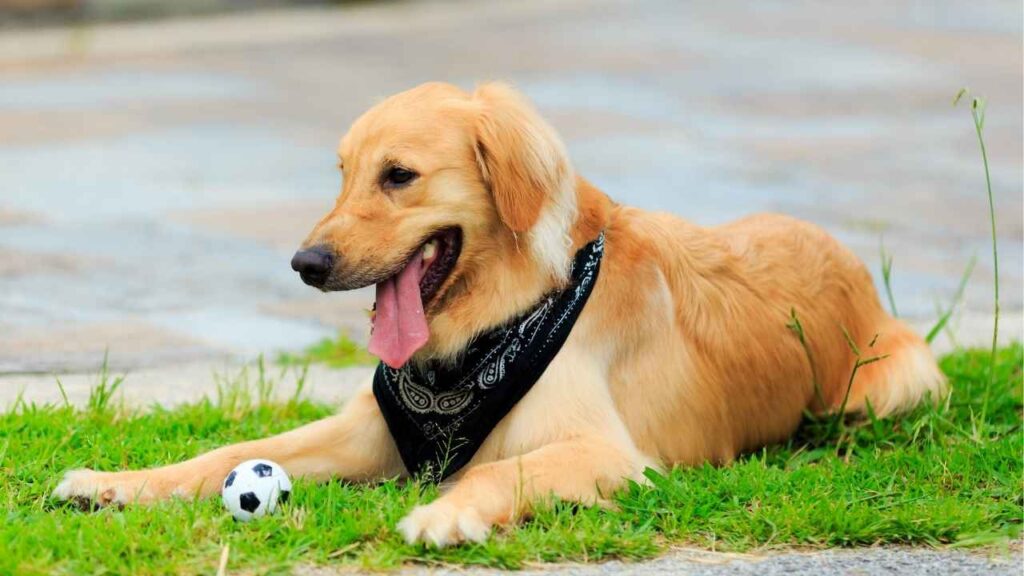
Goldens still need daily exercise, such as long walks, fetch, swimming, obedience work, or retrieving games, but they are generally less intense than Australian Cattle Dogs. If they do not get enough activity or attention, they may become bored, mouthy, or destructive, especially as puppies and young adults.
Grooming Needs
Australian Cattle Dog
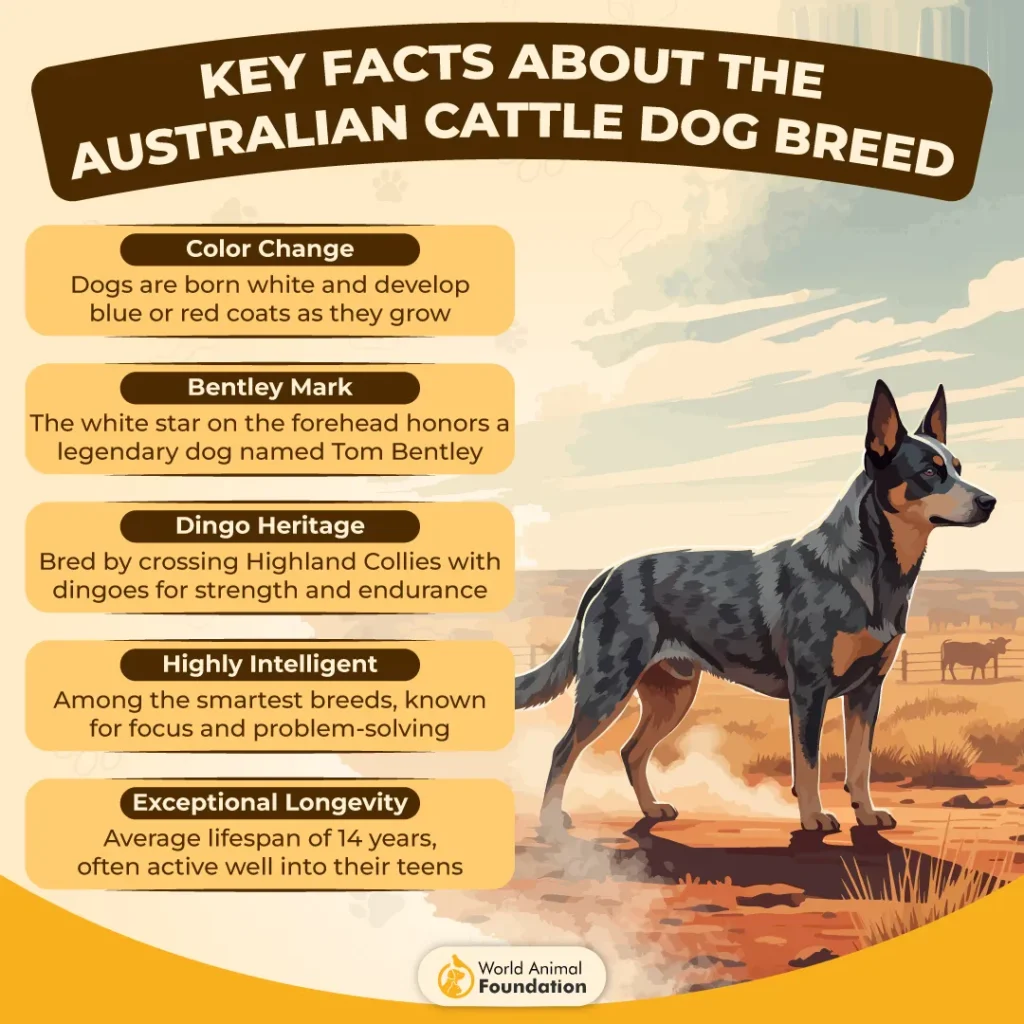
Australian Cattle Dogs have short, dense double coats with a rain-resistant outer layer. Their coats are easier to manage than a Golden Retriever’s, but they are not completely low-shedding dogs.
According to Orvis, they shed moderately throughout the year and may shed more heavily when they blow their undercoat, usually around twice a year.
Basic grooming needs include:
Daily or frequent brushing during heavy shedding seasons
Occasional baths, especially after muddy outdoor play
Regular nail trims
Routine ear checks and cleaning
Eye checks, especially if they are active outdoors
They usually do not need frequent professional grooming, but a groomer can help during seasonal coat blowouts. Because Australian Cattle Dogs are active, outdoor dogs, flea, tick, and heartworm prevention are also important parts of their overall care.
Golden Retriever
Golden Retrievers need more consistent grooming because of their thick, water-repellent double coat. They shed heavily and can develop mats, especially behind the ears, around the legs, and on the hindquarters.
Brushing once or twice a week is usually the minimum, but many Goldens benefit from more frequent brushing during shedding seasons.
Golden Retriever grooming often includes:
Require weekly brushing
Regular baths with a gentle shampoo
Cleaning the ears, especially after swimming or bathing
Wiping away mild tear staining when needed
Regular nail trims
Goldens can also be prone to ear infections and skin allergies, so their ears and skin need extra attention. Their grooming routine takes more time than an Australian Cattle Dog’s, but it helps keep their coat healthy, reduces shedding, and prevents discomfort.
Energy Level
Australian Cattle Dog
Australian Cattle Dogs are extremely energetic and need a more active, structured lifestyle. Bred to herd livestock, they have strong stamina, quick reflexes, and a constant desire to stay busy.
A short walk is usually not enough for this breed; they need running, hiking, agility, obedience work, puzzle games, or other mentally challenging activities.
Without enough exercise, Australian Cattle Dogs can become frustrated and may start chewing, digging, barking, chasing, or trying to herd children and pets.
Golden Retriever
Golden Retrievers have high energy, but they are usually more manageable and adaptable than Australian Cattle Dogs. They enjoy daily walks, games of fetch, swimming, running, and family playtime, especially when they are young.
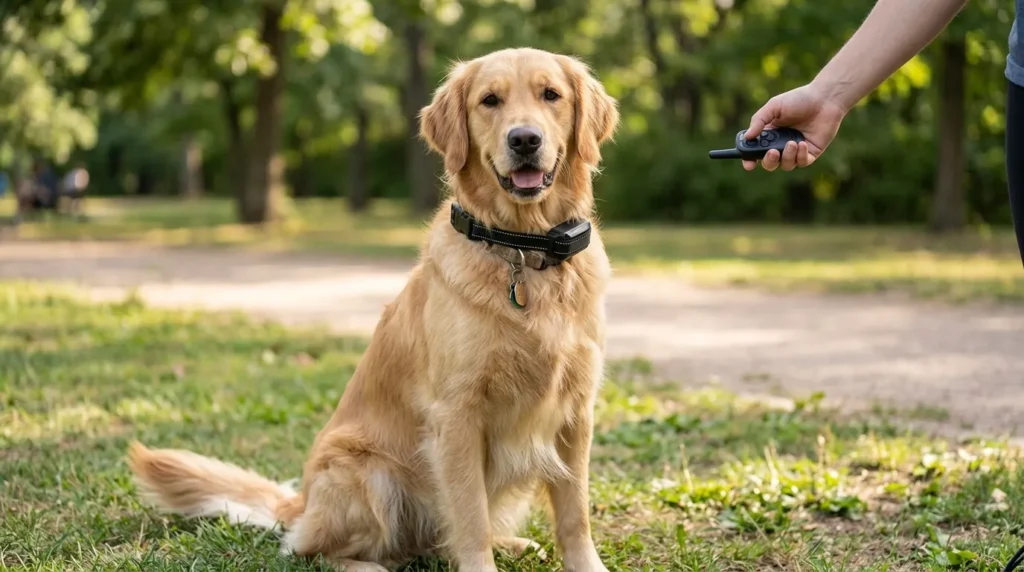
However, once their exercise needs are met, many Goldens are happy to relax at home with their family. Without enough activity or attention, they can become bored, mouthy, or destructive, so regular exercise and mental stimulation are still important.
Natural Guard Instincts
Australian Cattle Dog
Australian Cattle Dogs tend to have stronger guarding and protective instincts than Golden Retrievers. They are loyal, alert, and naturally watchful, often keeping a close eye on their home, family, and surroundings.
Because they can be reserved with strangers, they may be quicker to bark, investigate, or act cautiously around unfamiliar people. However, this protective nature needs proper training and early socialization so it does not turn into fearfulness, overprotectiveness, or reactivity.
Golden Retriever
Golden Retrievers are usually not strong natural guard dogs. They may bark to alert their family when someone comes to the door, but they are typically friendly, social, and welcoming toward strangers.
Because Goldens are so people-oriented and eager to make friends, they are more likely to greet visitors with excitement than suspicion. This gentle personality makes them excellent family companions, but they are not the best choice for someone who wants a naturally protective or serious watchdog.
Protective Temperament
Australian Cattle Dog
Australian Cattle Dogs usually have a more protective temperament. They are deeply loyal, alert, and naturally aware of what is happening around them.
Because they were bred to work closely with people and control livestock, they often take their role in the family seriously and may be cautious around unfamiliar people or situations.
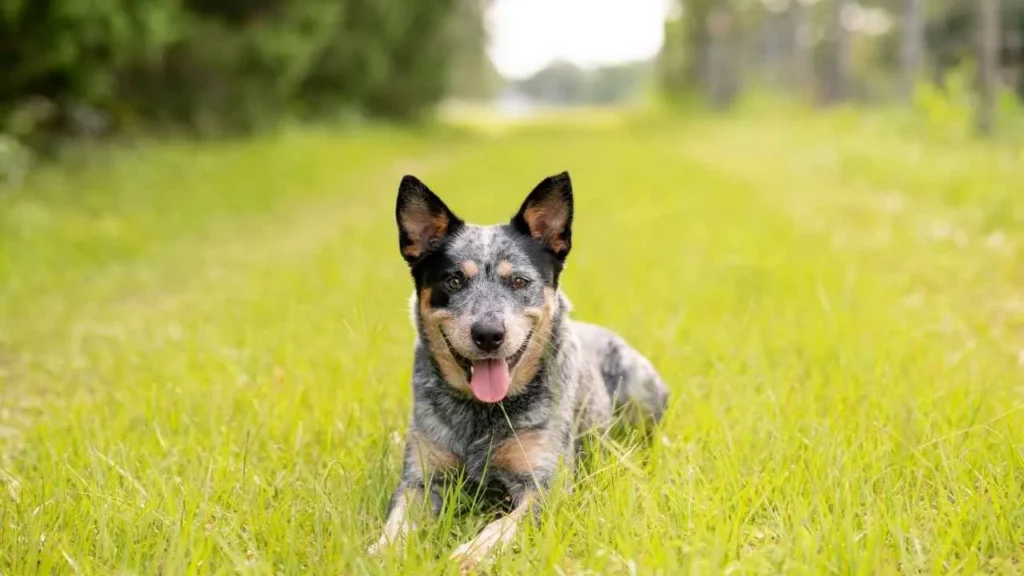
This can make them excellent watchdogs, but they need early socialization and consistent training so their protectiveness stays balanced and does not become overguarding, fearfulness, or reactivity.
Golden Retriever
Golden Retrievers are loyal to their families, but they are usually not naturally suspicious or highly protective. Most Goldens have a gentle, friendly temperament and are more likely to welcome strangers than guard against them.
They may bark if something seems unusual, but their first instinct is often to seek attention, affection, or play. This makes them a great choice for families who want a loving, social companion, but not necessarily a dog with a strong protective edge.
Conclusion
Both the Australian Cattle Dog and the Golden Retriever can make wonderful companions, but they suit different types of owners.
Golden Retrievers are usually the better choice for families who want a friendly, affectionate, and easygoing dog that gets along well with children, pets, and visitors. They do need regular exercise, grooming, and attention, but their eager-to-please personality often makes them easier for first-time owners.
Australian Cattle Dogs are better suited to active, experienced owners who can provide structure, training, and plenty of mental and physical stimulation. They are loyal, intelligent, protective, and hardworking, but their strong herding instincts and intense energy can be challenging in a relaxed household.
If you want a social family companion, the Golden Retriever may be the easier fit; if you want a driven, alert, athletic partner, the Australian Cattle Dog may be the better match.
