




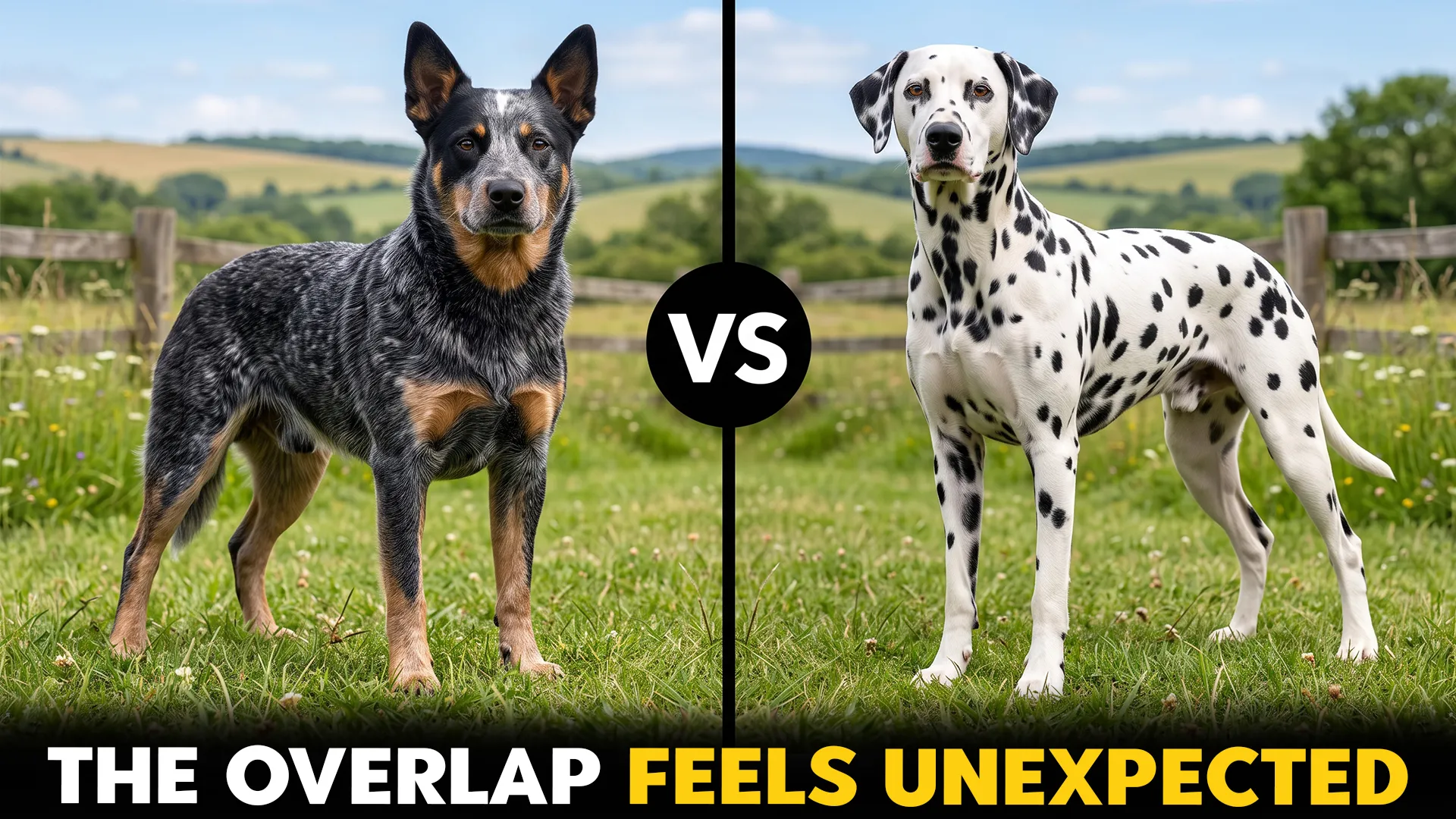
Ever looked at an Australian Cattle Dog and a Dalmatian and thought, “Wait… are they secretly related?” One has a spotted coat that turns heads everywhere it goes, while the other is famous for its work ethic and endless energy. At first glance, these two breeds seem to belong in completely different worlds.
But here’s where things get interesting.
Despite their very different appearances and histories, the Australian Cattle Dog and Dalmatian share more in common than most people realize. From their intelligence and athletic ability to their strong bonds with their families, the similarities can be surprisingly hard to ignore.
If you’ve ever wondered why both breeds have earned loyal fans around the world, you’re in the right place. Let’s uncover the unexpected traits, shared characteristics, and fascinating connections that make the Australian Cattle Dog and Dalmatian a more similar pair than they first appear.
Australian Cattle Dog vs. Dalmatian: Surprising Similarities Explained
Think an energetic herder and a spotted firehouse icon have nothing in common? You’ll be surprised to learn these two historic breeds actually share a secret genetic bond and a tireless work ethic.
Origins & Purpose
At first glance, the Australian Cattle Dog and Dalmatian have very different histories. The Australian Cattle Dog, often called a Blue Heeler or Queensland Heeler, was developed in Australia to herd cattle across vast, rugged terrain, while the Dalmatian became known for running alongside horse-drawn carriages.
Australian Cattle Dog
Bred to herd cattle over long distances.
Developed for endurance, stamina, and independence.
Able to work and make decisions with little supervision.
Dalmatian
Traditionally worked as a carriage dog.
Ran alongside horses on long journeys.
Served as both a guard dog and a companion.
What They Have in Common
Both were bred as working dogs, not just pets.
Each has high energy and a strong work ethic.
Both are intelligent, athletic, and purpose-driven.
Their working backgrounds still influence their behavior and exercise needs today.
Although their original jobs were different, both breeds were developed to be reliable working partners. Their shared intelligence, endurance, and athleticism help explain the similarities seen in their personalities today.
Size & Build
At first glance, the Australian Cattle Dog and Dalmatian look quite different, but they share more physical similarities than many people realize. Both breeds were developed as hardworking dogs that needed stamina, agility, and endurance rather than massive size.
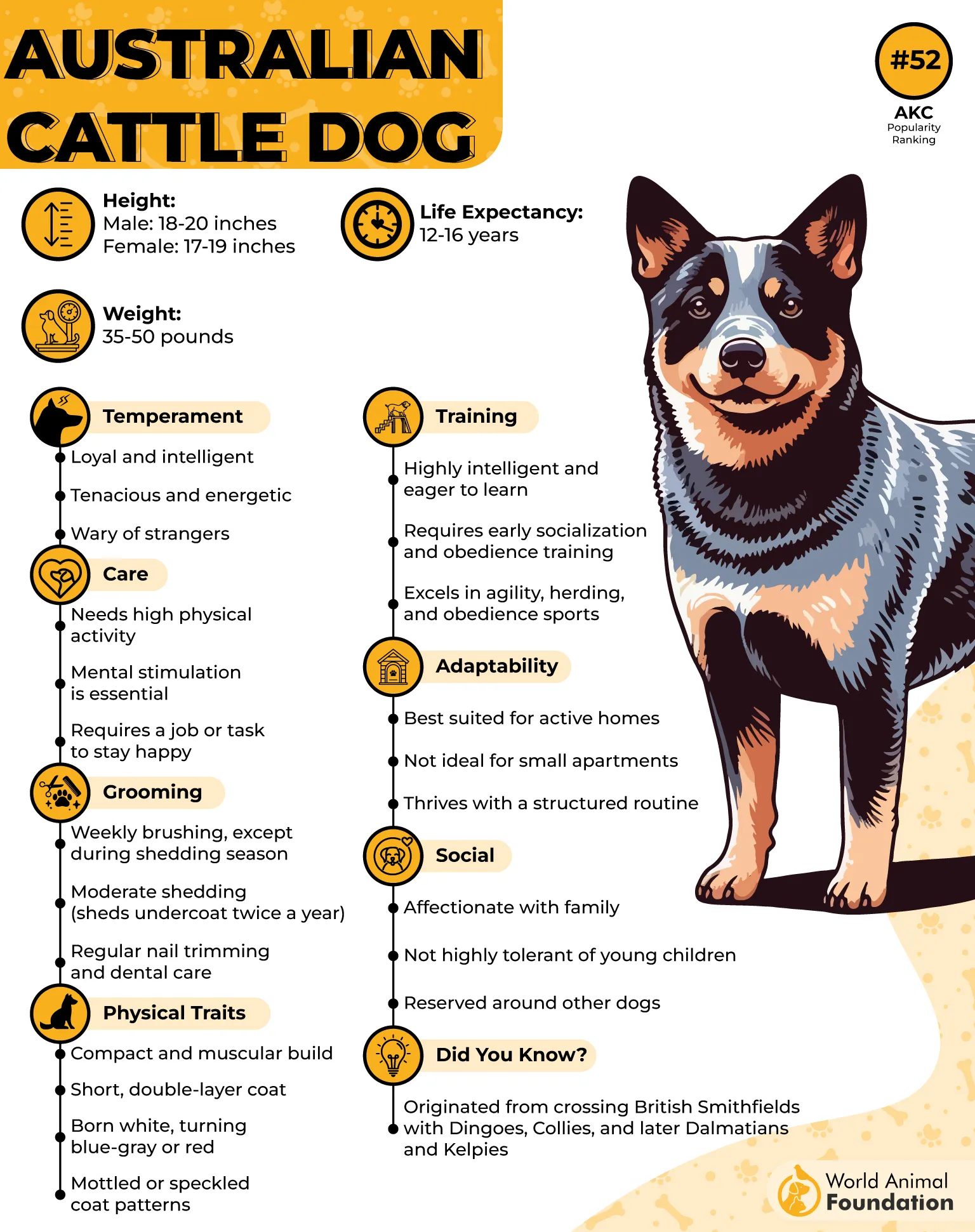
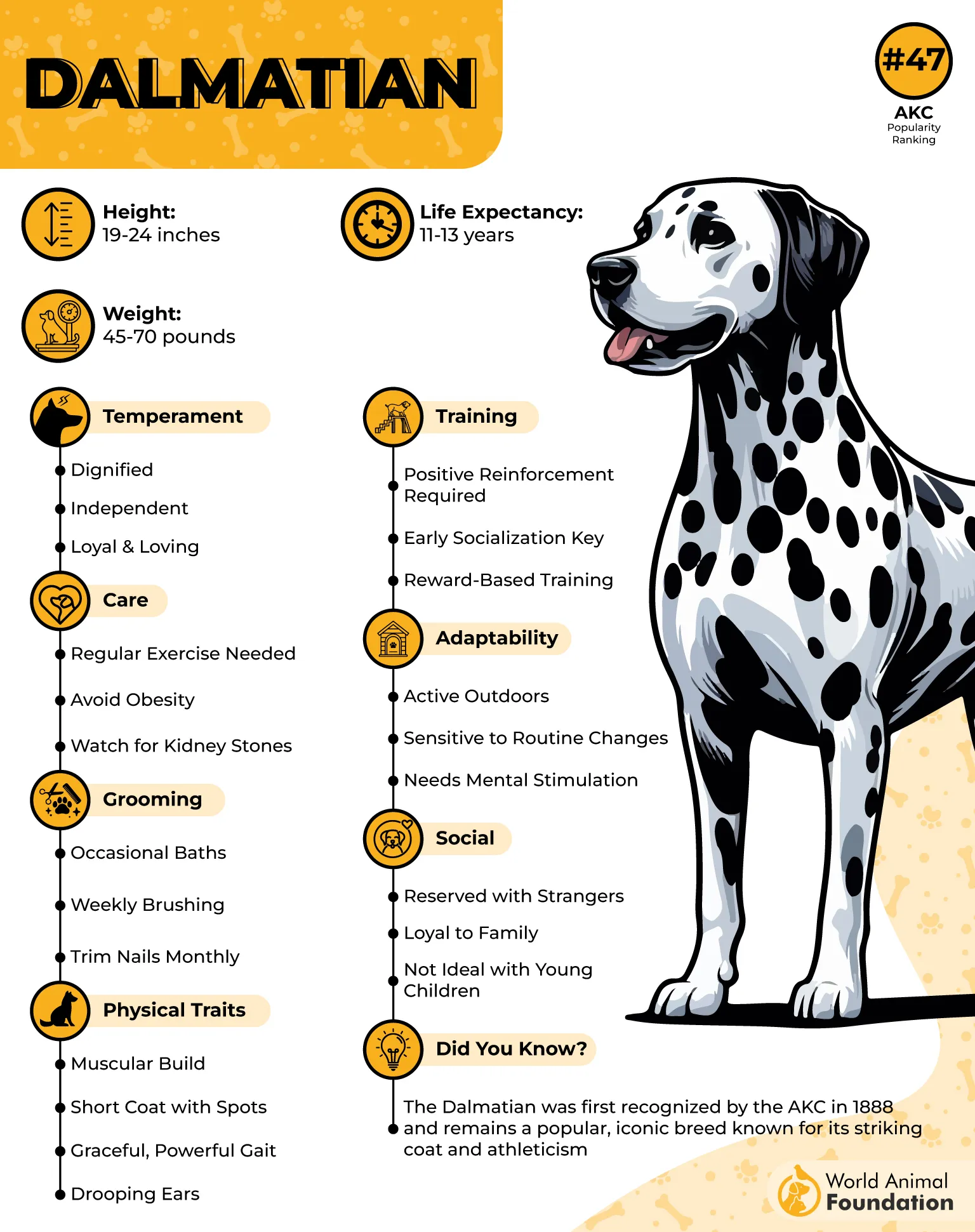
Australian Cattle Dog: Typically stands 17–20 inches tall and weighs 35–50 pounds. It has a compact, muscular body built for herding cattle over long distances and rough terrain.
Dalmatian: Usually stands 19–24 inches tall and weighs 45–70 pounds. It is slightly taller and leaner, with an athletic frame designed for running alongside horses and covering long distances.
Surprising Similarity: Despite differences in coat and appearance, both breeds are energetic, well-balanced dogs with excellent endurance, strong muscles, and a natural ability to stay active for hours.
Pricing & Availability
Costs and availability vary for both breeds depending on location and source.
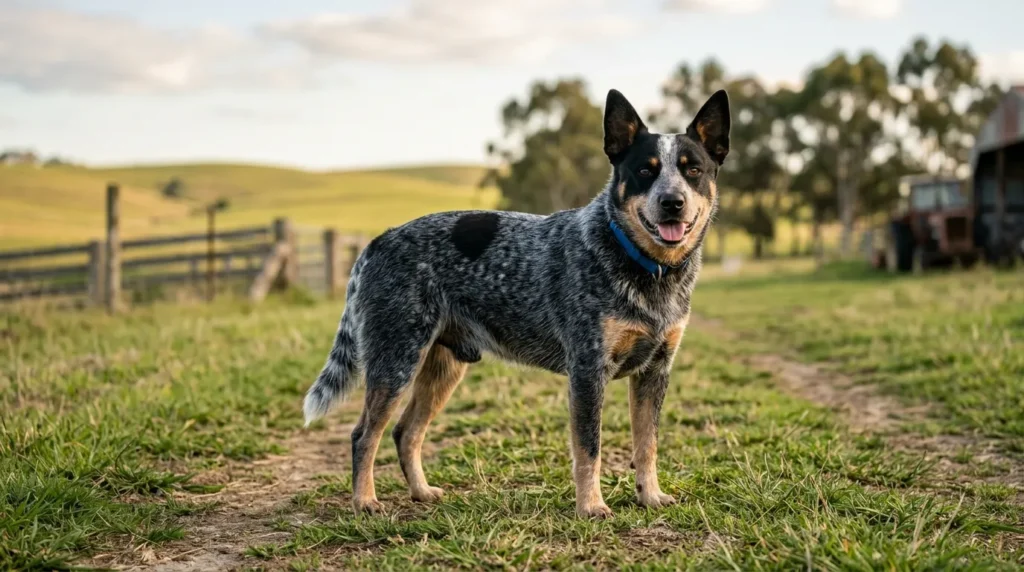
Australian Cattle Dogs: Can often be adopted through shelters or rescues, starting at around $250. Purchasing from a breeder typically costs between $800 and $5,000, depending on pedigree, working lines, and training. While they are not always common in shelters, breed-specific rescues are available.
Dalmatians: Are generally easier to find through breeders, with prices ranging from $500 to $1,200. Adoption fees usually range from $50 to $300, though most rescue Dalmatians are adults rather than puppies.
While purchase price is important, the bigger consideration is long-term ownership. Both breeds require significant time, exercise, training, and commitment. Whether adopted or purchased, the true investment goes beyond the initial cost and includes meeting each dog’s physical and mental needs throughout its life.
Exercise Needs & Energy Level
If there’s one thing both breeds agree on, it’s this—slow days are not their thing.
The Australian Cattle Dog is built for serious work, not casual strolls. A quick walk around the block won’t cut it. This breed needs over two hours of real activity daily, whether that’s running, herding, or intense training sessions, as per WebMD. Without it, that energy finds its own “creative” outlet, and not always in a good way.
The Dalmatian isn’t far behind. Originally bred to run miles beside carriages, it still craves long jogs, hikes, and active play. Boredom can quickly turn into destructive behavior, so stimulation is key.
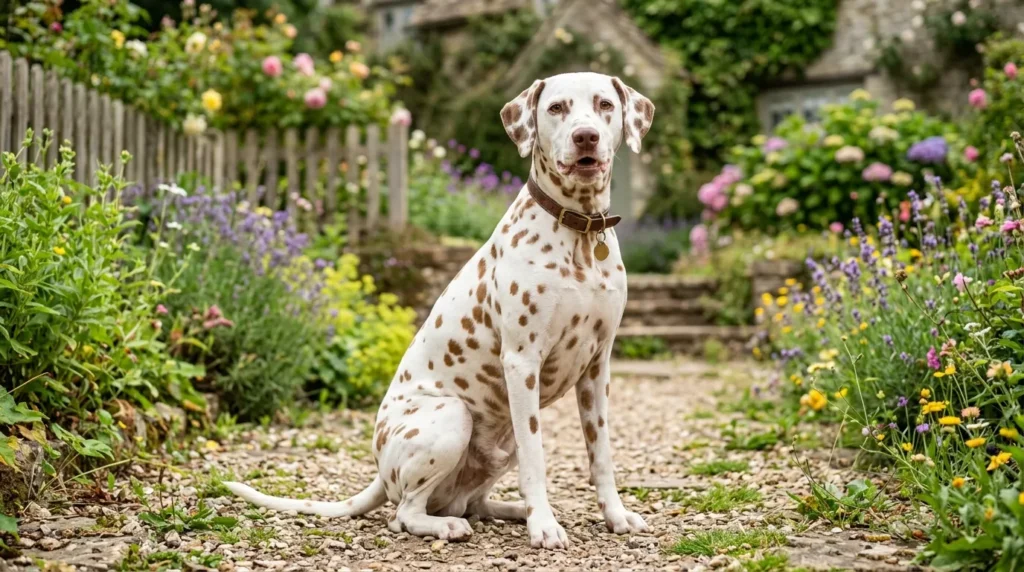
Surprising Similarity: Both dogs shine in dog sports like agility, obedience, and tracking. In short, if you’re active, they’ll match you step for step—if not, they’ll definitely keep you on your toes.
Trainability & Obedience
Both breeds are intelligent and trainable, but they learn in different ways and require consistent guidance.
Australian Cattle Dog
Learns commands quickly due to strong problem-solving skills and a natural working instinct.
Responds best to structured training, early socialization, and positive reinforcement to manage herding behaviors such as nipping or chasing.
Dalmatian
Smart but more independent, often learning best when training is fun and rewarding.
Benefits from praise, toys, and treats, and can excel in agility, endurance sports, and obedience activities with proper motivation.
As per PetMD, the Australian Cattle Dog is generally more focused and task-oriented, making it easier to train for advanced working roles. The Dalmatian, while equally capable, may show a stubborn streak and lose interest in repetitive sessions. Keeping training varied and engaging helps maintain attention and encourages better results.
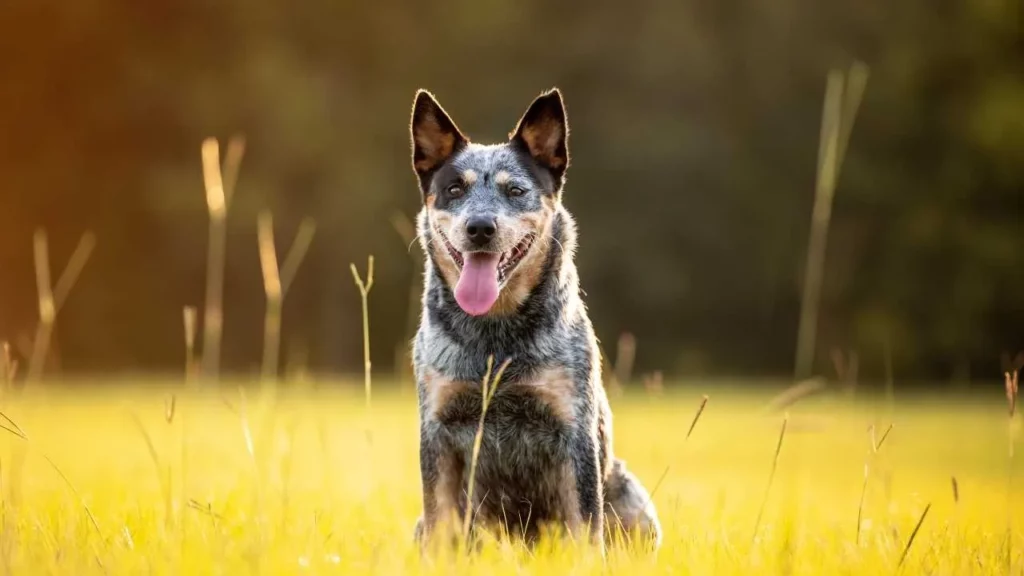
Overall, both breeds perform well when given regular mental stimulation, positive reinforcement, and opportunities to stay active and challenged.
Grooming Needs & Shedding
Australian Cattle Dog: Despite its short coat, this breed has a dense double coat that sheds moderately year-round and heavily during seasonal shedding periods. Brushing 2–3 times a week helps control loose hair, while occasional baths are usually sufficient. Their weather-resistant coat requires minimal upkeep beyond routine parasite prevention.
Dalmatian: Dalmatians are known for constant shedding, even with their short coat. Weekly brushing helps reduce loose hair, but shedding remains noticeable. They may also have sensitive skin, making gentle grooming products and regular skin checks important.
Surprising Similarity: Both breeds are relatively easy to groom compared to long-haired dogs, but neither is truly low-shedding. Regular brushing, nail trimming, dental care, and basic skin maintenance are essential to keep either breed healthy, comfortable, and looking their best throughout the year.
Guarding Instincts & Alertness
Both the Australian Cattle Dog and Dalmatian are naturally alert breeds with strong protective instincts. Their working backgrounds helped develop a keen awareness that remains evident in family life today.
The Australian Cattle Dog is highly watchful and protective of its home and loved ones. Rather than reacting impulsively, it tends to observe situations carefully before responding. Early socialization is important to help it recognize normal visitors and unfamiliar situations. With proper training, it becomes a dependable and calm watchdog.
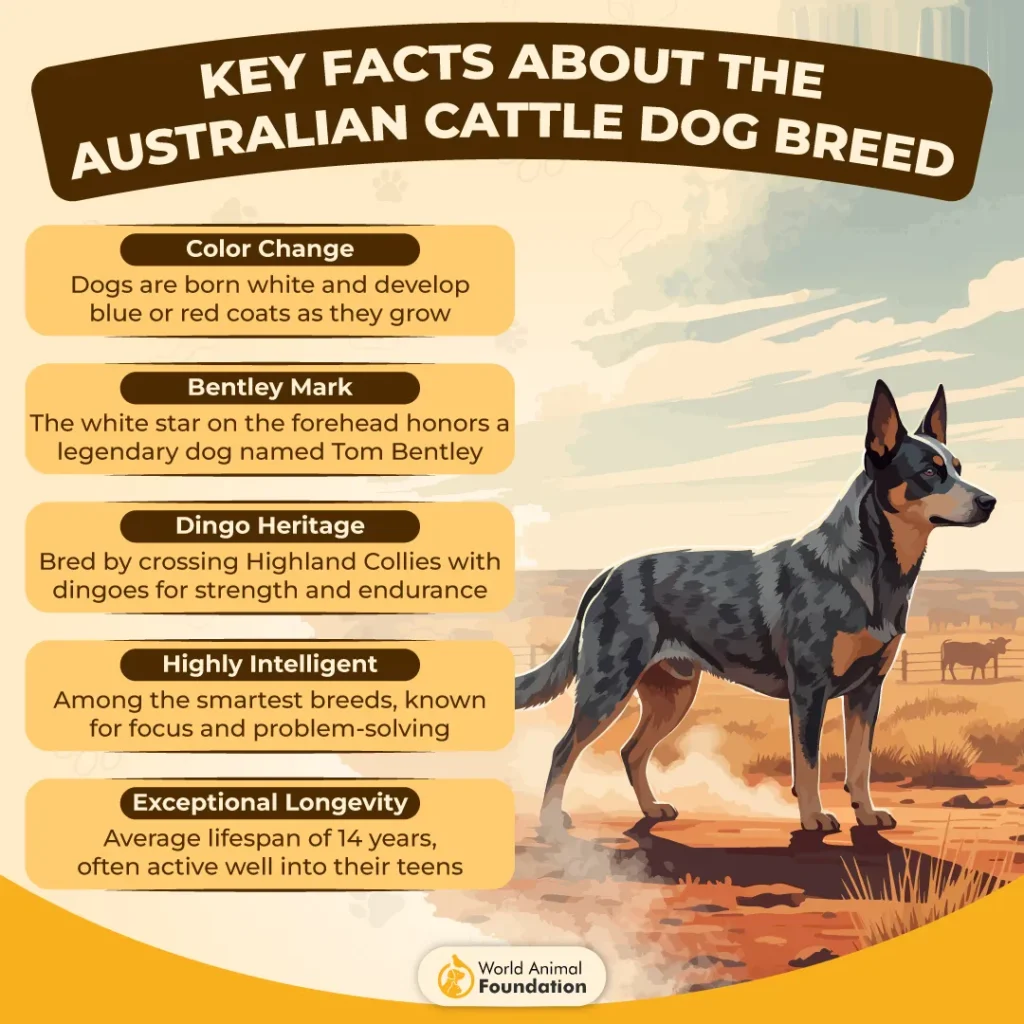
The Dalmatian also has a history of guarding, dating back to its role as a carriage dog. It is quick to notice unusual activity and may alert its family when something seems out of place, as per Orvis. Although sometimes reserved with strangers, it usually becomes friendly once trust is established.
Common Similarity: For both breeds, protection comes from loyalty rather than aggression, making them attentive companions that naturally watch over their families.
Health & Lifespan
Both breeds are generally healthy and active, but each has a few inherited conditions that prospective owners should be aware of. Choosing a reputable breeder who performs health testing can significantly reduce the risk of genetic disorders.
Australian Cattle Dog
Life Expectancy: 12–16 years
Common health concerns include:
Progressive Retinal Atrophy (PRA)
Hip Dysplasia
Elbow Dysplasia
Deafness
Osteochondritis Dissecans (OCD)
Cataracts
Von Willebrand’s Disease
Persistent Pupillary Membrane
Dalmatian
Life Expectancy: 11–13 years
Common health concerns include:
Hereditary Deafness
Urinary Tract Stones (Urolithiasis)
Hip Dysplasia
Skin Allergies
Iris Sphincter Dysplasia
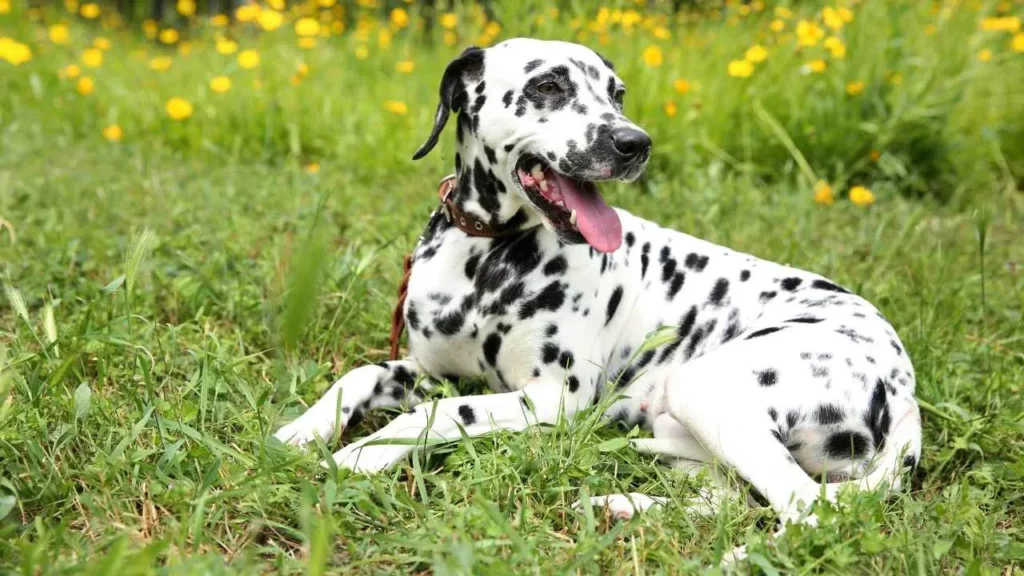
While both breeds can enjoy long, active lives, the Australian Cattle Dog typically has a slightly longer average lifespan. Regular veterinary care, a balanced diet, proper exercise, and responsible breeding practices play a major role in helping either breed stay healthy for years to come.
Australian Cattle Dog vs. Dalmatian: Which One Should You Bring Home?
Choosing between an Australian Cattle Dog and a Dalmatian depends on your lifestyle and expectations. The Australian Cattle Dog is ideal for owners who want an intelligent dog, a hardworking companion that enjoys training, problem-solving, and having a purpose. This breed thrives with plenty of exercise, mental challenges, and consistent structure.
The Dalmatian is a great choice for active families seeking an energetic, friendly dog with a playful and social nature. Dalmatians love outdoor activities and need regular exercise to stay happy and healthy.
Both breeds are known for their intelligence, loyalty, endurance, and strong bonds with their families. However, neither is suited to a sedentary lifestyle, as both require time, attention, and daily activity.
If you prefer a focused working dog, the Australian Cattle Dog may be the better fit. If you want a spirited, athletic companion, the Dalmatian could be your perfect match.
Conclusion
The Australian Cattle Dog and Dalmatian are both intelligent, energetic, and loyal breeds, but they suit different lifestyles. The Australian Cattle Dog is more focused and work-driven, while the Dalmatian is playful and outgoing.
Since both require plenty of exercise and attention, the best choice depends on your activity level and preferences. Choose the breed that fits your lifestyle, and you’ll gain a devoted companion for years to come.
