




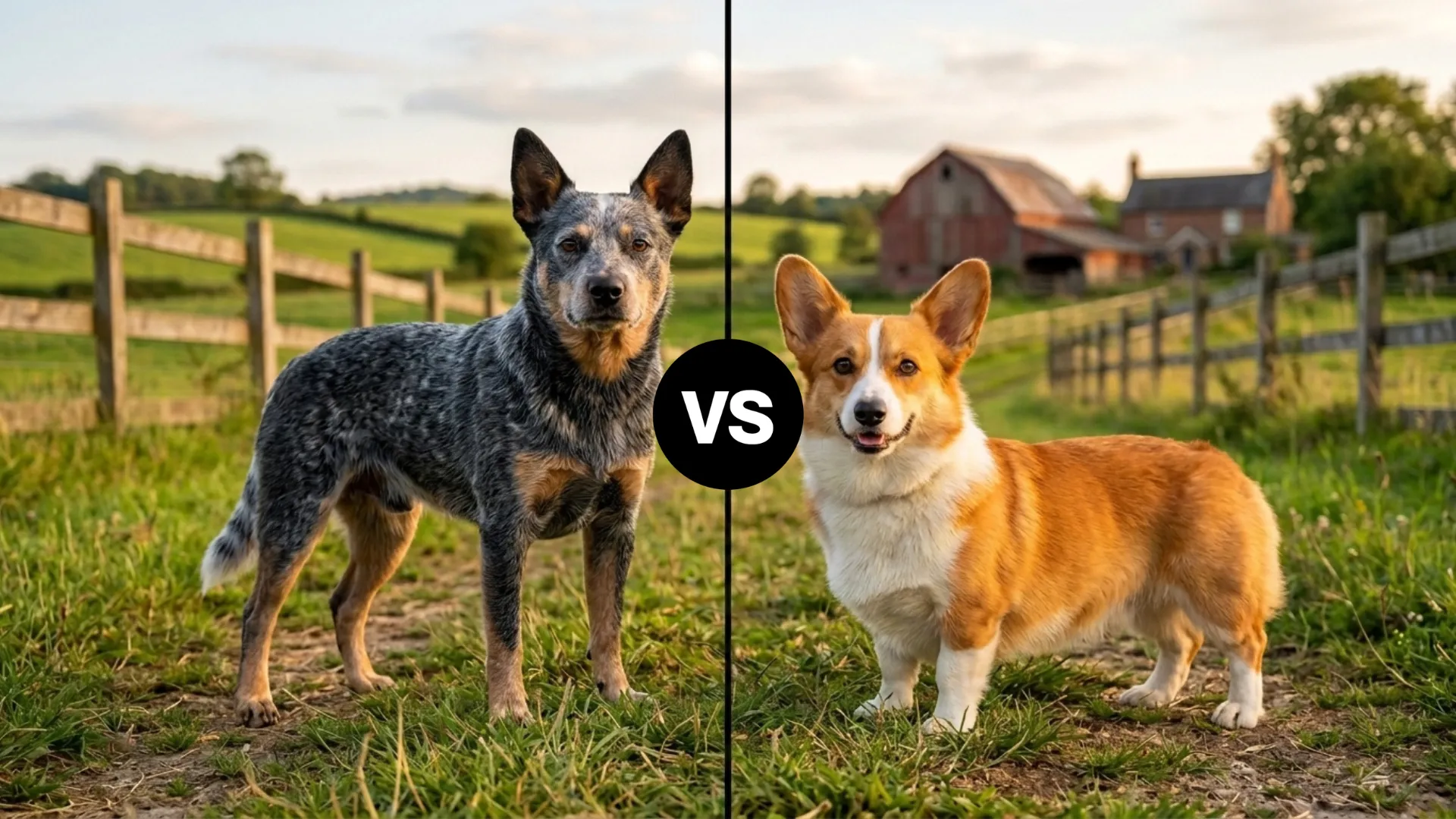
Australian Cattle Dog vs Corgi is one of those comparisons that looks simple until you actually meet both dogs. One is a rugged, no-nonsense cattle-moving machine from Australia. At the same time, the other is a short-legged Welsh herder with royal-level popularity and serious attitude packed into a compact frame.
Both breeds are smart, loyal, and surprisingly powerful for their size. But their personalities, energy levels, body structure, and family suitability can feel very different once you live with them.
If you want a dog that can work all day, the Australian Cattle Dog brings serious athlete energy. If you want a compact herding dog with charm, sass, and a more family-friendly social style, the Corgi may be the easier fit.
Australian Cattle Dog vs. Corgi: Compact Herding Dog Differences
Both are compact, whip-smart herders with big personalities, but the Australian Cattle Dog and Corgi couldn’t be more different once you look past the size. From build and energy levels to temperament and exercise needs, here’s how these two herding breeds really stack up.
Breed Origins & Functional Background
The Australian Cattle Dog was originally bred in Australia to help ranchers control cattle across rough, hot, demanding land. It needed endurance, courage, and the confidence to herd cattle and work around large animals. That background shaped a dog that is tough, alert, and not easily impressed. This breed was never created to be a soft decorative pet; it was designed to solve real working problems.
The Pembroke Welsh Corgi comes from Wales and also has a strong herding history. Despite its small height, it was used to move cattle by nipping at heels and dodging out of danger. Corgis later became famous through Queen Elizabeth II, but their royal image can be misleading. Under that cheerful face is a proper working dog with instincts, stamina, and opinions.
So both breeds are cattle herders, but their work styles differ. The Cattle Dog is more rugged and intense, while the Corgi is compact, quick, and surprisingly bossy in the best way.
Physical Characteristics & Body Structure
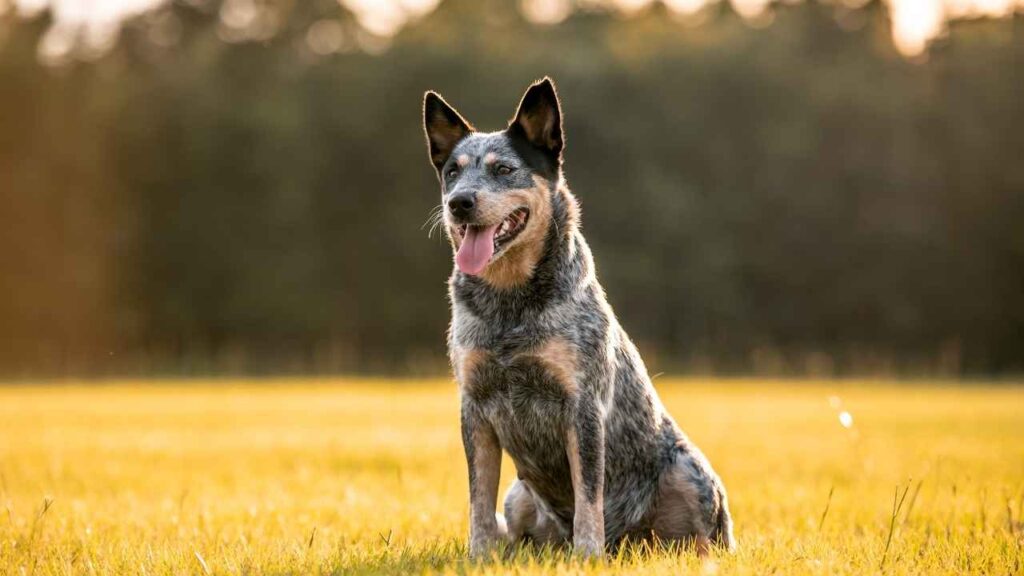
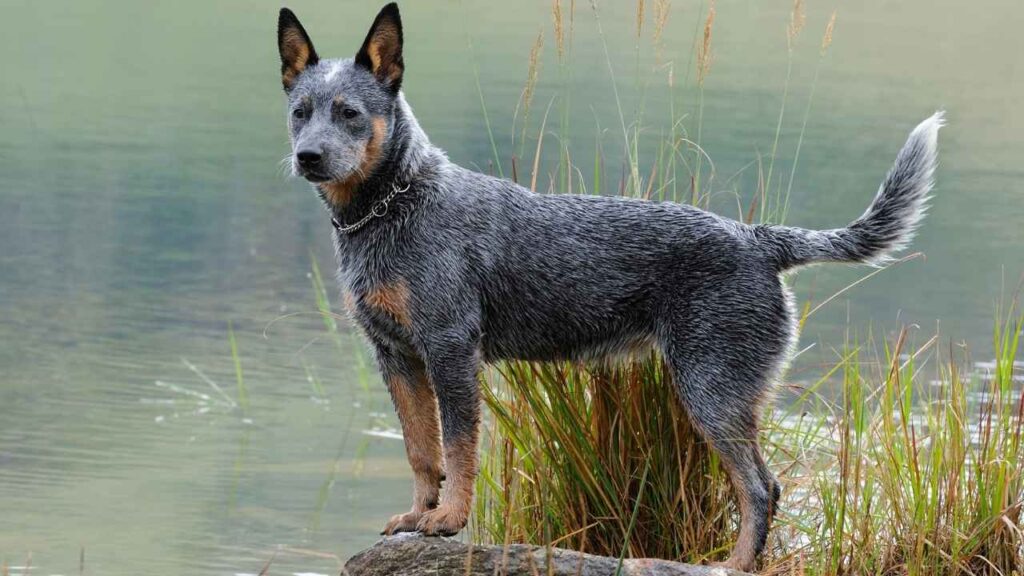
Royal Kennel Club describes the Australian Cattle Dog as medium-sized, muscular, and built like a compact athlete. It has a strong frame, balanced movement, and a body built for speed, endurance, and sudden changes in direction. Its coat is short, weather-resistant, and practical for outdoor work.
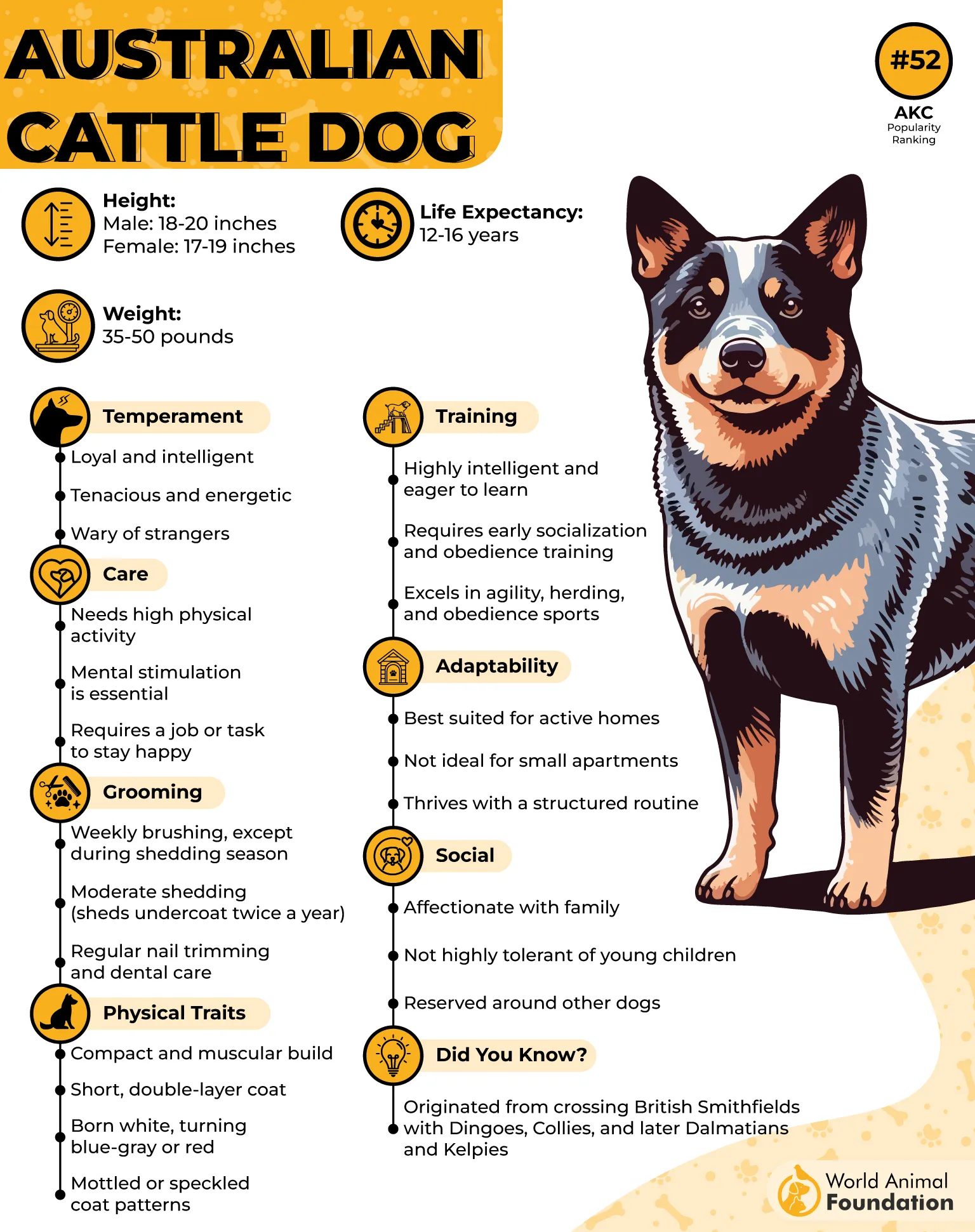
The breed often appears in blue or red speckled patterns, which give it that iconic rugged look.
The Corgi is lower to the ground, longer-bodied, and instantly recognizable for its short legs. Pembroke Welsh Corgis are small but sturdy, with upright ears and a confident expression.
Britannica says that the long-backed, low-set structure is adorable, but it needs care. Jumping from furniture, extra weight, and rough handling can be harder on a Corgi’s body.
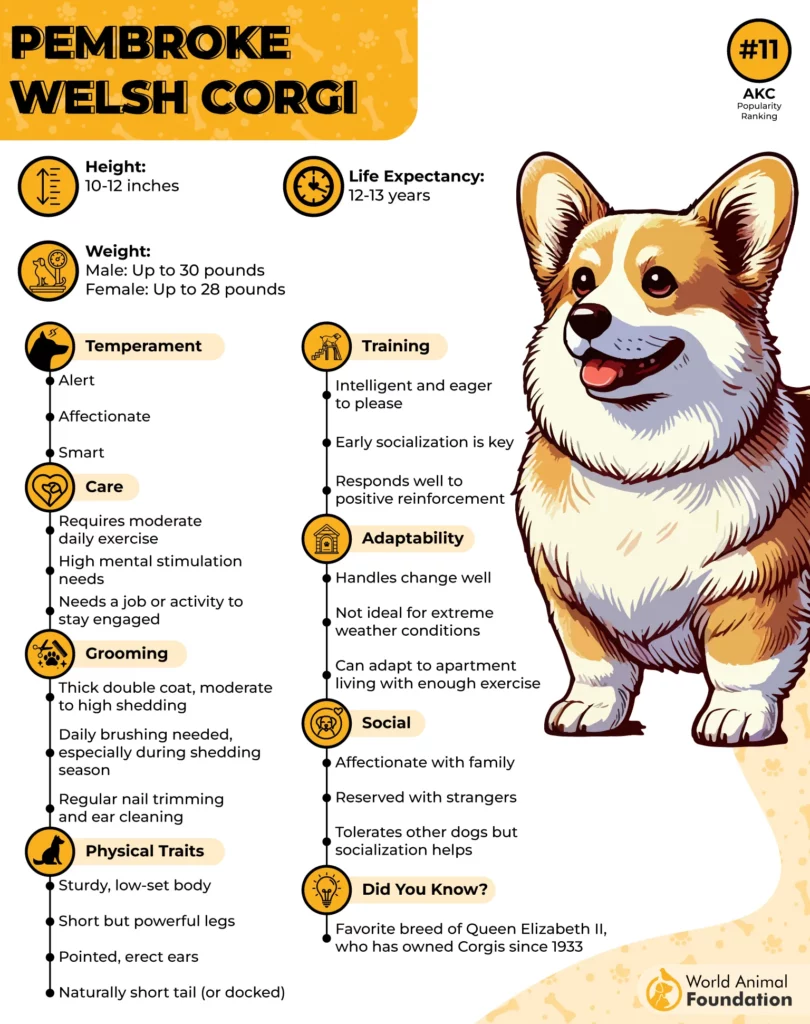
In body style, the Cattle Dog is the better match for high-impact activity. The Corgi is still athletic, but its build makes weight control and joint-friendly movement extra important.
Temperament & Behavioral Profile
The Australian Cattle Dog is loyal, alert, bold, and often deeply attached to its chosen person.
It can be reserved with strangers and may act protectively if it senses something unusual. This breed is not usually the “everybody is my bestie” type. It respects confidence, consistency, and humans who know how to lead without being harsh.
The Corgi is often more outgoing, playful, and socially expressive. It tends to enjoy family life and can be cheerful with people when properly socialized. However, they are not passive little lap dogs. They can be stubborn, vocal, and determined to herd children, pets, or anyone walking too slowly.
If you want a serious, intense, watchful dog, the Cattle Dog wins. If you want a lively, funny, people-friendly herder with attitude, the Corgi brings the entertainment.
Activity Requirements & Energy Levels
The Australian Cattle Dog has high exercise needs and does best with active owners. Walking alone may not be enough because this breed also needs mental work, problem-solving, and purposeful tasks. Activities like agility, advanced obedience, fetch, hiking, scent games, and farm work suit it well. Without enough stimulation, it may become destructive, restless, or overly controlling.
It is athletic, intense, fast, intelligent, and built for demanding activities like agility, obedience, herding trials, rally, flyball, scent work, and other dog sports.
The Corgi is energetic, too, according to PetMD, but its activity needs are usually easier for many families to manage. It enjoys walks, play sessions, training games, and short bursts of herding-style movement. That said, a Corgi is not a lazy couch potato by default. If under-exercised, it may bark, gain weight, or create drama to keep life interesting.
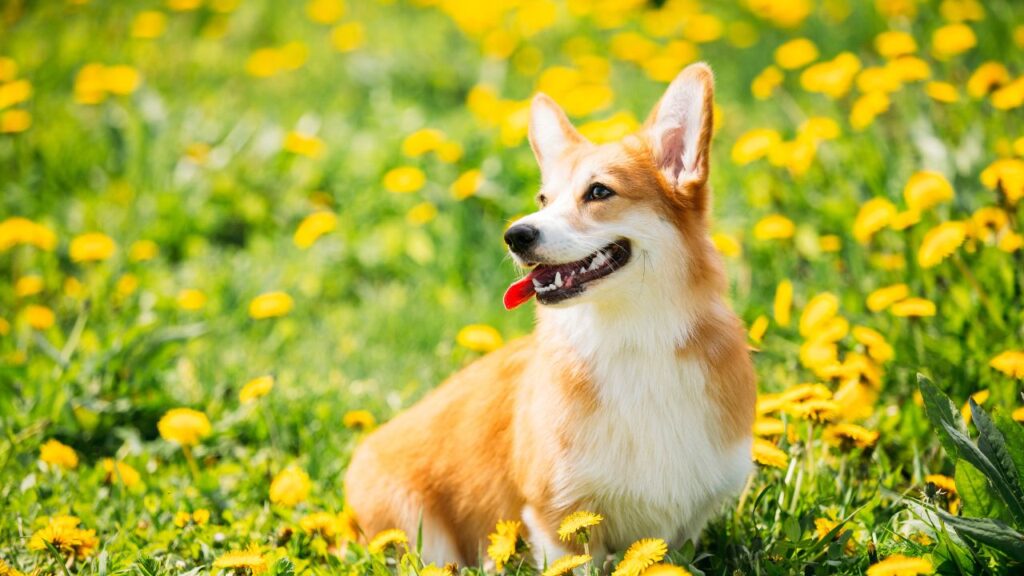
Corgis can compete in agility, rally, obedience, herding trials, and trick training, but their short legs and long backs mean owners should be more careful with high-impact jumping.
The Cattle Dog is better suited to serious, active lifestyles. The Corgi is better for families wanting energy in a smaller, more manageable package.
Trainability, Intelligence & Learning Ability
Both breeds are intelligent, but they use their brains differently. Purina claims that the Australian Cattle Dog learns fast and often thrives when training feels useful, structured, and challenging.
It can also test weak leadership because it is independent by design. A bored Cattle Dog may outsmart a beginner before breakfast and still have energy left for chaos.
The Corgi is also bright and very trainable when motivated. Positive reinforcement, food rewards, praise, short lessons, and fun challenges usually work well. However, these loyal companions can bring a “what’s in it for me?” mindset. They may understand the command perfectly and still negotiate like tiny lawyers.
For advanced training, the Cattle Dog has greater potential for working drive. For fun family training, the Corgi may feel more forgiving and entertaining.
Coat Maintenance & Grooming Needs
The Australian Cattle Dog has a low-maintenance coat compared with many breeds. Regular brushing helps remove loose hair, especially during shedding periods. Its coat is practical and built for outdoor durability. It does not need fancy styling, but basic and regular grooming, nail trims, ear checks, and dental care still matter.
The Corgi also has a double coat, but shedding can be more noticeable. Many owners joke that Corgis shed twice a year: for six months at a time. Weekly brushing helps, and more frequent grooming may be needed during seasonal coat blows. A vacuum cleaner becomes less of an appliance and more of a lifestyle partner.
Neither breed is high-maintenance like a long-coated show dog. But if loose fur bothers you, the Cattle Dog may feel slightly easier to manage.
Average Lifespan & Longevity
Australian Cattle Dogs are often known for impressive longevity, says the AKC.
With proper care, many live into their early to mid-teens, and the breed is known for being hardy. Their active nature can support long-term fitness, but only if exercise is balanced with injury prevention. Responsible breeding and regular vet care are still essential.
Pembroke Welsh Corgis also commonly live around 12 to 13 years or more with good care. Weight management is especially important because extra pounds can stress the back and joints. Corgis may be prone to issues related to their body shape, so stairs, jumping, and obesity need attention.
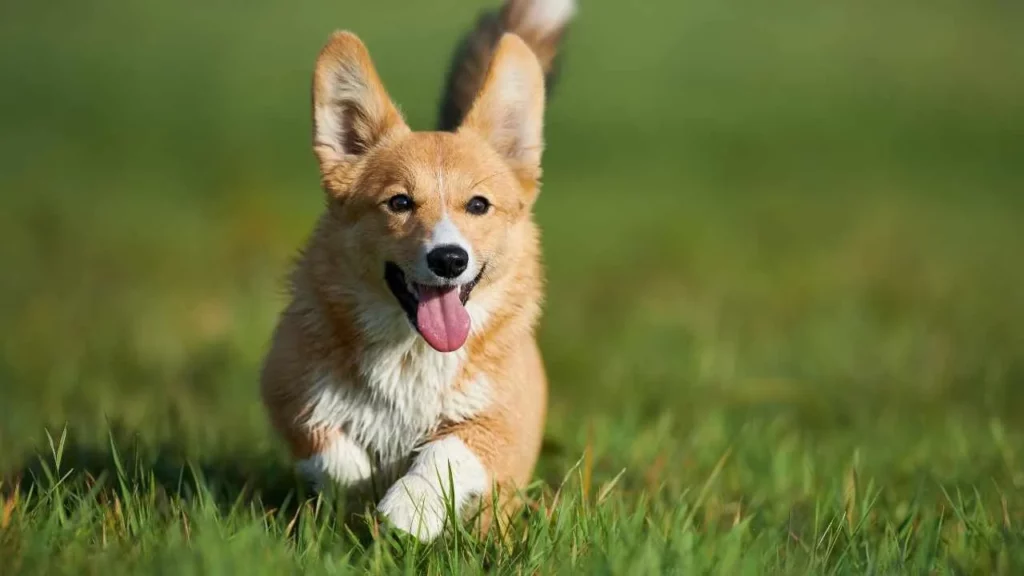
Keeping them lean is one of the kindest things an owner can do.
Both breeds can be long-term companions. The real difference is that the Cattle Dog may age like a rugged athlete, while the Corgi needs careful support for its body throughout life.
Australian Cattle Dog vs Corgi: Suitability for Family Life vs Guard Duties
For family life, the Corgi often fits more households. It is affectionate, playful, compact, and usually easier for families who want an active but not extreme dog.
Still, the Corgi’s herding instinct can show up as heel-nipping or bossy behavior. Early training is important, especially around children and smaller pets.
The Australian Cattle Dog can be a wonderful family dog in the right home, but it is not always beginner-friendly. It needs confident handling, lots of exercise, mental and physical stimulation, and people who understand working-dog intensity.
For guard duties, the Cattle Dog is naturally more serious and watchful. It may be more suspicious of strangers and more likely to act like a personal security assistant.
The Corgi can be a strong alert dog because it is vocal and aware. But for true protective seriousness, the Australian Cattle Dog has the edge, while the Corgi wins for family charm.
Conclusion
Australian Cattle Dog vs Corgi is really a comparison between two compact herding minds with very different lifestyles. Both are smart, loyal, and full of character, but they are not interchangeable.
The Australian Cattle Dog is best for active owners who want a tough, focused, athletic dog with strong working instincts. It needs exercise, training, leadership, and a real outlet for its brain. The Corgi is better for families who want a smaller herding dog with humor, affection, and manageable energy. It still needs activity and boundaries, but it usually blends more easily into everyday home life.
In the end, both breeds prove that compact dogs can carry massive personalities. Choose the one whose needs match your lifestyle, not just the one whose photos make you smile first.
