




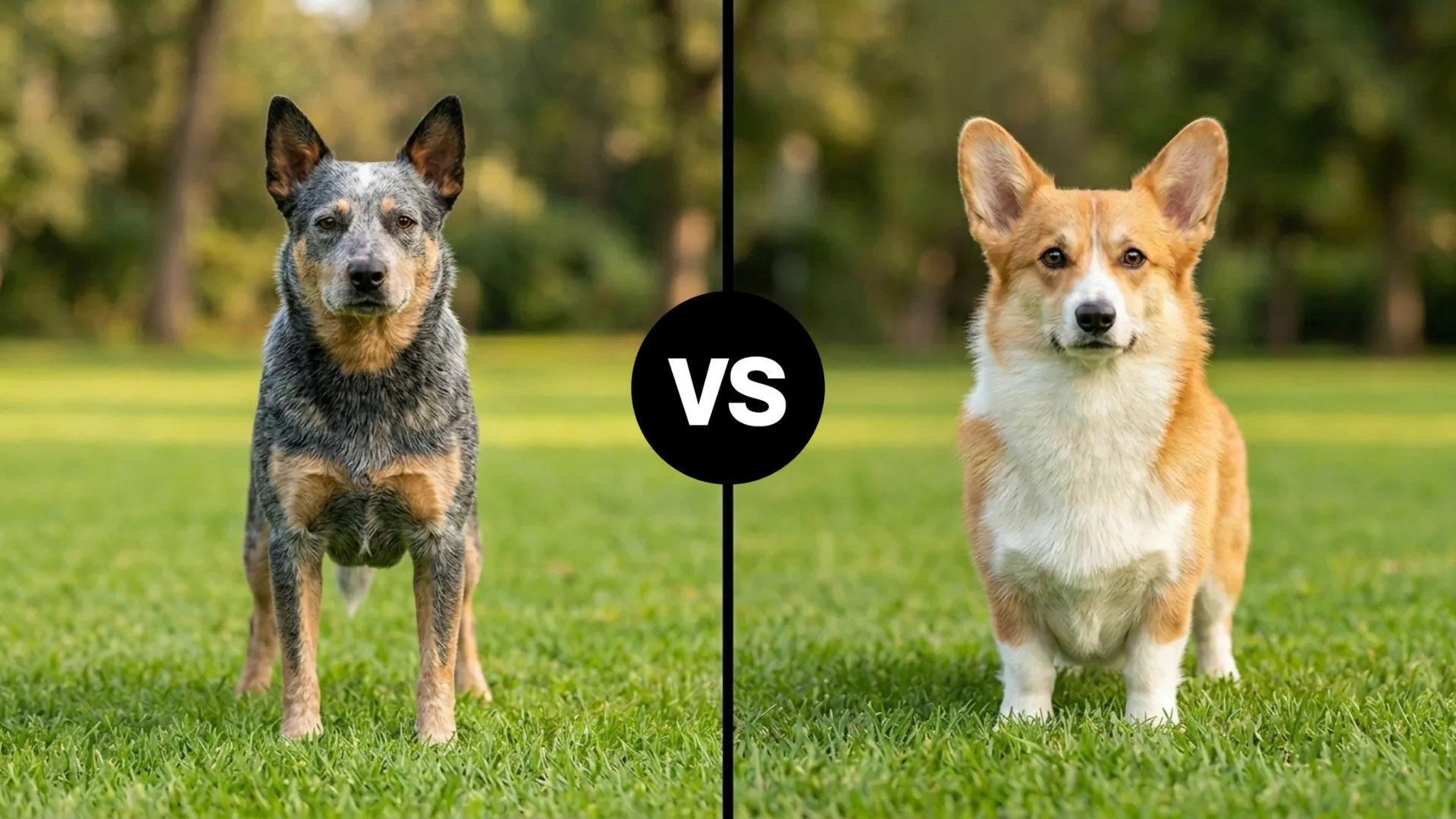
The Australian Cattle Dog and Pembroke Welsh Corgi are both intelligent and loyal, but they express these traits differently. Cattle Dogs, also called Blue or Red Heelers, are energetic, alert, and highly focused, making them ideal for an active lifestyle.
Corgis are affectionate, playful, and sociable, thriving in family environments. Both breeds have herding instincts, but Cattle Dogs are more independent and cautious with strangers, while Corgis are friendly and approachable.
Intelligence shows in different ways: Cattle Dogs excel in obedience, agility, and work tasks, whereas Corgis are playful learners who enjoy attention and games. Understanding these differences helps owners match each breed to their lifestyle and activity level.
In this article, we will explore the key differences between Australian Cattle Dogs and Pembroke Welsh Corgis, covering personality, energy, training, grooming, and suitability for families.
Key Takeaways
Australian Cattle Dogs thrive on high-energy tasks and need plenty of mental and physical stimulation.
Pembroke Welsh Corgis are playful, social, and adapt well to family life and smaller living spaces.
Both breeds are highly intelligent, but Cattle Dogs are more independent, while Corgis are eager to please.
Grooming needs differ: Cattle Dogs are low-maintenance, whereas Corgis require regular brushing to manage shedding.
Australian Cattle Dog vs. Corgi Dog Breeds: Key Personality Traits
Size & build Differences
Australian Cattle Dog
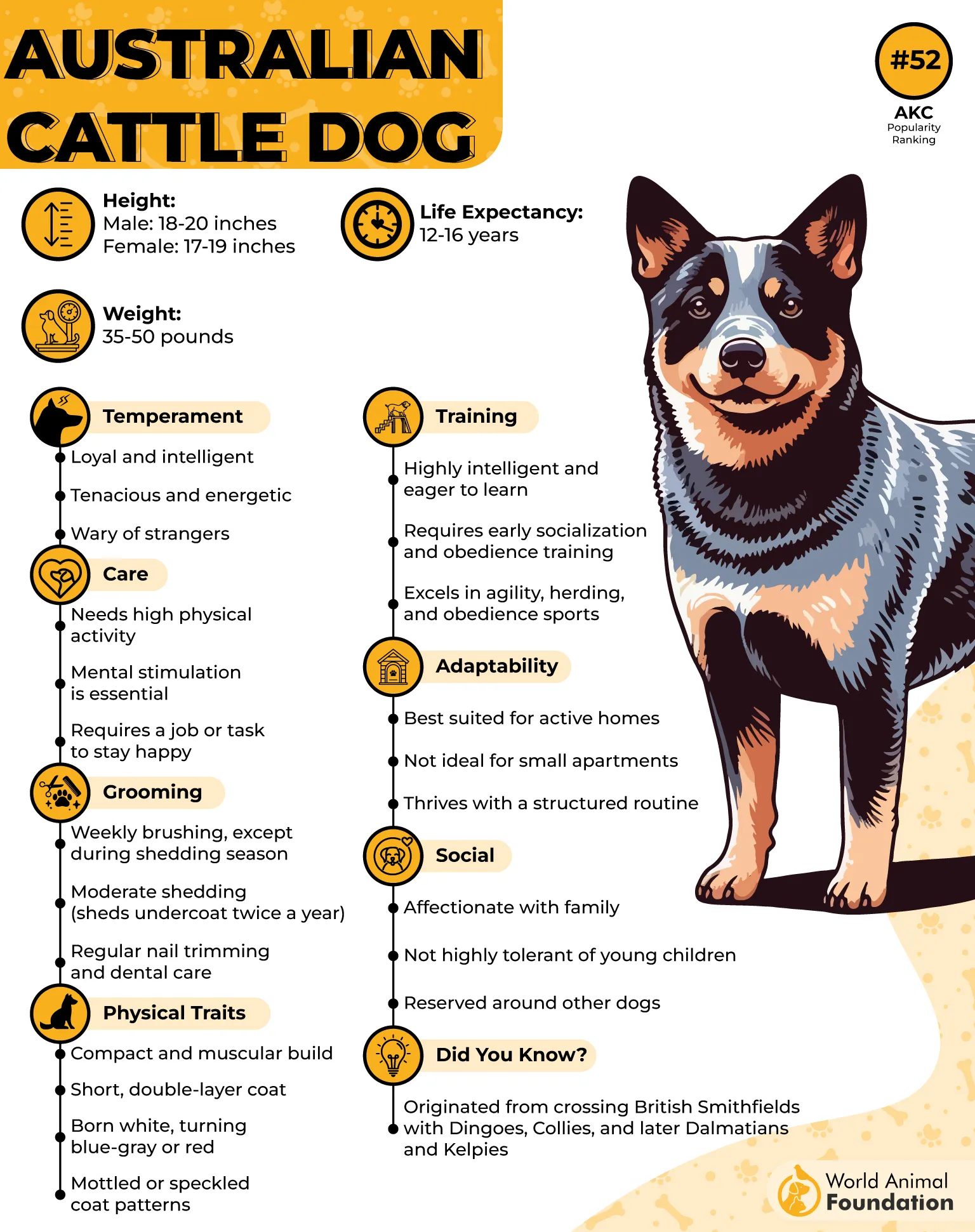
Weight & Height: 35–50 pounds; 17–20 inches tall
Build: Medium-sized, muscular, and athletic, built for stamina and agility.
Colors: Blue or red speckled, often called “Blue Heeler” or “Red Heeler” because of their herding technique of nipping at animal heels.
Fun Fact: The Guinness World Record holder for the oldest living dog, Bluey, was an Australian Cattle Dog who lived to 29 years.
Pembroke Welsh Corgi
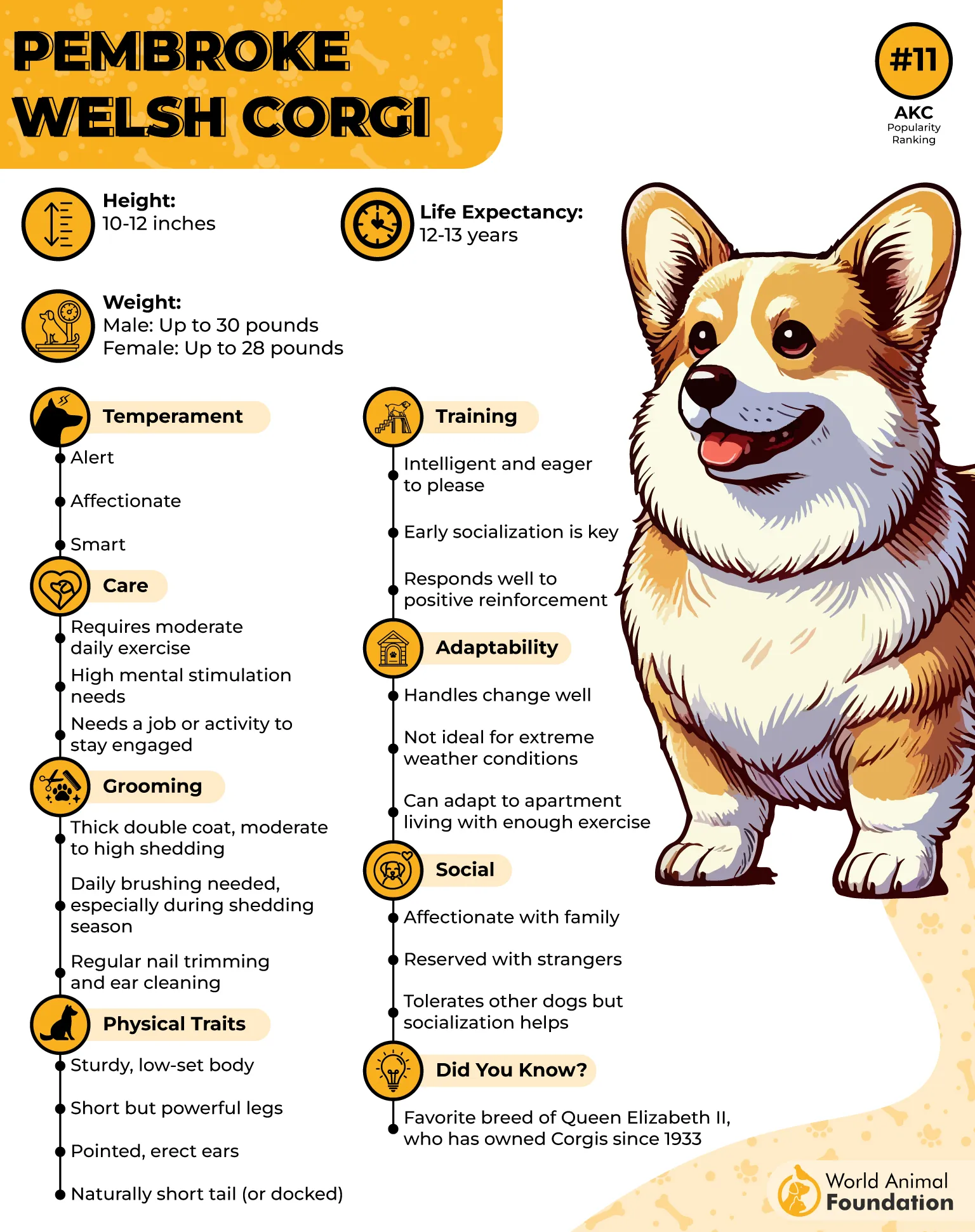
Weight & Height: Around 30 pounds; 10–12 inches tall
Build: Short, sturdy, and muscular, designed for herding on the ground with a low center of gravity.
Tail Differences: Pembroke Corgis often have docked tails, while Cardigans keep a long tail.
Famous Fans: Queen Elizabeth II famously owned Pembroke Welsh Corgis since childhood, starting with her first, Dookie, in 1933.
Temperament & Personality
Australian Cattle Dogs are protective, highly intelligent, and fiercely loyal companions. They form strong bonds with their owners and can be wary of strangers.
Their natural herding instincts sometimes make them “mouthy,” nipping at small children or other animals, which can be managed with proper training and socialization. These dogs are not suited for sedentary lifestyles and need a job or regular high-impact activities to channel their energy.
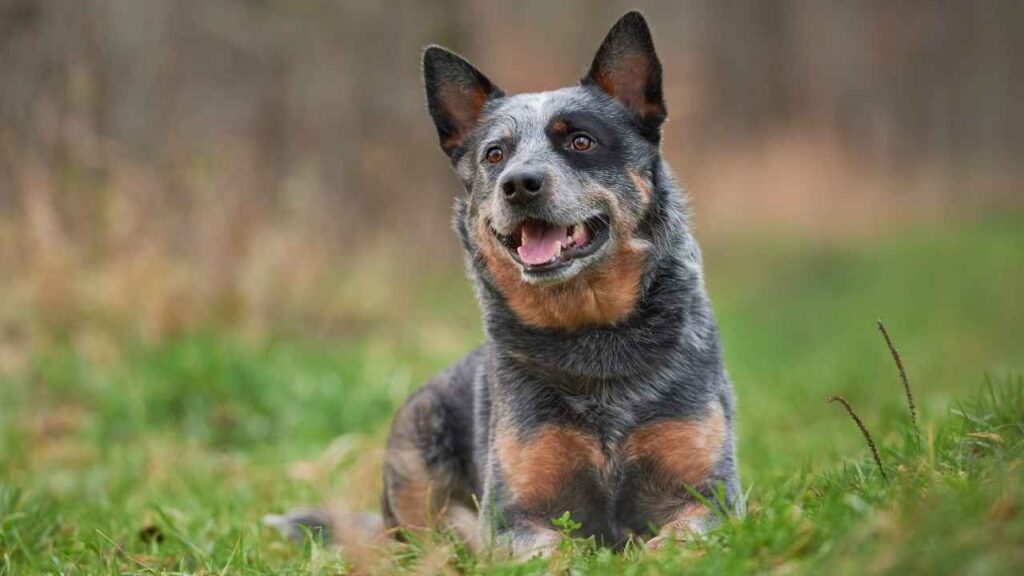
Behavior Traits:
Courageous and strong-willed
Protective of family and property
Can develop destructive behaviors if under-stimulated
Lifelong loyalty makes rehoming difficult
Pembroke Welsh Corgi
Pembroke Welsh Corgis are friendly, energetic, and affectionate, often described as having a “large-dog mentality” in a small body. They enjoy learning new tricks and pleasing people, which makes training easier.
Herding instincts are present, so supervision is recommended with small kids or pets. Corgis thrive on mental stimulation, exercise, and interactive games to prevent boredom and undesirable behaviors like digging or excessive chewing.
Behavior Traits:
Playful and sociable, good with children and other pets
Athletic despite their small stature
Can herd children or small animals due to instinct
Training & Intelligence
Australian Cattle Dogs are clever, hard-working, and energetic, making them highly trainable when given the right approach. Greencross Vets state that they respond best to positive reinforcement, including praise and even their daily kibble as a reward.
Punishment or yelling can damage the bond with these “Velcro dogs,” who thrive on close interaction with their owners. Early socialization (8–14 weeks) is essential to curb nipping and reinforce good behavior.
Training Highlights:
Start with basic commands: sit, stay, come, shake
Introduce agility and problem-solving games as the puppy matures
Delay high-impact jumping until 12–18 months to protect joints
Engage them in activities like fetch, frisbee, and obedience competitions
Intelligence & Behavior:
Extremely smart and quick learners
Independent problem-solvers may test boundaries
Strong herding instincts require guidance to prevent nipping or “bossy” behaviors
Excel in farm work, property patrolling, and canine sports
Pembroke Welsh Corgi
According to PetMD, Corgis are intelligent, eager-to-please, and highly adaptable, making them excellent candidates for first-time dog owners.
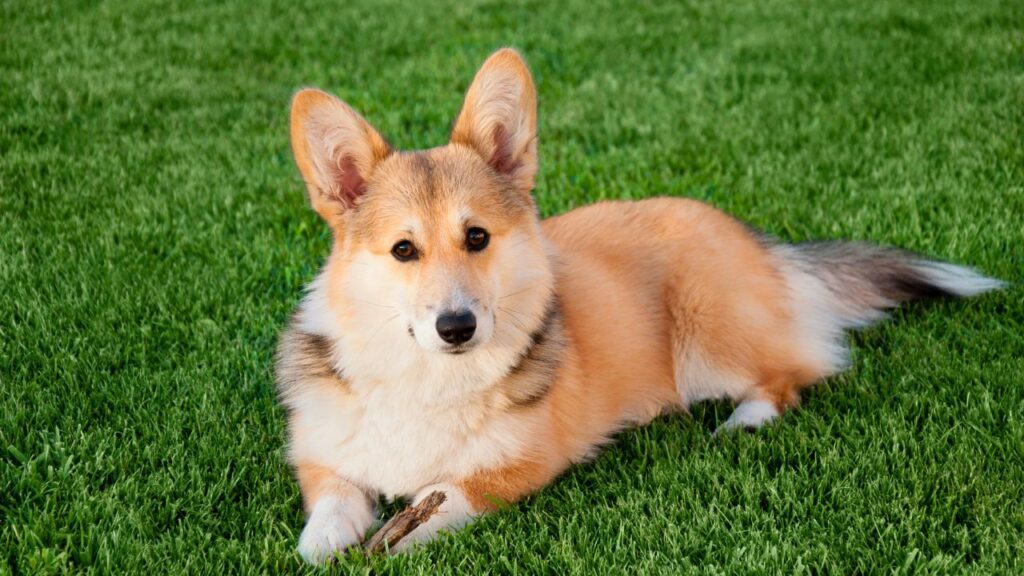
Training should begin in puppyhood, focusing on socialization, basic commands, crate training, and environmental exposure. Corgis benefit from consistent, reward-based training and enjoy learning tricks, playing fetch, and participating in dog sports.
Training Highlights:
Socialize puppies around strangers and other pets from 8 weeks
Introduce grooming routines early to manage daily shedding
Teach basic commands: sit, stay, down, leave it, drop it
Encourage physical and mental activities: fetch, agility, Treibball, puzzle games
Intelligence & Behavior:
Quick learners with a playful, energetic nature
Strong herding instincts; may herd children or small animals
Thrive on mental stimulation and structured exercise
Can participate in dog sports and obedience competitions
Energy Level & Strength Level
Australian Cattle Dog
Australian Cattle Dogs are high-energy dogs with seemingly endless stamina. They thrive on daily rigorous exercise and mental challenges, including running, agility, herding, and interactive games.
Their strength is medium, allowing them to handle physically demanding tasks such as herding livestock or running long distances.
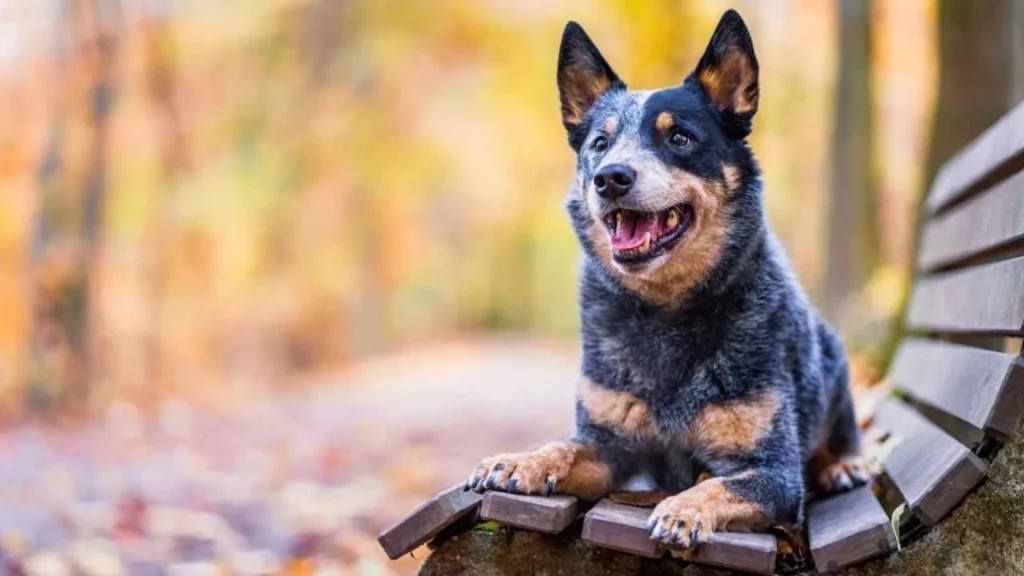
Owners should expect a dog that needs structured activity, as boredom can easily lead to destructive behavior. These dogs are not suited for sedentary households and require both mental and physical stimulation to stay happy.
Pembroke Welsh Corgi
Corgis are high-energy for their size, but their shorter stature means they need moderate exercise compared to Australian Cattle Dogs. They enjoy long walks, playtime, and interactive activities, making their energy well-suited for family life or apartment living if exercised properly.
Their medium strength and muscular build allow for athletic play, herding, and agility activities despite their small frame. Regular mental engagement is important to prevent boredom or mischief, and they remain playful and active in smaller spaces.
Coat & Grooming
Australian Cattle Dog
Australian Cattle Dogs have a short, dense double coat that lies close to the body. Their coat is low-maintenance, requiring minimal grooming beyond occasional brushing to remove loose hairs.
Orvis mentions that they shed heavily twice each year during their “blowout” and then shed lightly throughout the year. These dogs rarely drool and are relatively clean, thanks to their hardy, outdoors-oriented lineage.
Grooming Highlights:
Brush occasionally to remove dead hair
Low shedding compared to many breeds
Minimal bathing required
No special tools or routines needed
Pembroke Welsh Corgi
Corgis have a thicker double coat with a soft undercoat and a coarser outer coat. They shed heavily, particularly during seasonal “blowouts,” requiring daily brushing to control loose hair and prevent matting.
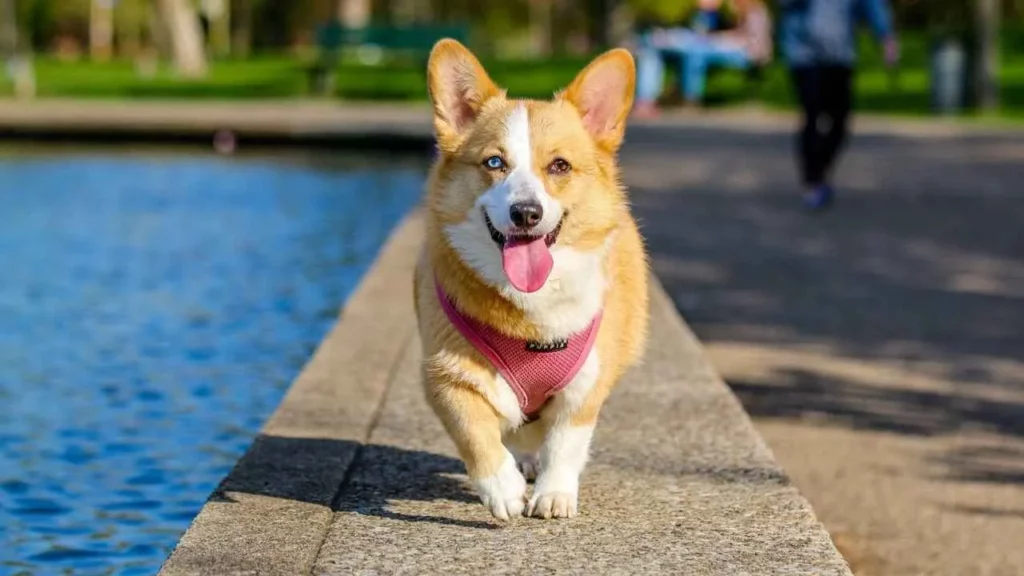
Grooming can also include occasional baths, nail trims, and ear cleaning. Corgis are prone to shedding around the home, so regular maintenance is essential.
Grooming Highlights:
Daily brushing is recommended, especially during shedding season
Introduce grooming routines early to puppies for positive associations
Occasional blow-drying can help manage coat and comfort
Regular trimming, nail care, and ear cleaning are important
Conclusion
Australian Cattle Dogs and Pembroke Welsh Corgis are both intelligent, loyal herding breeds, but they cater to different lifestyles and owner needs. Cattle Dogs are highly energetic, independent, and protective, requiring ample exercise, mental stimulation, and structured training.
They excel in active households with space to run and enjoy herding or dog sports, making them ideal for experienced owners who can meet their high activity demands.
Corgis, on the other hand, are friendly, social, and eager-to-please, with a playful nature that suits families and smaller living spaces. While they also need regular exercise and mental engagement, their moderate activity level and smaller size make them more adaptable to indoor living.
Both breeds offer immense companionship, but choosing the right one depends on matching energy levels, training commitment, and lifestyle to the breed’s natural temperament.
