




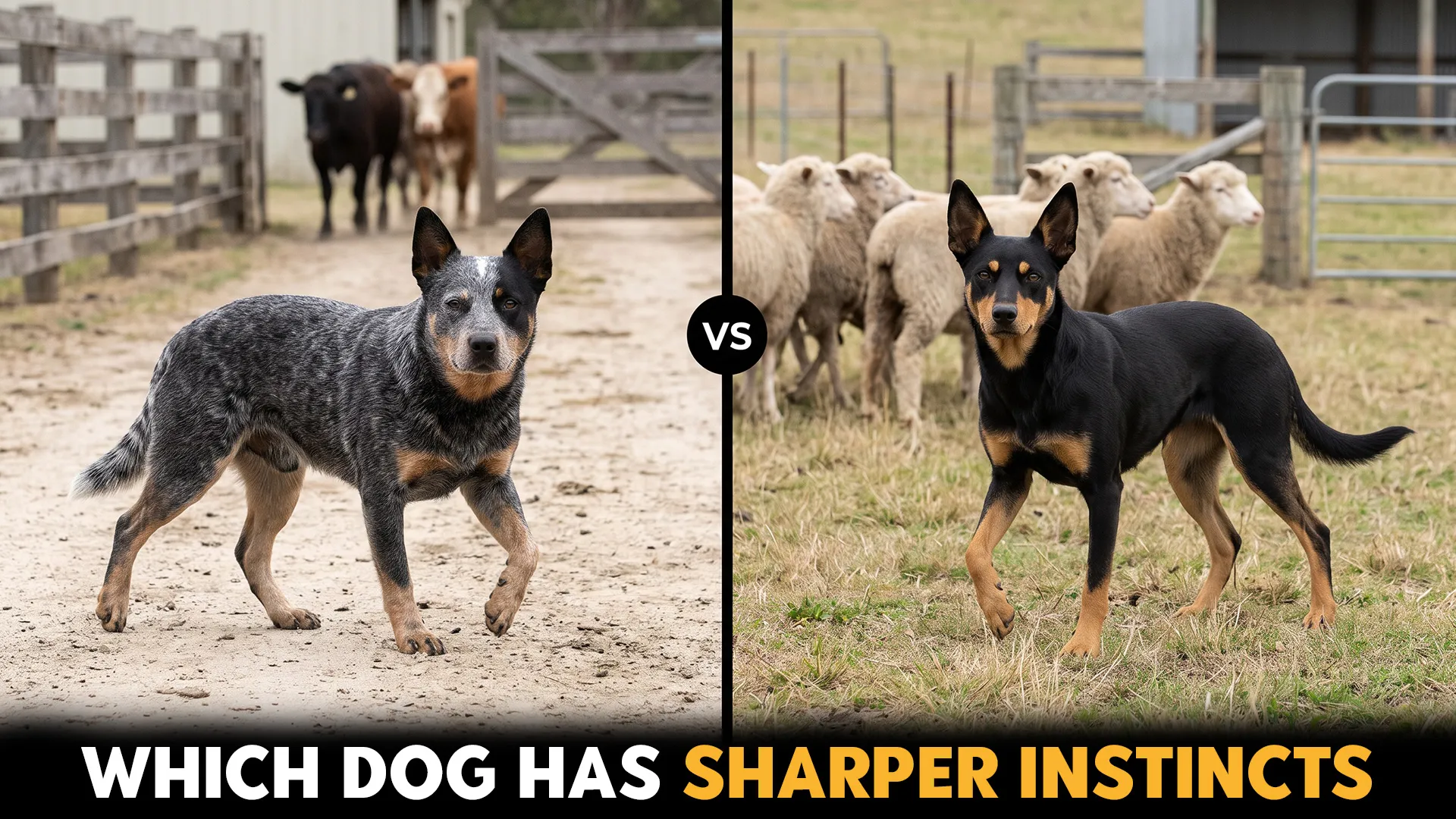
The Australian Cattle Dog and Australian Kelpie are two remarkable working breeds shaped by Australia’s demanding rural landscapes.
Both possess exceptional stamina, intelligence, and herding instincts, but their physical builds, working styles, and personalities reveal important differences. Understanding these distinctions can help prospective owners appreciate what makes each breed unique.
Although both dogs were developed to manage livestock, the Australian Cattle Dog is particularly associated with controlling cattle through close, assertive movements, while the Australian Kelpie is renowned for its agility and ability to move sheep across expansive properties. These working traditions continue to influence their behavior, training preferences, and daily activity requirements.
Choosing between them requires more than comparing appearance or intelligence. Exercise needs, grooming, health, availability, and compatibility with your household all deserve careful consideration.
Australian Cattle Dog vs. Australian Kelpie: Dog Breeds Contrasted
The following comparison explores important characteristics to help you determine which breed aligns with your experience, environment, and lifestyle.
Origins & Purpose
The Australian Cattle Dog was developed during the 19th century to move cattle across Australia’s rugged ranches and expansive grazing lands. Breeders prioritized endurance, toughness, and the ability to control stubborn livestock. Its distinctive working style includes nipping at cattle’s heels and quickly moving out of kicking range.
The Australian Kelpie was developed in Australia during the 19th century from British and Scottish collie-type herding dogs. It became valued for moving sheep across large properties, responding to handler signals, and navigating difficult terrain. Its agility and ability to work at a distance made it particularly useful in extensive sheep-farming operations.
Size & Build
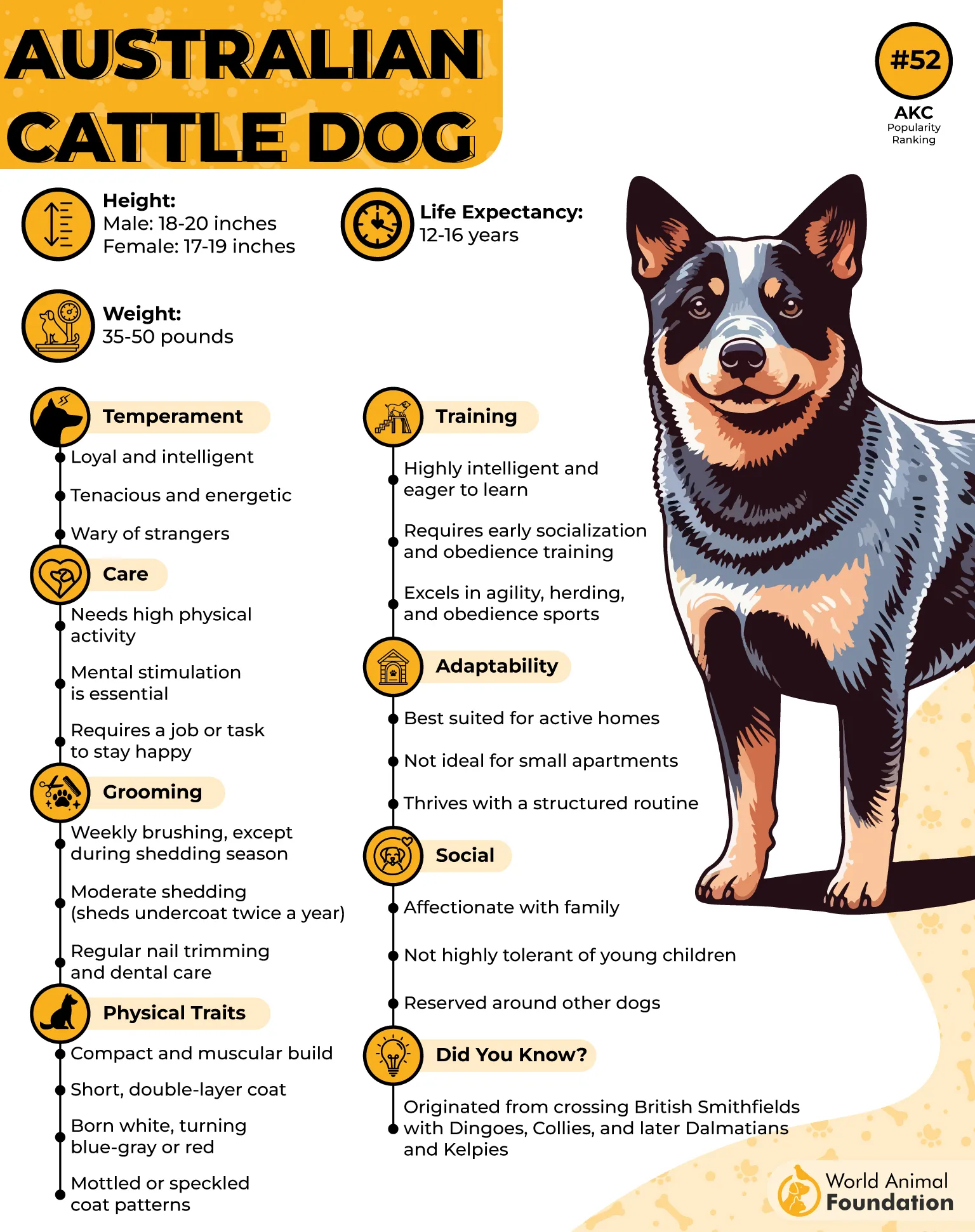
The Australian Cattle Dog has a muscular, compact body designed for stamina and quick movements. Adults generally stand around 17–20 inches at the shoulder and weigh approximately 35–50 pounds, with some variation between individuals, as per Hill’s Pet. Its sturdy frame and dense double coat reflect its heritage as a durable outdoor working dog.
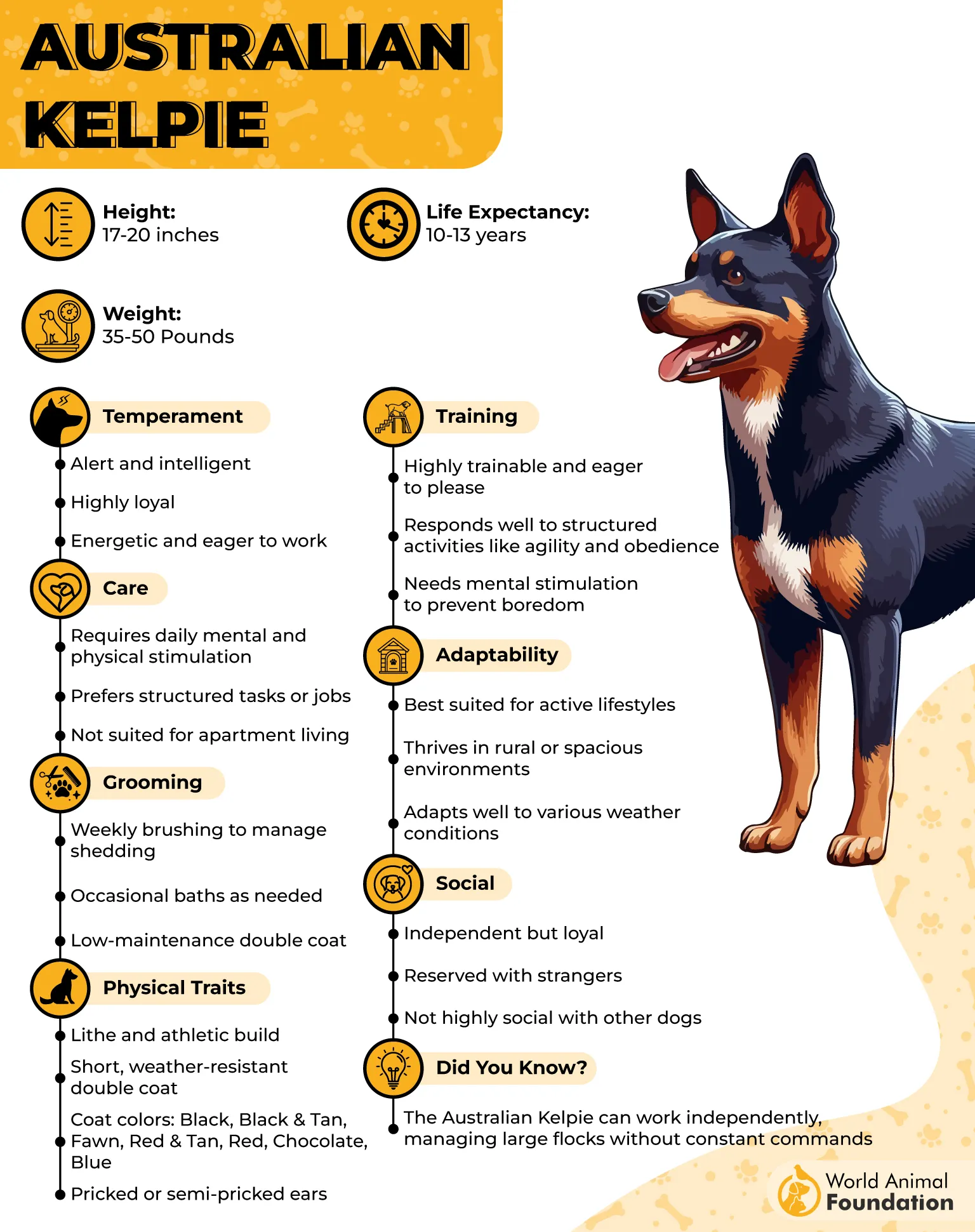
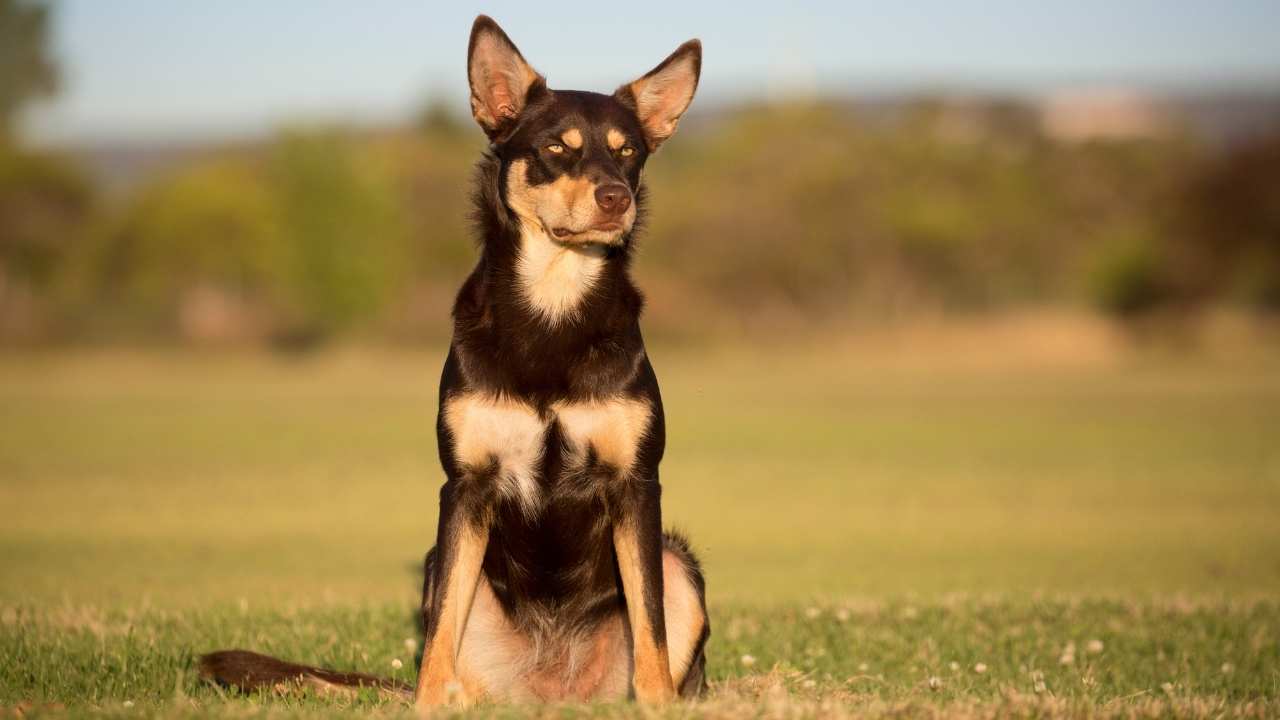
The Australian Kelpie typically has a leaner, more lightly built appearance, with long limbs and a flexible body suited to rapid directional changes. Adults commonly stand around 17–20 inches at the shoulder, with weight varying according to sex and build. Its athletic structure supports sustained movement across large working areas.
Both breeds are medium-sized and athletic, but Australian Cattle Dogs often appear more compact and muscular. Kelpies generally have a lighter outline that complements their speed and agility.
Pricing & Availability
The purchase or adoption price for an Australian Cattle Dog typically ranges from $300 to $2,000+
The purchase or adoption price for an Australian Kelpie typically ranges from $1,000 to $1,750+
Australian Cattle Dogs are available through specialist breeders, working-dog programs, and rescue organizations in several countries. Puppy prices depend on location, pedigree, health testing, and whether the dog comes from working or show lines. Prospective owners should also account for training, veterinary care, nutrition, and other lifetime expenses.
Australian Kelpies are particularly well established in Australia’s livestock industry, where working breeders often select dogs for practical herding ability. Availability may be more limited in countries where the breed is less common. Prices vary according to lineage, working aptitude, breeder reputation, and local demand.
Temperament & Personality Style
Australian Cattle Dogs are typically confident, attentive, and strongly bonded to their families, as per the AKC. They may be reserved around unfamiliar people and can display natural watchfulness around their territory. Their independent working instincts make early socialization and consistent boundaries particularly important for developing reliable behavior around visitors and other animals.
Australian Kelpies are generally intelligent, alert, and eager to engage in purposeful activities. Many respond closely to their handlers while retaining the independence needed to make decisions during livestock work. Their energy and focus can be impressive, although working-bred individuals may find an inactive household particularly frustrating.
Australian Cattle Dogs often display stronger natural wariness toward strangers, whereas Kelpies are especially associated with intense working focus and agility. However, temperament varies with breeding, upbringing, and individual personality.
Exercise Needs & Energy Levels
Australian Cattle Dogs have substantial stamina and need regular physical activity alongside mental challenges. Long walks, hiking, structured herding, agility, and interactive training can help satisfy their demanding nature. Without enough stimulation, they may become restless or develop unwanted habits such as chasing, digging, and excessive nipping.
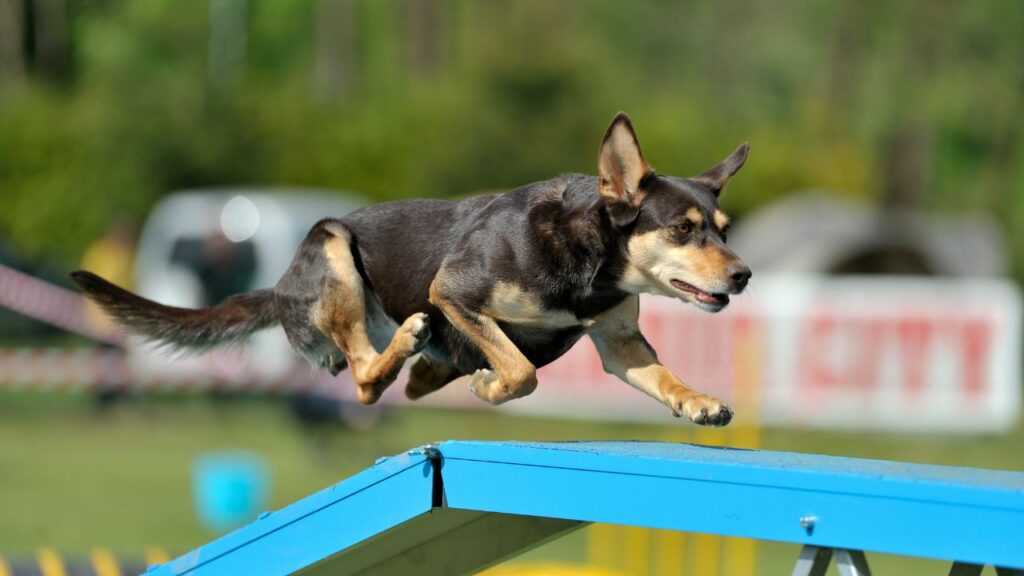
Australian Kelpies were developed to work for extended periods across large properties, making them exceptionally active dogs. They benefit from vigorous daily exercise, training sessions, and activities that involve decision-making and movement, as per PetMD. Working-line Kelpies may have especially high demands, requiring owners who can provide consistent engagement.
Both breeds need considerably more activity than occasional walks and casual play. Their precise requirements depend on age, health, and individual temperament, but neither is generally suited to a sedentary lifestyle.
Trainability & Obedience
Australian Cattle Dogs are intelligent and capable of learning complex commands, but their independent nature can make them persistent when something captures their attention. They benefit from consistent rules, rewarding training sessions, and tasks that offer a clear purpose. Early work on recall, impulse control, and appropriate greetings is particularly valuable.

Australian Kelpies are intelligent dogs that often excel when training involves movement, directional cues, and practical challenges. Their ability to respond to handlers while working livestock is a defining characteristic. However, intelligence does not eliminate the need for repetition, consistency, and positive reinforcement to establish dependable everyday behavior.
Grooming Needs & Shedding
The Australian Cattle Dog has a short, dense double coat that generally requires modest grooming. Weekly brushing helps remove loose hair, while more frequent sessions may be useful during seasonal shedding. Routine bathing, nail trimming, dental care, and occasional ear checks help maintain overall cleanliness and comfort.
The Australian Kelpie typically has a short double coat that offers protection during outdoor work without demanding elaborate maintenance. Regular brushing removes loose hair and helps keep the coat healthy, while bathing is usually needed only when the dog becomes dirty. Nails, teeth, ears, and skin still require routine attention, as per Purina.
Herding & Work Drive
The Australian Cattle Dog was bred to influence cattle movement through quick positioning, determination, and heel-nipping. These traits help it manage stubborn livestock, but similar behaviors may appear around running children, bicycles, or other moving objects. Structured herding activities and early training can help channel these instincts appropriately.
Australian Kelpies are particularly known for gathering sheep and moving them across open paddocks and through yards. Their speed, agility, and responsiveness help them work at a distance from their handlers. Without suitable outlets, some Kelpies may attempt to chase moving objects or control activity within the household.
Health & Lifespan
Australian Cattle Dogs commonly live around 12–16 years, although individual lifespans vary. Potential health concerns include progressive retinal atrophy, inherited deafness, and hip or elbow dysplasia. Responsible breeders should conduct relevant health screening, while regular veterinary visits, balanced nutrition, and maintaining a healthy weight support long-term well-being.
Australian Kelpies commonly live around 10–13 years, although some individuals live longer. As with other breeds, health risks vary according to genetics, breeding practices, and lifestyle. Prospective owners should ask about family health history and appropriate screening, while providing routine veterinary care, dental hygiene, and suitable exercise.
Australian Cattle Dog vs. Australian Kelpie: Which Energetic Working Dog Fits Your Lifestyle?
The Australian Cattle Dog may appeal to owners who appreciate a sturdy, determined companion with strong cattle-working instincts and natural alertness. The Australian Kelpie may suit those who enjoy agility, sheep herding, and fast-paced training. Both breeds need substantial exercise, mental stimulation, and consistent guidance.
Consider your daily schedule, access to suitable exercise areas, and willingness to manage herding behaviors before making a decision. Either breed can struggle in an environment that provides little activity or leaves its intelligence underused. Working-line dogs may be especially demanding, so ask breeders about the parents’ working drives and temperaments.
Ultimately, the best match depends on your lifestyle and experience rather than a simple ranking of the two breeds. With responsible breeding, positive training, and meaningful daily activities, either dog can become a remarkable working partner or an active companion in a well-prepared household.
Conclusion
Australian Cattle Dogs and Australian Kelpies share intelligence, stamina, and a strong heritage of livestock work, but they differ in their traditional roles, physical styles, and typical behavioral tendencies. Cattle Dogs were developed particularly for controlling cattle at close range, while Kelpies became renowned for agile, wide-ranging sheep herding.
Their grooming requirements are relatively similar, and both demand substantial physical and mental activity. Australian Cattle Dogs may show greater natural wariness toward strangers, while Kelpies are often especially focused on work and movement. Individual temperament, training, and breeding remain important influences on both breeds.
Before choosing either, assess the time, space, and experience you can offer. A suitable home should provide consistent training, regular exercise, and productive outlets for strong working instincts. When those needs are met, both breeds can demonstrate the remarkable intelligence and dedication that made them valued partners on Australian farms.
