




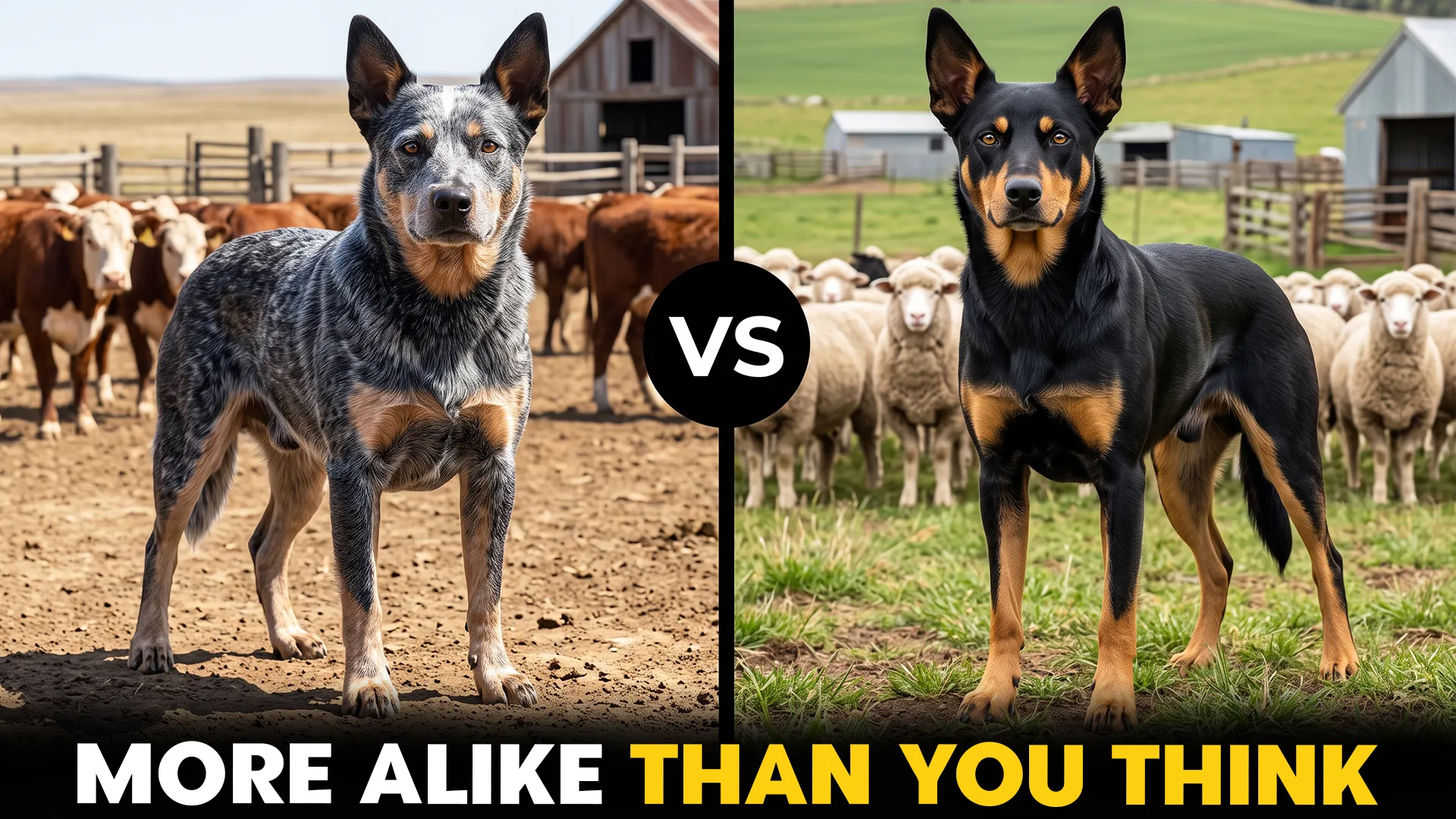
A family spent weeks comparing photos, reading breed descriptions, and asking friends for advice before welcoming a new working dog into their home.
Every source suggested the two breeds shared similar qualities, making the final decision seem almost impossible. Months later, they realized the similarities were only part of the story. Everyday life revealed habits and behaviors they never expected, despite how closely the breeds matched on paper.
Simple activities like training sessions, outdoor adventures, and quiet evenings highlighted differences that no comparison chart had fully explained. That experience taught them an important lesson about looking beyond appearance and reputation when choosing a lifelong companion.
This article explores the qualities these hardworking dogs genuinely share while uncovering the finer details that separate one from the other in meaningful ways.
Key Takeaways
Plenty of people compare these two breeds for weeks, only to discover the real differences after living with them every single day.
Spend a little time with an Australian Cattle Dog, and you’ll notice its steady focus, while the Australian Kelpie brings a quicker, more playful energy to everyday life.
Their size, history, and working roots overlap in surprising ways, yet the little habits that show up during training and family time tell a completely different story.
Before you decide they’re basically the same dog, there’s one comparison in this article that changes the whole picture.
Australian Cattle Dog vs. Australian Kelpie: Surprising Similarities Explained
Origins & Purpose
Australian Cattle Dog Built for the Outback
Australian Cattle Dogs took shape during the 19th century as settlers searched for a herding dog capable of managing cattle across Australia’s vast grasslands and unforgiving climate. By crossing imported English dogs with native dingoes, they produced a hardy worker known for resilience, stamina, and dependable livestock control.
The breed’s practical value remained its defining feature as it gained wider recognition over time. The American Kennel Club accepted the Australian Cattle Dog in 1980, first placing it in the Working Group before moving it into the Herding Group in 1983.
Australian Kelpie Shaped by Sheep Stations
Although closely linked with Australia today, the Australian Kelpie began with working collies brought from Scotland during the late 1800s to manage enormous sheep flocks across challenging landscapes. One remarkable female named Kelpie proved so capable that her offspring became known as “Kelpie’s pups,” eventually giving the breed its lasting name.
Unlike the Australian Cattle Dog, the Kelpie remains far more common as a working farm dog than a household pet, especially outside Australia. It continues working on ranches across North America, while recognition has steadily expanded through the United Kennel Club, the Fédération Cynologique Internationale, and the American Kennel Club’s Foundation Stock Service.
Size & Build
Australian Cattle Dog Compact Strength
Australian Cattle Dogs stand between 17 and 20 inches tall and typically weigh 35 to 50 pounds. Their compact frame is packed with dense muscle, creating a powerful build that delivers quick bursts of speed while staying balanced and controlled over long working days, as per the AKC.
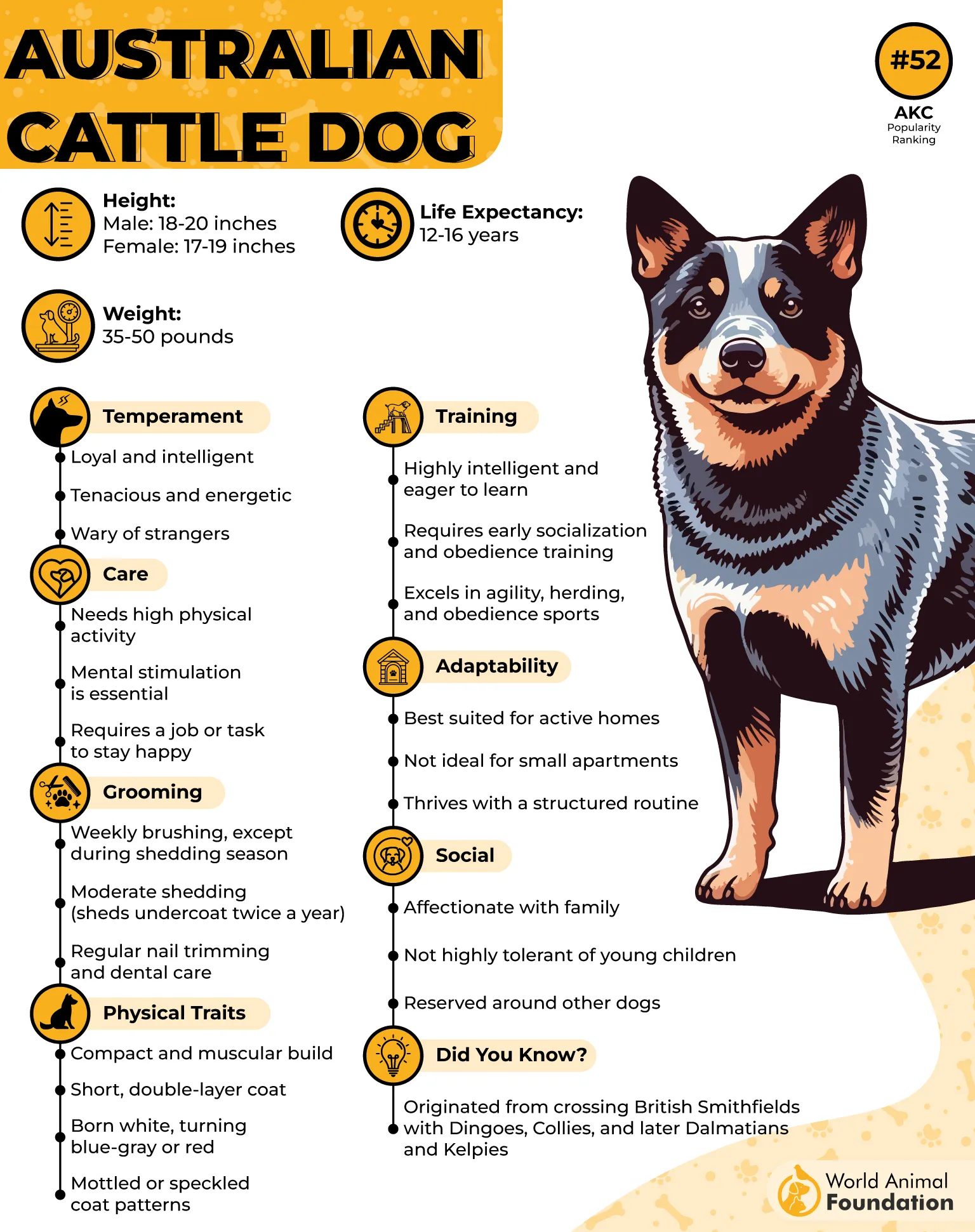
Rather than looking bulky, every part of their structure is designed with purpose. The sturdy bone, athletic proportions, and explosive movement give the impression of a surprisingly powerful dog that fits an exceptional amount of strength into a medium-sized body.
Australian Kelpie Built for Endurance
Australian Kelpies reach a similar height of 17 to 20 inches and generally weigh between 35 and 50 pounds, but their physique is lighter and more streamlined. Their bodies are lean, compact, and muscular, allowing them to stay agile while covering large distances with remarkable efficiency.
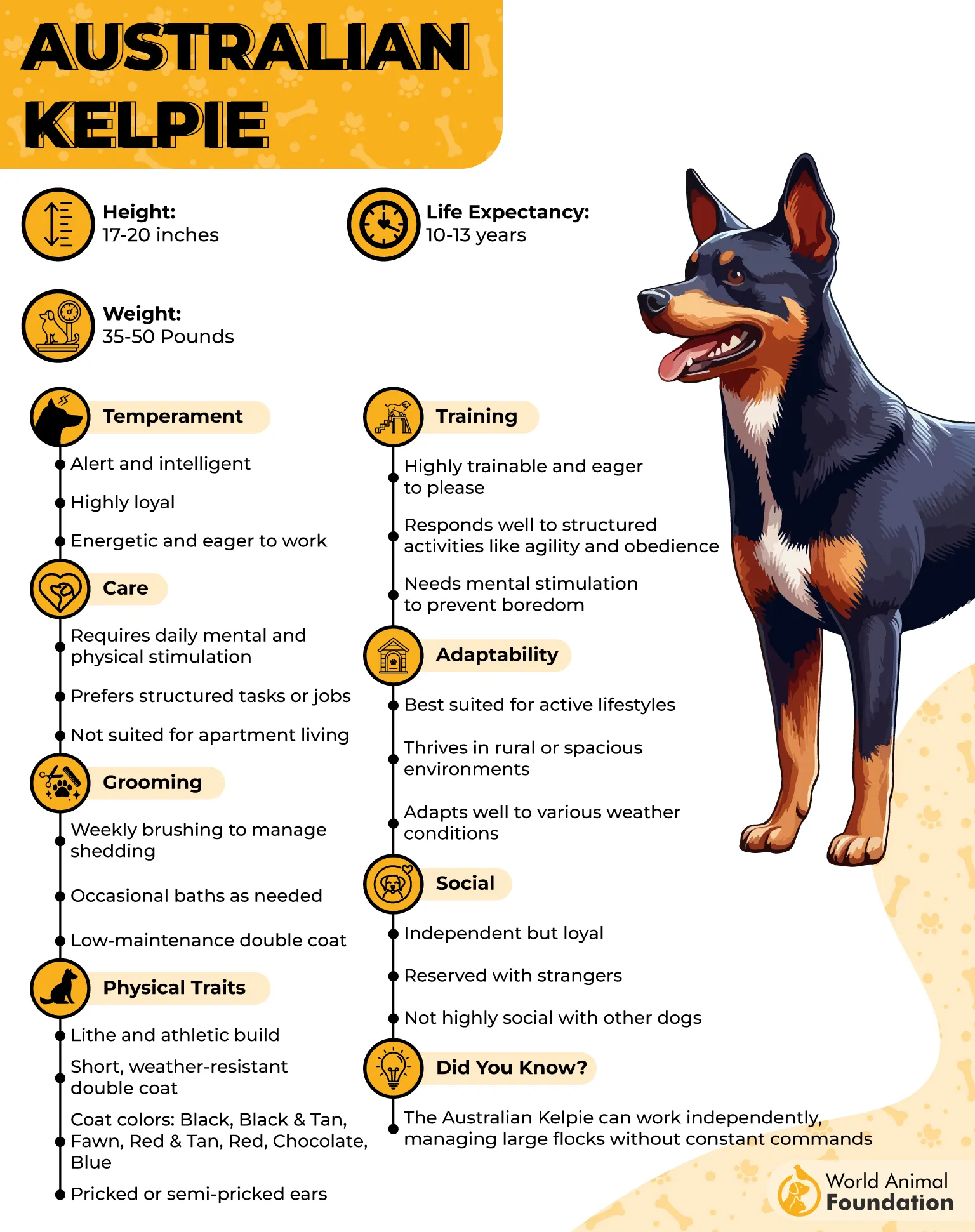
The overall shape feels fluid rather than heavily built, helping them work continuously without appearing to tire. That natural balance between endurance, flexibility, and athletic movement reflects a dog designed to keep going through demanding conditions for an entire day.
Pricing & Availability
Australian Cattle Dog Cost and Adoption
Australian Cattle Dog puppies usually cost between $600 and $1,000 when purchased from a responsible breeder. If you decide to buy, it’s worth taking the time to choose a breeder who prioritizes health, temperament, and proper care rather than simply offering the lowest price.
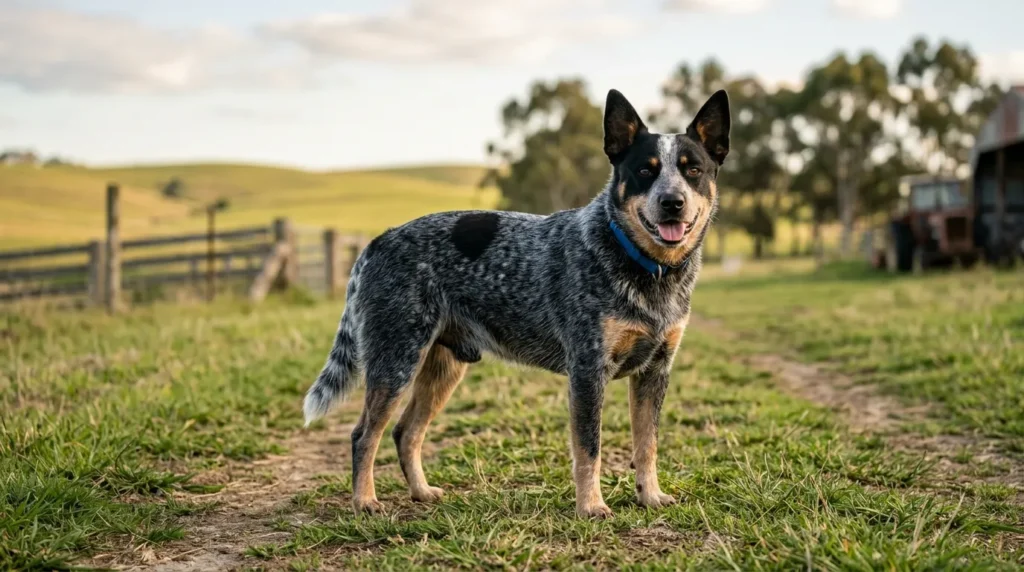
Adoption is also a realistic option for this breed, with Australian Cattle Dogs regularly appearing through breed-specific rescues and local shelters. Organizations such as the American Cattle Dog Rescue Association can be a good place to start if you’re hoping to give an adult dog a permanent home.
Australian Kelpie Price and Availability
Australian Kelpie puppies generally range from $500 to $1,500, depending on factors such as pedigree, breeder reputation, and working bloodlines. Because the breed is less common in some regions, finding a reputable breeder may take a little more patience than with more widely available dogs.
Adopting a Kelpie is possible, though dedicated rescues are harder to find, and available dogs may be limited. Breed organizations such as The Working Kelpie – USA, Australian Kelpie Rescue, and the AKC Kelpie Breeders directory are useful starting points when searching for a puppy or a rescue dog.
Temperament & Personality Style
Australian Cattle Dog Working Nature
Australian Cattle Dogs approach life with a serious, work-first mindset and form especially strong bonds with the people they trust most. They stay observant around strangers, remain protective of their home, and are usually friendly until they feel genuinely threatened or cornered.
Their energy needs a clear outlet because this is not a breed that enjoys sitting around with nothing to do. Herding children, nipping during play, or trying to control movement are instincts that respond best to early training and steady guidance, as described by PetMD.
Australian Kelpie Everyday Personality
Australian Kelpies bring a more playful style to their intelligence while keeping the same remarkable drive to stay busy. They learn new commands quickly, think for themselves when solving problems, and build especially close relationships with their primary caretaker through regular interaction and shared activity.
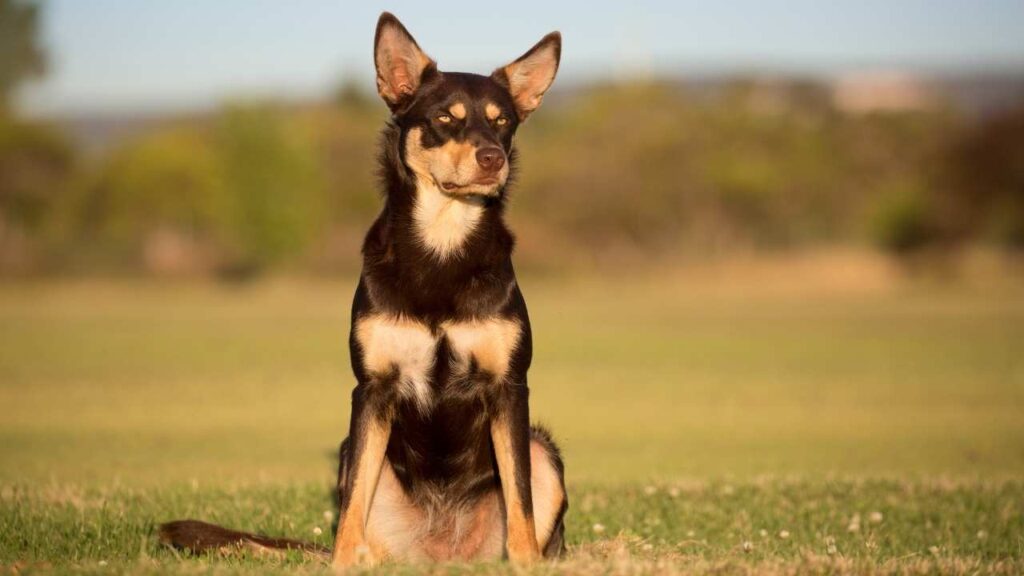
Their alert nature makes them naturally watchful without being overly reactive, and they often mix that focus with a cheerful, cheeky personality, as noted by Greencross Vets. Kelpies enjoy staying involved in whatever is happening around them and rarely pass up a chance to turn everyday moments into play.
Exercise Needs & Energy Level
Australian Cattle Dog Daily Drive
Australian Cattle Dogs need far more than a casual walk to feel satisfied. Their energy is closely tied to having meaningful work, whether that means herding livestock, joining regular runs, or taking part in activities like agility and obedience that keep both body and mind fully engaged.
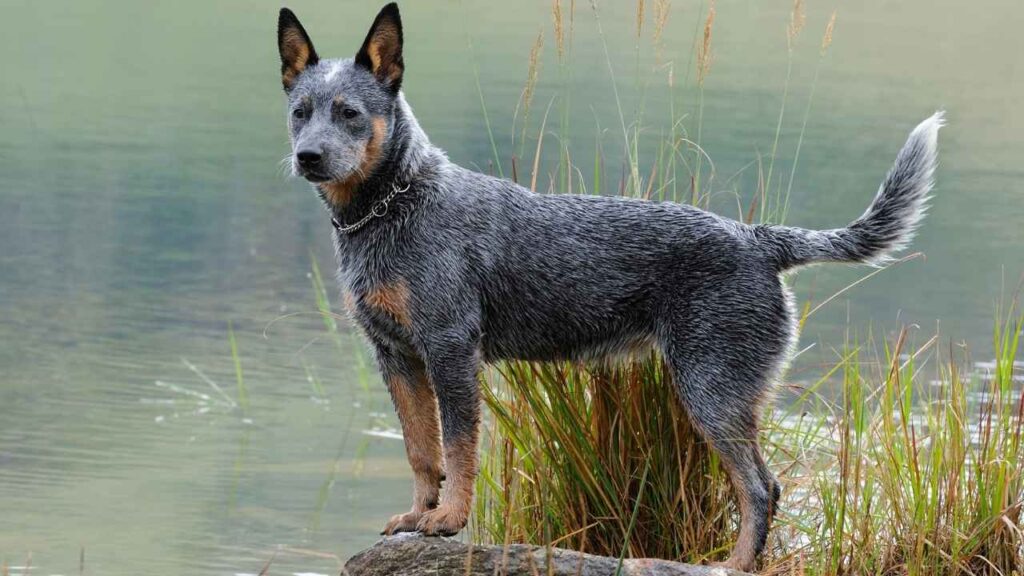
Without that sense of purpose, the breed can quickly become restless because it was bred to stay active for long periods rather than wait around for entertainment. Daily routines that include movement and structured challenges suit the Australian Cattle Dog far better than occasional bursts of exercise.
Australian Kelpie Energy Style
Australian Kelpies are just as energetic, but they balance that intensity a little differently throughout the day. They enjoy long runs, regular workouts, and obedience sessions, often looking for something productive to focus on before they truly relax at home.
Their natural herding instinct can easily extend to other pets or even children when there is nothing else to do, which is why open space and consistent activity are so important. After a full day of physical and mental engagement, though, Kelpies are perfectly happy settling down beside the family for a quiet evening.
Trainability & Obedience
Australian Cattle Dog Learning Style
Australian Cattle Dogs learn quickly, but they also expect to stay mentally engaged rather than repeat the same routine every day. Early socialization and obedience training make a noticeable difference because this breed naturally looks for work and can easily invent its own activities when left without enough direction.
Training sessions tend to be most successful when they include purpose rather than simple repetition. Activities like herding, agility, and obedience give the breed a chance to solve problems, stay engaged with its handler, and strengthen the working partnership built through regular practice.
Australian Kelpie Work-Driven Training
Australian Kelpies approach training with the attitude that every lesson is another job to complete. They respond eagerly to structured learning and usually stay interested when training keeps introducing new challenges instead of repeating familiar tasks.
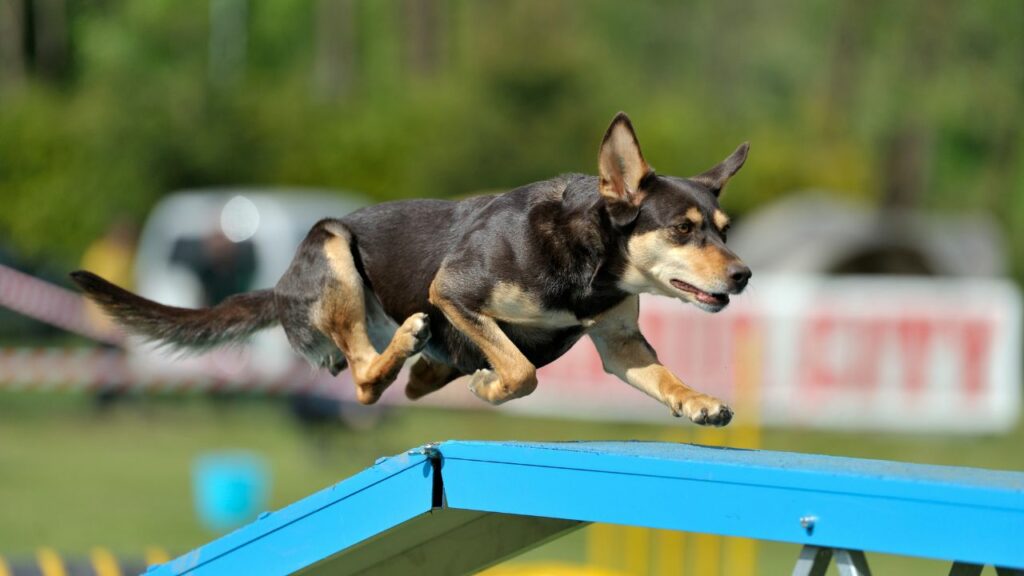
Dog sports such as agility, obedience, and rally fit naturally into the Kelpie’s working mindset because they provide both learning opportunities and mental engagement. That constant problem-solving keeps the breed involved and channels its intelligence into productive tasks rather than restless behavior.
Grooming Needs & Shedding
Australian Cattle Dog Coat Care
Australian Cattle Dogs have a smooth double coat built to handle changing weather without needing constant upkeep. Most of the year, a quick weekly brushing and the occasional bath are enough, thanks to a coat that naturally stays clean without much odor or oily buildup.
The routine changes during seasonal shedding, when the undercoat drops heavily and benefits from brushing every few days to remove loose hair. Regular nail trimming also helps keep the breed comfortable, especially for dogs that stay active on different types of ground.
Australian Kelpie Grooming Routine
Australian Kelpies also have a weather-resistant double coat, with a dense undercoat protected by a straight, hard outer layer that helps shed rain. They generally require weekly brushing or combing to clear away loose hair, along with an occasional bath to keep the coat looking neat.
Although the Kelpie is considered fairly easy to maintain, it sheds at a moderate to high level throughout the year. Staying consistent with brushing makes the biggest difference, helping manage loose hair before it builds up around the house.
Herding & Work Drive
Australian Cattle Dog Work Style
Australian Cattle Dogs were bred to move stubborn cattle across vast Australian stations, so their working style is calm, calculated, and highly controlled. They naturally pressure livestock from behind, using a quick heel nip when needed, while remaining focused during long hours of work.
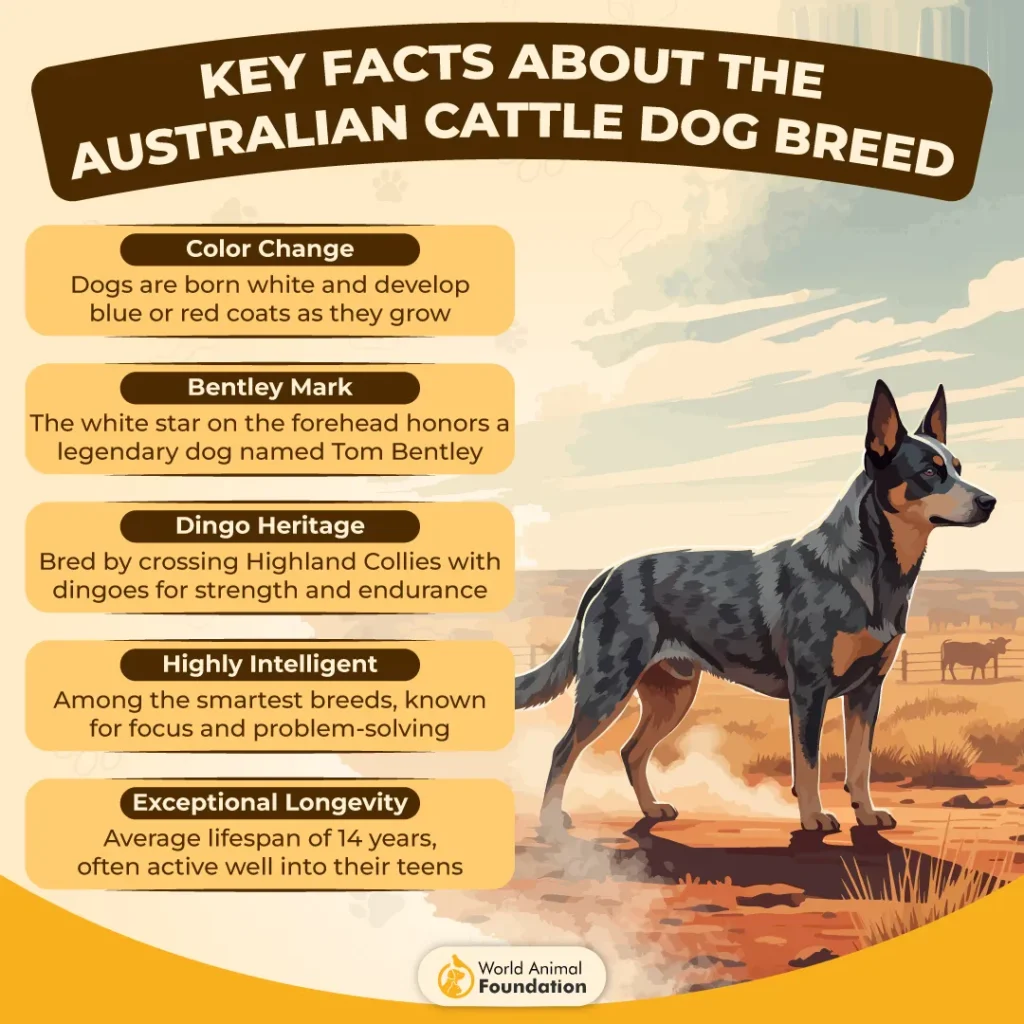
That practical mindset shows up outside herding, too. An ACD usually prefers having a clear job, enjoys solving problems on its own, and tends to stay committed to a task until it’s finished rather than bouncing from one activity to another.
Australian Kelpie Herding Style
Australian Kelpies approach livestock with noticeably more speed and intensity, covering large areas with remarkable stamina and quick decision-making. They are famous for gathering scattered stock efficiently and, when necessary, can even run across the backs of sheep to move through tightly packed flocks.
Their work drive rarely switches off, making them one of the most energetic herding breeds in the world. A Kelpie is happiest when both its body and mind stay occupied, whether that’s managing livestock, competing in dog sports, or tackling demanding daily tasks.
Health & Lifespan
Australian Cattle Dog Health Outlook
Australian Cattle Dogs are generally hardy dogs, but responsible breeding plays a big role in maintaining that reputation. Breeders commonly screen for hip and elbow problems, hearing loss through BAER testing, and inherited eye conditions such as progressive retinal atrophy and primary lens luxation before planning litters.
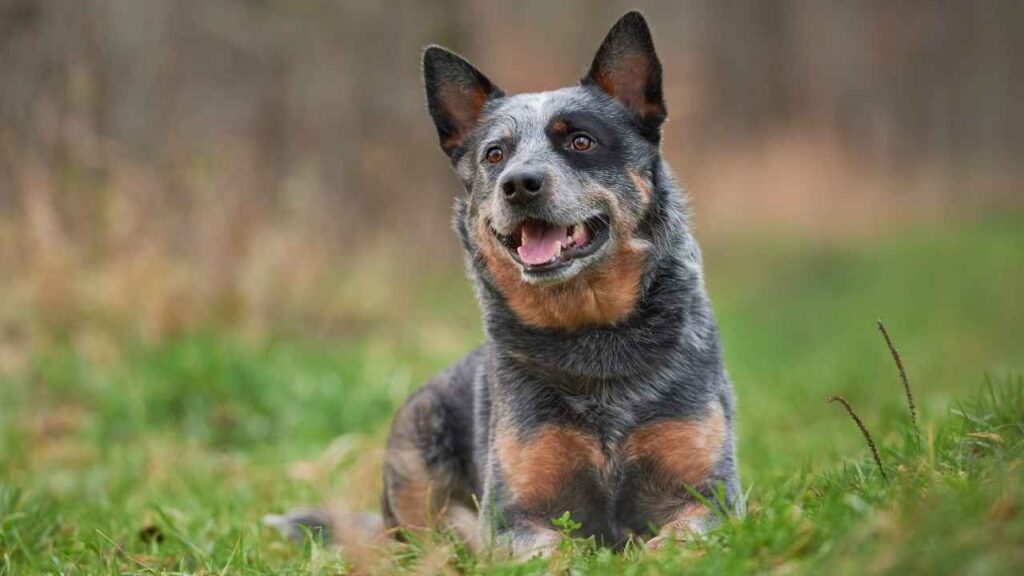
Routine care matters just as much after bringing one home. Regular ear checks help prevent wax buildup and trapped debris, while consistent dental care keeps oral health in good condition throughout the dog’s life.
Australian Kelpie Health Profile
Australian Kelpies are also known as a healthy and resilient breed, though a few inherited conditions deserve attention before choosing a puppy. Cerebellar abiotrophy can affect coordination, while Collie eye anomaly and progressive retinal atrophy may lead to partial or complete vision loss over time.
Because several of these conditions are genetic, health testing remains one of the best indicators of responsible breeding. Asking about eye examinations and family health history gives a much clearer picture of a Kelpie’s long-term health than appearance alone.
Which Active Dog Matches Your Personality?
If these two dogs walked into the same field, you would probably notice the difference before either of them started working. The Australian Cattle Dog feels steady, determined, and almost businesslike, while the Australian Kelpie brings a quicker, more energetic style that always seems ready for the next challenge.
Their personalities follow that same pattern at home. The Cattle Dog often builds a deeper attachment to its family and stays naturally watchful, whereas the Kelpie usually comes across as more adaptable and eager to jump into whatever is happening around it.
Looking at them honestly, neither one is the “better” dog because they excel in different ways. The Australian Cattle Dog stands out for grit and unwavering focus, while the Australian Kelpie leaves a stronger impression with its speed, flexibility, and seemingly endless enthusiasm for work.
Conclusion
The strongest comparisons rarely come from photographs or breed standards but from understanding how a dog fits into everyday routines. Similar backgrounds and working histories may bring these companions close on paper, yet their personalities, energy, and extremely intelligent nature create noticeably different experiences at home.
Selecting with those practical differences in mind helps build a smoother relationship from the beginning. When expectations match reality, training becomes easier, daily activities feel more enjoyable, and both owner and dog settle into a routine that works naturally. That thoughtful choice often becomes the foundation for years of trust, teamwork, and loyal companionship together.
