




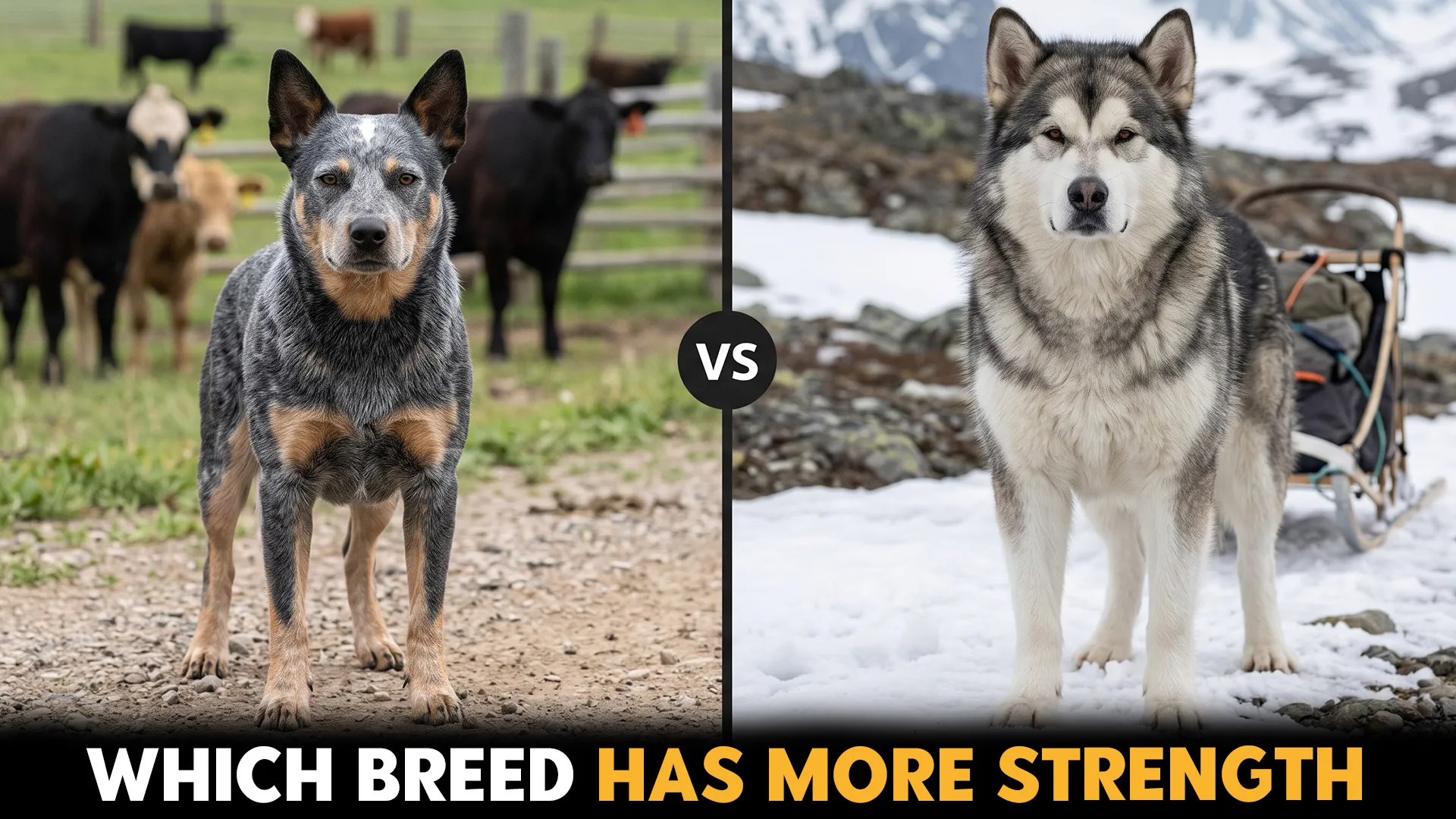
The Australian Cattle Dog and the Alaskan Malamute are both strong, hardworking breeds, but they use their strength in very different ways. One is a quick and focused herding dog, while the other is a powerful sled dog built for endurance.
Although both have a history of demanding physical work, their size, energy levels, and temperaments make them quite different companions. Both breeds can be determined and stubborn, so they need owners who understand their physical and mental needs.
So, which breed is stronger, and which one makes a better companion? Comparing the Australian Cattle Dog and Alaskan Malamute reveals important differences in physical power, temperament, trainability, and exercise needs.
Understanding these traits can help you decide which of these remarkable dogs better suits your lifestyle.
Australian Cattle Dog vs. Alaskan Malamute: Strength and Temperament Compared
Breed Origins & Functional Background
Australian Cattle Dog
The Australian Cattle Dog was developed in the 19th century when British herding dogs struggled with Australia’s harsh terrain and hot climate. Cattle ranchers needed a tough, intelligent dog that could manage large herds.
Thomas Hall crossed Blue Smooth Highland Collies with Dingos to develop the breed, while later crosses with Dalmatians, Bull Terriers, and Working Kelpies helped refine its traits.
Known for its agility, stamina, and strong work ethic, the Australian Cattle Dog became a reliable ranch companion. It arrived in the United States in 1950 and received American Kennel Club (AKC) recognition in 1980.
Alaskan Malamute
The Alaskan Malamute originated with the Mahlemut people, an Inuit tribe in northwestern Alaska. According to Orvis, these powerful dogs helped hunt seals, ward off polar bears, and pull heavy loads across Arctic terrain.
Unlike breeds developed for speed, Malamutes were valued for their strength and ability to transport supplies over long distances.
During the Alaska Gold Rush, they helped prospectors haul equipment and later supported polar expeditions and military operations during both World Wars. The AKC recognized the breed in 1935, and the Alaskan Malamute became Alaska’s official state dog in 2010.
Physical Characteristics & Body Structure
Australian Cattle Dog
The Australian Cattle Dog is a medium-sized, muscular, and compact breed built for power, speed, and agility. It typically weighs 35–50 pounds and stands 17–20 inches tall. Its dark-brown eyes show intelligence, while its medium-sized, pointed ears stand upright when alert.
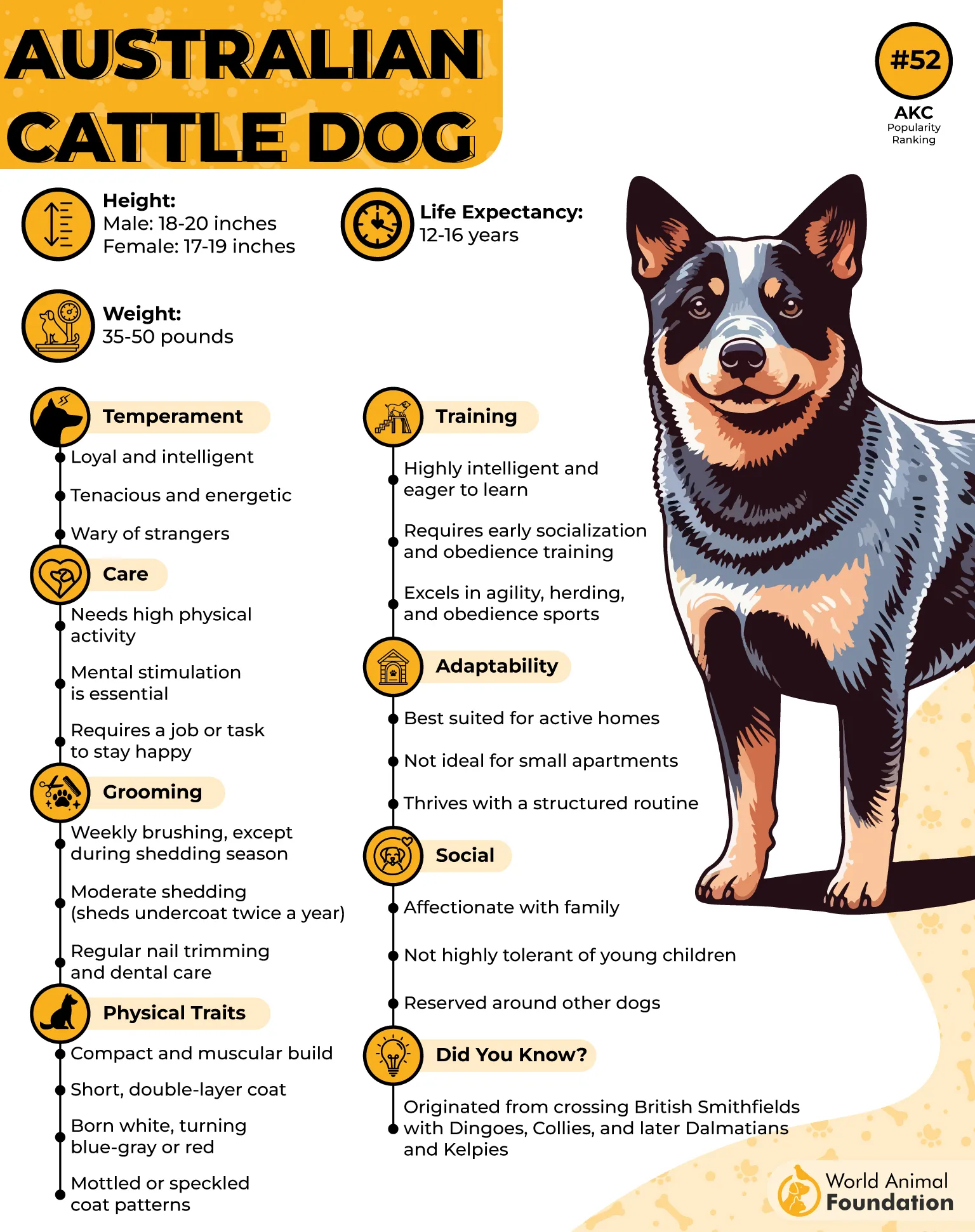
The breed has a short, dense undercoat and a rain-resistant outer coat. Its colors include blue, blue mottled, blue speckled, red mottled, and red speckled, sometimes with tan markings. Its balanced stride and sturdy build reflect its background as a hardworking herding dog.
Alaskan Malamute
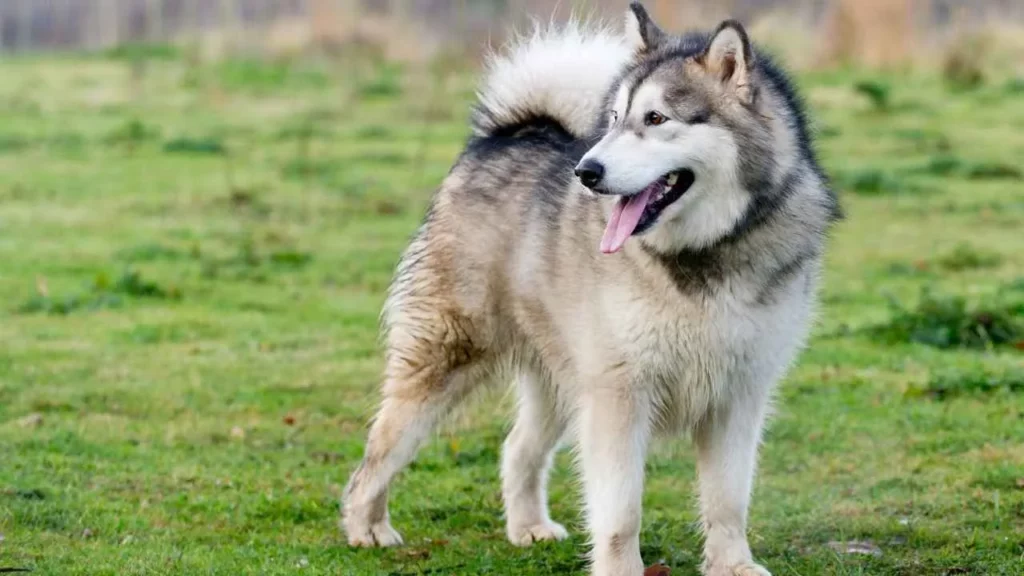
The Alaskan Malamute is a much larger and heavier breed, standing 23–25 inches at the shoulder and weighing 75–85 pounds. Its broad head, brown eyes, erect triangular ears, heavy bones, deep chest, and powerful shoulders give it an impressive physique suited to pulling heavy loads.
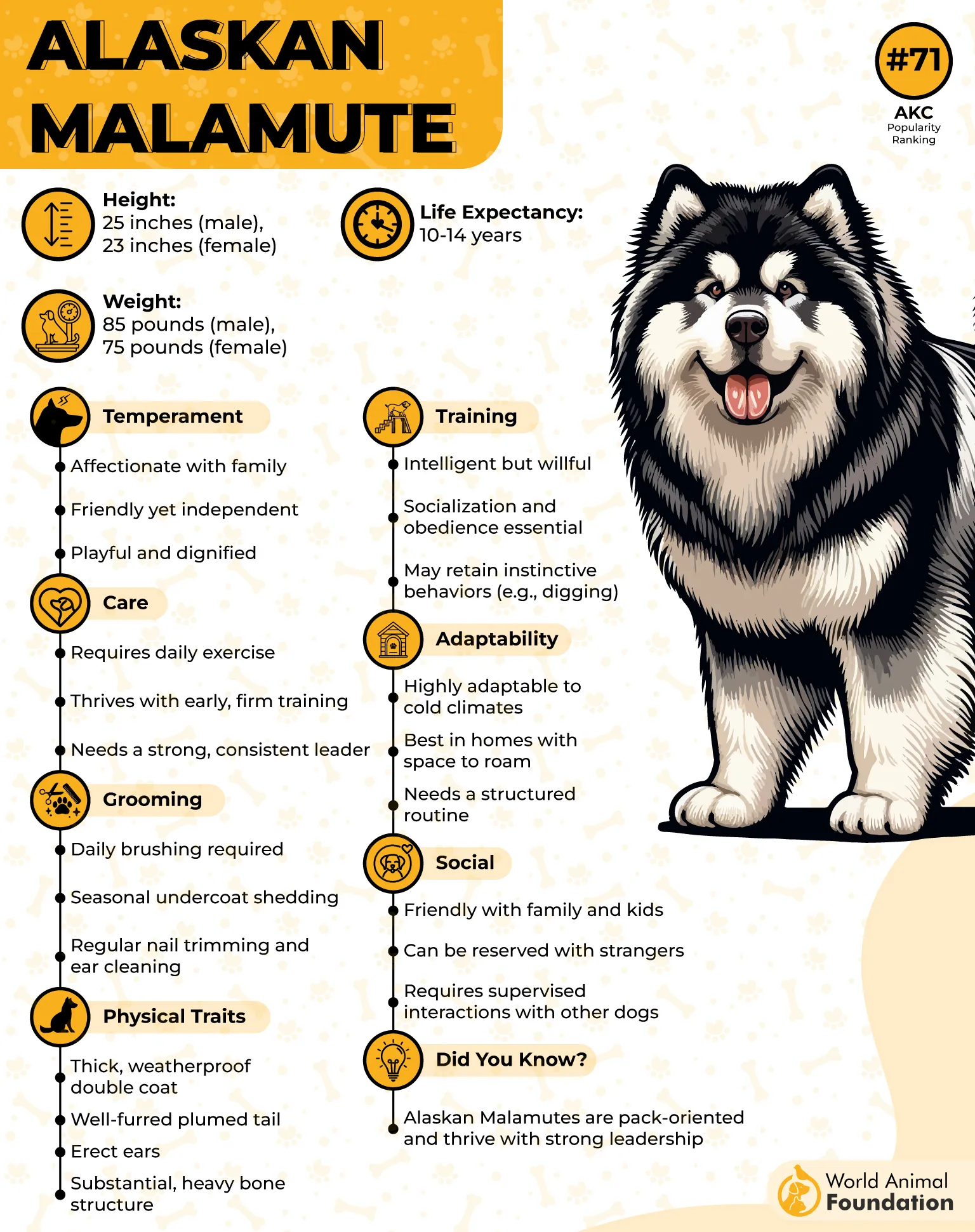
Its thick double coat features a woolly, oily undercoat and a protective outer coat that helps it withstand extreme cold. Most Malamutes have gray coloring with white markings, though shades of sable and red also occur. A characteristic fluffy tail curves over the back and can cover the face during cold-weather rest.
Temperament & Behavioral Profile
Australian Cattle Dog
Australian Cattle Dogs are intelligent, courageous, and fiercely loyal to their owners. They form strong bonds with their families but can be wary of strangers and protective of their territory.
Their independent nature and strong herding instincts may lead them to nip at heels or try to herd children, so early training and socialization are important.
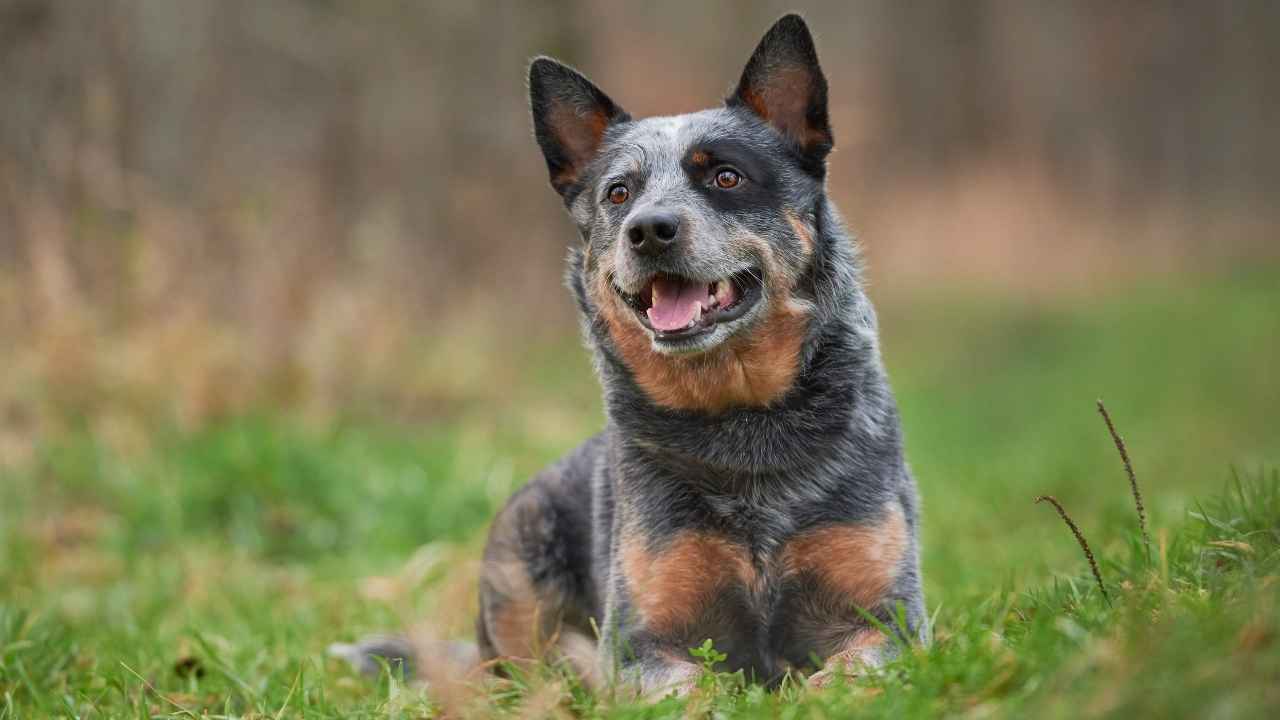
These energetic dogs need regular physical activity and mental challenges to stay happy. Without enough stimulation, they may develop destructive habits or separation anxiety, as noted by PetMD.
They can get along with children and other dogs when properly socialized, but their herding instincts may make living with cats more challenging.
Alaskan Malamute
Alaskan Malamutes are friendly, affectionate, and sociable dogs that enjoy being around people. They usually welcome family members and guests alike, often communicating through howls, yelps, and playful vocalizations rather than frequent barking.
Despite their affectionate nature, Malamutes are strong-willed and independent, making early, consistent training essential. Their strength and tendency to pull require leash training, while their high energy levels call for plenty of exercise and mental stimulation.
Bored Malamutes may dig, chew furniture, or find ways to escape. They can also be stubborn about returning when called and may show aggression toward other dogs if poorly socialized.
Activity Requirements & Energy Levels
Australian Cattle Dog
Australian Cattle Dogs have exceptional stamina and high energy levels, reflecting their history of herding cattle across vast spaces.
They need an active household that can provide plenty of exercise and engaging activities. A quick game of fetch is rarely enough, and they may need up to two hours of exercise daily.
Activities that suit this athletic breed include:
Running, hiking, and brisk daily walks.
High-energy games of fetch in a backyard or dog park.
Agility activities that use their speed and coordination.
Interactive toys, tracking exercises, and nose work to keep their minds busy.
Australian Cattle Dogs can reach speeds of up to 30 mph when sprinting. Without enough physical activity and mental stimulation, they can become bored and develop unwanted behaviors. Keeping them engaged is essential to their well-being.
Alaskan Malamute
Alaskan Malamutes are powerful dogs with impressive endurance, thanks to their history of pulling heavy sleds over long distances.
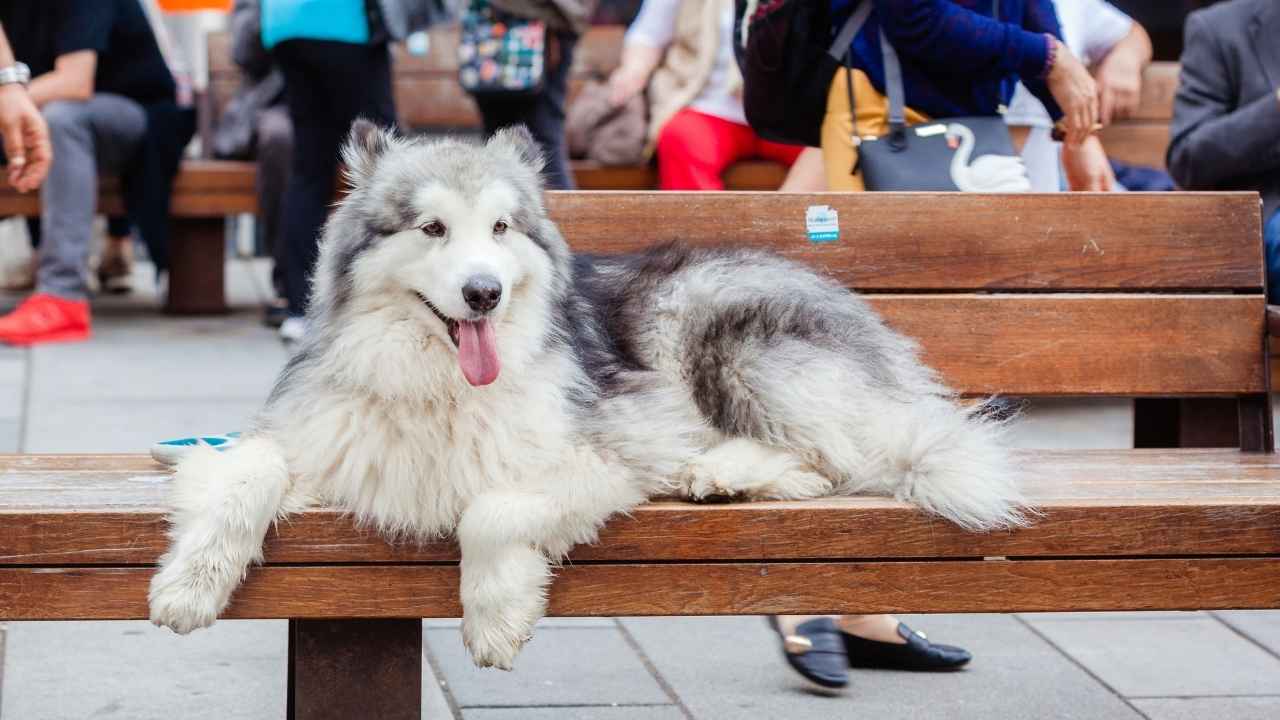
They remain highly active and generally need at least a couple of hours of exercise each day. Regular walks, outdoor play, and opportunities to explore help them stay physically fit and mentally engaged.
Suitable activities for Malamutes include:
Hiking, jogging, and longer outdoor walks.
Fetch and other interactive games.
Dog sports that provide physical and mental challenges.
Sniff walks that let them explore their surroundings.
Malamutes thrive in cold weather and enjoy activities in the snow. However, their thick coats make them vulnerable to overheating, so exercise should take place during cooler hours in warm climates.
Without enough activity, they may become frustrated and develop behaviors such as digging, howling, and destructive chewing.
Trainability, Intelligence & Learning Ability
Australian Cattle Dog
Australian Cattle Dogs are highly intelligent, quick learners with excellent problem-solving abilities. They enjoy learning new tricks and respond well to consistent training, although their independent nature can sometimes make them stubborn.
A firm but gentle approach using positive reinforcement, such as praise, treats, and toys, works best.
Early obedience training and socialization help manage their nipping tendencies and teach them appropriate behavior around people and other dogs. Training can begin with basic commands and gradually progress to more challenging activities.
Training methods: Positive reinforcement, patience, and consistent rules.
Early skills: Sit, stay, recall, and walking calmly on a leash.
Advanced activities: Agility, frisbee, flyball, and other canine sports.
Working abilities: Their intelligence and strong instincts make them excellent candidates for livestock herding and farm work.
Alaskan Malamute
Alaskan Malamutes are intelligent dogs that can learn commands quickly, but their independent and sometimes stubborn nature may make training challenging.
They can become distracted easily, so short sessions of around five minutes can help maintain their attention. Like Australian Cattle Dogs, they respond best to positive reinforcement rather than harsh corrections.
Early obedience training and socialization are essential for teaching good manners and helping Malamutes become confident around new people and environments. Basic commands, reliable recall, and leash manners are particularly important because of their considerable size and strength.
Training methods: Rewards, praise, treats, and short, consistent sessions.
Early skills: Sit, stay, recall, and walking calmly on a leash.
Mental stimulation: Interactive toys, games, and activities that challenge their problem-solving skills.
Advanced activities: Agility, flyball, and other dog sports.
Coat Maintenance & Grooming Needs
Australian Cattle Dog
Australian Cattle Dogs have a short, double coat with a dense undercoat and a straight, rain-resistant outer coat. Their coats come in blue and red speckled patterns. Puppies are born white, but their distinctive colors begin to appear between four and six weeks of age.
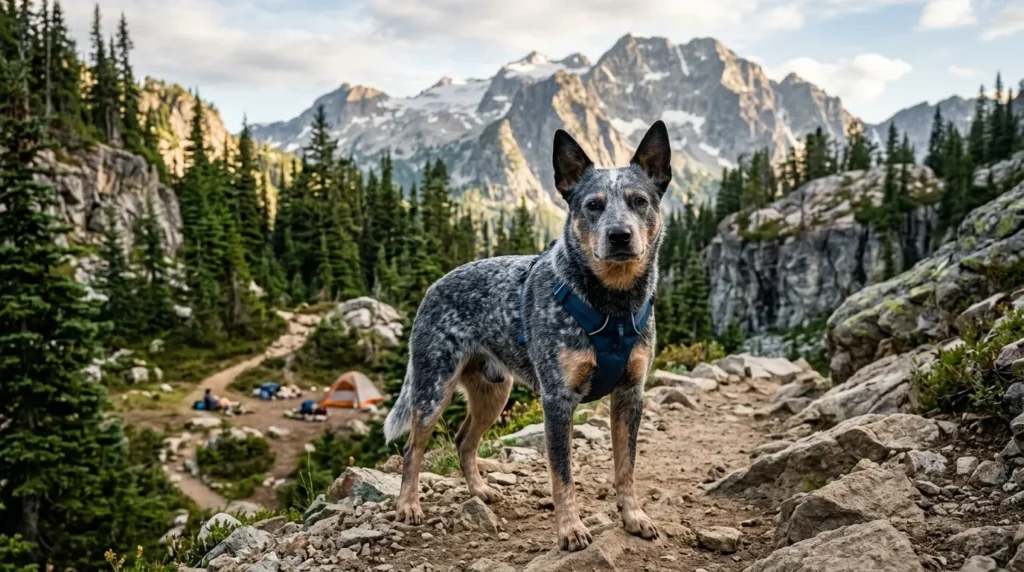
These dogs shed moderately to heavily, so daily brushing helps remove loose hair and keep their coats in good condition. They shed their dense undercoats twice a year and may benefit from professional grooming during these periods.
Occasional baths are usually enough unless they get particularly dirty. Regular nail trimming and year-round flea, tick, and heartworm prevention are also important.
Alaskan Malamute
Alaskan Malamutes have thick double coats with woolly undercoats that require regular grooming. Brushing several times a week helps remove dead hair and prevent loose fur from building up.
They shed heavily twice a year, so more frequent brushing is needed during these seasonal shedding periods. Their coats do not require trimming.
Along with coat care, Malamutes need regular nail trimming, usually once or twice a month depending on how quickly their nails grow.
Their ears should be checked weekly for dirt or signs of infection, and their teeth should be brushed daily with dog toothpaste. Regular grooming helps keep their thick coats clean and healthy.
Average Lifespan & Longevity
Australian Cattle Dog
Australian Cattle Dogs typically live for 12–16 years and are generally a healthy, hardy breed. However, they can be prone to certain inherited conditions that may affect their quality of life.
Common health concerns include:
Progressive retinal atrophy (PRA)
Inherited deafness
Hip dysplasia
Heart conditions
Alaskan Malamute
Alaskan Malamutes have an average lifespan of 10–14 years. Although they are strong working dogs, they can develop several inherited conditions that may affect their mobility, vision, and overall health.
Common health concerns include:
Hip and elbow dysplasia
Epilepsy
Cataracts
Achromatopsia (day blindness)
Alopecia X
Hypothyroidism
Osteochondrodysplasia
Polyneuropathy
Suitability for Family Life vs. Guard Duties
Australian Cattle Dog
Australian Cattle Dogs form strong bonds with their owners and are loyal, protective, and attentive to their surroundings. They can make good family companions for active households that can meet their exercise and training needs.
However, their strong herding instincts may lead them to nip at children’s heels, so supervision and early socialization are important. They can also be wary of strangers and need proper introductions to new people.
Their alertness and protective nature make them better suited to watching over property than simply welcoming every visitor. Their intelligence and working instincts help them excel at farm duties and livestock herding.
However, they need regular activity and mental stimulation to prevent boredom and destructive behavior. They are best suited to families that can provide consistent training, exercise, and plenty of engagement.
Alaskan Malamute
Alaskan Malamutes are affectionate, friendly, and sociable dogs that generally enjoy being around family members and guests. They can be good companions for households with children when both the dog and children are taught to interact respectfully.
However, their large size and strength mean supervision is important, especially around younger children. They also need plenty of exercise, regular training, and mental stimulation to stay happy and well-behaved.
Despite their impressive size and strength, Malamutes are not ideal guard dogs because they generally welcome human interaction rather than act protectively toward strangers.
Their independent nature can make training challenging, while insufficient exercise may lead to digging, howling, or destructive chewing. They are better suited to active families seeking a friendly outdoor companion than those looking for a dedicated watchdog or protection dog.
Conclusion
The Australian Cattle Dog and Alaskan Malamute are both strong, intelligent working breeds, but their abilities and temperaments differ. Both need plenty of exercise, consistent training, and regular grooming to stay healthy and happy.
Before choosing between these breeds, consider your lifestyle, living space, and ability to meet their daily needs. An active household that enjoys training and outdoor adventures may suit either breed, but their personalities will influence the experience.
The strongest dog isn’t always the best guard dog, and the most loyal companion may be the one that fits your life best.
