




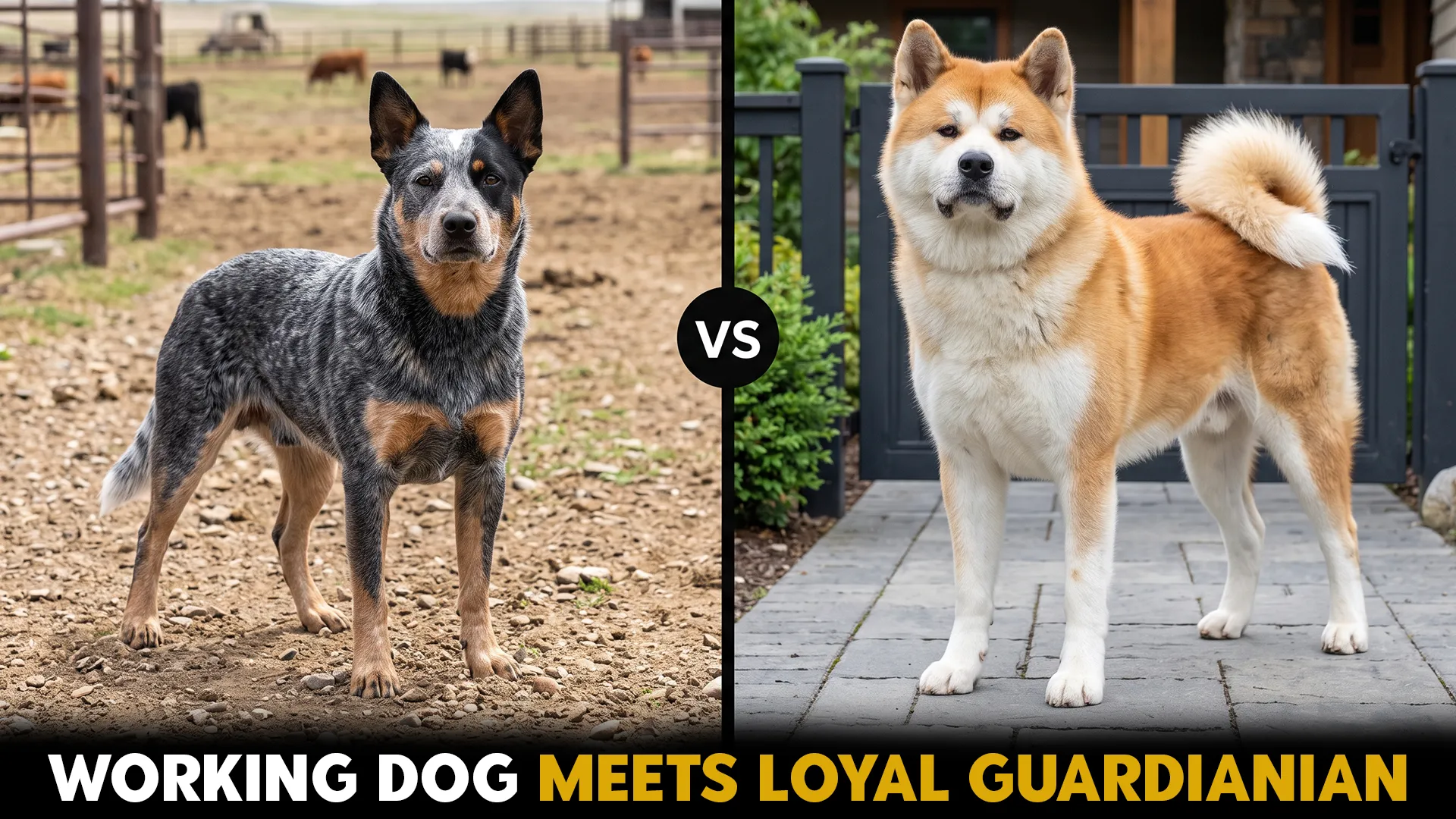
The Australian Cattle Dog and Akita are both intelligent, loyal, and strong-willed breeds, but their working backgrounds have shaped very different personalities. The Australian Cattle Dog was developed to move livestock across Australia’s rugged ranchlands, while the Akita originated in Japan as a powerful hunting and guarding dog. Both need responsible ownership and consistent training.
Their differences extend beyond appearance. Australian Cattle Dogs are energetic herders that thrive on demanding activities, whereas Akitas are generally more reserved, independent, and physically imposing. Neither breed is an effortless companion, and both benefit from early socialization and clear boundaries.
This comparison explores their origins, size, cost, temperament, exercise requirements, trainability, grooming, protective instincts, and health. Understanding these differences can help you decide which breed better matches your household, experience, and daily routine.
Australian Cattle Dog vs. Akita: What Sets Them Apart
Australian Cattle Dogs and Akitas are both strong, loyal breeds, but they differ greatly in temperament, size, and daily needs. This comparison breaks down what sets them apart so you can understand which breed may suit your lifestyle better.
Origins & Purpose
The Australian Cattle Dog was developed in Australia during the 19th century to help ranchers move cattle across vast, challenging properties. Breeders combined imported herding dogs with other working breeds to create a hardy, intelligent, and persistent cattle driver. Its history explains its stamina, agility, and instinct to control movement.
The Akita originated in Japan’s mountainous Akita region, where its ancestors were used to hunt substantial game, including wild boar and bears. Over time, the breed also became associated with guarding and companionship. Its history helped shape a confident, independent dog known for loyalty and a naturally watchful presence.
The Australian Cattle Dog was bred primarily to herd livestock, while the Akita’s historical roles included hunting and guarding. This distinction influences their behavior today: Cattle Dogs often react quickly to movement, whereas Akitas may be more reserved and protective. Both need purposeful training that respects their instincts.
Size & Build
Australian Cattle Dogs typically stand 17–20 inches tall and weigh approximately 35–50 pounds. Their compact, muscular bodies support quick turns and sustained movement across rough ground. A weather-resistant double coat and strong legs reflect their working heritage, making them well suited to physically demanding activities.
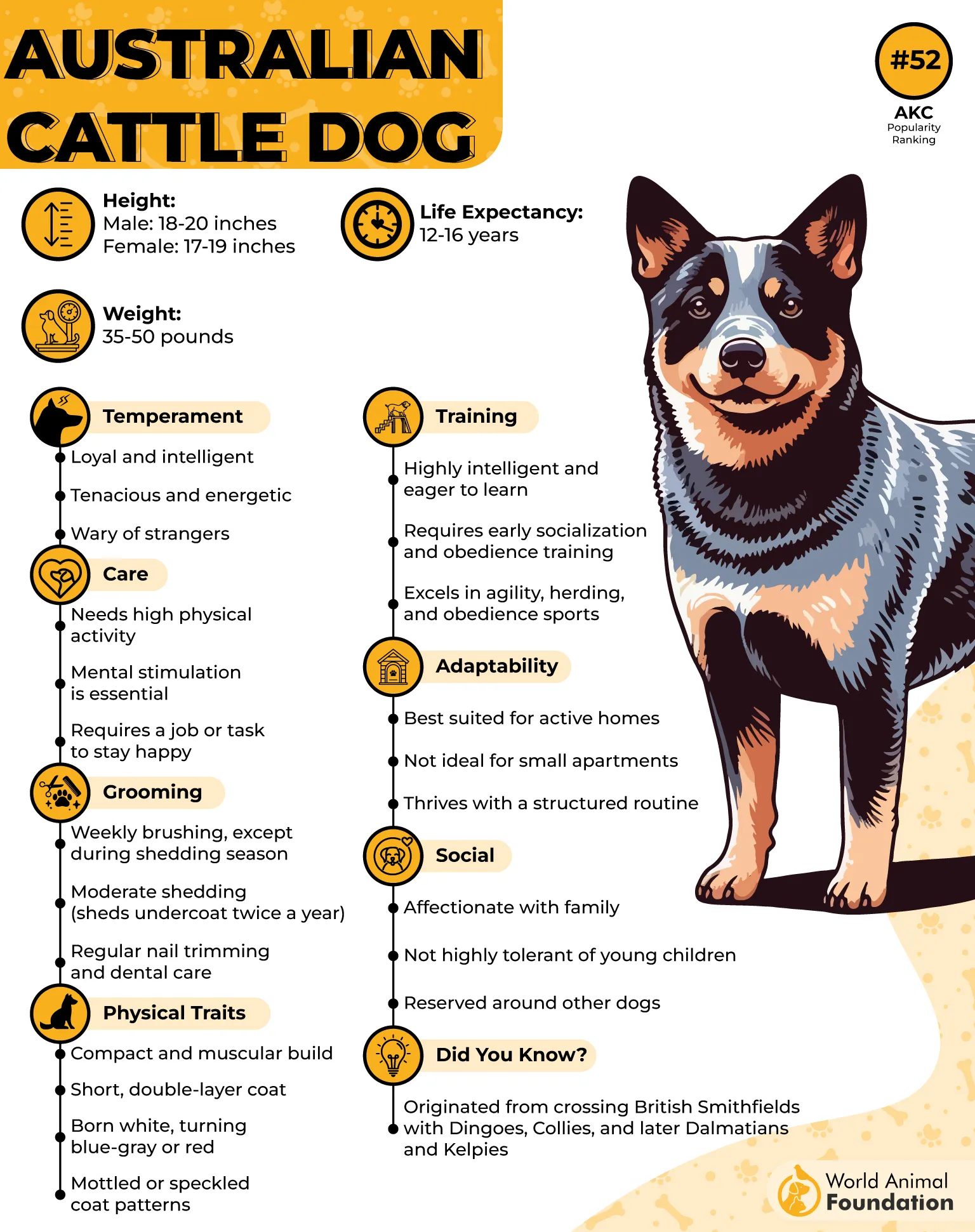
Akitas are substantially larger, generally standing around 24–28 inches tall and weighing approximately 70–130 pounds, depending on sex and individual build. They have broad heads, strong frames, and thick double coats. Their size gives them an imposing appearance, but it also makes leash training and physical management especially important.
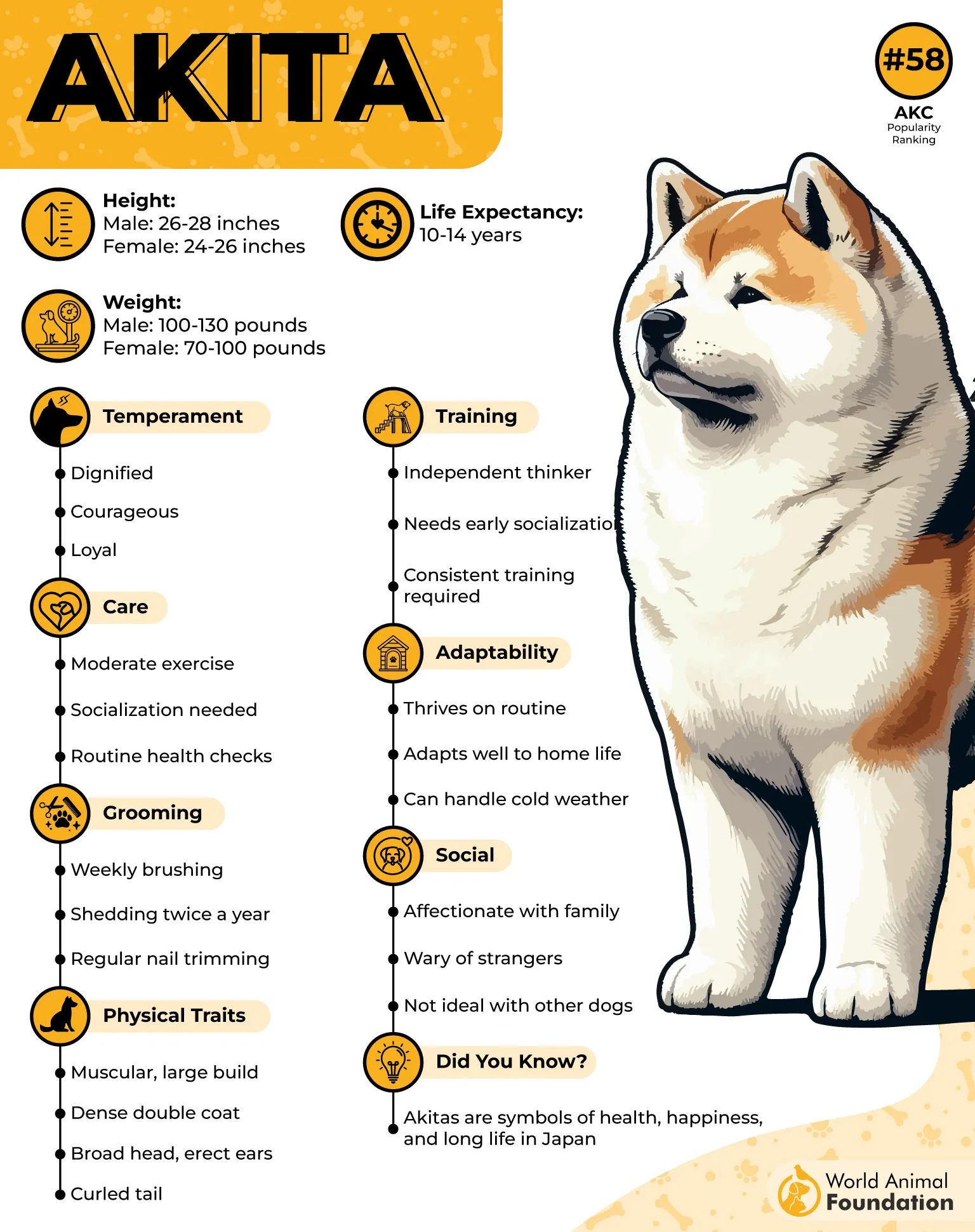
The Australian Cattle Dog is easier to accommodate physically and often better suited to owners seeking an agile outdoor companion. The Akita needs more space for comfortable movement and an owner capable of managing a powerful dog. Neither breed should be chosen based on size alone; exercise, training, and temperament matter equally.
Pricing & Availability
Australian Cattle Dog puppies from reputable breeders commonly cost between $100 and $3,000, depending on lineage, health screening, location, and breeder reputation. Adoption may cost less, as per WebMD. Prospective owners should budget for training, food, preventive veterinary care, and enrichment rather than focusing only on the initial purchase price.
Akita puppies from responsible breeders may also cost between $1,000 and $3,000, with prices varying by pedigree, location, and health testing. Adoption fees differ among shelters and rescues. Their larger size can increase food and medication costs, so owners should consider long-term expenses before committing.
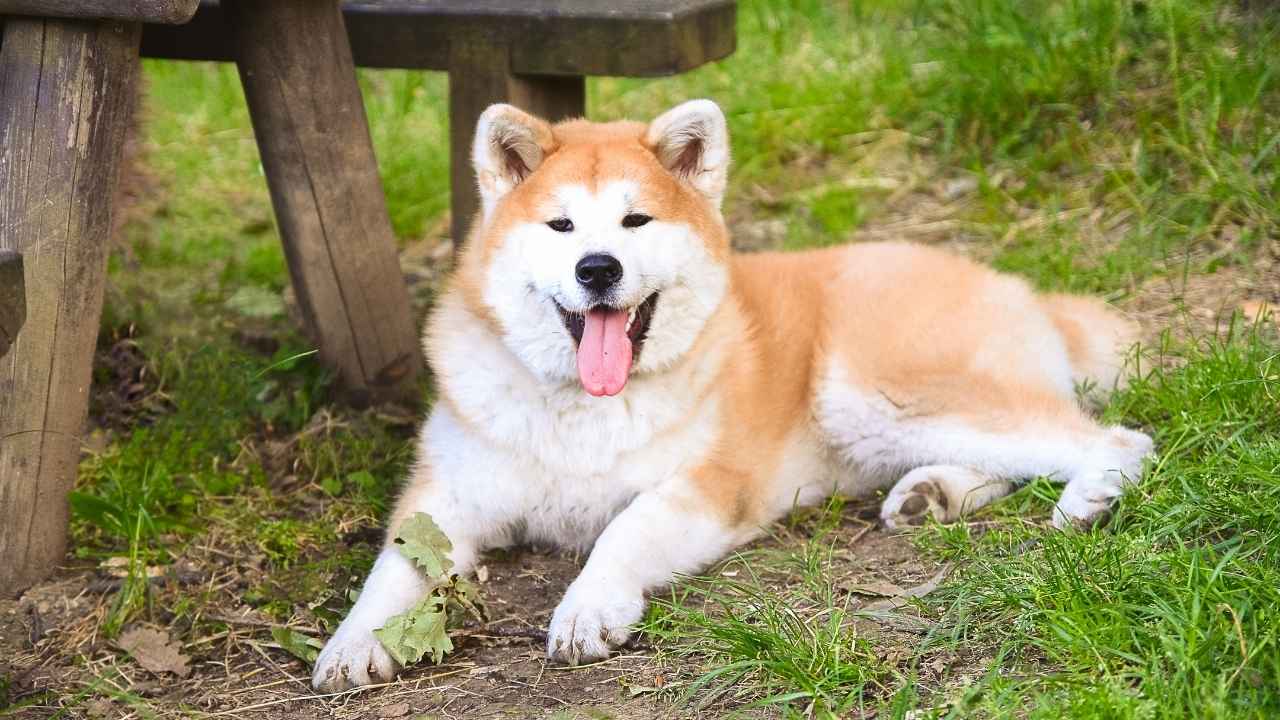
Both breeds are available through reputable breeders and rescue organizations, although local availability varies. Akitas may cost more to feed and manage because of their size, while Australian Cattle Dogs may require considerable investment in training and activities. Always verify health testing, breeder practices, and local ownership regulations before choosing either breed.
Temperament & Personality
Australian Cattle Dogs are often intensely attentive, energetic, and devoted to their owners. Their herding instincts may encourage chasing, nipping at heels, or controlling movement without appropriate guidance. They can be reserved around unfamiliar people and need early socialization. These dogs thrive when their intelligence and working drive have constructive outlets.
Akitas are known for strong bonds with their families and a more independent approach to everyday life. They may be reserved around strangers and can show intolerance toward unfamiliar dogs, particularly dogs of the same sex. Early socialization and careful introductions are important, as per Britannica. Their affectionate side often appears most clearly with trusted family members.
Australian Cattle Dogs are usually more active and task-focused, while Akitas tend to be more independent and reserved. Both can challenge inexperienced owners in different ways. Cattle Dogs need outlets for their herding drive, whereas Akitas require careful social management and consistent boundaries. Individual temperament always varies.
Exercise Needs & Energy Levels
Australian Cattle Dogs have exceptionally high energy levels and need substantial daily exercise. Long walks, running, herding activities, and agility provide useful outlets. Without enough physical activity and mental stimulation, they may become bored and destructive, as per Purina. They are best suited to active owners who can provide purposeful tasks.
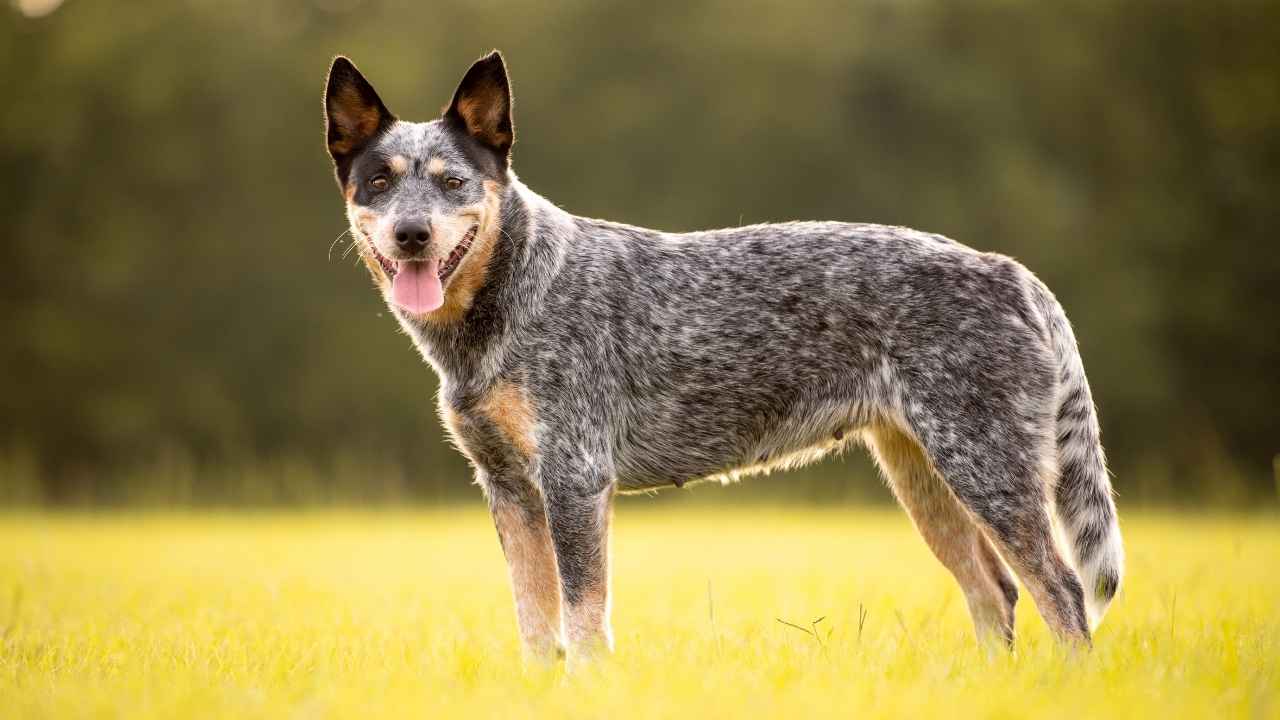
Akitas generally need moderate daily exercise, including brisk walks and controlled play. They enjoy activity but are not usually as relentlessly energetic as Australian Cattle Dogs. Secure outdoor areas are important because their prey drive and independent nature can complicate off-leash control. Exercise should be adapted to each dog’s age and health.
The Australian Cattle Dog usually requires more intensive exercise and mental engagement. An Akita may be more comfortable with a moderate routine, although it still needs daily movement. If you enjoy dog sports and long outdoor activities, consider the Cattle Dog; if you prefer steady walks, the Akita may be a better match.
Trainability & Obedience
Australian Cattle Dogs are highly intelligent and learn commands quickly, particularly when training involves purposeful tasks. However, their independent thinking and high energy can make repetition frustrating. Short, engaging sessions, reward-based methods, and consistent rules help develop reliable obedience and control their herding instincts.
Akitas are intelligent dogs that often prefer making their own decisions. They can learn obedience, but training requires patience, consistency, and clear boundaries. Early socialization is especially important because some Akitas can be selective around other dogs. Positive reinforcement and calm handling are preferable to harsh corrections.
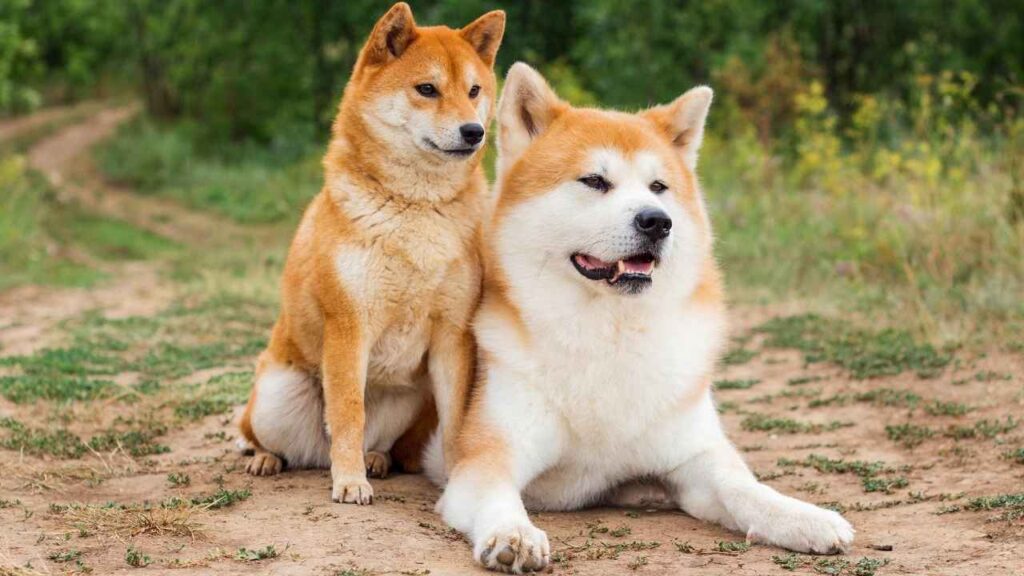
Australian Cattle Dogs often respond enthusiastically to task-based training, but their intensity requires commitment. Akitas may be less eager to repeat commands simply to please their owners. Both need early obedience work, though the Cattle Dog may suit owners who enjoy active training, while the Akita benefits from experienced, consistent handling.
Grooming Needs & Shedding
The Australian Cattle Dog has a short, weather-resistant double coat that generally needs brushing once or twice a week. It sheds throughout the year, with heavier seasonal shedding when its undercoat is replaced. Occasional bathing, regular nail trimming, and routine ear and dental care help maintain overall health.
The Akita’s dense double coat benefits from regular brushing, usually at least weekly. Twice a year, many Akitas shed their undercoat heavily, requiring more frequent grooming to manage loose fur. Routine nail trimming, dental care, and ear checks are also necessary. Its coat should not be shaved to manage shedding.
The Australian Cattle Dog generally requires less grooming because its coat is shorter and easier to maintain. The Akita’s thick undercoat creates more work, particularly during seasonal shedding. Both breeds shed, so neither is a suitable choice for owners expecting a low-shedding dog.
Protective Instincts & Territorial Behavior
Australian Cattle Dogs are naturally watchful and often develop strong attachments to their families. Their working background can make them protective of their home and property. Early socialization helps them respond appropriately to visitors, while obedience training prevents their alertness from developing into excessive barking or unwanted chasing.
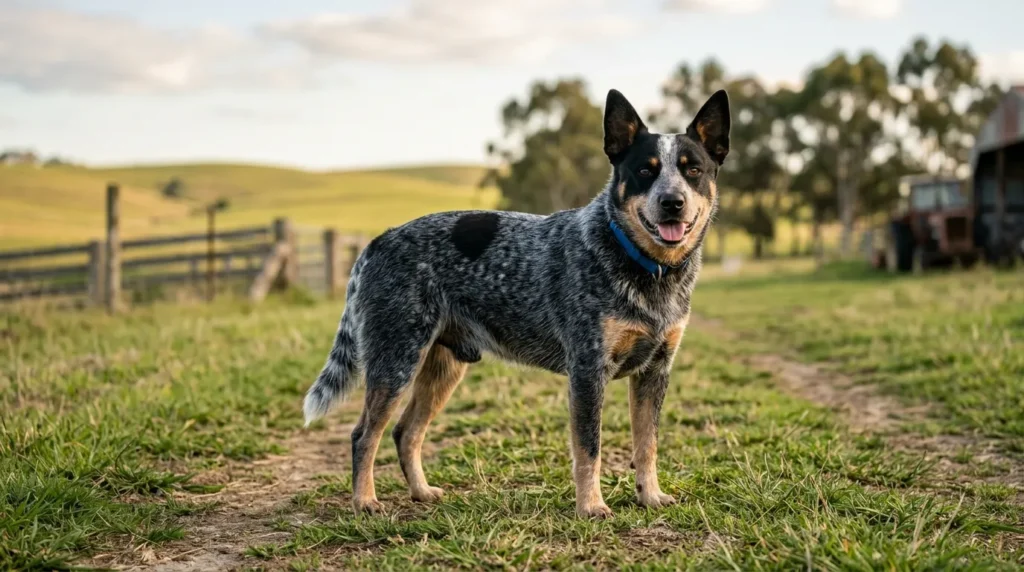
Akitas have a long history of guarding families and hunting game. They are often reserved around strangers and may be intolerant of unfamiliar dogs. Their size and confident presence can provide a deterrent, but early socialization and careful management are essential. They should never be encouraged to behave aggressively toward ordinary visitors.
Both breeds can be protective, but their approaches differ. Australian Cattle Dogs tend to be alert, reactive, and attentive to movement, while Akitas often display a quieter, more imposing form of vigilance. Akitas may present greater challenges around unfamiliar dogs, so individual temperament and responsible training should guide your choice.
Health & Lifespan
Australian Cattle Dogs commonly live around 12–16 years. Potential health concerns include progressive retinal atrophy, primary lens luxation, hip and elbow dysplasia, and inherited deafness. Responsible breeders should conduct appropriate health screenings. Regular veterinary examinations, weight management, and sufficient exercise support long-term well-being.
Akitas typically live around 10–12 years. Potential concerns include hip dysplasia, thyroid disorders, eye conditions, and gastric dilatation-volvulus, commonly called bloat, as per the AKC. Prospective owners should ask breeders about recommended health testing. Veterinary checkups, a suitable diet, and prompt attention to unusual symptoms are important throughout the dog’s life.
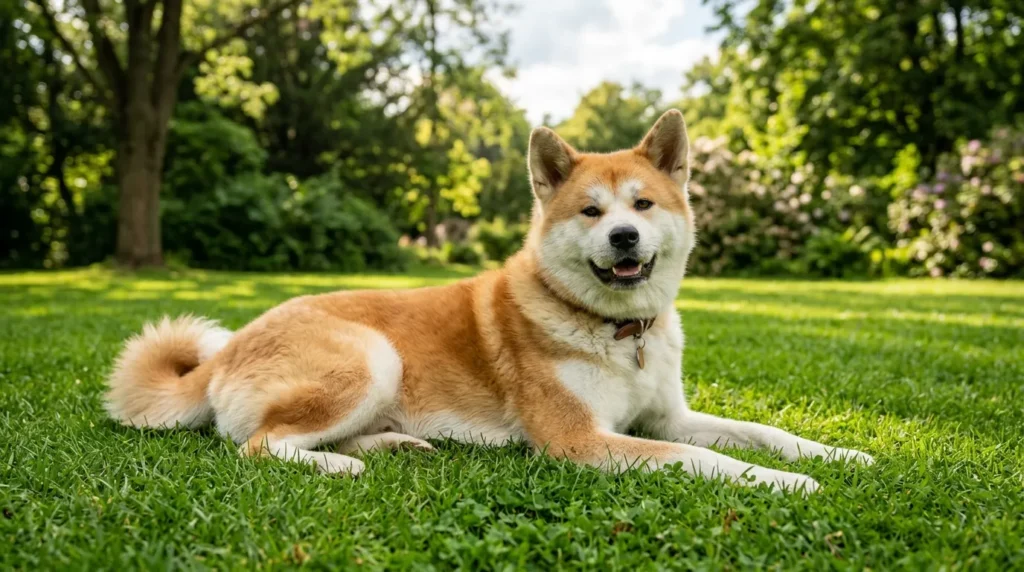
Australian Cattle Dogs generally have a longer expected lifespan than Akitas. Both can develop inherited conditions, while bloat is a particular concern for Akitas because of their size and build. Neither breed is guaranteed to remain healthy, so responsible breeding, preventive veterinary care, and appropriate nutrition are essential.
Australian Cattle Dog vs. Akita: Which Strong-Willed Breed Fits Your Lifestyle Best?
The Australian Cattle Dog is usually the stronger match for highly active owners who enjoy training, hiking, and canine sports. Its compact build, intelligence, and stamina make it an engaging working companion. However, its considerable energy and herding instincts demand regular activities and consistent guidance.
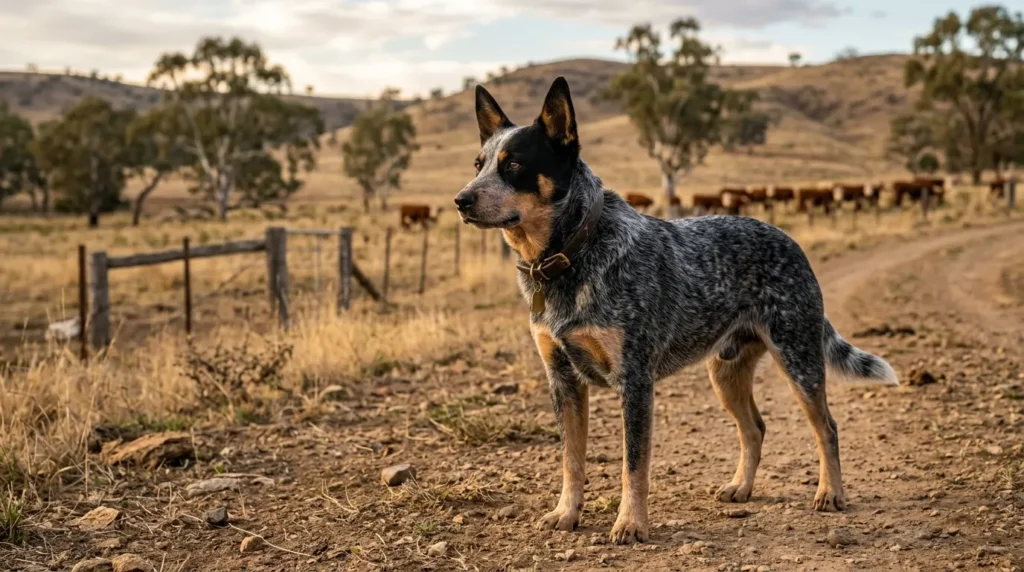
The Akita may suit experienced owners seeking a larger, more reserved, and naturally protective companion. It generally requires less intensive exercise than a Cattle Dog, but its independence and potential difficulties with unfamiliar dogs require careful management. Its thick coat and larger size also bring additional grooming and maintenance considerations.
Before choosing either breed, consider your daily schedule, living environment, training experience, and ability to meet long-term care costs. Spend time with both breeds and consult reputable breeders or rescue organizations to understand their individual temperaments.
Conclusion
Australian Cattle Dogs and Akitas are loyal, intelligent dog breeds with distinct working histories and care requirements. The Cattle Dog is energetic, agile, and eager for purposeful work, while the Akita is powerful, independent, and naturally watchful. Both need consistent training, early socialization, and responsible ownership.
The best choice depends on your lifestyle rather than which breed appears stronger or more impressive. Active owners who enjoy demanding training may prefer the Australian Cattle Dog, while experienced handlers seeking a more independent guardian may find the Akita suitable.
Whichever breed you choose, prioritize health screening, positive training, and appropriate exercise. Understanding each dog’s instincts and respecting its individual temperament will help you build a safer, more rewarding relationship.
