




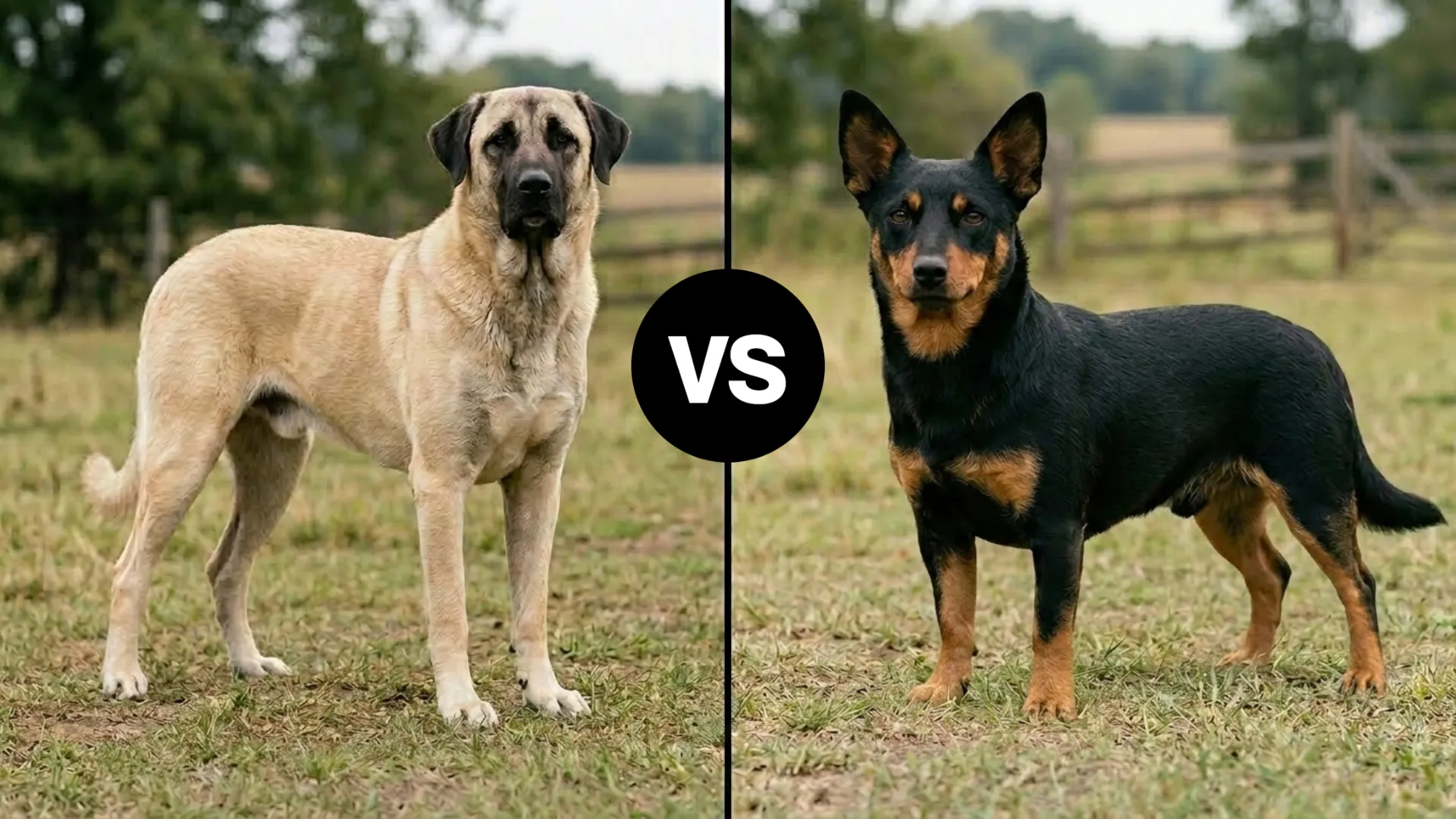
Despite their massive differences in behavioral and physical characteristics, Anatolian Shepherds and Lancashire Heelers share some similarities. Both breeds are incredibly loyal to their owners and have a strong work ethic.
Anatolian Shepherds are rugged, imposing flock guardians bred several decades ago. Over the years, they have been used as versatile working dogs. Anatolians are intelligent, devoted, and well-muscled dogs.
Lancashire Heelers are the newest members of the Herding Group, recognized by the American Kennel Club on January 1, 2024. However, their history dates back to the 17th century. Lancashire Heelers are intelligent, affectionate, and versatile dogs.
Have a look at some differences between Anatolian Shepherds and Lancashire Heelers.
Anatolian Shepherd vs. Lancashire Heeler: Breed Comparisons
While the towering Anatolian Shepherd was bred to independently guard livestock against massive apex predators, the diminutive Lancashire Heeler relies on quick reflexes to herd cattle by nipping at their heels.
This stark contrast in size, history, and working style makes a side-by-side comparison essential for anyone looking to understand these two remarkable breeds.
Origin, Breed Classification & Purpose
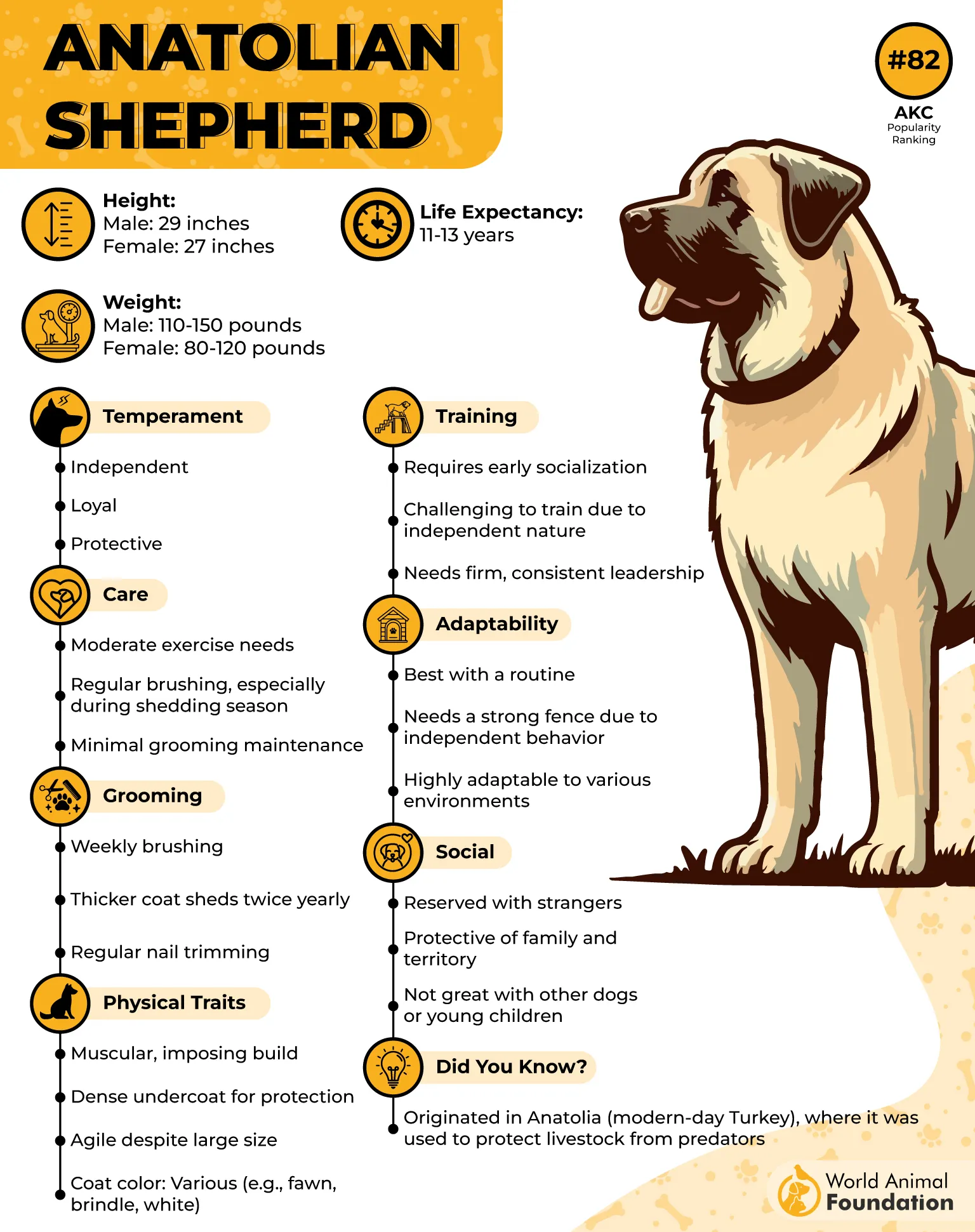
Both Anatolian Shepherds and Lancashire Heelers have different origins and breeding purposes. Anatolian Shepherds were originally bred in Turkey as livestock guardians and made their way to the United States in the 1950s.
Their ability to protect livestock independently makes them valued working dogs. Thanks to their large size, they can easily intimidate potential threats to the flock.
Do You Know? Anatolian Shepherd Dogs are even employed to protect endangered cheetahs in Namibia, Africa.
Resulting from a cross between the Welsh Corgi and Manchester Terrier, Lancashire Heelers are herding dogs. They were used to drive cattle from Wales to the markets in the Ormskirk area. Known as butcher’s dogs, Lancashire Heelers were quite common in West Lancashire, explains the AKC.
Size, Physical Build & Appearance
Anatolian Shepherds and Lancashire Heelers are quite different in size, physical build, and appearance.
Anatolian Shepherds are strong, powerful Mastiff-type dogs with a short, dense coat and a broad, heavy head. These large dogs have a muscular build and an imposing presence that they use to deter potential threats.
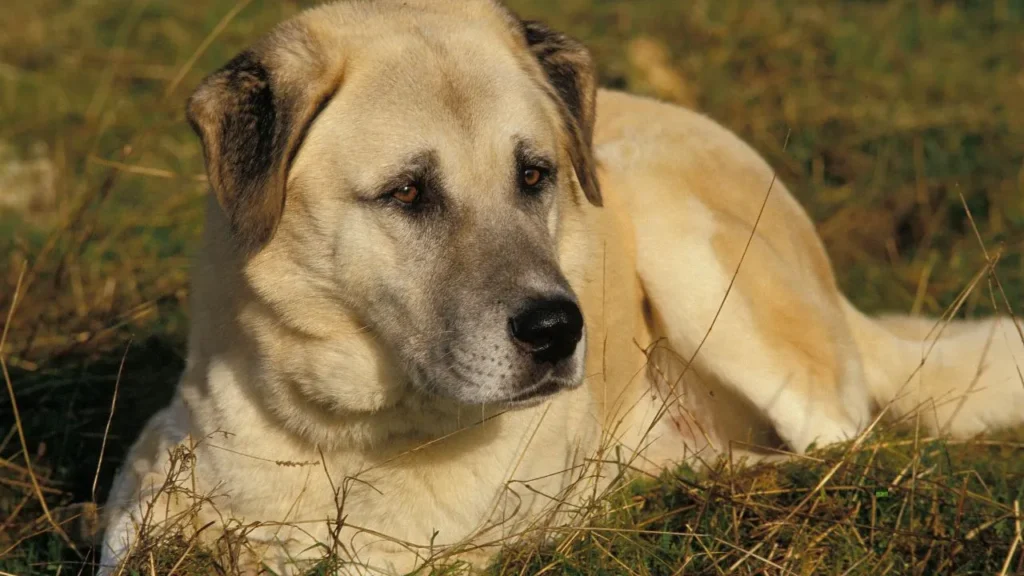
Lancashire Heelers, on the other hand, are stocky, sturdy, and small. A little longer than tall, these dogs are known for their characteristic “Heeler smile.” When content, they draw back their lips in a manner that resembles a human smile.
Their ears are relatively large and stand erect, giving them an alert expression. Though they are the size of lap dogs, Lancashire Heelers are not lap dogs, according to PetMD.
Coat Types, Grooming & Maintenance
Anatolian Shepherds have a thick double coat designed to protect them from harsh environmental conditions while working outdoors. Some Anatolians have a long outer coat, but on most it is quite short.
They shed moderately throughout the year and have a low-maintenance coat. A quick brushing once a week helps keep it healthy.
Like Anatolian Shepherds, Lancashire Heelers also have a dense, waterproof coat that requires very little grooming to look good. The coat comes in black and tan or liver and tan.
Lancashire Heelers shed twice a year. You may need to increase brushing during these periods to remove loose fur. Occasional baths also help keep the dog clean and tidy.
Temperament, Personality & Behavior Traits
Anatolian Shepherds are generally calm and subdued dogs, but do not hesitate to leap into action when they perceive a threat to their family or livestock. Anatolians are loyal and affectionate toward their family members.
However, they tend to be aloof toward strangers. Anatolian Shepherds think independently and have strong decision-making skills, not relying on commands from their owners. If you are looking for a cuddly companion, the Anatolian Shepherd may not be the right breed for you.
Lancashire Heelers are friendly, affectionate, and active little dogs that get along well with people. However, they may need proper socialization to behave well with other pets. Like Anatolians, they are also somewhat independent.
Due to their small size, Lancashire Heelers make good household companions. They are happy, vocal, and always ready for a walk.
Trainability, Intelligence & Learning Ability
Anatolian Shepherds possess strong protective instincts and are naturally wary of strangers. Obedience training and early socialization are essential to turn them into well-mannered family pets.
Anatolians are smart dogs that learn quickly. However, their independent streak makes training somewhat challenging. These dogs should not receive guard dog training under any circumstances.
Lancashire Heelers are highly intelligent and pick up new commands easily, but can have a mind of their own. Consistent yet kind training works best for them. They can be wary of strangers at times, but when properly introduced, Lancashire Heelers greet visitors warmly.
Energy Levels, Activity Needs & Work Force
Both Anatolian Shepherds and Lancashire Heelers have different energy levels and exercise needs. Anatolian Shepherds are moderately energetic dogs. Purina recommends up to two hours of exercise every day.
You can split their activity time into two walks and dedicate further time to interactive training and puzzle-solving games. These fairly active dogs enjoy agility, jogging, swimming, fetch, and dog sports.
Lancashire Heelers are medium to high energy dogs. Their energetic personality combined with working dog instincts means they thrive on at least an hour of daily exercise and close companionship.
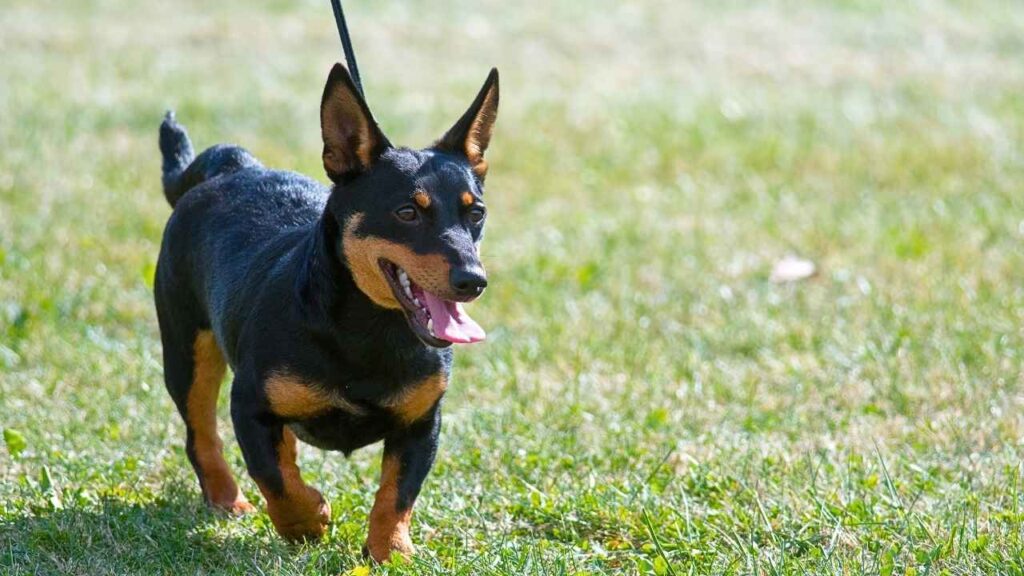
Daily walks, games of fetch, and canine sports are beneficial in satisfying their exercise needs.
Health Issues, Wellness & Lifespans
Both Anatolian Shepherds and Lancashire Heelers are generally healthy dogs. However, being smaller, Lancashire Heelers tend to live a little longer than Anatolian Shepherds.
Anatolian Shepherds have a life expectancy of 11 to 13 years. During their lifetime, they may suffer from conditions like hip and elbow dysplasia, gastric dilatation volvulus, and entropion.
Note: While taking your Anatolian Shepherd for spay/neuter surgery or dental cleaning, remember that they can be sensitive to anesthesia.
Lancashire Heelers have a lifespan of 12 to 15 years. They are relatively healthy but prone to certain conditions like all other breeds. Lancashires may develop eye issues such as primary lens luxation and collie eye anomaly, and may also suffer from patellar luxation.
Regardless of the breed you choose, purchasing from a reputable breeder can significantly reduce the risk of such problems.
Lifestyle Compatibility & Working Behavior
Anatolian Shepherds guard livestock independently and make decisions on their own with minimal instruction from the shepherd. Thanks to their well-muscled bodies, phenomenal endurance, and stamina, they can effortlessly navigate rugged terrain.
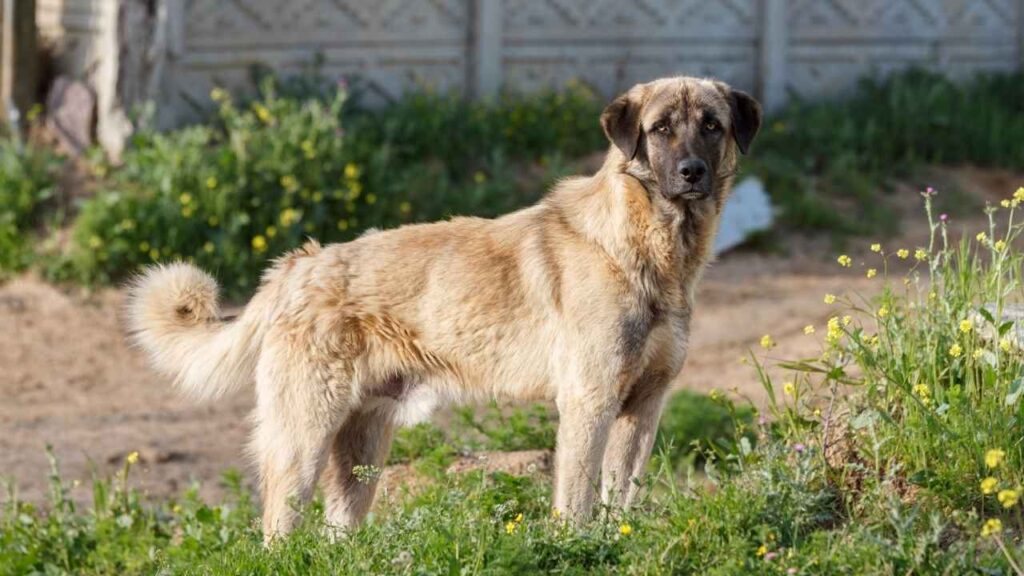
Anatolians are best suited for owners living remotely or rurally, who can provide plenty of space to roam and exercise. They do well in homes with few frequent visitors and limited contact with strangers and unknown dogs.
Lancashire Heelers drive cattle by nipping at their heels, and their active, energetic personality assists them in doing so. They are meant to work in close association with their owners and have not lost their desire for togetherness.
That is why they get along well with people of all ages, though interactions with children should be supervised. Ideal owners have plenty of stamina for long walks and the calmness to balance their feisty nature. Lancashire Heelers make great companions for active pet parents.
Working Roles & Their Intuition
Anatolian Shepherds are serious, mighty working dogs with a strong instinct to protect. They are intelligent and highly observant of their surroundings. Their intuition enables them to analyze situations and act appropriately.
Apart from being top-class livestock guardians, Anatolians have also served as guard dogs for thousands of years.
Despite their small stature, Lancashire Heelers are very intelligent and alert. They are well aware of changes in their environment and have great intuition. Apart from driving cattle, Lancashires also have terrier instincts.
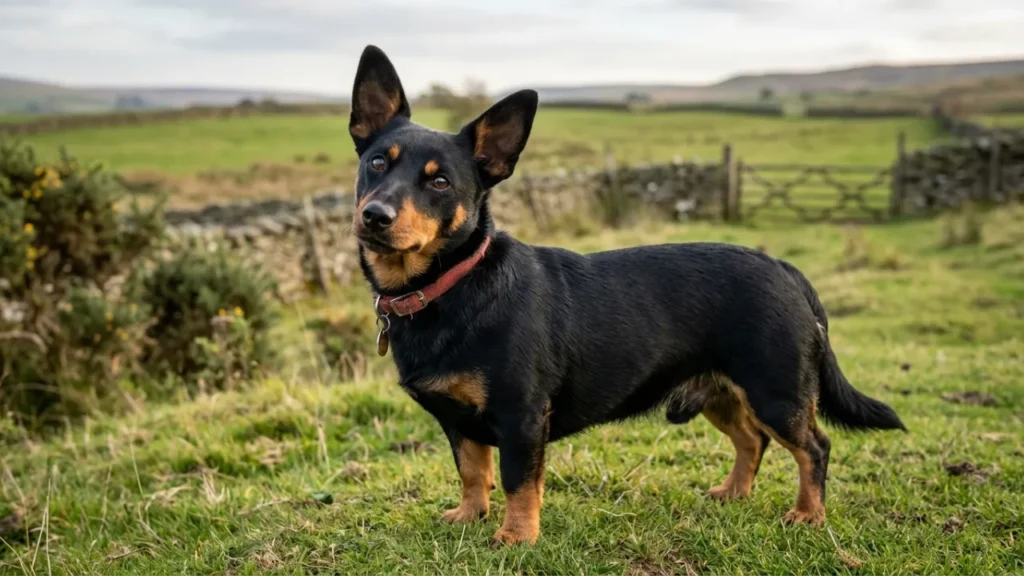
They use these skills for ratting and rabbiting, with their compact, low-to-the-ground bodies assisting them in this role. They also make great watchdogs, though their protective instincts are not as strong as those of an Anatolian Shepherd.
Cost, Rarity & Availability
Anatolian Shepherd puppies cost somewhere between $1,000 and $2,000. While they are not rare, availability varies by region. In their native Turkey, they are widely used as working dogs, but are not as common in the rest of the world.
Lancashire Heelers, on the other hand, cost around $1,800 to $2,500. They are considered a rare breed, numbering only 5,000 worldwide. Efforts have been made to increase their numbers globally.
Conclusion
Anatolian Shepherds and Lancashire Heelers are quite different in personality and physical appearance. Anatolians are large, muscular livestock guardians, whereas Lancashire Heelers are small, sturdy herders and are considered a rare breed.
Anatolians are calm and independent, while Lancashires are relatively more active and sociable. Both breeds require regular exercise to stay fit. Lancashire Heelers are more friendly, costly, and long-lived compared to Anatolian Shepherds.
If you are looking for a capable guard dog, an Anatolian Shepherd is the right choice, but if you are looking for a rare and compact companion, a Lancashire Heeler may be the perfect fit.
