




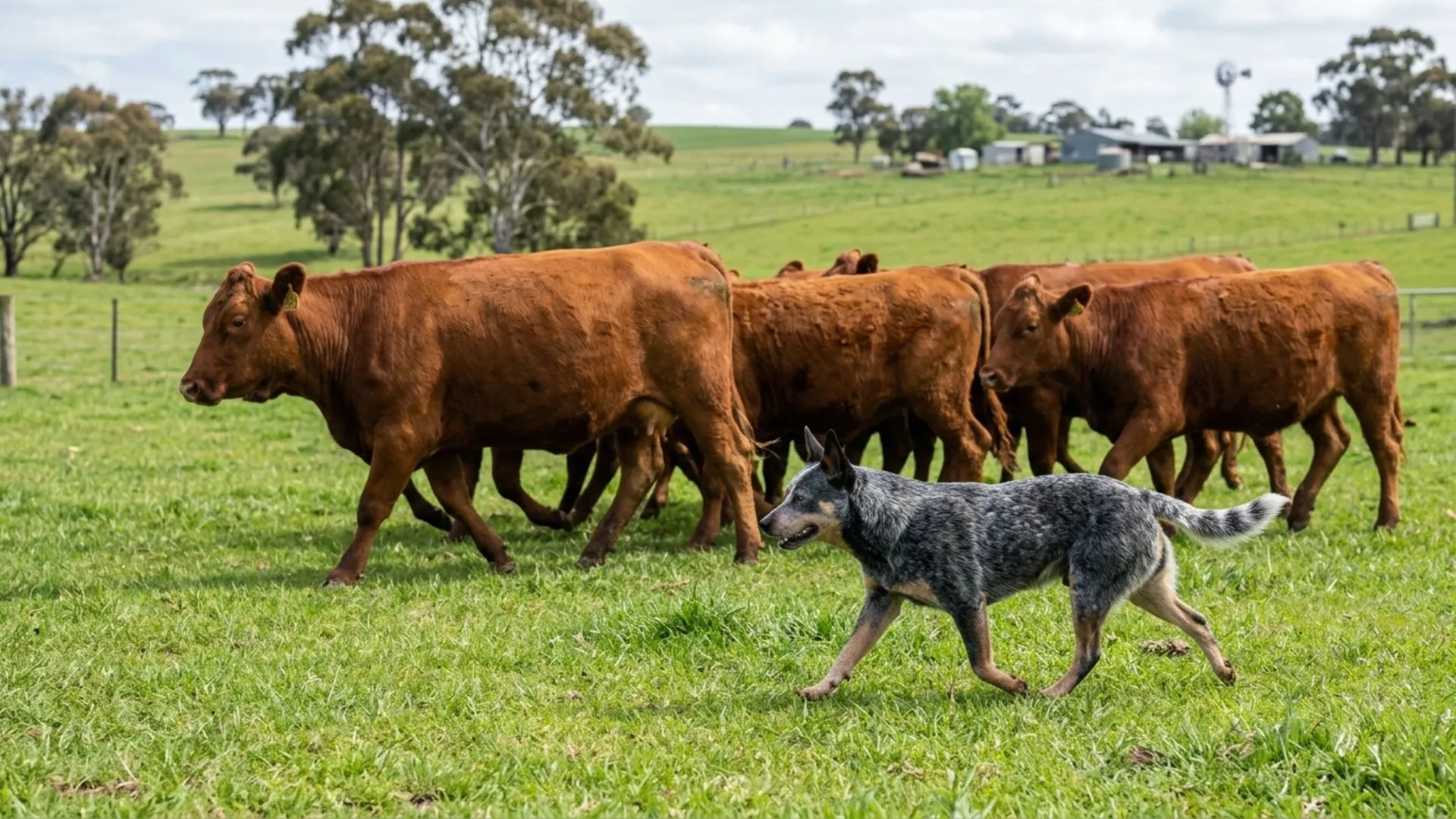
Imagine trying to move a stubborn group of cattle across a wide pasture without a fence in sight. Some animals walk off, another doesn’t want to walk, and some appear to be walking in different directions. With the help of a proficient herding dog, the scattered flock can be transformed into a well-orchestrated herd.
For centuries, herding dogs have been working with farmers. They help gather sheep, drive cattle, move flocks between pastures, and guide livestock through gates and other designated routes. They are highly trainable and very intelligent. They have a lot of stamina and protective instincts, which make them amazing cattle dog breeds.
Not all herding dogs function the same. Some are versatile farm partners; others excel when given one challenging task to perform.
If you are interested in a dog that is built for herding, then you should know these 7 herding dog breeds. All have their own skills to add on the farm, as well as different exercise, training, and care needs.
Herding Dog Breeds Built for Managing Livestock
1. Border Collie
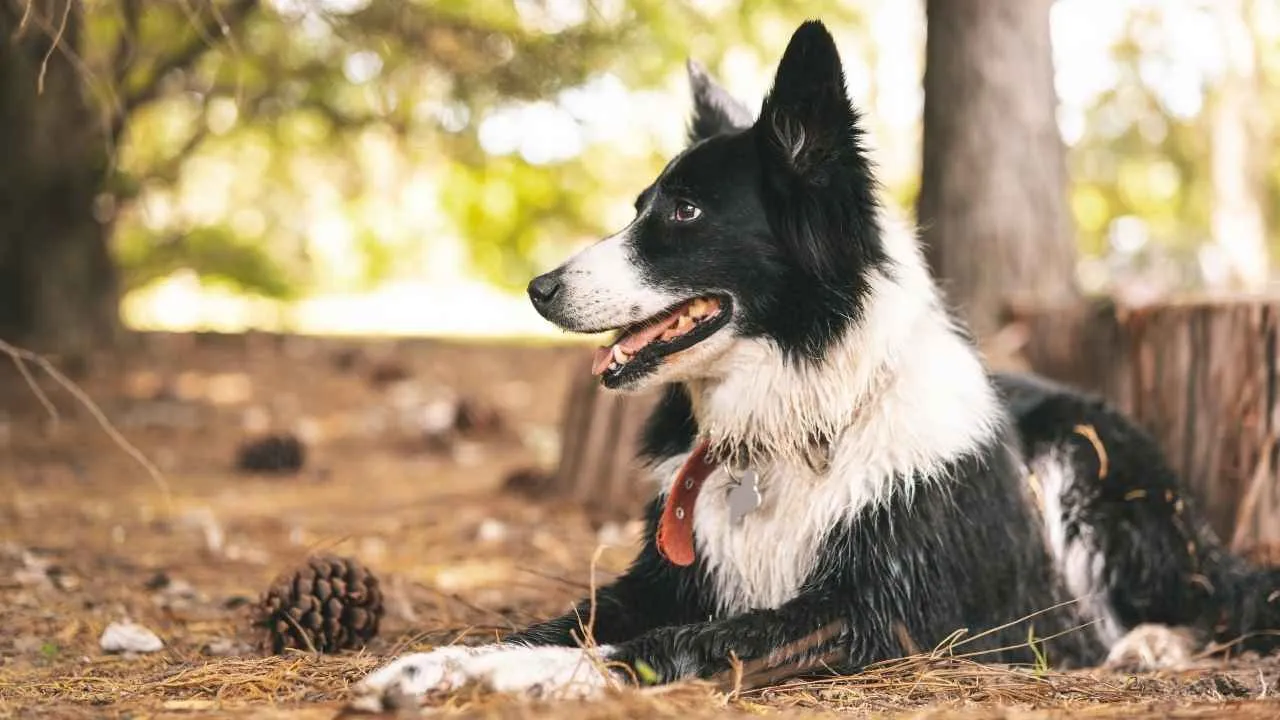
The Border Collie is one of the first breeds that comes to mind when discussing livestock herding. This breed has strong concentration, a rapid pace, and sensitivity to subtle cues from its owners.
A typical skill of the Border Collie is to move around livestock to gather them together and to guide them around. Its famous, focused gaze can be used to guide sheep around with less barking or touching.
They can be trained to bring in animals and collect them from where they are when they’re scattered, herd them through gates, and lead them over large fields.
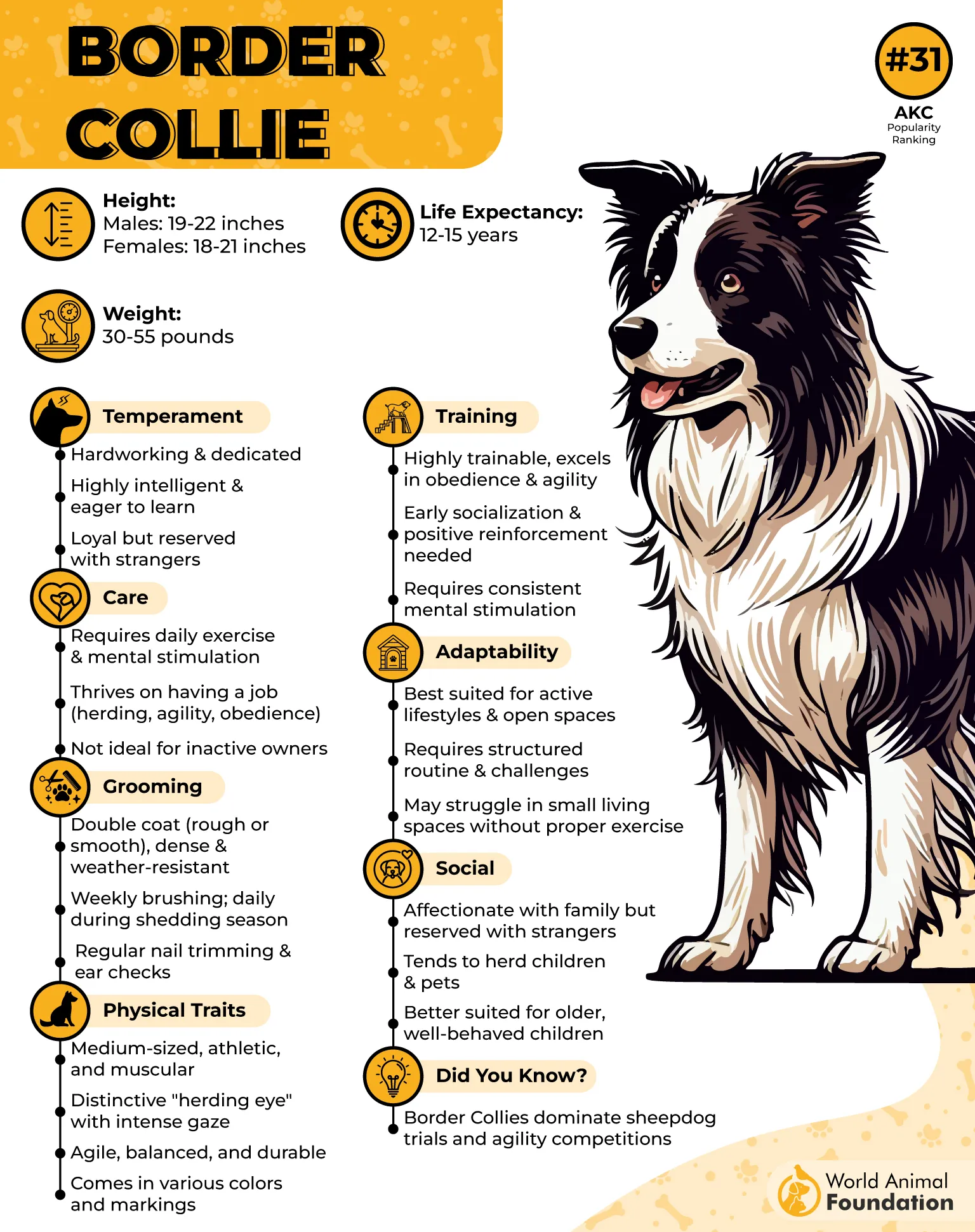
These dogs have remarkable stamina and intelligence. A few walks around the block aren’t enough for Border Collies. They flourish when they have a purpose to engage their minds and bodies in. If they are not stimulated enough, they can engage in destructive behaviours and be very difficult to control.
They have a medium-length coat which requires regular brushing, especially in the shedding season, according to the American Kennel Club.
2. Australian Cattle Dog
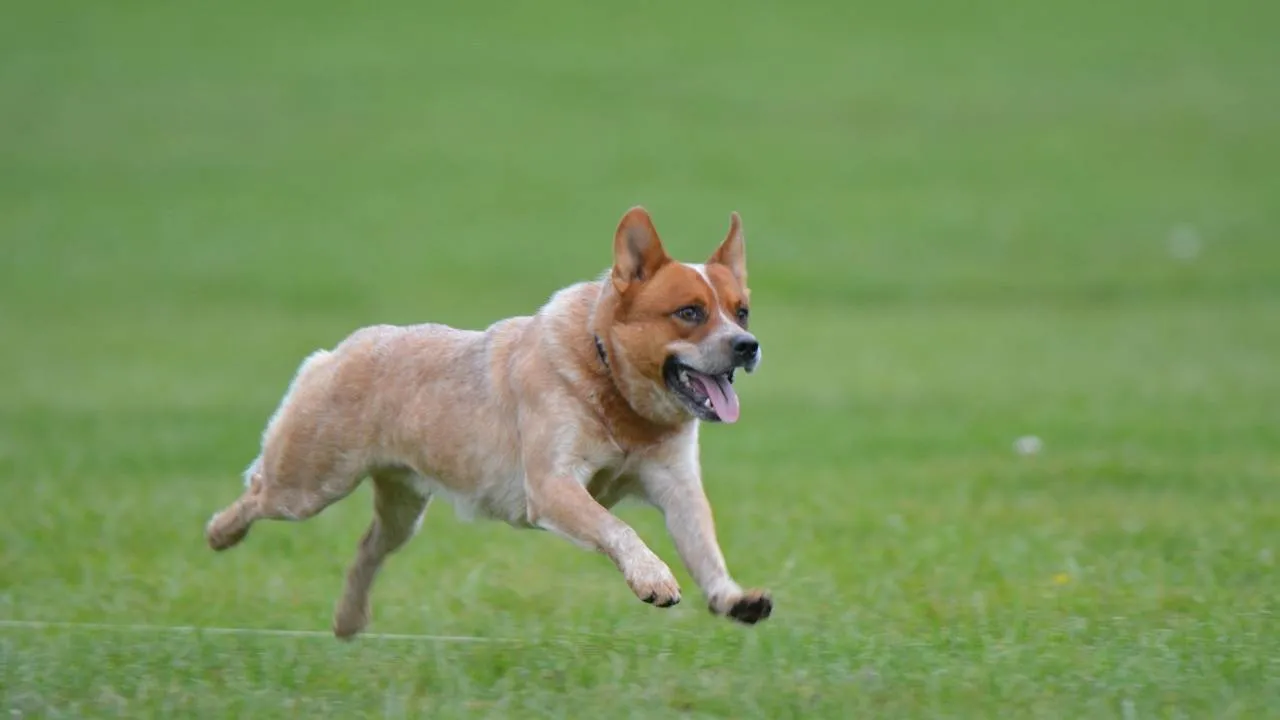
Cattle may not want to go where you want them to go. They can stand their ground and scatter or push back a timidly approaching dog. In these circumstances, the Australian Cattle Dog was bred to do just the type of work.
These small, muscular blue or red heelers were bred in Australia to herd cattle in difficult terrain and over long distances. They don’t rely so much on distance or eye contact, but will often move close to the animals and nip at their heels to get them moving.
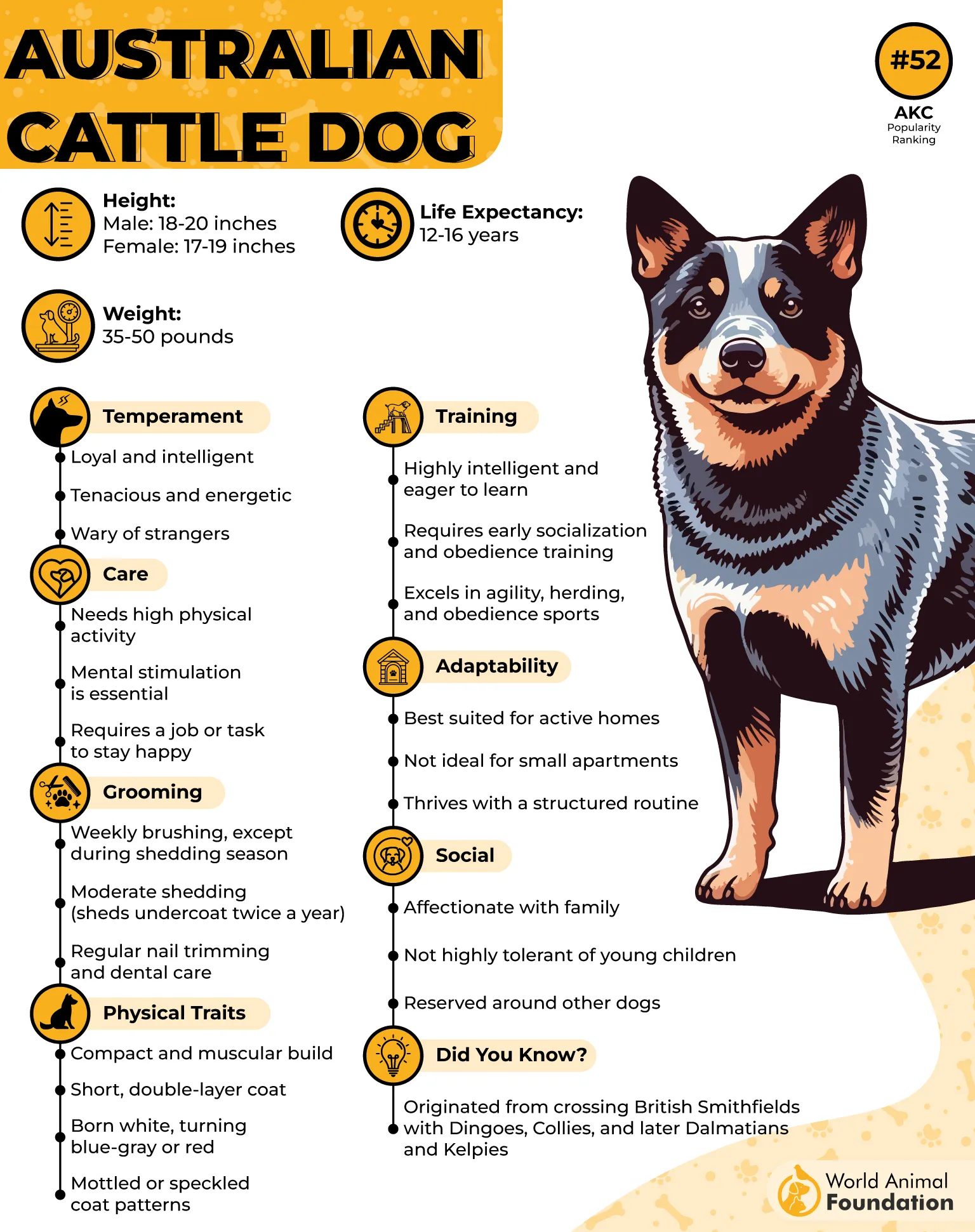
That takes confidence, quickness and judgement. An Australian Cattle Dog must have the ability to know when to apply pressure and when to step back.
Without appropriate obedience training, Australian Cattle Dogs may chase or nip at young livestock, making early training and supervision important according to Purina.
Their short double coat is fairly easy to care for, but it may shed seasonally. These dogs are very energetic and require a lot of exercise, training, and meaningful jobs daily. Early socialisation is necessary so they can be aware of how to react to different situations.
3. Australian Shepherd
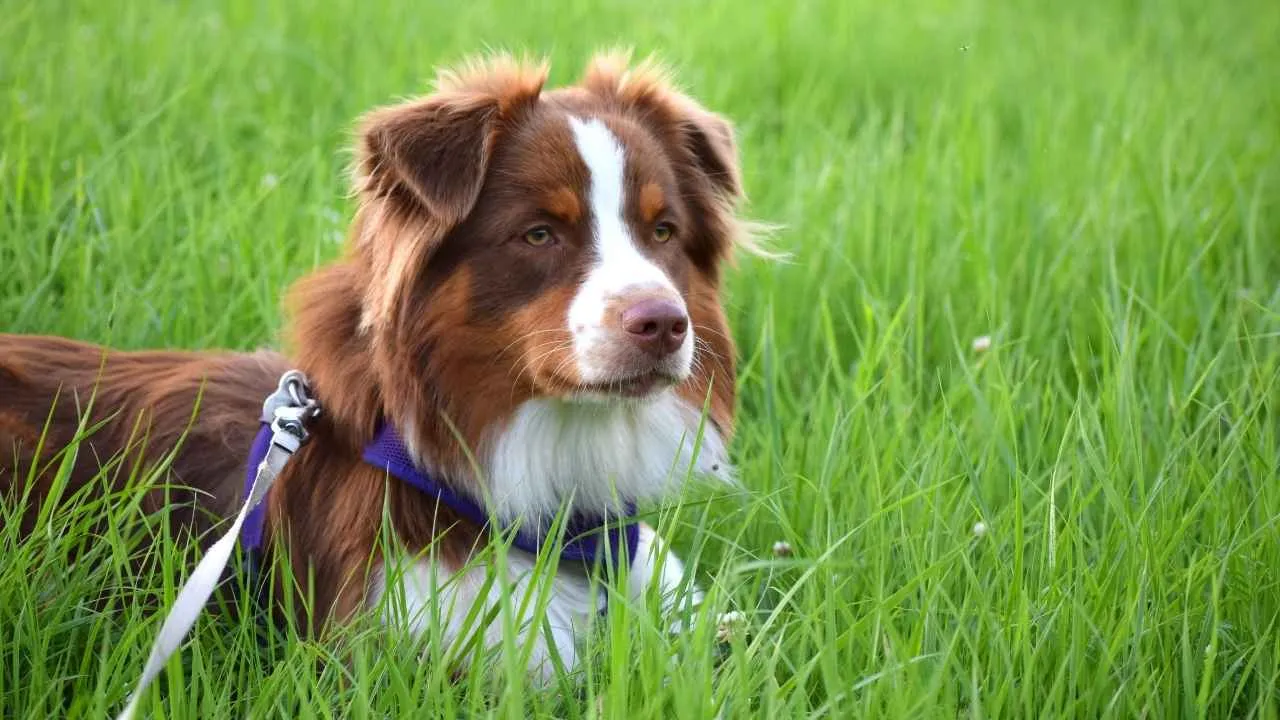
Though these dogs are named Australian Shepherds, they originated in the United States and are intimately tied to ranch life. These dogs are noted for their agility, versatility, and people-pleasing nature.
Australian Shepherds will assist in rounding up and driving livestock and operate on a variety of land contours. They are extremely responsive and helpful when animals move into smaller flocks or change direction rapidly. They can learn to do a variety of tasks on the farm.
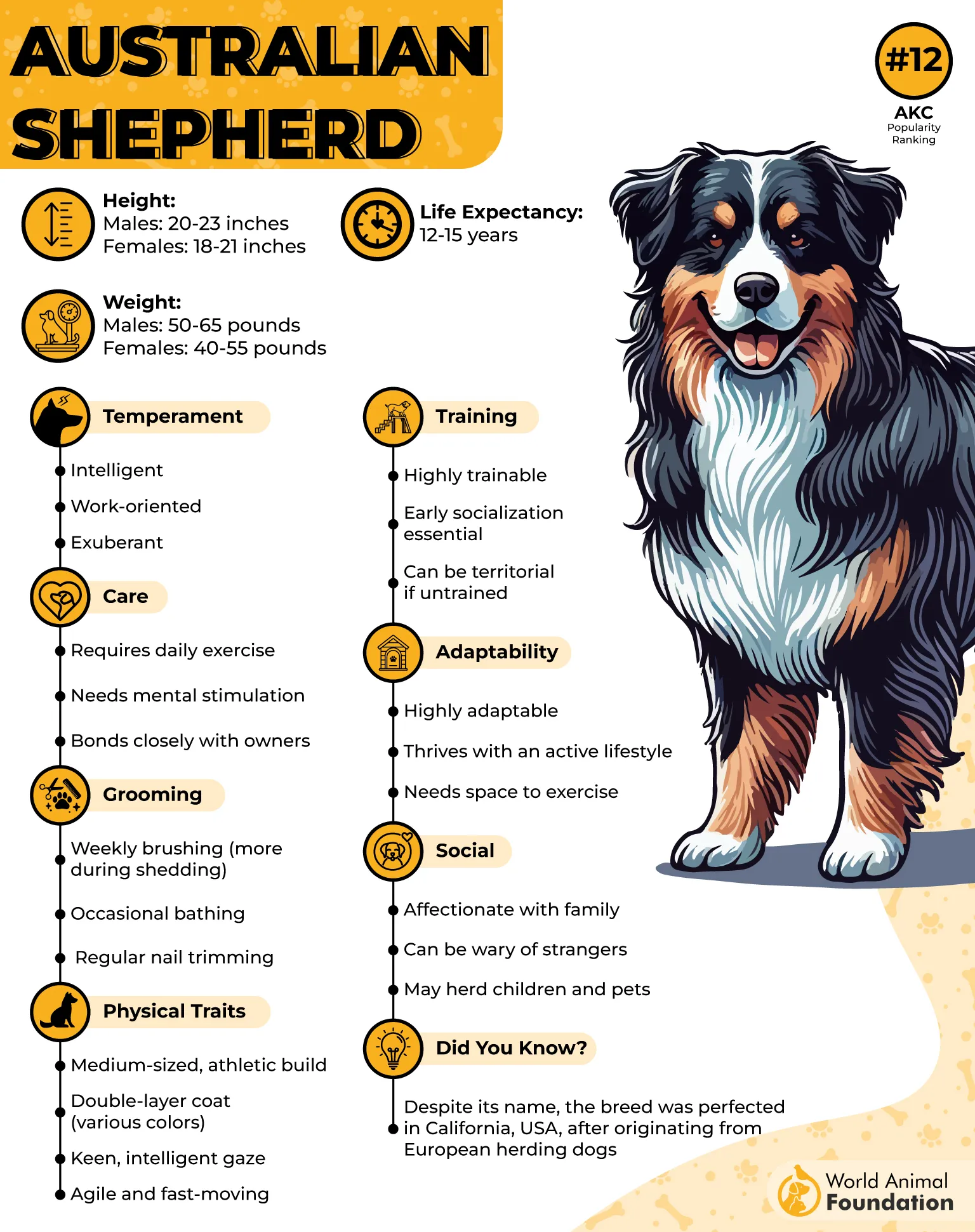
These dogs are usually close working partners that will listen to their handler. On a busy farm, they can be helpful since they stay alert. They help their families move livestock, wait for instructions, and lie down in the background while other tasks are completed.
Their medium-length double coat is best maintained with regular brushing to avoid loose hair and tangles, particularly around the feathered sections, according to Orvis.
4. Australian Kelpie
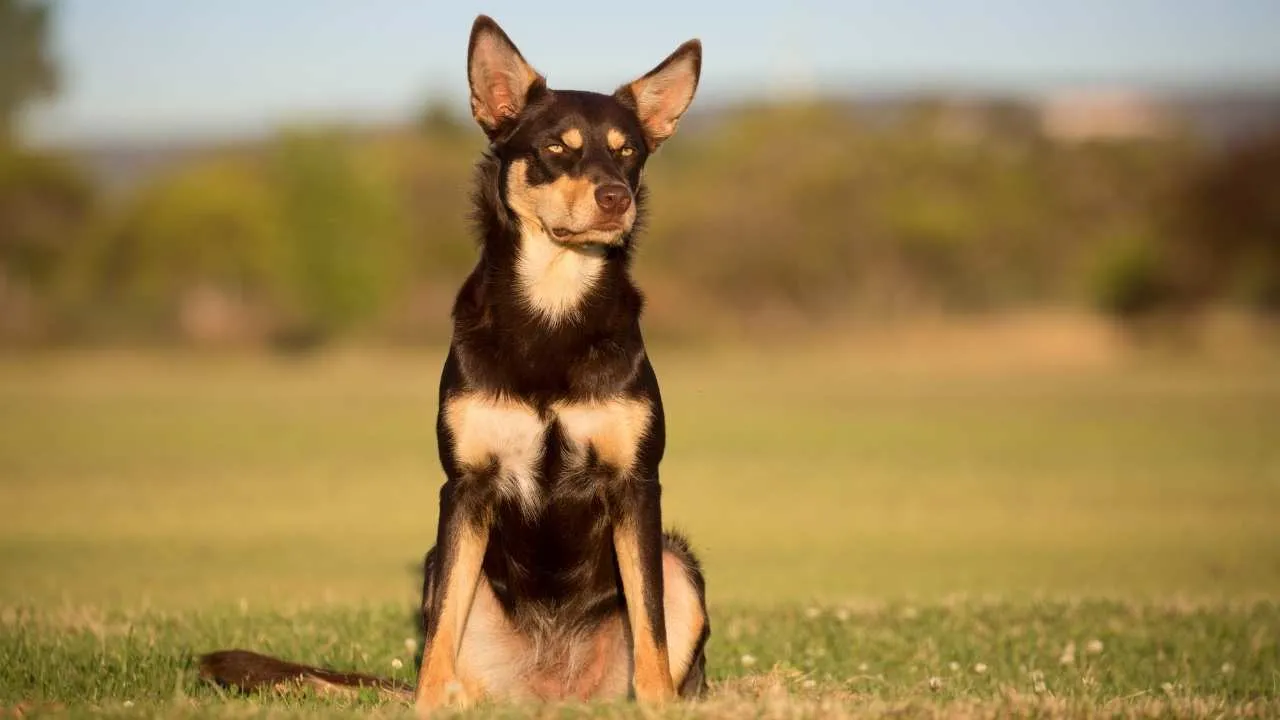
Australian Kelpies are designed to work long hours in the fields. They were developed in Australia to run stock over large land holdings, and are noted for their stamina and agility.
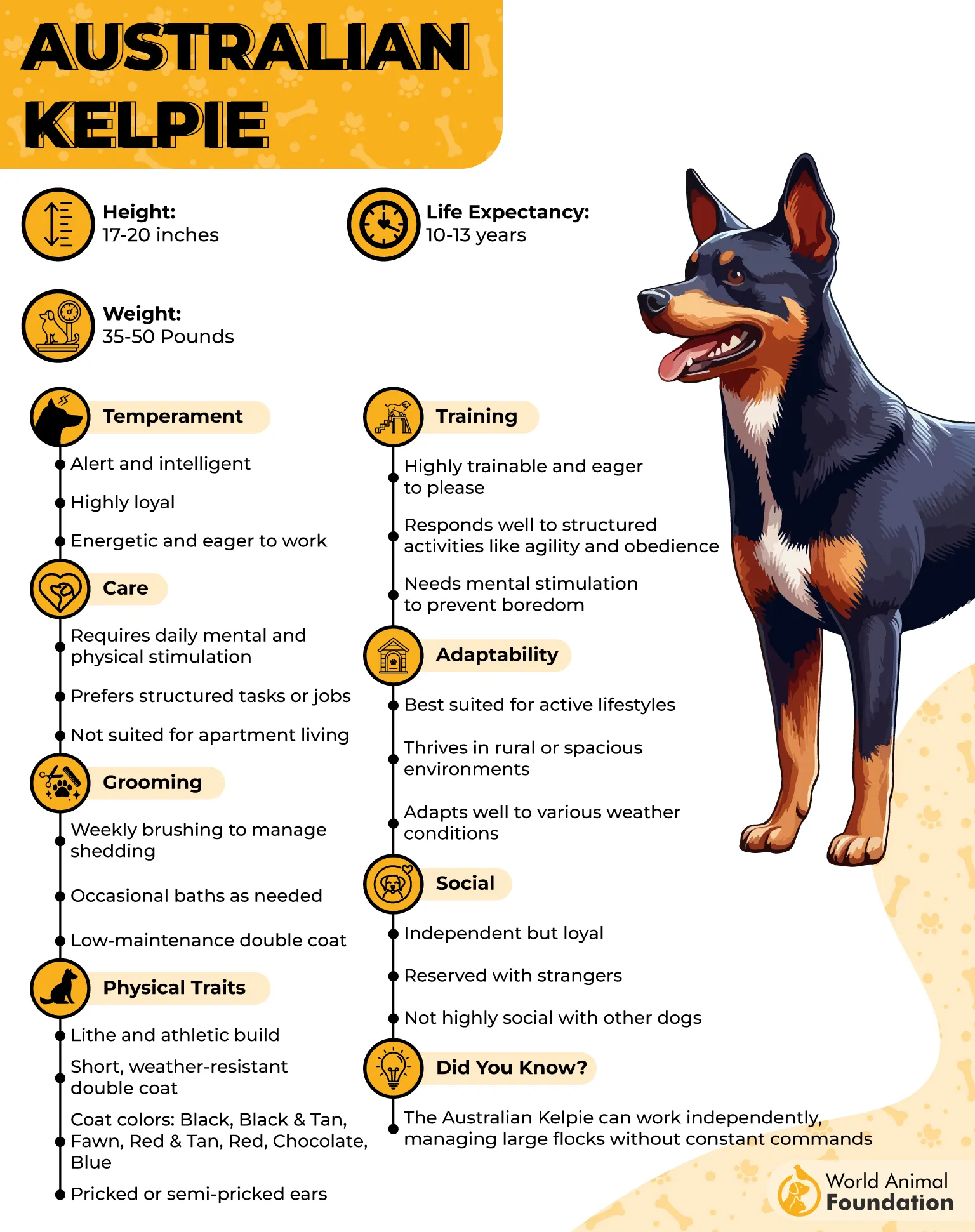
Kelpies are especially rewarding when used to herd livestock. They are able to run around their flocks, press from behind or from the side, and act swiftly if animals move away from them. They are athletic and can run at high speed without losing much stamina.

These dogs have an independent streak. On large properties, Kelpies may need to work at a distance from their handlers and respond reliably to verbal or whistle commands.
They have a short coat that is generally easy to take care of. This usually requires brushing weekly and more often when they shed. They also require a lot of jobs to keep content. They can get destructive if they are not allowed to spend their energy on farms or doing intensive jobs.
5. Beauceron
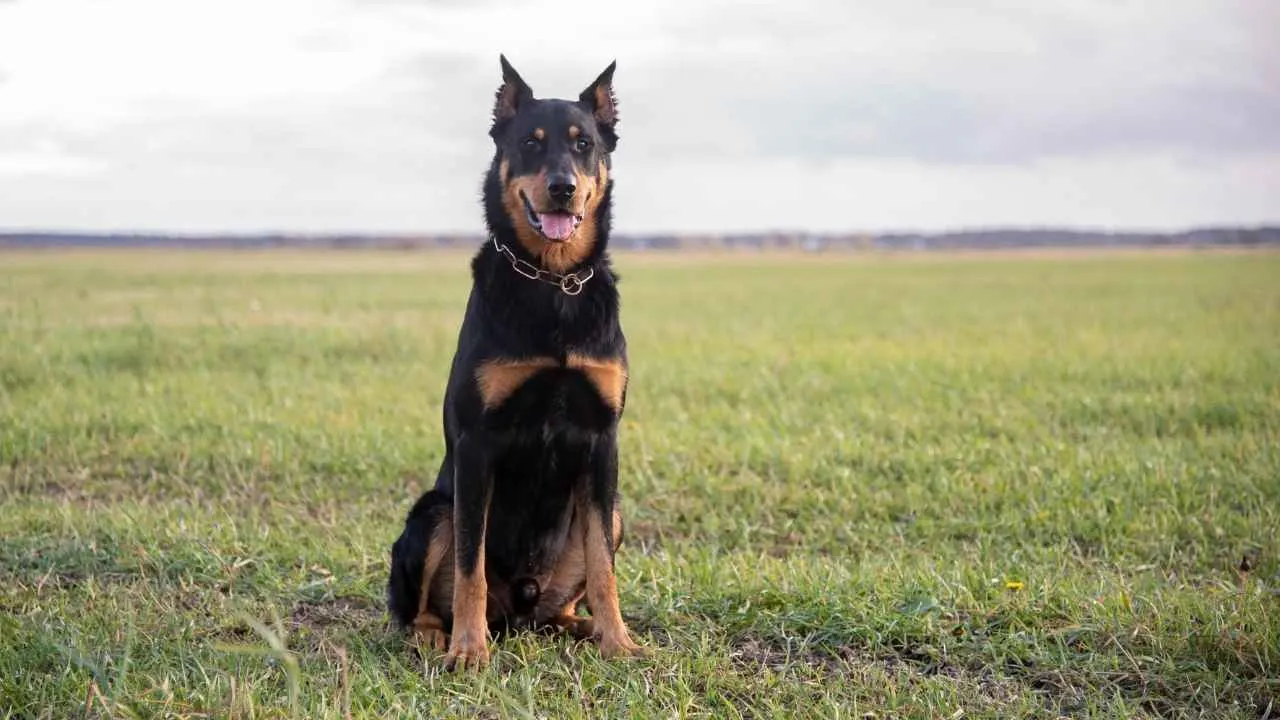
The Beauceron is a strong working French herding dog with a long history of working around sheep and other livestock. It is bigger and stouter than many recognisable sheepdogs and has the strength and agility needed to show a serious approach to work.
Traditionally, Beaucerons have been employed in the movement and management of flocks, but their versatility means they are not limited to these cases.
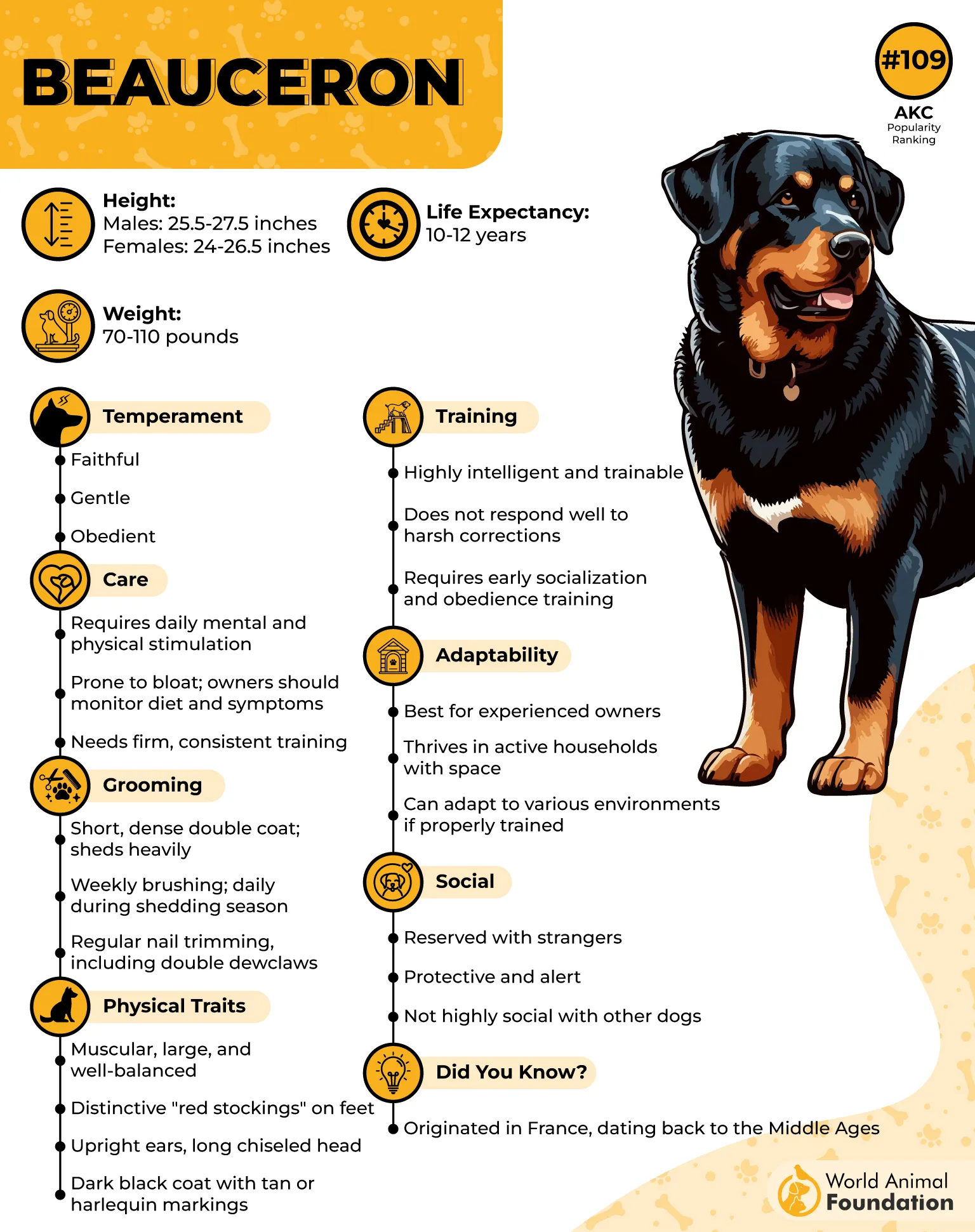
They have also proved to be useful in other challenging jobs due to their intelligence, alertness, and physical prowess. Their short double coat is not too difficult to care for. Brush regularly to remove loose fur and bathe occasionally.
They also require a lot of physical exercise and stimulation. They should only be owned by people who have experience in handling a large working dog.
6. Pembroke Welsh Corgi
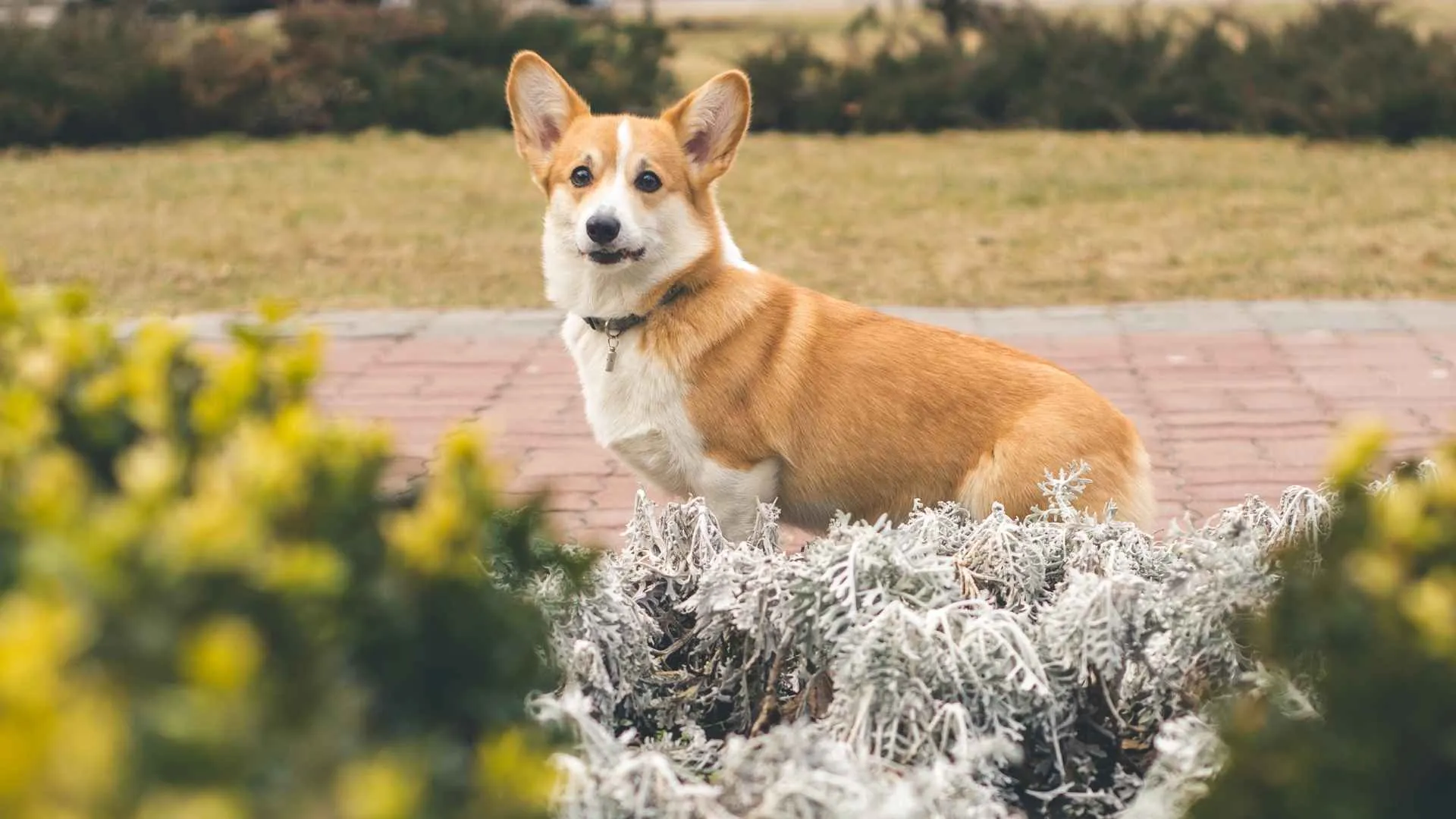
The Pembroke Welsh Corgi may be small, but it has the courage and determination needed to herd cattle.
Originally bred in Wales, these dogs helped drive cattle by moving close to their heels. They may bark or nip at cattle’s heels to encourage reluctant animals to move in the desired direction.
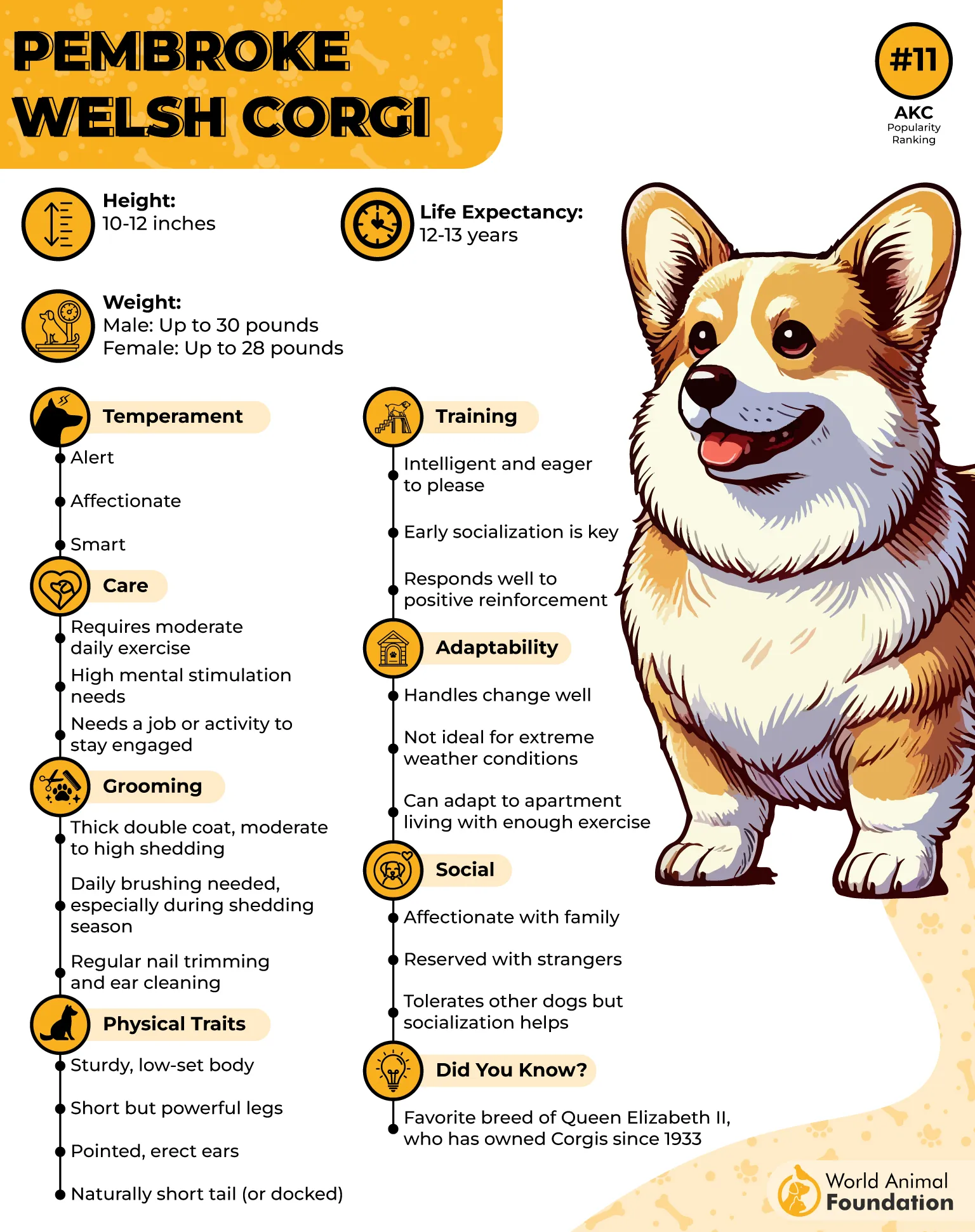
The Corgi is smaller than other herding breeds, but is also strong, active, and alert. The breed’s double coat is easy to brush, but sheds heavily, especially in changing seasons. Brushing prevents loose fur and keeps their coat healthy.
Exposing these dogs to other dogs and animals gently can make them well-behaved pets. Positive and reward-based training methods work best with these deeply loyal dogs.
They need to be given a job daily; otherwise, they can become bored and destructive.
7. Shetland Sheepdog
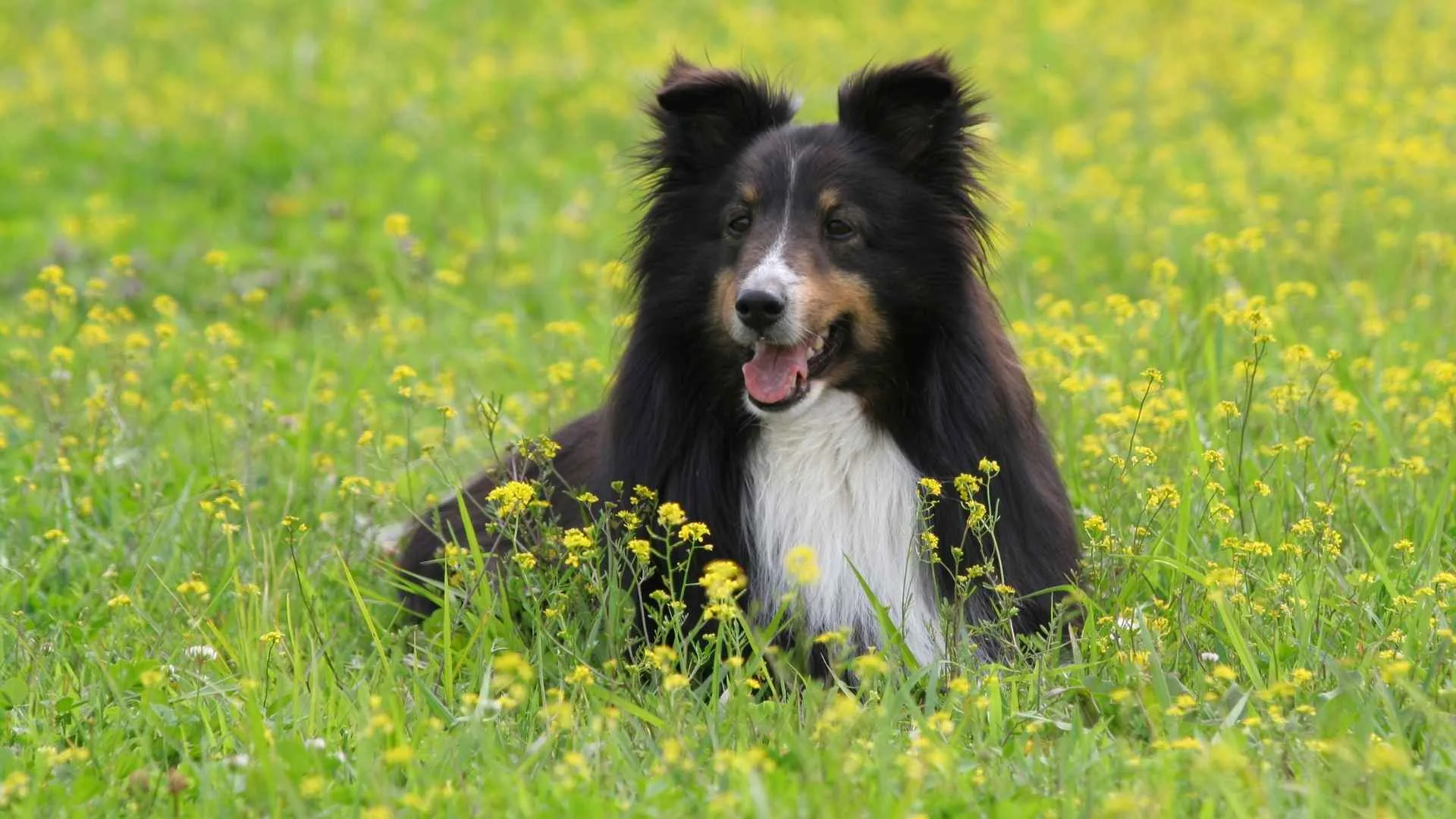
The Shetland Sheepdog may seem like a miniature version of a collie, but it is a different breed with a different history and work ethic. They were bred in Scotland and used as part of livestock management in difficult rural environments.
Shetland dogs are sensitive, perceptive, and able to see when something is moving. They have historically helped to keep animals together and to control livestock’s movement around farms. They are not physically suited to heavy cattle work or managing larger animals, but are helpful in lighter jobs.
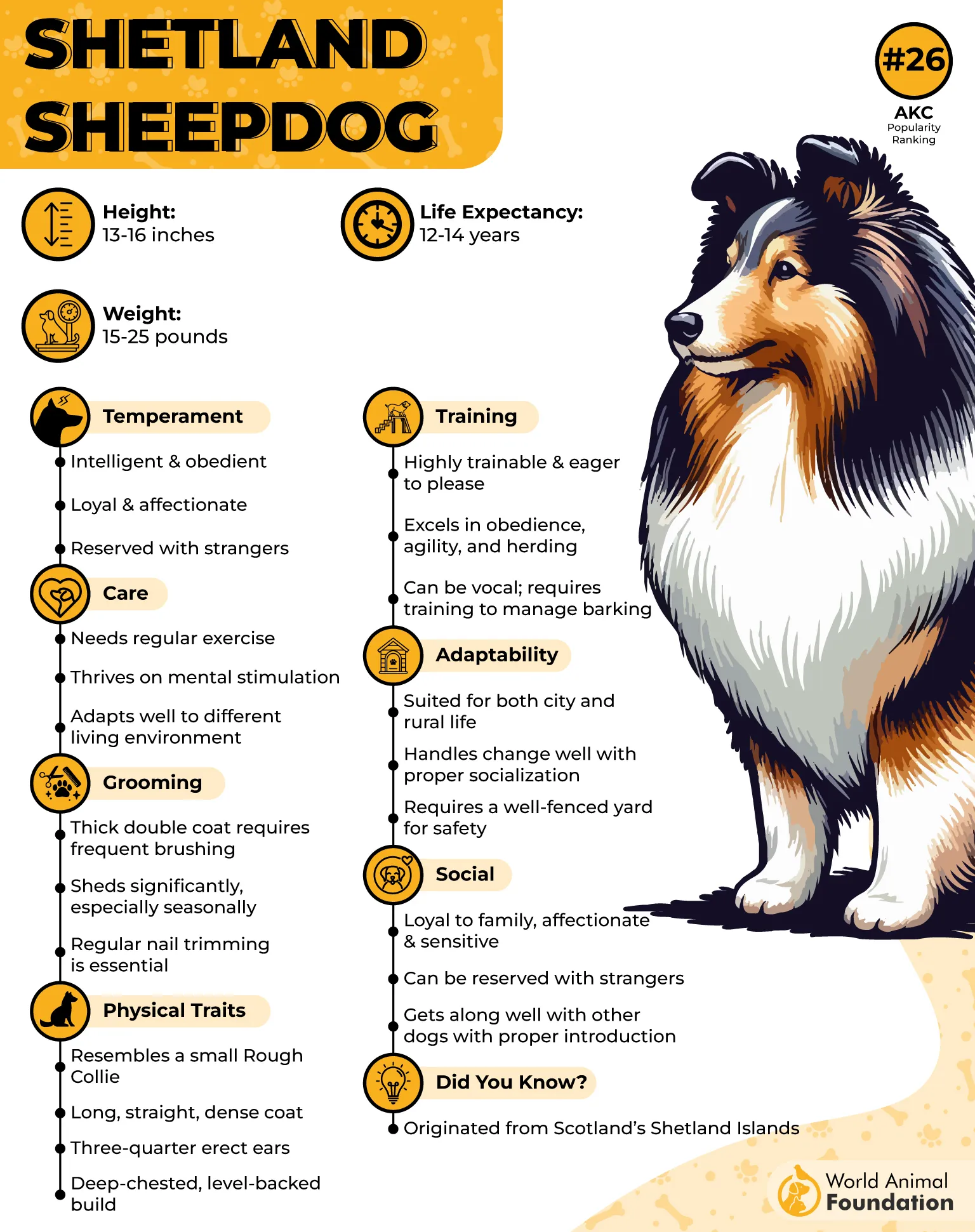
These dogs are social and learn commands quickly. Useful working skills can be developed through early exposure to livestock, reward-based training and regular practice.
The Shelties’ double coat can be hard to groom. Brushing several times each week will keep hair in good condition and prevent tangles and loose hair. Shedding may be significant during some seasons.
Conclusion
A well-trained herding dog can make managing the livestock more efficient, but the breed you should use will vary according to the work you have waiting in the fields, whether it is herding sheep or protecting cattle from other animals.
Cattle herding dogs have the herding instincts to protect livestock. These farm dogs can work as shepherd dogs and ranch dogs. They excel at many types of dog sports and can be great family dogs too.
When deciding on a breed, take into account the animals you have, the size of your property, and your own experience in training working dogs. Provide sufficient exercise, train your dog in proper commands, and expose them to livestock in a controlled environment.
