




Finding game in thick brush is like looking for a needle in a haystack: slow, exhausting, and frustrating. The constant hits and misses can leave you second-guessing yourself, and without years of hunting experience, the task can feel nearly impossible.
No matter how much you channel your inner Neytiri or Pocahontas, you can’t sing with all the voices of the mountain or paint with all the colors of the wind. You also can’t magically learn every hidden trail in the forest.
That’s why we’ve found you some faithful friends who know every rock, tree, and creature like the back of their paws. These dogs have hunted alongside people for generations and seem right at home in the wild, even when the wolves are howling at the moon.
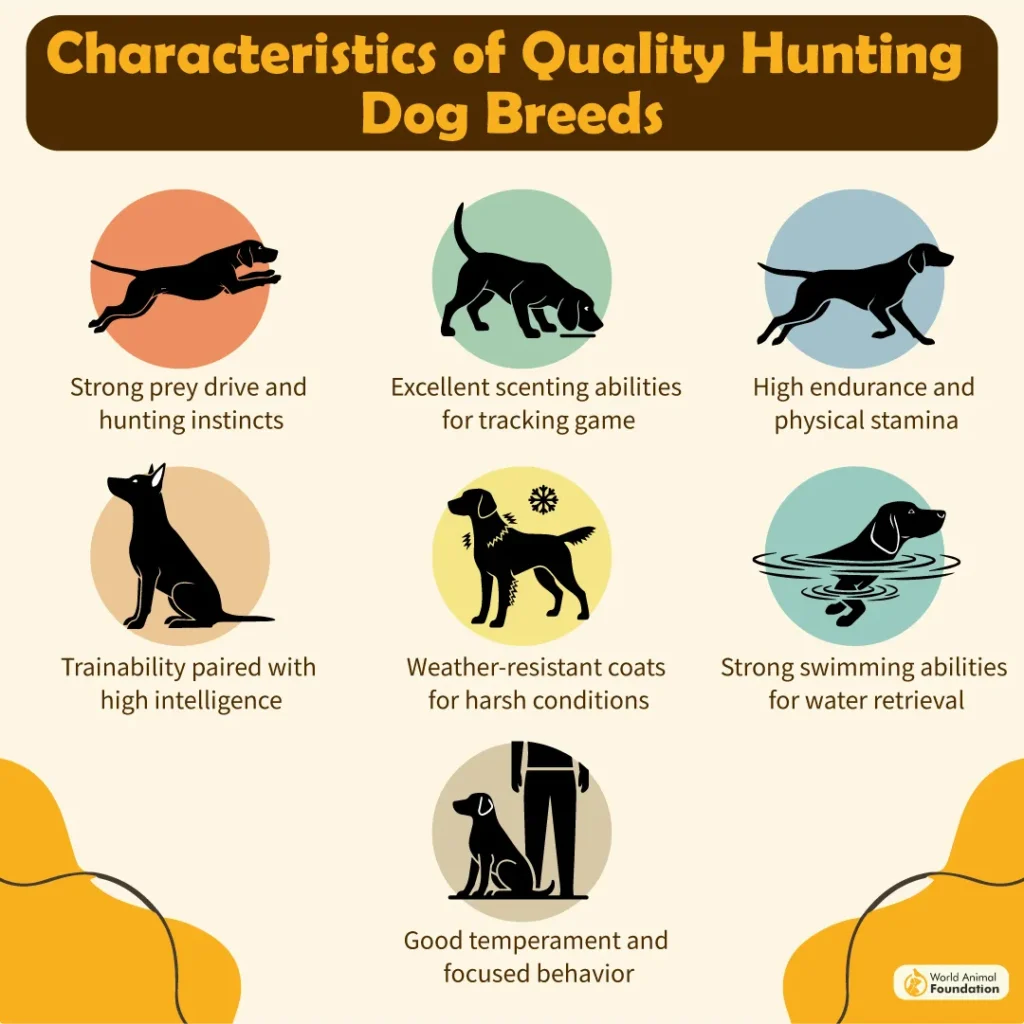
They’re closely tied to their wild ancestry and remarkably in tune with nature. Their senses are far sharper than ours: they can pick up faint scents, spot movement in low light, and hear sounds we’d never notice. Many are strong navigators with water-resistant coats and natural hunting instincts. Add a strong prey drive and a talent for following scent trails, and you have a partner built for the woods.
Amazing Dog Breeds with Exceptional Game-Finding Abilities
1. Irish Setter
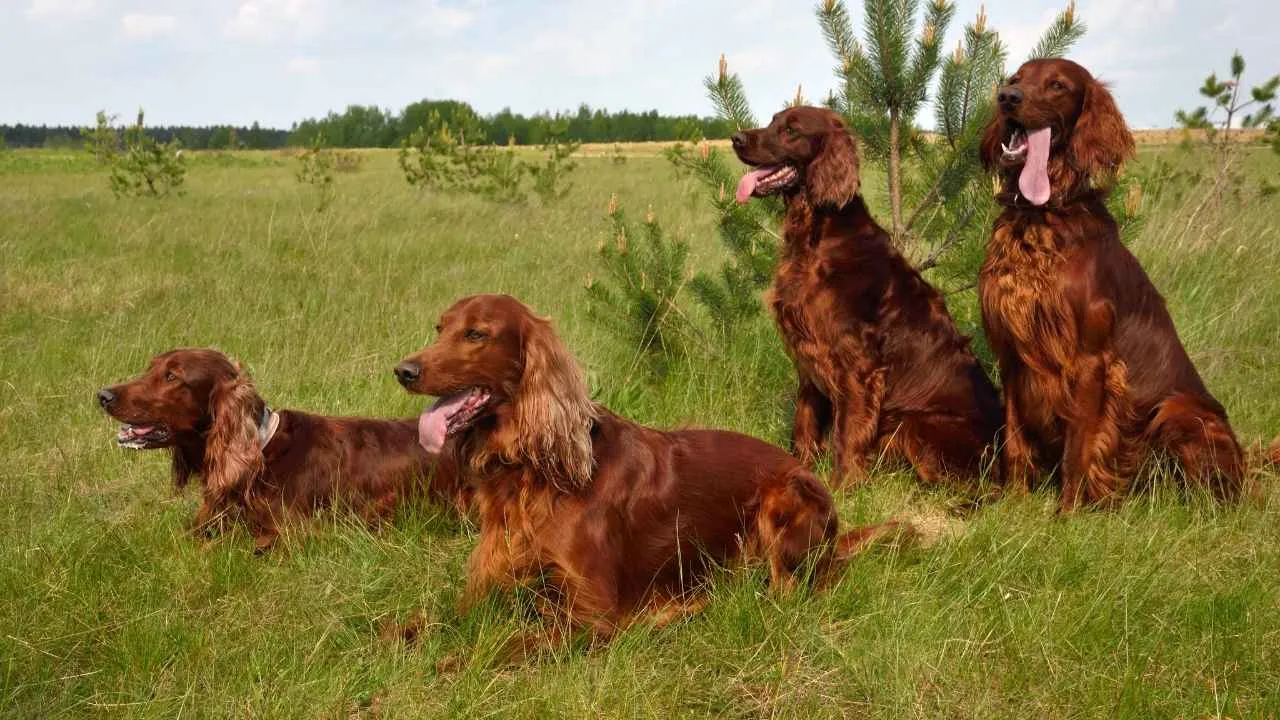
Glamorous, smart, and sporty, the Irish Setter is not just a sight to behold. It’s also a talented hunter. Its unique skills, paired with a shiny, flaming red coat, make it one of the most eye-catching hunting breeds on this list.
These are sensitive souls who soak up every bit of attention you give them, and they return the love in spades. Outgoing, athletic, and sweet-natured, Irish Setters have a personality that’s hard to beat, and their goofy antics are guaranteed to make you smile. They don’t just excel at hunting; they change the whole feel of the game.
According to Wikipedia, these mischievous, playful dogs are born with long ears and plenty of feathering, and they’re a treat for the soul. You’ll find them romping around the backyard and happily entertaining the kids at home. Early Irish Setters were originally bred to help hunters locate birds.
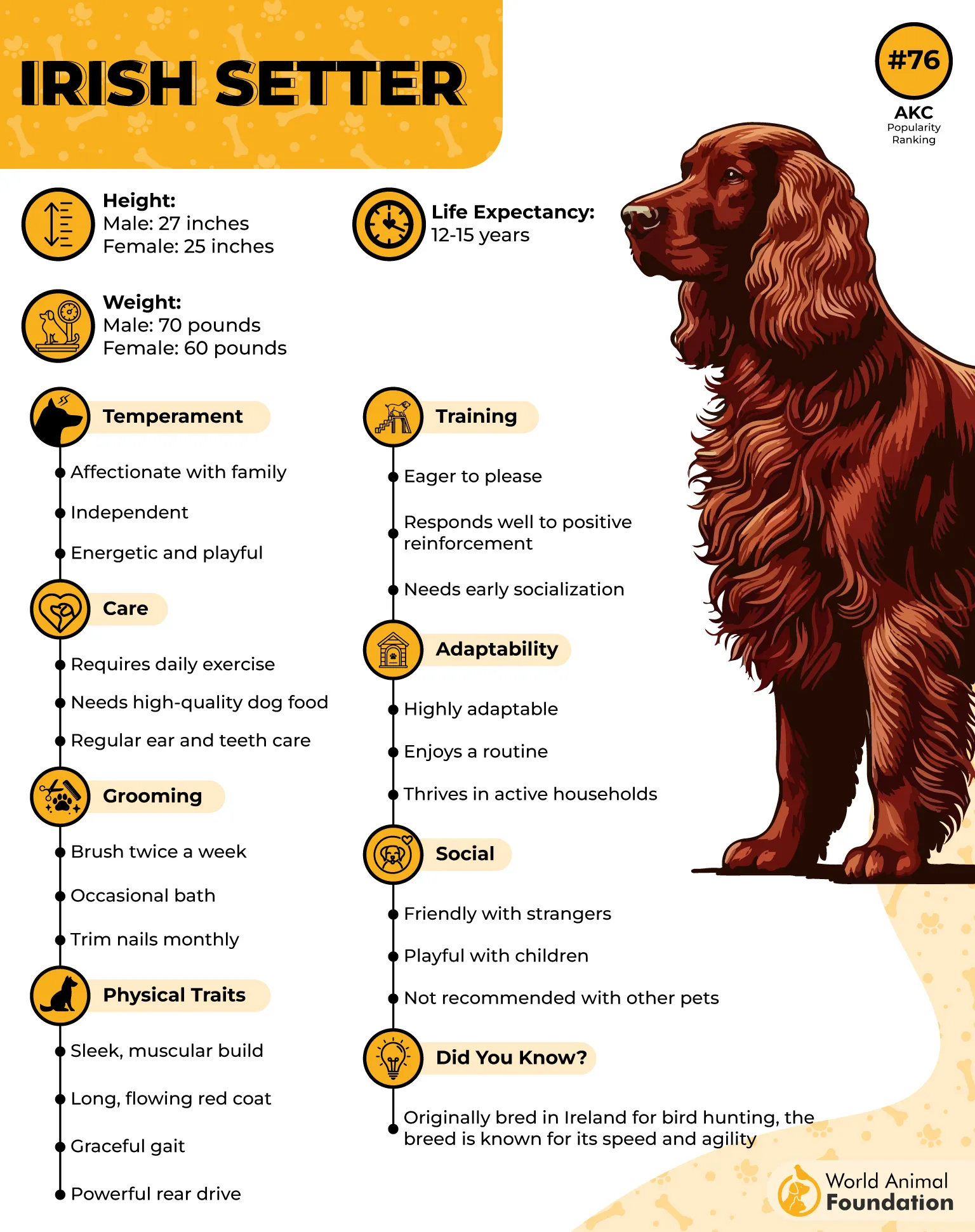
These tireless, wide-ranging hunters are well suited to open fields and to both wet and dry moorland, which makes them valuable for upland game hunting. They also tend to work quietly as they follow game. That makes them strong hunters and good companions too, so they offer the best of both worlds.
Setters are diligent about following their handler’s commands. When they spot a bird, they go quiet and hold still, and some will lower their bodies close to the ground, signaling the bird’s hiding place so the hunter can take the next step.
2. Brittany Spaniel
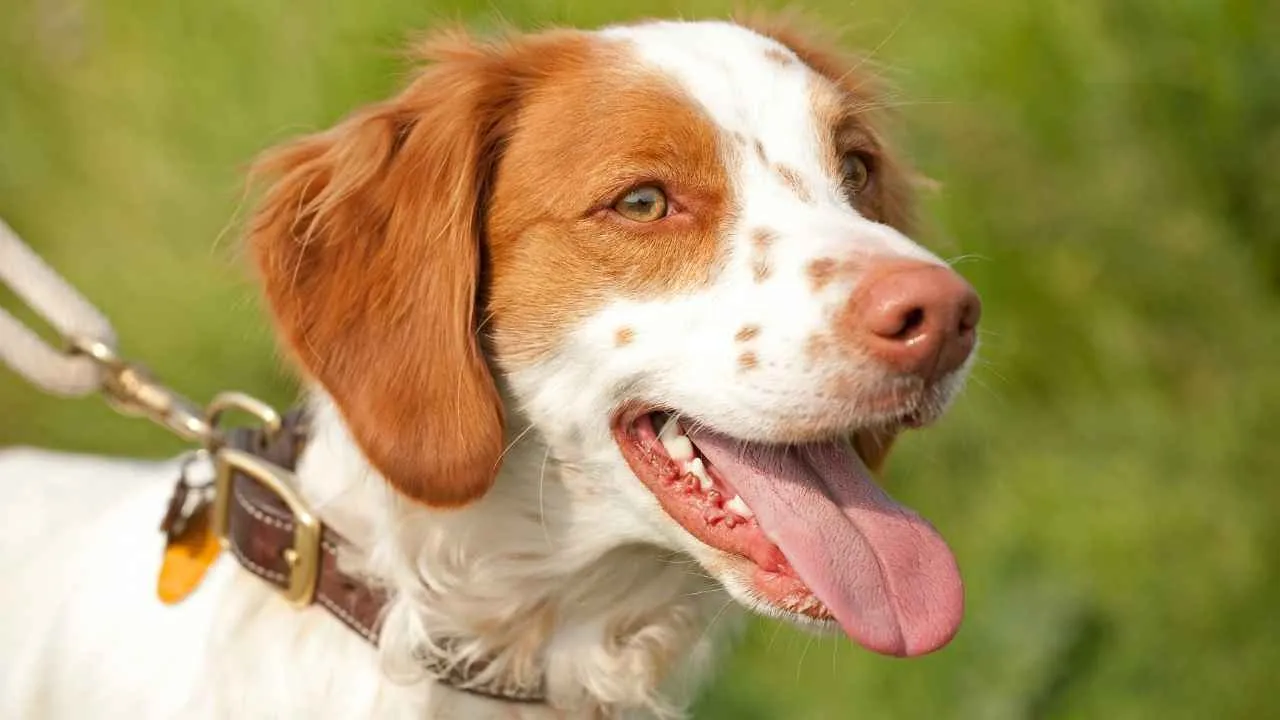
Dressed in a striking coat and staring straight at you with soft eyes, the Brittany is not your average spaniel. It’s actually a French pointing breed, a fun-loving, joyful pup that looks great and knows it. The breed came about in the 1800s in the French region of Brittany, developed from a mix of sporting breeds like pointers and setters.
If you’re wondering why Brittanys aren’t spaniels anymore, it comes down to how they hunt. They don’t flush birds like spaniels do. They point toward the game instead. They also don’t compete against spaniels in field trials, and the AKC dropped “spaniel” from the breed’s name in 1934.
Compact and leggier than most spaniels, though smaller than many setters and pointers, they can slip into tight spaces and locate game in all kinds of landscapes.
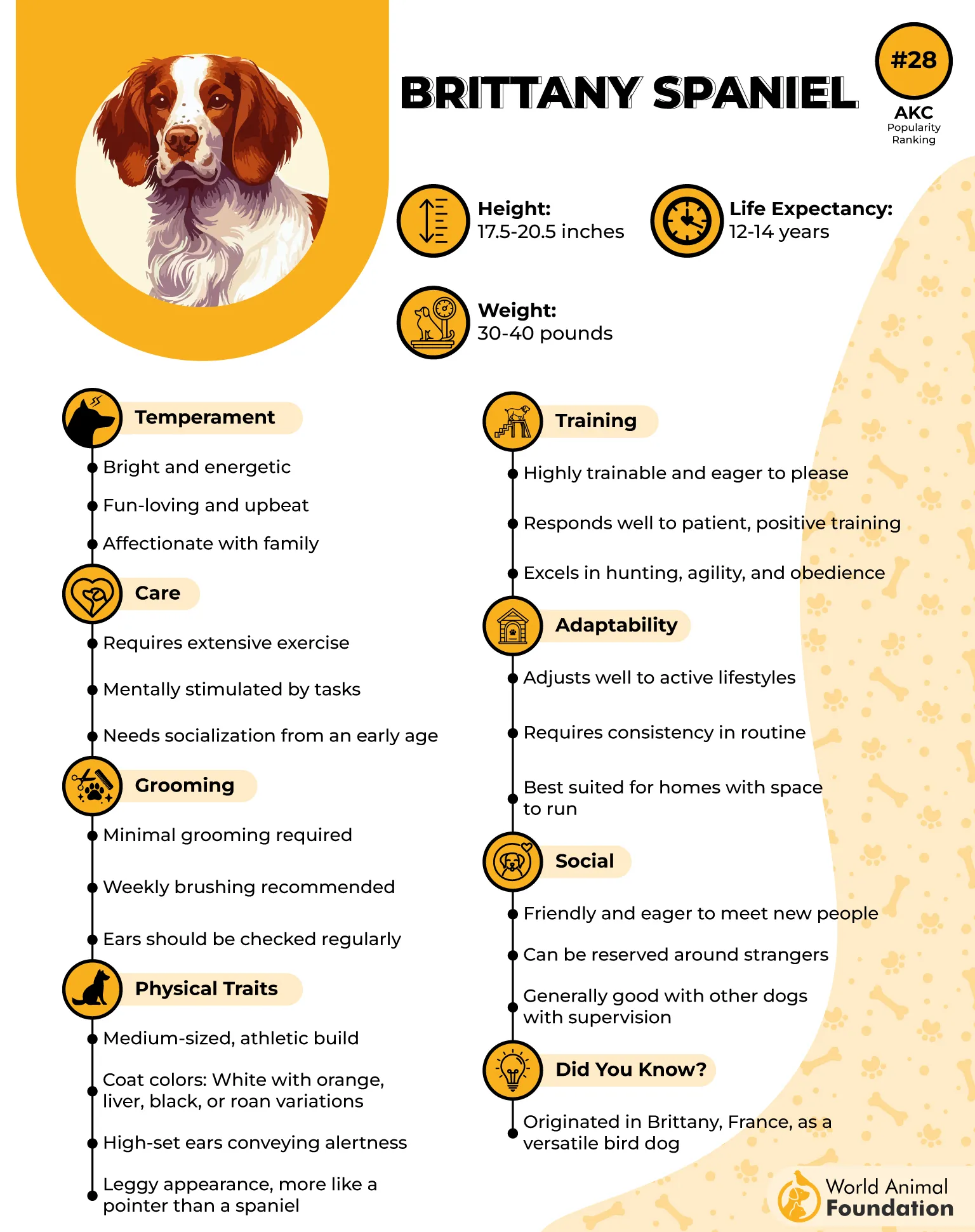
Tough in the field but gentle and doting at home, Brittanys need plenty of early socialization to overcome shyness. Early training is also key to bringing out the best in this smart hunting dog breed. Just be mindful of their sensitive side. These pretty pups don’t tolerate raised voices or harsh treatment, and it can seriously affect their confidence.
You also shouldn’t leave a Brittany alone for long stretches. They’re prone to separation anxiety, which can lead to destructive behavior.
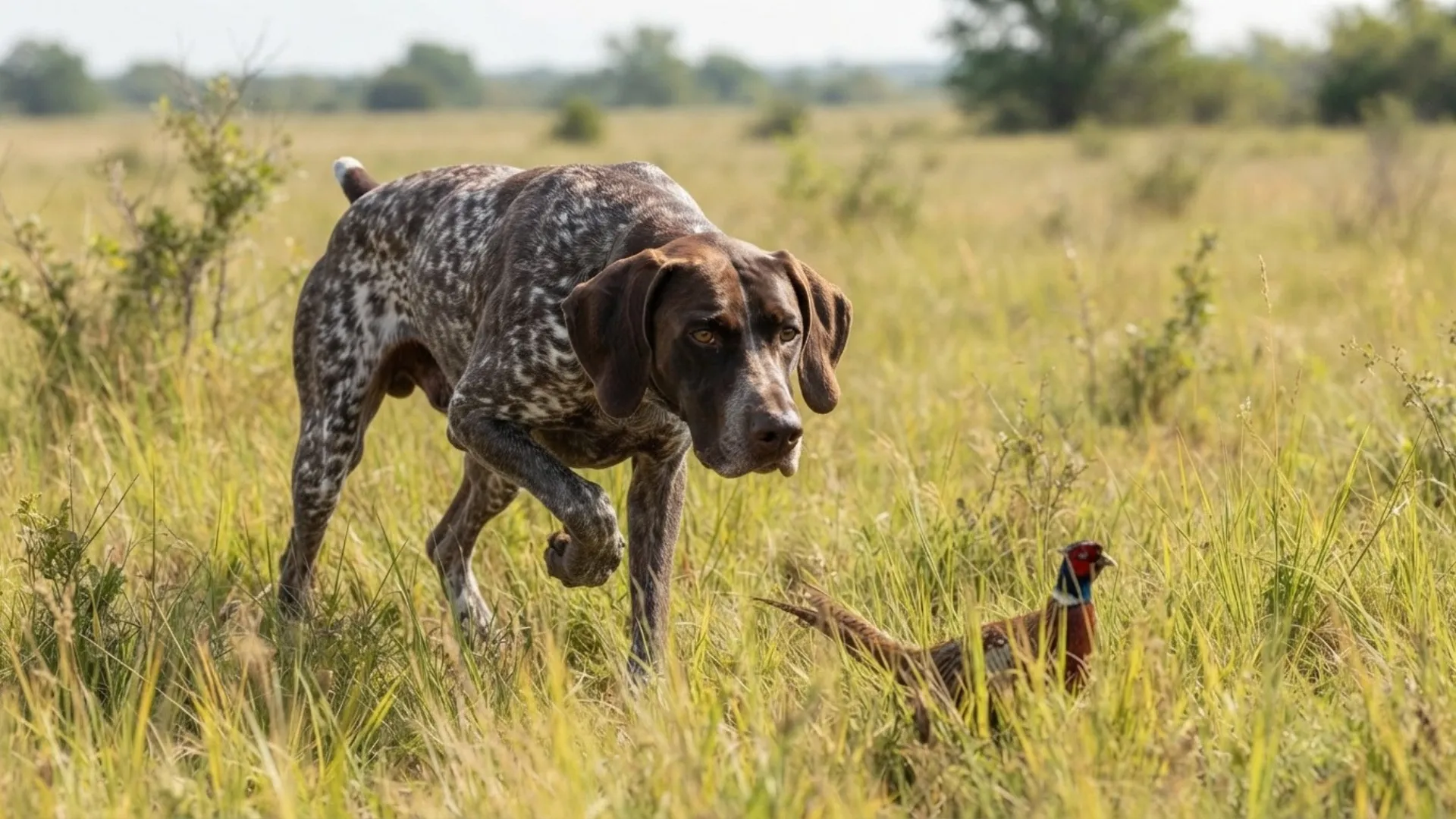
3. German Shorthaired Pointer
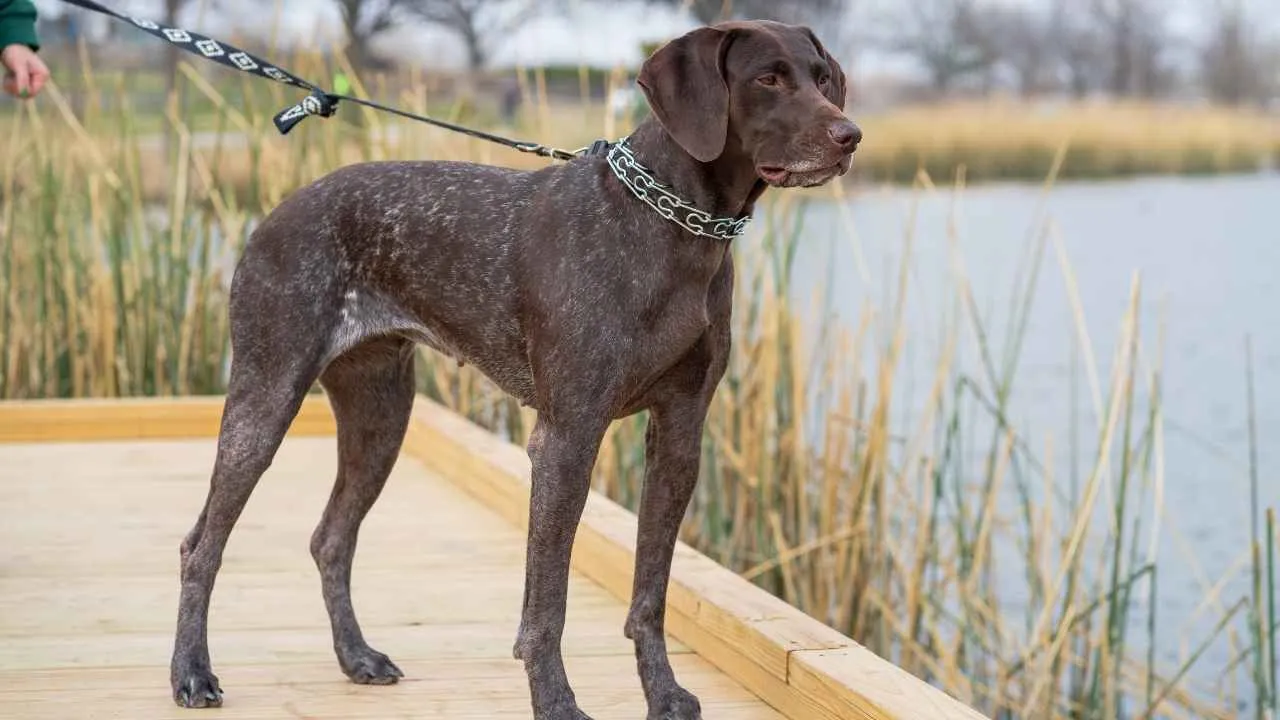
The German Shorthaired Pointer can do it all: pointing, flushing, trailing, and retrieving. GSPs handle nearly every challenge with ease, and they’ll make you proud in agility and obedience competitions too. They might not rescue you from an awkward social gathering with charming small talk, but their friendly, outgoing nature makes them great company anyway.
Often called the all-in-one hunting dog, the GSP is known for performing well in a wide range of fields. Plenty of breeds excel at hunting, but few match this one’s willingness to take on any challenge and adapt to any terrain.
From small game like rabbits to much larger animals, a GSP can be a reliable partner in the field. Hunters around the world admire these pups, and they’re also known as intelligent, alert, and caring dogs.
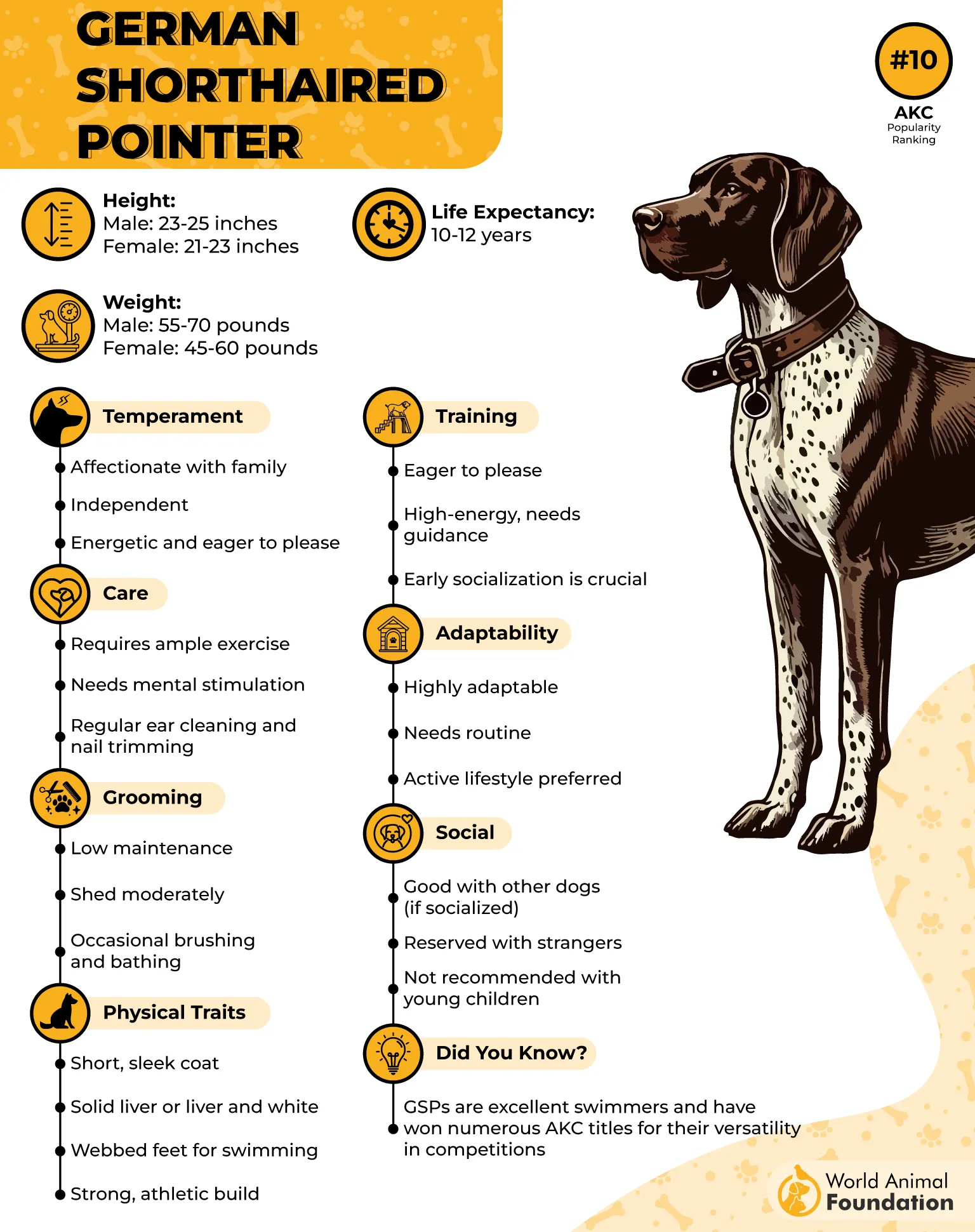
The breed was developed in Germany through selective breeding, with the goal of creating an all-around hunting dog. Some accounts credit a Hanoverian prince for the idea, so it’s worth double-checking that detail against a source before you publish.
At home, they’ll follow you like a shadow and are usually gentle with kids. In the field, they work upland game and waterfowl with equal skill. Just make sure they get proper nutrition, daily exercise, and plenty of love, and they’ll be a dependable partner in any conditions. If you want a versatile dog, the GSP is well worth a look.
4. Weimaraner
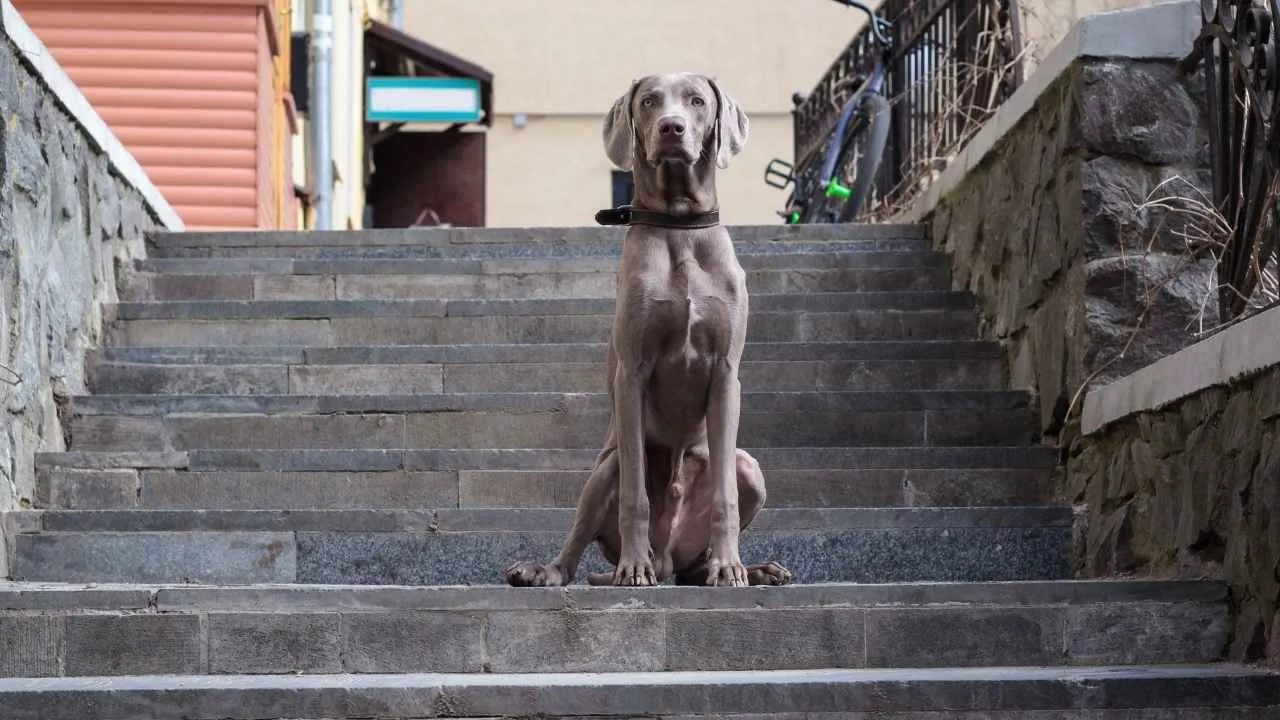
Walking around the neighborhood with this “gray ghost” by your side, you’ll turn heads and collect plenty of admiring looks. The breed first appeared in 19th-century Germany, where it was known as the Weimar Pointer. Weimaraners were originally developed as dual-purpose hunting dogs for big game like bear, wolves, and deer.
Modern Dog Magazine describes the Weimaraner as a mix of speed, stamina, and courage, balanced by a friendly, gentle streak. That makes them a great hunting breed for active families. Noble in bearing and tireless in pursuit, these medium-to-large dogs have piercing amber or blue-gray eyes and are among the most recognizable dogs on this list.
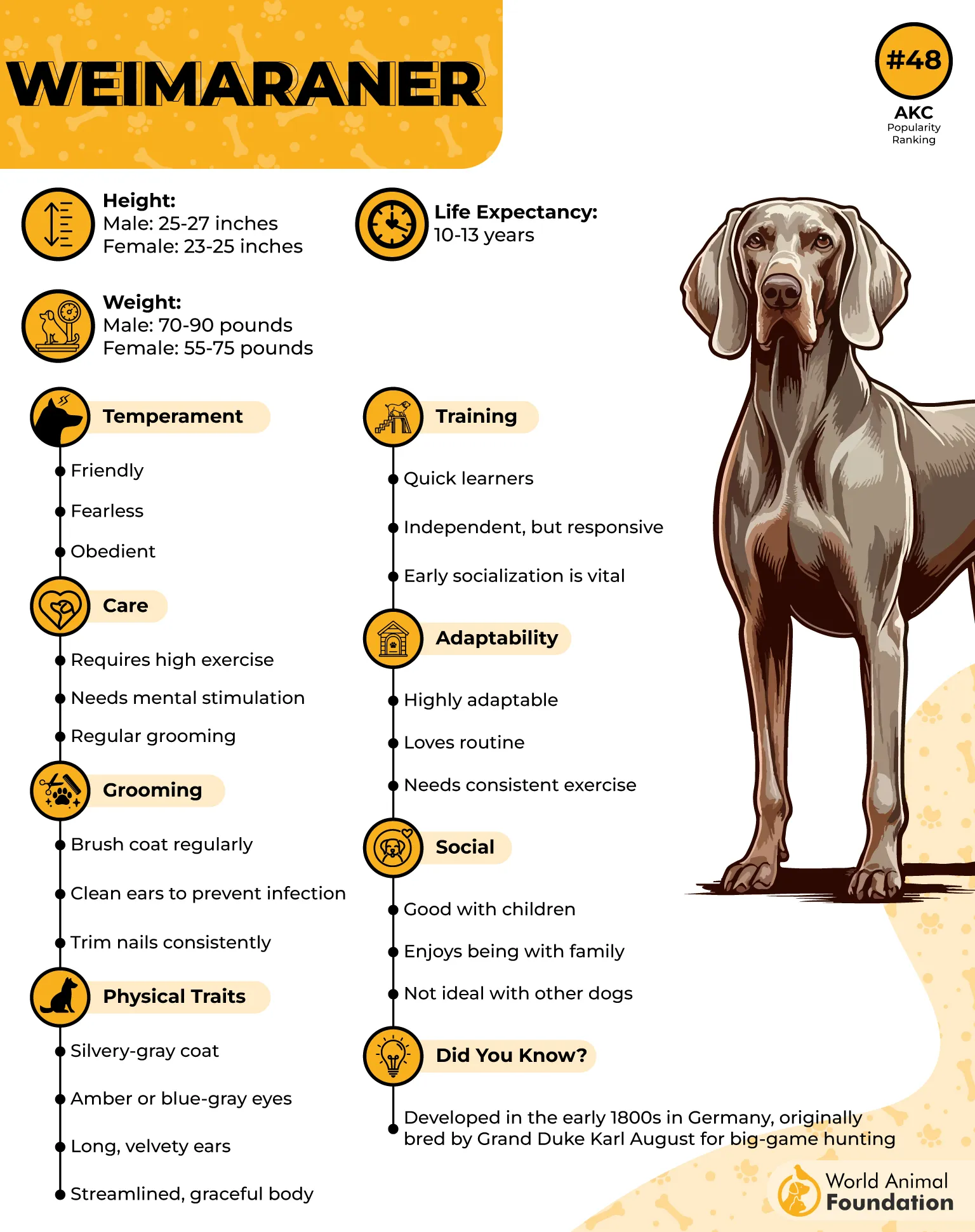
Born with a sleek gray coat, this long-legged, hardy dog can help with upland game hunting thanks to its sharp nose and strong sense of direction. Weims are kind, devoted, and sensitive, and they love joining in on family activities. They usually get along well with kids, so don’t treat them like an outsider.
They’re also highly energetic and up for anything, so they don’t like to sit still. Don’t test their patience, or you may catch them proudly carrying a dead rabbit in their mouth or sniffing around the yard like a busy little detective.
5. English Pointer
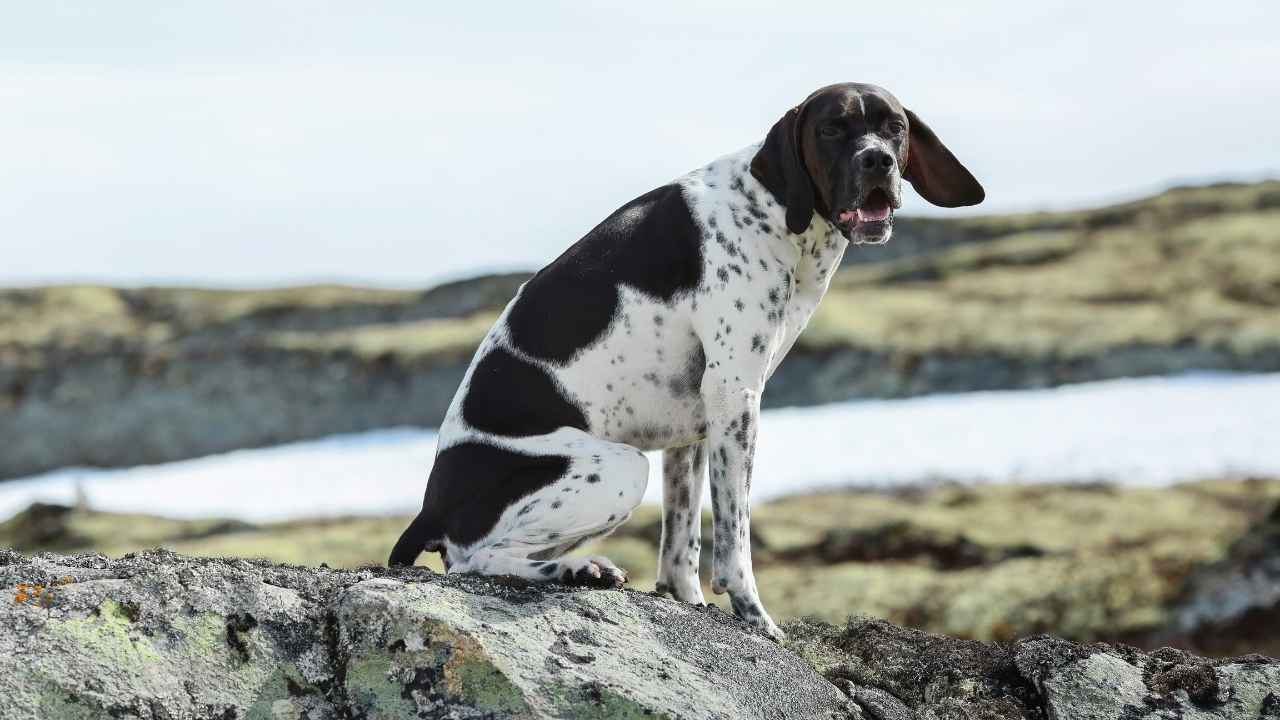
Before the arrival of rifles and gunpowder, these British pointing dogs hunted hares alongside coursing hounds. The Pointer carries its job description in its name: it points after finding prey. Even after wing shooting took off in the 1700s, the breed kept its job and grew into a durable, devoted gun dog.
Owners often say no dog does the work better than this powerful, graceful breed. Pointers can reach impressive speed, and their agility and sharp instincts make them excel at locating game, both small and large.
Pointers are also known for showing their hunting instincts remarkably early, sometimes at around two months old. They were among the first dogs used to stand game. According to the American Kennel Club, Pointers were one of the first eight breeds registered in America in 1878, and they were among the first breeds recognized when the AKC was founded in 1884.
Consistent training and regular exercise are key to keeping these fun-loving adventurers happy. They make great pets for runners and are a good fit for group hunting trips too. Proud, alert, and inquisitive, Pointers bring beauty, brawn, and an intense stare.
6. Karelian Bear Dog
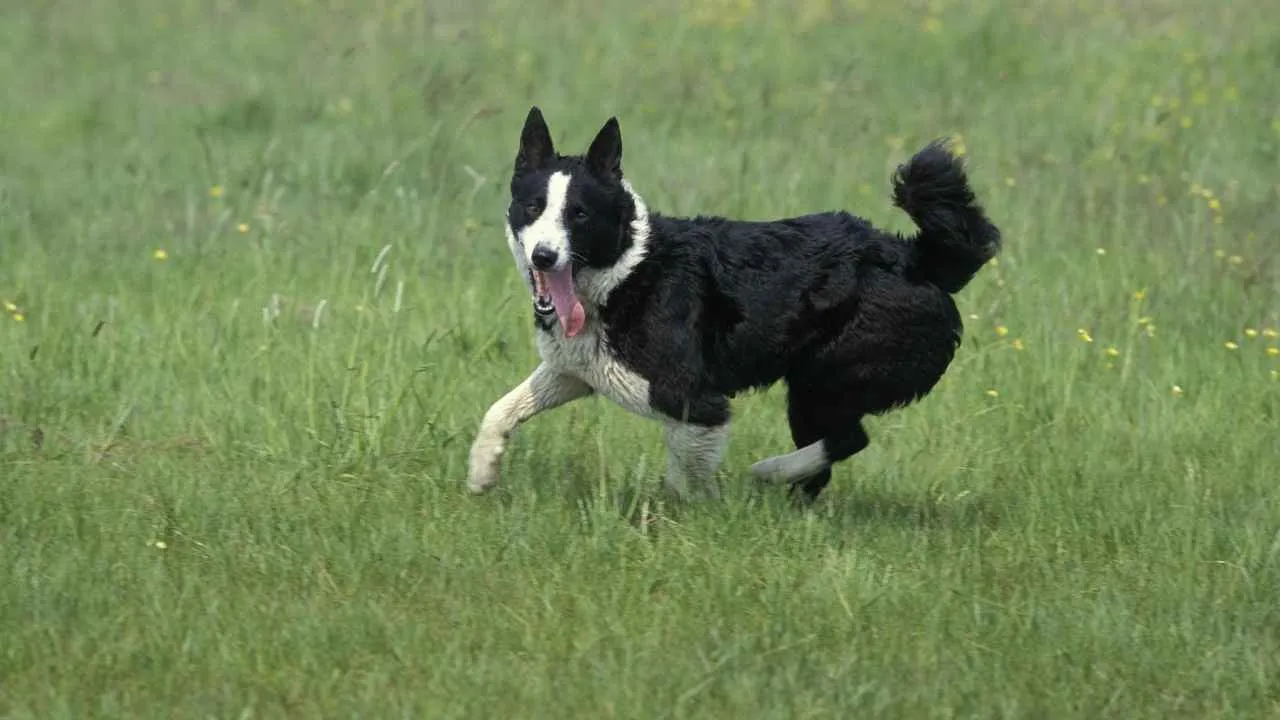
This pup can hunt a wide variety of animals, bringing quick reflexes and courage to any hunting party. Karelian Bear Dogs are popular for going after large game like moose, bears, and wild boar. The breed is believed to have originated from Komi dogs. Its hunting style is to keep a bear occupied in one place, barking loudly, until the hunter arrives.
They can also hunt small fur-bearing animals like squirrels and martens. In places like the U.S., Canada, and Japan, they’ve also been used to help reduce conflicts between people and bears. Temperament-wise, they can be aggressive toward other animals and territorial with other male dogs. They aren’t aggressive toward their people, though they can turn reserved if they aren’t well socialized.
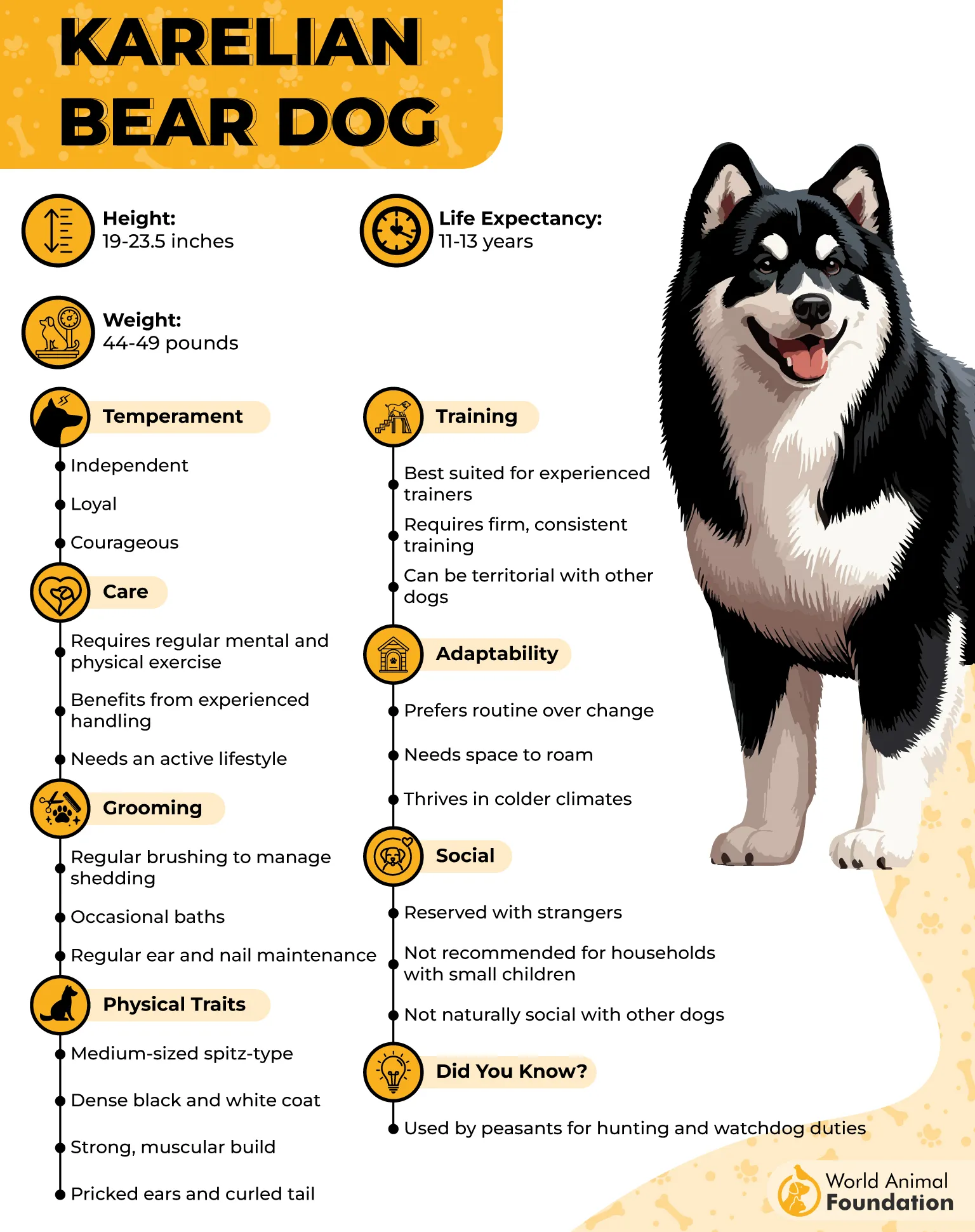
Karelian Bear Dogs are very affectionate with their owners and are in the habit of alerting handlers to any suspicious movement nearby. They’re mostly quiet and tenacious at home, but loud when they have prey at bay. They can keep game cornered for a long time with quick nips and fast, high-pitched barks.
Because they’re so social, they’re prone to separation anxiety. They’re happiest running free through the woods with the wind in their face. This working breed needs a job, plenty of exercise, and both physical and mental stimulation. If you can’t take one out on regular adventures in rugged terrain, this may not be the right breed for you.
Raising these intense hunters is no walk in the park. Bites on people are rare, but a Karelian Bear Dog may go after other animals if it feels threatened or hungry, so careful training and supervision matter.
7. West Siberian Laika
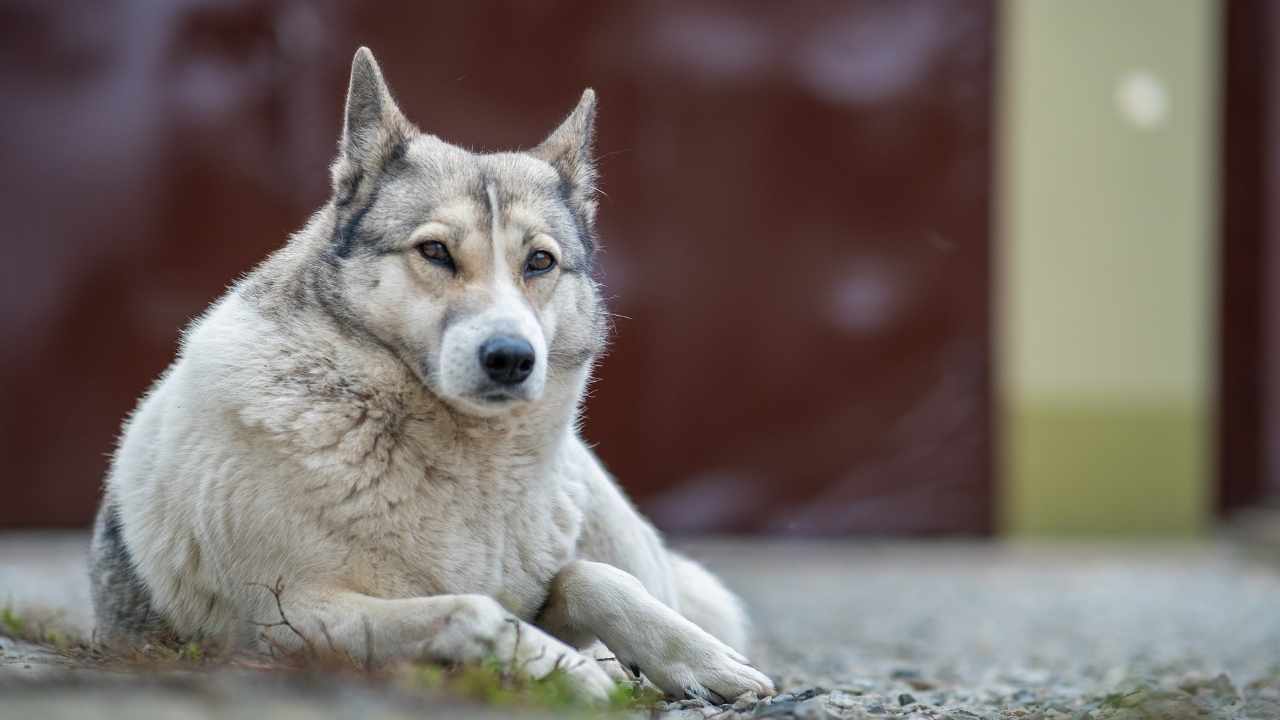
This ancient wild pup has a strongly developed hunting instinct and a keen sense of direction. It’s mostly used for finding birds and small game. This medium-sized northern breed is built to thrive in Arctic conditions, and its dense double coat protects it from the harsh weather of its home terrain.
The West Siberian Laika is also called a “bark pointer” and is the most popular of the Russian Laika breeds. These dogs bark to signal hunters when they find game. Highly intelligent, always willing to learn, and easy to train, they’re affectionate and friendly by nature.
With a face that echoes their wolf ancestors, this hunting breed from Russia’s taiga forests has excellent tracking skills and a protective attitude toward its family.
The name Laika comes from a Russian word meaning “barker,” and these hardy dogs have worked alongside people since ancient times. Local tribes have used the robust breed to hunt everything from small game birds to larger animals like bears and boars.
They can get territorial with dogs of the same sex and need plenty of exercise to stay happy. West Siberian Laikas make devoted partners for energetic families and for singles who love the outdoors.
The breed comes from the Mansi and Khanty peoples of the northern Urals and western Siberia. It played a vital role in the fur trade, where it was used to hunt birds and sable, and it developed from the local dogs of the Ural Mountains and Siberian forests.
A powerful, loyal pup with roots in indigenous Siberian culture, the West Siberian Laika handles rough terrain with ease. You can rely on it for bird hunting, tracking, and locating wounded game over long distances.
Conclusion
Many of the best hunting dog breeds excel at different roles, but some are especially good at finding game. Scent hounds, pointers, spaniels, and setters all fall into this group, and their strong instinct for picking up blood and scent trails is truly impressive.
So the next time you’re deep in the woods and struggling to locate a good stag, consider bringing one of these dogs along. They can take some of the stress out of the hunt and make the whole day more enjoyable.
