




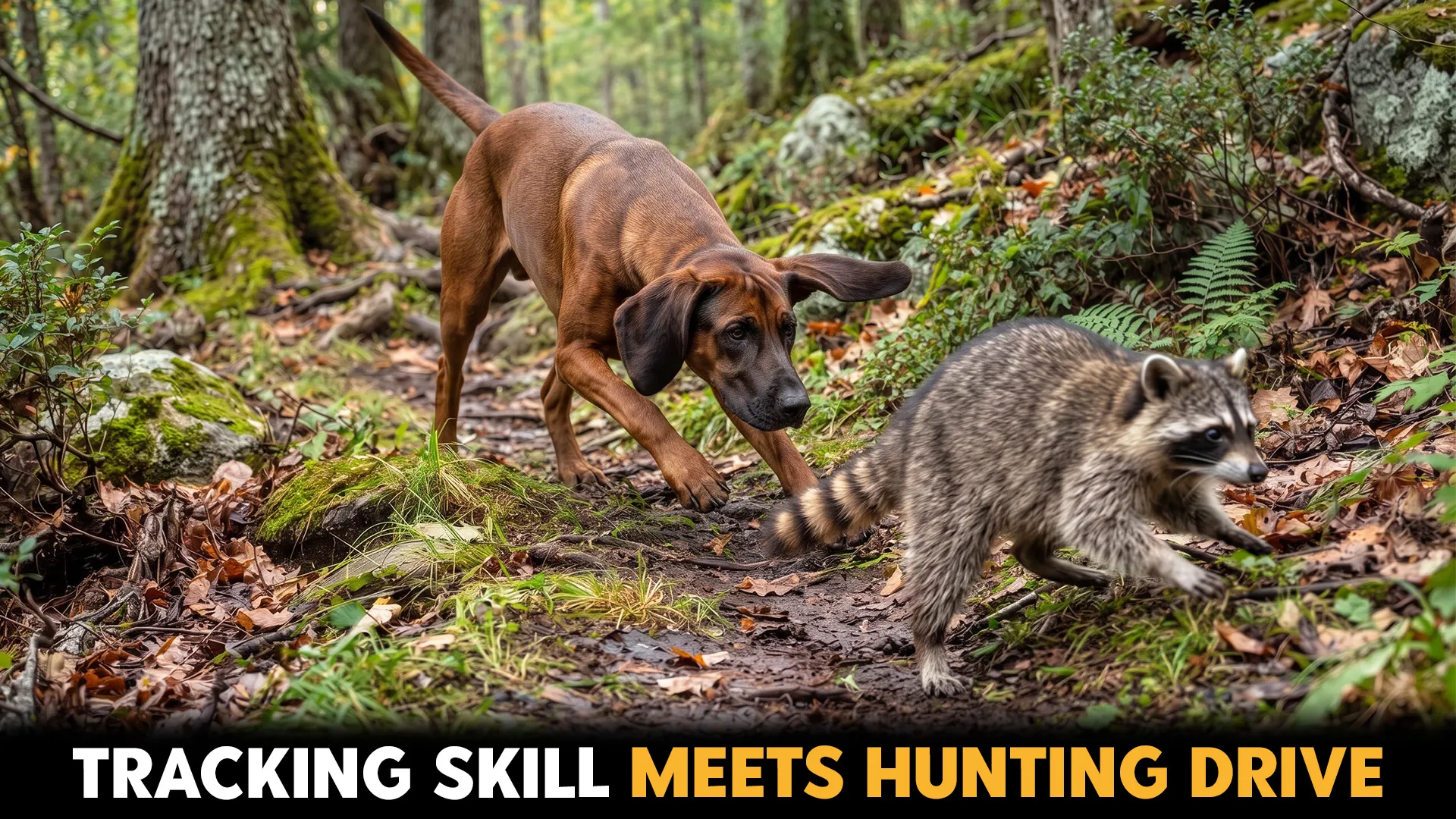
Plot twist: When a scent trail ends at the wrong toy, dogs actually look surprised. That is a hunting dog thinking with its nose, not just following it.
According to International Animal Health, a study of 48 dogs suggests they form a mental picture of what they smell and hesitate when a trail ends somewhere unexpected. Quite the instinct for tracking game, right?
Now picture that sharpened nose and boundless energy working deer, rabbits, or wild boar through thick brush. Even the best hunting dog breeds are not all built for the same terrain or temperament.
So which dog is your ideal partner for hunting, wilderness trails, and a loyal companion at home? Keep reading to find the right match, because the first trail starts just below.
Amazing Dog Breeds For Hunting and Wildlife Tracking
1. German Shorthaired Pointer
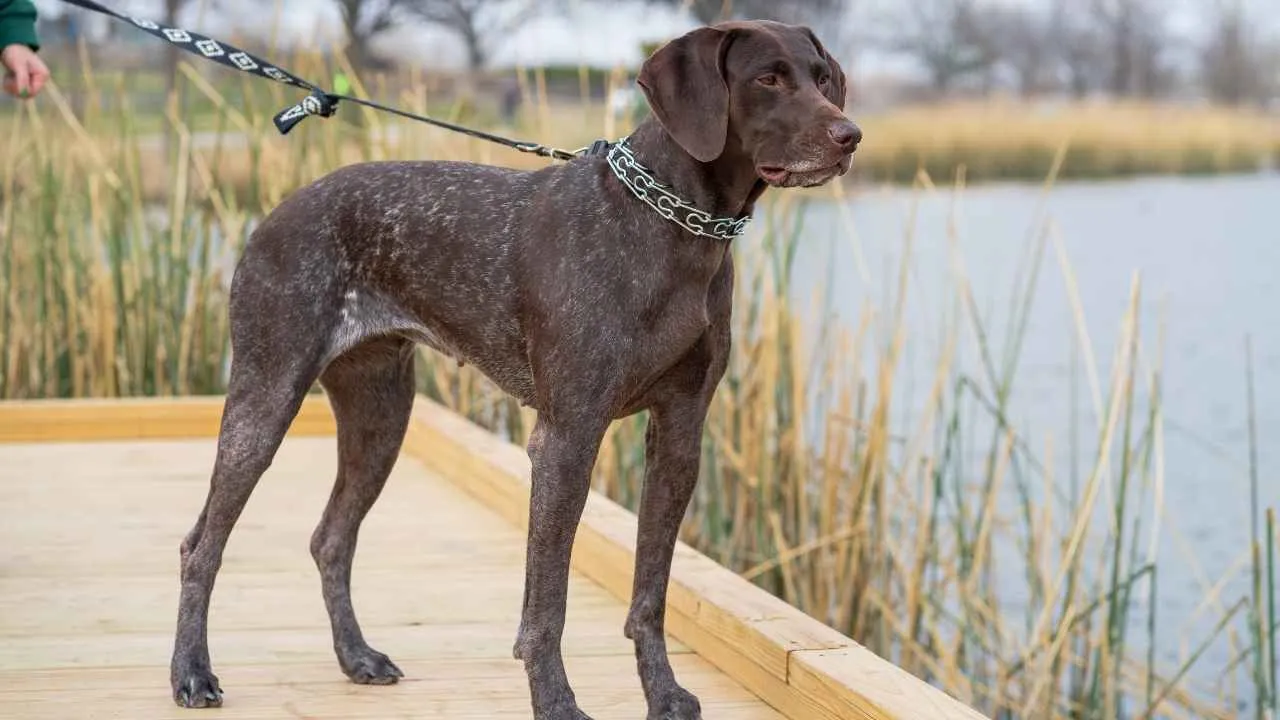
The German Shorthaired Pointer is the Swiss Army knife of hunting dogs. Germany developed this is one of the most popular dog breeds and a versatile, excellent hunting dog for hunters on foot who wanted a single partner for every job. As PetMD points out, a nose-led job description causes chaos when work runs out.
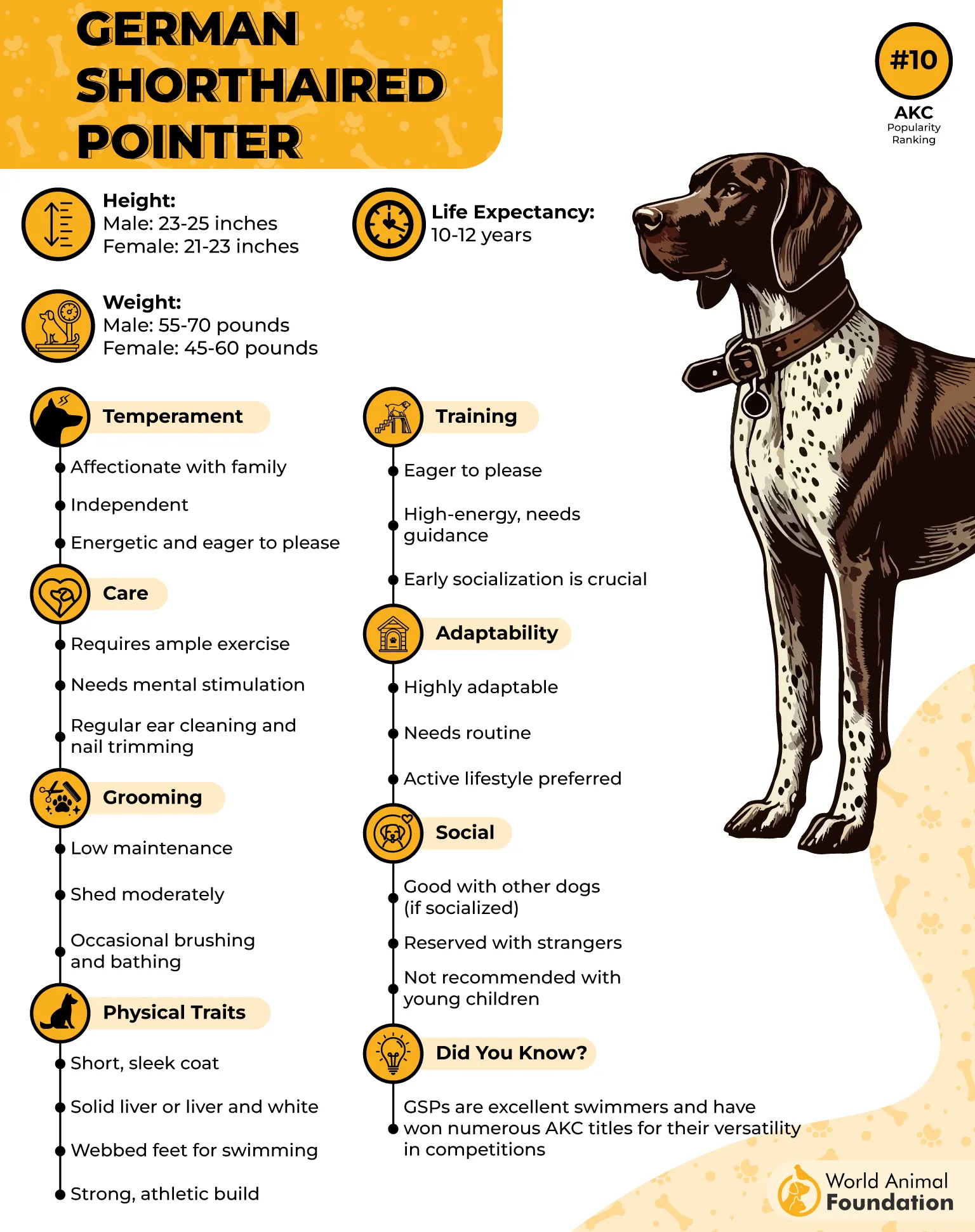
Fortunately, this working dog is smart, eager, and sensitive to its handler. Early training matters, and recall needs practice. Otherwise, a passing squirrel becomes an invitation to vanish.
Field traits: High stamina, strong scenting ability, and a quiet working voice. Dense cover and water pose no problem, but the short coat offers little protection in cold, wet weather.
Tracking style: Air scent and pointing for upland game birds, plus tracking of wounded game.
Meanwhile, expect big exercise needs and plenty of space. Active families get a loyal companion, but a bored dog may rearrange the furniture.
2. Bloodhound
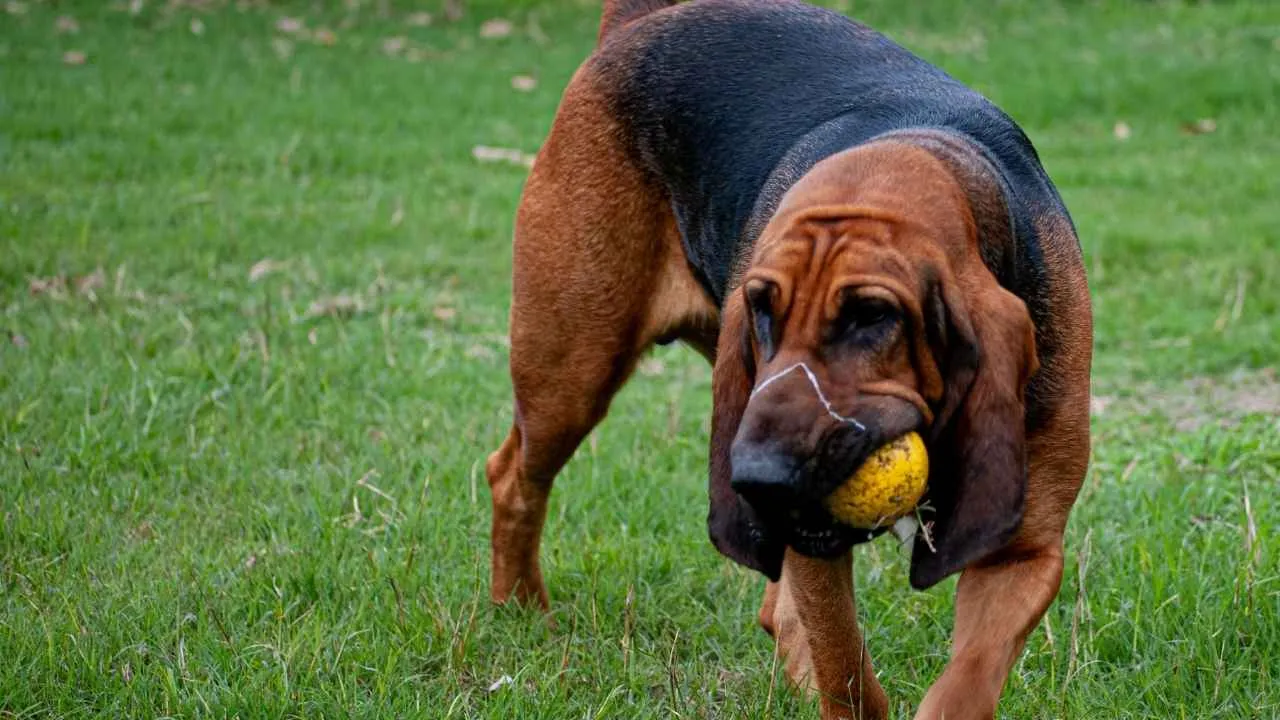
The Bloodhound is the sniff-first, ask-questions-later champion of tracking dogs. According to Britannica, this ancient breed is likely the oldest scent hound around. Hunters bred it to follow trails by sense of smell alone.
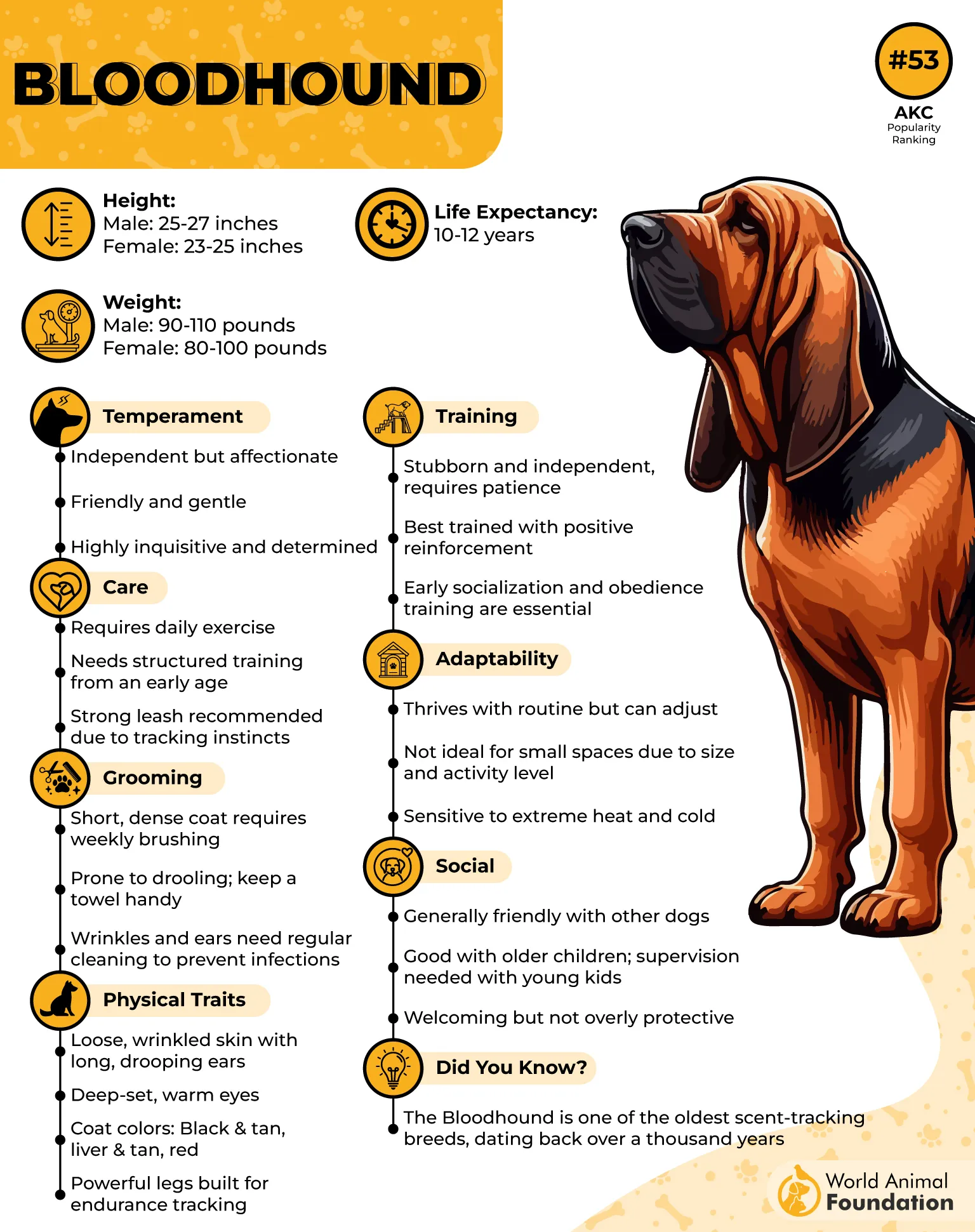
Once locked onto a trail, the Bloodhound ignores nearly everything else. Consequently, training takes patience, treats, and a very long leash. On the bright side, this gentle hound is friendly with people and other dogs.
Field traits: Exceptional scenting ability, high stamina, and a deep bay that carries far. Heavy ears and loose skin help hold scent, though heat is hard on this big hound.
Tracking style: Ground scent, nose down, on cold trails of wounded game or missing people.
Meanwhile, expect a drooly giant needing space and long walks. Patient families get a loyal companion. Just keep a towel handy, because drool comes free.
3. Bavarian Mountain Scent Hound
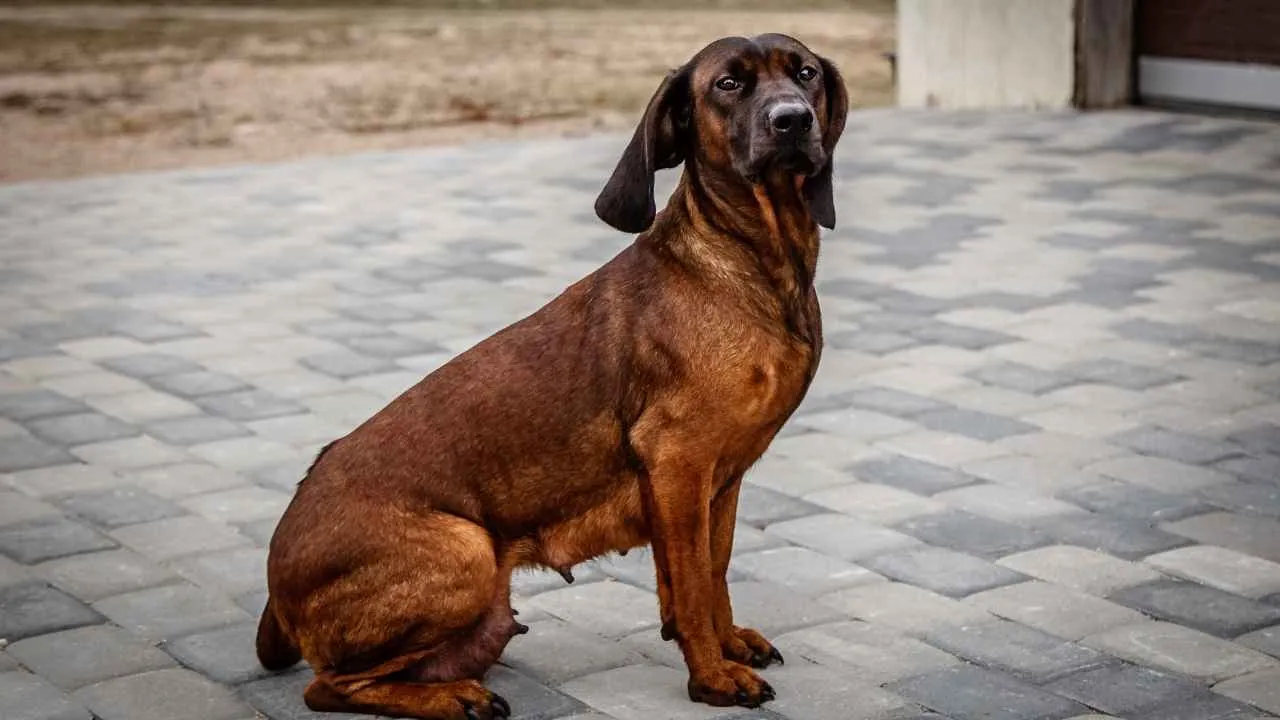
The Bavarian Mountain Scent Hound is a specialist, not a showoff, famous for following the coldest trails. Bavaria developed this medium-sized hound to recover wounded game in rugged mountains. Even now, foresters and game wardens count on it.
Calm and loyal with family, this hound stays aloof with strangers. Consequently, early socialization matters. A strong bond with a patient handler brings out steady, dependable work.
Field traits: High stamina, a piercing voice, and a tolerance for steep, rough terrain. The short, dense coat handles mountain weather well.
Tracking style: Ground scent, worked on a lead, for game of any size.
Meanwhile, expect a hound that needs lots of exercise, a real job, and plenty of room to roam. Active outdoor households and hunters suit it best. The honest caution is rarity, so finding a reputable breeder may take patience.
4. Plott Hound
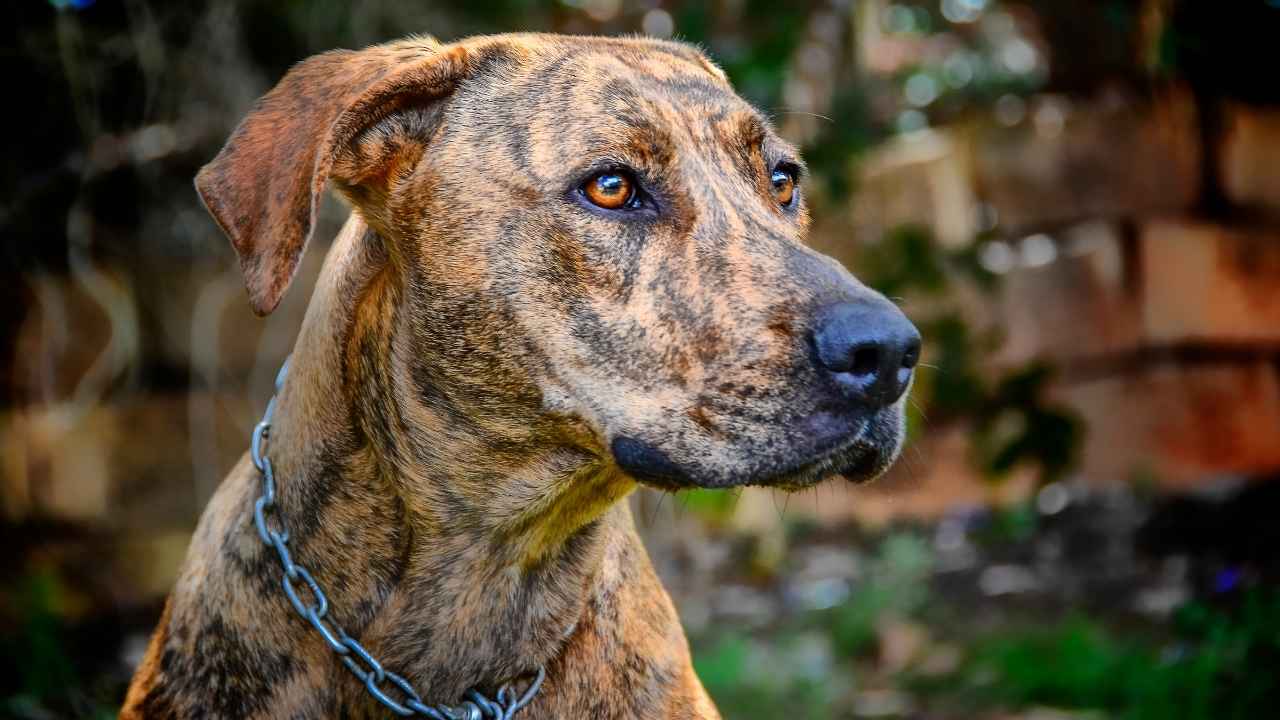
The Plott Hound is a mountain-bred big game specialist that never heard the word quit. Johannes Plott brought German hunting dogs to the Smoky Mountains in 1750. These hunting dogs were prized for hunting wild boar and tracking wounded game.
Brave and loyal, the Plott is also independent and can be stubborn. Therefore, training needs patience and a handler with hound experience. Early socialization helps keep that confidence friendly.
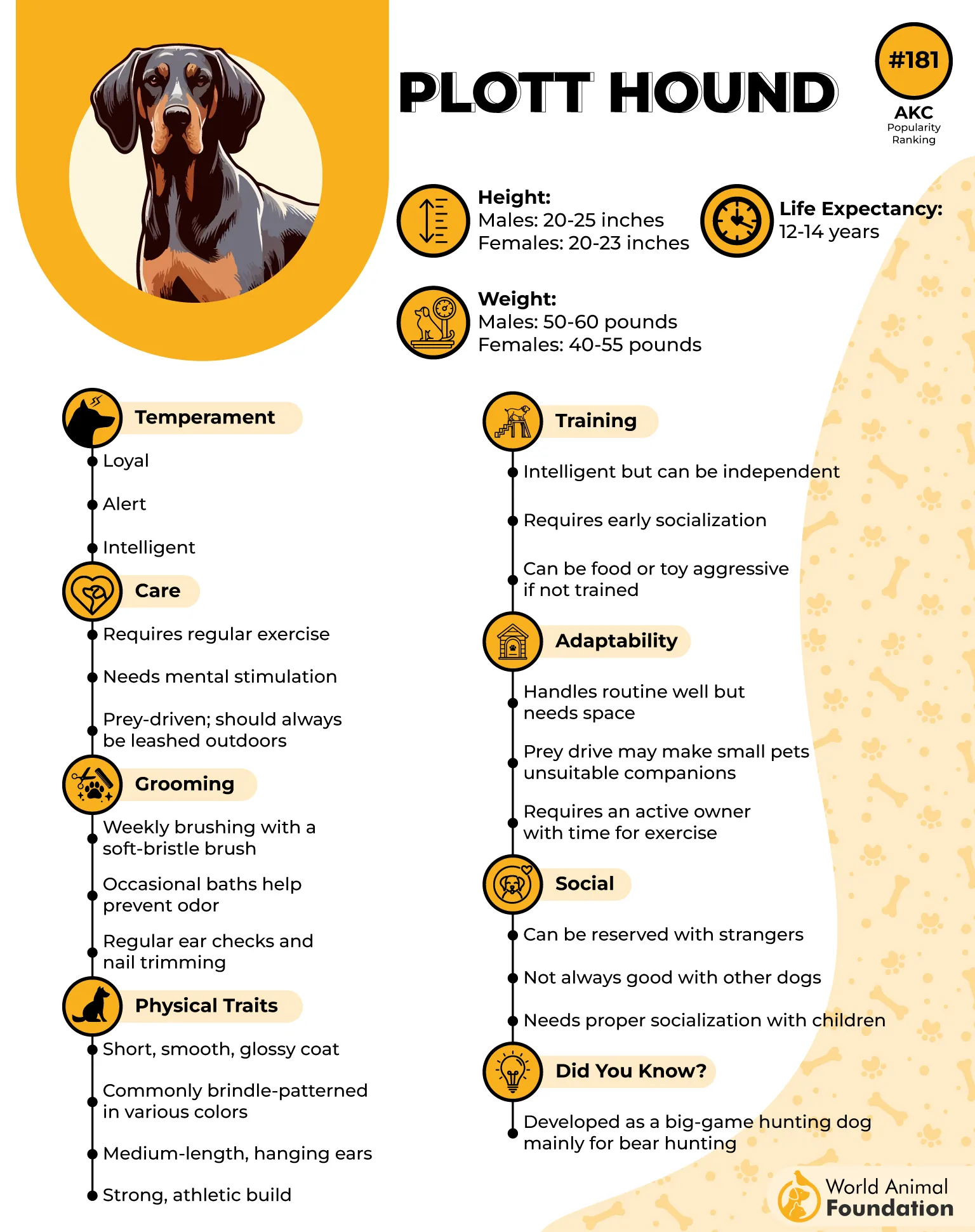
Field traits: Great endurance, a loud baying voice, and toughness on rugged mountain terrain. The short coat needs little care and handles most weather.
Tracking style: Ground scent, ending in treeing or baying quarry, from raccoons to bears.
Meanwhile, expect a hound needing lots of exercise and a secure yard. Active families get a devoted partner. The honest caution is strong prey drive, so off-leash trust is risky.
5. Bluetick Coonhound
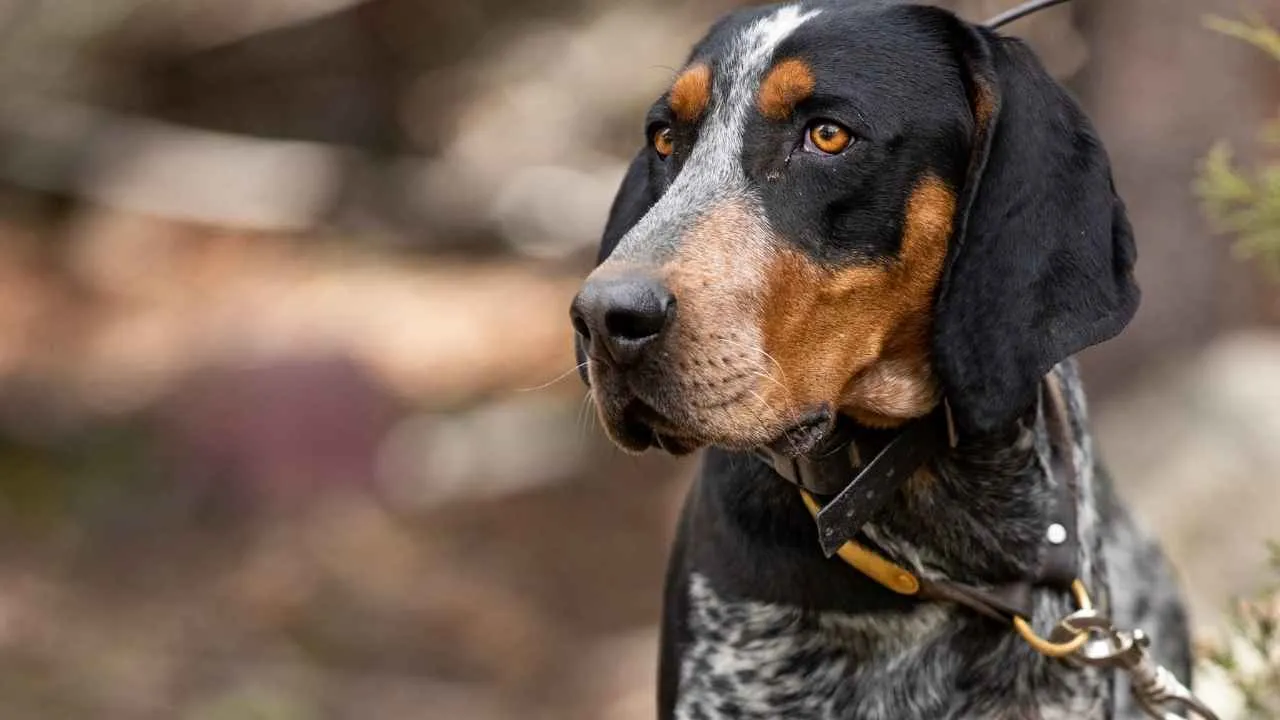
The Bluetick Coonhound is a relentless trailer with a built-in snooze button. Louisiana hunters developed this speckled breed to hunt raccoons. According to the AKC, this sweet charmer turns bold and driven the moment quarry appears.
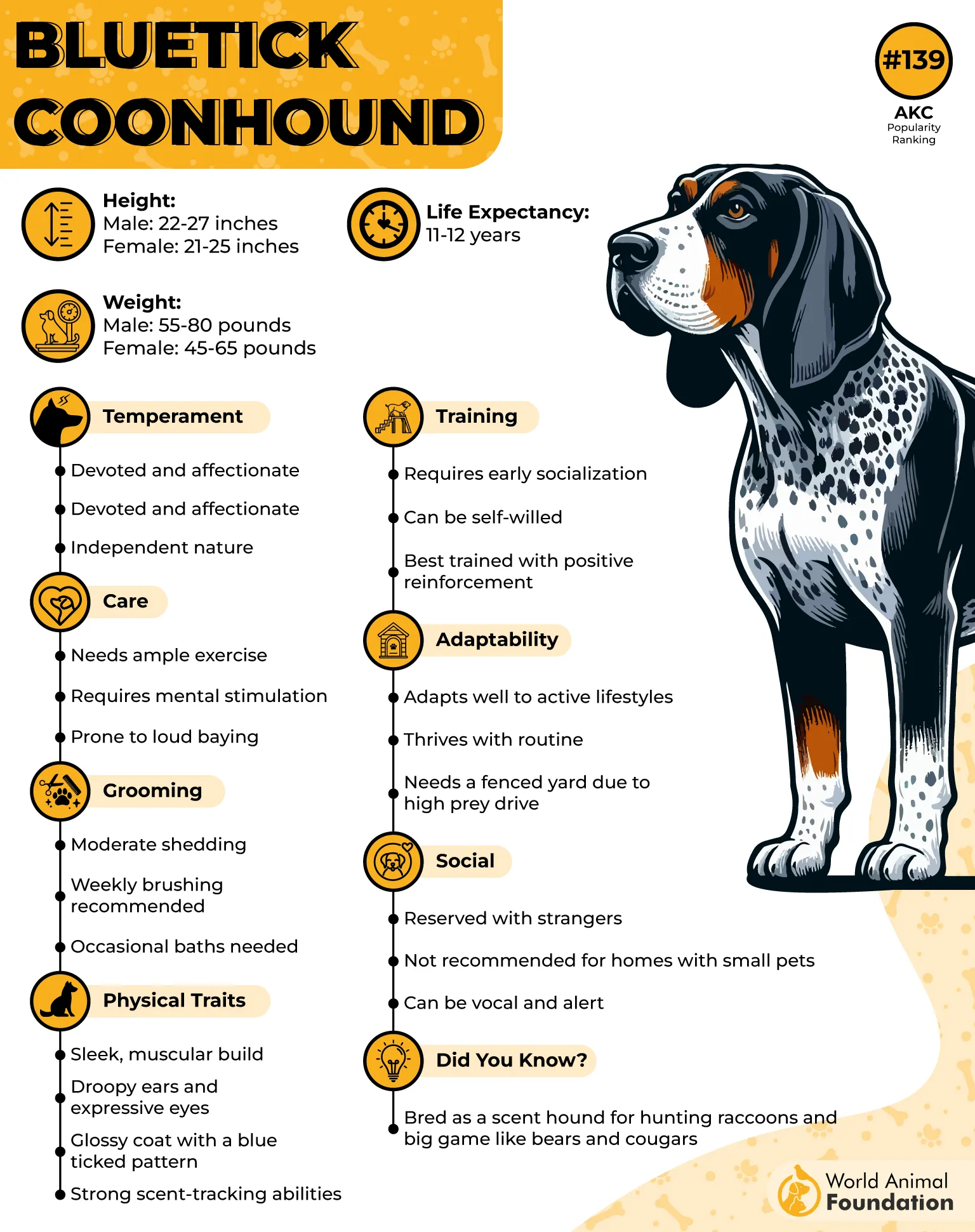
Sociable and smart, the Bluetick wants plenty of attention. However, hound stubbornness means training needs consistency. In turn, short, rewarding sessions keep this clever hound happily engaged.
Field traits: Great speed, solid endurance, a bugle or bawl voice, and cat-like feet for rough ground. The short coat is easy to manage but gives limited cold protection.
Tracking style: Ground scent trailing that ends with treeing quarry, including small game.
Meanwhile, expect high energy, long daily exercise, and fences that actually hold. Active families with other dogs usually find a friendly partner. The honest caution is a wandering nose, so unleashed walks are a gamble.
6. Black and Tan Coonhound
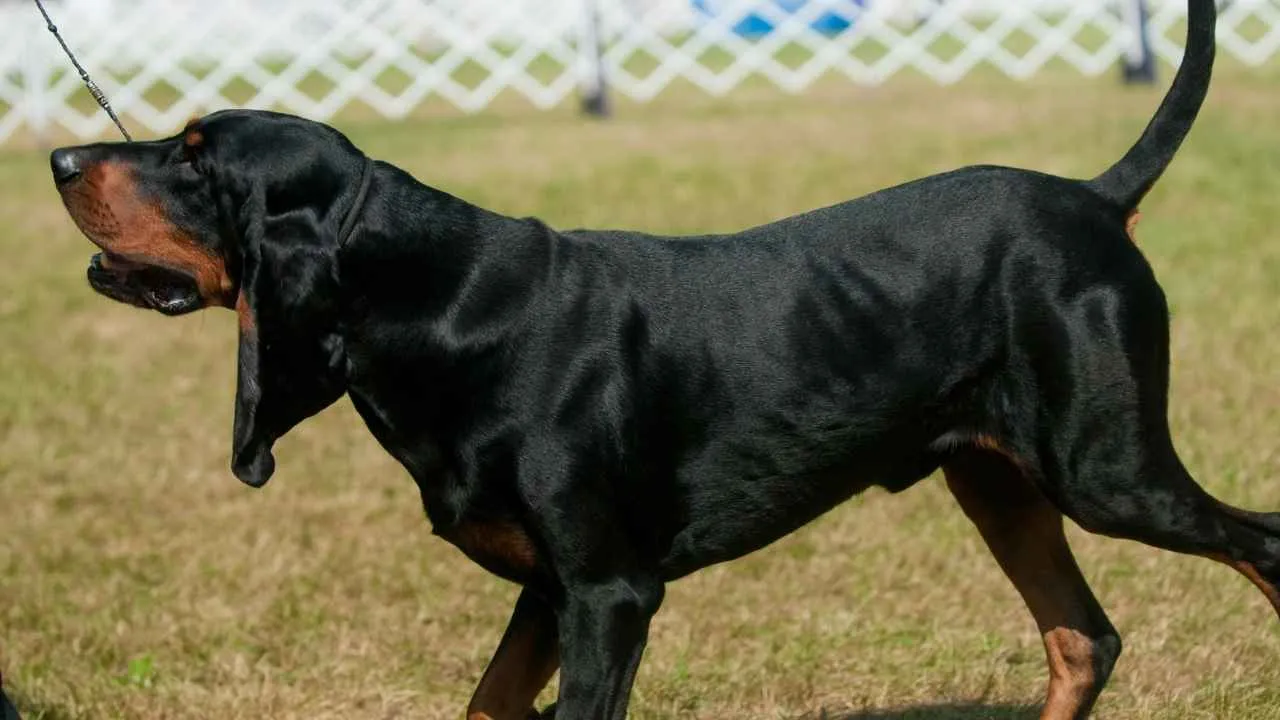
The Black and Tan Coonhound is a polished tracker in a classy tuxedo. American hunters developed this hound in the 18th century, with Bloodhound blood, as a raccoon partner. Its talents also stretch to deer and even bear.
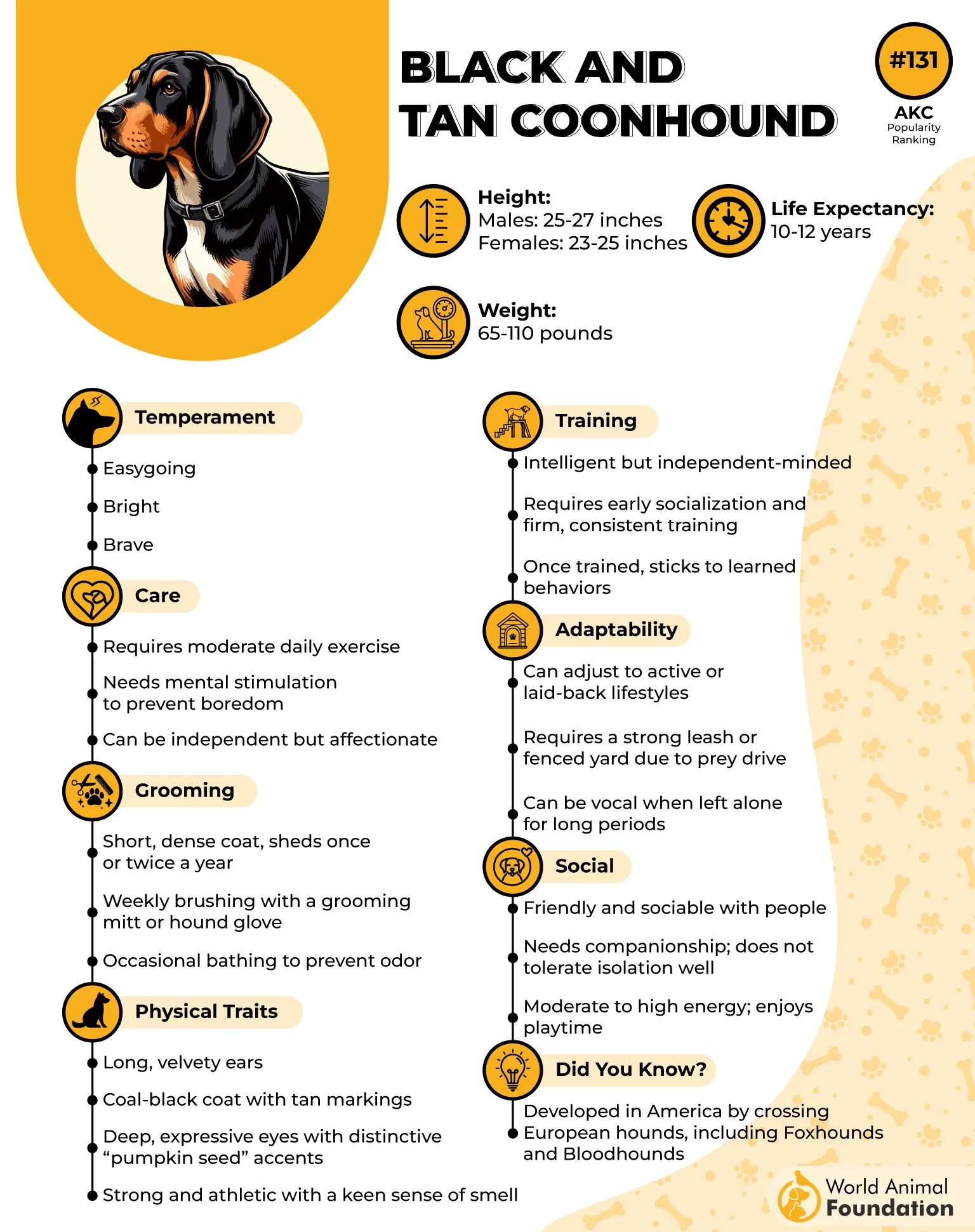
Friendly, this hound gets along with most people and pets. Even so, independence is built into its personality, so training takes patience. Positive methods work best, because stubborn hounds ignore nagging.
Field traits: Strong endurance, an impressive howl, and a keen nose. The short, dense coat copes with most weather.
Tracking style: Ground scent, followed by treeing, with small game as the usual quarry.
Meanwhile, expect moderate exercise needs and a firm leash for sniffing trips. With enough activity, this hound turns into a happy, napping indoor companion. The honest caution is a musty smell, so keep baths regular.
7. Treeing Walker Coonhound
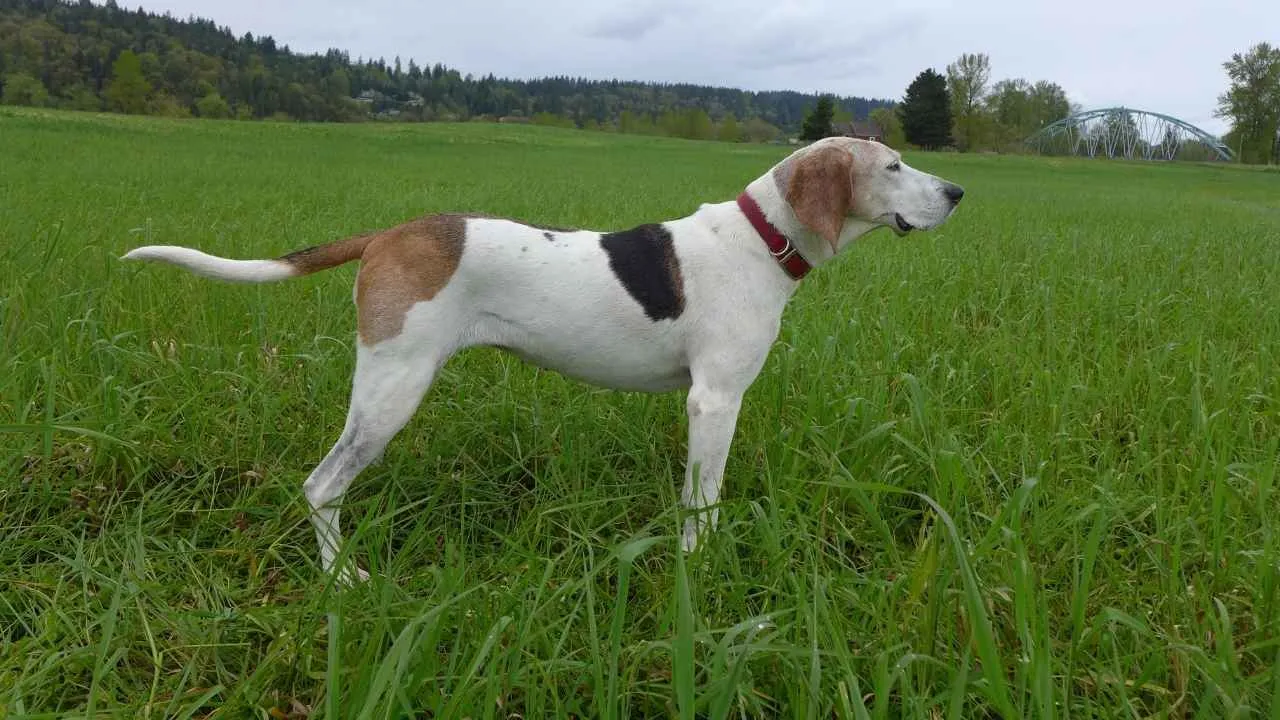
The Treeing Walker Coonhound is the sprinter of the coonhound crowd. Hill’s Pet traces the breed to colonial America, where hunters wanted a dog for raccoons instead of foxes. Sleek and athletic, this hound still brings high speed to every hunt.
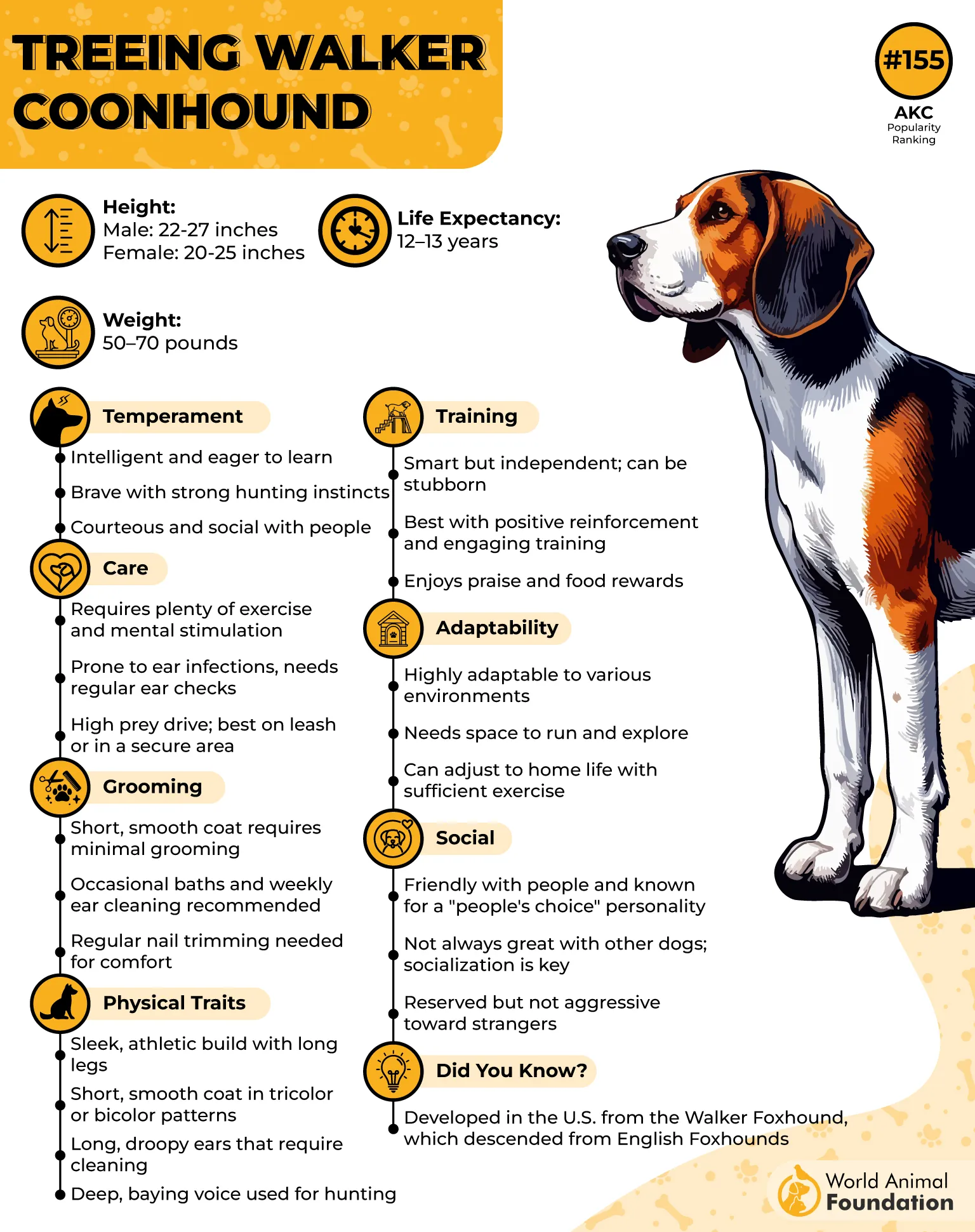
Charming and affectionate at home, this hound adores company. Training takes consistency, though, because a nose-down Walker often stops listening. Therefore, a leash is essential on every outdoor outing.
Field traits: Excellent stamina, a clear ringing voice, and a sharp nose built for long, rugged pursuits. The short, glossy coat needs little grooming and handles most weather.
Tracking style: Ground scent trailing, then treeing when quarry climbs to safety.
Meanwhile, expect daily vigorous exercise and a roomy yard with sturdy fencing. Active families will love this friendly partner. The honest caution is ear infections, so routine ear checks matter.
Conclusion
So, how does a dog follow a trail that went cold hours ago while we humans see nothing? It comes down to a keen sense of smell and careful breeding, and the right hunting dog is the one whose tracking skills match your terrain, your game, and your own hunting experience.
Before choosing among these great hunting dog breeds, meet reputable breeders, ask about working lines, and try a training class or field trial first. Then tell us in the comments: which of these 7 breeds would you trust on a trail, and what is your best tracking story yet?
