




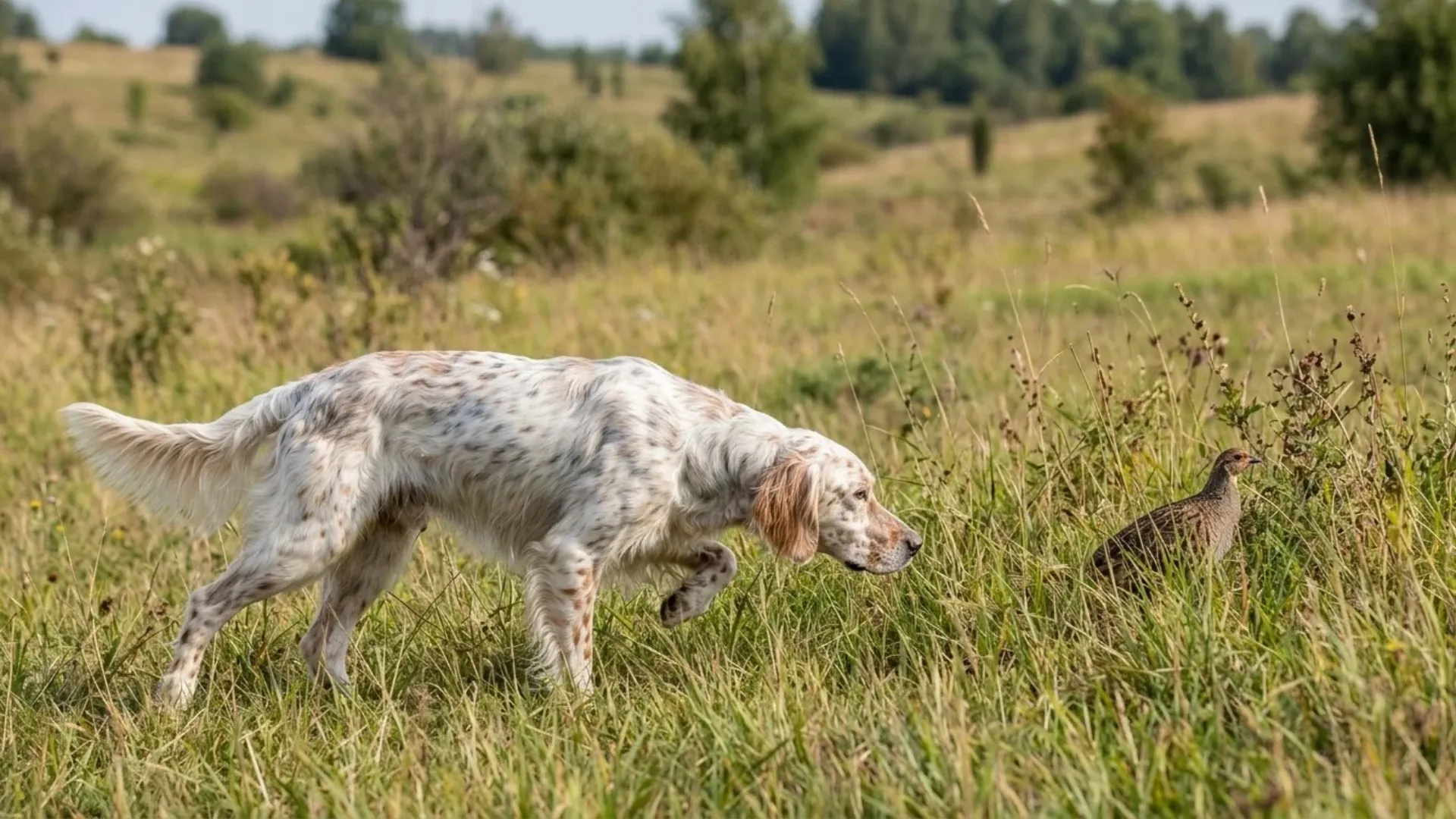
Some dogs are born knowing exactly what to do in a field or swamp, long before any training begins. Selective breeding sharpened that instinct over centuries, honing the sense of smell and stamina hunters still rely on today.
The American Kennel Club’s Sporting Group alone recognizes 33 breeds, and each one brings a different hunting style to the table. Knowing which breed points, flushes, or tracks scent trails makes all the difference when choosing the right hunting dog.
The right breed brings keen instincts, high endurance, and real enthusiasm to upland game, waterfowl hunting, and small game hunting alike. Many hunting dog breeds also make excellent family pets once the hunt winds down.
So what actually separates a natural pointer from a born flusher, or a tracking specialist from an all-around retriever? Keep reading to find the hunting instincts that fit your next hunt.
Amazing Dog Breeds With Instincts for Finding Game
1. German Shorthaired Pointer
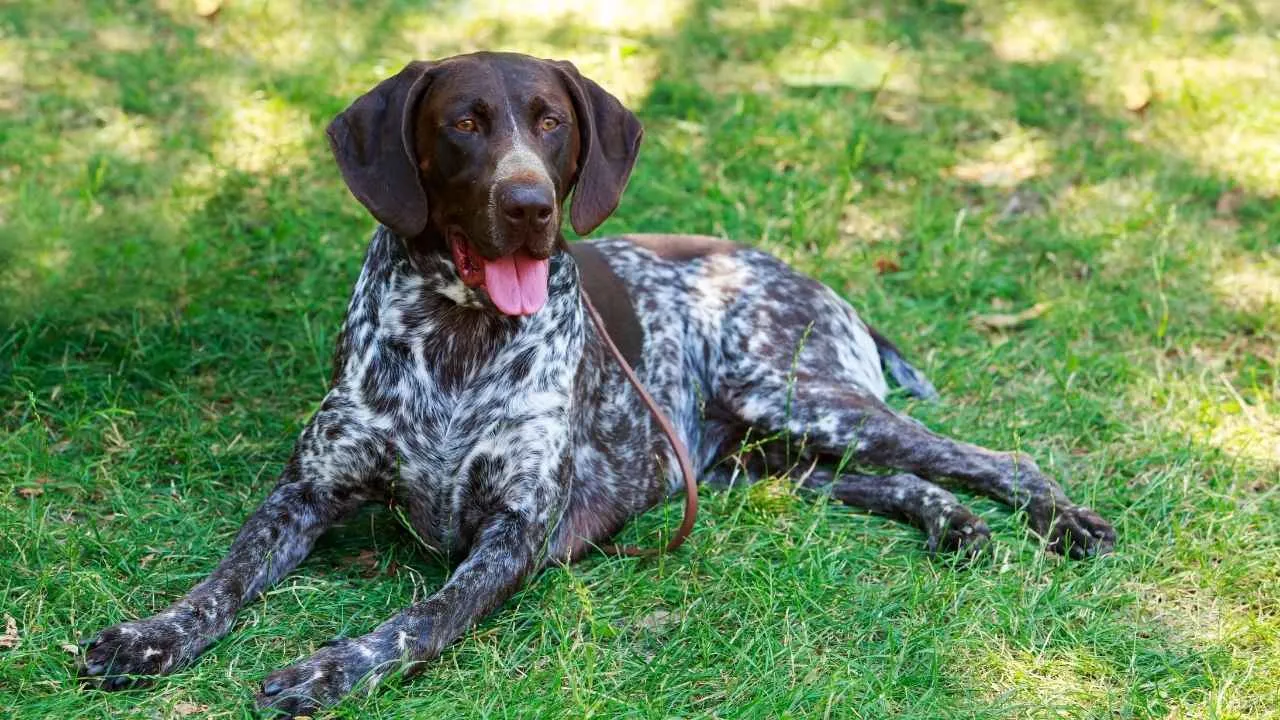
The German Shorthaired Pointer is one of the most versatile hunting dog breeds around. It points, tracks, and retrieves birds and small game in the same outing, making it best-suited for upland bird hunting and duck hunts alike.
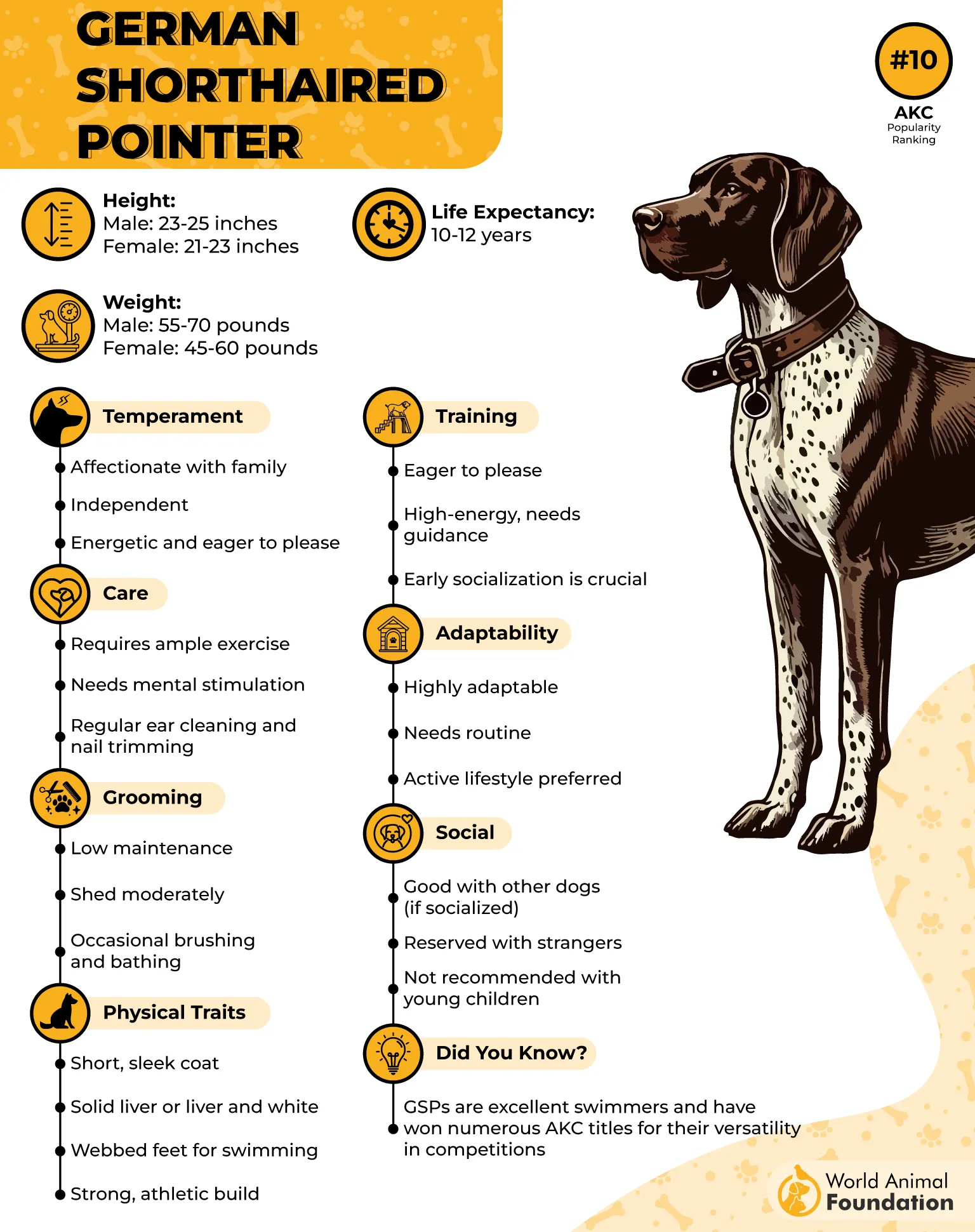
This hunting companion traces back to Germany, where two standout sires became the foundation of the breed. The American Kennel Club (AKC) recognized the breed in 1930, and it quickly became more favored in America as both a hunting dog and companion.
Distinguishing Trait: Webbed feet make it a natural swimmer among pointing dog breeds.
Behavior: Loyal and people-focused, it treats family members like part of the pack.
Training: Regular exercise and early training keep this energetic dog calm at home.
Weekly brushing covers most of its grooming needs. Its lean, muscular build helps it push through harsh conditions that slow down many other breeds.
2. English Setter
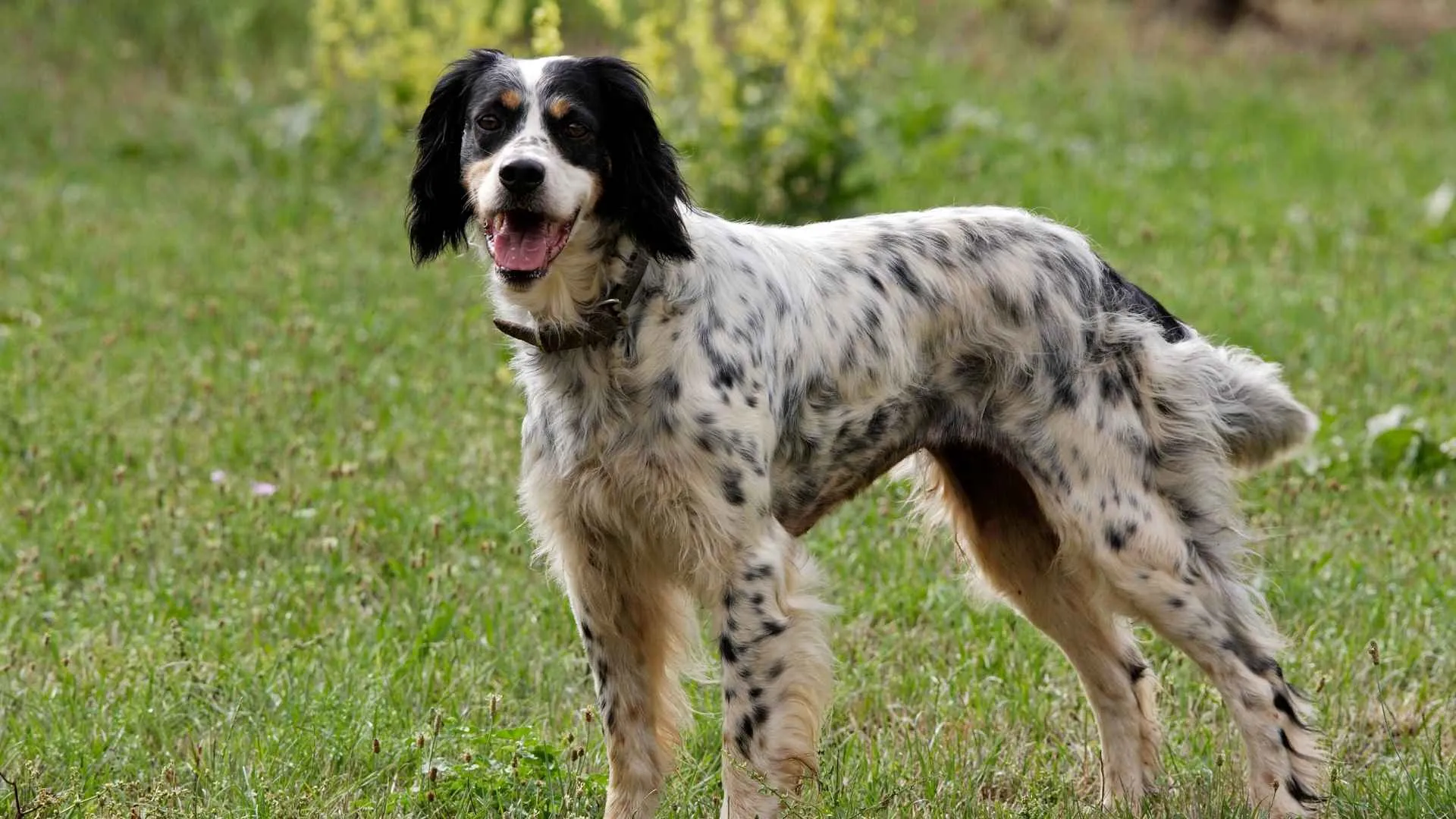
The English Setter is a classic pointing dog bred for upland bird hunting. It hunts quietly, reading air scent instead of trailing the ground, then freezes low and still the moment it finds birds.
According to experts, early Setters would crouch down on their front legs to indicate birds, letting hunters spread a net over the whole scene, which is how the breed earned its name.
Distinguishing Trait: Its speckled belton coat gives it one of the most recognizable looks among hunting dog breeds.
Behavior: Gentle and a little soft-natured, it responds best to patience rather than pressure.
Training: Consistent, calm training brings out this smart dog’s natural pointing instincts.
Its silky coat needs regular brushing to stay free of tangles from the field. As an interesting fact, many hunters shave the coat short before hot season hunts to keep this active dog comfortable.
3. Brittany
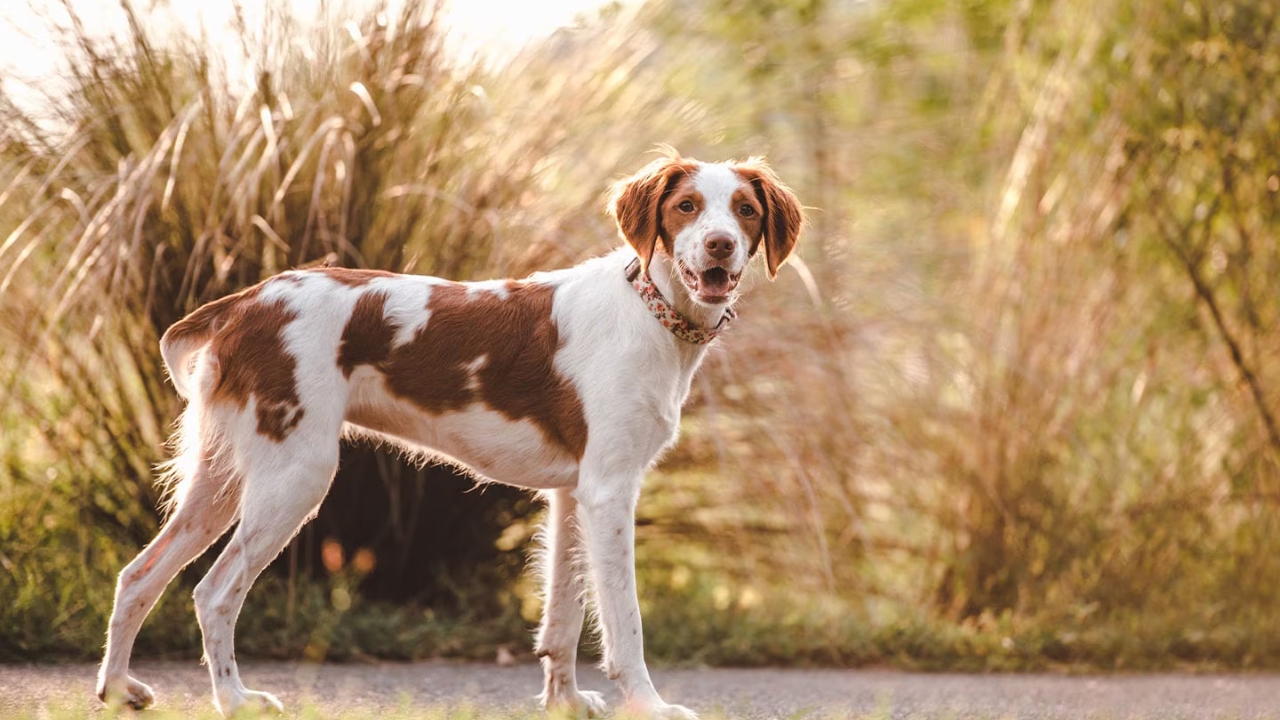
The Brittany is an energetic sporting breed known for its keen nose, athletic build, and natural ability to locate and point game. This hunting dog thrives in thick cover, working close to flush and retrieve birds and small game.
According to Orvis, Brittanys carry a mix of Spaniel, Pointer, and Setter breeds among their ancestors, and are bird dogs to the core. The American Kennel Club dropped “Spaniel” from the name to reflect that Pointer like hunting style.
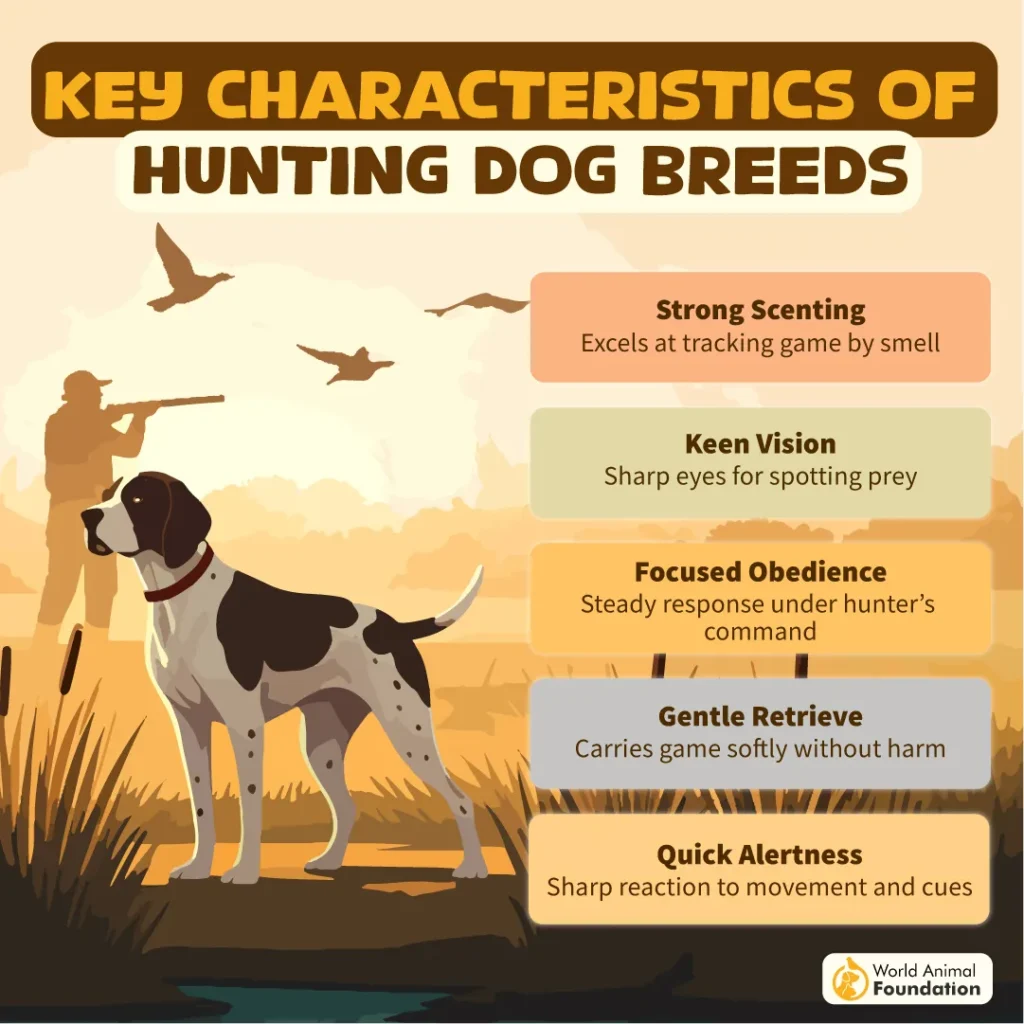
Distinguishing Trait: Many Brittanys are born with naturally short tails, a trait rare among hunting dog breeds.
Behavior: Sensitive and eager, it responds better to praise than to a firm hand.
Training: Gentle, positive training brings out its natural pointing and retrieving instincts fast.
Its coat needs weekly brushing but otherwise stays easy to maintain. As an interesting fact, the Brittany holds more Dual Champion titles than any other sporting breed, proving it can hunt and show with equal skill.
4. Weimaraner
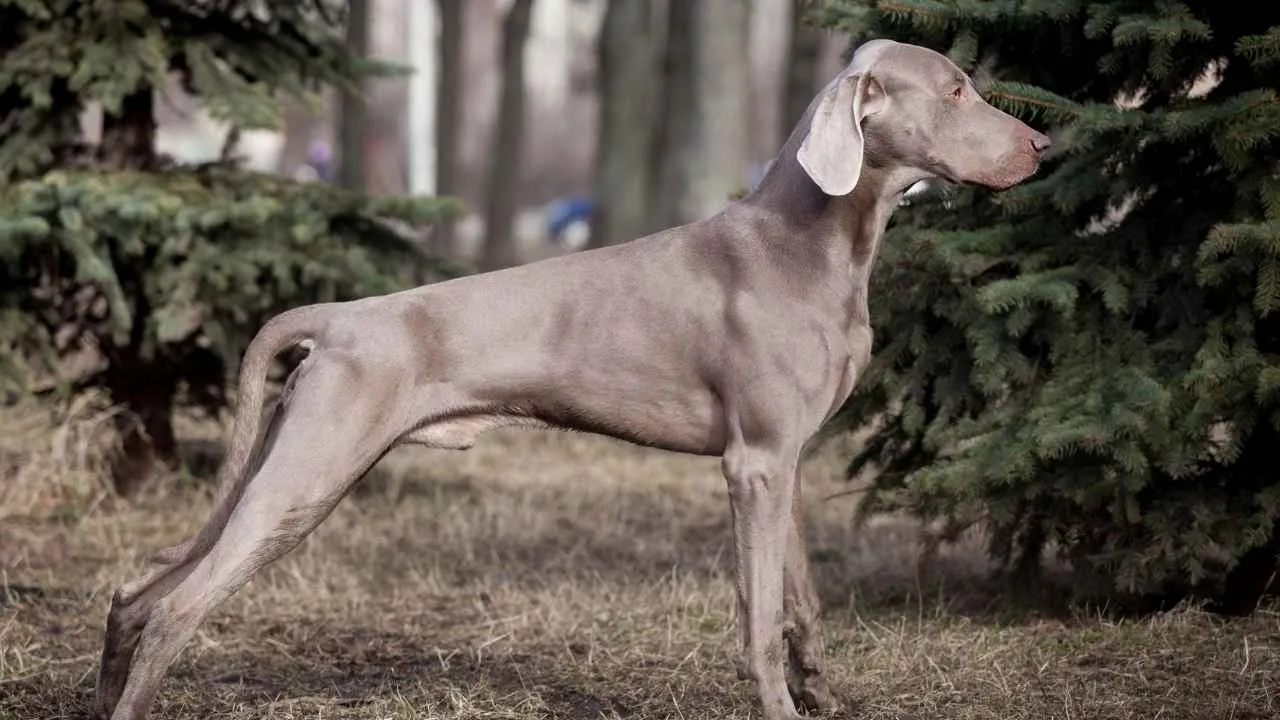
The Weimaraner started out tracking big game through German forests, trailing boar and bear over long distances. Modern Weimaraners point and retrieve birds instead, but the same tracking instinct never left.
According to Britannica, the breed was first used to hunt big game before being trained as a bird dog and retriever. That shift in hunting style shaped the versatile Weimaraner hunters know today.
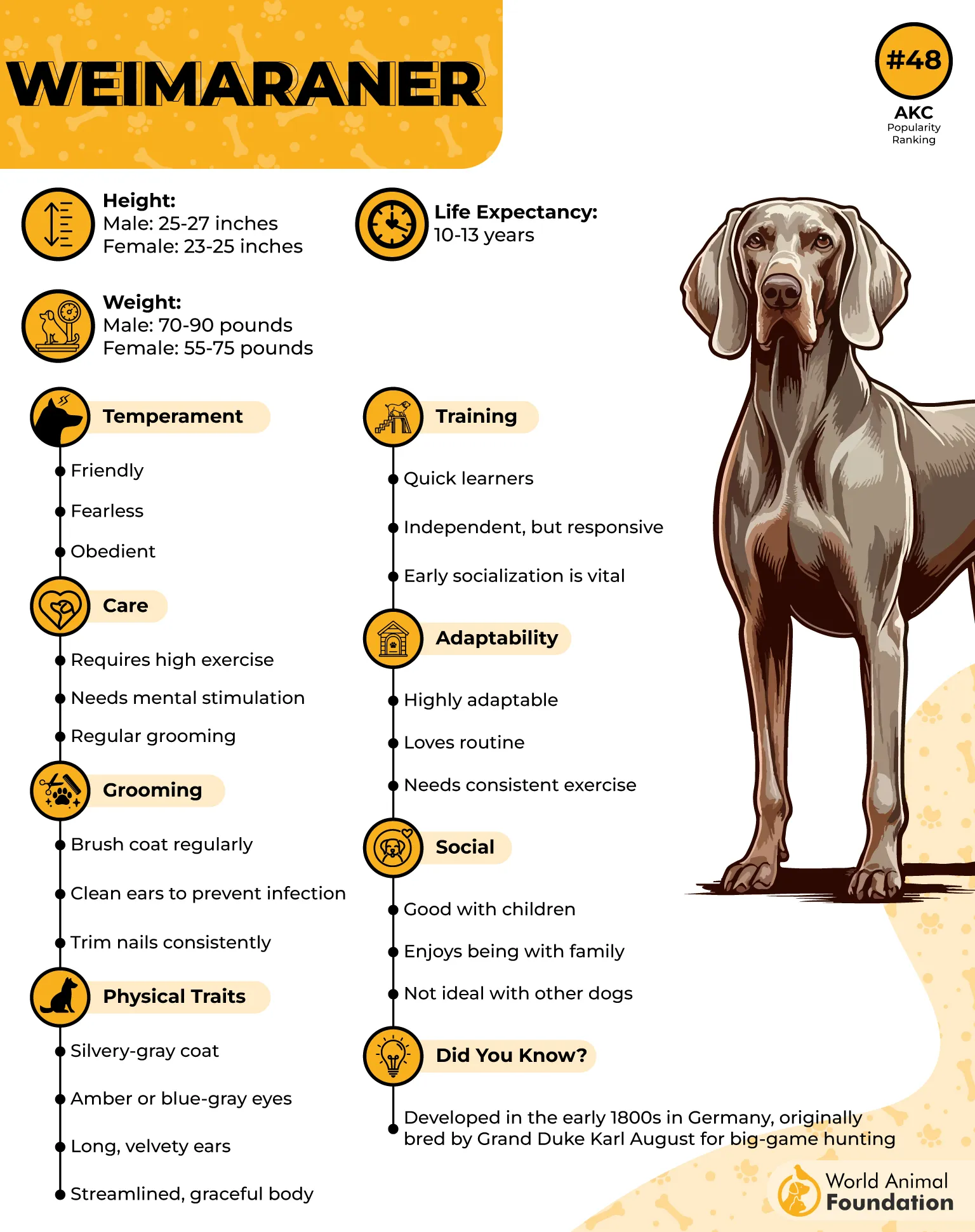
Distinguishing Trait: Its sleek silver-gray coat earned it the nickname Gray Ghost among hunters.
Behavior: Confident and a bit strong-willed, it bonds closely with one main handler.
Training: Firm, engaging training keeps this smart, high-energy dog challenged and obedient.
The short coat only needs occasional brushing to look its best. As an interesting fact, Weimaraner puppies are born with faint stripes that fade away within days of birth.
5. Bluetick Coonhound
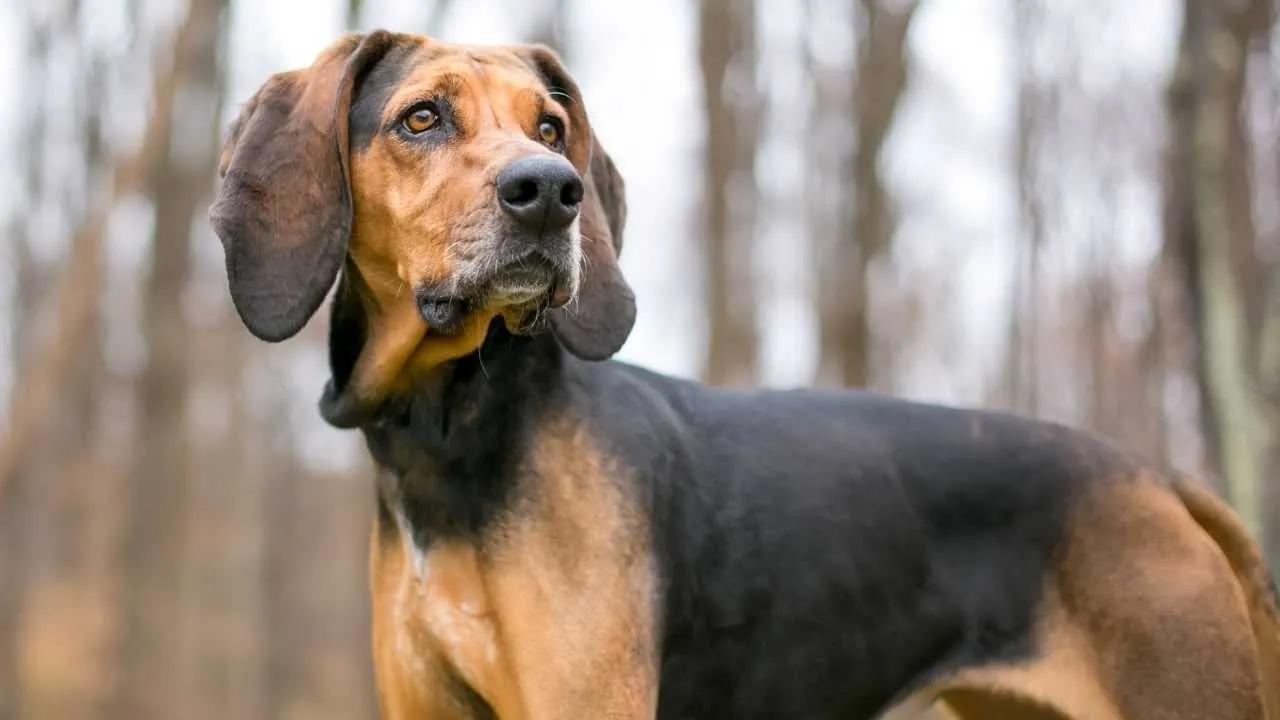
The Bluetick Coonhound is built for scent tracking across long distances and rough terrain. This hunting dog trails raccoons and other game with a cold nose, following scent trails that are hours or even days old.
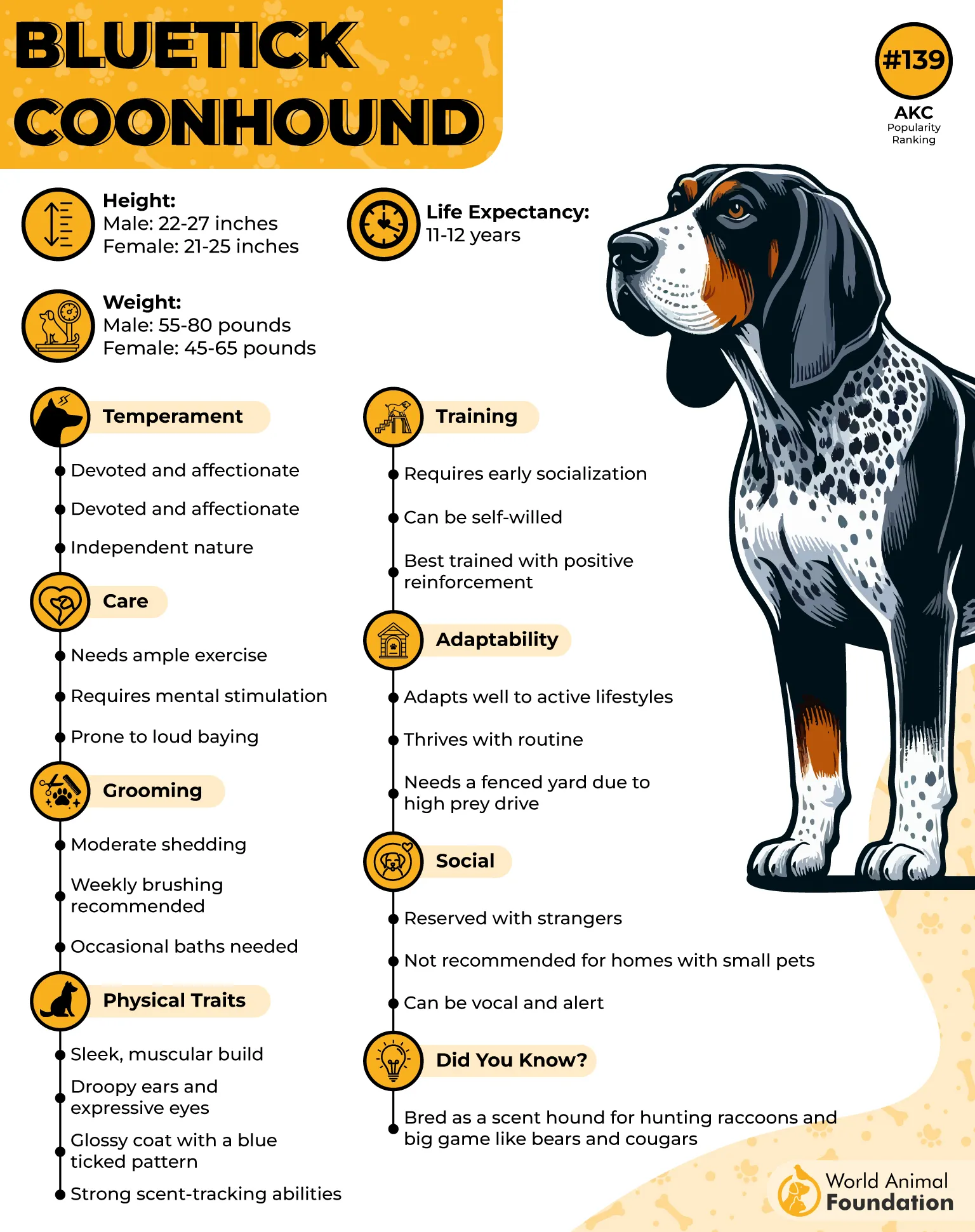
This American hunting dog breed developed in the South from French and English hound bloodlines bred for stamina and a strong sense of smell. Hunters prized its deep, loud voice for signaling once game was treed.
Distinguishing Trait: Its bawling, bugle-like bark carries far enough to guide hunters through dense woods.
Behavior: Independent and a touch stubborn, it thinks for itself once on a scent trail.
Training: Consistent recall training matters most, since this breed will chase a scent for miles.
Its short coat needs only minimal grooming to stay clean. As an interesting fact, this breed has served as the University of Tennessee’s mascot since the 1950s.
6. English Springer Spaniel
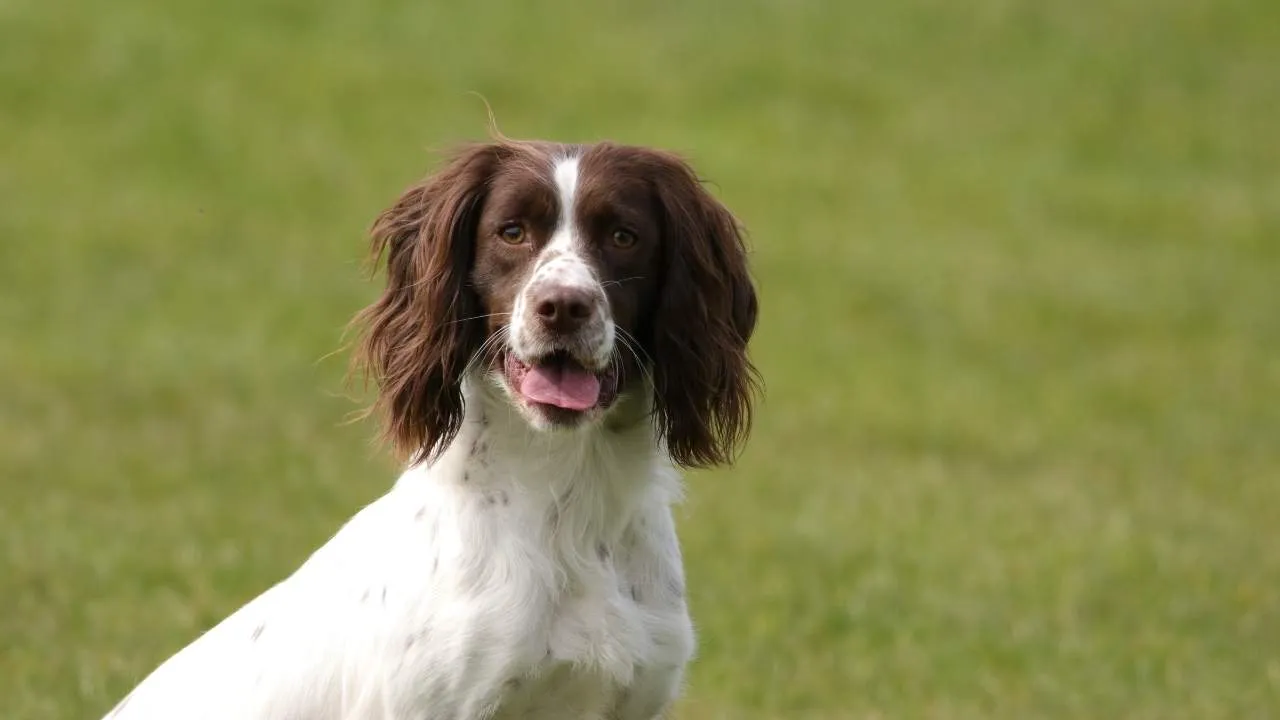
The English Springer Spaniel is a flushing specialist built for close-range work. This hunting companion quarters through cover, pushing birds into the air within gun range for upland bird hunting.
Springer and Cocker Spaniels once came from the same litters, split by size alone, with the larger pups becoming Springers for their skill of flushing game. The two became separate breeds in the early 1900s.
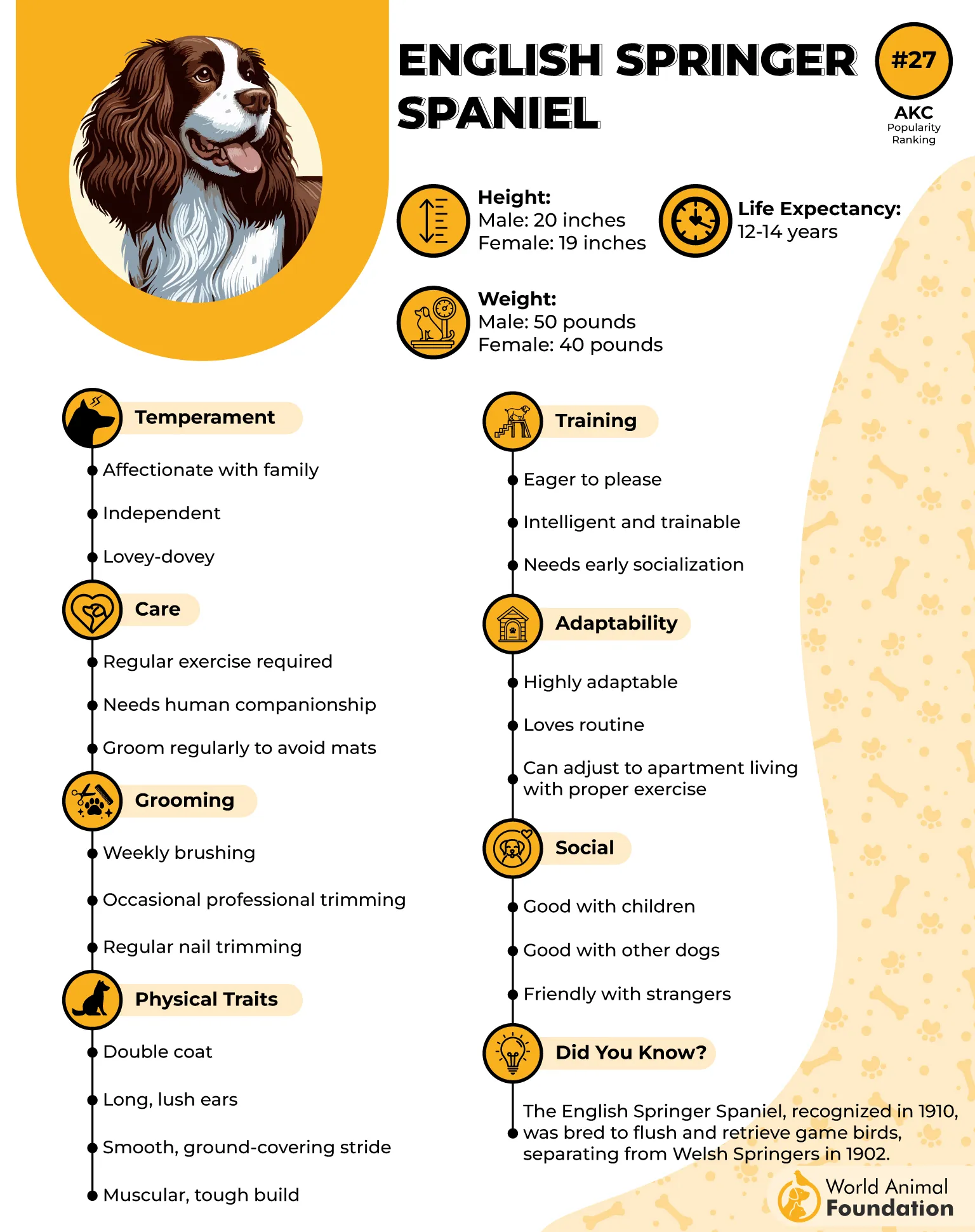
Distinguishing Trait: Its soft mouth returns birds undamaged, a prized trait among retrievers and flushers alike.
Behavior: Playful and eager to please, it treats every outing like a game.
Training: Daily exercise and steady training keep this energetic dog well-mannered at home.
Its double coat sheds twice a year and needs regular brushing to manage. As an interesting fact, this breed now competes in retriever hunt tests alongside its flushing work.
7. Boykin Spaniel
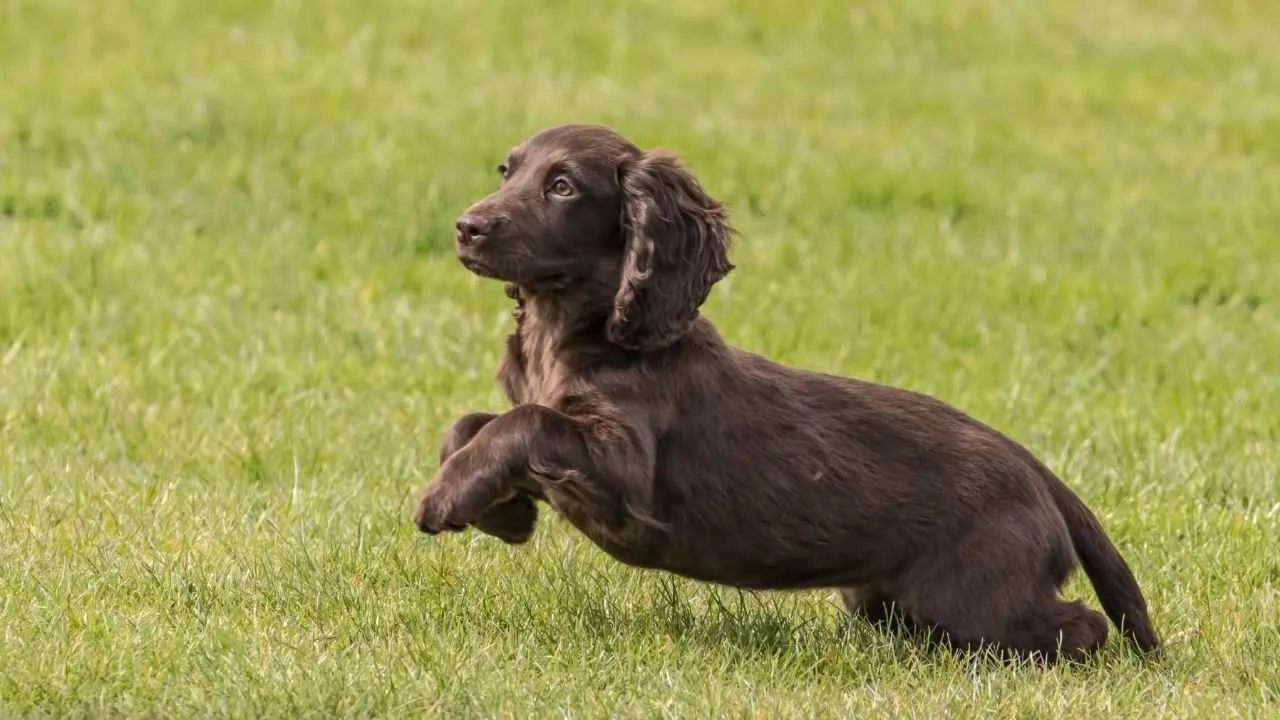
The Boykin Spaniel was built to fit in a small rowboat without tipping it. This compact hunting companion flushes and retrieves wild turkey and waterfowl from tight swamp terrain.
According to Hill’s Pet, hunters on South Carolina’s Wateree River used small boats already loaded with men, guns, and provisions, so a typical large retriever was too big to fit. That need shaped this hunting dog breed from the ground up.
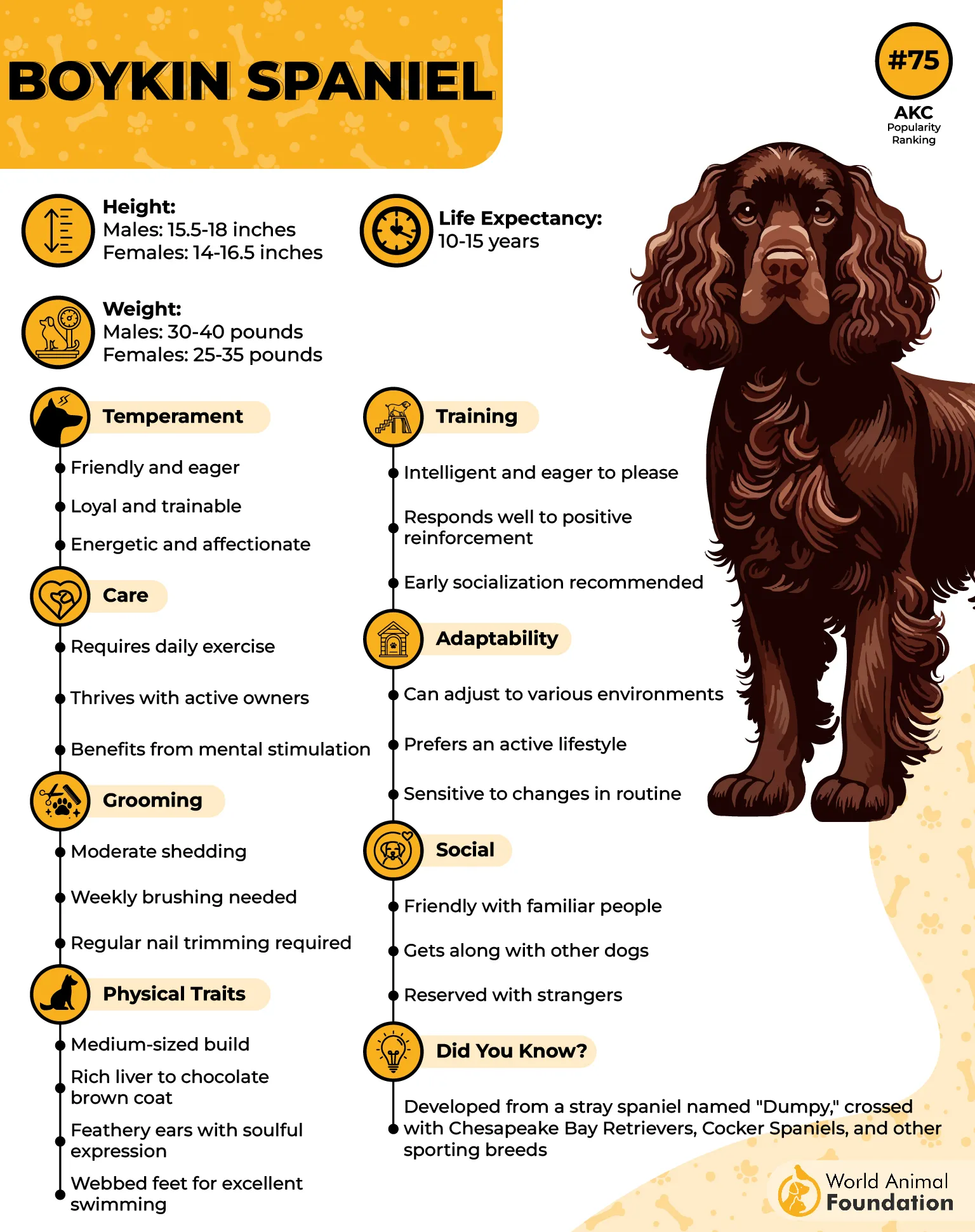
Distinguishing Trait: Its rich chocolate brown coat helped it blend into the swamp while hunting.
Behavior: Friendly and outgoing nature makes it a hit with family members of all ages.
Training: Early obedience work channels its boundless energy into focused field skills.
Weekly brushing keeps its medium coat neat and tangle-free. As an interesting fact, South Carolina named this hunting dog its official state dog back in 1985.
Conclusion
Seven breeds, seven ways of finding game, and not one wrong answer from any one of them. From the German Shorthaired Pointer’s all-around versatility to the Boykin Spaniel’s boat-sized bravery, these hunting dog breeds prove that instinct comes in many shapes, sizes, and personalities.
Choosing the right hunting dog really comes down to your terrain, your quarry, and how much energy you’re ready to match. Ready to find your new hunting companion? Talk to a reputable breeder or rescue and start the search for the perfect dog for your next hunt.
