




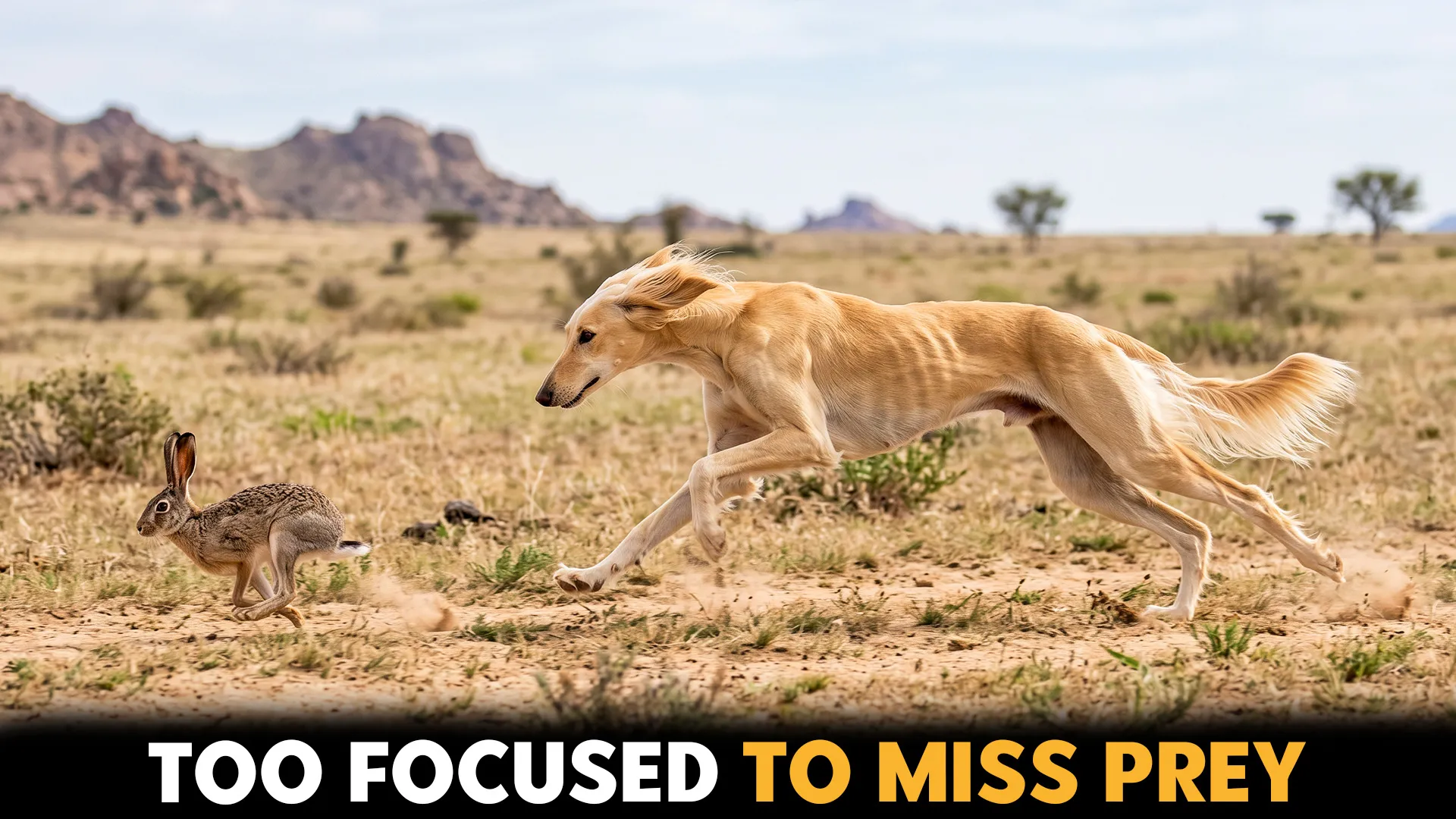
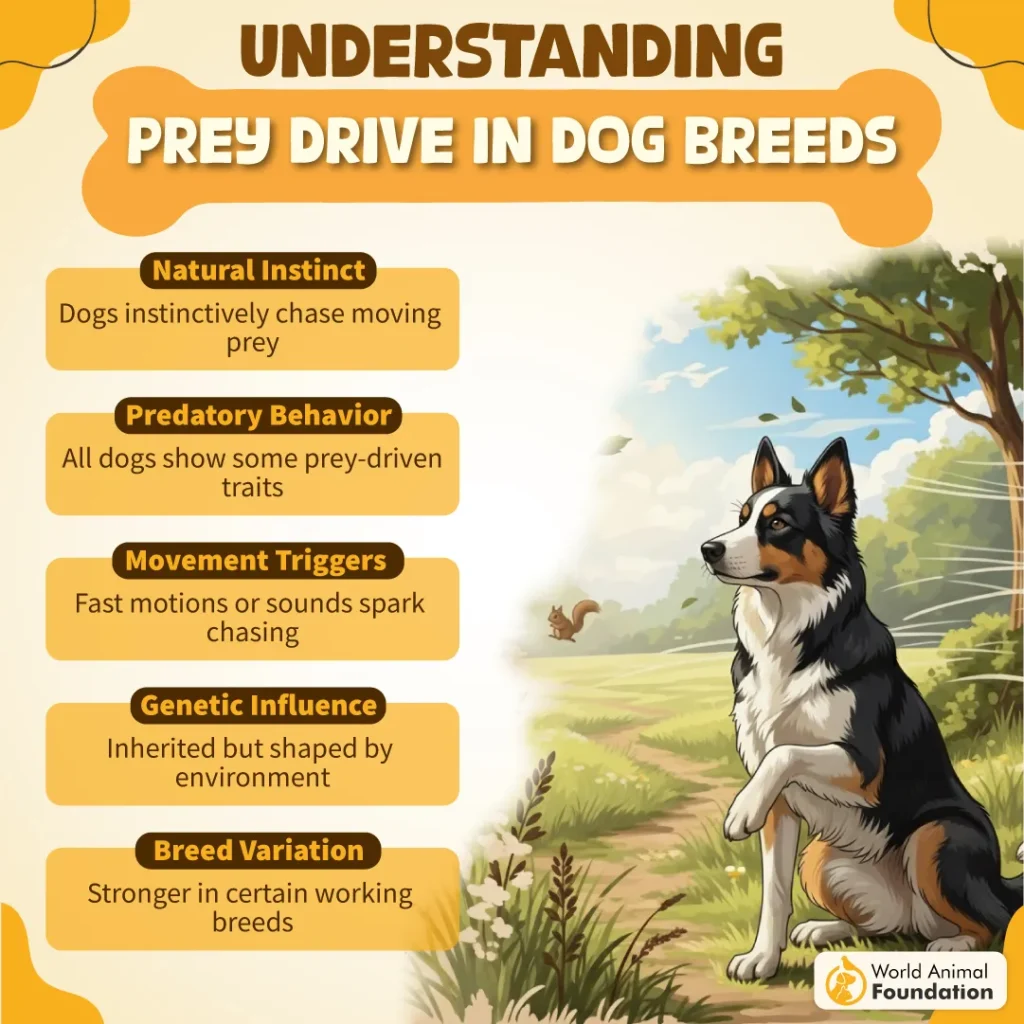
Prey drive is one of the most instinctive drives many dogs have, much like intense herding instincts. It’s the urge to observe, follow, track, stalk, or catch. It can show up as anything from freezing in place when a rabbit rustles through the grass to bolting straight after a squirrel across the yard.
Not all high-prey-drive dogs hunt the same way. Sense of smell and sheer determination play a big part in these confident dogs, and knowing the difference between breeds matters when you’re weighing how much prey drive you can live with.
Size and power aren’t good indicators of a strong hunting instinct, either. The best hunting breeds have the physical traits, breed tendencies, and predatory instincts they need to do their work.
Let’s check out seven dogs with some of the highest prey drives. They’re not only great in the field but can make great companions too.
Amazing Dog Breeds with a Powerful Prey Drive
1. Weimaraner
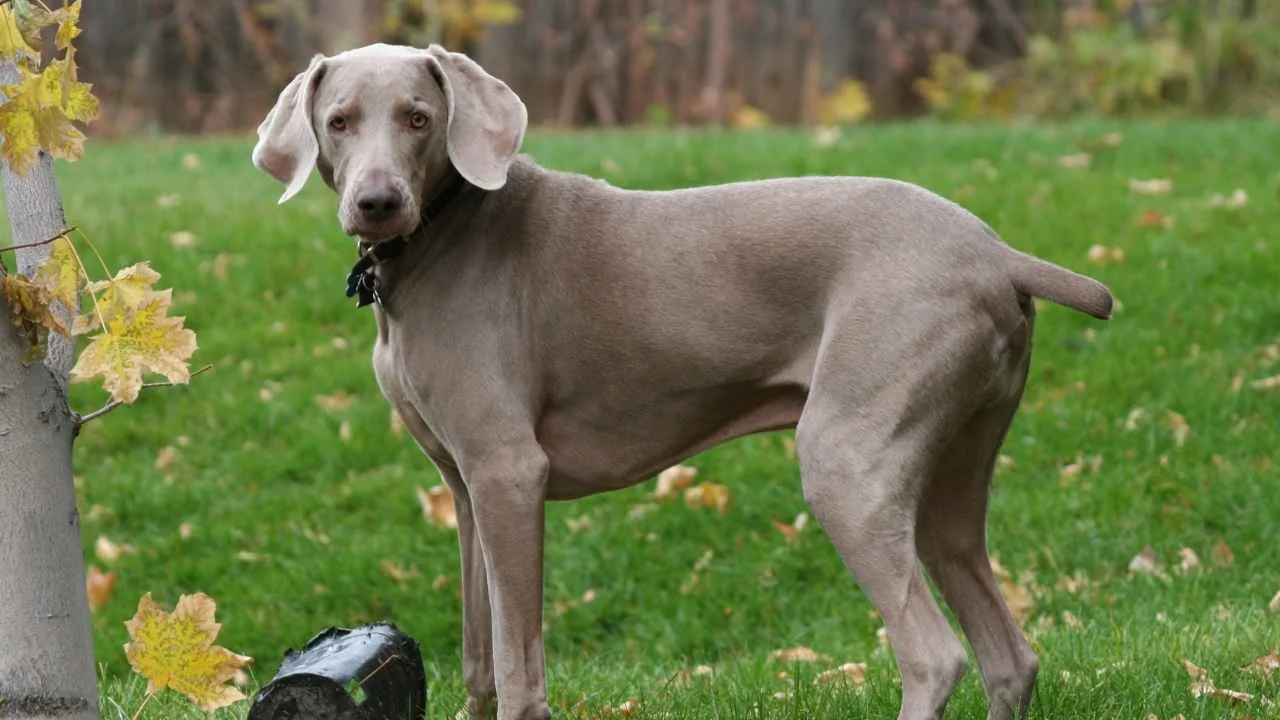
The Weimaraner combines several parts of the predatory sequence in one dog. It was originally an all-purpose hunting dog used for large game before it became a pointing and retrieving breed.
That history explains its athleticism and focus. A Weimaraner is fast, can work the field for long stretches, and will bring game back to its handler. Its prey drive is strong and tied closely to both movement and scent.
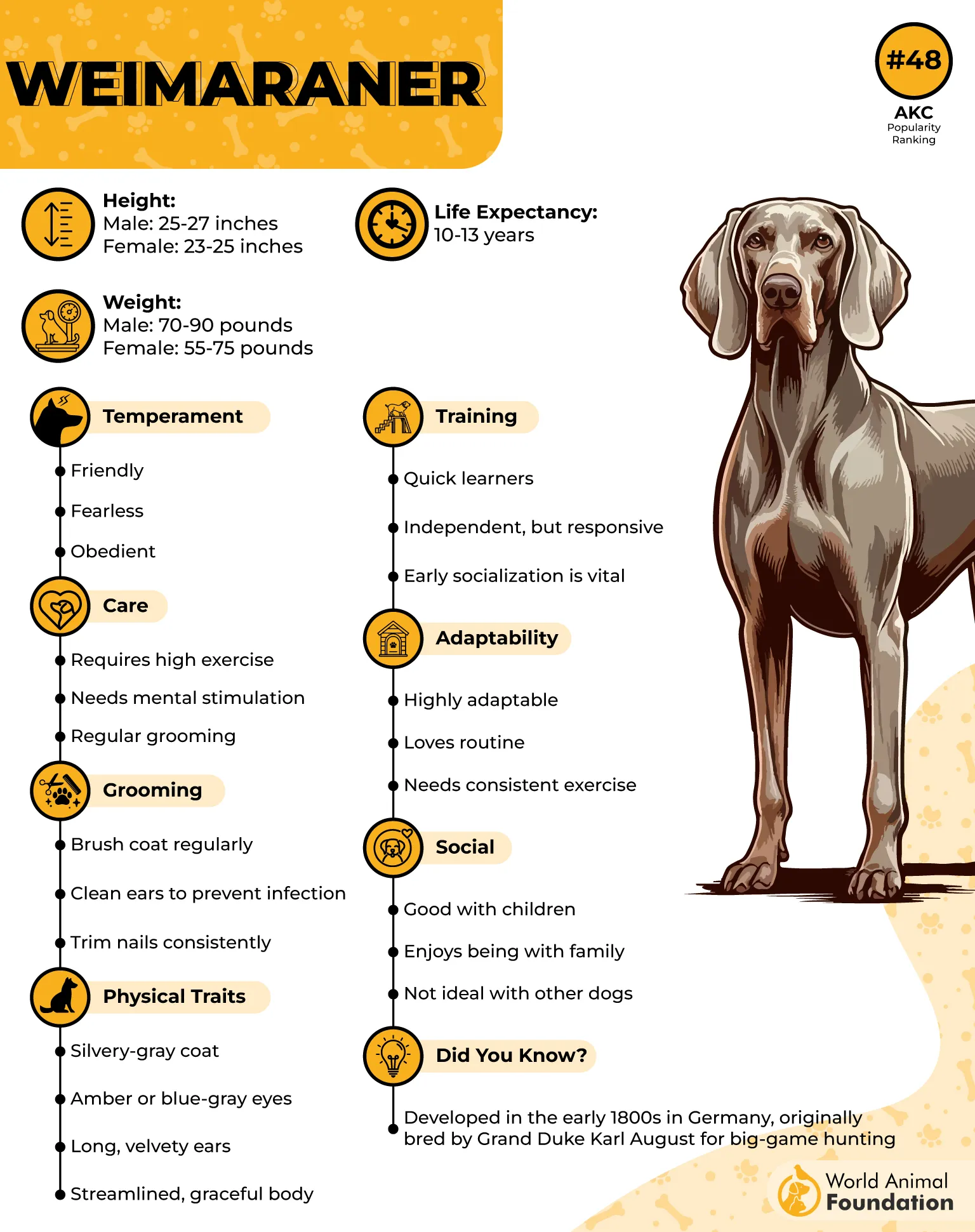
The same visual attention that keeps it sharp in the field can also send it racing around the yard.
According to PetMD, a Weimaraner that is properly trained and socialized from a young age can be a great family dog too. Physically, it’s a large sporting breed rather than a sighthound, with a muscular body, long legs, and the endurance to stay active for long periods.
2. Vizsla
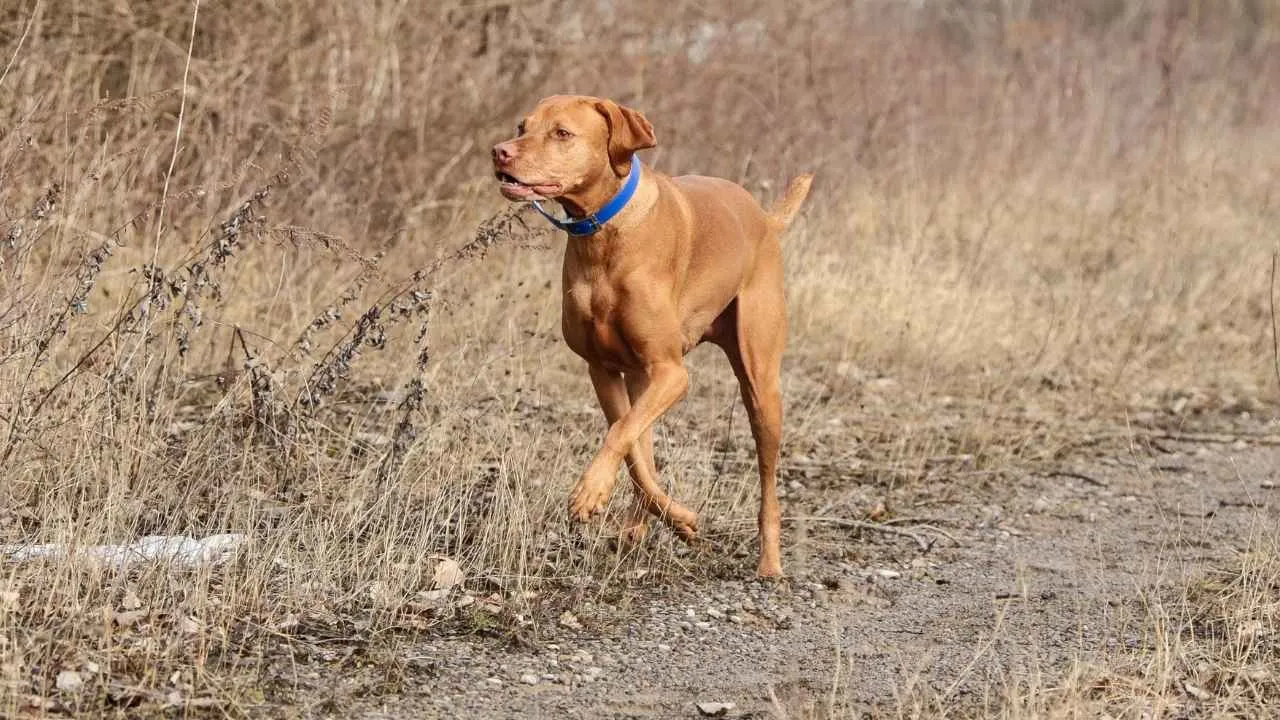
The Vizsla is a different kind of hunting dog from a scent hound or a sighthound. It is a pointing and retrieving breed, built for finding, pointing, and recovering game birds.
Developed in Hungary, the Vizsla was prized for its skill at pointing and retrieving while hunting upland game, rabbits, and waterfowl.
Its prey drive shows up when smaller animals suddenly move in its direction. A flying bird, a crossing rabbit, or a whizzing object can easily grab its attention.
The breed has a lean, muscular body made for long stretches of activity. Dense forests are no problem for a dog with such strong instincts, and it moves lightly on its feet yet works very effectively in open fields.
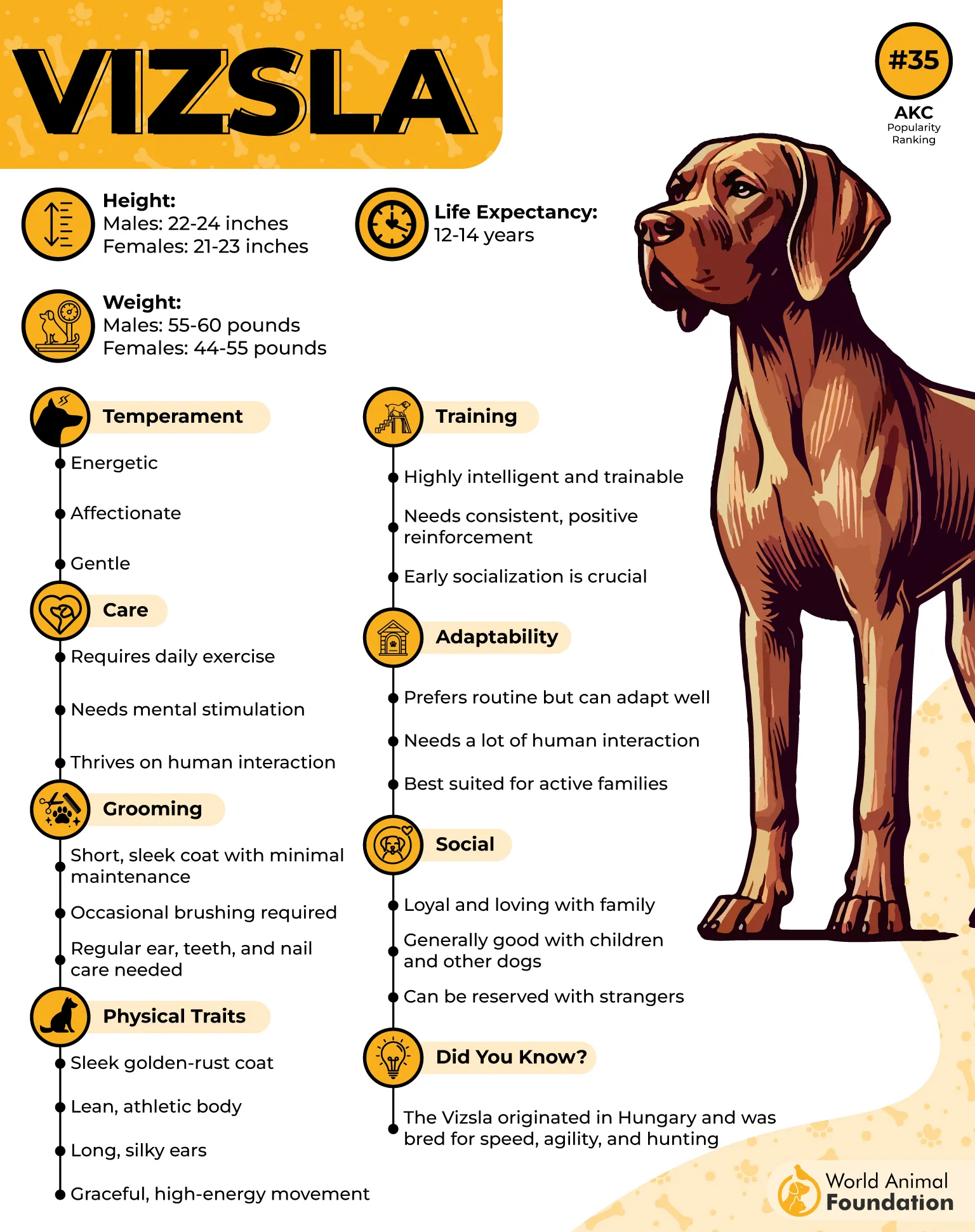
One of its most important traits is its close working partnership with a handler. Not every dog with a strong prey drive is out of control. With consistent socialization and obedience training, a Vizsla can learn to ignore distractions while keeping its natural skills sharp.
3. American Foxhound
The American Foxhound is a testament to the power of prey drive, built around scent, endurance, and pack instinct.
This breed was developed to hunt foxes, and according to The American Kennel Club, it has the body to follow a trail over long distances. Its long legs let it move efficiently, and its endurance means it keeps going long after other dogs would have slowed down.
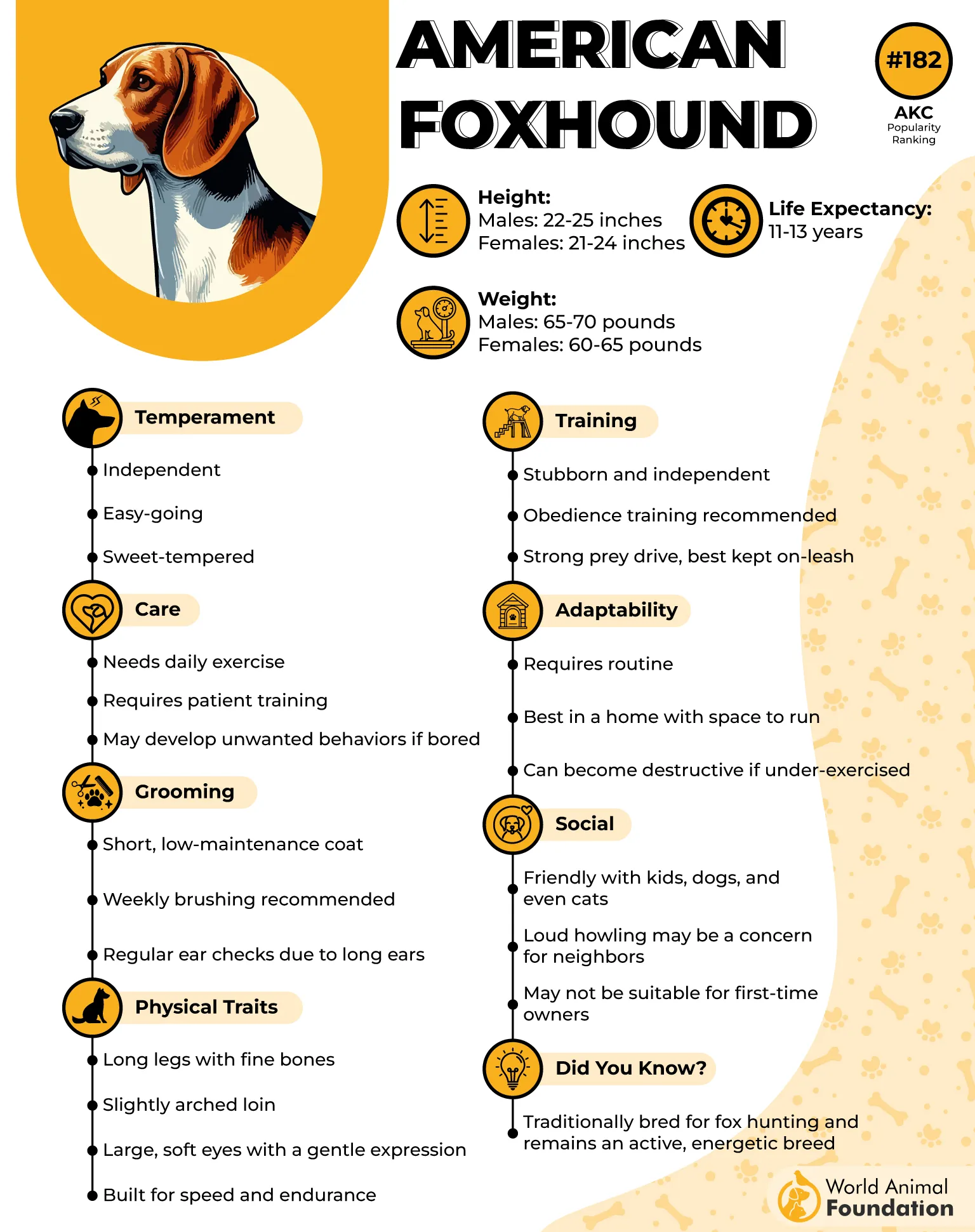
That’s why secure fences and good leash control are crucial for owners. This highly active dog can be hard to control whenever it spots another animal, and a scent trail alone may be enough to set it off.
The American Foxhound is also a well-known baying breed. Its loud voice was a big help to hunters in the field, and it can be quite a handful at home. As for strength, it relies on speed and stamina rather than a massive jaw.
4. Beagle
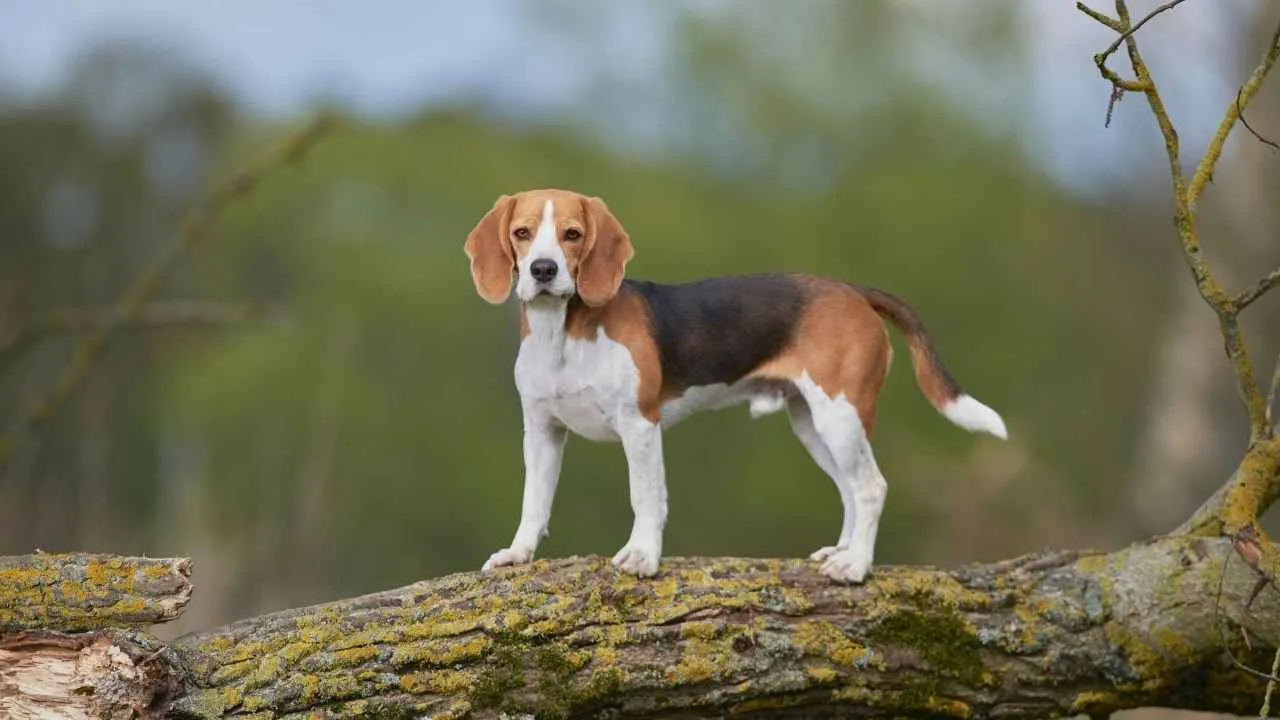
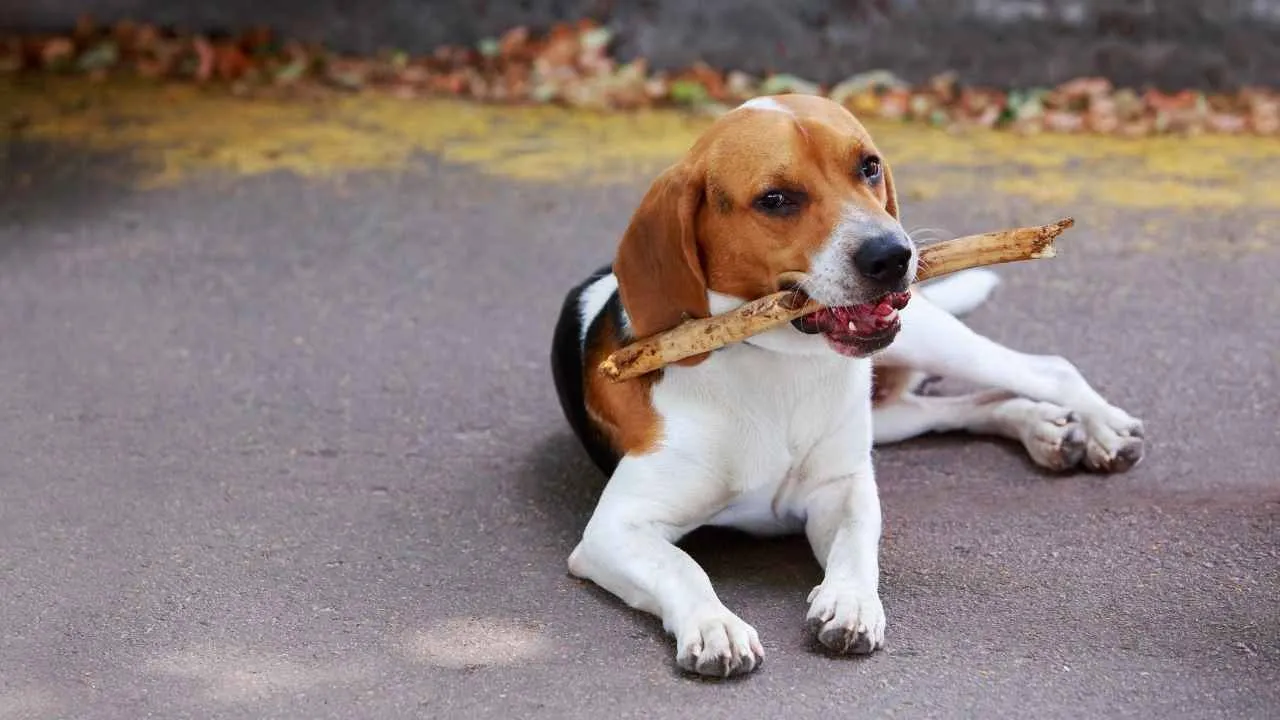
The Beagle shows how a small dog can have a tremendous prey drive. It was bred to hunt rabbits and hares, and it has an outstanding sense of smell that lets it track a scent with ease.
This high-energy dog was built to work at a steady pace rather than run prey down at top speed. Persistence is one of its main assets in the hunt. The Beagle is easily drawn to an interesting smell and will keep following it long after the trail has gone cold.
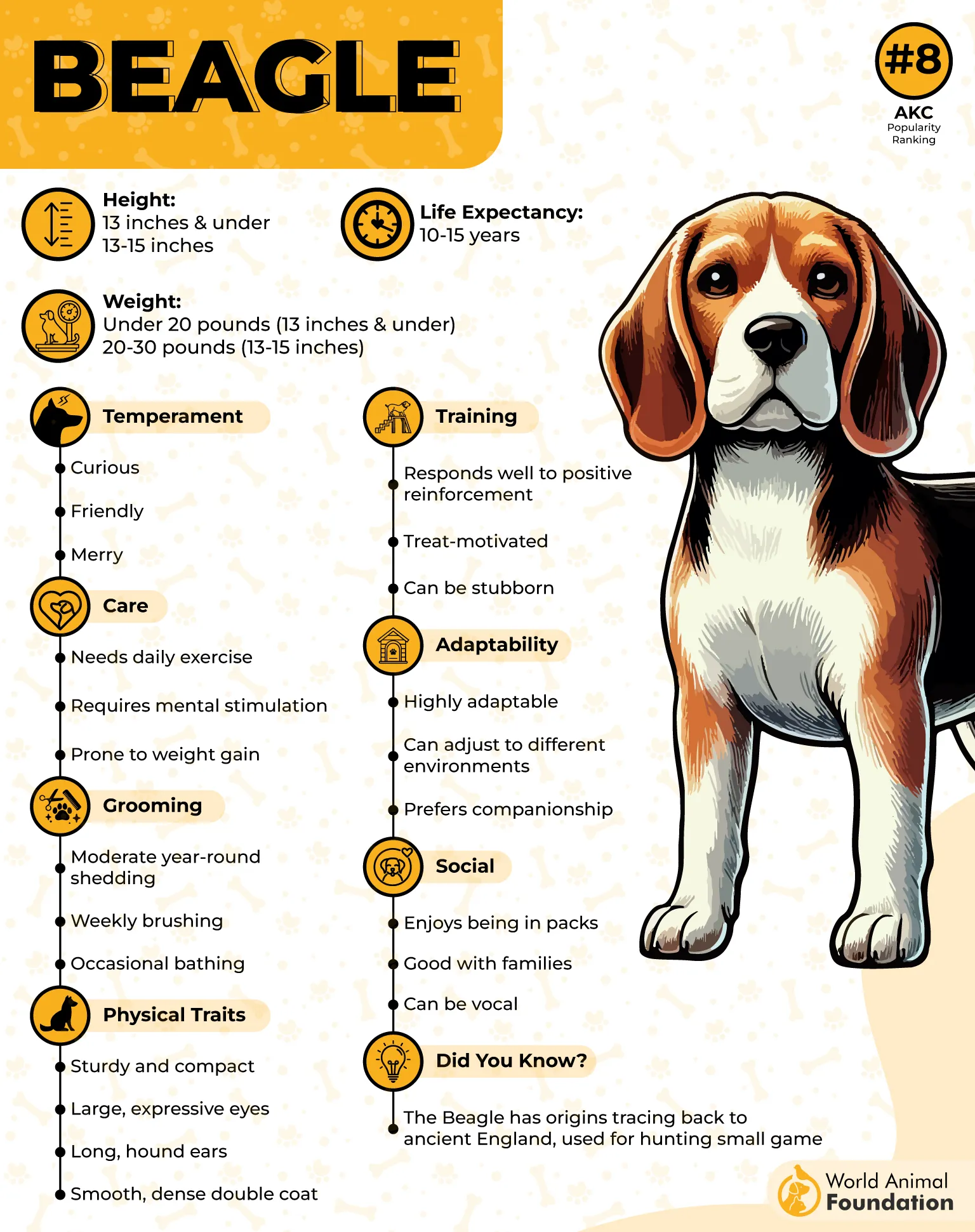
Its long ears are often said to help sweep scent particles toward the nose as the dog moves along the ground.
A Beagle’s natural instincts are easy to underestimate because of its small size. It doesn’t need to be powerful, since it makes up for it with scenting ability, stamina, curiosity, and persistence.
5. Rhodesian Ridgeback
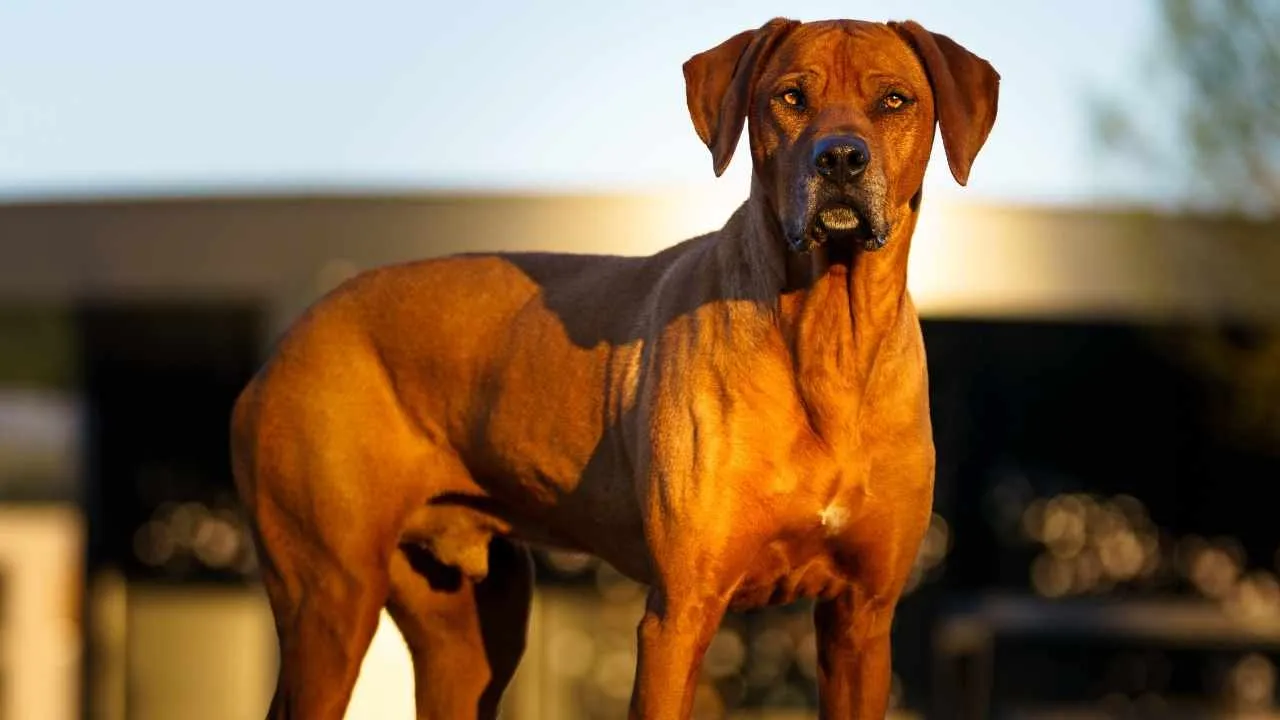
The Rhodesian Ridgeback adds a lot of physical power to its prey drive. Originally bred in southern Africa, it was used to help hold off dangerous game, including lions.
To face down formidable prey without getting hurt, these dogs had to be agile, brave, and have good judgment. They aren’t easy to manage, and they do best with experienced handlers.
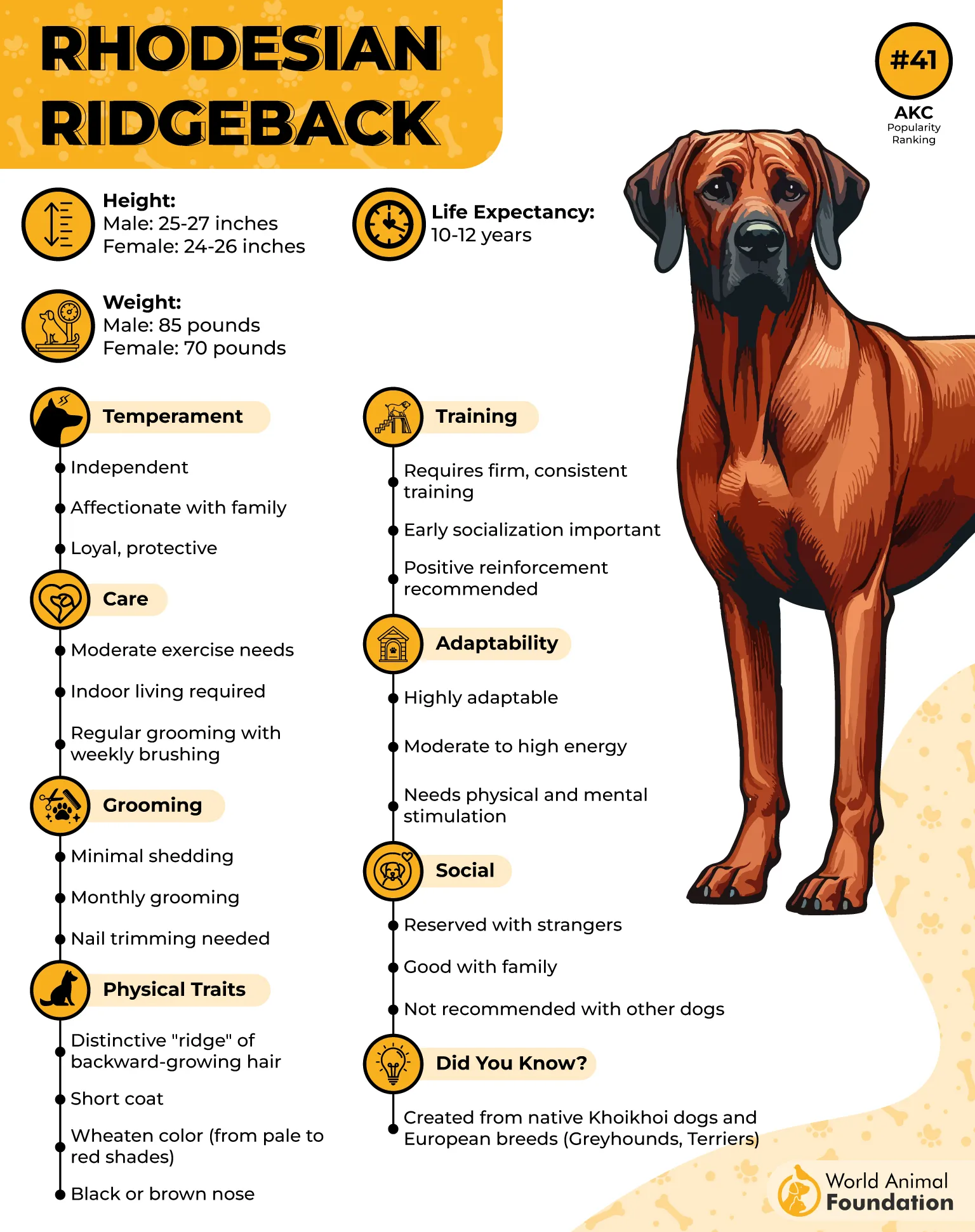
Ridgebacks like to be where the action is, which is why outdoor activity matters so much for them. Their chase instinct can be strong enough to put small animals and household pets at risk, so early training is a must.
They’re strong, athletic dogs that need plenty of regular exercise to stay balanced and well-behaved. They may also knock over small children by accident, so they shouldn’t be left off leash for long stretches.
6. Pharaoh Hound
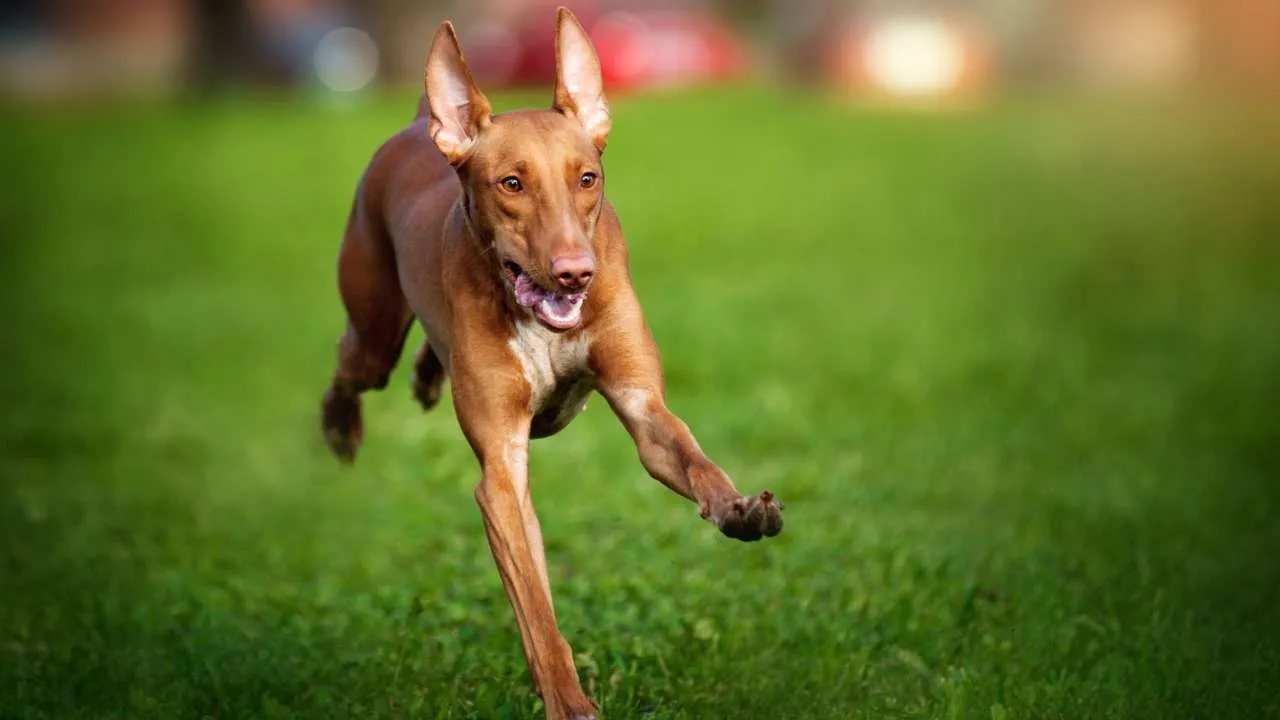
The Pharaoh Hound has an entirely different type of prey drive. According to Purina, it isn’t a scent-driven hunter but was bred mainly as a sighthound. The breed is often linked to Malta, and it’s quite different from Greyhounds and Bloodhounds.
These hunting dogs were used to pursue and corner rabbits among stone walls and other obstacles. That was no simple sprint. They had to be agile, fast, and able to change direction quickly.
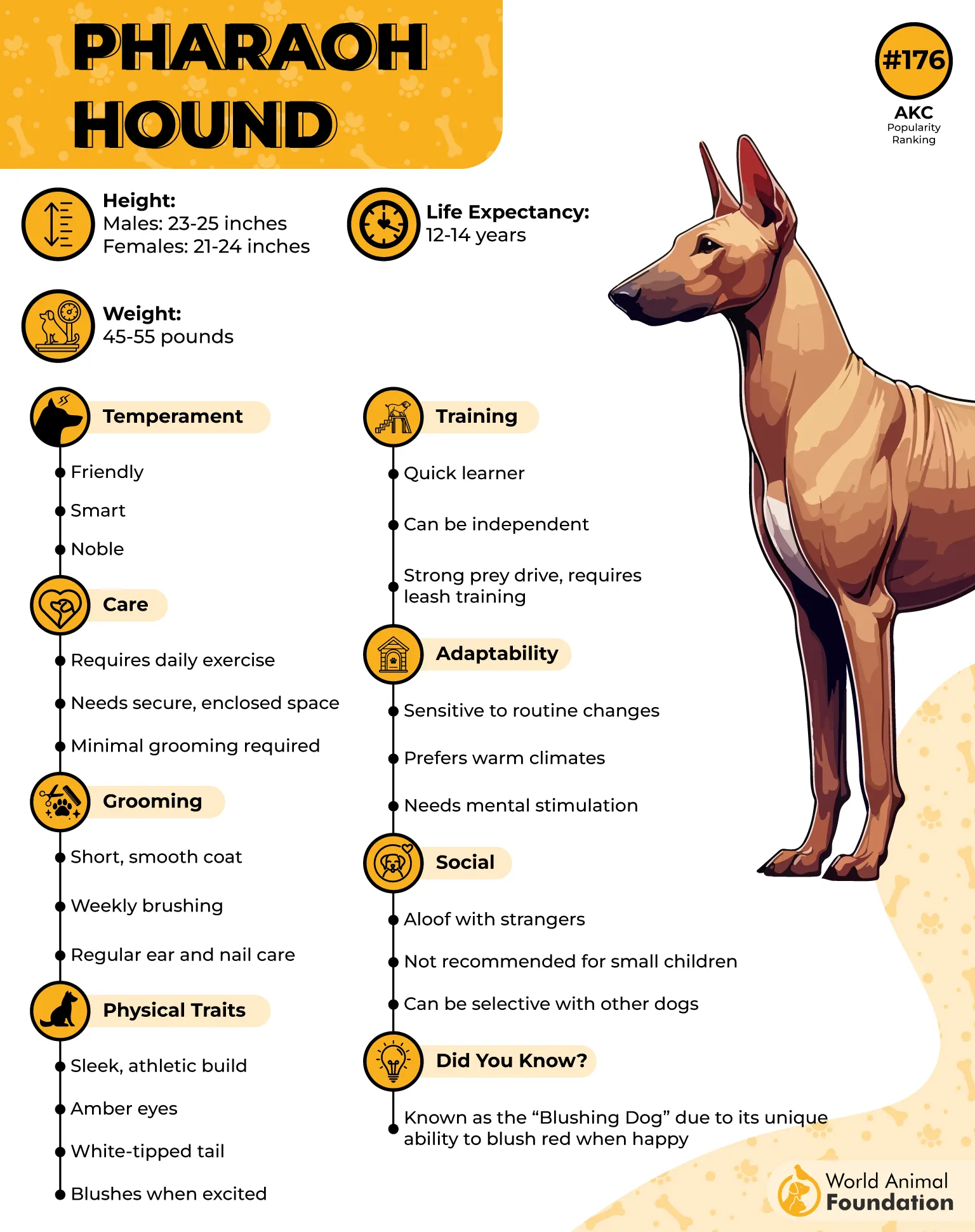
Modern Pharaoh Hounds can still react strongly to small, fast-moving animals. Their athletic body suits this style of hunting: lean and lightly muscled rather than heavy.
Pharaoh Hounds also do well in a variety of canine sports, including agility competitions.
7. Saluki
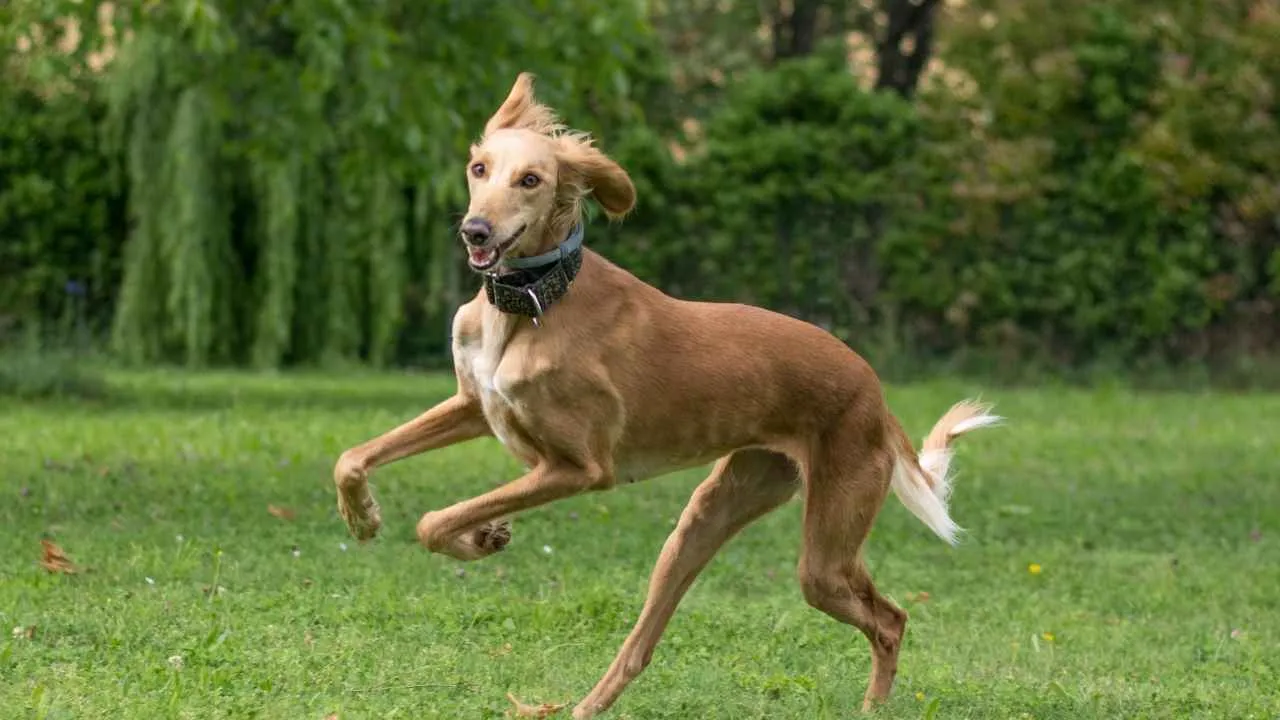
The Saluki, sometimes known as the Persian Greyhound, is one of the clearest examples of prey drive shaped by speed and sight. This dog doesn’t need a lot of indoor space, but it does need a big, secure yard where it can stretch its legs and run freely.
Salukis are famously known as the royal dogs of Egypt, and according to Hill’s Pet, mummified Salukis have been found in ancient Egyptian ruins. Middle Eastern hunters have relied on them for thousands of years to chase down fast-moving game.
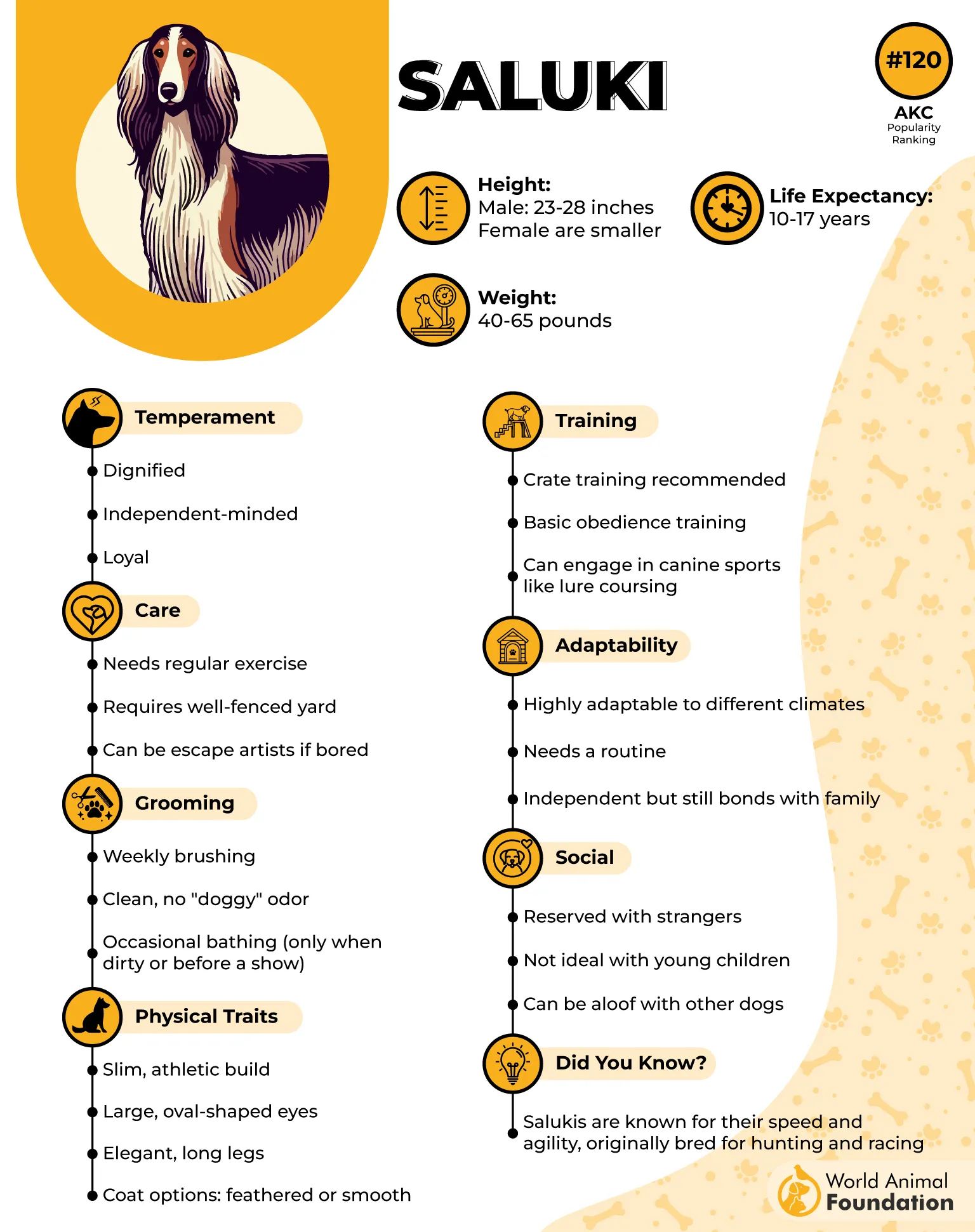
The Saluki is lightweight and flexible, with strong hindquarters, a deep chest, and long limbs that let it run at incredible speeds. It isn’t a guard dog, but with an owner who understands it and trains it well, it can be one of the most efficient dogs in the field.
Salukis can also be quite independent and may not always listen to their owners, which is why recall training should start early.
Conclusion
You’ll find plenty of dogs that stand out at hunting and chasing, but raising them at home can be a challenge. Before adopting a dog with a strong prey drive, it’s worth going back to a trusted breed overview.
A lot depends on what you want in a dog: a herding breed, a strong, muscular dog that can pull heavy sleds, or one with a powerful urge to run after prey.
Meeting the needs of these dogs is best left to someone with experience handling working breeds. If you’re a hunting enthusiast, you’re more than welcome to consider any of the breeds in our guide.
