




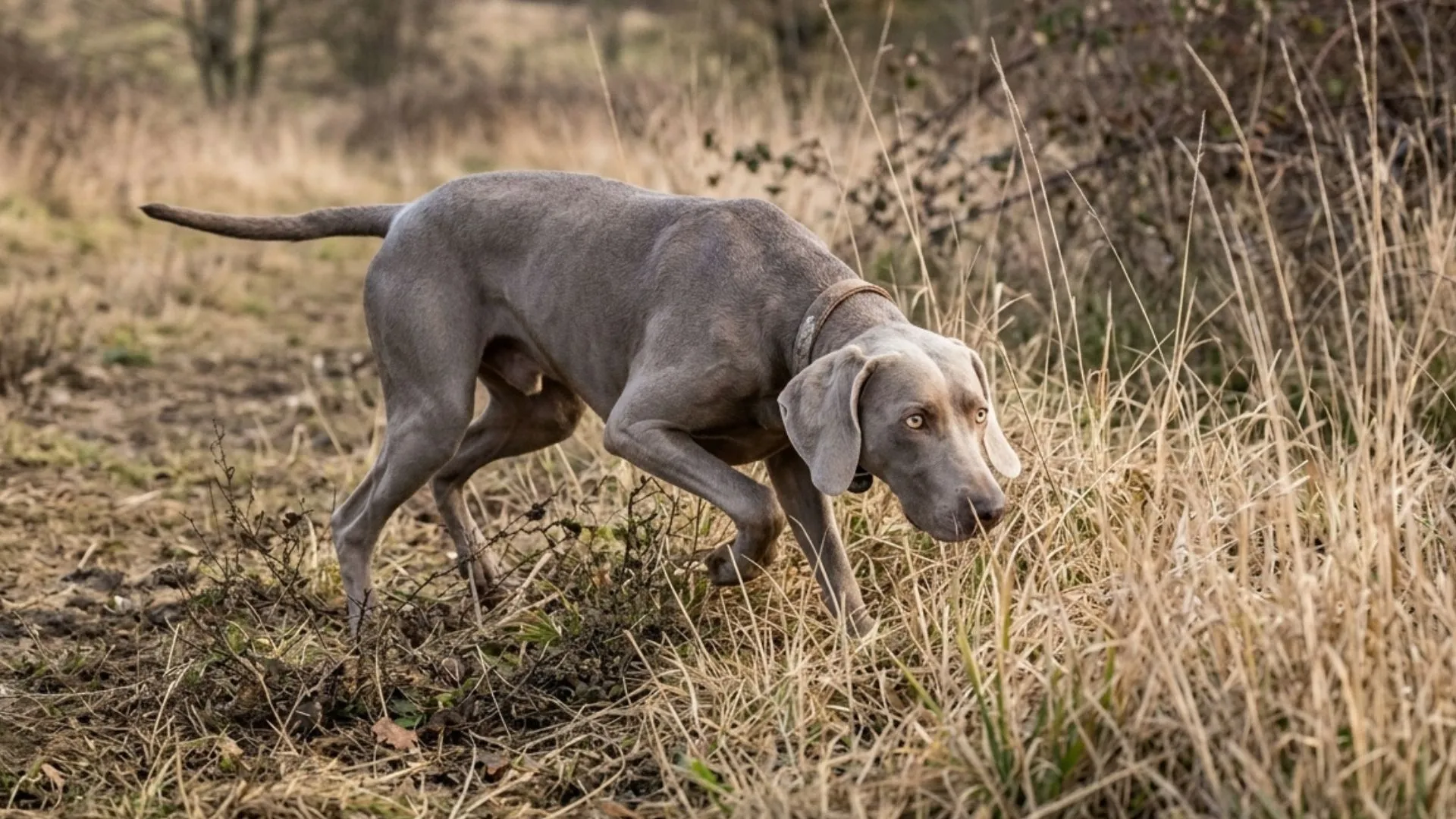
Imagine a calm morning stroll: the neighborhood is quiet, your coffee is warm, and your dog is walking nicely beside you. Everything feels peaceful—until a rabbit bursts from the bushes and races across the path. In seconds, your relaxed walk becomes a tug-of-war, and you’re being pulled forward as if your dog has been given an urgent mission. You may wonder, “Where did that come from?”
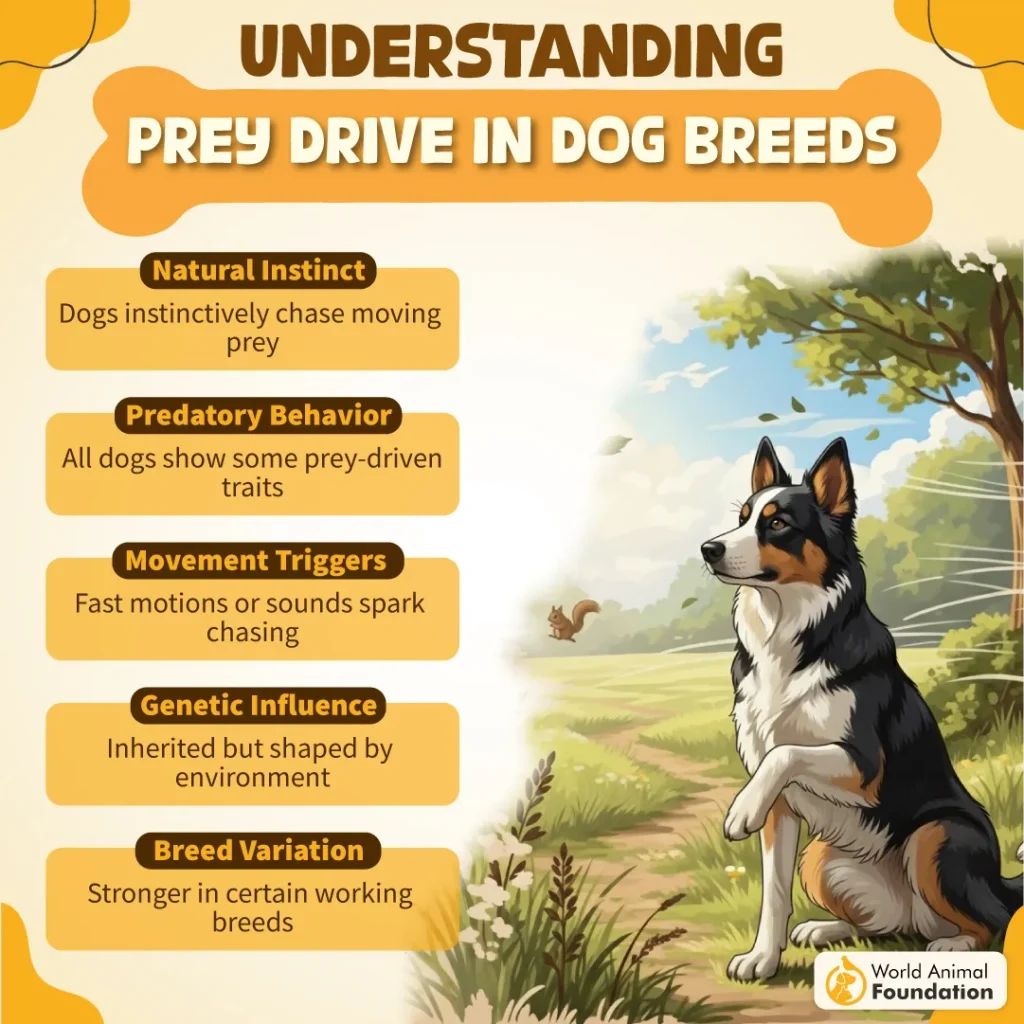
What you’re seeing isn’t stubbornness. For many breeds, a strong prey drive is part of their nature—an instinct that makes chasing small, fast-moving animals hard to resist. It developed over generations of hunting and working with people, and it helps explain why some dogs lock onto movement so intensely.
It also shows why they often need plenty of mental and physical exercise to stay happy and balanced. If you’ve ever found yourself jogging after your dog, the reason is more fascinating than it first seems.
Amazing Dog Breeds With a Natural Prey Drive
1. Border Collie
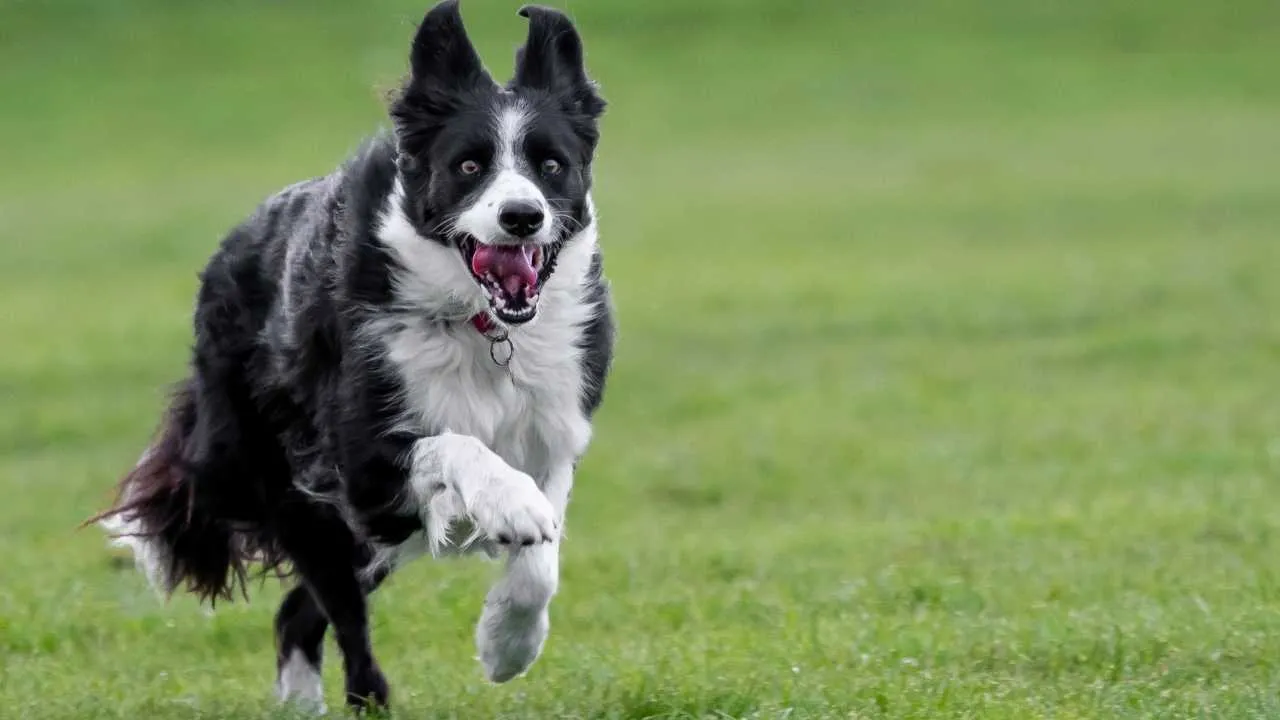
The Border Collie seems to have a built-in radar for anything that moves. A bird taking flight, a rabbit darting across a field, or even a rolling ball can instantly capture its attention.
Originally bred to herd livestock, this highly intelligent and energetic breed has a naturally high prey drive that keeps it alert and ready for action. While that instinct makes it an outstanding working dog, it also means owners need to understand how to channel its energy.
The Secret Behind Their Prey Drive
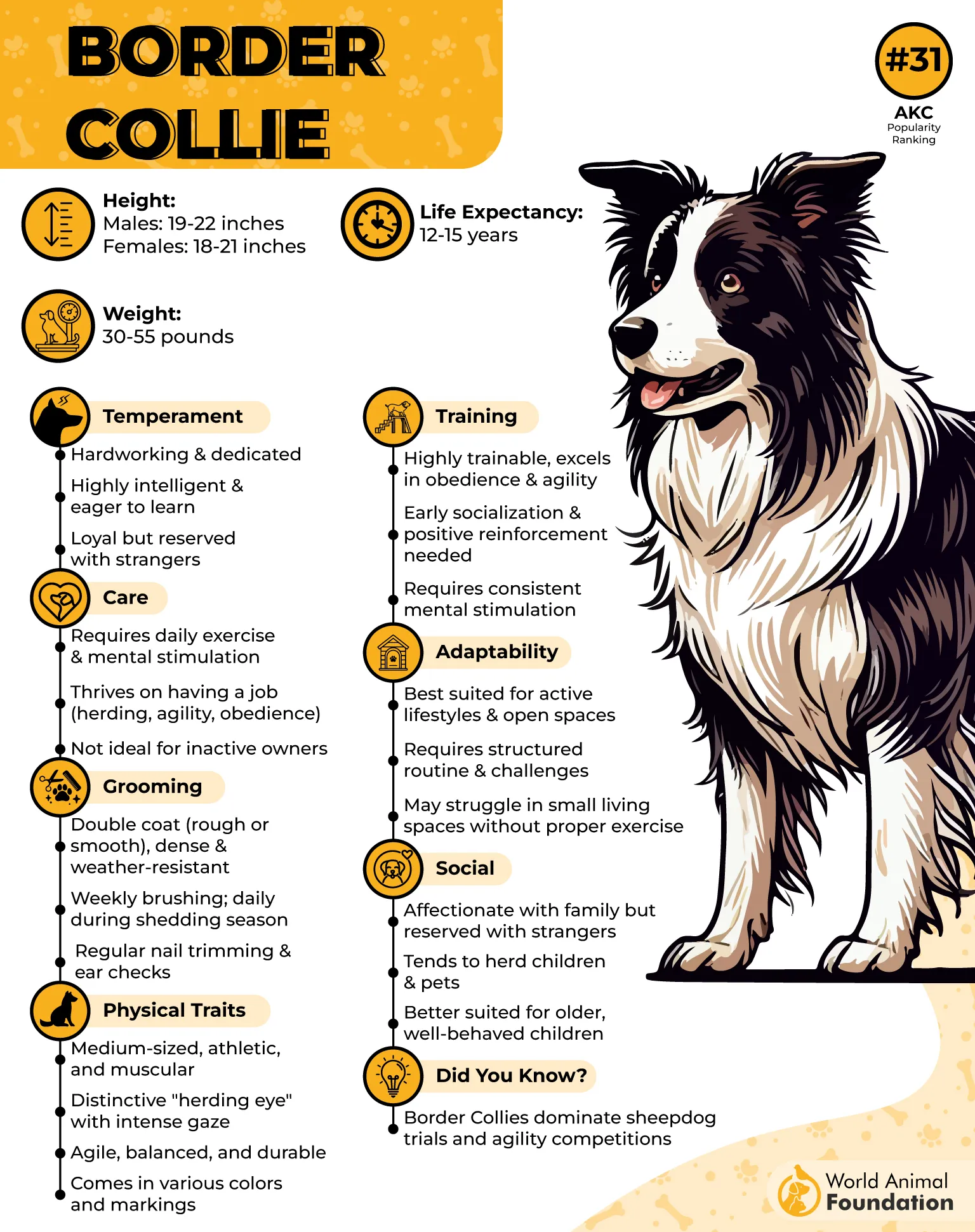
Border Collies were selectively bred to control sheep using their famous “herding eye” and lightning-fast reactions. Instead of catching prey, they instinctively stalk and chase movement, making squirrels, birds, and other small animals difficult to ignore.

What to Expect at Home
This intelligent dog is always looking for something to do. Without enough mental stimulation and physical activity, it may begin chasing other pets, herding children, or becoming fixated on moving objects. Despite their endless energy outdoors, they form strong bonds with their families and enjoy relaxing once their daily job is done.
Helping Them Thrive
As per the AKC, early socialization, consistent training, and activities like agility, herding games, or advanced obedience help satisfy their instincts in positive ways. An active owner who enjoys training and outdoor adventures will bring out the very best in this remarkable breed.
2. Jack Russell Terrier
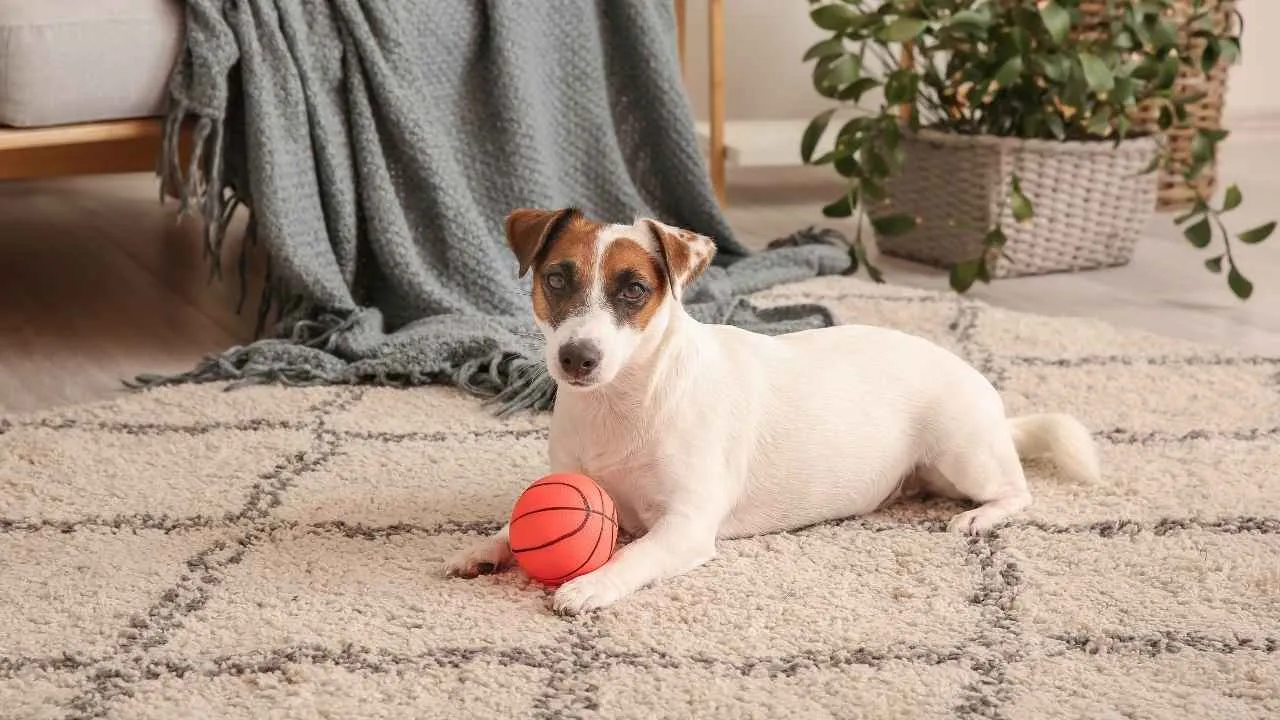
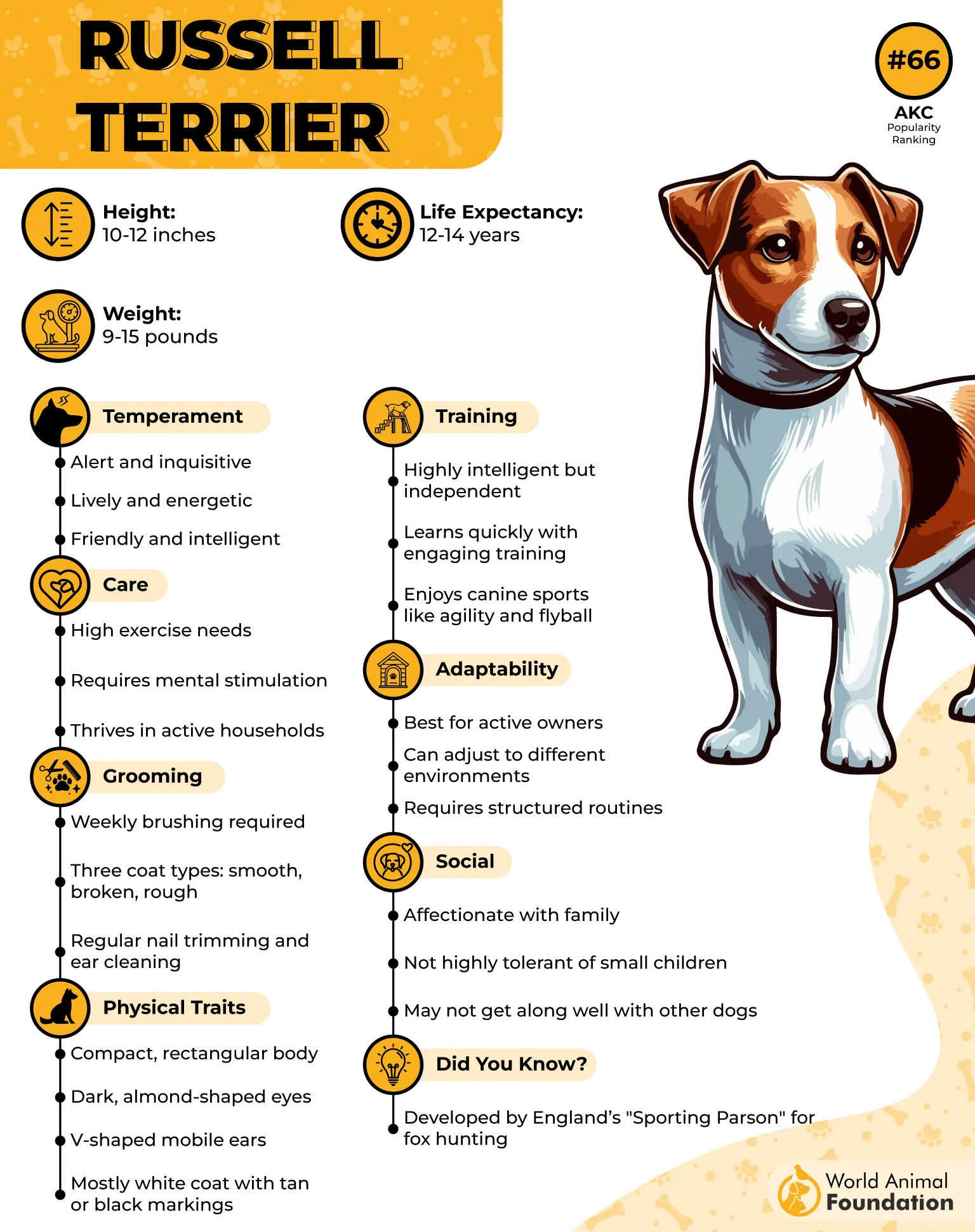
Don’t let the small size fool you. The Jack Russell Terrier is like a tiny rocket with a mission. Spot a squirrel, rabbit, or anything that suddenly moves, and this fearless little dog is ready to chase without a second thought. Its natural prey drive is one of the strongest among small dog breeds, making it a fun yet demanding companion for active owners.
The Secret Behind Their Prey Drive
Bred specifically to hunt foxes and other small game, Jack Russell Terriers were fearless enough to chase prey into underground dens. Their speed, determination, and sharp instincts remain deeply rooted today, making fast-moving animals nearly impossible for them to ignore.
What to Expect at Home
This lively breed needs constant activity to stay happy. Without enough exercise and mental stimulation, it may dig, bark excessively, or chase small pets around the house. While affectionate with its family, its bold personality can be overwhelming for less active households.
Helping Them Thrive
Early socialization, positive reinforcement, and plenty of vigorous daily exercise are essential. Agility courses, scent games, and interactive play give this energetic hunter a safe way to satisfy its instincts while becoming a loyal and entertaining family companion.
3. American Staffordshire Terrier
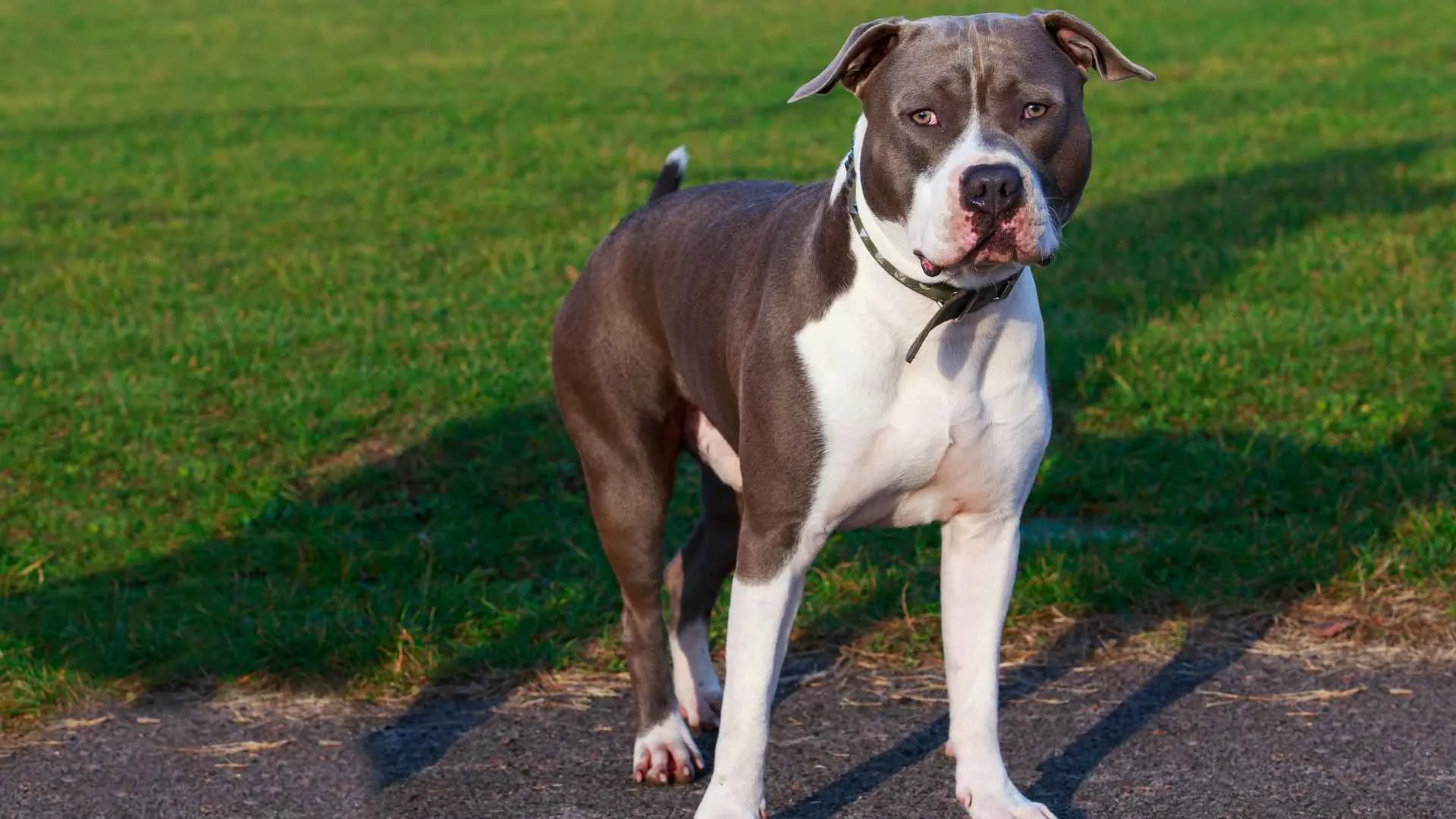
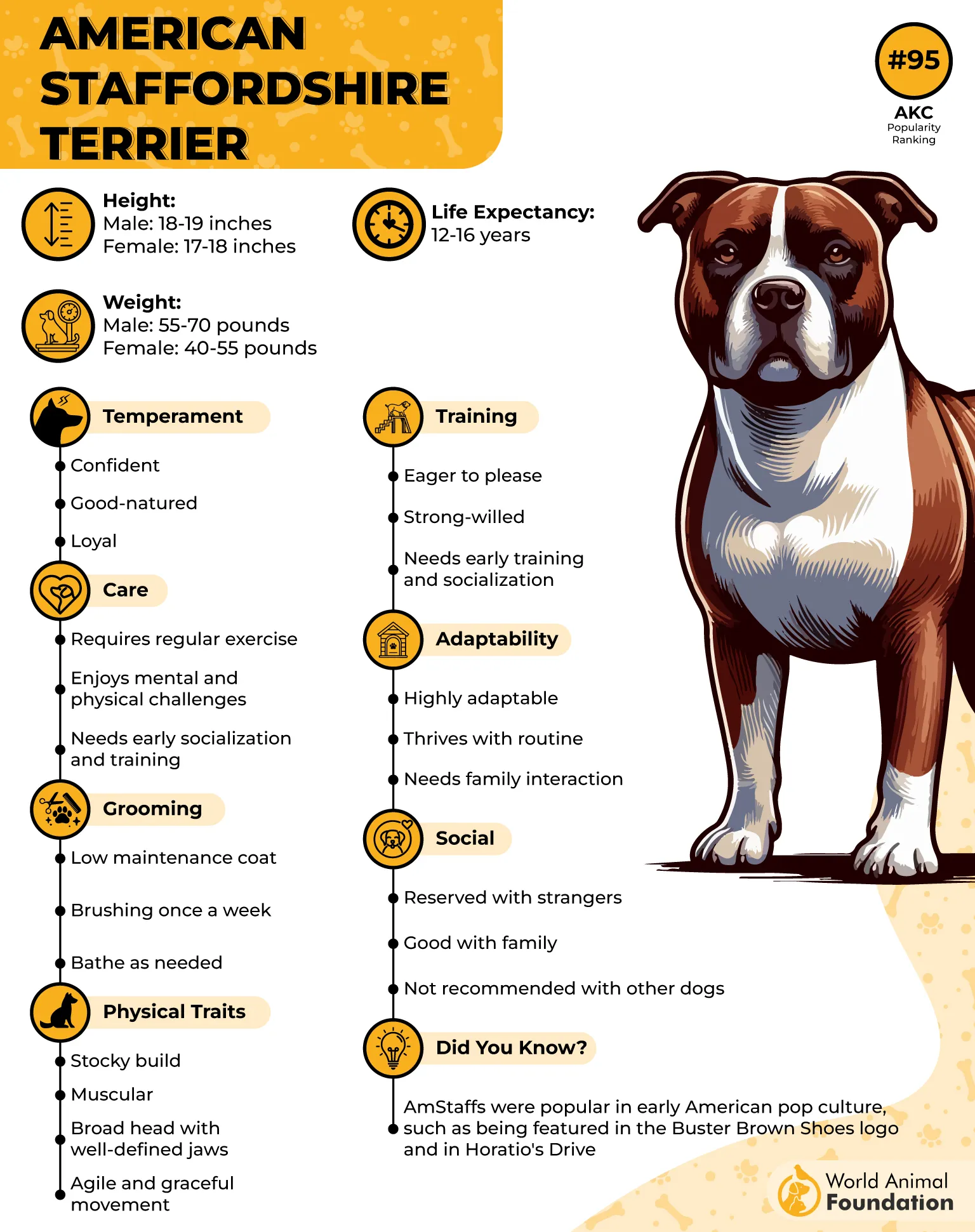
Strong, confident, and always ready for action, the American Staffordshire Terrier brings plenty of power wherever it goes. But beneath those muscles is a loyal companion that loves being close to its family. Its natural prey drive is still very much present, though, which means owners should understand this instinct before welcoming one home.
The Secret Behind Their Prey Drive
American Staffordshire Terriers were developed from powerful working dogs with the determination to pursue moving targets. That instinct can still surface today, making squirrels, rabbits, and other small animals especially tempting to chase. Their prey drive is rooted in instinct rather than aggression.
What to Expect at Home
With proper socialization, AmStaffs are affectionate, playful, and devoted family dogs. However, they may not always be the best match for homes with small pets unless introductions are handled carefully, as per PetMD. Their athletic build also means they need plenty of daily exercise and mental challenges to stay balanced.
Helping Them Thrive
Start training and socialization early, and keep sessions consistent and rewarding. Activities like tug-of-war, agility, fetch, and interactive games provide healthy outlets for their energy while teaching them to focus on their owner instead of every moving distraction.
4. Weimaraner
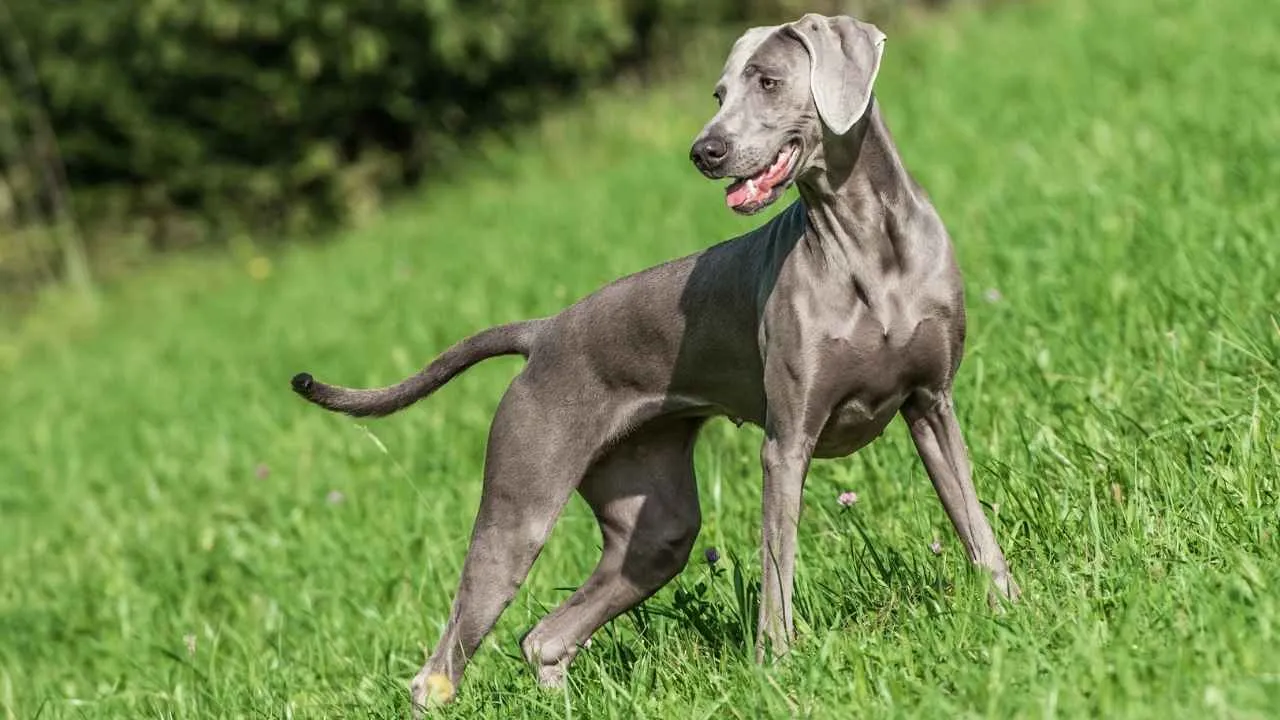
Elegant, lightning-fast, and always on the lookout for movement, the Weimaraner has earned the nickname “Gray Ghost” for good reason. Whether it’s a rabbit darting through the grass or a bird taking flight, this breed’s natural prey drive kicks in almost instantly. With a history rooted in hunting, the Weimaraner thrives when both its body and mind have a purpose.
The Secret Behind Their Prey Drive
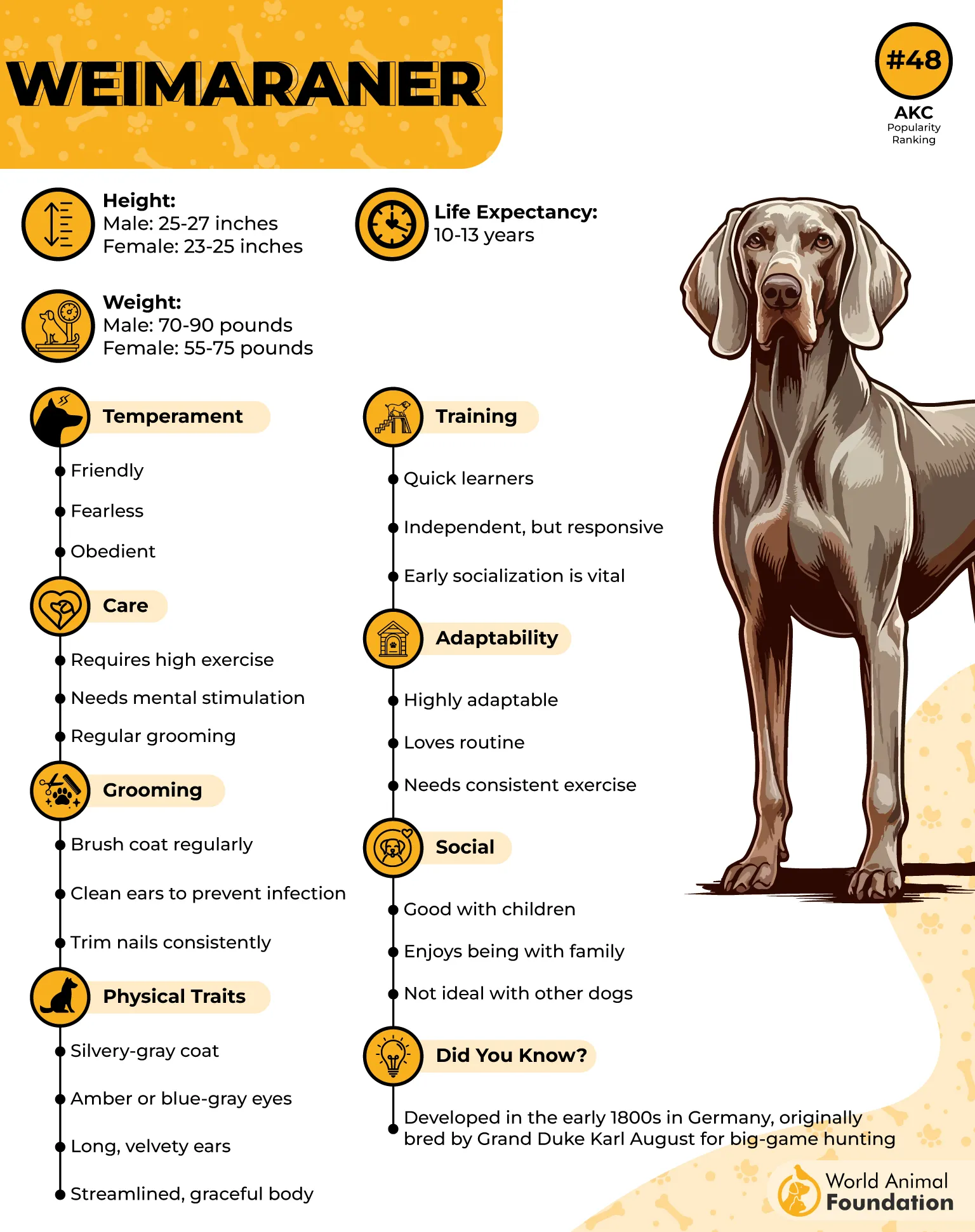
Originally bred to hunt large game like bears and boars before transitioning to rabbits, foxes, and birds, Weimaraners developed exceptional speed, endurance, and tracking instincts. That hunting heritage still fuels their desire to chase fast-moving animals today.
What to Expect at Home
Friendly and deeply attached to their families, Weimaraners are happiest in active households. Their strong prey drive means they may instinctively pursue small pets or wildlife if left unchecked, while their high energy demands plenty of daily exercise and mental stimulation.
Helping Them Thrive
As per WebMD, early training, reliable recall, and regular socialization help keep their instincts under control. Long runs, scent games, fetch, and advanced obedience provide healthy outlets, allowing this athletic hunter to become a loyal, well-mannered companion.
5. Beagle
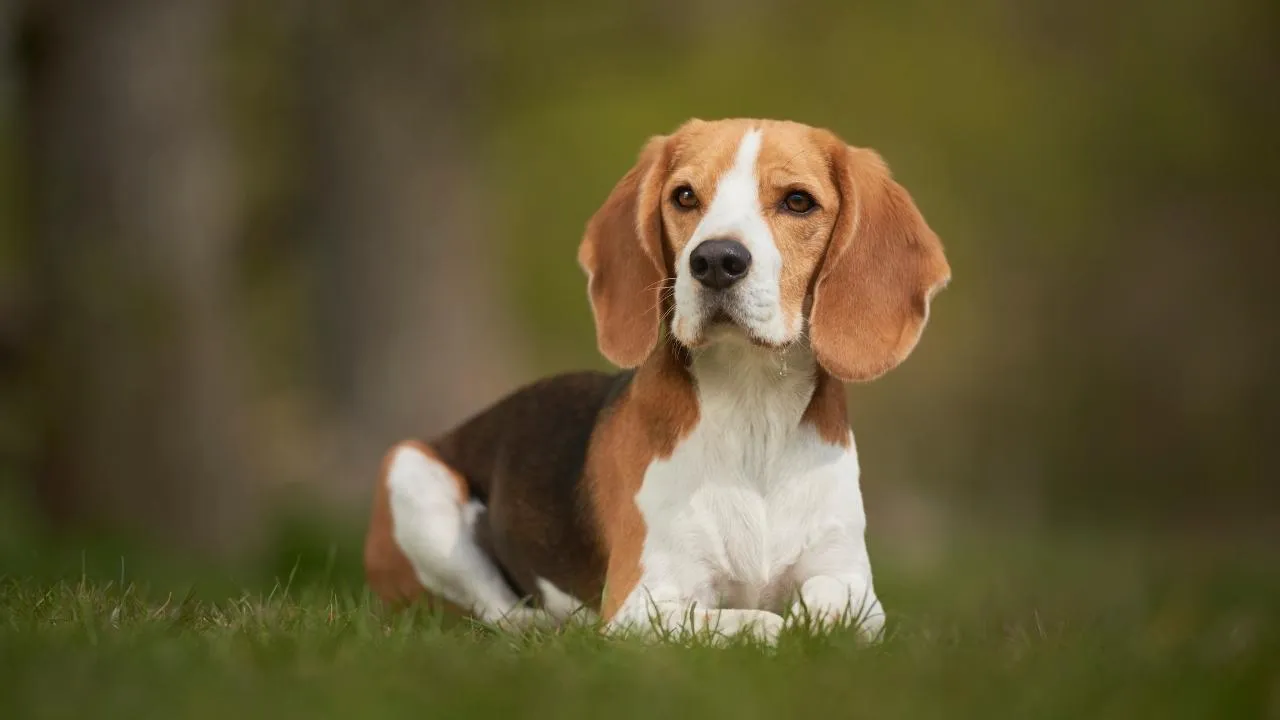
One sniff… and the adventure begins. The Beagle has an incredible nose and a natural prey drive that can turn an ordinary walk into an exciting tracking mission. Once it catches an interesting scent, this cheerful little hound is determined to follow it, making every outing feel like a treasure hunt.
The Secret Behind Their Prey Drive
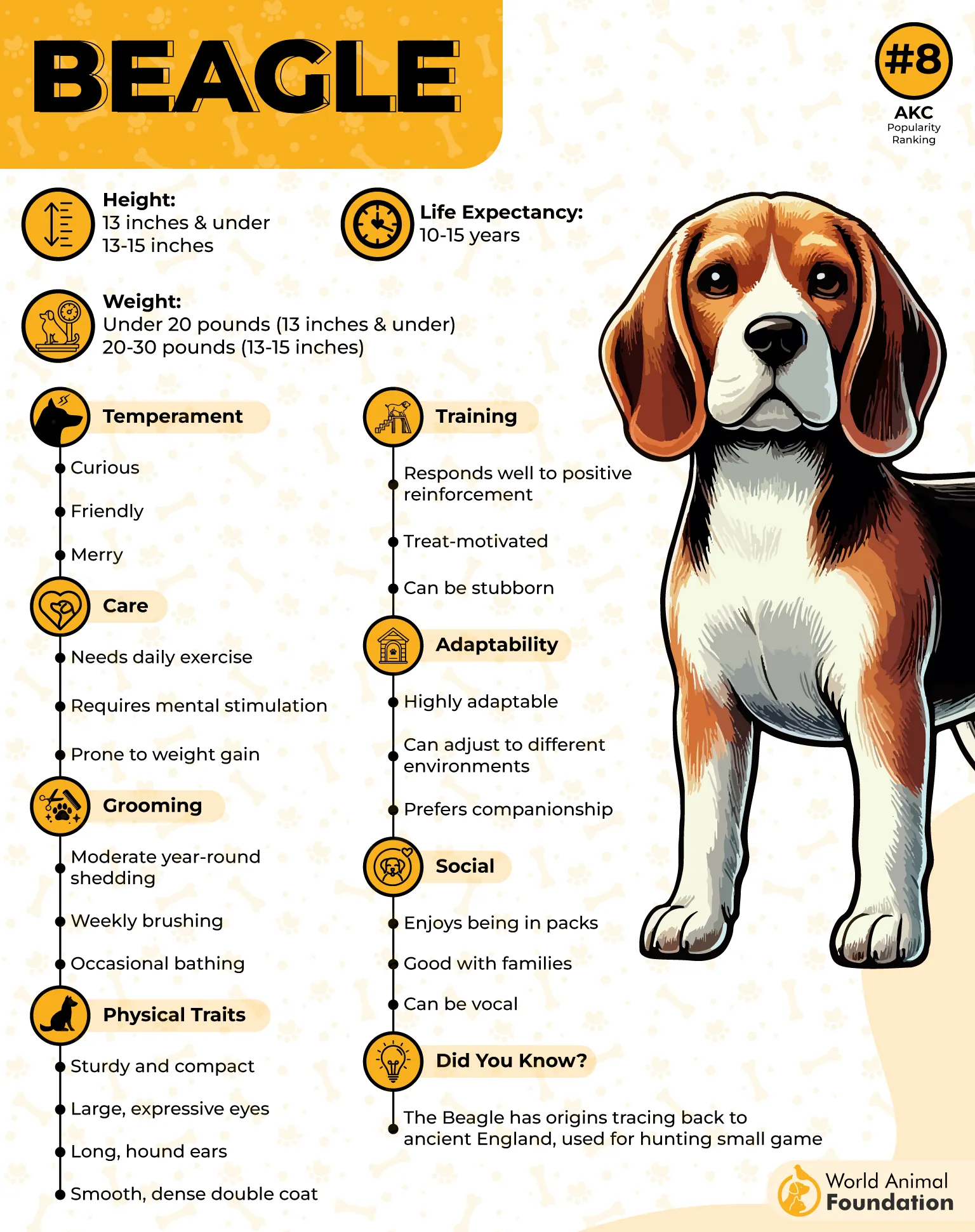
Originally bred to hunt rabbits and hares in packs, Beagles developed exceptional scenting abilities and remarkable endurance. Their instinct is driven as much by their nose as their eyes, so a fresh trail can easily outweigh any command from their owner.
What to Expect at Home
Beagles are affectionate, playful, and wonderful family companions, but their hunting instincts are never far away. They’ll happily chase squirrels, rabbits, or even a running cat if given the chance. Their curious nature also makes them talented escape artists, so secure fencing is a must, as per Orvis.
Helping Them Thrive
Early recall training, regular mental stimulation, and plenty of daily exercise help channel their instincts in positive ways. Scent games, tracking activities, and interactive play allow this energetic hound to satisfy its natural hunting abilities while remaining a happy and well-behaved companion.
6. Irish Setter
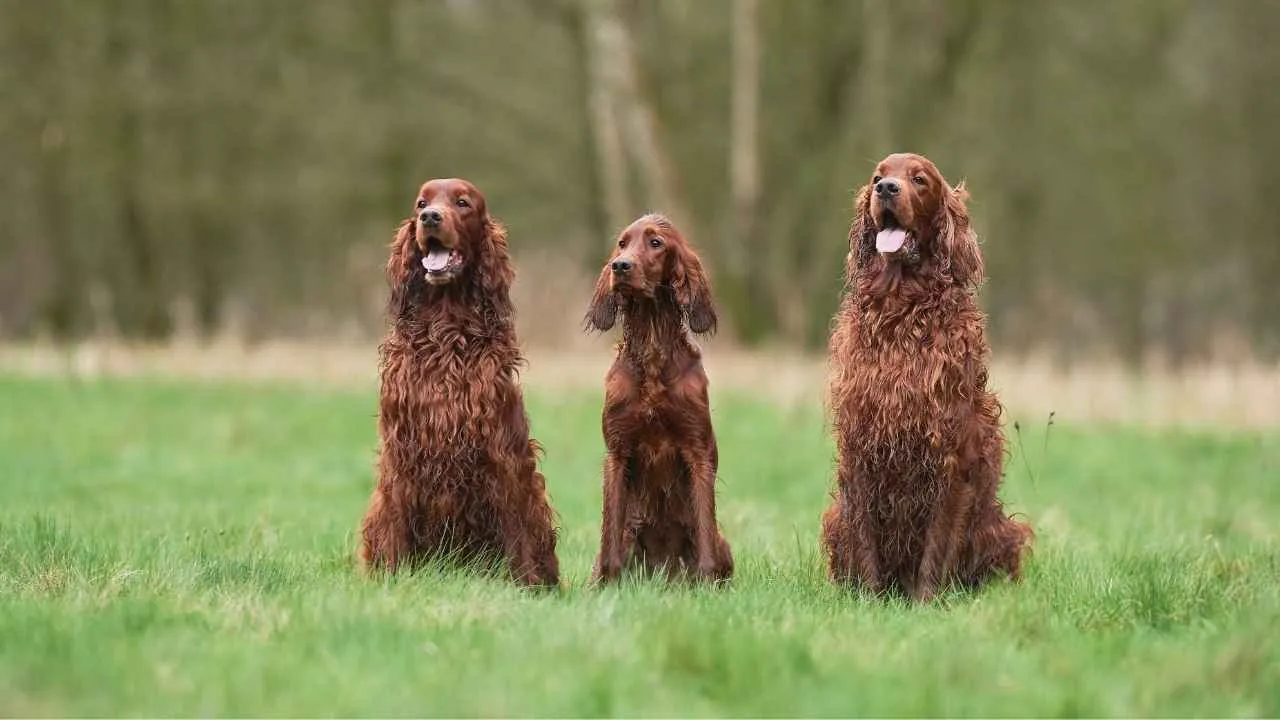
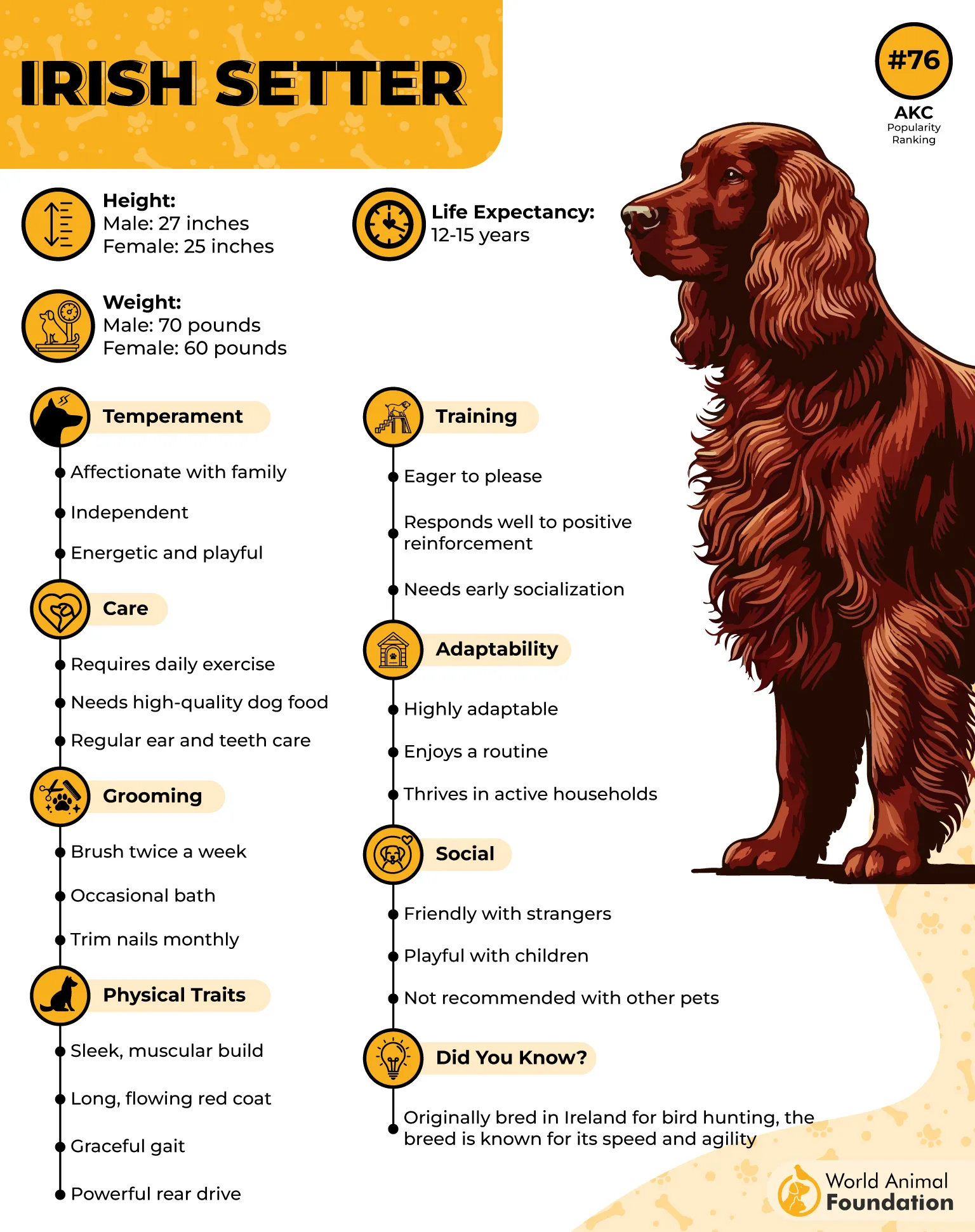
With its flowing red coat and playful personality, the Irish Setter may look like it belongs on a magazine cover—but don’t let the elegant appearance fool you. The moment a bird takes off or a rabbit darts through the grass, this graceful athlete is ready to give chase. Its natural prey drive is a lasting reminder of the breed’s hunting heritage.
The Secret Behind Their Prey Drive
Originally bred to locate and flush game birds, Irish Setters developed outstanding speed, endurance, and an excellent sense of smell. Those instincts remain strong today, making birds and other small animals especially exciting to pursue.
What to Expect at Home
Irish Setters are affectionate, outgoing, and thrive on being around people. However, their hunting instincts can quickly take over outdoors, especially if they spot wildlife. Without enough exercise and mental stimulation, this hunting breed may become restless or find its own ways to stay entertained.
Helping Them Thrive
Start socialization and training early, with a strong focus on recall and impulse control. Long walks, running, scent work, and retrieving games provide healthy outlets for their instincts, helping this high-energy dog become a well-mannered and devoted family companion.
7. German Shorthaired Pointer
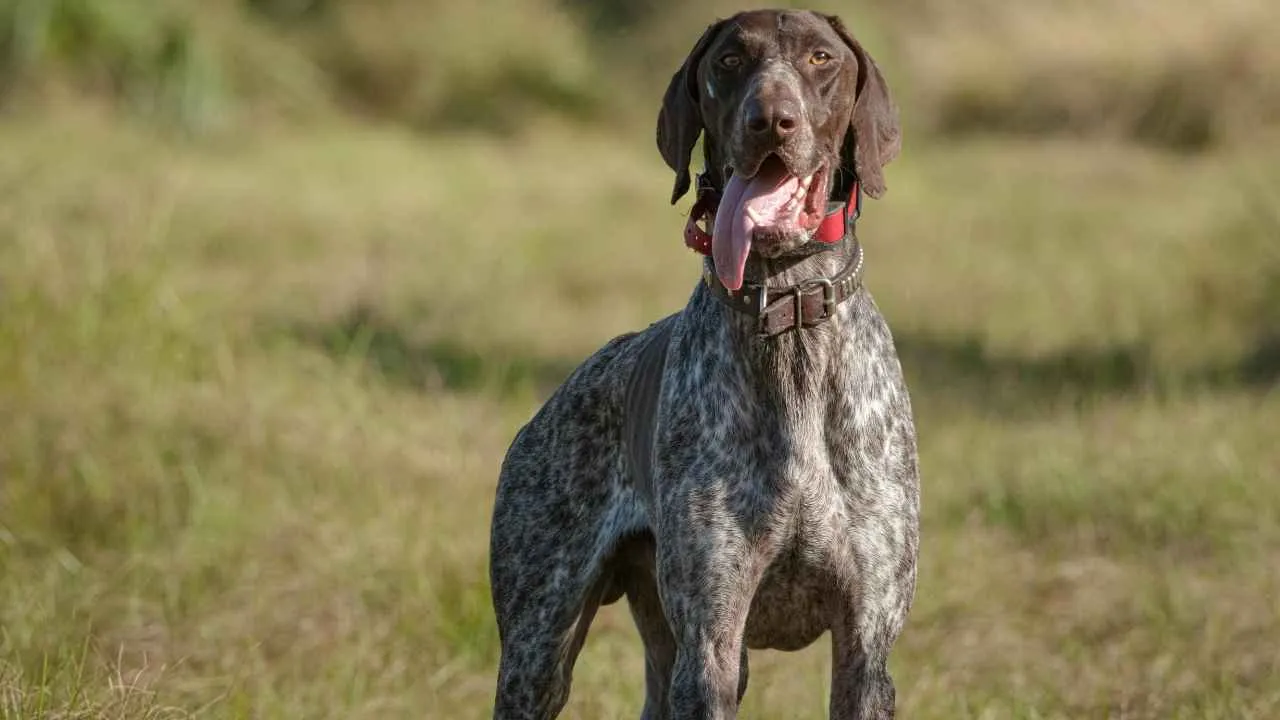
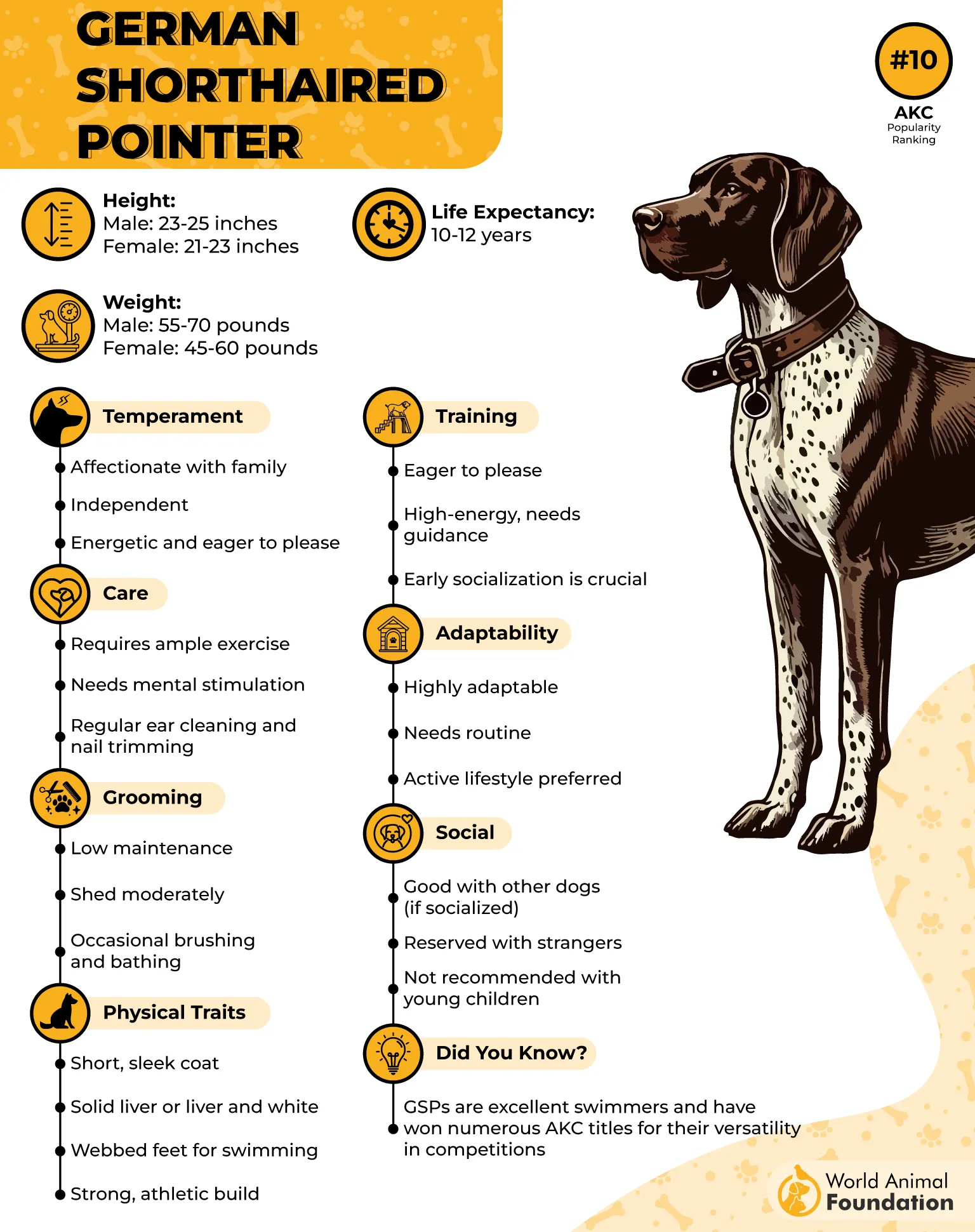
If something is hiding in the bushes, chances are the German Shorthaired Pointer has already spotted it. Fast, alert, and endlessly energetic, this breed was built to hunt from sunrise to sunset. Its natural prey drive is so powerful that even the smallest movement can instantly switch it into tracking mode.
The Secret Behind Their Prey Drive
Originally bred as an all-purpose hunting dog, the German Shorthaired Pointer was trained to track, point, and retrieve everything from game birds to rabbits. Those versatile hunting instincts remain deeply ingrained, giving the breed an exceptional ability to detect and pursue prey.
What to Expect at Home
This affectionate and highly intelligent companion thrives in active households. However, squirrels, birds, and other small animals can easily tempt it to chase, especially during off-leash adventures. Without enough exercise and mental stimulation, boredom may lead to destructive behaviors.
Helping Them Thrive
Begin training and socialization early, with extra attention to recall and impulse control. Long runs, swimming, scent work, retrieving games, and advanced obedience provide the physical and mental challenges this energetic hunter craves, creating a focused, loyal, and well-balanced companion.
Conclusion
A strong prey drive isn’t a flaw—it’s an instinct that has helped many dog breeds excel as hunters, trackers, and working companions for generations. The key is understanding how that instinct shapes everyday behavior and choosing a breed that matches your lifestyle, experience, and activity level.
With the right training, early socialization, and plenty of physical and mental enrichment, these remarkable dogs can become loyal, well-mannered family companions while still embracing the instincts that make them unique.
Whether you’re looking for an adventurous partner or simply want to better understand your dog’s behavior, respecting their natural abilities is the first step toward building a happier and stronger bond together.
