




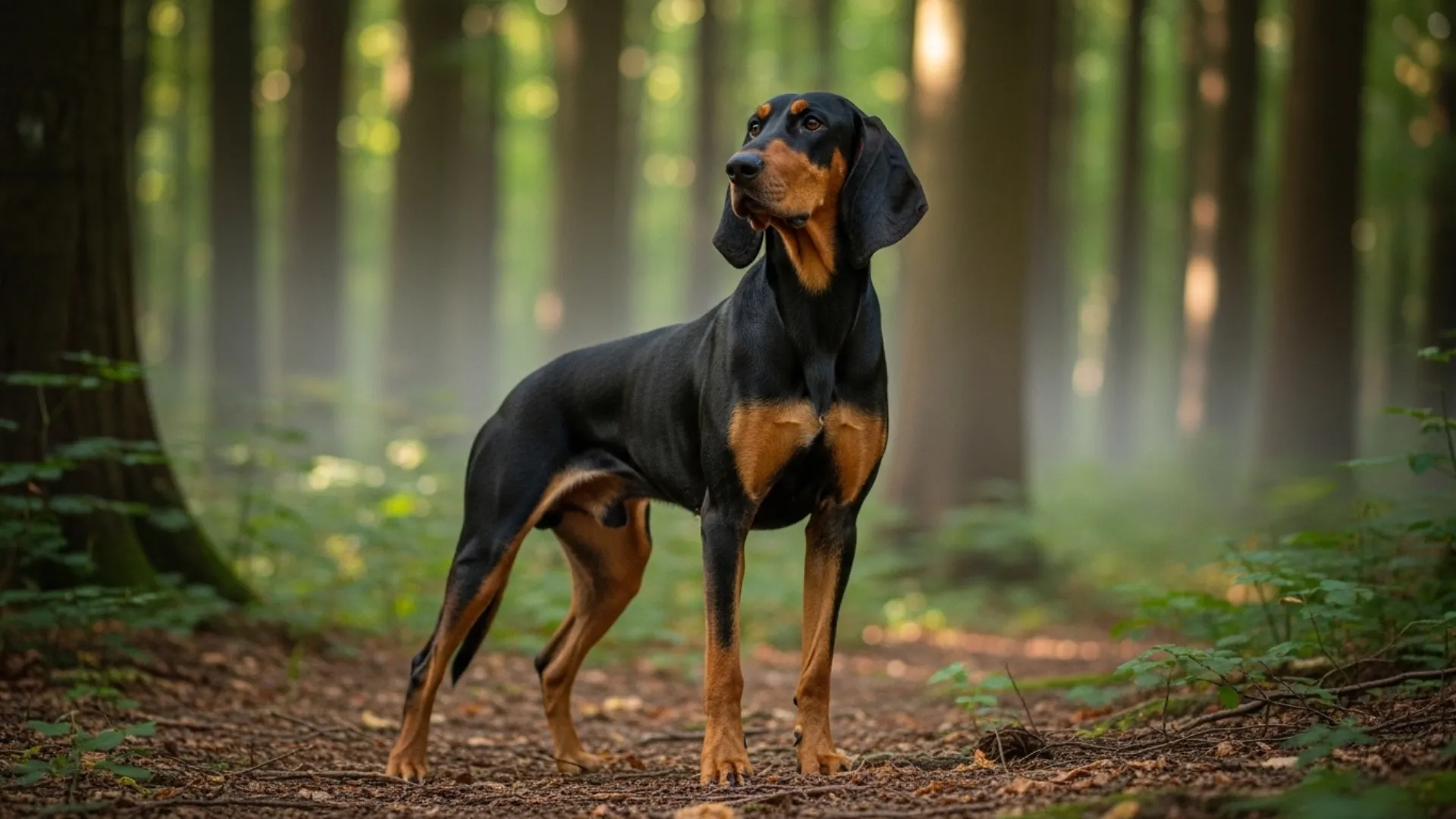
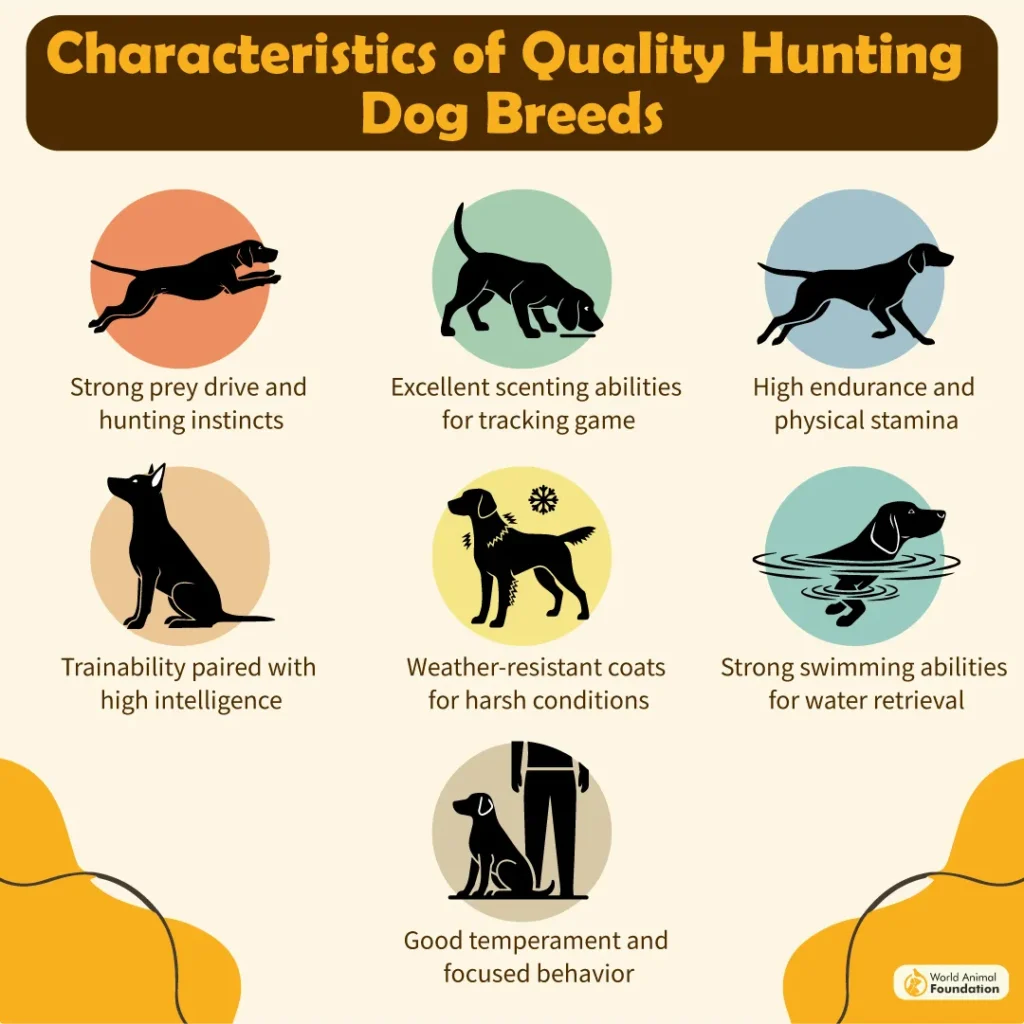
Forest hunting calls for a dog that can do more than keep up. The right breed needs sharp instincts, steady focus, and the confidence to move through thick woods, rough trails, and changing conditions. Some dogs shine in open fields, while others are far better suited to dense cover where scent work, patience, and close teamwork matter most.
That is why choosing from the amazing dog breeds perfect for forest hunting takes more than picking a strong or active dog. You want a breed with the right balance of drive, intelligence, endurance, and control. A great forest hunting dog should be alert without being reckless and energetic without becoming hard to manage.
In this guide, we will look at breeds known for working well in wooded environments. You will also learn what makes a dog better suited for forest hunting, so it becomes easier to find a capable partner for the outdoors.
Amazing Dog Breeds Perfect for Forest Hunting
1. Bluetick Coonhound
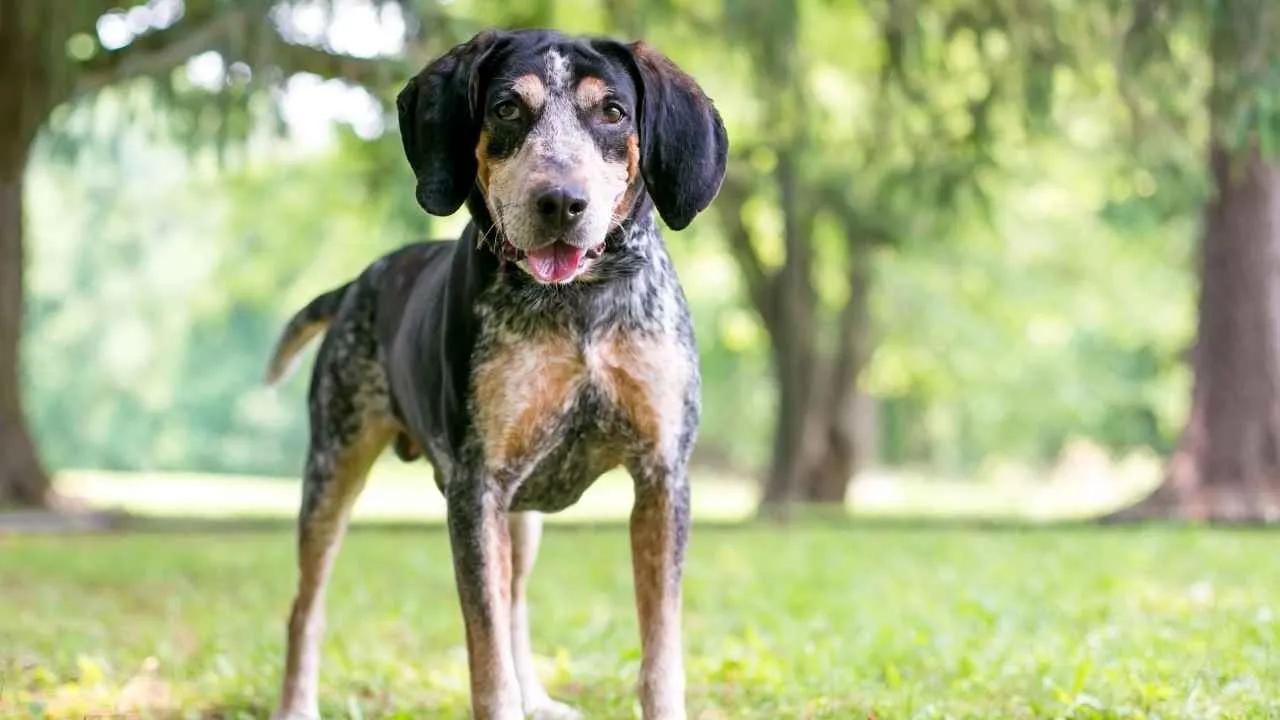
The Bluetick Coonhound has a history that feels made for deep woods and long trails. Its ancestry reaches back to French staghounds linked to George Washington, and the breed was shaped as one of those determined hunting dogs that could stay focused while tracking raccoons, bears, cougars, and wild boar.
This breed carries the soft, pleading look hound fans love, with long ears and a blue-speckled coat that stands out without looking flashy.
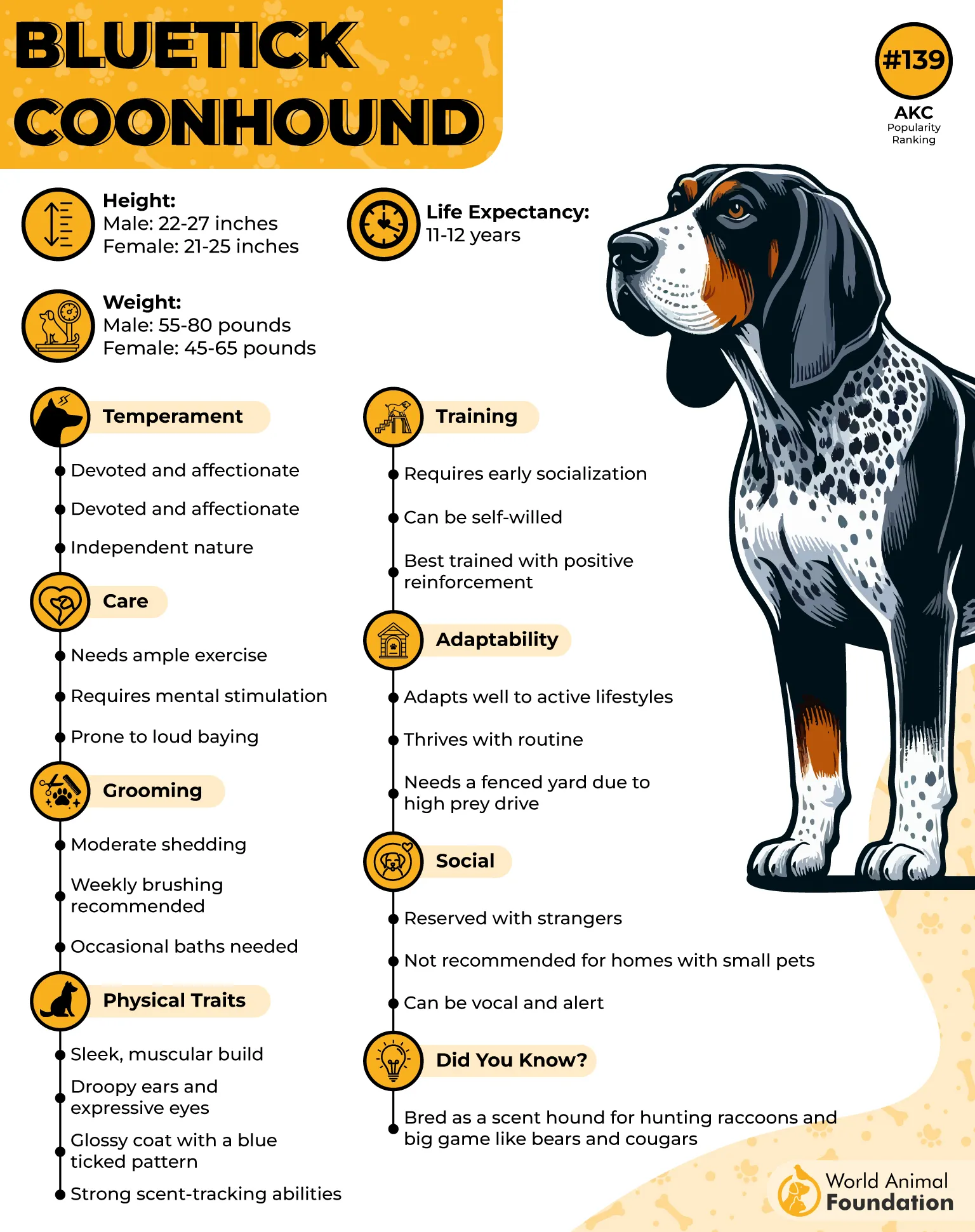
That short coat is glossy and easy to manage, but the real story is the dog’s drive, because this scent hound was built to use its nose over great distances and through rough terrain. Life with a Bluetick needs room, movement, and a patient owner who understands loud opinions.
These dogs need daily exercise and mental stimulation, and their famous bay can travel, so proper training and a secure space matter if you want a strong hunting companion that can also settle in as a family dog.
Why This Breed is a Good Fit
Its nose-led style suits wooded ground where trails twist, fade, and get tricky.
The breed has the stamina for long outings without acting delicate about mud, brush, or uneven paths.
That booming voice can be a little dramatic, but in the forest, drama is useful.
2. Black and Tan Coonhound
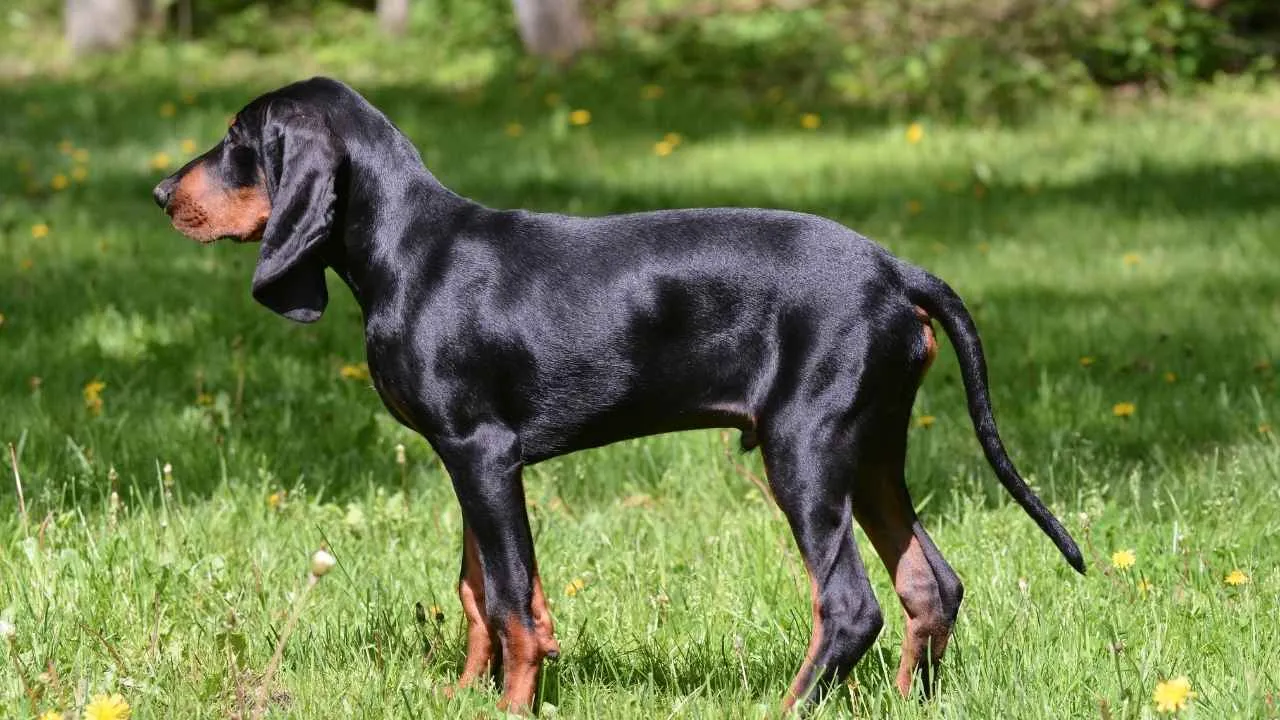
The Black and Tan Coonhound was developed from Bloodhounds and Black and Tan Virginia Foxhounds, with a job centered on trailing raccoons and bears in the southeastern United States.
It works with its nose down and moves with purpose, which makes it one of the hunting dog breeds that feels especially steady when a scent trail stretches out. Inside the home, this dog is often calm, quiet, and mellow, but outdoors, the switch flips fast.
As a scent hound with an exceptional sense of smell, it can follow odor over long distances, so a leash or fenced area is a basic need rather than a nice extra.
Its long ears also need regular attention because they can trap moisture and debris, and that same practical care matters for health issues like ear infections, hip dysplasia, and bloat.
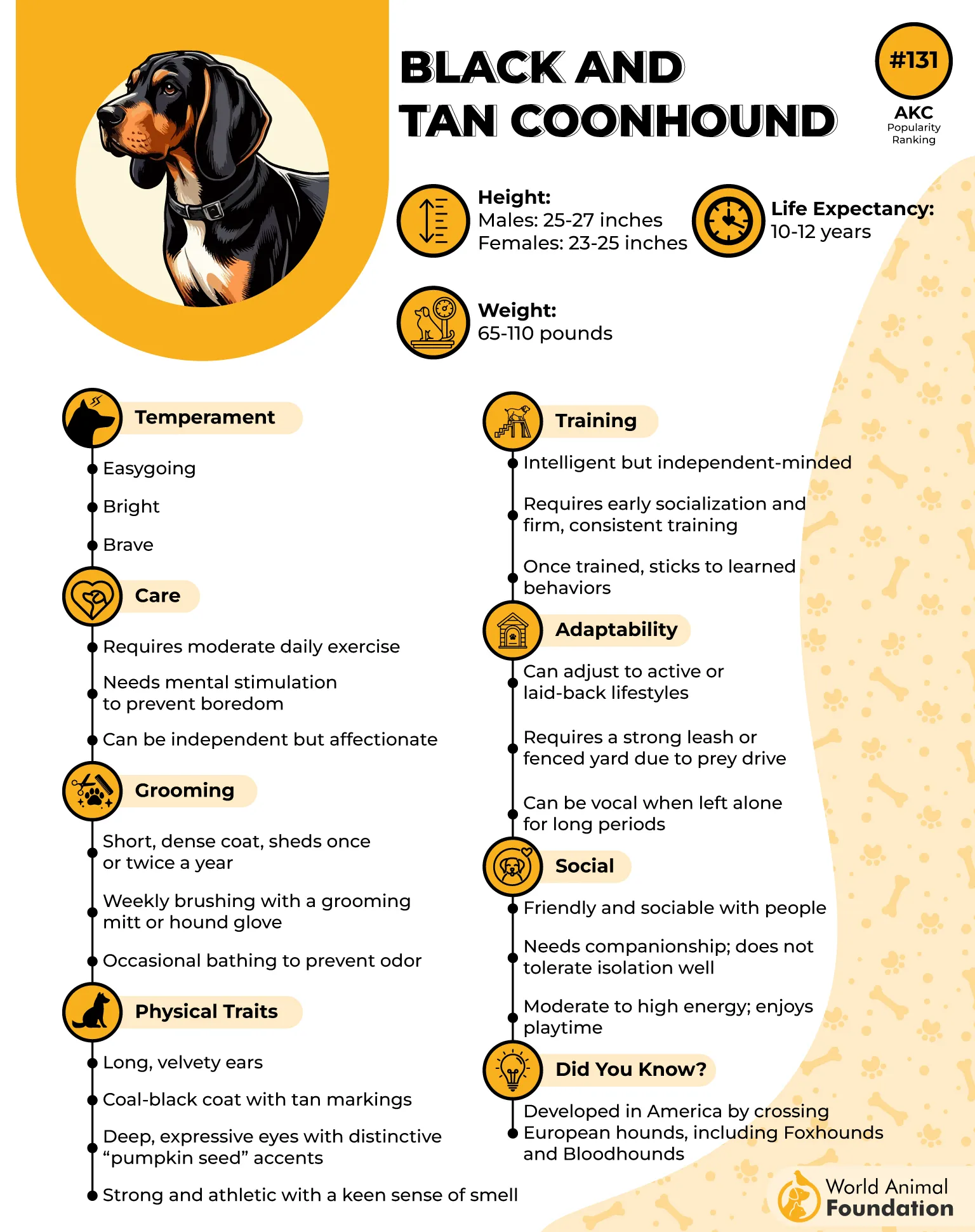
With early socialization and proper training, this loyal breed can be gentle with children and friendly with people, giving it the balance many owners want in a working dog that also lives closely with the family.
Why This Breed is a Good Fit
It stays composed at home and switches into work mode once the trail starts.
The breed’s nose-first style fits forest tracking where sight alone does not help much.
It brings serious trial focus without needing a flashy personality to prove it.
3. Pharaoh Hound
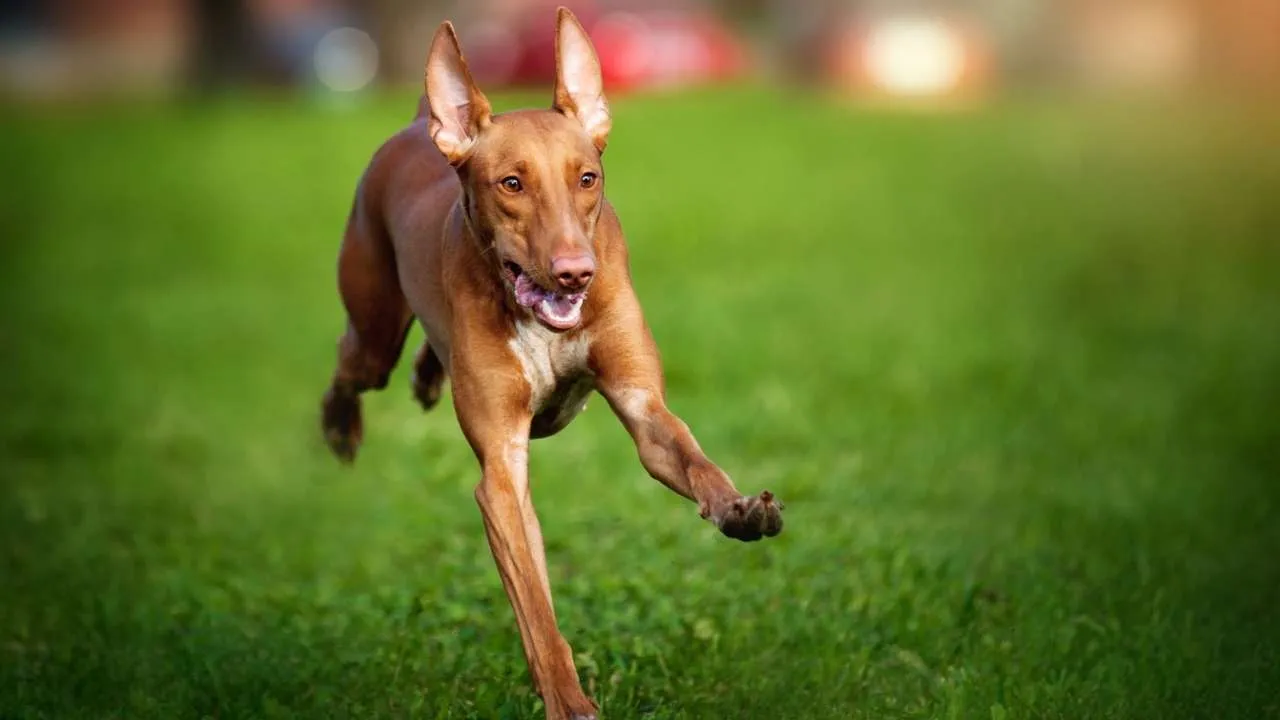
The Pharaoh Hound is an ancient hound from Malta, known for its elegant shape, athletic build, and quick movement. It was bred to course small game over punishing terrain, and that rugged side gives this rare breed a stronger outdoor edge than its polished appearance first suggests, as per AKC.
Its look is sharp and clean, with a tight tan coat, amber eyes, and a white-tipped tail that adds to its distinct outline. One of its most unusual traits is the way it seems to blush when excited, and that bit of charm sits alongside the speed and tenacity expected from a dog built for pursuit.
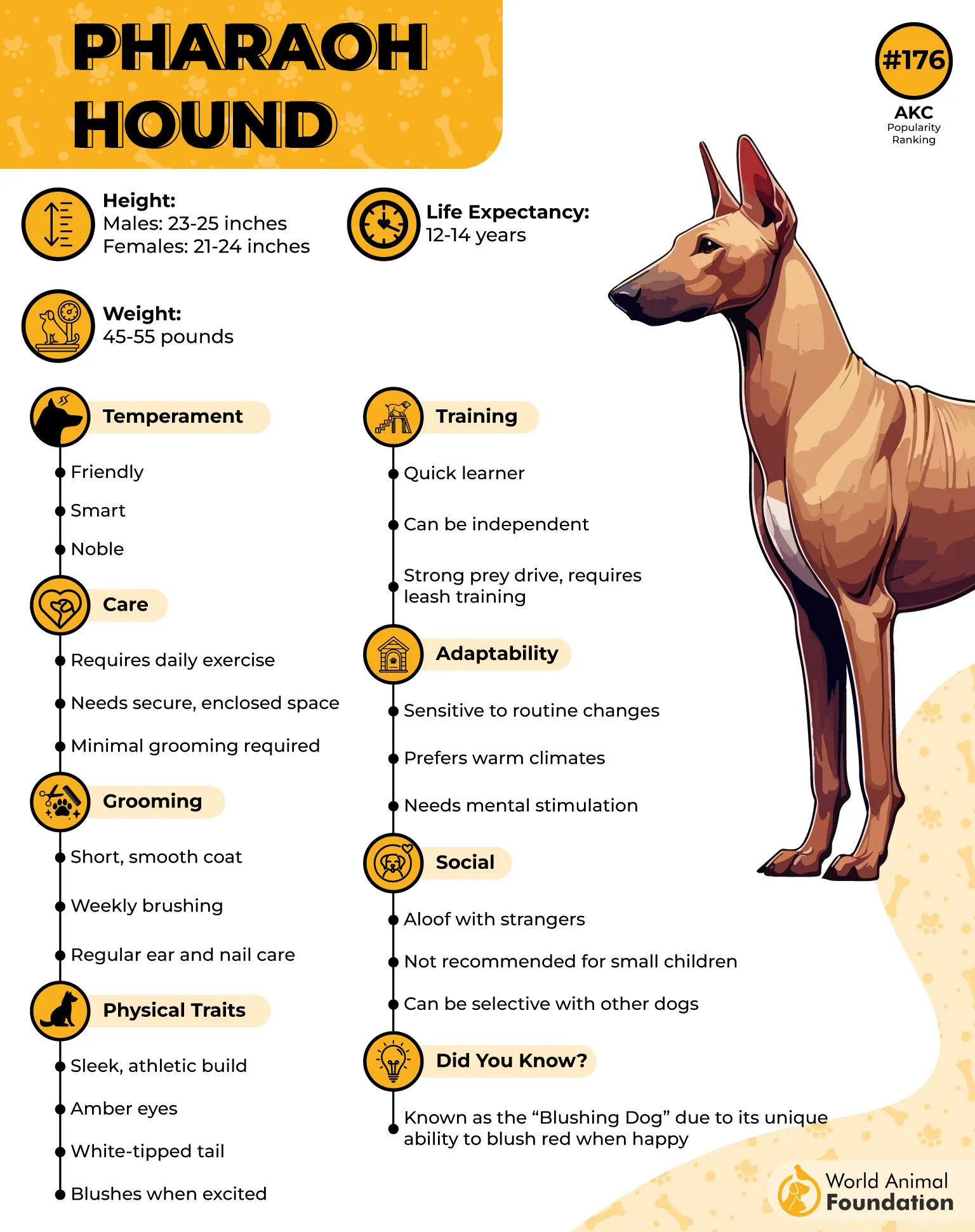
In the field, this dog brings quick reactions and a focused style that suits demanding hunting environments.
At home, it is described as friendly and affectionate, which helps it feel more balanced than many people expect from natural hunters with such a strong chase instinct.
Why This Breed is a Good Fit
It is built for fast movement over hard ground, which helps in wooded areas with broken footing.
The breed combines sharp pursuit drive with a friendly home personality.
It looks refined, but it is not precise about outdoor work.
4. Treeing Walker Coonhound
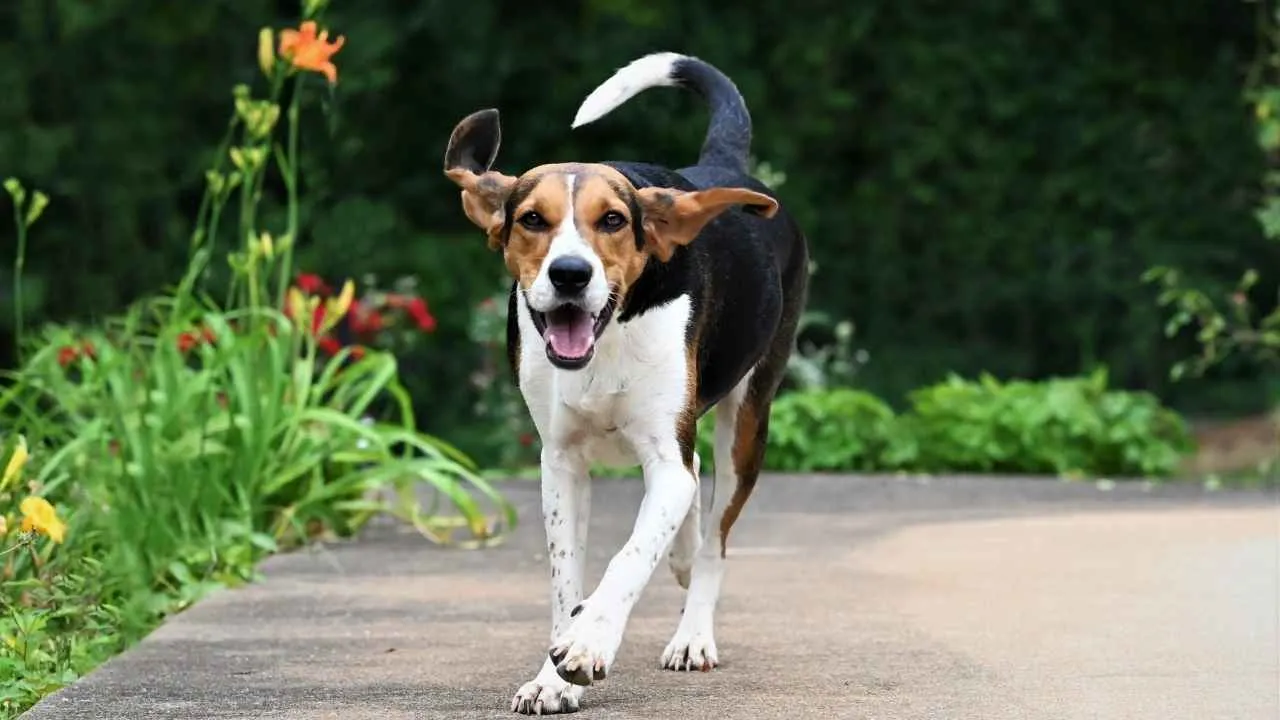
The Treeing Walker Coonhound was developed from the American Foxhound and has been used since the mid-1700s to track and isolate game in the forest.
That background gives it a clear place among hunting breeds made for wooded country, especially where endurance and nose work matter more than speed alone.
This dog is high-energy, intelligent, and good-natured, with a short coat that is easy to maintain. It was bred as an independent worker, so even though it is very trainable, it can also be strong-willed and ready to follow scent farther than you planned if it is not in a fenced area, according to PetMD.
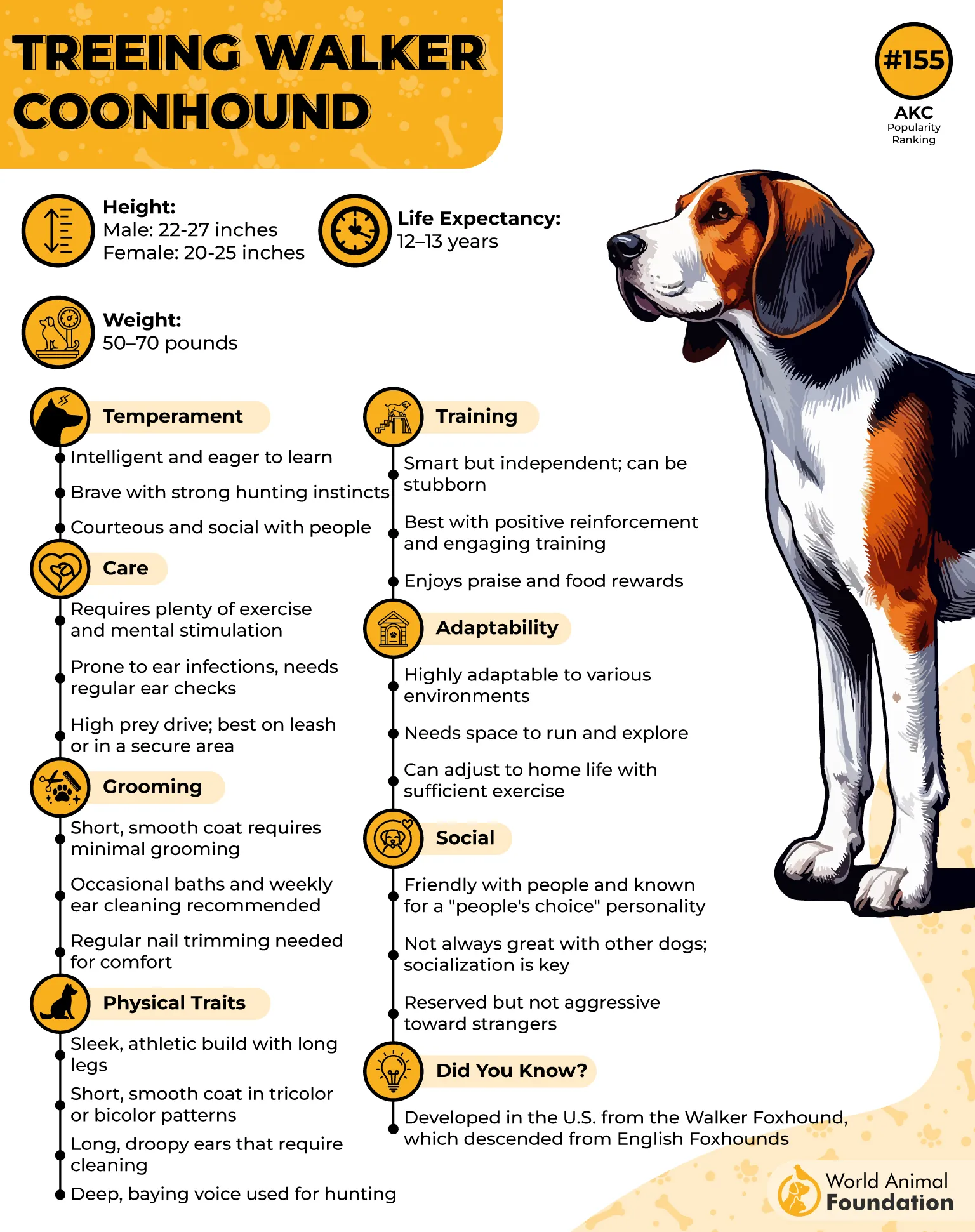
A Treeing Walker does best with an active household that can give it real work, long outings, or challenging exercise instead of a quick stroll around the block.
Its loud voice and strong tracking instinct are part of the full package, but when those traits are handled well, this great family dog can also be a serious gun dog for people who spend time in thick cover and forest trails.
Why This Breed is a Good Fit
It was shaped for forest work, not just casual outdoor fun.
The breed can handle long hunts and still come back wanting more.
Its strong voice may be a lot, but it is very honest about what it is doing.
5. Redbone Coonhound
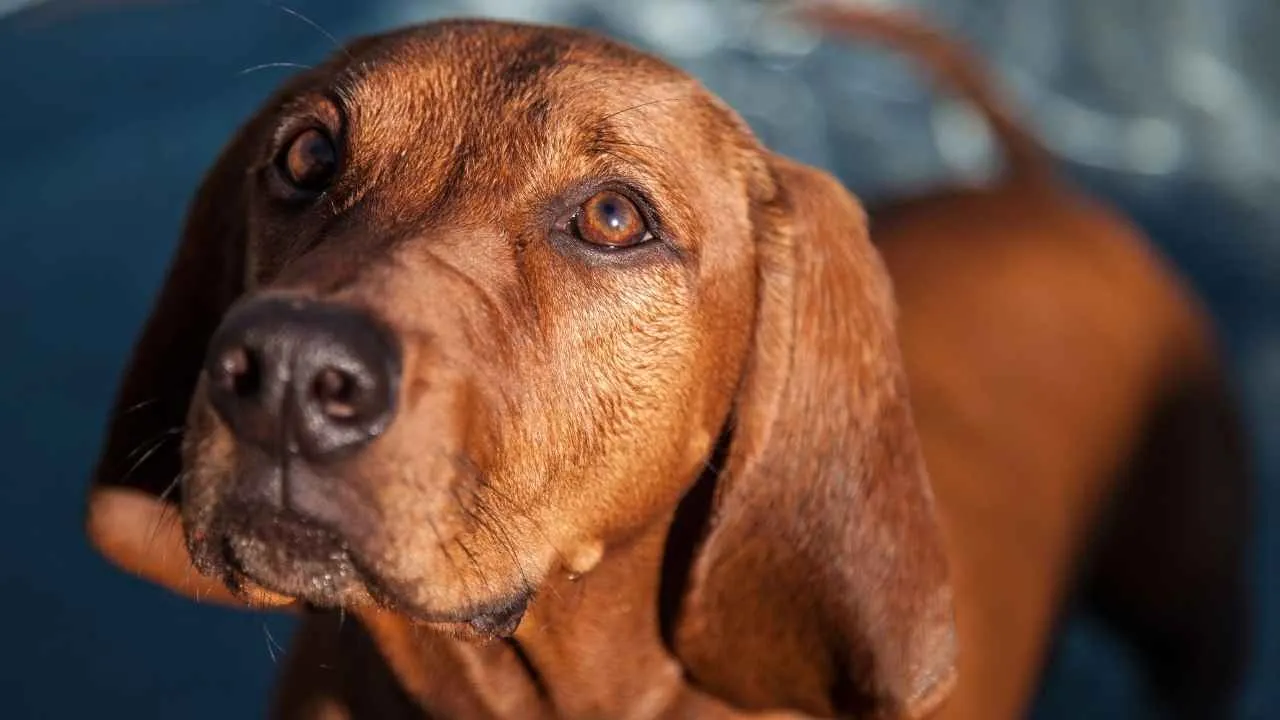
The Redbone Coonhound is an American original with a sleek red coat, strong muscles, and a calm side at home that contrasts with its serious trail attitude.
It was bred to work over punishing terrain, and that surefooted style makes it one of the more natural fits for forest ground where footing changes fast. Its expression is soft, but the body tells a different story, because this dog is made for movement and purpose.
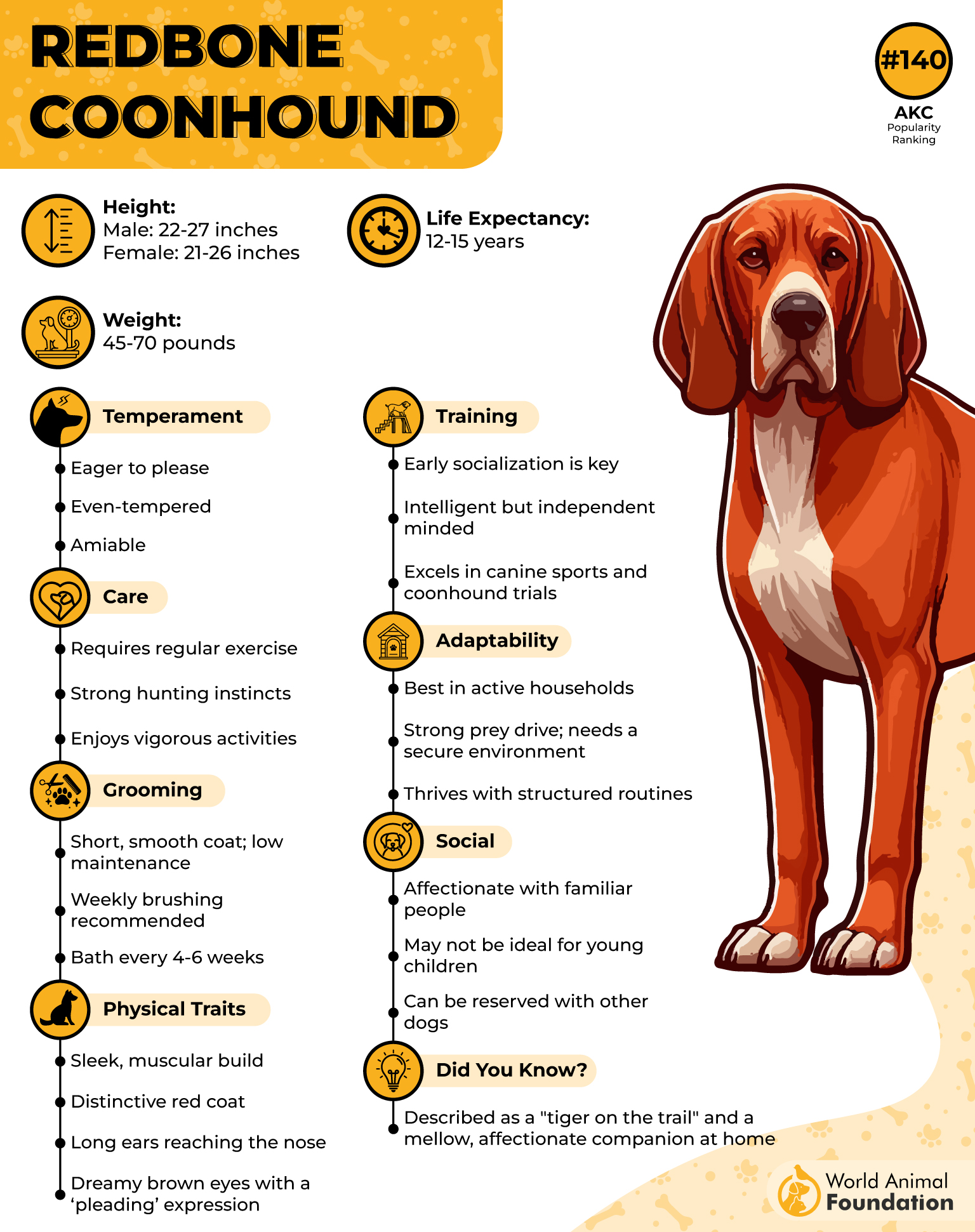
According to Orvis, Redbones are known to be even-tempered and kindly in the house, yet once the work begins, they move with a proud, determined gait that suits tracking small game and staying steady in the woods.
The rhythm of life with this breed is active work followed by real rest, not constant chaos. Hunting and swimming suit its vigorous side, and that balance can make it a rewarding hunting companion for owners who want a dog with stamina outdoors and a more mellow presence once the day is done.
Why This Breed is a Good Fit
It handles demanding ground well without looking clumsy or heavy.
The breed brings trail focus outside and a calmer attitude once the work is over.
That red coat may look polished, but this dog was made for hard miles.
6. Beagle
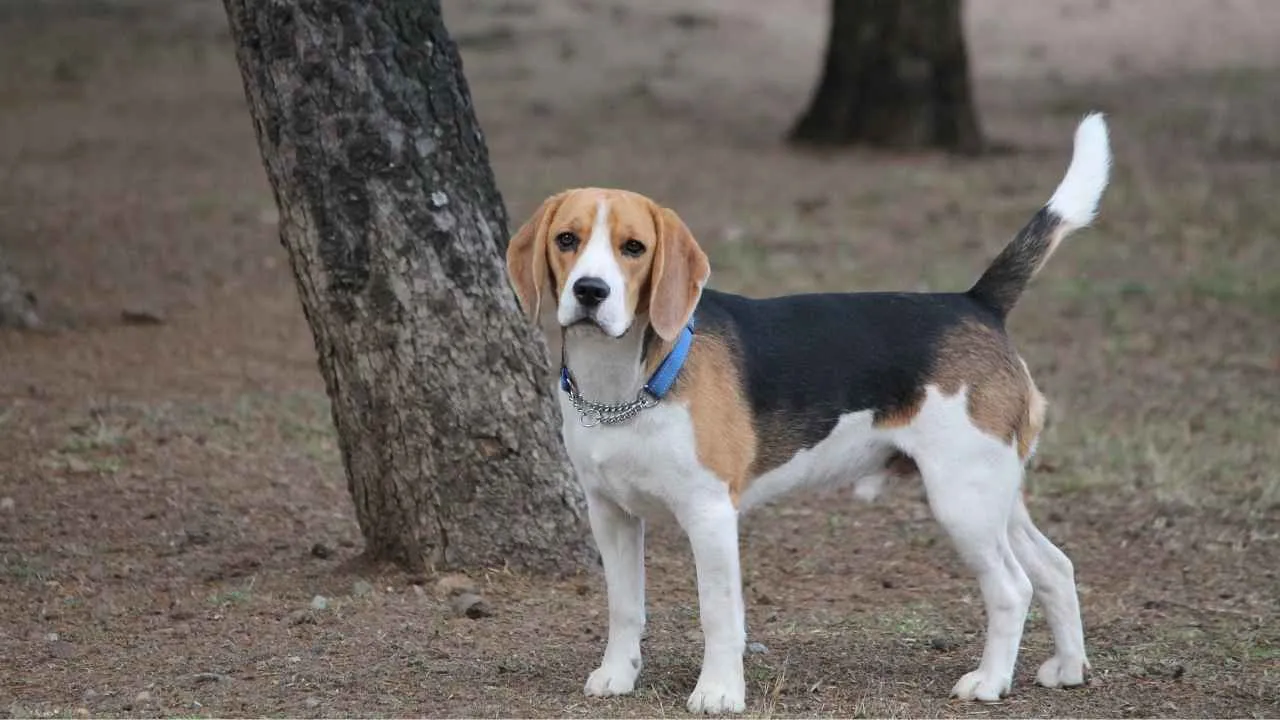
The Beagle has been around for centuries and remains one of the most familiar hounds in the world. It descends from pack hounds used by hunters on foot in England, Wales, and France, and its history includes work on rabbit hunts as well as tracking animals such as jackals and wild pigs.
This is a muscular dog with a deep chest, broad nose, and long droopy ears, plus a smooth, dense coat that is simple to care for. Beagles are cheerful and affectionate, but they are also active, curious, and very ready to roam, which means their hound instincts need careful handling outside.
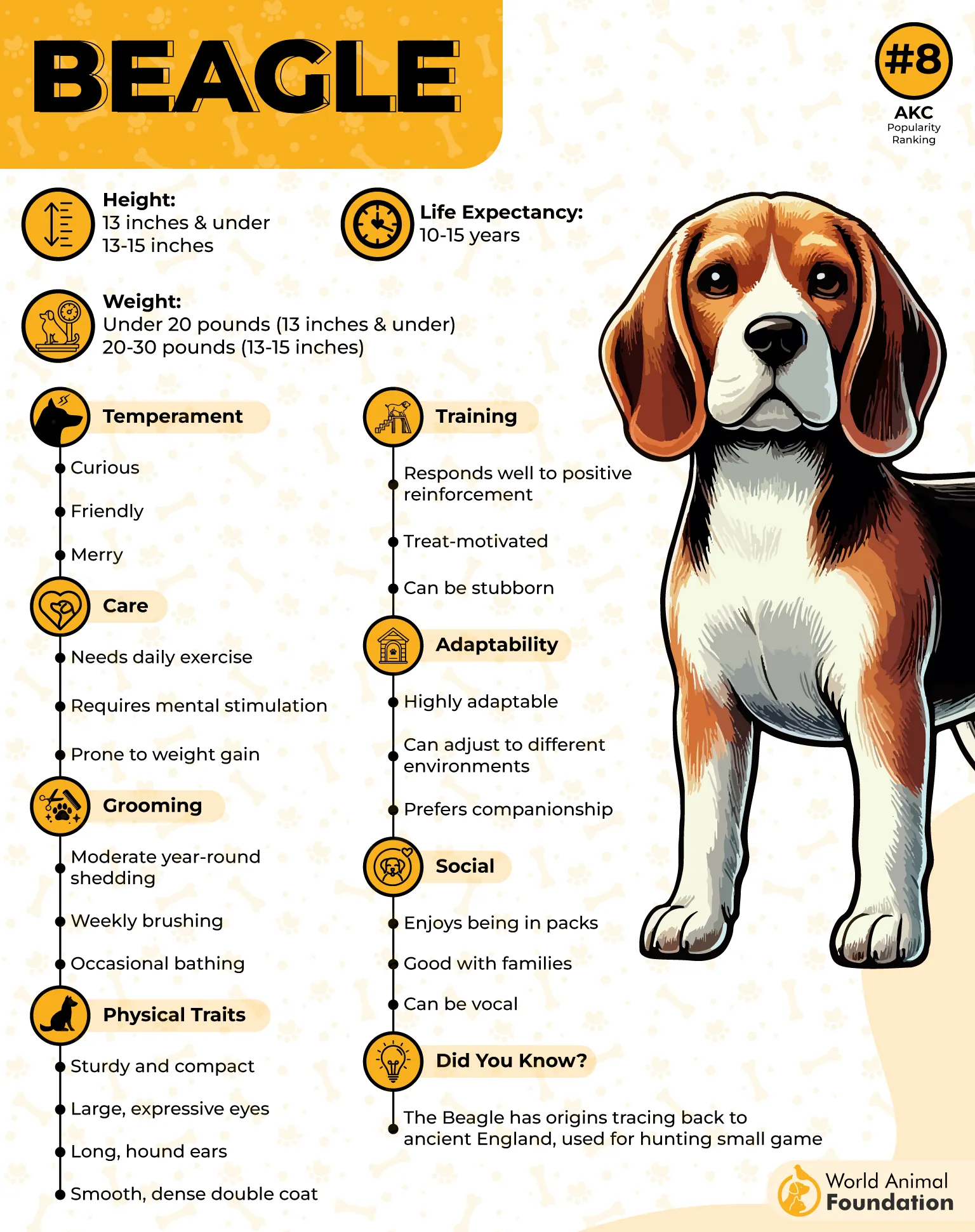
Because they are hound dogs, they can be difficult in obedience work and may bark or howl when bored or left alone too often. Still, for owners who can manage that curious energy and keep them secure.
Beagles remain one of the most popular dog breeds shaped by dog hunting history and a practical choice for following scent on small game in wooded spaces.
Why This Breed is a Good Fit
Its size makes it easier to handle on tighter trails and brushy ground.
The breed’s curiosity keeps it engaged when scents get interesting.
It may act cute, but once the nose switches on, it means business.
7. Irish Setter
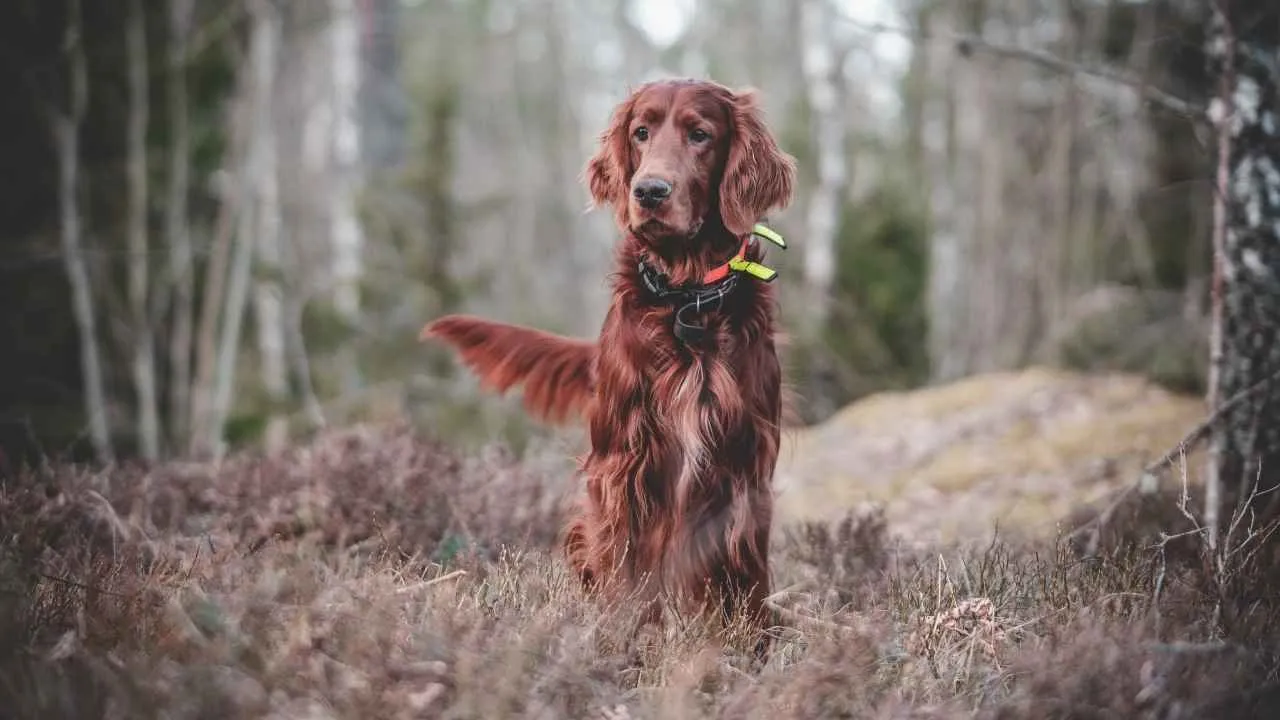
Irish Setters are remembered for their rich red coat, but their history is rooted in work, not decoration. Irish hunters wanted a fast dog with a keen nose that could be seen clearly in cover, and that purpose still shows in the breed’s lively attitude and strong need for exercise.
These are hunting dogs that were originally bred to run hard over rough terrain all day, so they need more than casual play to stay balanced.
Their coat is medium length with feathering on the legs, chest, ears, and tail, and it needs regular checking and brushing to keep debris from turning into a mess after outdoor time.
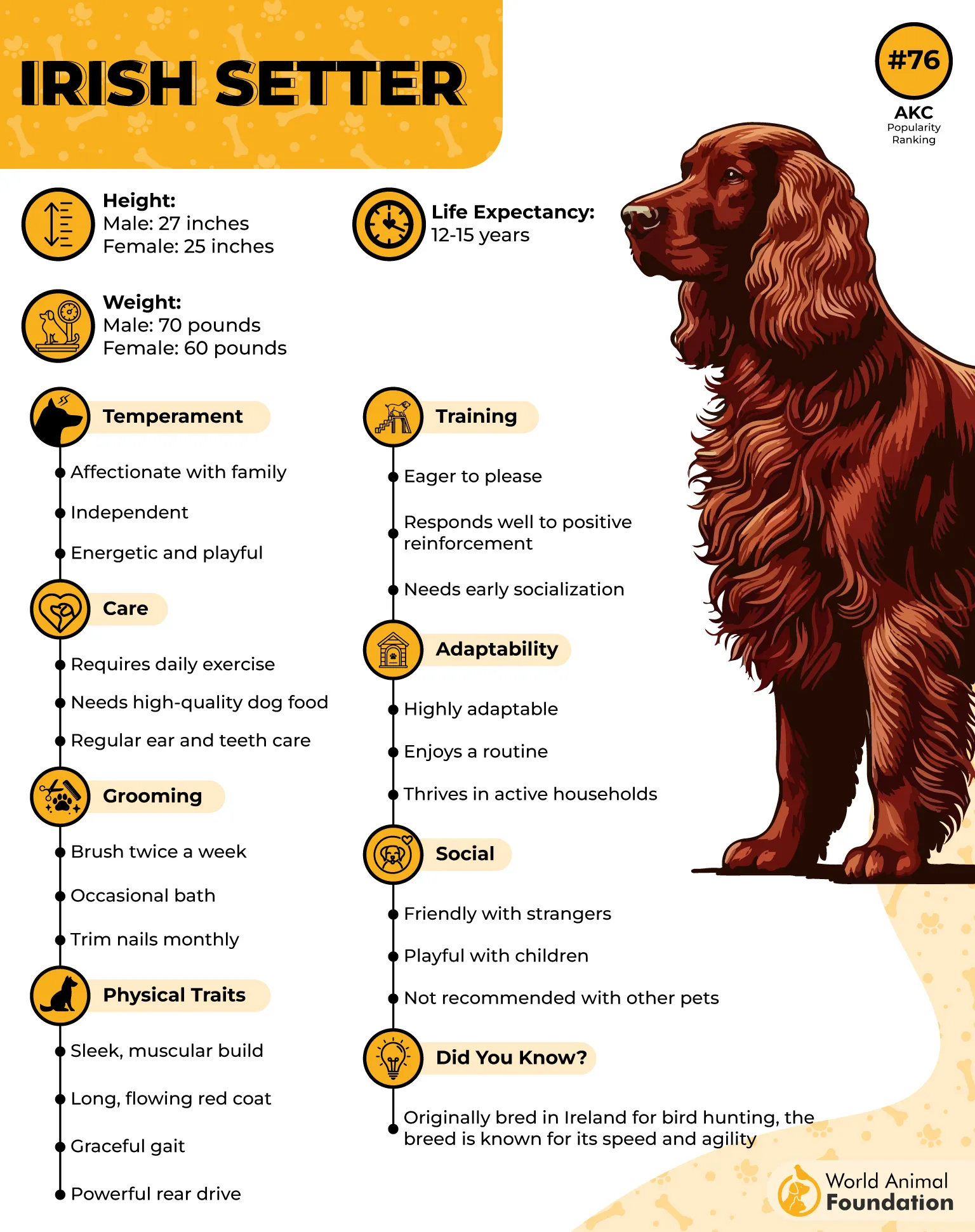
The breed is bright, outgoing, and often full of mischief, which can make training feel lively rather than quiet.
With patience, humor, and consistency, Irish Setters can become loyal companions and a great family dog, especially for active families who enjoy long outings and want a dog that still carries a strong working spirit.
Why This Breed is a Good Fit
It was shaped for moving through cover where visibility and stamina both matter.
The breed adds speed and enthusiasm to a day in the woods.
A Setter brings style to the trail, but it is not just there for looks.
8. American Foxhound
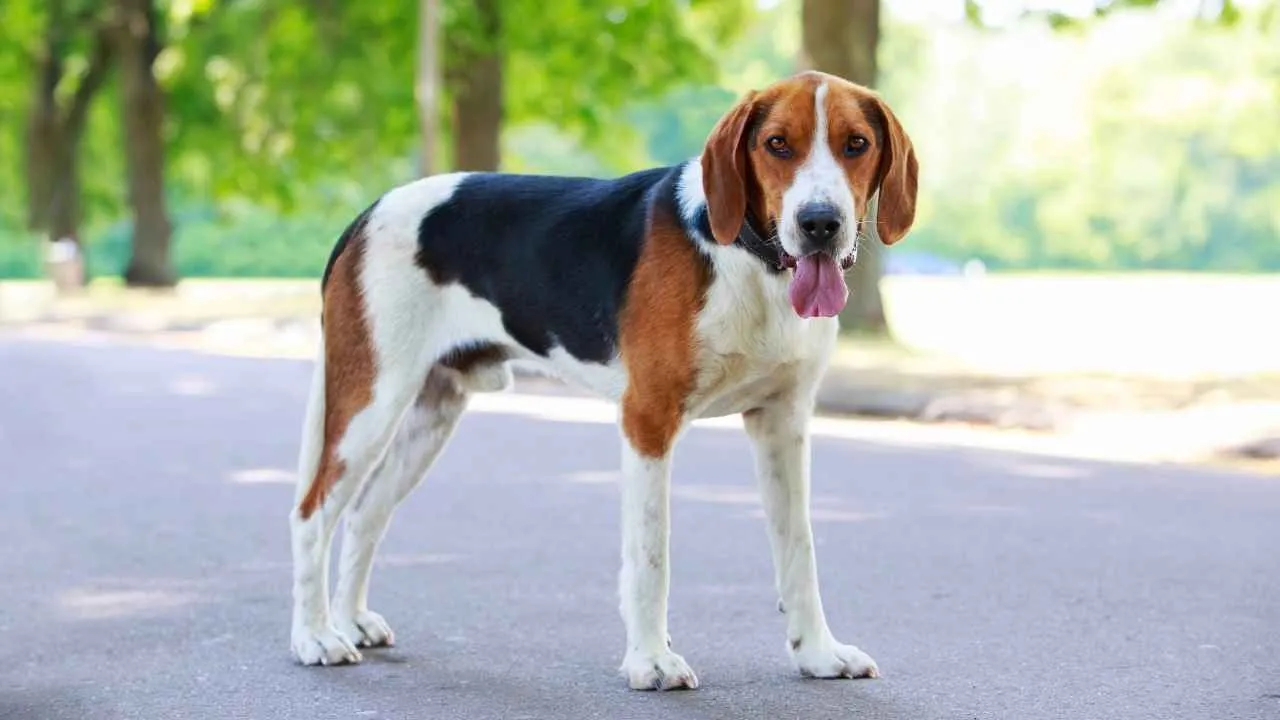
The American Foxhound was developed in the 1700s with help from George Washington, who crossed dogs from England, France, and the United States to help create the breed. Bred to run fast, it became a dog suited to open outdoor work, and it still carries that athletic purpose in both body and behavior.
This medium-sized dog has a tough coat built for the outdoors, long, broad ears, and a gently curved tail with a slight brush at the end.
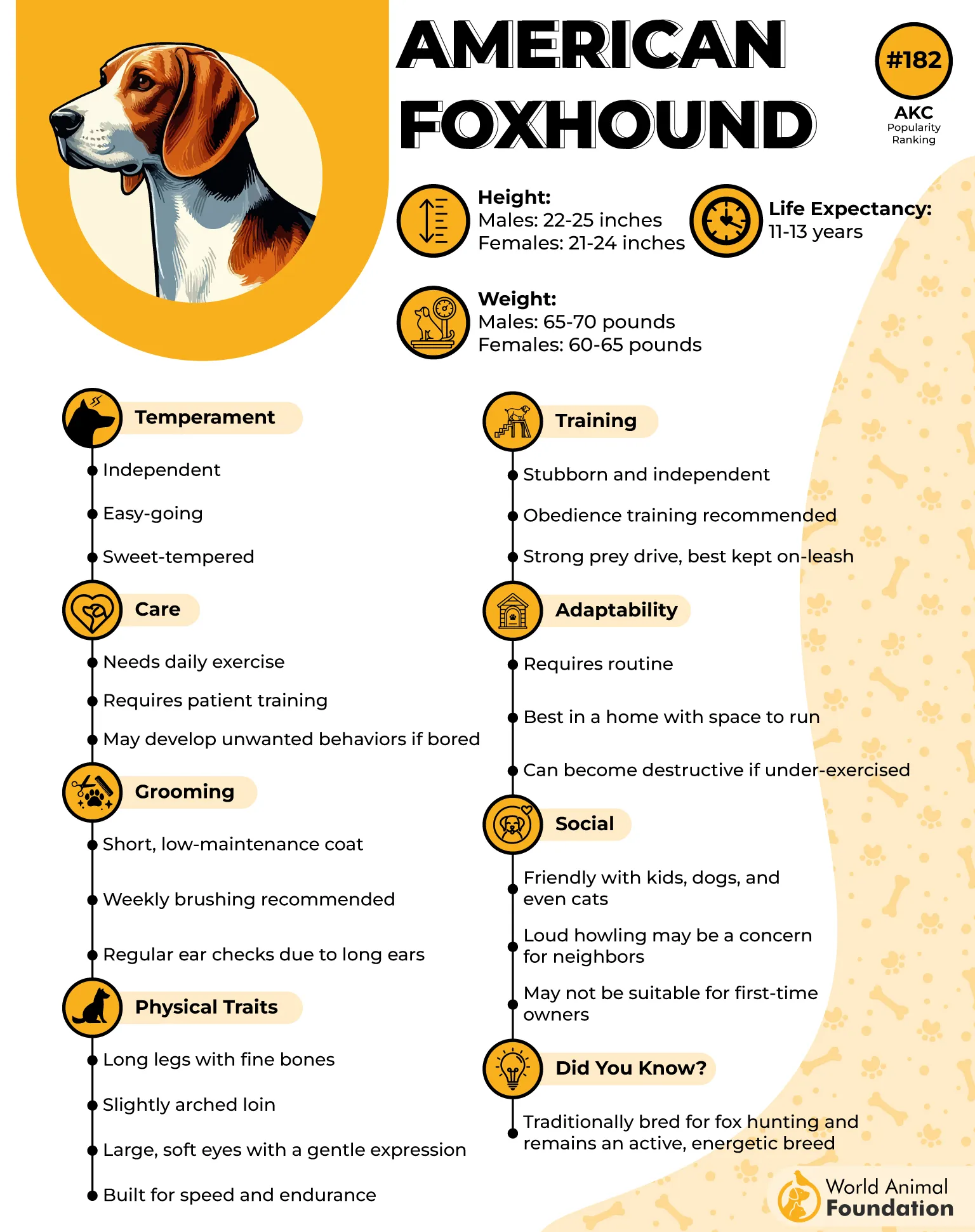
It is considered a rare breed and is also the state dog of Virginia, but its scarcity does not change the fact that it can be mild-tempered, easygoing, and good with children and many pets. The challenge with this popular breed is that its working background does not fade just because it lives at home.
American Foxhounds need serious daily exercise, can be stubborn and independent, and may bay loudly when on the scent, so they fit best with owners who have space, a routine, and an honest respect for an energetic dog bred primarily to keep moving.
Why This Breed is a Good Fit
It has the stamina for long forest outings without feeling fragile or fussy.
The breed’s outdoor build suits uneven ground and changing conditions.
If you like quiet couch potatoes, keep walking. This one packed running shoes.
9. Bloodhound
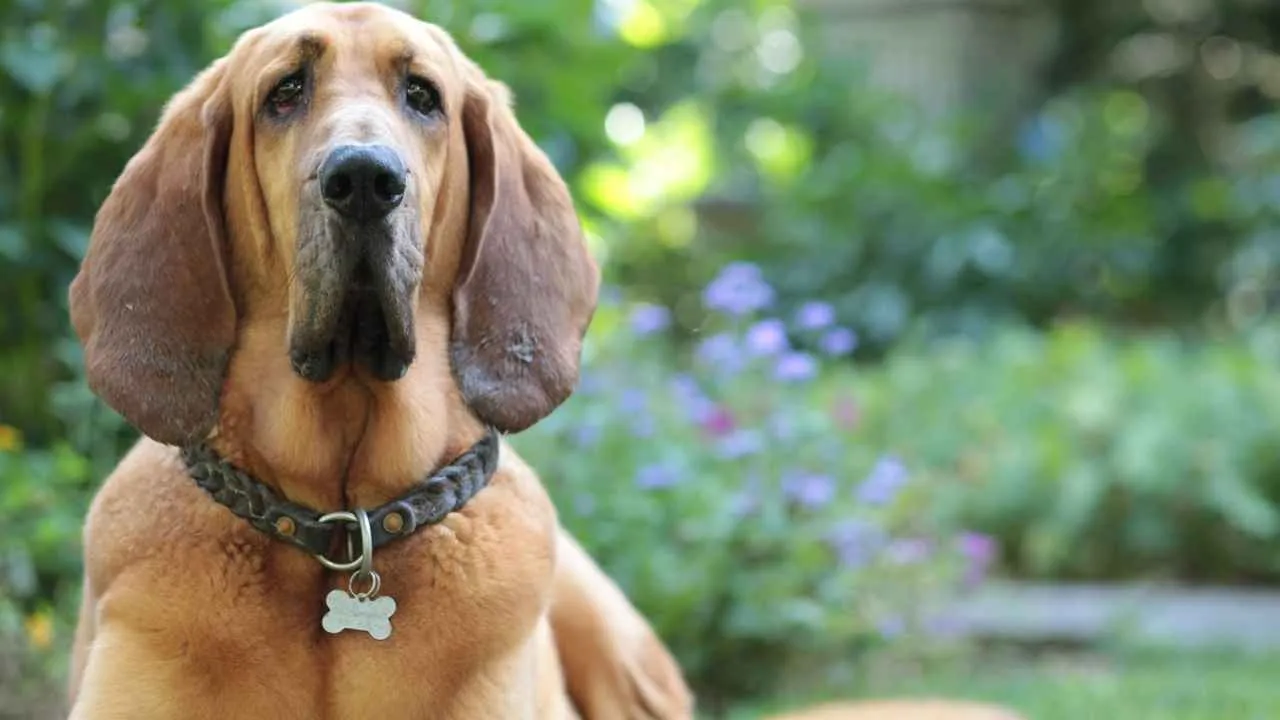
The Bloodhound is one of the oldest hounds that hunts by scent, and its history reaches back to ancient times. Its name refers to noble ancestry rather than aggression, and the breed was refined as a tracker over centuries, with roots connected to the St. Hubert Hound developed by monks in Belgium.
This scent hound has a calm, deliberate way of moving that can fool people into thinking it is lazy. In reality, it has long been valued as a relentless tracker of both prey and people.
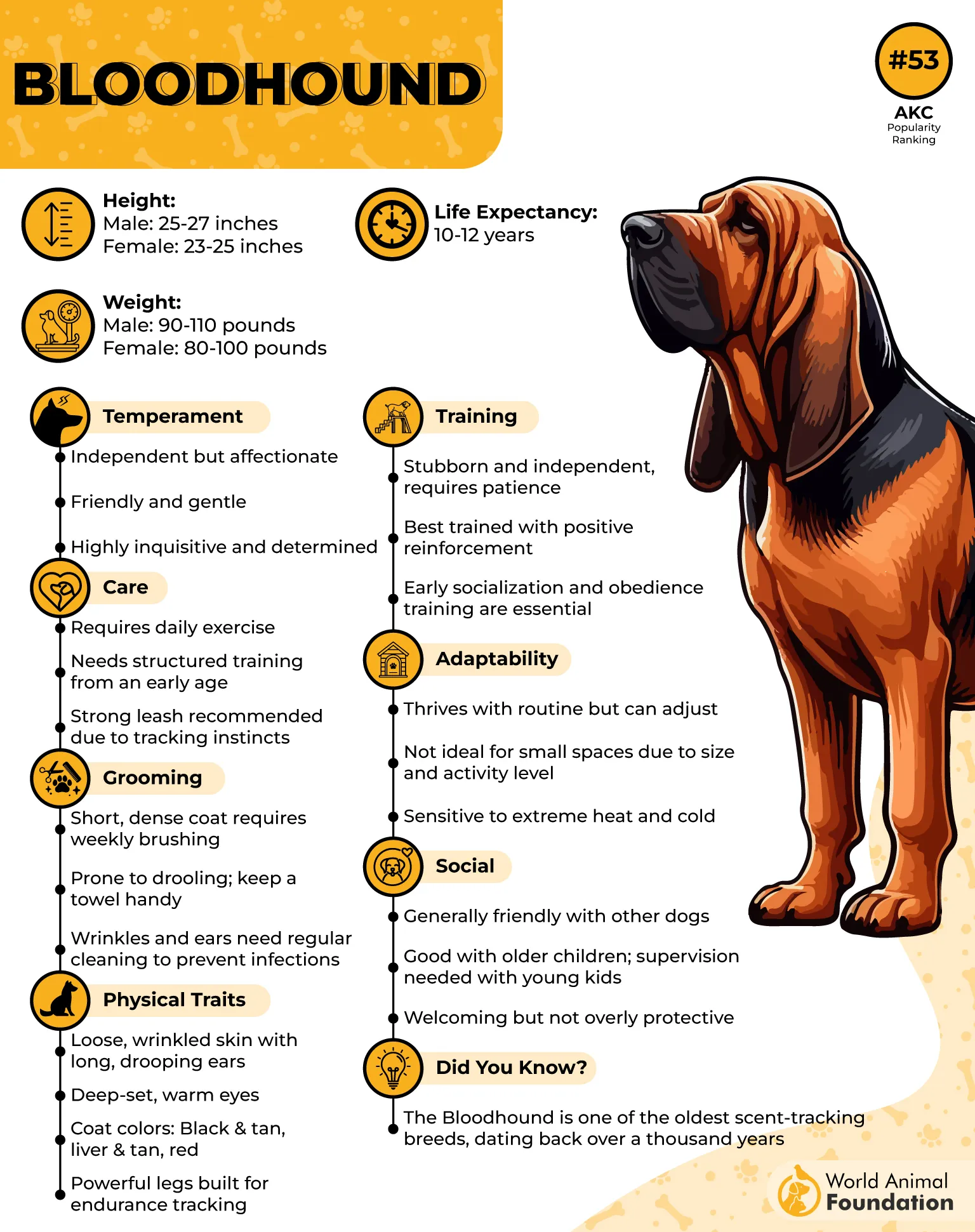
And that serious nose has kept the breed useful in law enforcement and search-and-rescue work as well as in older forms of dog hunting. Its coat is fairly simple to manage with occasional brushing and bathing, but the face and chest may need more frequent cleaning because of drool.
For someone drawn to hunting dogs with deep tracking instinct, a Bloodhound offers strong instincts, a steady working style, and the kind of focus that fits forest trails where scent matters more than speed.
Why This Breed is a Good Fit
Its nose-led tracking style works well in wooded places where trails can twist and disappear.
The breed stays locked in on scent instead of getting distracted by every little forest surprise.
It may look sleepy, but on a trail, this dog turns into a serious professional.
Conclusion
Forest hunting asks for a dog with focus, stamina, and instincts that still work when the trail gets messy. These popular hunting dog breeds each bring something useful to the woods, whether that is a strong nose, steady endurance, quick movement, or the drive to stay on task through thick cover and uneven ground.
The best match depends on how you hunt, how much exercise you can provide, and what kind of life the dog will have at home. Some are loud, some are intense, and some need more structure than others, but all of them carry traits that suit serious outdoor work.
When you choose a breed that fits both the field and your daily routine, you are far more likely to end up with a capable partner and a dog you truly enjoy living with.
