




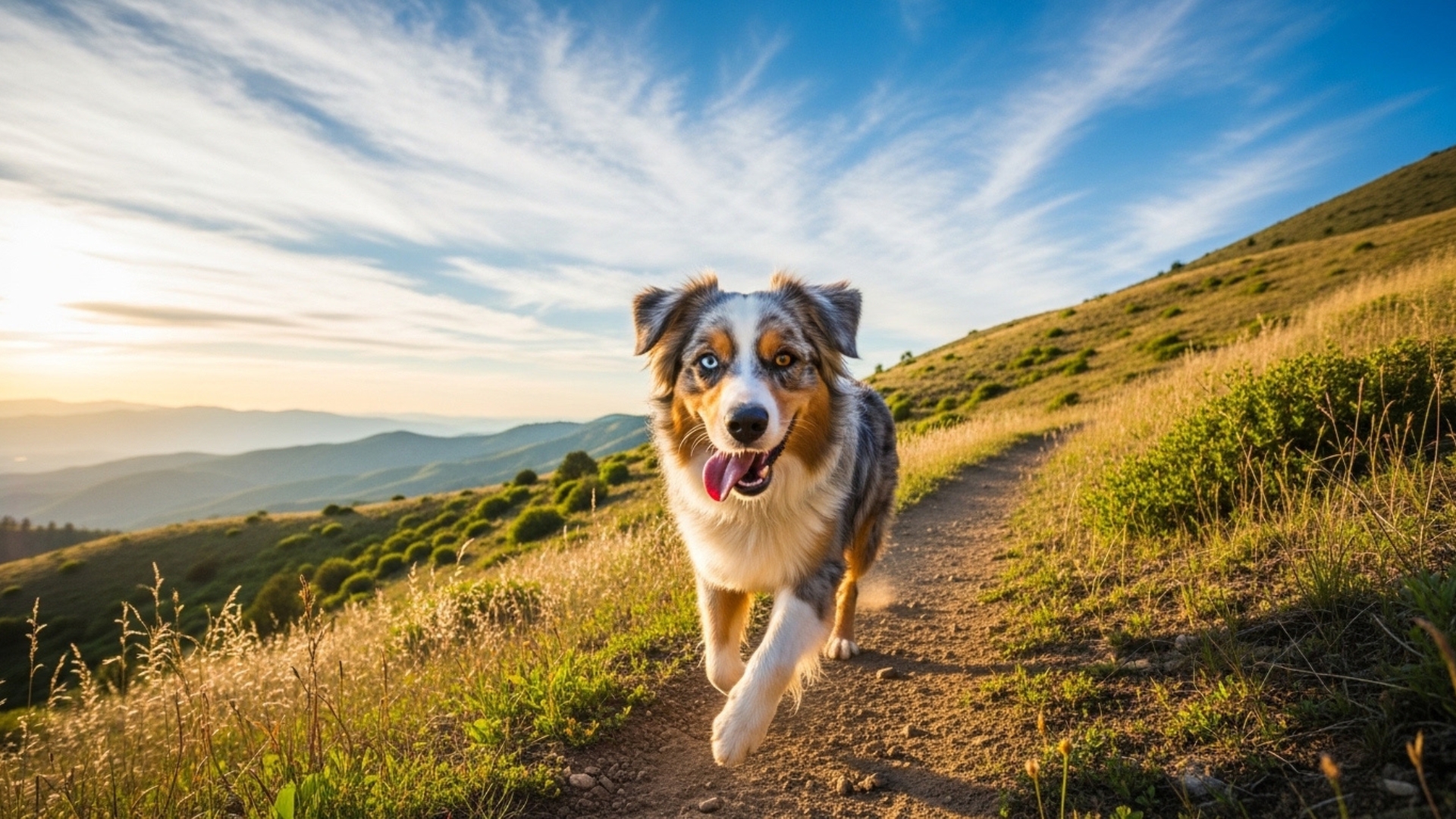
If your ideal weekend includes sunrise hikes, trail runs, or long days at the lake, the right dog can make every adventure even better.
While most pups enjoy a daily walk, some breeds are built for bigger outings and thrive on fresh air, movement, and new terrain. These outdoor lovers tend to have the stamina, focus, and enthusiasm that match an active lifestyle.
In this guide, we highlight dog breeds that are especially well-suited for hiking, exploring, and staying busy alongside you.
Lace up your boots, grab the leash, and discover which four-legged partner might be your perfect adventure companion.
Amazing Dog Breeds for Active Outdoor Living
1. Border Collie
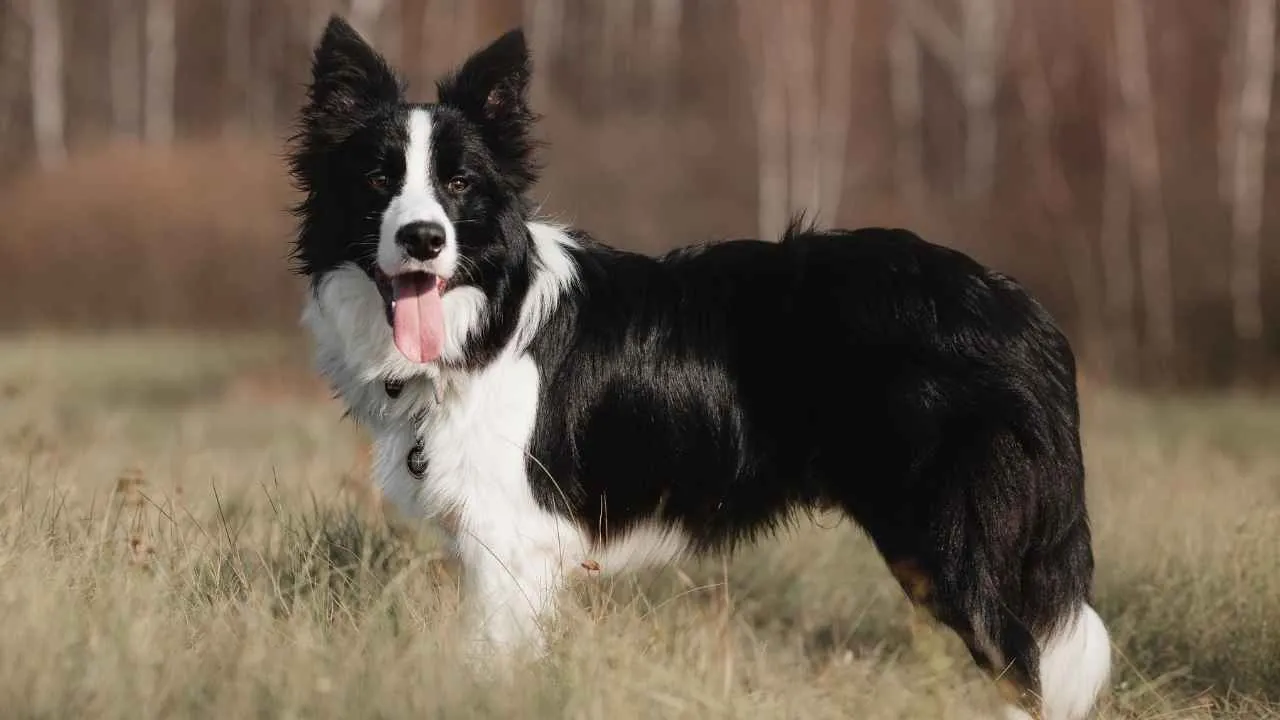
Border Collies are famous for their sharp minds and unstoppable energy. If you love staying busy, this is a dog that will happily match your pace from sunrise to sunset.
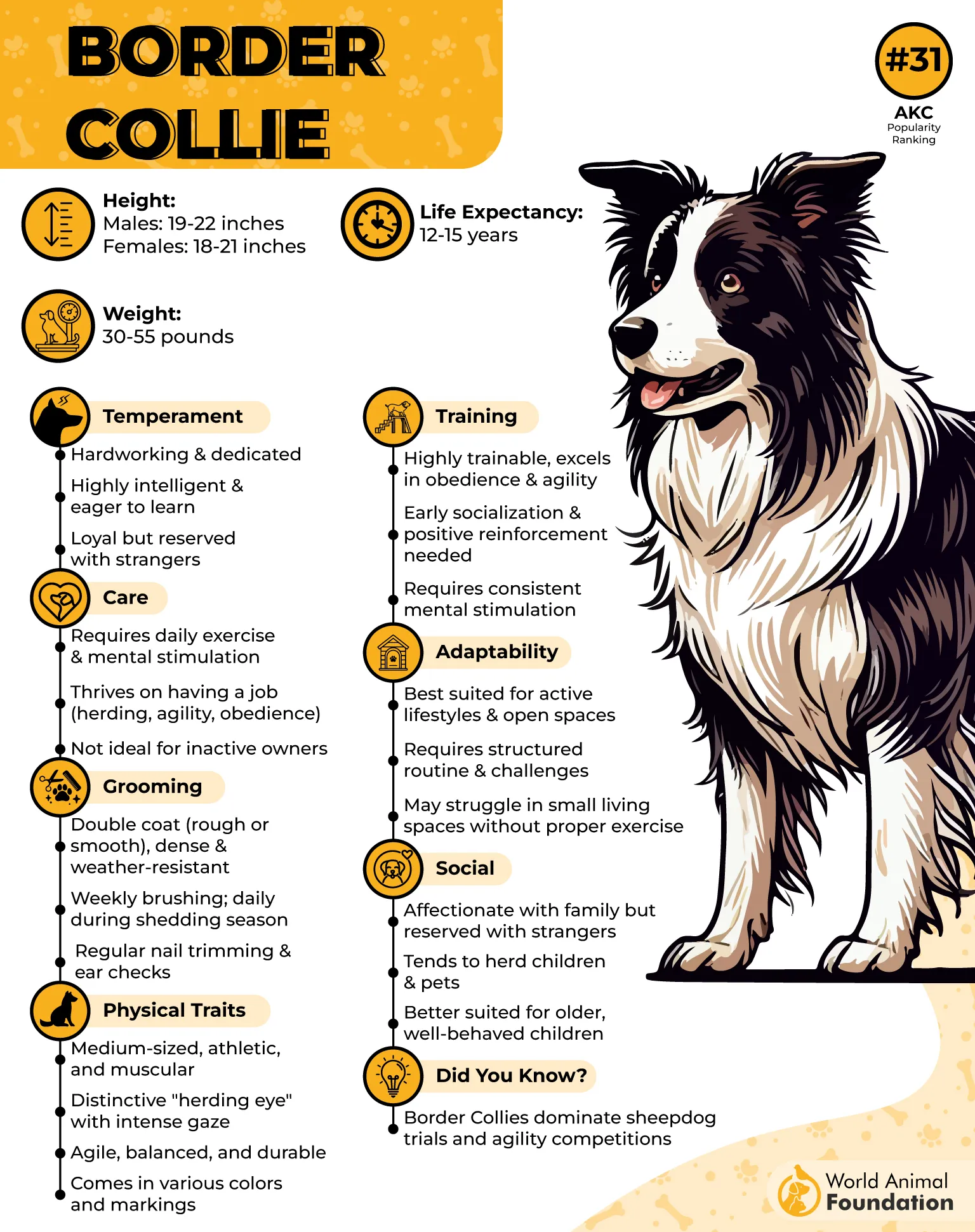
As per Purina, they are quick learners who can grasp complex tasks and respond eagerly to instruction. Agility courses, flyball, frisbee, and herding-style activities give them a chance to show off their speed and focus. With natural athleticism and impressive stamina, they can keep going for hours on demanding adventures.

These herding dogs also thrive on problem-solving. Interactive games, scent work, and training challenges keep their brains engaged and help prevent boredom. Their weather-resistant double coat allows them to adapt to different rural outdoor settings, whether that means open countryside or coastal trails.
Why This Breed Is a Good Fit
Ideal for owners who want a dog that can handle long hikes, fast runs, and structured dog sports
Thrives when given a clear role or activity during outdoor time
Brings enthusiasm and focus to every shared adventure
2. Australian Shepherd
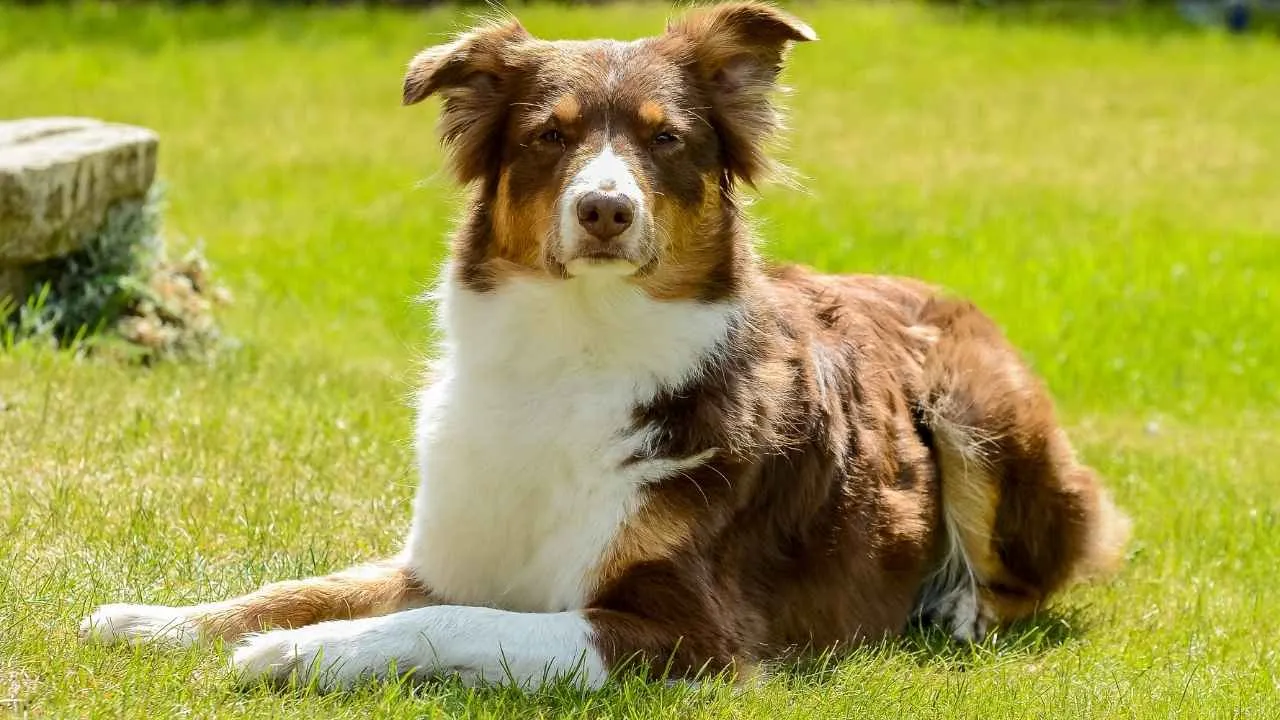
Australian Shepherds are intelligent, loyal dogs with a strong herding background and a natural drive to work. They tend to form close bonds with their families and often stick by their favorite person’s side. Friendly by nature, some may take a moment to warm up to new faces before showing their affectionate side.
This breed has high energy that continues well into adulthood and sometimes into their senior years. They enjoy having a job and can become destructive if their energy is not directed into regular exercise and mental stimulation. Games like fetch are favorites, though their instinct to chase moving objects means early training and socialization are important.
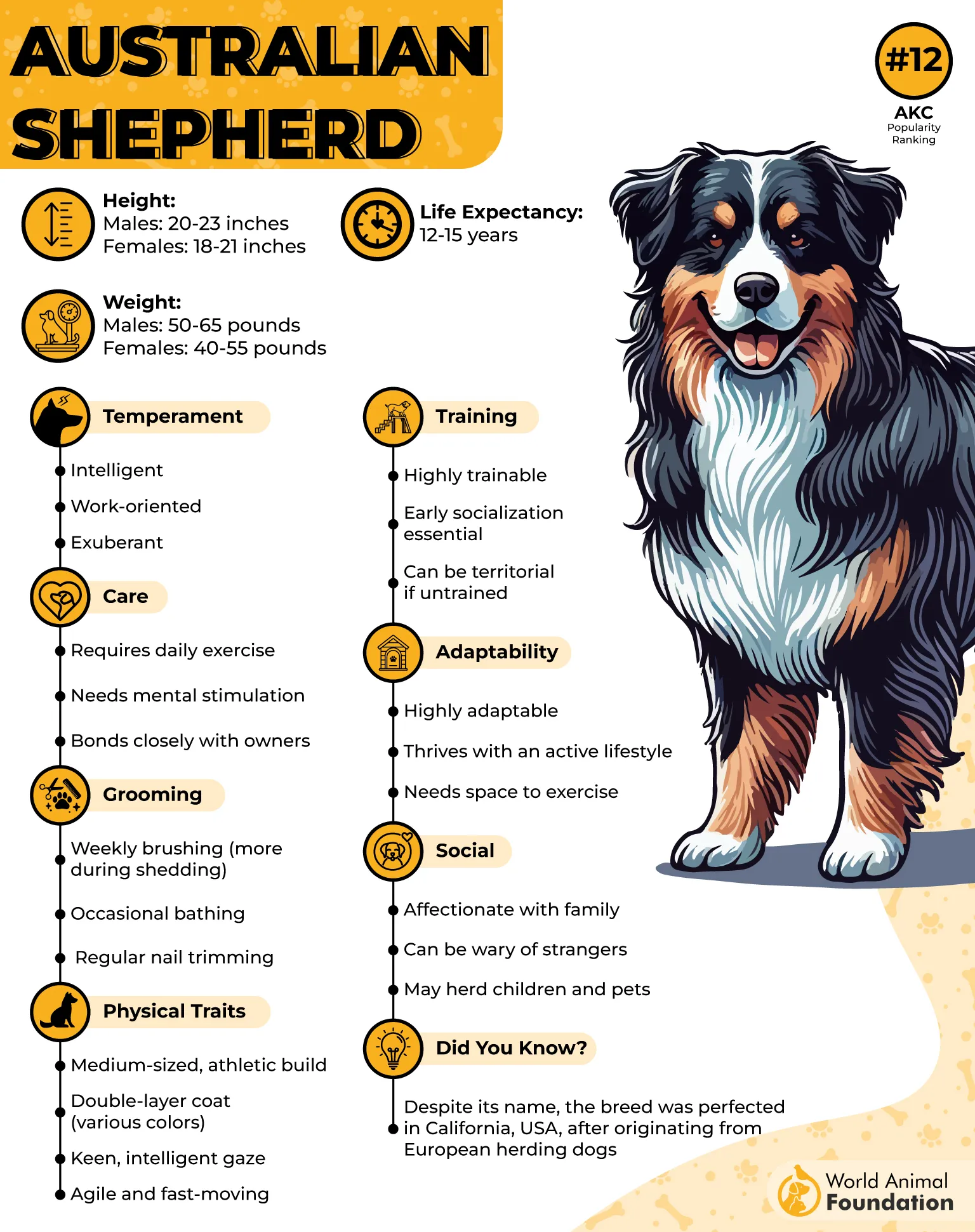
As per PetMD, Aussies are athletic and agile, but proper recall training is essential since they can be escape artists and may chase squirrels or even cars. Advanced training, dog sports, and structured activities help them stay balanced and focused. Because of their active lifestyle, joint health and steady growth during puppyhood need careful attention.
Why This Breed Is a Good Fit
Great match for owners who hike, run, or train frequently and want a devoted sidekick
Excels in active homes that provide daily exercise and structured challenges
Well-suited to outdoor routines that mix movement, play, and training
3. Siberian Husky
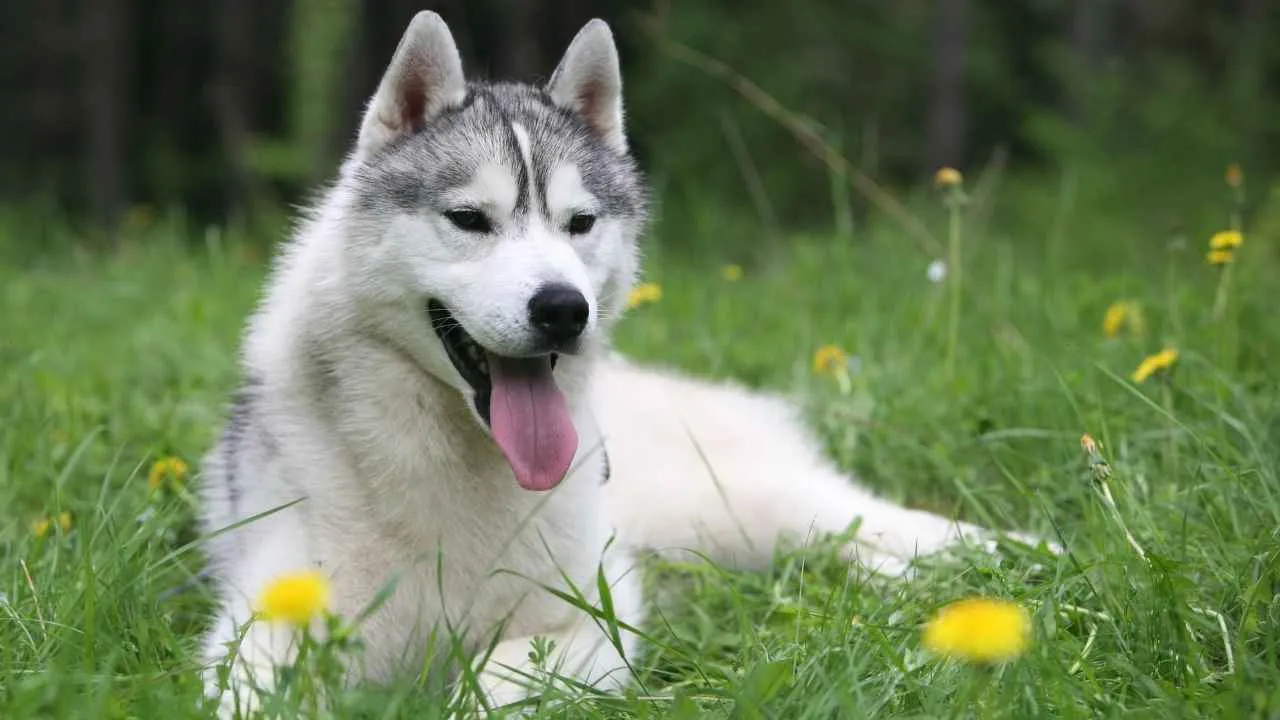
Siberian Huskies are active, intelligent dogs known for their love of running. Originally bred for cold climates, they are especially comfortable in snowy or chilly conditions. They are social and often eager to greet everyone they meet, which makes them lively companions on outdoor outings.
These social dogs need a minimum of two hours of exercise each day and plenty of space to move. Long walks, runs, and secure off-leash time in a safe area help meet their physical needs. Because of their thick double coat, extra care is required during warm weather to prevent overheating.
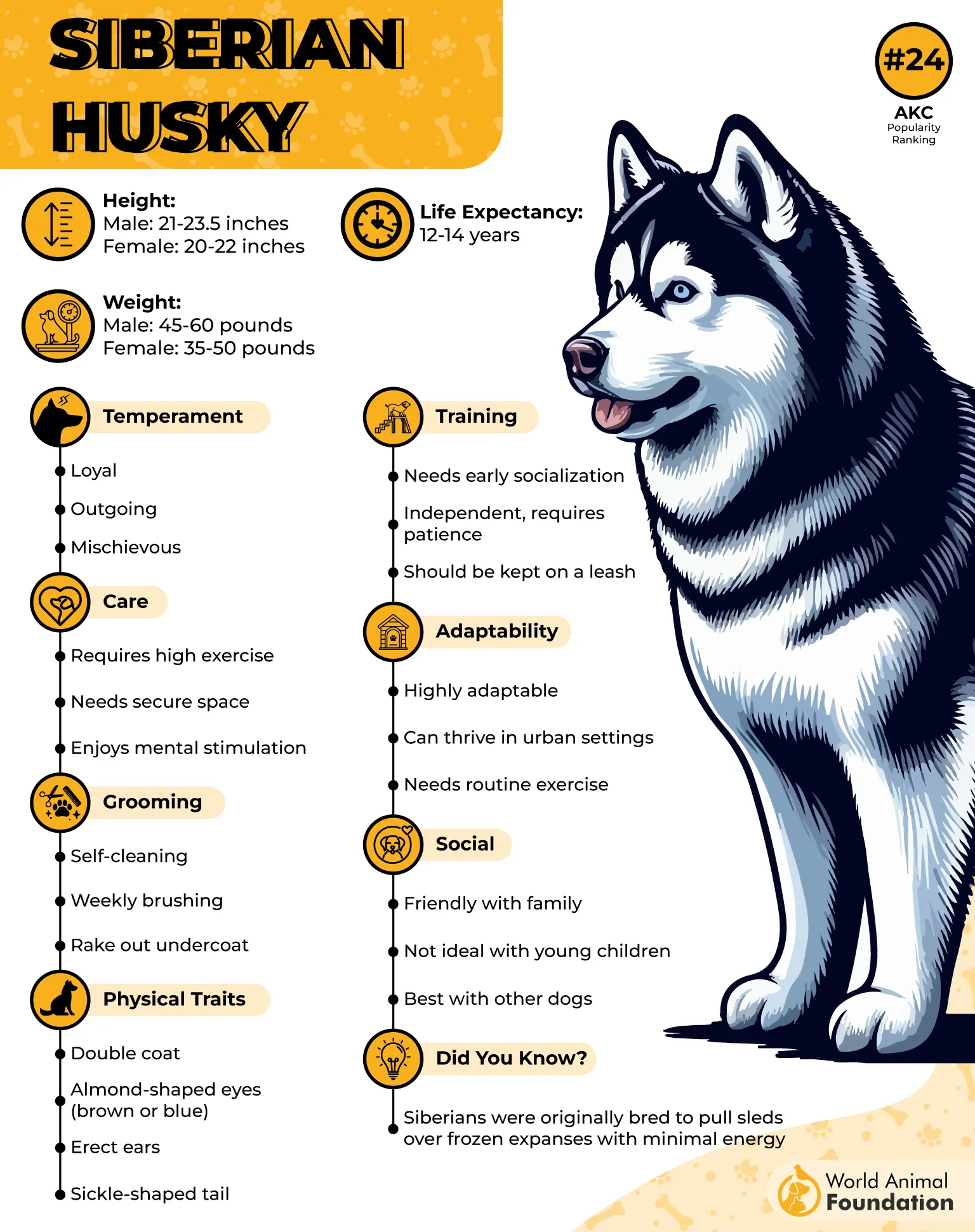
PDSA states that Huskies are independent thinkers and require consistent, reward-based training. They can test boundaries and are known escape artists, so a very secure garden is essential. Their high prey drive means they may chase smaller animals, and they do not cope well when left alone for long periods.
Why This Breed Is a Good Fit
Perfect for owners who enjoy long outdoor sessions and cold-weather adventures
Thrives with daily, high-energy exercise in spacious environments
Suits experienced handlers ready for an active and spirited companion
4. German Shepherd Dog
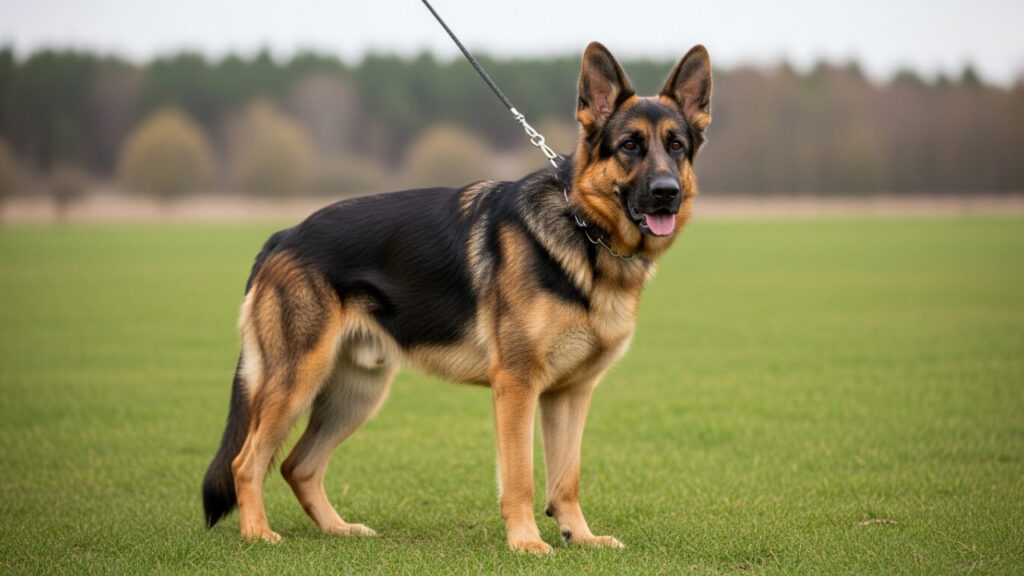
German Shepherds are intelligent, loyal dogs with a strong working heritage. Originally used for herding sheep, they are known for their trainable temperament and dedication to their families. Their natural protective instinct means they are devoted companions who stay attentive to their surroundings.
This breed needs at least two hours of exercise each day, along with mental stimulation, to stay content. They enjoy games that involve finding, tracking, and retrieving objects, as well as structured obedience training. Without enough activity, they may channel excess energy into unwanted behaviors like chewing or excessive barking.

German Shepherds respond well to positive reinforcement and structured training from an early age. Early socialization is important, especially since they can be reserved with strangers. Their double coat sheds year-round and benefits from weekly grooming to keep it in good condition.
Why This Breed Is a Good Fit
Excellent choice for active families who can commit to daily exercise and training
Enjoys outdoor activities that combine movement with purposeful tasks
Bonds closely with owners who invest time in structured routines
5. Vizsla
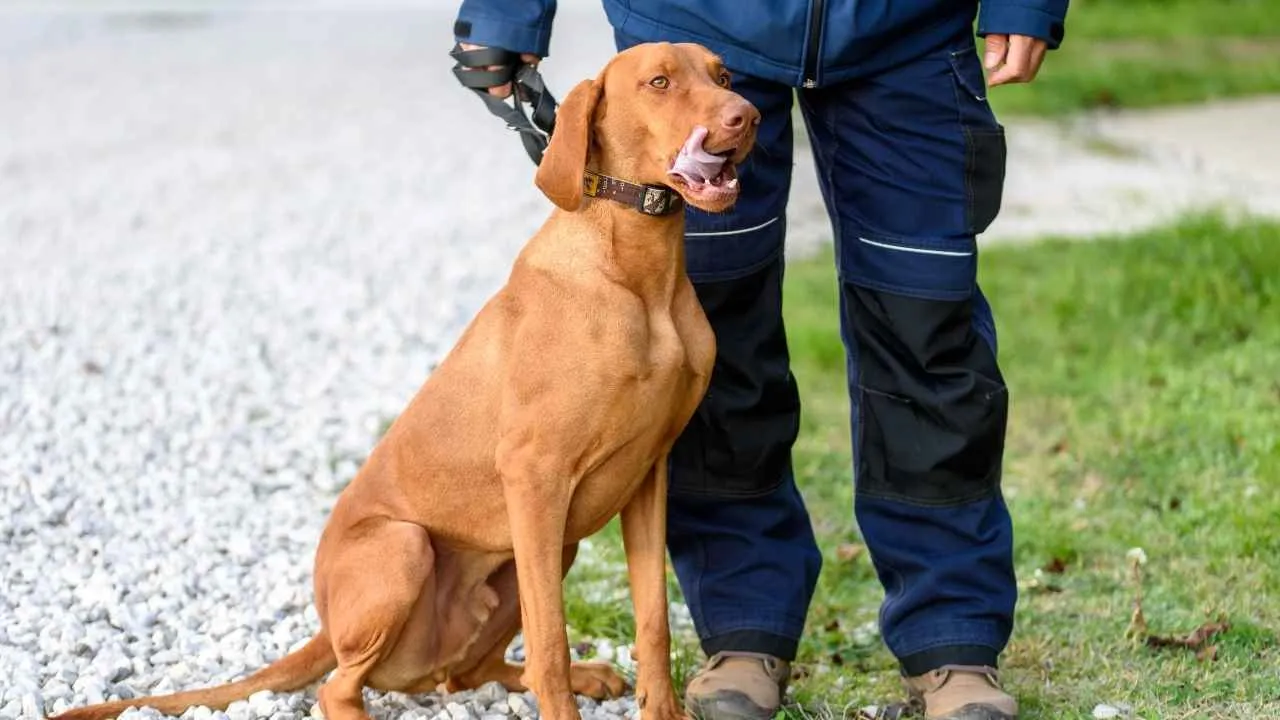
Hungarian Vizslas are lively, people-focused, water hunting dogs that love being part of the action. Originally bred to retrieve, they are happiest when they have something to do and someone to do it with. Many owners call them “Velcro dogs” because they stick close to their favorite humans.
This breed needs at least two hours of exercise every day, split into walks and secure off-lead time. They enjoy long, interesting routes where they can use their keen sense of smell, and they often excel in agility and other canine sports. Vizslas are also known for loving water, so a safe swim can be a highlight of their week.
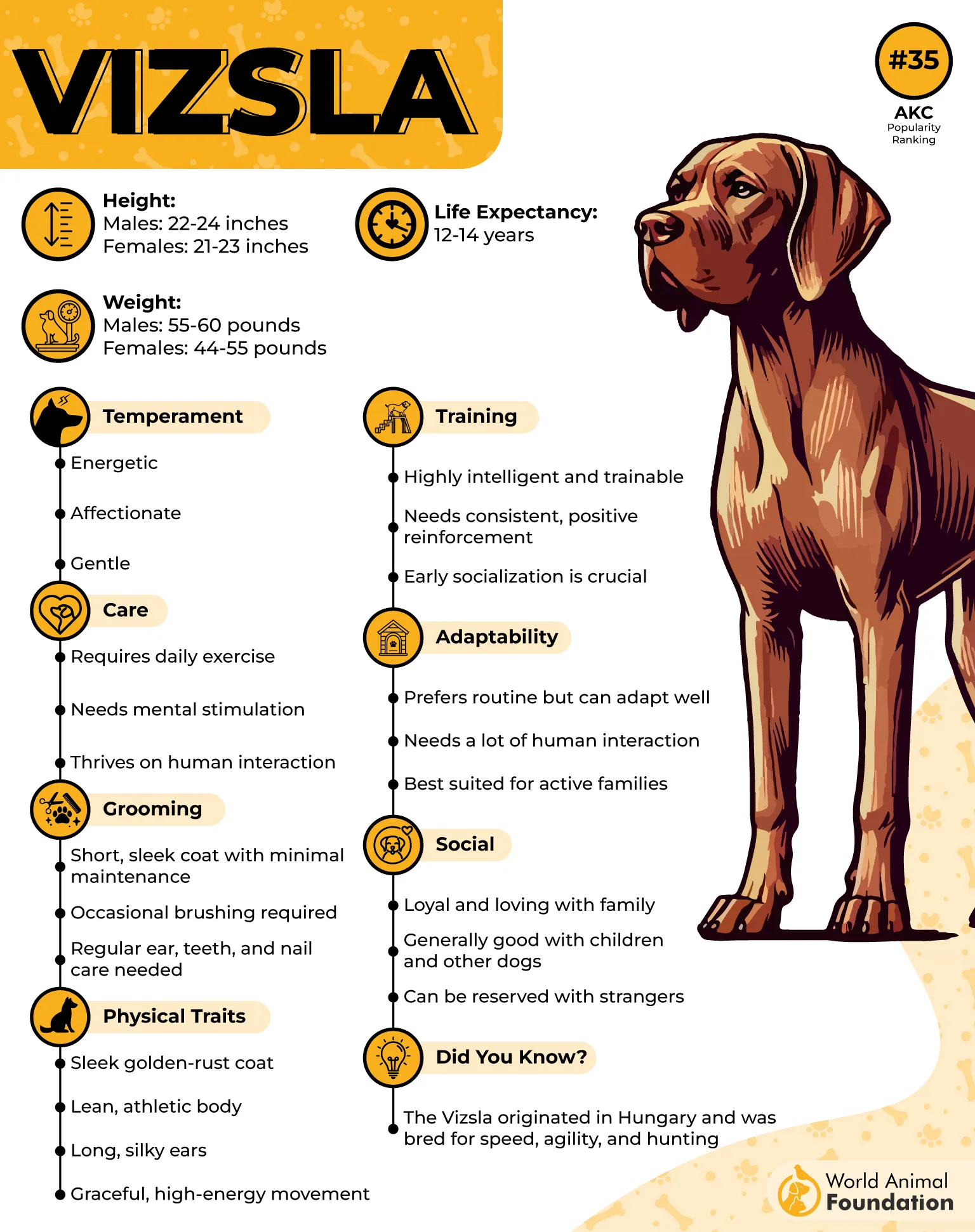
They respond very well to positive, reward-based training and tend to learn quickly. However, their strong personality and high energy mean they are usually better suited to experienced owners. Without enough mental and physical stimulation, boredom can show up in unwanted behaviors around the house.
Why This Breed Is a Good Fit
Excellent partner for runners and outdoor enthusiasts who can commit to daily activity
Thrives in homes where training and brain games are part of the routine
Ideal for owners who want a close, constant companion on every outing
6. Alaskan Malamute
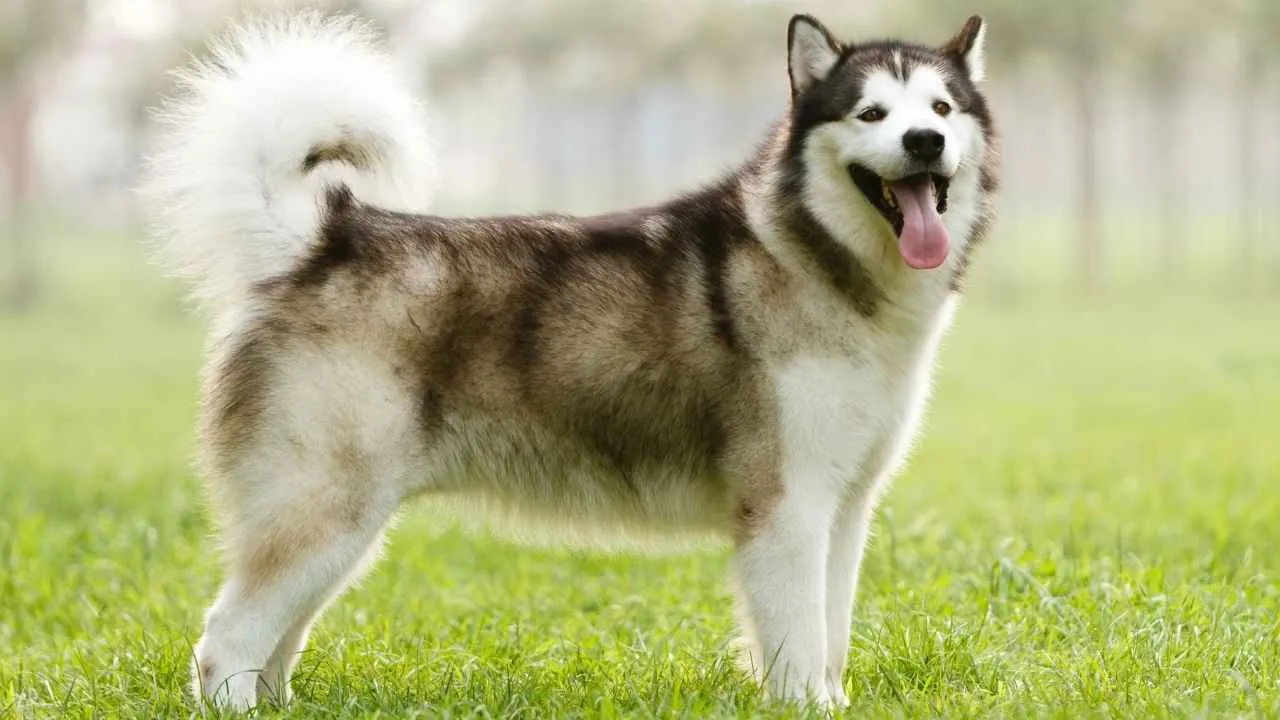
Alaskan Malamutes are powerful, affectionate dogs with a long history as arctic sled workers. Bred to pull heavy loads and thrive in freezing conditions, they are known for their strength and endurance. Despite their serious look, they are playful and enjoy attention from their families.
They remain highly active and benefit from regular walks and opportunities to run and play outdoors. Hiking, skiing, biking, and other outdoor activities can suit them well. Because they are sensitive to heat, they need shade, fresh water, and extra care during warmer months.
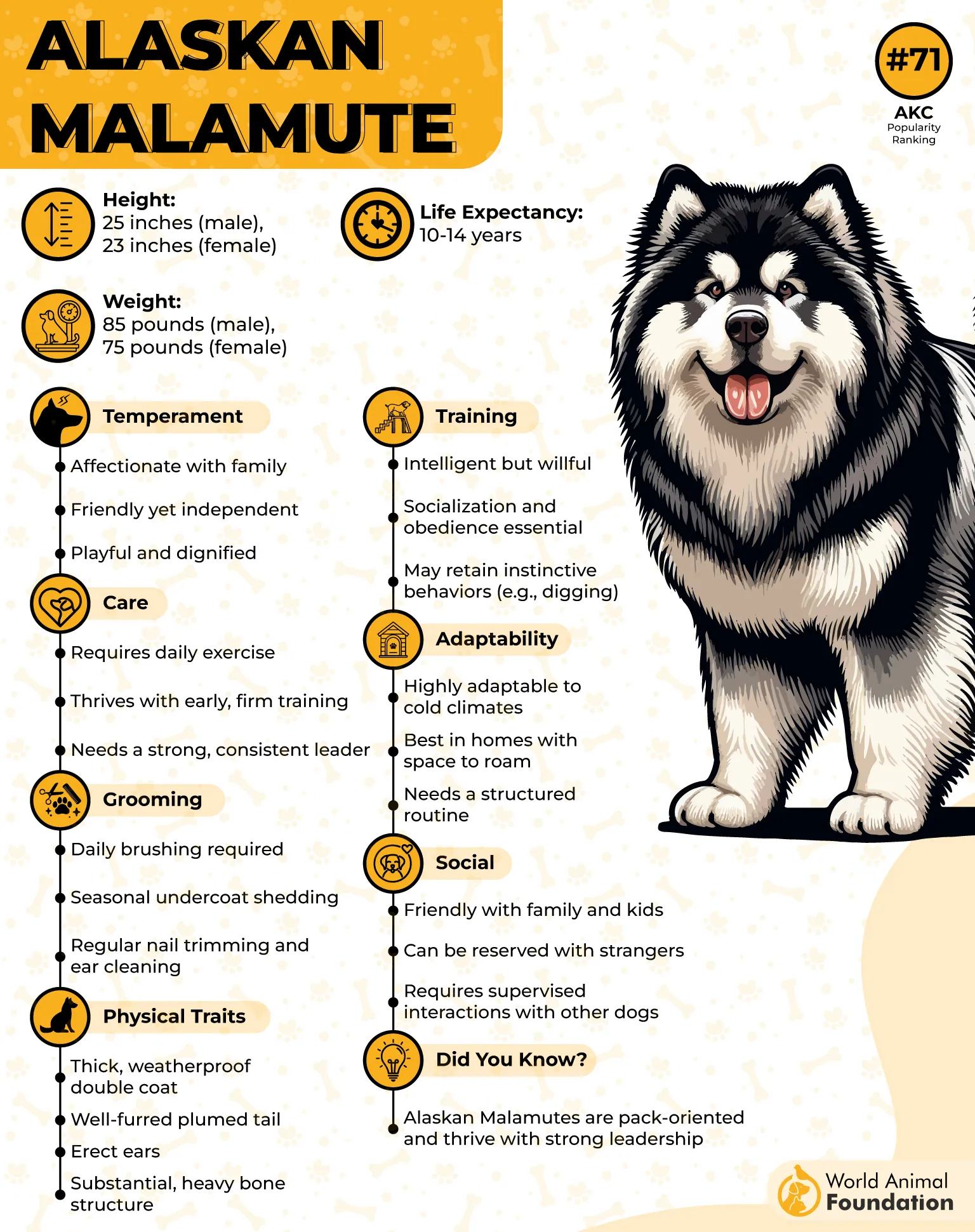
Malamutes have thick double coats that require regular brushing, especially during shedding seasons. They are intelligent but can be independent and sometimes stubborn, so steady training and early socialization are important. They tend to howl rather than bark and do best in homes where they have companionship and space.
Why This Breed Is a Good Fit
Great match for cold-weather adventurers who enjoy winter sports
Suit homes with ample outdoor space for movement and play
Ideal for active families who can provide structure and regular grooming
7. Labrador Retriever
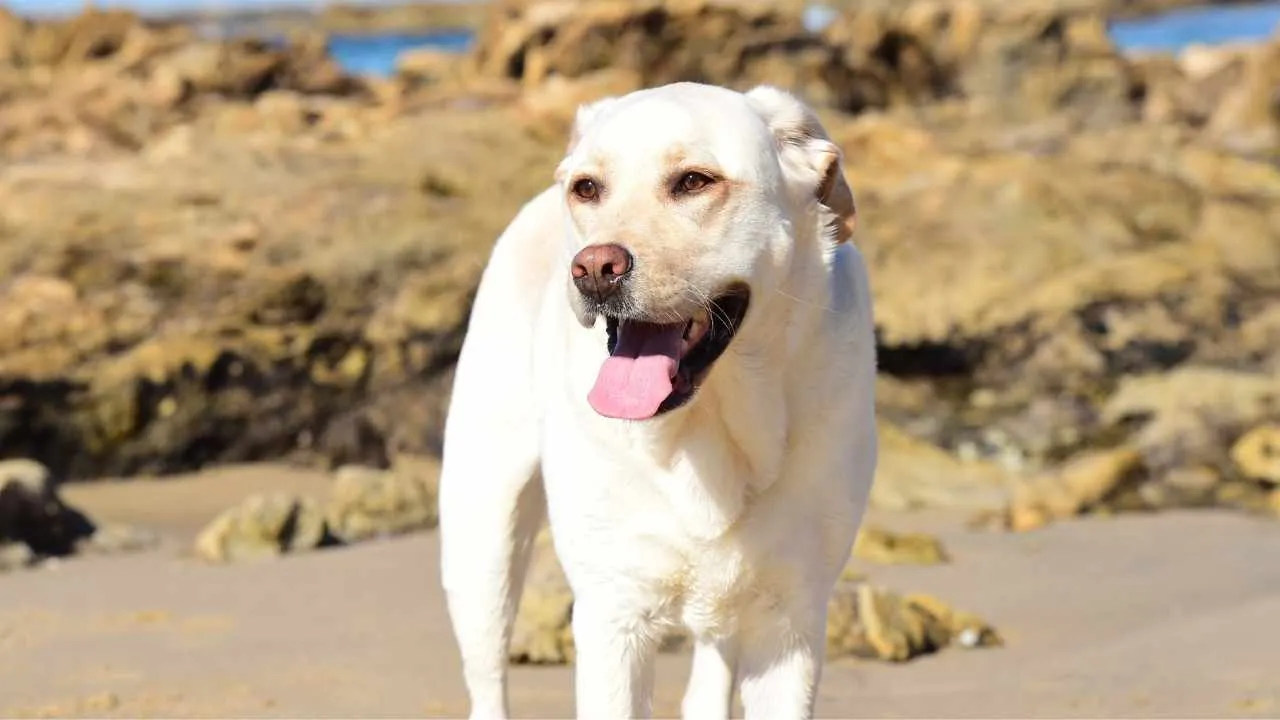
Labrador Retrievers are devoted, affectionate dogs known for getting along well with nearly everyone. As members of the Gundog group, they were originally trained to retrieve game, and that willingness to work closely with people remains a defining trait. They are obedient, quick to learn, and eager to please.
Labradors need more than two hours of exercise each day to stay physically and mentally fit. Their energy and enthusiasm make them enthusiastic participants in outdoor activities. With proper socialization, they bond strongly with the whole family and are especially patient with children.
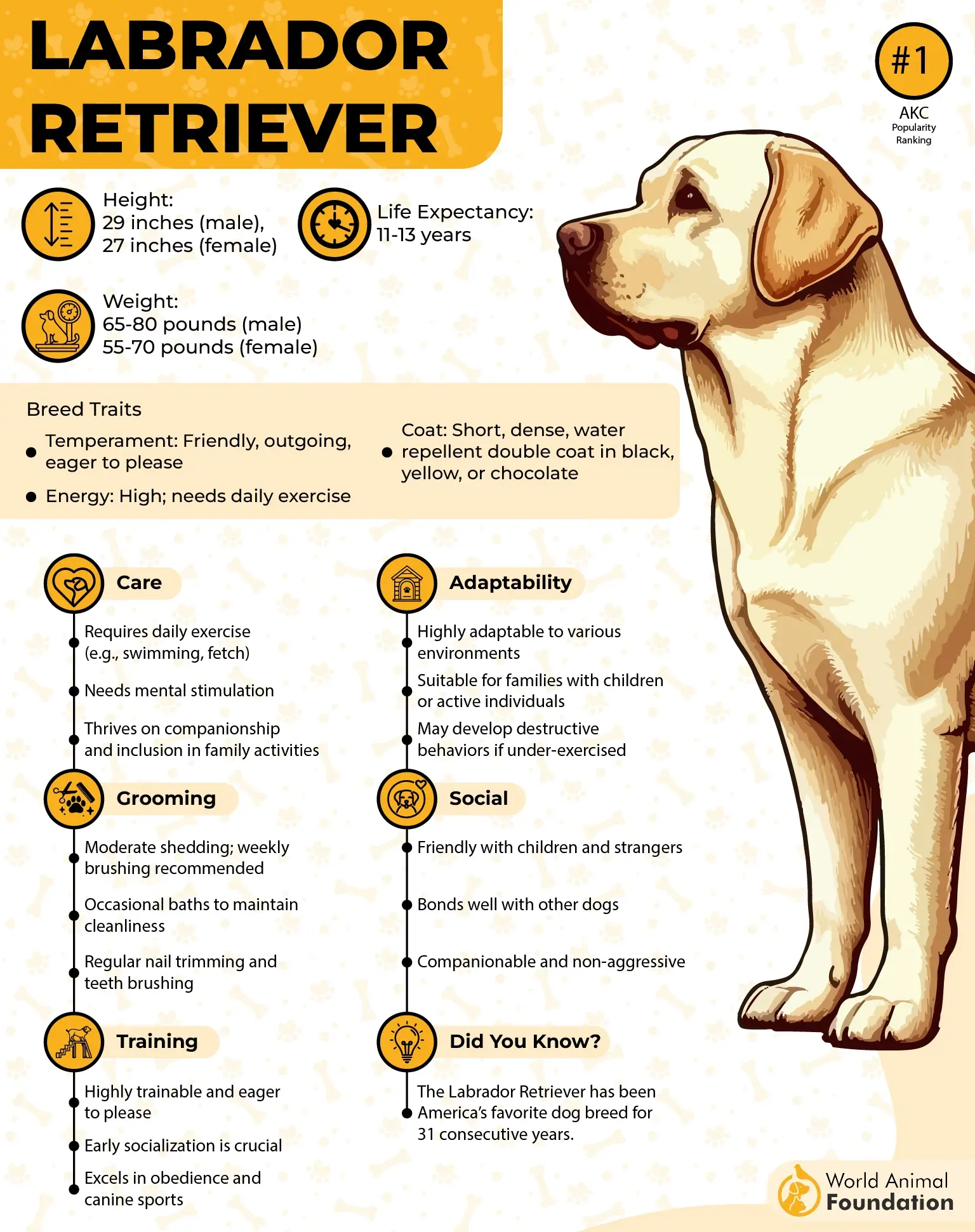
Their short coat is easy to maintain with a weekly brush. However, they can be prone to obesity, so keeping them active and monitoring their diet is important. Screening for inherited conditions such as hip and elbow dysplasia or progressive retinal atrophy is recommended when choosing a puppy.
Why This Breed Is a Good Fit
Reliable choice for families who spend lots of time outdoors together
Enjoys long walks, active play, and structured training sessions
Well-suited to owners who want a friendly, trainable companion for daily adventures
Conclusion
Choosing an outdoor dog breed for an active lifestyle means thinking beyond looks and focusing on energy, temperament, and daily needs. The right breed will not just keep up with you but genuinely enjoy the miles, the mud, and the memories you make together.
Whether you prefer snowy trails, long-distance runs, or relaxed family hikes, there is a canine companion ready to share the journey. With proper training, socialization, and regular exercise, these breeds can thrive as outdoor adventure partners.
Match their drive with your commitment, and you will gain a loyal friend who makes every outdoor moment even better.
