




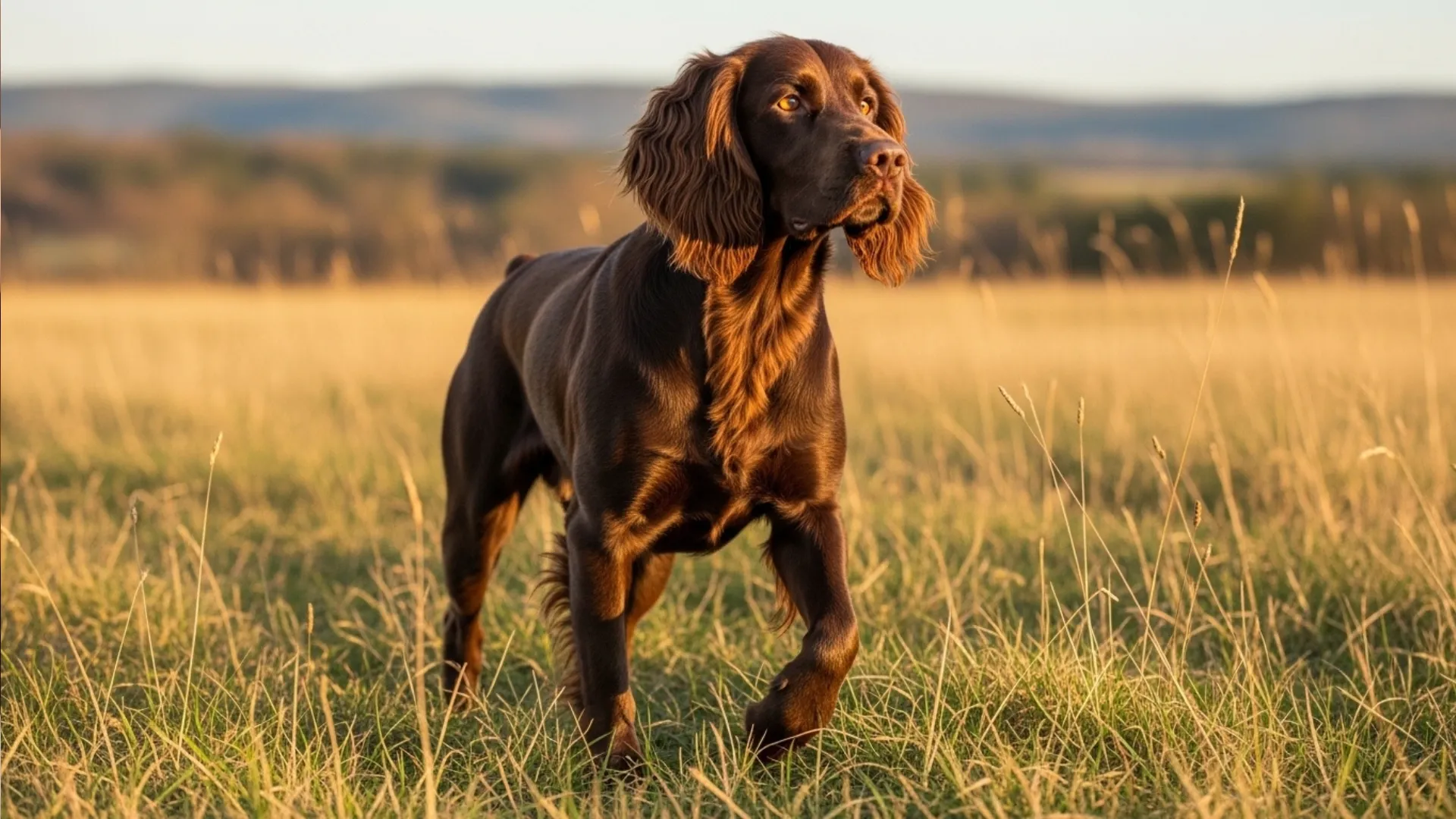
Upland hunting is where teamwork between hunter and dog truly shines. The right breed can locate birds, work through tough cover, and stay responsive at your side, turning a good day in the field into a great one.
Today’s upland dogs are not just skilled hunters, but also loyal companions that fit into everyday family life. From energetic pointers to determined flushers and versatile all-rounders, each breed brings its own strengths to the hunt.
Choosing the right dog depends on your terrain, hunting style, and lifestyle at home, but one thing is certain: a well-matched upland dog makes every outing more rewarding.
Amazing Dog Breeds Built for Upland Hunting
1. Labrador Retriever
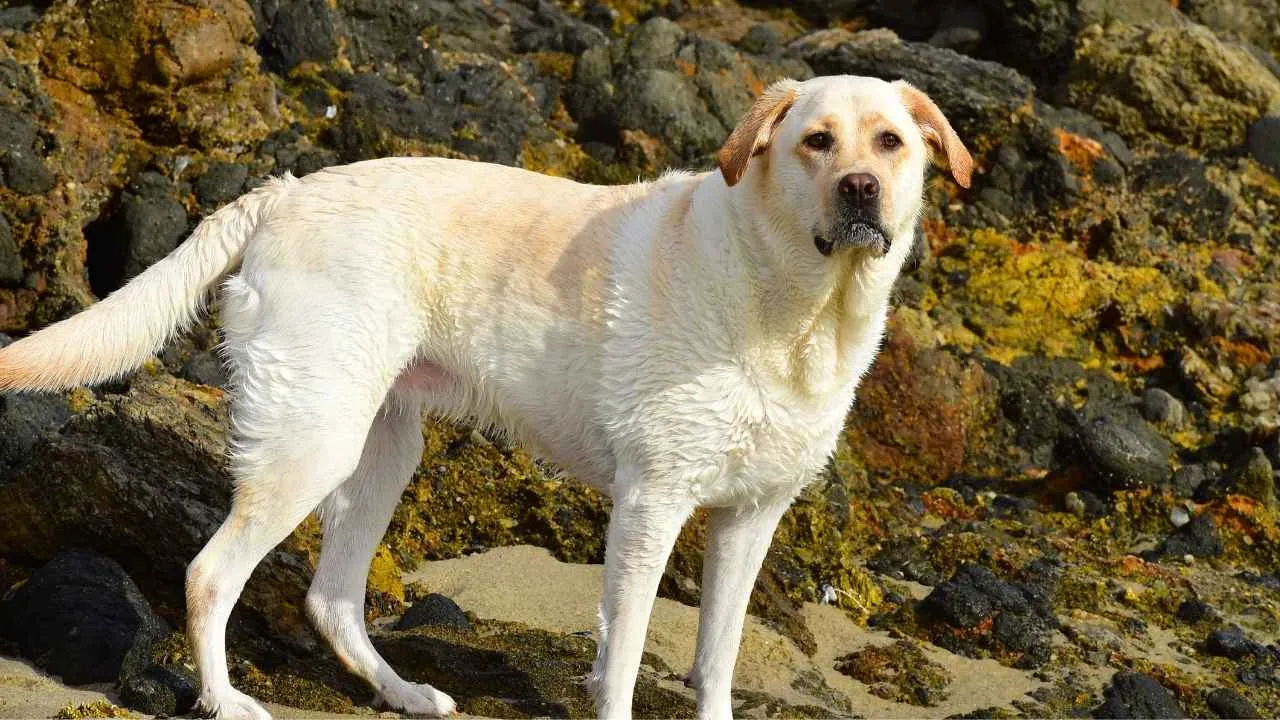
Originally developed from working dogs in Newfoundland, Labrador Retrievers earned their reputation by helping fishermen retrieve nets and fish before becoming hunting companions in England.
Over time, their natural retrieving ability was refined for both land and water work, creating a dog that feels just as comfortable in a marsh as it does in open fields. Today, they remain one of the most adaptable sporting breeds around.
In the field, Labs are steady workers that move at a moderate pace, staying within range while flushing and retrieving birds. They can track quail, retrieve ducks, and even signal nearby birds with their expressive tail movements. Their calm focus, paired with stamina, allows them to handle long hunting days without losing drive or attention.
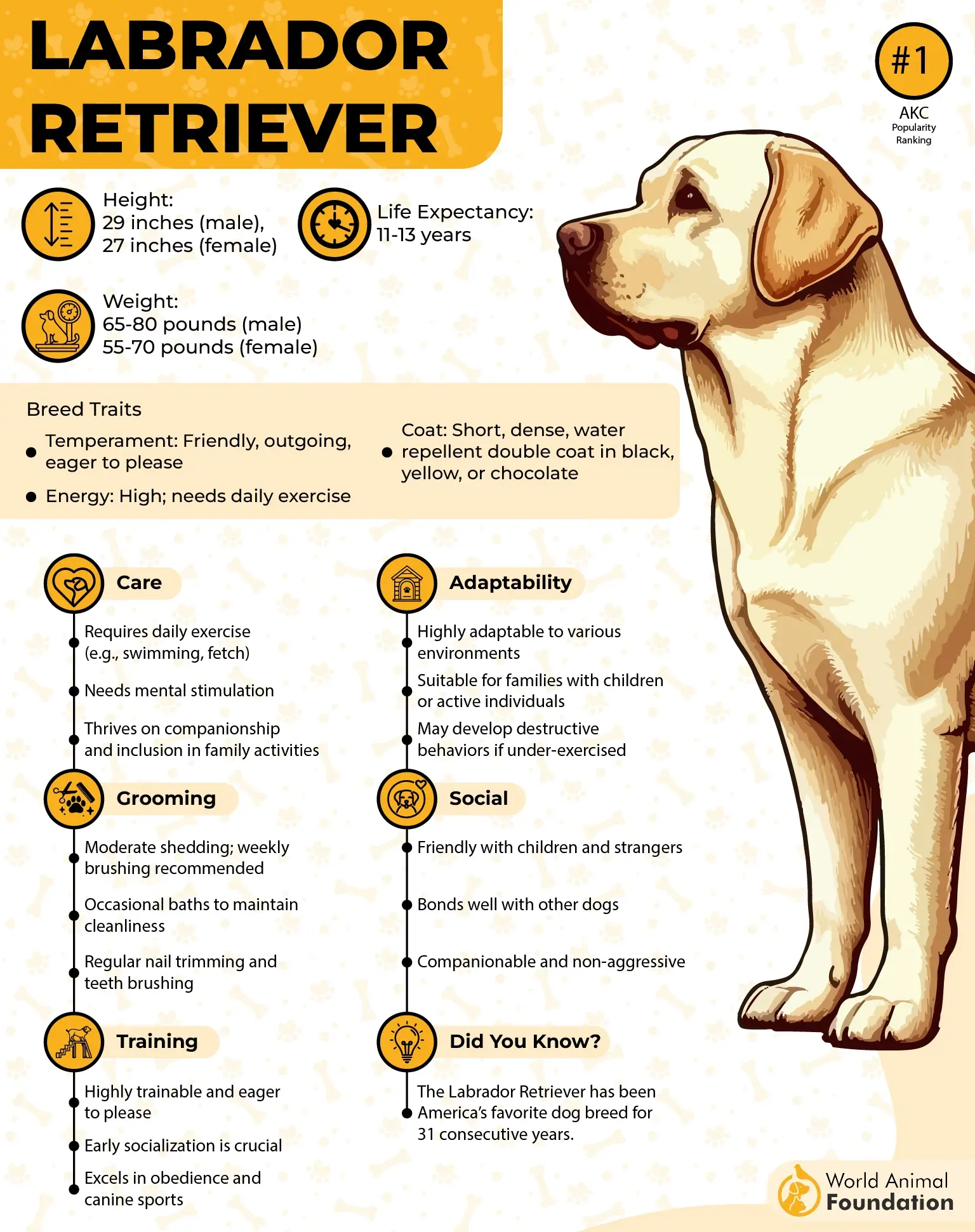
As per WebMD, Labs are friendly, outgoing, and easy to train, which explains their popularity beyond hunting. They thrive on activity and interaction, and their strong work ethic means they’re always ready for the next task. Just keep an eye on their appetite, because this breed really enjoys food.
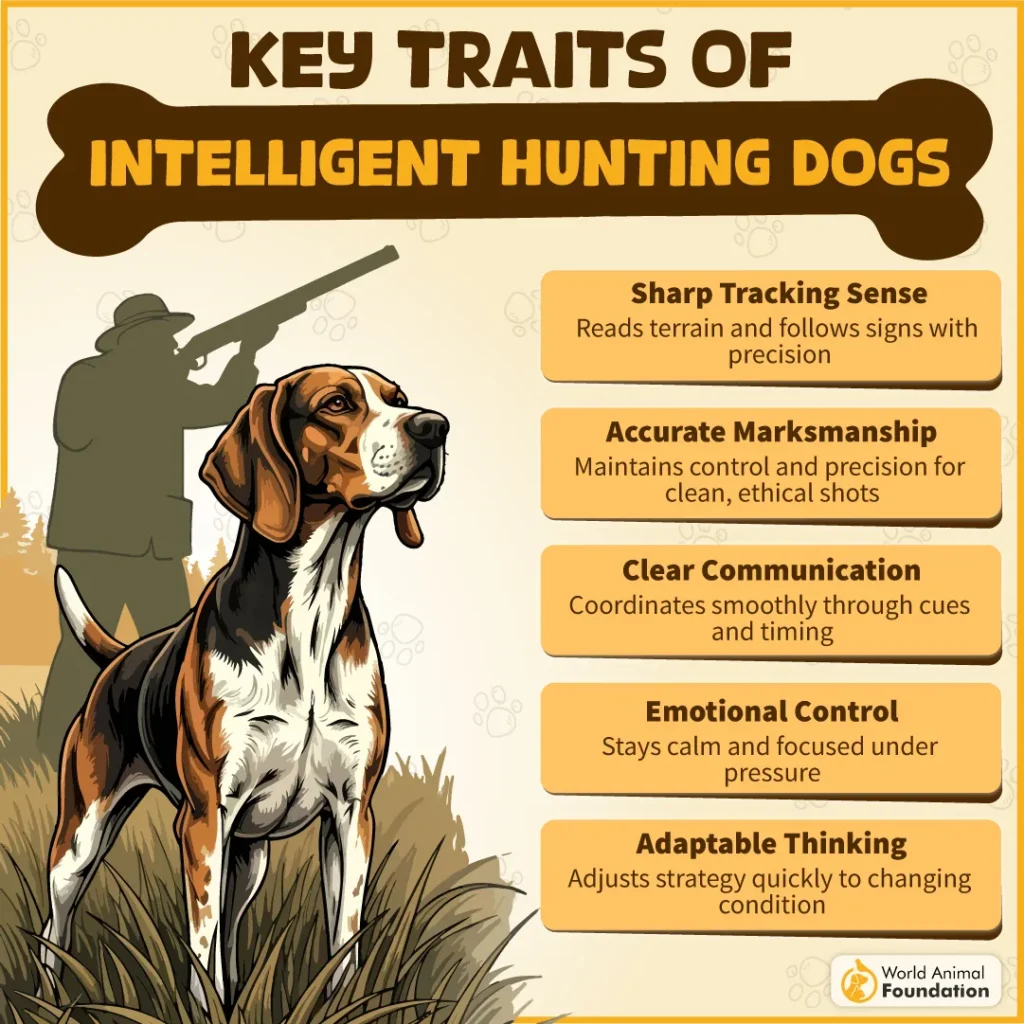
Why This Breed Is a Good Fit
Handles both upland and waterfowl hunting jobs without missing a beat
Naturally stays close and cooperative, making hunts smoother
Blends hunting ability with an easygoing, family-friendly personality
2. Irish Water Spaniel
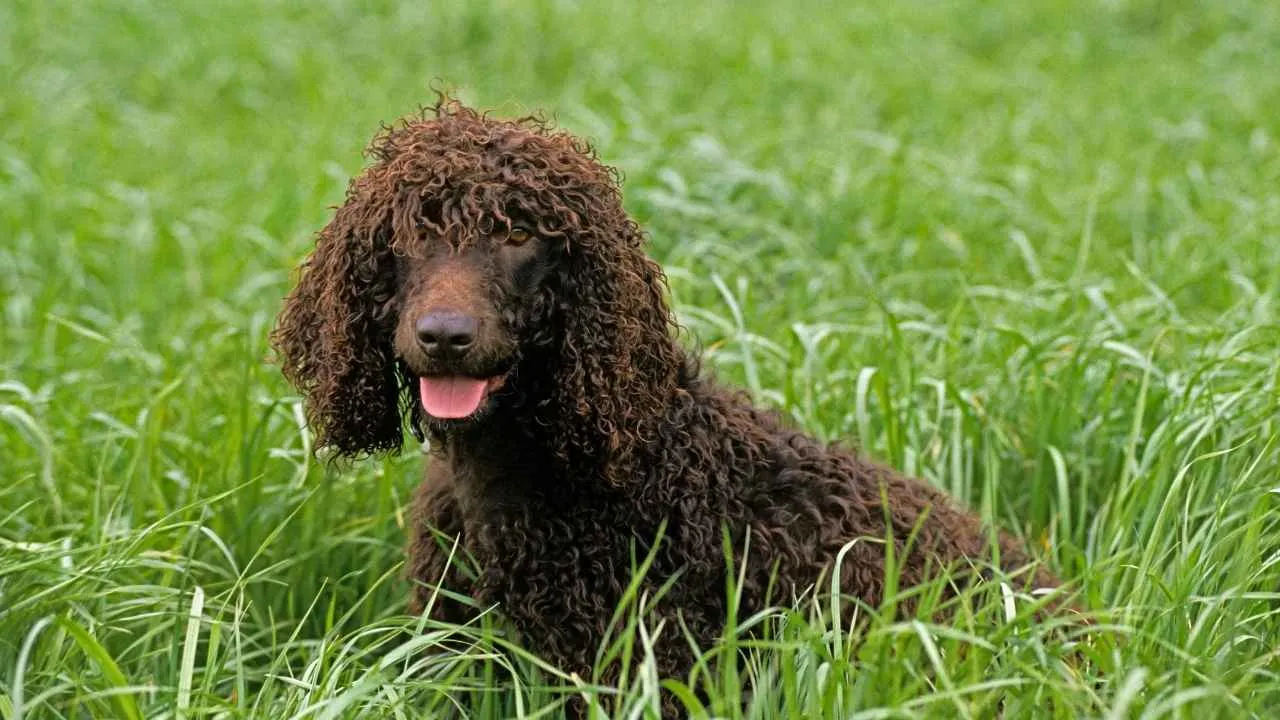
The Irish Water Spaniel stands out instantly with its curly coat, smooth face, and signature “rat” tail, but its real strength lies in versatility. Built for demanding work, this rugged breed has webbed feet and a dense coat that protects it in wet and rough conditions. It was developed to handle both water retrieves and upland hunting duties with equal skill.
Hill’s Pet states that this dog combines the roles of a retriever and a spaniel, offering a mix of persistence and adaptability. It uses a strong nose to track birds, works close while quartering, and will stay locked onto scent until the job is done. Whether flushing upland game or retrieving from water, it brings enthusiasm and determination to every task.
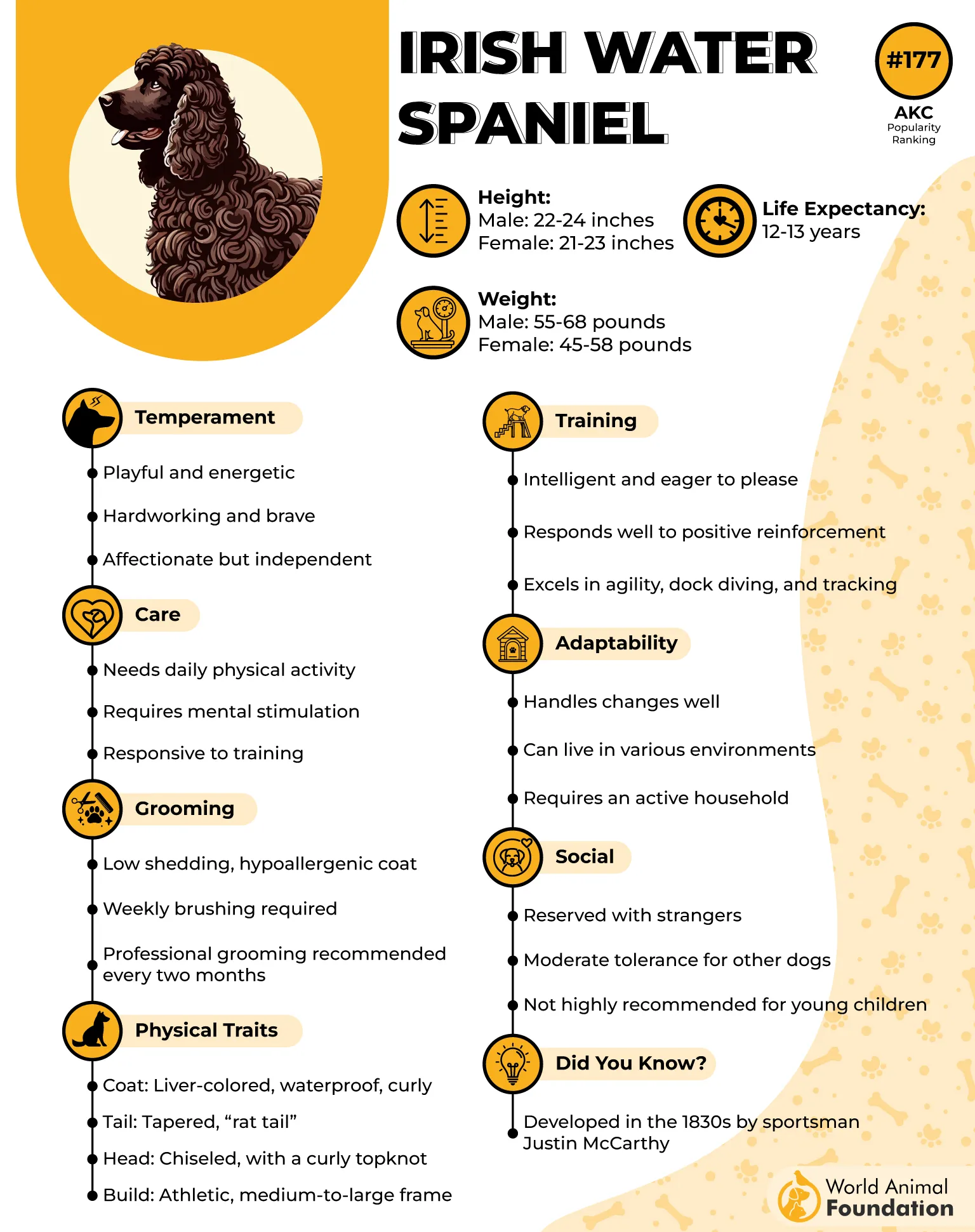
Away from the field, the Irish Water Spaniel is intelligent, playful, and sometimes downright comedic in its behavior. It enjoys training but needs mental stimulation to stay engaged, and it forms a close bond with its owner. This is not a dog that thrives in isolation, as it prefers to be part of the action at all times.
Why This Breed Is a Good Fit
Combines flushing and retrieving skills in one capable hunter
Excels in mixed terrain where water and upland overlap
Offers strong field performance while still being a devoted companion
3. Boykin Spaniel
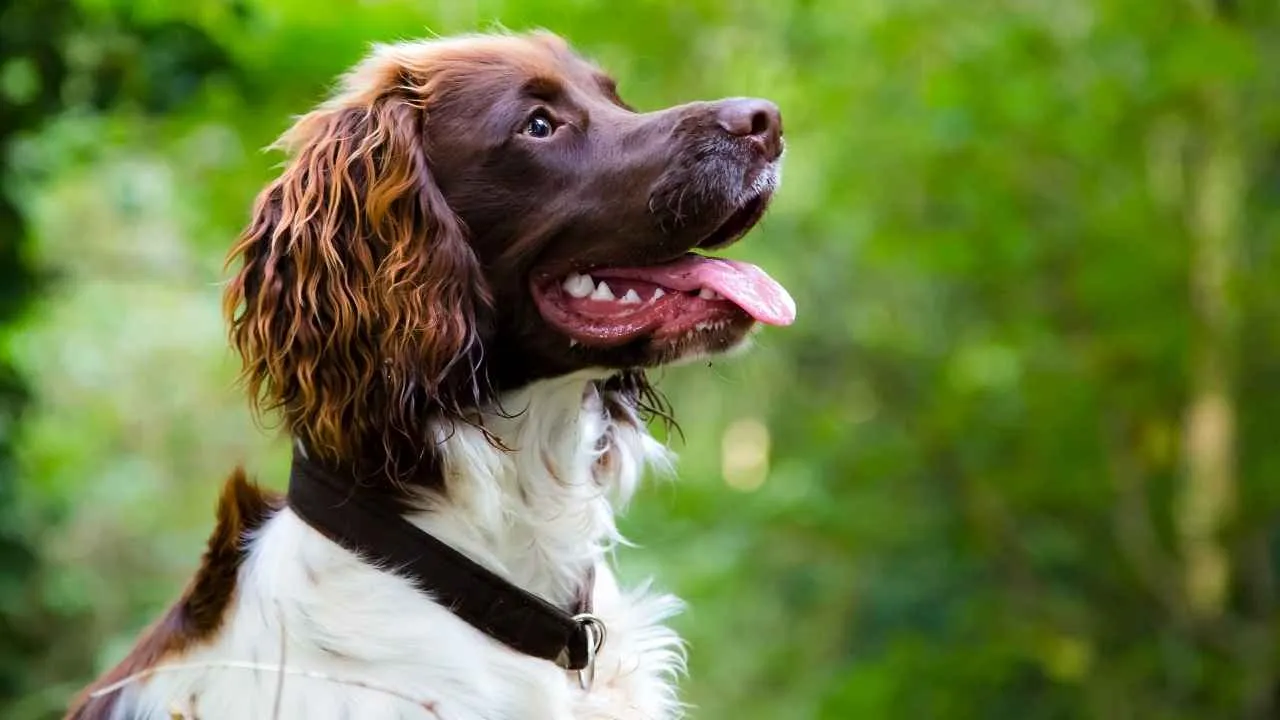
The Boykin Spaniel is a true American original, developed in South Carolina to be a compact but capable hunting partner. Despite its smaller size, this breed quickly built a reputation for handling everything from ducks to upland birds and even turkeys. Its ability to work efficiently in tight spaces made it especially useful for hunters using small boats.
In the field, Boykins are energetic and eager, moving with a natural quartering pattern that helps them locate and flush birds nearby. They retrieve with style and can quietly stay at heel when needed, switching gears depending on the situation. Their instincts mean they often require less rigid training to become effective hunting partners.
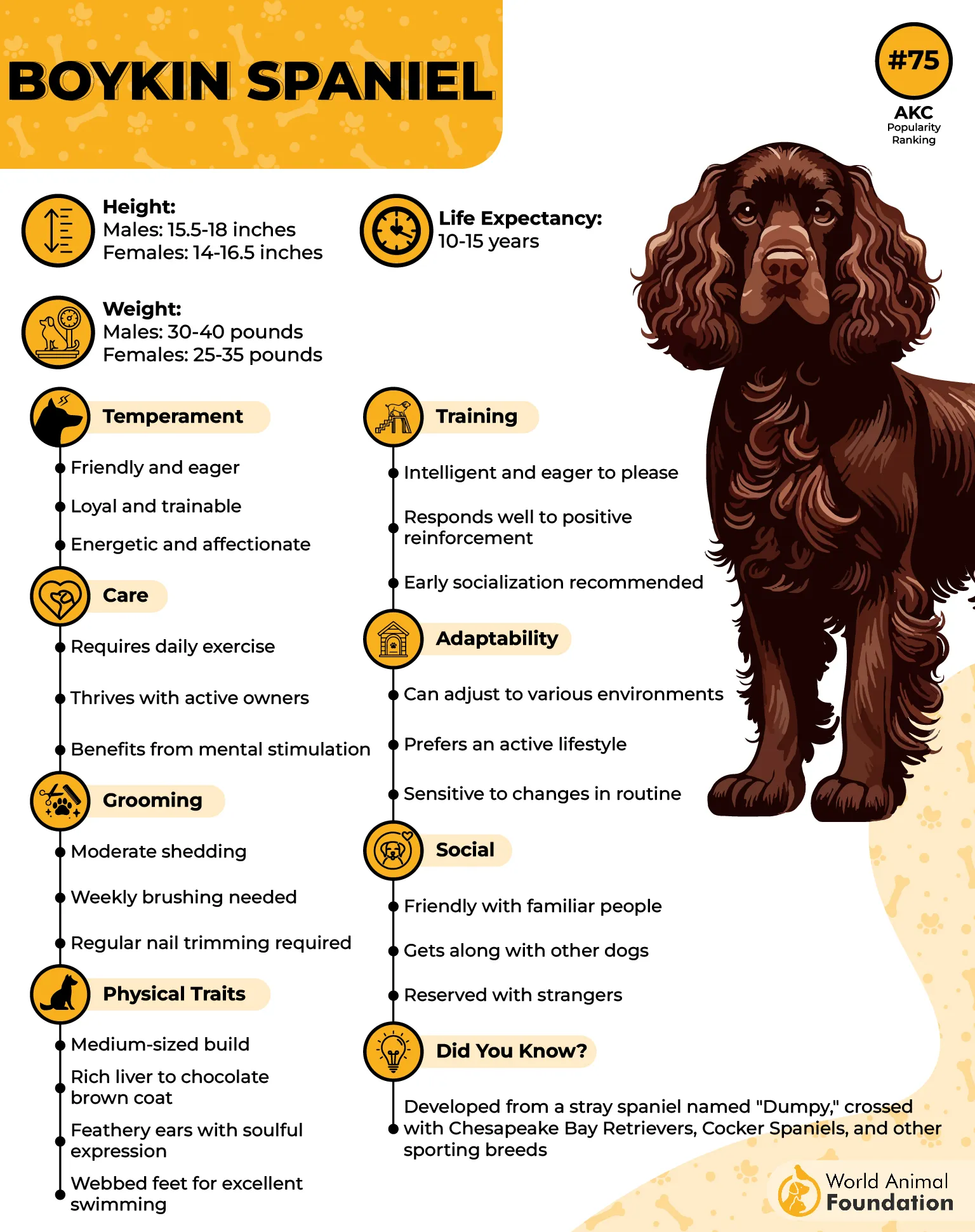
Personality-wise, the Boykin is friendly, affectionate, and always ready for activity. This is a dog that thrives on attention and daily exercise, and it prefers being part of the family rather than left alone. With the right outlet for its energy, it becomes both a hardworking hunter and a cheerful companion.
Why This Breed Is a Good Fit
Compact size makes it ideal for tight cover and small hunting setups
Naturally versatile across different game and hunting styles
Balances high energy in the field with a social, people-loving nature
4. Golden Retriever
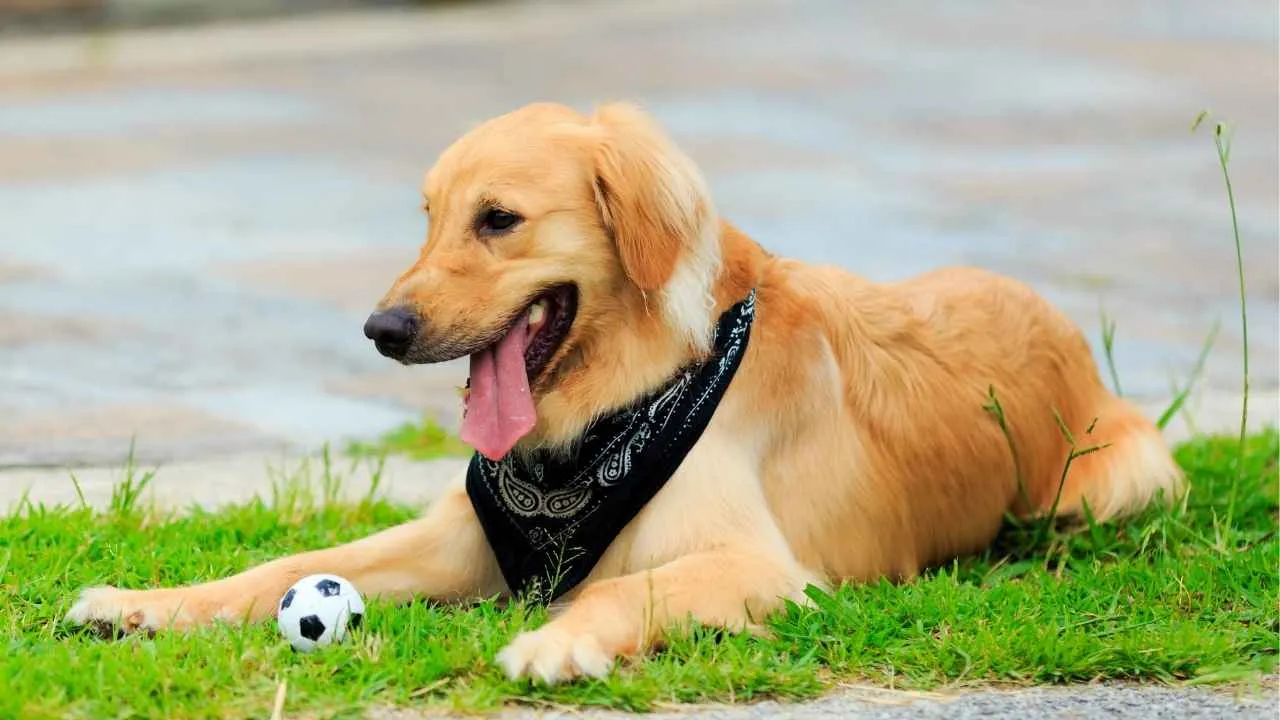
Golden Retrievers were developed in Scotland as dependable gundogs, bred specifically to recover game birds on both land and water. Their strong build and natural swimming ability make them well-suited for active hunting environments. Over time, they became known as one of the most well-rounded sporting breeds.
In the field, Goldens are enthusiastic retrievers that respond well to direction, even from a distance. They enjoy tasks like flushing, trailing, and retrieving, and they perform best when given both physical activity and mental challenges. Their love of water and natural retrieving instincts make them especially reliable during long hunting sessions.
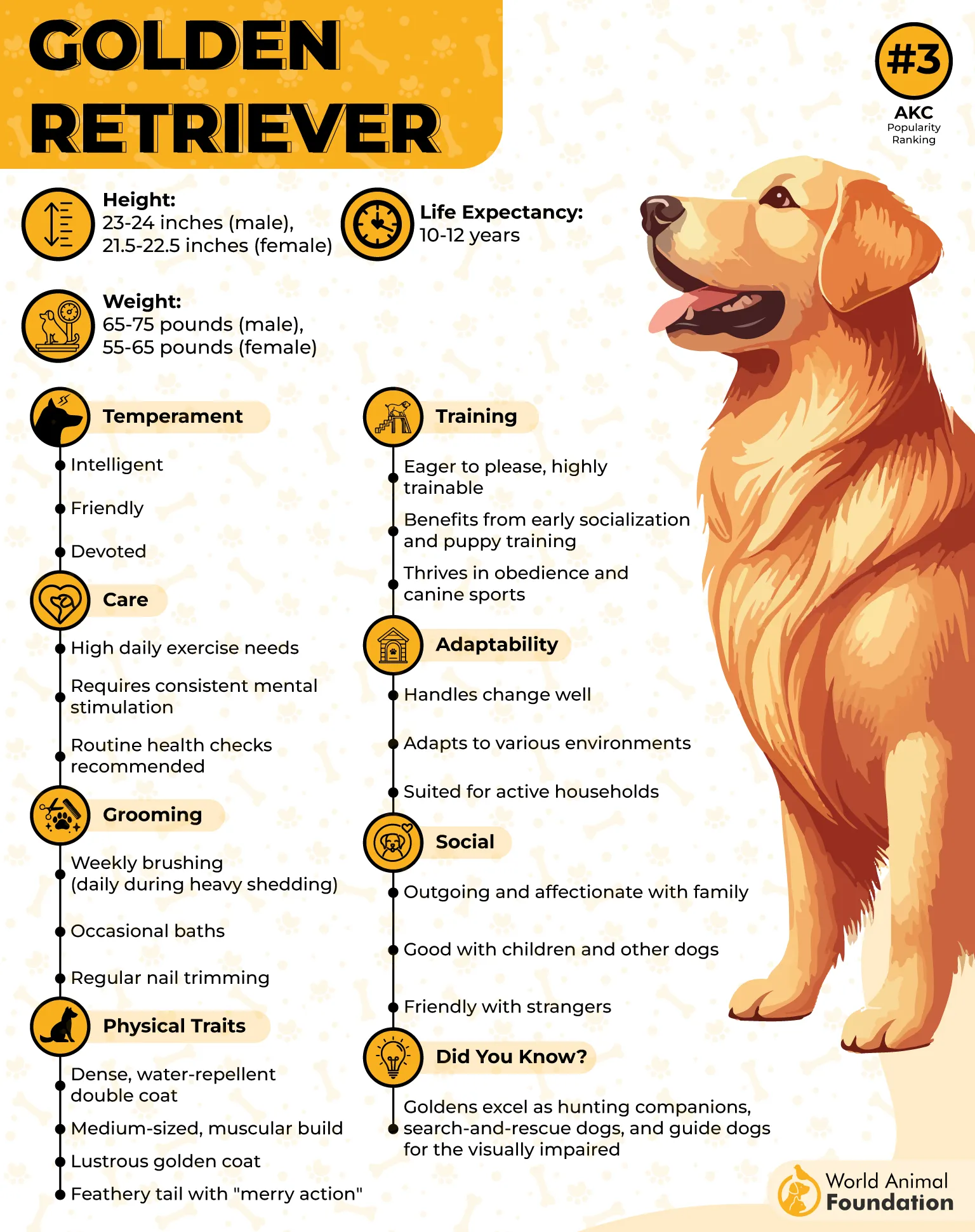
At home, Golden Retrievers are friendly, gentle, and eager to please, which makes training relatively straightforward. They need regular exercise and stimulation to stay happy, and they tend to form strong bonds with their families. While playful and energetic outdoors, they know how to settle down once the work is done.
Why This Breed Is a Good Fit
Reliable retriever that works equally well on land and in water
Strong obedience and willingness to follow directions in the field
Combines steady hunting performance with a calm home demeanor
5. Chesapeake Bay Retriever
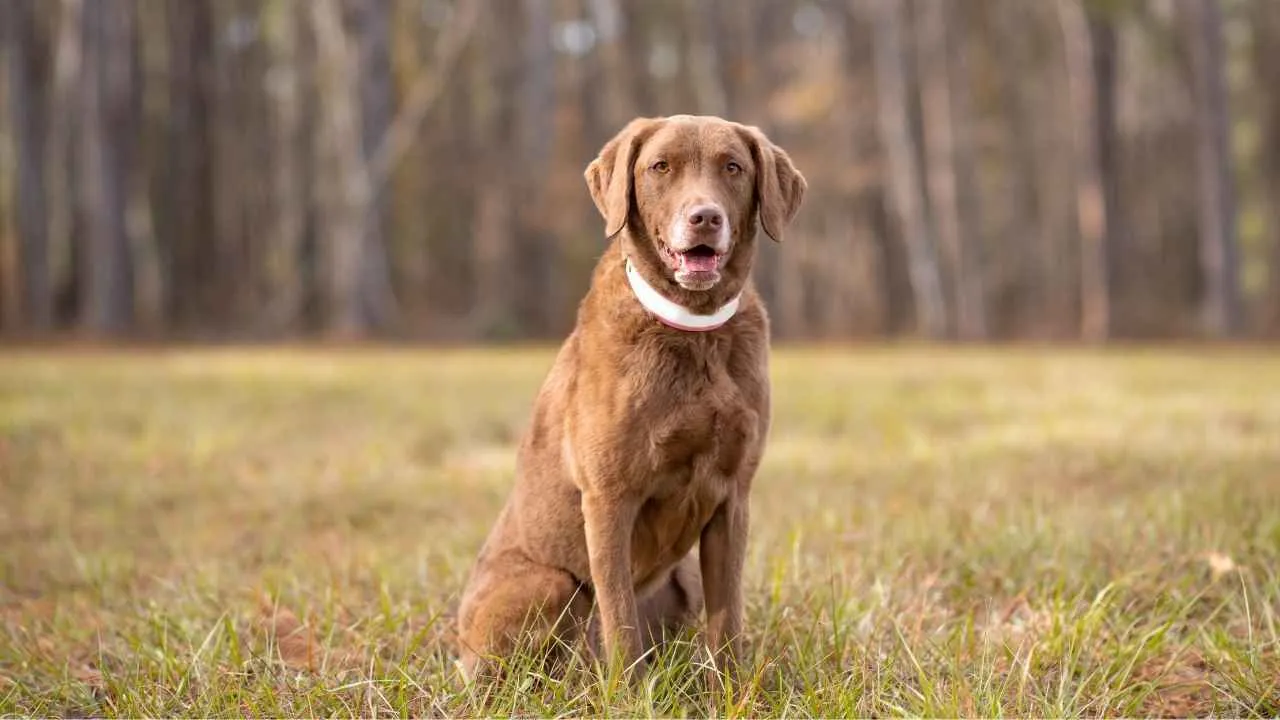
The Chesapeake Bay Retriever was built for tough conditions, especially cold water and rough terrain. Developed along the Chesapeake Bay, this breed is known for its strength, endurance, and ability to retrieve birds in harsh environments. Its thick, oily coat helps it handle freezing water with ease.
In hunting situations, the Chessie is driven and persistent, showing a strong ability to mark and recover downed birds. It excels at finding wounded game and seems determined not to give up once a bird is located. While primarily known for waterfowl work, it is also capable of handling upland birds when given the opportunity.
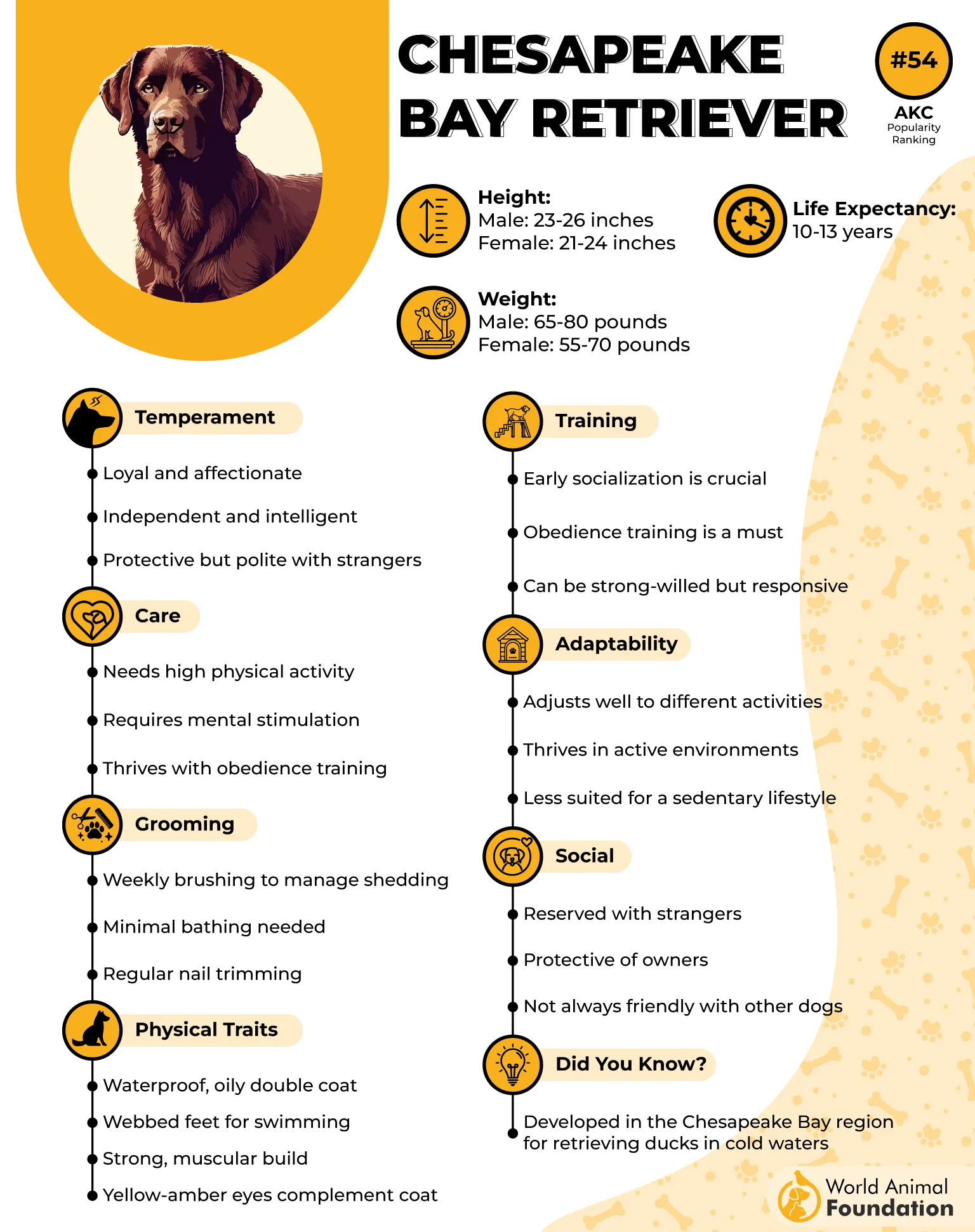
This breed has a more independent personality compared to many retrievers. It thinks for itself and requires a patient, understanding handler who can build a partnership rather than enforce strict control. Loyal and protective, it forms a deep bond with its owner and brings a serious work ethic to every hunt.
Why This Breed Is a Good Fit
Handles extreme weather and challenging terrain with confidence
Exceptional at tracking and recovering hard-to-find birds
Ideal for hunters who value independence and determination
6. Vizsla
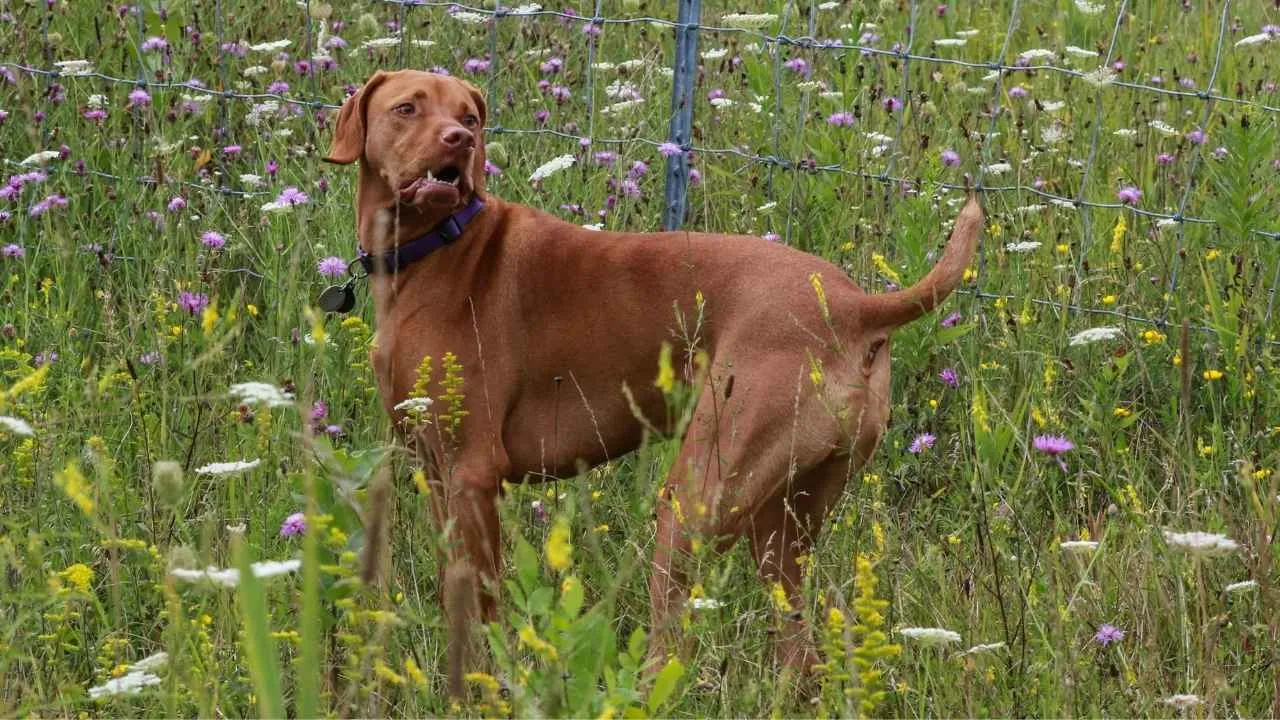
The Vizsla is a sleek, athletic hunting dog originally developed in Hungary to work closely with hunters. Known for its striking red-golden coat, this breed combines speed, agility, and a sharp nose that makes it highly effective in the field. It is a natural pointing dog with strong hunting instincts that often appear early in life.
In upland settings, Vizslas move at a steady pace, covering ground efficiently while staying connected to their handler. They are natural retrievers and adapt well to different terrains, from open fields to dense woods. Their strong prey drive and enthusiasm mean they improve quickly with experience, especially when given regular field time.
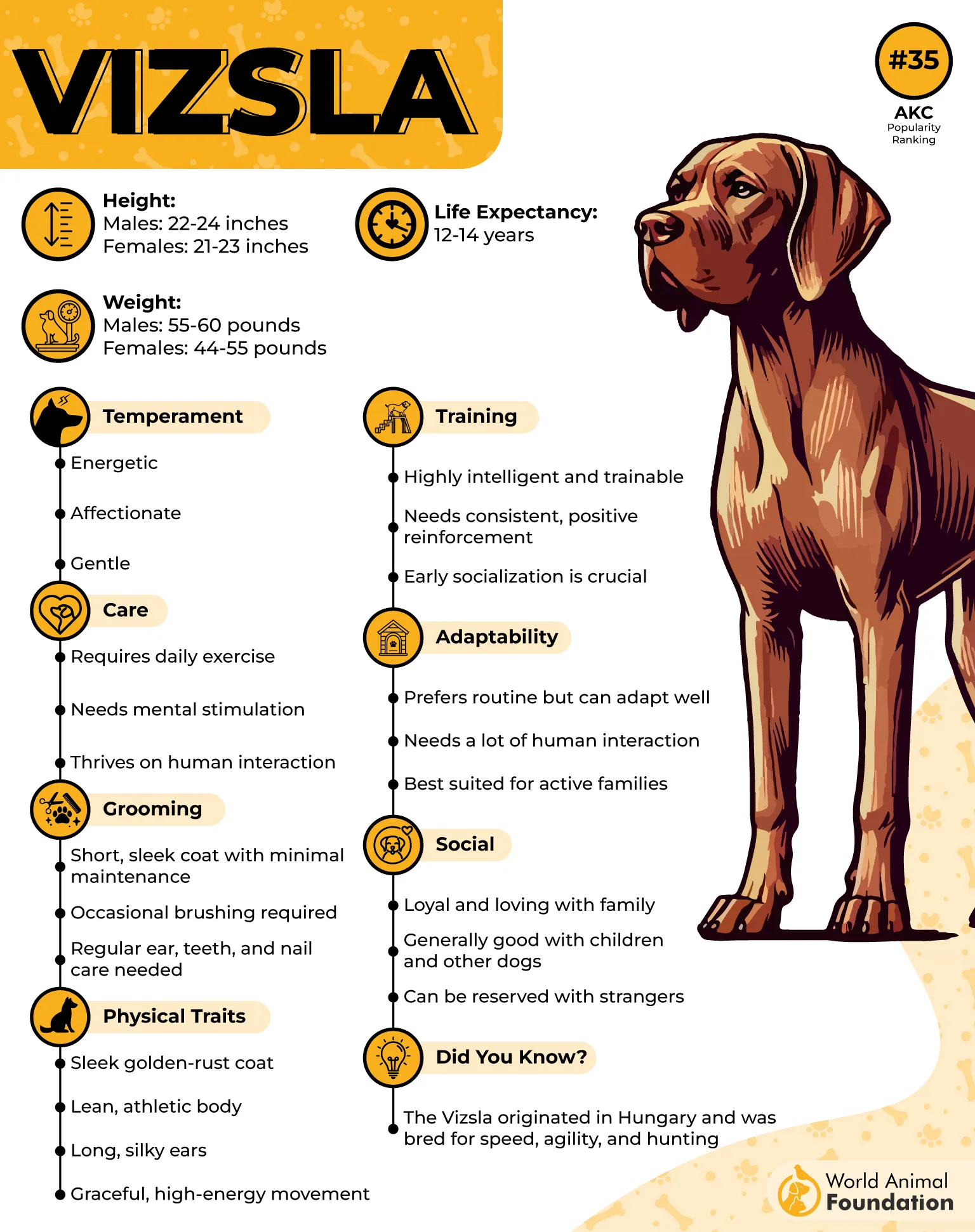
At home, Vizslas are affectionate and people-focused, often sticking close to their owners. They respond best to gentle, positive training and need plenty of exercise to stay balanced. Their sensitive nature means they thrive with patient handling and strong daily interaction.
Why This Breed Is a Good Fit
Natural pointer and retriever that adapts to varied upland terrain
Works closely with hunters, making coordination easy in the field
High energy suits active owners who spend lots of time outdoors
7. English Springer Spaniel
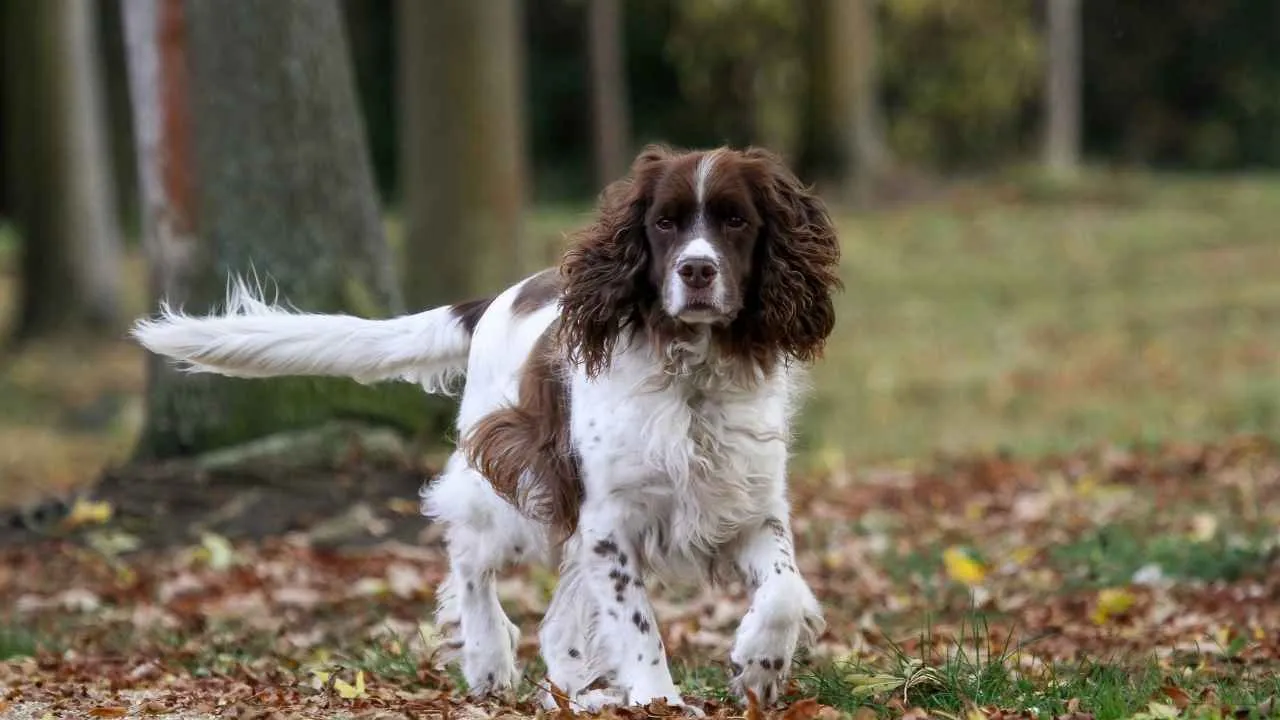
The English Springer Spaniel may look like a polished show dog, but it is all business when hunting begins. Originally bred to flush birds into the air, it combines flushing, retrieving, and tracking skills into one compact and capable hunter. Its strong nose and instinctive behavior make it especially effective on upland game.
In the field, Springers move in a lively side-to-side pattern, staying within range while covering a surprising amount of ground. Their long ears actually help push scent toward the nose, giving them an edge when locating birds. Despite their energetic bursts, they maintain endurance for long hunting days and can even retrieve from water when needed.
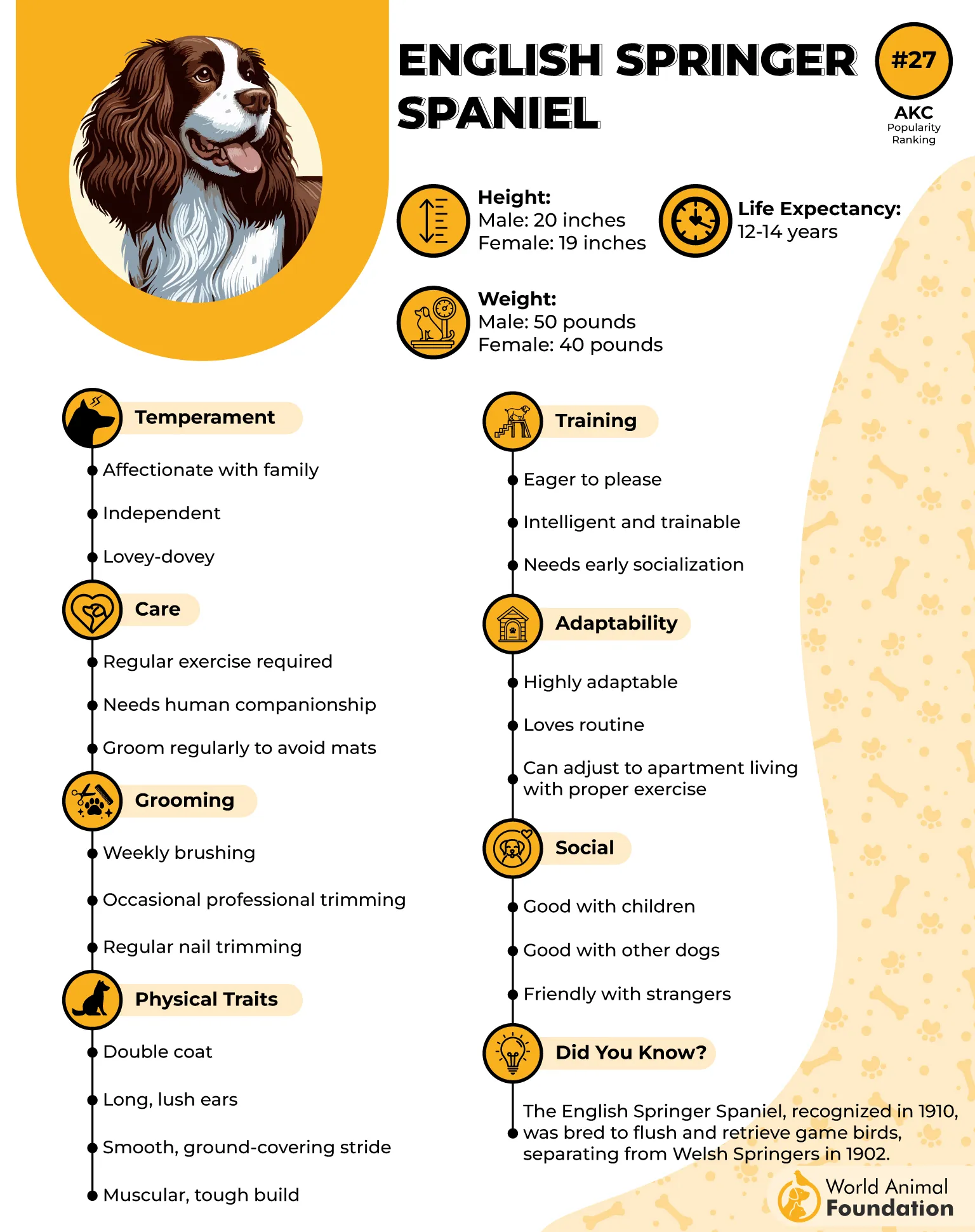
Back at home, they are friendly, eager to please, and easy to train with consistency. They enjoy attention and don’t do well when left alone for long periods. With proper exercise and structure, they balance playful companionship with serious hunting ability.
Why This Breed Is a Good Fit
Combines flushing, retrieving, and scent tracking in one dog
Naturally stays within range while still covering wide ground
Reliable for long hunting days thanks to stamina and trainability
8. Nova Scotia Duck Tolling Retriever
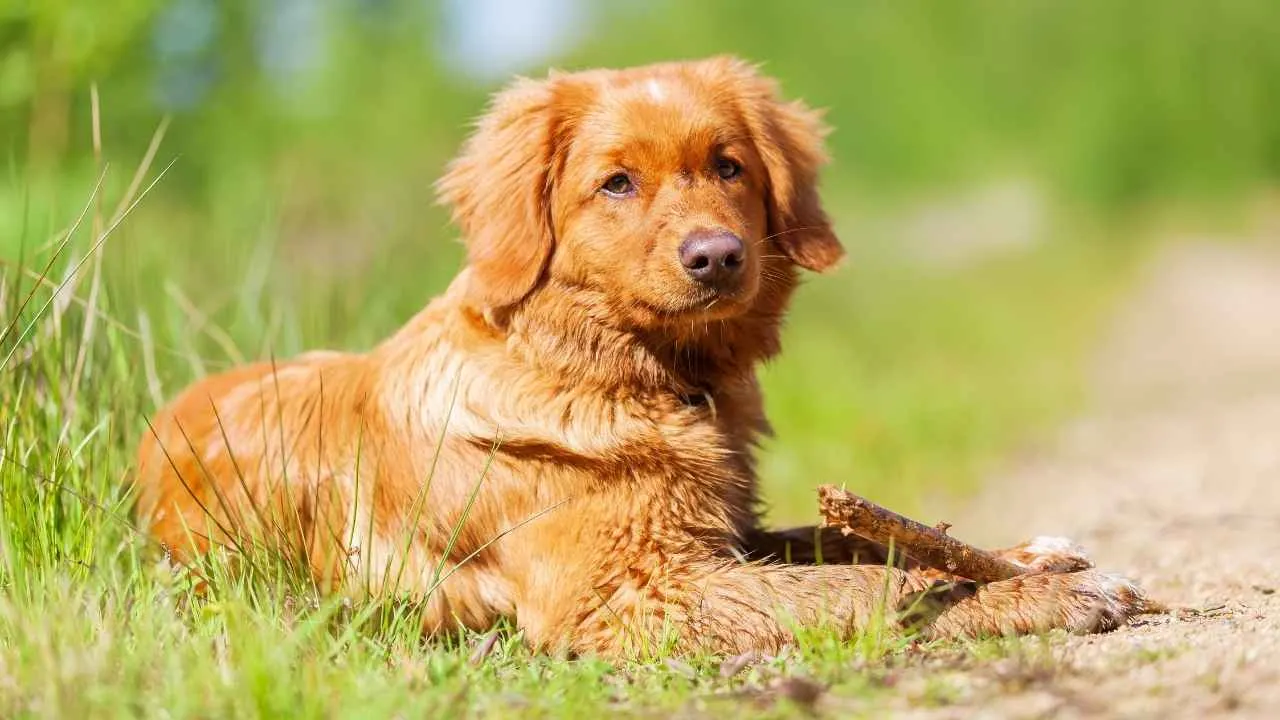
The Nova Scotia Duck Tolling Retriever, often called a Toller, is a compact but highly capable hunting dog with a unique background. Originally developed to lure ducks within range, it later retrieves them with impressive efficiency. Despite its smaller size, it packs serious endurance and determination.
In upland hunting, Tollers are energetic workers that flush and retrieve birds while maintaining a close working range. They move through thick cover with confidence and can hunt for hours without slowing down. Their strong marking ability helps them remember where birds fall, making retrieval more efficient.
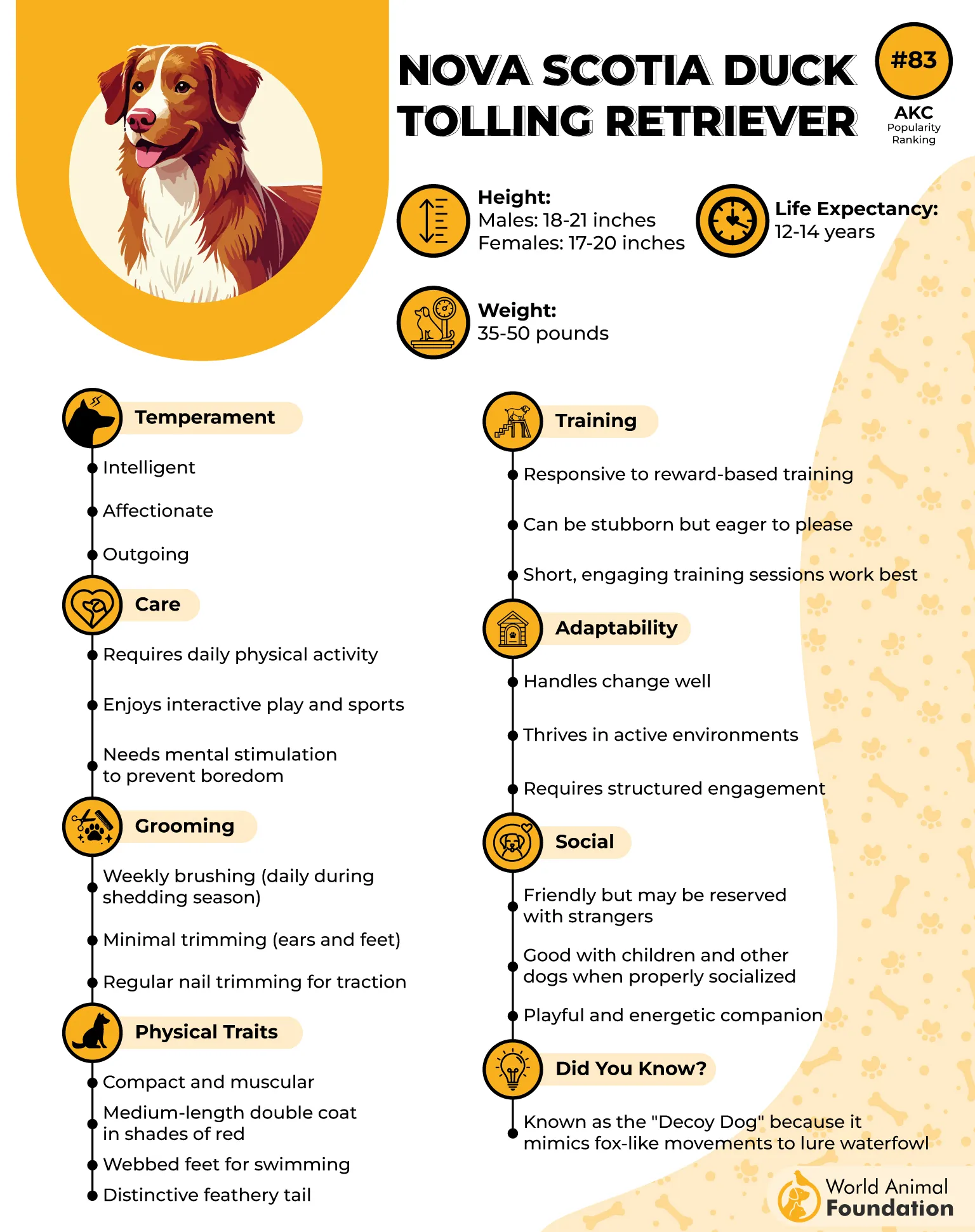
Outside the field, Tollers are intelligent and active dogs that need both physical and mental stimulation. They are loyal companions that thrive in busy, outdoor-oriented homes. While they learn quickly, they prefer engaging and varied training rather than repetitive drills.
Why This Breed Is a Good Fit
Compact size works well in dense cover and tight hunting spots
Strong memory and marking ability improve retrieval success
High stamina supports long days across mixed upland terrain
9. Brittany
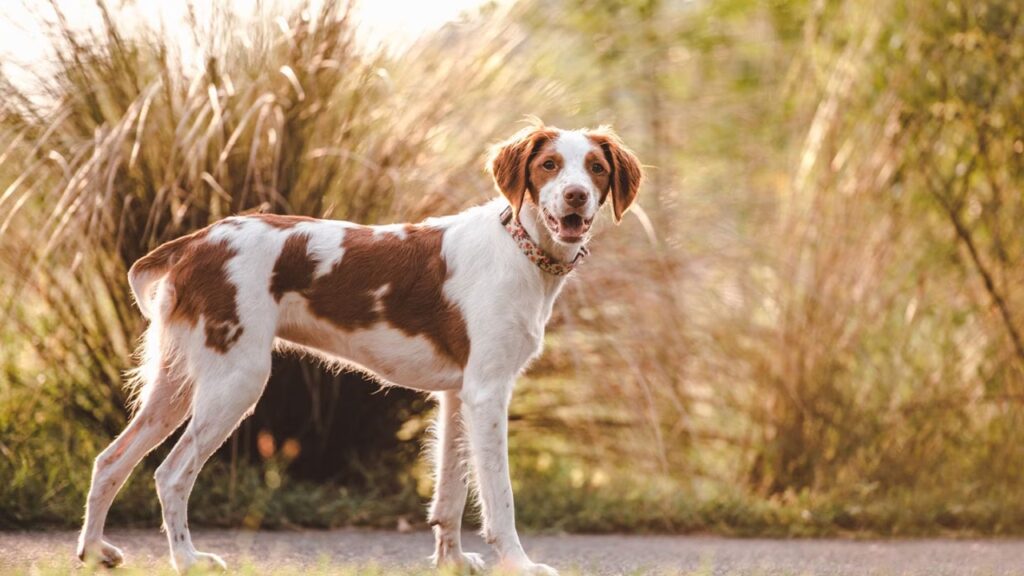
The Brittany is a compact, agile hunting dog built for speed and endurance in the field. Its leggy structure allows it to cover large areas quickly, making it highly effective for hunters who move across open ground. Despite its smaller size, it delivers impressive stamina and energy.
This breed is known for combining multiple hunting skills, including pointing, flushing, and retrieving. It naturally works ahead of the hunter and responds well to training due to its eagerness to please. Its coat is designed to resist dirt and water, helping it stay efficient in changing field conditions.
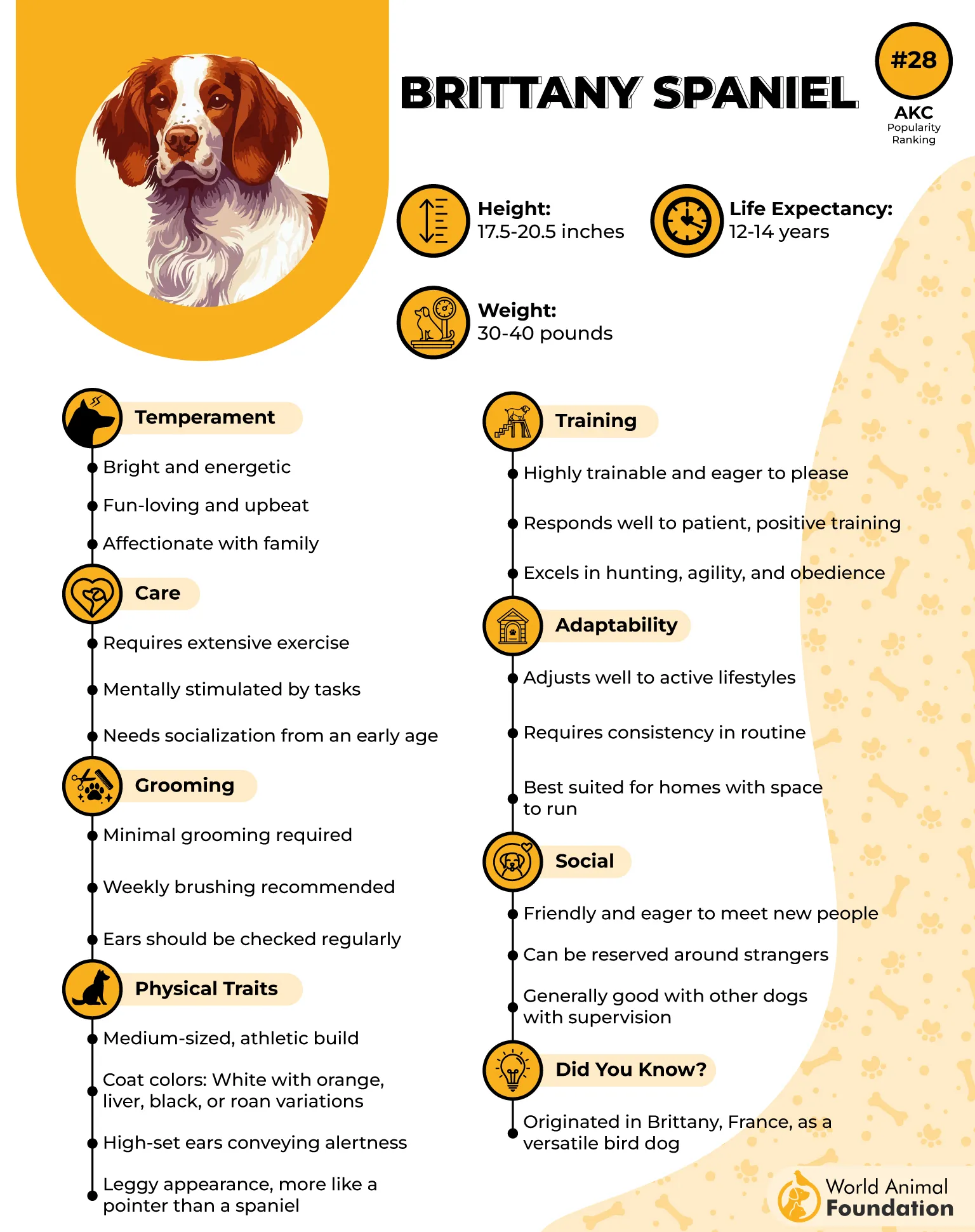
At home, Brittanys are friendly, bright, and full of energy, making them best suited for active owners. They require regular exercise and early training to manage their enthusiasm. With the right environment, they become both dependable hunting partners and cheerful companions.
Why This Breed Is a Good Fit
Covers large hunting areas quickly with agility and stamina
A multi-skill hunting and pointing breed that can flush and retrieve game
Best for active hunters who want a fast-moving field partner
10. Curly-Coated Retriever
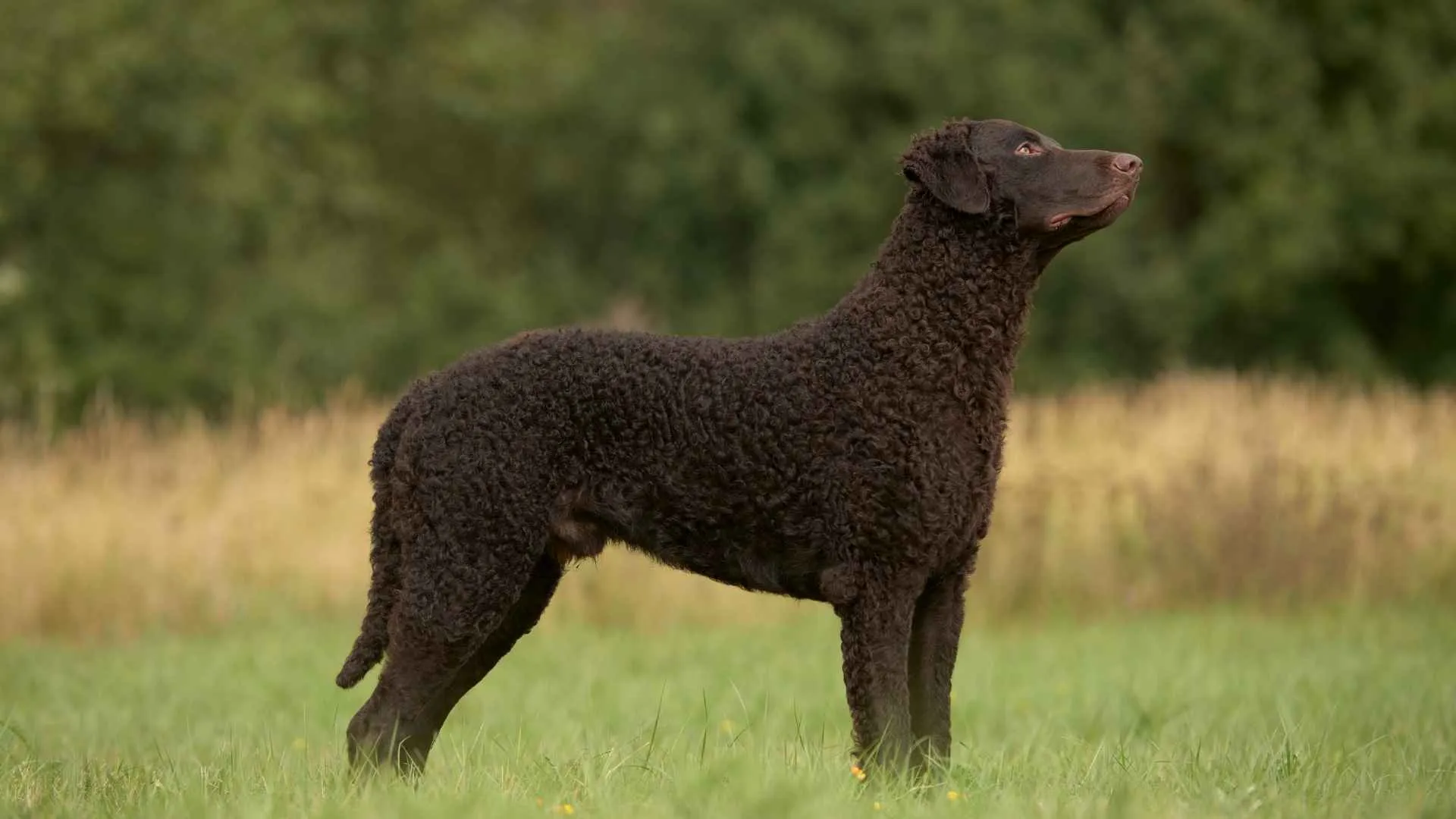
The Curly-Coated Retriever is one of the oldest retriever breeds, recognized for its distinctive tight curls and confident personality. Its coat is not just for looks, as it was designed to protect the dog while working in rough cover and cold water. This breed brings both durability and style to the field.
In hunting situations, Curly-Coated Retrievers are strong, capable workers that handle difficult terrain with ease. They were bred to retrieve both waterfowl and game from challenging environments, and they won’t quit before the job is done, as noted by the AKC. Their independence means they can think through tasks, which can be useful in complex hunting scenarios.
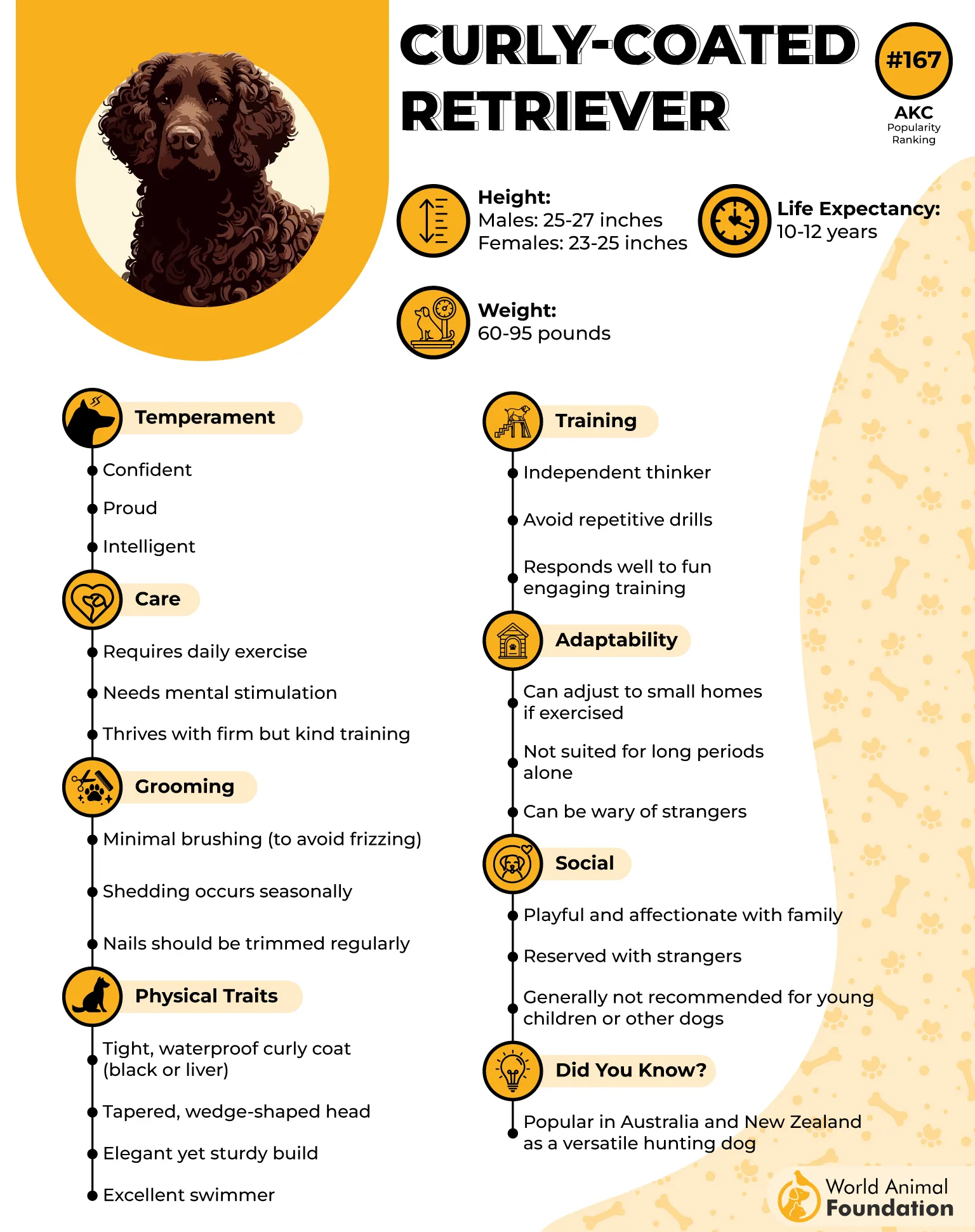
At home, they are affectionate but slightly more independent than other retrievers. They enjoy spending time with their owners but do not rely on constant attention. With proper activity and engagement, they balance their working drive with a calm presence indoors.
Why This Breed Is a Good Fit
Tough coat and build allow work in rough, demanding terrain
Independent thinking helps in challenging retrieval situations
Strong endurance supports long, demanding hunting sessions
Conclusion
The best bird dog breeds for upland hunting aren’t just about skill; it’s about the right match for your style, terrain, and daily life. Some breeds thrive in wide-open fields, while others excel in tight cover or mixed environments.
What they all share is a strong drive to work, a sharp nose, and a desire to partner with their handler. Beyond the hunt, these dogs also bring energy, loyalty, and personality into the home.
Other upland bird hunting dog breeds, such as the German Shorthaired Pointer, German Wirehaired Pointer, Cocker Spaniel, and Wirehaired Pointing Griffon, are popular dog breeds for upland hunters.
Choose wisely, invest time in training, and you’ll gain more than a hunting partner.
You’ll have a companion that makes every trip outdoors more rewarding.
