




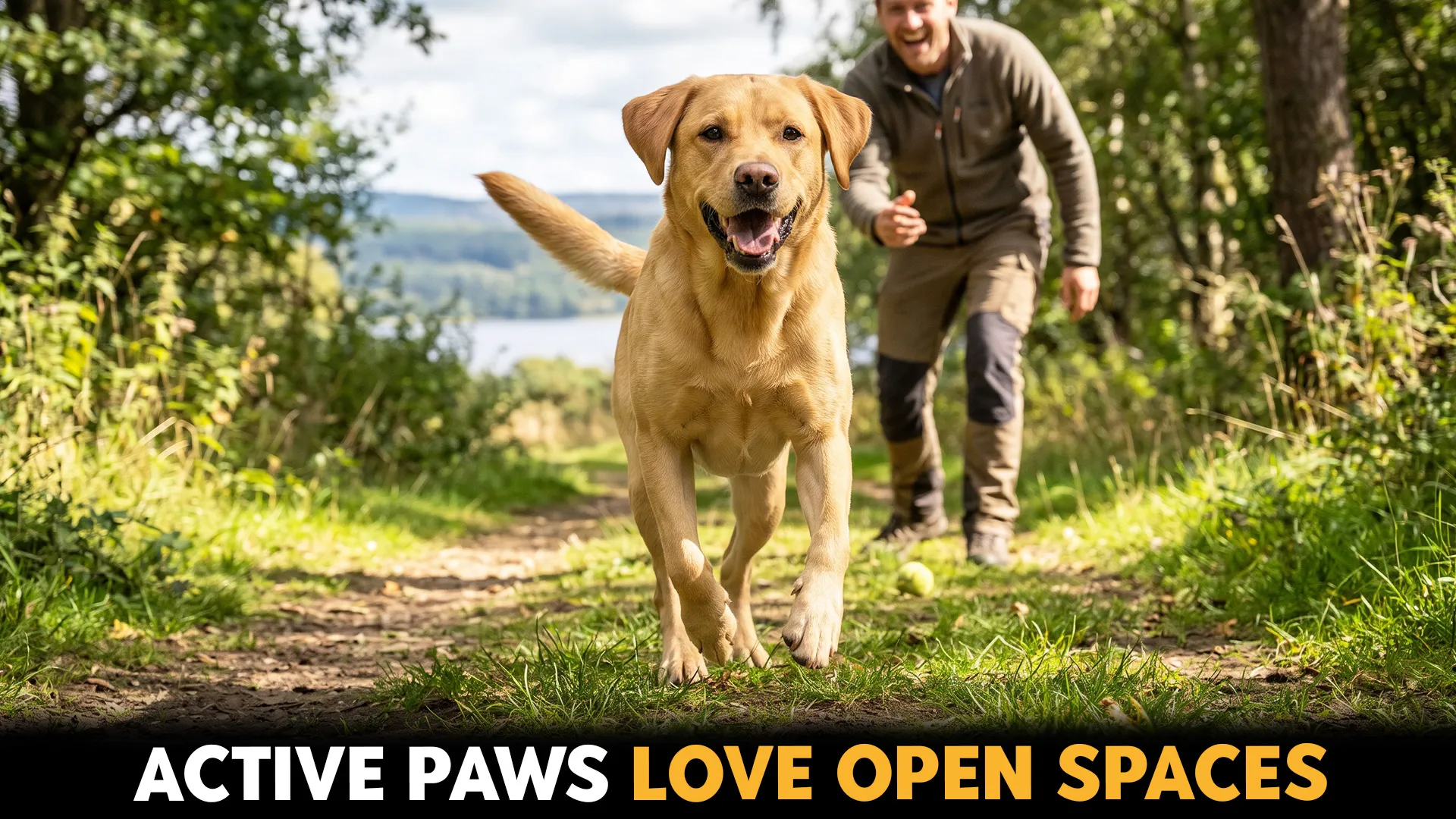
Why do some dogs become excited the moment they spot a hiking trail, while others would rather head back home after a few minutes outside? A great deal comes down to their original working abilities, physical structure, and natural interests.
Certain breeds have powerful hindquarters suited to running, while others possess webbed feet that help them paddle through water. Some have thick double coats that provide insulation in cold conditions, and others have the stamina required for long hours of outdoor activity.
These physical qualities developed through generations of work involving hunting, retrieving, herding, and navigating challenging landscapes. They also influence the activities a dog may enjoy today. A swimming companion, for instance, has different physical requirements from a dog expected to accompany you on mountain trails.
If you enjoy spending your free time outside, these breeds deserve a closer look, each bringing something different to your adventures.
Key Takeaways
Finding a dog that shares your love for the outdoors begins with understanding what activities come naturally to different breeds.
A Border Collie enjoys outdoor challenges, and a German Shorthaired Pointer is equally enthusiastic about exploring trails and swimming.
The distances some of these dogs can cover are impressive, especially the Weimaraner, which may run up to 10 miles once properly conditioned.
Read till the end to learn more about their outdoor abilities and the little precautions that can make your adventures together safer.
Amazing Dog Breeds Built for Outdoor Fun
1. Border Collie
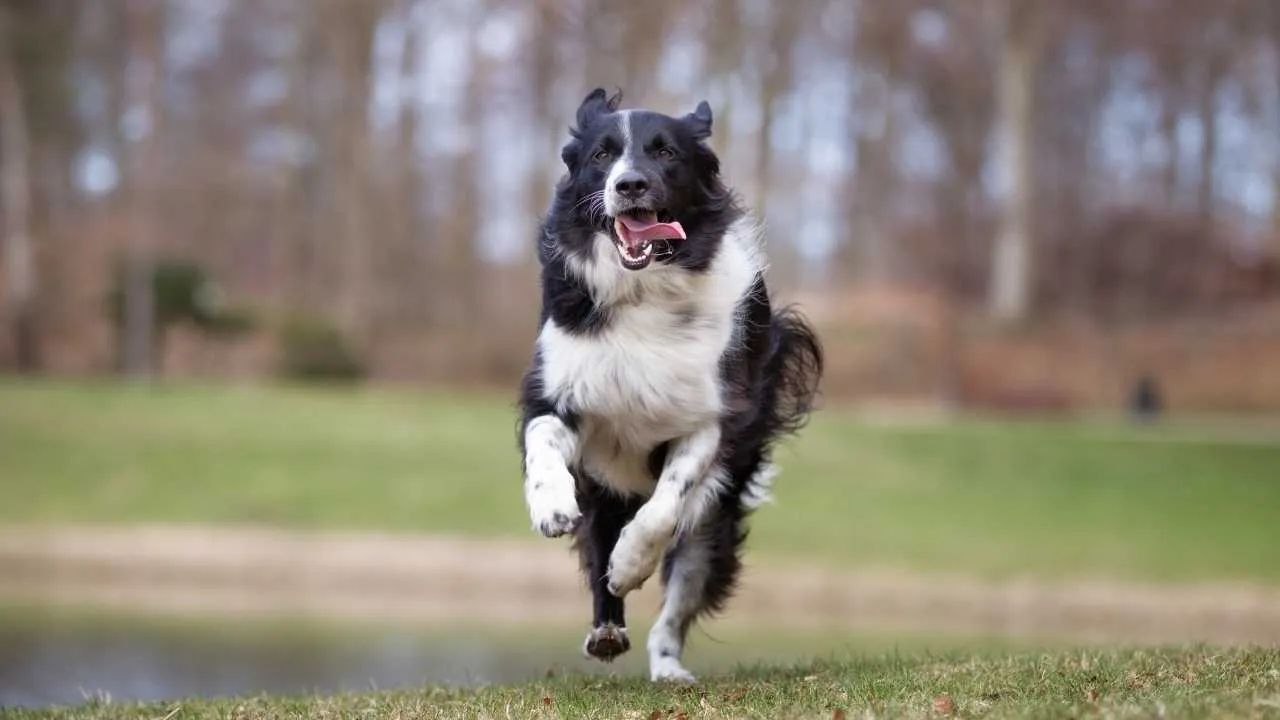
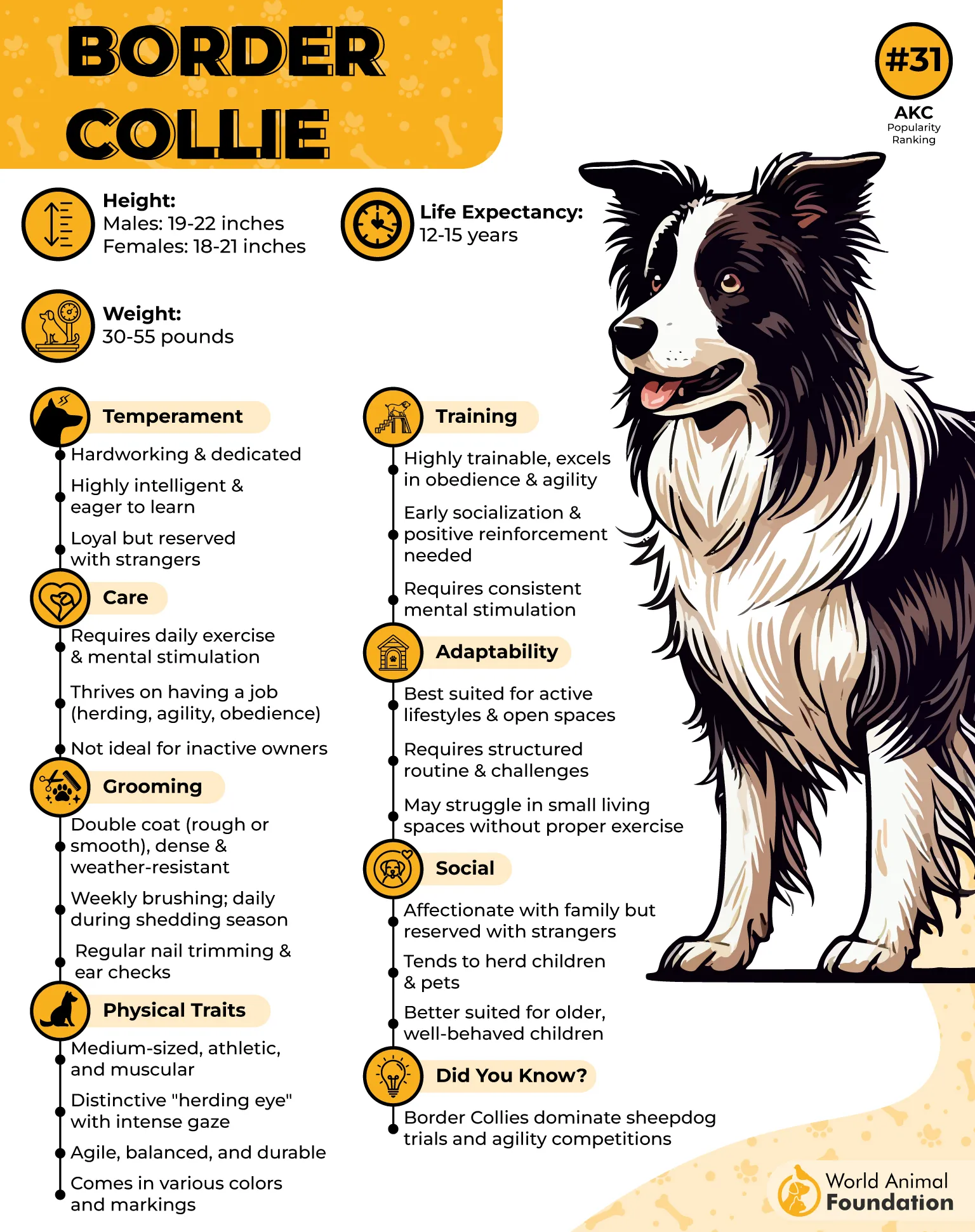
The Border Collie’s story is closely tied to sheep farming along the Scottish and English borders, as Omlet highlighted. Its working standards were established by 1906, with ability taking priority over appearance, while the name “Border Collie” came into use around 1915.
Made for Long Days Outside
A Border Collie has remarkable stamina and an almost endless appetite for activity. Long walks, open trails, and outdoor challenges suit this energetic herding dog, which needs around one to two hours of daily exercise and plenty of purposeful work.
Its physical abilities make several outings particularly enjoyable:
Can run alongside you for several miles.
Handles hikes of around three to four miles
Enjoys agility courses and Flyball competitions.
An Active Mind Needs a Job
Often considered one of the most intelligent dog breeds, the Border Collie quickly needs something meaningful to do. Without regular tasks and interaction, it may dig, chew, bark excessively, or find ways out of the yard. A securely enclosed outdoor area gives it room for daily play and training.
2. German Shorthaired Pointer
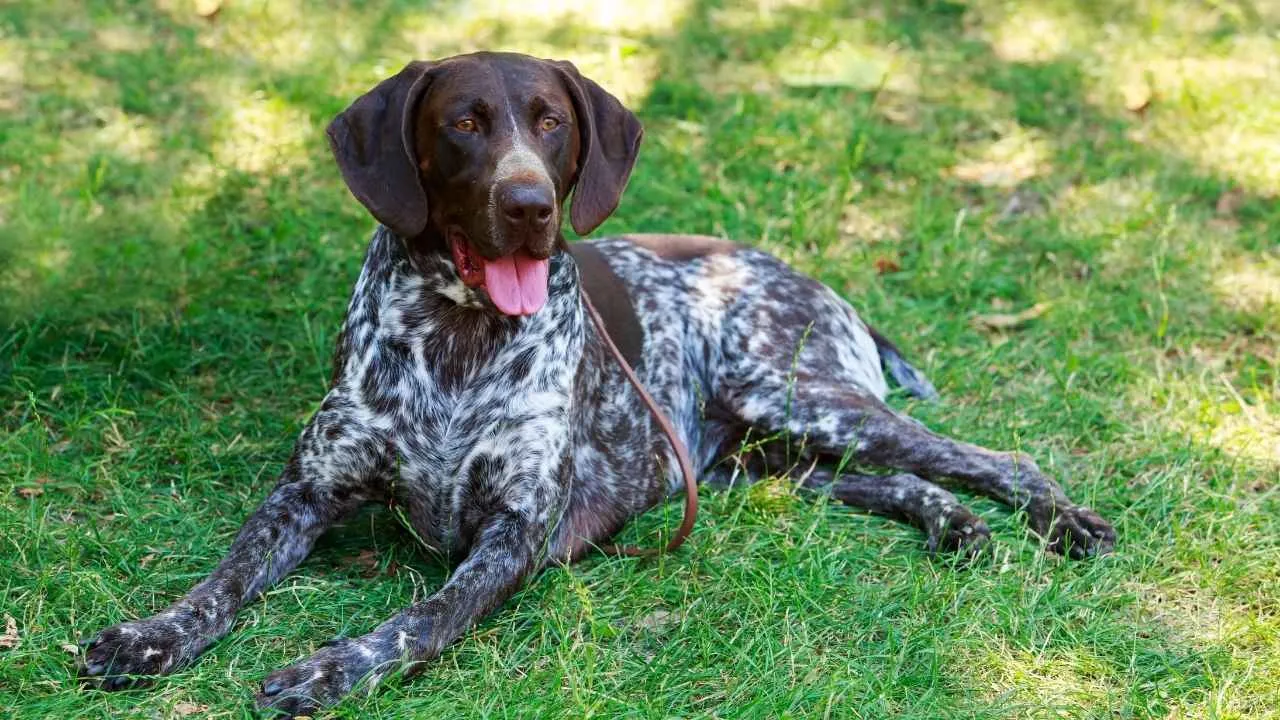
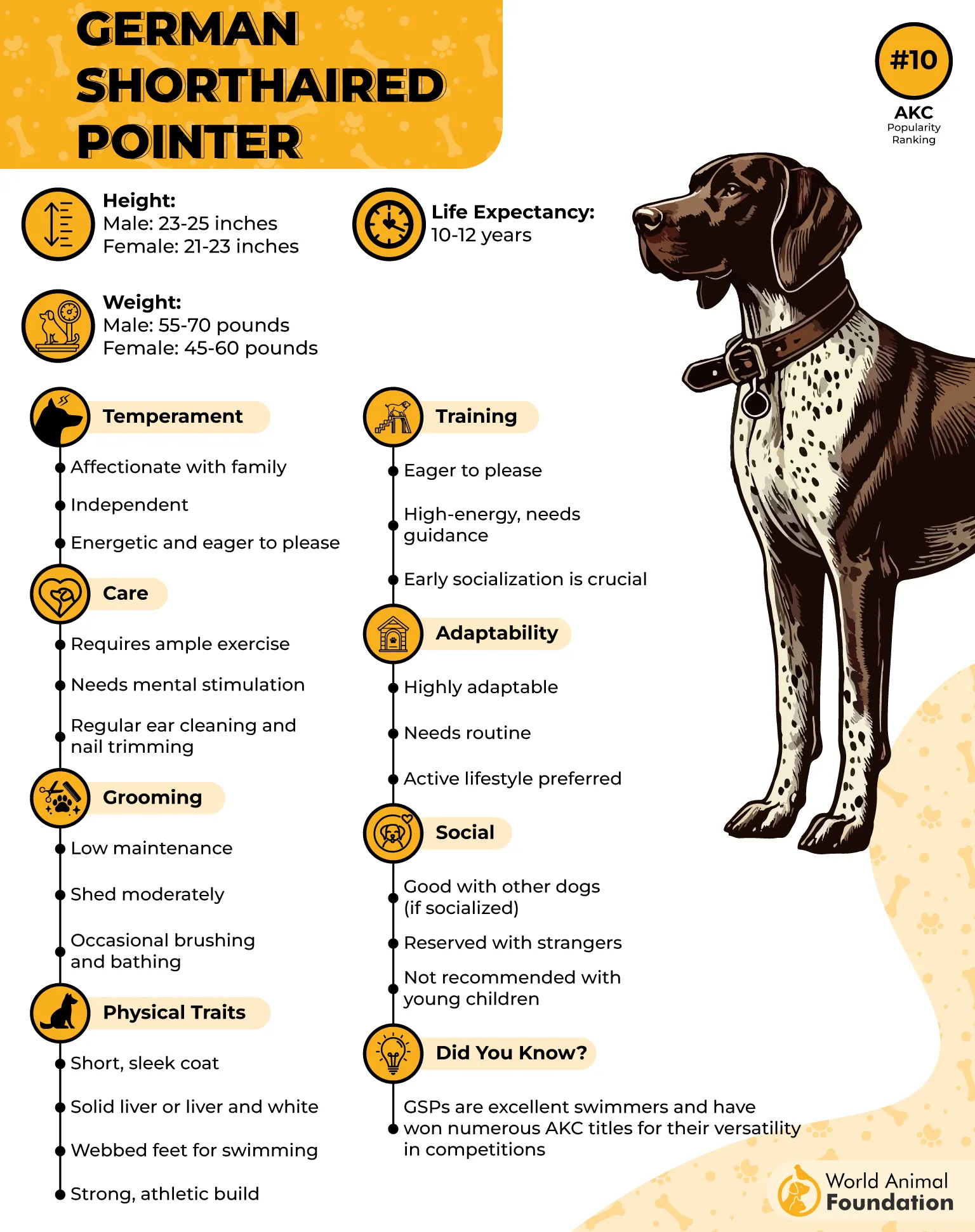
The German Shorthaired Pointer traces its ancestry to the German Bird Dog, which was related to the Old Spanish Pointer brought to Germany during the 17th century.
English Pointers and the Arkwright Pointer later influenced the breed, whose modern form took shape around 1870 before AKC recognition in 1930.
Always Ready for the Next Adventure
A German Shorthaired Pointer needs an active daily routine and plenty of room to use its athletic ability. This enthusiastic companion loves joining its favorite person outdoors, whether the day involves a long trail or an energetic outing beyond the neighborhood.
Its outdoor abilities become clearer through a few activities:
Can manage three- to four-mile runs once properly conditioned.
Keeps pace on lengthy hikes, even over demanding trails.
Enjoys swimming in pools or rivers after warm-weather activity.
A Nose That Needs a Job
This excellent companion has a powerful sense of smell and a sharp, curious mind. Scent-based games, puzzle toys, and training sessions give it useful ways to put its intelligence to work. Its natural hunting instincts can also make life with smaller pets, particularly cats, more challenging.
3. Siberian Husky
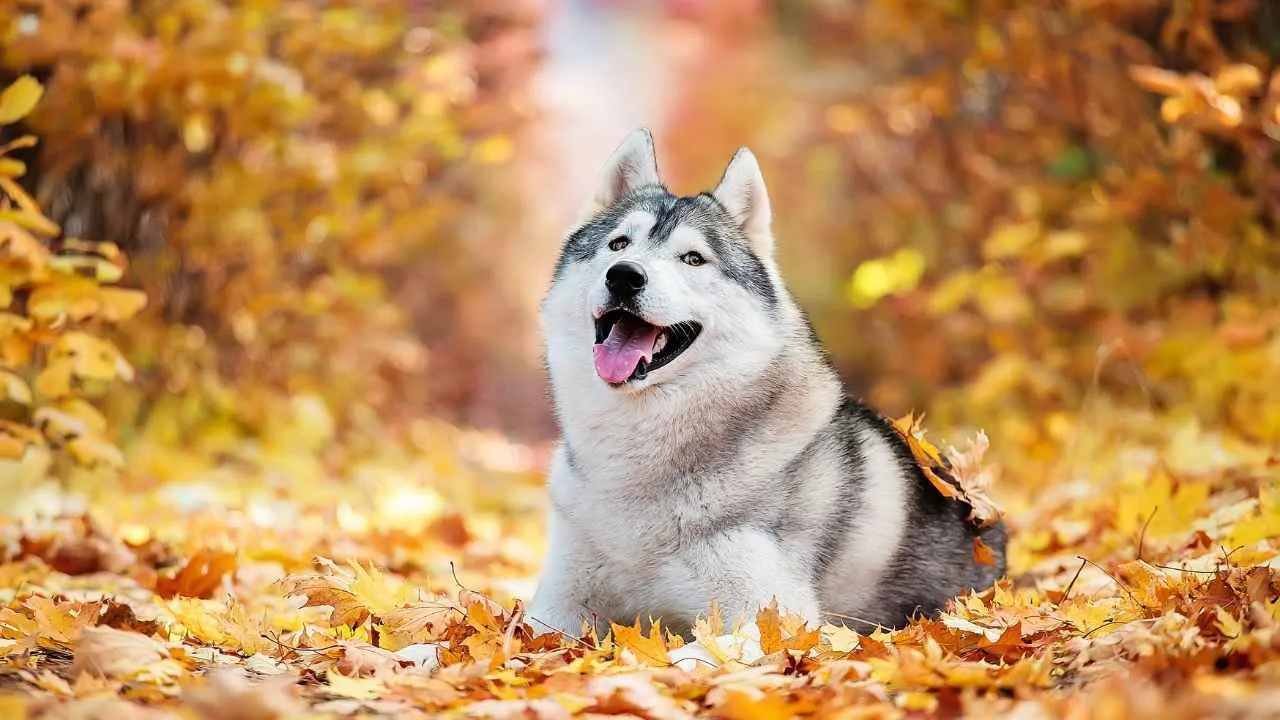
The Siberian Husky comes from northeastern Asia, where the Chukchi people bred these dogs from Spitz-type stock for pulling sleds across frozen terrain.
Their strength gained international attention in 1925, when Husky teams helped deliver diphtheria antitoxin to Nome, Alaska, during a dangerous five-day relay.
Made for Long Distances
Long runs and extended hikes suit the Siberian Husky’s natural stamina, as Hill’s Pet explains. Bred for sustained pulling work, this dog generally handles distance better than speed and can cover impressive mileage once properly conditioned.
These details matter when planning outdoor trips:
Can work in a harness while pulling a loaded pack.
Needs a leash on trails because of its wandering instincts
Requires cool-hour outings, fresh water, and heat precautions in summer.
A Social, Vocal Companion
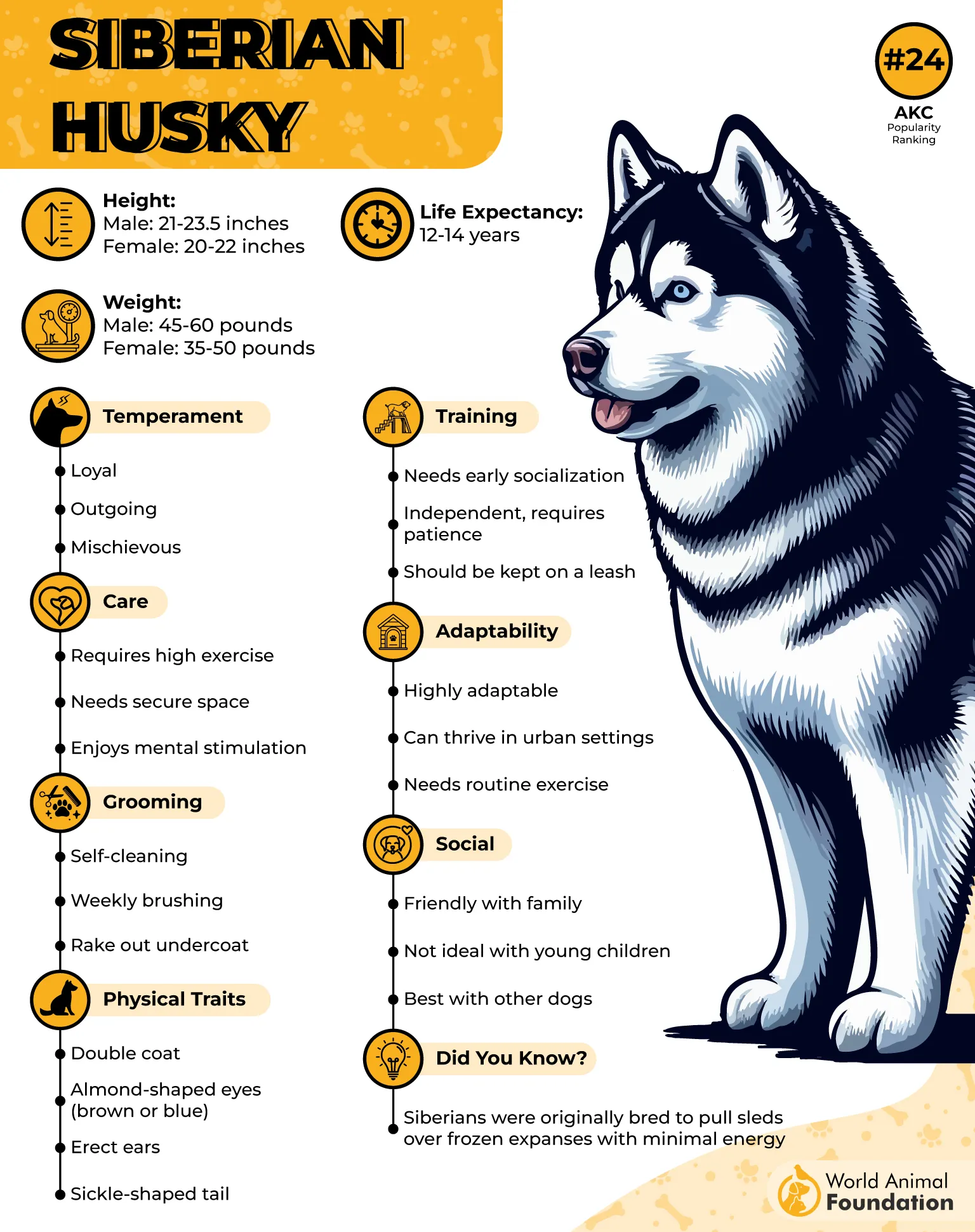
This husky breed enjoys company and often welcomes visitors with enthusiasm. They also communicate through howls, growls, and whimpers, so expect plenty of conversation from this expressive dog. Long periods alone can leave them unhappy, making regular social interaction important.
4. Labrador Retriever
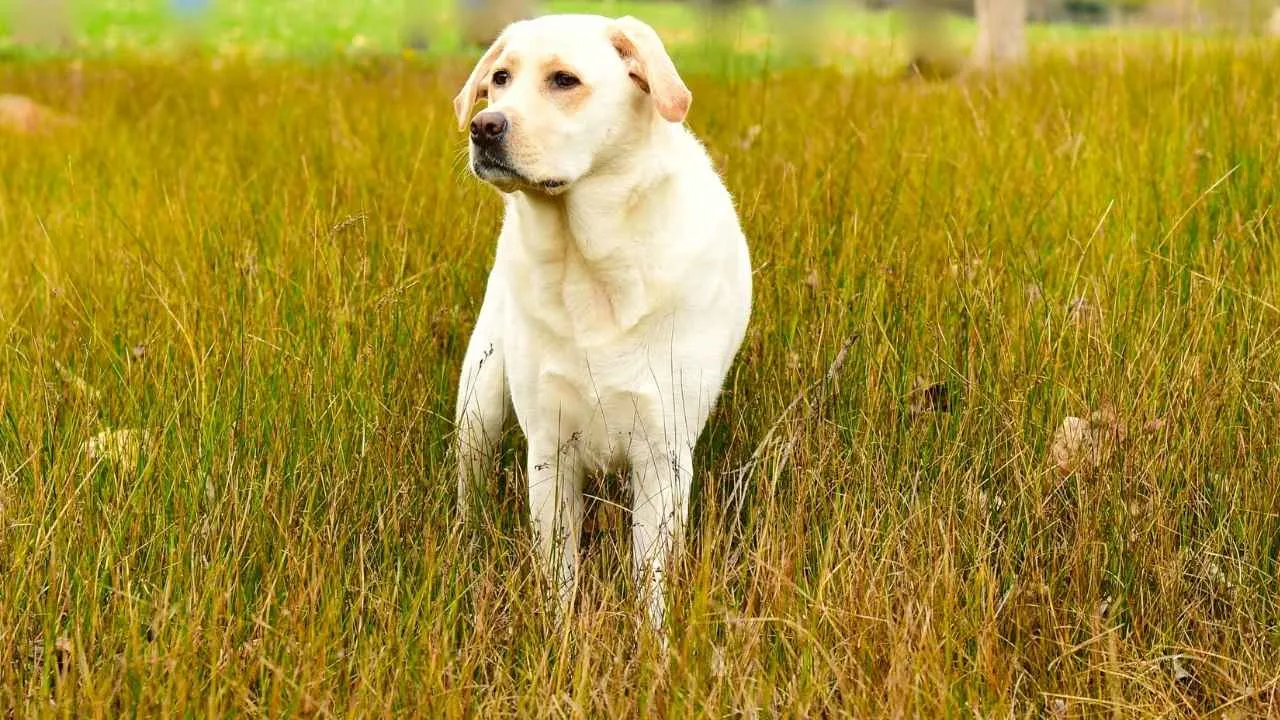
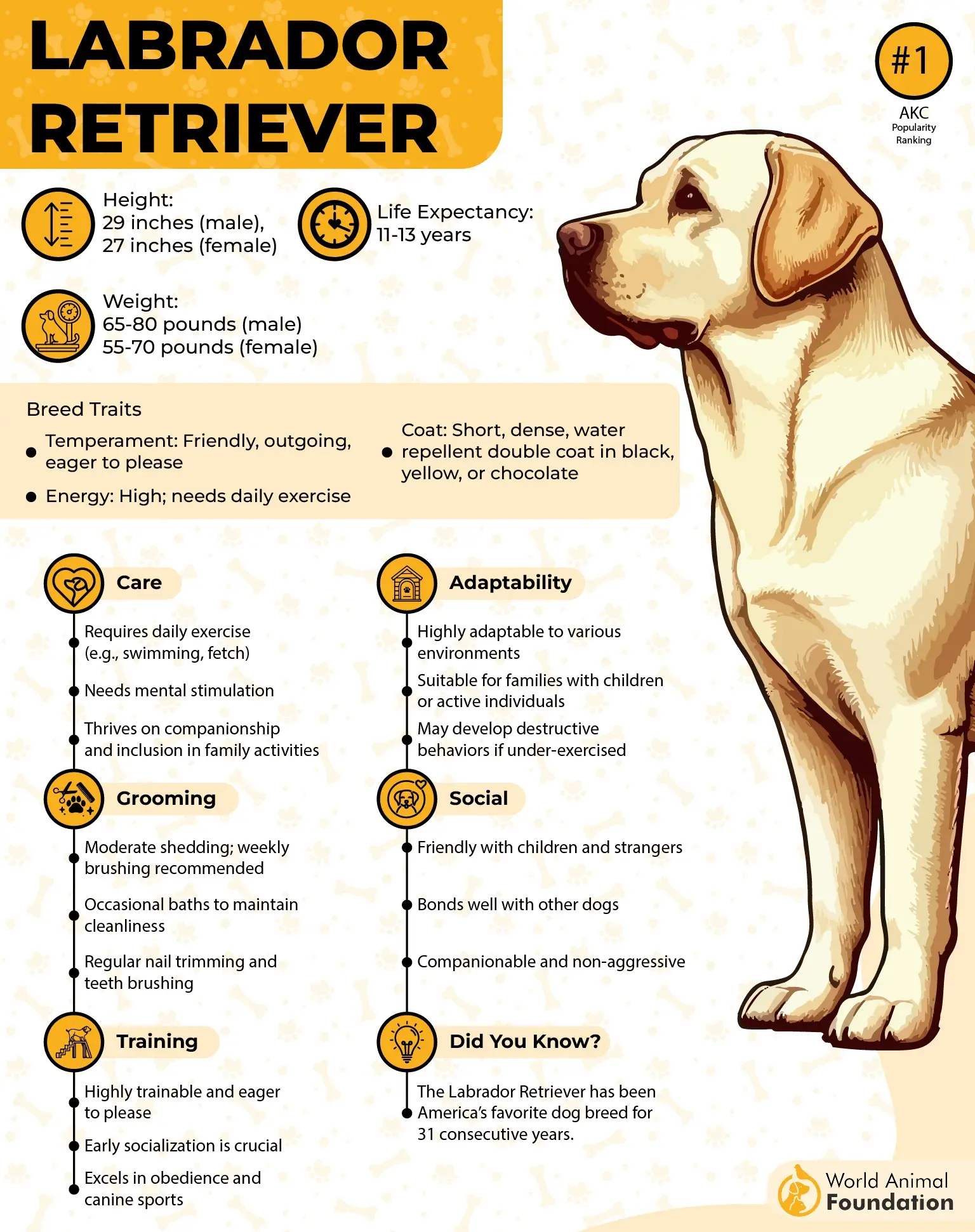
The Labrador Retriever’s story begins in Newfoundland, where its early ancestors were smaller and lighter than the Newfoundland dogs familiar today. These black dogs helped fishermen retrieve fish and game, swim alongside boats, and even pull small boats across the water.
Always Ready for the Next Adventure
A Labrador Retriever is an enthusiastic companion for people who enjoy spending time outdoors. Whether you’re planning a long trail walk, heading out for a run, or finding a safe place to swim, this energetic sporting dog is usually eager to join the outing.
Its athletic ability also makes room for some impressive distances:
Running potential of up to five miles.
Can easily manage long hikes.
Dock diving for a fun water-based challenge.
Smart, Friendly, and Easy to Train
Labradors are intelligent, people-oriented dogs that enjoy learning and responding to training, as per Petplan. Their friendly nature usually makes introductions to other dogs, children, and unfamiliar people easier. They also appreciate regular companionship and can become mischievous when left alone for too long.
5. Vizsla
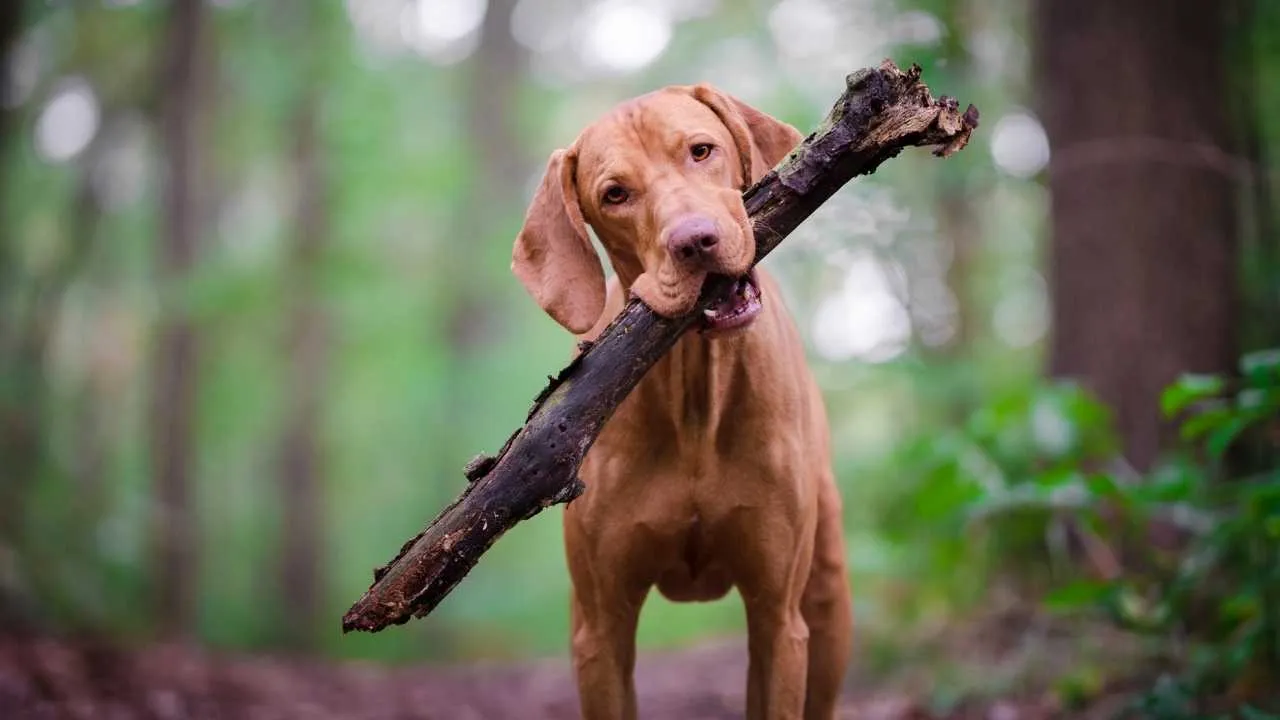
The Vizsla originated in Hungary, where it served as a hunting companion prized for its ability to locate and point game. Its popularity as both a working dog and household companion spread internationally after World War II, earning it the alternative name Hungarian Pointer.
Built for Long Outdoor Days
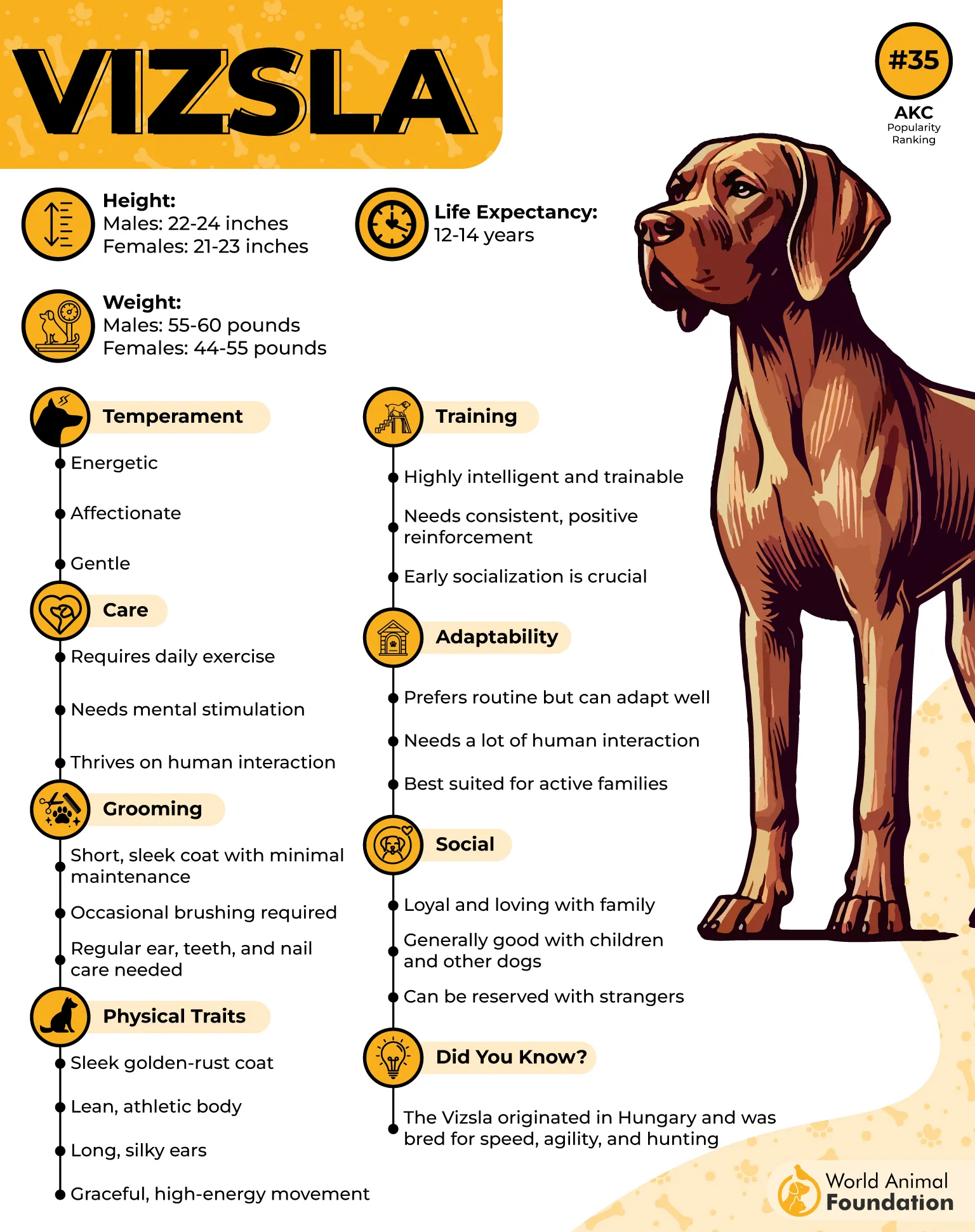
A Vizsla has the stamina for lengthy outings and enjoys having an active person by its side. Running, hiking, and outdoor play suit its energetic nature, so this breed needs plenty of daily activity rather than a short walk around the block.

Its original working abilities also make it an interesting outdoor companion:
Tracks game with a keen nose.
Points birds for hunters.
Retrieves from both land and water.
Ready for Miles, Weather Permitting
A fit, well-conditioned adult Vizsla can accompany runners for around three to four miles and join longer hikes of four to five miles in comfortable weather. Its short, single-layered coat offers limited protection from rain and cold, so outdoor plans need to account for particularly chilly or wet conditions.
6. Weimaraner
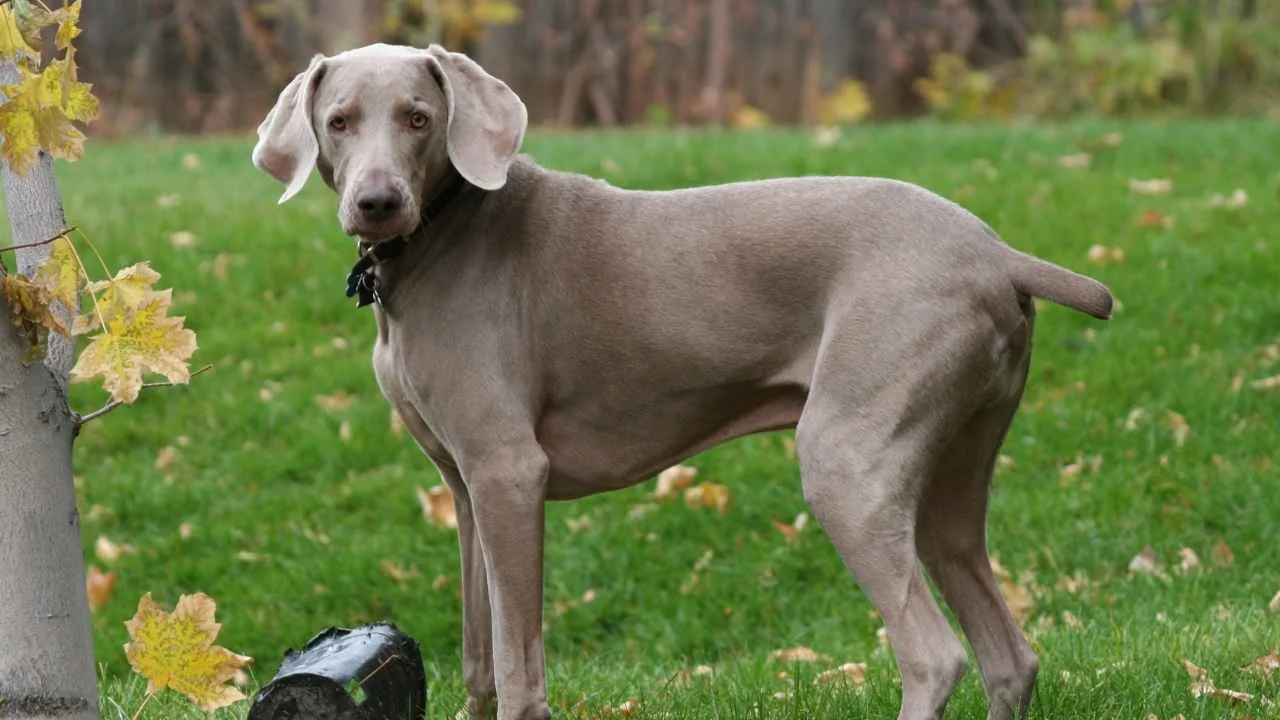
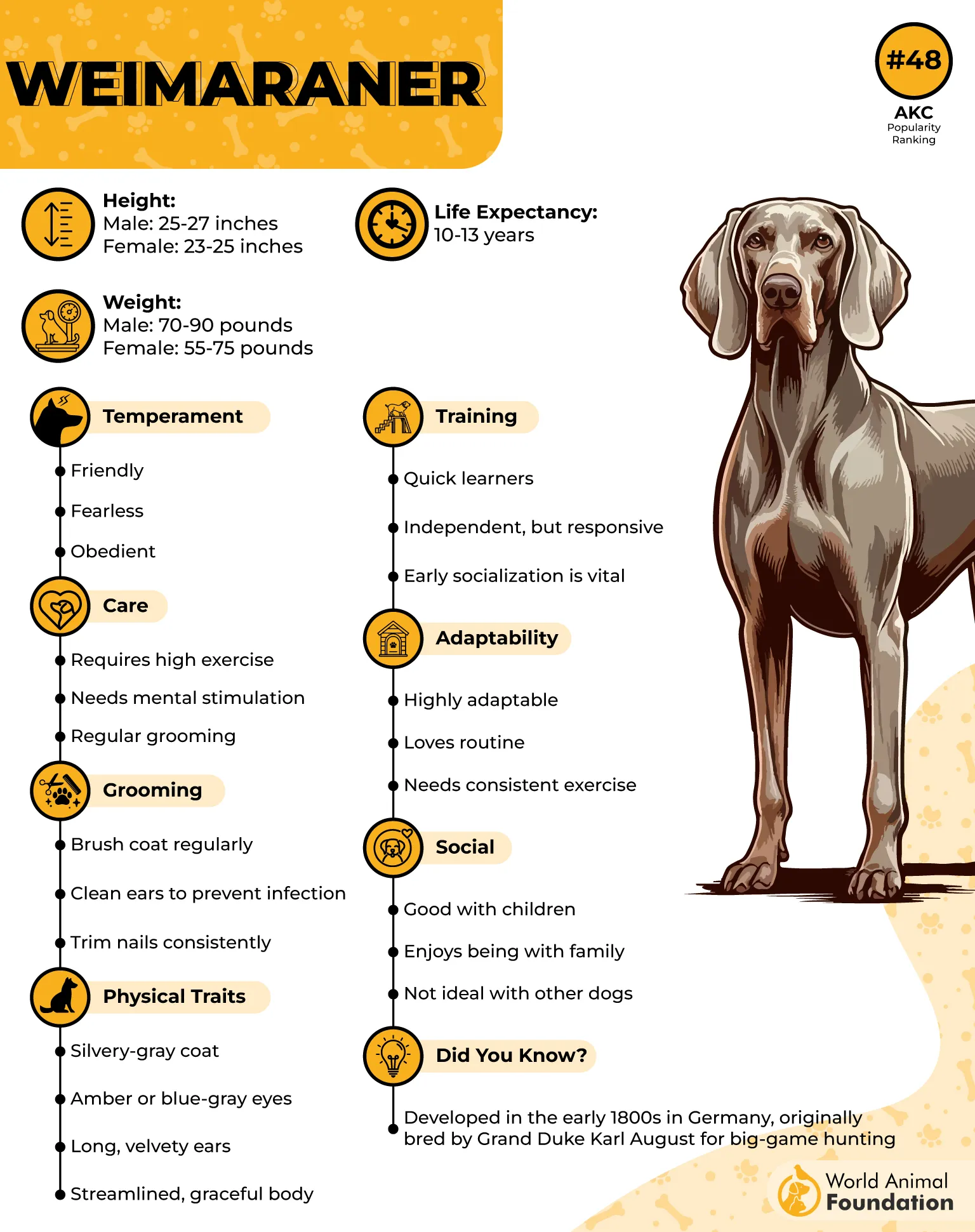
The Weimaraner originated in 19th-century Germany, where hunters wanted an all-purpose gun dog capable of tracking game ranging from deer to bears. Bloodhounds, Schweisshunds, and other pointer breeds contributed to the lineage of this versatile hunting companion.
Always Ready for the Trail
A Weimaraner is happiest when an outing involves plenty of ground to cover. Its athletic build, impressive endurance, and enthusiasm for the outdoors make it a willing partner for long hikes, runs, swimming sessions, and trips through open fields.
Its physical abilities can be impressive when properly conditioned:
Can run up to 10 miles as a fit adult.
May enjoy long hikes.
Takes well to agility and flyball competitions.
Build Up Stamina Gradually
A Weimaraner generally needs one to two hours of daily activity, along with games that challenge its quick mind. Puppies require special care because their bones continue growing until around two years of age, so strenuous, high-impact activities should wait until adulthood. Increase running and hiking distances gradually as fitness improves.
7. Bernese Mountain Dog
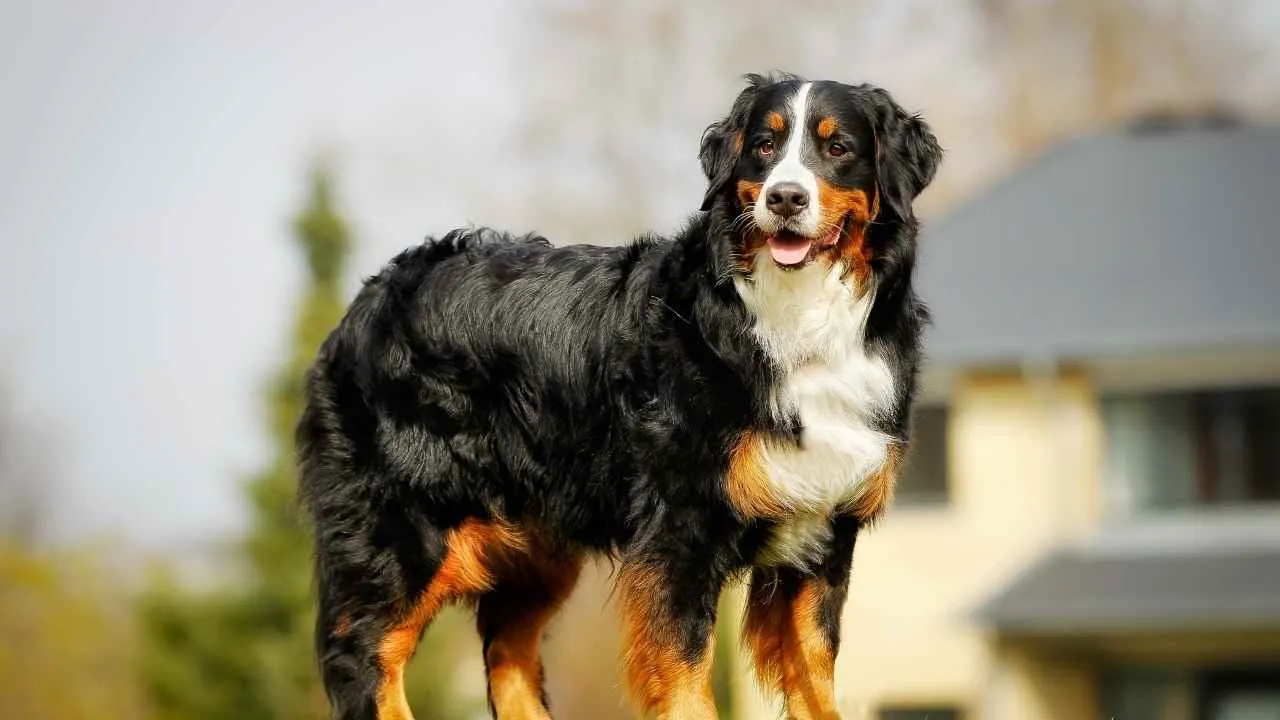
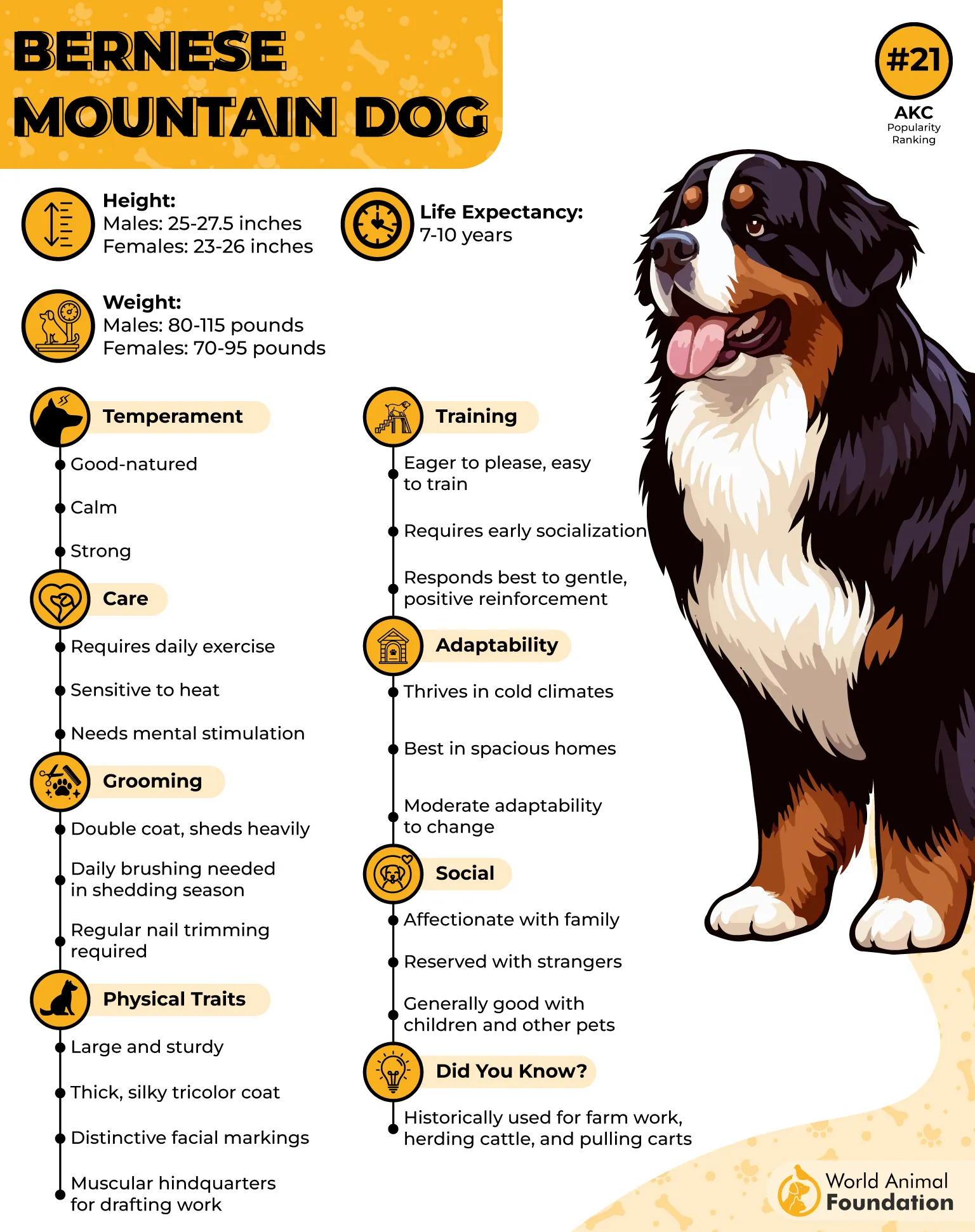
The Bernese Mountain Dog spent centuries working on farms in the Swiss Alps, where it helped drive dairy herds and pull carts. Once known as the Durrbachler after the Durrbach region, the breed faced declining numbers before renewed breeding efforts began in the late 1800s.
A Willing Hiking Companion
A Bernese Mountain Dog makes a fantastic partner for an outdoorsy lifestyle, especially when the weather is cool. A healthy, well-conditioned adult may manage long hikes and distance runs, making it a welcome companion for outdoor adventures.
A little planning makes these activities safer:
Avoid strenuous running until around two years of age.
Include a daily walk of 30 to 60 minutes.
Try scent work, agility, or fetch.
A Playful Nature With a Soft Side
Bernese Mountain Dogs enjoy being around their families and can become unhappy when left alone for long periods. They are cheerful, eager to please, and sometimes repeat silly antics when they get a laugh. Their love of company makes them enthusiastic participants in family days out.
Conclusion
Sharing outdoor activities with a dog requires more than finding a high-energy breed for outdoor lovers. Its build, stamina, coat, and natural interests all influence the kind of outings it can comfortably enjoy. Some adventurous dogs are suited to lengthy trails, while others prefer swimming, running, or activities involving scent and retrieving.
Age and physical development should also guide your plans, especially when introducing longer distances or demanding terrain. An off-leash dog needs reliable recall, while a high-energy breed benefits from regular training and suitable breaks to prevent overexertion. Whether exploring the great outdoors or enjoying shorter outings, choose a companion whose abilities match the adventures you genuinely enjoy.
