




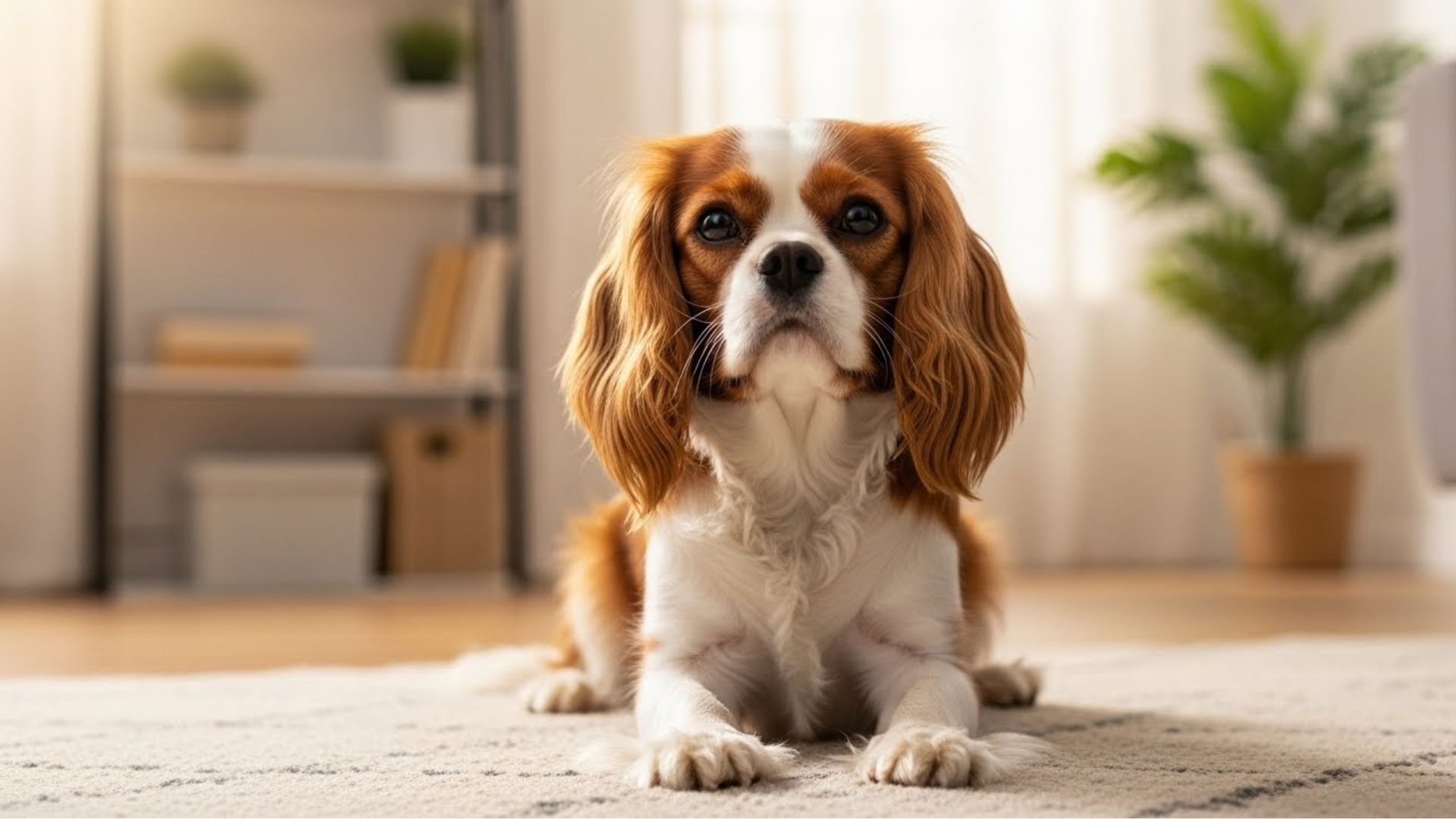
If you’ve ever had a dog choose your lap, you know the feeling: instant comfort, instant connection. Those cozy moments aren’t just sweet—they’re part of why indoor-friendly pups fit so naturally into home life. In fact, everyday interactions like cuddling and gentle play can deepen the bond between dogs and humans in ways that feel genuinely calming.
The best adaptable indoor dogs aren’t “lazy,” they’re simply content to relax near their people. Many were historically bred to lounge close, look charming, and keep their humans company—making them a natural match for apartments, smaller homes, and families who want a calm presence indoors.
That said, being a great indoor companion doesn’t always mean being the tiniest dog; temperament and energy level matter even more than size.
To thrive inside, a dog needs the right balance: manageable barking, comfort with routine, and enough mental and physical stimulation to prevent boredom. Some pups can burn energy with a hallway game of fetch, while others still need daily walks and a bit more cardio.
The goal is simple—choose a breed that enjoys home life, and support them with consistent attention, enrichment, and vet-guided exercise.
Adaptable Dog Breeds Perfect for Indoor Living
1. Pug
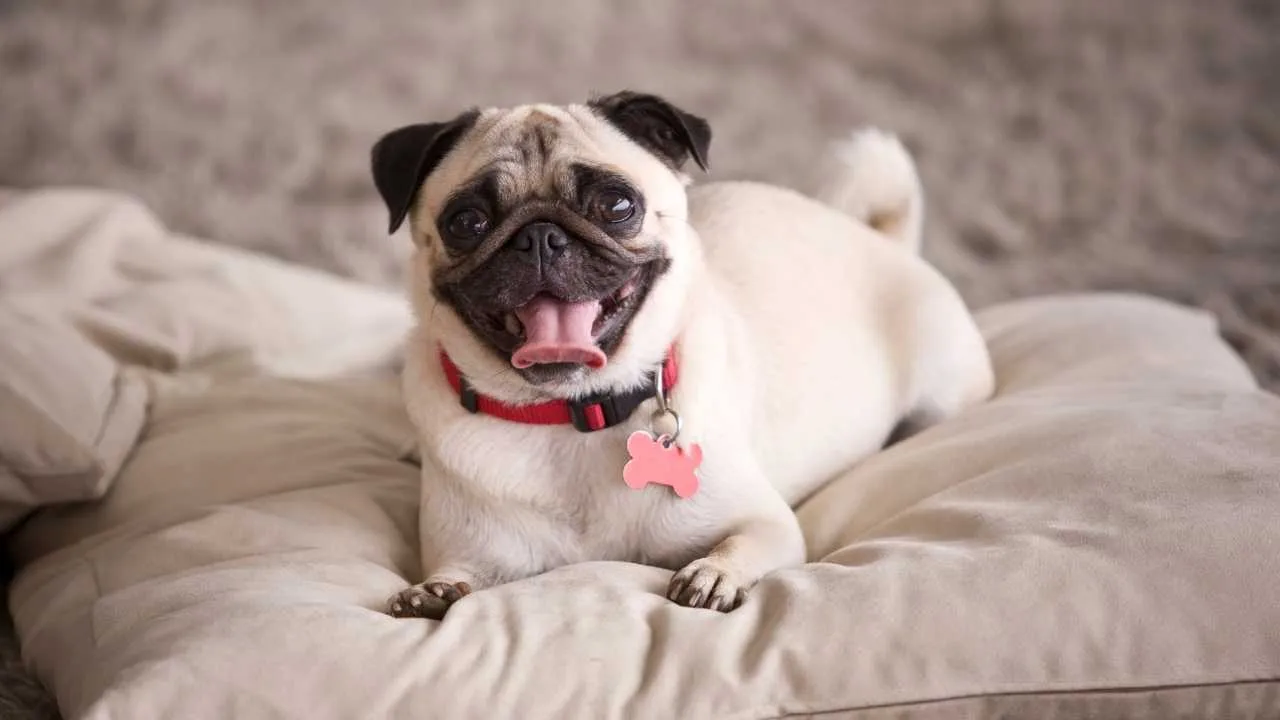
Pugs are also called “Chinese Pugs”. The AKC notes that the Pug was once a mischievous companion to Chinese emperors and later served as the mascot of Holland’s royal House of Orange, and today it remains beloved by millions of fans worldwide.
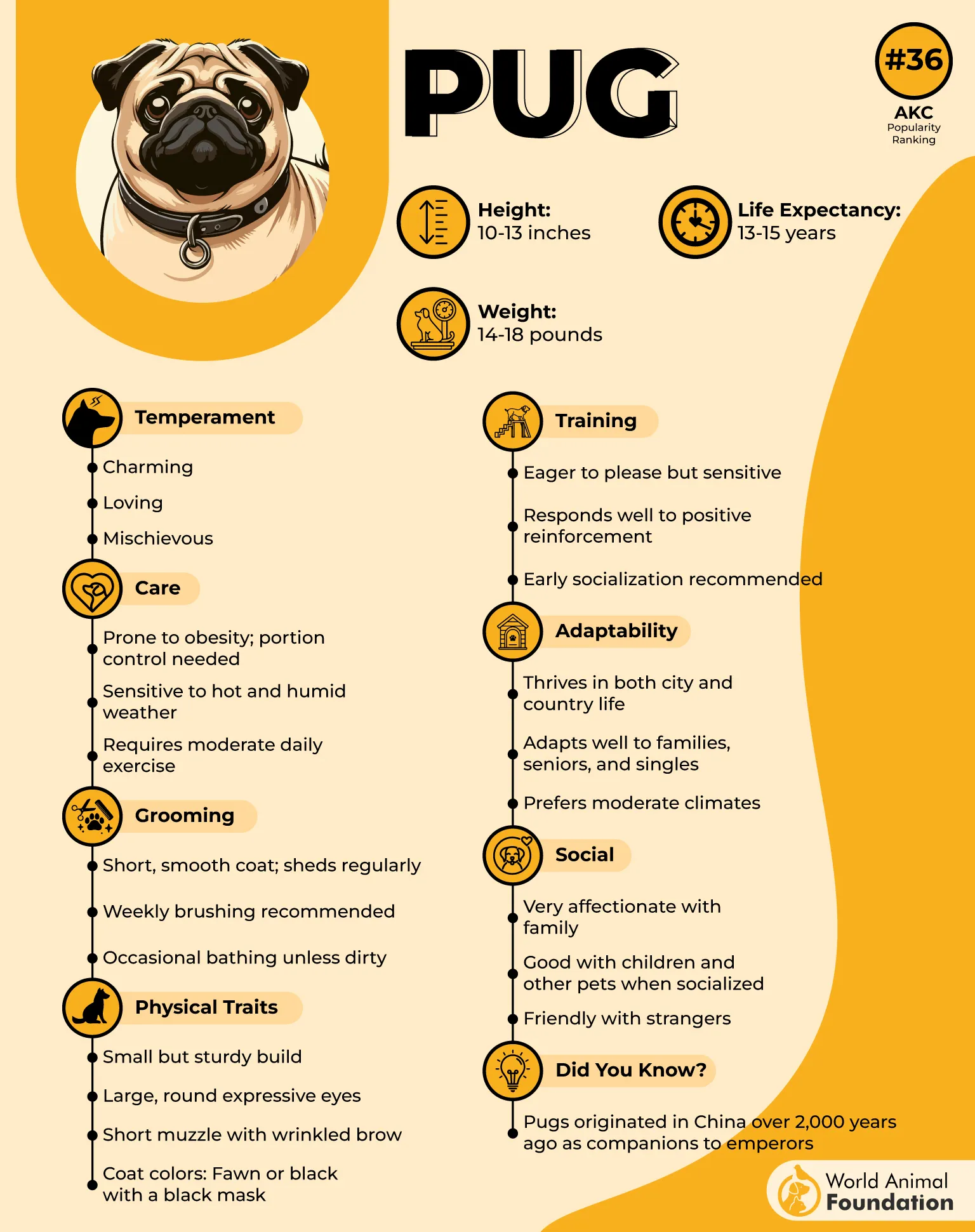
What makes them indoor-friendly is their easygoing, people-focused personality. They’re happiest close to their humans, so apartment life can suit them well, especially if you’re around often and can prevent boredom that may lead to clinginess.
Their exercise needs stay manageable: think short daily walks and gentle indoor playtime, not marathon workouts. Because they can overheat and may have breathing trouble due to their flat-faced build, keep activity light and schedule it in cooler parts of the day.

Coat care is simple—occasional brushing and basic upkeep—though they can still shed and benefit from routine. Fact: Pugs have a life expectancy of 12 to 15 years.
2. Shih Tzu
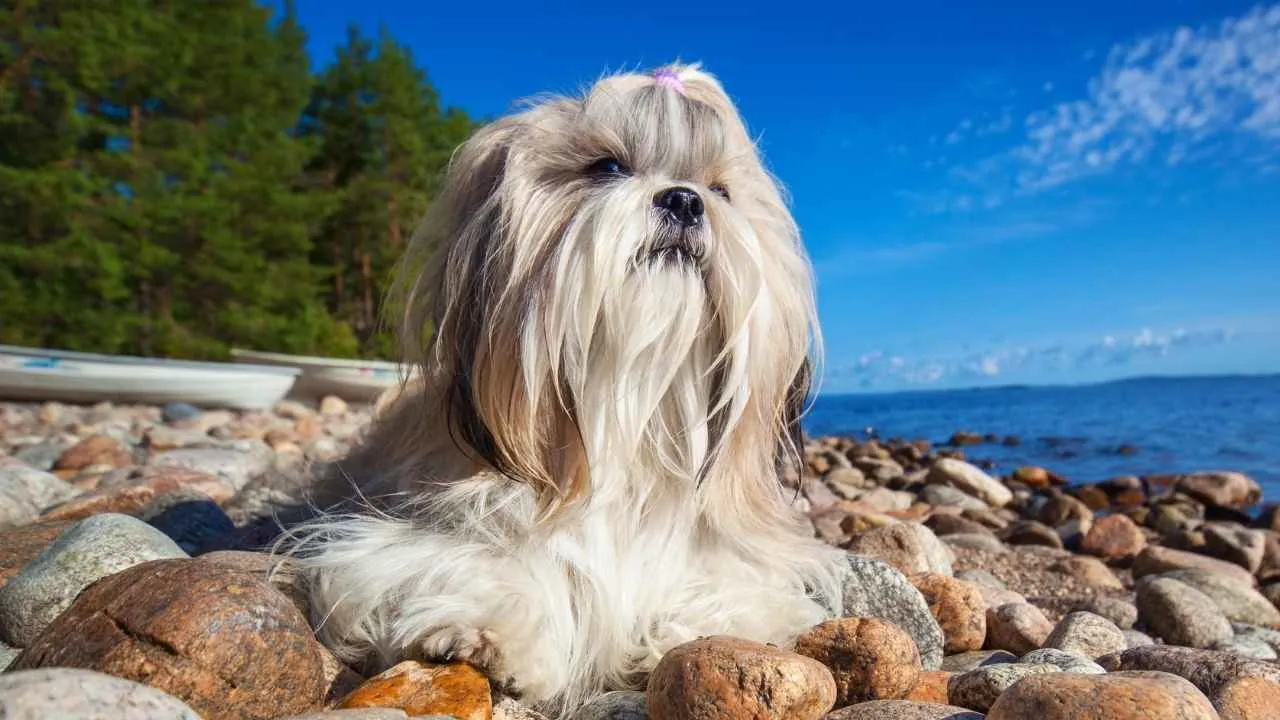
Shih Tzus—often called the “Lion Dog”—were famously bred to lounge in the Chinese Emperor’s palace, and that comfort-first background still shows in modern homes.
Even in a small apartment, this regal little dog is happiest curled on a lap or draped across the couch, soaking up attention.
PetMD notes that the Shih Tzu is a Tibetan toy breed that was bred specifically to be a devoted, furry companion.
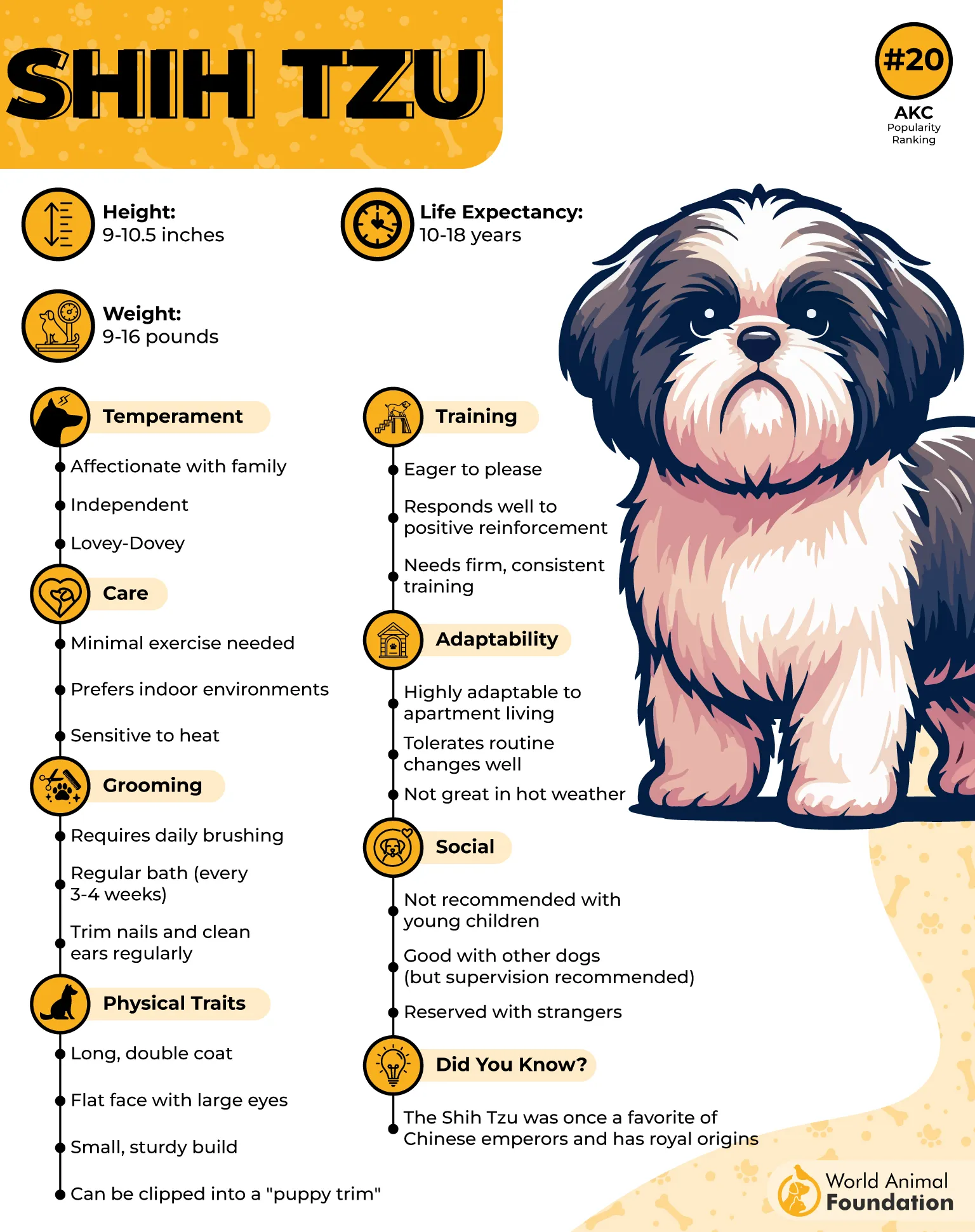
For indoor living, they check several key boxes: a calm, loving presence, a strong desire for human companionship, and an affectionate nature that suits quieter households. They were once valued as watchdogs, but most pet parents today treasure them more for cuddles than for “on-duty” behavior.
Because they can have surprising bursts of energy, a reliable routine matters—think regular daily walks and a little play to keep them balanced. After they’ve had that outlet, they’re typically content to settle in and keep you company for the rest of the day.
Fact: The American Kennel Club (AKC) officially recognized the Shih Tzu in 1969.
3. French Bulldog
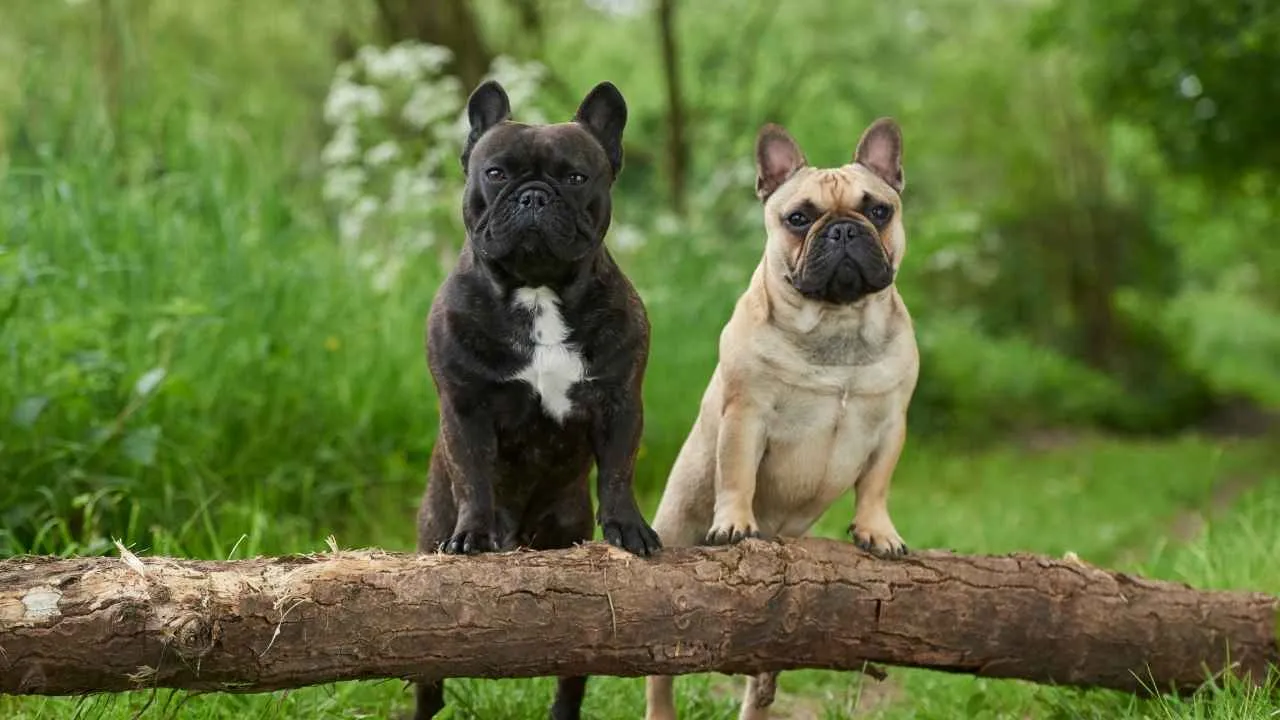
The French Bulldog—often called the Frenchie—is a compact, people-focused companion with that instantly recognizable, expressive face and short, smooth coat.
Social and easygoing, they’re famous for sticking close to their humans and fitting neatly into indoor routines, especially in smaller homes.
Britannica states that the French Bulldog is a nonsporting breed developed in France in the late 1800s by crossing small native dogs with toy-sized Bulldogs.
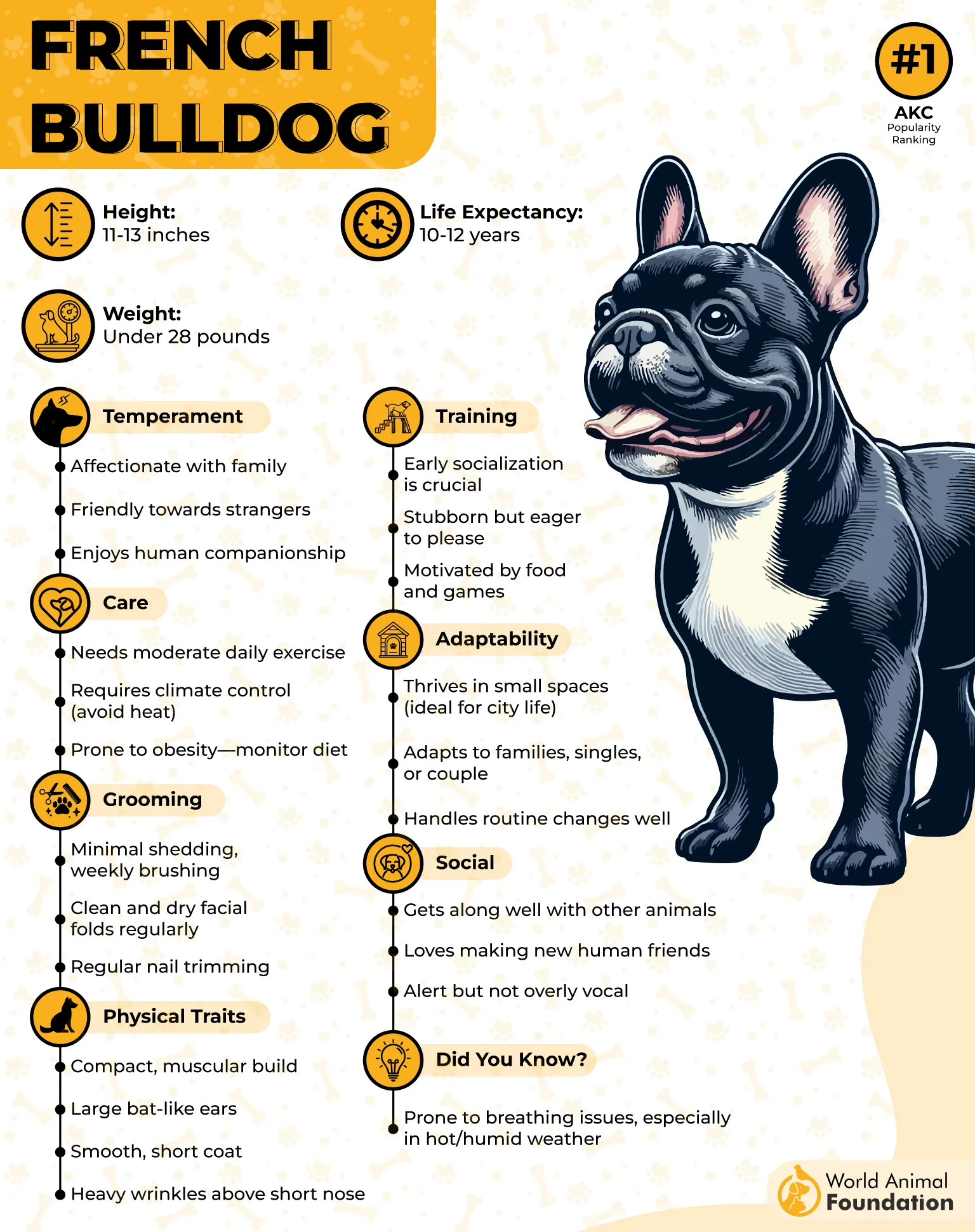
For “couch-time” households, French bulldogs shine because their barking is very low and their vibe is calm once their play needs are met. They’re happy to trade a big backyard for togetherness, making them a smart pick for renters who want a quieter, relatively low-maintenance breed.
That said, they aren’t ornaments. Frenchies can get bored indoors, so plan on short walks plus indoor play to keep them content and prevent weight gain. A little daily structure—mini games, brief training, and gentle enrichment—goes a long way.
Because they’re brachycephalic, watch for breathing strain and overheating, and keep exercise sessions brief and comfortable.
4. Cavalier King Charles Spaniel
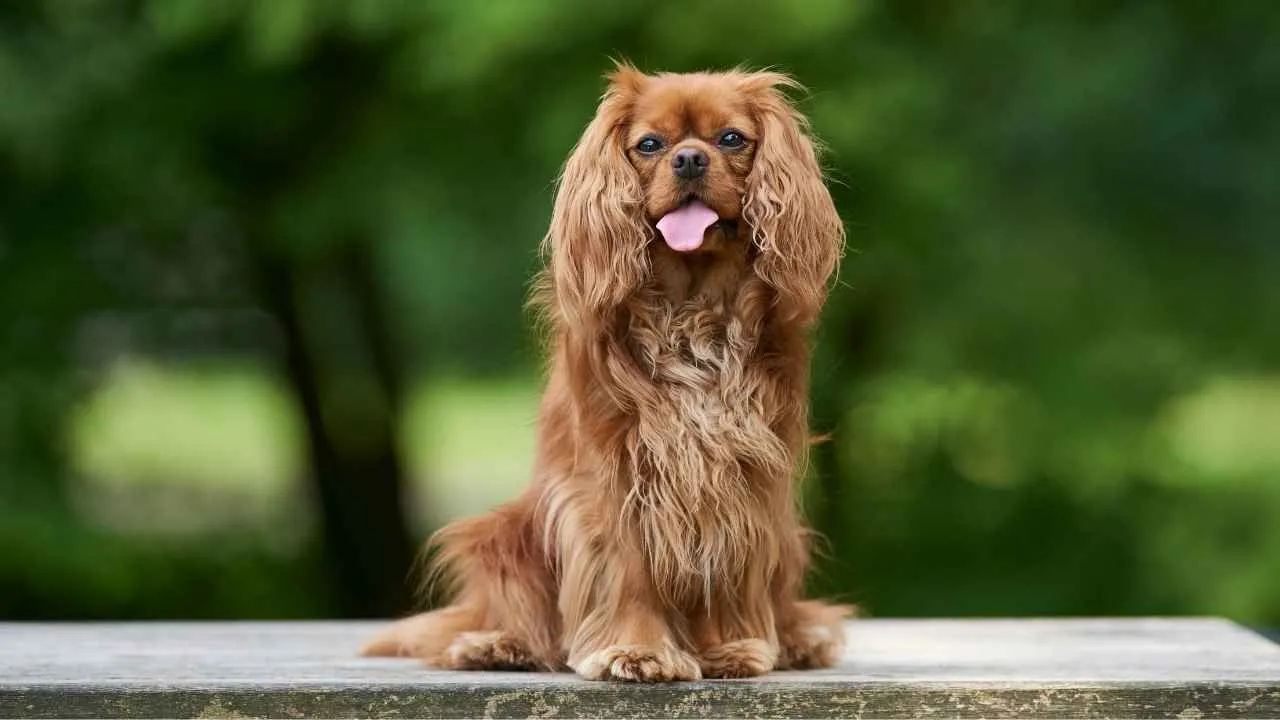
The Cavalier King Charles Spaniel (often called a “Cavalier”) is a small, graceful companion breed with a royal past—famously linked to King Charles II and frequently shown alongside royalty in historic paintings.
Calm, confident, and typically fearless, this indoor-friendly pup is best known for a gentle temperament and a coat that adds to its refined look.
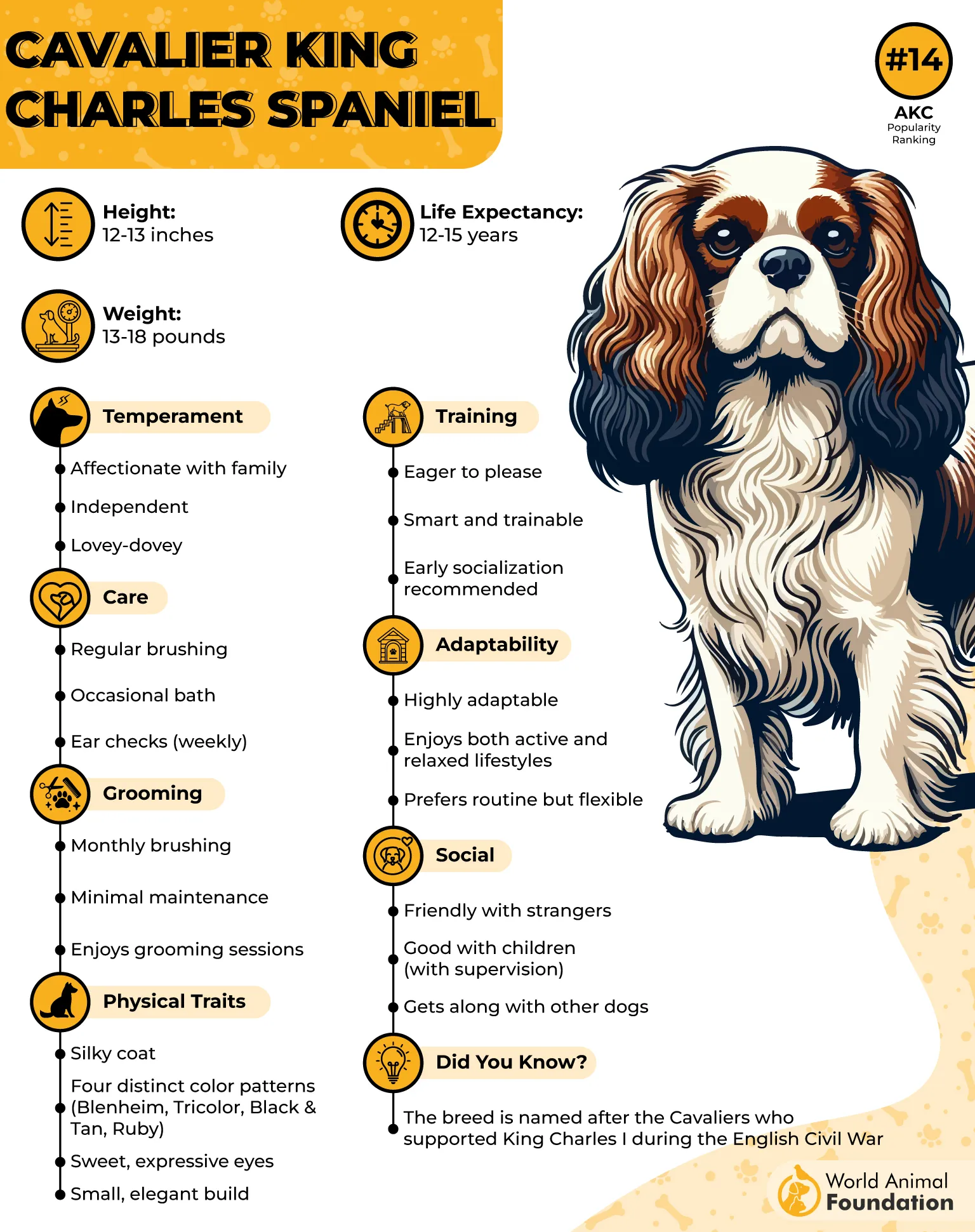
For apartment life, Cavaliers shine because they’re affectionate and love being close to their people, forming strong family bonds. They’re also intelligent and eager to please, which makes household manners and simple routines easier to teach—especially when training stays positive and consistent.
No yard? No problem. Indoor exercise can be as simple as short daily walks plus hallway fetch, light tug, or “find it” games. Add puzzle toys and brief training sessions for mental stimulation, so your Cavalier stays satisfied even on low-key days.
Fact: While generally healthy, Cavaliers can be prone to genetic health issues, including heart problems and neurological disorders.
5. Bichon Frise
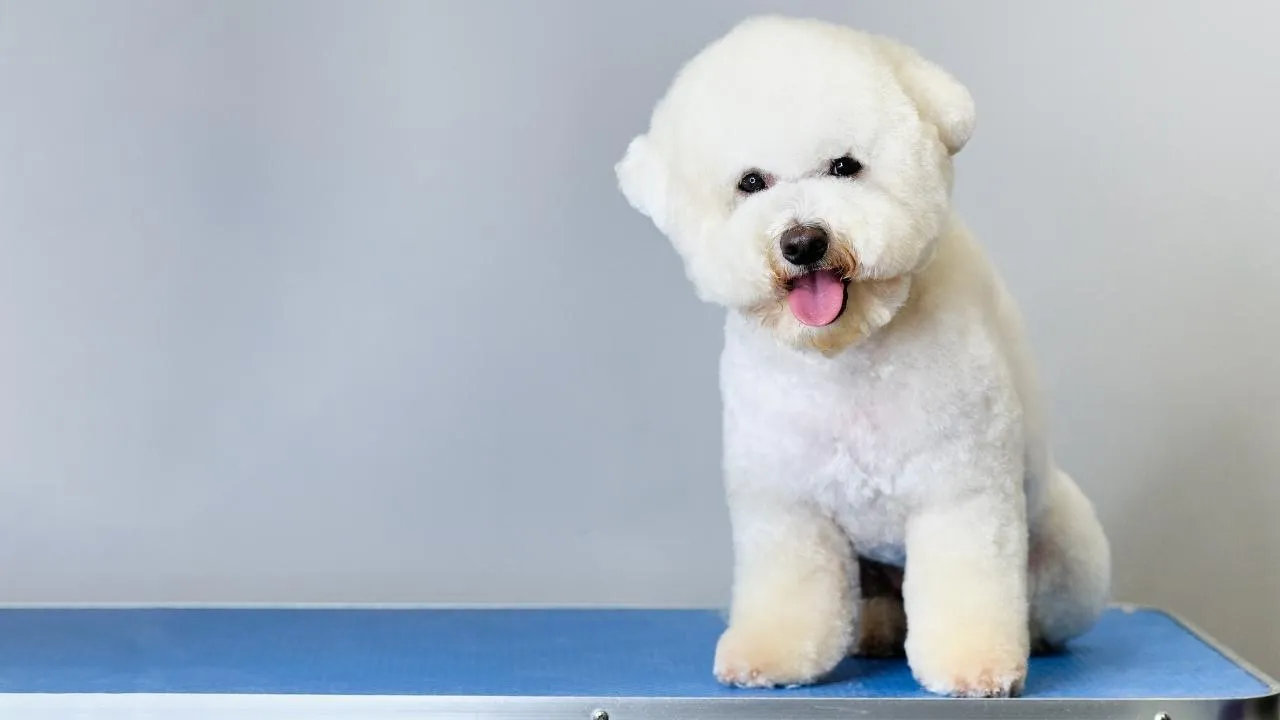
The Bichon Frise—often simply called the Bichon—is a small, cloud-coated companion with a big love for indoor life. With a playful, affectionate, sociable vibe, this breed fits nicely into apartment routines.
Because they were adored as pampered companions (even in French royal courts), Bichons tend to crave together time. If they’re left alone for long stretches, boredom can show up as barking, “busy” behavior, or harmless mischief, so rotate puzzle toys and quick indoor games to keep them settled.
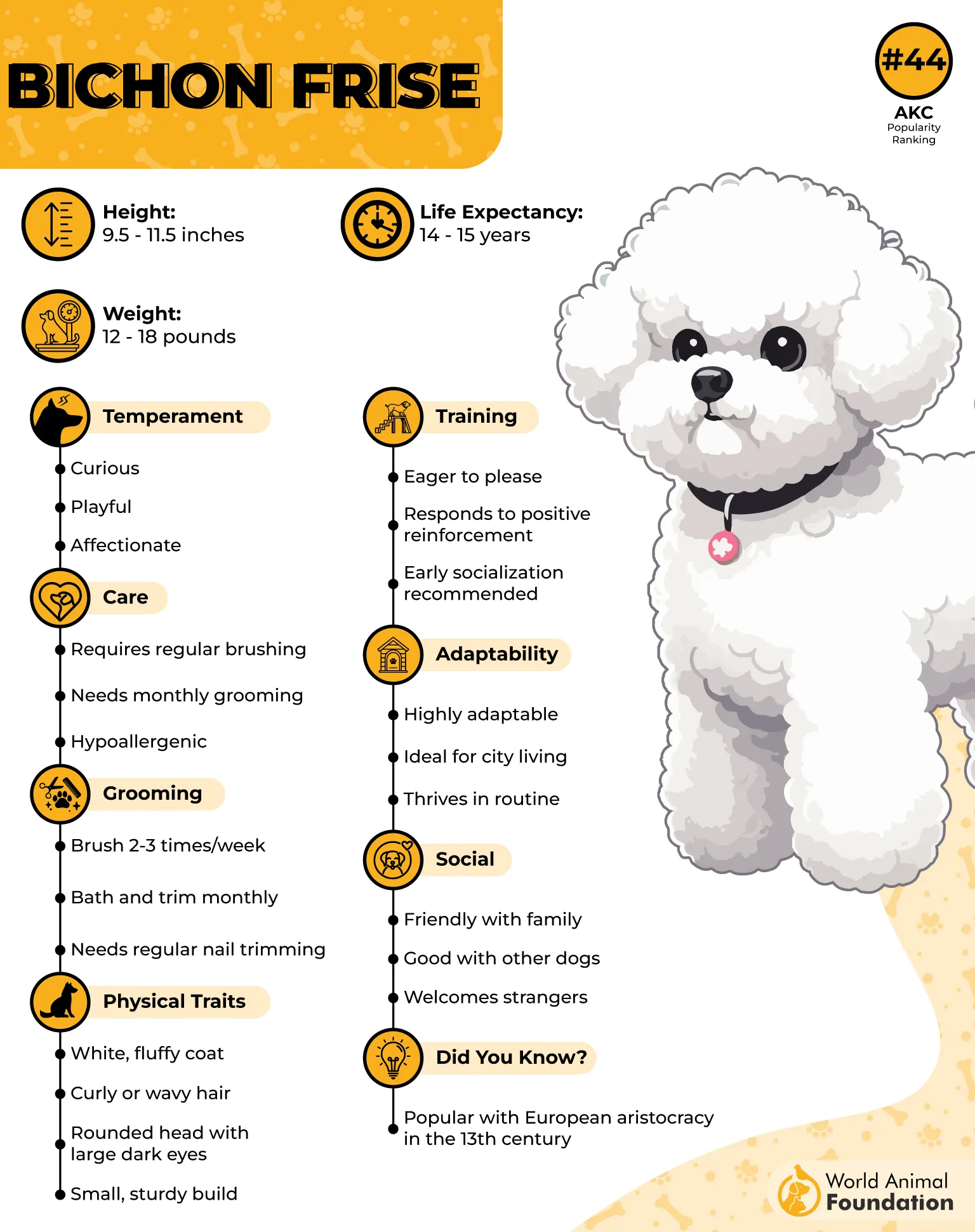
For common indoor hurdles like potty training, consistency is your best friend: frequent breaks, a predictable schedule, and reward-based cues help these eager-to-please pups learn faster. Keep sessions upbeat—some can have a stubborn streak if training feels repetitive.
Their fluffy look does come with upkeep: regular brushing plus professional grooming, and it’s smart to stay on top of dental care and watch for eye issues. Fact: Bichon Frises have an average lifespan of 14–15 years.
6. Maltese
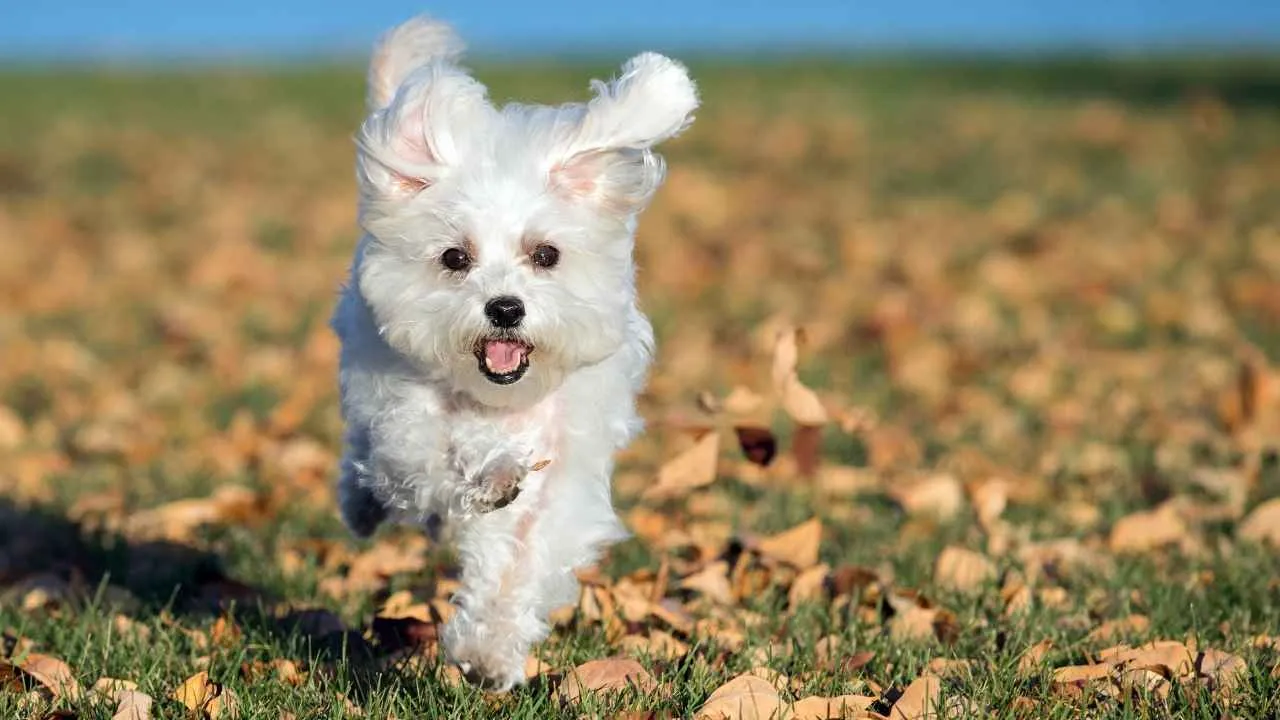
The Maltese—often called the “Ancient Dog of Malta” and famously known as a classic lap dog—is a small, sweet, elegant companion with a long, flowing white coat and a true indoor mindset. Bred to live close to people (even among royals), this little pup thrives on cuddles and calm routines.
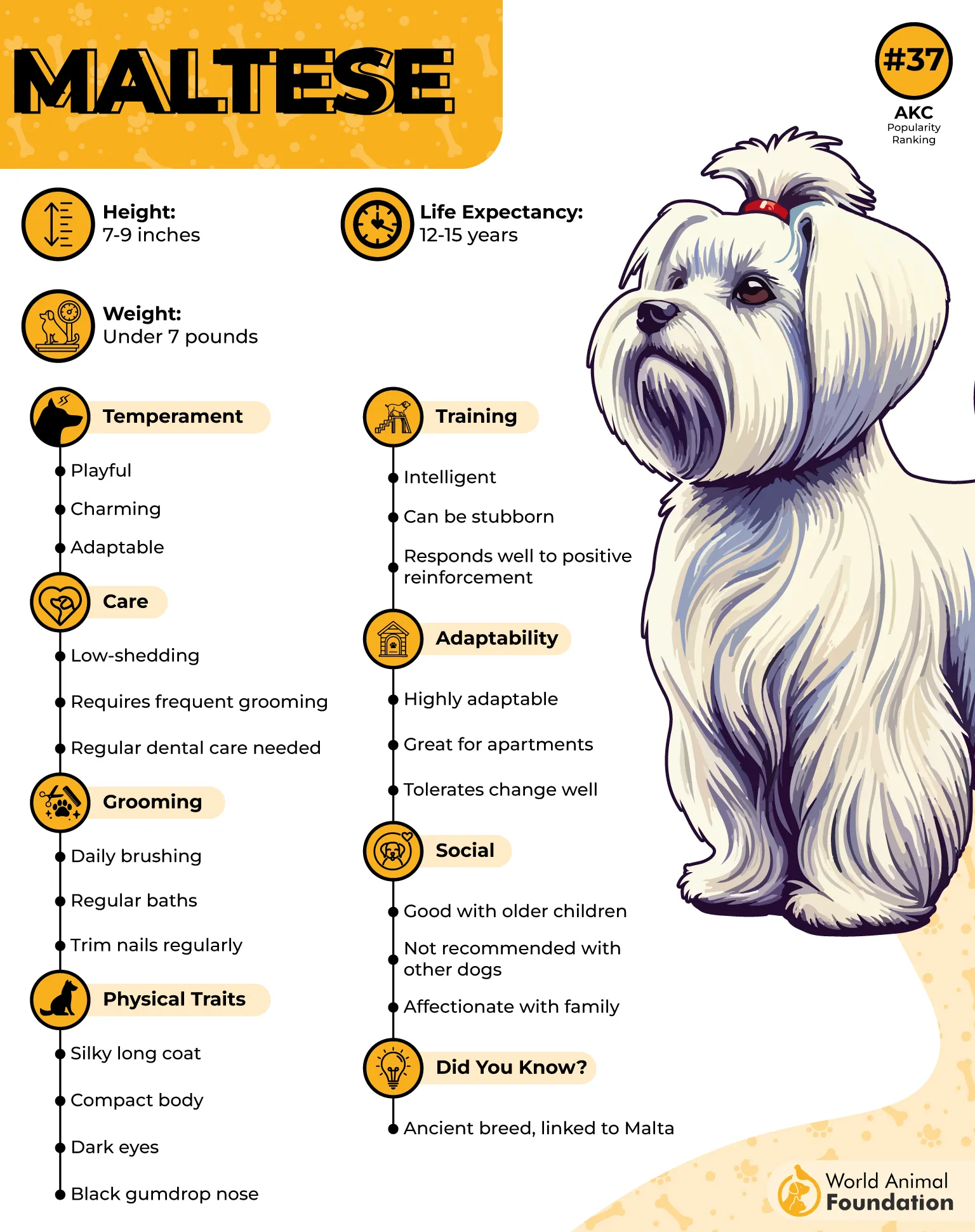
For indoor living, the Maltese shines because they’re low-energy, don’t shed much, and tend to be quieter than many small breeds. Set them up for success with a predictable daily schedule, a cozy “safe spot,” and short, positive training sessions that reinforce house manners.
Because they’re people-focused, they adapt best when they aren’t left alone for long stretches. Rotate simple enrichment—soft toy play, short indoor games, and gentle handling—to keep them mentally satisfied without needing intense exercise.
Grooming matters indoors too: regular brushing helps keep that elegant white fur comfortable and tidy, especially if you prefer a longer coat. Fact: Maltese have a low activity level and a life expectancy of 12 to 15 years.
7. Dachshund
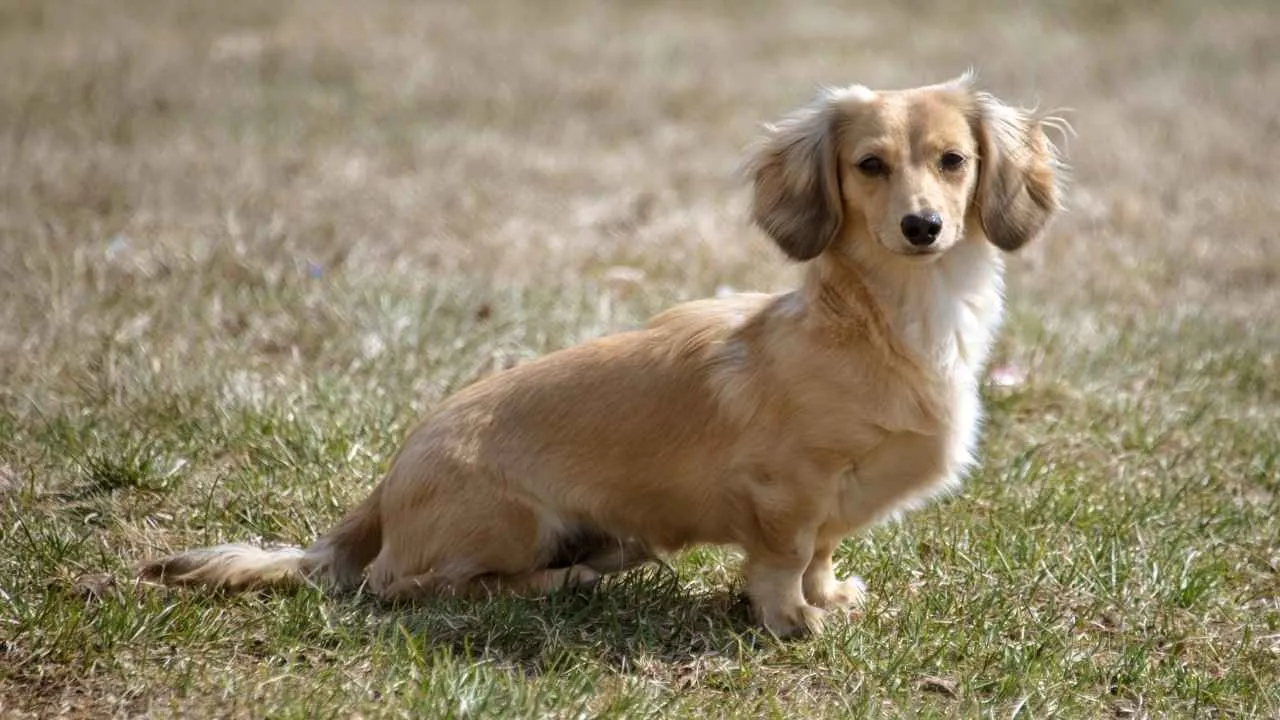
The Dachshund—often called the “wiener dog” for its long body and short legs—is a small hound with a bold, curious personality. Pronounced dahks-hund, it comes in long, short, and wiry coats, and it’s a longtime favorite with families and seniors.
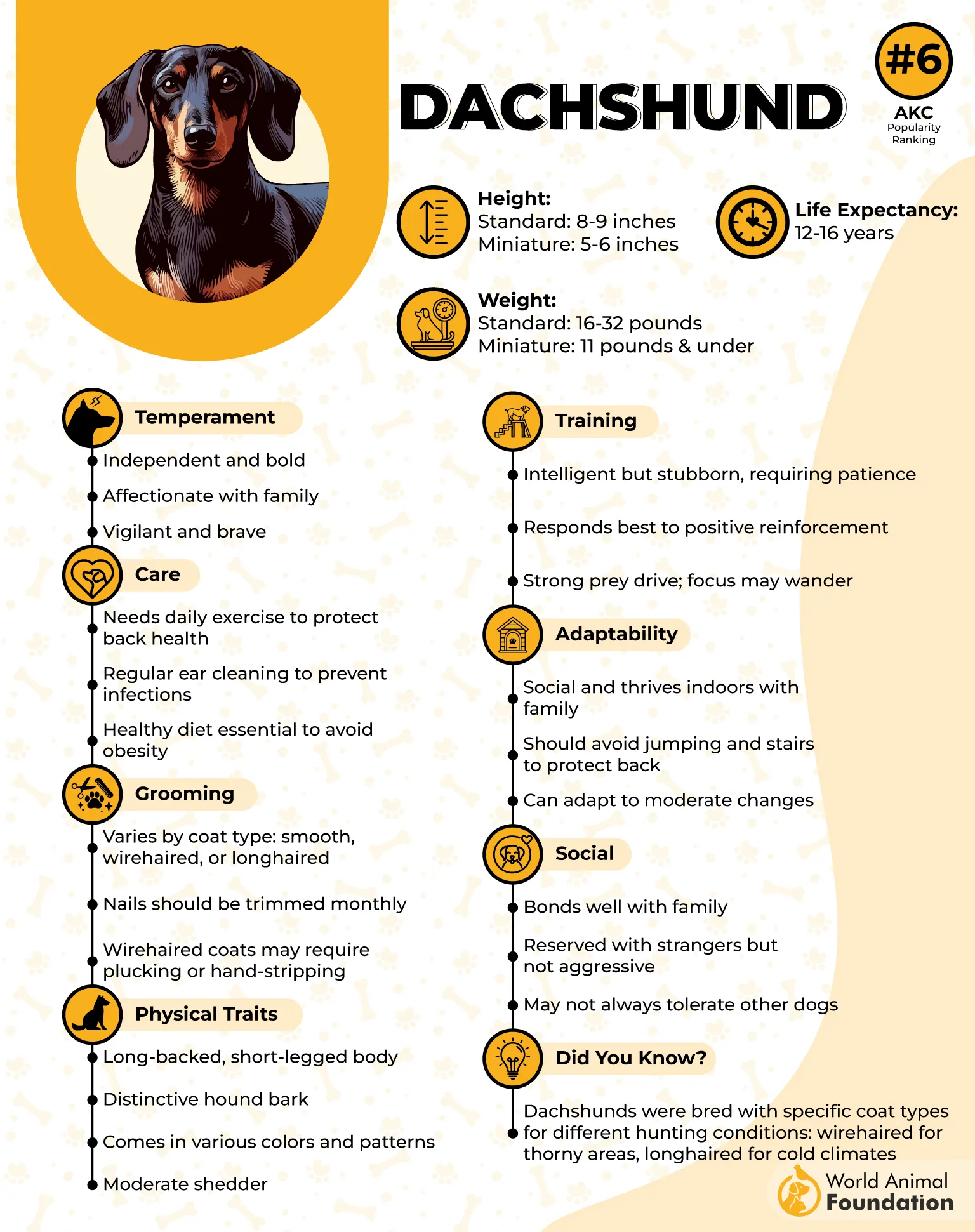
Despite the cuddly look, this breed was originally developed to pursue prey underground, which explains its confidence indoors, too. In a home setting, most are happy with playtime and then a serious lounge session near their people—classic indoor-companion behavior.
For apartment living, aim for steady routines: a couple of brief walks plus indoor games can satisfy their moderate exercise needs. Add mental stimulation (like simple puzzle toys) to curb boredom, because a frustrated Dachshund may channel that drive into chewing.
One indoor must-have is back protection—discourage jumping on and off furniture and use ramps or small stairs instead.
Conclusion
Even though many dog breeds can adapt with the right routine, the best indoor dogs are the ones whose needs match your home—not just their size. For apartment dwellers and dog owners dealing with breed restrictions or limited outdoor space, the right dog breed is one with a calm nature and friendly and affectionate personalities, whether you choose an adult dog, rescue dogs, or mixed breeds.
From small dog breeds to larger dogs, the best dog breed is the one that fits your schedule for much exercise and regular grooming. Some people love energetic dogs and even high-energy dogs for dog parks, while others prefer more relaxed, ideal indoor dogs that live well with other dogs and other pets—from Boston Terriers to a Labrador Retriever or a Portuguese Water Dog with a hypoallergenic coat and a loyal furry friend vibe for any family dog or first-time dog owner.
