




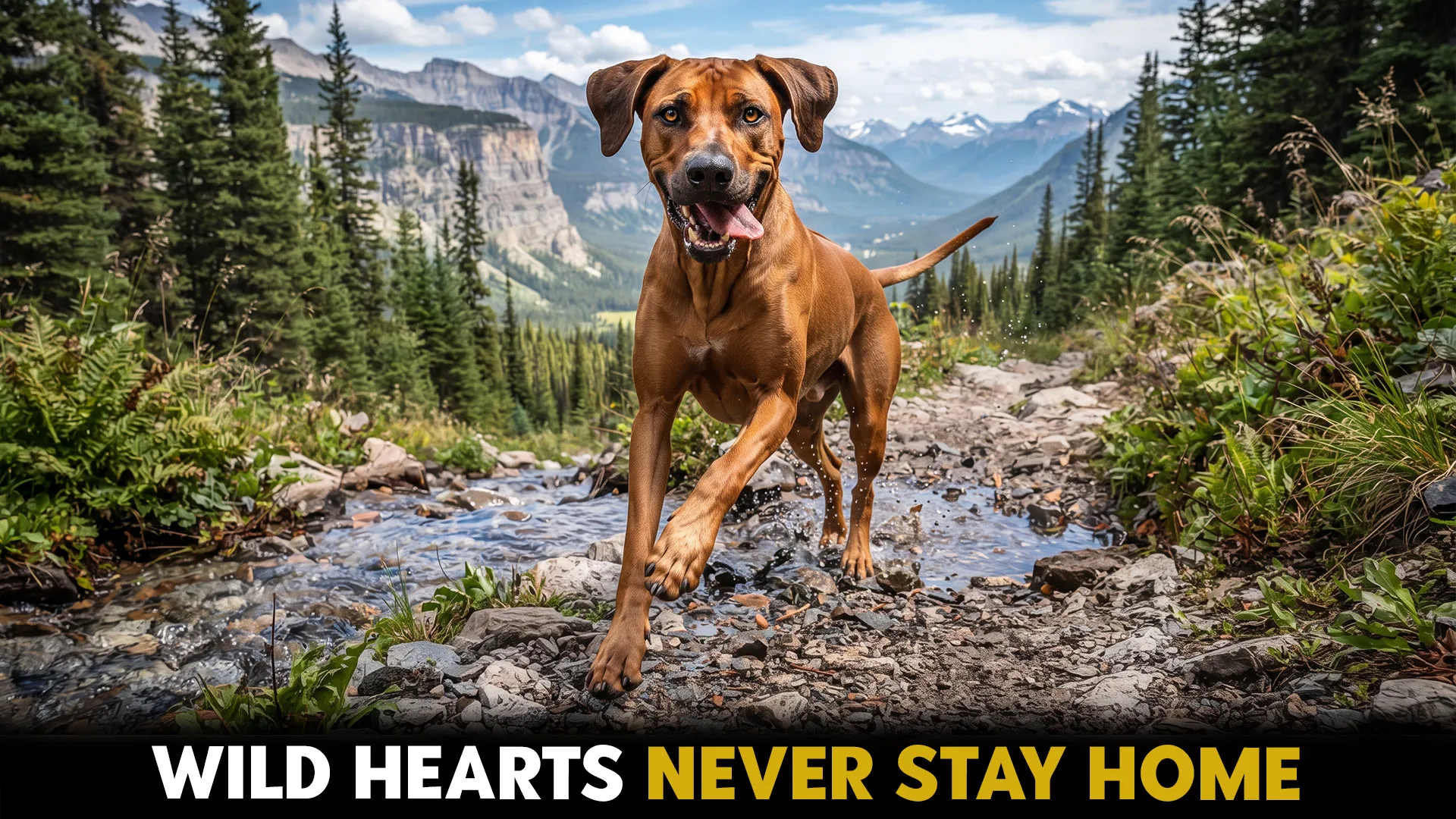
Active dog breeds that thrive in the wilderness need more than a willingness to run. They need stamina for long distances, confidence across unfamiliar terrain, and bodies suited to demanding outdoor conditions.
Steep trails, uneven ground, cold mornings, thick brush, and changing weather can turn a walk into serious physical work. Dogs with strong endurance and natural drive are often better prepared for these environments because their daily needs include plenty of movement and mental stimulation.
Their instincts also matter. A dog that enjoys exploring, following scents, navigating rough ground, or working closely with people can make wilderness trips more enjoyable. Fitness alone does not make a dog suitable for remote adventures. Training, recall, weather tolerance, paw care, and sensible pacing matter too.
If you want a four-legged partner that can handle life beyond paved paths, this article explores the active breeds worth knowing before you head into the wild.
Key Takeaways
A long hike can be a completely different experience with a dog that actually enjoys the miles, rough ground, and constant movement.
The Siberian Husky spent thousands of years traveling across the Arctic, while the Vizsla needs around two hours of vigorous exercise each day.
Then there is the Weimaraner, known as the dog with the human brain, and the Rhodesian Ridgeback, once used to track lions across South Africa.
The deeper you go into these breeds, the more their working history explains why they feel so at home beyond the backyard.
Active Dog Breeds That Thrive in the Wilderness
1. Siberian Husky
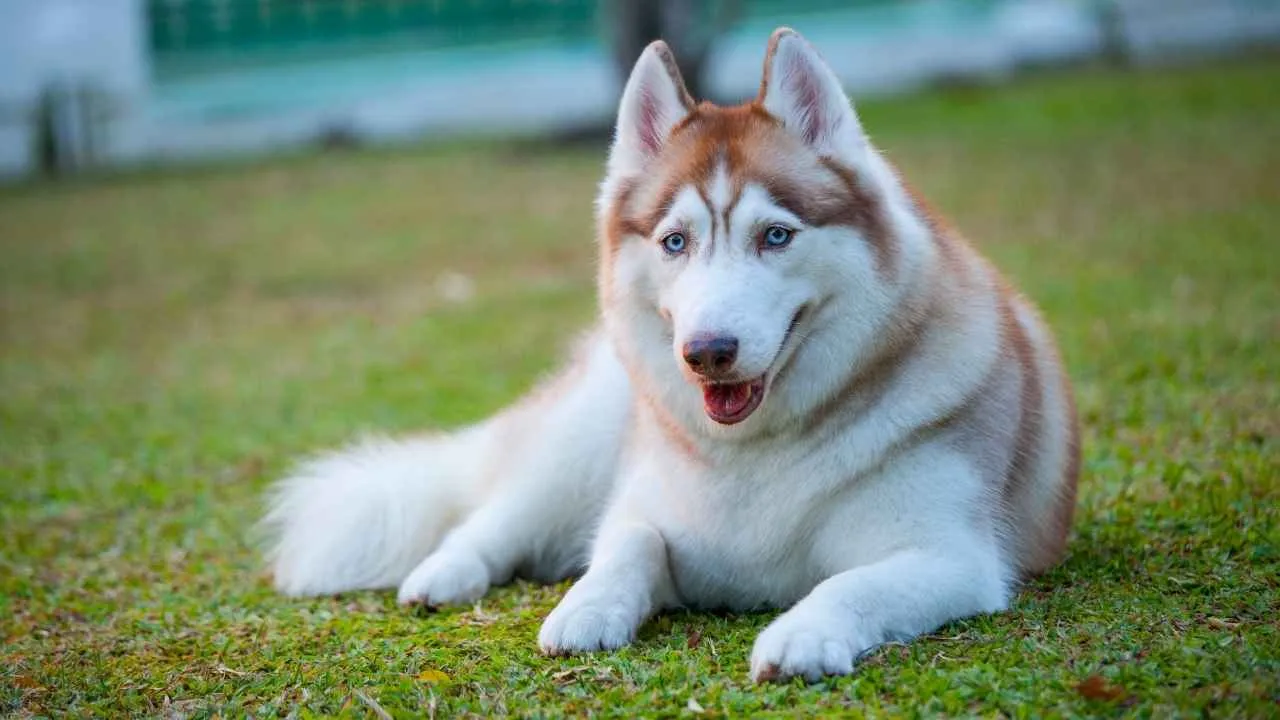
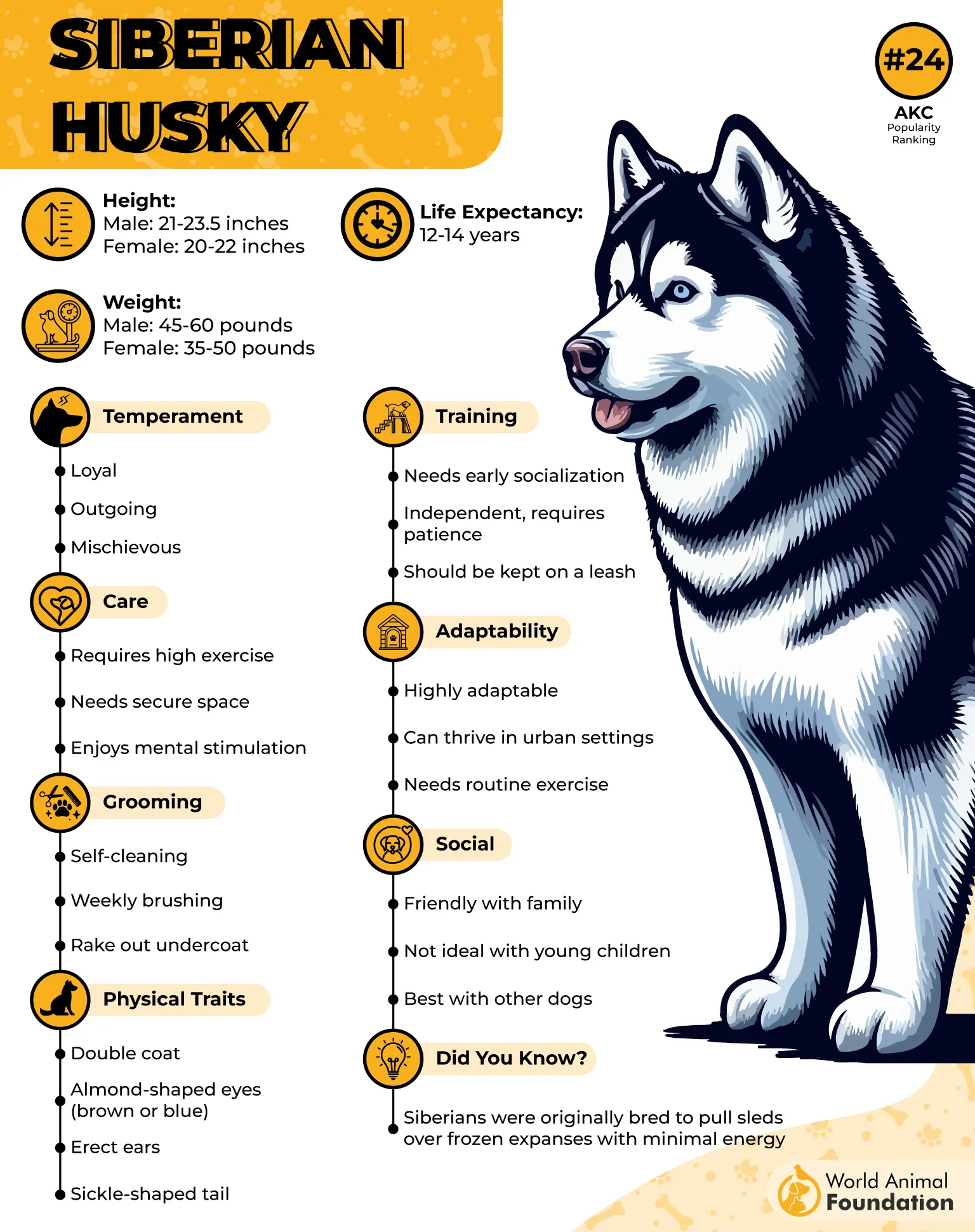
The Siberian Husky has been part of Chukchi life for more than 4,000 years, with early dogs living alongside families on Siberia’s Chukchi Peninsula. They were valued as companions but also pulled sleds during hunting trips and carried loads across the Arctic.
Built for Distance
They were shaped for long-distance travel through severe Arctic conditions, giving them the endurance needed for demanding days outdoors. Their ability to run for hours and their eagerness to work make extended routes far more suitable for this breed than a quiet routine.
These points reveal how closely they are tied to working roots:
Among the fastest sled dog breeds
Enjoys running, sledding, agility, rally, and fetch
May dig, chew, or escape when bored
A Dog With Opinions
Siberian Husky can be wonderfully social, greeting people readily and getting along well with children and other dogs, as Greencross Vets notes. Training can take patience because an independent dog may ignore a command it considers pointless and can begin making its own decisions.
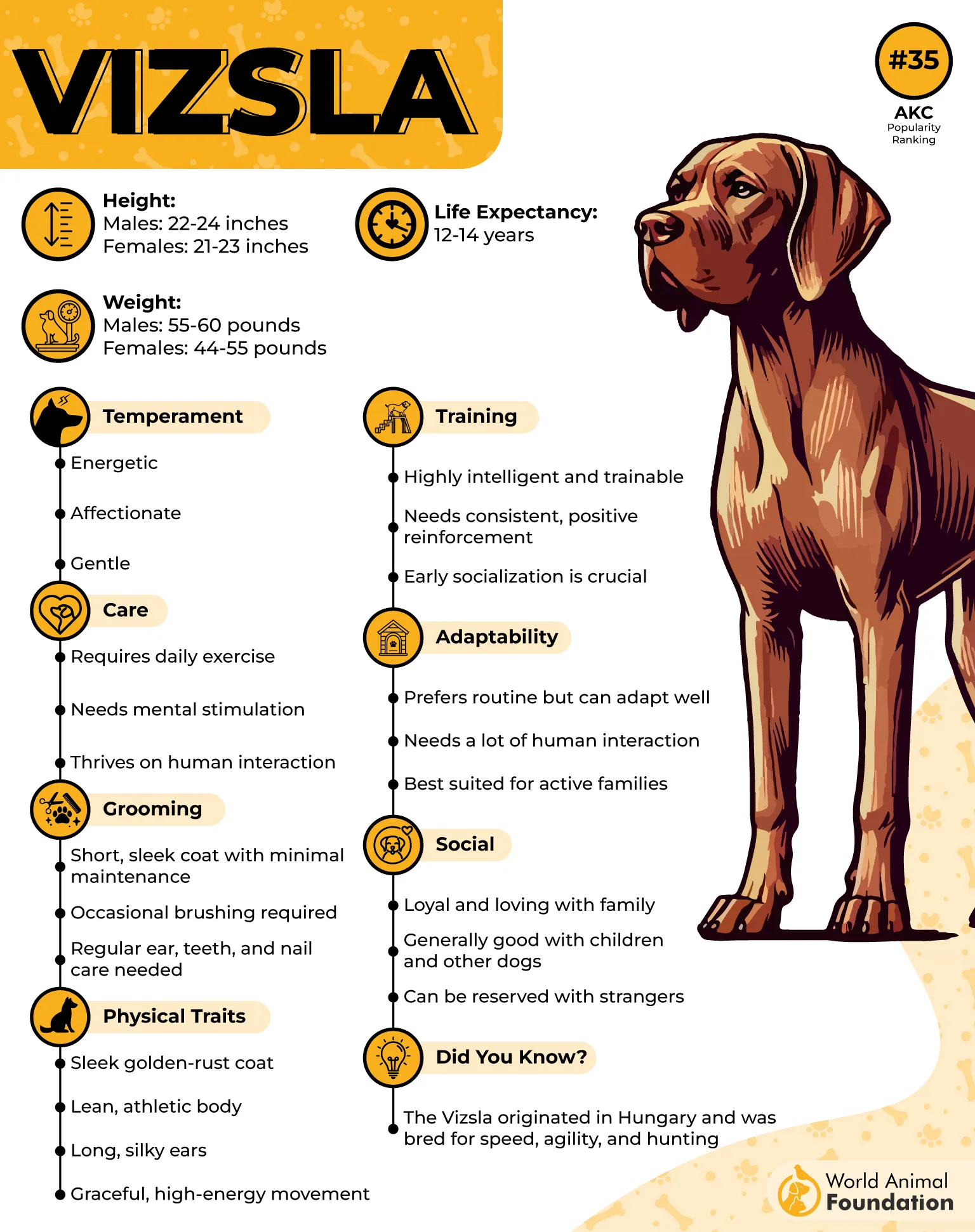
2. Vizsla
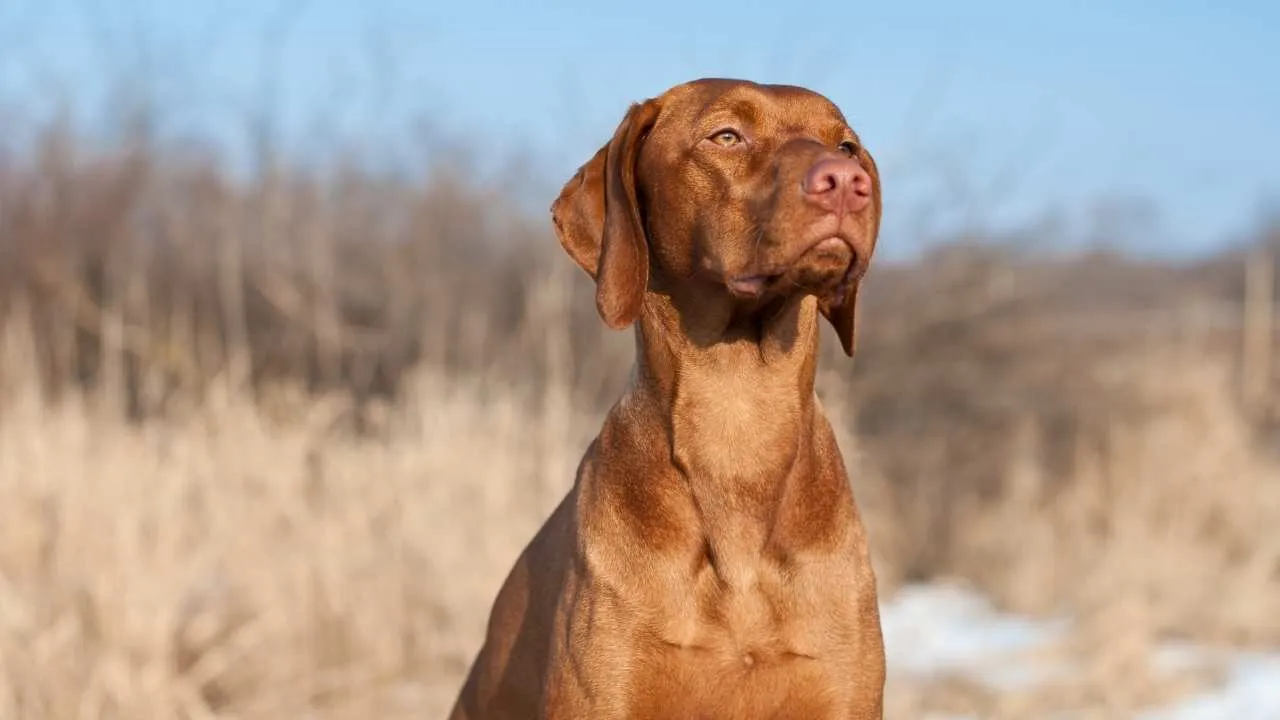
Vizsla is an old Hungarian breed whose exact age remains debated, with some theories placing its ancestry among Weimaraners and various pointing dogs. Its similar build to the Weimaraner, paired with its distinct coloring, has added to the long-running discussion around its origins.
Made for the Outdoors
Vizsla needs at least two hours of active exercise each day, making long stretches of outdoor activity a natural fit. Its hunting instincts also make retrieving games on land or in water, off-leash running, and open-air exploration especially engaging.
These practical details matter on longer outings:
Three daily walks of at least 30 minutes
Fetch in a secure open area
Hiking and jogging as exercise options
A Serious Training Partner
This energetic dog enjoys learning when training feels rewarding and varied, and its abilities extend well beyond basic obedience. Anyone taking on this talented gundog needs enough time for regular training, outdoor activities, and the mental work that keeps it engaged.
3. Weimaraner
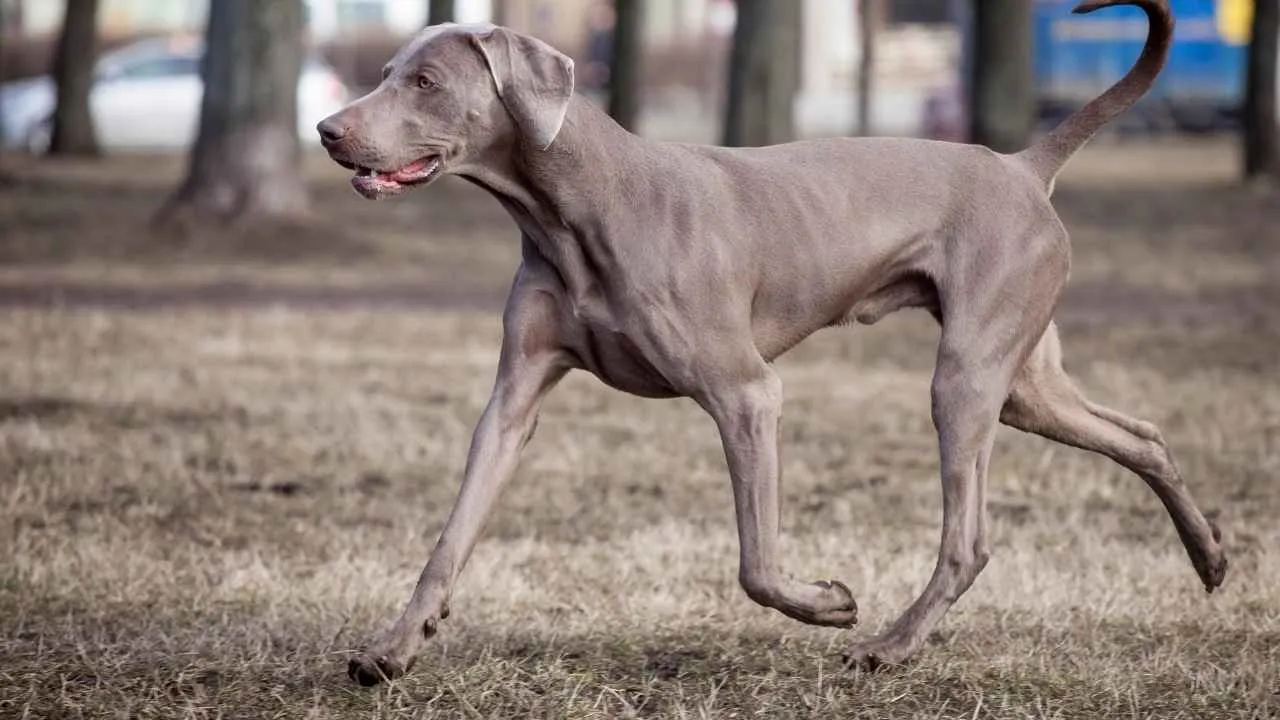
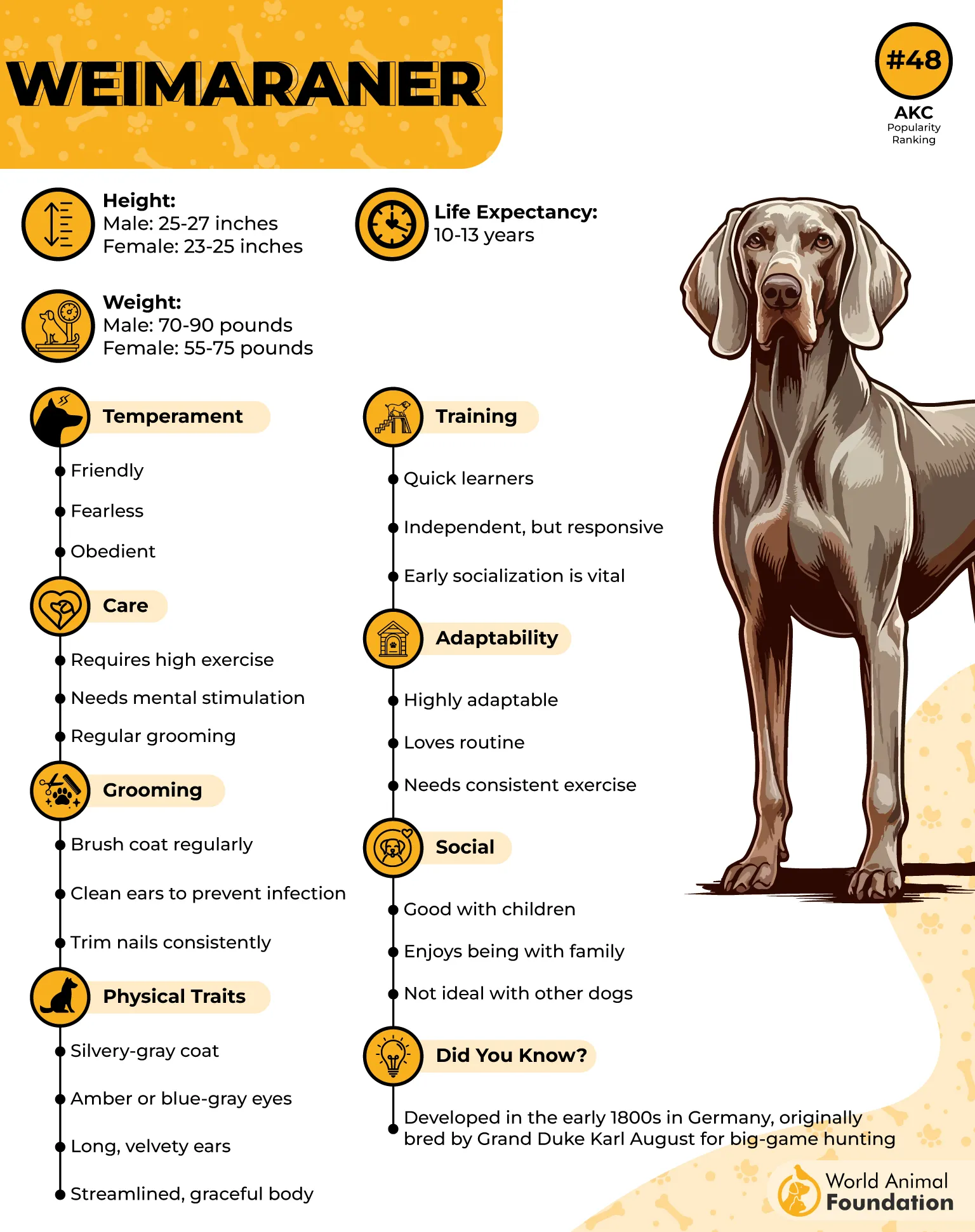
Weimaraner was originally bred in Germany as a sporting companion for gentlemen who wanted an athletic dog at their side. The breed remained difficult to find outside Germany until the 1920s, then gradually became popular in America for its affectionate nature and striking appearance.
Born for the Trail
This outdoor dog brings serious stamina to outdoor pursuits, with running, hiking, hunting, and lure coursing fitting naturally into its routine. One to two hours of high-impact exercise each day can help channel its energy, while a simple walk may not provide enough physical work.
The following activities fit this breed particularly well:
Dock diving for intense bursts of activity
Agility for fast-paced problem solving
Fetch for combining movement and focus
The Human Brain
Weimaraners have earned the nickname “the dog with the human brain” because of their notable intelligence and quick learning ability, as Orvis highlighted. That sharp mind comes with an assertive streak, so early and continued training helps prevent boredom from turning into destructive behavior.
4. Rhodesian Ridgeback
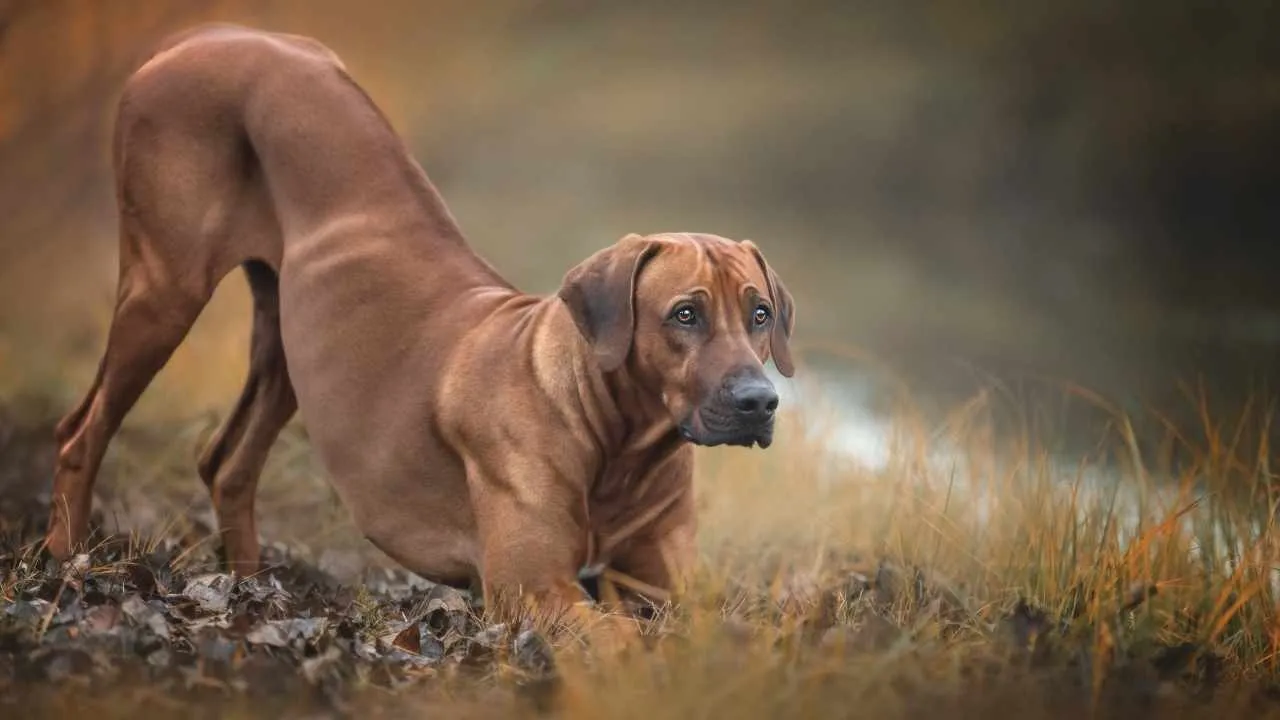
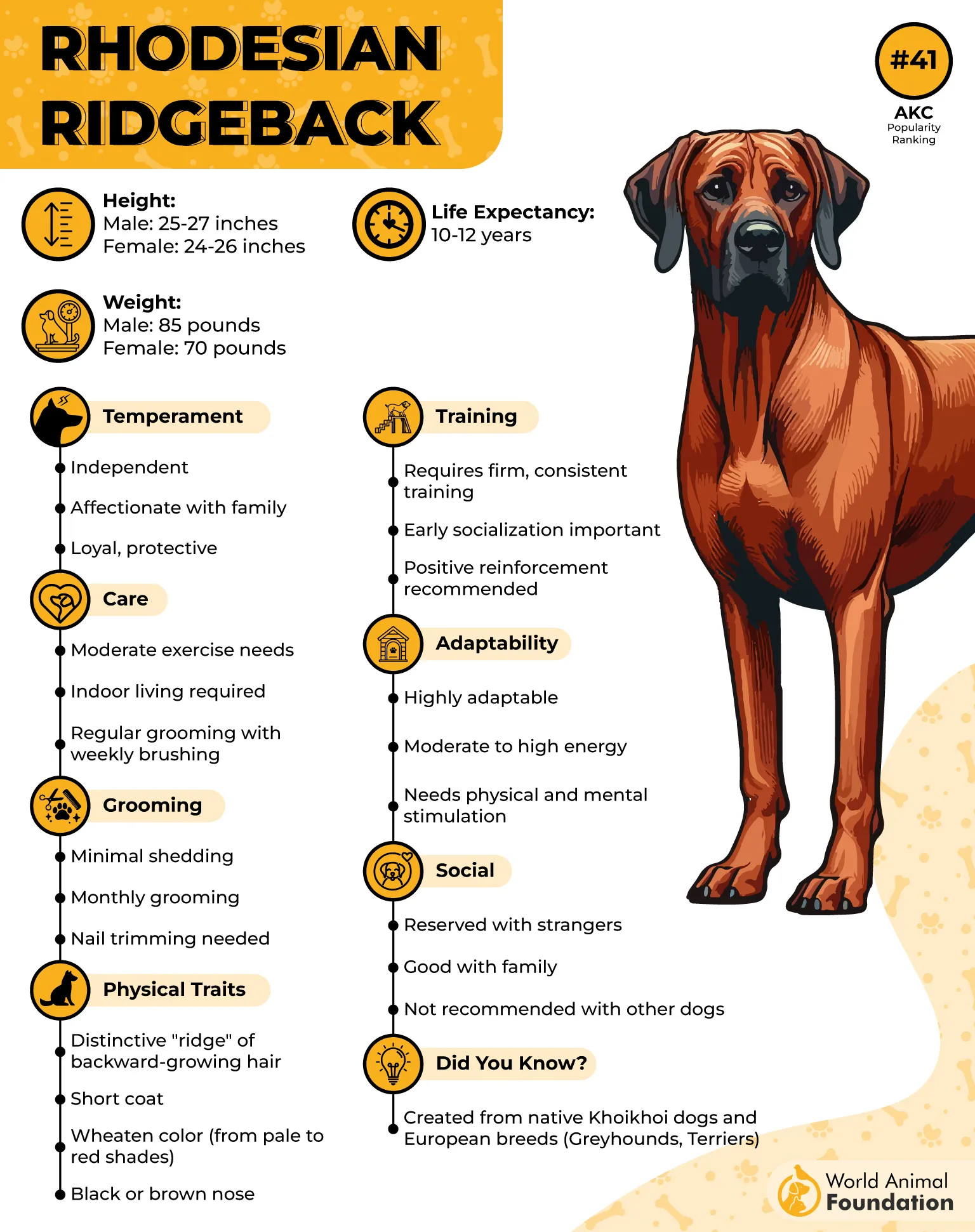
Rhodesian Ridgeback began as a scent hound in South Africa, tracking different types of game across challenging terrain. After reaching Rhodesia, now Zimbabwe, the breed was used to follow lions, relying on speed and courage to keep them at bay until hunters arrived.
Made for Active Days
This large dog breed brings athletic ability and a strong appetite for demanding activity to outdoor life. Two 30-minute walks are a minimum, while running, hiking, swimming, or agility can give this great outdoor dog much more to work on.
Their working instincts are best satisfied with these dog sports:
Scent-based tracking
Lure coursing
Field trials
Calm, Then Playful
Rhodesian Ridgeback has a dignified manner around unfamiliar people, while its playful side becomes much more obvious with familiar companions, as Hills Pet noted.
Early socialization can help this intelligent breed become more comfortable around strangers and older children who understand respectful handling.
5. Dalmatian
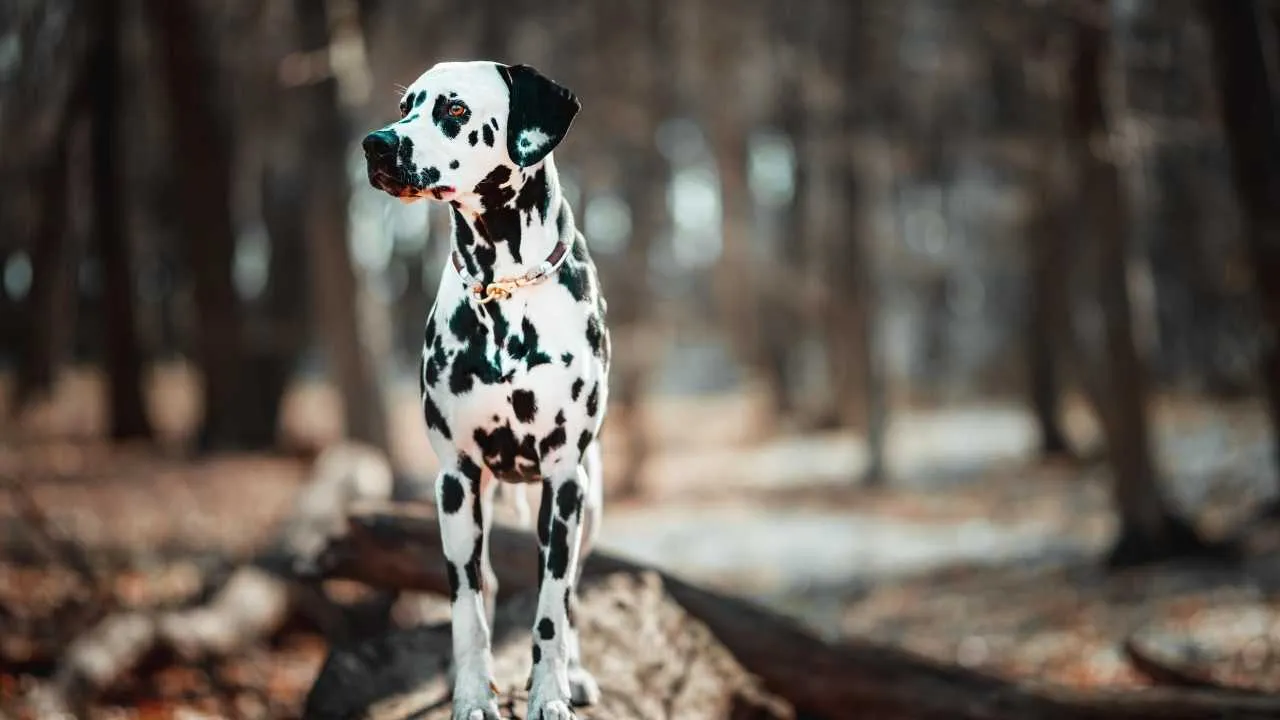
Dalmatian has a long association with horse-drawn coaches, accompanying the rigs of nobles and firefighters in its role as a coach dog. Its original work also involved guarding horses and coaches, giving this spotted breed a practical place beside working teams.
Made for Distance
This high-energy breed has a muscular build with powerful hindquarters that drive its smooth, efficient stride. For an active outdoor routine, that physical design pairs naturally with running, long hikes, biking, and games that keep its mind involved.
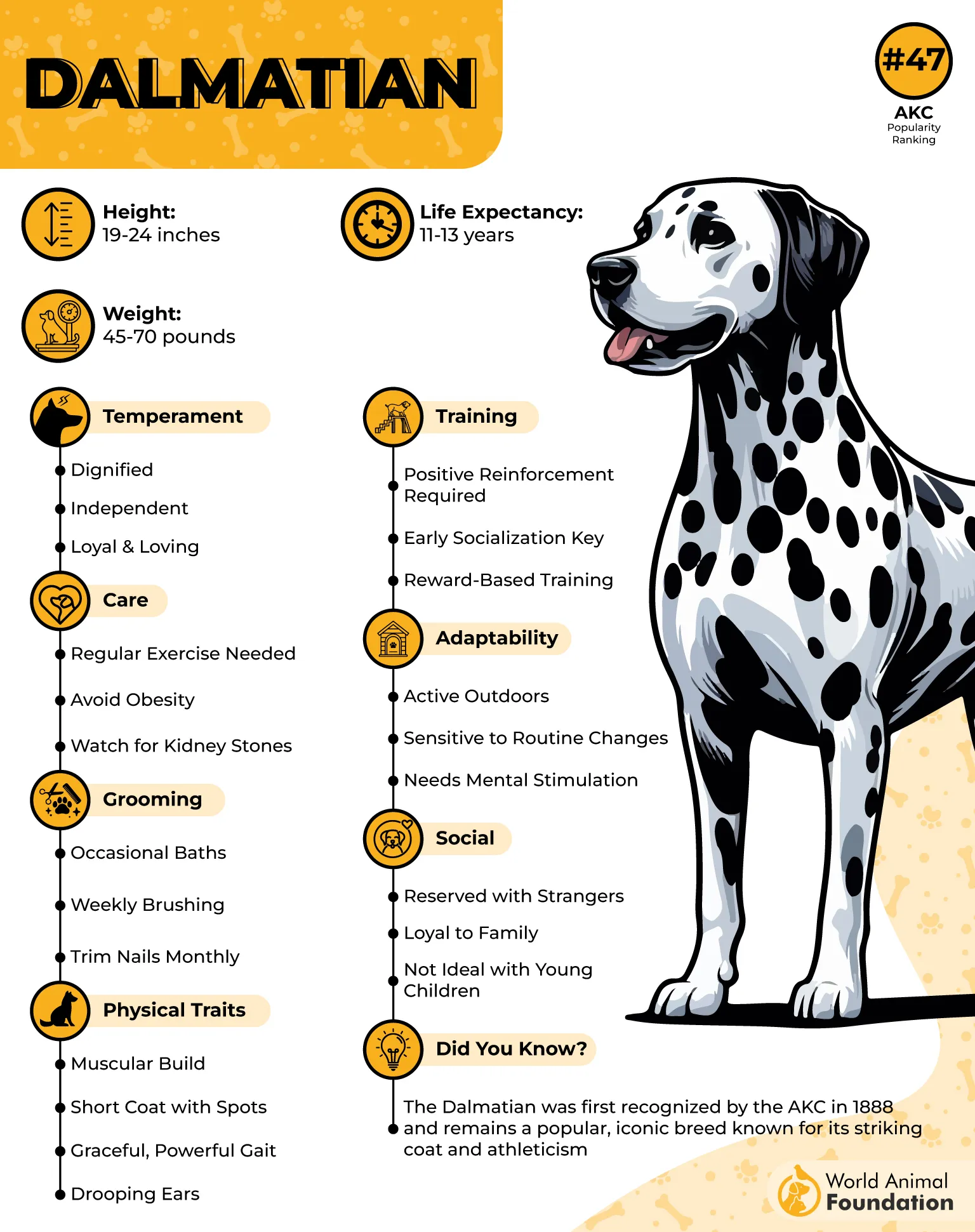
Its energy opens up plenty of physical and mental stimulation options:
Agility trials
Flyball competitions
Hide-and-seek games
Note: Puppies require extra care during outdoor adventures because their bones and joints may not reach mature strength until around two years of age.
A Fast Learner
Dalmatian has an outgoing personality and a curious mind, making new tricks and cues especially engaging for this playful breed. It also enjoys learning through games, so training sessions can become another way to give its busy mind something worthwhile to do.
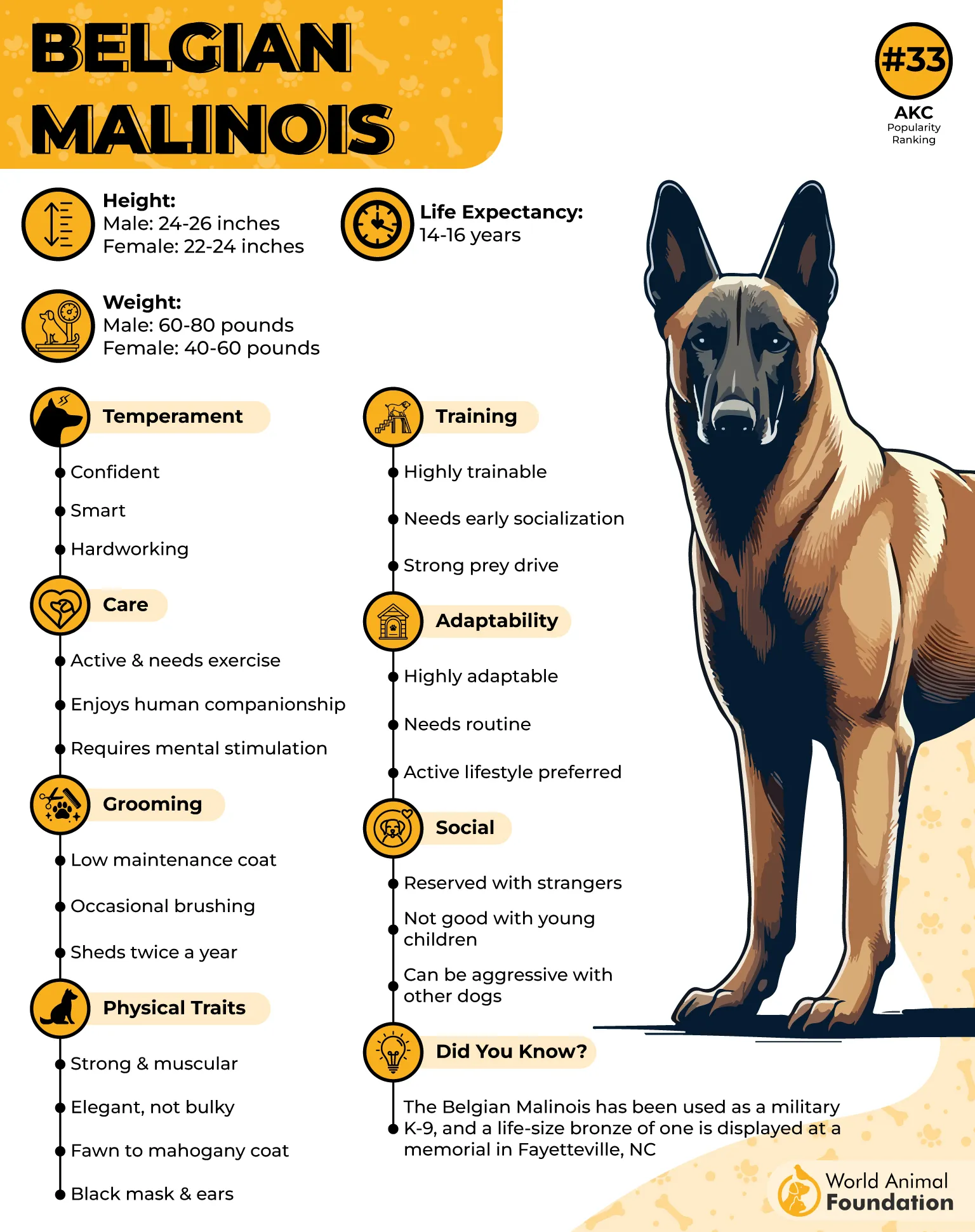
6. Belgian Malinois
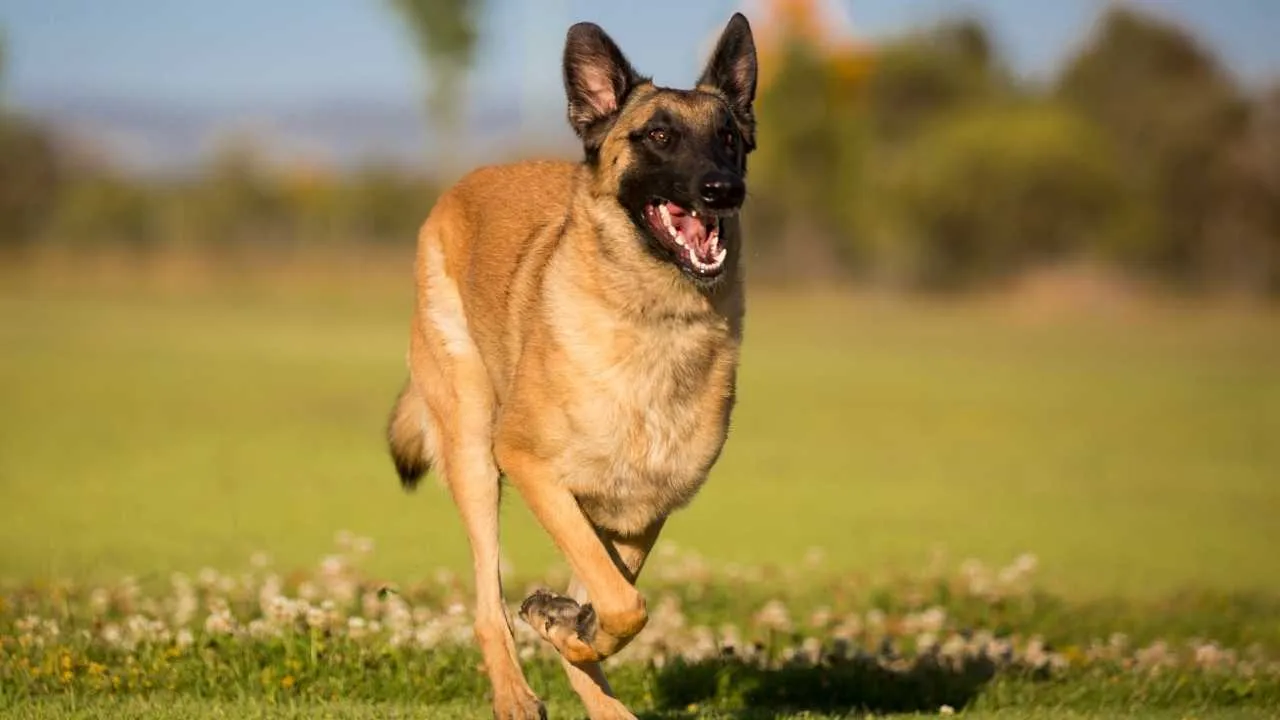
The Belgian Malinois gets its name from Mechelen, Belgium, where the breed developed in the late 1800s as a hardworking herding and farm dog. It eventually made its way to the United States in 1911, although World War II brought further arrivals to a temporary halt.
Made for the Outdoors
This herding breed fits demanding wilderness routines particularly well because long hikes and extended runs match its remarkable work drive. A slow daily stroll cannot provide enough activity for a dog built around purposeful physical work.
Its active nature suits these activities too:
Multi-mile hiking
Long-distance running
Agility training
Watchful Instincts
Belgian Malinois has a strong prey drive that can send it after cars, cats, other dogs, or even running toddlers. Early obedience training is especially important for managing these impulses, while tracking, herding, fetch, and obedience offer useful outlets for its working mind.
7. Border Collie
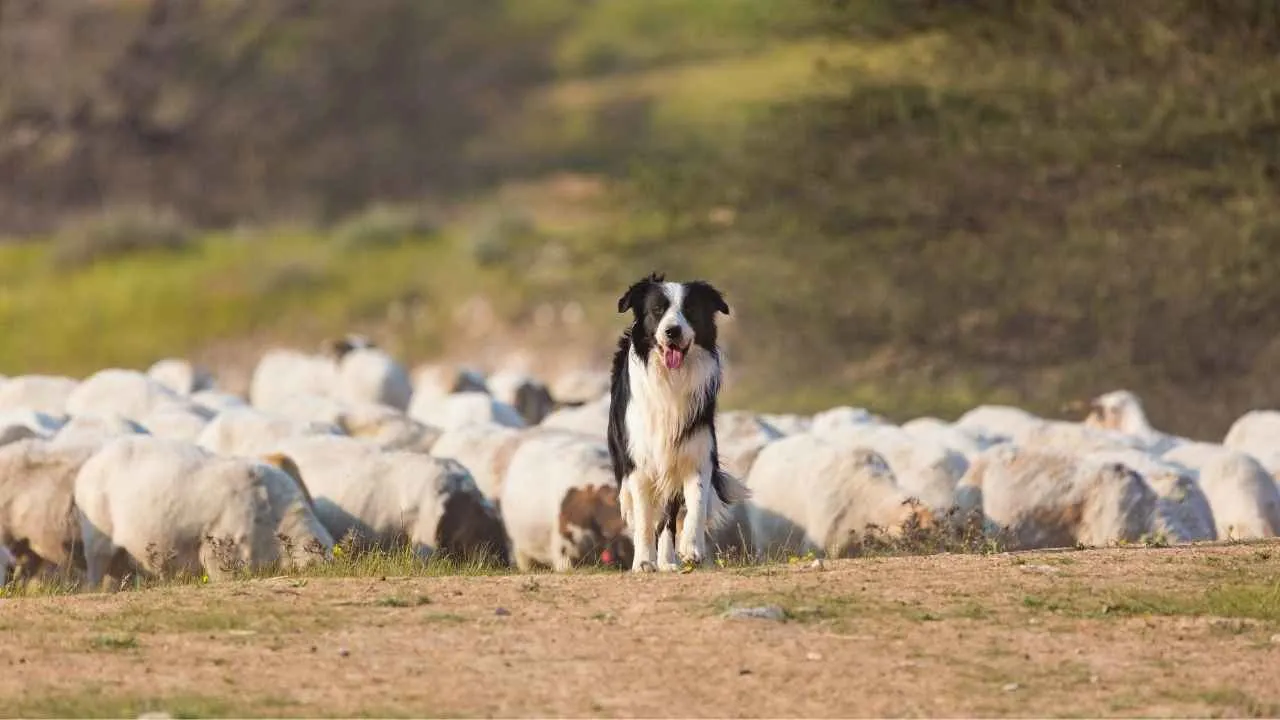
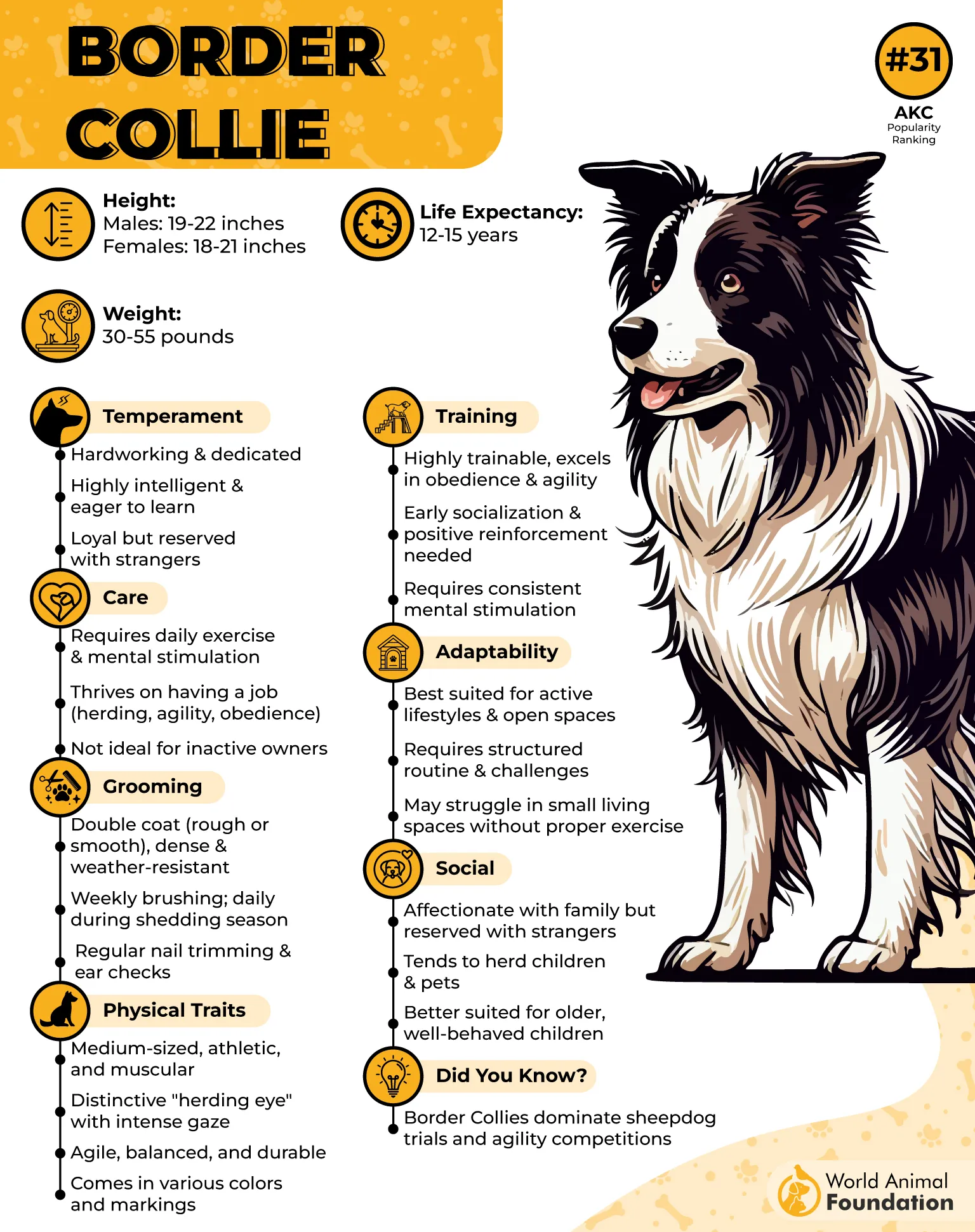
Border Collie was shaped by centuries of sheep herding along the Scottish and English borders, with working ability taking priority when the breed was standardized in 1906. The name Border Collie came into use by 1915, reflecting its roots in that border region.
Made for the Outdoors
They have the stamina and intense work drive needed for demanding days outside, making long walks, running, and active games a natural part of their routine. For wilderness trips, simply having open ground available is not enough because this breed looks for something purposeful to do.
The following qualities give its working style more context:
One to two hours of daily exercise
Strong instinct to herd
Agility and Flyball suit its energy
A Mind That Keeps Going
This herding dog is often regarded as one of the most intelligent dog breeds, with a remarkably active mind that needs regular challenges. Scent walks, fetch, interactive toys, and structured play can give that mental energy a useful direction during an active day.
Conclusion
A good wilderness companion needs more than energy alone. Endurance, confidence, trainability, and the ability to handle changing conditions can all matter when a trail becomes longer or rougher than expected. Even naturally athletic dogs need preparation before tackling demanding routes, especially when distance, heat, cold weather, or uneven ground are involved.
Reliable recall is equally important when exploring places where distractions are everywhere. Regular conditioning, water breaks, paw checks, and suitable gear can make outdoor trips safer and more comfortable. With proper training, exercise, and mental stimulation, the best dog breeds can fit an active lifestyle and become a great hiking companion where dogs thrive while exploring together on outdoor adventures.
