




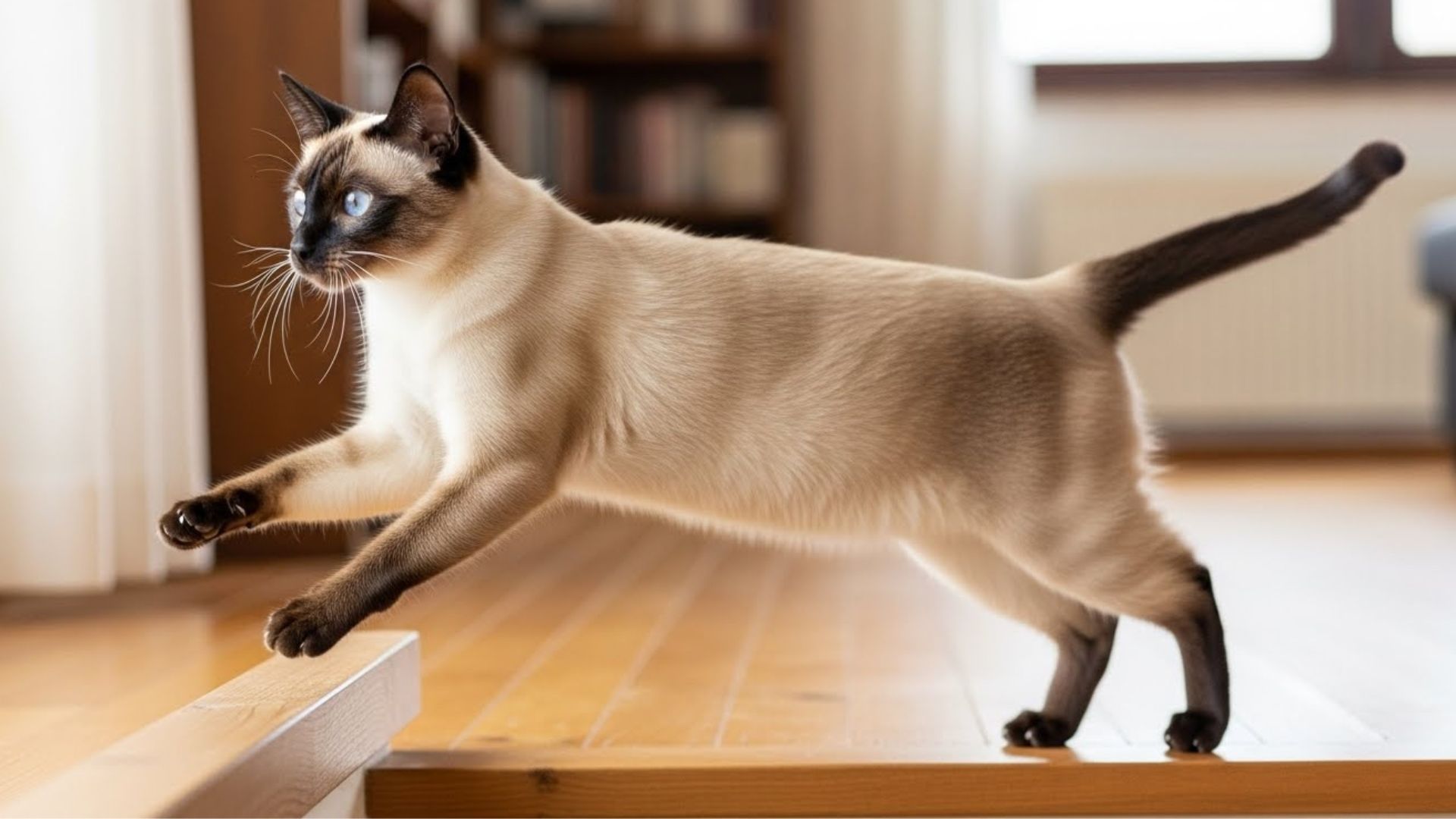
Cats are natural athletes, moving with balance, precision, and effortless grace. Their ability to land on narrow surfaces, leap impressive distances, and adjust midair has long fascinated humans. While all cats possess a baseline level of coordination, some breeds stand out for their exceptional control, timing, and body awareness, making every movement look intentional and fluid.
Excellent coordination goes beyond simple agility. It reflects sharp reflexes, problem-solving ability, and an instinctive understanding of space. These traits shine in activities like cat agility courses, where felines navigate tunnels, jumps, and obstacles with confidence. Participating in such activities not only highlights their physical talents but also strengthens the bond between cats and their owners through interactive play and training.
Certain breeds consistently excel in these areas due to their athletic build, intelligence, and energetic nature. In this article, we’ll explore cat breeds known for excellent coordination and discover what makes them some of the most agile and impressive cats in the feline world.
7 Cat Breeds With Excellent Coordination
1. Abyssinian
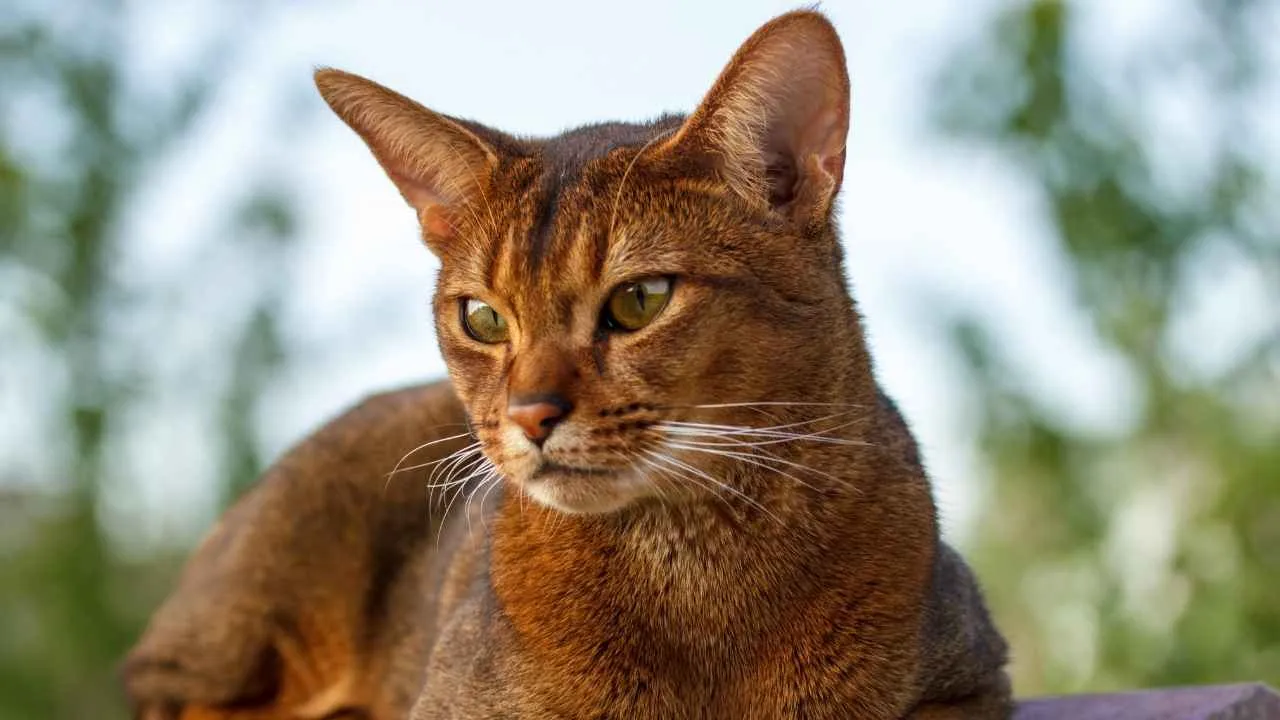
Often called the “Aby,” the Abyssinian is one of the oldest known cat breeds, with roots believed to trace back to ancient Egypt.
The Cat Fanciers’ Association notes that the Abyssinian is sociable and highly inquisitive, and that it’s both one of the oldest cat breeds and among the most intelligent.
This breed is instantly recognizable for its lean, muscular body, large alert ears, and distinctive ticked coat that gives it a warm, glowing appearance.
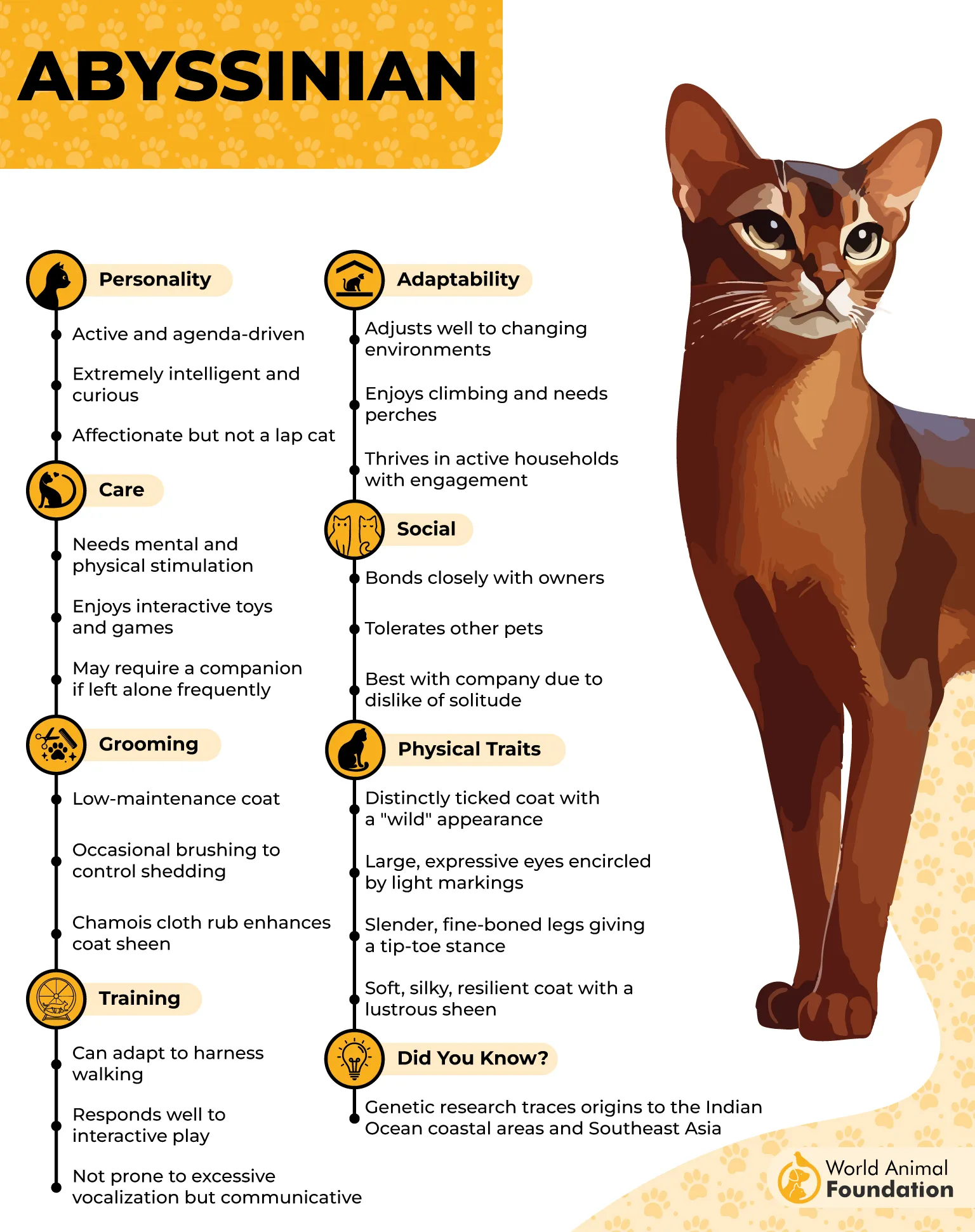
Exceptional coordination defines the Abyssinian’s movement. Their lightweight frame, strong limbs, and flexible spine allow precise jumps, rapid turns, and controlled landings, making them naturals at navigating complex environments with ease.
The science behind their balance lies in constant motion and curiosity. Abyssinians refine coordination through exploration, climbing, and problem-solving, training their muscles and inner-ear balance systems every time they leap or pivot midair.
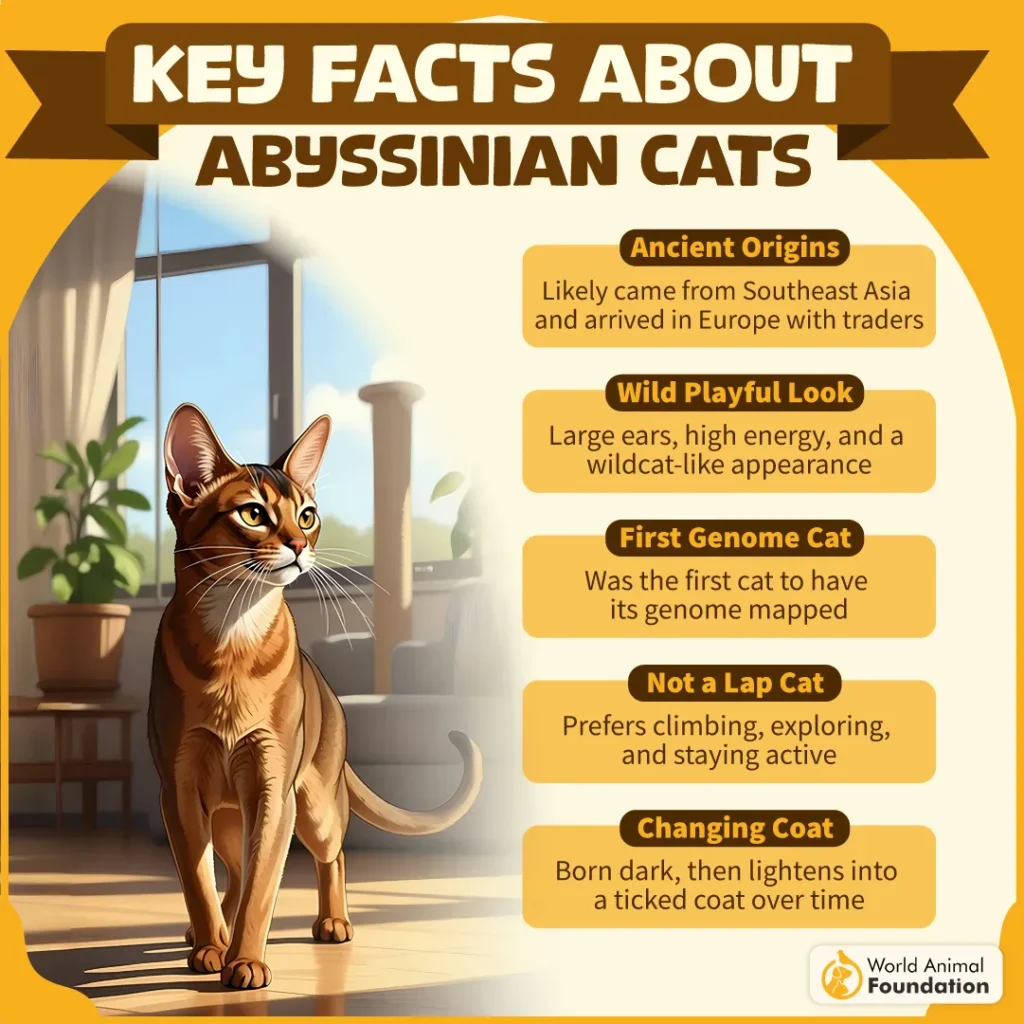
Their enthusiasm for challenges keeps these skills sharp, especially during interactive play or agility-style activities.
Fun fact: Abyssinians are known for excelling in agility courses thanks to their lean build, curiosity-driven exploration, and swift, graceful movement.
2. Bengal
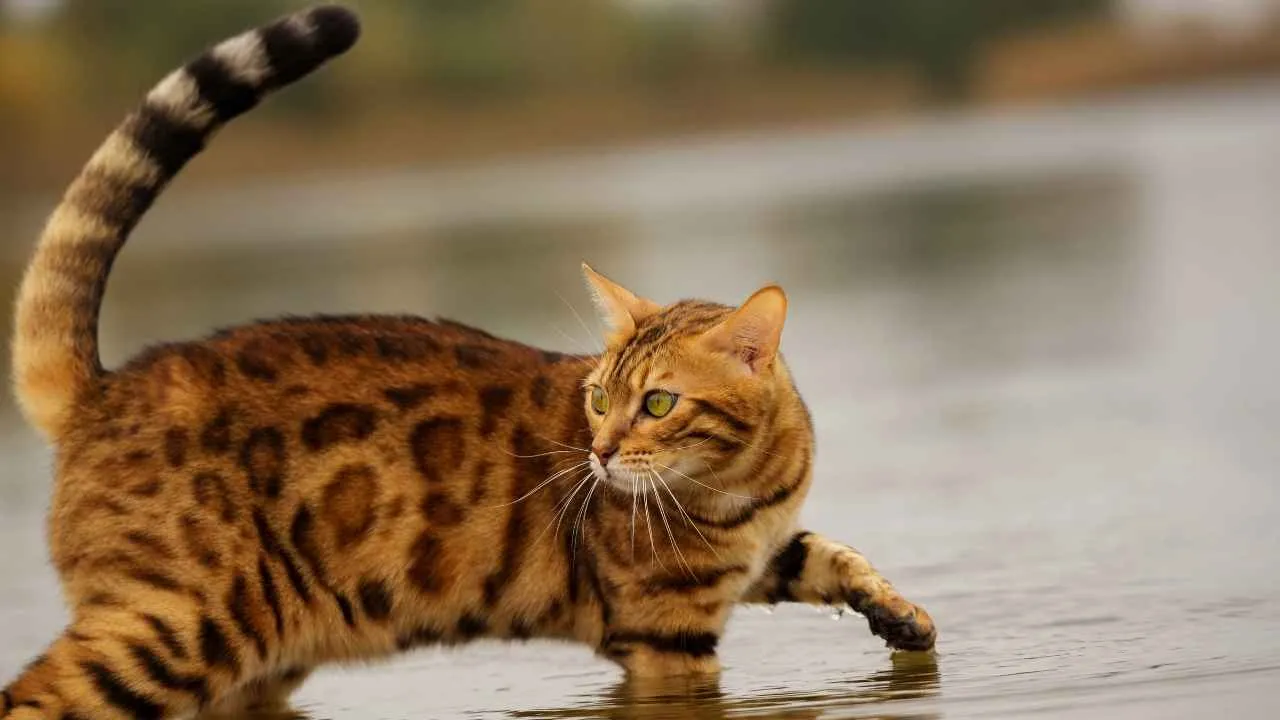
Also known as the Bengal cat, this breed was developed by crossing domestic cats with the Asian leopard cat to create a wild look with a pet-friendly temperament.
Purina states that Bengal cats have an athletic build with well-defined muscles, giving them a lean, well-balanced look.
Bengals are instantly recognizable by their spotted or marbled coats and sleek, muscular frames built for movement.
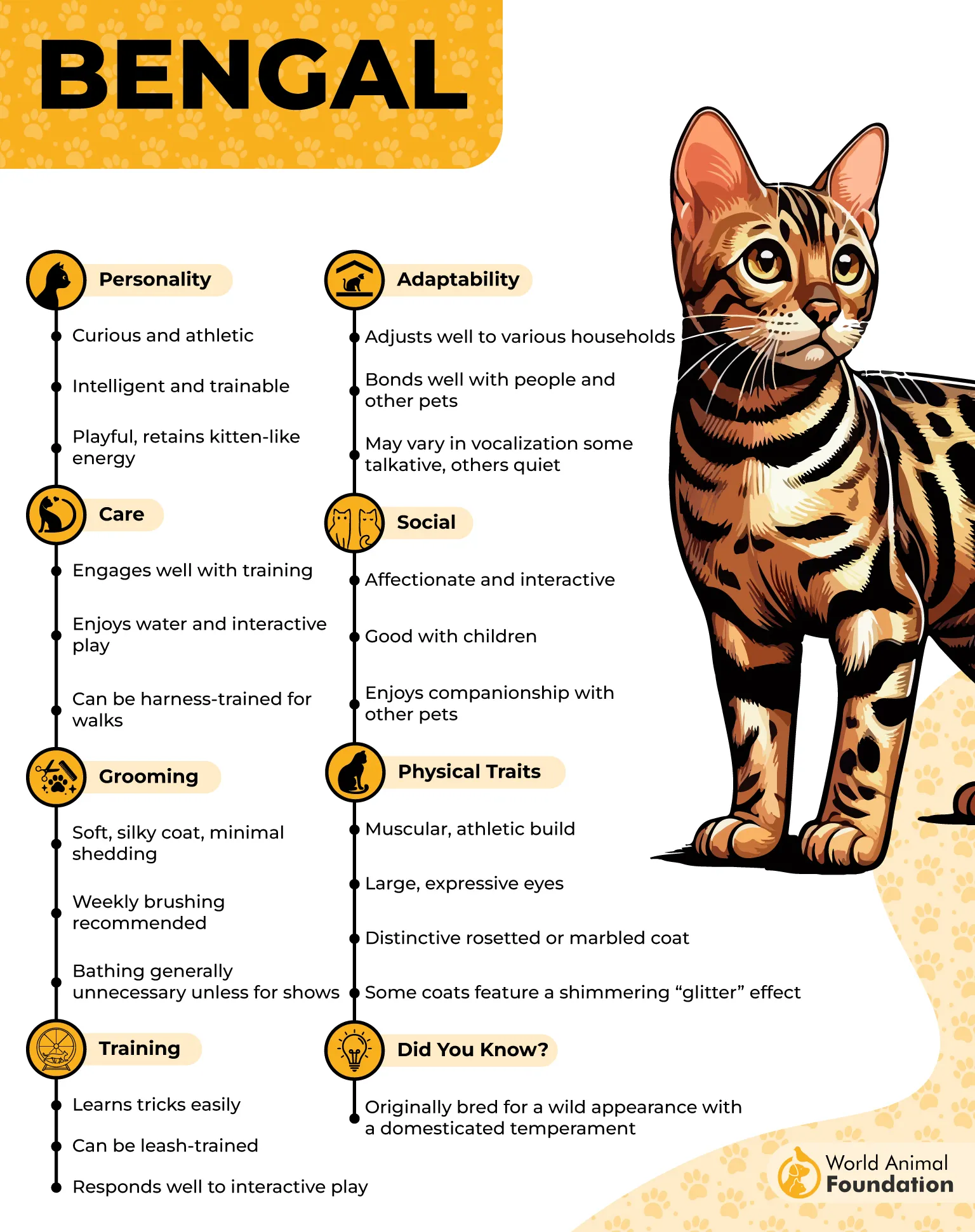
When it comes to coordination, Bengals excel. Their powerful hind legs and strong core allow them to leap long distances and land with precision, making them exceptional jumpers and natural climbers in both homes and agility courses.
Bengals are especially known for superior climbing skills, often seeking high vantage points and navigating vertical spaces with ease. Their sharp reflexes and body awareness help them transition smoothly between jumps, climbs, and quick directional changes.
Highly intelligent and eager to engage, Bengals thrive in environments that challenge their coordination through training and play.
Fun fact: Bengals can learn agility-style tasks quickly and are often trained to navigate complex obstacle courses with confidence.
3. Oriental
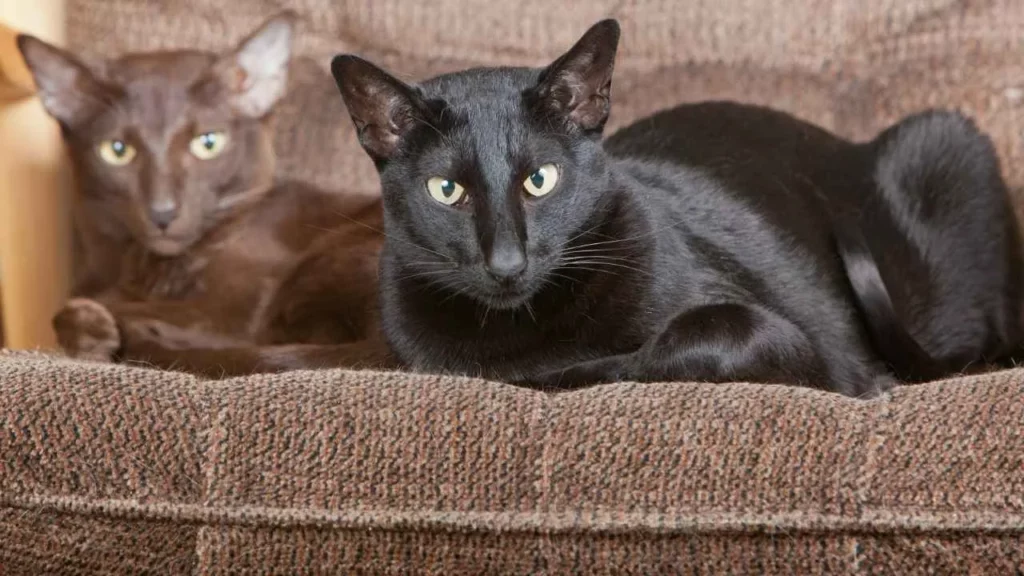
Also known as the Oriental Shorthair or Oriental Longhair, this breed is instantly recognizable by its long, slender frame, large ears, and sleek, svelte appearance.
Hill’s Pet notes that Oriental cats are both striking and highly intelligent, and they can even be trained to walk on a lead. Closely related to the Siamese, Orientals are highly people-oriented and form strong attachments to their favorite humans.
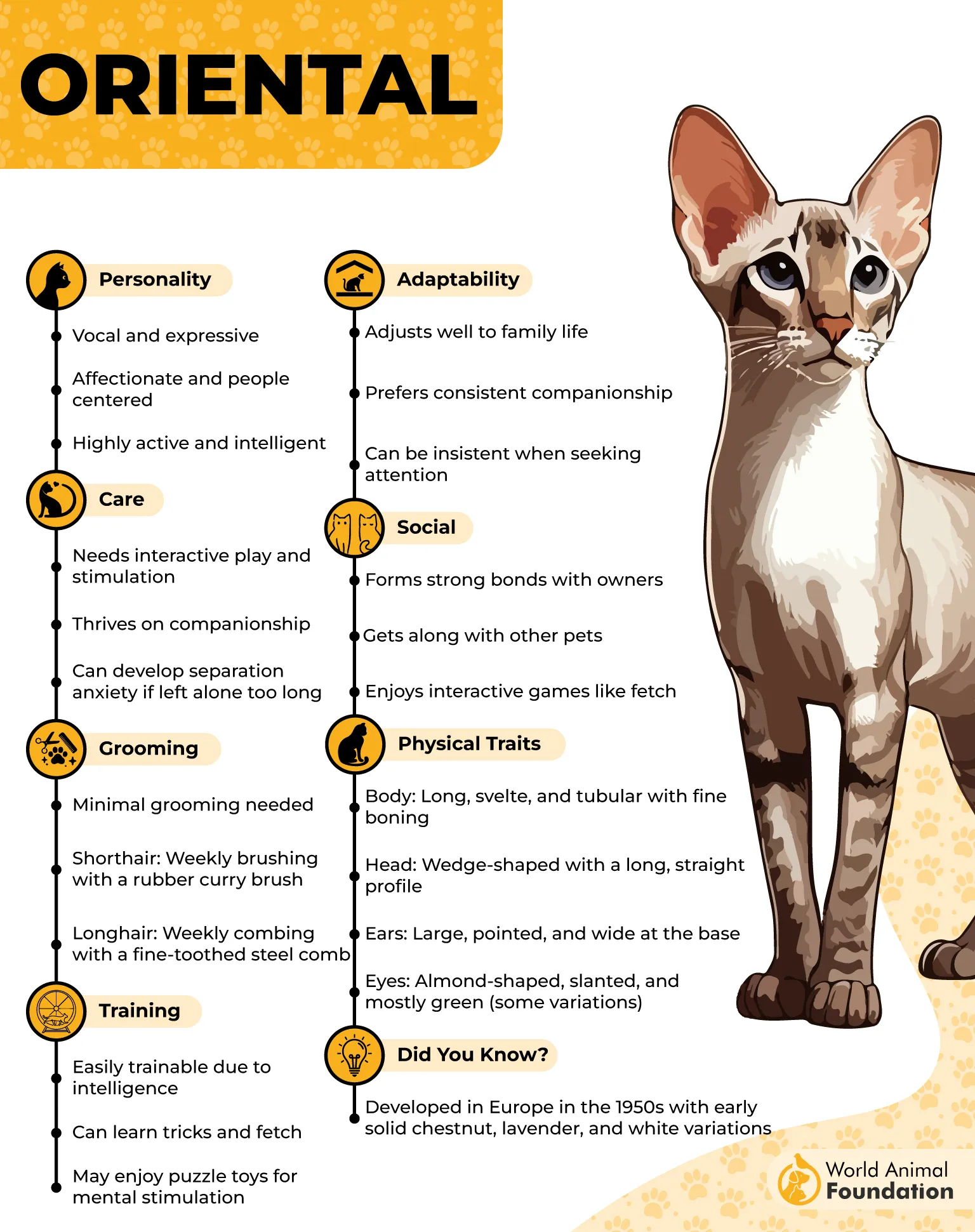
Long legs, a lean, muscular body, and quick reflexes allow this breed to leap gracefully, pivot midair, and land with precision, making them captivating to watch during play or agility-style activities.
Highly athletic cat breeds truly shine in action, and the Oriental is no exception. They love climbing to high vantage points, sprinting through open spaces, and navigating complex environments that test both balance and speed.
To keep their coordination sharp, Orientals need interactive play and mental challenges.
Fun fact: Orientals are known for opening drawers and climbing to unexpected heights, a clear sign of their agility and problem-solving skills.
4. Siamese
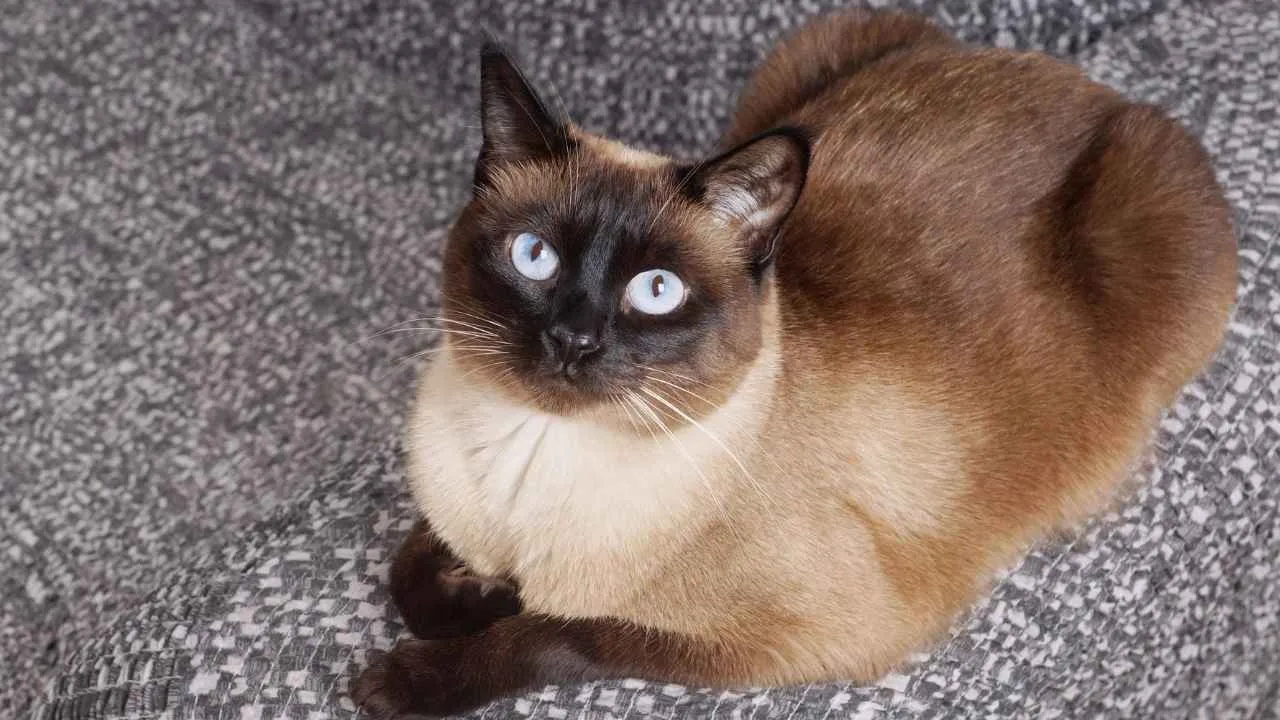
Also known as the Thai cat, the Siamese originates from Thailand and is recognized by its elongated body, sleek legs, and striking blue eyes. Its short, fine coat and pointed markings give this breed a refined look that perfectly matches its athletic frame.
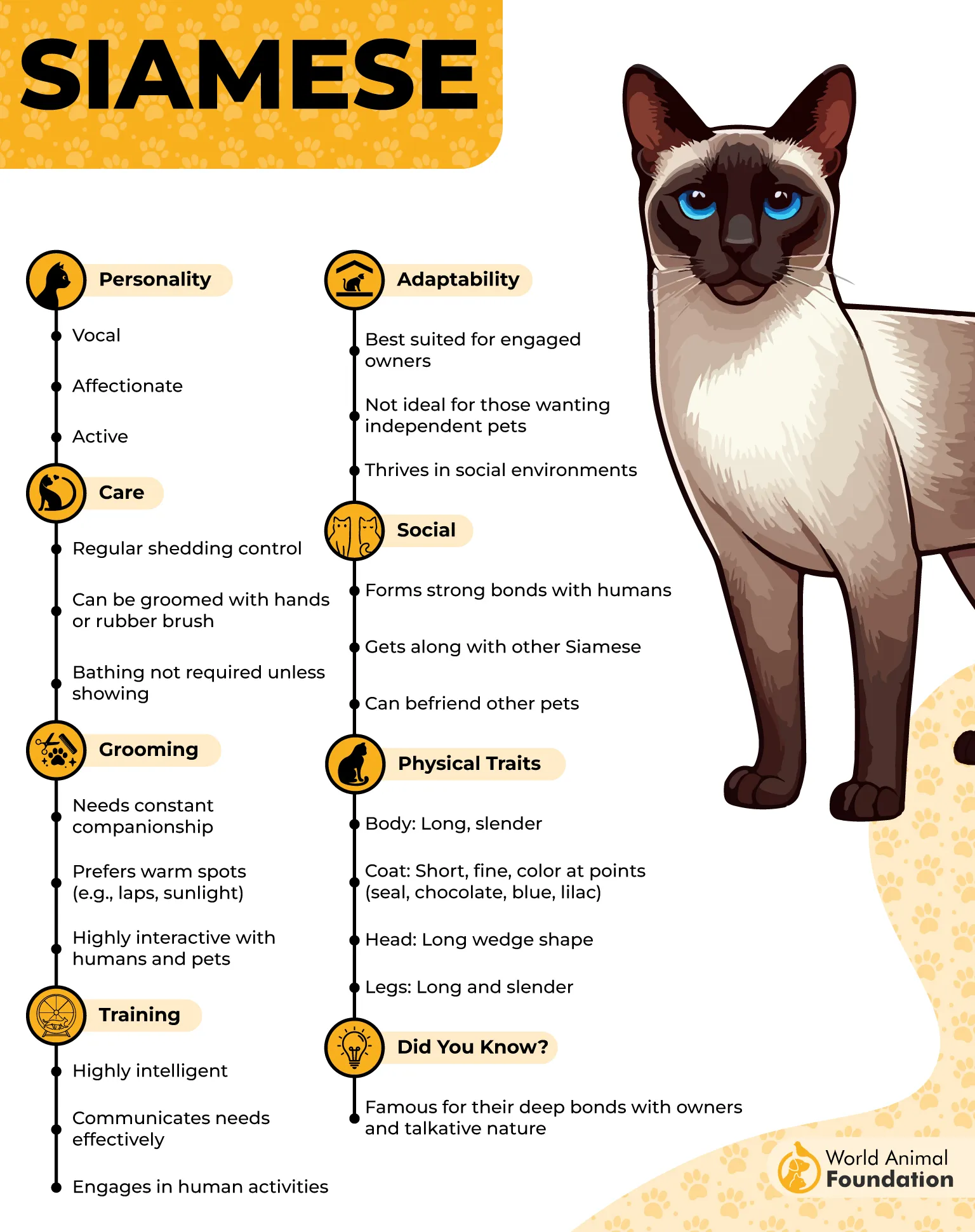
Excellent coordination is one of the Siamese cat’s defining traits. Their lean muscles and long limbs allow precise jumps, quick turns, and smooth landings, making them standouts in agility-style activities and obstacle-based play.
Cats that excel at hunting and precision movement often combine intelligence with physical control, and the Siamese fits this profile well. Curious by nature, they enjoy problem-solving games, food puzzles, and interactive challenges that test both mind and body.
Their agility also shows in everyday behavior, from opening cabinets to navigating narrow spaces with ease.
Fun fact: Siamese cats are famously vocal and will often “talk” to their owners while actively exploring their environment.
5. Savannah
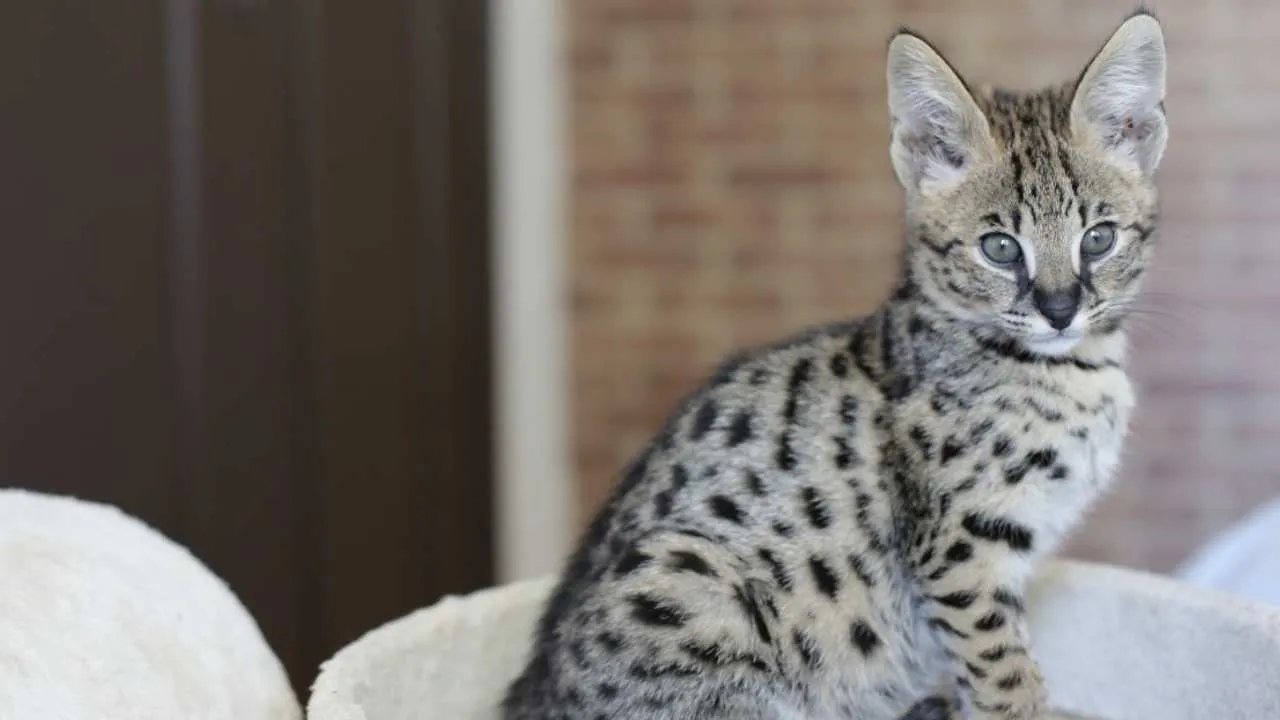
Also known as the Savannah cat, this striking hybrid breed was developed from a serval and a domestic cat, giving it an exotic look and impressive physical abilities. With a tall, lean frame, long legs, and large ears, the Savannah appears larger than life and moves with remarkable precision.
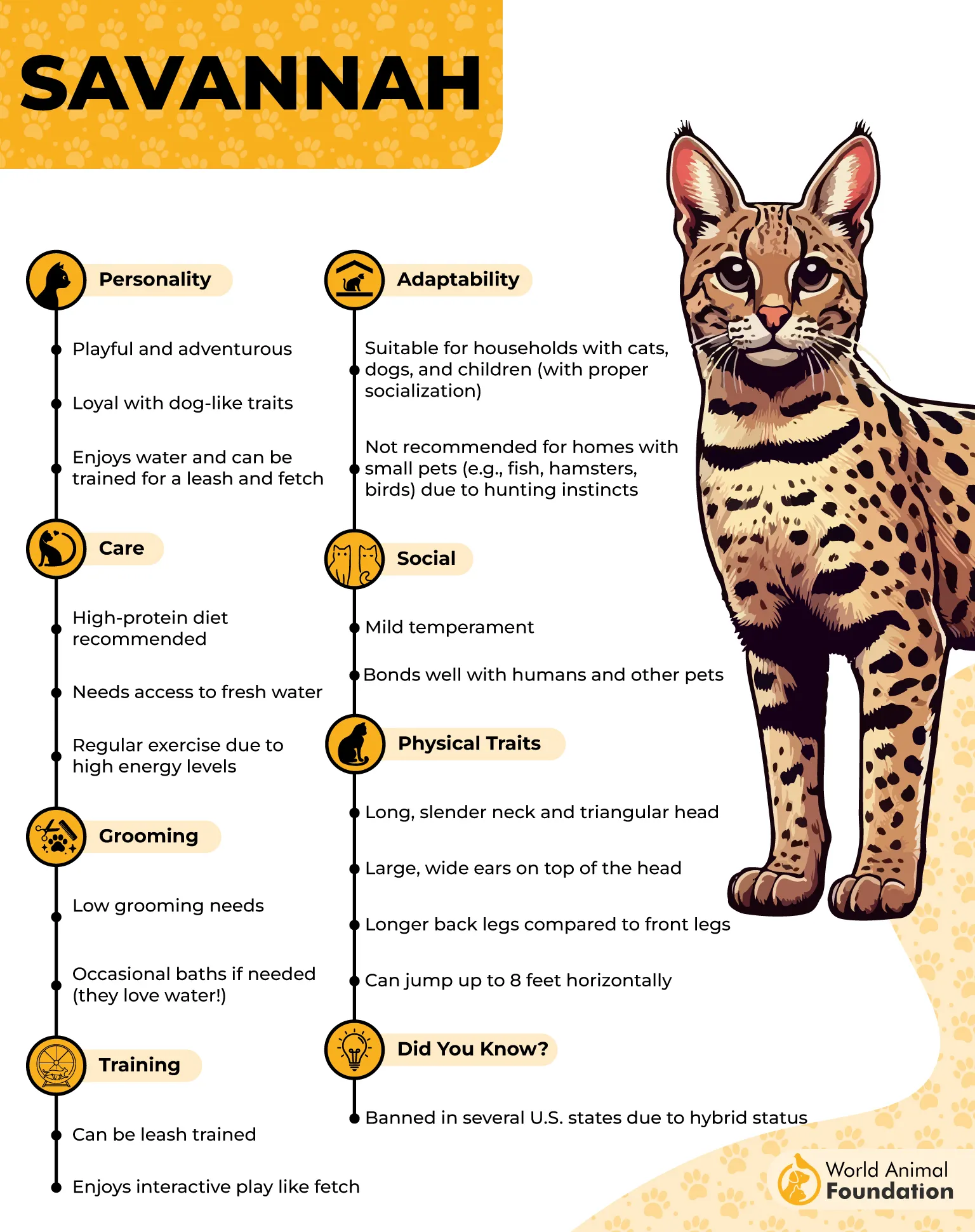
Its long limbs and flexible body allow for controlled leaps, rapid turns, and confident landings, making climbing and navigating complex spaces seem effortless. These cats instinctively calculate distance and timing with accuracy.
The role of play and environment is crucial in shaping their agility. Savannahs thrive in enriched homes with secure vertical spaces, interactive toys, and opportunities for problem-solving play that challenge both mind and body while reinforcing balance and coordination.
Consistent stimulation helps channel their athleticism safely and constructively.
Fun fact: Savannah cats can weigh between 12 and 25 pounds and are known for being able to play fetch and even walk on a leash.
6. Cornish Rex
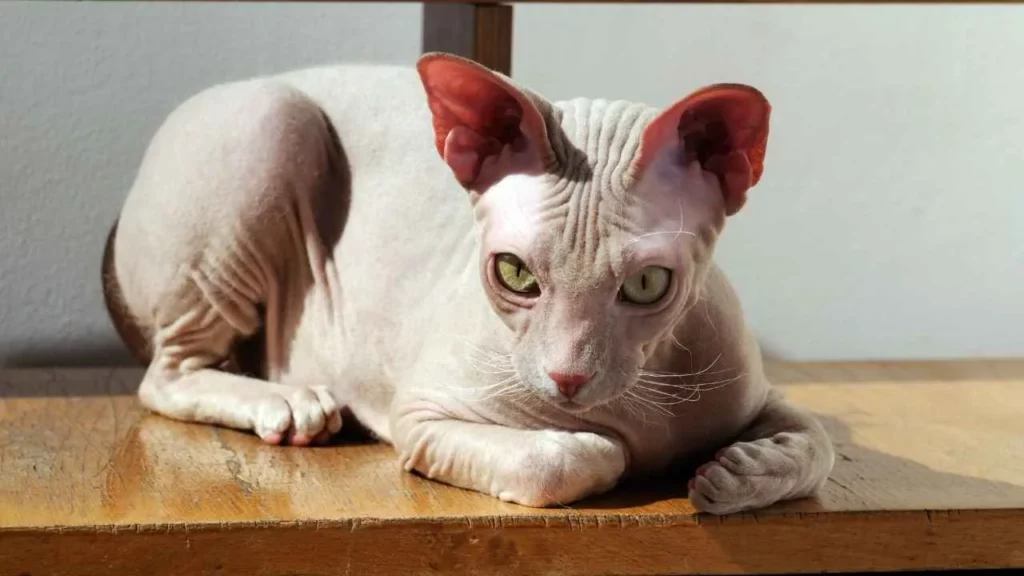
Also known as the “Greyhound of the cat world,” the Cornish Rex stands out for its slender frame, large bat-like ears, and distinctive soft, curly coat caused by a natural genetic mutation. This breed is lightweight, people-oriented, and instantly recognizable for its elegant, athletic appearance.
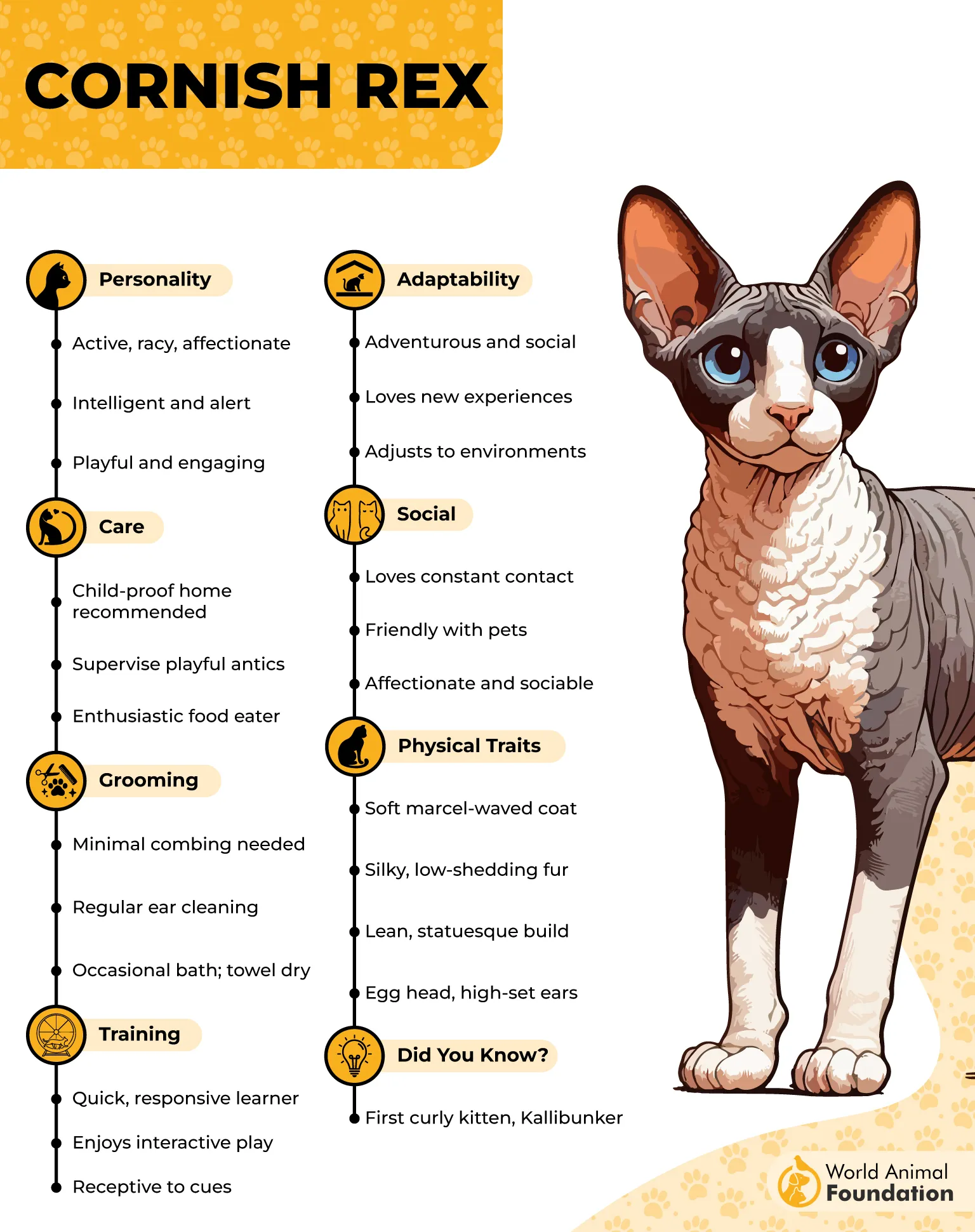
Their slim build, quick reflexes, and high energy allow them to jump, pivot, and sprint with remarkable precision, making them natural stars in agility-based activities.
The best activities to challenge a coordinated Cornish Rex include agility courses, interactive puzzle toys, and trick training that encourages fast movement and problem-solving. These cats thrive when given physical outlets that match their enthusiasm and speed.
Their curiosity and love of learning keep them engaged in dynamic play environments.
Fun fact: the Cornish Rex’s curly coat results from a unique genetic mutation and sheds less than many other breeds.
7. Japanese Bobtail
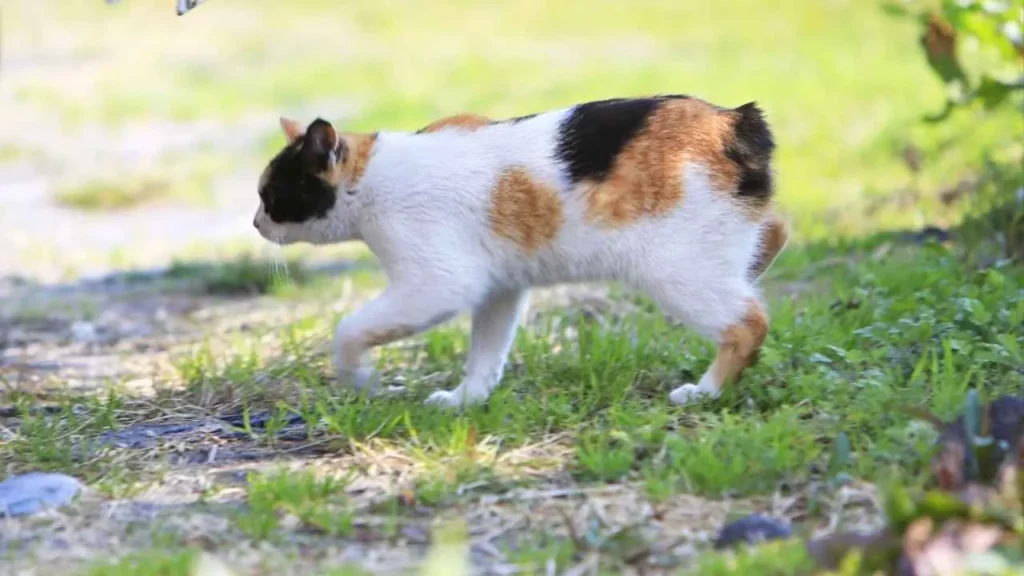
Also known simply as the Bobtail Cat, the Japanese Bobtail is a medium-sized, athletic breed celebrated for its slender frame, expressive personality, and iconic pom-pom tail caused by a natural genetic mutation.
Revered in Japan as a symbol of good fortune, this breed appears in both shorthaired and longhaired varieties, showcasing dramatic colors, striking patterns, and a tail that never exceeds three inches yet is always unmistakable.
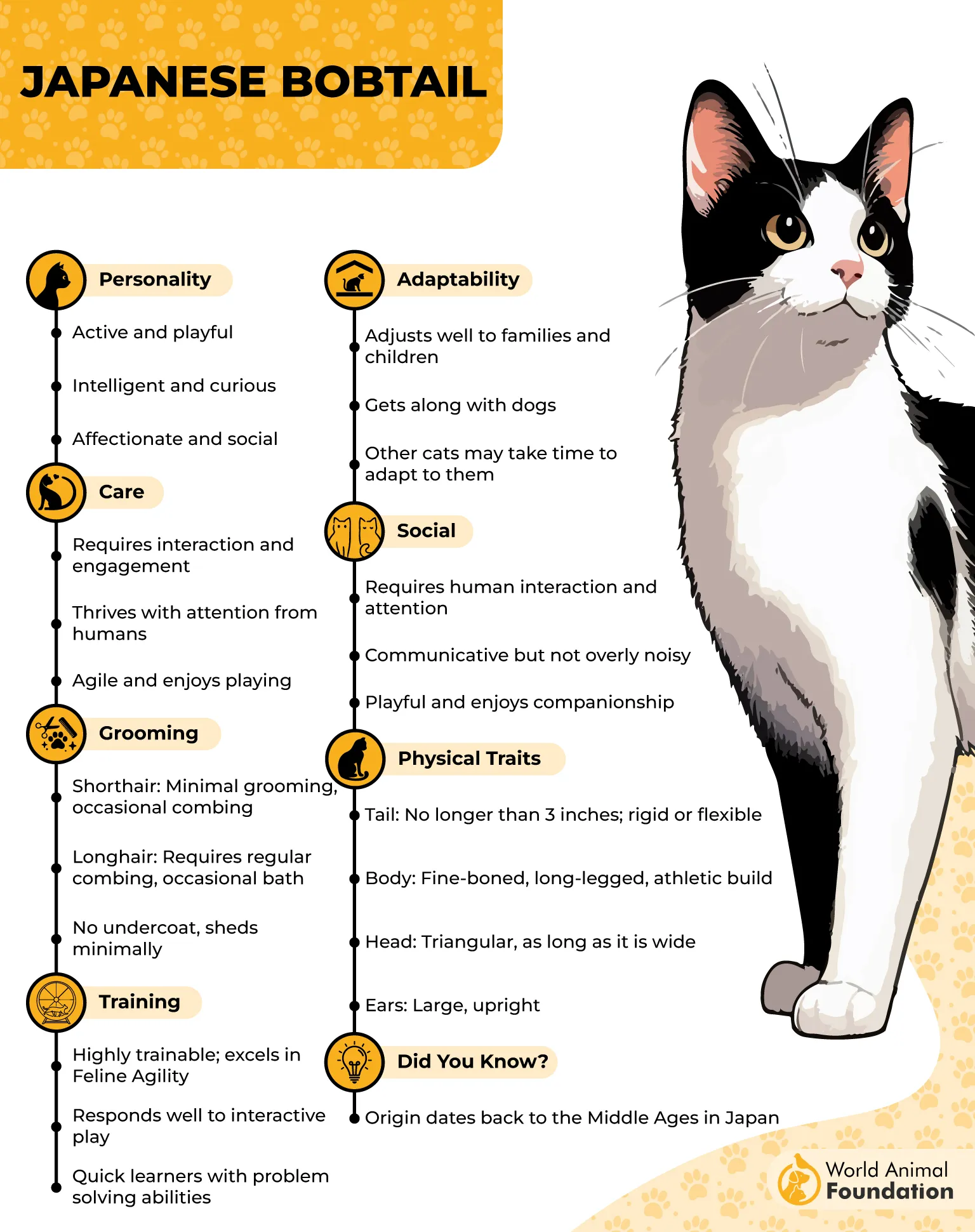
From a coordination standpoint, the Japanese Bobtail thrives on movement and engagement. Its lean, muscular build supports impressive balance, allowing it to leap confidently onto high surfaces and maneuver tight spaces with ease. Encouraging vertical play structures and safe climbing zones directly supports these natural physical capabilities.
Mental stimulation plays an equally strategic role in maintaining agility. Highly intelligent and quick to adapt, this breed excels when introduced to puzzle toys, interactive games, or beginner agility courses. Regular challenges help refine reflexes while preventing boredom-driven inactivity.
Social interaction further amplifies physical performance. Japanese Bobtails enjoy active play with humans and children, often incorporating jumping, prancing, and even water play into daily routines. Consistent early socialization ensures confidence in movement and responsiveness in dynamic environments.
Fact: Japanese Bobtail cats are known for their fast reflexes and ability to quickly solve physical obstacles during agility-based activities.
Conclusion
In summary, cat breeds with excellent coordination combine athletic structure, sharp reflexes, and mental adaptability to navigate complex environments with ease.
Their ability to remain playful well into adulthood is strongly tied to an engaged cat’s personality, regular interaction with other animals, and opportunities to play games that challenge balance and timing.
Whether chasing toys, mastering a game of fetch, or learning to learn tricks, these cats thrive when owners consistently spend time encouraging movement around the house.
Even beyond pedigree, many kitties—including a Burmese cat or cats with short legs or short hair—can display dog like behaviors when given the right stimulation. Exceptionally friendly individuals often enjoy playing with other cats and other pets, making enrichment essential.
For those adopting from a local shelter or rescue organization, selecting playful cat breeds that enjoy playing ensures long-term coordination, confidence, and social harmony in active households.
