




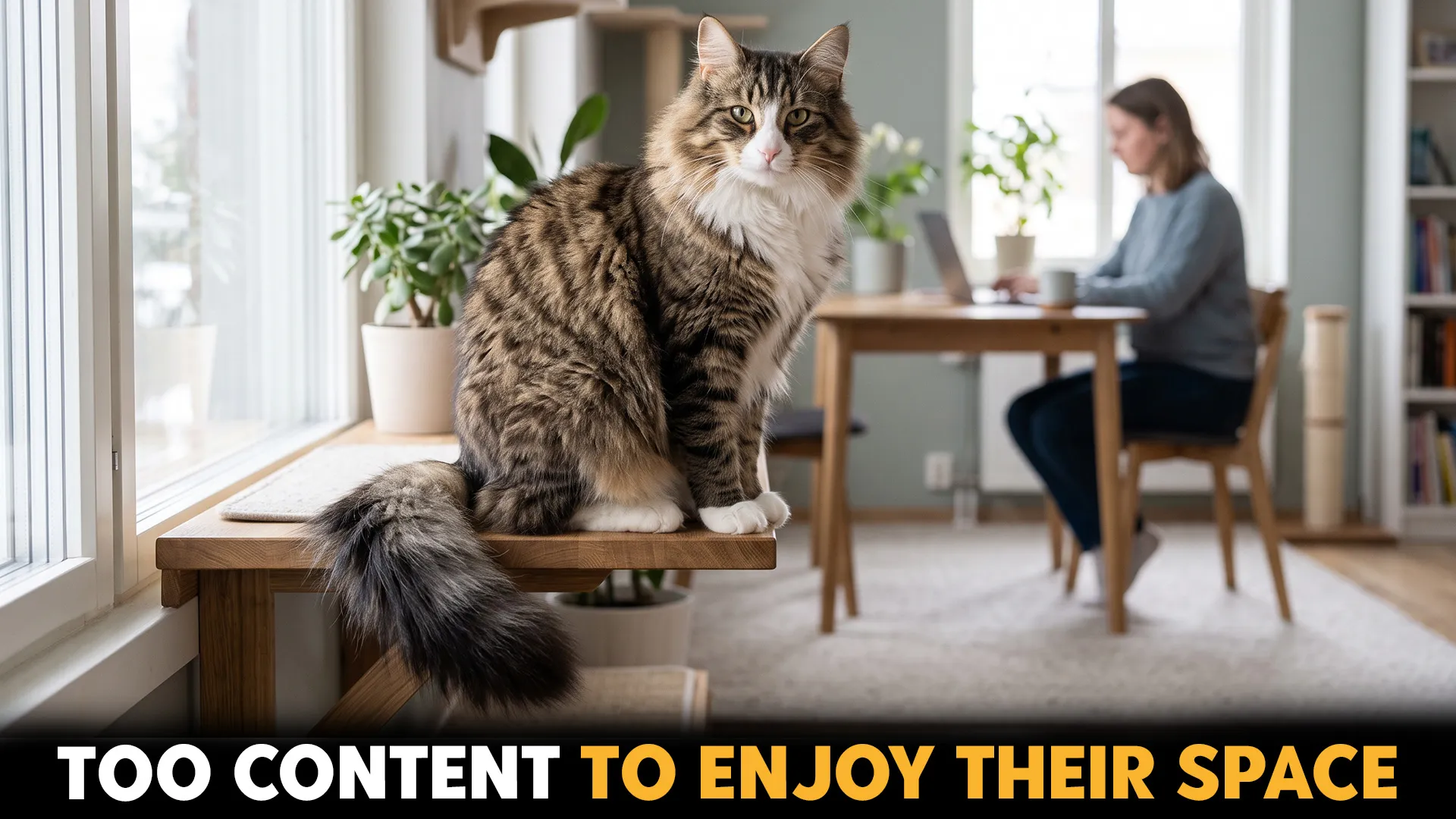
Cats can make wonderful companions for people who appreciate affection without needing constant attention. While some felines enjoy following their owners around, others prefer exploring their surroundings, playing independently, or relaxing in a favorite sunny spot.
Certain breeds are known for their self-sufficient temperaments, making them appealing to people with work commitments or active routines. However, every cat needs proper care, enrichment, playtime, and companionship, even when comfortable alone.
Explore cat breeds that may suit an independent lifestyle and discover which feline companion could fit your home, personality, and daily routine.
Best Cat Breeds for People Who Want an Independent Pet
1. British Shorthair
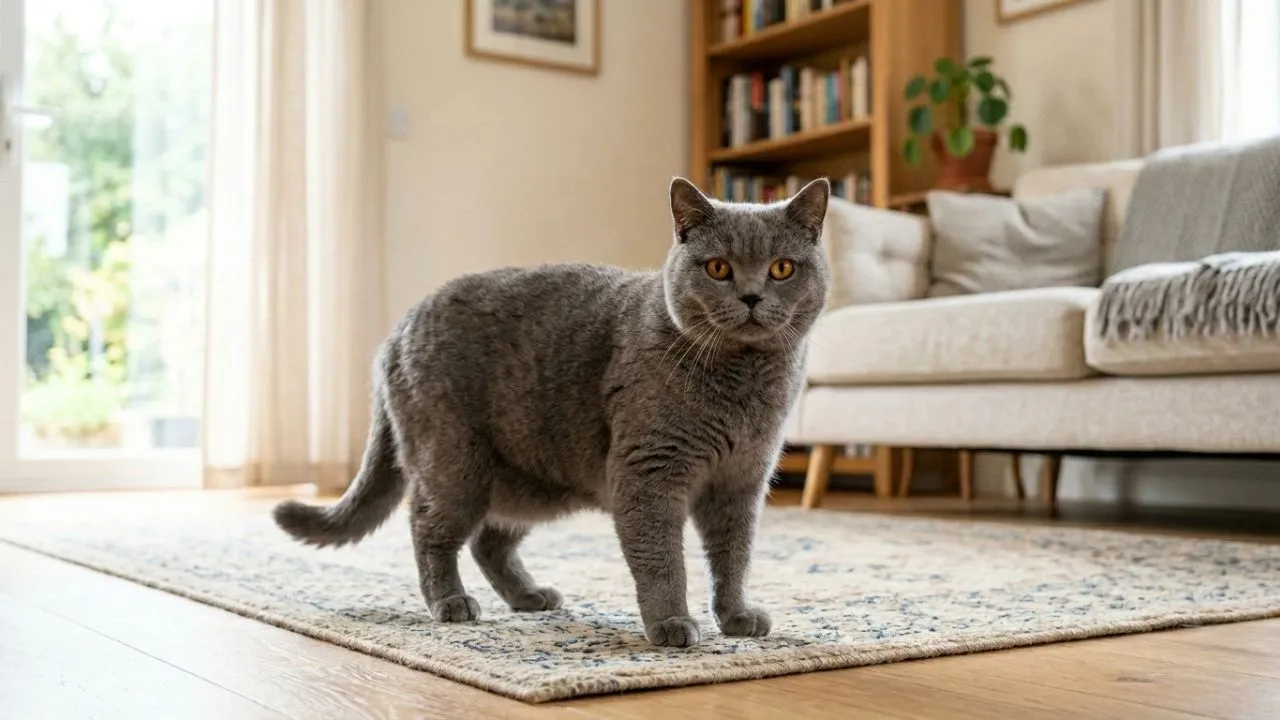
The British Shorthair is well suited to people who appreciate a relaxed, self-sufficient feline companion. Known for its easygoing temperament, this breed enjoys being around its family without constantly demanding attention or following every move.
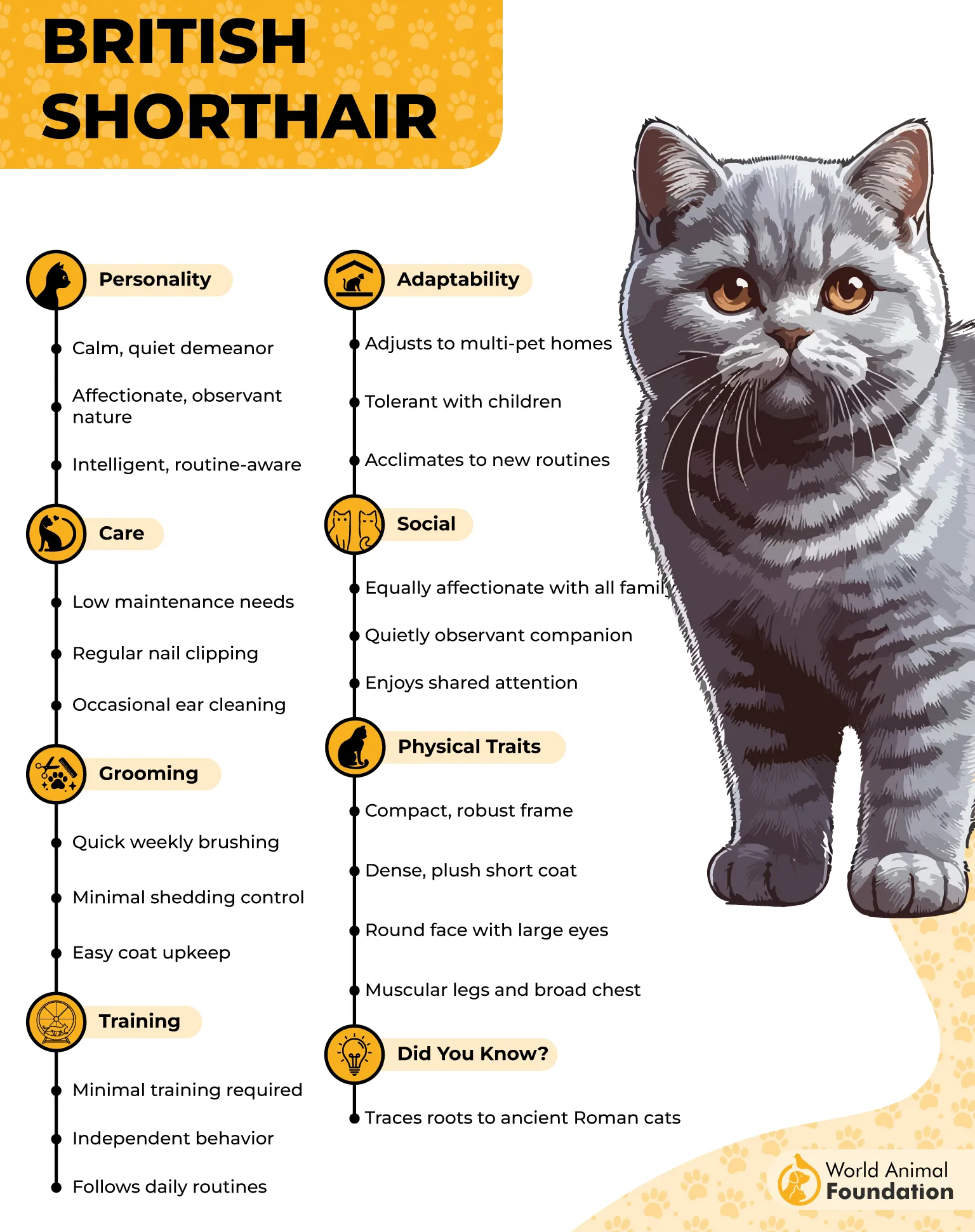
These cats are comfortable spending several hours alone, making them a practical choice for people with busy schedules. They may enjoy occasional cuddles or play sessions, but they are generally content to relax nearby while their owners work. Interactive toys and enrichment activities help satisfy their natural hunting instincts.
Their plush, dense coat and rounded cheeks give British Shorthairs their signature teddy-bear appearance. Although blue-gray is a familiar coat color, they come in several other shades and patterns. Their balanced personality allows them to enjoy companionship while maintaining their independence.
How This Breed Stands Out
Comfortable spending time alone: British Shorthairs can entertain themselves for periods without needing constant interaction.
Plush coat and round cheeks: Their dense fur, full cheeks, and rounded face create a soft, distinctive appearance.
2. Russian Blue
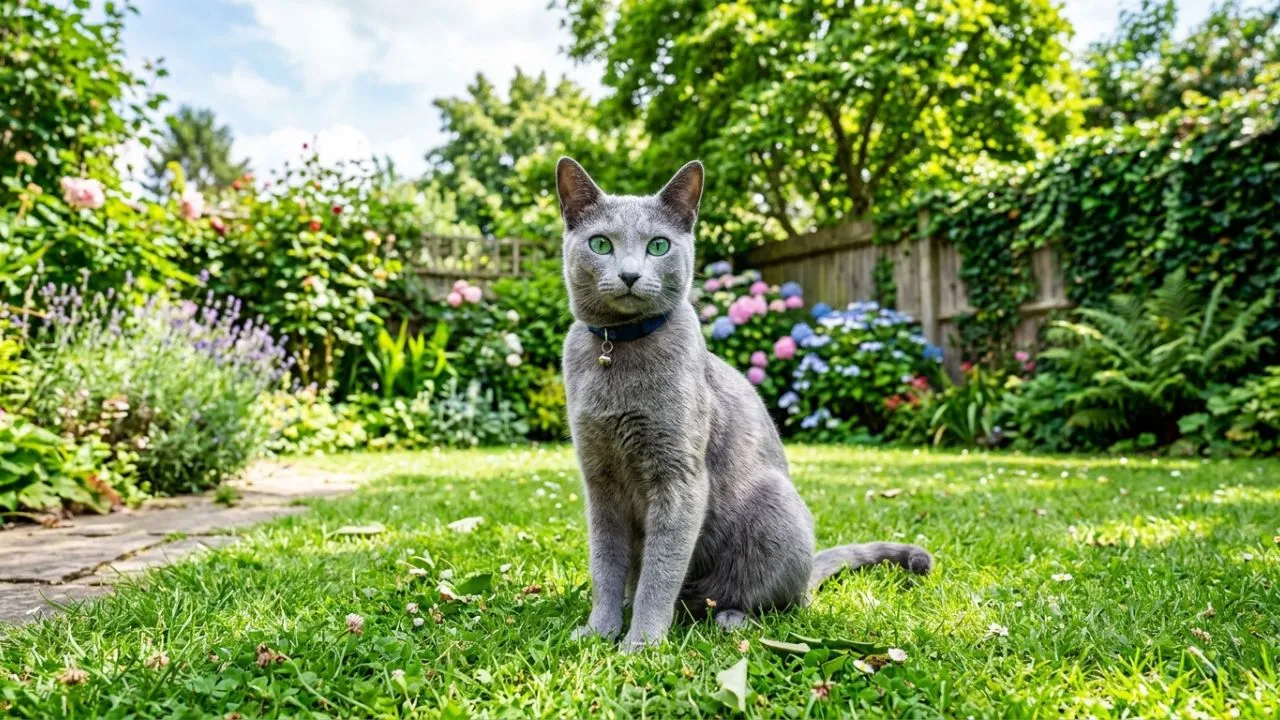
Quiet and observant, the Russian Blue enjoys being part of family life without needing constant attention. This independent cat often finds a comfortable perch or window seat to watch household activities, happily entertaining itself between moments of companionship.
According to PetMD, Russian Blue cats can be shy around strangers and are generally not overly clingy, but they are affectionate and form strong bonds with their families when properly socialized.
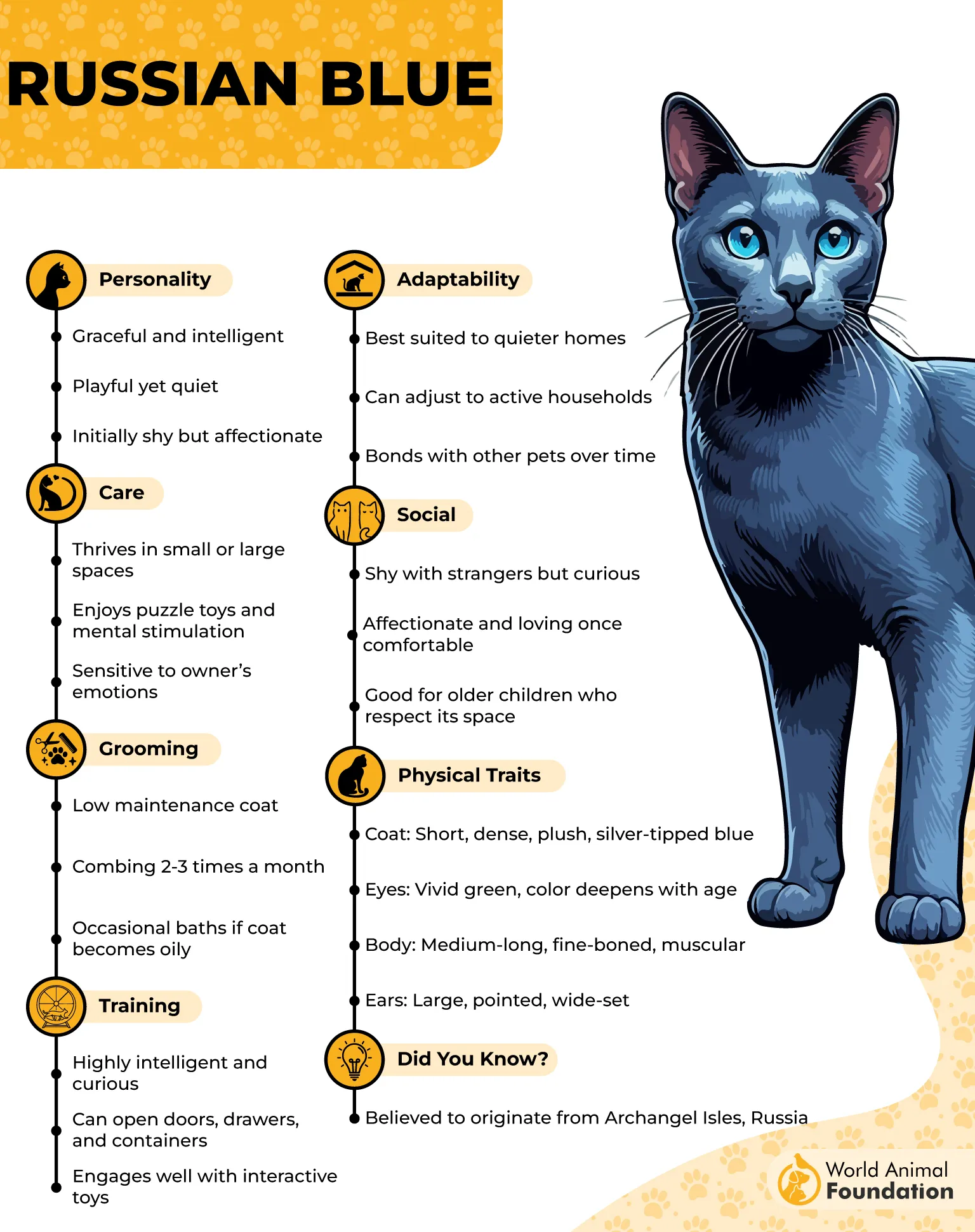
Although naturally reserved around unfamiliar people, Russian Blues can become deeply affectionate with those they trust. They may take time to warm up to visitors, preferring familiar surroundings and a steady routine. Daily interactive play helps satisfy their curiosity and keeps boredom at bay without overwhelming their generally calm nature.
Their elegant blue-gray coat has a plush, silvery appearance and is relatively easy to maintain. Weekly brushing helps remove loose hair and keep the short fur smooth, making grooming manageable for busy owners.
How This Breed Stands Out
Reserved with unfamiliar people: Russian Blues may observe newcomers from a distance before feeling comfortable enough to approach.
Prefers predictable daily routines: Familiar schedules and peaceful surroundings can help this sensitive, observant breed feel secure.
3. Norwegian Forest Cat
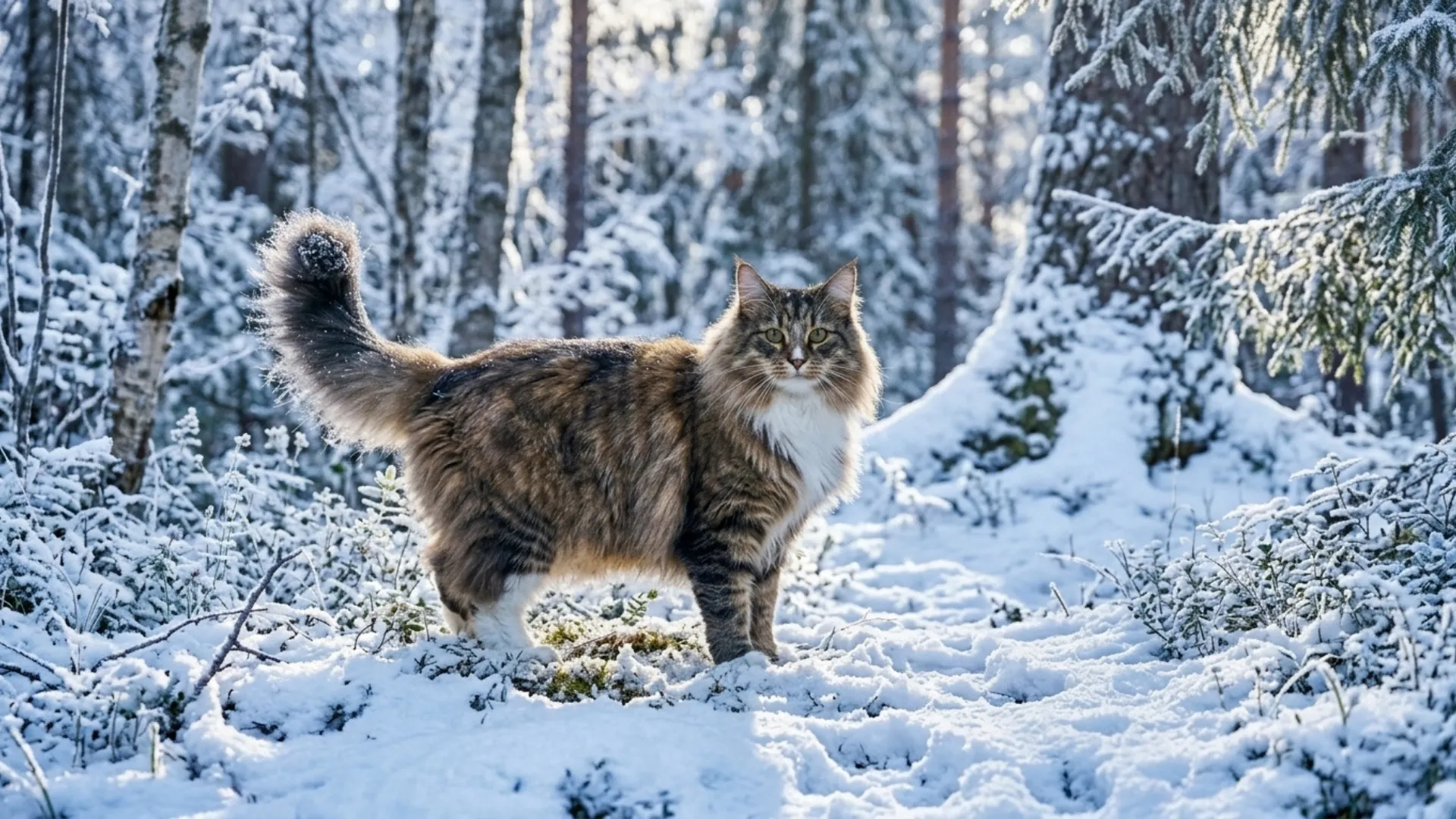
Originating in Scandinavia, the Norwegian Forest Cat developed into a hardy, self-reliant feline suited to rugged surroundings. Its independent temperament makes it comfortable exploring its environment without needing constant attention from its owners.
According to WebMD, these cats are distinguished from other longhaired breeds by their uniquely triangular heads and almond-shaped eyes.
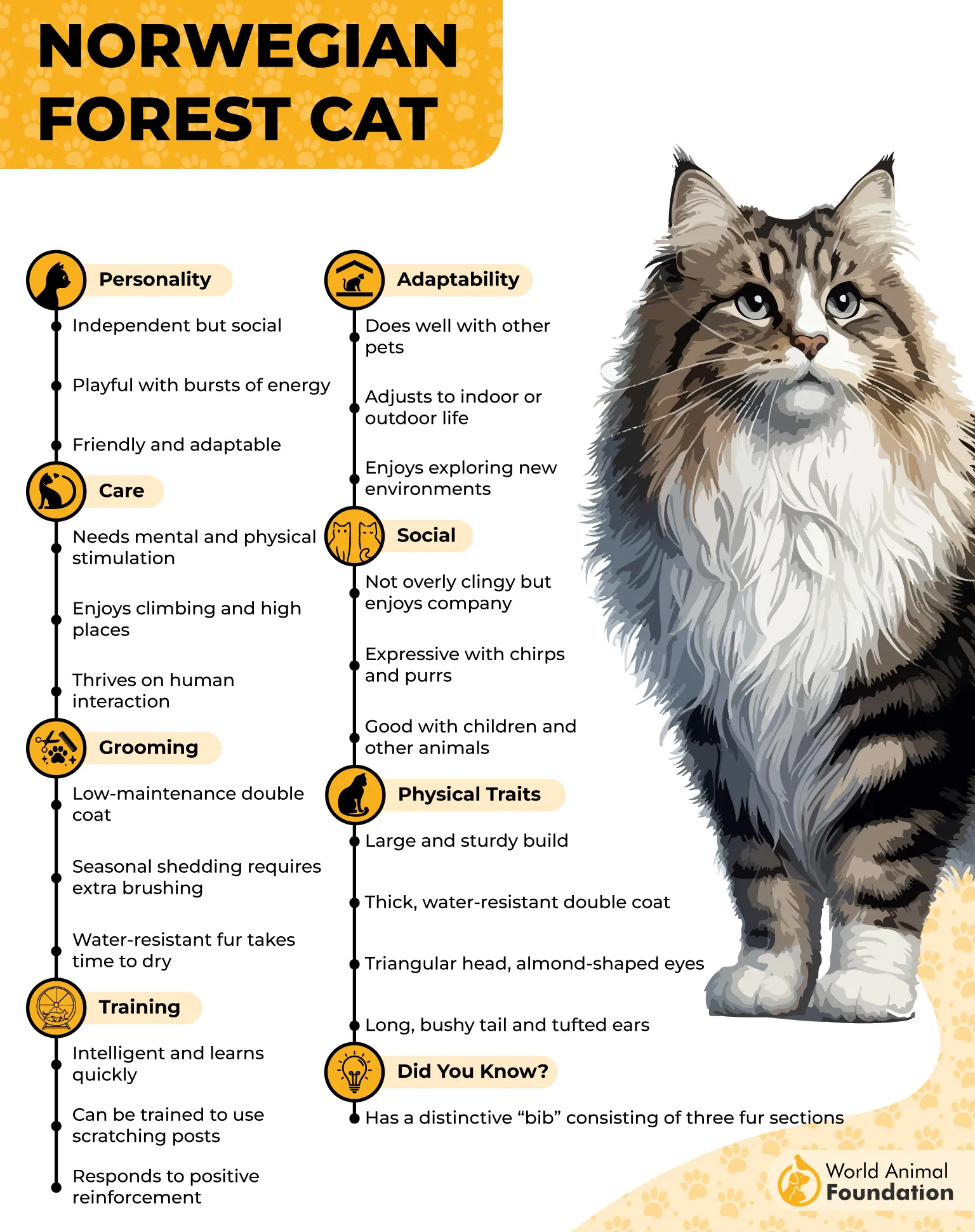
Despite this self-sufficient streak, the breed is gentle, friendly, and adaptable. Norwegian Forest Cats appreciate affection and companionship but can often manage comfortably when their families are away for periods of time. They tend to balance social interaction with quiet moments spent on their own.
Their natural curiosity and athletic abilities make climbing an important part of their lifestyle. Cat trees, sturdy shelves, and elevated resting spots give them opportunities to explore indoors while satisfying their instinct to seek high vantage points.
How This Breed Stands Out
Self-directed outdoor-style explorer: Its independent nature encourages it to investigate its surroundings and enjoy activities without constant human involvement.
Excellent climbing ability: Strong, agile bodies and a love of height make elevated spaces ideal for observing the household and exploring its environment.
4. Turkish Angora
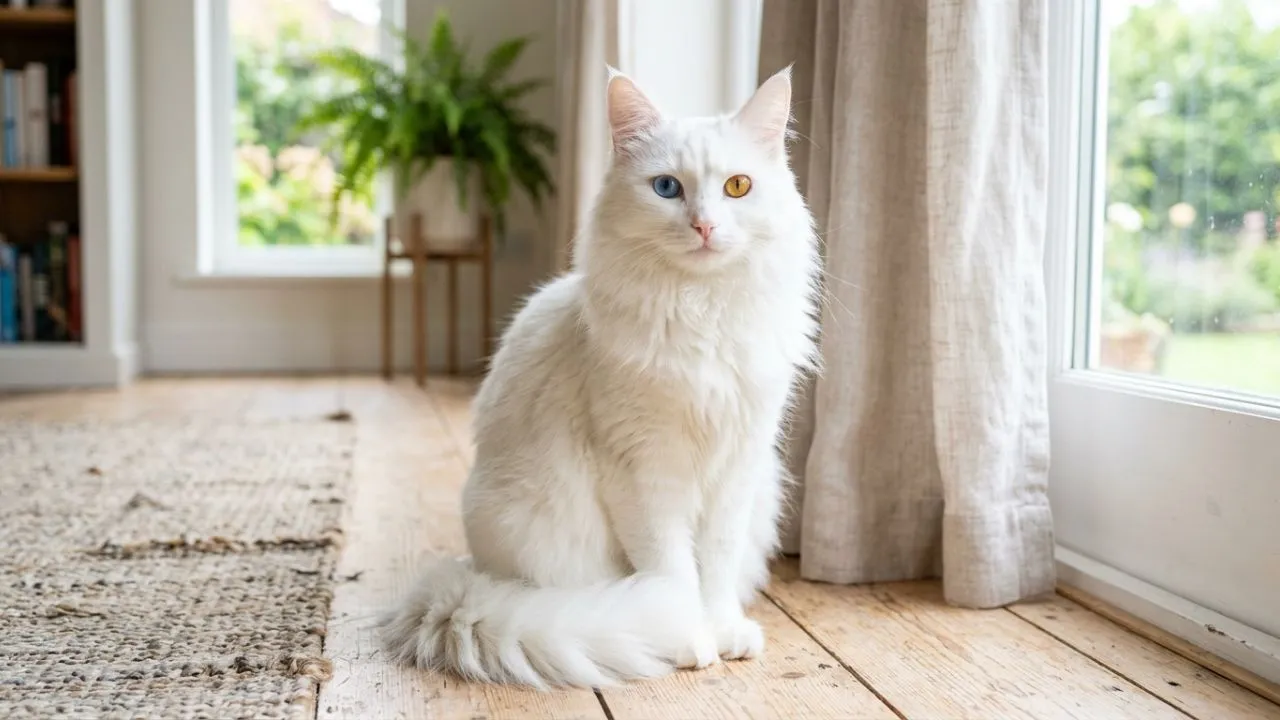
Originating in Turkey, the Turkish Angora is an elegant cat with a silky, semi-long coat and a beautifully plumed tail. Beneath its refined appearance lies a curious, resourceful personality that enjoys exploring new surroundings and finding interesting ways to stay occupied.
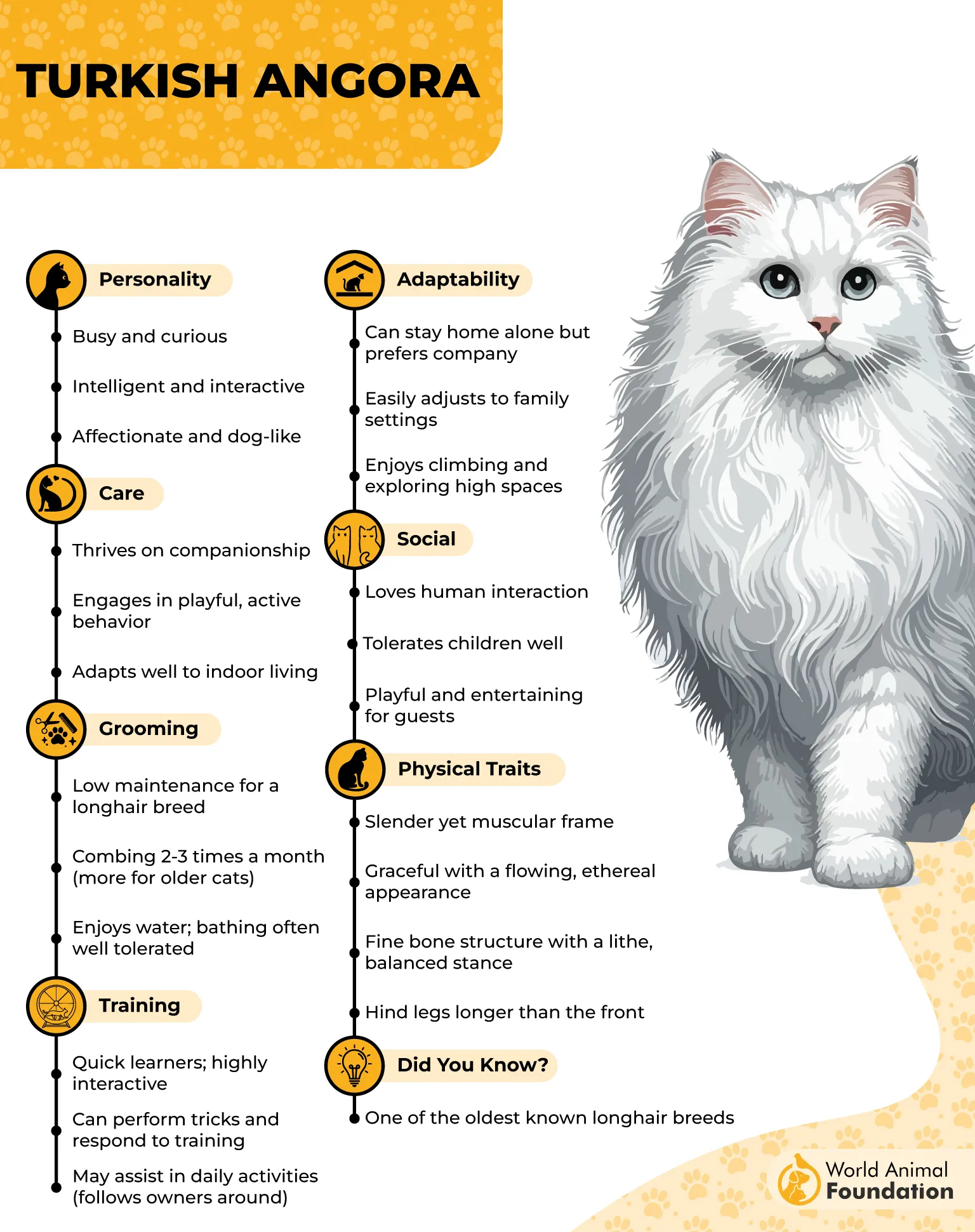
Although affectionate and loyal, Turkish Angoras rarely need constant attention. They may follow their owners around the house but are equally happy relaxing alone in a favorite elevated spot. Many dislike being held for long periods, preferring to show affection on their own terms.
Their athletic build makes climbing and jumping natural pastimes, so cat trees and accessible high perches help keep them engaged. Despite their longer fur, their coat is relatively manageable, usually benefiting from brushing once or twice a week.
How This Breed Stands Out
Clever, independent problem-solver: This intelligent breed can discover ways to entertain itself and investigate its surroundings when left alone.
Graceful, athletic movements: A balanced, agile body allows the Turkish Angora to leap, climb, and move around with effortless elegance.
5. Himalayan
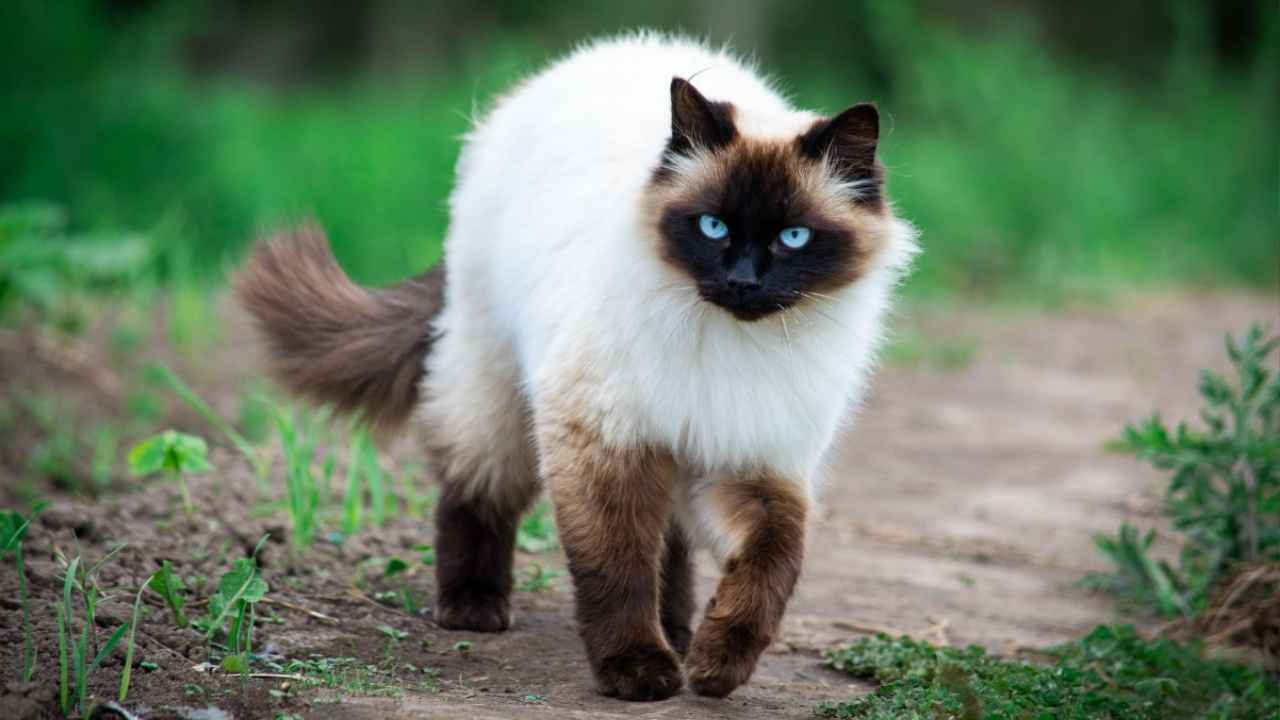
A blend of Persian and Siamese traits, the Himalayan is known for its luxurious long coat, striking blue eyes, and gentle personality. These cats tend to enjoy peaceful surroundings and a relaxed indoor lifestyle rather than constant activity.
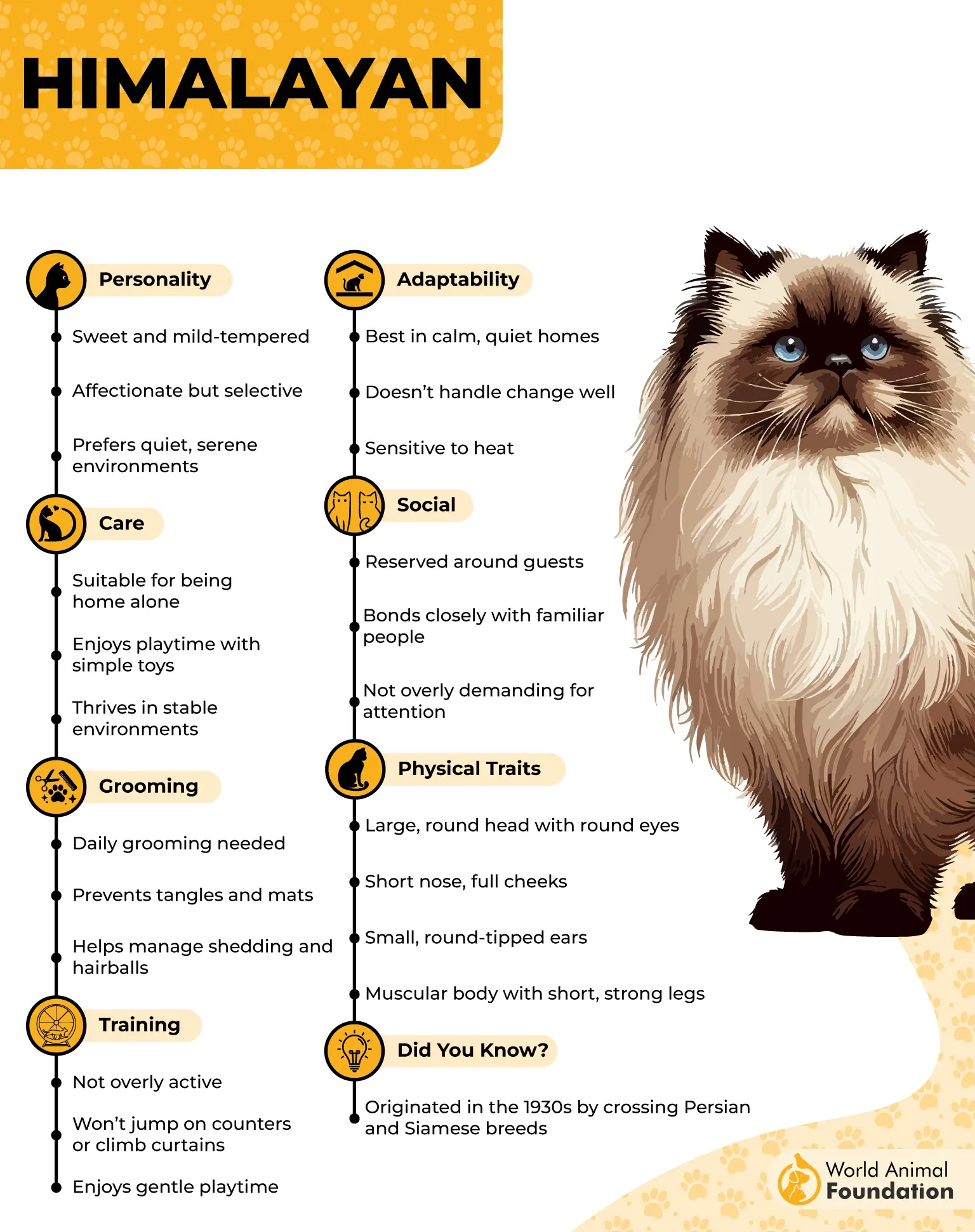
Although Himalayans appreciate cuddles and human company, they are not always demanding of attention. They can spend time alone while their owners are away and may enjoy having another friendly cat around for companionship. When their family is home, however, they still benefit from affection and interaction, as noted by Purina.
Their long, dense fur needs daily brushing to prevent knots and matting. Regular grooming also provides a calm opportunity to build trust and strengthen the bond between cat and owner.
How This Breed Stands Out
Calm, low-key indoor companion: Himalayans generally prefer a peaceful home and relaxed activities, while still enjoying attention from their favorite people.
Color-point markings and vivid blue eyes: Darker coloring on the face, ears, paws, and tail contrasts with the lighter body, creating the breed’s distinctive appearance.
6. Manx
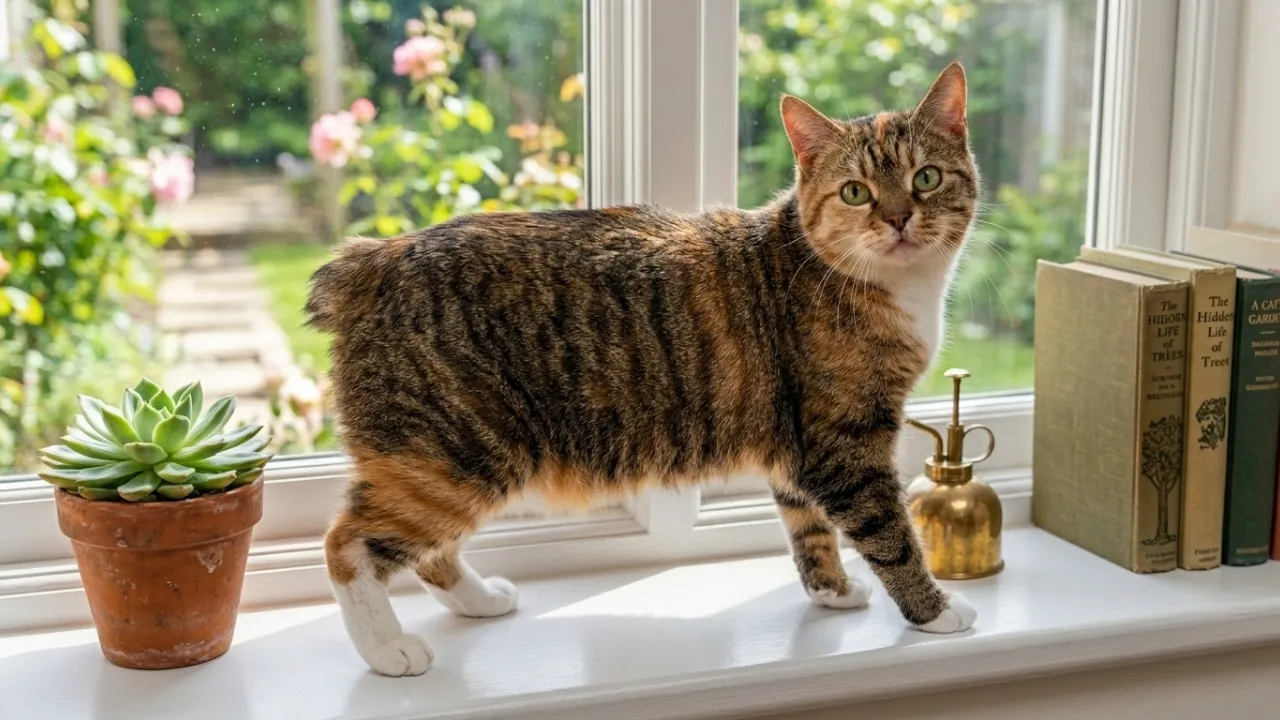
The Manx is a playful, even-tempered cat with an independent streak, making it a suitable companion for owners who appreciate a pet that can entertain itself. It enjoys exploring its surroundings and engaging in solo activities without needing constant attention.
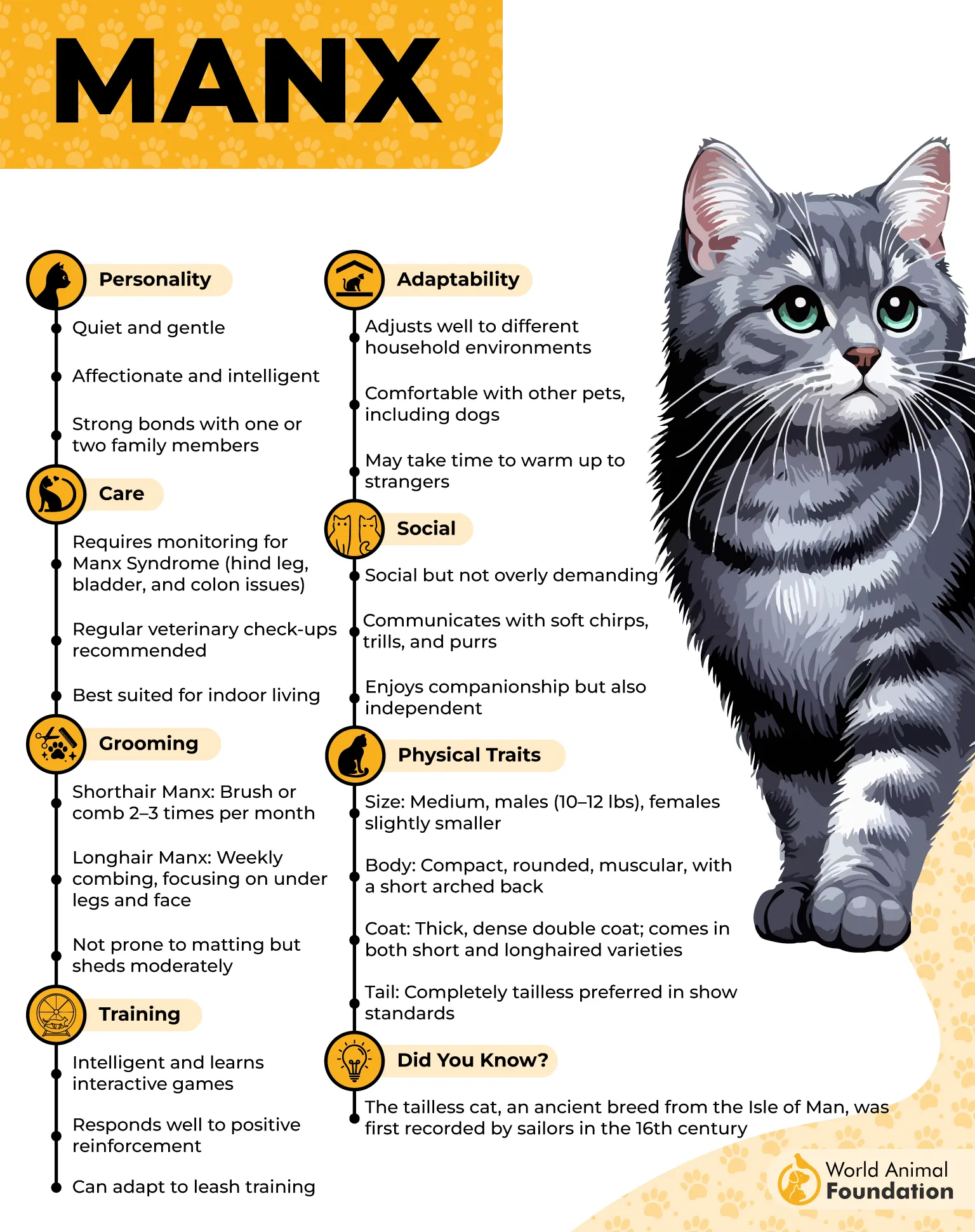
Despite its self-sufficient nature, the Manx forms close bonds with its favourite people. These affectionate cats may follow their owners around the house when they want company, while their intelligence and playful personality make games like fetch an enjoyable way to interact.
Its adaptable temperament allows it to balance independent play with social interaction. However, prospective owners should be aware of Manx syndrome, a genetic condition associated with the mutation responsible for its distinctive tail.
How This Breed Stands Out
Confident, self-reliant personality: The Manx is comfortable entertaining itself through independent play and exploring its surroundings, making it suitable for owners who cannot provide constant attention.
Distinctive naturally short or absent tail: Unlike most cats, the Manx may have a very short tail or no visible tail at all, giving it a recognizable silhouette.
7. Chartreux
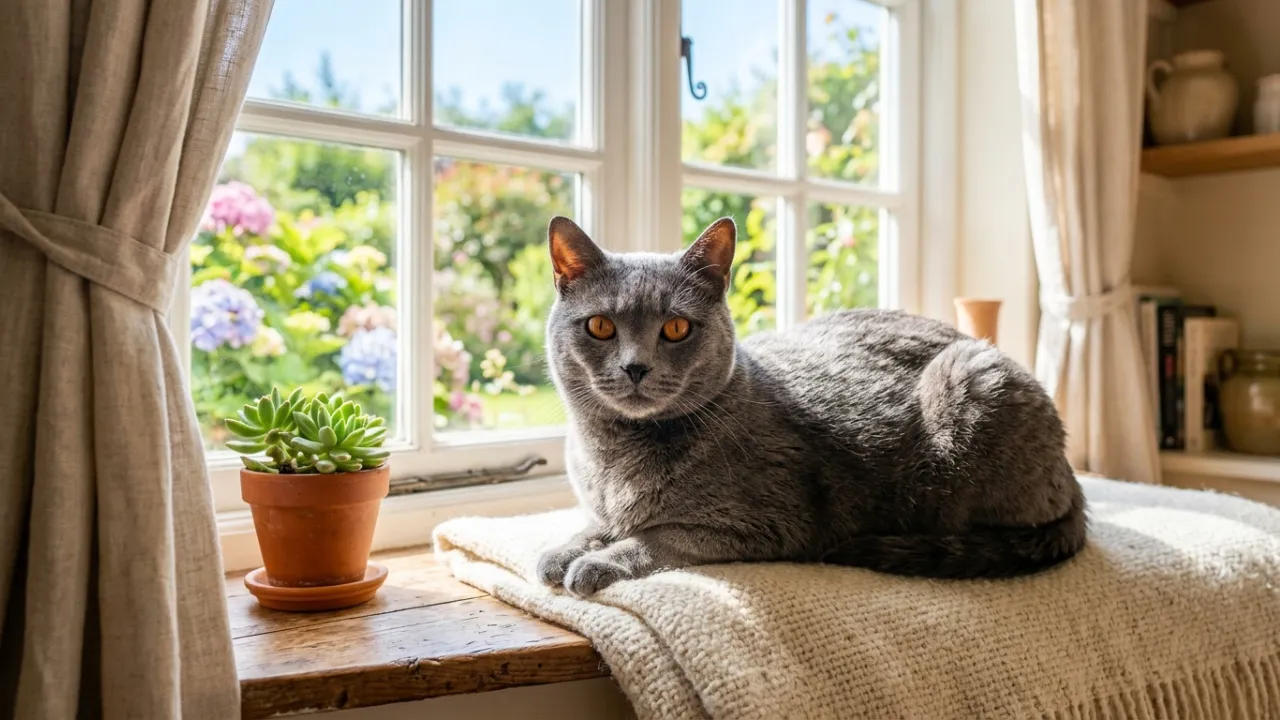
The Chartreux is a calm, intelligent French cat known for its quiet nature and independent temperament. It can happily spend time alone, playing with toys or watching birds from a window, without constantly seeking attention from its owner.
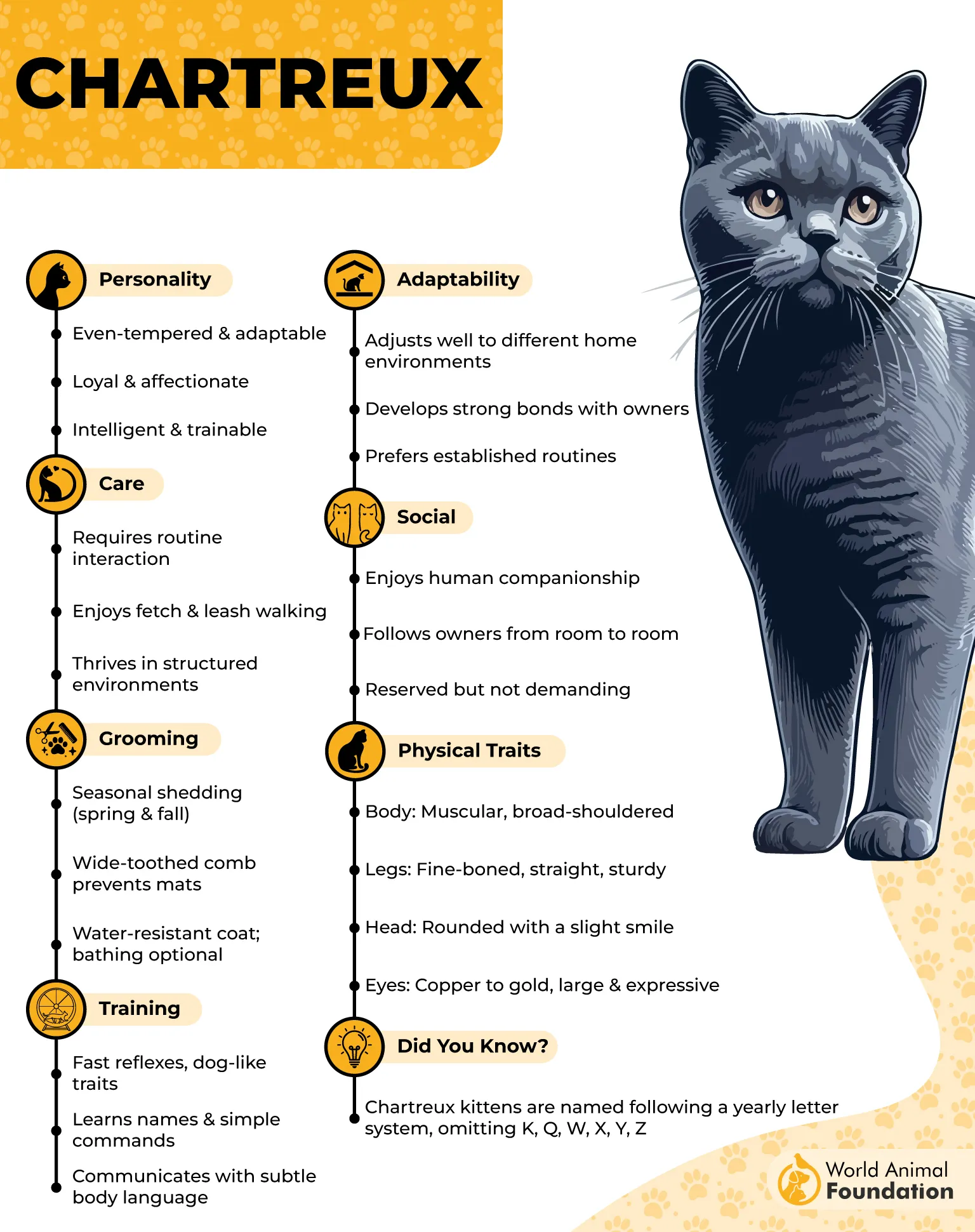
Although self-sufficient, this breed forms strong bonds with its favourite people and enjoys affection on its own terms. Chartreux cats are sociable with other animals and visitors, while their adaptable personalities make them comfortable in different environments.
Their natural hunting instincts also make interactive games an enjoyable part of their routine.
Unlike vocal breeds, the Chartreux rarely meows, communicating its needs subtly. This makes it appealing to owners who prefer a peaceful household and a companion that balances affectionate moments with periods of solitude.
How This Breed Stands Out
Quiet, unobtrusive companionship: The Chartreux rarely vocalizes and can entertain itself independently, making it suitable for people who appreciate a peaceful pet without constant demands for attention.
Woolly blue-gray coat and coppery eyes: Its dense, wool-like blue-gray fur and striking copper or gold eyes create a distinctive appearance that sets this breed apart from other cats.
Conclusion
Choosing an independent cat means finding a companion that enjoys personal space while still appreciating affection. British Shorthairs are comfortable spending time alone, while Russian Blues prefer familiar people and predictable routines.
Norwegian Forest Cats enjoy exploring and climbing, whereas Turkish Angoras combine intelligence with athletic grace. Himalayan cats offer calm companionship indoors, with striking color-point markings and vivid blue eyes.
The Manx stands out for its confident personality and naturally short or absent tail. Meanwhile, the Chartreux offers quiet companionship, a woolly blue-gray coat, and beautiful coppery eyes.
Although these breeds have independent tendencies, every cat needs proper nutrition, veterinary care, playtime, and affection. Consider your lifestyle, living environment, and each cat’s individual temperament before making your choice.
The right feline companion can provide a rewarding bond while comfortably respecting your need for personal space.
