




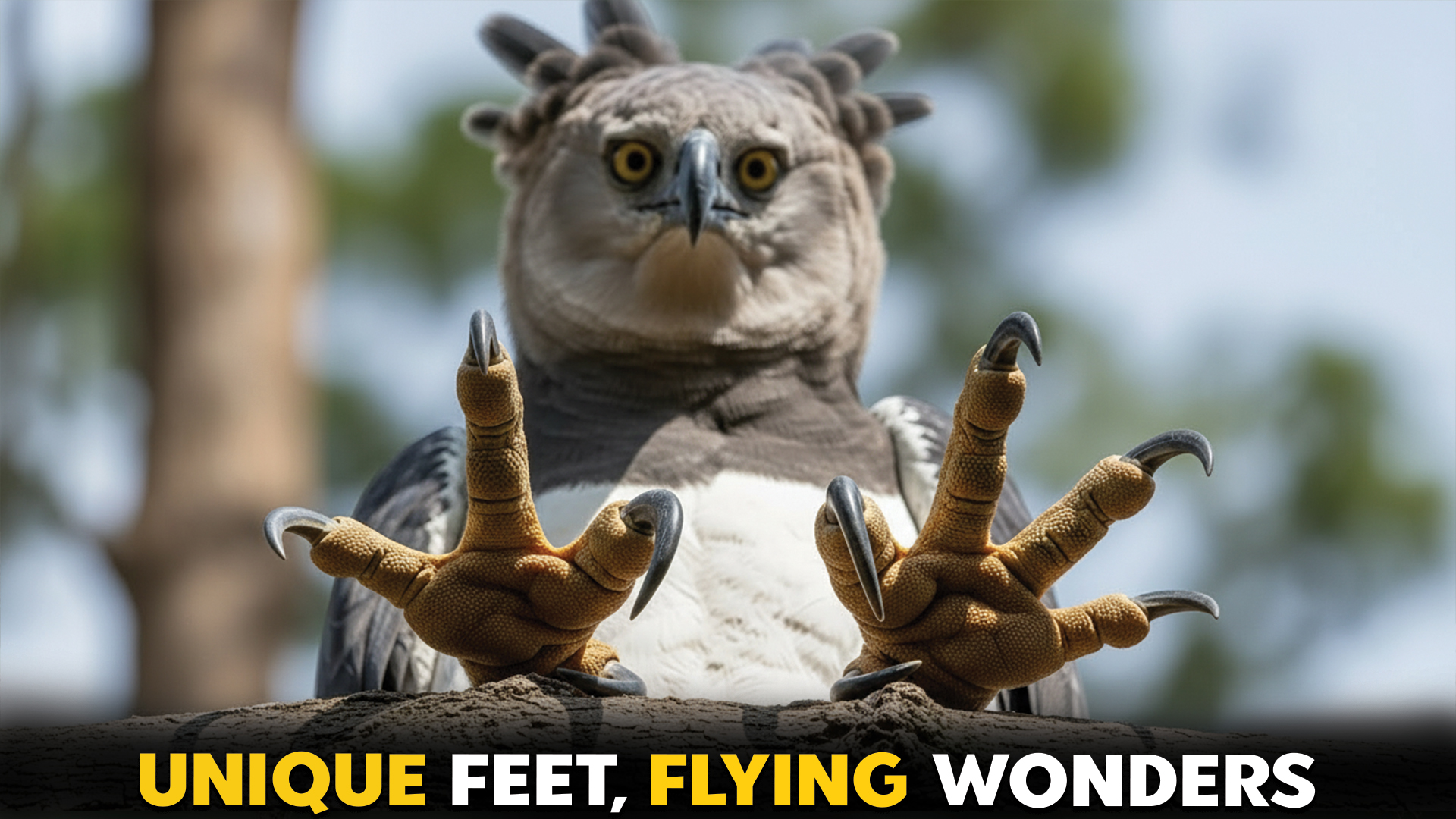
Birds are often admired for their feathers and flight, but their feet are just as remarkable. A bird’s feet are made of toes and claws, and each part has a clear purpose.
Toes help birds walk, climb, swim, and hold onto surfaces. Claws help them grip branches, dig in soil, or catch food. Every bird has feet shaped for the way it lives, making bird feet one of their most unique features.
Bird feet come in many forms, and each design serves a special role. Many birds have three toes in the front and one in the back, which helps them perch on branches. Some have two toes in front and two in the back, allowing them to climb tree trunks easily.
Bird claws also vary by lifestyle. Large, sharp claws are called talons and are used by eagles, hawks, and owls to catch and hold food. Smaller birds have softer claws that help them grip branches.
Birds walk on their toes, not their full legs, and the joint that bends backward is actually the ankle. These special feet reveal how birds survive, move, and thrive in their environments.
Birds with the Most Unique Feet
1. Harpy Eagle
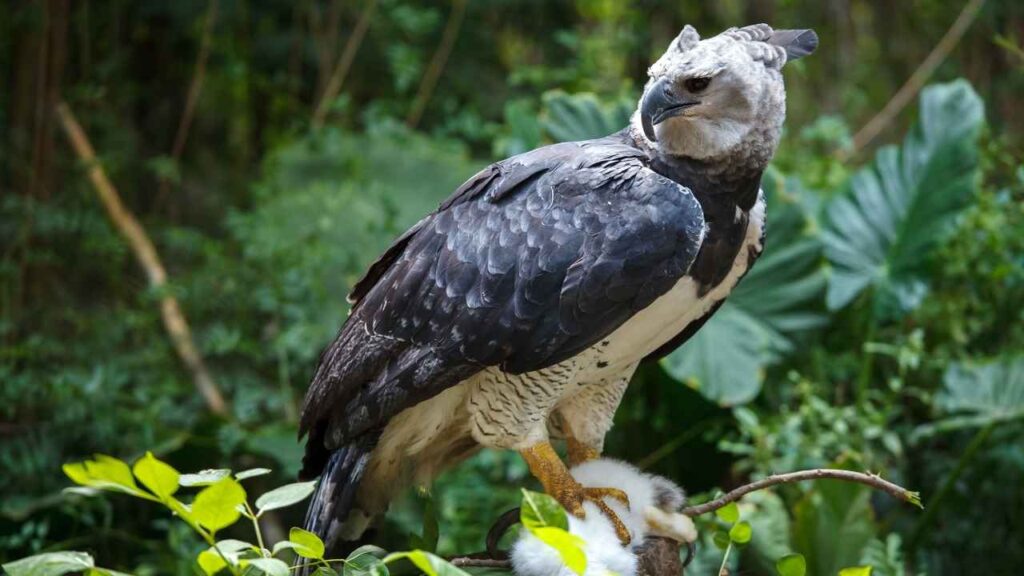
The Harpy Eagle lives deep in the tropical rainforests of Central and South America. It is one of the strongest birds of prey and rules the forest canopy. This eagle hunts among tall trees and relies heavily on its powerful feet to survive.
Why Its Feet Are So Unique
Harpy eagles have extremely strong feet built for gripping large prey.
Their talons are very large and sharp, helping them catch and hold animals like sloths and monkeys.
They have three toes in front and one in the back, which gives them a tight, crushing grip.
The strength of their feet allows them to grab prey straight from tree branches.
Built for Life in the Trees
Harpy eagles hunt inside dense forests, not open skies. Their feet work with their strong legs to keep prey from escaping. These powerful claws make the Harpy Eagle one of the most impressive examples of how bird feet are adapted for survival.
2. American Coot
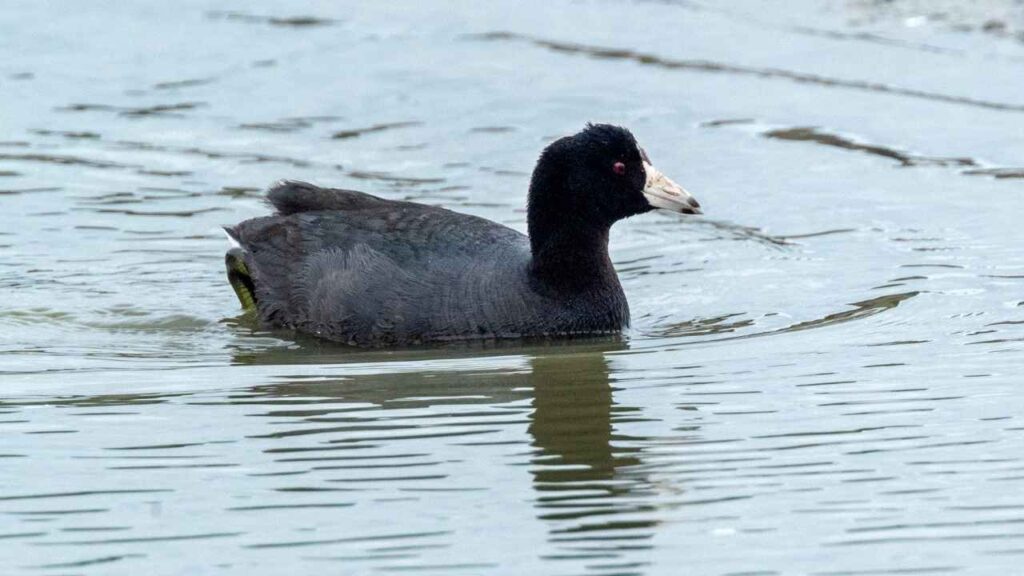
The American Coot is a common waterbird found on ponds, lakes, and wetlands. It may look like a duck from afar, but its feet are very different. These unusual feet help the coot swim well and walk comfortably on land, making it stand out among water birds.
Unusual Lobed Feet
American Coots do not have webbed feet like ducks.
Each toe has fleshy lobes that spread out in water like paddles.
The lobes fold back when the bird walks, helping it move on mud, grass, and even ice.
Their feet are often bright yellow-green, making them easy to notice.
Feet Built for Water and Land
The lobed feet make coots excellent swimmers, just like ducks, but they also help the birds walk and dive. They swim by pushing water back with their wide lobes. On land, the lobes fold away so the coot can walk effectively, something many water birds struggle with, as mentioned by the Cornell Lab.
These unique feet allow the American Coot to thrive in watery habitats as well as on solid ground. Often seen bopping along the edge of ponds or gliding across water, their unusual foot structure makes them one of the most fascinating water birds to watch.
3. Jacana
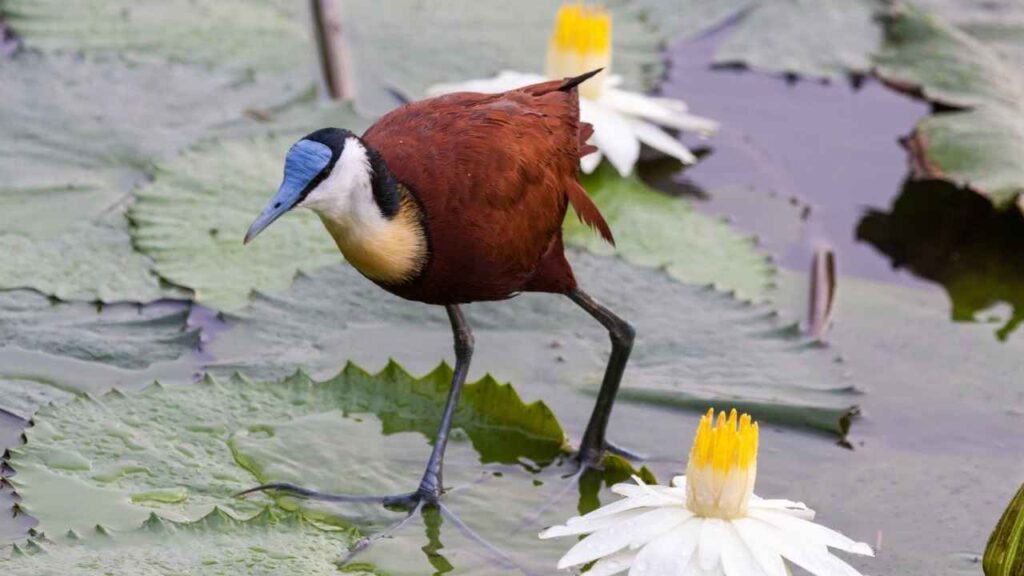
The Jacana is a group of tropical water birds known for one of the most unusual foot designs in the bird world. These birds live in shallow lakes, marshes, and wetlands where floating plants like lily pads cover the water.
Their feet are specially built to help them walk on this vegetation without sinking, so they look like they are tiptoeing across the water.
Huge Toes for Walking on Water
Jacanas have exceptionally long toes and claws that spread out their weight over a large surface. This lets them walk on lily pads and floating plants with ease.
Because of these huge feet, they are often called “lily trotters” or even the “Jesus bird” for seeming to walk on water.
The long toes also help them balance while searching for food like insects and small invertebrates among the plants.
Feet That Shape Their Life
Jacanas’ feet are not just long—they are essential for survival in watery habitats. Their legs and toes allow them to stand and move on thin vegetation that would sink most birds.
While they can swim and dive when needed, they prefer to step across floating leaves to forage and travel. This unique foot structure makes the Jacana one of the most striking examples of how birds adapt to their environment.
4. Woodpecker
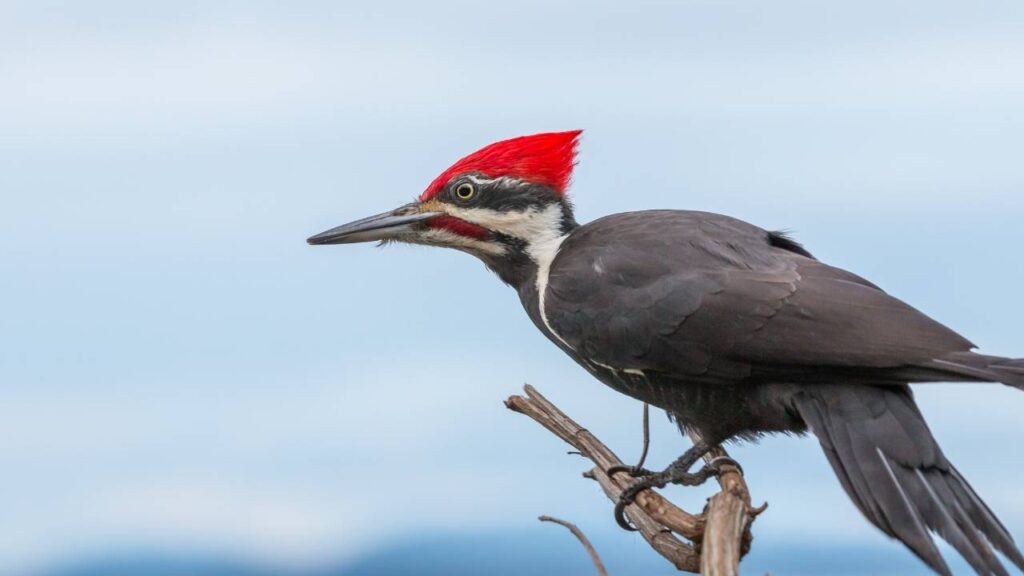
Woodpeckers are famous for tapping and drilling into tree trunks, but their feet are just as important as their beaks. These birds spend most of their time on vertical surfaces, moving straight up and down trees. Their feet are specially adapted to help them cling, climb, and stay balanced while feeding.
Climbing-Ready Feet
Woodpeckers have two toes facing forward and two facing backward.
This toe arrangement gives them a strong grip on tree bark.
Their sharp, curved claws dig into wood for extra support.
Some species have only three toes but still climb very well.
Feet That Fit Their Life
The Avian Report mentions that these strong feet allow woodpeckers to cling to trunks while searching for insects under the bark. When paired with stiff tail feathers, their feet help form a stable support system. This lets them hammer into wood without slipping.
Their foot design is a perfect match for life spent almost entirely in trees. Without such specialized feet, woodpeckers wouldn’t be able to move so easily on rough, vertical surfaces or maintain balance during their constant tapping.
5. Osprey

The Osprey is a powerful bird of prey best known for hunting fish. It is often seen flying over water before diving feet-first to catch its meal. To handle slippery prey, the osprey has some of the most specialized feet among birds.
Special Fish-Gripping Toes
Ospreys can rotate one toe, allowing two toes in front and two in back.
This grip helps them hold slippery fish tightly.
The bottoms of their toes have rough, spiky pads for extra traction.
Their curved talons pierce and secure struggling prey.
Feet Built for Fishing
Osprey feet work like natural hooks designed for water hunting. The strong grip prevents fish from slipping away during flight. After catching a fish, the osprey often adjusts it to face forward, making flying easier.
These unique feet make the osprey one of the best fishing birds in the world. Their ability to lock their toes and strong leg muscles also allows them to carry heavy fish long distances back to their nests.
6. Owl
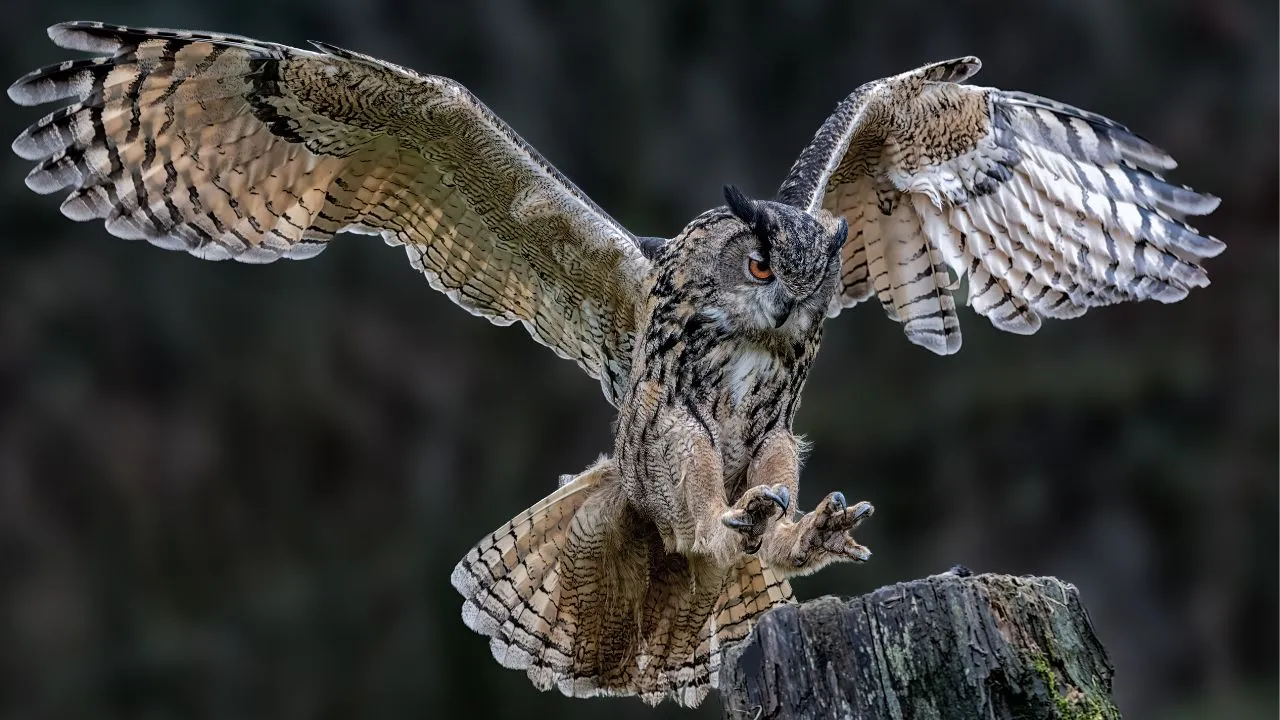
Owls are mysterious birds known for their silent flight and keen hunting skills at night. Their feet play a crucial role in catching and holding prey quietly and firmly. With strong, sharp talons, owls can grab animals like mice, insects, and even small birds with precision.
Versatile Gripping Feet
Owls have powerful feet with sharp talons to capture and kill prey.
Their toes are arranged in a zygodactyl pattern — two toes forward and two back — which helps them grip tightly.
They can also rotate one toe to switch between three toes forward or two forward, depending on the grip needed.
Feet Built for Stealth and Strength
Owls’ feet are not only strong but also sensitive, allowing them to detect prey movements in the dark. Their silent flight and quiet approach are aided by their ability to hold prey securely without struggle or noise.
The curved talons pierce deeply, ensuring prey cannot escape. These feet are essential tools that make owls such effective nighttime hunters, capable of swooping down with speed and accuracy.
7. Flamingo
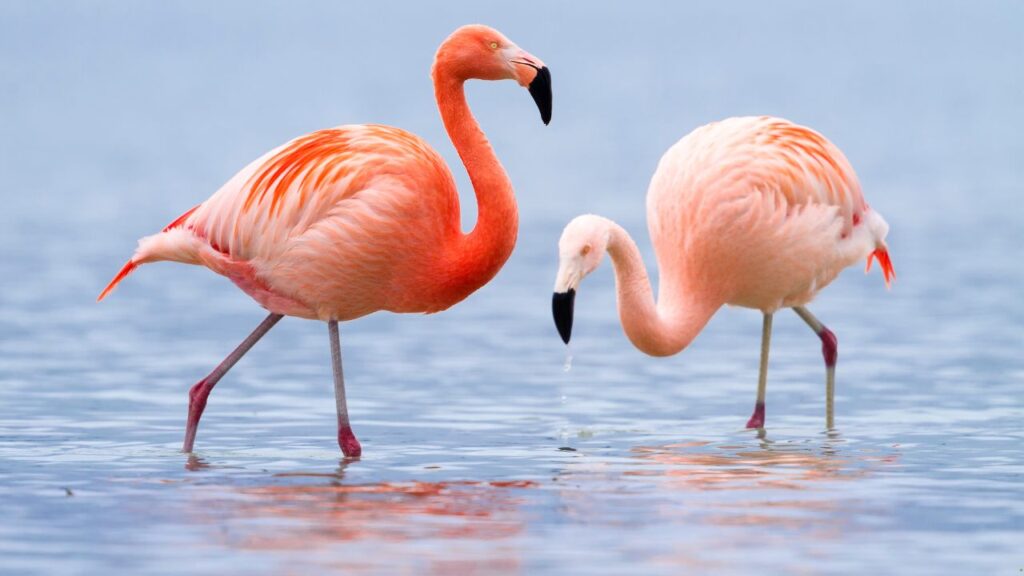
Flamingos are famous for their bright pink feathers and long legs, but their feet are just as interesting. They spend much of their time standing or wading in shallow waters, and their feet help them stay balanced and move through mud and water with ease.
Webbed and Wide Feet
Flamingos have webbed feet that help them walk on soft mud without sinking.
Their toes spread wide, distributing their weight over a larger area.
These feet also help them stir up the mud to find food like algae and small crustaceans.
Feet Made for Shallow Waters
The flamingo’s feet work together with its long legs to keep it stable while feeding in water. The webbing helps them paddle gently and move smoothly through their watery habitats.
Their unique feet, combined with their specialized beaks, make them perfectly suited to life in lakes and lagoons. Flamingos can even sleep standing on one leg, showing just how well balanced and supported their feet are.
8. Grebe
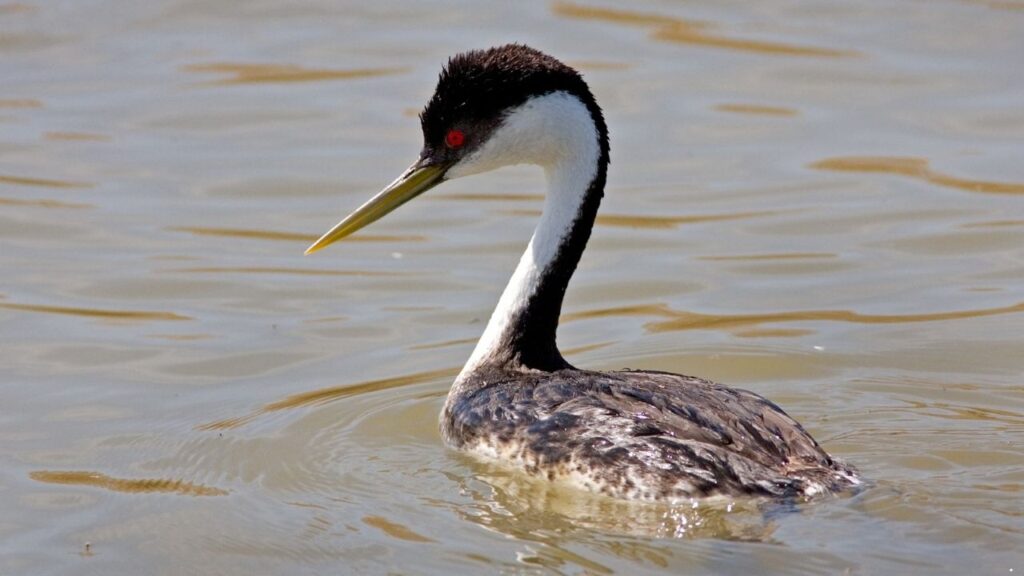
Grebes are water birds known for their incredible diving skills. They spend much of their time swimming underwater to catch fish and insects. Unlike ducks, grebes don’t have webbed feet but instead have special lobed toes that help them move smoothly through water.
Lobed Feet for Swimming
Grebes have lobed toes, with each toe surrounded by flexible lobes of skin.
These lobes act like paddles, pushing water back to help the bird swim powerfully and quietly.
Unlike webbed feet, the lobes can fold back when the bird walks on land, making walking easier.
Feet Built for a Water Life
Birdfact states that Grebes’ feet are placed far back on their bodies, which helps them dive and swim underwater with great speed and agility. Their lobed toes provide strong thrust while chasing prey, making them excellent fish hunters.
Although they are awkward on land, their feet are perfect tools for their aquatic lifestyle, enabling them to live almost entirely on or under the water’s surface.
9. Secretary Bird
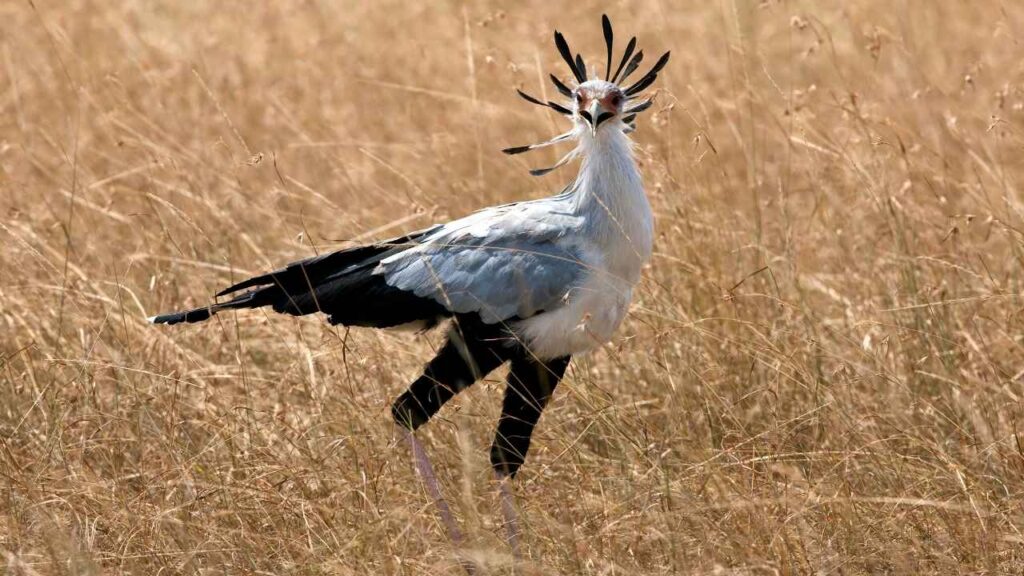
The Secretary Bird is a striking raptor famous for hunting on foot. Unlike many birds of prey, it spends most of its time walking through grasslands in Africa, stalking snakes, insects, and small mammals. Its long legs and special feet make it a remarkable hunter on land.
Strong Feet for Stomping and Running
Secretary Birds have long legs and strong feet with sharp claws.
Their toes are long and powerful, perfect for running quickly and stomping prey.
They use their feet to deliver strong kicks that can kill snakes and other dangerous animals.
Feet Built for Ground Hunting
These feet are built for walking and running rather than flying or perching. The Secretary Bird’s ability to stomp and strike with its feet sets it apart from other raptors.
Its feet are both weapons and tools, helping it survive in open savannas. This unique adaptation makes the Secretary Bird one of the most unusual and fascinating birds of prey.
Conclusion
Most people think that a bird’s knee bends backward, but in fact, what looks like a knee is actually the bird’s ankle or heel joint.
The real knee is hidden under feathers close to the bird’s body, which can make their leg structure seem strange or even confusing to human eyes. This unique design helps birds move efficiently and maintain balance while flying, walking, or perching.
This unique toe arrangement, combined with amazing feet like zygodactyl feet with four toes, shows the incredible variety birds have evolved. Their feet act almost like hands, allowing them to grip, lift, and manipulate objects in ways perfectly suited to their ecology and lifestyle.
By bringing together these fascinating facts, we see how birds have adapted their feet and legs in remarkable ways that most people have never thought about before.
