




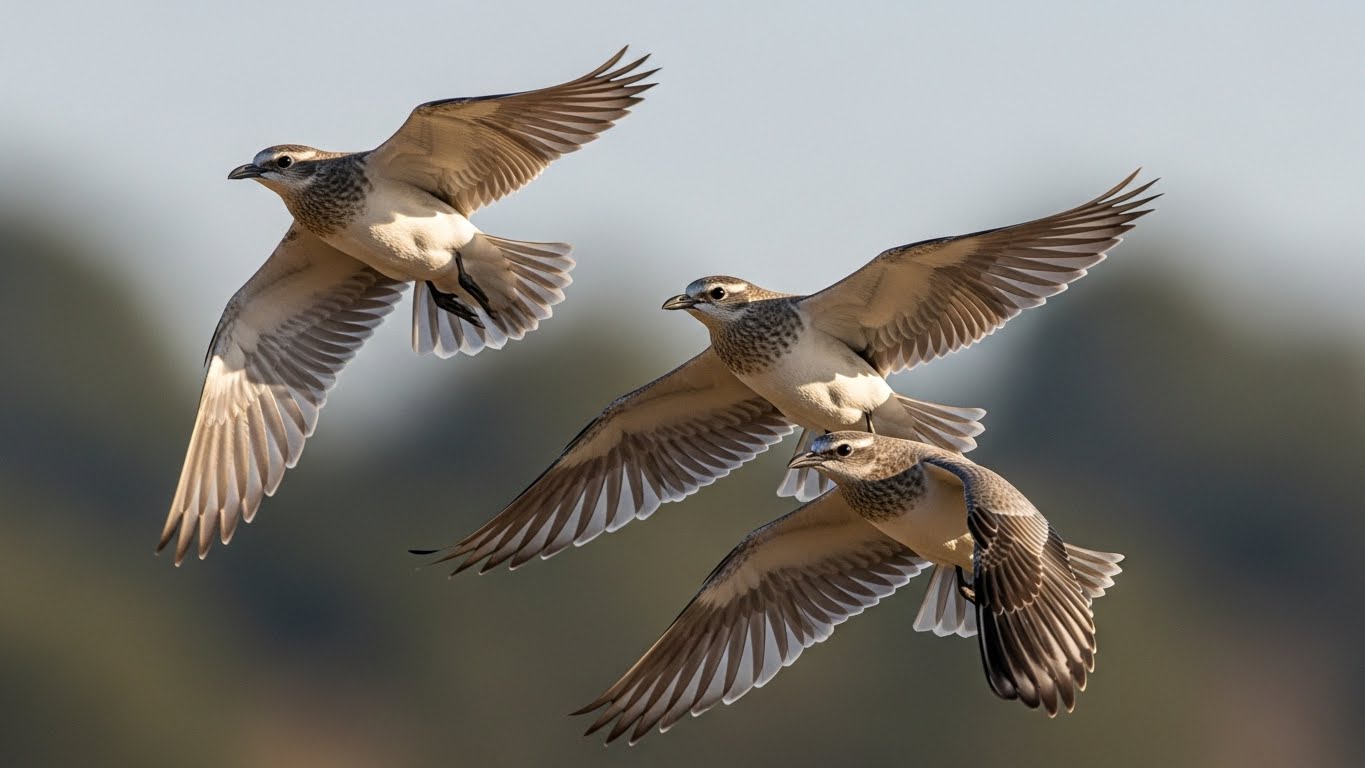
Every year, many birds take to the skies to travel great distances. This amazing journey is called bird migration. Birds migrate to find better places to live, feed, and raise their young.
They often move between warmer and cooler areas depending on the season. Watching a flock of birds flying in a V-formation is one of nature’s most stunning sights and a clear sign of this seasonal movement.
Birds that breed in the Northern Hemisphere usually fly north in spring. This is because there are plenty of nesting sites, growing insect populations, and blossoming plants to support their young. But when winter comes, and food becomes scarce, these birds head south to warmer regions.
Migration happens for several reasons: to find more food, safe places to build nests, to avoid cold weather and food shortages, and to raise their chicks in better conditions.
Migration can be short or long-distance. Short trips usually happen when birds look for food nearby. Long migrations are more complex and have evolved over time based on the birds’ biology and needs.
Let’s take a closer look at some of the amazing migratory birds that migrate with the seasons.
Birds That Migrate with the Seasons
1. Artic Tern
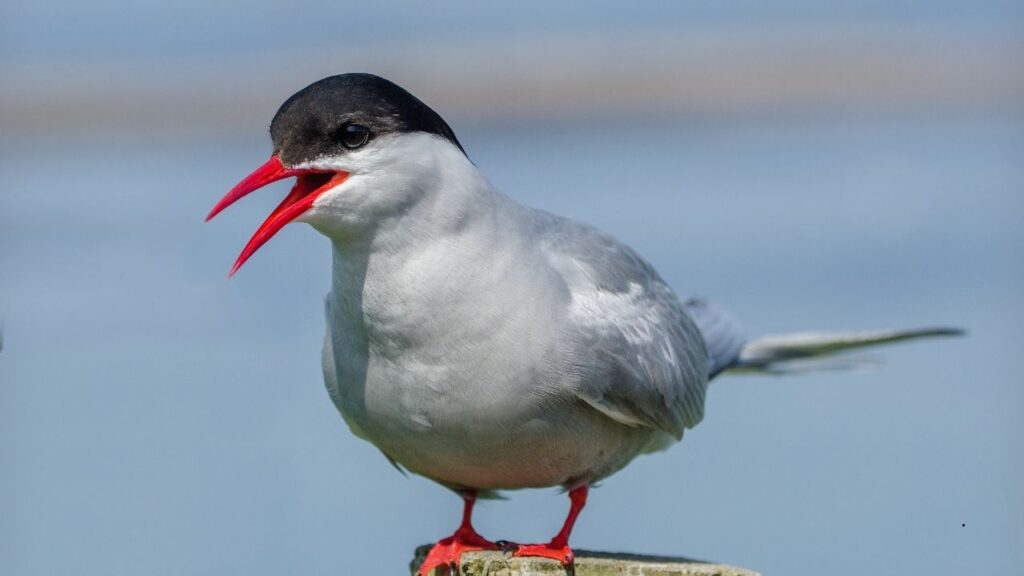
The Arctic Tern is a remarkable bird known as a true globe-trotter. Sometimes called “sea swallows,” these graceful seabirds have long wings that help them fly incredible distances.
Each year, they make an epic migration from the Arctic Circle to the Antarctic coast, traveling up to 25,000 miles one way. This means they experience two summers by moving between the northern and southern poles.
Why do Arctic Terns undertake such a long journey? They follow the endless daylight of the polar summers to find plenty of food. In the northern summer, they breed in the Arctic, then fly all the way to the Antarctic to enjoy summer there.
According to the Guinness World Records, the Arctic Tern holds the record for the longest migration of any bird. Their annual round trip covers about 40,000 kilometers (nearly 25,000 miles) as they circle the Atlantic Ocean.
2. Canada Goose
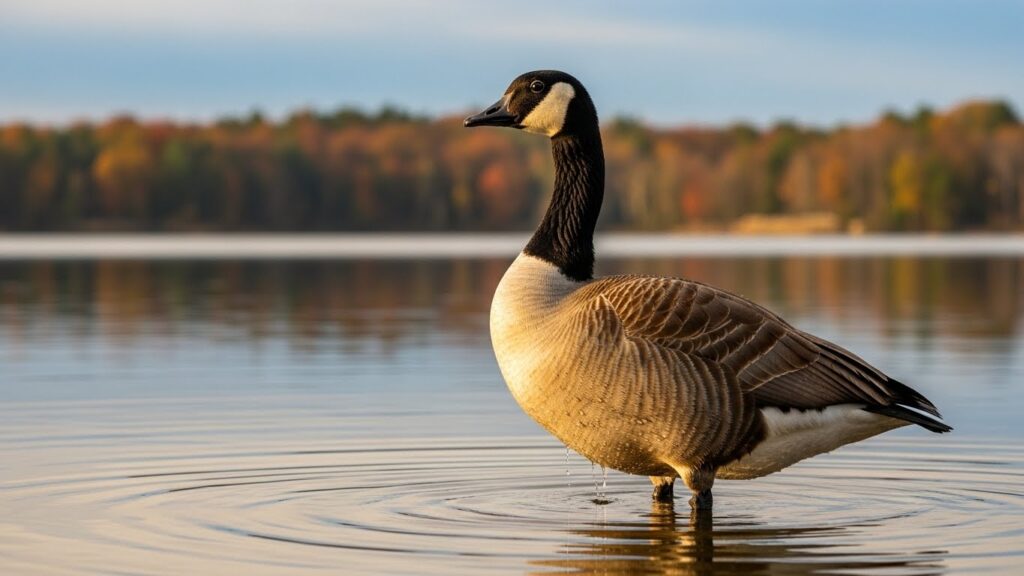
The Canada Goose is one of North America’s most familiar birds. It has a distinctive black head and neck with a white cheek patch.
Known for their loud honking calls, these geese often fly in large flocks, forming the classic V-shaped formations during migration. Their strong wings help them cover long distances between seasonal habitats.
Canada Geese breed across much of North America during spring and summer. As colder months approach and food becomes scarce, most geese migrate south to warmer areas in the United States and Mexico.
Some populations still travel long distances, while others have adapted to live year-round in cities and parks where food is easy to find. Their migration is driven by the need for food and suitable breeding sites.
Thanks to conservation efforts, their numbers have rebounded after declines in the past. Their seasonal flights are a clear example of how birds adapt their movements with the changing seasons.
3. Bar-tailed Godwit
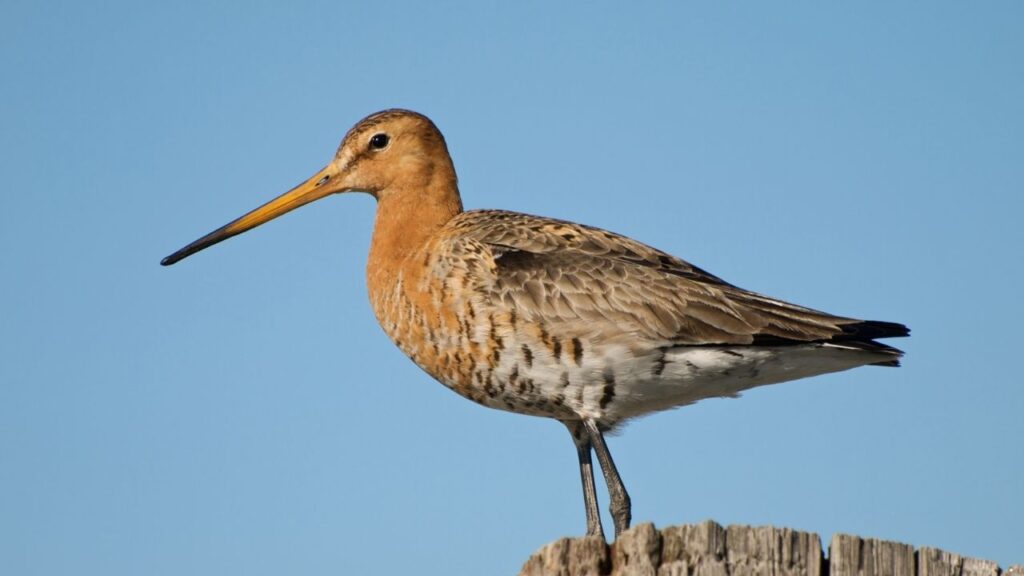
The Bar-tailed Godwit is famous for making the longest non-stop migration of any land bird. These strong flyers travel nearly 7,000 miles in one continuous flight over the open ocean.
Each year, they journey from New Zealand all the way to their breeding grounds in Alaska. This incredible trip takes about seven days without stopping.
Along the way, the Bar-tailed Godwit makes only one stop during its summer migration — at the Yellow Sea — before continuing on to Alaska.
After breeding, they return to Europe and Asia for the warmer months. To prepare for this long flight, they eat extra food to build up fat stores. This fat gives them the energy needed to fly nonstop for days.
Scientists believe these birds navigate using the Earth’s magnetic field, the sun’s position, and possibly even the stars. Their amazing endurance and navigation skills make the Bar-tailed Godwit a true marvel of seasonal migration.
4. Ruby-throated Hummingbird

The Ruby-throated Hummingbird may be small, but it makes an impressive migration every year. These tiny birds travel from North America to Central America, flying nonstop across the Gulf of Mexico. This journey can cover up to 500 miles, an amazing feat for such a small bird.
Before the long flight, Ruby-throated Hummingbirds eat large amounts of nectar and insects. This helps them build up fat reserves, which they use as energy to fly across the Gulf, where food is not available.
Their quick wing beats and strong muscles allow them to keep flying for hours without stopping. This nonstop flight is crucial because there are no places to rest or feed during the crossing.
Despite their size, these hummingbirds show incredible endurance and determination. Their migration is a perfect example of how even the smallest birds travel with the seasons to survive and thrive.
Many bird watchers look forward to spotting them as they return each spring, bringing color and life to gardens and forests.
5. Sandhill Crane
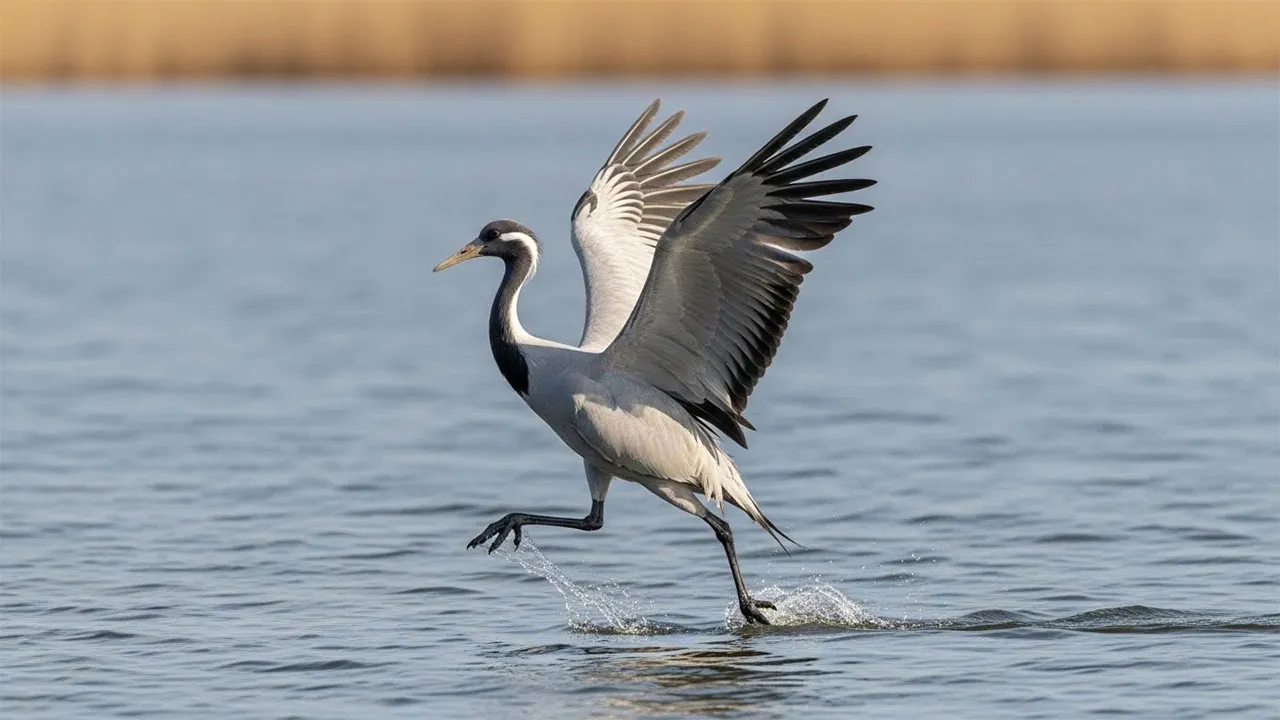
Sandhill Cranes are among the oldest bird species, with fossil records going back at least two million years, according to The Nature Conservancy. These large, graceful birds migrate every year from their breeding areas in North America to wintering grounds in the southern United States and Mexico.
Their loud, trumpeting calls are a familiar sound during migration seasons, often heard as flocks gather in large numbers.
During their long journey, Sandhill Cranes rely on important stopover sites like the Platte River in Nebraska. These areas provide safe places to rest and find food along the way.
Conservation efforts focus on protecting these key habitats to help ensure the cranes’ survival during their seasonal travels. Without these stopover sites, the cranes would struggle to complete their long migrations.
Thanks to these efforts, Sandhill Crane populations have been recovering. Their migration is a powerful reminder of nature’s resilience and the importance of preserving the places these birds depend on as they travel with the seasons.
6. Common Cuckoo
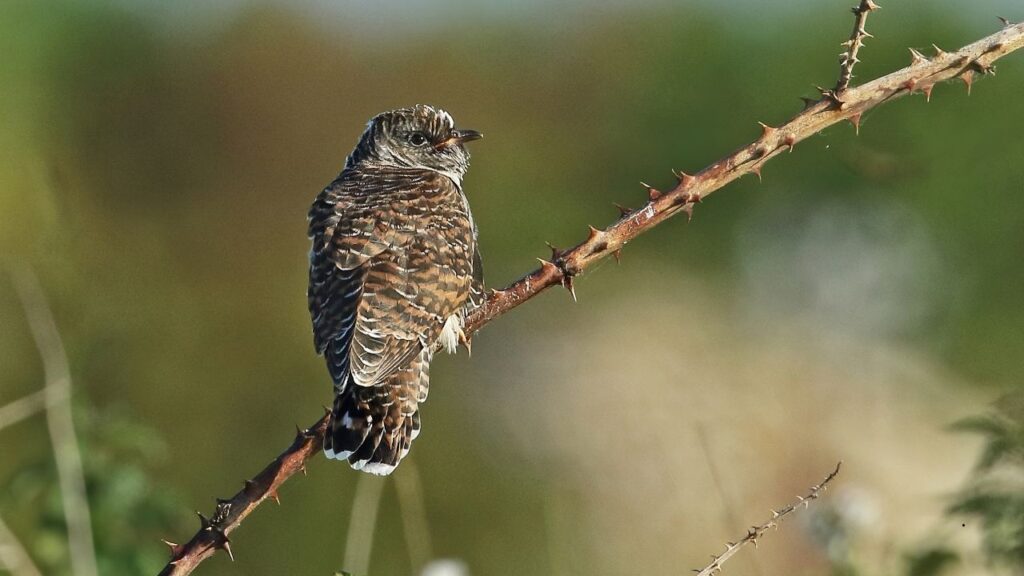
The Common Cuckoo is well known for its unmistakable call that signals the start of spring in many parts of Europe and Asia. Each year, these birds make an impressive migration from their winter homes in Africa back to the northern hemisphere to breed.
What makes the Common Cuckoo especially unique is its breeding behavior. Instead of building nests, cuckoos lay their eggs in the nests of other bird species.
This allows them to focus more energy on migration and survival rather than raising their own young. The host birds then unknowingly care for the cuckoo chicks, giving them the best chance to grow and thrive.
The arrival of the cuckoo is also a sign that insects and other food sources are becoming more abundant. This helps both the cuckoo and the birds raising their young.
For many people, hearing the cuckoo’s call during migration is a welcome reminder of nature’s cycles and the changing seasons. It shows how birds use migration to find the best conditions for survival and reproduction.
7. White Stork
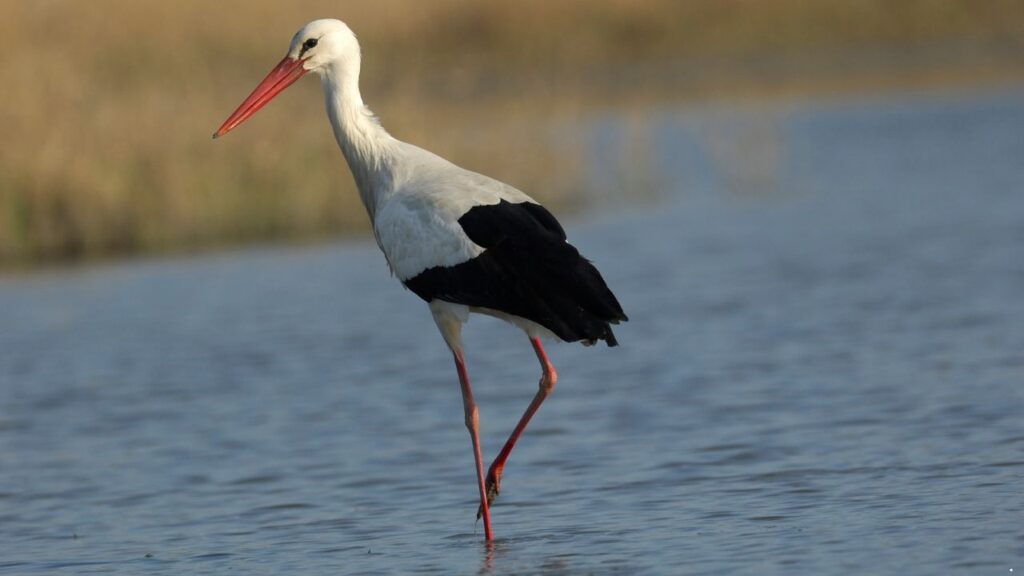
The White Stork is a large and elegant bird known for its long legs, broad wings, and striking white and black feathers.
Every year, these storks undertake a long migration from their breeding grounds in Europe to winter in Africa. Their journey takes them across varied landscapes, including deserts, mountains, and wetlands.
White Storks rely on traditional migration routes that include key stopover sites where they can rest and find food. These stopovers are vital for refueling during their long flights. The birds are strong soarers, using warm air currents to glide for hours, conserving energy on their way south and back north.
Birda mentions that Storks are also known for their loyalty to nesting sites. They often return year after year to the same large nests, which can be found on rooftops, chimneys, or tall trees.
Their migration and return are celebrated in many cultures as symbols of new life and hope. The White Stork’s seasonal travels remind us of nature’s rhythms and the incredible journeys birds make to survive and thrive.
Conclusion
Bird migration routes vary widely, with many migratory birds traveling great distances to find suitable breeding grounds and nesting materials. Many species follow an annual cycle, timing their migratory journey with changes in day length and food availability.
While most birds migrate to warmer climates during the breeding season, some practice altitudinal migration, moving up and down mountain ranges to adapt to local conditions.
Large-bodied birds often cover longer distances, while smaller species may travel shorter routes. Research shows that climate change is increasingly affecting these patterns, altering migration timing and routes.
Bird lovers and scientists continue to study these remarkable journeys to better understand the complex nesting habits and survival strategies of long-distance migrants. Predators, food supply, and habitat changes all influence migration decisions.
In the southern hemisphere and beyond, bird migration remains a vital part of many species’ annual cycle, showcasing nature’s resilience and the incredible adaptations birds have evolved to navigate a changing world.
