




We all know birds build nests — simple homes to keep their eggs safe and cozy. But did you know some birds take nest-building to a whole new level? These feathered architects create nests so intricate, colorful, and clever that they’d put even the fanciest human homes to shame!
From weaving delicate baskets out of tiny twigs and spider silk to crafting elaborate structures that last for years, these birds aren’t just building nests—they’re making masterpieces.
Nest-building isn’t just about shelter; it’s a full-on creative project. These nests protect eggs from predators, keep chicks warm, and sometimes even impress potential mates.
Some birds even incorporate man-made materials like plastic and string into their nests, showing just how resourceful—and adaptable—they can be.
So, buckle up! You’re about to discover some of the most mind-blowing, complex nests in the bird world. Trust me, bird homes have never looked this fascinating.
Birds That Make the Most Complex Nests
1. Sociable Weaver
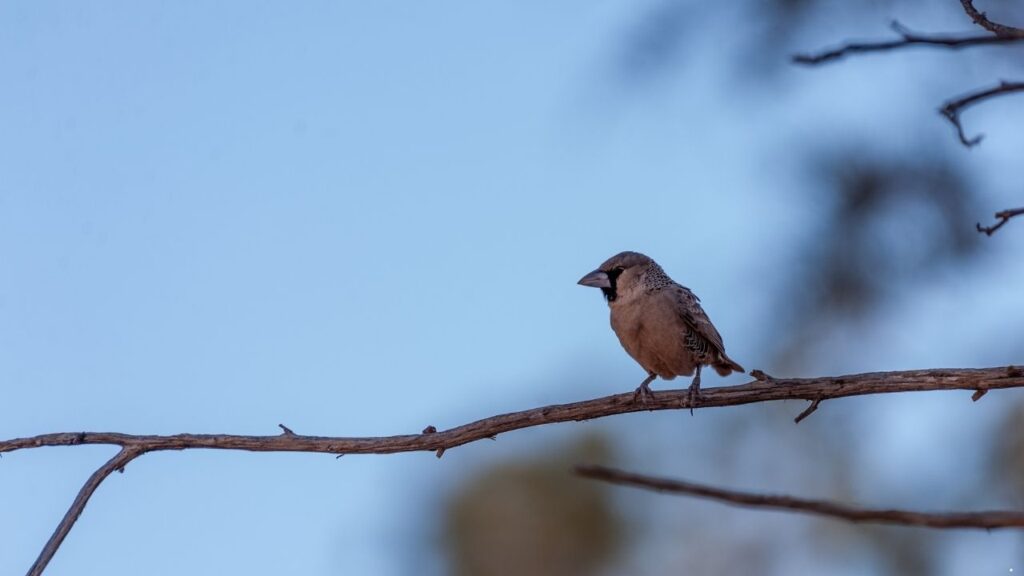
Sociable Weavers take nest building to an entirely new level with giant, complex homes that look more like bird apartment buildings than simple nests. These small birds work together to create massive communal nests made up of many individual chambers under one huge roof.
Sociable Weaver nests aren’t just impressive because of their size — they also provide excellent temperature control, according to the San Diego Zoo.
The thick, woven structure helps keep the birds cool during hot days and warm when it gets cold at night. What’s even more amazing is that these nests can last for decades, with new generations of birds continuously adding to and maintaining them.
Living in colonies, Sociable Weavers constantly repair and expand their nests throughout the year. Their teamwork creates a safe haven not only for themselves but for other species too, turning their nests into bustling little ecosystems.
Why Their Nests Are So Special
Built communally by many birds working together
Contains numerous individual chambers under one massive roof
Provide natural temperature regulation, buffering heat and cold
Long-lasting structures reused and expanded over generations
Serve as a shelter for other animals, creating mini ecosystems
2. Baya Weaver
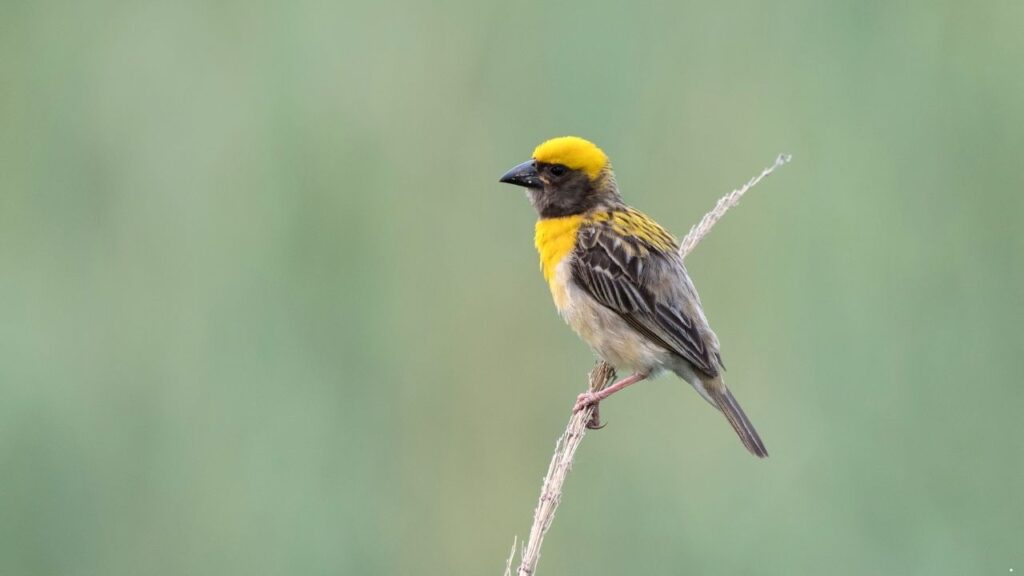
Baya Weavers are true artists when it comes to nest building. They craft hanging, pouch-like nests that dangle from tree branches like tiny woven lanterns. These nests are not just pretty — they’re cleverly designed to protect eggs and chicks from predators and the weather.
Each nest is made by weaving long grass blades into tight, intricate patterns. The entrance usually hangs downward, making it tricky for snakes or other predators to get inside.
Male Weavers work hard to impress females with their weaving skills, often building multiple nests to show off their craftsmanship.
These nests are lightweight but strong, and their shape helps keep the inside dry during heavy rains. Baya Weavers are a perfect example of how bird nests can be both functional and beautiful, showing off nature’s clever engineering.
What Makes Baya Weaver Nests Unique
Hanging pouch-shaped nests woven from grass blades
The entrance faces downward to deter predators
Built mostly by males to attract mates
Lightweight yet durable construction
Designed to stay dry during rainstorms
3. Montezuma Oropendola
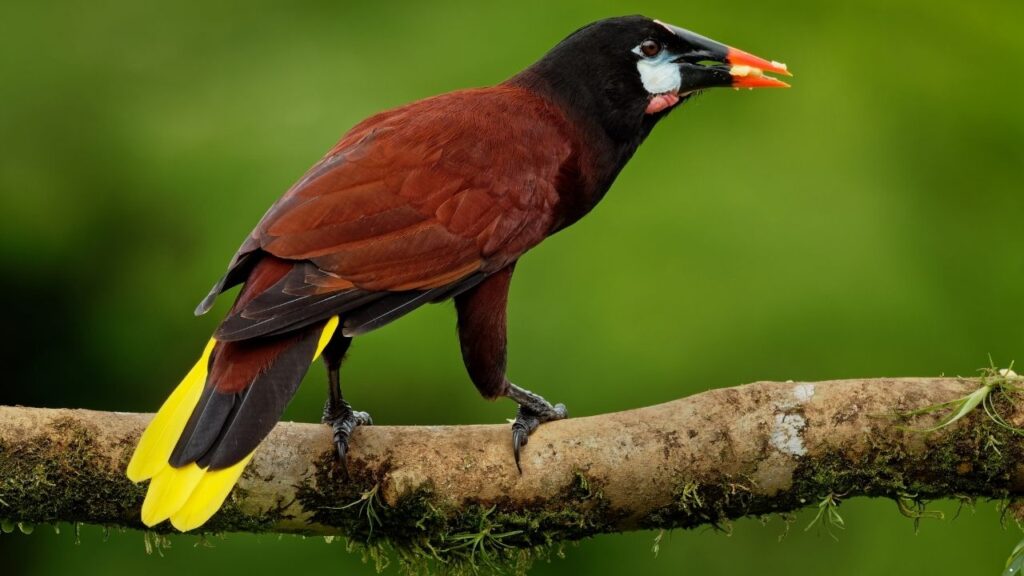
Montezuma Oropendolas are famous for their eye-catching, pendulous nests that look like long, woven bags hanging from tree branches. These nests can stretch several feet long, swinging gently in the breeze. Their design is both striking and practical, keeping eggs and chicks safe high above ground.
The males build these impressive nests to attract females, weaving fibers and vines into strong, flexible structures. Inside, the nest is cozy and secure, perfect for raising young away from predators. These nests are true works of art, showing off the bird’s skill and creativity.
Not only are the nests functional, but they also serve as social hubs where groups of oropendolas live close together in large colonies. This communal living adds an extra layer of protection and warmth for their growing families.
What Sets Montezuma Oropendola Nests Apart
Long, woven, pendulous nests hanging from high branches
Built by males as part of courtship displays
Strong yet flexible construction using fibers and vines
Cozy interiors that protect from predators
Often built in large colonies for added safety and warmth
4. Ovenbird
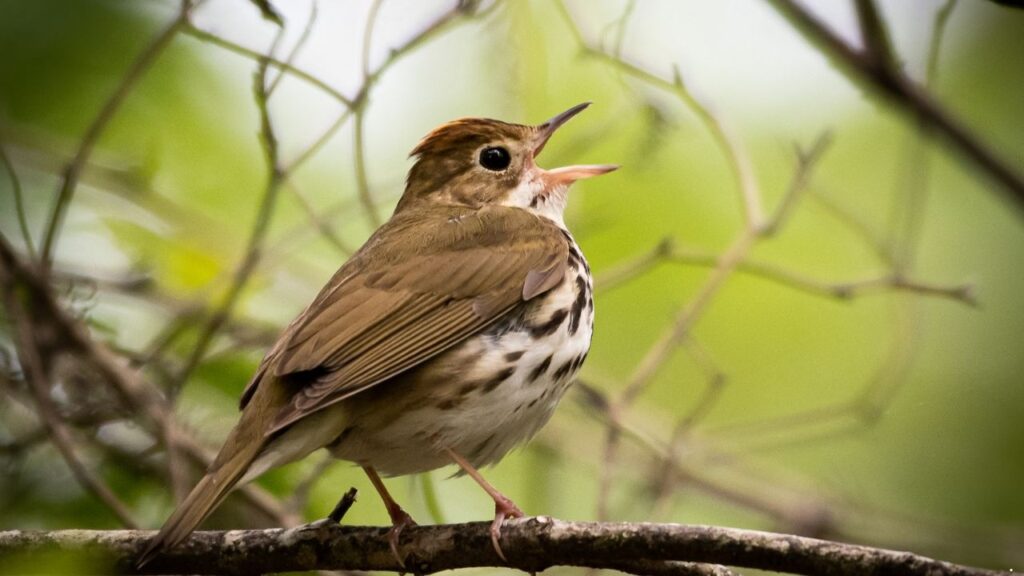
Ovenbirds earn their name from their unique, oven-shaped nests made right on the ground. These nests look like tiny clay ovens, built from leaves, twigs, and soil. They provide excellent protection by blending in perfectly with their surroundings, keeping eggs and chicks safe from predators.
The nest’s dome shape helps shield the inside from rain and wind, creating a warm, cozy space for the young birds. Despite being on the ground, these nests are cleverly designed to reduce the risk of detection. It’s a perfect example of how birds use natural materials and shapes to create secure homes.
Ovenbirds show us that even simple-looking nests can be incredibly smart and functional. Their earthy homes are a testament to clever design that works with the environment.
Ovenbird Nest Highlights
Dome-shaped nests are built on the ground
Made from leaves, twigs, and soil for camouflage
Protects eggs and chicks from weather and predators
Shape helps keep the nest warm and dry
Simple yet effective natural design
5. Edible-Nest Swiftlet
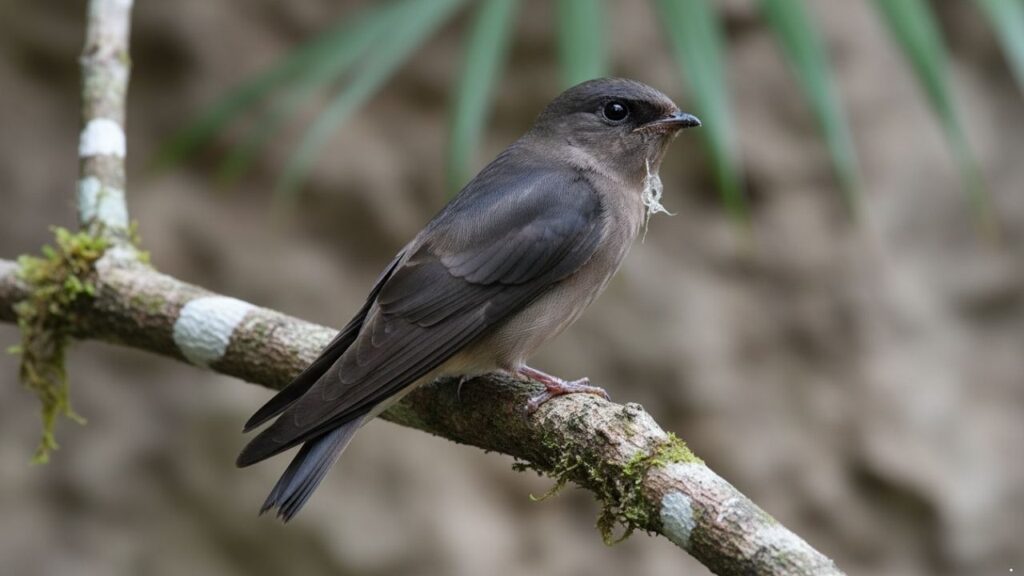
The Edible-Nest Swiftlet is famous for one of the most unusual nests in the bird world. These birds build their nests almost entirely from their saliva, which hardens into a strong, glue-like structure. Healthline mentions that people actually harvest these nests to make bird’s nest soup, a delicacy in some cultures!
Their nests stick to cave walls and ceilings, looking like delicate, translucent cups. Despite being made from congealed bird saliva, these nests are sturdy enough to protect eggs and chicks. It’s a remarkable example of nature’s creativity and resourcefulness.
Edible-Nest Swiftlets turn something unexpected—saliva—into a life-saving home. Their nests highlight how birds can use unique materials to build complex and durable shelters.
What Makes Edible-Nest Swiftlet Nests Special
Built almost entirely from hardened saliva
Attached to cave walls and ceilings
Lightweight but surprisingly strong and durable
Harvested by humans for bird’s nest soup
A rare example of nests made from unusual materials
6. Penduline Tit
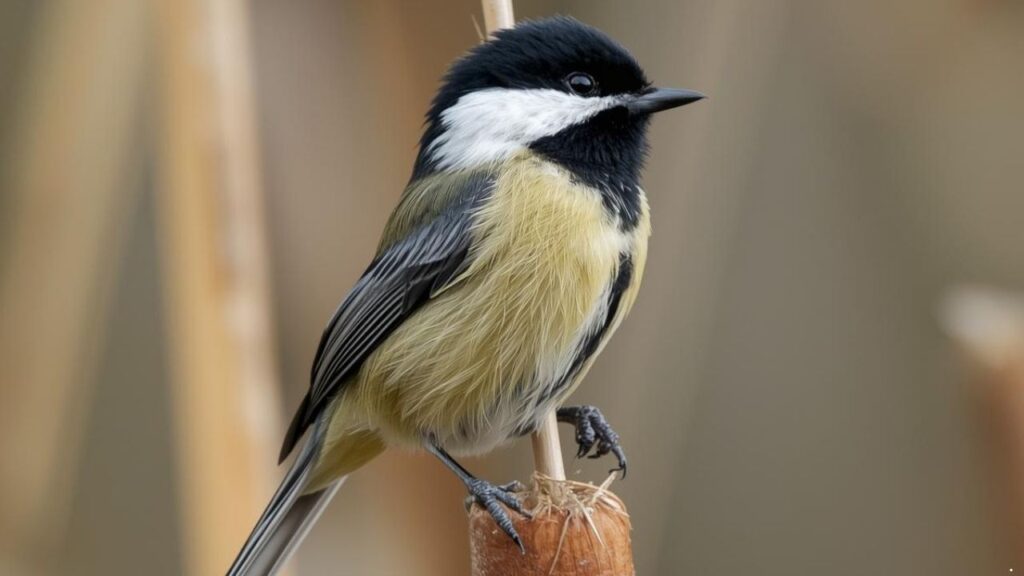
The Penduline Tit is known for building some of the most intricate bird nests out there. These small birds craft hanging nests that look like delicate, tiny bags made from soft plants, animal hair, and even spider webs. Their elaborate nests hang from thin tree branches, making them hard for predators to reach.
Only a few bird species build such specialized bird houses equipped with sticky flaps hidden underneath the entrance, which helps deter predators.
The female lays eggs inside this cozy, secure structure, where the eggs hatch safely away from harm. Nest building for the Penduline Tit is a true display of skill and precision.
Penduline Tit nests stand out for their craftsmanship and clever design. Their unique nest construction helps keep the inside cool and safe, proving that even the smallest birds can create durable nests with impressive engineering.
Penduline Tit Nest Highlights
Hanging, purse-like nests woven from soft plants, hair, and spider webs
Sticky flap under the entrance to keep predators away
Built on slender tree branches for added protection
The female lays and incubates eggs inside the intricate nest
7. Bowerbird
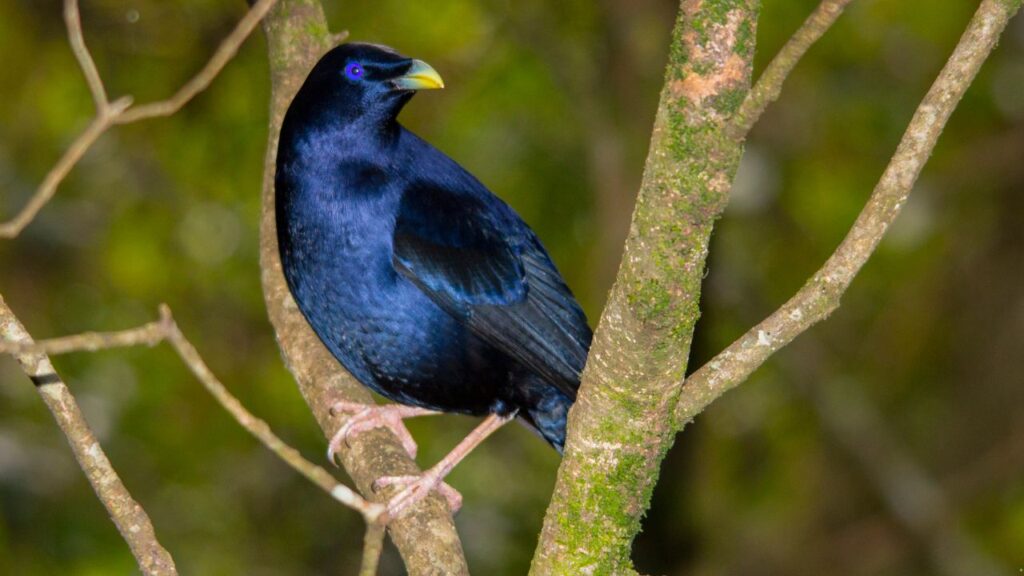
Male Bowerbirds are famous not for their nests but for their elaborate courtship structures called bowers. These are unlike typical bird nests—they’re more like artistic display stages built to attract females.
Male bowerbirds spend hours collecting colorful objects, plant fibers, and even shiny bits of plastic to decorate their bowers.
While other bird species build nests primarily to raise young, bowerbirds focus on creating the most attractive nests—or rather, bowers—to impress potential mates. Their displays are a fascinating example of how nest building can double as a form of communication and competition.
These pendulous nests, combined with the males’ careful decoration, make bowerbirds some of the most unique builders in the bird world. The craftsmanship and creativity here are truly remarkable.
Bowerbird Nest and Bower Highlights
Males build elaborate, decorated bowers, not typical nests
Use colorful plant fibers and man-made materials for decoration
Pendulous nest nearby for raising chicks after courtship
Nest building is tied closely to mating success
8. Tailorbird
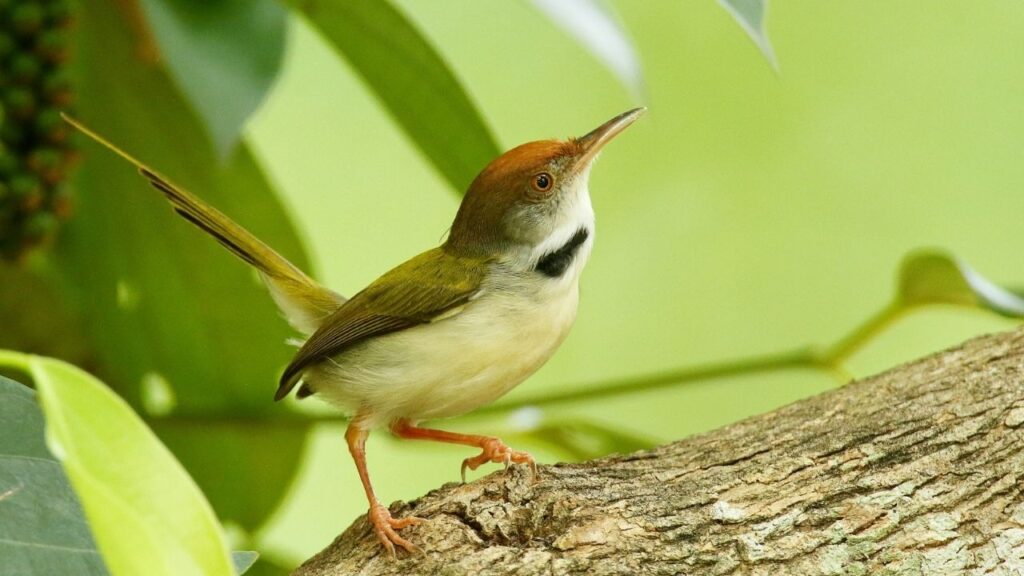
Tailorbirds get their name because of their unusual nest construction style—they literally “sew” their nests together. These birds use plant fibers and spider silk to stitch leaves into a cup-shaped nest, creating a secure, camouflaged home on tree branches or shrubs. It’s like a tiny bird-sized sewing project!
Their unique nest construction helps keep the nest cool and hidden from predators. The female lays her eggs in this beautifully tailored nest, which offers excellent protection thanks to its clever design and natural materials.
The Tailorbird’s skill in using leaves and threads shows how inventive nest building can be. It’s one of the most specialized and fascinating bird nests you’ll find.
Tailorbird Nest Highlights
Nests “sewn” from leaves using plant fibers and spider webs
Cup-shaped and well camouflaged on tree branches
Cool, secure environment for eggs and chicks
Unique sewing technique, unlike most bird species
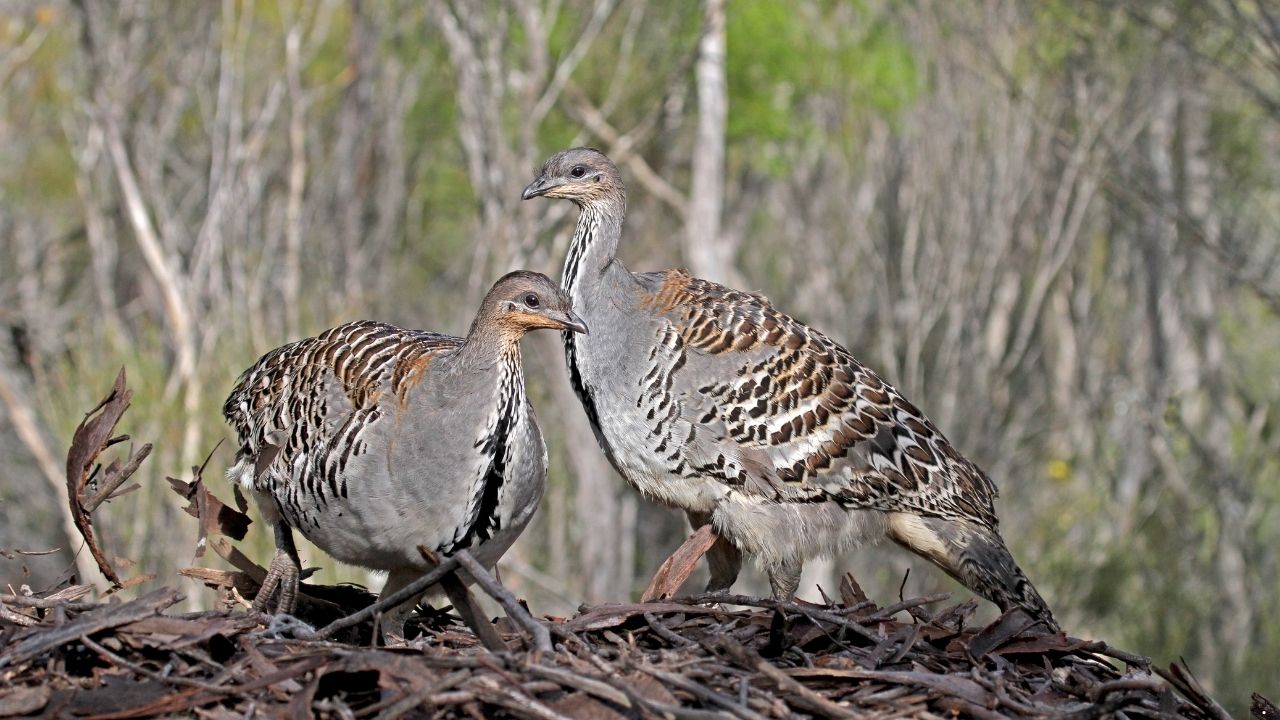
9. Malleefowl
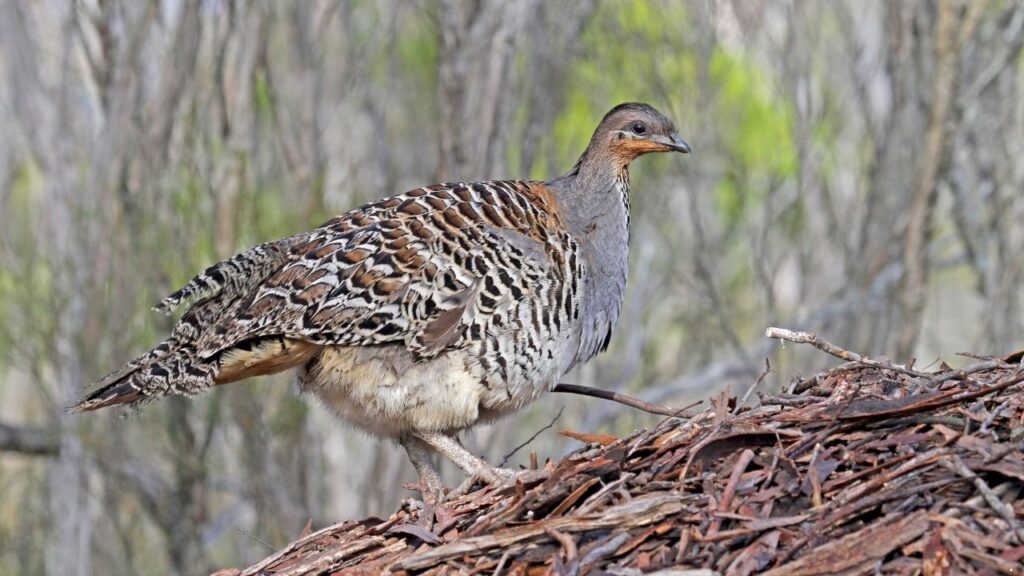
Malleefowl build one of the most remarkable bird nests by using leaf litter and soil to create large mounds, which act like natural ovens.
These strange bird constructs incubate eggs through heat generated by decomposing vegetation inside the mound, as stated by Ask Nature. The male bird carefully monitors and adjusts the temperature by adding or removing material.
Instead of building a traditional nest, the Malleefowl relies on this termite nest-like mound as a specialized bird house that keeps eggs warm without the need for constant incubation. This nest-building strategy is unique among birds and highly effective in their arid habitats.
Malleefowl nests showcase how birds can use natural processes and materials in clever ways, turning earth and leaves into a living incubator for their young.
Malleefowl Nest Highlights
Large mounds made from leaf litter and soil
Use the heat from decomposing vegetation to incubate eggs
The male bird actively manages nest temperature
Unique earth oven nest, unlike most bird nests
Conclusion
Birds are true masters of nest building, creating homes that range from the most elaborate nests to the simplest woven nests. In particular, the characteristic nest of each species is perfectly suited to protect birds’ eggs and raise their young.
Whether it’s a breeding pair carefully crafting a floating nest in tall trees or a communal effort to build the largest communal nest, every choice of nesting material—from soft grass to feathers—provides adequate protection.
During the breeding season, birds use a variety of odd nesting choices to suit their environment, from dozens of nests in urban habitats to structures that attract other flying insects.
The completed nest, no matter how big or small, reflects the incredible adaptability and creativity of birds. These most characteristic nests showcase nature’s brilliance in ensuring birds’ rays continue safely from one generation to the next.
