




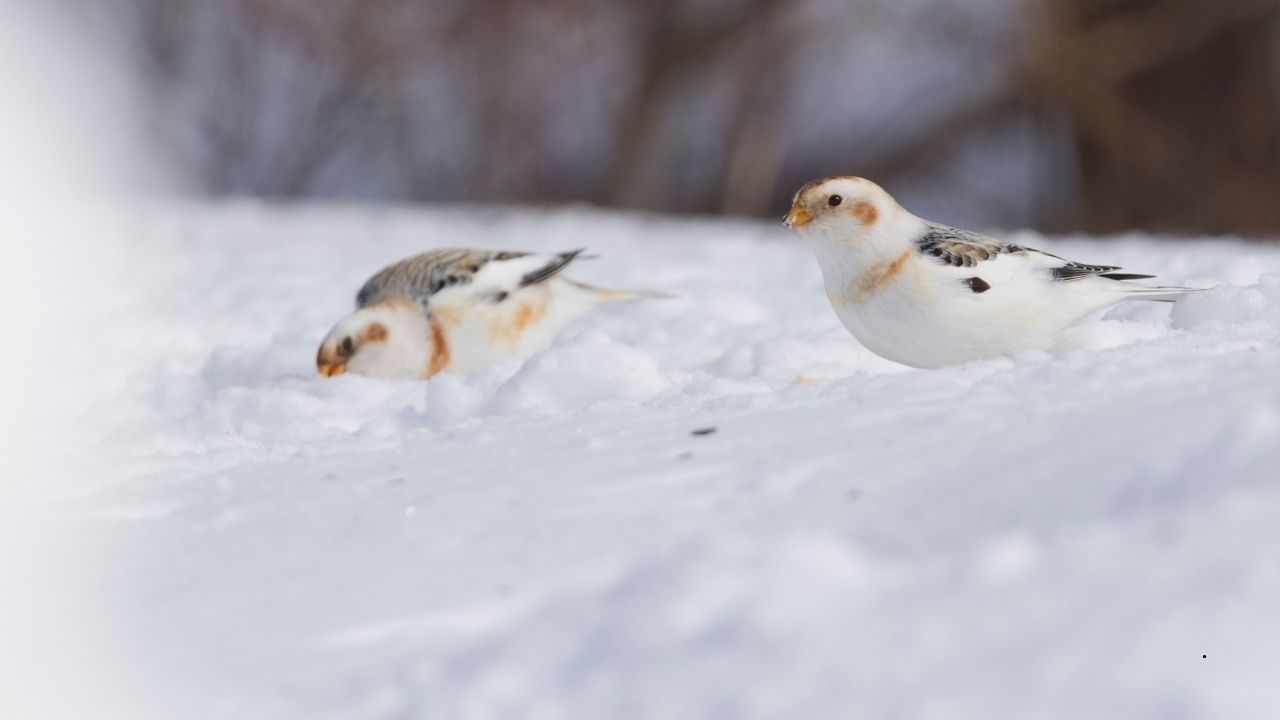
Birds that survive extreme temperatures aren’t just tough — they’re downright amazing. Whether it’s freezing cold or blazing heat during intense heat waves, these feathered champions have developed incredible ways to stay alive and even thrive when conditions seem impossible.
From slowing their heartbeat to fluffing their feathers into perfect insulation, their survival skills are nothing short of astonishing. Scientists in environmental sciences continuously monitor how birds manage evaporative heat loss and map evaporative water loss to understand how small birds and larger species cope with chamber humidity and the effects of excurrent air.
Many species can keep their body temperature stable even when the air around them drops far below freezing, thanks to special adaptations that help maintain stable systems despite rapid increases in maximum temperatures.
If you think only big animals can handle harsh environments, think again. These birds prove that size isn’t everything — it’s all about behavioural thermoregulation and how you adapt to changing thermoregulatory responses.
Curious to find out how these incredible bird species manage to beat acute heat stress or brave the cold? Let’s explore their secrets and meet some of nature’s most resilient survivors!
Key Takeaways
See how Snowy Owls and Emperor Penguins survive the coldest places on Earth.
Find out how Ostriches and Sandgrouse beat the desert’s fierce heat and dryness.
Meet Ptarmigans and Brown-necked Ravens mastering extreme climates with clever tricks.
Explore ten amazing birds that thrive where most can’t survive.
Birds That Can Tolerate Extreme Temperatures
1. Snowy Owl
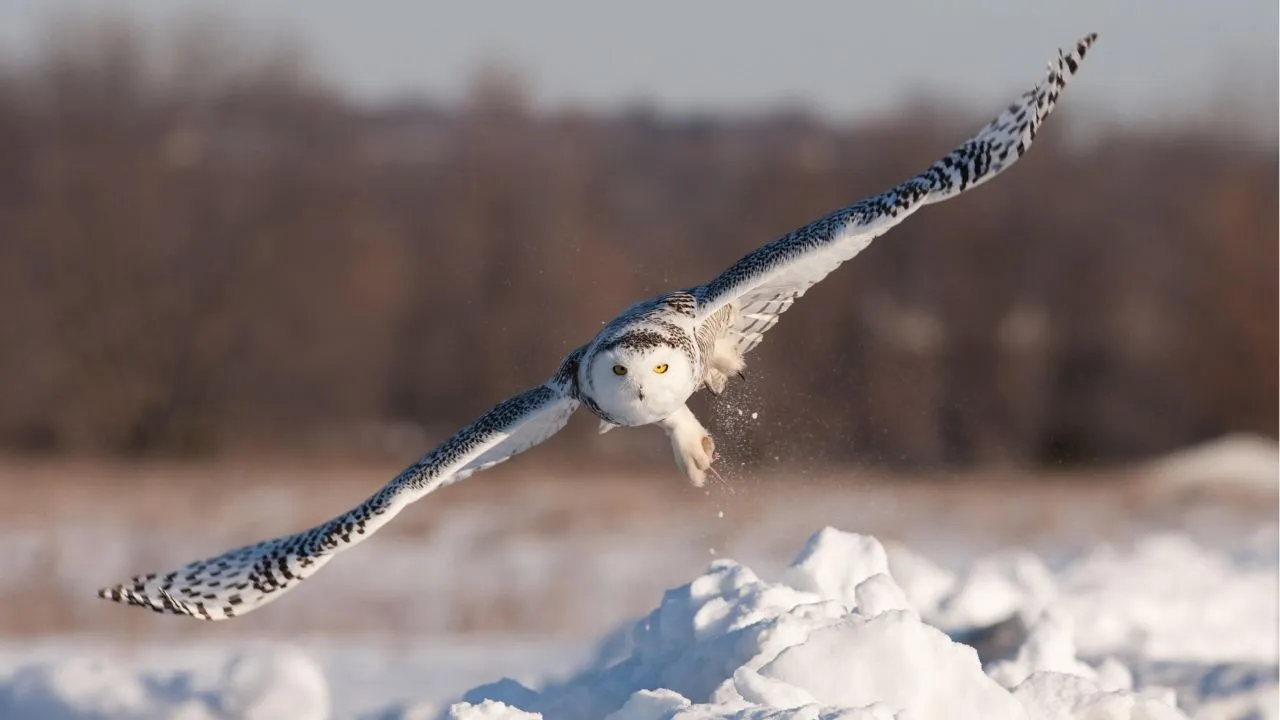
Snowy Owls are one of the most striking birds that thrive in freezing Arctic conditions. Their pure white feathers help them blend perfectly into snowy landscapes, while their sharp yellow eyes seem to glow like something from a fantasy story.
These birds are true survivors of extreme cold and can even travel far south during harsh winters, appearing as guests in places where snow rarely falls.
Winter Travelers: In some years, thousands of Snowy Owls move south across the United States, reaching as far as Florida and the Bahamas.These “irruptions” happen every 3 to 5 years and are a thrilling sight for bird watchers. Even in calmer years, a few owls still venture into the northern U.S., so keep an eye on local bird reports for sightings.
Diet and Hunting: These powerful hunters mainly feed on rodents like lemmings, making them excellent at controlling pests near homes and farms. They can also catch birds as large as geese, showing their impressive hunting skills.
Breeding and Survival: Snowy Owls nest on the Arctic tundra, laying 3 to 11 eggs depending on food availability. In lean years, they might skip breeding altogether. Their parents are fiercely protective, even standing up to predators like wolves to defend their nests.
2. Emperor Penguin
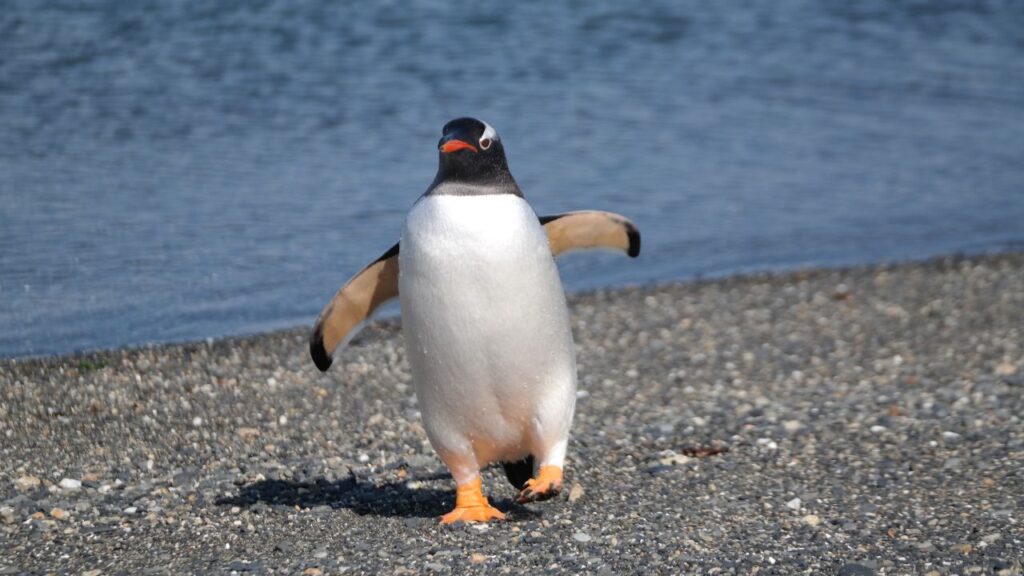
Emperor Penguins are true champions of the harsh Antarctic environment. They live their entire lives on ice and in freezing waters, facing some of the coldest temperatures on Earth.
What makes these birds extraordinary is not just their ability to survive, but to breed and raise their young during the brutal winter months when conditions are at their worst.
Unique Adaptations: Scientists have discovered that Emperor Penguins use a special natural trick to stay warm in icy weather.Britannica mentions that their thick feathers and layers of fat help trap heat, and their feathers’ surface can even be colder than the air around them, which surprisingly helps reduce heat loss.
Life on the Ice: Emperor Penguins gather in colonies on stable sea ice near the coast. They rely on this solid ice for almost nine months each year to safely breed and care for their chicks. Without steady ice, their survival would be at risk.
Endurance and Strength: These penguins spend their entire lives in one of the coldest places on Earth. Despite the freezing winds and icy water, they swim, hunt, and survive with impressive toughness, showing how life can adapt to extreme cold.
3. Snow Bunting
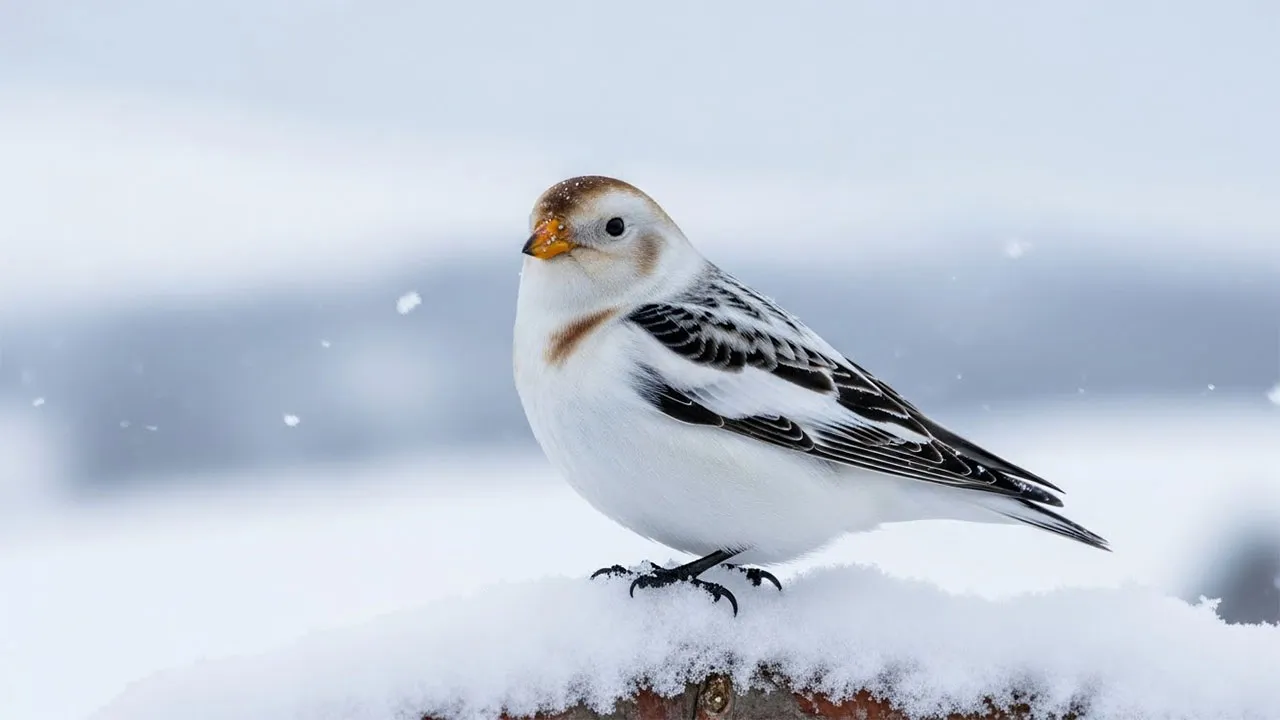
Snow Buntings are a striking example of birds that thrive in cold, harsh Arctic climates. These tough little birds choose to nest in rock crevices, where they stay safe from predators but face cold conditions even during summer.
Male buntings arrive early when snow still covers the ground, building nests lined with fur and feathers while feeding the females as they keep the eggs warm.
High Arctic Survivors: Snow Buntings are the northernmost breeding land birds. They can live on any patch of tundra not covered by ice, showing amazing resilience. When food is scarce, they even cross-breed with related buntings in Alaska to keep their species strong.
Winter Flocks: In winter, they gather in large flocks that can spread across Canada and the northern United States. Their black-and-white feathers help them blend into snowy fields and lakeshores, while their rusty winter colors match bare ground and crop stubble.
Protected Species: Snow Buntings breed mainly in Arctic regions from Scandinavia to Greenland, with a few pairs nesting in the UK. They are protected by law to prevent disturbance and are listed as an Amber species due to their limited breeding range there.
4. Ptarmigan
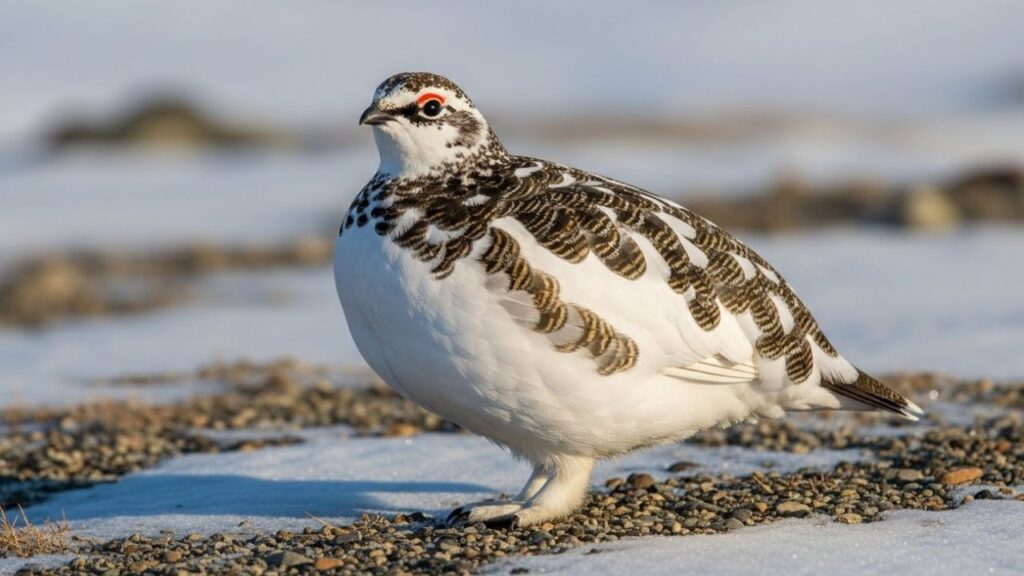
Ptarmigans are remarkable birds known for their incredible ability to blend into some of the coldest, toughest environments on Earth.
These birds live in tundra and mountainous regions, from Alaska to New Mexico and Scotland’s highlands. Their secret to survival? Changing their feather colors with the seasons to perfectly match their surroundings.
Seasonal Colors: In winter, ptarmigans turn completely white to blend into snowy landscapes. When summer arrives, their feathers shift to brown and gray shades to match rocks and vegetation. This clever disguise keeps them safe from predators all year round.
Habitat and Behavior: Ptarmigans usually shelter below the tree line or hide in rocky areas. They spend most of their time foraging on the ground, eating plants and vegetation that survive the cold. In harsh weather, they may move to lower ground near forests for better shelter.
Global Names and Significance: This bird goes by many names worldwide. Some call it “snow chicken,” others “thunderbird,” and in Gaelic, it’s known as “croaker” for its distinctive song. The ptarmigan is also the official bird of Nunavut, Canada, showing its importance to Arctic culture.
5. Gyrfalcon
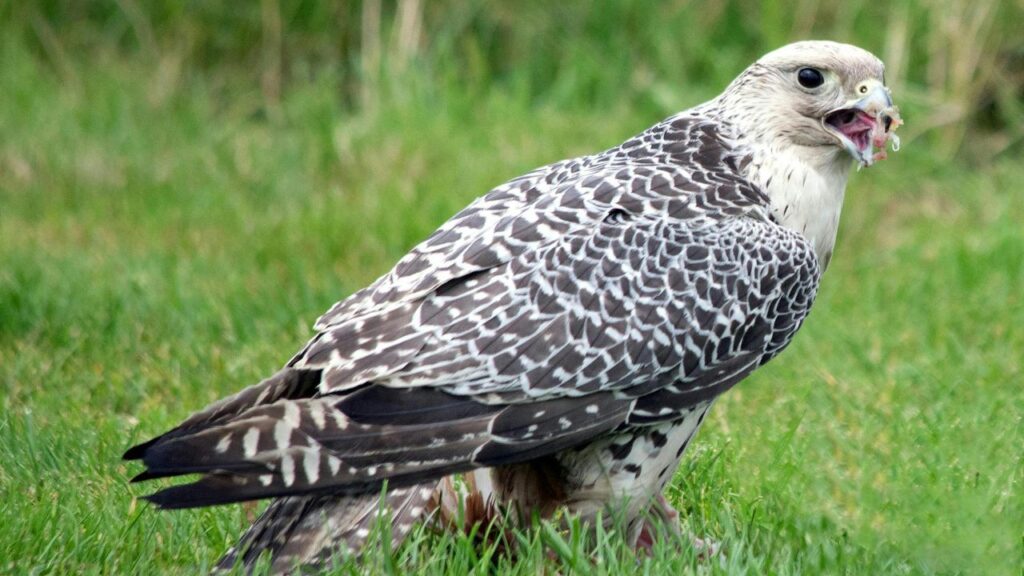
The Gyrfalcon is the largest falcon in the world and a top predator of the High Arctic. Known for its ghostly presence, this fierce bird hunts agile prey like ptarmigans, diving from great heights with incredible speed.
It nests on remote cliffs across Canada and Alaska, far from most human activity, but faces growing challenges due to climate change.
Survival and Range: With a huge range and a stable population, the Gyrfalcon is currently not at risk. It occasionally visits northern U.S. habitats in winter but mainly stays in cold Arctic regions.
Distinctive Appearance: Gyrfalcons come in three main colors — gray, black, and white. Their sharp eyes, hooked beaks, and pointed wings make them expert hunters, perfectly designed for life in extreme cold.
Research and Conservation: Scientists have studied these birds for decades, tracking their behavior and how climate affects their prey. Conferences and field research help understand the balance between Gyrfalcons, ptarmigans, and other Arctic species.
6. Ivory gull
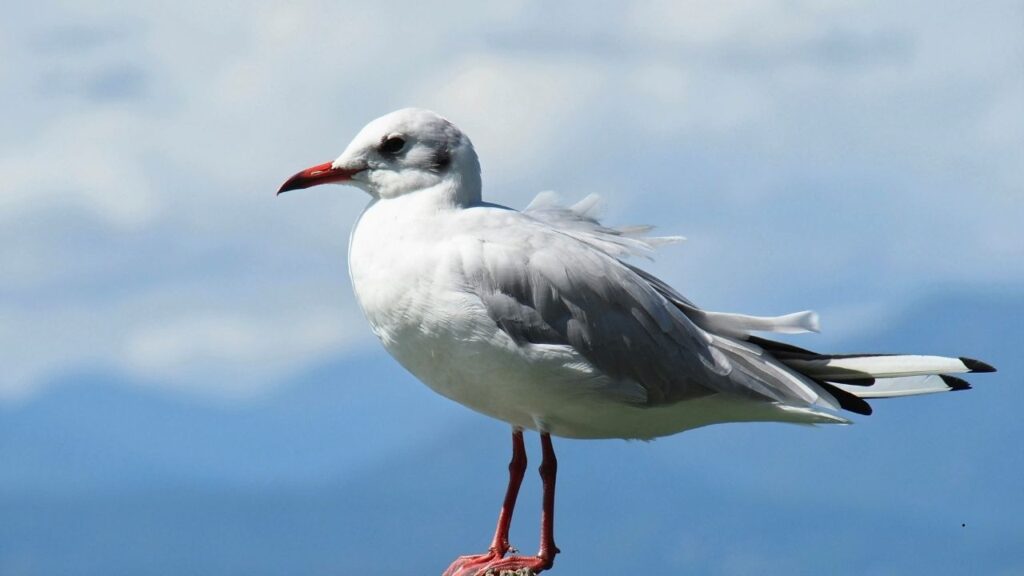
Ivory Gulls are striking all-white birds that live among the icy sea floes of the High Arctic. Known as frequent companions of polar bears, they depend heavily on sea ice for food and survival, as mentioned by the Cornell Lab.
These gulls are expert scavengers, feeding on the leftovers from polar bear kills and other marine life, making them key players in the Arctic ecosystem.
Habitat and Diet: Ivory Gulls forage near pack ice, feeding on fish, invertebrates, and scavenged remains like seal afterbirth and even polar bear scat. Their close connection to sea ice means that shrinking ice threatens their survival.
Population Decline: Since the 1980s, Ivory Gull numbers have dropped sharply, losing about 85% of their population in Canada. Pollution is a major issue, as these gulls carry the highest levels of harmful chemicals like DDT and PCBs found in any bird’s eggs.
Vulnerability and Conservation: Classified as Near Threatened, Ivory Gulls face risks from climate change, pollution, and human disturbance. More research is needed to understand their full status and help protect their fragile Arctic home.
7. Ostrich
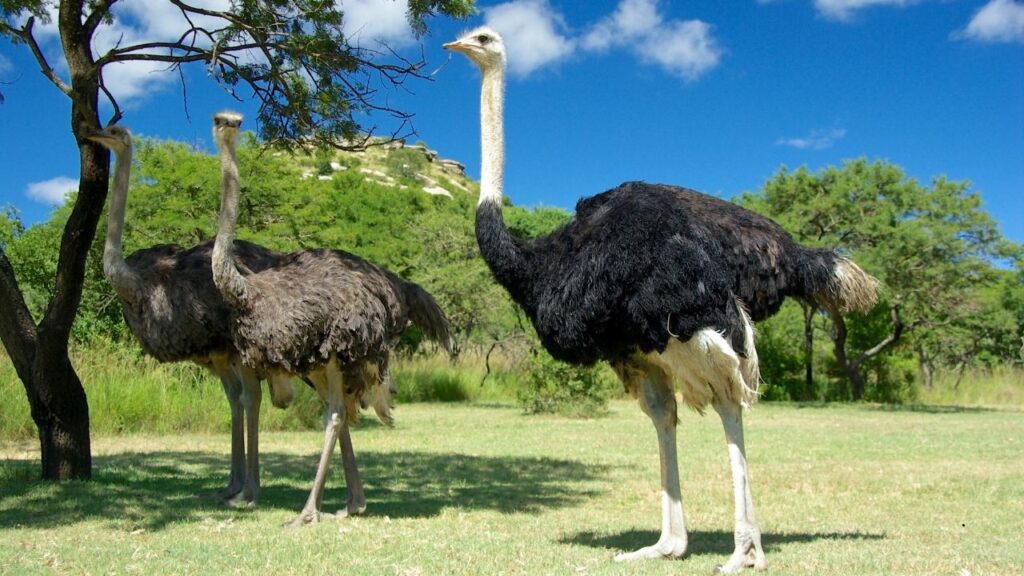
Ostriches are famous for living in hot, open lands where temperatures can soar. Known as the “camel bird,” as per the National Zoo, they share some surprising traits with camels — like the ability to tolerate upper critical temperatures and go without water for long stretches. These flightless birds have adapted perfectly to harsh desert conditions.
Built for Speed and Strength: Ostriches are the fastest two-legged runners on Earth. They can sprint at incredible speeds and use their powerful legs to defend themselves. Their kicks are strong enough to keep predators like lions at bay.
Distinctive Features: With large eyes protected by long lashes, ostriches are well equipped for dusty, sunny environments. Males have striking black and white feathers during the breeding season, while females sport brown tones that help them blend into their surroundings.
Adaptations to Heat: Their bare necks and legs help with cooling, and their large feathers shield them from the sun. Ostriches’ long legs also cover great distances with each stride, helping them find food and water across vast, hot landscapes.
8. Sandgrouse
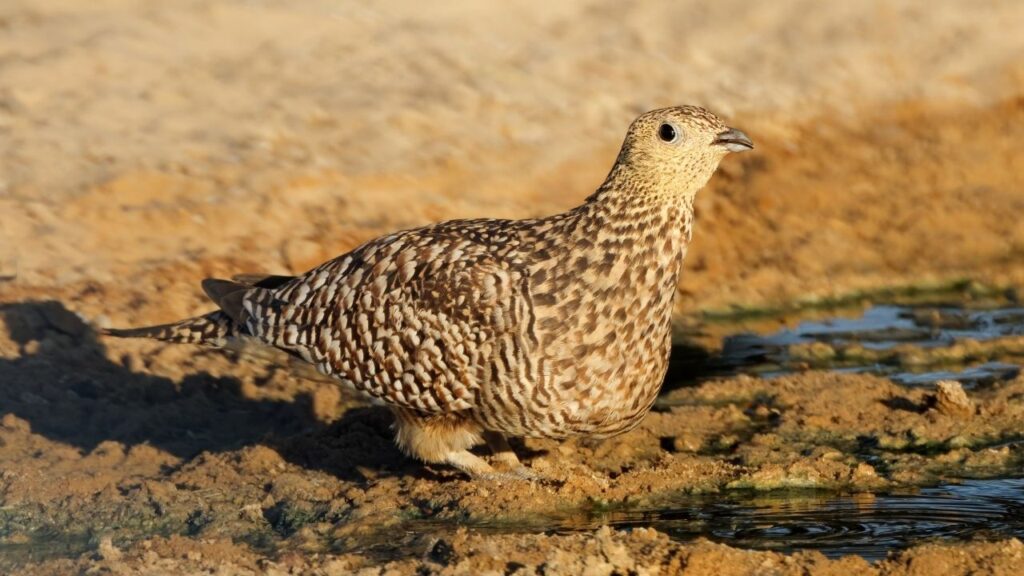
Sandgrouse are fascinating birds that live in some of the driest, hottest places on Earth. Found across Africa, Asia, and parts of Europe, these birds thrive in open plains, semi-deserts, and treeless landscapes where few others can survive. Their dove-like shape helps them move easily across harsh terrain.
Water-Carrying Experts: Male sandgrouse have special feathers on their belly that can soak up and hold water.They fly back and forth from water sources to their nests, carrying enough water to keep their thirsty chicks alive in the desert heat. The chicks then “milk” this water from their father’s feathers to stay hydrated.
Social Foragers: Sandgrouse often gather in large flocks, especially near water sources at the end of the day. They feed mainly on seeds and stay monogamous, nesting far from water but relying on their unique water transport method to survive.
Wide Range and Adaptability: With sixteen species divided into two main groups, sandgrouse are found from Central Asia to Africa and even parts of Europe. Some species occasionally expand their range in large numbers, showing their adaptability to changing conditions.
9. Desert Lark
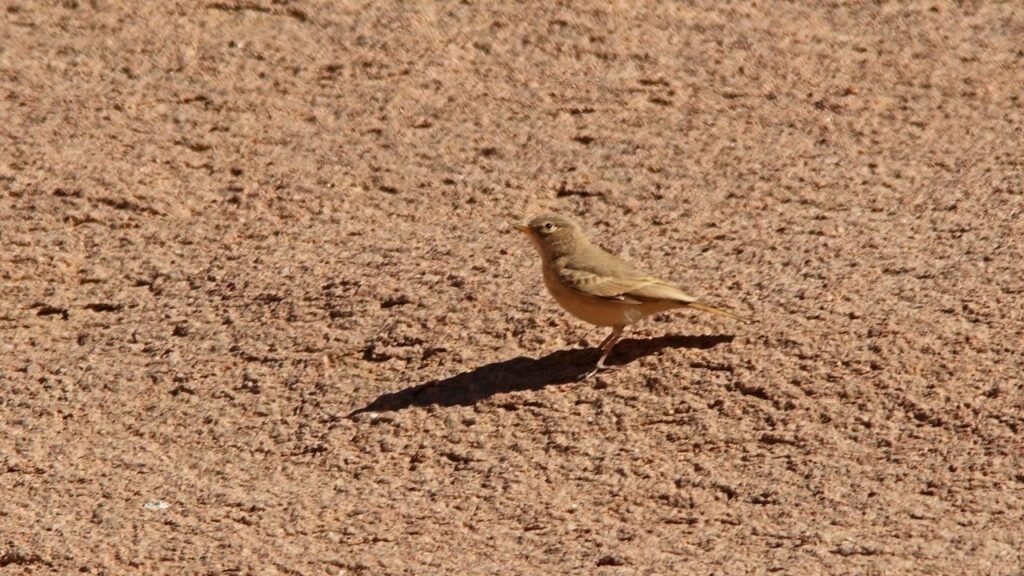
The Desert Lark is a tough bird that thrives in hot, dry deserts and semi-deserts stretching from Morocco to western India.
Known for its adaptability to survive high air temperatures, this bird is slowly expanding its range and increasing in numbers. Its camouflage plumage helps it blend into sandy and rocky landscapes, keeping it safe from predators.
Survival in Harsh Habitats: The Desert Lark moves across sandy plains and rocky slopes, searching for small insects and plant material to eat. Its soft call and flutey song often fill the quiet desert air.
Physical Features: It has sandy brown feathers with darker streaks, perfect for blending into its surroundings. A distinctive crest on its head can be raised or lowered, reflecting its mood.
Stable Population: This bird faces no major threats and is classified as “Least Concern” by conservation groups. Its large range and steady population growth make it one of the desert’s most successful residents.
10. Brown-necked Raven
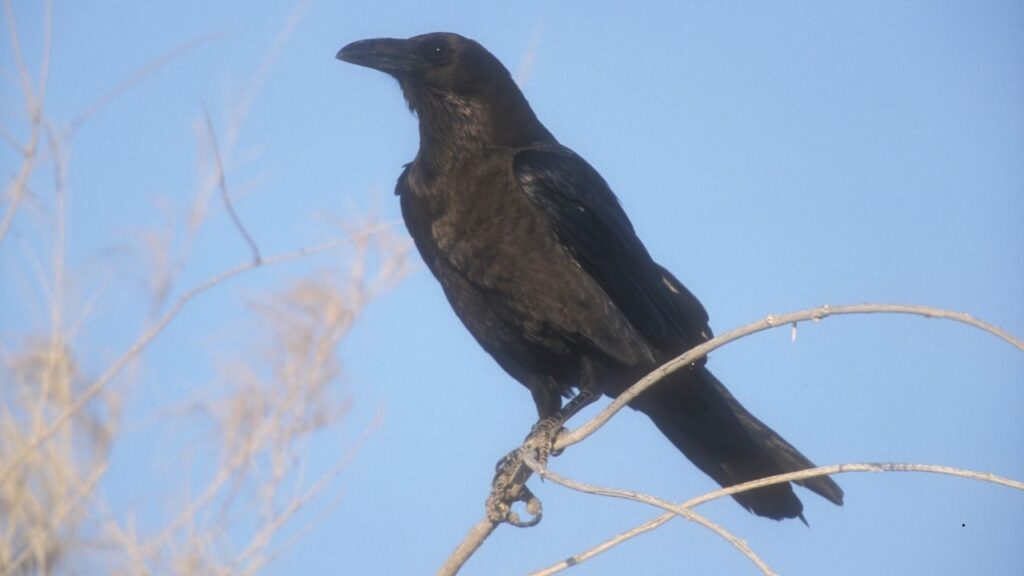
The Brown-necked Raven is a large, striking bird found only in hot, arid regions. Its dark plumage shines with hints of purple and blue, but its distinctive brownish-black neck and throat set it apart from other ravens.
These smart birds are often seen in pairs or small groups and sometimes gather in larger numbers where food is plentiful.
Habitat and Behavior: This raven thrives in deserts and semi-deserts. It nests on cliffs, trees, and even man-made structures like pylons. Brown-necked Ravens are adaptable and resourceful, moving around to find food and water in harsh conditions.
Appearance: Besides the brown neck, their feathers can fade to a more brownish tone over time. They have sharp, pointed wings and a slightly slimmer bill compared to the common raven. Their legs, feet, and bill are all black.
Conservation Status: With a large range and a stable, increasing population, the Brown-necked Raven is not considered at risk. Its ability to survive in tough desert climates shows how well it handles extreme temperatures.
Conclusion
Rising global temperatures and increasing heatwaves are pushing many bird species to their limits. Tropical species and others now face higher maximum air temperatures and intense solar radiation, which raise operative temperatures and challenge their ability to regulate core body temperature.
Birds rely on evaporative cooling to cope, but limited evaporative cooling capacity and shrinking thermal safety margins increase dehydration and avian mortality risk. At the same time, birds living in colder environments must manage metabolic heat production carefully to survive fluctuating temperatures and maintain thermal physiology.
From a functional ecology perspective, rising metabolic heat production and resting metabolic rate add to the stress on birds, especially smaller species. Behavioral thermoregulation becomes vital as physiological responses struggle to keep pace with rapidly rising temperatures.
Continuous monitoring shows that many bird populations face an expanding threat as climate warming drives these challenges, impacting their survival and access to natural resources across both hot and cold habitats.
There are other temperate and tropical birds as well that have high heat tolerance limits and can also brave colder air temperatures. These include the Red-Bellied Woodpecker, Sea Duck, Canada Geese, Great Blue Heron, and House Sparrow.
