




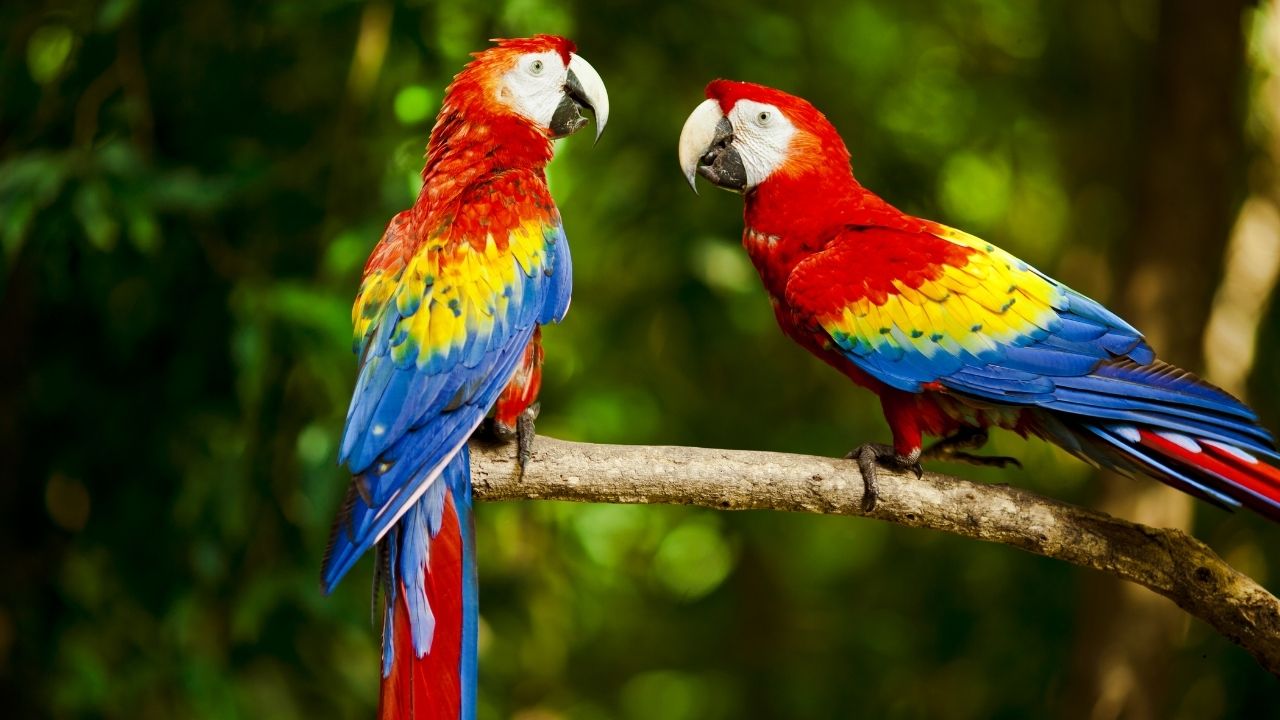
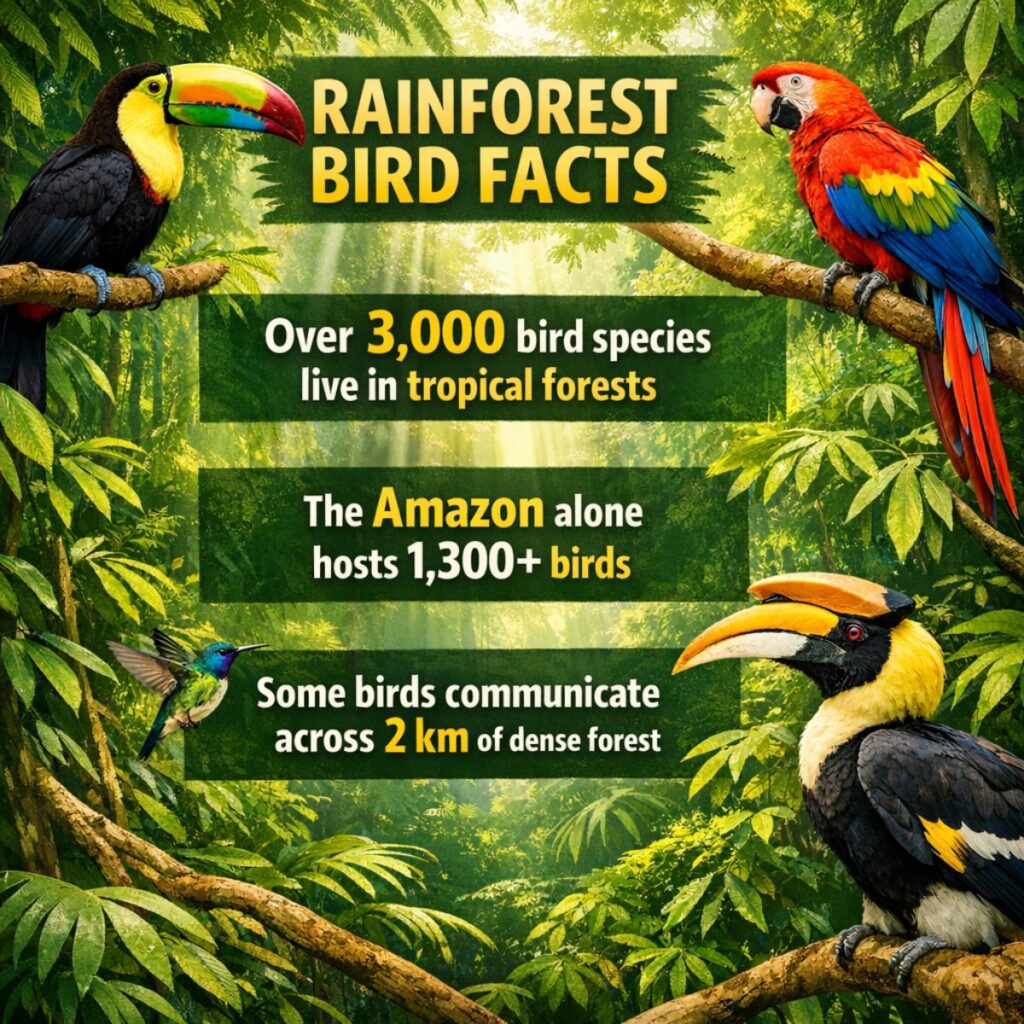
The deepest forests on Earth are home to some of the most remarkable birds you’ll ever find. These birds have developed incredible skills and adaptations that allow them to survive in environments that are dark, dense, and full of challenges.
Many use special calls that can travel long distances through the thick forest. This helps them stay connected with others even when they’re hidden by leaves and branches.
It’s like they have their own secret way of talking that helps them avoid danger and find mates, food, or shelter deep inside the forest.
Beyond just surviving, these birds play a huge role in keeping the rainforest healthy and balanced. They spread seeds, pollinate flowers, and keep insect populations in check, all of which support the entire ecosystem.
Learning about these forest dwellers reveals just how fascinating and important they are — true champions of the wild!
Key Takeaways
Meet the Harpy Eagle, Great Hornbill, and Scarlet Macaw — masters of survival in the darkest forests.
See how these birds use smart tricks to find food and stay safe in dense jungles.
Discover their secret roles in keeping rainforests alive and thriving.
Learn why saving African Greys, Black-casqued Hornbills, and Toucans matters for the wild.
Birds That Can Survive in the Deepest Forests
1. Harpy Eagle
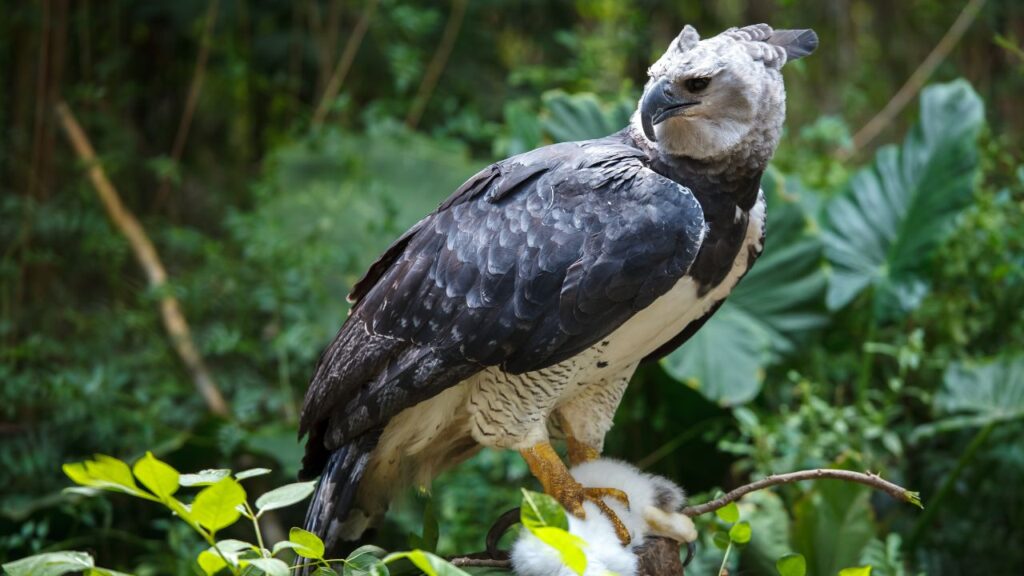
The Harpy Eagle is one of the most powerful birds that thrives deep in the Amazon rainforest. Known as a top predator, it rules the forest canopy with incredible strength and skill.
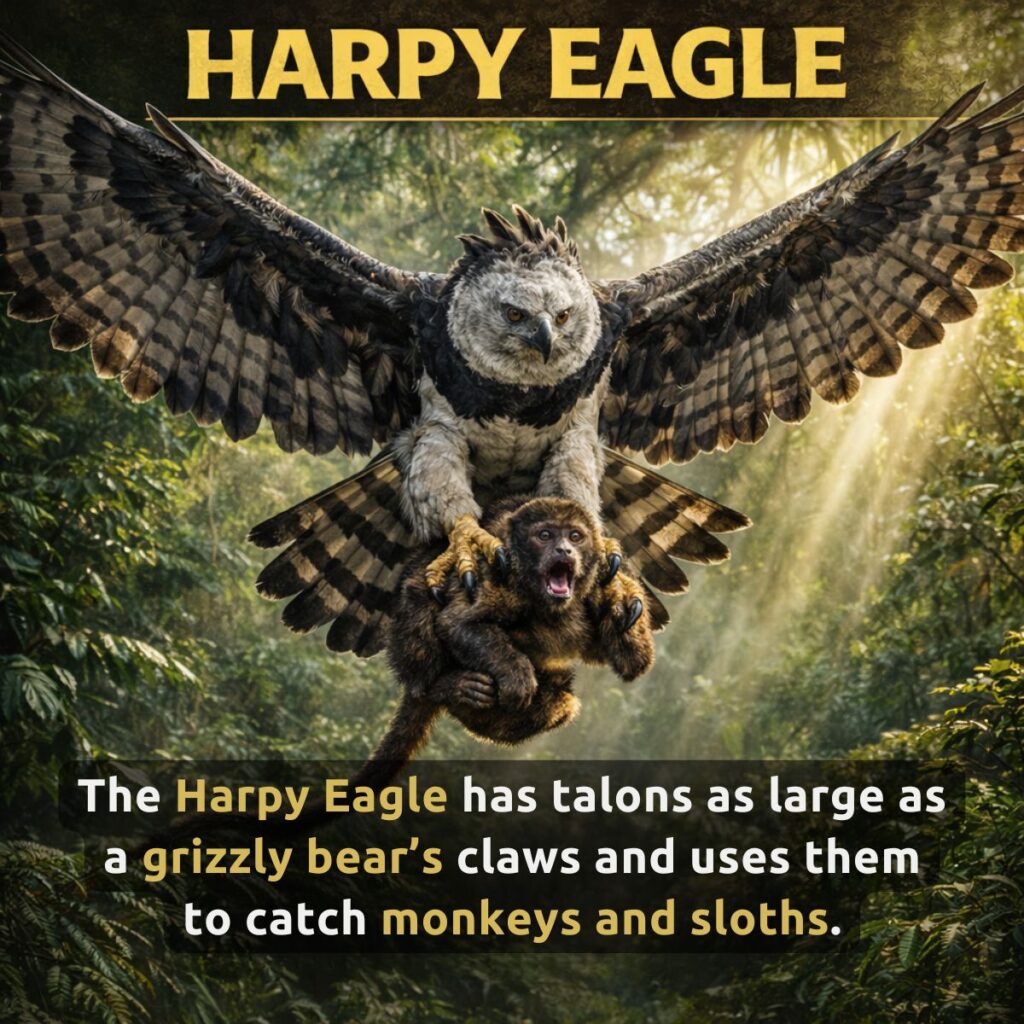
Its massive talons are stronger than those of a grizzly bear, allowing it to catch prey like monkeys and sloths with ease. This bird’s sharp beak tears through flesh, making it a true hunter of the dense forest.
Unique Features for Survival
This eagle has thick, powerful legs and feet built for gripping and carrying heavy prey through the trees. Its head sports a tall crest of feathers that it fans out when feeling threatened, giving it a bold and striking appearance.
The Harpy Eagle also has specialized feathers around its face that help it hear better, much like an owl, which is a great advantage in the noisy forest environment. Unlike many large birds, it rarely soars and prefers to perch quietly or fly low across rivers and roads.
Facing Challenges in a Changing World
Sadly, the Harpy Eagle is becoming rarer in some parts of Central America. As more people move into forest areas and use natural resources, the eagle’s habitat shrinks. This loss of mature forest makes it harder for the Harpy Eagle to find safe homes and enough food.
In places like El Salvador, the Harpy Eagle has already disappeared, and it continues to face threats throughout its range. Protecting these amazing birds means protecting the deepest forests they call home.
2. Great Hornbill
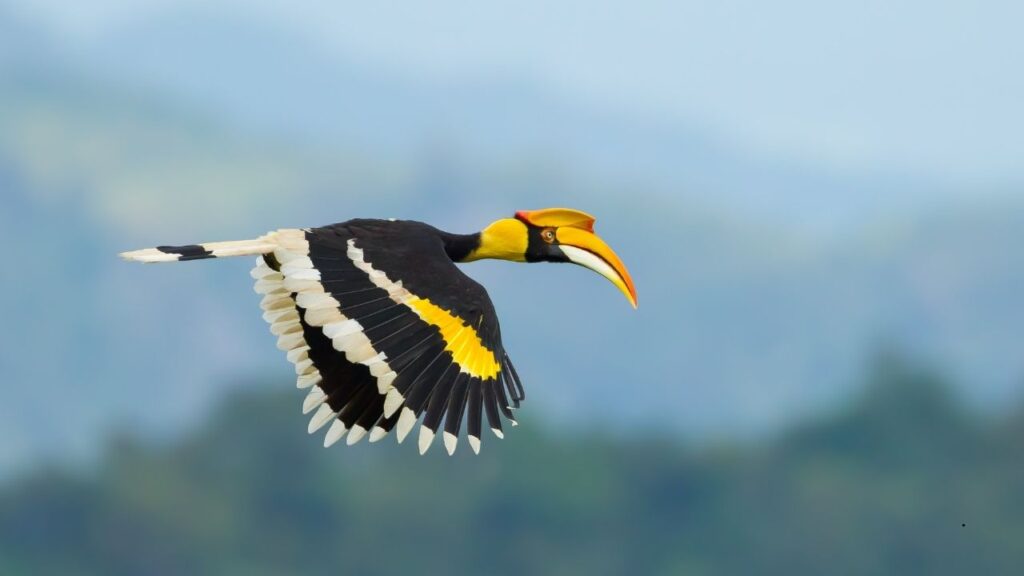
The Great Hornbill is one of the most impressive birds living deep in the forests of Southeast Asia. Known for its huge, brightly colored bill and unique casque on top, this bird stands out even in the dense jungle.
It inhabits large, undisturbed evergreen forests across countries like India, Thailand, Malaysia, and Indonesia, where it plays a key role in maintaining the forest ecosystem.
Distinctive Features and Behavior
This striking bird has mostly black feathers with a white neck, belly, and tail. Males and females look similar, but females have a completely yellow casque and pink skin around their eyes.
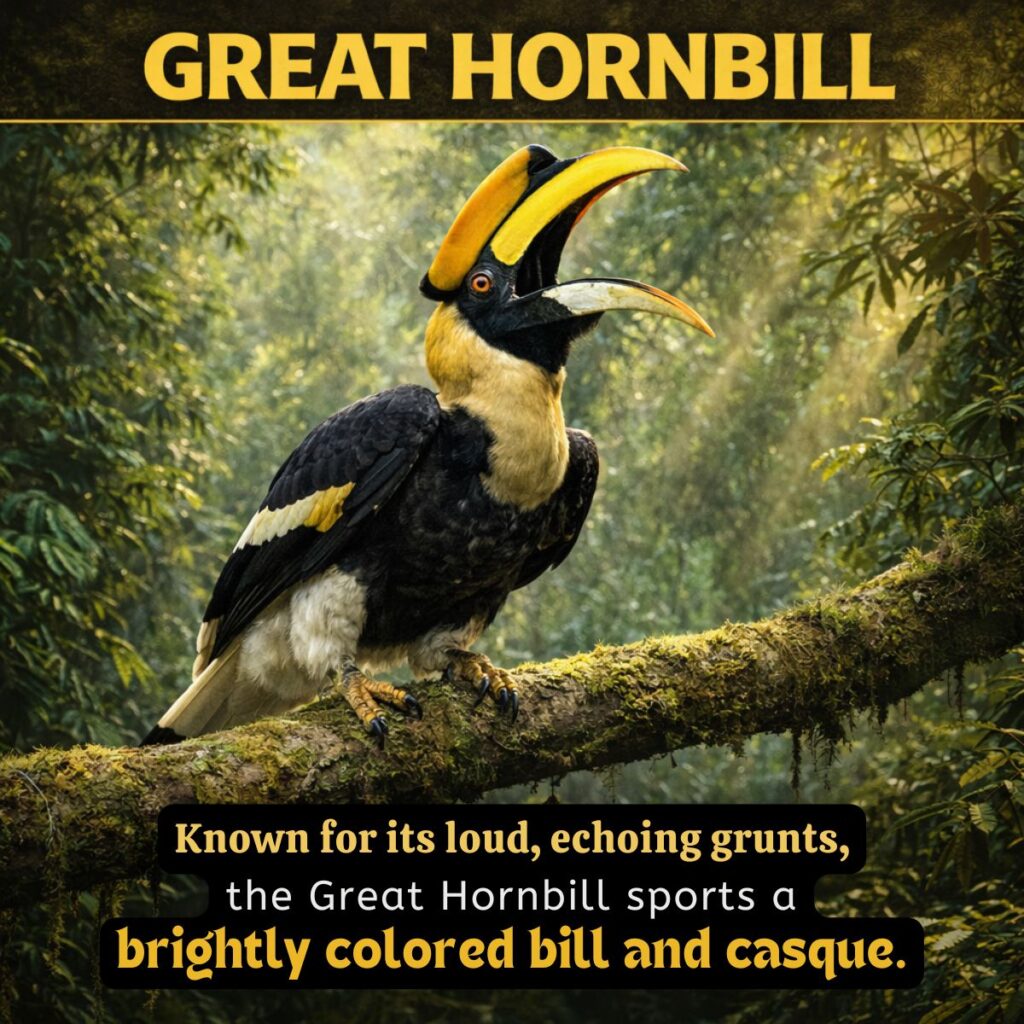
According to SeaWorld, the Great Hornbill is famous for its loud calls—deep grunts that echo through the forest. It uses its powerful bill to feed on fruits and help spread seeds, which supports new forest growth.
Challenges in the Wild
The Great Hornbill faces serious threats from habitat loss and hunting. As forests are cleared for farming and development, these birds lose the large, undisturbed areas they need to survive.
Hunting adds more pressure, causing their numbers to decline. Because of this, the species is listed as Vulnerable and needs protection to keep thriving in the deepest forests of Asia.
3. Quetzal
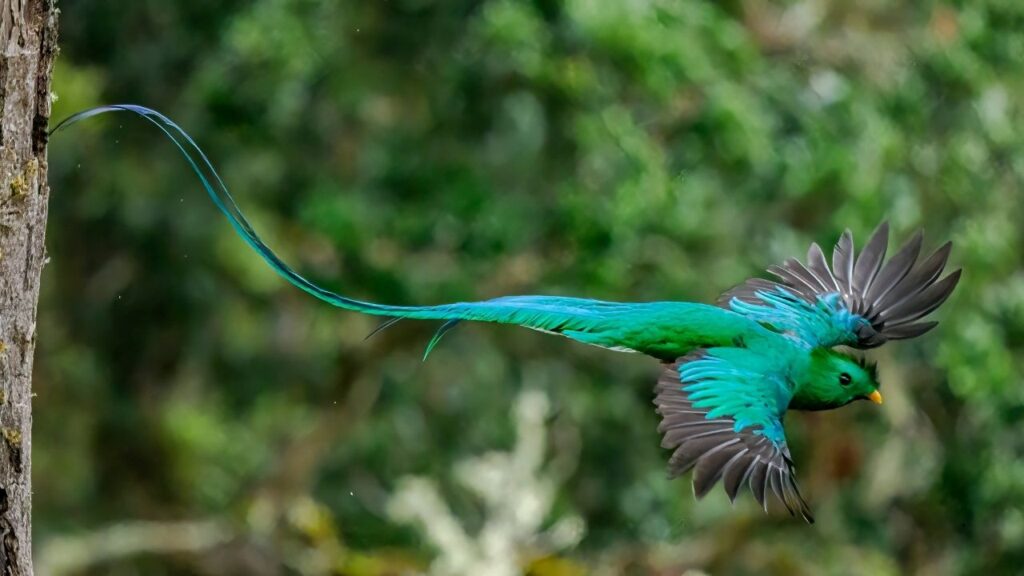
The Resplendent Quetzal is one of the most stunning birds found in the cloud forests of Central America. Though it lives higher up in mossy forests rather than lowland rainforests, it perfectly fits the story of birds thriving in deep, dense habitats.
Its brilliant green feathers and long tail make it a dazzling sight, yet it often stays hidden among the trees.
Cultural Significance and Mystique
This bird has been sacred for centuries. Ancient Maya and Aztec people believed the quetzal’s feathers held great power. Killing a quetzal was forbidden and punishable by death.
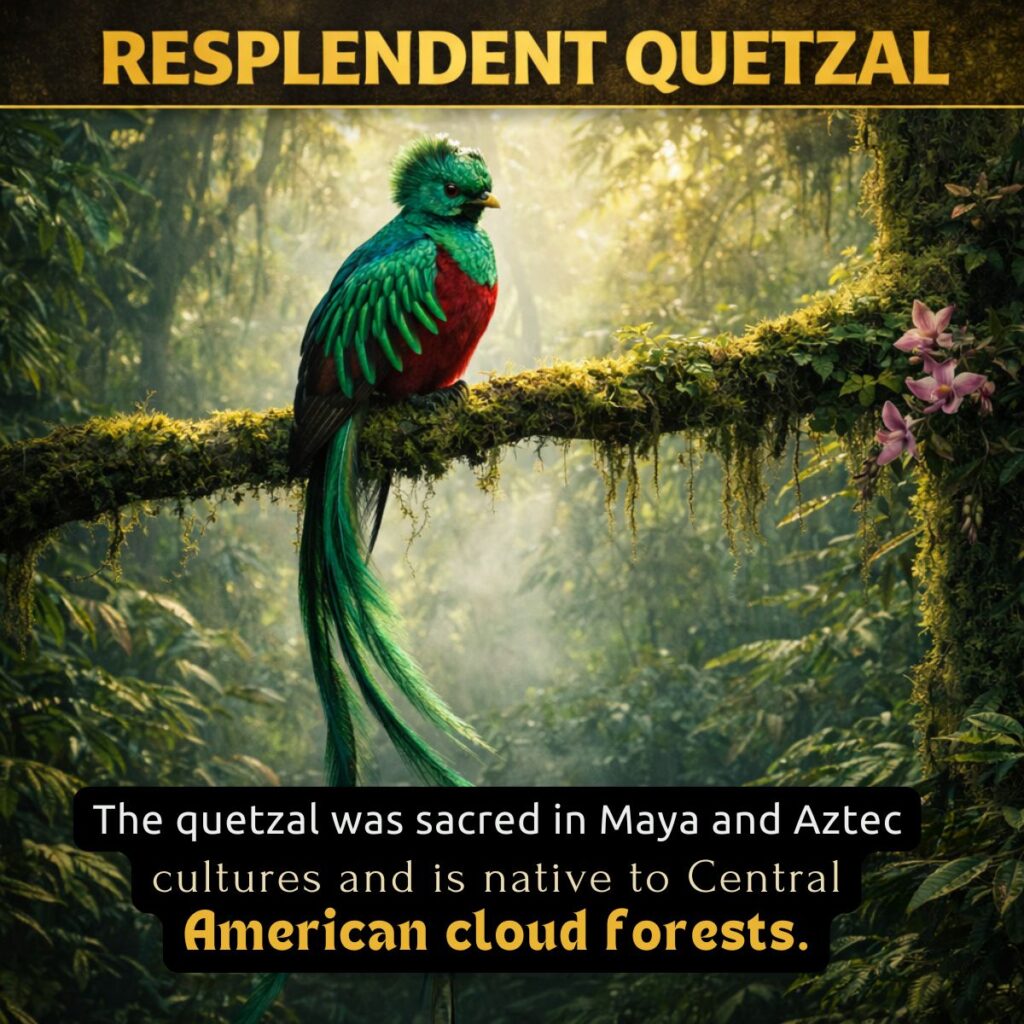
The American Bird Conservancy states that the bird inspired the god Quetzalcoatl, the “plumed serpent,” an important figure in Mesoamerican mythology. Nobles wore headdresses made from its shimmering feathers to symbolize a connection with the divine.
Habitat and Survival
The Resplendent Quetzal lives in moist tropical forests stretching from southern Mexico to Panama. It thrives in these thick, cloud-covered forests, feeding on fruits and helping spread seeds that keep the forest healthy. Its ability to live and hide in such dense environments makes it a true survivor of the deepest forest layers.
4. Black-Casqued Hornbill
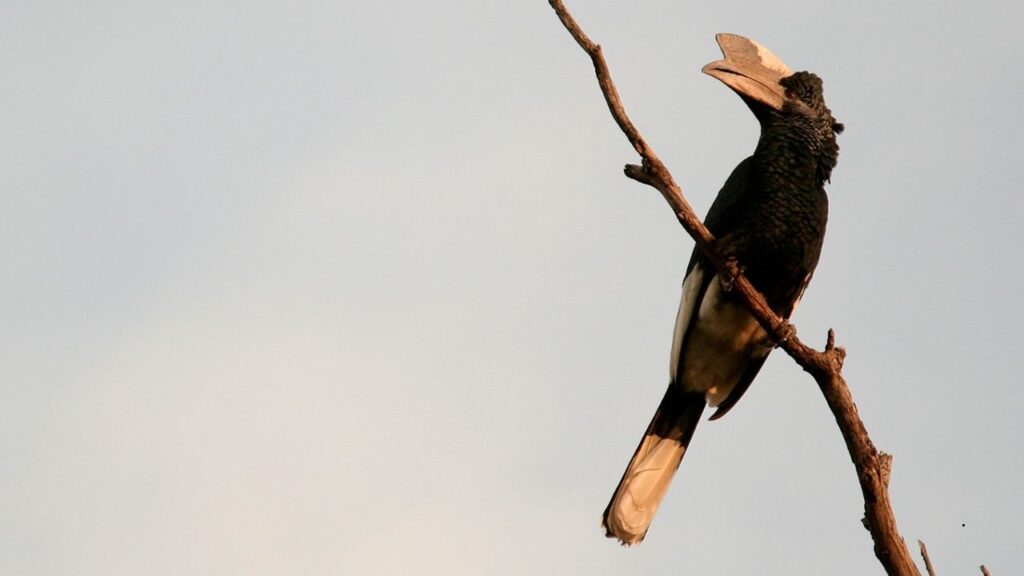
The Black-casqued Hornbill is one of the most striking forest birds in tropical Africa. Known for its large black bill and casque, this bird lives deep in the rainforests where it feeds mainly on fruit. Its loud, braying call can carry for kilometers, making it a familiar sound in the forest canopy.
The male and female look different, with the male sporting an all-black head and a large casque, while the female has a smaller bill and a brownish hood over her head.
Life in the Forest Canopy
This hornbill moves seasonally and can be common in some areas while absent in others. It depends on large tracts of forest to find food and shelter.
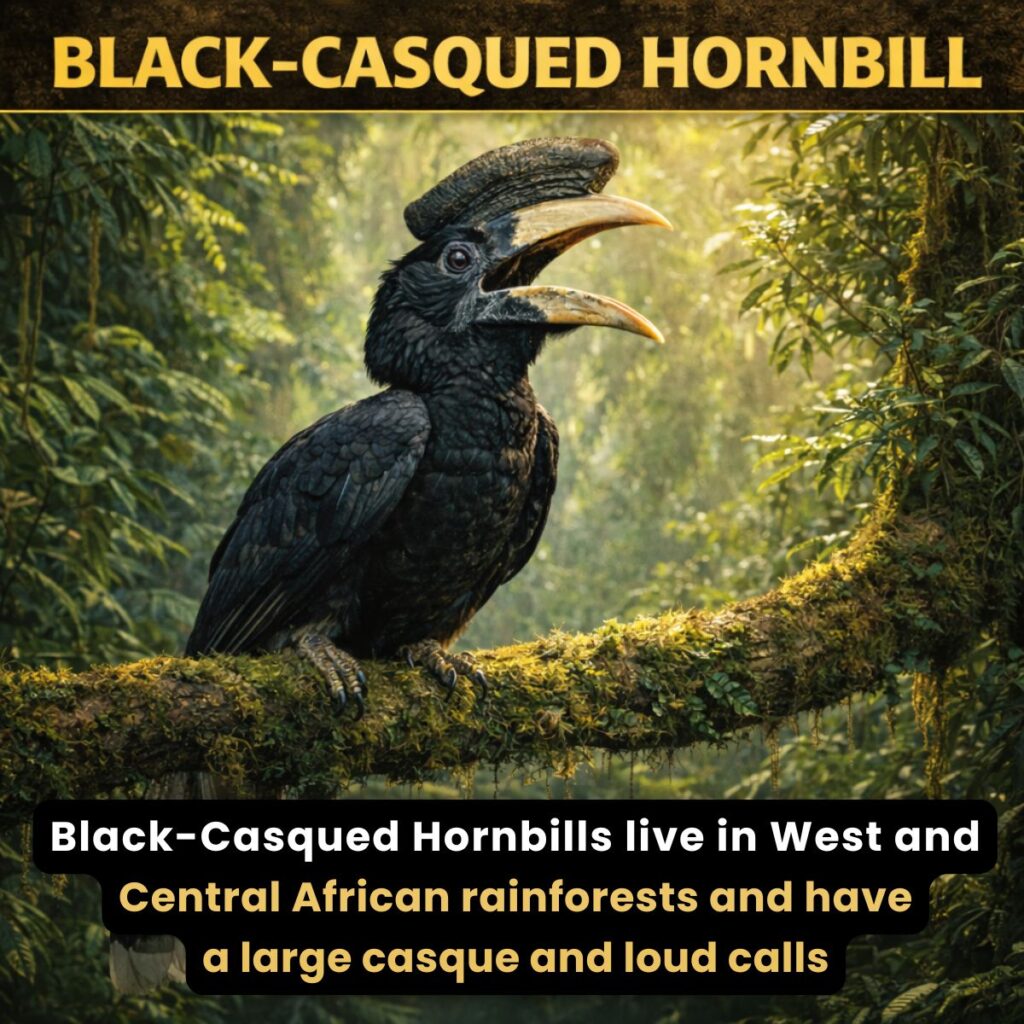
The Black-casqued Hornbill plays an important role in spreading seeds, helping to maintain the health and diversity of the forest. Its long tail, black body, and distinctive white tail tip make it easy to spot in flight.
Threats and Conservation
Unfortunately, the Black-casqued Hornbill faces serious threats. Habitat loss from farming, mining, and development has reduced its living space.
Hunting for food and body parts also pressures the population. While it remains widespread, numbers are dropping in many places. Conservation efforts are crucial to protect this unique bird and the deep forests it calls home.
5. Scarlet Macaw
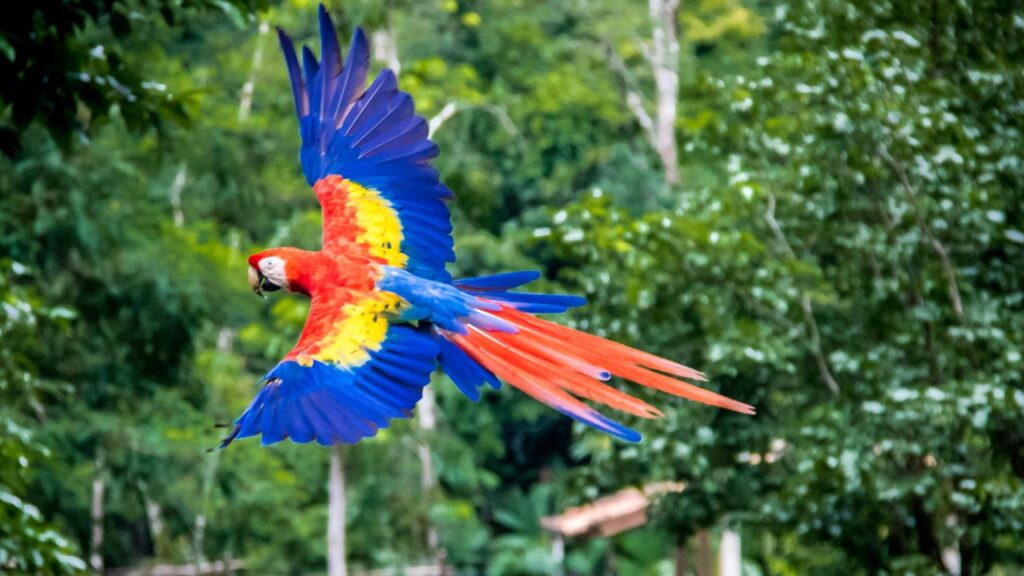
The Scarlet Macaw is one of the most vibrant and well-known birds of the tropical rainforests. Its bright red, yellow, and blue feathers make it look like a living rainbow. Found across Central and South America, this bird adds dazzling color and energy to the deep forest.
Habitat and Behavior
These macaws thrive in humid lowland rainforests, open woodlands, and river edges. They are most common in the vast Amazon basin but range from southern Mexico down to northeastern Argentina.
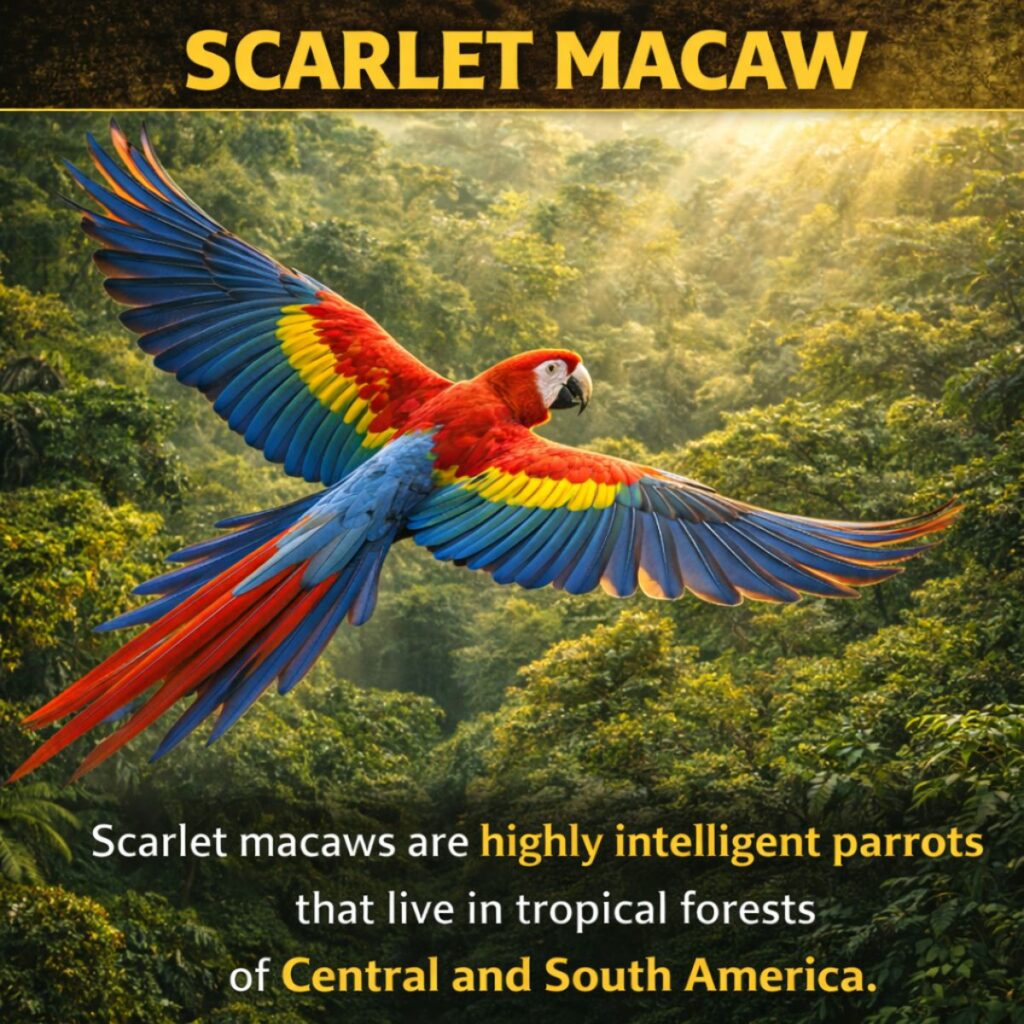
Known for their high intelligence and strong personalities, Scarlet Macaws are playful and clever, often surprising observers with their problem-solving skills.
Role in the Forest
Scarlet Macaws are important to the rainforest ecosystem. They help spread seeds and keep the forest growing healthy. Their lively nature and striking colors make them one of the rainforest’s most spectacular residents, perfectly adapted to life in the dense, lush canopy.
6. African Grey Parrot
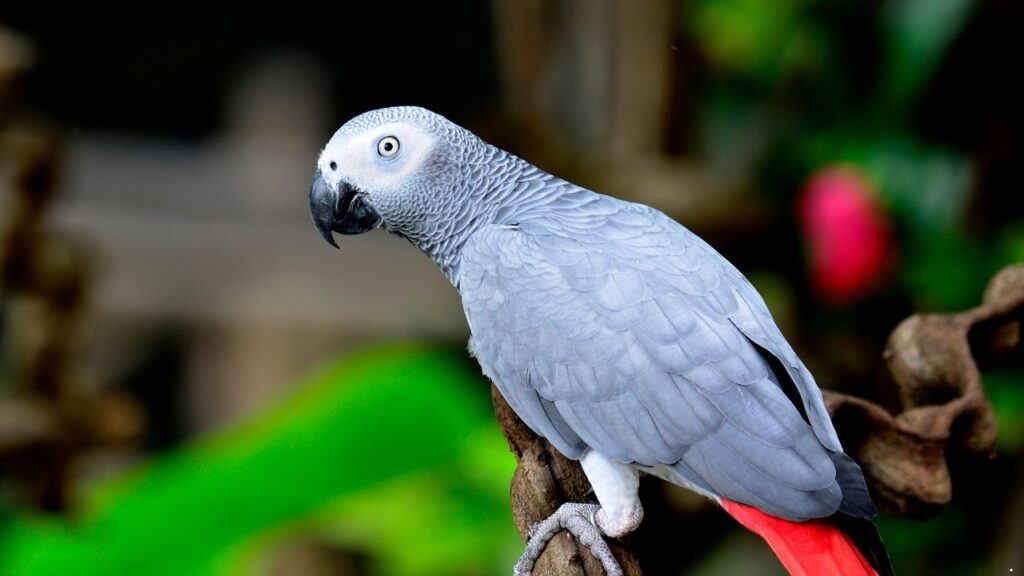
The African Grey Parrot is one of the smartest birds living deep in the rainforests of West and Central Africa. Known for its mostly gray feathers and bright red tail, this parrot is famous worldwide for its incredible intelligence. These birds can mimic human speech and solve problems like a young child, making them truly remarkable forest dwellers.
Unique Features and Abilities
With a white face mask and a strong black beak, the African Grey Parrot is easy to recognize. Both males and females look very similar.
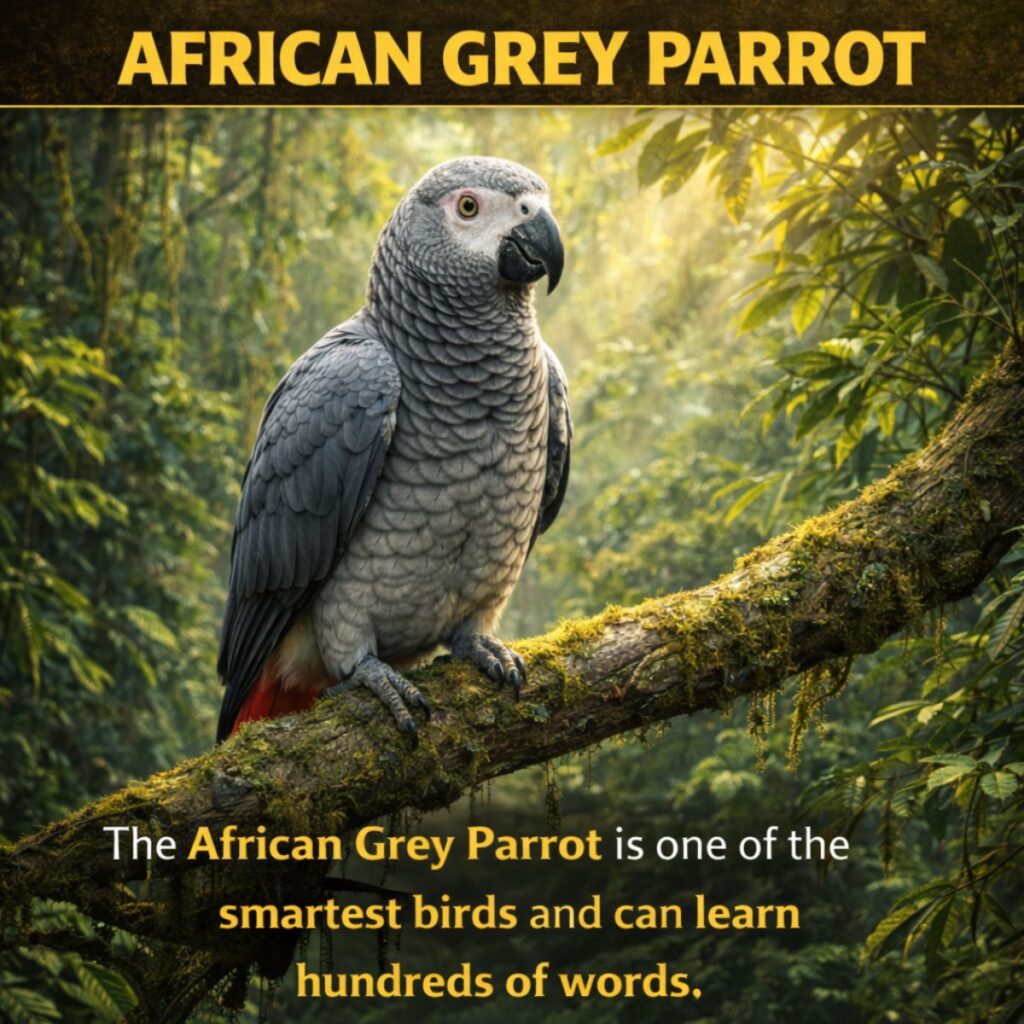
They have excellent memory and full-color vision, which helps them navigate and survive in the dense forest. Their ability to learn and use up to 1,000 words shows just how clever they are.
Importance and Interaction
African Greys are not only fascinating pets but also vital to their rainforest homes. Their intelligence helps them find food and avoid danger. These parrots inspire many people to support conservation efforts and appreciate the incredible wildlife that thrives in the deepest forests.
7. Toucan
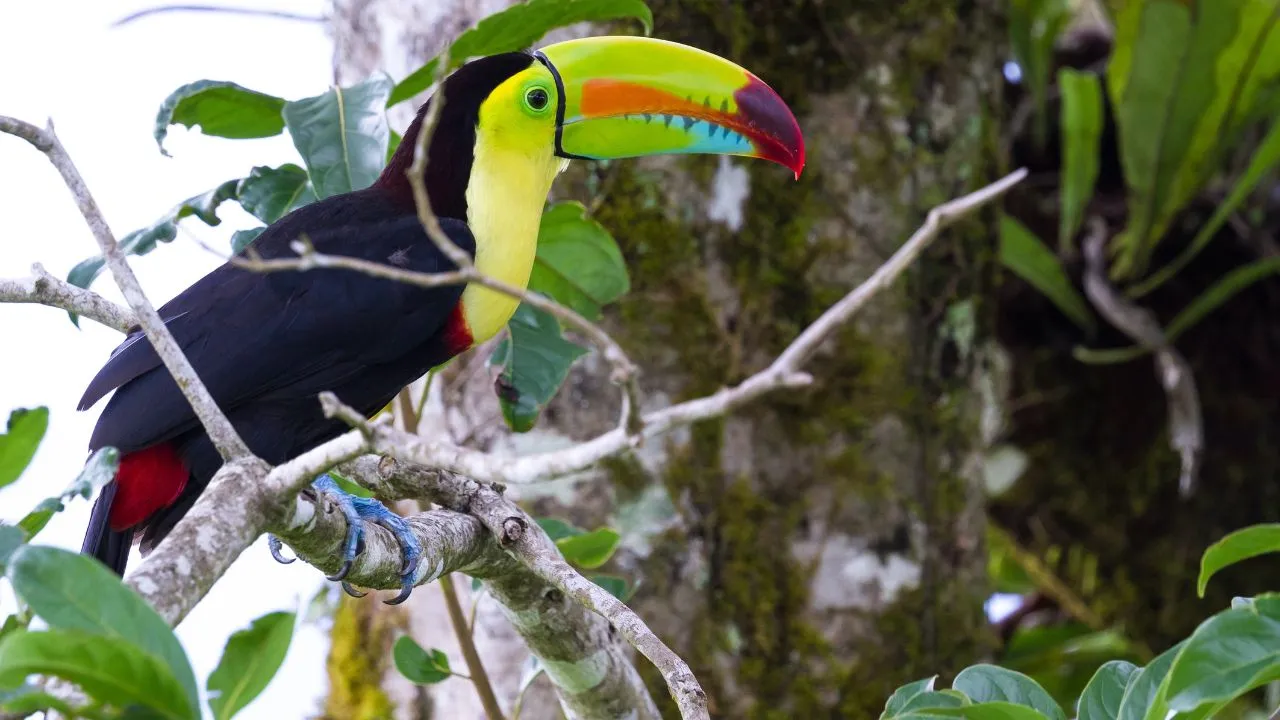
Toucans are famous for their oversized, brightly colored bills that make them stand out in the tropical rainforests of Central and South America.
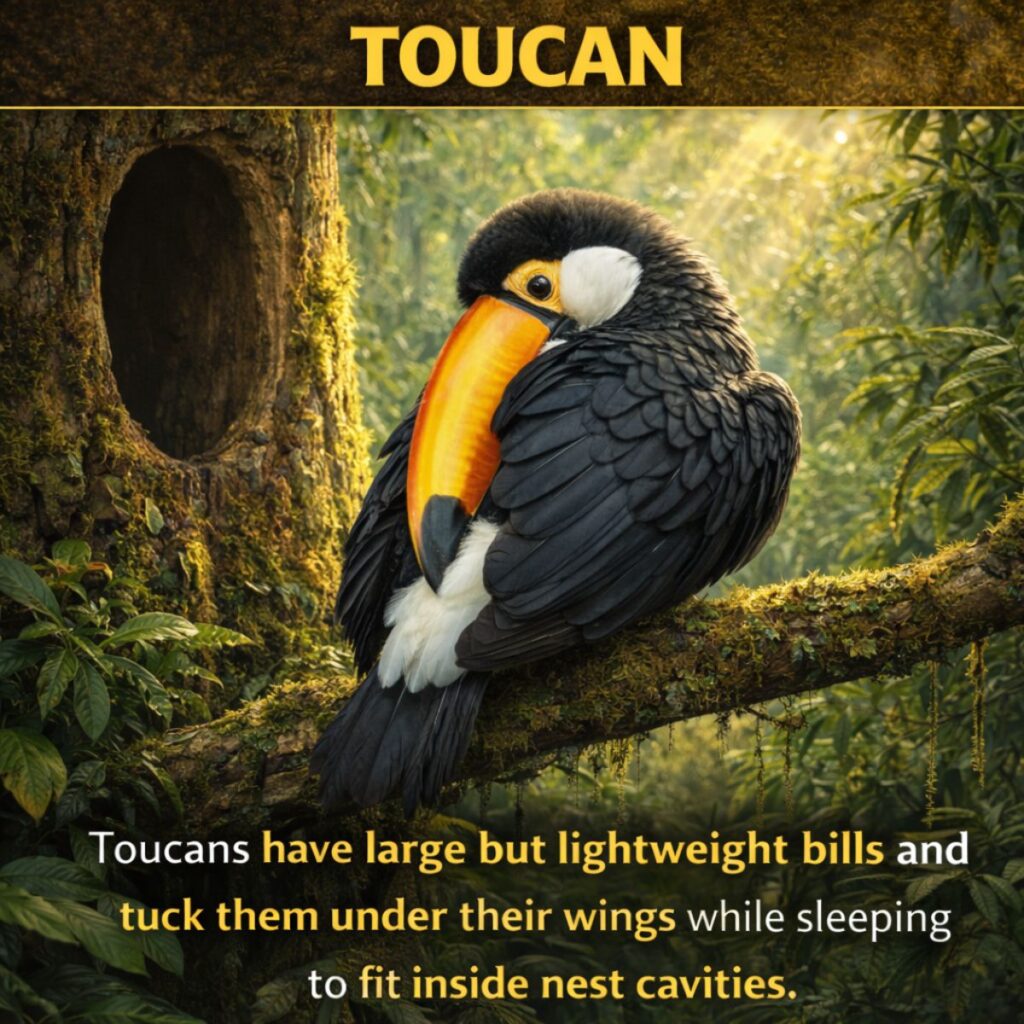
Britannica states that these birds spend most of their time high up in the forest canopy, where they feed mainly on fruits and insects. Despite their large bills, toucans’ bones are hollow, making their heads surprisingly light and easy to carry.
Life High Above the Forest Floor
Toucans nest in hollowed-out tree cavities, which may seem small for such big-billed birds. To get comfortable, they tuck their bills under their wings and flip their tails over their heads, forming a cozy ball of feathers. This clever habit helps them fit perfectly into their snug homes far above the forest floor.
Importance and Threats
Toucans play a vital role in their ecosystems by spreading seeds from the fruits they eat, helping new plants grow.
Their striking appearance makes them popular around the world, but it also puts them at risk from hunting for the pet trade. Protecting these colorful birds is key to maintaining healthy, vibrant rainforests.
Conclusion
In the northern hemisphere, the boreal forest acts as vital wintering grounds for many bird species and Other birds escaping the high Arctic during winter. These great forests stretch across multiple continents, forming regions where communities of birds gather to rest.
According to scientists, these areas support millions of birds, including endangered species, across a broad territory. From the forest surface to nearby water, birds move with quiet grace, especially at night, showing why these ecosystems deserve deep respect.
Following seasonal rhythms, birds fly through the air fast, using instinct to search for food and safety. Many feed their bellies, care for thousands of young with visible love, and share space despite differences in size.
As habitats are replaced, nearly half of some populations are affected, reminding us how fragile these systems are. Protecting these forests ensures birds can continue their journeys, survive harsh seasons, and thrive far into the future.
🌿 Ultimate Deep Forest Birds Quiz – Can You Score 5/5? 🐦
Which bird is known as one of the most powerful predators in the Amazon rainforest?
What distinctive feature makes the Great Hornbill easy to recognize?
The Resplendent Quetzal is native to which type of habitat?
What important role do Scarlet Macaws and Toucans play in rainforests?
Approximately how many words can an African Grey Parrot learn?
