




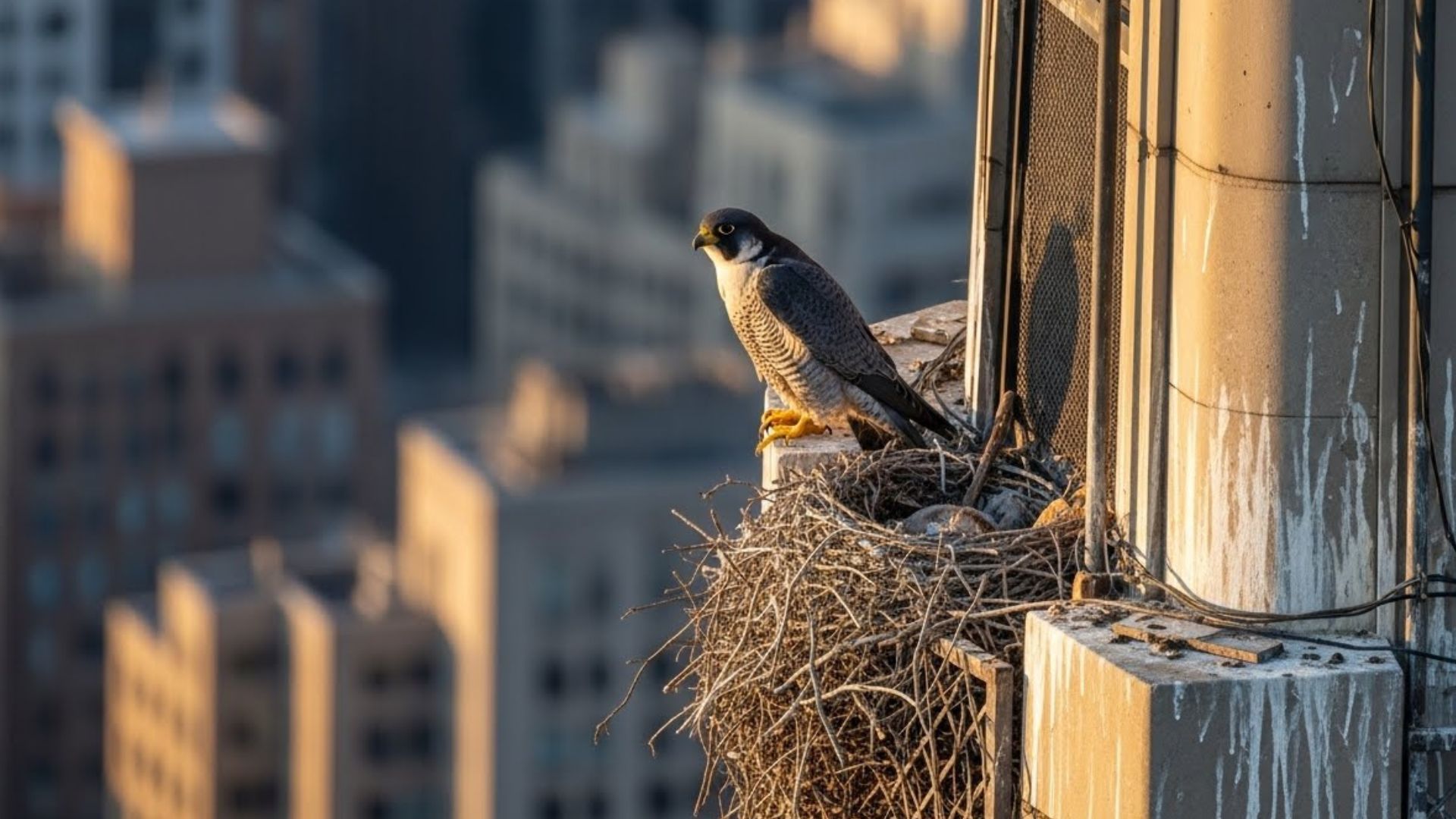
Birds are amazing architects, but their choice of nesting spots can be pretty surprising. While many stick to familiar places like trees or bushes, some birds show incredible creativity by building nests in the most unexpected locations.
What’s even more fascinating is that birds often choose these odd spots for very practical reasons. Sometimes, man-made structures provide warmth or safety that natural places can’t. This adaptability helps birds thrive even in busy neighborhoods or cities, showing just how clever they really are.
If you’ve ever wondered why a bird might pick a propane tank cover or a bicycle seat for its nest, you’re not alone. Birds are masters of making the best out of their environment, no matter how strange it seems.
Let’s take a closer look at some of the most unlikely and creative bird nesting spots—prepare to be amazed by their resourcefulness!
Key Takeaways
See how Peregrine Falcons and Ospreys make nests on skyscrapers and traffic lights.
Find out why Killdeer and House Sparrows pick the weirdest nesting spots.
Discover the amazing nests of Baya Weavers and Great Horned Owls in surprising places.
Get amazed by how birds turn odd spots into cozy homes right near us.
Birds That Can Build Nests in the Most Unlikely Places
1. Peregrine Falcon
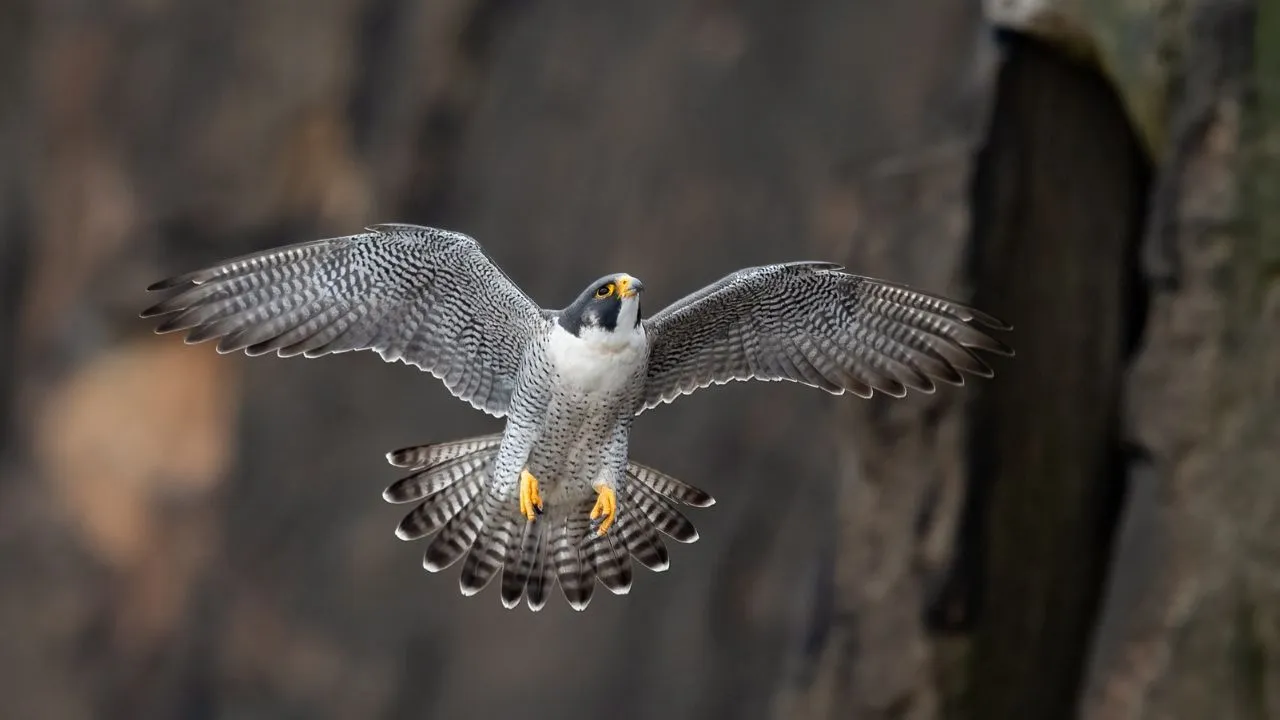
The Peregrine Falcon is famous for being the fastest bird in the world. It can dive at speeds over 200 miles per hour to catch other birds mid-flight.
Its powerful yellow talons help it grab prey quickly, making it a fierce and skilled hunter. With blue-gray wings and a dark head, these falcons blend well into their surroundings, making them hard to spot during flight.
Despite their strength and speed, Peregrine Falcons faced a major threat in the mid-1900s. According to The Peregrine Fund, the pesticide DDT caused a sharp decline in their numbers, especially in eastern North America. Thanks to focused conservation efforts, these falcons have made a strong comeback.
Today, they can be found nesting in places you might not expect—like city skyscrapers and bridges. These unusual sites mimic their natural cliffside nests and keep their young safe from predators.
Why do Peregrine Falcons choose unlikely nesting spots?
Tall buildings and bridges offer high, safe perches similar to cliffs.
Urban areas provide plentiful prey like pigeons and starlings.
Man-made structures protect nests from many natural dangers.
This adaptability shows just how clever Peregrine Falcons are at finding the perfect home, even in the middle of busy cities.
2. House Sparrow
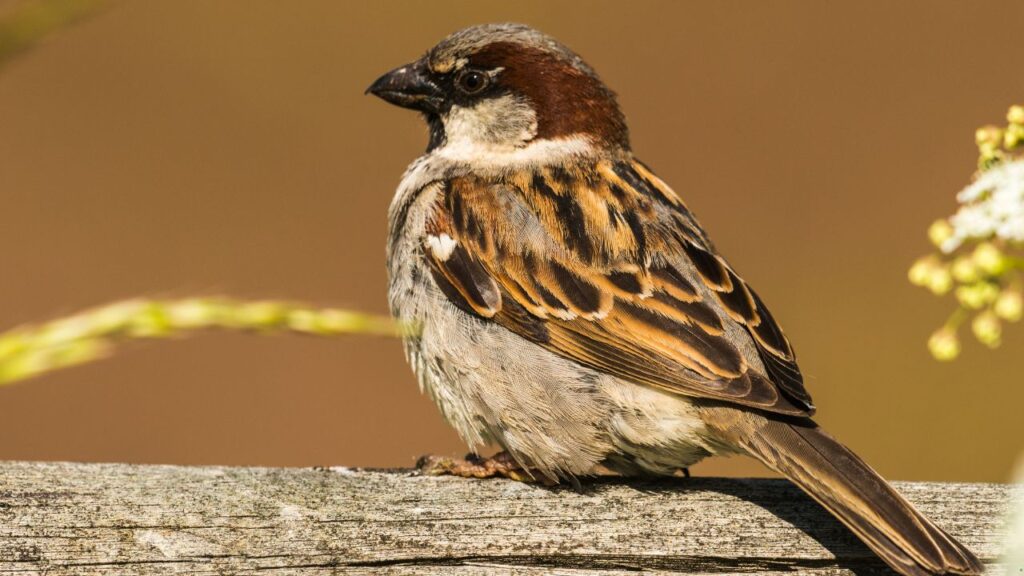
House Sparrows are some of the most common birds around the world. They live close to humans, making their homes in towns, parks, and gardens. Males stand out with their grey caps and black bibs, while females are more plainly brown.
These birds are so comfortable around people that they often build nests in places you wouldn’t expect—like inside light fixtures, vents, or even old machinery.
Despite their common presence, House Sparrow populations have been declining in some regions, like the UK. Still, they remain widespread and abundant in many cities and rural areas.
Their ability to thrive on human waste and find shelter in buildings helps them survive in places other birds avoid. They live in noisy, friendly flocks and are known for their lively chatter as they go about their busy days.
Why House Sparrows pick unusual nesting spots:
They nest close to human activity where food is easy to find.
Small spaces in buildings and other structures provide safe shelter.
Their adaptability allows them to live almost anywhere, even inside man-made objects.
This clever bird shows us how wildlife can thrive by making the most out of human environments—even in spots we’d never think of as a home.
3. Barn Swallow
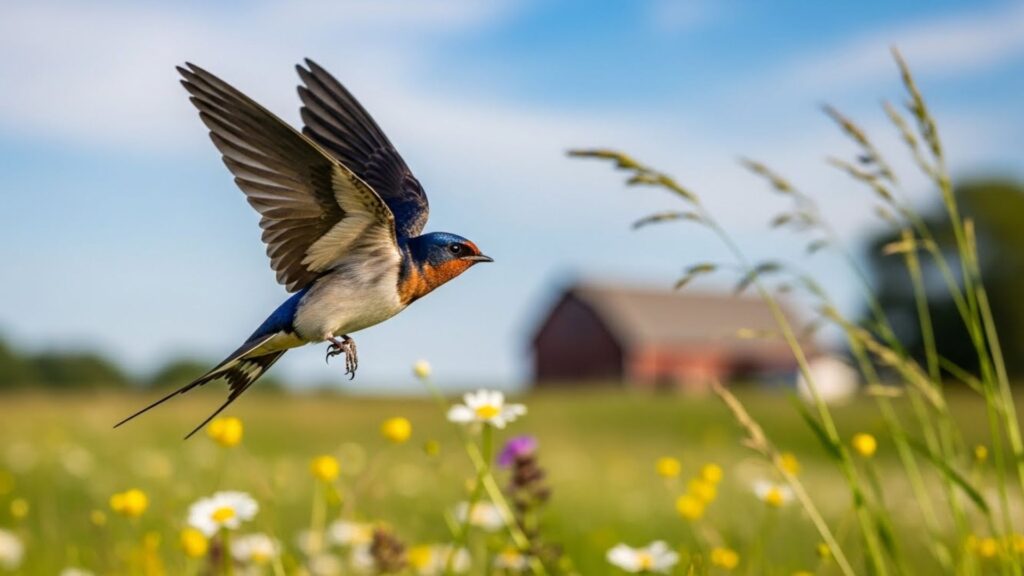
The Barn Swallow is one of the most widely recognized swallows, known for its striking blue-black upperparts and long, deeply forked tail. With rust-colored underparts and an orange forehead and throat, this colorful bird is easy to spot as it darts through open fields and wetlands.
Barn Swallows often nest close to people, showing an incredible ability to adapt by building their nests in barns, under docks, or other man-made structures.
What makes the Barn Swallow truly impressive is its nest-building skill. Each nest is carefully crafted from 750 to 1,400 tiny mud pellets. To collect all this mud, a Barn Swallow can travel up to 220 kilometers!
These nests form cozy cups that protect their young, often built right where humans live and work. This close relationship with people has earned the Barn Swallow a reputation as a symbol of spring and good luck in many cultures.
Why Barn Swallows Choose Unusual Nesting Sites:
They build sturdy mud nests inside barns, sheds, or under docks.
Nesting near humans helps protect their young from predators.
Their long migrations bring them back to familiar nesting spots year after year.
Barn Swallows are a perfect example of how birds can use human environments to their advantage, turning unlikely places into safe, nurturing homes.
4. Osprey
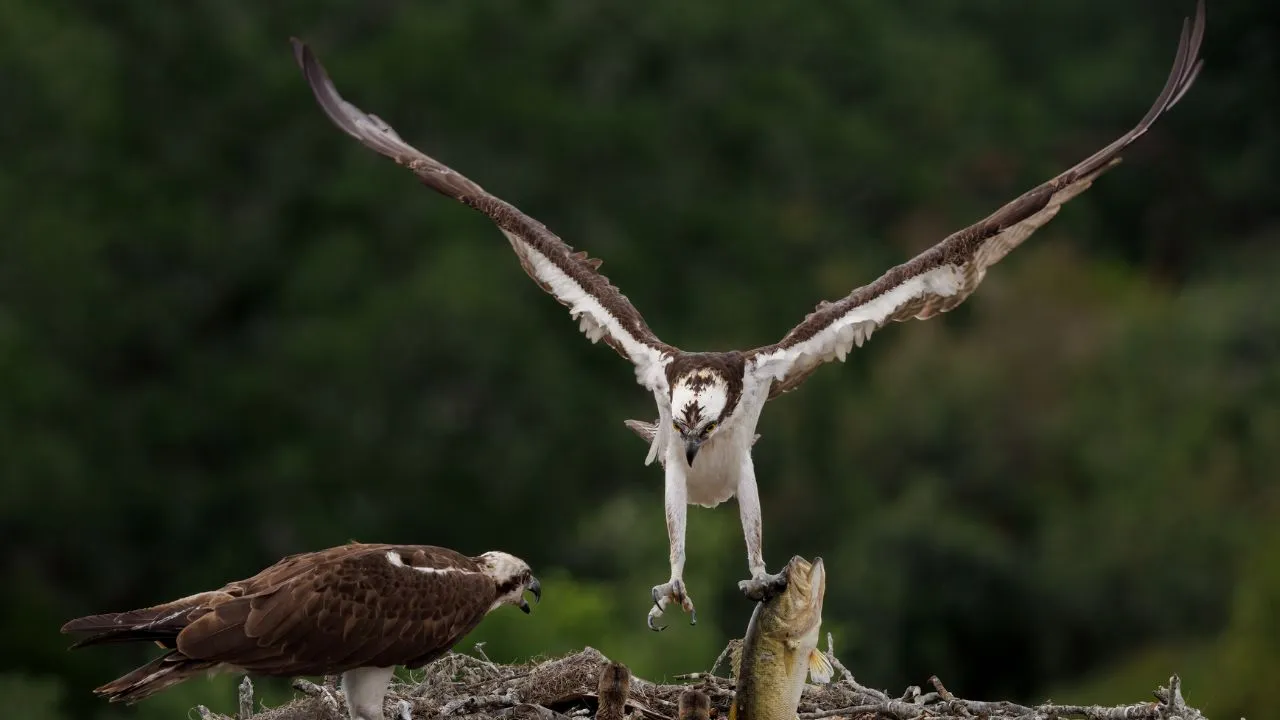
The Osprey is a remarkable bird of prey, known for its incredible fishing skills. It eats almost only fish—about 99% of its diet comes from diving into water and grabbing fish with its sharp talons, as mentioned by Mass Audubon.
These birds live near lakes, rivers, and coastal areas worldwide. Ospreys are easy to spot by their white underparts and dark wing patches, often mistaken for large gulls when flying.
What makes Ospreys especially interesting for our topic is where they choose to nest. In some places, they’ve made homes on man-made structures like traffic signals, utility poles, and specially built platforms.
These high spots give them great views and keep their nests safe from predators. In Florida, for example, an Osprey got the green light to nest right on top of a traffic light, showing how adaptable they are.
Why Ospreys build nests in unusual places:
Tall man-made structures mimic their natural nesting sites, like tall trees or cliffs.
Open views help them watch for fish and predators.
People often help by putting up nesting platforms to encourage them to stay safe.
Ospreys prove that with a bit of flexibility, even wild birds can thrive in busy human environments.
5. Killdeer
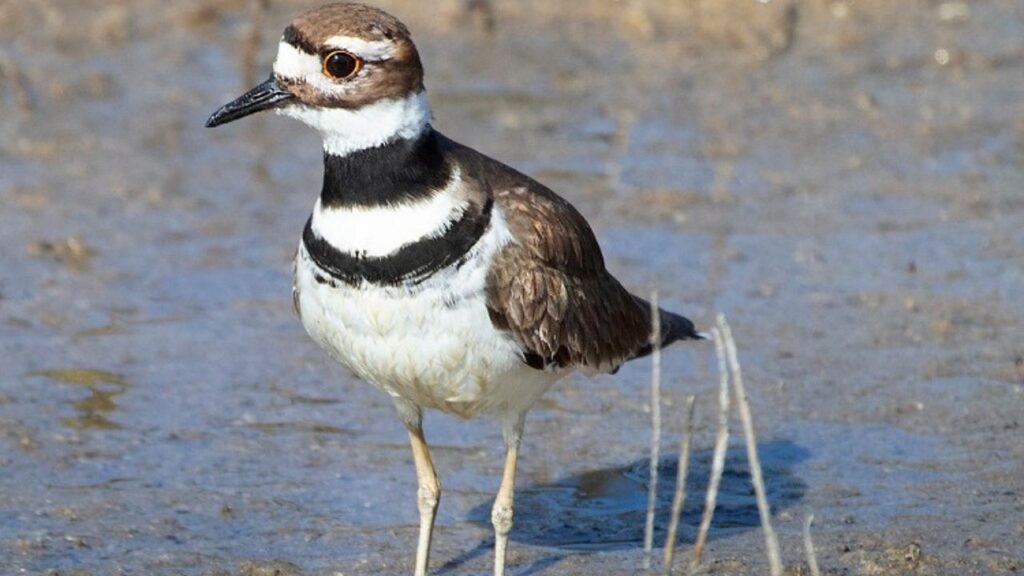
The Killdeer is a slender shorebird known for its loud, shrill call that sounds like “kill-deer.” You don’t have to visit the beach to spot one—they are common in open areas like lawns, golf courses, parking lots, and athletic fields. Their rusty-colored rump and long, pointed wings make them easy to recognize, especially when flying.
What makes Killdeer stand out is their clever nesting habits. Instead of sticking to traditional spots, they often nest on gravel rooftops, bare ground, or even busy lawns.
To protect their young, Killdeer use a famous “broken-wing” act. They pretend to be injured and lead predators away from their nests by fluttering helplessly across the ground.
Why Killdeers choose unusual nesting places:
They nest on open, gravelly surfaces like roofs and lawns.
Their distraction display helps keep nests safe from danger.
They tolerate human presence, nesting even in busy or disturbed areas.
Killdeer show us how some birds can thrive by adapting their nesting habits to survive in places most would overlook.
6. Weaver Bird
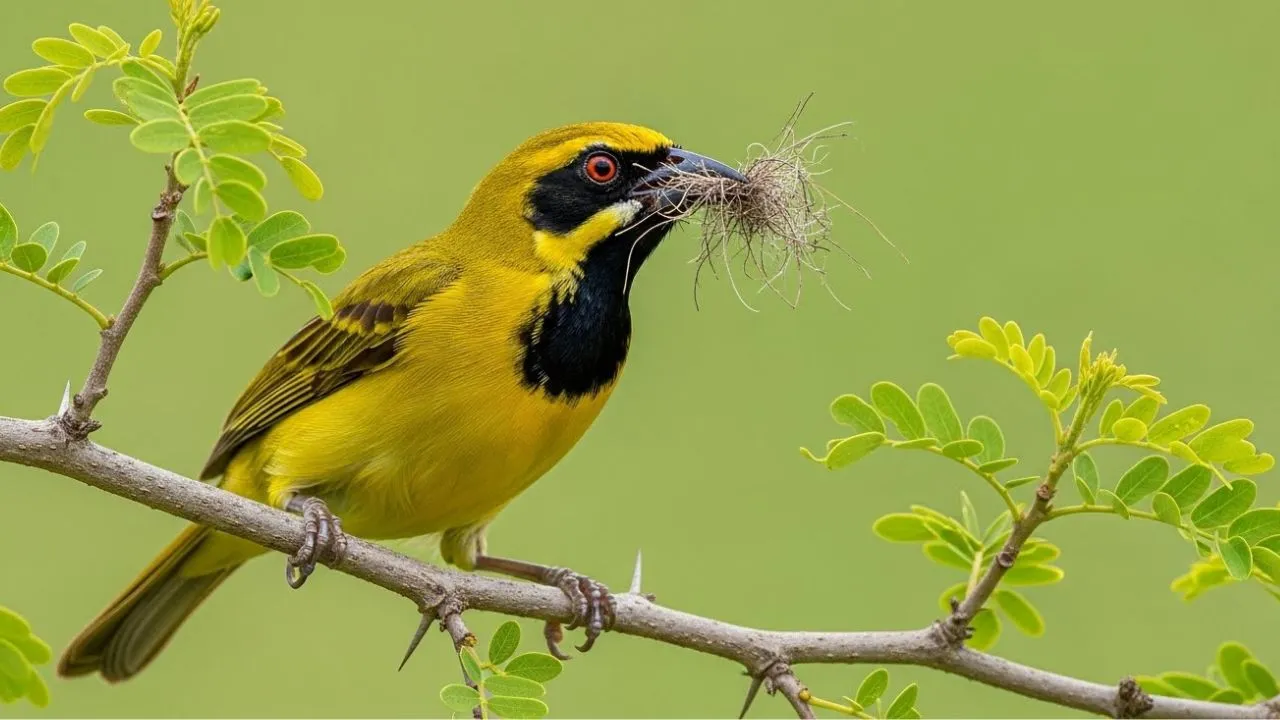
The Baya Weaver is a small bird famous for its incredible nest-building skills. Found mainly in South Asia, the males show off bright yellow feathers during the breeding season to attract females.
These birds belong to a larger family known for weaving intricate nests from grass, twigs, and even string or twine when needed.
What sets the Baya Weaver apart is its complex, roofed nests, often hanging from tree branches. Each nest can require up to a thousand strands of grass or plant fibers. These amazing structures are built exclusively by males hoping to impress potential mates.
Their craftsmanship is so impressive that engineers have studied their designs to create better insulated building materials using similar weaving techniques.
Why Baya Weavers choose unusual nesting methods:
They weave strong, hanging nests from grass and plant fibers.
Males build elaborate nests to attract females.
Their nests offer protection from rain and predators.
The Baya Weaver shows how creativity and hard work can turn the most unlikely materials into safe, beautiful homes.
7. Great Horned Owl
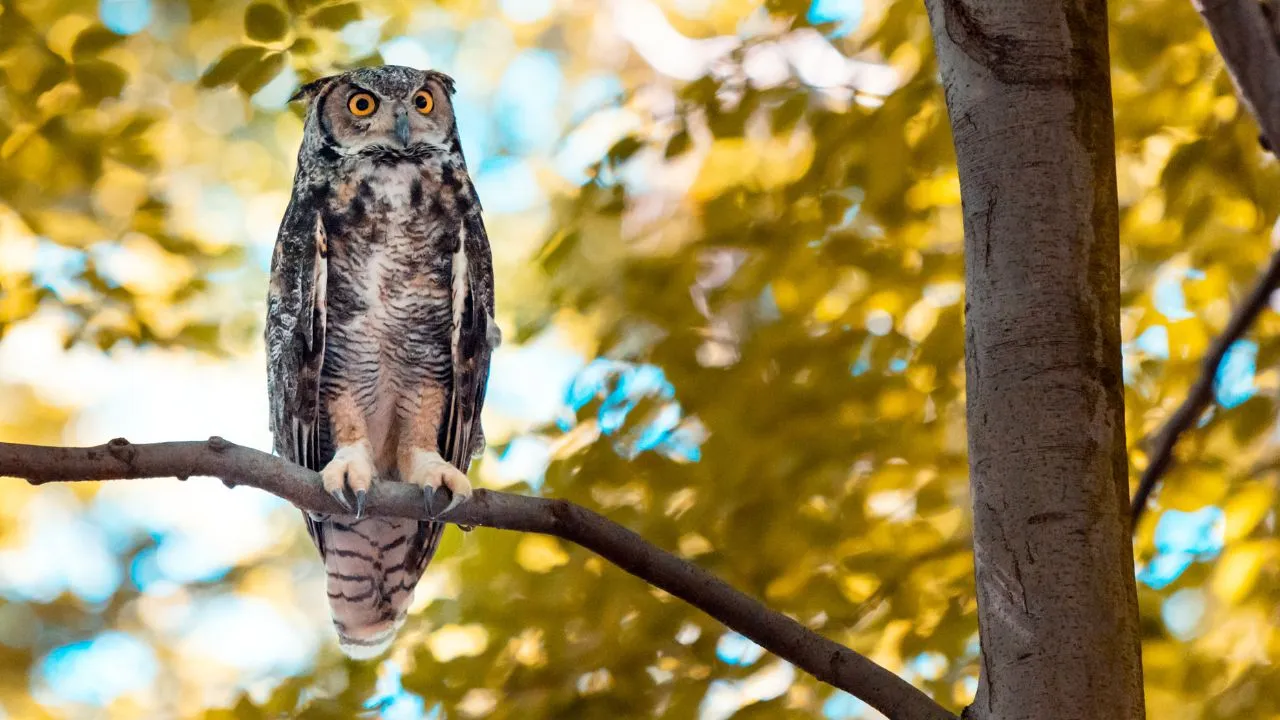
The Great Horned Owl is one of North America’s most common and well-known owls. It has striking yellow eyes, feathered ear tufts that look like horns, and a deep, booming hoot.
These owls are fierce hunters, taking down prey as large as rabbits and hawks, but they also eat smaller animals like mice and frogs. They live in many habitats, from deserts and forests to city outskirts.
What makes the Great Horned Owl interesting is its flexible nesting habits. Unlike many birds, it rarely builds its own nest, according to All About Birds.
Instead, it often takes over nests made by other large birds or uses unusual spots like tree hollows, cliff ledges, or even abandoned buildings. This ability to adapt helps them survive in diverse environments, even close to humans.
Why Great Horned Owls Choose Unusual Nesting Places:
They use old nests from other birds rather than building their own.
Nesting in tree cavities, cliffs, or abandoned structures keeps their young safe.
Their adaptability allows them to live in deserts, forests, and urban areas.
The Great Horned Owl shows us that sometimes, finding the perfect home means being flexible and using what’s already available—even if it’s not what we expect.
Conclusion
Birds are incredible avian architects, using nesting materials like clay, twigs, and bird saliva to build safe homes for their eggs and baby birds. Whether beneath shrubs, rocks, or inside garages and birdhouses, these species show amazing creativity. Despite disturbances, many birds return again and again, proving how important these nests are for their chicks to hatch and grow strong.
The life of baby birds begins in these surprising homes, where sunlight may warm the eggs as the story unfolds from eggs to lively chicks. Finding nests in unlikely yards or corners shows how clever birds protect their babies. Even if nests are relocated, these resilient birds quickly adapt and keep their young safe, continuing their timeless cycle of life in wonderful and strange places.
