




Birds are some of nature’s most skilled flyers, but not all of them take to the skies in the same way. Some use flight styles that are truly unusual and fascinating.
From hovering midair like tiny helicopters to folding their wings and diving at incredible speeds, these birds have mastered techniques that make them stand out in the animal kingdom.
Flying isn’t just about moving from one place to another—it’s about adapting to different environments and challenges. For example, did you know that certain birds can flap their wings so fast they seem to hang still in the air or even fly backwards? One of nature’s smallest flyers can beat its wings up to 80 times per second to do just that!
As we explore these incredible flight styles, you’ll see how these birds defy expectations and push the limits of what flight can be. Get ready to be amazed by the extraordinary ways birds move through the sky!
Key Takeaways
See how Hummingbirds and Kingfishers hover like tiny helicopters in midair.
Find out why Peregrine Falcons dive faster than any animal on Earth.
Discover the Barn Owl’s silent flight and the Woodpecker’s bouncy wings.
Explore how Swifts and Albatrosses glide for hours without rest.
Birds That Are Known for Their Unusual Flight Styles
1. Hummingbird
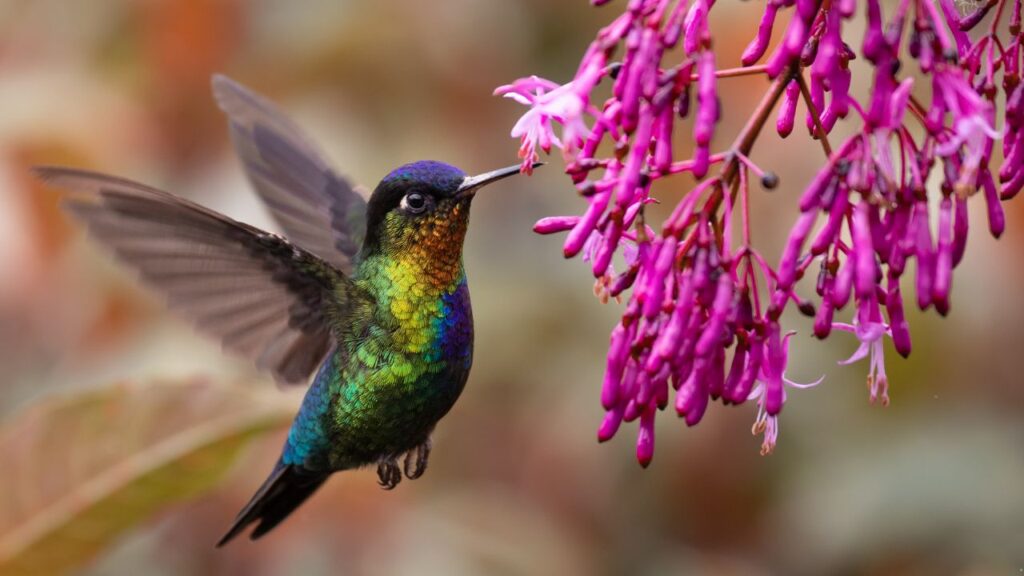
Hummingbirds are tiny flying jewels, famous for their dazzling colors and incredible flight skills. These birds are true champions of unusual flight styles. With their ability to hover, dart in all directions, and even fly backward, hummingbirds show a level of aerial agility few other birds can match.
Most hummingbirds live in the Americas, especially South America, where their bright feathers blend perfectly with the lush surroundings. According to the Avian Report, there are over 360 species, but many face threats and are listed as near threatened or worse by conservation groups.
What Makes Their Flight So Unique?
Hovering Experts: Hummingbirds can beat their wings up to 80 times per second, allowing them to hover perfectly in place as they feed.
Acrobatic Maneuvers: They can fly backwards, sideways, and make sharp turns with incredible precision.
Diving Speed: Some species, like Anna’s hummingbird, perform stunning courtship dives, reaching speeds of up to 61 mph.
A Closer Look at Anna’s Hummingbird
Anna’s hummingbird is a small but incredibly fast flyer. Males show off by climbing high before diving at incredible speeds toward the ground. These birds have shiny emerald feathers with a bright pink throat patch called a gorget.
Despite their size, they are fierce defenders of their feeding areas. Feeding mainly on nectar and insects, Anna’s hummingbirds are a perfect example of how flight and beauty combine in the natural world.
2. Grey-Headed Albatross
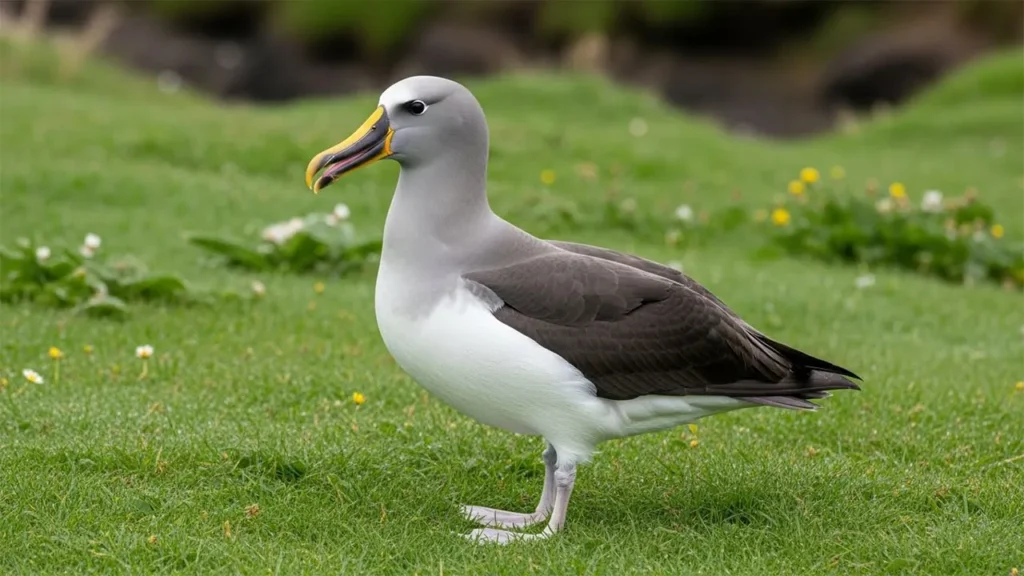
The Grey-headed Albatross is a master of long-distance flight and one of the fastest birds on Earth. These seabirds live in the harsh southern Antarctic and Subantarctic oceans, where they glide effortlessly over vast stretches of open water.
Their ability to ride powerful ocean winds allows them to travel at incredible speeds with very little effort. This bird’s unique flight style is built for endurance and speed, making it a true champion of the skies.
What Makes Their Flight Special?
Record-breaking Speed: The Grey-headed Albatross holds the Guinness World Record for horizontal flight speed, reaching nearly 79 mph (127 km/h).
Dynamic Soaring: They use wind gradients above ocean waves to glide for hours without flapping, saving energy on long trips.
Storm Survivors: Researchers observed these birds maintaining high speeds for almost nine hours during a fierce Antarctic storm — all while hunting successfully.
Life at Sea and Conservation Challenges
These albatrosses mainly feed on squid and fish, often following ships to scavenge scraps. They breed on remote islands with steep cliffs and slopes, making their nesting sites hard to reach.
Sadly, their population is declining rapidly, and they are listed as endangered. The biggest threat comes from accidental capture in longline fishing gear, which has caused steep drops in their numbers over recent decades.
3. Barn Owl
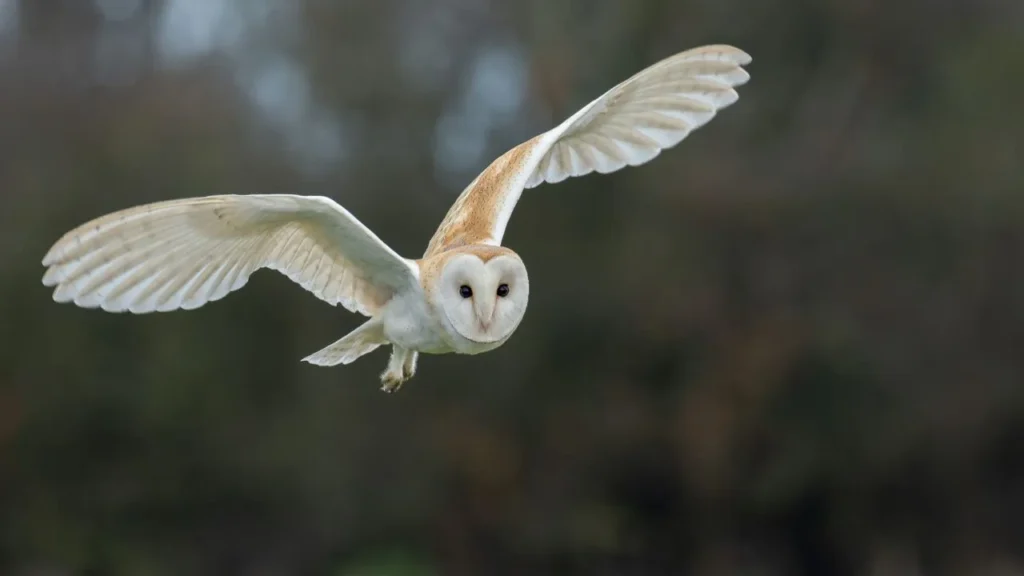
The Barn Owl is one of the oldest and most mysterious owls in the world. This ghostly bird is famous for its silent flight and unique heart-shaped face. Unlike other owls, Barn Owls glide quietly through the night sky as they hunt.
Their pale feathers and soft wingbeats make them almost invisible in the dark. They often live close to human areas but prefer quiet, hidden spots to rest during the day.
What Makes Their Flight Unusual?
Silent Glide: Their wings are specially adapted to fly without a sound, helping them sneak up on prey.
Low, Buoyant Flight: Barn Owls fly low over fields with smooth, steady wingbeats, scanning for small mammals.
Sharp Maneuvering: They can quickly change direction and hover briefly to catch prey with precision.
Life, Calls, and Conservation
Barn Owls are known for their eerie, raspy calls, which are very different from typical owl hoots. It’s hard to tell males and females apart in flight, but females often have darker markings. These owls rely heavily on small mammals, so their breeding success depends on prey availability.
Though once affected by pesticides, their numbers are now recovering in some regions. Because of their fragile status, it’s illegal to disturb or release them in the wild in places like the UK.
4. WoodPecker
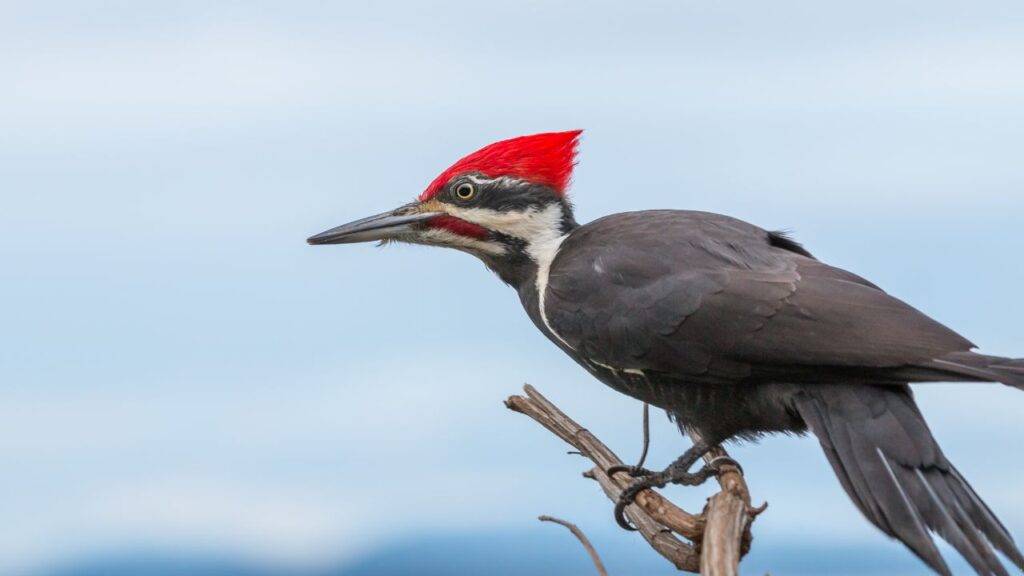
Woodpeckers are famous not just for their drumming but also for their distinctive flight style. These birds belong to the family Picidae, which includes sapsuckers and flickers.
Woodpeckers live almost worldwide, except for places like Australia and New Guinea. They thrive mostly in forests, but some species adapt to unusual habitats like deserts or rocky hillsides.
What Makes Their Flight Unusual?
Undulating Flight: Woodpeckers fly with a unique wave-like pattern, flapping their wings quickly and then folding them close to the body, causing a bouncy motion.
Short Bursts: They often fly in short bursts between trees, using their strong wings to maneuver through dense woods.
Adapted for Forest Life: Their flight style helps them move easily in cluttered forest environments while searching for food or drumming spots.
Pecking, Drumming, and Territory
Woodpeckers drum on trees for three main reasons: to claim territory, to attract mates, and to find insects under bark. The loud, rapid pecking sounds are their signature. Different species of drum have distinct rhythms.
PennState Extension mentions that there are over 300 woodpecker species worldwide, and many live in the United States. Their ability to combine specialized flight with powerful drumming makes them truly unique birds of the forest.
5. Common Swift
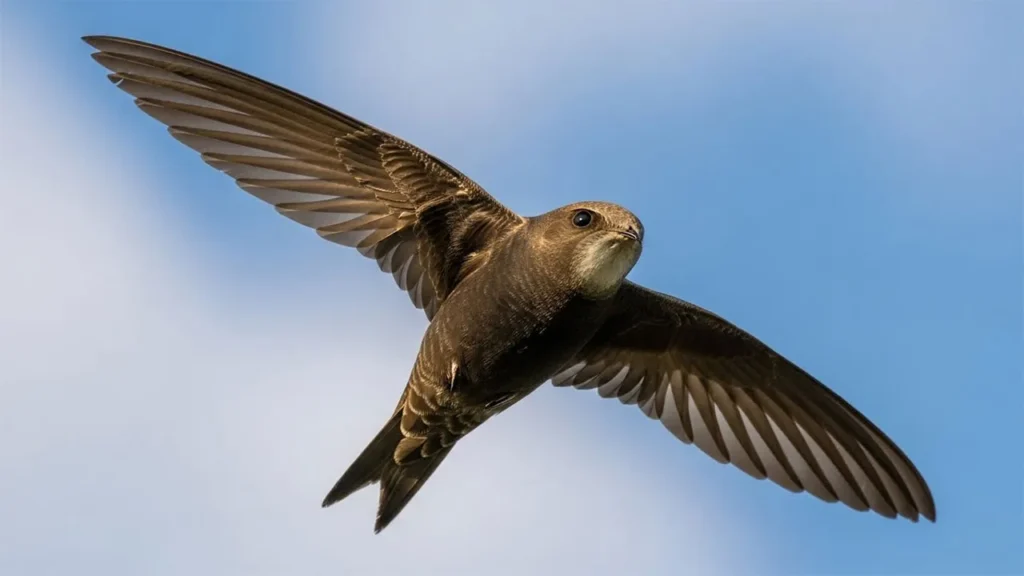
The Common Swift is one of the fastest and most remarkable fliers in the bird world. Found from western Europe to Northern Africa and all the way to Eastern Asia, this bird spends most of its life in the air.
Swifts are true masters of flight, showing incredible speed and agility as they soar, dive, and glide through the skies.
What Makes Their Flight Unique?
Fastest Level Flight: Scientists have tracked Common Swifts flying at speeds up to 69 mph (111 km/h), making them the fastest birds in steady, level flight.
Almost Always Airborne: These birds spend nearly all their time flying, even eating and sleeping on the wing.
Acrobatic Skills: Their narrow, scythe-shaped wings allow them to twist and turn with ease, perfect for catching insects midair.
Life on the Wing and Migration
Grokipedia says that the Common Swift’s arrival in northern Europe signals the start of summer. They breed mainly in towns and cities and migrate back to Africa before autumn.
Though they stay only a few months in Europe, their incredible flight skills make them unforgettable visitors. Swifts belong to the same order as hummingbirds, showing how different birds can evolve amazing ways to master the skies.
6. Pied Kingfisher
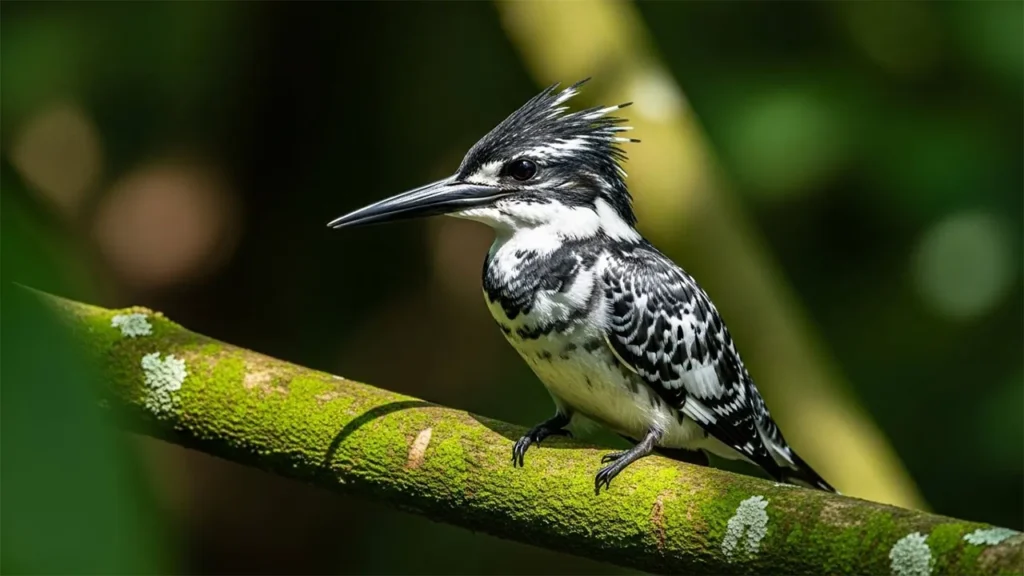
The Pied Kingfisher is a striking black-and-white bird known for one of nature’s most amazing flight skills—hovering in midair.
Found across Africa and Asia, this bird often hovers quietly above water before diving straight down to catch fish. Its unique flight style helps it hunt with precision in rivers, lakes, and wetlands.
What Makes Their Flight Special?
Hovering Mastery: Unlike many kingfishers, the Pied Kingfisher can stay still in the air as it scans for prey below.
Sharp Diving: After spotting a fish, it dives swiftly and accurately to catch its meal.
Distinctive Movements: When perched, it bobs its head and flicks its tail, showing off its lively personality.
Life, Behavior, and Conservation
Pied Kingfishers usually live in pairs or small groups and have a wide range across Africa and Asia. Males and females can be told apart by the patterns on their breast bands. Despite their hunting skill, they are not threatened and are classified as Least Concern.
These birds belong to the kingfisher family, known for their large heads, sharp bills, and bright plumage. Their amazing flight makes them one of the most fascinating birds to watch near water.
7. Peregrine Falcon
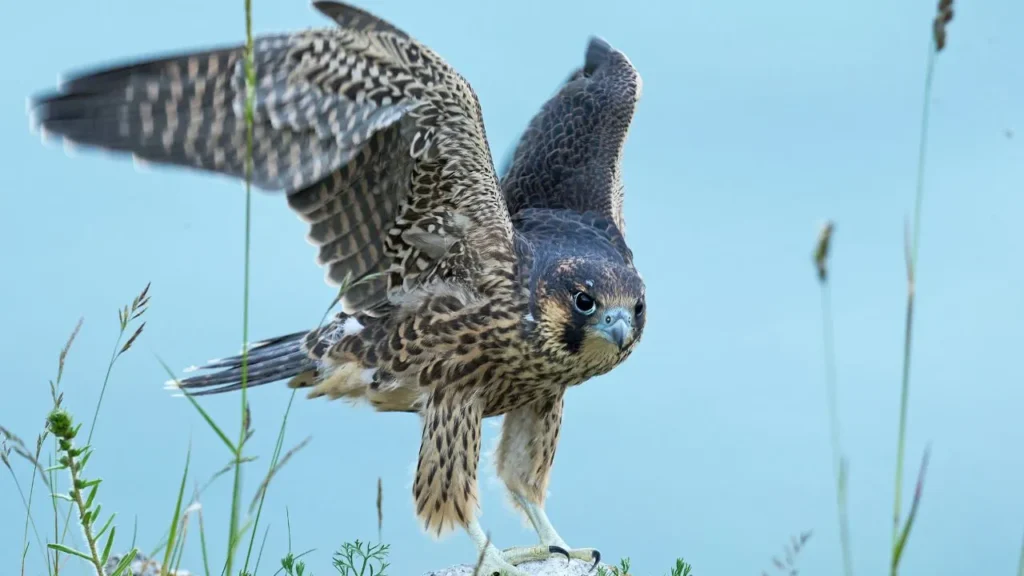
The Peregrine Falcon is famous for being the fastest bird—and the fastest animal—on the planet. Found almost everywhere except Antarctica, this powerful falcon is built for speed and precision. Its sleek body, sharp eyesight, and strong wings make it a top predator of the skies.
What Makes Their Flight Spectacular?
Incredible Dive Speed: During hunting dives called stoops, Peregrine Falcons can reach speeds over 240 mph (386 km/h).
Strong Level Flight: Even in normal flight, they zoom at 25 to 34 mph (40-55 km/h).
Special Adaptations: Their nostrils control airflow to protect their lungs during high-speed dives.
Life and Hunting Style
Peregrine Falcons soar high into the sky before plummeting down at breathtaking speeds to catch medium-sized birds mid-air. Their black “mustache” mark and blue-gray feathers make them easy to recognize.
They live in diverse environments, from cities to coasts, proving their adaptability. Their hunting skill and unmatched speed make them one of the most impressive birds in the world.
Conclusion
Many birds fly in ways that help them survive the challenges of nature, especially when traveling long distances. Their flight patterns allow them to use air currents and wind currents to glide without using too much energy.
Some species with large wings or angular wings soar at very high altitudes, while small birds rely on steady flapping to reach their wintering sites. These incredible behaviors show how many birds adapt to the open ocean, mountains, and changing seasons.
During winter, it’s common to see flocks flying in a V formation, taking turns at the front so each bird uses less energy. When this happens, every bird gains an advantage as they travel from one land to the other side of the world. These awesome flight strategies create balance in wildlife and show how birds frequently work together to survive. Their movements remind us just how remarkable nature can be.
There are other birds as well that have unusual flight styles. These include the Bald Eagle, Turkey, Vulture, Pelican, Golden Eagle, and Hawk.
