




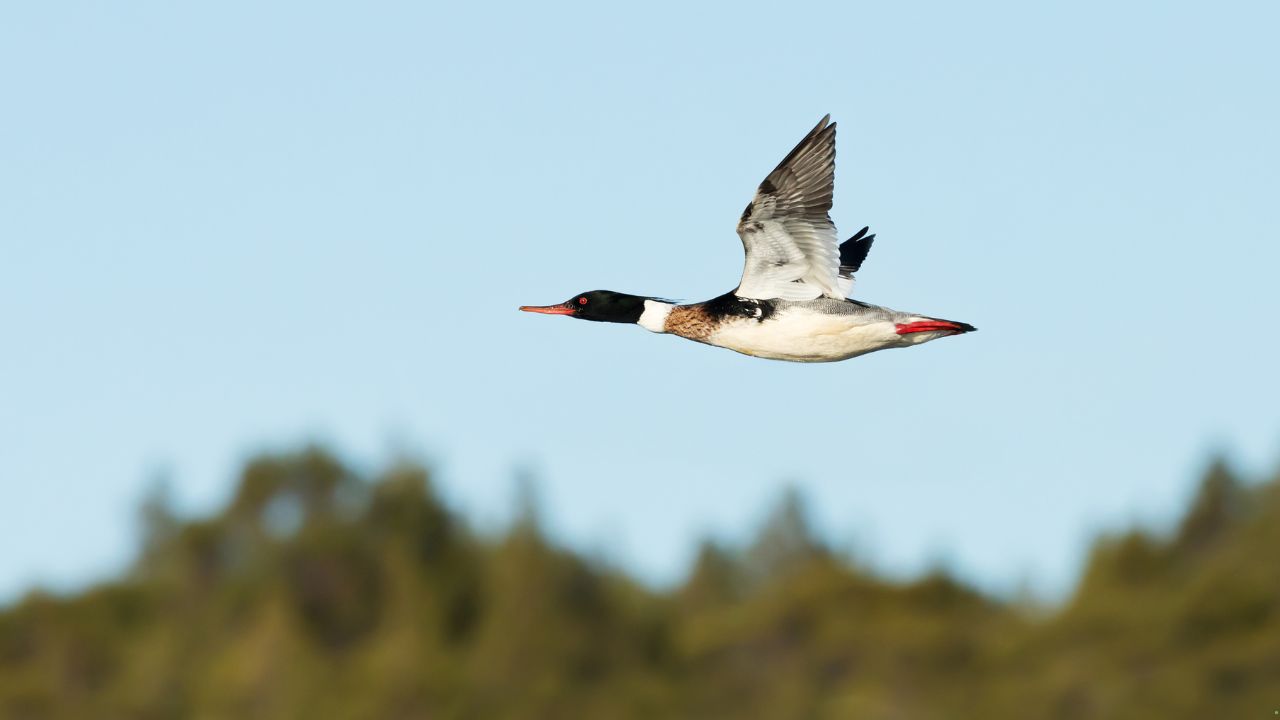
Speed is one of nature’s most exciting talents — and when it comes to flying creatures, some birds are absolute champions of velocity. These incredible fliers don’t just glide around; they race through the air with astonishing speed, using it to catch food, avoid danger, or travel great distances.
What’s truly amazing is that some birds can reach speeds so high they outpace many land animals and even rival some human-made machines.
For example, certain birds can dive at nearly 400 kilometers per hour — faster than many cars on the highway! Their streamlined bodies and powerful wings are built perfectly for zooming through the sky with ease.
In this article, we’ll explore the world’s fastest birds — from rapid straight flights to breathtaking dives — and learn what makes these feathered speedsters some of the most impressive athletes of the natural world. Ready to discover just how fast birds can fly? Let’s take off!
Key Takeaways
Meet the Peregrine Falcon and Needletail, some of the fastest birds zooming through the sky.
See how Golden Eagles and Gyrfalcons use speed to hunt like aerial champions.
Discover fast flyers you might not expect, like the Red-breasted Merganser and Spur-winged Goose.
Dive into amazing facts about birds that race through the air with unmatched skill and power.
Birds That Are Known for Their Speed
1. Peregrine Falcon
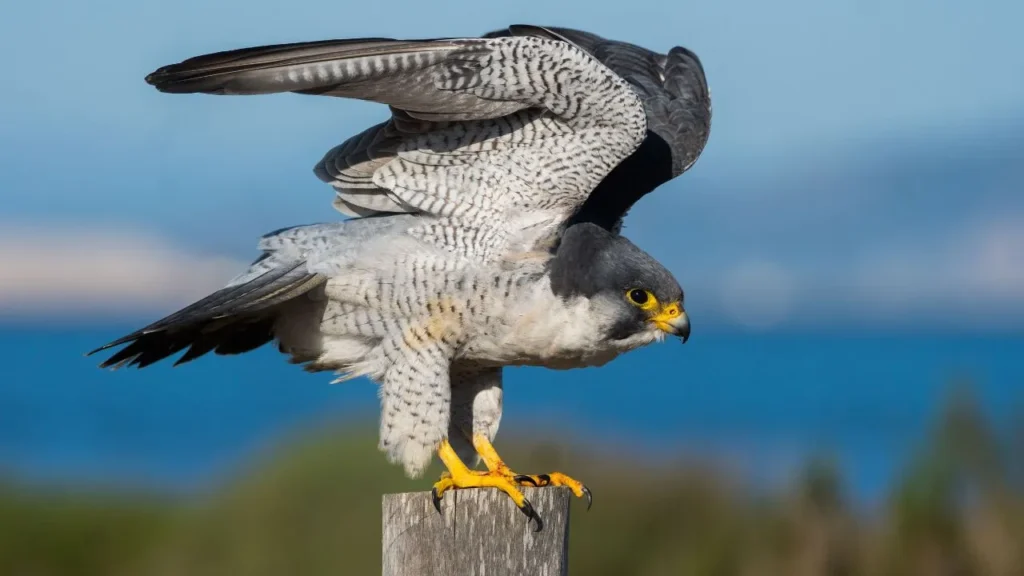
The Peregrine Falcon is famous for being the fastest animal on the planet. Known for its incredible speed and hunting skills, this bird uses a high-speed dive called a stoop to catch prey.
During these dives, it can reach speeds over 240 miles per hour (386 kilometers per hour), making it the undisputed champion of aerial speed.
What Makes the Peregrine Falcon So Fast?
Streamlined body and stiff feathers reduce air resistance.
Special nostrils control airflow to protect the lungs during high-speed dives.
It hunts mainly medium-sized birds, striking them mid-air to stun or kill.
Found all over the world except Antarctica, adapting well to cities and coastal areas.
A Stunning Comeback Story
Peregrine Falcons were nearly wiped out in eastern North America due to pesticide poisoning in the mid-20th century, according to the All About Birds.
Thanks to dedicated conservation efforts, they have made a remarkable recovery. Today, they are often seen soaring above cities and coastlines, showcasing their speed and power as true masters of the sky.
2. Golden Eagle
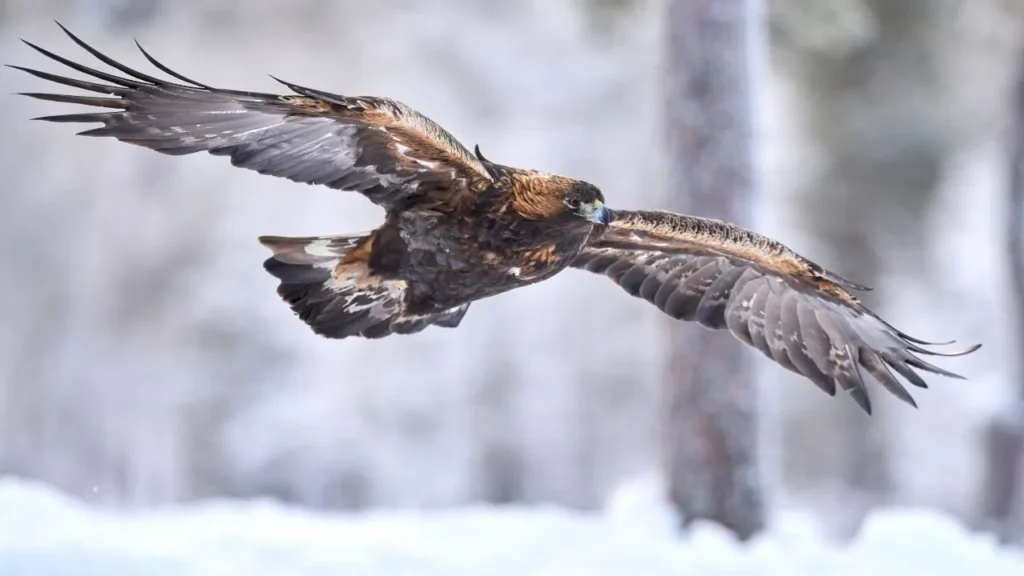
The Golden Eagle is one of the most respected and powerful birds of prey in the Northern Hemisphere. Known for its dark brown feathers and a striking golden sheen on the back of its neck, this bird is built for strength and speed. With broad wings and a long tail, it soars effortlessly, covering vast areas while searching for prey.
Speed and Hunting Style
It can dive at speeds up to 200 miles per hour (322 kilometers per hour), faster than many cars.
Uses speed both in soaring and surprise ambush attacks.
Powerful talons can exert extreme pressure to capture and kill prey.
Excellent vision helps maintain steady speed during flight.
Symbol of Strength and Survival
Golden Eagles hold cultural importance and symbolize strength in many societies. Despite their large size, they are among the fastest birds in the world, using their speed to hunt efficiently. These birds thrive in diverse habitats, from mountains to open plains, making them true masters of the skies.
3. White-Throated Needletail Swift
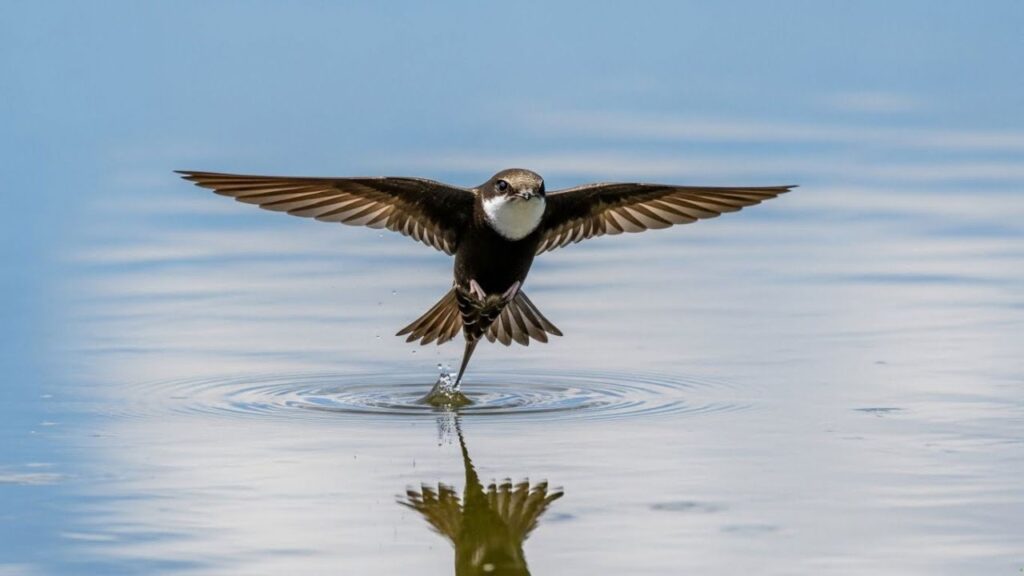
The White-throated Needletail is one of the fastest birds in level flight, reaching speeds up to 105 miles per hour (169 km/h). This swift spends most of its life flying, catching insects on the wing. Its strong, cigar-shaped body and long, curved wings help it stay fast and agile for long periods.
Key Features and Flight Habits
Named for the needle-like feathers at the end of its short, square tail.
Long, pointed wings give it a sleek, powerful flight style.
It can sleep while flying and only lands to breed and roost.
Feeds on “aerial plankton,” which means insects caught while flying.
Migration and Distribution
White-throated Needletails breed in eastern Asia and migrate in a figure-eight pattern to eastern Australia. They prefer rocky hills and forests and are rare visitors to Britain and Ireland during late spring and summer. Known also as the Storm-bird, this swift is a true master of fast, sustained flight.
4. Spur-Winged Goose
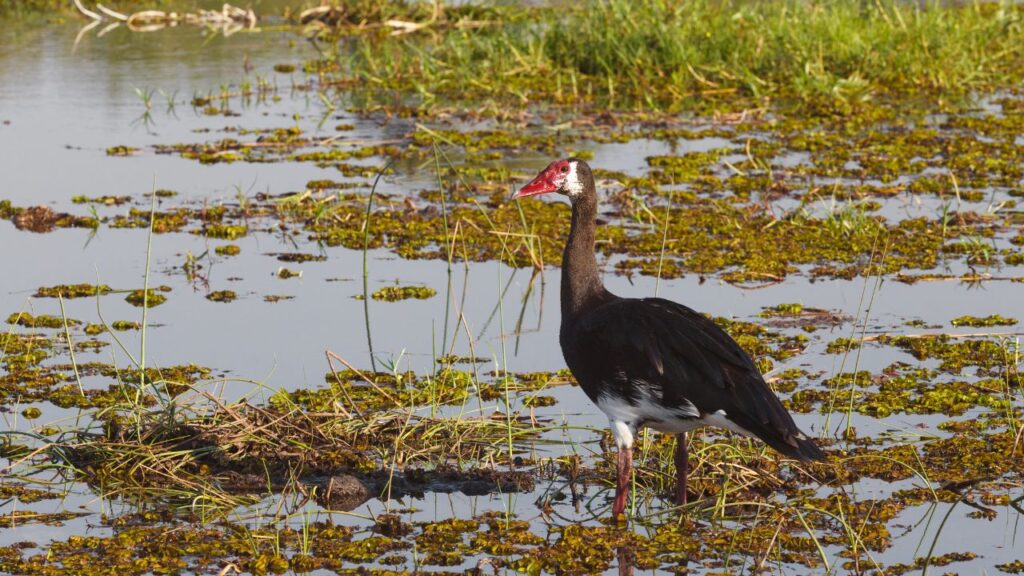
The Spur-winged Goose is a large and striking waterfowl native to sub-Saharan Africa. It’s known for its dark plumage with bold white patches and unique bony spurs on its wings. Despite its heavy build, this goose is surprisingly fast and powerful in flight.
Speed and Flight Abilities
The fastest flying goose in the world, reaching speeds up to 88 miles per hour (142 km/h).
Strong muscles and long wings help it cover long distances between feeding and breeding areas.
Uses its sharp wing spurs for defense and dominance during social interactions.
Known to run faster than many of its prey to escape predators during migration.
Unique Traits and Habitat
Grokipedia says that Spur-winged Geese live mostly in wetlands and grasslands across Africa. They have a unique diet that includes toxic blister beetles, which make their flesh poisonous to predators.
Outside breeding season, they often form large flocks. Their combination of size and speed makes them a fascinating bird of the African skies.
5. Red-breasted Merganser
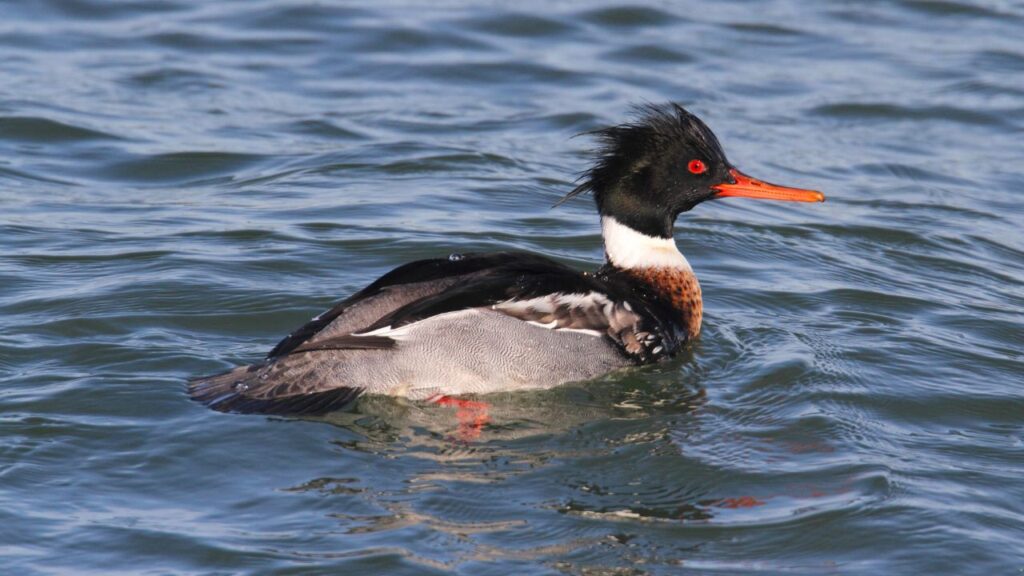
The Red-breasted Merganser is a striking diving duck known for its speed and agility. With a slender body and a distinctive shaggy crest, this bird is built for fast, low-level flight over water. Its long, serrated bill helps it catch fish with ease, making it a skilled hunter both in the air and underwater.
Speed and Flight Adaptations
It can reach speeds up to 81 miles per hour (130 kilometers per hour) during migration.
Uses rapid wingbeats to fly swiftly over lakes and coastal waters.
Hunts fish by diving underwater, propelled by powerful webbed feet.
Flies in V-formations or lines during migration for efficient long-distance travel.
Appearance and Habitat
During breeding, males show a cinnamon chest, white neck band, and greenish head, while females and non-breeding males are mostly brownish-gray.
These birds breed in freshwater lakes across North America and Eurasia and spend winters along coasts. Their speed and versatility make them excellent hunters in both air and water.
6. Grey-Headed Albatross
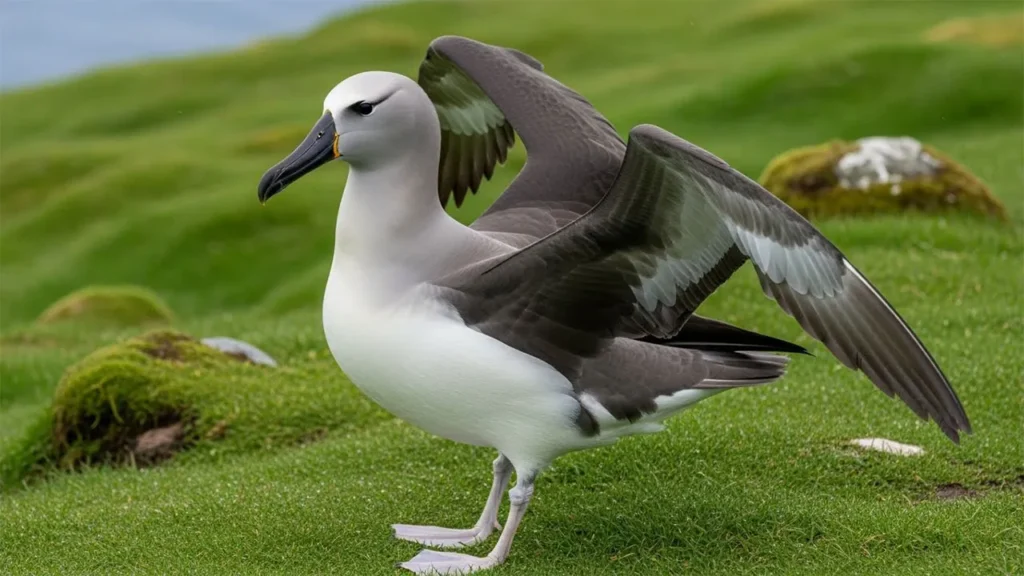
The Grey-headed Albatross is a powerful seabird known for its incredible ability to soar long distances across the Southern Ocean. It breeds on remote islands like South Georgia and the Diego Ramirez Islands. This bird rarely touches the ground and can fly thousands of miles without stopping.
Soaring with Speed and Efficiency
It can reach speeds up to 79 miles per hour (127 kilometers per hour) during flight.
Uses a technique called dynamic soaring, which exploits wind currents over ocean waves to fly fast with minimal effort.
Glides for hours without flapping its wings, saving energy on long journeys.
Feeds mainly on squid and fish, often following ships to scavenge.
Conservation and Challenges
Despite its impressive flying skills, the Grey-headed Albatross is listed as endangered, as mentioned by the RSPB.
Its population is declining rapidly, mainly due to accidental deaths in longline fishing. Conservation efforts focus on protecting their breeding sites and reducing bycatch to help this amazing speedster survive.
7. Eurasian Hobby
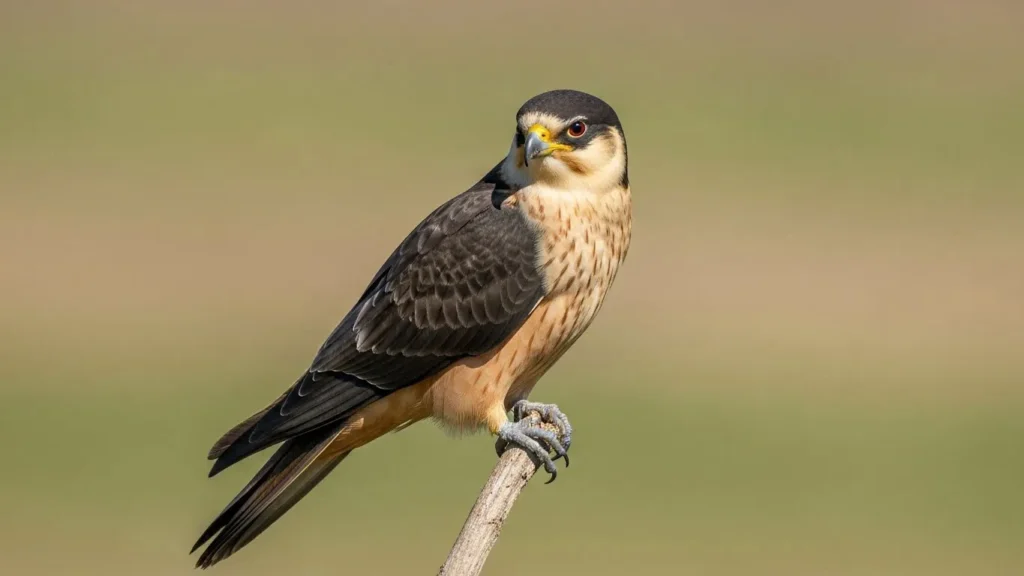
The Eurasian Hobby is a small falcon famous for its incredible speed and acrobatic flying skills. This bird is a master at catching prey mid-air, often hunting dragonflies, small birds, and even bats. Its sleek body and pointed wings help it perform sharp turns and quick maneuvers during flight.
Speed and Hunting Style
It can reach speeds up to 100 miles per hour (160 kilometers per hour).
Hunts mainly flying insects and small birds, especially at dusk.
Known for agile aerial chases, often seen pursuing swifts and swallows.
Has distinctive slate-grey upperparts and reddish “trousers” on its legs.
Migration and Behavior
Eurasian Hobbies breed across Europe and Asia. During winter, they migrate to Africa and southern Asia. Their speed and agility make them one of the most impressive aerial hunters. Watching them in flight is like seeing a skilled acrobat in the sky.
8. Canvasback Duck
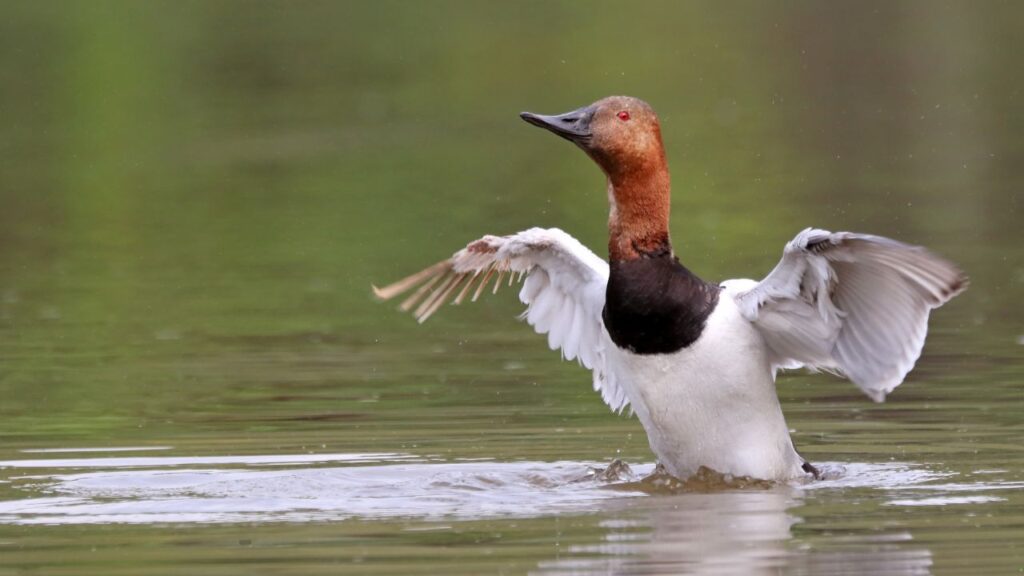
The Canvasback Duck is one of North America’s fastest waterfowl, known for its swift flight during migration. This diving duck has a streamlined body that helps it glide smoothly through air and water. Its distinctive sloping forehead and long bill give it a unique profile.
Flight and Feeding Habits
It can reach speeds of up to 72 miles per hour during migration.
Flies quickly between breeding grounds in prairie marshes and wintering spots in saltwater bays.
Dives underwater to feed mainly on wild celery roots and other aquatic plants.
The male has a white body with a red head and neck during the breeding season, making it easy to spot.
Habitat and Behavior
Canvasbacks prefer large bodies of water rich in submerged vegetation. They breed in northwestern North America and winter along coasts from Canada to Mexico. Their impressive speed and agility make them respected among waterfowl and sportsmen alike.
9. Gyrfalcon
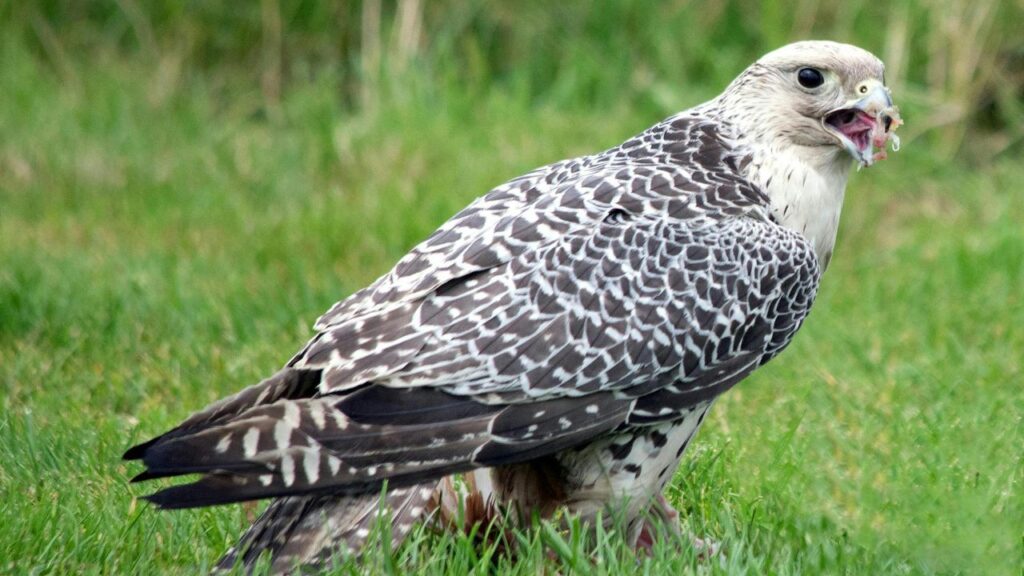
The Gyrfalcon is the largest falcon in the world and one of the fastest birds in flight. It lives in the harsh Arctic and sub-Arctic regions of Northern Canada and Alaska. Known for its power and endurance, this bird is a top predator in open tundra landscapes.
Speed and Hunting Strength
It can reach speeds up to 90 miles per hour (145 kilometers per hour) in level flight and even faster when diving.
Uses its aerodynamic body and long tail to chase prey over long distances.
Hunts mainly ptarmigan and seabirds, catching them mid-air or on the ground.
Comes in many colors, from pure white to dark gray, blending with snowy surroundings.
Conservation and Research
The Gyrfalcon has been studied extensively by researchers tracking its behavior, migration, and diet. Conservation efforts focus on understanding how changes in climate and prey populations affect this Arctic hunter. Historically, the Gyrfalcon was prized in falconry for its rare hunting skill and strength.
Conclusion
Birds built for speed rule the skies with unmatched power and precision. From incredibly fast divers to agile birds with acrobatic flight, their flying abilities show remarkable hunting prowess. Many species chase small mammals or large birds, while others steal food in mid-air.
Their powerful wings enable them to reach maximum speed, glide across tropical and subtropical oceans, and migrate long distances between breeding and feeding areas. These efficient hunters rely on unique flight patterns and breathtaking hunting dives to survive in challenging environments.
Yet even these masters of aerial superiority face real threats. Habitat loss affects species from sea level wetlands to snowy landscapes in the northern regions. Changes in climate and prey availability disrupt their courtship displays, migration routes, and daily survival. Still, their speed and skill continue to inspire, reminding us how extraordinary the world’s fastest birds truly are.
There are other birds as well that can reach extraordinary speeds. These include the Red-Tailed Hawk, Great Horned Owl, Common Swift, Bald Eagle, and Magnificent Frigatebird.
