




Birds that hunt fish are some of the most incredible anglers in the animal kingdom. These feathered experts rely on sharp eyesight, quick reflexes, and unique skills to catch their slippery prey. Fish are a nutrient-packed meal, which is why many of these birds prefer them over other food sources.
It’s fascinating how these birds have evolved different fishing techniques — from diving deep underwater to snatching fish right off the surface — all perfectly suited to their environment.
With winter setting in, it’s the perfect season to watch these amazing fishers in action, whether they’re diving like champions or patiently waiting for the perfect catch. Let’s explore what makes these birds the true masters of fishing in the wild!
Key Takeaways
Meet expert fishers like the osprey, kingfisher, and pelican with jaw-dropping fishing skills.
See how these birds dive, swoop, and stalk to catch their slippery meals.
Discover where to spot great blue herons, bald eagles, and more in action this winter.
Find out what makes these birds the ultimate hunters of watery worlds.
Birds That Are Expert Fishers
1. Osprey
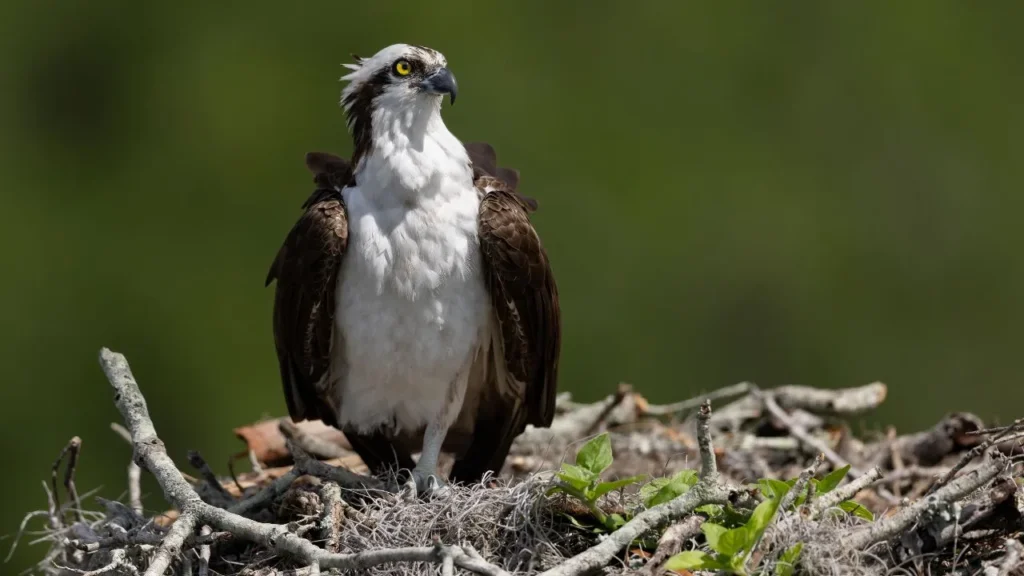
The osprey is one of the most skilled fishers in the bird world. Often called the “Fish Hawk,” as per the National Wildlife Federation, this raptor is specially adapted to catch fish, which make up nearly their entire diet. You can spot them soaring above lakes, rivers, and coasts, scanning the water for their next meal.
They prefer to nest in tall trees or on man-made structures like telephone poles or channel markers. While ospreys live in both cities and rural areas, they are more common in quieter, less developed places near water.
What makes the osprey stand out is its unique look and fishing style. From below, you’ll notice its white underside and a distinct bend in its narrow wings. Its body is mostly dark brown on top, with white on the breast and head, and some brown streaks on the face.
This makes it easy to identify even from a distance. They have also earned nicknames like sea hawk and river hawk because of their fishing skills and habitats.
Here are a few quick facts about osprey fishing habits and habitat:
Ospreys catch a wide variety of fish, including American gizzard shad, bullheads, flounders, mullets, smelts, and suckers.
They have a global presence, found on every continent except Antarctica, making them one of the most widely distributed fish-eating birds.
Their diet is almost entirely fish, and they are known to dive gracefully into water to snatch their prey with sharp talons.
2. Kingfisher
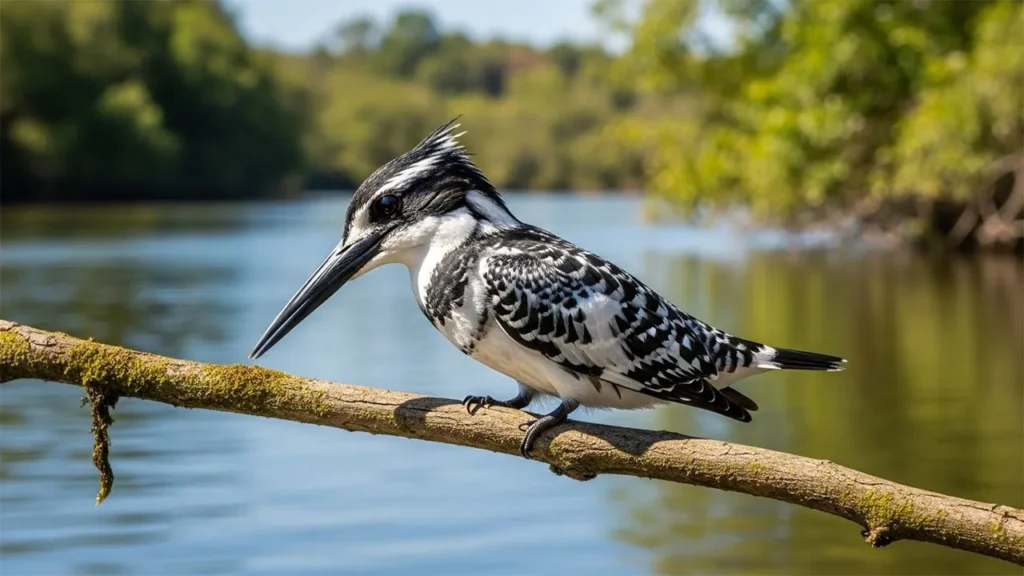
Kingfishers are some of the most striking and skilled fishers in the bird world. Known for their bright blue and orange feathers, these birds are famous for their spectacular dives into water to catch fish.
Whether it’s the Belted Kingfisher in North America or the Common Kingfisher in Europe, these birds move with speed, grace, and sharp focus, making them true fishing experts.
Kingfishers hunt by sitting quietly on low branches over water. When they spot a small fish near the surface, they plunge straight down with amazing precision.
Young kingfishers must learn to adjust for water refraction, which can make fish appear in the wrong spot—a tricky skill that takes practice. Their large heads and sharp bills are perfectly designed for catching slippery prey.
Here are some quick facts about kingfishers and their fishing habits:
They mainly eat small fish like minnows, sticklebacks, roach, and trout.
Kingfishers are found worldwide, mostly in tropical forests but also near calm rivers and streams in Europe and the Americas.
They build burrow-like nests close to water, choosing spots that help them fish easily.
3. Pelican
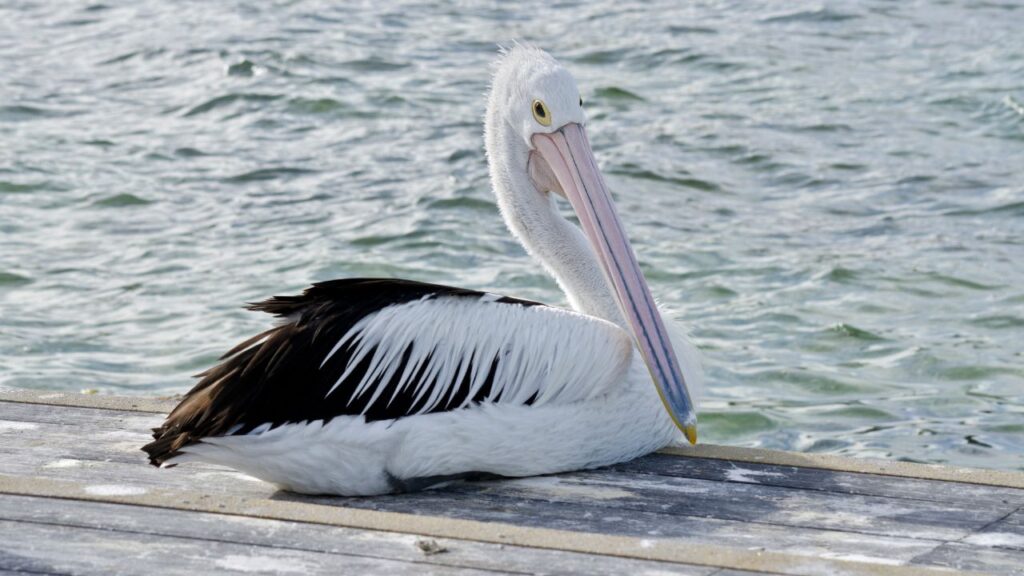
Pelicans are some of the most recognizable fish-eating birds, famous for their large, stretchy throat pouches.
These birds live in wetlands, coastal areas, and rivers across North America, South America, and Australia. Their distinctive build and unique bills have made them a symbol in art and culture for centuries.
Pelicans are impressive eaters, often consuming large amounts of fish daily. They scoop up fish using their elastic pouches and drain out the water before swallowing their catch.
Interestingly, pelicans can also fly at surprisingly high altitudes, showcasing their strong and graceful flying skills.
Here are some quick facts about pelicans and their fishing habits:
They feed on a variety of fish, including catfish, carp, minnows, perch, salmon, shiners, and trout.
Their bills, throat pouches, and facial skin brighten in color during the breeding season.
Conservation efforts work to protect species such as the Dalmatian pelican across Europe by improving habitats and reducing threats.
4. Cormorant
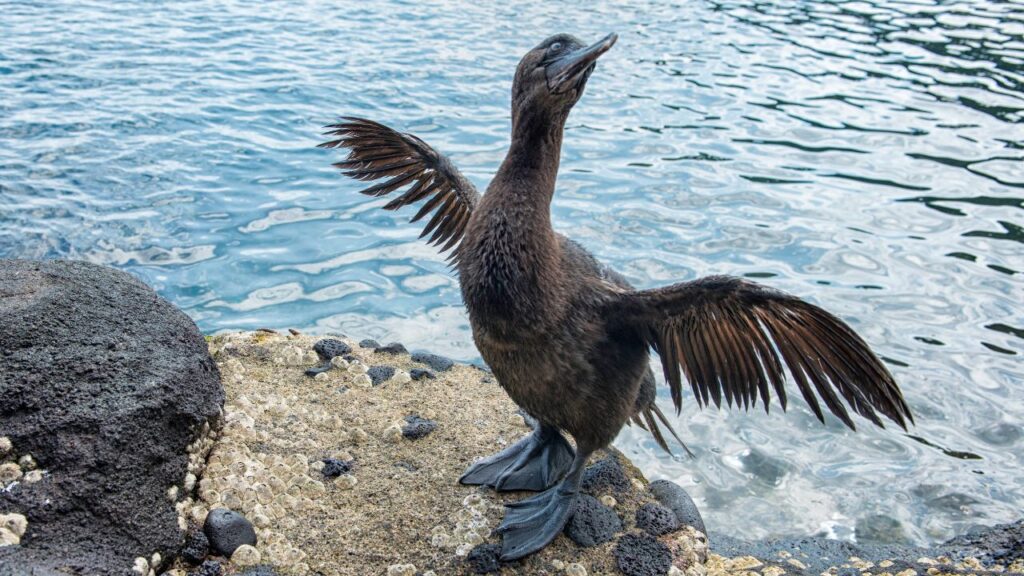
Cormorants are expert fishers known for their long, slender necks and hooked beaks—perfect tools for catching slippery fish. Cornell Lab mentions that they have webbed feet that help them swim and dive with ease. These birds live in both freshwater and saltwater habitats worldwide, including lakes, rivers, and coastal areas.
The great cormorant, also called the black shag or large cormorant, is widespread across many regions. You can find it in parts of the United States, Europe, Africa, Asia, and Australia.
Their shiny black feathers and yellow throat patches make them easy to spot near the water. Cormorants are famous for diving deep and chasing fish underwater, often hunting near the bottom of lakes and rivers.
Here are some quick facts about cormorants and their fishing style:
They mainly feed on fish like wrasses, common soles, flathead, and sand smelt.
Cormorants use their strong webbed feet to chase fish underwater.
In some cultures, cormorants have even been trained to help with fishing.
5. Great Blue Heron
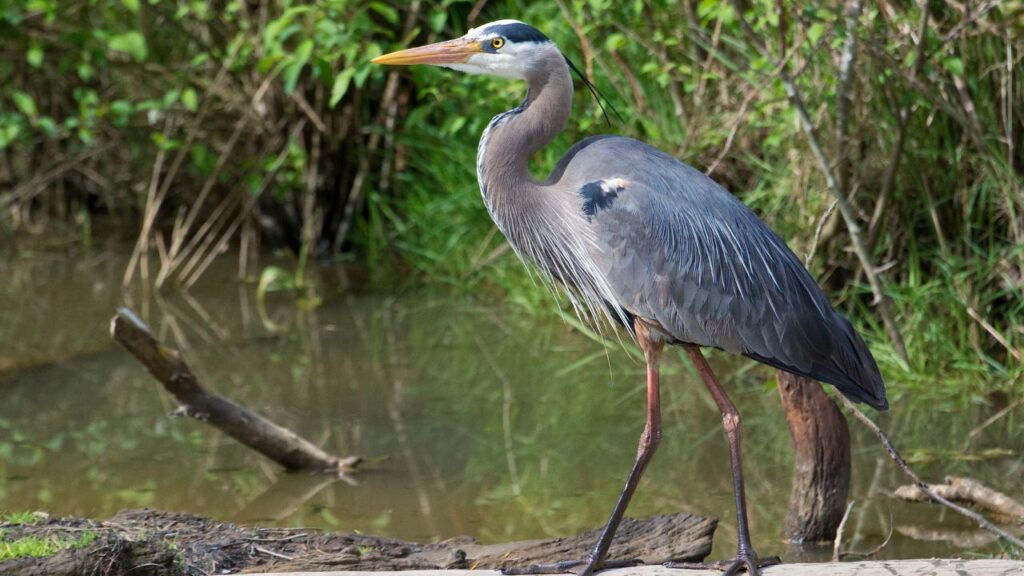
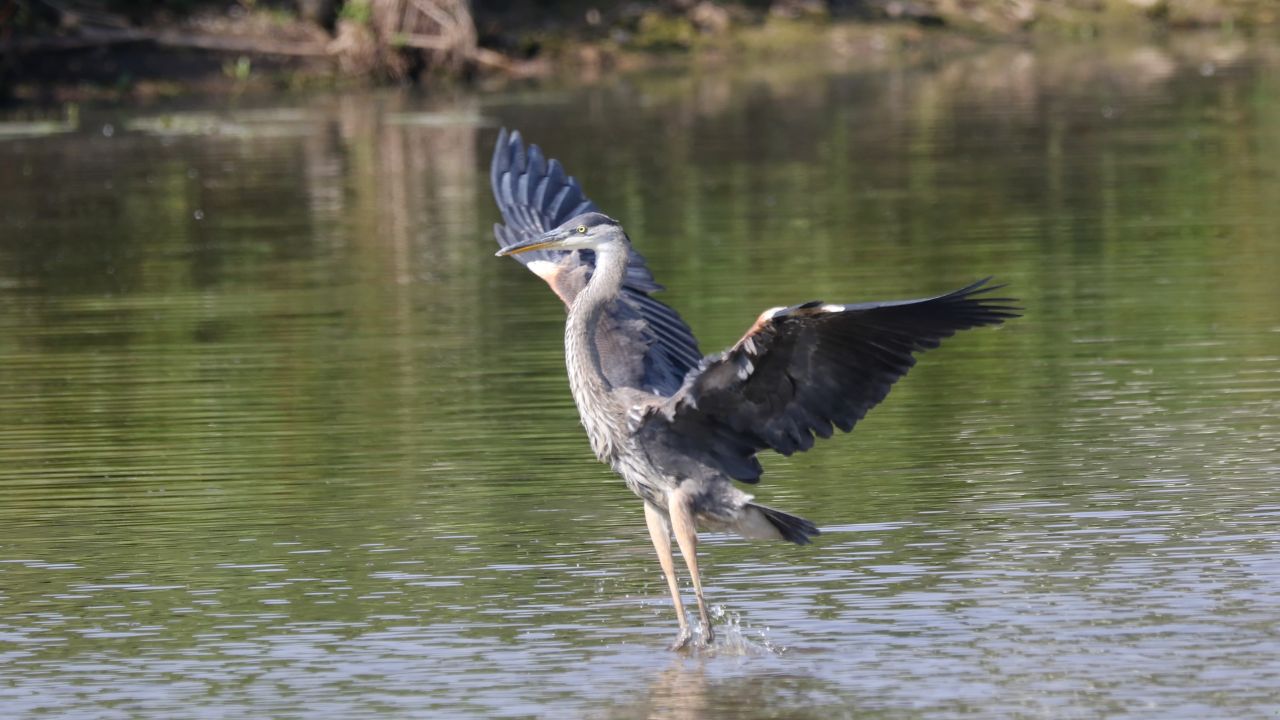
The Great Blue Heron is a majestic wading bird found throughout North America and beyond. Known for its graceful stance and long, serpentine neck, this bird is a true master of fishing.
Often spotted standing still by the water’s edge, it waits patiently and focuses intensely, ready to strike its prey with lightning speed. Locals sometimes call it “Ol’ Cranky” because of its loud, raucous call when disturbed.
This bird prefers wetland habitats such as lakes, marshes, and streams. Its blue-gray feathers and white-and-black markings make it easy to recognize.
The Great Blue Heron’s long, sharp bill is perfect for catching a variety of fish and other prey. They are often seen moving slowly and deliberately through shallow water, carefully stalking their next meal.
Here’s what the Great Blue Heron usually eats and where it can be found:
Feeds on bass, flounders, gunnels, perch, sculpin, smelt, sticklebacks, and more.
Found across North and Central America, the Caribbean, the Galápagos Islands, and parts of South America.
Known for its slow wingbeats and tucked-in neck when flying, it makes a striking sight.
6. Bald Eagle
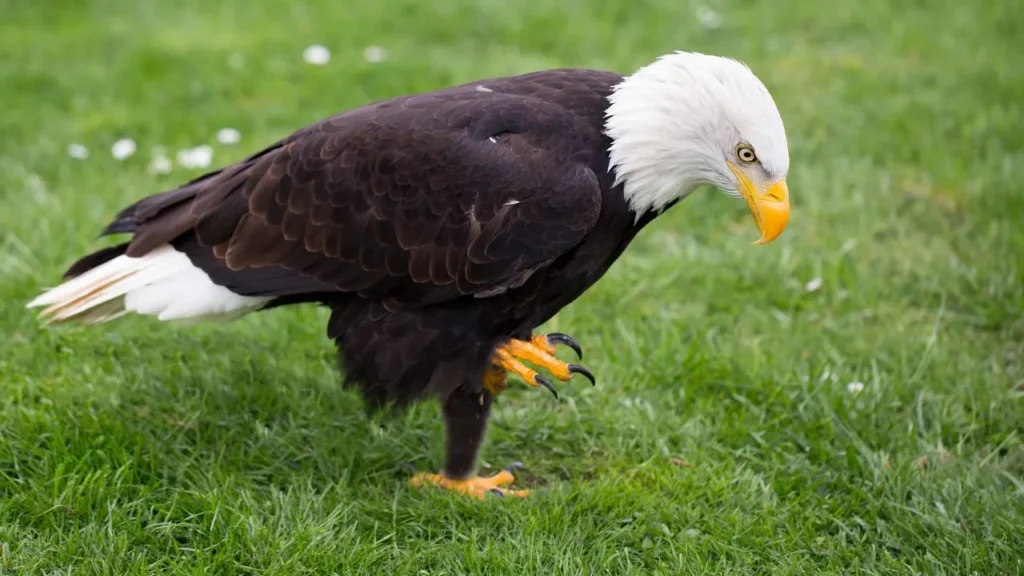
The Bald Eagle is one of North America’s most iconic fish-eating birds. Known for its striking white head and dark brown body, this powerful bird lives near rivers, lakes, and coasts where fish are plentiful.
It’s not actually bald—the name comes from the Old English word “balde,” meaning white, as mentioned by National Geographic. As the national bird of the United States, the Bald Eagle is both a symbol of strength and a skilled hunter.
Bald Eagles mainly feed on fish like salmon and trout, which they catch with impressive speed and precision. These eagles soar high above the water, using their sharp eyesight to spot prey from great distances. They dive down and snatch fish with their strong talons.
Though once endangered due to pesticides and hunting, Bald Eagle populations have bounced back thanks to conservation efforts.
Here are some quick facts about Bald Eagles:
They live near open water across Alaska, Canada, and parts of the United States.
Bald Eagles have yellow beaks, eyes, and feet that help them catch and carry fish.
They are known to soar alone, chase other birds for food, and gather in large groups during winter.
7. Common Tern
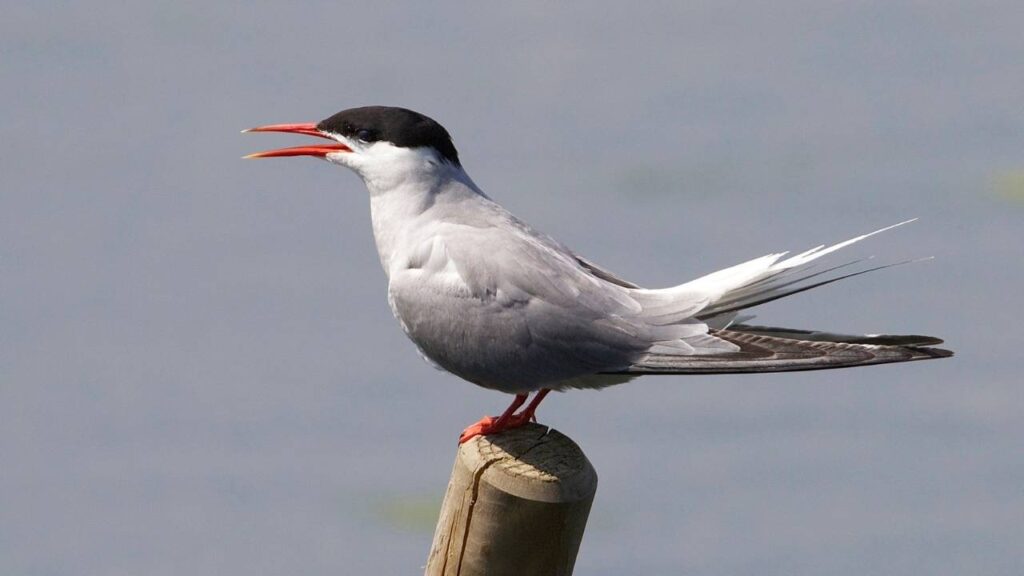
The Common Tern is a migratory seabird found along coasts, wetlands, and islands across North America, Europe, and Asia.
Known for its striking black cap, gray wings, and sharp orange-to-black bill, this bird is a true expert at fishing. During the breeding season, they gather in large, noisy colonies near water, making for quite a spectacle.
Common Terns are famous for their graceful flight and precise plunge-dives. They hunt by swooping down to catch fish just below the water’s surface.
These social birds often fish and nest in groups, showing impressive teamwork. When winter comes, they migrate to warmer coastal regions as far south as South America, Africa, and Australia.
Here are some quick facts about the Common Tern’s fishing habits and habitat:
They mainly eat fish like boarfish, bluejack mackerel, lanternfish, and trumpet fish.
Common Terns nest in large colonies near coasts, reservoirs, and lakes.
Their long, angular wings and sleek bodies help them hover and dive with precision.
Conclusion
Birds that are expert fishers have amazing adaptations like hooked talons, large feet, and long bills that help them grab slippery prey with precision. From using their diving feet to chasing fish for half an hour or more, these birds are built to capture their meals in the perfect moment.
Even insects and snakes can’t escape their sharp senses and quick moves. Many have unique features like a third eyelid to protect their eyes underwater or long legs to wade patiently as they hunt.
For centuries, male and female birds have relied on these skills since long ago to survive and thrive. In late spring and beyond, you might suddenly hear the splash of a bird diving or see a lucky catch near a quiet post where ducks rest.
Their coarse feathers and strong bodies allow them to move through air and water with ease. These expert fishers remind us how nature’s design can be both simple and brilliant, making every moment a thrilling chase for survival.
